Pictures are taken from various sources for spreading knowledge.
this is a non- commercial blog. Thanks for your great
சுமார் 60 ஆண்டுகள் உருண்டோடிவிட்டன; மதுரையில் நடந்த மதுரமான நிகழ்ச்சிகள் நினைவுக்கு வருகின்றன. இப்போதெல்லாம் அப்படி நடக்கின்றனவா என்று தெரியவில்லை. குறிப்பாக கடந்த இரண்டு ஆண்டுகளாக உலகமே சீன வைரஸ் தாக்குதலில் இருப்பதால் இப்போது நடக்கவும் வாய்ப்புகள் குறைவு.
மதுரையில் எங்கள் காலத்தில் இருந்த பல நிறுவனங்கள் அழிந்து விட்டன.
முதலில் திருப்பாவையில் துவங்குகிறேன் .
மதுரையில் இருவர் தங்கள் வாழ்க்கையையே திருப்பாவையைப் பரப்புவதற்கு அர்ப்பணித்து இருந்தனர். ஒருவர் திருமதி ராஜம்மாள் சுந்தரராஜன்; மற்றொருவர் திருமதி சீதாலெட்சுமி பாலகிருஷ்ண ஐயங்கார். .
ராஜம்மாள் சுந்தரராஜன் மறைவுக்குப் பின்னர் அவரது வலது கையாக விளங்கிய விசாலாக்ஷி பாவைப் பாடல்களைப் பரப்பினார். அதே போல திருமதி சீதாலெட்சுமிக்குப் பிறகு அவருடைய புதல்வி பத்மாசனி திருப்பாவையைப் பரப்பினார்.
ஒவ்வொரு ஆண்டும் காஞ்சி சங்கராச்சாரியார் , திருப்பாவை முப்பதையும் ஒப்பிப்போருக்கு வெள்ளிக் காசுகளைக் கொடுத்தனுப்புவார். மாயவரத்தைச் சேர்ந்த திரு ராமமூர்த்தி, மடத்தின் பிரதிநிதி. அவர் எங்கள் வீட்டில் உணவருந்திவிட்டு திருப்பாவைப் பள்ளிகளுக்குச் செல்லுவார். நாங்கள் அந்த வெள்ளிக்காசுகளைக் காட்டச் சொல்லி வியப்புடன் பார்ப்போம். என் தங்கையும் எதாவது ஒரு திருப்பாவைப் பள்ளிக்கு 30 நாட்களும் செல்லுவார்.
திருமதி ராஜம்மாள் சுந்தரராஜன் ஏராளமான கல்லூரி மாணவிகளையும் கவர்ந்து இழுத்தார். அவர் செய்த நாட்டிய நாடகங்கள் இதற்கு ஒரு கரணம். அந்தக்காலத்தில் வத்சலாபாய் என்ற பள்ளிக்கூட பஸ், பணக்கார வீட்டுப் பெண்களை பஸ்ஸில் ஏற்றிச் செல்லும். அந்த பஸ்ஸில் வார விடுமுறை நாட்களில் பல ஊர்களுக்குச் சென்று அடியார்களின் வாழ்க்கை வரலாறுகளை நாட்டிய நாடகமாக நடத்திக் காண்பித்தனர். எங்கள் குடும்பத்தினரையும் அழைத்துச் செல்லுவார்கள். அவர்களுடைய நாட்டிய நாடகங்களுக்கு நல்ல வரவேற்பு கிடைத்தது. பழனி, தாராபுரம், உடுமலைப் பேட்டை முதலிய இடங்களுக்குத் சென்ற பயணம் இன்றும் நினைவில் நிற்கிறது.
கட்டுரைக்குத் தலைப்பு “மார்கழித் திங்கள், மடி நிறையப் பொங்கல்” என்று கொடுத்தற்குக் காரணம் எல்லா நாட்களும் நெய் ஒழுகும் பொங்கல், தொன்னையில் கிடைக்கும். திருப்பா வைக்காக வராவிட்டாலும் பொங்கலுக்காக வரும் கூட்டம் கொஞ்சம் இருக்கும். கூடாரை வெல்லும் சீர் கோவிந்தா – பாடல் அன்று ‘நெய்யில் மிதக்கும்’ சர்க்கரைப் பொங்கலும் கிடைக்கும்.
மதுரை தானப்ப முதலீத் தெரு டிரஸ்ட் ஹவுஸில் பிரம்மாண்டமான அண்டாக்களில் பொங்கல் வடிப்பர்.
இது தவிர நாங்கள் வசித்த வடக்குமாசி வீதியில் யாதவர்கள் திறம்பட நிர்வகித்த கிருஷ்ணன் கோவில் இருந்தது. அதிகாலை 4-30 மணி முதல் திருப்பாவை மற்றும் பக்திப் பாடல்கள் ஒலி பெருக்கி மூலம் வரும். இந்தப் பாட்டு வந்தால் இத்தனை மணி என்று கடிகாரத்தைப் பார்க்காமலேயே தெரிந்து கொள்ளும் அளவுக்கு கண கச்சித ஒலிபரப்பு .
இது தவிர மீனாட்சி கோவிலில் திருவெம்பாவை, தேவாரப் பாடல்களை ஓதுவார்கள் பாடுவார்கள். நட ராஜர் முன்னிலையில் அதிகாலையில் ஞானப் பால் என்ற சுவைமிகு ஏலக்காய், கிராம்பு போட்ட பால் விநியோகிப்பர். ஆளுக்கு ஒரு உத்தரணி தான்; அதற்கு நீண்ட க்யூ வரிசை. ஆனால் என் தாய் தந்தையர் செய்த புண்ணியம் எங்களுக்கு மட்டும் கோவில் பேஷ்கார் ஒரு பாட்டிலில் தனியாகக் கொடுத்து விடுவார் . எனது தந்தை தினமணிப் பத்திரிகையில் விரிவான ஆன்மீகச் செய்திகளை வெளியிடுவதால் இந்த சிறப்புக் கவனிப்பு..
அந்தக் காலத்தில் ஆன்மீகச் செய்திகளை வெளியிட்டால் அது இளப்பமான விஷயம். ஹிந்து என்ற பெயர்கொண்ட பத்திரிகை கூட கடைசி பக்கத்தில் மூன்று அங்குலத்துக்கு செய்தி போடுவார்கள்; என் தந்தை வே. சந்தானம் அந்த மரபுகளை உடைத்து எறிந்து முதல் பக்கத்தில் தெய்வீக செய்தி வெளியிடுவார். தினமணியின் ‘இன்றைய நிகழ்ச்சி’யைப் பார்த்தால் அன்றைய தினம் மதுரையில் நடக்கும் அத்தனை நல்ல விஷயங்களும் கிடைத்துவிடும்.
இது தவிர மேலும் ஒரு நிகழ்ச்சி –அதி காலை 4 மணிக்கு பஜனைப் பாடல்களைப் பாடிக்கொண்டு 4 மாசி வீதிகளும் மார்கழி மாதம் முழுதும் அன்பர்கள் வீதி உலா வருவர் . இவ்வாறு இரண்டு மூன்று குழுக்கள் செய்ததாக ஞாபகம். அதில் சில நாட்கள் தந்தையுடன் நானும் சகோதரர்களும் கலந்து கொண்டோம்.
மாதத்தில் ஒரு முறை திருப்பாவை ஊர்வலம் பெரிய அளவில் நடத்தப்படும். இவை தவிர, ந. சீ. சுந்தரராமன் நடத்திய தேவாரப்பள்ளி , திருப்புகழ் தியாகராஜன் நடத்திய திருப்புகழ் சபை, வானமாமலை சகோதரர்கள் நடத்திய தெய்வ நெறிக் கழகம் , மொட்டைக் கோபுர பூசாரி யாழ்கீத சுந்தரம்பிள்ளை நடத்திய பூஜை, மற்றும் கார்த்திகை மாத சங்காபிஷேகம் ஆகியன மதுரையின் தெய்வீக மனத்தை அதிகரித்தன.
மதுரையில் இருந்த 3,4 வேத பாடசாலைகள், தமிழையுயும் ஸம்ஸ்க்ரு தத்தையும் இரு கண்களாகப் பரப்பி வந்த ராமேஸ்வரம் வேத பாடசாலை, வாரத்தில் இரு முறை திலகர் திடலில் நடந்த புகழ்மிகு பிரம்மாண்ட வார சந்தைகள் . புகழ் மிகு ‘பூ மார்க்கெட்’ ஆகியன எல்லாம் அரசியல்வாதிகளால் அழிக்கப்பட்டுவிட்டன. ‘பவதி பிட்சாம் தேஹி’ என்று வீட்டு வாசலில் உச்சுக் குடுமி தாங்கிய சிறுவர்கள் வந்து பிக்ஷை பெற் றதெல்லாம் பொய்யாய்ப் பழங்கதையாய்ப் போய்விட்டன.
Pictures are taken from various sources for spreading knowledge.
this is a non- commercial blog. Thanks for your great pictures.
tamilandvedas.com, swamiindology.blogspot.com
Let us continue our detailed analysis of Hymn to Earth (Bhumi Sukta) in the Atharvana Veda (AV)
This is part 2 of Bhumi Sukta Commentary by me
I suggested that it (AV. XII) should be made compulsory to all students in the world. It has a message to appreciate and preserve Mother Earth. Through out the Vedas we see Earth praised as Mother. Greeks stole this idea from us (Gaia). Europe has to wait for 3000 years to get a Wordsworth, but Hindus have not only Bhumi Sukta but also beautiful description of Nature in the oldest book on Earth, the Rig Veda (RV-dated between 4000 and 6000 BCE by B G Tilak and Herman Jacobi). Professor Wilson and Winternitz placed it before 2000 BCE.
Wordsworth began his famous poem on Daffodils with the lines
I wandered lonely as a cloud
That floats on high o’ervales and hills
He followed AV in many respects. AV Bhumi Sukta has the lines in its Second Stanza or Mantra
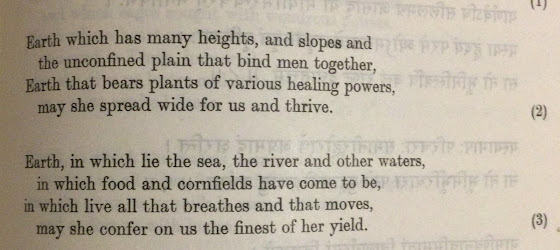
Earth which has many heights, and slopes and
The unconfined plain that binds men together,
Earth that bears plants of various healing powers
May she spread wide for us and thrive.
(Heights and Slopes= Mountains and Valleys; plants with healing powers= Oshadi in Sanskrit)
Origin of Ayurveda is in the RV which even speaks about 107 different herbs. Here we come across Oshadi. We have a proof to support our views. Hanuman brought the Sanjeevini Parvath from the North to Sri Lanka in the South several thousand years ago. The Parvath/Hill full of herbs revived Lakshmana. So we have practical application of herbal treatment in the Hindu Epic Ramayana.
Another Sanskrit word ‘Maanavaanaam’ in the second stanza is worth of our notice. No one can speak English or Tamil without a Sanskrit word even for five minutes. Word MAN is derived from he first man of earth after the Great Deluge, Manu.
This raises another interesting point. Manu and his descendants are mentioned in the Rig Veda itself. So the Great Deluge mentioned in all religious books happened before the Rig Veda.
xxx
Let us move to Stanza 3
Earth, in which lie the sea , the river and other waters,
In which food and cornfields have come to be,
In which live all that breathes and that moves,
May she confer on us the finest of her yield.
There are very important words in this third stanza or mantra. Please note the word US. Throughout the Vedas, Hindus pray for the entire humanity. They always say ‘we’ or ‘us’ instead of ‘I’. They prayed in groups. The WE comprise all the four castes which we see in the famous Purusha sukta hymn of RV (10-90)
That is the reason for Indian kings donating vast lands to Brahmins through out South Asia. We see it even in the Mulavarman Inscription of Indonesia. Tamil kings donated huge lands to Brahmins for cultivation
The second point is the geographical knowledge of Vedic Hindus. Earth is always mentioned with the epithet circled with ocean waters or ‘Ocean Dress worn by Mother Earth’. Tamils also followed this in their poems.
Two other points in this stanza are noticeable. Max Muller gang and Marxist gang wrote that Aryans were nomads. But here and in the RV, we see very clear reference to cultivation of food plants and praying for abundant yields. Another matter is talking about all living beings. We see the words Flora and Fauna of every country in the encyclopaedias. In the Second stanza, Flora is mentioned and in the third stanza Fauna is mentioned. Hindus are always conscious of these two things. They always prayed for all living beings. This view is reflected until modern days in the poems o he greatest Tamil poet of modern era Bharatiyar and his predecessor Vallalar Ramalinga Swamikal.
Bharati said that Crows and swallows are our own kins; Vast Ocean and Hills belong to our own group. Vallalar said that he withers away whenever he saw withering plants. There we see the continuity and unity in thought from the Vedic days.
The crow and sparrow our kin;
One with us mountain and sea
Wherever we glance ourselves a – dance
In a whirl of ecstasy – Subrahmanya Bharati
Sanskrit words Samudra, Sindhu, Annam, Prana and Bhumi are all known to all Indians. That shows Sanskrit is a living language. In the very first mantra we already saw (in this first part of the article) common words such as Sathya, Rta, Tapa, Brahma, Yajna and Deeksha.
From time immemorial people of India worship God as Nadha Brahmam and Music Divine.
The great sage, Maharishi Narada is an expert in Veena, a divine instrument.
In Carnatic music concerts, Mridangam instrument is an accompaniment. The great epics Ramayana and Mahabharata indicate that this instrument was used whenever an auspicious occasion arises such as victory in war, Marriage functions etc.
This book on Mridangam and the Mridangam artists is very informative and interesting.
The writer Dr K. Thiagarajan of Madurai, Tamilnadu, India started his training at the age of thirteen. He was awarded Ph.D from Madurai Kamarajar University and now working as an associate professor in Madurai Sri Sadguru Sangeetha Vidyalaya.
The book has thirteen interesting chapters enumerating famous Mridanga Artists who usually called as Mridanga Vidwans. It is very interesting to note that there are eleven syllables handeled in Mridangam and this book gives details about eleven artists.
Pudukkottai Dakshninamuruthy Pillai, Thanjavur Vaidyanatha Iyer, Pazhani Subramanya Pillai, Palakkaad Mani Iyer, Ramanathapuram C.S. Murugabhoopathi, Thanjavur T.K.Murthi, Madurai D.Ramasamy Iyengar, Madurai T.Srinivasan, Umayalpuram K.Sivaraman, Trichy Sankaran, Karaikudi R. Mani are eleven well known vidwans in this field.
About each artist, the author gives full details regarding birth, education, his services, his innovative special and new style etc.
This book also gives a narrative as how Mridangam is being manufactured. This consist of many stages and methods. The main body of Mridangam is made of a wood and the right and left side of Mridagnam is tied by stripes made out of hides of buffalo, goat and cow.
The black round shaped spot on the right side of it is made of one particular type of stone called ‘Kittan Kal’ powder mixed with cooked rice. The left side of it is called ‘Thoppi’.
This instrument is considered as the life of music. There are several techniques to conserve this divine instrument.
There are some interesting details about this instrument. The woods used for this is obtained from land. The left side should always kept moist for which water is used. The right side should always be maintained above the room temperature- fire. The hollow space of it is compared to sky. And as the playing techniques involve air pressure we have air too. This means we have all the five elments namely earth, water, fire, sky and air in Mridangam and hence this is called as “Pancha Bhooda Vadyam” which means an instrument consisting of Five Elements.
The new age of technology brought new design techniques and Mridangam is being manufactured with the help of modern machines and latest materials, now.
The author deserves our appreciation for bringing out such a wonderful book with full of details.
We find a fitting foreword also by Dr Latha Varma, The principal of Sri Sadguru Sangeetha Vidayala.
After going through all the details one may agree with the author that this instrument is a ‘Raja Vadhyam’ which means ‘King of Instruments’.
It would be a delight for all the music lovers to have and preserve this book.
Pictures are taken from various sources for spreading knowledge.
this is a non- commercial blog. Thanks for your great pictures.
tamilandvedas.com, swamiindology.blogspot.com
AZA.VALLIYAPPA, FAMOUS TAMIL POET, HAS ADAPTED SOLOMON GRUNDY NURSERY RHYME FOR TAMIL CHILDREN . TAMIL CHILDREN CAN EASILY LEARN DAYS OF THE WEEK.
Solomon Grundy, Born on a Monday, Christened on Tuesday, Married on Wednesday, Took ill on Thursday, Grew worse on Friday, Died on Saturday, Buried on Sunday, That was the end, Of Solomon Grundy
(Please see the attachments)
Odi Vilaiyadu Pappa by Bharati
Vegetables in Tamil
Aza. Valliyappa’s Thief
tags– solomon grundy, days of the week, Aza. Valliyappa, Vegetables in Tamil, Bharati
Pictures are taken from various sources for spreading knowledge.
this is a non- commercial blog. Thanks for your great pictures.
tamilandvedas.com, swamiindology.blogspot.com
அதர்வண வேத பூமி சூக்த ஆராய்ச்சிக் கட்டுரை-2
உலகம் முழுதுமுள்ள மாணவர்களுக்கு அதர்வண வேத பூமி சூக்த துதியை கட்டாய பாடமாக வைக்கவேண்டும் ; இதில் மதத்தை விட பொதுவான (More secular than religious) இயற்கை விஷயங்களே அதிகம் உள்ளன. 3000 ஆண்டுகளுக்கு முன்னரே இந்துக்கள் இந்த பூமி பற்றி எவ்வளவு சிந்தித்துள்ளனர் என்பதை எண்ணி எண்ணி வியக்காமல் இருக்க முடியாது !
“மலை உச்சியும் பள்ளத்தாக்குகளும் நிறைந்தது இந்த பூமி; மக்களை ஒன்றிணைக்கும் சமவெளிகளை உடையது. பல்வேறு குணப்படுத்தும் மூலிகைகளை உடையது இந்த பூமி. அவள் நமக்காக பல்கிப் பெருகி விசாலம் அடைவாளாக “
இதில் முக்கியமாக கவனிக்க வேண்டியது எங்களுக்கு என்ற சொல்லாகும். வேத மந்திரங்கள் பெரும்பாலும் கூட்டுப் பிரார்த்தனை மந்திரங்கள். உலகப் புகழ் பெற்ற, நாலு வேதங்களிலும் உள்ள, காயத்ரீ மந்திரம் கூட எங்கள் அறிவினைத் தூண்டி நடத்துக என்றே வேண்டுகிறது . இதனால்தான் இமயம் முதல் குமரி வரை உள்ள மன்னர்களும் பிரபுக்களும் பிராமணர்களுக்கு வாரி வழங்கினார்கள் .
மங்கலம் என்ற பெயரில் பல தமிழ்நாட்டு ஊர்கள் உள்ளன. இவை எல்லாம் பிரம்மதேயம்; அதாவது பிராமணர்களுக்கு மன்னர்கள் அளித்த ஊர்கள். இதுதவிர வேள்விக்குடி போன்ற பெயர்களிலும் யக்ஞ பூமி என்பதைக் காணலாம். பார்ப்பனர்கள் தண்டச் சோறு தின்னவில்லை. எப்போது பார்த்தாலும் பாசிட்டிவ் எண்ணங்களைப் positive thoughts பரப்பி ‘எல்லோரும் வாழ்க’ என்று பிரார்த்தித்தனர். இந்த பூமி சூக்தமும் எல்லோருக்கும் வேண்டுவதை 63 மந்திரங்களிலும் காணலாம்.
ந: (நஹ )= எங்களுக்கு என்பது காயத்ரீ மந்திரம் மற்றும் இந்த இராண்டாவது மந்திரத்தில் வருவதைக் காண்க
மற்றொரு சொல் மனு; மனுவின் வழி வந்தவர்கள் மானவர்கள் . இன்றும் நாம் மனிதன் என்கிறோம் (மனுஷ= மனித; ஷ =த MAN )
மனுவின் பெயர் ரிக் வேதத்திலும் வருவதால் பிரளயம் ஏற்பட்ட காலம் அதற்கும் முன்னதாக இருக்க வேண்டும் . ஆங்கிலத்திலும் ஐரோப்பிய மொழிகளிலும் மேன் MAN என்று மனுவை தினமும் நினைவு கூறுகிறார்கள். இதனால் ஒன்று தெளிவாகியறது . வேத கால சொற்களை இன்று வரை புழங்குகிறோம். நாகரீகம் உடைய எவரும் சம்ஸ்க்ருதம் இல்லாமல் பேச முடியாது; தமிழர்களும் சம்ஸ்க்ருதம் இல்லாமல் ஐந்து நிமிடம் கூடப் பேச முடியாது.
ஸம்ஸ்க்ருதச் சொற்களை நீக்கினால் திருக்குறள் செத்துவிடும்; மூன்றில் ஒரு திருக்குறள் அவுட்!
ஆங்கில உலகில் இயற்கையை முன்வைத்துப் பாடிய வோர்ட்ஸ்வொர்த்தும் William Wordsworth மலை பள்ளத்தாக்குகளுடன் தன் டாபோடில்ஸ் Daffodils கவிதையைத் துவக்குகிறார்
I wandered lonely as a cloud
That floats on high o’ervales and hills
ஆயுர்வேதத்தின் துவக்கம், உலகின் பழைய நூலான ரிக் வேதத்தில் உள்ளதை பல துதிகளில் காண முடிகிறது. ஆயுர்வேத மூலிகைகளை பகிரங்கமாகப் பயன்படுத்தியதை அனுமன் சஞ்சீவி பர்வத சம்பவத்தில் காண முடிகிறது. இங்கும் 3000 ஆண்டுகளுக்கு முன்னரே மூலிகை வளரும் பூமி என்று முனிவர்- புலவர் புகழ்கிறார்
HANUMAN FLYING WITH SANJEEVINI PARVATHA IN YAGA FIRE
ஓஷதி என்ற சொல்லைக் கவனிக்கவும் ; அதிலிருந்து வருவதே நம் தமிழ் நூல்களிலும் காணும் அவுடதம்= ஒளஷதம் (ஷ= ட )
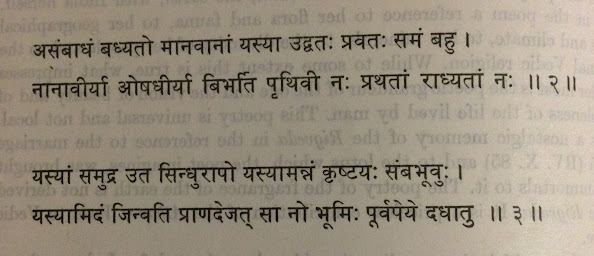
யஸ்யாமிதம் ஜின்வதி ப்ராண தேஜத் ஸா நோ பூமிஹி பூர்வபேயே ததாது
பொருள்
“ஆழி சூழ் உலகமும் நதிகளும் நீர்நிலைகளும் நிறைந்த பூமி,
எவளிடத்தில் உணவும் தானிய நிலங்களும் உள்ளதோ
எவளிடத்தில் உயிர்விடும் (சுவாசிக்கும்), நகரும் ஜீவன்கள் உள்ளனவோ
அவள் எங்களுக்கு விளைச்சளைப் பெருகி விசாலம் ஆகட்டும்”
இதிலுள்ள ‘அன்னம்’, ‘பூமி’= புவி (ம=வ), ப்ராண (பிராணன் உள்ளது பிராணி) போன்றசொற்களை நம் இன்றும் எல்லா இந்திய மொழிகளிலும் பயன்படுத்தி வருகிறோம்.
நகர கூடிய, சுவாசிக்கக்கூடிய என்ற அ ழகான சொற்களால் எல்லா உயிரினங்களையும் முனிவர் குறிப்பிடுகிறார். சென்ற மந்திரத்தில் நகராத தாவரங்களை மட்டும் கண்டோம். இந்த மந்திரத்தில் ஒரு நாட்டின் செல்வமான தாவரங்களும் பிராணிகளும் வந்துவிடுகின்றன. வேத கால இந்துக்கள் நாடோடிகள் அல்ல; விவசாயிகள்; தா னிய உழவு நிலங்களைக் குறிப்பிட்டு அமோக அறுவடைக்கும் வேண்டுவதால் பக்கா விவசாயிகள் என்பதும் தெளிவாகிறது
இதை எழுதும் போது பாரதியார் சொன்ன கடல், மலை, ஜீவராசிகள் அனைத்தும் நினைவுக்கு வரும்:-
காக்கை குருவி எங்கள் ஜாதி
நீள் கடலும் மலையும் எங்கள் கூட்டம் —
இந்த அருமையான கருத்தை 3-ஆவது மந்திரத்தில் காணலாம்.
–தொடரும்
TAGS– பூமி சூக்த ஆராய்ச்சி-2, மலை, கடல், ஓஷதி , பிராமணர்கள்
WRITTEN BY S NAGARAJAN Post No. 10,480 Date uploaded in London – – 24 DECEMBER 2021
Contact – swami_48@yahoo.com Pictures are taken from various sources for spreading knowledge; this is a non- commercial blog. Thanks for your great pictures. tamilandvedas.com, swamiindology.blogspot.com
இசையில் வித்தகக் குரலும், விரலும் : சுவையான நூல் தரும் செய்திகள்!
ச.நாகராஜன்
‘சங்கீத சௌபாக்கியமே என்றும் குன்றாத பெரும் பாக்கியமே’ என்ற அருமையான பாடல் நாம் அனைவரும் கேட்ட ஒரு பாடல். ஓசை தரும் இன்பம் உவமையிலா இன்பம் என்றார் மஹாகவி பாரதியார்.
இந்த இசையை முறைப்படி பயின்றவர்கள் மற்றவர்களுக்கு இசை வழியாகத் தரும் ஆன்மீக இன்பம் சொல்லுக்கு அப்பாற்பட்டது. இசை வாத்தியங்களோ எனில் இசை கேட்போருக்கு ஒரு புதிய உயரத்தைக் காட்டும். இத்தகைய இசைக் கலையில் மிருதங்க வித்வானாகப் பரிமளிப்பதோடு, இசை நுணுக்கங்களை ஆய்ந்து வரும் ஆய்வாளராகவும் இசைப் பேராசிரியராகவும் பல நூல்களைப் படைக்கும் எழுத்தாளராகவும் பன்முகம் கொண்டிருக்கிறார் முனைவர் மதுரை க.தியாகராஜன்.
பாரம்பரியமான இசைக் குடும்பத்தைச் சேர்ந்தவர் இவர். கஞ்சிரா வித்வான் புதுக்கோட்டை ஸ்ரீ தக்ஷிணாமூர்த்தி அவர்களின் பிரதம சீடரான காலஞ்சென்ற மிருதங்க வித்வான் திரு திருவேங்கடத்தையா அவர்களின் கொள்ளுப் பேரன் இவர். மதுரை ஸ்ரீ ஸத்குரு சங்கீத வித்யாலயம் இசைக்கல்லூரி மற்றும் ஆராய்ச்சி மையத்தில் மிருதங்க இணைப் பேராசிரியராக இப்போது பணியாற்றி வரும் இவர் பல விருதுகளைப் பெற்றுள்ளார்.
இவர் எழுதியுள்ள புத்தகம் இசையில் வித்தகக் குரலும், விரலும் என்ற இந்தப் புத்தகம்.
217 பக்கங்கள் கொண்ட இந்தப் புத்தகம் மூன்று பாகங்களைக் கொண்டுள்ளது. இசைவானின் நட்சத்திரங்கள் என்ற முதல் பாகத்தில் தியாகபிரம்மமும் பக்தர் கண்ணனும், சங்கீத பிதாமகர் செம்மங்குடி R. சீனிவாசய்யர், பதத்திற்கு T.பிருந்தா, ஸங்கீதத்திற்கு பாடுபட்டம்மாள், சங்கீத வாணி M.L. வசந்தகுமாரி,வித்துக்கலை வித்வான்களாக்கிய வித்யாலயம் என்ற ஆறு அத்தியாயங்களில் அபூர்வமான இசைக்கலைஞர்களின் அருமையையும் பெருமையையும் அறிகிறோம்.
அடுத்து ராஜவாத்யம் மிருதங்கம் என்ற பகுதியில் மிருதங்கத்தின் உற்பத்தி மற்றும் பாதுகாப்பு முறைகள், மிருதங்கம் ஒரு சிறந்த பக்க வாத்தியம், கொன்னக்கோல் மரபு, மிருதங்க வித்வான்கள் கையாண்ட புதிய பாணிகள், மிருதங்கத்தில் தகவல் தொழில் நுட்பம் மற்றும் புதிய உத்திகள் என்ற ஐந்து அத்தியாயங்களைக் காணலாம். அடுத்து இசையும் லயமும் என்ற பகுதியில் பண்களும் தாளமும், கல்வெட்டுக்களில் இசை, நாவுக்கரசர் காட்டும் முழவு, ஊத்துக்காடு வேங்கடசுப்பையர் பாடல்களில் தாளக்கூறுகள், சிதம்பர க்ஷேத்திரத்தின் இசை உருக்கள், இசையில் கணிதம், உடலின் வடிவமே இசையின் வடிவம், இசை கேட்டால் புவி அசைந்தாடும், இசையில் ‘இணைய பஞ்ச தஸ தொழில் நுட்ப மார்க்கங்கள் ஆகிய ஒன்பது அத்தியாயங்கள் பல்வேறு புதிய விவரங்களைத் தருகிறது.
56 வயதான இந்த நூலாசிரியருக்கு தியாகராஜன் என்ற பெயர் வந்ததே சங்கீதத் தொடர்பினால் தான் என்பதை முதல் அத்தியாயமே தருகிறது. இவரது தந்தையார் திரு தே. கண்ணன் தியாகராஜ ஸ்வாமிகளின் பக்தர். அவரைப் பற்றிய பல உருக்கமான செய்திகளைக் கண்டு உருகுகிறோம். தியாகபிரம்மத்தின் மேல் கொண்ட பக்தியினால் தான் இவருக்கு தியாகராஜலு என்ற பெயர் இவர் தந்தையாரால் இடப்பட்டது!
சங்கீத பிதாமகர் என்று அழைக்கப்பட்ட செம்மங்குடி சீனிவாசையர், 40 ஆண்டுகள் இணைபிரியாது கச்சேரி செய்த வீணை தனம்மாளின் பேத்திகளான ப்ருந்தா- முக்தா சகோதரிகளில் ப்ருந்தா – ஆகியோரைப் பற்றிய சுவையான வரலாற்றைத் தரும் நூலாசிரியர் D.K. பட்டம்மாளின் இசை வாழ்க்கையைப் பற்றியும் சுவையான விவரங்களுடன் விவரிக்கிறார்.
சின்னஞ்சிறு கிளியே – பாரதியாரின் பாடல். ராஜா தேசிங்கு படத்தில் இடம் பெறுகிறது இந்த பாரதியின் பாட்டு. மீண்ட சொர்க்கம் படத்தில் பாவம் ராகம் தாளம் சேர்ந்த பரதக் கலை என்ற அருமையான பாடல். இதைப் படித்தவுடன் உடனே நமது நினைவுக்கு வருபவர் சங்கீதவாணி M.L. வசந்தகுமாரி. அவரது வாழ்க்கைச் சிறப்புகள் பற்றி ஒரு அத்தியாயம் தருகிறது.
அடுத்து 1966ஆம் ஆண்டு மதுரையில் துவங்கப்பட்ட ஸ்ரீ ஸத்குரு ஸங்கீத வித்யாலயத்தின் தோற்றம், வளர்ச்சி, அது உருவாக்கிய இசைக் கலைஞர்கள் பற்றிய அரிய விவரங்களை முதல் பாகத்தின் இறுதி அத்தியாயம் விவரிக்கிறது. ராஜவாத்யம் மிருதங்கம் என்ற இரண்டாம் பாகத்தில் அரிய வாத்தியமான மிருதங்கம் பற்றிய ஏராளமான நுட்பமான தகவல்களைப் பெற முடிகிறது.
ராம லட்சுமணர் போரில் வெற்றி பெற்றவுடன் மிருதங்கம் உள்ளிட்ட தாளங்களை வாசித்து வெற்றியைக் கொண்டாடினர் என்கிறது இராமாயணம். ரண பண்டிதனான இந்திரஜித் அனுமனுடன் போரிட வருவதை சுந்தர காண்டம் 48வது அத்தியாயம் விவரிக்கிறது. அதில் 30ஆம் ஸ்லோகம் ‘ததஸ்து தத் ஸ்யந்தந நி:ஸ்வநம் ச ம்ருதங்க பேரி படஹ ஸ்வநம் ச’ என்று அநுமன் இந்திரஜித்தின் தேர் ஓசையையும் மிருதங்கம்,பேரி, படஹ வாத்தியங்களின் கோஷத்தையும் நாணிட்டு இழக்கப்படுகிற வில்லின் கோஷத்தையும் செவியுற்று இன்னும் மேலே துள்ளிப் பாய்ந்தார்’ என்று விவரிக்கிறது. இப்படி பாரத இதிஹாஸம் மற்றும் இலக்கியங்கள் முழுவதும் மிருதங்கத்தைக் குறிப்பிடுவதைக் காண்கிறோம். ஆக மிருதங்கத்தின் அருமை பெருமைகளை அழகுற இந்தப் பாகம் தருகிறது.
ஊத்துக்காடு வெங்கடசுப்பையரின் பாடல்களைக் கேட்காதோர் இருக்க முடியாது. அவரது பாடல்களில் சொற்கட்டு, சொற்கட்டு சுர இயல், மத்திமகாலம், விரைவு நடை, சுவை, அபிநயக்கூறு ஆகிய தாளக்கூறுகள் அனைத்தும் அமைந்துள்ளன. அவரைப் பற்றிய சுவையான செய்திகள் மூன்றாம் பாகக் கட்டுரை ஒன்றில் தரப்படுகிறது.
சிதம்பரத்தை மையமாகக் கொண்டு புனையப்பட்ட பதிகங்களும், பாடல்களும் ஏராளம் ஏராளம். அவை தரும் சுவையான செய்திகளும் ஏராளம் ஏராளம். அவற்றைத் தொகுத்துத் தருகிறது சிதம்பர க்ஷேத்திரத்தின் இசை உருக்கள் என்ற அத்தியாயம்.
அறிவியல் ரீதியாக இசையை ஆராய்கிறது இசையில் கணிதம், உடலின் வடிவமே இசை வடிவம் ஆகிய அத்தியாயங்கள்.
இசையை அனுபவிப்பது என்பது ஒன்று; இசை பற்றிய தகவல்களைப் பற்றி தெரிந்து கொள்வது என்பது வேறொன்று. ஆனால் இசை பற்றிய நுட்பங்களையும் தகவல்களையும் அறிபவர்கள் இசையின் மேன்மையை இன்னும் நன்றாக அறிந்து அதை மேம்பட ரசித்து மேம்படுவர் என்பது உண்மையே.
ஆகவே இந்த நூல் இசைக் கலைஞர்களுக்கு மட்டுமல்லாது, இசையை நுகர்வோருக்கும் இன்றியமையாத, படிக்க வேண்டிய ஒரு நூலாக அமைகிறது.
நூலுக்கு ‘இசைத்தமிழ் கலைச்சொல் அகராதியின் தொகுப்பு ஆசிரியர்’, கலைமாமணி, முனைவர் அரிமளம் பத்மநாபன் தகுந்த ஒரு வாழ்த்துரையை அளித்துள்ளார்.
இந்த நூலாசிரியரை தமிழக அரசும் மத்திய அரசும் தகுந்த முறையில் கௌரவிக்கும் என்று நம்பலாம். சங்கீத ஆர்வலர்கள் மறக்காமல் வாங்கிப் படிக்க வேண்டிய புத்தகமாக இது அமைகிறது. அனைத்துப் பள்ளிகளிலும் நூலகங்களிலும் இடம் பெற வேண்டிய ஒரு நூல் இது. பன்முகப் பரிமாணத்தோடு இலங்கும் முனைவர் மதுரை க. தியாகராஜன் அவர்களுக்கு நமது பாராட்டுகள்!
நூல் வெளியீடு : திஸ்ரத்வனி இசை அறக்கட்டளை, விஸ்வநாத புரம், மதுரை 625014
tags- இசையில் வித்தகக் குரலும், விரலும், திஸ்ரத்வனி, இசை அறக்கட்டளை, க. தியாகராஜன்
Pictures are taken from various sources for spreading knowledge.
this is a non- commercial blog. Thanks for your great pictures.
tamilandvedas.com, swamiindology.blogspot.com
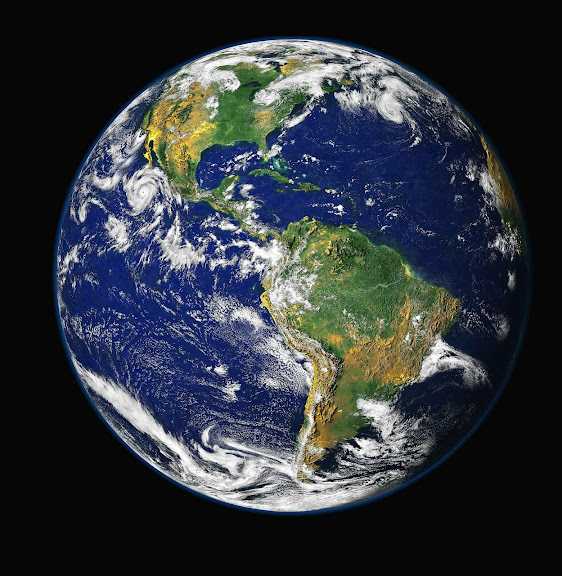
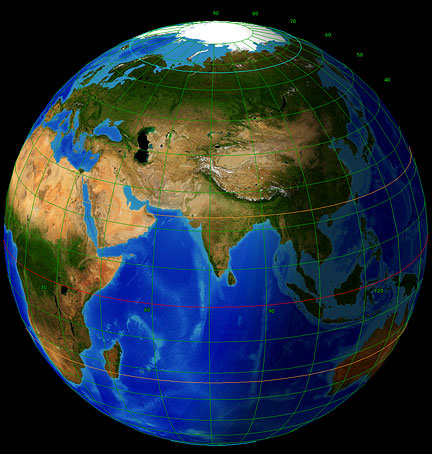
Now I do more research into the Hymn to Earth in the 12th Book of Atharvana Veda (AV). It is incredible that one can sing such a long hymn with 63 Mantras/stanzas around 1000 BCE touching all aspects of the Earth, the Big Blue Marble.
The first Mantra is similar to one in Sangam Tamil literature though there is at least 1000 year gap between them. Both the Tamils and the Vedic seers were wondering what makes the earth clock ticking. How come this circular globe is not falling and still hanging in the middle of vast Space.
Hindu Vedas make three scientific statements even before the Western world did.
1.All through the Sanskrit literature we see Globular, Oval shape is attributed to Earth. Anda is the Sanskrit word for Egg and the Earth. They even use it for Universe with more pre fixes (Brahmanda, Akilanda ec. Tamils followed it in their later literature.
2.Hindus named all heavenly bodies including Sun and Moon as “Graha” which means Catch, Hold, Grab, Attract. English words such as Grip, Grab and Gravity came from this Sanskrit word; ‘Paani Grahanam’ is Holding Hand or Grabbing the hand of a woman which is used in Marriage invitations; Chnadra Grahana or Surya Grahana is ‘Shadow catching Moon and Sun’ (eclipse). So Hindus knew every heavenly body whether it is moon or mars, has Gravity
3.This shows that they knew earth is hanging in space but not falling down.
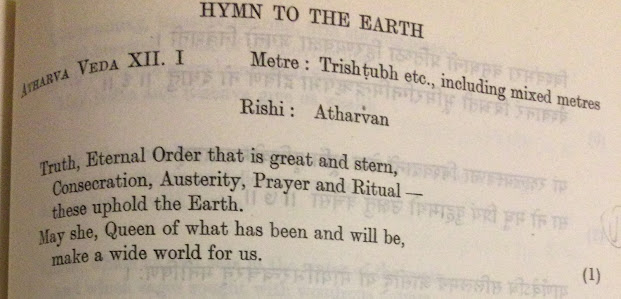
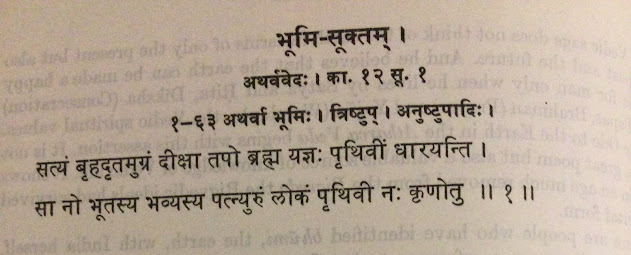
The first stanza or mantra says
“Truth, Eternal Order that is great and stern,
Consecration, Austerity, Prayer and Ritual—these uphold the Earth
May she, Queen of what has been and will be,
Make a wide world for us”.- AV 12-1-1
If at all the earth is existing today, it is because of the above good things.
Tamils also believed that good qualities only uphold the earth. Ilamperuvazuthi, a Pandya King, composed a poem (182 of Purananuru) which said that if the Tamils get even Indra’s Amrita (Nectar of Immortality) they wont eat it alone without sharing. Hospitality is praised throughout Vedic and Tamil literature. One must notice the Pandya king used Rig Vedic Sanskrit words ‘Indra’ and ‘Amrita’. The same king sang about Vishnu as well in another verse (See Paripatal) . He listed more good qualities in the poem.
Tiru Valluvar, author of Tamil Veda Tirukkural, also said the same in couplets 82, 996
“Even the nectar of immortality is not to be consumed,
Without sharing with the guests waiting outside”- Kural 82
Valluvar also mentioned Amrita in the above couplet.
In another couplet , he says,
“The world goes on smoothly, because of men of good breeding and culture;
But for them all this harmony would be buried in dust” – Kural 996
Cultured were called ‘Arya’ and uncultured, uneducated, criminals were called ‘Dasyus’.
In English they were called ‘Spurious’, opposite of Aryas
Spurious= Fake, False, Illegitimate
Xxx
Now let us compare it with AV ‘Hymn on Earth’.
The first stanza lists good qualities that uphold the earth — Truth, Austerity, Eternal Order/Rtm, Prayer and Ritual.
Truth and Eternal order (rutham) are praised sky high throughout the Vedas. Nowhere in the world we see such repetitions.
‘Rtm’ gives the word Rhythm in English.
‘Sathyam’ is Truth; Even English girls have the name Ruth.
And the Sanskrit word for austerity is Tapa (It becomes Tava in Tamil; P=V)
The Sanskrit word Tapas is used at least 50 times in Sangam literature and at least ten times in Post Sangam work ‘Tirukkural’.
2000 years ago Tamils were so familiar with Indra, Amrita and Tava , they used the exact Sanskrit words.
Another interesting comparison is Earth as Wife/Queen in AV and Earth as Prostitute in Tamil Purananuru of Sangam Period.
Later in AV, we see Earth as Mother. The poet who sang that song is Markandeyanar (Puram 365)
In Hinduism Kings are married to Earth i.e. Rajyalakshmi. So here the Tamil poet says, “Earth is crying that all the kings who married me left and I suffer like a prostitute (every king enjoys me but not staying with me). The poet emphasize the impermanence of life. The message is ‘even the greatest of Kings are gone but the earth is there permanently’.
So, it is alright for the Vedic poet to describe earth as Patni.
Last but not the least, the Vedic poet is talking about past and future of the Planet earth
Truth, Eternal Order that is great and stern,
Consecration, Austerity, Prayer and Ritual—these uphold the Earth
May she, Queen of what has been and will be,
Make a wide world for us.
This poetry is universal and not local. The poet has a perspective outlook. It is a priceless contribution of the AV to Vedic literature. The Vedic sage does not think of the earth in terms of only present but also the past and the future. The words Bhuta and Bhavishya in the first stanza would remind us the very first sloka in Vishnu Sahasranama where God is described as Bhuta, Bhavya and Bhavishya .









 Tamil and Vedas