Pictures are taken from various sources for spreading knowledge;
this is a non- commercial blog. Thanks for your great pictures.
tamilandvedas.com, swamiindology.blogspot.com
DON’T FORGET TO READ 43 PARTS – “TAMIL WORDS IN ENGLISH” THAT ENDED ON SIXTH DECEMBER 2020; THIS SERIES STARTED ON NINTH DECEMBER 2020.
2700 ஆண்டுகளுக்கு முன்னர் தமிழ், ஆங்கில சொற்கள் – பகுதி -18
ALL THE NUMBERS BELOW ARE SUTRA NUMBERS FROM 2700 YEAR OLD ‘ASHTADHYAYI’ OF PANINI, WORLD’S FIRST GRAMMAR BOOK .
3-1-23
SANKRAMYATE – CIRCLING
ஸங்க்ரம் = சக்ரம் = சக்கர் அடி/ஹிந்தி
X
LOLUP – CUTTING WRONGLY –‘ LOOP’ CUTS CIRCLE BY GOING IN WRONG WAYS
LUP – CUT லூப்
SAT- SIT DOWN ; SEAT
X
JAB – YAWN
J=Y
CRU – SWALLOW – CROCODILE
XXX
3-1-25
RUPA – URUVA IN TAMIL ரூப = உருவ
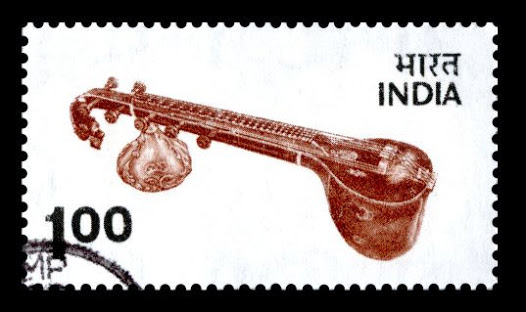
VINA/ VEENA – IS USED IN TAMIL EPIC SILAPPADIKARAM – SECOND CENTURY CE
நாரதர் வீணை – சிலப்பதிகாரம்
X
TULA – COTTON – TUKIL – CLOTHING
துல – பஞ்சு -துகில்
X
SLOKA – USED IN RELIGIOUS HYMNS
ஸ்லோகம் – இன்று வரை இந்தியா முழுதும் பயன்படும் 2700 ஆண்டு பழமையான சொல்
X
SENA – USED IN ALL SUMERIAN KING NAMES AND MAHABHARATA
சேனை = தானை
S=T ; SION= TION IN ENG.
TAANAI IN TAMIL POEMS
X
VARMA – SHIELD ; USED WITH ALL KINGS AS SUFFIX. WE HVE THE NAMES FROM AT LEAST SECOND CENTURY CE INSCRIPTIONS ; வர்மன் – பல்லவர் கல்வெட்டு; போர்னியோ காடுகளில் உள்ள நாலாம் நூற்றாண்டு- சம்ஸ்க்ருதம் – மூல வர்மன் கல்வெட்டு.
X
VARNA – COLOUR; USED IN ALL INDIAN LANGUAGES
VARNA= VANNAM IN TAM. வர்ண= வண்ணம்
X
CHURNA – POWDER ; USED IN ALL AYURVEDIC, SIDHDHA MEDICINES
Pictures are taken from various sources for spreading knowledge;
this is a non- commercial blog. Thanks for your great pictures.
tamilandvedas.com, swamiindology.blogspot.com
ஆம்பல் என்பது தமிழ் சொல்லா ? அம்மா என்பது தமிழ் சொல்லா?
சந்தேகம் வந்து விட்டது எனக்கு!
‘ஆப’ என்பது சம்ஸ்க்ருதத்தில் தண்ணீர் என்று பொருள்படும். பிராமணர்கள் தினமும் மூன்று வேளை தங்கள் தலையில் தண்ணீர் தெளித்து சுத்தப்படுத்திக் கொள்ளும் சடங்கில் இது வருகிறது. ஐயர்கள் கோவில்களிலும் வீடுகளில் செய்யும் பூஜைகளிலும் இந்தச் சொல் வருகிறது. விஞ்ஞானம் படித்தவர்கள் பயன்படுத்தும் ‘ஆக்வா’ என்னும் லத்தின் மொழிச் சொல்லில் இது வருகிறது. ஆக்வா ரீஜியா (aqua regia) என்னும் ‘இராஜத் திராவகம்’ (Nitric acid+ hydrochloric acid= Aqua regia) தங்கத்தையும் கரைத்துவிடும்.
ரீஜியா என்பது ராஜா என்ற ஸம்ஸ்க்ருதச் சொல் என்று நான் சொல்லத் தேவை இல்லை. பிராமண குடும்பங்களில் குழந்தைக்கு ‘அக்கம்’/ தண்ணீர் தருவார்கள்.
தண்ணீரை நமக்கு கொண்டுவரும் நதியை நாம் ‘மாதா’வாக- ‘அம்பா’வாக – ‘அம்மா’வாக (LINGUSITIC RULE- B=M=V) வணங்குகிறோம் . எல்லா நதிகளின் பெயர்களும் பெண்களின் பெயர்களே. பெரும்பாலான நதிகள் ‘வதி’ என்னும் பின்னொட்டில் (SUFFIX) முடியும். பெண்களின் பெயரும் இப்படித்தான்.
இவ்வாறு பெண்களை உயிர் தரும் அன்னையாகவும் நதிகளை உயிர் தரும் அன்னையாகவும் போற்றுவது இந்துக்கள் மட்டுமே. அது மட்டுமல்ல வேத காலம் முதல் இந்த வழக்கு உள்ளது. சிந்து, கங்கை, சரஸ்வதி ஆகிய நதிகளை வேதம் போற்றும் அடைமொழிகள் மூலம் இது தெரிகிறது சரஸ்’வதி’, த்ருஷத்’வதி’ என்ற வேதகால நதிகளின் பெயர்களும் பார்’வதி’, துர்கா’வதி’, சத்ய’வதி’ முதலிய பெண் பெயர்களும் இதை உறுதி செய்யும்.
அம்பா, அம்பிகா, அம்பாலிகா என்ற காசிராஜனின் மூன்று பெண்களால் எப்படி மஹாபாரதக் கதை உருவாகியது என்பதை நாம் அறிவோம்.
அம்பலில் தோன்றிய மலர் ஆம்பல் !
அம்பாவில் தோன்றியது அம்மா!
(LINGUSITIC RULE- B=M=V)
இப்போது நீங்களே சொல்லுங்கள் ; தமிழ் இலக்கியத்தில் இது வருவதற்கு ஆயிரக் கணக்கான ஆண்டுகளுக்கு முன்னரே இது சம்ஸ்க்ருதத்தில் உள்ளது . அப்படினால் யார் முதலில் பயன்படுத்தினர். இதனால்தான் நான் சொல்கிறேன் ; ஆரிய சம்ஸ்க்ருதம், திராவிடத் தமிழ் என்பதெல்லாம் மதத்தைப் பர ப்பவந்த கால்டுவெ ல்கள் மாக்ஸ்முல்லர்களின் பித்தலாட்டம் என்று!! அப்படியானால் லண்டன் சாமிநாதனின் கொள்கை என்ன?
நூற்றுக்கணக்கான கட்டுரைகளில் சொன்னதை மீண்டும் சொல்கிறேன் .
“திராவிட குடும்பம் என்பது தமிழ் குடும்பம்” என்பது அரைவேக்காட்டுத்தனம். இந்திய மொழிக் குடும்பம் என்பதன் இரு பிரிவே சம்ஸ்கிருதம், தமிழ். இதனால்தான் 150-க்கும் மேலான சம்ஸ்கிருதச் சொற்களை 600-க்கும் மேலான குறள்களில் வள்ளுவன் பயன்படுத்துகிறான். தானம் தவம், குணம் என்ற சொற்களுடன் தைரியமாக குறளைத் துவங்குகிறான்.
வள்ளுவனும் கடவுள் வாழ்த்துக்கு அடுத்த அதிகாரத்தில் தண்ணீரின் பெருமையை — வான் சிறப்பு — வைத்ததோடு நில்லாமல் கடவுளுடன் நீரை சம்பந்தப்படுத்தி ‘தானம்’ ‘தவம்’ ‘பூஜை’ என்ற ஸம்ஸ்க்ருதச் சொற்களை (குறள் 18,19) பயன்படுத்தி வேதம் சொன்னதையே தான் சொல்வதாகக் குறிப்பால் உணர்த்துகிறான் . குறள் 11-ல் அமிழ்தம் என்ற சம்ஸ்கிருத்த் சொல்லைப்போட்டு புராணக் கதையையும் கொண்டு வந்துவிடுகிறான்!!!
பாணினி சூத்ரம் 6-1-118
“ஆபோ ணோ வ்ருஷ்ணோ வரிஷ்டே
அம்போ அம்பாலே அம்பிகே பூர்வே “
யஜுர் வேதத்தில் ‘தண்ணீர் மகிழ்ச்சி
அளிக்கும்’ என்று சொல்லப்பட்டுள்ளது
ஆபோ அஸ்மான் மாதரஹ ஸுந்தயந்து (வாஸ.4-2)
“தாய் போன்ற தண்ணீர் நம்மை புனிதமாக்கட்டும்” —
என்ற வரிகள் யஜுர் வேதத்தில் வருவது குறிப்பிடத் தக்கதாகும் .
தண்ணீர் சுத்தப்படுத்தும் என்பது உலகறிந்த உண்மை .
தண்ணீர் புனிதப்படுத்தும் என்பது இந்துக்கள் கண்ட உண்மை.
இந்துக்கள் குளிர்ப் பிரதேசத்தில் இருந்து வரவில்லை. இந்தியாவின் மண்ணின் மைந்தர்கள் என்பதை பிறப்பு முதல் இறப்பு வரையுள்ள “தண்ணீர் சடங்குகள்” (WATER IS USED BY HINDUS IN ALL RITUALS) காட்டுகின்றன.
கால்டுவெல்கள், மாக்ஸ்முல்லர்கள் போன்ற ஆட்களின் முகத்திரைகளை கிழித்தெ றிகின்றன
ஆக தண்ணீரை தாய்க்கு நிகராக உயர்த்தியது வேதங்களே .
நீரையும் ‘சீராடு’ என்பதை சிறிது மாற்றி அழுத்தம் திருத்தமாக நீரையும் ‘சீராட்டு’ என்போம்.
2700 ஆண்டுக்கு முந்தைய பாணினி சூத்திரத்தில் வரும் அம்பா, அம்பிகா அம்பாலிகா என்ற பெயர்கள் மஹாபாரதத்தில் அப்படியே இருப்பதும் கதையின் போக்கையே நிர்ணயிப்பதும் பாணினி, மஹாபாரதம் ஆகியவற்றின் பழமையையும் பெருமையையும் உயர்த்துகிறது.
Pictures are taken from various sources for spreading knowledge;
this is a non- commercial blog. Thanks for your great pictures.
tamilandvedas.com, swamiindology.blogspot.com
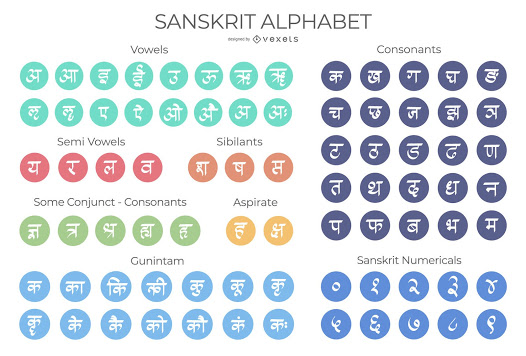
Katapayaadi system uses letters in Sanskrit alphabet for numbers
LATEST RESEARCH SHOWS THAT ‘KA-TA-PA-YA’ NUMERAL SYSTEM OF HINDUS HAS ITS ORIGIN IN SAMA VEDA. JAIMINI AND VARARUCHI ARE ASSOCIATED WITH THIS SYSTEM. IT SHOWS THE UNIQUE WAY OF HNIDU THINKING AND MATHEMATIAL KNOWLEDGE OF HINDUS.
EVEN NUMEROLOGY HAS ITS ORIGIN IN KA- TA- PA- YA- ADI SYSTEM. ‘JAYA’ IS THE WELL KNOWN NUMBER IN THIS SYSTEM. ‘JAYA’ MEANS MAHABHARATA, JAYA MEANS NUMBER 18 AND JAYA MEANS VICTORY. NUMBER 18 (1+8=9) MEANS GREAT VICTORY AFTER A BIG LOSS AND STRUGGLE.
MOST IMPORTANTLY IT HAS CONNECTION WITH INDUS- SARASVATI RIVER VALLEY CIVILIZATION. LIKE KA-TA-PA-YA- ADI SYSTEM INDUS/SARASVATI PEOPLE ALSO WROTE FROM ‘RIGHT TO LEFT’.
KA TA PA YA – ADI SYSTEM TAUGHT THE WORLD A NEW CODED LANGUAGE . THAT IS USING NUMBERS TO CONVEY SECRET MESSAGES. EVEN VATSYAYANA IN HIS KAMA SUTRA TEACHES WOMEN A NEW CODED LANGUAGE (Please read my earlier articles on Coded language in Kamasutra and Tamil numbers in Akananuru)
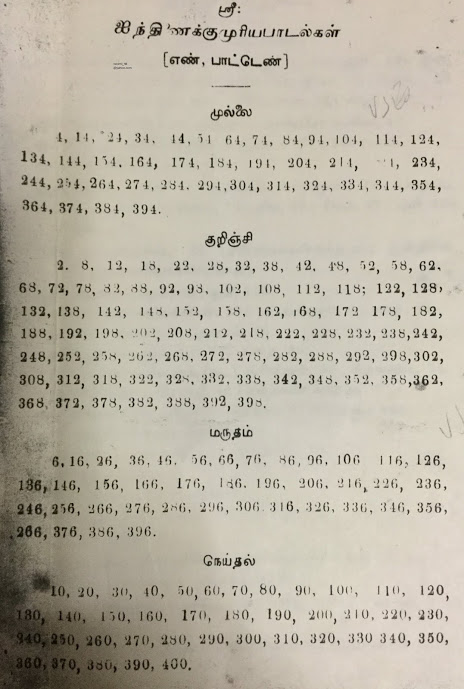
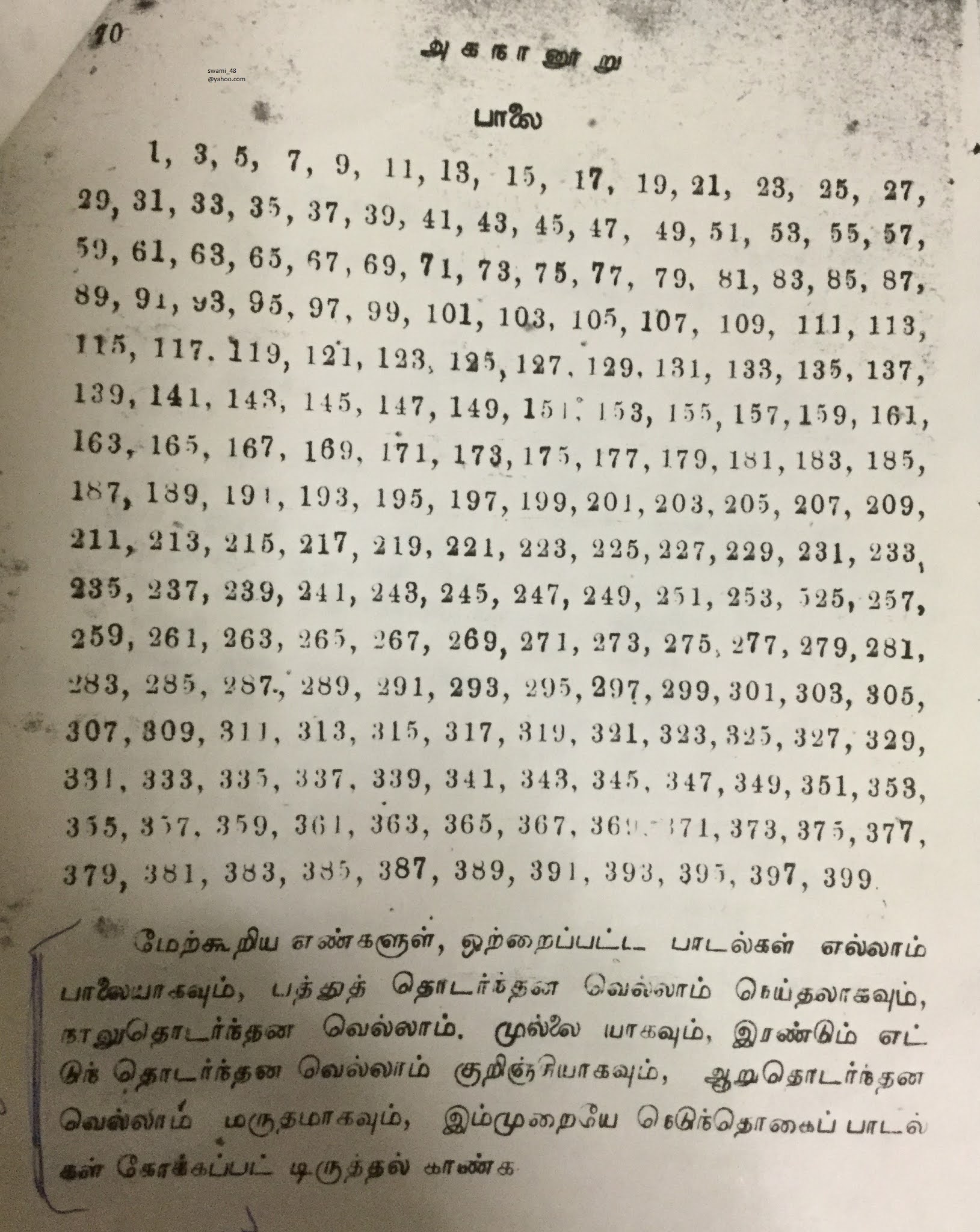
TAMILS ALSO FOLLOWED VEDIC SYSTEM AND ALLOCATED CERTAIN MUMBERS FOR THEIR POEMS. IN AKA NAANURU, CONSISTING OF 400 VERSES ON SEX AND FAMILY LIFE, WE SEE A MATHEMATICAL APPROACH.
LIKE PANCAKAM (5 VERSES), ASHTAKAM (8) , DASAKAM/PATHIKAM (10), SATAKAM (100) AND SAHASRAM (1000) TAMIL POETS ALSO COMPOSED POEMS.
XXX
THE RULES OF KATAPAYADI SYSTEM
A vowel not preceded by a consonant has value 0.
In a conjunct consonant the value of the last consonant has to be taken.
A consonant not followed by a vowel has no value, when followed by a vowel the value is independent of the vowel.
Thus ‘ma, maa, mi, mii’, etc have the same value namely 5.
In the South Indian version la— cerebral— is included to indicate nine but the value of la has to be decided carefully . Thus Alih can mean 30 or 90 because the word which means a bee is written in different ways (as alih in the north and as aLih in the south)
In the Scheme of representing the numbers , the extreme left indicates the units, the next place shows the tens and so on.
Thus the expression ‘harih sevyah’ means 1728
SOUTH INDIAN ORIGIN?
In the Canvdravakyas of Vararuchi ‘la’ is used to indicate 9 and also 3.
The 118th vakya is Chuli syadrajnoYam and it means 10-21-39 since the number indicating minutes can not exceed 60 and thus li stands for 3.
On the other hand, in the 60th vakya ‘digvyalo nasti’ which means 8 19 06 , la means 9.
That the system is typically South Indian indicates that Vararuchi was from the south.
Jaya = Mahabharata= 18
There are people who believe that the system of Katapayadi was introduced by Vararuci. . But many important points have to be noted here.
Mahabharata is called ‘Jaya’ which means 18 because it contains of 18 parvans, there are 18 chapters in the Bhagavad Gita, 18 aksauhinis took part in the war which lasted for 18 days.
This is the traditional interpretation. This shows certainly the antiquity of the system. In the astrological sutras of Jaimini this method is used according to commentators. This work can be placed between 5TH century BCE and first century CE using internal evidence.
Samaveda has a numeral system
There is a system of numerals associated with Samaveda which is similar to this. Since Samaveda is associated with Jaimini, it appears that the Katapayaadi system was in existence much earlier than Vararuci, though the exact date has to be settled by research. Though Jaimini, who is the author of astrological sutras is not necessarily the author of Puurva miimaamsaa, was perhaps in the line of disciples of Jaimini,
XXX
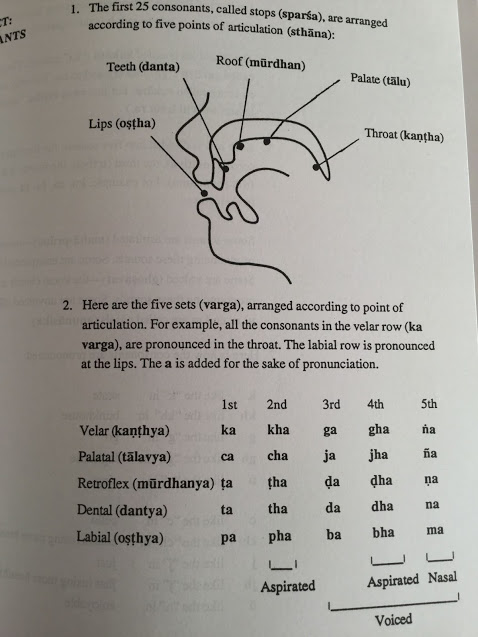
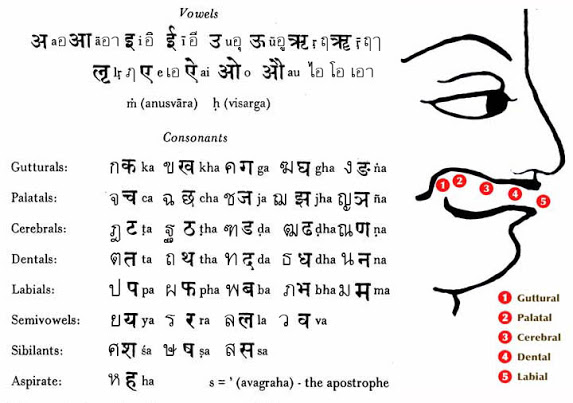
The following table gives the letters of Sanskrit alphabet and the numerals which they denote according to KATAPAYADI notation. The vowels suffixed to the consonants do not denote any numeral. They are suffixed only for the sake of pronunciation. The vowel ‘a’ is suffixed here. Any other vowel may be used as well (TAMILS FOLLOWED THIS PARTICULAR RULE OF USING VOWEL, BUT AS PREFIX, TO MAKE ALL THE UNGRAAMMATICAL TAMIL WORDS AS GRAMMATICAL. FOR INSTANCE, A TAMIL CANNOT WRITE LONDON AND RAMAYANA AS SUCH. HE HAS TO ADD A VOWEL BEFORE IT. TAMIL BANS R , S, AND L AS INITIAL LETTERS. SO, TAMILS WRITE ‘IRAMAYAANAM’, ‘ILONDON’ BY ADDING VOWEL ‘I’. WITH OTHER WORDS VOWEL ‘A’ OR ‘U’ IS USED.)
KATAPAYAADI NOTATION SYSTEM
CONSONANTS NUMERALS
Ka ta pa ya 1
Kha tha pha ra 2
Ga da ba la 3
Gha dha bha va 4
Na na ma sa 5
Ca ta sa 6
Cha tha sa 7
Ja da ha 8
Jha dha la 9
Na na 0
Vowels 0
(Sanskrit has three different ‘s’ and two different ‘n’ sounds and two different ‘l’ sounds)
All vowels standing alone denote zero.
In conjunct letter, the consonant next to the last letter is to be considered.
Thus ‘dhii(dh+ii)’ denotes 9.
Similarly ‘kti’ denotes 6 which is numeral for ‘t’
‘hrt’ is number 8, the numeral for ‘h’ which is the consonant with a vowel next to the last. The consonant ‘t’ is not considered as it is not suffixed with a vowel.
WORDS DENOTE THE NUMBERS WITH NUMERALS WRITTEN FROM RIGHT TO LEFT IN THE ORDER OF LETTERS OF WORDS. THUS ‘ksiiraabdhiga’ denotes 3926.
Jaya = 18
Source (with my inputs in the article)
Sadratnamala of Sankaravarman with English notes and translation by Dr S Madhavan, THE KUPPUSWAMI SASTRI RESEARCH INSTITUTE, CHENNAI 600004, 2011
19 Mar 2013 — One of the earliest descriptions of encryption by substitution appears in the Kama Sutra, a text written in the fourth century AD by the Brahmin …
8 Aug 2012 — சங்க இலக்கியத்தில் அதிகமான கவிதைகளை எழுதிக் குவித்த புலவர் … இதோ சம்ஸ்கிருதத்திலுள்ள உலகிலேயே பெரிய எண்கள்:.
TAMIL WONDER IN AKA NANURU
ODD NUMBERS – PALAI VERSES, NUMBER TENS- NEITHAL GENRE, NUMBER FOUR ENDING VERSES- MULLAI, NUMBERS 2 AND 8 – KURINJI AND NUMBER 6 MARUTHAM TYPE VERSES.
TAGS – katapayadi, Sama Veda, Vararuci, Akanaanuru, numbers,
Pictures are taken from various sources for spreading knowledge;
this is a non- commercial blog. Thanks for your great pictures.
tamilandvedas.com, swamiindology.blogspot.com
ஹிந்துக்களின் எண்ணிக்கை! – 5
ச.நாகராஜன்
7. இந்தோனேஷியா:
இந்த நாடு ஒரு காலத்தில் ஜாவா தீவில் மஜ்ஹபித் என்றும் சுமத்ரா தீவில் ஸ்ரீவிஜயம் என்றும் சக்திவாய்ந்த ஹிந்து நாடாக இருந்தது.
ஹிந்துப் பண்பாடு அகஸ்திய மஹரிஷியால் இந்தோனேஷியாவிற்கு கொண்டு வரப்பட்டது என இந்தோனேஷியர்கள் நம்புகின்றனர். அகஸ்தியரே ஹிந்து பண்பாட்டில் ஒரு பெரும் மஹரிஷியாவார். அவரே வேத பண்பாட்டை மத்திய இந்தியாவில் விந்திய மலைக்குத் தெற்கே பரப்பியவர் என்று பாராட்டப்படுபவர். இந்தோனேஷியர்களின் இந்த நம்பிக்கை சான்று இல்லாத ஒன்றாக இருக்கலாம், ஆனால் சாஸனங்களின் படி கி.பி. நான்காம் நூற்றாண்டிலிருந்து ஹிந்து மதத்தை இங்குள்ளவர்கள் பின்பற்றியதற்கான சாட்சியங்கள் உள்ளன. 15ஆம் நூறாண்டில் இந்தியாவிலிருந்தும் இதர பகுதிகளிலிருந்தும் வந்த முஸ்லீம் வியாபாரிகளும் சூபிக்கள் என்ற மகான்களும் இஸ்லாமிய செய்தியை சுமத்ராவிற்கும் பின்னர் ஈஜியக் கடலில் இருந்த இதர தீவுகளுக்கும் கொண்டு வந்தனர். மிகப் பெரிய எண்ணிக்கையில் இந்தோனேஷியர்கள் இஸ்லாமுக்கு அமைதியான முறையில் மதம் மாற்றப்பட்டனர். வணிக காரணத்தையொட்டி இந்த பிரதேசத்தில் இருந்த சில சிற்றரசுகளும் இஸ்லாமை ஏற்றுக் கொண்டன.
என்ற போதிலும் ஜாவா தீவில் இருந்த மஜ்ஹபித் அரசு இஸ்லாமைத் தீவிரமாக எதிர்த்தது. இது மஜ்ஹபித் அரசுக்கும் இந்தோனேஷிய முஸ்லீம்
களுக்கும் இடையே ஒரு தொடர் போரை உருவாக்கியது. அவ்வப்பொழுது இஸ்லாமியரால் அரசாளப்பட்ட பகுதிகளில் வாழ்ந்த ஹிந்துக்கள் கொடுமைக்குள்ளாக்கப்பட்டனர். ஆனால் இது அரிதாகவே இருந்தது.
இந்தோனேஷியாவின் எல்லை, கிழக்குப் பகுதியில் சுருங்க ஆரம்பித்தது. இதன் விளைவாக, ஹிந்து மதத்தைப் பின்பற்றி வந்த ஹிந்துக்கள் பெரும்பான்மையாக அண்டையில் இருந்த, பாலித் தீவிற்கு அரச குடும்பத்தினர் தப்பி ஓடினர். அருகில் இருந்த லொம்பாக் தீவிலும் ஜாவாவின் கிழக்குப் பகுதியிலும் ஹிந்துக்கள் பெரும்பான்மையினராக இருந்தனர். 1996இல் மார்ச்- ஏப்ரலில் இந்தோனேஷியாவிற்குச் சென்ற நான் அங்கு அவர்களது பழக்க வழக்கங்களையும் திருவிழாக்களையும் நேரடியாகப் பார்த்திருக்கிறேன். இந்தோனேஷியாவில் இஸ்லாம் வந்த பிறகு ஐரோப்பிய சக்திகளான டச்சு மற்றும் போர்த்துக்கீசியம் போன்றவை இந்தோனேஷியாவை அரசாளத் தொடங்கின. அவை இந்தோனேஷியா இஸ்லாமியமயமாவதைத் தடுத்தன. இதன் காரணமாக மிக அதிகமான முஸ்லீம் ஜனத்தொகை (86%) இருந்த போதிலும் கூட இந்தோனேஷியா இஸ்லாமுக்கு முன்பு இருந்த ஹிந்துப் பண்பாட்டையே இன்றும் பின்பற்றி வருகிறது.
ஜாவானியர்கள் இன்றும் கூட அபங்கன் (சற்று தாராளமான மனப்பான்மை கொண்ட) இஸ்லாமியர்கள். இப்படியாக, ஜாவானியர்கள் இன்றும் ராமாயணம் போன்ற ஹிந்து இதிஹாஸங்களைப் பிரதிபலிக்கும் ஹிந்துப் பெயர்களைக் கொண்டுள்ளனர். ஜாவா நண்பர்களுடன் எனது தனிப்பட்ட அனுபவத்தில் நான் அறிந்தது, ஏராளமான வாழ்த்துக்களும் பழக்க வழக்கங்களும் தெளிவாக ஹிந்துப் பழக்கங்களே ஆகும். இந்தோனேஷியாவின் தேசீய ஆகாயவிமான சேவை தனது சின்னமாக கருடனையே கொண்டுள்ளது – ஹிந்து தெய்வமான விஷ்ணுவின் வாஹனம் இது. இந்தோனேஷியாவில் அங்கீகரிக்கப்பட்ட ஐந்து மதங்களில் ஹிந்து மதமும் ஒன்று. (மற்றவை கன்பூஷியனிஸம், கிறிஸ்தவம், இஸ்லாம், புத்த மதம்) இந்தோனேஷியாவில் ஹிந்து புத்தாண்டு தேசீய விடுமுறை தினம் ஆகும். சமீப காலங்களில் இந்தோனேஷிய முஸ்லீம்கள் கிறிஸ்தவ சைன மைனாரிடினரையும் இந்தோனேஷிய கிறிஸ்தவர்களையும் குறி வைத்து, வன்முறைத் தாக்குதலைச் செய்கின்றனர். ஆனால் ஹிந்துக்கள் வன்முறைக்கு உட்படுத்தப்படவில்லை.
பழைய ஆவி உலகக் கோட்பாட்டைக் கொண்டுள்ள கிழக்கு ஜாவாவில் வாழ்ந்து வரும் டெங்கர் சமூகத்தைச் சேர்ந்த சுமார் ஐந்து லட்சம் பேர் கடந்த முப்பது ஆண்டுகளில் ஹிந்து மதத்தைத் தழுவியுள்ளனர். 20 லட்சம் பேர் கிறிஸ்தவத்தைத் தழுவியுள்ளனர்.
8. தென் கிழக்கு ஆசியா :
ஹிந்து மதமும் புத்த மதமும் தாய்லாந்தை அடைந்தன. லாவோஸ், வியட்நாம், கம்பூச்சா, பர்மா ஆகியவற்றில் புத்தமதம் மேலோங்கி இருக்க இந்த் இரு சகோதர மதங்களும் அங்கு இணைந்தன. அங்கோர் வாட்டில் உள்ள மிகப் பெரும் ஹிந்து கோவில் கம்பூச்சியாவில் நிறுவப்பட்டிருக்கிறது. அநேகமாக பெரும்பாலான அளவில் ஹிந்து பழக்கவழக்கங்கள் அமைதியான முறையில் புத்த மதத்தில் அங்கு ஐக்கியமாகி விட்டிருக்கிறது. ஹிந்து பழக்க வழக்கமே, அதற்கு இணையான பழக்கம் புத்தமதத்தில் இல்லாத பட்சத்தில் பின்பற்றப்படுகிறது. (தாய்லாந்து அரசர்கள் சிம்மாசனம் ஏறும் போது கடைப்பிடிக்கப்படும் சடங்குகளை இங்கு குறிப்பிடலாம்) இந்த சடங்குகள் பிராமண குருக்களின் வழித்தோன்றல்களால் நடத்தப்படுகின்றன. இந்த பிராமணர்கள் அநேக நூற்றாண்டுகளுக்கு முன்பாக அங்கு அரசாண்டு வந்த மன்னர்களால் அழைக்கப்பட்டவர்கள். 1986இல் அந்த நாடுகளுக்குப் பலமுறை சென்ற போது இவை அனைத்தும் நான் நேரடியாகக் கண்டு அறிந்தவையாகும்!
*** தொடரும்
ஆதாரம், நன்றி : Critical Podium Dewanand writes on March, 25,2009 under the caption ‘Preserving Hinduisam – Sanatan Dharma’ – Preserving Hinduism as a world Religion down the ages. Hindus around the World, as follows (http://www.shopumust.com/hindus)
Truth, Kolkata Weekly Vol 88 No 20 Dated 4-12-2020 (இத்துடன் இந்த ட்ரூத் இதழில் வெளியான கட்டுரை நிறைவுறுகிறது. இனி அடுத்த இதழில் உள்ளவற்றைப் பார்ப்போம்.)
If you add ‘A’ as prefix the word becomes negative.
It is seen in hundreds of English words
Abrusah – young; alohitah – not red etc
முன்னால் ‘அ ‘ சேர்த்தால் எதிர்ப்பதம் ஆகிவிடும்
ஆங்கிலத்திலும் இப்படி நிறைய சொற்களைக் காணலாம்
ASEXUAL, AGNOSTIC, AMORAL, ADAMANT
Xxx
3-1-15
Tapas – tamils used it as
தபஸ் என்னும் சொல் சங்க காலத்திலும் திருக்குறள் காலத்திலும் தவம் ஆகிவிட்டது!
ப= வ
Tavam from Sangam period ; we see it in Tirukkural
Important point is even before 2000 years P changed to V
P = V
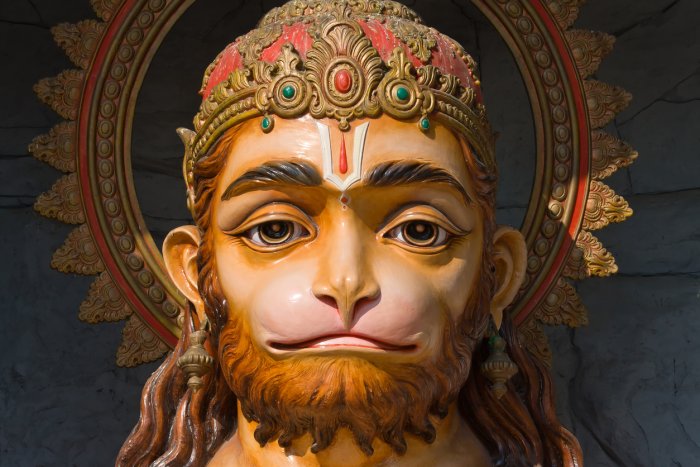
Hanu – jaw ஹனுமான் தாடை வீங்கியவன்
‘HANU’ MAN – ‘JAW’ MAN = ANJANEYA
H=J
In the olden days Sanskrit was the only language in the world with “J”
The migration of J into other languages such as Greek and Latin show that Hindus educated the world. Languages without J changed it into different sounds.
Since Tamil has no H it becomes ‘Anuman ‘அனுமன்
தமிழில் ‘ஹ’ இல்லாததால் ‘அ’ போடுகிறோம்.
தமிழில் ‘ஸ’ இல்லாததால் ‘அ’ போடுகிறோம்.’ஸபா’ – அவை ‘ச’ மீது தொல்காப்பியர் போட்ட தடையால் !!
Xxxx
3-1-16
Bhaaspa – shedding tears ; also evaporating ஆவியாதல் ; கண்ணீர்
Though the chemical element phosphorous can be derived from
பாஷ்பம் – கண்ணீர்
பாஸ்பரஸ் என்னும் மூலகத்தில் ஆவியாதல் என்னும் பொருளும் ஒளி என்னும் பொருளும் தொனிக்கும்
Phosphorous also fits into it.
Phosphorous burns in room temperature and goes into air
Fanum = foam ; lather நுரை
Xxx
3-1-17
Sabda – sound – son – sonar
சப்த = சத்தம்
சோன் – சோனார் ; சோனி கம்பெனி SONY products
Sattam is used in tamil
XX
Kalaha – fighting, quarrel is used in Tamil கலஹம் = சண்டை சச்சரவு
Megam – cloud மேகம்
Megam is used in tamil and other languages.
Kalidasa’s 2100 year old Megadhuta kavya made this word more popular
See my 20 plus research articles that show
Kalidasa lived before Sangam Tamil period.
கலகம் , மேகம் என்பன தமிழிலும் பயன்படுத்தப்படுகிறது
காளிதாசன் எழுதிய “மேக தூத” காவியத்தால் மேகம் உலகம் முழுதும் புகழ் பெற்றுவிட்டது
மேகம் = கார் (in Tamil Literature)
Xxx
3-1-17
2400 year old Vaarttika adds
Sudhina ,Durdhina .’சு’ தினம் = ‘சுப’ தினம்
Sudhina – good day. Su is added as prefix with lot of names in in all Indian languages
Su mathi, sugandhi, su kanya , suneeti, suseela
‘சு’ சேர்த்தால் ‘நல்ல ‘என்பதால் பெண்கள் பெயர்களில் அதிகம் பார்க்கலாம்
சு மதி , சு கந்தி , சு சீல , சு நீதி
சங்க இலக்கியத்தில் இது ‘ந’ என்று உள்ளது – ‘ந’க்கீரன், ‘ந’ச்செள்ளை, ‘ந’ப்பசலை ,’ ந’ப்பின்னை .
தமிழில் முன்னொட்டு PREFIX இல்லை என்ற வெள்ளைக்காரன் வாதத்தை தவிடு பொடியாக்குகிறது இது.
தமிழும் சம்ஸ்கிருதமும் ஒரே அணுகுமுறை உடைத்து!!!
XXX
3-1-18
Sukha – suka dukkam are used in all Indian languages
சுக, துக்க
Suka – well, prosperous, happy life, healthy
Sukamaa – how are you
சுகமா? சுகம்தானா?
இந்த ஸம்ஸ்கிருதச் சொல் இந்தியா முழுதுமுளது .
xxx
3-1-19
Namah – bow; already explained in namaste
நமஹ – நமச்சிவாய
Namah in all Hindu mantras is
Vanangu in Tamil . both mean I bow to you
நம = வணங்கு I bow to you.
Xxx
Varivas = service ; serve in Tamil it becomes
Sevai in all other languages Sevaa
வரிவஸ்/SERVE = சேவை
Chitra –Vichitra — viyappu in Tamil; wonder in English
சித்ர – விசித்திர = வியப்பு
Vichitra is used in all Indian languages
Xxxx
3-1-20
Paanda becomes Paanai in Tamil, Pot in English
பாண்டம் – பானை
Puhcha – tail, vaal in Tamil
புச்ச – வால்
Machu pichu in Peru – south America is a pure Sanskrit word
Machu pichu is matsya pucha= fish tail.
In Himalayas also we have macha pucha – fish tail looking hill.
மச்ச புச்ச – மீன் வால்
பெரு நாட்டிலுள்ள வரலாற்றுச் சின்னம் சம்ஸ்கிருதப் பெயர் உடைத்து
Vaarttika adds
Seevara – search ; also means wear, rags
Bikshu – one who begs பிக்ஷு – பிச்சை கேட்பவன்
Biksha becomes beg in English and pichchai in tamil
Xxx
3-1-21
Munda – shaved head used in many Indian languages .
முன்ட- முண்ட- முடி மழித்தவன்
Misra – mixed
மிஸ்ர – மிக்ஸர்
Slakhna – slow
Vastra – dress, veshti in tamil
வஸ்திர – வேஷ்டி
Hala – kalappai in tamil; plough in eng.
Lavana – salt / white gave the name
லவண – வெள்ளை/உப்பு
லெபனான் நாட்டின் பெயர்க் காரணம்
Lebanon for that country.
Vrata – avoid, go without/food
Vrat – without; VOW
வ்ரத் – WITHOUT வித் அவுட் – இல்லாமல் ; உணவு இல்லாமல் ; தவிர் ; also Vow
Vrsalaanam vratayati – he avoids food from low castes
Pictures are taken from various sources for spreading knowledge;
this is a non- commercial blog. Thanks for your great pictures.
tamilandvedas.com, swamiindology.blogspot.com
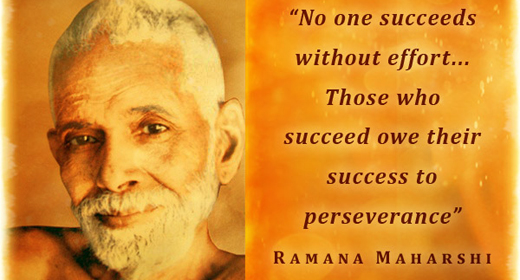
பகவான் ரமண மஹரிஷியின் அவதார தினம் : 30-12-1879
இந்த 2020ஆம் வருடம் (31-12-2020) 141வது ஜெயந்தி தினம்!
மரண பயத்திலிருந்து நீங்குவது எப்படி? ரமணர் பதில்!
ச.நாகராஜன்
பகவான் ரமணர் மிகப் பெரும் ஆன்மீக ரகசியங்களை மிகச் சுலபமாக எளிய உதாரணங்களோடு விளக்கி விடுவார்.
1937ஆம் ஆண்டு ஜனவரி 7ஆம் தேதி
ஹிந்தி பேசும் கனவான் ஒருவர் ஆசிரமத்திற்கு வந்தார். மரண பயத்தை எப்படி வெல்லலாம் என்று ஒரு கேள்வியைக் கேட்டார்.
மஹரிஷி : மரணத்தை எண்ணும் முன்னர், நீ பிறந்தாயா என்பதை முதலில் கண்டு பிடி. பிறந்த ஒருவன் தான் இறக்க முடியும்! நீ தூக்கத்தில் செத்திருப்பவனுக்குச் சமானம். ஆக, மரணத்தைக் கண்டு என்ன பயம்?
பக்தர்: தூக்கத்தில் நாம் எப்படி இருக்கிறோம்?
மஹரிஷி: இந்தக் கேள்வியை நீ தூங்கும் போது கேள். தூக்கத்தின் அனுபவத்தை நீ எழுந்த பின்னரே ஞாபகப்படுத்திக் கொள்கிறாய். அந்த நிலையை, ‘சந்தோஷமாக நான் தூங்கினேன்” என்று சொல்கிறாய்!
பக்தர் : எந்த கருவி மூலம் அந்த நிலையை நாம் அனுபவிக்கிறோம்?
மஹரிஷி : மற்ற நிலைகளுக்கு பழக்கமான அந்தகரணத்திற்கு எதிரான அதை மாயாகரணம் என்று அழைக்கிறோம். ஒரே கருவி தான் வெவ்வேறு நிலைகளில் வெவ்வேறு விதமாக அழைக்கப்படுகிறது. தூக்கத்தின் ஆனந்தாத்மன் விழிப்பு நிலையில் விஞ்ஞானாத்மன் என்று கூறப்படுகிறது.
பக்தர்: தயவு செய்து மாயாகரணம் ஆனந்தத்தை அனுபவிக்கும் அனுபவத்தை ஒரு உதாரணம் மூலமாக விளக்குங்கள்.
மஹரிஷி : “நான் சந்தோஷமாகத் தூங்கினேன்” என்று எப்படி நீ சொல்கிறாய்? அனுபவமே உனது சந்தோஷத்தை நிரூபிக்கிறது. தூக்கத்தில் அந்த அனுபவம் இருந்தாலொழிய விழிப்பு நிலையில் அது ஞாபகத்திற்கு வராது.
பக்தர் : ஒப்புக் கொள்கிறேன். ஒரு உதாரணம் சொல்லுங்கள்.
மஹரிஷி : அதை எப்படி விளக்க முடியும்? நீரில் அமிழ்ந்த ஒரு பொருளை எடுக்க நீ தண்ணீரில் மூழ்கினால், தண்ணீரிலிருந்து வெளியே வந்த பின்னர் தான் அதைப் பற்றிப் பேச முடியும். நீரில் மூழ்கி இருக்கும் போது நீ அதைப் பற்றிச் சொல்வதில்லை.
பக்தர் : தூக்கத்தில் எனக்கு பயம் இல்லை; ஆனால் இப்போது இருக்கிறது.
மஹரிஷி : ஏனெனில் ‘த்வீதீயாத்வை பயம் பவதி’ – பயம் எப்போதுமே இரண்டாவதாக இருக்கிறது. எதைக் கண்டு பயப்படுகிறாய்?
பக்தர் : உடல், புலன்கள், உலகம், ஈஸ்வரன், கர்த்தா, இன்பம் போன்றவை இருக்கும் காரணத்தால் தான்.
மஹரிஷி : அது பயத்தை உண்டு பண்ணுகிறது என்றால் அதை ஏன் நீ பார்க்கிறாய்?
பக்தர் : ஏனென்றால் அதிலிருந்து தப்பிக்க முடியாது.
மஹரிஷி: ஆனால் அவற்றை நீ தான் பார்க்கிறாய். யாருக்கு பயம்? அவற்றிற்கா?
பக்தர் : இல்லை, எனக்குத் தான்!
மஹரிஷி : ஏனென்றால் நீ பார்க்கிறாய், அவற்றைக் கண்டு நீ பயப்படுகிறாய். அவற்றைப் பார்க்காதே. உனக்கு பயம் இருக்காது.
பக்தர் : விழிப்பு நிலையில், அப்போது நான் என்ன தான் செய்ய வேண்டும்?
மஹரிஷி : ஆத்மனாக இரு: பயத்தை உண்டு பண்ண இரண்டாது வஸ்து ஒன்று இருக்கவே இருக்காது!
பக்தர் : ஆஹா! இப்போது புரிகிறது. நான் எனது ஆதமனைப் பார்த்தால் ஆத்மா இல்லாத மற்றவை நீங்குகிறது. சந்தோஷம் இருக்கிறது. என்றாலும் மரண பயம் இருக்கவே செய்கிறது.
மஹரிஷி : பிறந்த ஒருவனே இறக்க வேண்டும். மரணம் உன்னைப் பயமுறுத்த நீ பிறந்திருக்கிறாயா என்பதைப் பார்.
தூக்கம் என்ற எளிய அன்றாட மனிதனின் பழக்கத்தை வைத்து மஹரிஷி பெரிய பெரிய உண்மைகளை இப்படி விளக்கியுள்ளார்.
1937ஆம் ஆண்டு பிப்ரவரி 23ஆம் தேதி
ஆந்திராவிலிருந்து வந்த மூன்று பக்தர்கள் மஹரிஷியை நமஸ்கரித்தனர். அதில் ஒருவர் ஹட யோகம் செய்பவர்.
அவர் நீண்ட ஒரு உரையாடலை நிகழ்த்துகிறார்.
அதில் அவர் கேட்ட ஒரு கேள்வி : தூக்கநிலை என்பது ஆனந்தத்தை அனுபவிப்பது என்று சொல்லப்படுகிறது. ஆனால் அதை திருப்பி எண்ணிப் பார்க்கும் போது மயிர்க்கூச்சல் எடுப்பதில்லை. ஆனால் சமாதி நிலையை எண்ணிப் பார்க்கும் போது மட்டும் அவை மயிர்கூச்சலில் மயிர்க்கால்களில் மயிர்கள் ஏன் நிற்கின்றன?
மஹரிஷி : சமாதி என்பது விழிப்பு நிலையில் ஆனந்தத்தை அனுபவிக்கும் நிலையாகும். ஆனந்தம் அனைத்தையும் மீறுகிறது. அந்த அனுபவம் மிகத் தெளிவானது, ஆனால் தூக்கத்திலோ அது சற்று வித்தியாசமானது.
இப்படி தூக்கத்தை வைத்து மஹரிஷி பல்வேறு ரகசியங்களை விளக்குகிறார்.
இவற்றைத் தொகுத்துப் படித்தால் மரண பயம் பற்றி உண்மைகளை அறிந்து கொள்வோம்; திரும்பத் திரும்ப மஹரிஷியின் அருளுரைகளைப் படித்துக் கொண்டே இருந்தால் மரண பயம் நமக்கும் இல்லாமல் போகும்! பகவான் ரமணர் திருவடிகள் போற்றி!
****
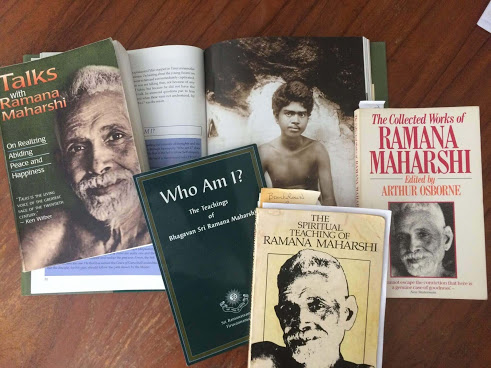
அன்பர்கள் Talks With Sri Ramana Maharishi என்ற புத்தகத்தின் மூன்று தொகுதிகளைப் படித்தால் பல ரகசியங்களை உணரலாம். இவற்றை Sri Ramasramam, Thiruvannaamalai, South India விலிருந்து பெறலாம்.
Pictures are taken from various sources for spreading knowledge;
this is a non- commercial blog. Thanks for your great pictures.
tamilandvedas.com, swamiindology.blogspot.com
DON’T FORGET TO READ 43 PARTS – “TAMIL WORDS IN ENGLISH” THAT ENDED ON SIXTH DECEMBER 2020; THIS SERIES STARTED ON NINTH DECEMBER 2020.
2700 ஆண்டுகளுக்கு முன்னர் தமிழ், ஆங்கில சொற்கள் – பகுதி -16
ALL THE NUMBERS BELOW ARE SUTRA NUMBERS FROM 2700 YEAR OLD ‘ASHTADHYAYI’ OF PANINI, WORLD’S FIRST GRAMMAR BOOK .
XXX
HALLELUY/JAH
2-4-74
Loluva ; in 7-4-82 loluyah
One who cuts very often
‘லோலுய — அடிக்கடி வெட்டுபவன்
இது ஹல்லல்லேலுய்யா என்ற கிறிஸ்தவ, யூத மத கோஷத்துடன் தொடர்புடைய சொல்லாக இருக்கலாம்.
அவர்கள் சொல்லும் பொருள் ;இறைவா உன்னைப் புகழ் கிறோம்.
My interpretation is halleleuyah in Bible.
Hebrew translation is ‘praise be to you’.
Yah = ye= you in plural. Later they attributed to Yahwe/ Jehova
Hindus used it in Rig Veda as well with negative connotation.
இந்துக்களில் பலர் அசைவ உணவைச் சாப்பிட்டாலும் ஏனைய மதத்தினர் போல தினமும் சாப்பிடாமல் பல நாட்களைத் தவிர்த்துவிடுவர். ஆகையால் “அடிக்கடி வெ ட்டுபவர்” (butchers) இந்து அல்லாதவர் என்பவரே.
மேலும் ரிக் வேதம் 9-67 முதலிய பாடல்களில் வரும் ‘அலாய்யா (Alaayaa) பொருள் எவருக்கும் தெரியவில்லை. அவரை இந்திரன் என்று சிலர் கூறுவர். “ஐயா” முடிவு தமிழ்ப் பெயர் போல இருக்கிறது !!
So it might have been a reference to butchers or those who eat meat every day.
Even non vegetarian Hindus avoid meat most of the days.
‘Meat’ itself has ‘me eat’ (you every day)
XXX
2-4-76
PRIYANI – LIKABLE ப்ரியா
ப்ரியானி
IT REMINDS ME OF ANOTHER WORD………………….
BRIYANI – FROM VREEHE FOR RICE IN SANSKRIT.
vegetable biriyani
பிரியாணி . பதஞ்சலி தெரிந்தோ தெரியாமலோ ‘அடிக்கடி வெட்டுப’வருக்கு அடுத்தபடி ‘ப்ரியா – நீ’ பற்றிப் பேசுகிறார். இதன் பொருள்- பிரியமானவர்
இது இன்னும் ஒரு ‘பிரியாணி’யை நினைவுபடுத்துகிறது.
வ்ரிஹி என்ற சம்ஸ்க்ருத சொல் அரிசி எனப் பொருள் படும் .
இது பாரசீக மொழியில் பிரியாணி (V+B)ஆனது; வறு என்ற சொல்லும் ‘பிரை’ என்ற பொருள்படும்.
இதுவும் சம்ஸ்க்ருத origin ஆரிஜின் உடையதே.
I AM SURPRISED THAT PATANJALI PLACED PRIYANI/LIKABLE VERY NEXT TO BUTCHERS. HE MIGHT HAVE REMEMBERED BRIYANI – RICE DISH.
IT IS PRIMARILY FRIED RICE. ‘FRY,ALSO CAME FROM SANSKRIT.
ONLY MUSLIMS MIXED FRIED MEAT IN THE RICE.
EVEN TODAY VEGETABLE BRIYANI IS AVAILABLE IN ALL SOUTH INDIAN VEGETARIAN RESTAURANTS.
XXXX
2-4-77
BHU – BE in English
BHUTA – PAST, BHAVA- PRESENT , BHAVYA- FUTURE ARE USED IN ALL HINDU SCRIPTURES AS ATTRIBUTES OF GODS.
HINDUS IDENTIFIED GOD WITH TIME AND ADDED HE IS BEYOND TIME- KAALA TRAYAADITAH
THAT IS THE SOURCE OF ENERGY BEFORE BIG BANG.
MY GUES IS THAT EINSTEIN GOT MOST OF HIS IDEAS FROM HINDU SCRIPTURES.
HIS DISCUSSION ON THIS SUBJECT IS ALREADY IN THIS BLOG.
பூ = இரு ; பூத பவ்ய, பவத் (விஷ்ணு சஹஸ்ரநாமம்)
காலம் பற்றி ய எல்லா சொற்களையும் கடவுளு க்கே அர்ப்பணித்தவர்கள் இந்துக்கள்
ஐன்ஸ்டைன் போன்ற விஞ்ஞா னிகள் இந்து மத நூல்கலைப் படித்துத்தான் புதிய கொள்கைகளை அறிவித்திருக்க வேண்டும்.ஏனெனில் கடவுளை காலத்ரயாதீதன் — முக்காலத்துக்கும் அடங்காதவன் – என்றும் வேதம் வருணிக்கிறது
XXXX
2-4-77
STAA – STOP; ஸ்தபோ
GHAA/TI= GO in English ; GACHCHA கா= கச்ச
GHAAdI – in hindi THAT WHICH GOES, VEHICLE காடி /வண்டி
GAA / GAI – SING –கா-கான
GAANA IS USED IN ALL INDIAN LLANGUAGES FOR SINGING
XXX
2-4-78
SAACH/ SO – SAW, சா= ராம்பம்
SEEVU/ CHOP IN TAMILசீவு
ASAATH – DESTROYED அசாத் – நாசமாக்கினான்
ACHCHAATH – CUT= CHOPஅச்சாத் – வெ ட்டு
XXX
2-4-80
HVRU – CROOKED; BENT ஹவ்ரு
NAS – DESTROY நஸ் – நாசம்
NAASAM IS USED IN ALL INDIAN LANGUAGES
VRUNG – COVER, WRAP வ்ருங்
JAN – GENERATE, GENERATION, GENERATOR ETC
JAN- BORN ஜனனி- ஜென்ம – ஜாதக
JANANI, JANMA, JAATAKA ETC ARE USED IN ALL INDIAN LANGUAGES.
XXX
2-4-83
THISTA –STAND திஷ்ட ; உத் திஷ்ட
XXX
2-4-84
UNMATTA – MAD
UNMATTA GANGAM – RUSHING/ BRIMMING/ AGITATING
RIVER GANGES உன்மத்த கங்கம் – பைத்தியக்காரத் தனம் ;
கொந்தளிக்கும் கங்கா நதி
XXX
3-1-5
CHIKITSA– TREAT , CURE சிகித்சை
CHIKITSAI/ CURE/ TREATMENT IS USED IN ALL INDIAN LANGUAGES
GOPA – GUARD IN ENG. கோப= காப்பாற்று
KAAPPAATRU IN TAM.
NANDA GOPA
VAARTTIKA USES VYAADHI/DISEASE வியாதி = நோய்
VYAADHI IS SED IN TAMIL AND OTHER LANGUAGES
SANKETA – MARKS, CODE LANGUAGE
SANKETA= CODE= KURI/MARK சங்கேத = குறி = குறியீடு – குறிப்பால் உணர்த்து
Pictures are taken from various sources for spreading knowledge;
this is a non- commercial blog. Thanks for your great pictures.
tamilandvedas.com, swamiindology.blogspot.com
ஹிந்துக்களின் எண்ணிக்கை! – 4
ச.நாகராஜன்
5. பாகிஸ்தான்:
கி.பி.712இல் அராபியர்கள் சிந்த் பிரதேசத்தின் மீது தாக்குதல் தொடுக்கும் வரையிலும், அதே போல ஆப்கன் முஸ்லீம்கள் பஞ்சாபின் மீது பின்னால் தாக்குதல் தொடுக்கும் வரையிலும், பாகிஸ்தான் ஒரு ஹிந்து தேசமே. அதற்குப் பின்னால் ஒரு சில காலம் தவிர இதர காலமெல்லாம் அதை ஆளும் இஸ்லாமிய ஆட்சியாளர்களால் அங்கு வாழ்ந்த ஹிந்துக்கள் கொடுமைக்கும் வன்முறைக்கும் ஆளாக்கப்பட்டு துன்புற்றார்கள்.
ஹிந்து பழக்கங்களும் ஹிந்து சாஸ்திரங்களும் ஒழிக்கப்பட்ட அதே சமயம் மத்திய ஆசியாவில் இரானிலிருந்து ஏராளமான சூபிக்கள் வந்து இஸ்லாமை போதித்து அதைப் பரப்பலாயினர். இதன் காரணமாக, மதம் மாற மறுத்த லட்சக்கணக்கான ஹிந்துக்கள் கொல்லப்பட்டனர் அல்லது வலுக்கட்டாயமாகவோ அல்லது முஸ்லீம் அல்லாத ஹிந்துக்கள் மீது மட்டும் திணிக்கப்பட்ட ஜஸியா வரியிலிருந்து தப்பிக்கவோ அல்லது ஹிந்து ஜாதிமுறையிலிருந்து தப்பிக்கவோ அல்லது பொருள் ஆதாயத்திற்காகவோ மதம் மாறினர்; அல்லது பலர் இந்தியாவின் இதர பகுதிகளுக்கு பறந்தோடினர்.
எடுத்துக்காட்டாக வட இந்தியாவில் உள்ள அரோரா சமூகத்தைக் கூறலாம். அரோர் என்பது சிந்தின் மேலை பாகத்தில் இருந்த அதன் தலை நகரைக் குறிக்கும். பிரிட்டிஷ் இந்தியாவில் இருந்த பெரும்பான்மை முஸ்லீம்கள் இருந்த பிரதேசங்கள், ‘வெட்டி எடுக்கப்பட்டு’ பாகிஸ்தானாக உருவாக்கப்பட்டது என்பது அனைவரும் அறிந்த ஒரு விஷயமே. அந்த தேசம் இரு பகுதிகளாகப் பிரிக்கப்பட்டது – மேற்கு பாகிஸ்தான் (இன்றைய பாகிஸ்தான்) மற்றும் கிழக்கு பாகிஸ்தான் (இன்றைய பங்களாதேஷ்) என்று. பாகிஸ்தான் என்பதற்குப் பொருள் – சுத்தமானவர்களின் நாடு – இந்தியாவிலிருந்த மிக அதிகமாக உள்ள அசுத்தமானவர்களிடமிருந்து
சுத்தமான இஸ்லாமியர்களுக்கானது இது என்று அதை நிறுவிய ஸ்தாபகர்கள் கருத்துப்பட சொல்லப்பட்டது இது.
1946இல் ஹிந்துக்கள் மாபெரும் படுகொலை செய்யப்படும் போது ஹிந்துக்கள் பாகிஸ்தானில் 11 சதவிகிதம் என்ற எண்ணிக்கையில் இருந்தனர். (இதில் 28 %சிந்துவிலும், 11% மேற்கு பஞ்சாபிலும், 7% N.W.E.P யிலும் 8 % பலுசிஸ்தானிலும் உள்ளனர்). ஹிந்துக்கள், முதலில், கூண்டோடு மேற்கு பஞ்சாபிலிருந்தும் N.W.E.P யிலிருந்தும் பின்னர் சிந்திலிருந்தும் வெளியேறி விட்டனர். இதன் காரணமாக இப்போது அங்குள்ளவர்கள் 1.3% தான். சிந்து பிரதேசத்தின் தூர தூர பகுதிகளிலும் தரிசு நிலப் பகுதியிலும் இவர்கள் வசிக்கின்றனர். இவர்கள் 6 % மைனாரிடியாக உள்ளனர். அவர்கள் பாகிஸ்தானில் மைனாரிடியில் கூட அதிகமான எண்ணிக்கையில் இல்லை. கிறிஸ்தவர்களே மைனாரிடியில் அதிகமான எண்ணிக்கையில் உள்ளனர் -1.5% இன்றும் கூட தினசரி கொடுமைக்குள்ளாவதால் ஹிந்து மைனாரிடியினர் இந்தியாவிற்கு குடிபெயர்ந்து செல்வதும், அல்லது வலுக்கட்டாயமாக இஸ்லாமுக்கு மதம் மாறுவதும் நடந்து கொண்டே இருக்கிறது. பாகிஸ்தான் ஹிந்துக்கள் தனியே ஒரு வெப்-சைட் அமைத்துள்ளனர். இது அனைவரும் பார்க்க வேண்டிய ஒன்றாகும்.
6. பங்களாதேஷ் :
முதலில் தீவிர முஸ்லீம் சூஃபிக்களாலும் சில்ஹெட் சுராவர்தி போன்றோராலும் அமைதியான முறையில் தான் இஸ்லாம் ஆங்காங்குள்ள பூர்வ குடியினரிடையே பரப்பப்பட்டது. என்றாலும் ஹிந்துக்களைக் கொடுமைப்படுத்துவதும் கோவில்களை அழிப்பதும் இல்லாமல் இல்லை. இஸ்லாம் வந்த போது பங்களாதேஷின் பெரும் பகுதிகளில் ஹிந்து மதம் நிலையாக நிறுவப்படவில்லை. அங்கு வாழ்ந்து வந்தோர் தாந்திரிக புத்த மதம், ஆவி உலகக் கோட்பாடு, ஹிந்து மதத்தின் ஆதிகால வழிபாட்டுமுறைகளைப் பின்பற்றி வந்தவர்கள்.
கி.பி. 1947இல் கிழக்கு பாகிஸ்தான் உருவான போது அங்கு ஹிந்துக்களின் எண்ணிக்கை 34 % ஆக இருந்தது. ஆனால் தொடர்ந்து நடந்த கொடுமை, வன்முறையாலும் அரசினால் தூண்டப்பட்ட வகுப்புக் கலவரங்களினாலும் ஹிந்துக்கள் படுகொலை செய்யப்பட்டனர். உடனே, லட்சக்கணக்கான ஹிந்துக்கள் இந்தியாவிற்கு குடியேறினர் அல்லது வலுக்கட்டாயமாக இஸ்லாமுக்கு மதம் மாற்றப்பட்டனர். 1971ஆம் ஆண்டு பங்களாதேஷ்வாசிகள் மேற்கு பாகிஸ்தனியரோடு ஒரு சுதந்திரப் போரைத் துவங்கினர். பாகிஸ்தானின் மேற்கு பாகிஸ்தானியர் அதிகம் உள்ள ராணுவமானது அதை மிருகத்தனமாக எதிர்த்தது. குறிப்பாக ஹிந்துக்கள் குறியாக வைக்கப்பட்டனர். முப்பது லட்சம் பங்களாதேஷ்வாசிகள் (24 லட்சம் ஹிந்துக்கள் இதில் அடக்கம்) கொல்லப்பட்டனர். 100 லட்சம் பங்களாதேஷிகள் (இதில் 80 லட்சம் பேர் ஹிந்துக்கள்). இந்தியாவிற்கு வந்தனர். பங்களாதேஷ் நிறுவப்பட்ட பின்னர் அங்குள்ள ஹிந்துக்கள் (இப்போது 34 % சதவிகிதத்திலிருந்து ஹிந்துக்கள் 16 % ஆகியிருந்தனர்) அப்பாடா என்று நம்பிக்கைப் பெருமூச்சு விட்டனர். ஆனால் அவர்களின் நம்பிக்கை சீக்கிரமாகவே தகர்ந்தது – பங்களாதேஷ் ஒரு இஸ்லாமிய நாடு என்று அறிவிக்கப்பட்டவுடன்!
ஹிந்துக்களைப் பாதிக்கும்படியான தொடர் சட்டங்கள் பங்களாதேஷ் அரசால் நிறைவேற்றப்பட்டன. அண்டையிலுள்ள இஸ்லாமிய நாடுகளால் ஹிந்துக்கள் தினசரி அடக்குமுறைக்கு உள்ளாயினர்.
நாவல் போன்ற உண்மைகள் நிறைந்த ‘ஷேம்’ என்ற நாவலை எழுதிய பங்களாதேச பெண்மணியான தஸ்லிமா நஸ் ரீன், அதில், வங்காள ஹிந்துக்களின் அவல நிலையைச் சித்தரித்துள்ளார். இதன் விளைவாக முஸ்லீம் மதகுருமார்களால் மரணதண்டனைக்கான பட்வா அவர் மீது விதிக்கப்பட்டது. தஸ்லிமா இப்போது ஸ்வீடனில் அடைக்கலம் புகுந்துள்ளார். இந்தியாவில் 1992 டிசம்பர் மாதம் பாப்ரி மசூதி இடிக்கப்பட்ட பின்னர் பங்களாதேஷில் உள்ள வெறிபிடித்த முஸ்லீம்கள் கலகத்தை அங்கு ஆரம்பித்து 200 ஹிந்துக்களைக் கொன்றனர். பல்லாயிரக்கணக்கில் ஹிந்துப் பெண்மணிகளைக் கற்பழித்தனர். அங்கு 1997 அக்டோபர் மாதம் துர்கா பூஜை கொண்டாட்டத்தில் வெறி பிடித்த முஸ்லீம் இளைஞர்களால் நாடெங்கும் சுமார் 100 இடங்களில் ஹிந்துக்கள் தாக்கப்பட்டனர். இஸ்லாமிய நாட்டில் தடைசெய்யப்பட்ட பழக்கத்தைக் கடைப்பிடித்ததற்காக ஜஸியா வரியைச் செலுத்துமாறு ஹிந்துக்கள் கட்டாயப்படுத்தப்பட்டனர். தொடர்ந்த அடக்குமுறை காரணமாக அங்கு ஹிந்துக்களில் எண்ணிக்கை 11%-லிருந்து குறைந்து இப்போது 8 % மட்டுமே உள்ளது.
*** தொடரும்
ஆதாரம், நன்றி : Critical Podium Dewanand writes on March, 25,2009 under the caption ‘Preserving Hinduisam – Sanatan Dharma’ – Preserving Hinduism as a world Religion down the ages. Hindus around the World, as follows (http://www.shopumust.com/hindus)
Truth, Kolkata Weekly Vol 88 No 20 Dated 4-12-2020
Pictures are taken from various sources for spreading knowledge;
this is a non- commercial blog. Thanks for your great pictures.
tamilandvedas.com, swamiindology.blogspot.com
DECEMBER 27-12-2020 Thamiz Muzakkam/ Tamil Thunder Broadcast
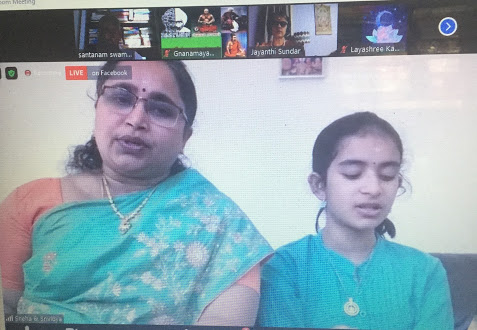
PRAYER- by Miss LAYASHRI KALYANASUNDARAM
MRS BRHANNAYAKI SATHYANARAYANAN FROM BENGALURU ON TIRUNALLARU TEMPLE
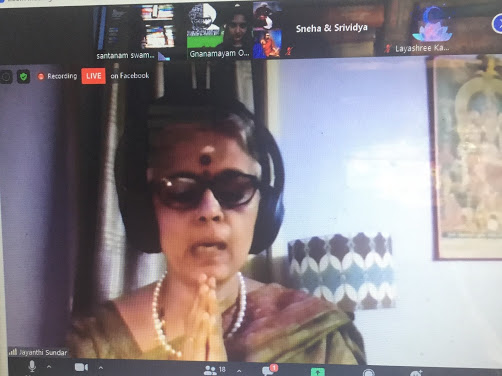
THIRUPPUGAZ BY MRS JAYANTHI SUNDAR AND KUMARI SNEHA, SRIMATHY SRIVIDHYA SREERAM
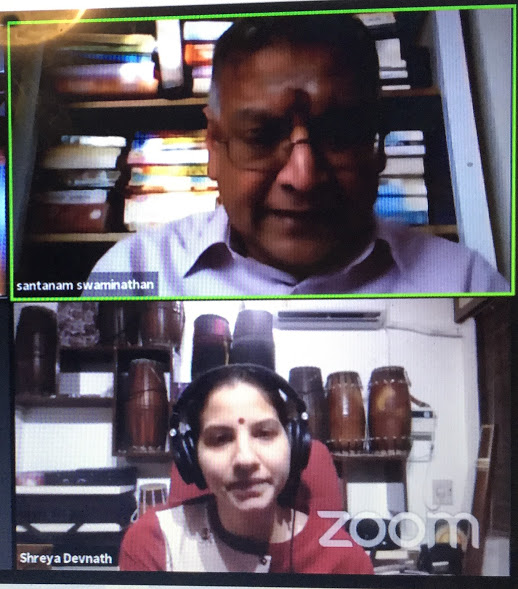
YOUNG AND FAMOUS VIOLINIST SHREYA DEVANATH INTERVIEW BY LONDON SWAMINATHANM
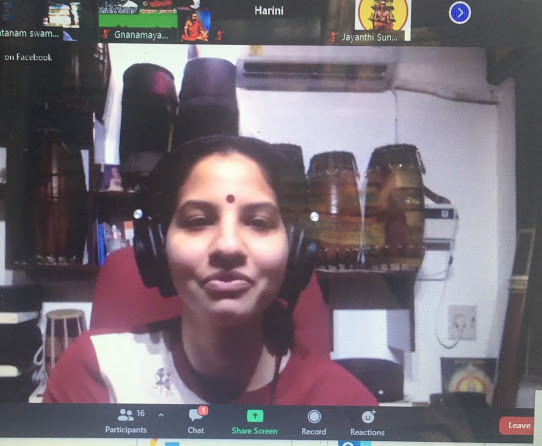
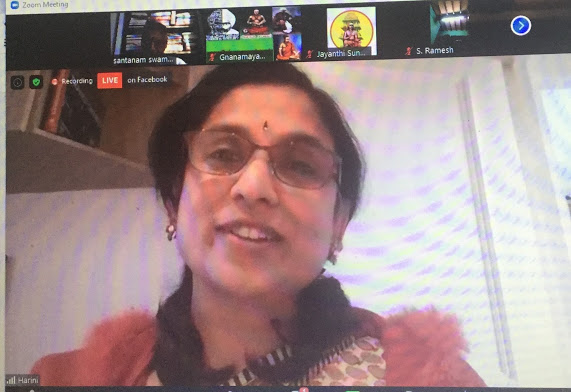
VIOLINIST SHREYA DEVANATH WAS INTRODUCED BY MUSIC TEACHER MRS HARINI RAGHU OF LONDON
MRS RANJANI DASARATHY’S SONG – ‘eppatip paadinaro’
MISS Bhanuka Lamodara Sharma READ AN ARTICLE WRITTEN BY LONDON SWAMINATHAN ( THREE UNSOLVED PUZZLES IN TIRUPATI)
CHENNAI MRS LAKSHMI RAMESH –S ONG BY BHARATI , ‘vellaith thamarai’
DUBAI SRI VIDHYA – EPISODE TWO IN BHARATIYAR’S LIFE
AROUND 67 MINUTES
XXX
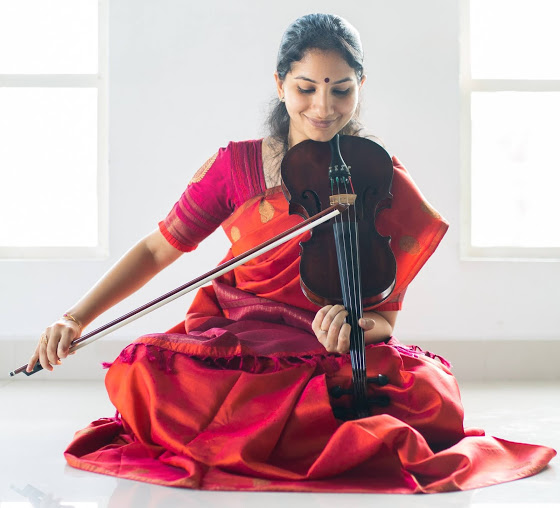
VIOLINIST SHREYA DEVANATH
Shreya Devanath is a student of the legendary Lalgudi Jeyaraman and strives to be a worthy representative of this prestigious school of music. She is a well established solo violinist who presents diverse instrumental collaborations featuring violin, Nagaswaram, Mridangam and Tavil. She did innovative concerts with artistes from Villuppattu. Her other collaborative ventures include violin with Chitravina, flute, sitar and tabla. She has performed in several countries including US and UK. She has won a number of awards in her musical career. As a student also she won the gold medal in Economics. Shreya holds a master’s degree in economics. She is currently involved in many research projects connected with music.
Swaminathan asked her about her innovative projects and her favourites in the field of music. When he asked her what she would consider the best award in her long list of awards, she replied that she values the ‘Sabhaash’ from her guru Lalgudi Jayaraman, more than anything else. That word of appreciation would not come unless one is 100 percent perfect in playing violin. It is like the Brahma Rishi title Viswamitra received from great rishi/seer Vasishta.
Though it was only a 20 minute interview Shreya gave lot of information and it was well received by the Gnanamyam audience.
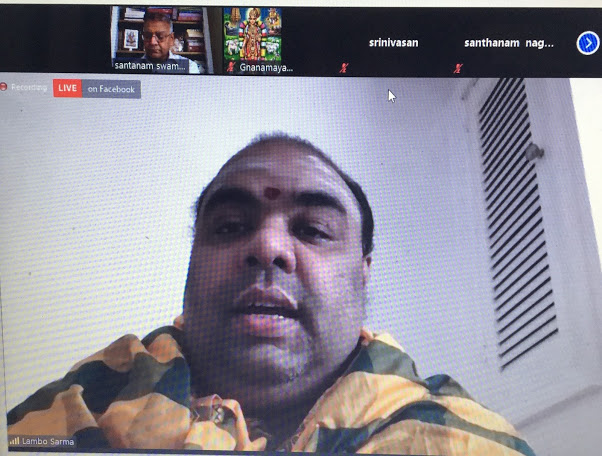
PRAYER-TIRUVEMPAVAI rendered by Sri Lambodara Kurukkal of Pillayar Temple, Wales, UK
NEWS IN TAMIL AND ENGLISH by Mrs Vaishnavi Anand and Mrs Sujatha Renganathan
TALK ON ARUDRA DARSHAN- BY Saivite Scholar and author of over ten books- THILLAI SRI KARTHIKEYA SIVAM –
Tillai was introduced by Sri Lambodara Kurukkal
Bengaluru S. NAGARAJAN ON PYRAMIDS
Mrs RANJANI DASARATHY SONG- ON RAMANAR “KATHI KAANEN”
Chennai KATTUKUTY S. SRINIVASAN- ON PLANET BUDHAN/ MERUCRY
Mrs. DEEPTHA MAHADEV – CALIFORNIA —SONG
MISS LAYASHRI KALYANA SUNDARAM read London SWAMINATHAN’s ARTICLE on Nature of Brahman and Knowledge of Brahman
Chennai Mrs LAKSHMI RAMESH– TIRUPPAVAI ‘thumani madathu’- Beemplash Raga
DR N. KANNAN- Talk on Alvars
AROUND 90 MINUTES
Thillai Sri Karthikeya Sivam described the origin of Pavai Nonbu (Vow and Fasting), significance of Margasirsha month and Arudra Festival and greatness of Chidambaram Temple
INTRODUCTION TO GNANAMAYAM
WE HAVE LAUNCHED A HINDU BROADCAST IN AUGUST 2020 AND IT IS GOING WELL ON MONDAYS VIA ZOOM AND FACEBOOK.
LATER WE HAVE EXTENDED IT ON ONE MORE DAY, ON SUNDAYS TO SPREAD TAMIL CULTURE.
BOTH OUR BROADCASTS ARE NON POLITICAL AND NON COMMERCIAL.
WE DON’T ADVOCATE OR SUPPORT ANY VIOLENCE IN ANY FIELD.
IT IS A ONE HOUR BROADCAST FROM LONDON.
TIME OF BROADCAST- ONE PM, LONDON TIME—— 6-30 PM INDIAN TIME
DAYS- MONDAYS AND SUNDAYS
MONDAYS FOR HINDUISM (UNDER GNANAMAYAM AND GNANA SUDAR)
SUNDAYS FOR TAMIL CULTURE & LANGUAGE (UNDER THAMIZ MUZAKKAM/ TAMIL THUNDER)
WHO DOES THIS?
I (LONDON SWAMINATHAN) DO IT ON BEHALF OF ‘GNANAMAYAM’ , LONDON.
SRI KALYANA SUNDARA SIVACHARYAR OF WORLD HINDU MAHASANGAM AND MRS VAISHNAVI ANAND ARE CO-PRODUCERS FOR TAMIL PROGRAMMES