Poetess and Historian Gangadevi!

madura vijayam

Written by London swaminathan

Research article No. 1787; Date 8th April 2015

Uploaded from London at   21-44

Gangadevi and her Sanskrit poetic work Madura Vijayam have made immense contribution to South Indian History.

Gangadevi was the chief queen of Kumara Kampana II (1343—1379). She accompanied her husband in his southern expedition. Though Kampana had many wives like other Indian kings, Gangadevi was the chief consort.

Gangadevi wrote Madura Vijayam in Sanskrit poetry. The book was brought to light by G.Harihara Sastri and V Srinivasa Sastri of Trivandrum in 1916. S Thiruvankatachary translated into English and Annamalai University published it in 1957. He commented on her poetic merits in the following words, “Being a biographer first and then only a poet, her literary borrowings do not affect the work in any way.”

MapofMadurai

Gangadevi was a learned person. She mentions and pays homage to the ancient poets like Kalidasa, Bhattabana, Bharavi, Bhavabhuti, Dandin along with Valmiki and Vyasa. She gives some interesting information about Agastya. She described him as the author of 74 poetic compositions. She praises Agastya’s nephew Gangadhara, who dramatized the story of Mahabharata. She acknowledges Viswanatha, one of the two sons of Gangadhara, and his influence on her as a guru.

When Kampana invaded South India, it was under Madurai Sultanate. Malik Kafur attacked Madurai in 1311 CE. He just plundered all the temples and went back to Delhi. The second invasion took place under Ghiyasuddin Tughlak and he established Madurai Sultanate. From 1335 to 1371, Madurai suffered a lot. The temple was closed for nearly forty years. Madura Vjaya described the appalling condition of Hindus during that period. Though Hoysala ruler Veera Vallala tried to dislodge the Sultan he was killed in the war. Kampana came with a big army and killed Madurai Sultan Qurbat Hasan Kangu.

Gangadevi gave minute details of her husband’s expedition and the condition of Madurai. Her report was like a modern day war correspondent in the warfront. Even now women rarely go to war fronts to cover the attacks. But Gangadevi did it 700 years ago! Publishers of Madura Vijayam praised her as the first historian of South India like Kalhana of Rajatarangini in North India.
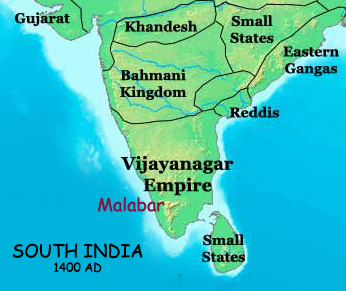
East-Hem in 1400 AD

Chidambaram = Abode of Tigers!

Gangadevi described the political and religious conditions in such a way that the descriptions looks like a faithful portrait of  the real state of affairs in those days. The famous Saivite temple town Chidambaram is called Vyagrapuri (Tiger town). She described the condition, “As a result of the tyrannical rule of Muslims, Vyagrapuri has actually become the Abode of Tigers”. It is a pun on the word Vyagra=Tiger.

It is believed that Kampana got a divine sword from the goddess before invading Madurai. It is in the Madura Vijayam. There are nine chapters. Earlier chapters describe the life of Kampana and later chapters describe his victorious march to Madura. His victory sounded the death knell to Muslim Rule in Madurai.

Source: Madura Vijayam and Kingship: State and Religion in South India by D Sridhara Babu.
Marriage by abducting Girls in Ancient India!

subhadra

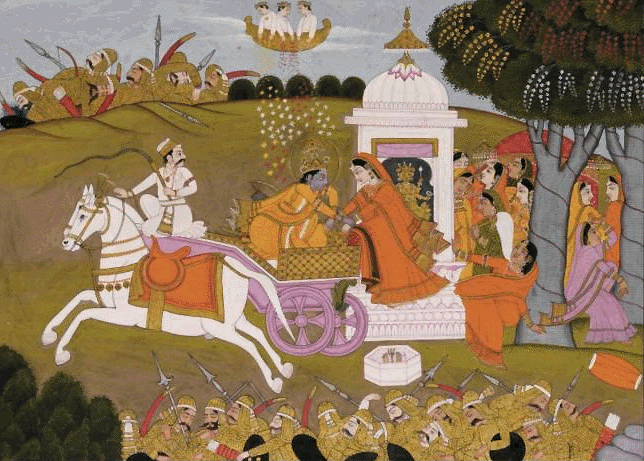
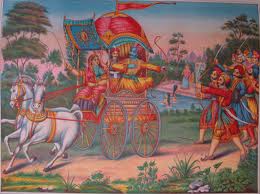
Subhadra’s abduction by Arjuna

Written by London swaminathan

Research article No. 1784; Date 7th April 2015

Uploaded from London at   21-40

Taking a woman away by force and marrying her is called “Rakshasa type of marriage”. It is listed as one of the eight approved types in the Hindu law books. This started during Rig Vedic (before 1700 BCE) days.

In the epics and Puranas and also in the Prakrit and Sanskrit literature, we have numerous instances of forcible abductions but the Vedic references of such cases are very few.

1.The Rig Veda (1-112-19, 1-116-1; 1-117-20; 10-39-7; 10-65-12) contains a few references to Vimada who carried off Purumitra’s daughter Kamadyu against her father’s will, but probably with her own consent.

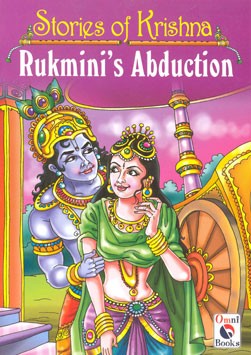
2.Lord Krishna abducted Rukmini and married her.

3.Bhisma abducted Amba, Ambika, Ambalika (daughters of King of Kasi)  and married two of them to Vichitravirya.

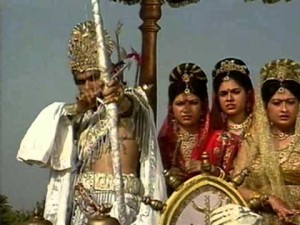
4.Arjuna abducted Subhadra, Krishna’s sister, with the connivance of Krishna and married her.

bhishma-amba-ambika-ambalika-300x225

Bhisma’s abduction of Amba, Amabika, Amabalika

In Rukmini’s case her father Rukmi wanted to give her to Sishupala. But Rukmini liked Krishna.

In the case of Subhadra, Balarama wanted to give her to Duryodhana, but Krishna opposed it and helped Arjuna to abduct her. Subhadra liked Arjuna.

In the case of Amba, she told Bhisma that she had already fallen in love with King Shalva. When Bhisma sent her back to Shalva, he refused to accept her. She cursed Bhisma for the failure.

In the case of Ravana, he abducted Sita who is another man’s wife. Though the scriptures accepted abduction marriage (Rakshasa Vivaha) as one of the eight approved types, it never accepted abduction of married women/another man’s wife.

Asvalayana Grhya Sutra and most of the Dharma Sutras have given recognition to this form of marriage. The Baudhayana Dharma Sutra (4-1-15-16) clearly states that “if a damsel has been abducted by force and not has been wedded according to sacred texts, she is to be treated like a maiden and may be lawfully married to another man”.

rukmini2

Rukmini’s abduction by Krishna

Oldest Tamil book Tolkappiyam refers to eight types of marriages which is already said by Manu and other Hindu law books/smrtis. Most famous Tamil commentator Nachinarkiniyar explained them in detail. This gives another blow to the Aryan – Dravidian fake theory. I have already given scores of Tamil customs similar to the ones referred to in the ancient Hindu smrtis.

(1. Performing Rajasuya Yajna, Asvamedha Yajna by Tamil Kings, 2.Worship of Indra and Varuna, Shiva, Vishnu, Durga, Krishna, Balarama in Sangam literature, 3.Four divisions of army, 4.Six divisions of seasons, 5.Four Purusharthas: Dharmartha kamamoksha; 6.Praising Arundhati as the chastest woman; 7.Flags and White umbrella; 8.Sacrificing a human being before the war, 9.Capturing the cattle to start a war; 10.King as God; 11.Praying to Southerners/departed souls; 12.Wishing for a male child to do funeral rites; 13.Cremation, 14.Respecting Brahmins and the Four Vedas; 15.Belief in Karma Theory; 16Belief in Rebirth; 17.Wife respecting husband; 18.Godddess Worship; 19.Worship of sun and moon, 20.Belief in astrology, omens and umpteen other things in the oldest part of Tamil literature bulldozes the Aryan Dravidian theory. 21.Tamil and Sanskrit came from the same source and branched out before 3000 years; both following Sandhi rules until today; Agastya codifying Tamil grammar based on Panini’s Ashtadhyayee; 22.Worshipping nature 23.Using the same alphabet in same order 24.Using Brahmi script 25.Practice of ‘Sati’ etc are given in this blog. These things, not only ridiculed the supporters of Arya- Dravidian Racist theory, but also powdered their theory into dust).

Eight Types of Marriages in Tolkappiyam (Sutra 1038- Porul Adhikaram) and Manu Smrti (3-21)

1.Brahmam

Marriage between a man and a woman according to rules in the scriptures. This is a marriage between a 48 year old man and a 12 year old girl. The man remained a bachelor for 48 years for studying the Vedas and other allied subjects.

2.Prajapatyam (Prajapathi Type)

Giving away the daughter in marriage with double the dowry as given by the bridegroom’s party.

3.Arsam (Rishi Type)

Offering in marriage of a girl decked in jewels to a suitable person. Both the bride and the bridegroom are made to stand between a cow and an ox whose horns and hoof are plated with gold and they are blessed to live in joy like cow and ox. Holy water is poured as a symbol of giving away the daughter.

rukmini

4.Daivam (Divine)

This means the offer of a girl in marriage to the suitable one among those who do the noble sacrifice or yagam  in the presence of fire/agni.

5.Asuram (demonic)

The marriage of valour where a man marries one after proving his manliness by subduing a wild ox, shooting a wandering hog by an arrow or by proving his skill in archery.

6.Rakshasam (demonic)

This means a forced marriage where a person carries away a maid by force without the consent of the woman or her parents

7.Paisasam (ogre Type)

This means the act of union with the old, drunkards or the sleeping ones; also it refers to marrying a woman leading a disgraceful life.

8.Gandharva (Love Marriage; Western Type)

This means a man and a woman falling in love at first sight and then getting married just like the heavenly Gandharvas ( The word Centaurs came from the gandarva)

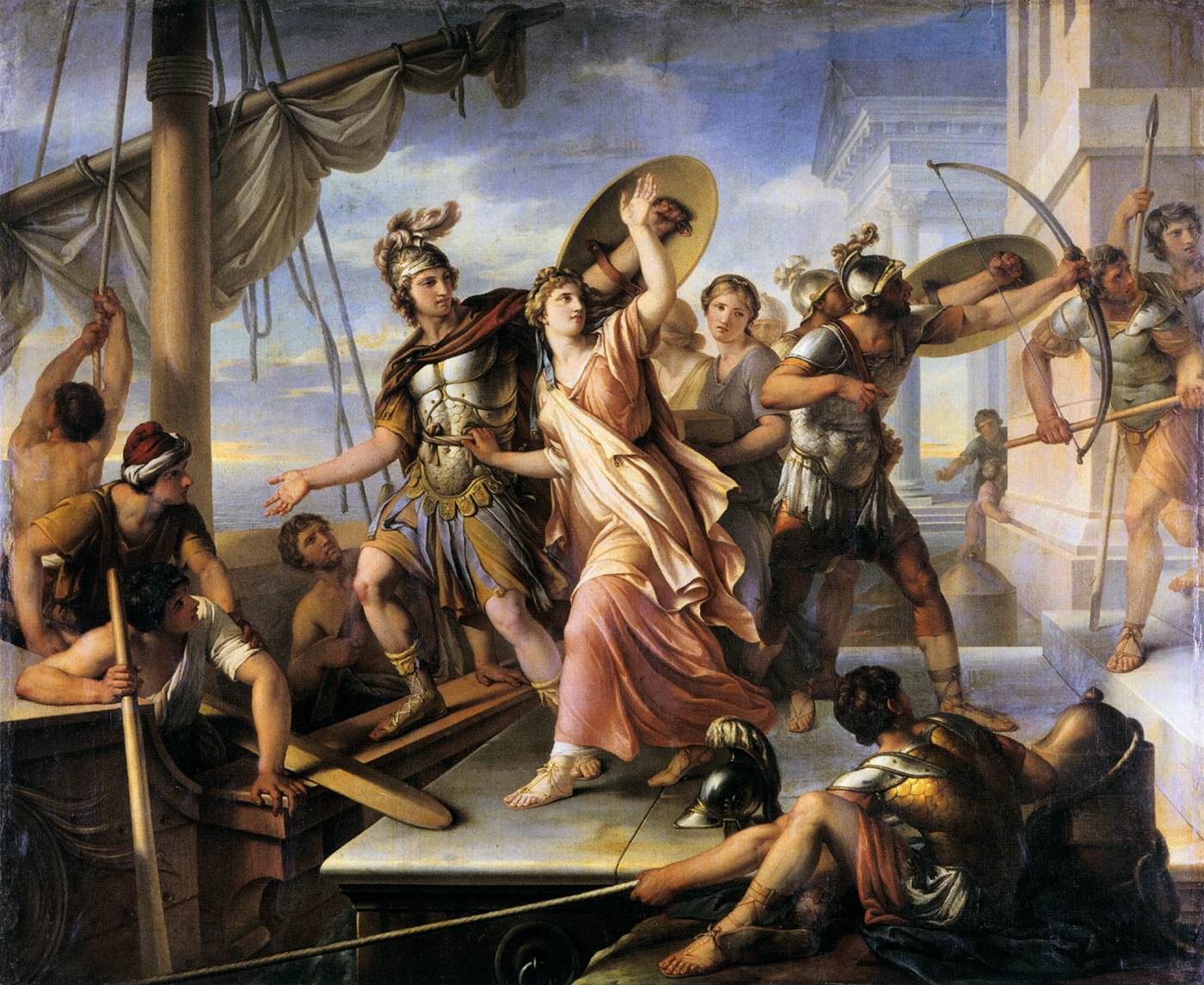
abduction of Helen

Helen of Troy abduction by Paris

Sources :

A Cultural Index to Vedic Literature

Who is Who in Mahabharata

Manu Smrti (Third Chapter from 3-20 onwards)

Tolkappiam (Tamil Grammar)

Abidana Chintamani (Pages 1240-1243)