
Written by LONDON SWAMINATHAN
swami_48@yahoo.com
Date: 25 OCTOBER 2019
British Summer Time uploaded in London – 7-22 AM
Post No. 7136
Pictures are taken from various sources; beware of copyright rules; don’t use
them without permission; this is a non- commercial, educational blog; posted in
swamiindology.blogspot.com and tamilandvedas.com simultaneously. Average
hits per day for both the blogs 12,000.
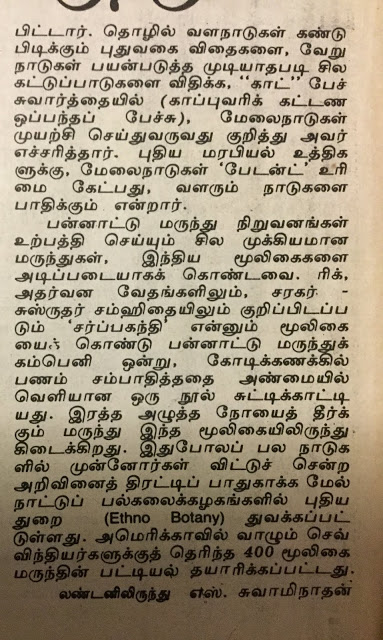
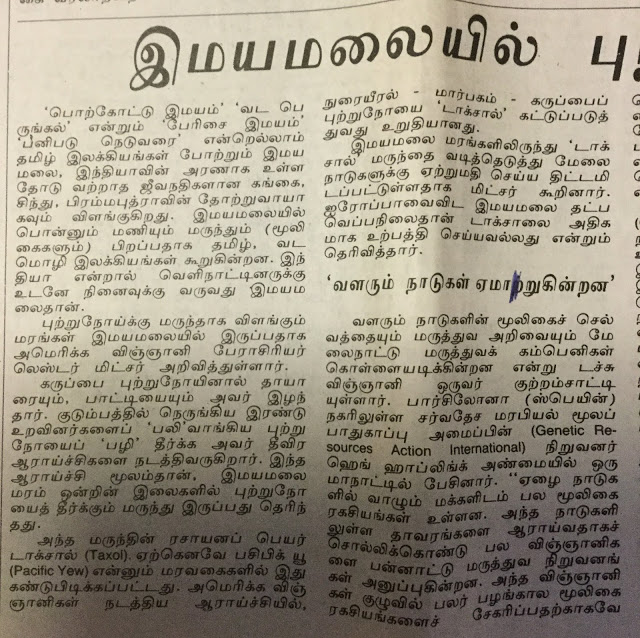
நான் எழுதிய ‘இமயமலையில் புற்றுநோய்க்கு மருந்து’ என்ற கட்டுரை தினமணியில் உலகப் பலகணி -யின் கீழ் 1992-ம் ஆண்டு ஜூன் 14ம் தேதி வெளியானது. அத்துடன் ரஷியாவை அதிரவைத்த கொலை வழக்குகள், பாட்டில் படத்தின் விலை 21 லட்சம் டாலர் என்ற கட்டுரைகளும் வெளியாகின. முதலில் இமயமலையில் புற்று நோய்க்கு மருந்து என்பதைக் காண்போம்.
நான் எழுதிய செய்தி 1992-ல் வெளியானது. அதற்குப் பின்னர் 2011-ல் லண்டனில் வெளியான செய்தி அபாய மணி அடித்துள்ளது. இமயமலை மரங்களில் ‘டாக்ஸால்’ இருப்பதை அறிந்து அதை அதிகமாக அறுவடை செய்வதால் அந்த இனமே அழிந்து விடும் என்ற பேராபத்து ஏற்பட்டதாக லண்டன் கார்டியன் (The Guardian Newspaper, London) செய்தி வெளியிட்டது.
பின்னர் 2015-ல் டாபர் (Dabur) நிறுவனம் இதை ஆயுர்வேத முறையில் எடுத்துப் பயன்படுத்தப்போவதாக அறிவித்தது.
2002-ல் வெளியான மற்றொரு செய்தி ஆண் மரங்களில் 64 சதவிகிதம் அதிகம் ‘டாக்ஸால்’ கிடைப்பதாக ஆராய்ச்சியில் தெரிய வந்ததாகச் சொல்கிறது.



Thu 10 Nov 2011
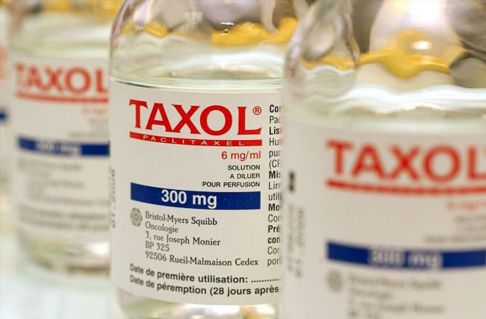
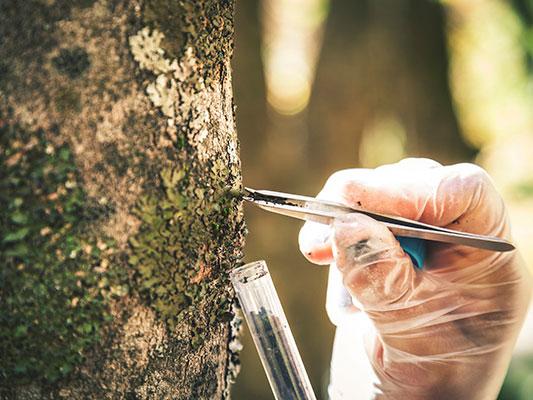
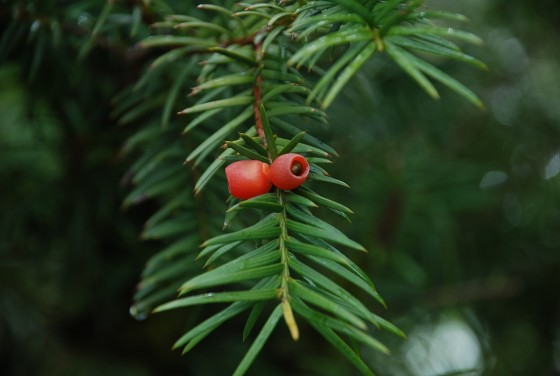
Taxol, a chemotherapy drug used in the treatment of cancer, was first found in the bark of the Pacific yew tree (Taxus brevifolin). Photograph: National Cancer Institute/Corbis
A species of Himalayan yew treethat is used to produce Taxol, a chemotherapy drug to treat cancer, is being pushed to the brink of extinction by over-harvesting for medicinal use and collection for fuel, scientists warned on Thursday.
The medicinal tree, Taxus contorta, found in Afghanistan, India and Nepal, has seen its conservation status change from “vulnerable” to “endangered” on the IUCN’s annual “red list” of threatened species.
Taxol was discovered by a US National Cancer Institute programme in the late 1960s, isolated in the bark of the Pacific yew tree, Taxus brevifolia. All 11 species of yew have since been found to contain Taxol. “The harvesting of the bark kills the trees, but it is possible to extract Taxol from clippings, so harvesting, if properly controlled, can be less detrimental to the plants,” said Craig Hilton-Taylor, IUCN red list unit manager.
Xxx
Dabur, one of India’s largest
Ayurvedic formulation manufacturers, has now ventured into modern
pharmaceutical research and product development. Dabur recently announced that
it had perfected a method to extract taxol — a potent drug used to treat
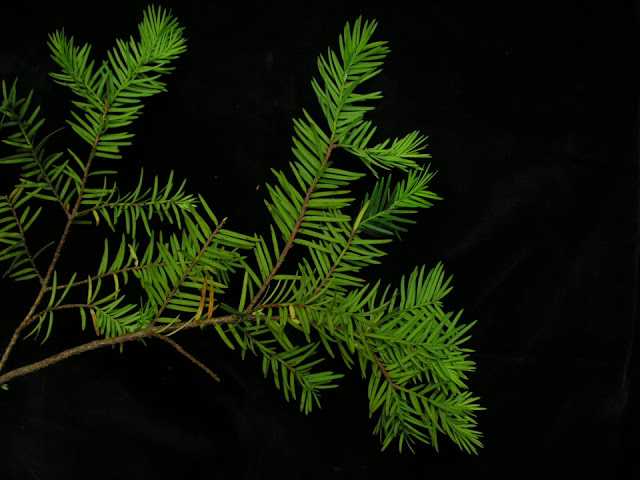
ovarian and breast cancers — from the leaves of the Himalayan yew (Taxus
baccata).
Says Anand Burman, director of research and
development at Dabur, “We cannot compete with the big players in the
synthetic pharmaceutical business, so we are limiting our efforts to what we
know best — natural plant products and extracts.”
Xxxx


AGE AND SEX OF TREES DECIDE QUANTITY OF TAXOL
Taxol content in the bark of Taxus baccata trees growing in a homogenous (uniform) environment at Jageshwar, District Almora in Central Himalaya has been quantified. The average taxol concentration in the bark of sampled trees was 0.0558+/-0.008% (of dry wt.) and was about 64% higher for male plants (averaged across tree age) in comparison to female trees. Maximum taxol content was recorded in the bark samples collected from trees of >110 yrs age.
ANOVA indicates a significant difference in the taxol content of bark from trees of different ages, however, differences were not significant between sexes. Taxol was quantified by HPLC using a standard curve prepared with authentic taxol; the identification of bark taxol was confirmed by UV and mass spectrometry. The total taxol content of the bark of Taxus trees across an age series was found to range between 0.064 to 8.032 g/tree, and a tree of about 100 yrs age can yield 5.74 kg dry bark.
Xxxx SUBHAM XXX
 Tamil and Vedas