

Post No. 15,457
Date uploaded in Sydney, Australia – 26 February 2026
Contact – swami_48@yahoo.com
Pictures are taken from various sources for spreading knowledge.
this is a non- commercial blog. Thanks for your great pictures.
xxxx
ஆங்கில எழுத்து K- ல் துவங்கும் சொற்கள்
Words beginning with “K”. (Tamil Version will be posted tomorrow)
Kalidasa (kaalidaasa)
Kalidasa is widely considered to be the greatest Indian poet and playwright of all time. He wrote in Sanskrit. There are seven works written by him-two epic poems, two shorter poems and three plays. They are 1.Raghu Vamsa (dynasty of Raghu),2.Kumara Sambhava (Birth of Kumara, 3.Megha Duta (Cloud Messenger),4.Ritu Samhara (Cluster of Sesons), 5.Malavikagnimitram (Malavika and Agnimitra),6.Abijnana Shakuntala (The recognition of Shakuntala) and 7.Vikramorvasiya (Urvasi won by valour).His master piece was Shakuntala.
The age of Kalidasa has been debated for long. He could have lived anytime between 2nd century BC and 4th Century AD. Though the western scholars have placed him in the period of Gupta dynasty, Indians believe that he lived in the time of the great Indian King Vikramaditya who started his own Vikrama era in 56 BCE. Kalidasa was one of the Nine Jewels (Navaratna) of Vikramaditya’s court.
My research into Tamil Cankam (also known as Sangam) literature shows that Kalidasa lived sometime before the birth of Christ. Tamil poets have used a lot of his similes. Kalidasa was most famous for his apt similes. The Sanskrit poets praised him as Upama Kalidasasya: ( Kalidasa owns similes).Tamil poets have used lot of common Indian/ Hindu beliefs. The source may be different ancient Indian works. But there are very clear indications to show that the poets have got them from Kalidasa’s works. There are over 200 similarities between the works of Kalidasa and the Sangam Tamil works. No one can reject them as coincidences or of pan Indian origin.
Seven Books—40,000 words—93 commentaries for three of his works—he beat Shakespeare in writing poetry+ dramas+ Epics+ stotras (Shyamaladandakam) and usage of similes. He covered the history of 29 kings in Raghuvamsam. He used 1250 similes! He gives a description of a vast geographical area from Iran to Indonesia! He called the Himalayas “the measuring rod of earth” even before George Everest told the world the height of Everest Peak!!! An amazing poet the world has ever produced. First poet to write a travelogue called Meghadutam in Sanskrit and first poet to report the progress o South West Monsoon from South India to Himalayas.
First poet to link Pandyas and Agastya, which is the foundation of Tamil History.
***
Kalpa
Kalpa (कल्प) refers to “one day in the life of Lord Brahmā. It is equivalent to one thousand catur-yugas. Each catur-yuga is one cycle of the four yugas: Satya, Dvāpara, Tretā and Kali, totalling 4,320,000,000 years.
It signifies a period of creation, duration, and destruction of the universe.
One of the six Vedāṅgas, i. e. that which lays down the ritual and prescribes rules for ceremonial and sacrificial acts; शिक्षा कल्पो व्याकरणम् (śikṣā kalpo vyākaraṇam) Muṇdtod; 1.1.5 see under वेदाङ्ग (vedāṅga).
The doctrine of poisons and antidotes.
One of the trees of paradise; cf. कल्पद्रुम (kalpadruma).
***
Kalpakavriksa- Wish fulfilling tree
Kalpavṛkṣa (कल्पवृक्ष).—A tree in Devaloka. It has the power of giving any object that one wishes to get. There are five Kalpavṛkṣas in Devaloka. Their names are: Mandāra, Pārijāta, Santāna, Kalpavṛkṣa and Haricandana.
***
Kama (kaama)
Wish, desire; this Sanskrit word is used throughout ancient Tamil literature.
Kāma means desire, wish, longing in Indian literature. Kāma often connotes sexual desire and longing in contemporary literature, but the concept more broadly refers to any desire, wish, passion, longing, pleasure of the senses, the aesthetic enjoyment of life, affection, or love, with or without sexual connotations.
Love or desire of sensual enjoyments, considered as one of the ends of life (puruṣārtha); cf. अर्थ (artha) and अर्थकाम (arthakāma).
Dharama, Artha, Kama, Moksha are the four values that Hindus should aim for.
***

Kama – God of Love
Kama is the God of Love and Lust. He is also referred to as Manamatha. He is the most handsome among both men and Gods. He is equivalent to the Greek/Roman Cupid. He uses a bow of sugarcane, and shoots flower tipped arrows at humans to make them fall in love. He is married to Rati, one of the daugters of Daksha.
***
Kāmaśāstra (कामशास्त्र) refers to the “science of erotics”.
Kamasutra
Kāmasūtra (कामसूत्र).—
Name of an erotic work by Vātsyāyana.
First book on sex in the world. Vatsyayana wrote it in Sanskrit. First book in the world which prescribed educational syllabus for women.
“ A woman should study even before reaching adolescence, and then, once married should continue her studies with her husband.” ( Sutra 2, Chapter 3, Kamasutra of Vatsyayana)
Vatsyayana, the Brahmin author of Kamasutra listed all the 64 arts that a woman should learn. Tamil and Sanskrit poets referred to this 64 arts in their poems. Goddess Sarasvati is the source of those 64 subjects.
Kāmasūtra (कामसूत्र) (lit. “principles of love”’) is an ancient Indian Sanskrit text on sexuality, eroticism and emotional fulfillment in life.—The Kāmasūtra is a Sūtra-genre text with terse aphoristic verses that have survived into the modern era with different bhāṣyas (exposition and commentaries). The Kāmasūtra acknowledges the Hindu concept of Puruṣārthas, and lists desire, sexuality, and emotional fulfilment as one of the proper goals of life. Its chapters discuss methods for courtship, training in the arts to be socially engaging, finding a partner, flirting, maintaining power in a married life, when and how to commit adultery, sexual positions, and other topics.
***
Kamadhenu- Wish fulfilling Cow

Kamadhenu is the wish fulfilling cow. The picture and statues of Kamadhenu are in Hindu houses and temples.
It refers to the “celestial cow” also known as Surabhi (सुरभि Surabhī).
Kamadhenu, the divine “cow of plenty” originating from the Churning of the Ocean, is revered as a symbol of abundance and divinity with the power to fulfil desires. According to tradition, she is depicted with various divine attributes, serves as a protective force for sages, and is worshipped for prosperity and to bring good luck to homes and businesses
Kāmadhenu (कामधेनु) was the mythical cow of Vasiṣṭha which satisfies all desires, cow of plenty (= surabhi).
***
Karma
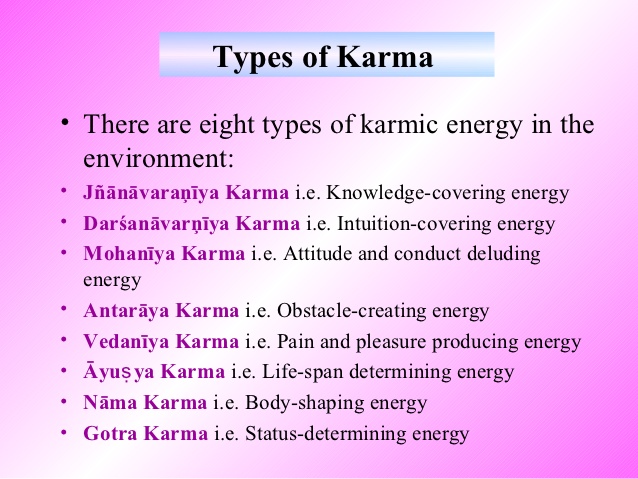
“Karma” (Sanskrit: कर्म) primarily means action, work, or deed, acting as the fundamental spiritual principle of cause and effect in Hinduism, Buddhism, and Jainism. It governs the moral law of actions, shaping future destiny, rebirth, and experiences, often categorized into Sanchita (accumulated), Prarabdha (fruiting), and Agamya or Kriyamana (current).
Karma (कर्म) refers to “action”, “deed”.—1) any action or deed; 2) the principle of cause and effect; 3) a consequence or “fruit of action” (karmaphala) or “after effect” (uttaraphala), which sooner or later returns upon the doer. What we sow, we shall reap in this or future lives. Selfish, hateful acts (pāpakarma or kukarma) will bring suffering. Benevolent actions (puṇya-karma or sukarma) will bring loving reaction.
Karma is three fold:—sañcita,prārabda, kriyamāṇa (or āgāmi)
Also any religious act or rite (as sacrifice, oblation etc., [especially] as originating in the hope of future recompense.
Karman (कर्मन्).—[neuter] action, deed, work, [especially] holy work, sacrifice, rite; result, effect; organ of sense; the direct object ([grammar]); fate, destiny.
***
Karmendriya
Karmendriya (कर्मेन्द्रिय):—[from karma > karman] n. an organ of action (five in number like the five organs of sense, viz. hand, foot, larynx/ogan of voice, organ of generation, and excretion).
The Five Faculties of Action (Karmendriya):
- vak-tattva: speech (voice)
- pani-tattva: grasping (hands)
- pada-tattva: walking (feet)
- payu-tattva: excretion (anus)
- upastha-tattva: procreation (genitals)
Speaking, Grasping, Moving About, Excreting and Sexual Activities are the Soul’s Powers of responding to and interacting with, the external World.
***
Karta
Karta (Sanskrit: कर्ता, kartā) primarily refers to the “doer,” “agent,” or “creator” of an action. It is a term deeply rooted in Indian philosophy, grammar, and traditional law, representing the individual responsible for bringing about change or taking initiative.
It is a foundational concept in Indian philosophy, grammar, and art, embodying initiative and responsibility.
Sanskrit Grammar (Vyakarana): Karta is the agent or subject of an action.
***
Khadira
Khadira (खदिर)—Sanskrit word for a plant (Acacia catechu).
Khadira (खदिर) is mentioned frequently from the Rigveda1 onwards as a tree with hard wood—the Acacia catechu. The Aśvattha is referred to as engrafting itself upon it in the Atharvaveda, and from it the climbing plant Arundhatī is said to have sprung.
***
Kavya (kaavya)
Kāvya (काव्य).
A poem; महाकाव्यम् (mahākāvyam); मेघदूतं नाम काव्यम् (meghadūtaṃ nāma kāvyam) . Poetics, poetry, a poetical composition
Prophetic, inspired, poetical; अशंसीत् काव्यः कविः (aśaṃsīt kāvyaḥ kaviḥ) Ṛgveda 8.8.11.
Name of Śukra, preceptor of the Asuras.
Mahākāvya (महाकाव्य):— the Raghu-vaṃśa, Kumārasambhava and Megha-dūta by Kālidāsa, the Śiśupāla-vadha by Māgha, the Kirātārjunīya by Bhāravi and the Naiṣadha-carita by Śrī-harṣa; [according to] to some the Bhaṭṭi-kāvya is also a Mahakavya.
In Tamil Five Great Epics (Tamil: Aimperumkāppiyaṅkaḷ) are:
Cilappatikāram (or Silappadikaram), Maṇimēkalai, Cīvaka Cintāmaṇi (or Jivak Chintamani), Vaḷayāpati (or Valayapathi), Kuṇṭalakēci (or Kundalakesi)
***
Karakam- Tamil Folk Dance
Karakam, or Karagaattam, is a traditional, ancient folk dance from Tamil Nadu, India, performed to honour the rain goddess Mariamman. It features dancers balancing decorated pots (karakam) on their heads while performing intricate movements, acrobatics, and sometimes balancing on a rolling wooden block.
Though associated with religious festivals, nowadays they are part of cultural and political processions.
***

Kavadi (kaavadi)
This semi-circular decorated canopy supported with wooden cross-pieces is called a kavadi, meaning ‘burden’ or ‘load’.
A kavadi is a ceremonial, often ornate, wooden or metal arch decorated with peacock feathers, flowers, and photos of Hindu deities, carried by devotees of Lord Murugan as an act of penance, gratitude, or devotion, during the Thaipusam and other Murugan (Skanda/Kartikeya) festivals. It represents a “burden” or sacrifice, often involving fasting, rituals, and sometimes body piercings with hooks or skewers, particularly in Malaysia, Singapore, and Tamil Nadu.
Devotees carry the kavadi to fulfill vows, seek blessings for health or success, or express gratitude to Lord Murugan, the Hindu god of war and wisdom.
Types of Kavadi:
Paal Kavadi: A simple, less painful offering involving pots of milk (paal) carried on a wooden pole.
Alagu Kavadi: A more complex, heavy structure often attached to the body via hooks and spikes piercing the skin (alagu means small spears).
Sangili Kavadi: Involves dragging heavy chariot or metal structures via chains attached to the body.
During the procession, devotees often enter a trance-like state, facilitated by the rhythmic, loud, and intense drumming (urumi melam) and chanting of “Vel Vel” (referring to Lord Murugan’s spear).
In Malaysia, devotees often ascend 272 steps to the shrine in the Batu Caves during Thaipusam. Other famous Murugan temples are also on hills. They also climb the steps.

Gangajal taken in Kavadi poles
TO BE CONTINED……………….
–SUBHAM—
TAGS- Karakam, Kavadi, Kalpa, Kalidasa, HINDU DICTIONARY IN ENGLISH AND TAMIL – 39, இந்து மத கலைச்சொல் அகராதி-39


 Tamil and Vedas