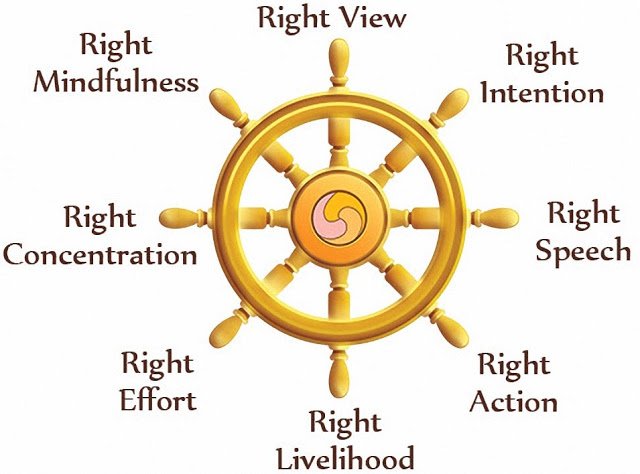
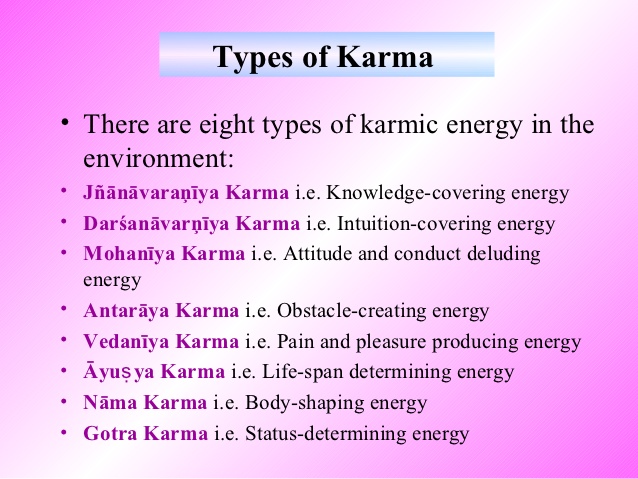
Pictures are taken from various sources for spreading knowledge.
this is a non- commercial blog. Thanks for your great pictures.
tamilandvedas.com, swamiindology.blogspot.com
xxxx
(vaikaasi visaakam)
May 1, 2026 Vesak; May 30,2026 Vaikasi Visakam.
There are two Full Moon Days in May 2026.
Visaka , a star name, is corrupted as Vesak in Buddhist terminology.
Vesak, often called “Buddha Day” or Buddha Purnima, is the most sacred holiday in Buddhism, commemorating the birth, enlightenment, and passing (Parinirvana) of Gautama Buddha on the full moon in May.
Significance: Celebrates the three major milestones of the Buddha’s life, which in many traditions occurred on the same day.
When: Celebrated on the full moon day of the Vaisakha month, usually in May. In 2026, May 1.
Temple Visits: Buddhists visit temples for services and to make offerings.
“Bathing the Buddha”: A ceremony where water is poured over a statue of the infant Buddha to symbolize purification and the washing away of negative actions.
Light and Decor: Homes and temples are decorated with lanterns and lights to symbolize the enlightenment of the Buddha.
Lifestyle: Many devotees wear white, eat vegetarian food, and observe the “eight precepts” (a code of morality) for the day.
Global Recognition: The United Nations recognized the day internationally in 1999 to acknowledge the contributions of Buddhism to spirituality and humanity.
Vesak is primarily celebrated in South and Southeast Asia (Sri Lanka, Thailand, India, Malaysia, Singapore) as well as by Tibetan and Mahayana traditions.
***
The festivalVaikasi Visakam is observed on the full moon day in the month of Vaikasi corresponding to the English month May -June. Moon is closer to the asterism/star Visaka. The day is said to be one in which god Subrahmanya incarnated in this world.
Dharmaraja , god of death, also known as Yama is also worshipped on this day. Hence this day is said to be doubly important and meritorious. Chaturdasi is the 14th day after a full moon day or new moon day; and the next day will be either full moon or new moon. If such a day happens to be a Tuesday in any of the dark fortnights, the occasion is said to be favourable for the worship of Yama.
This is a month in which the days are extremely hot and sultry. Ponds and tanks dry up quickly and plants wither away. Rapidly. Henc the sages have laid down that distribution of free food such as curd bath/yogurt rice with cool drinks or butter milk during such days will earn punya. Presentation of umbrellas and leather sandals, palm leaf fans as well as watering plants are considered acts of great religious merit.
Certain places are considered to be especially important for such acts of charity, and Swamimalai is one of them. It has a myth attached to it for its importance and it is in brief as follows,
An asura by name Arikesa was giving Indra a lot of trouble. He visited various holy shrines to find a solution to solve this problem. When he went to Swamimalai and worshipped lord Subrahmanysa/ Muruga, He blessed him with the strength to shake off the demon and win back the kingdom he usurped.
The observance of this festival at Tirumazhupadi near Thanjavur is considered especially important for the reason that Siva had on one occasion made a MAZHU or lance dance at this place and that took place on a Vaikasi Visaka day. And Siva’s sacred bull had its incarnation on this festive occasion.
Alwar tirunagari in Tirunelveli district is the next important place for the observance of this festival. Most famous Vaishnava saint NAMMALVAR was born here on Vaikasi Visaka day.
There is an image of Narasimha Avatar of Vishnu is in the hill temple at Simhachalam in Andhra. On all days of the year it is coated with sandal paste, but on the Vaikasi Visakam day the paste is scrubbed off, and the form is available for view. People flock to this place in large numbers to see the image.
***
Inscriptions
On the outside of the northern wall of enclosure of the
Thanjavur temple is a record in the sixth year of the Choza king Rajendradeva 1050-63 CE making provision for a daily allowance of paddy to a troop of actors to enact the drama of Rajarajeswara nataka on the occasion of the Vaikasi festival. On the rock outside the north prakara of the Ratnachaleswara temple at Ratnagiri in Trichy district, is an inscription relating to the 16th year,340th day of Tribhuvana chakravartin Konerumelkondan making a gift of land for the festival called Vaikasi tirunal.
***
My old article on Vaikasi is given below:
Significance of Tamil month Vaikasi (vaikaasi)
This is the second month in Hindu Solar Calendar. Sun travels in second zodiac sign Rishaba, i.e, Taurus.
Tamil Hindus arrange auspicious events during this month. Marriages, Gruha Pravesa (house warming) , construction of buildings etc take place in this month.
Visaaka Star day (Viasaaka star and Moon together) known as Vaikaasi Visaakam is celebrated in Skanda/ Murugan temples. Millions of people visit Muruga/Kartikeya temples on that day.
For Buddhists Vesak (Visaka) is the most important festival of Buddha Jayanthi.
For Hindus, Tamil saints Sekkizar Jayanthi, Thiru Gnana Sambandar Jayanthi, Kanchi Mahaperiyavar Jayanthi (Shankaracharya of Kanchi Mutt (1894-1994) are important. This month roughly corresponds to May in English Calendar.
–Subham—
Tags- Vaikasi Visakam Festival, significance of Tamil month , Buddha Jayanti, Nammalvar, Vesak
Pictures are taken from various sources for spreading knowledge.
this is a non- commercial blog. Thanks for your great pictures.
tamilandvedas.com, swamiindology.blogspot.com
xxxx
Last post in this series was posted on 1/3/2026
HINDU DICTIONARY IN ENGLISH AND TAMIL 41; இந்து மத கலைச்சொல் அகராதி-41(Post.15,468) 1/3/26
Words beginning with letter K continues…………………………….Tamil Version will be posted tomorrow.
***
Kabandha
Name of a mighty demon mentioned in the Rāmāyana. [While Rāma and Lakṣmaṇa lived in the Dandkā forest, Kabandha attacked them and was slain by them. It is said that, though at first a heavenly being, he was cursed by Indra to assume the form of a demon and to be in that state till killed by Rāma and Laksmaṇa. He advised Rāma to form friendship with Sugrīva; see Rām.3.69.27 ff.; वधनिर्धूतशापस्य कबन्धस्योपदेशतः । मुमूर्छ सख्यं रामस्य समानव्यसने हरौ (vadhanirdhūtaśāpasya kabandhasyopadeśataḥ | mumūrcha sakhyaṃ rāmasya samānavyasane harau) || R.12.57].
In Hindu Astronomy
1) Kabandha (कबन्ध) refers to a “headless human body”, according to the Bṛhatsaṃhitā (chapter 3), an encyclopedic Sanskrit work written by Varāhamihira mainly focusing on the science of ancient Indian astronomy astronomy (Jyotiṣa).—Accordingly, “The dark spots, also known as ketus, the sons of Rāhu are Tāmasa, Kīlaka and the like, and are 33 in number. How they affect the earth depends upon their color, position and shape. If these spots should appear on the solar disc, mankind will suffer miseries; if on the lunar disc mankind will be happy; but if they take the shape of a crow, a headless human body [i.e., kabandha], or a weapon, mankind will suffer even though the spots should appear on the moon”.
2) Kabandha (कबन्ध) or Kabandhaketu refers to certain types of Ketus (i.e., luminous bodies such as comets and meteors), according to the Bṛhatsaṃhitā (chapter 11).—Accordingly, “The comets that resemble a headless trunk are named Kabandha Ketus
***
Kacha
Please go to Devayani in part 24.
***
Kadru
Kadru (कद्रु) and Vinatā, daughters of Dakṣa Prajāpati, are married to sage Kaśyapa. Once, Kaśyapa tells them to ask for a boon. Kadru asks for a thousand sons in the form of nāga, snakes, having equal extraordinary force. Vinatā asks for only two children whose parākrama “prowess” should be equal to that of the thousand snakes of Kadru. Kadru did not appreciate it.
Kadrū and Vinatā had a dispute in the course of a conversation which they were carrying on. The former said that the Sun’s horses were black, the latter that they were white, and they made an agreement that the one that was wrong should become a slave to the other”.
Kadrū, the mother of the snakes, conquered Vinatā, the mother of Garuḍa, in a treacherous wager, and made her a slave. Through enmity caused thereby, the mighty Garuḍa, though he had delivered his mother, began to eat the snakes of the sons of Kadrū”.
***
Kaikeyi
Kaikeyī (कैकेयी): She was the youngest of King Dasaratha’s three wives and a queen of Ayodhya. She was the mother of Bharata.
Daśaratha had three wives, Kausalyā, Kaikeyī and Sumitrā. It is mentioned in Vālmīki Rāmāyaṇa, Ayodhyā Kāṇḍa, Sarga 70, Stanza 28 that Kaikeyī was the sister of Yudhājit, the King of Kekaya. Kekaya was seven days’ journey away from Ayodhyā.
She carefully tended Daśaratha when he was wounded in a battle, and in gratitude he promised to give any two requests she might make. Urged by the malignant counsels of manthara, a hunch backed female attendant , she made use of this promise to send rama to the forest for 14 years and to promote his son Bharata as king of Ayodhya. As a result of this Daśaratha died of heart attack.
***
Kailash
Kailasa , a mountain in the Himalayas, south of the manasa sarovar lake. Siva is said to be on mount kailash with his family. It is the abode of Kubera , god of wealth. It is also called Rajataadri , the silver mountain.
Kailāsh (कैलास) is a peak in the Gangdisê mountains, the source of rivers in Asia—the Indus River, the Sutlej River, and the Brahmaputra River—and is considered as a sacred place in four religions—Hinduism, Buddhism, Jainism and Bön faith. The mountain lies near Lake Manasarowar and Lake Rakshastal in Tibet. It is under China’s control now.
In the Tamil Tevaram hymns, Ravana’s attempt to lift the mountain is described. He cried loudly when Lord Siva pressed it hard to crush his hands. Later he praised Lord Siva by reciting Sama Veda and pacified Siva.
***
Kala
Kaala – General meaning- Death or Time. Ancient Tamil literature use this Sanskrit word in the sense of Time.
Kāla (काल)—One of the eleven other names of Rudra, according to the Bhāgavata Purāṇa 3.12.12.
1) Kalā (कला).—A measure of time.
2) Kāla (काल).—(yama) * The god of Death. When the life span of each living being allotted by Brahmā is at an end Yama sends his agents and takes the soul to Yamapurī (the city of Yama). From there, the holy souls are sent to Vaikuṇṭha (Heaven, the abode of Viṣṇu) and the sinful souls to Hell. Genealogy and birth of Yama. From Mahāviṣṇu were descended in the following order—Brahmā, Marīci, Kaśyapa, Sūrya (Sun), Yama (Kāla).
3) Kāla (काल).—A Maharṣi. Mahābhārata, Sabhā Parva, Chapter 7, Verse 14, refers to this sage as offering worship to Indra, in Indra’s assembly.
4) Kālā (काला).—A daughter of Dakṣaprajāpati. (See under Kālikā).
***
Kalanemi
Kālanemi (कालनेमि).—A great Asura. In later years he was born as Kaṃsa, the son of Ugrasena.1) the rim of the wheel of time.
2) Name of a demon, uncle of Rāvaṇa, deputed by him to kill Hanūmat.
3) Name of a demon with 1 hands killed by Viṣṇu. °अरिः, रिपुः, हरः, हन् (ariḥ, ripuḥ, haraḥ, han) m. epithets of Kṛṣṇa.
***
Kalayavana- kaalayavana
Kālayavana (कालयवन).—a kind of yavanas and enemy of Kṛṣṇa and an invincible foe of the Yādavas. Kṛṣṇa, finding it impossible to vanquish him on the field of battle, cunningly decoyed him to the cave where Muchakunda was sleeping who burnt him down.
Lord Krishna was chased by a Kala yavana and Krishna entered the cave where Mucukunda was sleeping. When Mucukunda became tired he got a boon from God to sleep undisturbed for a long time in a cave. Kalayavana also entered the cave and slapped on Mucukundan thinking that it was Krishna pretending to sleep. When Mucukunda opened his eyes, Kalayavana was burnt to ashes. Tricky Krishna came out of his hiding and blessed Mucukunda. He advised him to go to Badrinath.
***
Kalhana
Kalhana was a 12th-century Kashmirian historian.
IKalhana was a 12th-century Sanskrit poet and historian, likely a Brahmin, who lived in Kashmir. He wrote the Rajatarangini (River of Kings) between 1148 and 1150 CE, an epic poem in Sanskrit consisting of nearly 8,000 verses over eight books. He is noted for using critical research methods, drawing on earlier sources like the Nilamata Purana, as well as epigraphy (inscriptions), coins, and sculpture to reconstruct history.
Kalhana mentions “Dravidian” magicians in his book in three places, specifically a story about a Dravidian magician during the reign of Jayapida in 751 CE.
Quotations and Wisdom: The blog features hundreds of quotations from the Rajatarangini that cover wisdom on fortune, fear, and fate, often comparing Kalhana’s insights with Tamil literature, such as the Tirukkural by Valluvar.
“Kalhana’s Blunder”: in his Kaliyuga calculations, he miscalculated the dates of some kings, creating a large, arguably inaccurate, “dark period” or kingless period. He is lauded for preserving the history of Kashmir from the legendary kings through the 12th century.
Kalhana recorded a fatal disease called Luta (meaning spider) in Kashmir.
***
Kalki avatar
Hindus believe that the last Avatar of Lord Vishnu will be Kalki Avatar, that is the incarnation of god. Kalki is expected to come on a white horse with a lightning sword. Many religions believe that their prophets will come back. Zoroastrian/ Parsi religion also believes in a or many future prophets.Great Sanskrit poet Jayadeva of tenth century in his Gita Govinda says,
“O Keshava, at the destruction of the multitude of the Mlechas, you will wield the dreadful sword, which is like a COMET.
O Hari, lord of the world, may you be successful having got the body of Kalki.”
Jayadeva used the Sanskrit words:
Dhumaketumiva ‘comet like sword’.
Now we see such sword fights in the imaginary Star War episodes. It looks like Lord Vishnu will also use modern weaponry like Laser swords. Probably you may not need Nuclear bombs or Hydrogen Bombs. With laser light you may be able to destabilise foreign military power.
Dhumaketu is Comet in Sanskrit. We may take it some sword like it. Lord Kalki is shown riding White Horse in Puranic descriptions.
***
Kamboja
Kaambojas- a race or tribe always associated with the tribes living to the north west ,and famous for their horses. They were among the tribes conquered by king sagara, king Krishna etc
1) Kāmboja (काम्बोज).—Sudakṣiṇa, the King of the country, Kāmboja. He was present at Draupadī’s svayaṃvara. In Mahābhārata, Karṇa Parva, Chapter 156 we read that his younger brother was killed by Arjuna. The Kings of Kāmboja were all known as Kāmbojas. Long ago, this country was ruled by a King named Kāmboja. In Mahābhārata, Śānti Parva, Chapter 166, Verse 77, we see that this Kāmboja was given a sword by the King Dhundhumāra. Perhaps it was from this King Kāmboja that the country came to be called ‘Kāmboja’.
2) Kāmboja (काम्बोज).—This kingdom was situated in the north western part of India. It is the modern Kabul. We get the following information from Mahābhārata.
From Mahābhārata, Sabhā Parva, Chapter 27, Verse 23, we see that Arjuna had subdued this Kingdom.
The horses which were tied to Yudhiṣṭhira’s chariot were brought from Kāmboja. (Mahābhārata Sabhā Parva, Chapter 52, Verse 5).
The Mlecchas (a tribe of low-class people) of Kāmboja will become Kings in Kaliyuga. (Mahābhārata Vana Parva, Chapter 188, Verse 36).
There were Kāmbojas in Duryodhana’s army. (Mahābhārata Udyoga Parva, Chapter 160, Verse 130).
At the time of Mahābhārata the King of Kāmboja was the brave and heroic Sudakṣiṇa. (Mahābhārata Udyoga Parva, Chapter 166, Verses 1-3).
In the battle between Kauravas and Pāṇḍavas, the Kāmbojas took their position in some places in the “Garuḍa Vyūha”, a phalanx in the shape of an eagle made by Bhīṣma. (Mahābhārata Bhīṣma parva, Chapter 56, Verse 7).
The horses of Kāmboja were beautiful in appearance and of the colour of parrots. The horses which were tied to Nakula’s chariot, were of this kind. (Mahābhārata Droṇa Parva, Chapter 23, Verse 7).
When the horses of Kāmboja ran, their tails and ears remained motionless. (Mahābhārata Droṇa Parva, Chapter 36, Verse 36).
***
Kamsa
A tyrannical king of Mathura. Maternal uncle of Krishna . son of ugrasena and father of Devaki, mother of krishna. He married twin daughters of Jarasandha named asti and prapti, king of Magadha. He deposed his father ugrasena. It was foretold that a son born of Devaki should kill him. So he killed all children born to her except two. Balarama, her seventh son was smuggled out to Gokula and was brought up by rohini. When krishna was born as the eight child his parents fled with him. The tyrant then gave orders to kill all vigorous male children . kamsa persecuted krishna and at the end krishna killed him. Because of this he earned the enmity of jarasandha. Kamsa was also called kalaankura, the crane.
***
Kanchipuram / Conjeevaram
Once Capital of Pallava Kings; now a Temple city in Tamil Nadu with 108 temples
Kāñcīpuram is one of the 108 Vaishnava Divya Desam located in the Toṇṭaināṭu (“Northern Tamil Nadu”).
Kāñcipuram or Kanchipuram, the Golden City, was the capital of the Pallava dynasty from the sixth to the eight century. Kāñcipuram was ruled subsequently by the Chola, Vijayanagara and Nayaka kings until the 17th century. The Kāmākṣī Amman Temple at Kāñcīpuram (the ancient city of temples) is one of the leading centers of Śakti-worship in Tamilnadu. It is situated to the south east of the Ekāmbaranāthar Temple. Kāñcīpuram is divided into two parts–the Big and the Small or the Śivakāñcī and the Viṣṇukāñcī respectively. Śivakāñci is dedicated to Ekāmbaranāthar and Viṣṇu Kāñci to Varadarāja Perumāl. Jain monuments are also in the city.
Kanchi Sankaracharya’s Kanchi Kamakoti Peetham attracts a huge crowd.
It is one of the Seven Sacre Cities of India:
The seven sacred cities in Hinduism (Sapta Puri) that bestow liberation (moksha) are mentioned in the Garuda Purana and other scriptures, notably: Ayodhyā Mathurā Māyā Kāśī Kāñcī Avantikā, Purī Dvārāvatī caiva saptaitā mokṣadāyikāḥ.
The “Nagareshu Kanchi” sloka is a famous Sanskrit verse attributed to the poet Kalidasa, praising Kanchipuram as the most magnificent city among all cities. It is often recited to highlight the spiritual and cultural importance of Kanchi, one of the seven holy cities (Sapta Puri).
“Pushpeshu Jati, Purusheshu Vishnu,
Nareeshu Rambha, Nagareshu Kanchi.”
To be continued……………………
Tags- Kalki Avatara, Kanchi, Kamsa, Kamboja, HINDU DICTIONARY, IN ENGLISH AND TAMIL 42; இந்து மத, கலைச்சொல் அகராதி-42, Kabandha, Kalhana
Date uploaded in Sydney, Australia – 26 February 2026
Contact – swami_48@yahoo.com
Pictures are taken from various sources for spreading knowledge.
this is a non- commercial blog. Thanks for your great pictures.
xxxx
ஆங்கில எழுத்து K- ல் துவங்கும் சொற்கள்
Words beginning with “K”. (Tamil Version will be posted tomorrow)
Kalidasa (kaalidaasa)
Kalidasa is widely considered to be the greatest Indian poet and playwright of all time. He wrote in Sanskrit. There are seven works written by him-two epic poems, two shorter poems and three plays. They are 1.Raghu Vamsa (dynasty of Raghu),2.Kumara Sambhava (Birth of Kumara, 3.Megha Duta (Cloud Messenger),4.Ritu Samhara (Cluster of Sesons), 5.Malavikagnimitram (Malavika and Agnimitra),6.Abijnana Shakuntala (The recognition of Shakuntala) and 7.Vikramorvasiya (Urvasi won by valour).His master piece was Shakuntala.
The age of Kalidasa has been debated for long. He could have lived anytime between 2nd century BC and 4th Century AD. Though the western scholars have placed him in the period of Gupta dynasty, Indians believe that he lived in the time of the great Indian King Vikramaditya who started his own Vikrama era in 56 BCE. Kalidasa was one of the Nine Jewels (Navaratna) of Vikramaditya’s court.
My research into Tamil Cankam (also known as Sangam) literature shows that Kalidasa lived sometime before the birth of Christ. Tamil poets have used a lot of his similes. Kalidasa was most famous for his apt similes. The Sanskrit poets praised him as Upama Kalidasasya: ( Kalidasa owns similes).Tamil poets have used lot of common Indian/ Hindu beliefs. The source may be different ancient Indian works. But there are very clear indications to show that the poets have got them from Kalidasa’s works. There are over 200 similarities between the works of Kalidasa and the Sangam Tamil works. No one can reject them as coincidences or of pan Indian origin.
Seven Books—40,000 words—93 commentaries for three of his works—he beat Shakespeare in writing poetry+ dramas+ Epics+ stotras (Shyamaladandakam) and usage of similes. He covered the history of 29 kings in Raghuvamsam. He used 1250 similes! He gives a description of a vast geographical area from Iran to Indonesia! He called the Himalayas “the measuring rod of earth” even before George Everest told the world the height of Everest Peak!!! An amazing poet the world has ever produced. First poet to write a travelogue called Meghadutam in Sanskrit and first poet to report the progress o South West Monsoon from South India to Himalayas.
First poet to link Pandyas and Agastya, which is the foundation of Tamil History.
***
Kalpa
Kalpa (कल्प) refers to “one day in the life of Lord Brahmā. It is equivalent to one thousand catur-yugas. Each catur-yuga is one cycle of the four yugas: Satya, Dvāpara, Tretā and Kali, totalling 4,320,000,000 years.
It signifies a period of creation, duration, and destruction of the universe.
One of the six Vedāṅgas, i. e. that which lays down the ritual and prescribes rules for ceremonial and sacrificial acts; शिक्षा कल्पो व्याकरणम् (śikṣā kalpo vyākaraṇam) Muṇdtod; 1.1.5 see under वेदाङ्ग (vedāṅga).
The doctrine of poisons and antidotes.
One of the trees of paradise; cf. कल्पद्रुम (kalpadruma).
***
Kalpakavriksa- Wish fulfilling tree
Kalpavṛkṣa (कल्पवृक्ष).—A tree in Devaloka. It has the power of giving any object that one wishes to get. There are five Kalpavṛkṣas in Devaloka. Their names are: Mandāra, Pārijāta, Santāna, Kalpavṛkṣa and Haricandana.
***
Kama (kaama)
Wish, desire; this Sanskrit word is used throughout ancient Tamil literature.
Kāma means desire, wish, longing in Indian literature. Kāma often connotes sexual desire and longing in contemporary literature, but the concept more broadly refers to any desire, wish, passion, longing, pleasure of the senses, the aesthetic enjoyment of life, affection, or love, with or without sexual connotations.
Love or desire of sensual enjoyments, considered as one of the ends of life (puruṣārtha); cf. अर्थ (artha) and अर्थकाम (arthakāma).
Dharama, Artha, Kama, Moksha are the four values that Hindus should aim for.
***
Kama – God of Love
Kama is the God of Love and Lust. He is also referred to as Manamatha. He is the most handsome among both men and Gods. He is equivalent to the Greek/Roman Cupid. He uses a bow of sugarcane, and shoots flower tipped arrows at humans to make them fall in love. He is married to Rati, one of the daugters of Daksha.
***
Kāmaśāstra (कामशास्त्र) refers to the “science of erotics”.
Kamasutra
Kāmasūtra (कामसूत्र).—
Name of an erotic work by Vātsyāyana.
First book on sex in the world. Vatsyayana wrote it in Sanskrit. First book in the world which prescribed educational syllabus for women.
“ A woman should study even before reaching adolescence, and then, once married should continue her studies with her husband.” ( Sutra 2, Chapter 3, Kamasutra of Vatsyayana)
Vatsyayana, the Brahmin author of Kamasutra listed all the 64 arts that a woman should learn. Tamil and Sanskrit poets referred to this 64 arts in their poems. Goddess Sarasvati is the source of those 64 subjects.
Kāmasūtra (कामसूत्र) (lit. “principles of love”’) is an ancient Indian Sanskrit text on sexuality, eroticism and emotional fulfillment in life.—The Kāmasūtra is a Sūtra-genre text with terse aphoristic verses that have survived into the modern era with different bhāṣyas (exposition and commentaries). The Kāmasūtra acknowledges the Hindu concept of Puruṣārthas, and lists desire, sexuality, and emotional fulfilment as one of the proper goals of life. Its chapters discuss methods for courtship, training in the arts to be socially engaging, finding a partner, flirting, maintaining power in a married life, when and how to commit adultery, sexual positions, and other topics.
***
Kamadhenu- Wish fulfilling Cow
Kamadhenu is the wish fulfilling cow. The picture and statues of Kamadhenu are in Hindu houses and temples.
It refers to the “celestial cow” also known as Surabhi (सुरभि Surabhī).
Kamadhenu, the divine “cow of plenty” originating from the Churning of the Ocean, is revered as a symbol of abundance and divinity with the power to fulfil desires. According to tradition, she is depicted with various divine attributes, serves as a protective force for sages, and is worshipped for prosperity and to bring good luck to homes and businesses
Kāmadhenu (कामधेनु) was the mythical cow of Vasiṣṭha which satisfies all desires, cow of plenty (= surabhi).
***
Karma
“Karma” (Sanskrit: कर्म) primarily means action, work, or deed, acting as the fundamental spiritual principle of cause and effect in Hinduism, Buddhism, and Jainism. It governs the moral law of actions, shaping future destiny, rebirth, and experiences, often categorized into Sanchita (accumulated), Prarabdha (fruiting), and Agamya or Kriyamana (current).
Karma (कर्म) refers to “action”, “deed”.—1) any action or deed; 2) the principle of cause and effect; 3) a consequence or “fruit of action” (karmaphala) or “after effect” (uttaraphala), which sooner or later returns upon the doer. What we sow, we shall reap in this or future lives. Selfish, hateful acts (pāpakarma or kukarma) will bring suffering. Benevolent actions (puṇya-karma or sukarma) will bring loving reaction.
Karma is three fold:—sañcita,prārabda, kriyamāṇa (or āgāmi)
Also any religious act or rite (as sacrifice, oblation etc., [especially] as originating in the hope of future recompense.
Karman (कर्मन्).—[neuter] action, deed, work, [especially] holy work, sacrifice, rite; result, effect; organ of sense; the direct object ([grammar]); fate, destiny.
***
Karmendriya
Karmendriya (कर्मेन्द्रिय):—[from karma > karman] n. an organ of action (five in number like the five organs of sense, viz. hand, foot, larynx/ogan of voice, organ of generation, and excretion).
The Five Faculties of Action (Karmendriya):
vak-tattva: speech (voice)
pani-tattva: grasping (hands)
pada-tattva: walking (feet)
payu-tattva: excretion (anus)
upastha-tattva: procreation (genitals)
Speaking, Grasping, Moving About, Excreting and Sexual Activities are the Soul’s Powers of responding to and interacting with, the external World.
***
Karta
Karta (Sanskrit: कर्ता, kartā) primarily refers to the “doer,” “agent,” or “creator” of an action. It is a term deeply rooted in Indian philosophy, grammar, and traditional law, representing the individual responsible for bringing about change or taking initiative.
It is a foundational concept in Indian philosophy, grammar, and art, embodying initiative and responsibility.
Sanskrit Grammar (Vyakarana): Karta is the agent or subject of an action.
***
Khadira
Khadira (खदिर)—Sanskrit word for a plant (Acacia catechu).
Khadira (खदिर) is mentioned frequently from the Rigveda1 onwards as a tree with hard wood—the Acacia catechu. The Aśvattha is referred to as engrafting itself upon it in the Atharvaveda, and from it the climbing plant Arundhatī is said to have sprung.
***
Kavya (kaavya)
Kāvya (काव्य).
A poem; महाकाव्यम् (mahākāvyam); मेघदूतं नाम काव्यम् (meghadūtaṃ nāma kāvyam) . Poetics, poetry, a poetical composition
Mahākāvya (महाकाव्य):—the Raghu-vaṃśa, Kumārasambhava and Megha-dūta by Kālidāsa, the Śiśupāla-vadha by Māgha, the Kirātārjunīya by Bhāravi and the Naiṣadha-carita by Śrī-harṣa; [according to] to some the Bhaṭṭi-kāvya is also a Mahakavya.
In Tamil Five Great Epics (Tamil: Aimperumkāppiyaṅkaḷ) are:
Karakam, or Karagaattam, is a traditional, ancient folk dance from Tamil Nadu, India, performed to honour the rain goddess Mariamman. It features dancers balancing decorated pots (karakam) on their heads while performing intricate movements, acrobatics, and sometimes balancing on a rolling wooden block.
Though associated with religious festivals, nowadays they are part of cultural and political processions.
***
Kavadi (kaavadi)
This semi-circular decorated canopy supported with wooden cross-pieces is called a kavadi, meaning ‘burden’ or ‘load’.
A kavadi is a ceremonial, often ornate, wooden or metal arch decorated with peacock feathers, flowers, and photos of Hindu deities, carried by devotees of Lord Murugan as an act of penance, gratitude, or devotion, during the Thaipusam and other Murugan (Skanda/Kartikeya) festivals. It represents a “burden” or sacrifice, often involving fasting, rituals, and sometimes body piercings with hooks or skewers, particularly in Malaysia, Singapore, and Tamil Nadu.
Devotees carry the kavadi to fulfill vows, seek blessings for health or success, or express gratitude to Lord Murugan, the Hindu god of war and wisdom.
Types of Kavadi:
Paal Kavadi: A simple, less painful offering involving pots of milk (paal) carried on a wooden pole.
Alagu Kavadi: A more complex, heavy structure often attached to the body via hooks and spikes piercing the skin (alagu means small spears).
Sangili Kavadi: Involves dragging heavy chariot or metal structures via chains attached to the body.
During the procession, devotees often enter a trance-like state, facilitated by the rhythmic, loud, and intense drumming (urumi melam) and chanting of “Vel Vel” (referring to Lord Murugan’s spear).
In Malaysia, devotees often ascend 272 steps to the shrine in the Batu Caves during Thaipusam. Other famous Murugan temples are also on hills. They also climb the steps.
Gangajal taken in Kavadi poles
TO BE CONTINED……………….
–SUBHAM—
TAGS- Karakam, Kavadi, Kalpa, Kalidasa, HINDU DICTIONARY IN ENGLISH AND TAMIL – 39, இந்து மத கலைச்சொல் அகராதி-39
PM Modi presented Daruma Doll in Japan: Read what is the doll, its significance in Japanese culture, and its connection to India through Bodhidharma
The Indian connection to the Daruma Doll lies in its very origin, the figure of Bodhidharma, the Zen Buddhist monk from India.
During Prime Minister Narendra Modi’s ongoing visit to Japan, he was gifted a Daruma Doll, a symbolic gift deeply rooted in Japanese culture and history. The doll was presented to him by Rev Seishi Hirose, the Chief Priest of the Shorinzan Daruma-ji Temple in Takasaki. The Daruma Doll, a simple looking round figurine, carries profound meaning in Japan and also has a unique connection to India.
The Daruma Doll, also known as “Dharma Doll,” represents Bodhidharma, the Indian Buddhist monk who travelled to China around the 5th or 6th century CE and founded the Zen school of Buddhism. Bodhidharma is known in Japan as Daruma Daishi. Over centuries, Bodhidharma became an iconic figure in East Asia, associated with meditation, resilience, and determination. In Japan, his story inspired the creation of the Daruma Doll, which embodies the spirit of never giving up.
The handmade doll itself is usually round, hollow, and weighted at the bottom with a round base so that it always returns to an upright position even if pushed over. This feature symbolizes the Japanese proverb “Nanakorobi yaoki” (fall down seven times, get up eight), a reminder of perseverance and bouncing back from setbacks.
Daruma Dolls are made of paper mache, and are traditionally coloured red. The letter Fukuiri is written at the bottom, which means here is happiness in it. The eyebrows represent a crane and the beard represents a turtle’s tail. There is a Japanese saying that cranes live 1000 years and turtles live 10000 years, and they are regularly used as symbols of celebration.
They are known as a symbol of perseverance and good luck, and are often used to represent setting and achieving goals. Traditionally, the doll has blank eyes. When someone sets a goal, they paint one eye black, and once the goal is achieved, they fill in the other eye, completing the doll’s vision and marking the fulfilment of determination.
At the end of the year, all the Daruma dolls are brought back to the temple they were purchased from. The returned dolls are burned in a traditional burning ceremony, called the daruma kuyō. This ceremony is generally held right after New Year’s Day. People then buy new Daruma dolls at the temple to be used in the new year.
Daruma dolls at a shop
The Shorinzan Daruma-ji Temple in Takasaki, where the doll originated, is the most famous centre of Daruma-making in Japan. The temple holds annual fairs where people buy new dolls, set fresh goals for the year, and return old dolls for ceremonial burning, symbolizing closure and renewal.
While the dolls are traditionally bought at the start of the new year and returned at the end of the year, they are available for purchase throughout the year. Moreover, people may keep them, instead of returning to a temple for ceremonial burning. Companies and political parties in Japan also buy the dolls to achieve desired goals.
Ceremonial burning of lucky Daruma Dolla
The Indian connection to the Daruma Doll lies in its very origin, the figure of Bodhidharma. Bodhidharma was a monk from southern India, often linked with the Kancheepuram region. His journey across Asia not only shaped the practice of Zen Buddhism but also influenced martial traditions like Shaolin Kung Fu in China.
As per legend, Bodhidharma lost his limbs by performing the Zen meditation Zazen for nine years. To represent this, Daruma dolls were made without limbs.
In Japan, his austere life of meditation and endurance became the foundation of the Daruma legend. Thus, while the doll is a quintessentially Japanese cultural object, its spiritual roots trace back to India.
For India, receiving the Daruma Doll during Modi’s visit is more than a ceremonial gesture. It symbolizes the deep cultural bonds shared between India and Japan through the legacy of Buddhism
In essence, the Daruma Doll is far more than a decorative artifact or a religious symbol. It is a centuries-old reminder of how Indian philosophy travelled abroad, adapted into new traditions, and continues to inspire millions with its message of unwavering determination.OPINDIA REPORT.