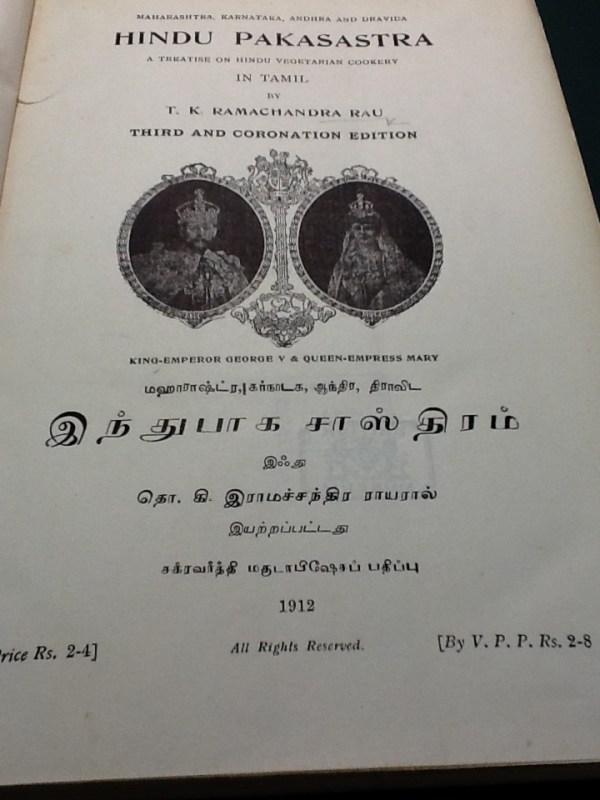
Third Edition of 1891 Book
Compiled by London swaminathan
Date: 15 December 2015
Post No. 2393
Time uploaded in London :– 9-54 am
( Thanks for the Pictures )
DON’T REBLOG IT AT LEAST FOR A WEEK! DON’T USE THE PICTURES; THEY ARE COPYRIGHTED BY SOMEONE.
South Indian Hindus, particularly Brahmins, eat food on banana leaves. Villagers eat on stitched leaves. The leaves from Banyan, or Jack fruit trees or Mandarai are stitched together with small sticks (looking like tooth picks) and used for eating food. In addition to the leafy plates, they also make leaf cups from banana leaves and they are called Donnai. Now the custom of using the banana leaves is followed only during weddings or religious ceremonies. People started using metal plates or porcelain or plastic or even paper plates.
The banana leaf has got very good medicinal qualities. Moreover Hindus believed in recycling. The left overs on the leaves were eaten by dogs, cattle and other animals. The leaves easily decay and mix with the soil and change into manure.


DONNAI making CHENNAI; family priest is making leaf cups/Donnais in my brother’s house in Chennai.
There is a traditional way of serving food in Hindu ceremonies. If it is an auspicious event they serve the food in a particular order. If it is an inauspicious event, such as an event for the departed souls, they serve it differently. The following information is taken form an 1891 book – a veritable Tamil encyclopaedia of Food items and recipes. But serving food differs from region to region. So there is no hard and fast rule. Each food item is placed in a particular place on the leaf. The cooks and chefs are very well versed in it.
Brahmins never used garlic or onion or Masala ingredients 75 years ago. This is followed until today in all the Tamil temples (Sri Lankan Tamils use onion and garlic). Even non vegetarians served only vegetarian food in social functions.
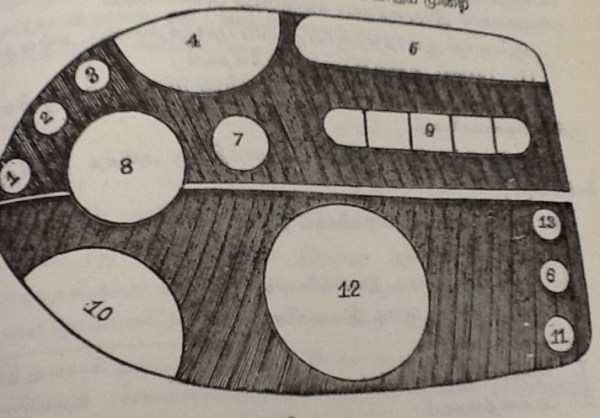
This is the order they follow traditionally (Please see the picture):
1.Salt
- Spicy paste (like chutney, but made up of vegetable, known as Thukaiyal or Thuvaiyal in Tamil)
3.Pickles
4.Kosumbary (salty and soaked lentils)
- Vegetable Curry, Upperi (nowadays English vegetables such as Cabbage, Beans, Cauliflower, Potatoes, Tomatoes etc are used in the wedding feasts. But they never use it even today in religious ceremonies, particularly ceremonies for the departed souls)
- Dhal (boiled tur dhal); they mix it with rice and ghee and eat it as the first course; the second course is Rasam/diluted lentil soup and the third course is Yogurt/curd rice); in between there are a few items added on special occasions.
- Chitrannam (lemon rice, Coconut rice etc)
8.Papad, Dhal Vada, Vadaam, Vatral (Vatral is fried dried vegetables i.e. they preserve all the vegetables by salting and drying. When they need it, they shallow fry it)
9.Leafy cups called Donnai are placed in which they pour spicy liquids such as Sambar, Rasam, Kuzampu etc
- Sweets such Boli, Laddu, Kozukkattai/Modakam
11.Payasam (sweet liquid made up of vermicelli, Suji/rawa, Sago, Pounded rice or dhal with jiggery)
- Rice (staple food of South Indians)
- Ghee (melted butter)
Ceremonies for Departed Souls
If it is a memorial day such as death anniversary, then the order is slightly changed.
It is 12, 11, 10 and 13.
Then 2 to 9.
(Please see the picture for numbering)
–Subham–
 Tamil and Vedas
You must be logged in to post a comment.