As Hinduphobia peaks in the US, Christian and Islamist groups push new campaign against Hindus: How NY State Council of Churches and IAMC have joined forces to target Hindus
OPINDIA POST
A Christian nationalist church group and the Islamist outfit IAMC have teamed up to host anti-Hindu seminars in the US, accusing Hindus of “weaponizing” their faith even as attacks on the community rise. Hindu groups have slammed the events as an organised effort to vilify Hindu Americans and mainstream Hinduphobia. This collaboration comes amid IAMC’s long record of anti-Hindu propaganda in the US.
Amidst surging Hinduphobia in the United States, a Christian nationalist outfit and the Islamist group, the Indian American Muslim Council (IAMC), have joined forces to further vilify the Indian American Hindus and their faith. The New York State Council of Churches (NYCOC), through its Religious Nationalisms Project (TRNP), has announced a series of interfaith seminars from 20th to 23rd November, in North Carolina’s Bay Area.
The events titled “The Weaponization of Hinduism in Northern Carolina and India and the Relationships to Global Religious Nationalisms” are being co-organised by the Islamist group IAMC. The additional sponsorship for these anti-Hindu events comes from the White Christian Nationalisms Task Force of the California-Nevada Conference of the United Methodist Church.
As per the promotional material of the scheduled events, the seminars will be held at several locations, including the United Methodist churches in Roseville, Alameda, and Santa Rosa; First Church Berkeley (United Church of Christ). One of the seminars will also be held at a Sikh Gurudwara Sahib in San Jose.
This series of seminars will be on the theme of Religious Nationalisms, with “a special focus on Hindutva as a central case study.” The events will have three presenters: The Reverend Peter Cook, The Reverend Neal Christie, and The Right Reverend Joshua Lickter.
American Hindu rights groups call out Christian-Muslim collaboration to peddle Hinduphobia
The collaboration of a church-linked Christian outfit and a rabid anti-Hindu Islamist IAMC has sparked outrage among American Hindus.
The Hindu American Foundation (HAF) criticised the anti-Hindu tour and highlighted that it comes at a time when hatred against Hindus is increasing in the US. The HAF also questioned the city authorities why such an event is being allowed in California and why public funding is involved in such an anti-Hindu propaganda event.
“A New York based Christian church group joining the Indian American Muslim Council on a “tour” in spewing provocative lies against Hindus when anti-Hindu hate is at its zenith is absolutely unacceptable. Why does your office fund this @GovKathyHochul? Is this ok in California @CAgovernor?” the HAF wrote on X.
Suhag Shukla, the Executive Director of the HAF, said, “The New York State Council of Churches is joining a Muslim group to tour California—not to promote solidarity & peace—but to target peaceful Hindu Californians. This isn’t interfaith solidarity, this is an ambush. @GovKathyHochul, your NY Office of Faith-Based and Community Initiatives is funding NYCOC when anti-Hindu hate is peaking. How is this ok?”
IAMC and its anti-Hindu/anti-India activities and past Hinduphobic collaboration with the New York State Council of Churches
The Indian American Muslim Council (IAMC) is a Washington-based Islamist outfit which has been involved in anti-India activities and pushing an anti-Hindu agenda for many years. In 2021, IAMC, along with the Council on American-Islamic Relations (CAIR), campaigned to designate India as a “Country of Particular Concern”.
During the India-Pakistan conflict in May this year, when the Indian Armed Forces eliminated Islamic terrorists and their infrastructure deep inside Pakistan, the IAMC and CAIR condemned India’s Operation Sindoor.
The Indian American Muslim Council is reported to have links with the banned Islamic terror outfit, Students’ Islamic Movement of India (SIMI). Besides, the Indian American Muslim Council has ties with Lashkar-e-Taiba (LeT) and Jamaat-e-Islami (JeI) through its founder, Shaik Ubaid. The IAMC is a Jamat-e-Islami-backed lobbyist organisation claiming to be a rights advocacy group. The IAMC has also been involved in promoting antisemitism.
The IAMC has also formed the Hindus for Human Rights (HfHR) group, which is an open anti-Hindu and anti-India organisation based in the US.
Not to forget, in 2021, ‘Hindus for Human Rights’ also endorsed the anti-Hindu event ‘Dismantling Global Hindutva’ conference. It also came up with a “special toolkit” to propagate against Indian Prime Minister Narendra Modi during his State visit to the US in June 2023.
In June 2023, Congress scion Rahul Gandhi was seen sitting alongside Sunita Vishwanath during an event hosted by the Hudson Institute. In October 2023, the X account of HfHR was withheld in India in response to a legal demand.
In the past, the IAMC had reportedly collaborated with and even paid money to various groups in the USA to get India blacklisted by the USCIRF (United States Commission on International Religious Freedom). IAMC had been caught spreading fake news and misinformation to further the Islamist cause in India. It had also been slapped with the UAPA in 2021. The IAMC often publishes dubious reports and propaganda materials slandering American Hindus and Hindus in India, under the pretext of countering ‘Hindu nationalism’.
From seminars to surveys, reports to speeches, the IAMC has long been vilifying the American Hindus and their faith. In September 2024, IAMC conducted a ‘survey’ [pdf] with the ulterior motive to brand the religious minority group as ‘racist’, ‘intolerant’ and ‘Islamophobic.’ OpIndia reported how the IAMC survey passed off vague and subjective opinions from its respondents as absolute truth.
Unsurprisingly, the upcoming ‘Weaponization of Hinduism’ seminars are not the first anti-Hindu collaboration of the NYCOC and the IAMC. In August 2024, the Federation of Indian Associations NY-NJ-CT-NE decided to include a Ram Janmabhoomi Temple float in the India Day Parade to mark the 78th Independence Day of India. This, however, did not go well with the IAMC and the New York State Council of Churches, who, along with other Islamists, pro-Khalistan and other anti-Hindu groups, wrote a letter to the New York Governor Kathy Hochul and then Mayor Eric Adams, peddling lies to oppose the inclusion of the Ram Mandir float in the parade.
These organisations have claimed that VHPA, an offshoot of Vishwa Hindu Parishad (VHP) “has been designated as a militant religious organisation by the Central Intelligence Agency’s World Factbook”. However, OpIndia reported back then that while it is true that VHP and Bajrang Dal were designated as “militant religious organisations” on 4th June 2018, the names were effectively removed from the list by 25th June 2018. It was a mistake to call these two organisations “militant”, and the CIA itself had rectified it in less than a month.
In June 2025, the NYSCOC and TRNP joined the IAMC in issuing a statement slandering an event hosting several Hindu activists in Dallas. These anti-Hindu groups linked Hindutva with violence and religious hatred. They also hurled sweeping allegations about religious freedom and tolerance in India, insinuating that somehow Christians and Muslims are under threat in the Hindu-majority country.
Amidst rising racism against Hindus and Indians in America, anti-Hindu elements attempting to ride the wave and further their nefarious designs
From the 1907 anti-Indian mob violence in Washington, the 1910 Detroit Times “Hindoos (Hindus) Continue to Flock to the US” article referring to Hindus as ‘Oriental scum’, the discriminatory Johnson-Reed Act of 1924, the Dot Busters group in 1980s which targeted Hindus Americans based on their religious and racial identity and assaulted them, to the individual cases of religiously-motivated hate crimes against Hindus post 2001, attempts at revisingCalifornia’s K-12 history-social science curriculum to include stereotypical representation of Hindus and Hinduism in textbooks, Hindus in the US, have faced hatred, discrimination and violence.
Earlier, these Hinduphobic attitudes found manifestation in anti-Asian racism and labelling of Hindus as ‘caste-ridden savages’ and ‘heathens’, and attacks. It manifests today in temple desecrations, school bullying, media propaganda and online hatred. A 2022 Network Contagion Research Institute report documented a 1,000% increase in anti-Hindu slurs online, blending white supremacist “replacement” fears with Islamist narratives accusing Hindus of “genocide” in India.
History of the National Song, how it was called ‘anti-Muslim’ and given a communal colour, and how Congress found it ‘not suitable as national anthem’
Posted from OP India on 7-11-2025
Muslims argue that since the Vande Mataram song was an ode to Mother India, singing it is against the “tenets of Islam” and a “sacrilege against Allah” because a Muslim can bow to only Allah and no one else.
7th November 2025 marks the 150th anniversary of India’s National Song ‘Vande Mataram’. Today, Prime Minister Narendra Modi inaugurated the year-long commemoration of the iconic song at the Indira Gandhi Indoor Stadium in the national capital.
150 years ago, Bankimchandra Chatterji, also known as Bankim Chandra Chattopadhyay, wrote the Vande Mataram song on the auspicious occasion of Akshay Navami, which was on 7th November 1875. Appearing first in the literary journal “Bangdarshan” as a part of Chatterji’s iconic novel Anandamath in 1882, the song invoked the motherland as a shining embodiment of strength, unity, prosperity and divinity. The song became synonymous with devotion to Bharat.
Chatterji’s composition transcended its literary origins and became a rallying cry for freedom fighters and nothing short of a national anthem during the independence struggle. Decades later, Vande Mataram became the national song of India, connecting Indians of independent Indian with those who fought and won freedom from the British colonial rule.
In the year 1896, Gurudev Rabindranath Tagore sang the poem for the first time at the Kolkata session of the Indian National Congress. It was officially adopted as the national song by the Constituent Assembly of India on 24th January 1950. At that event, Dr Rajendra Prasad had declared that Vande Mataram should be honoured equally with the national anthem, Jana Gana Mana.
Set against the backdrop of the Bengal famine of 1770, which claimed 10 million lives, the novel Anandamath portrays a dystopian Bengal ravaged by exploitation, starvation, deaths and oppressive foreign rule.
Vande Mataram is a lyrical ode to the motherland. It personifies India as a divine feminine figure akin to Goddess Durga. Rabindranath Tagore performed the song for the first time in front of an audience in 1896 during a meeting of the Indian National Congress.
Vande Mataram and the Fakir-Sanyasi Rebellion
At the heart of Anandamath and Vande Mataram lies the Sanyasi-Fakir Rebellion of the 18th century. The rebellion was a gritty precursor to the intensified resistance against British colonial rule.
Spanning 1763-1800, the Sanyasi-Fakir Rebellion united Hindu Sanyasis and Sufi fakirs or Derveshis in guerrilla warfare against the East India Company and its puppet Nawabs in Bihar and Bengal. The rebellions torched British outposts, raided Company treasuries, and disrupted revenue collection over the British bans on pilgrim taxes, tolls and grants by Zamindars. Earlier, when Zamindars were affluent, they used to give grants to ascetics; however, since the East India Company seized the Diwani or tax collection rights, demands for tax from zamindars increased. Resultantly, the zamindars were neither able to pay taxes to the Company nor give grants to Sanyasis and Fakirs.
Back in 1771, over 150 Hindu Sanyasis were killed for no apparent reason, triggering an uproar and violence in Natore (now in modern-day Bangladesh). The Britishers deemed the Sanyasis as plunderers and wanted to stop them from collecting money from zamindars or headmen en route to shrines. Many sects of Hindu ascetics, including the Dasanami Naga Sadhus, participated in this rebellion.
Drawing heavily from the history, Bankim Chandra fictionalised the Sannyasis as secret warrior-monks in Anandamath, the abbey of bliss or sacred abbey. These warrior-monks rise against a famine-stricken Bengal struck by the dual tyrannies, British mercantilism led by Governor Warren Hastings and the misrule of Nawab Mir Qasim. The rebels chanted Vande Mataram as their rallying cry, and the song went on to become the paean of Indian resistance against British colonial rule.
Vande Mataram given a communal colour due to its critique of the Bengal Nawab’s misrule, which led to famine
Anandamath was founded during the Bengal agrarian crisis, when the region was struck by three successive famines in the early 1770s, against the backdrop of the Fakir-Sannyasi Rebellion. However, interestingly, the novel blamed the agonising conditions on the ruler Nawab Mir Qasim and charged that the state’s downfall was caused by his tacit consent to the East India Company.
In Anandamath, Bankim Chandra Chattopadhyay unflinchingly depicts the Muslim Nawab of Bengal, modelled on Mir Qasim, as an absolutely corrupt tyrant whose policies exacerbated the famine in 1770. While the scenes of Nawab’s soldiers looting granaries and oppressing peasants, while the East India Company pulled the strings from afar, the novel fuelled allegations by the Muslims that it vilified Muslims as oppressors.
This, however, was far from the truth. The Bengali Muslim elite at that time, installed by the Mughal tyrants and subsequently co-opted by the British, were indeed complicit in the oppression of common people.
Muslims had a special objection to the invocation of Maa Durga and Hindu temple imagery in the Vande Mataram song, arguing that it was idolatrous and against Islamic monotheism.
“The East India Company was then calling the shots from behind the facade of a puppet Muslim Nawab. It was rack-renting peasant surplus to augment revenues from which the Company extracted a massive tribute. The drive was so relentless that three successive droughts produced a famine of catastrophic proportions in 1770. Much of the land returned to waste and approximately one-third of the population starved to death,” noted historian Tanika Sarkar in “Birth of a Goddess: Vande Mataram, Anandamath and Hindu Nationhood.”
The account, according to her, held “the Nawab responsible not just for widespread death and starvation, but also for a deliberate and total destruction of Hindus, of their honour, faith, caste and women. In other words, it forces a split between the agents and victims of the famine: the agents are Muslims and the starving and dying people are always identified as Hindus.”
All India Muslim League to Mohammed Ali Jinnah, Vande Mataram got characterised as an ‘anti-Muslim’ song
First sung by Rabindranath Tagore in 1896, Vande Mataram evolved into a battle cry during the 1905 partition of Bengal and quickly advanced to become a strongly evocative representation of the freedom movement. However, the Muslim leadership at that time failed to see and embrace the nationalistic song beyond their narrow fundamentalist mindset. They argued that since the Vande Mataram song was an ode to Mother India, singing of Vande Mataram is against the “tenets of Islam” and a “sacrilege against Allah” because a Muslim can bow to only Allah and no one else.
Sadly, this Islamist viewpoint remains prevalent even in contemporary India, as many Muslim maulvis and Islamists in general refuse to sing Vande Mataram.
Many of the Muslim leaders in British-ruled India, who labelled Vande Mataram as some sort of ‘anti-Muslim’ or ‘Hindu nationalist’ song, ended up being the proponents of the separatist agenda that culminated in the creation of Pakistan. These Islamists not only derided Vande Mataram as idolatrous and anti-Muslim but also argued that the deification of the motherland amounts to ‘shirk’.
All India Muslim League President Syed Ali Imam while speaking at the organisation’s second session in December 1908, declared, “I cannot say what you think, but when I find the most advanced province of India put forward the sectarian cry of ‘Bande Mataram’ as the national cry, and the sectarian Rakhi-Bandhan as a national observance, my heart is filled with despair and disappointment; and the suspicion that, under the cloak of nationalism, Hindu nationalism is preached in India becomes a conviction.”
Three decades later, Mohammed Ali Jinnah, who partitioned the country on Islamic lines, echoed similar views in an article dated 1st March, 1938, published in The New Times of Lahore:
“Muslims all over India have refused to accept Vande Mataram or any expurgated edition of the anti-Muslim song as a binding national anthem.”
Muslim League members walked out and Jinnah used the episode for his divisive agenda and to rally Muslim support for the same.
Notably, the main offence over the full Vande Mataram song stemmed from the lyrics “त्वंहिदुर्गादशप्रहरणधारिणीकमलाकमलदलविहारिणीवाणीविद्यादायिनी, नमामित्वाम्नमामिकमलांअमलांअतुलांसुजलांसुफलांमातरम् (Thou art Durga, Lady and Queen, With her hands that strike and her swords of sheen, Thou art Lakshmi lotus-throned, And the Muse a hundred-toned, Pure and perfect without peer, Mother lend thine ear, Rich with thy hurrying streams, Bright with thy orchard gleams, Dark of hue O candid-fair In thy soul, with jewelled hair And thy glorious smile divine, Loveliest of all earthly lands, Showering wealth from well-stored hands! Mother, mother mine! Mother sweet, I bow to thee, Mother great and free.)
Jawaharlal Nehru truncated Vande Mataram to placate Jinnah and other Islamists
The Congress party’s ‘placate the Muslims at the cost of Hindus’ policy is not a post-independence phenomenon. Rather, the INC began to cede Hindu interests one at a time to appease Muslims, even in the pre-independence era. Since the Muslim community was offended by the Vande Mataram song due to its later stanzas mentioning Maa Durga, the Congress, instead of countering the Islamists by emphasising Bharat’s Hindu cultural and traditional foundation, chose to genuflect before the Islamist intransigence.
In consequence of Congress’s abject surrender, the Vande Mataram song was mutilated, and four stanzas were dropped out of six to satisfy those who, just years after, betrayed the nation.
It would not be wrong to say that, besides the support of Islamists, Mohammed Ali Jinnah’s biggest strength was Mohandas Karamchand Gandhi. M.K. Gandhi’s suicidal empathy for Jinnah and the ‘Muslim cause’ and undeserved attention helped Jinnah stay relevant and influential.
In 1937, Gandhi, apparently wary of alienating his Muslim ‘allies’, advocated that only the first two stanzas, which do not mention overt Hindu religious imagery, be sung. Thus, in the Faizpur Congress Session in that year, only the first two stanzas of Vande Mataram were sung. Prime Minister Narendra Modi also highlighted this fact in his speech on Friday.
To understand how submissively the Congress leadership acquiesced to appease Jinnah and other Islamists, one needs to go through the correspondence and addresses of India’s first prime minister, Jawaharlal Nehru.
In a letter to Urdu poet Ali Sardar Jafri, Nehru stated that the song Vande Mataram is unrelated to the Congress and is “not suitable as a national anthem.”
“The Congress has not officially adopted any song as a kind of national anthem. In practice however the Bande Mataram is often used in national gatherings together with other songs. The reason for this is that 30 years ago this song and this cry became a criminal offence and developed into a challenge to British imperialism,” Nehru wrote.
Although Nehru acknowledged the popularity and significance of the Vande Mataram song in uniting Indians against the British, he further tried hard to reinforce Congress party’s secular credentials and wrote, “I do not think anybody considers the words to have anything to do with a goddess. That interpretation is absurd. Nor are we concerned with the idea that the author of the book, which contains this song, had in his mind when he wrote it, because the public does not think on these lines.”
In his pursuit of distancing Congress from ‘Hindu nationalism’, Nehru went on to write, “It contains too many difficult words which people do not understand and the ideas it contains are also out of keeping with modem notions of nationalism and progress. We should certainly try to have more suitable national songs in simple language.”
Similarly, in his letter to Subhash Chandra Bose dated 20th October 1937, Nehru said that the Vande Mataram song was meant to “irritate the Muslims.”
“I have managed to get an English translation of Ananda Math and I am reading it at present to get the back- ground of the song. It does seem that this background is likely to irritate the Muslims…There is no doubt that the present outcry against Bande Mataram is to a large extent a manufactured one by the communalists. At the same time there does seem some substance in it and people who are communalistically inclined have been affected by it. Whatever we do cannot be to pander to communalists’ feelings but to meet real grievances where they exist,” Nehru wrote.
Similarly, in his letter to Subhash Chandra Bose dated 20th October 1937, Nehru said that the Vande Mataram song was meant to “irritate the Muslims.”
“I have managed to get an English translation of Ananda Math and I am reading it at present to get the back- ground of the song. It does seem that this background is likely to irritate the Muslims…There is no doubt that the present outcry against Bande Mataram is to a large extent a manufactured one by the communalists. At the same time there does seem some substance in it and people who are communalistically inclined have been affected by it. Whatever we do cannot be to pander to communalists’ feelings but to meet real grievances where they exist,” Nehru wrote.
Gandhi and Nehru’s arbitrary truncation of Vande Mataram to appease Muslims reminds of another similar doing of MK Gandhi. The corruption of the Hindu bhajan ‘Raghupati Raghav Raja Ram’ to secularise it and include ‘Allah’.
Although Gandhi is credited with popularising this hymn by using it during his famous Dandi March in 1930, the lyrics were taken from Shri Nama Ramayanan, an old religious text penned by Sri Lakshmanacharya, and modified by Gandhi.
While Gnadhi inserted “Ishwar Allah tero naam, sabko sammati de Bhagwan”, the original lyrics made no mention of Allah. Raghupati raghava rajaram, patita paavana sitaram, Sundara vigraha meghashyam, Ganga tulasi shaligram. Bhadra girishwara sitaram, Bhagat janapriya sitaram. Janaki ramana sitaram, Jaya jaya raghava sitaram.
Be it the truncation of Vande Mataram or bastardisation of Raghupati Raghava Raja Ram song, these episodes showed unmatched alacrity in stripping Hinduness of a song evoking nationalist fervour and distorting a Hindu religious song to address the reservations held by Muslims showed that just like in the post-independence Congress era, even in pre-independence times, it was always the responsibility of the Hindu majority to accommodate the demands of the Muslim minority while expecting nothing but betrayal in return.
Neither Gandhi nor Nehru nor the Congress party ever denounced the verses in the Holy Quran that call idol-worshipping a shirk/sin and ordain capital punishment for idolatry. Gandhi embraced the Khilafat Movement, which eventually gave strength to Muslims in Malabar and resulted in the Hindu genocide, also known as the Moplah riots of 1921. Gandhi embraced Jinnah, who eventually declared Direct Action Day, resulting in the killings and rape of thousands of Hindus, Sikhs and other non-Muslim communities.
History tells us that a Hindu departure from its religious roots has only pushed Muslims towards their religious extremist foundation. The more secular the Hindu leadership becomes by ceding its religious ground, the further Islamists expand their tentacles.
Vande Mataram: India’s National Song that does not get celebrated by all Indians
On 24th January 1950, Vande Mataram was adopted as independent India’s national song by the constituent assembly based on a proposal by President Rajendra Prasad. While the song is sung in school assemblies, Independence Day events, and patriotic programs, the portions truncated by Congress back in 1937 remain comparatively lesser known and sung. Such is the impact of Congress’s surrender.
Even today, the Muslim bodies in Jammu and Kashmir, including Mutahida Majlis-e-Ulema (MMU) and Anjuman-e-Ahl-e-Hadith, have come out in opposition against a government directive asking schools across Jammu and Kashmir to commemorate the 150th Vande Mataram anniversary.
These Muslim bodies have given the same old excuse of infringement upon Muslim religious freedom and “against our religious beliefs”. They have also called an order to commemorate Vande Mataram, as “a deliberate attempt to impose an RSS-driven Hindutva ideology on a Muslim-majority region under the guise of cultural celebration.”
Islamists in general, too, have been opposed to singing Vande Mataram or raising Bharat Mata ki Jai slogans, calling it against their religious tenets. As the nation commemorates the sesquicentennial of Vande Mataram, India must remember the historical communalisation and derision of the song by Islamists and take measures not to repeat the sinful mistake Congress leadership made back then. Accommodating the unreasonable demands of Islamists does not bolster secularism or ensure peace; it rather amounts to tightening the noose around one’s own neck.
Shraddha Pandey is a Senior Sub-Editor at OpIndia, where she has been sharpening her edge on truth and narrative. With three years in experience in journalism, she is passionate about Hindu rights, Indian politics, geopolitics and India’s rise. When not dissecting and debunking propaganda, books, movies, music and cricket interest her. Email: shraddha@opindia.com
Pictures are taken from various sources for spreading knowledge.
this is a non- commercial blog. Thanks for your great pictures.
tamilandvedas.com, swamiindology.blogspot.com
xxxx
Akananuru (naanooru) wonders continued……………….
எழுத்துடை நடுகல்
Part twenty
Item 125
Interesting customs found in Akananuru:
Coastal fisher woman worshipping Vedic God Varunan by planting Shark fin bone.
Brahmins sent as messengers as told by Tolkappiar.
Women counting days by marking on the wall;
People are listening to lizard clicks to find out good and bad things to come;
Women worshipping crescent moon;
Girls making false cries to attract male youths; Tamil word Venkai stands for both tiger and a tree. Girls shout Venaki, Venaki and the youths come running to save them; and the girls laugh at the youths; but one or two youths will be trapped by the tricky girls.
Women’s games are described in several poems: they played with crabs, chased parrots from the paddy fields; built sand castles;
Soldiers worship hero stones before going to battlefield.
Soldiers look for good omens before marching;
Brahmins who dot follow Vedic rituals make bangles by cutting conches.
Bride is bathed by Four Sumangalis who gave birth to children;
Cowherds take food/ pack lunch in bamboo holes and tie them on the neck of the cow;
Placing spear and other instruments used by a hero near the Hero stones.
Coastal people taking salt bags on the back of the donkeys for selling.
***
126
There are more interesting details ; we will look at them now:-
Three Akam poems (53, 67 and 269; also Ainkuru.352) tell us about the Hero stones with Tamil inscriptions. But until very recently such ancient stones were not discovered. So archaeologist K V Sundararajan raised doubts about the age of such poems. At that time the oldest hero stone was dated Sixth century CE. But in 2006 newspapers reported Hero stones with Brahmi letters and experts placed them in BCE period. Old Brahmi inscriptions never mentioned dates, and they were very short. And so, we need more clearcut evidence for Hero stones with Tamil inscription.
Tamils have the habit of pushing all the Brahmi inscriptions to fourth century BCE which is ridiculous. Asoka’s brahmi inscriptions are very long with lot of information, where as Tamil Brahmi inscriptions are not only very short but also in Prakrit or colloquial , ungrammatical Tamil .So they must be later than , much more later than Asoka’s inscriptions.
We know that Orissa king Kharavela marched into Pandya country and defeated the Pandya king according to Hathikumbha cave inscriptions in Orissa. On another side, Mauryans laid road routes in Western Ghats and marched towards or into Tamil Nadu according to Mamular’s Sangam verses. But in that part, that is Karnataka- Tamil Nadu border, we don’t find hero stones with inscription. From Pallava period only we get inscriptions. Jains must have brought it into Tamil nadu. That shows northern origin of Brahmi script.
Karnataka has more documented hero stones than Tamil Nadu. Nearly 3000 hero stones are in Karnataka from sixth century CE
The big question about Tamil Brahmi inscriptions is why didn’t Tamils write legibly like Asoka?
Why didn’t Tamils write at least three lines?
Why do we have to guess the meaning and put words into the mouths of dead people?
Even the very late sixth century CE ones don’t have long sentences.
My guess is Tamils did not practise writing on stones or on any material until sixth or seventh century. Even Lord Shiva’s letter to Cheraman (Kerala King) belongs to post Sangam period.
Some of the references to Hero stones with writings on it:–
விழுத்தொடை மறவர் வில் இட வீழ்ந்தோர்
எழுத்துடை நடுகல் இன் நிழல் வதியும்
அருஞ்சுரக் கவலை நீந்தி என்றும்,- Akam 53
****
அரம் போழ் நுதிய வாளி அம்பின்,
நிரம்பா நோக்கின் நிரையங்கொண்மார்,
நெல்லி நீளிடை எல்லி மண்டி
நல் அமர்க் கடந்த நாணுடை மறவர்
பெயரும் பீடும் எழுதி அதர்தொறும்
பீலி சூட்டிய பிறங்கு நிலை நடுகல்Akam- 67
***
ஏறுடை இனநிரை பெயரப்; பெயராது
செறிசுரை வெள்வேல் மழவர்த் தாங்கிய
தறுக ணாளர் நல்லிசை நிறுமார்,
பிடிமடிந் தன்ன குறும்பொறை மருங்கின்,
நட்ட போலும் நடாஅ நெடுங்கல்
அகலிடம் குயின்ற பல்பெயர் மண்ணி,
நறுவிரை மஞ்சள் ஈர்ம்புறம் பொலிய- Akam 269
***
My old articles
Hero Stone Worship in North India (Post No.4286)
Date:9 October 2017; Post No. 4286
***
HERO STONES ON SEA BATTLES (Post No.5163)
Date: 29 JUNE 2018
Post No. 5163
***
To be continued………………………
Tags- Hero stones, with Inscriptions,எழுத்துடை நடுகல், Tamil Encyclopedia, Part 20
Pictures are taken from various sources for spreading knowledge.
this is a non- commercial blog. Thanks for your great pictures.
tamilandvedas.com, swamiindology.blogspot.com
xxxx
Caste ridden Tamil Society
PART NINE
69.
Sangam Age Tamil society was a caste ridden society; there were upper and lower castes. They lived in different ‘cheris’ i.e. different areas of the town. The lower castes were attacked with derisive, degrading, disgraceful and impolite terms.
All these were seen in today’s Tamil society and in hundreds of old proverbs. But we have poets from different castes in Sangam literature. The surprising thing is we don’t see these many castes in 2000 year old Sanskrit literature. We did not see such things either in seven works of Kalidasa or 13 works of Bhasa.
Educated people were always respected through out India at all times. We see butcher Dharmavyadha teaching Rishi Kausika in Mahabharata. We see King Janaka teaching Brahmins in Upanishads. We see Arundhati, the low cate woman and wife of Rishi Vasistha is saluted by everyone until this day. Tamil kings also respected all poets from all castes.
Purananuru, which gives a true picture of a society that lived 2000 years ago has got many interesting things. The same caste followed the same vocation or profession. They included their vocation in their names. But we don’t see any low caste words in the poets’ names such as Pulaiyan or Paraiayan or Kadamban or Thudian.
Now let us look at some verses where caste is predominant:
Izisinan- Puram 287, 289, 82 இழிசினன் Low caste fellow
Izipirappinon – Puram 363 இழிபிறப்பினோன் Man of Low Birth
(Z is used for special L sound in Tamil)
The prefix IZI means low, base, degraded, down
Some scholars argued that we see love marriages more in Sangam Literature that shows that there were no strict caste rules or caste bias. This is a dangerous argument. If we apply the same rule with Paraththai= Para Stri= Prostitute occurring in the poems, then Tamil society will get a very bad name. If we apply the same rule to infighting among the Tamil society, the longest in the History of the World, then Sangam Tamil society will be dubbed as war mongers. We must always differentiate between poetic conventions and actual conditions of the period.
Above all, the true picture is seen in Today’s Tamil community. Except Brahmins, all the castes are begging to the government to include them in the lowest divisions of society. Though the have millions and billions of rupees, they receive all economic benefits like the fraudulent refugee community in the Western Countries.
Following is from Puram verses.
இழிசினன் – 287 -2 ; 82 -3; 289 -10
துடி எறியும் புலைய!
எறிகோல் கொள்ளும் இழிசின!-287-2.
***
சாறுதலைக் கொண்டெனப், பெண்ணீற்று
உற்றெனப் பட்ட மாரி ஞான்ற ஞாயிற்றுக்
கட்டில் நிணக்கும் இழிசினன் கையது-82
இவற்குஈக என்னும் அதுவும்அன் றிசினே;
***
கேட்டியோ வாழி பாண! பாசறைப்
பூக்கோள் இன்றென்று அறையும்
மடிவாய்த் தண்ணுமை இழிசினன் குரலே.-289
Pulaiyan, Pulaiththi புலையன் புலைத்தி They eat dead animals or Dogs. They are used in crematoriums and burial grounds. It is in Bhagavad Gita (5-18) as well
****
Four important low caste sects
Thudiyan, Paraiyan, Paanan, Kadamban in Puram Verse 335
Even Oxford Dictionary has the word Pariah:–
sometimes offensive, an outcast.
“they were treated as social pariahs”
Outcast, persona non grata, leper, reject, untouchable, undesirable, unperson
**
a member of a group of castes concentrated in the Indian states of Kerala and Tamil Nadu and in Sri Lanka, included among the Scheduled Castes or Dalits.
**
Of the four low castes, three are linked with music. But Kadamban is an odd word. No one can give precise meaning; still struggling with the word.
நான்குமுக்கியஜாதிகள்
துடியன், பாணன், பறையன், கடம்பன், என்று
இந்நான்குஅல்லதுகுடியும்இல்லை;– புறம் 335.
***
Pulaiya :
Puram புறம் –259-5; 311-2; 287-1; 360-19;
Kali கலி.72-14;117-7;55-18; 95-10;68-19;85-22
Akam அகம்.34-11;
Narrinai 90-3; 77-1; 347-5;
Kuru.குறு.330-1;
***
Four Main Castes
Like we see the four castes, based on vocation or profession in the latest part of Rig Veda (Purushasuktam in Tenth Mandala), we see same four divisions in Purananuru where Upper and Lower divisions in the society are mentioned.
Puram 183
உற்றுழி உதவியும் உறுபொருள் கொடுத்தும்
பிற்றைநிலை முனியாது கற்றல் நன்றே;
பிறப்போ ரன்ன உடன்வயிற்று உள்ளும்
சிறப்பின் பாலால் தாயும்மனம் திரியும்
ஒருகுடிப் பிறந்த பல்லோ ருள்ளும்
மூத்தோன் வருக என்னாது அவருள்
அறிவுடை யோன்ஆறு அரசும் செல்லும்
வேற்றுமை தெரிந்த நாற்பால் உள்ளும்
கீழ்ப்பால் ஒருவன் கற்பின்
மேற்பால் ஒருவனும் அவன்கண் படுமே.
This poem gives us three points:
1.Even a mother is more favourable to a learned son.
2.Even a king will favour educated one than an illiterate (in the society or royalty).
3.Even in the society, where there are four fold divisions, a learned person from the lowest community person will be approached by upper caste man (Four Divisions or Sects- Brahmana, Kshatriya, Vaisya and Shudra).
Tiru Valluvar confirmed it:
“Though high born, an unlettered man is deemed lower than a learned man of lower birth. “—Tirukkural 409.
மேற்பிறந்தா ராயினும் கல்லாதார் கீழ்ப்பிறந்தும்
கற்றார் அனைத்திலர் பாடு.–409
***
Manu Smriti also emphasizes this point:
“A man who has faith may receive good learning even from a man who is lower, the ultimate law even from a man of the lowest castes, and a jewel of a woman even from a bad family”–2-239
***
“Ambrosia may be extracted even from poison,
And good advice even from a child,
Good behaviour even from enemy
And gold even from something impure “– Manu 2- 240
***
“Women, jewels, learning, law, purification, good advice and various crafts may be acquired from anybody” – Manu 2-241
***
In the last stage of Vedic period we come across four castes. They were based on vocations. Bhagavad Gita verse confirms it.
tasya kartāram api māṁ viddhyakartāram avyayam.—Bhagavad Gita
The four categories of occupations were created by Me according to people’s qualities and activities. Although I am the Creator of this system, know Me to be the Non-doer and Eternal.—Bhagavad Gita.
Tiru Valluvar of Post Sangam period translated it verbatim:
All men that live are one in circumstances of birth; Diversities of works give each his special worth.
Couplet Explanation:
All human beings agree as regards their birth but differ as regards their characteristics, because of the different qualities of their actions.
***
புலையன் ஸ்வபாக undefined பகவத் கீதை 5-18
विद्याविनयसम्पन्ने ब्राह्मणे गवि हस्तिनि |
शुनि चैव श्वपाके च पण्डिता: समदर्शिन: ||5-18||.—Bhagavad Gita
vidyā-vinaya-sampanne brāhmaṇe gavi hastini
śhuni chaiva śhva-pāke cha paṇḍitāḥ sama-darśhinaḥ.—Bhagavad Gita
BG 5.18: The truly learned, with the eyes of divine knowledge, see with equal vision a Brahmin, a cow, an elephant, a dog, and a dog-eater (PULAIYAN in Tamil). .—Bhagavad Gita
***
Low caste people worked in Crematoriums
புறம்.363
இருங்கடல் உடுத்தஇப் பெருங்கண் மாநிலம்
உடைஇலை நடுவணது இடைபிறர்க்கு இன்றித்
தாமே ஆண்ட ஏமம் காவலர்
இடுதிரை மணலினும் பலரே; சுடுபிணக்
காடுபதி யாகப் போகித் தத்தம்
நாடு பிறர்கொளச் சென்றுமாய்ந் தனரே;
அதனால் நீயும் கேண்மதி அத்தை; வீயாது
உடம்பொடு நின்ற உயிரும் இல்லை;
மடங்கல் உண்மை மாயமோ அன்றே;
கள்ளி ஏய்ந்த முள்ளியம் புறங்காட்டு
வெள்ளில் போகிய வியலுள் ஆங்கண்
உப்பிலாஅ அவிப்புழுக்கல்
கைக்கொண்டு பிறக்கு நோக்காது
இழிபிறப்பினோன் ஈயப்பெற்று
நிலங்கல னாக விலங்குபலி மிசையும்
இன்னா வைகல் வாரா முன்னே,
செய்ந்நீ முன்னிய வினையே,
முந்நீர் வரைப்பகம் முழுதுடன் துறந்தே.
Puram–363
***
—subham—
Tags- Castes, Low castes, Pariah, Pulaiyan, Caste ridden, Tamil Society, Ancient Tamil Encyclopaedia- Part 9; One Thousand Interesting Facts, Bhagavad Gita, Manu Smriti
Pictures are taken from various sources for spreading knowledge.
this is a non- commercial blog. Thanks for your great pictures.
tamilandvedas.com, swamiindology.blogspot.com
xxxx
Hindus attribute the origin of two ancient languages of India to Lord Shiva. Both languages came from the sounds of kettle drum of Lord Shiva, they believe. Hindus are the only people who recited the 14 sutras that came from the lord. Every year, Brahmins repeat the 14 Maheswara (Shiva) Suutraani during their annual Upakarma Ceremony. On that day they change their sacred thread and restart the Vedic studies. No other language has this living tradition.
Paranjothi Munivar who lived 300 years ago said that Shiva created both these languages. Later Sivagnana Munivar and Bharatiyar repeated it. Hindu Puranas clearly say that Lord Shiva sent the seer Agastya to write a grammar for Tamil language. Tamil literature and later commentators also confirmed it.
Here is the first few lines from Bharatiya’s verse:
In the poem titled Mother Tamil,
Siva the supreme was my Father;
Sage Agastya took delight in me.
Grammar, complete and perfect
The Brahmin endowed me with- Bharatiyar
Linguistic scholars around the world acknowledge that Sanskrit grammar of Panini was the first grammar book in the world. Goldstucker dated it Seventh Century BCE.
And in the same way first thesaurus in the world was Amarakosa of Amarasimha. Vatsyayana, author of Sex book Kamasutra, even created a secret code word language. Sanskrit speakers have been using Aditya for number 12, Vasu for number 8, Rudra for number 11 etc. in their conversation.
Mario Pei, author of The Story of Language says,
“Many peoples believe their language or system of writing to be of divine origin. The name of the Sanskrit alphabet is Devanagari which means pertaining to the city of the gods. Hieroglyphic used by the ancient Egyptians or their formal documents, carved in stone, means sacred stone writing (the Egyptians also had the hieratic and demotic scripts , more generally used on papyrus). They believed that writing had been devised by Thoth, God of Wisdom, and the Egyptians name for writing was ndw-ntr, the speech of the Gods. The Assyrians had a legend to the effect that the cuneiform characters were given to man by the god Nebo, who held sway over human destiny. Cuneiform was produced by pressing wedges into wet clay tablets (the name means wedge shaped); it was used by Sumerians, Assyrians, Babylonians, Persians and other peoples of Mesopotamian region from about 4000 BCE to the time of Christ. The Mayas attributed writing to their most important deity Itzamna. The lost pre historic writing of Japan was styled kami no moji or divine characters”.
***
Techniques of Secret Writing
“ One of the earliest descriptions of encryption by substitution appears in the Kama Sutra, a text written in the fourth century AD by the Brahmin scholar Vatsyayana, but based on manuscripts dating back to fourth century BC. The Kama sutra recommends that women should study 64 arts, such as cooking dressing, massage and preparation of perfumes. The list also includes some less obvious arts, namely conjuring, chess, book binding and carpentry. Number 45 on the list is Mlechita-vikalpa, the art of secret writing, advocated in order to help women conceal the details of their liaisons. One of the recommended techniques is to pair letters of the alphabet at random, then substitute each letter in the original message with its partner. If we apply the principle to the Roman alphabet, we could pair letters as follows:
A D H I K M O R S U W Y Z
V X B G J C Q L N E F P T
Then, instead of MEET AT MIDNIGHT, the sender would write CU UZ VZ CGXSGIBZ. This form of secret writing is called a substitution cipher because each letter in the plaintext is substituted for a different letter, thus acting in a complimentary way to the transposition of cipher. In transposition each letter retains its identity but changes its position, where as in substitution each letter change its identity but retains its position.
—Subham—
Tags-Divine Origin , Sanskrit, Tamil , Ancient Languages, wrting system.
Pictures are taken from various sources for spreading knowledge; this is a non- commercial blog.
There is a story how Eyre, the surveyor ,called upon his friend and neighbour, Lord Lyndhurst, the Chancellor of England
“I find, said he, “your lordship has changed your politics “.
“Yes, said Lord Lyndhurst, and is ready to change them again if you will make it worth his while”.
Xxx
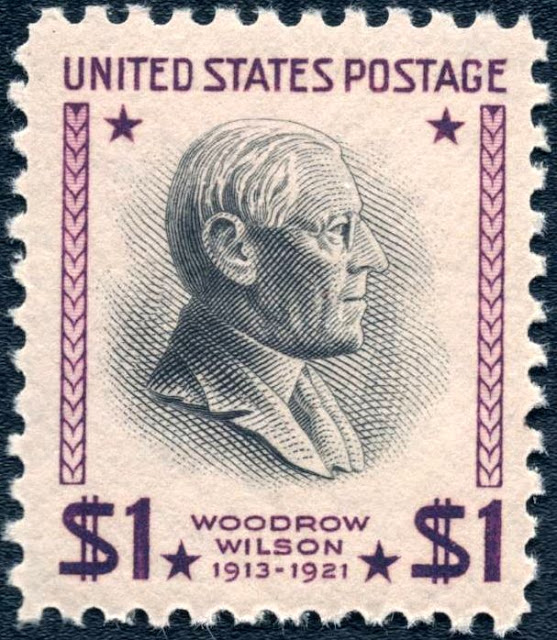
President Wilson has been asked to receive a group of Irish American leaders who wished to present a paper. He had consented to do so, with the proviso that Daniel F Cohalan should not accompany them. During the war he had been a great disturber. Nevertheless, the committee had shown up, headed by Cohalan. Tumulty was urging the President to relent,
“Oh governor, he pleaded, this will make a terrible impression on his followers”.
Cohalan was an influential political leader.
The President took out his watch. That is just what I wanted it to do , Tumulty; but I think it will make a good impression on decent people.
Xxx
Capitalist and Politician
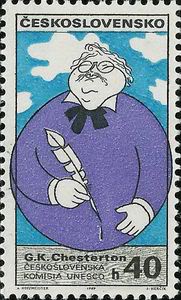
The following is a statement attributed to late G K Chesterton,
“The mere proposal to set the politician to watch the capitalist has been disturbed by the rather disconcerting discovery that they are both the same man. We are past the point where being a capitalist is the only way of becoming a politician, and we are dangerously near the point where being a politician is much the quickest way of becoming a capitalist.
Xxx
Hotel episode!
In Washington, during the career of the notorious Huey Long, a political follower of the Louisiana senator was pleading with him to procure him the nomination, which would be equivalent to election, for representative from a certain Louisiana district.
“I can’t do that”, said Long
“It is all your own fault. Even I couldn’t get you elected. Not after that story about the Hotel Episode in New Orleans.
“That story is a damned lie! “ cried the aspiring politician
“Why there isn’t even any Hotel Episode in New Orleans
Xxx
When Oliver Cromwell first coined his money, an old cavalier looking on one of the new pieces, read this inscription on one side
‘God is with u’s — on the other ‘Common wealth of England’.
“I see, said he, that god and the commonwealth are on different sides”.
Xxx
Weighty Politicians
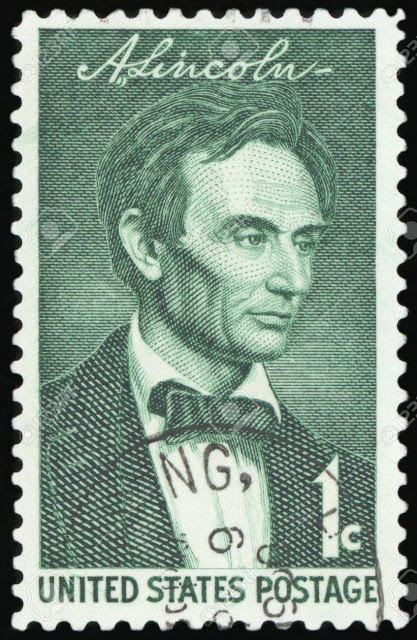
A New Jersey Congress man once brought two citizens of that state to visit the president seeking to impress Lincoln, he introduced them as being
‘Among the weightiest men in southern New Jersey’
Upon their departure, Lincoln said to one of his aides who was standing by
“I wonder that end of the state didn’t tie up when they got off it”
Xxx
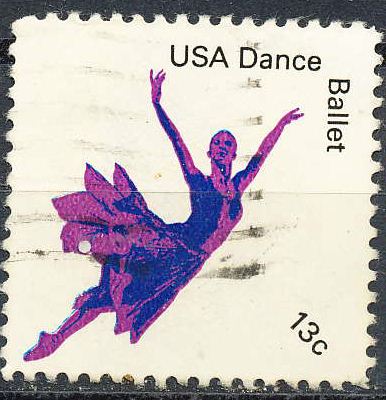
Dancing Anecdote
There is a legend of doubtful authenticity about Tommy Hitch cock , who, at a certain dance, was paired off for one number with a young woman with whom he had not been formally introduced.
Slightly apologetic he said,
“I am afraid I am not dancing very well this evening; I am a little stiff from Polo”.
His partner answered coldly,
“It doesn’t make any difference to me where you come from!”


.JPG)
.JPG)
 Tamil and Vedas
You must be logged in to post a comment.