Research article written by London Swaminathan
Date: 12 November 2016
Time uploaded in London: 8-16 AM
Post No.3347
Pictures are taken from various sources; they are representational only; thanks.
contact; swami_48@yahoo.com
Manu in his Manava Dharmasastra gives lot of concessions to Brahmins. At the same time he lays down very strict rules for the Brahmins. He asks the kings nit to tax the Brahmins. Chapter seven of the book contains rules regarding taxation; we get precise rates of taxation from Kautilya’s Arthasastra. But that is a book on Economics. Though Manu also mentions the proportion of tax in some of his couplets, it is not very comprehensive.
Here are some interesting couplets on taxation:
Even if he is dying of hunger, a king must not take taxes from a priest who knows his Veda by heart and no priest who knows his Veda by heart living in his territory should faint with hunger (7-133)
If a priest who knows his Veda by heart faints with hunger, the kingdom of the king in whose territory he lives will also soon faint with hunger (7-134)
The king should always establish the taxes in his kingdom after due consideration, in such a way that both the king and the man are rewarded 7-128
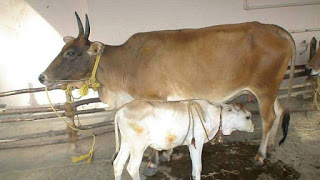
Leech, Calf and Bee
Just as the leech, the calf and the bee eat their food little by little, so the king should take the early taxes from the people little by little 7-129
The king should take a fiftieth part of livestock and god and an eighth or a sixth or a twelfth of crops.7-130
My comments:-
We may think that Manu is unbalanced in his views. But if we replace the word Brahmins with the word “Intellectuals”, then we will understand the significance of his rule. Poor Intellectuals, if exempted from taxes, will work more efficiently to elevate the society.
Thousands of Tamil inscriptions and epigraphs on land donations to Brahmins and the temples talk about the exemption of taxes to Brahmins. So we know that Manu’s laws regarding Tax exemption were followed by the kings for a very long time.
The simile of leech, calf and bee allows us to give a new interpretation: If one is wealthy suck his blood, that means take more tax. We do see such things in most of the countries the rich are taxed up to 60%. If one belongs to the middle income group, be a calf in taxing. If someone is poor be a bee to him.
Tamil Veda Tirukkural says don’t tax the people like a robber (Kural 552)
A sceptered king demanding illegitimate gifts or exhorting taxes beyond approved limit
Is like an armed robber relieving wayfarers of their belongings. (Kural 552)
Kalidasa says be a sun when you tax the people. Take the water with your thousand hands (rays) and return it with million drops of rain (benefits) in his Raghuvamsa Kavya(1-18)

Taxation in Sangam Tamil Literature
Sangam Tamil literature gives details of import tax. When goods were brought in from foreign countries they were taxed.
Pisiranthaiyar, a famous Tamil poet advises his king Panyan Arivudai Nambi to follow moderation in taxing. He gives a beautiful simile to emphasize his point.
If an elephant is fed with cooked food mouth by mouth from a small patch of land, the harvested grains will last for many months. If the same elephant is allowed to graze the fields larger in size, there will be more wastage than the food it took. The crops will be crushed under its feet and left wasted. So be wise in taxing the people. Don’t crush them under your feet like a rash elephant. Take it little by little.(Puram 184)
Later day Tamil inscriptions gives a long list of different taxes.
–Subham-
 Tamil and Vedas