
written by london swaminathan
Date: 1st August 2016
Post No. 3027
Time uploaded in London :– 13-35
( Thanks for the Pictures)
DON’T REBLOG IT AT LEAST FOR A WEEK! DON’T USE THE PICTURES; THEY ARE COPYRIGHTED BY SOMEONE.
(for old articles go to tamilandvedas.com OR swamiindology.blogspot.com)
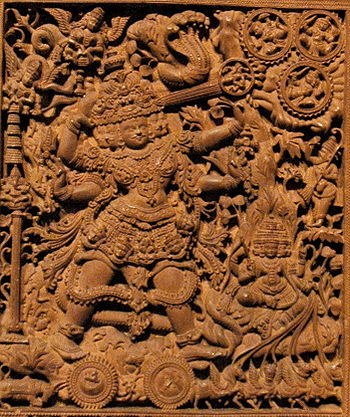
Lord Shiva has at least 1008 names and one of them is Tripuraantaka. The meaning of Tri+Pura+Antaka is one who has destroyed Three Forts. This story is referred to in the epics, Puranas (mythology) and the 2000 year old Sangam Tamil Lierature (Puranaanuru 55).

There was a demon named Taraka and he had three sons Tarakaksha, Kamalaksha and Vidyunmali. They did a penance towards Brahma and got three floating forts as a boon. Our Puranas describe the forts as staying in the sky without any support and flying as well. The three demons were harassing the Devas and they prayed to Lord Shiva to take action against the demons.
Shiva told them that he would destroy the forts. The condition required to destroy the forts is that all the three should be in one straight line. Shiva made the flying (moving) forts to come in a straight line and fired them with his arrow of fire.
My comments:
The story is a clear indication that Hindus had orbiting space stations or at least the concept of flying stations. Since they came to earth and troubled the devas and people, we come to know that the forts acted like space shuttles. Shiva’s third eye sends laser weapons and so they might have been destroyed by laser weapons.
More comments:-
This story explodes the Aryan- Dravidian myth. Throughout Hindu literature we see that the demons also pray to Hindu gods and get boons from the Trinity. It shows that they were also ardent Hindus but with bad motives. The story of Demons, Devas and men is also in the oldest Upanishad where they get the Upadesa.
Also note that the names of demons are always in Sanskrit. This also explodes the myth of ‘demonisng’ Dravidians. Demons are not Dravidians.
Also note that the ancient Tamils were very familiar with this story. It is in the oldest Purananuru (verse 55) and other literature of Sangam period and later Kambaramayana.
–subham-

 Tamil and Vedas
You must be logged in to post a comment.