Ganga Jal (Ganges water) for a Donkey!

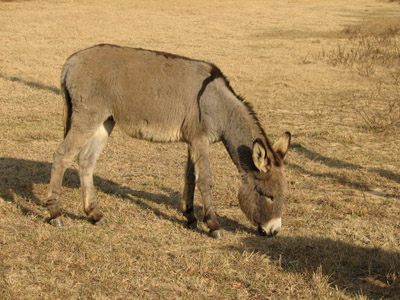
donkey (1)

Compiled by London Swaminathan
Post No. 905 Dated 13th March 2014.

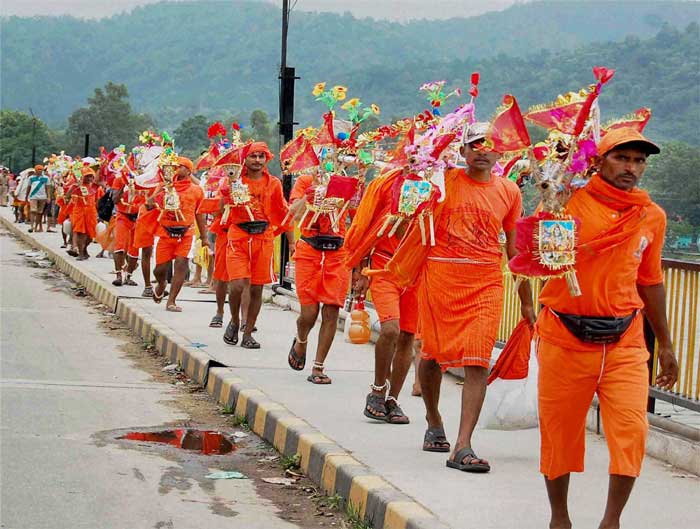
Eknath was a great saint of Maharashtra. Once he went on a pilgrimage to Benaras (Varanasi or Kasi). From there he brought back with him two pots filled with the holy water of the Ganges slung across a pole. He thought of taking it to Rameswar, a place of pilgrimage in the south, for offering to God. Hindus who visit Kasi bring Ganga jal to Rameswaram (in Tamil Nadu) and do the Abhishek ( bathing) on Shiva linga there. This is considered a meritorious act.

Eknath headed a party of pilgrims, each of whom carried water pots filled with the holy water. It was summer. The heat was very severe. Not a single tree was visible anywhere. Presently Eknatha saw a donkey dying of thirst. His heart was filled with compassion. Immediately he poured out the contents of his water pots to the dying animal, which straightaway lapped up the whole quantity.
Restored to life the donkey got up and went away braying.

After sometime Eknath’s fellow pilgrims arrived there. They were surprised to see the water pots of the saint empty. Therefore, they inquired of him, “Sir, where is the holy water, you brought with you?”

Eknath replied, “Brothers I gave it away to a poor donkey which was dying of thirst, since no water was available anywhere in the neighbourhood”

The fellow pilgrims exclaimed, “But sir, you have nothing left to offer to God Rameshwar! Alas! Your pilgrimage ill remain incomplete!”
B_Id_406817_kawadiyan

The saint however, observed calmly,” What you say is true.But how could I pass by the donkey, dying of thirst, without giving it water?And as I had some water, thought it was of the holy Ganges, I let the creature slake its thirst. But I am quite sure that God Rameshwar will not only forgive me but, on the contrary, will even be pleased with me.
(Source: Inspiring Anecdotes, Navajivan Publishing House, Ahmedabad, Year of Publication 1957)

Buddha’s compassion

Swami Vivekananda narrated a story in one of his talks:
“Buddha is the name of infinite knowledge, infinite as the sky; I,Gautama, have reached that stage; you will all reach that too if you struggle for it.” Bereft of all motive power, he did not want to go to heaven., did not want money; he gave up his throne and everything else, and went about begging his bread through the streets of India preaching for the good of men and animals with a heart as wide as the ocean. he was the only man was ever ready to give up his life for animals, to stop sacrifice. He once said to a king, “if the sacrifice of a lamb help you to go to heaven, sacrificing a man will help you better, so sacrifice me.” The king was astonished. And this man was without any motive. He stands as the perfection of the active type, and the very height to which he attained shows that through the power of work we can also attain to the highest spirituality.”
goat

Source: Selections from The Complete Works of Swami Vivekanada, Advaita Ashrama, Calcutta 700 014, Year 1990.

Ramanuja’s Compassion

Following is an anecdote in Swami Ramdas’ words:
“You must have heard of the three great Teachers (Acharyas) –Shankara, Ramanuja and Madhwa. They have established their systems of philosophy in India. Ramanuja went to a Master (Guru) and requested him to initiate him. The Master gave him God’s name and also advised him not to give this Name (mantra) to anybody, adding that if he did so, he would go to hell. At once Ramanuja went to the top of the local temple and shouted, “I am going to give you all a Name which will save you. My Master has given me the Name”. He uttered the Name ( the mantra was OM NAMO NARAYANA) loudly so that everybody could hear.

ramanuja_picture

The Master heard about it and why he did so in spite of his warning. Ramanuja’s reply was, I am prepared to go to hell a hundred times if I can save thousands”.

(All within brackets are my additions:-swami)

Source: Stories As told by Swami Ramdas, Published for Anandashram by Bharatiya Vidya Bhavan, Chowpatty, Bombay-7, Year 1969.

Contact swami_48@yahoo.com
கடவுளும் கம்ப்யூட்டரும்

vishnu-hindu-god

அறிவியல் வியக்கும் ஆன்மீகம்!
கடவுளும் கம்ப்யூட்டரும்
ச.நாகராஜன்
God and the Computer by S Nagarajan
Post No 904 Dated 13th March 2014

விஷ்ணு சஹஸ்ர நாமமும் கம்ப்யூட்டர் ஆணைகளும்

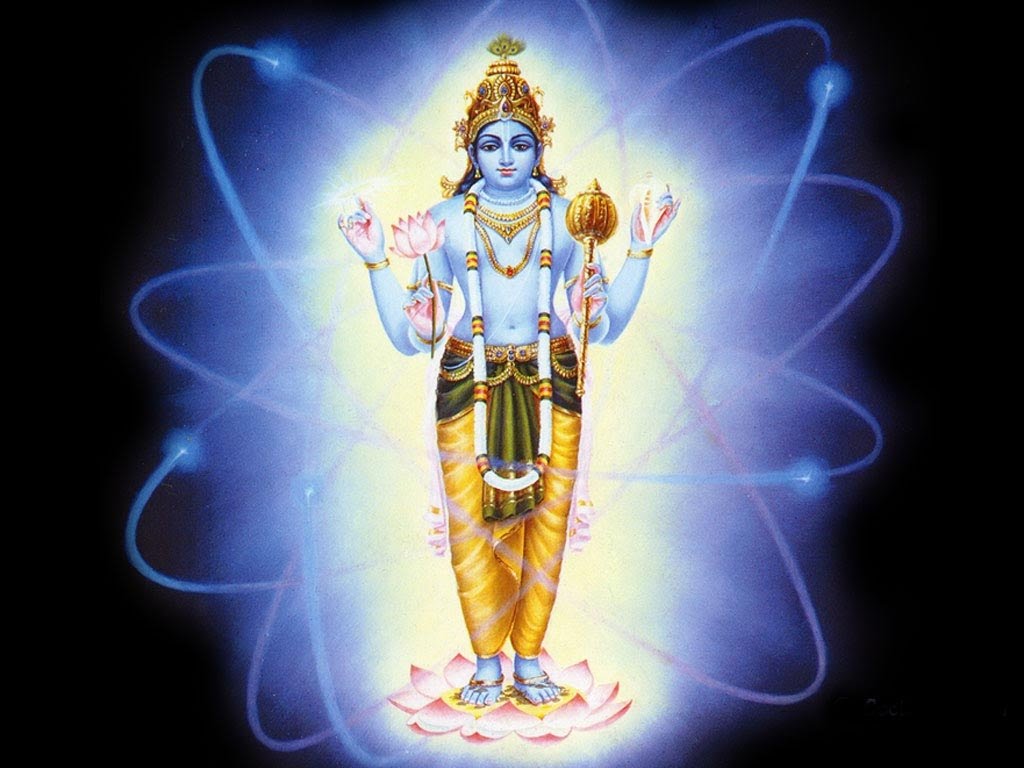
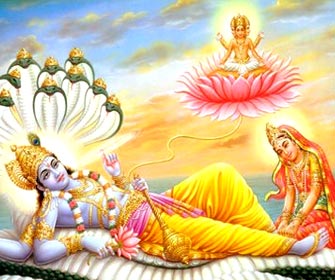
விஷ்ணுசஹஸ்ர நாமம் தொன்று தொட்டு நமது இல்லங்களில் அன்றாட பாராயணமாகச் சொல்லப்பட்டு வரும் ஒரு அற்புத ஸ்தோத்ரம். இதை நன்கு ஆராய்ந்தவர் டாக்டர் ஆர்.வி.எஸ்.எஸ். அவதானுலு. இவர் ஹைதராபாத்தில் வேதபாரதி என்னும் சம்ஸ்கிருதம் மற்றும் வேத அறிவைப் பரப்பும் ஸ்தாபனத்தின் தலைவராக இருந்து வருகிறார். வேதங்களிலும் சாஸ்திரங்களிலும் எப்படி அனைத்துத் தொழில்நுட்பமும் அறிவியலும் அடங்கி உள்ளன என்பதை விவரித்து ‘ஸயின்ஸ் அண்ட் டெக்னாலஜி இன் வேதாஸ் அண்ட் சாஸ்த்ராஸ்’ Science and Technology in Vedas and Shastras என்று ஒரு நூலை எழுதியுள்ளார். அதில் கம்ப்யூட்டர் கோட்பாடுகள் எப்படி விஷ்ணு சஹஸ்ரநாமத்தில் அடங்கியுள்ளன என்பதை பிரமிக்க வைக்கும் விதத்தில் தருகிறார்.

கம்ப்யூட்டரில் அடிப்படையாக உள்ளது கமாண்ட் command எனப்படும் ஆணைகளே. கூட்டு, கழி, பெருக்கு போன்ற அனைத்துமே கமாண்ட் தான். இந்தக் கட்டளைகளைத் தந்தவுடன் கம்ப்யூட்டரில் உள்ள சர்க்யூட்டுகள் circuits அந்த ஆணைகளைச் செயல்படுத்துகின்றன. இதில் தவறுதலே நடக்காது.

Hindu-God Vishnu image

விஷ்ணு சஹஸ்ரநாமத்தில் 30ஆம் ஸ்லோகத்தில் வருவது ‘ருத ஸ்பஷ்டாக்ஷரோ மந்த்ர:’ என்பதாகும். ஸ்பஷ்டாக்ஷர என்றால் ஓம் என்ற அக்ஷரத்தால் அழைக்கப்படுபவன் என்பது பொருள். ஓம் என்பது ஆற்றல் வாய்ந்த அக்ஷரம். அதை எங்கு வேண்டுமானாலும் உரிய முறையில் உச்சரித்தவுடன் அது ஒரு கமாண்ட் போலச் செயல்பட்டு ஒரு அபாரமான சக்தியை எழுப்புகிறது. கம்ப்யூட்டரில் சொல்லப்படும் கமாண்டின் உண்மையான அர்த்தத்தை இந்த நாமத்தில் நாம் பார்க்க முடிகிறது.

மெமரி memory யும் சுமேதா நாமமும்
மெமரி எனப்படும் நினைவகம் கம்ப்யூட்டரில் மிகவும் முக்கியமான ஒன்று.ஒரு கிலோ பைட் என்பது 1024 பைட்டுகளைக் கொண்ட்து. இதற்கு மேலாக இருக்கும் அளவீடுகளான டெரா பைட் (Tera Byte) போன்றவை அதிக நினைவகத்தைக் கொண்டிருப்பவை. 400 வால்மீகி ராமாயணங்களை (வால்மீகி ராமாயணத்தில் 24000 ஸ்லோகங்கள் உள்ளன) ஒரு கிகா பைட்டில் (Giga Byte) அடக்கி விடலாம். 1024 கிகா பைட் ஒரு டெரா பைட் ஆகும். அழிக்க முடியாத நான் – எரேஸபிள்(non-erasable) குணாதிசயங்களையும் கம்ப்யூட்டர் கொண்டுள்ளது.

இந்த நினைவகம் பற்றிய கோட்பாட்டை 80வது ஸ்லோகத்தில் வரும் நாமமான ‘சுமேதா மேதஜோ தன்ய: சத்யமேதா தராதர:’ என்பதில் காண முடிகிறது.

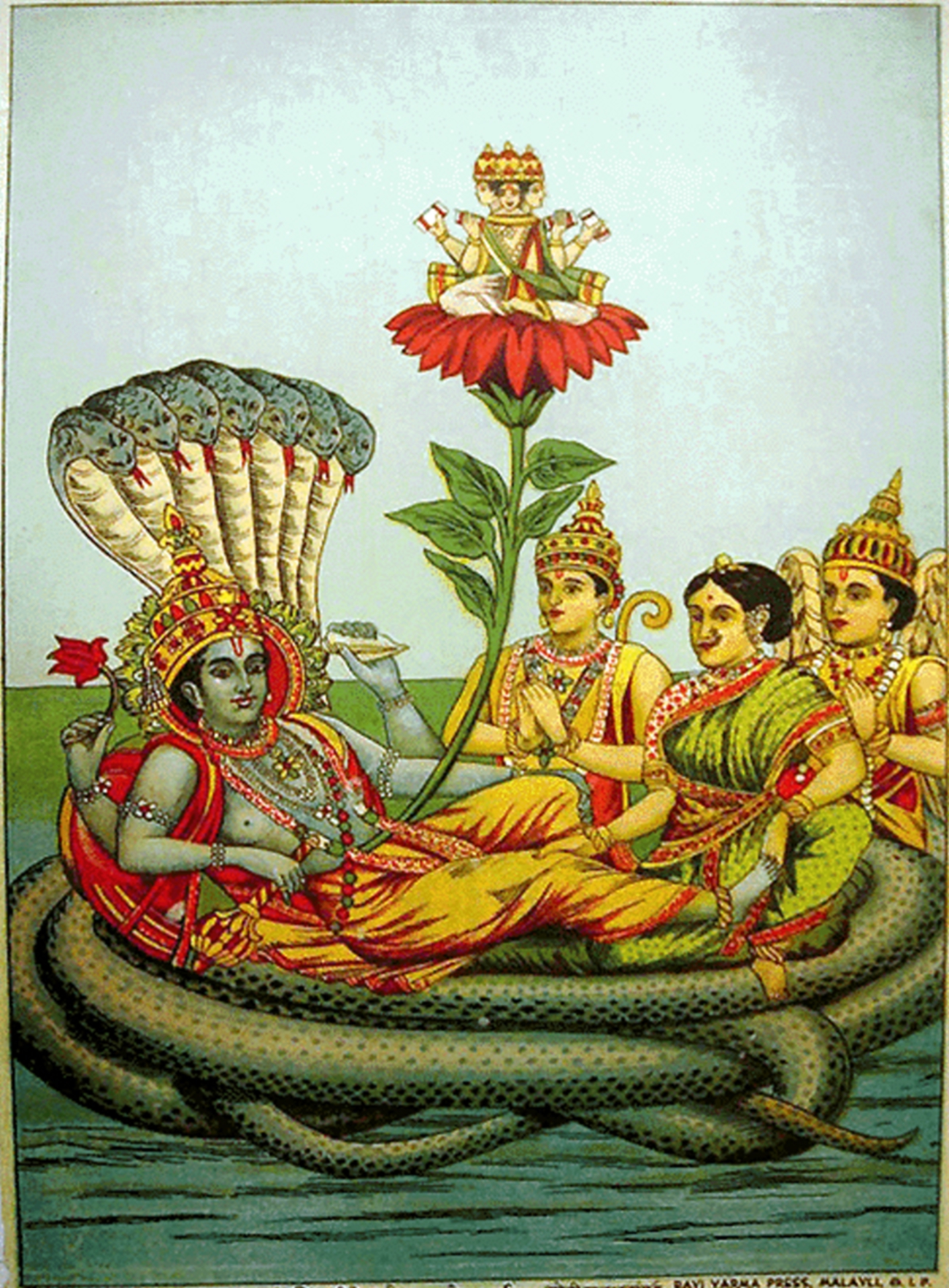
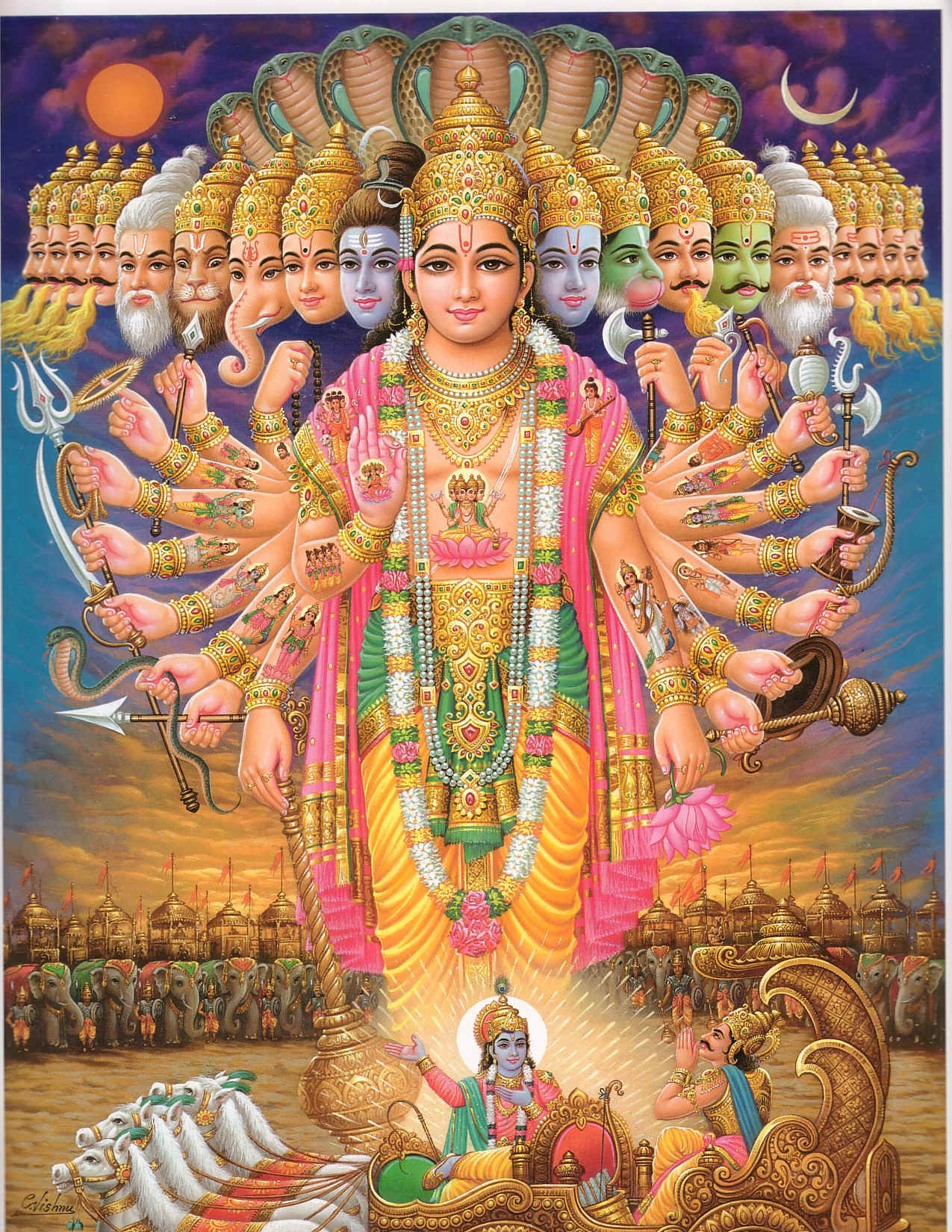
சுமேதா என்றால் அற்புதமான நினைவகத்தைக் கொண்டிருப்பவன் என்பது பொருள். சத்யமேதா என்பதில் அழிக்க முடியாத மெமரியைக் கொண்டிருப்பவன் என்பது சுட்டிக்காட்டப்படுகிறது! ஒவ்வொரு உயிரும் ஒவ்வொரு கணத்திலும் எல்லா காலத்திலும் செய்யும் அனைத்துச் செயல்களையும் அவன் நினைவில் கொண்டிருக்கிறான். கீதையில் இதையே கண்ணன் அர்ஜுனனிடம்,” எனக்கும் உனக்கும் பல ஜன்மங்கள் கழிந்து விட்டன. அதை நீ அறிய மாட்டாய். ஆனால் நான் அவற்றை நினைவில் கொண்டிருக்கிறேன் (கீதை நான்காம் அத்தியாயம் ஸ்லோகம் 5 பஹூநி மே வ்யதீதாநி ஜன்மானி தவ சார்ஜுனI தாந்யஹம் வேத ஸர்வாணி ந த்வம் வேத்த பரந்தப II )” என்ற வார்த்தைகளால் கூறுகிறான்!

இப்படி நினைவக்க் கோட்பாட்டையும் சஹஸ்ரநாமம் விளக்குகிறது.

Vishnu_Laxmi_and_Serpent_Anant

கணினியின் வேகமும் கடவுளின் வேகமும்
இன்னொரு கோட்பாடு வேகம் பற்றியது. இந்த வேகத்தினால் தான் கம்ப்யூட்டரை இன்றைய நவீன உலகம் மதித்து அன்றாடச் செயல்பாடுகளுக்கு ஏற்றுக் கொண்டிருக்கிறது. கம்ப்யூட்டரின் வேகத்தை மெகா ஹெர்ட்ஸ் (MHz) கிகா ஹெர்ட்ஸ் (GHz) என்ற அளவீடால் சொல்கிறோம்.இந்த கணினி வேகத்தை இன்னொரு முறையாலும் கூற முடியும். ஒரு வினாடிக்கு லட்சக்கணக்கான ஆணைகள் எனப்படும் மில்லியன்ஸ் ஆஃப் இன்ஸ்ட்ரக்ஷன்ஸ் பர் செகண்ட் என்ற முறையிலும் கணினி வேகம் கூறப்படும். பழைய தலைமுறை கணினிகள் ஒரு வினாடிக்கு பத்து லட்சம் ஆணைகளை மேற்கொள்ளும் திறன் உடையவை. இன்றோ இன்னும் அதிக வேகம்! இந்த வேகத்தை 40வது ஸ்லோகத்தில் மஹாவிஷ்ணுவைத் துதிக்கும் நாமமான ‘மஹீதரோ மஹாபாகோ வேகவான் அமிதாஸன:’ என்பதில் காணலாம்.

இந்த ‘வேகவானின்’ வேகம் பற்றி கஜேந்திர மோக்ஷத்தில் ஆதிமூலமே என்று கூப்பிட்டு முடிவதற்குள் அவன் வந்து சேர்ந்ததை பாகவதம் சிறப்பாகக் குறிப்பிடுகிறது. திரௌபதி கூப்பிட்டவுடன் அவன் செய்த லீலையையும் நாம் மறக்க முடியாது.

மைக்ரோ ப்ராஸஸரும் micro processor நிர்ணயிக்கப்பட முடியாத வடிவம் உடையோனும்
அடுத்து கம்ப்யூட்டர்களின் பயன்பாடு நம்மை பிரமிக்க வைக்கிறதல்லவா! எங்கும் கம்ப்யூட்டர், எதிலும் கம்ப்யூட்டர், எதற்கும் கம்ப்யூட்டர்!!! ரிசர்வேஷனுக்கும், மருத்துவமனைகளில் அனைத்து சேவைகளுக்கும், ஏன் ராக்கட்டுகளை விண்ணில் ஏவுவதற்கும் கூட என்று இப்படி எங்கு பார்த்தாலும் கணினியின் சேவை தான்! இது எதனால் என்று பார்த்தால் விடை மைக்ரோப்ராஸஸரினால் தான் என்று முடியும். கணினியின் மென்பொருளில் உள்ள மைக்ரோப்ராஸஸர்களின் நெகிழ்வுத் தன்மை பிரமிக்க வைக்கும் ஒன்று. அதை எந்த விதத்திலும் பயன்படுத்த முடியக்கூடிய அளவு அது ப்ளெக்ஸிபிளாக – நெகிழ்வுடன் கூடியதாக உள்ளது.

இந்த அற்புதமான தன்மையை 19ஆம் ஸ்லோகத்தில் வரும் நாமத்தில் காணலாம்.
“அநிர்தேஷ்யவபு: ஸ்ரீமான் அமேயாத்மா மஹாத்ரித்ருத்”
இதன் பொருள் அவன் வடிவம் நிர்ணயிக்கப்பட முடியாதது, அவன் நினைத்த வடிவத்தை எடுப்பவன் என்பதாகும்.
அவன் பல்வேறு வடிவம் எடுப்பவன் என்பதை 29ஆம் ஸ்லோகத்தில் வரும் நாமமான ‘நைகரூபோ ப்ருஹத்ரூபஹ சிபிவிஷ்டஹ ப்ரகாஷந:’ என்பது வலியுறுத்துகிறது.

Vishnu (1)

நாமங்கள் பல; கணினியின் பயன்பாடுகள் பல!
இதே போல programming ப்ரொக்ராமிங் (மஹாக்ரமோ மஹாகர்மா மஹாதேஜா மஹோரக:-ஸ்லோகம் 72), மல்டி ப்ரொக்ராமிங் (ஸ்வாபன: ஸ்வவஸோ வ்யாபீ நைகாத்மா நைககர்மக்ருத்-ஸ்லோகம் -50), அலெர்ட் டிபென்ஸ் சிஸ்டம் (தனுர்தரோ தனுர்வேதோ தண்டோ தமயிதா தமஹ –ஸ்லோகம் 92), கேபிளிங் (சுபாங்கோ லோக சாரங்கஹ சுநந்து –ஸ்லோகம் 84) ஆகியவற்றையும் அவதானுலு விவரிக்கிறார்; நம்மை பிரமிக்க வைக்கிறார். பாரத பிரதமராக இருந்த வாஜ்பாய், வேதங்களிலிருந்து விஞ்ஞானத்தைக் கூறும் இவரது அறிவுத் திறனைக் கண்டு,” கனவு நனவாகிறது” என்றார். ராஷ்ட்ரபதியாக இருந்த சங்கர் தயாள் சர்மாவோ இவரது பணியை, “மிக அருமை; உலகிலேயே இப்படிப்பட்ட ஆராய்ச்சியில் இது முதலாவது” என்று பாராட்டினார்.

வால்டேர் போற்றிய ஹிந்து மதம்
பிரபல தத்துவஞானியான வால்டேர், “ஜியாமெட்ரியைக் கற்க பிதகோரஸ் கங்கைக் கரைக்குச் சென்றார்” என்று எழுதியுள்ளதோடு, “நமக்கு எல்லாமே கங்கைக் கரையிலிருந்து தான் வந்திருக்கிறது” என்று கூறினார். ‘ஹிஸ்டரி ஆஃப் மேதமேடிக்ஸ்’ என்ற நூலை ஆதாரபூர்வமாக எழுதியுள்ள ஆப்ரஹாம் செய்டன்பர்க் சம்ஸ்கிருதத்தில் உள்ள சுலப சூத்ரங்களே பாபிலோனிலிருந்து எகிப்து வரை அராபியாவிலிருந்து கிரேக்கம் வரை உள்ள அனைத்து கணித மேதைகளையும் கவர்ந்து அவர்களை ஊக்குவித்தது என்கிறார்.

அனைத்துக் கலைகளும் தொழில்நுட்பங்களையும் தன்னுள் அடக்கி வைத்திருக்கிறது வேதங்கள் என்பதை நூற்றுக்கும் மேற்பட்ட அறிஞர்கள் ஆதாரங்களுடன் எழுதி வருகின்றனர்.

vishnu

அறிஞர்களைப் போற்றுவோம்
ஸ்ரீ பாரதி கிருஷ்ண தீர்த்த சங்கராசார்யர், கணித சூத்ரம் அல்லது சுலப சூத்ரங்கள் என அழைக்கப்படும் சூத்திரங்களில் அனைத்துக் கணித முறைகளும் விளக்கப்பட்டுள்ளதாகத் தெரிவித்து அதர்வண வேதத்தை ஆராய்ந்து வேத கணிதத்தைக் கண்டு விளக்கினார். 1965ஆம் ஆண்டு அச்சுக்கு வந்த வேத கணிதம் இன்று உலகம் முழுவதும் பரவி மேலை நாட்டு பல்கலைக் கழகங்களிலும் கூடப் பயிற்றுவிக்கப்பட்டு அனைவரையும் வியக்க வைக்கிறது..

ஸ்ரீ சங்கராசார்யர் காட்டிய வழியில் வேதம் கொண்டுள்ள ஏராளமான தொழில்நுட்பங்களை அறிந்து சமுதாயத்திற்கு அளிக்க இந்தியர்களான பல்வேறு இளம் தொழில்நுட்ப நிபுணர்கள் மற்றும் முதிர்ந்த ஆராய்ச்சி நிபுணர்கள் இப்போது முன் வந்திருப்பது மிகவும் போற்றிப் புகழவேண்டிய தொண்டாக அமைகிறது.

வால்டேர் கூறியதை நிரூபிக்க முன் வந்திருக்கும் இந்த அறிஞர்களைப் போற்றுவோம்!
***********************
நன்றி: ஞான ஆலயம் மார்ச் 2014 ( This is written by Santanam Nagarajan and Published in Jnana Alayama Magazine.

contact swami_48@yahoo.com

Elephants Lost, Cats Won! A Sad story from Indian History

Hannibal3

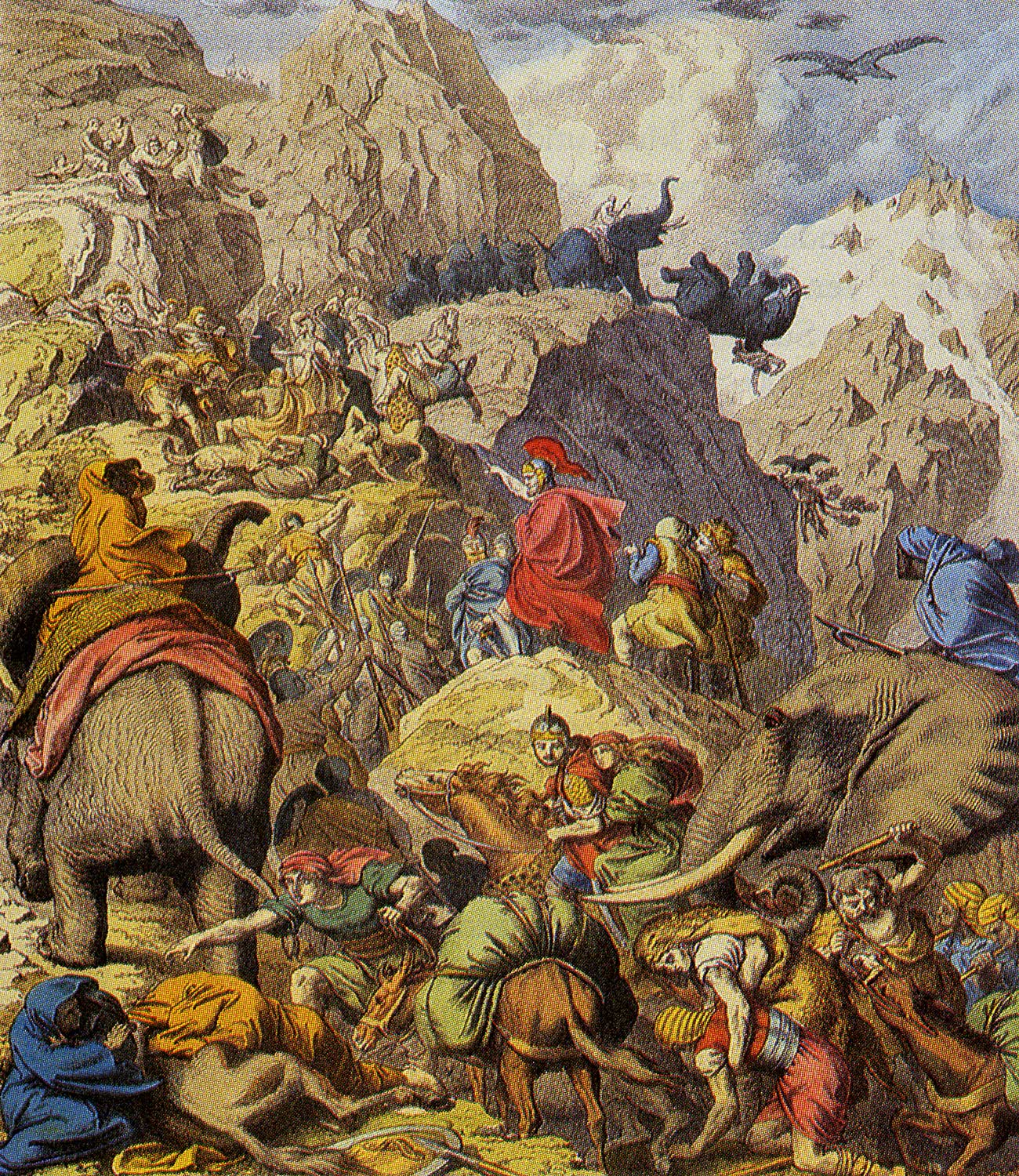
Hannibal crossing the Alps with elephants.

By London Swaminathan
Post No. 903 dated 12th March 2014.

It is a sad story from the leaf of a history book. It happened around 712 AD.
The elephant is the largest of the land animals. The animal is mentioned in the Rig Veda by the name Mrigo-Hasti. Ktesias and Megasthenes recorded their use in the Indian wars. Lord Lytton spoke of the Pundits and Elephants as two imposing sights in India. I have already given over 40 words for elephants in Tamil and Sanskrit in one of my earlier posts. I have also listed over 100 proverbs in Tamil in another post. Story of Aswatthama (name of an elephant as well as the son of Drona) is also told already. It changed the course of the Mahabharata war. Hannibal took it to Europe in 218 BC for the first time. In real life elephants stand majestic. All animals give due respect and keep their distance. Only in the jungle it fights with its arch rival the lions and got killed occasionally.

elephant war
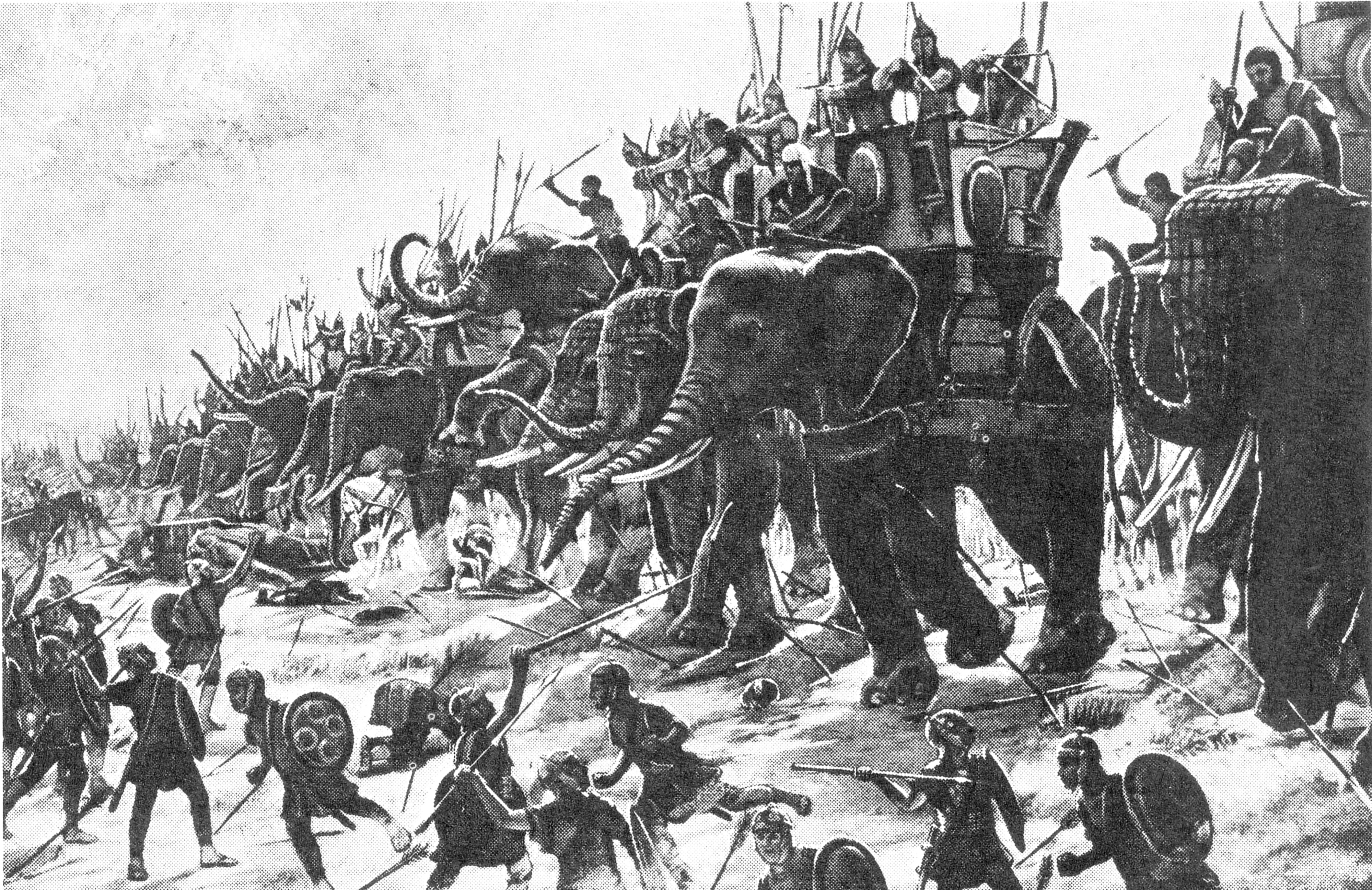
Elephants in battle

Kalingattu Parani is a famous Tamil poem in praise of Kulottunga Choza (1070-1120 AD. When the king of Kalinga (Orissa) insulted him, he sent his commander in Chief invade Kalinga. He went to Kalinga and defeated Anantavarman. Jayamkondar, the court poet sang a Parani on him. Only when a king kills 1000 elephants he can be praised as a hero of a Parani. This shows the number of elephants involved in a battle.

When Alexander’s soldiers heard about the number of Four Wings of the Mighty Magadha army, they refused to invade India and went back. According to Diodorous Siculus (90-30 BC) , Chandragupta Maurya had an army of 20,000 horses, 200000 soldiers, 2000 chariots and 4000 elephants. Plutarch ( 42- 120 AD) says Indian kings had 80,00 horses, 200000 foot soldiers, 8000 chariots and 6000 elephants!

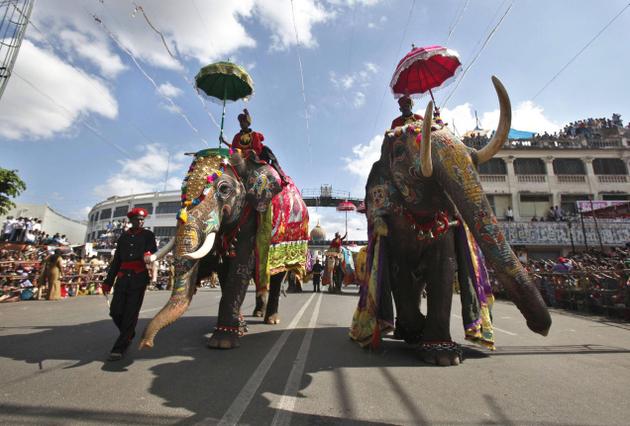
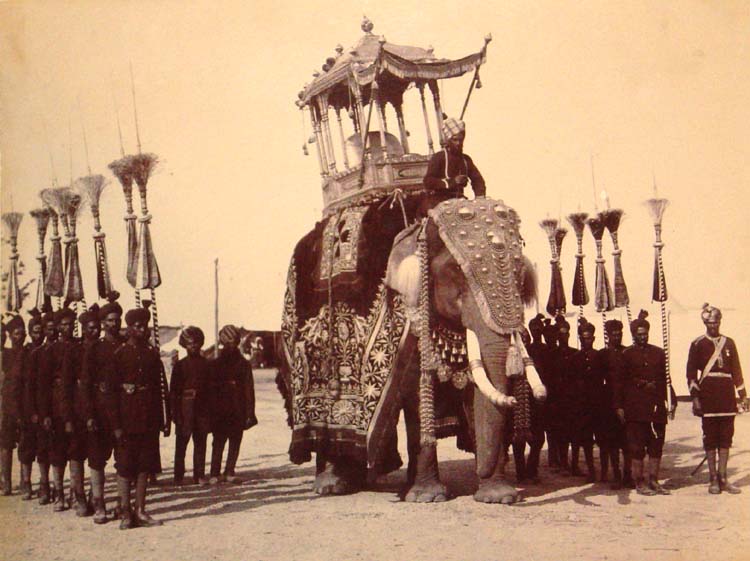
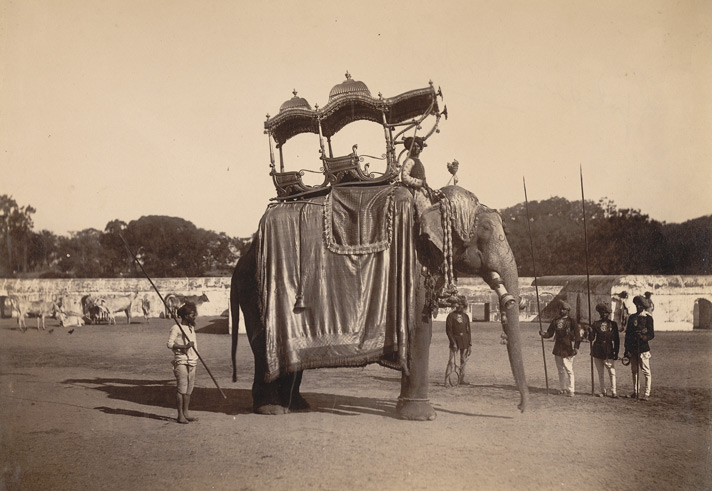
Maharaja of Mysore
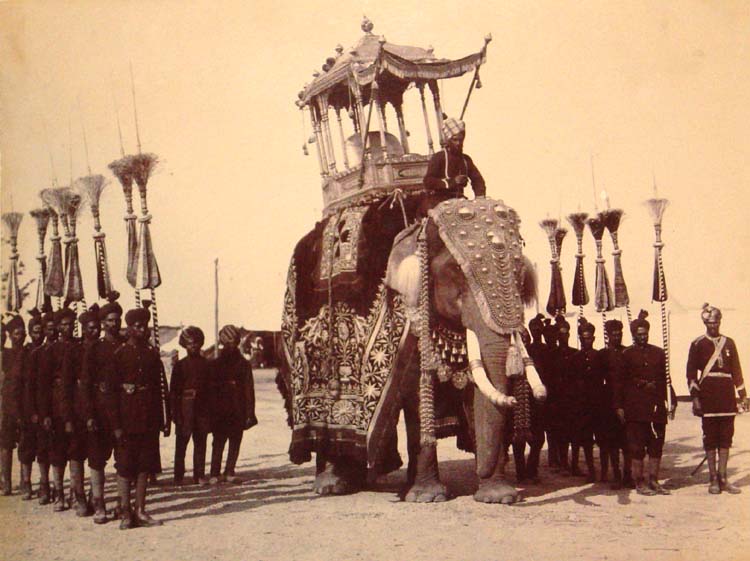
Elephant with howdah

Cats defeated elephants!!

The foreign rule began in India in the eighth century AD. The battle of Rawar was the decisive one which allowed the foreigners settle in the Sind area of India (Now Sind is in Pakistan).

jumbo_ELEPHANT_1618815g

Following is taken from ‘History of Sind’ by Dr Mumtaz Husain Pathan, Hyderabad, Sind, Pakistan)
“In the battle of Rawar, Rai Dahir started the attack by using elephants and he himself commanded the vanguard of the army. The elephants are a great source of power, yet they have also proved to be the cause of crushing defeats. In the battle of Qadisiyyah, the Iranians employed a large number of elephants to overawe the enemy, but the Arabs are said to have counteracted tactical devices to frighten the giants. Apart from these tactics, suicide squad of the Arab army made a daring dash to cut the trunks of the elephants, which resulted in the retreat of the animals and the defeat of the opposing army. Since the elephants were placed in the forefront, they trampled their own army in the retreat resulting in the crushing defeat.

The Arab writers report that the Arabs used cats and other tiny animals to frighten the elephants during the war. Their accounts about various incidents are curious and interesting. The famous Arab geographer al- Masudi relates that the emperors of Persia used to defend themselves against the attack of the elephants by releasing a large number of cats in the field. He asserts that this practice was common with the rulers of al-Hind and al-Sind. It has been stated in the accounts that one Harun Ibn Musa, who held one of the forts in Sind was attacked by a Hindu raja, whose army had a large number of elephants. When both the armies came closer to each other in battle array, Harun who had a cat concealed within his clothes threw it in front of the elephants. The elephants seeing the cat ran back pell-mell crushing the army of the Hindu Raja, who was defeated and slain by the forces of Harun. Al- Masudi also asserts that the elephants were terrified by the use of pigs, but the Muslims refrained from rearing the hated animal.

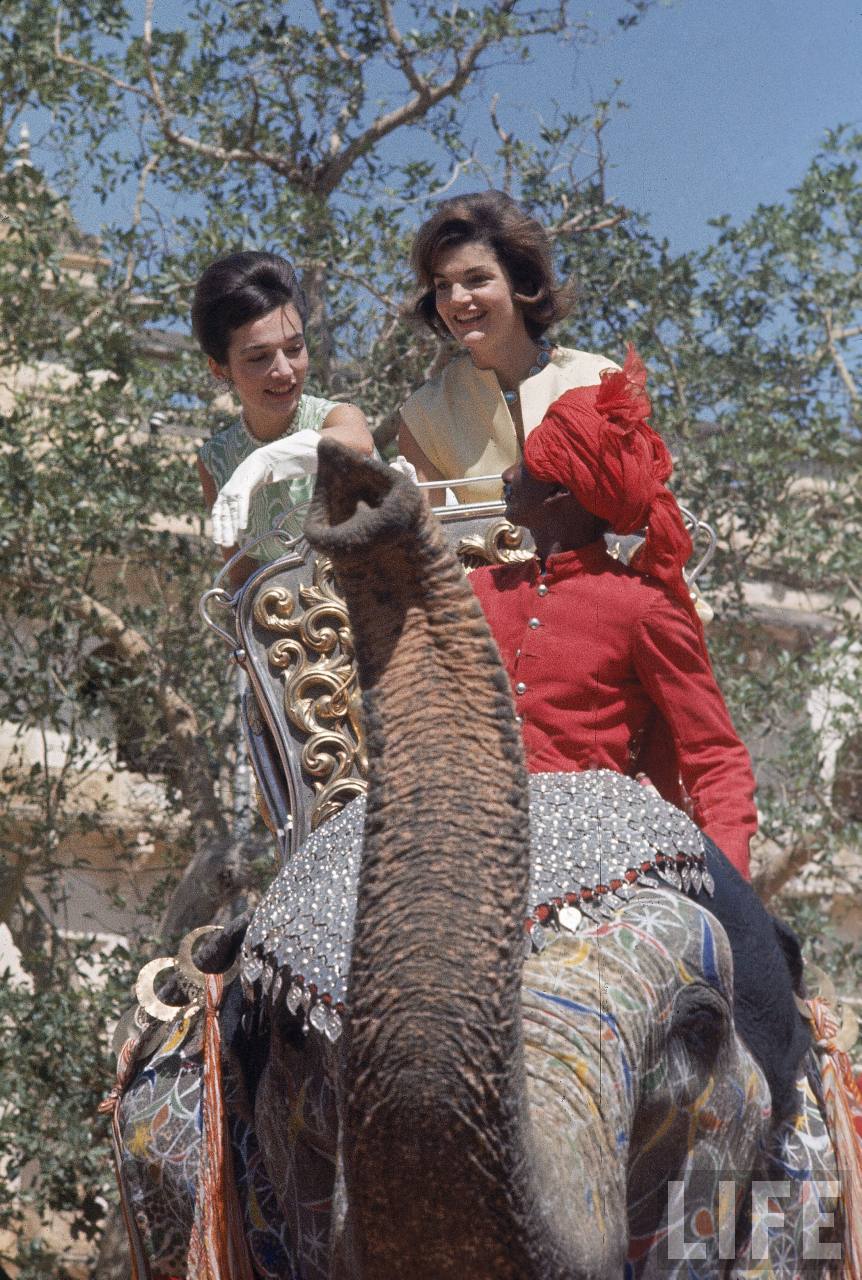
Jackie Kennedy and sister Lee
US President John F Kennedy’s wife Jackie Kennedy when she visited India in 1960s.

The Arabs developed new tactic in medieval warfare by the use of naphtha (inflammable) and other fireworks to frighten the large sized beasts in the enemy forces. The author of ‘’Chachnamah’’ relates that Raja Dahir had a chakra in his hand, made of tied swords, which he threw on the foot soldiers and the riders alike, with such a skill that it cuts off heads of victims instantaneously. No man therefore dared to advance towards him.

The Arab army threw naphtha arrows towards the elephants, as a result of which the animals became panicky and rushed o the river. The white elephant on which the Raja was seated also received burns and the howdah itself caught fire. The Arab soldiers did not lose the chance and surrounded the elephant in the river, shooting arrows incessantly. Raj Dahir was hit in the chest and Arab soldiers cut off his head. When the Hindus heard the death of their king, they fled in pell-mell in utter confusion.”
The above part is taken from the book.

elephant hero

Thus the forces of Muhammad ibn al- Qasim entered Sind and ruled India for another 700 years till Vijayanagar Empire became powerful. Disgruntled elements in the Hindu army also helped the foreigners with vital information, say the Arab authors. Later Muhammad ibn Qasim was sent to Bagdad and was tortured and killed for a different reason. He married the woman who the king of Bagdad wanted to marry!

Contact: swami_48@yahoo. com

யானைக்கு தோல்வி! பூனைக்கு வெற்றி!!

elephant war

யானைக்கு தோல்வி! பூனைக்கு வெற்றி!! இந்திய வரலாற்றில் சோக சம்பவம்!

By London Swaminathan
Post No.902 dated 12th March 2014.

‘’யானைக்கு ஒரு காலம் வந்தால் பூனைக்கும் ஒரு காலம் வரும்’’– என்று தமிழில் ஒரு பழமொழி உண்டு. இதற்குப் பல பொருள்கள் கூறுவர். எல்லோருக்கும் தெரிந்தது:– பெரிய உருவமும் பலமும் உடைய இன்று நீ வெல்லலாம் ஒரு நாள் ‘’யானைக்கும் கூட அடி சறுக்கும்’’ என்பது போல நீ வீழ்வாய். அப்போது நான் வெல்லுவேன் என்பதாகும். மற்றொரு பொருள்:- ஆநெய்க்கு (பால்) ஒரு காலம் என்றால் பூநெய்க்கும் (தேன்) ஒரு காலம் உண்டு. ஆனால் இது வலியப் போய் பொருள் கொள்வதாகும். எனக்குச் சரியெனப் படவில்லை. ஆனால் கீழேயுள்ள செய்தியைப் படித்தபின்னால் உங்களுக்கு இந்தப் பழமொழிக்கு புதிய பொருள் கிடைக்கும்!!

நிலத்தில் வசிக்கும் பிராணிகளில் மிகவும் பெரியது யானை. நிலத்தில் யாருக்கும் அஞ்சாத நெஞ்சம் உடையது. காட்டில் வேண்டுமானால் சிங்கம் புலியுடன் சண்டை இட்டுச் சில நேரம் தோல்வி அயைலாம். யானை பற்றிய நூறு பழமொழிகளையும் யானைக்கு உண்டான நாற்பதுக்கும் மேலான தமிழ், வடமொழிச் சொற்களையும் யானை தொடர்பான பல அதிசயச் செய்திகளையும்– (பட்டத்து யானை மாலை போட்டு கரிகாலனையும், மூர்த்தி நாயனாரையும் மன்னர்களாக்கியது முதலியன) —நிறைய இந்த பிளாக்—கில் எழுதிவிட்டேன்.

Hannibal3

Hannibal crossing the Alps with elephants.

இந்தியா மீது அலெக்ஸாண்டர் படை எடுக்காமல் திரும்பிபோனதற்குக் காரணம் மௌர்ய சந்திர குப்தனின் மகத்தான படை பலமாகும். அதைக் கேட்டவுடன் அவனுடைய துருப்புகள் இனி சண்டை போட மாட்டோம், ஊருக்குப் போய் பிள்ளை குட்டிகளைப் பார்க்கவேண்டும் என்று கிளம்பிவிட்டனர். டியோடரஸ் சிகுலஸ், ப்ளுடார்ச் போன்ற வரலாற்று எழுத்தர்கள் 2000 ஆண்டுகளுக்கு முன் எழுதிய நூல்களில் சந்திரகுப்தனிடம் 2 லட்சம் காலாட்படை வீரர்களும், 20,000 குதிரைகளும், 2000 தேர்களும், 4000 யானைகளும் இருந்ததாக எழுதி வைத்துள்ளனர். சிலர் 80,000 குதிரைகள், 8000 தேர்கள் 6000 யானைகள் என்று நாற்படைகளையும் புகழ்ந்துள்ளனர். இந்தியாவில் போரஸ் (புருஷோத்தமன்) என்ற மன்னனிடம் இருந்த யானைப் படையும் அவனது வீரமும் அலெக்ஸாண்டரை அசத்திவிட்டது. உடனே வென்ற இடத்தை அவனிடமே திருப்பிக் கொடுத்துவிட்டுப் போய்விட்டான.

ஹனிபால் என்ற அரசன் கி.மு. 218 ல் ஆல்ப்ஸ் மலை வழியாக இந்திய யானைகளை ஐரோப்பாவுக்கு முதல் முதலில் கொண்டு சென்று வரலாற்றில் அழியாத பெயர் பெற்றான். மஹாபாரத போர் முனையில் ‘அஸ்வத்தாமா’ என்ற யானை இறந்தது பற்றி தர்மன் ‘’பொய்’’ சொன்னவுடன் அஸ்வத்தாமா என்ற தனது மகன் தான் இறந்துவிட்டான் என்று துரோணரும் வில்லுக்கு இரையானர். இதனால் போரின் போக்கே மாறிவிட்டது.

Maharaja of Mysore

Maharaja of Mysore in Dasara procession

தமிழில் 96 பிரபந்த வகைகளில் ஒன்று பரணி பாடுதல். இப்படி ஒரு மன்னன் மீது பரணி பாட வேண்டும் என்றால் அந்த மன்னனோ அவனது படைத்தலைவனோ ஆயிரம் யானைகளைப் போரில் கொல்ல வேண்டும். அவந்திவர்மன் என்ற கலிங்க நாட்டு அரசனை வென்ற கருணாகரத் தொண்டைமானைப் படைத் தளபதியாகக் கொண்ட குலோத்துங்க சோழன் மீது கலிங்கத்துப் பரணி பாடினார் அவைப் புலவர் ஜெயம்கொண்டார். ஆக, யானை என்பது மாபாரத காலம் முதல் மைசூர் மஹாராஜா ‘தஸரா’ ஊர்வலம் வரை 5000 ஆண்டுகளாக இந்திய வரலாற்றில் முக்கியப் பங்கு ஆற்றி வருகிறது.

இந்தியாவின் வடமேற்கு மூலையில் இருப்பது சிந்து மாகாணம். இந்துக்களுக்குப் பெயர் கொடுத்த நதி! சிந்து சமவெளி நாகரீகத்தின் பிறப்பிடம். அந்த இடம் இப்போது பாகிஸ்தானின் பகுதியாகிவிட்டது. இதில் முஸ்லீம் படைகள் நுழைந்தது கி.பி 712 ஆம் ஆண்டில் நடந்தது. முகமது பின் காசிம் என்பவன் அராபிய படைகளுக்குத் தலைமை தாங்கி இந்தியாவில் காலடி எடுத்துவைத்தான். அப்புறம் 700 ஆண்டுகளுக்கு துயரக் கதைதான். விஜயநகர சாம்ராஜ்யமும் சிவாஜியின் இந்து சாம்ராஜ்யமும் தலை எடுக்கும் வரை இது ஓயவில்லை.
howdah
Elephant with howdah ( Ambari in Tamil)

Following is taken from ‘History of Sind’ by Dr Mumtaz Husain Pathan, Hyderabad, Sind, Pakistan)

பூனைகள் வெற்றி !!

முகமது பின் காசிம் வந்தபோது சிந்துமாகானத்தில் ராய் தஹிர் என்ற இந்து மன்னன் ஆண்டுவந்தான். ரவார் என்ற இடத்தில் நடந்த போரில் (battle of Rawar, Rai Dahir ) இவன் வீராவேசத்துடன் போரிட்டபோதும் இவனது யானைகள் மிரண்டதால் அவன் கொல்லப்பட்டான். அவன் கையில் கத்திகளை இணைத்துச் செய்த ஒரு சக்ராயுதம் வைத்திருந்தான். அதை வீசினால் அவன் எதிரே வரும் குதிரைகள், வீரர்களின் தலைகள் சீவப்பட்டு பறந்து விடும் என்பதால் யாரும் அவனை எதிர்கொள்ள மாட்டார்கள் என்று முஸ்லீம் வரலாற்று ஆசிரியர்கள் எழுதி வைத்துள்ளனர். இதற்கு முன் காதிசிய்யா (battle of Qadisiyyah) என்னும் இடத்தில் நடந்த போரில் அராபியர்களை மடக்க ஈரானியர்கள் (பாரசீகர்) பெரிய யானைகளை போரில் முன் நிறுத்தினர். ஆனால் அராபியர் கையாண்ட தந்திரங்களை (Arab geographer al- Masudi, Harun Ibn Musa, author of ‘’Chachnamah’’) அராபிய புவியியல் வல்லுனர் அல்-மசூதி, அராபிய எழுத்தாளர் ஹரூன் இபின் மூசா, சாக்நாமா புத்தக ஆசிரியர் ஆகியோர் விரிவாக எழுதிவைத்தனர்.
அராபியர் மூன்று விதமான தந்திரங்களைக் கையாண்டனர்:

elephant hero

1.தற்கொலைப் படைகளை ஏவி யானைகளின் துதிக்கைகளை வெட்டினர்.
2. பூனைகளை திடீரென மூட்டைகளில் இருந்து அவிழ்த்துவிட்டனர். முஸ்லீம் இல்லாத பாரசீகப் படைஅள் பன்றிகளையும் போர்க்களத்தில் விரட்டிவிட்டனர்.
3. நாப்தா (தீயைக் கக்கும்) அம்புகளை யானைகள் மீது எய்தனர்.
4. வெடிச் சப்தங்களை உண்டாக்கினர்.

இந்தக் காரணங்களினால் யானைகள் மிரண்டு, சொந்தப்படைகளையே மிதித்து அவர்களைச் சின்னாபின்னமாக்கின. பல யானைகள் நதிகளையும் நீர் நிலைகளையும் நோக்கி ஓடியவுடன் அராபியர்கள அவர்களை எளிதில் சுற்றி வளைத்தனர். சிந்து நதிக்கரையில் இந்தச் சண்டைகள் நடந்தன.
ரவார் யுத்தம் பற்றிய செய்தி வருமாறு:

அராபியப் படைகள் தீ அம்புகளை (நாப்தா) ராஜாவின் யானை மீது எறிந்தவுடன் யானைக்கு காயங்கள் ஏற்பட்டன. அதன் மீதிருந்த அம்பாரி தீப்பிடித்தவுடன் யானை நதிக்குள் இறங்கியது. அராபிய வீரர்கள் சூழ்ந்து கொண்டு ராஜாவின் மார்பு மீது அம்பு வீசினர். அவர் வீழ்ந்தவுடன் அவரது தலையைச் சீவி முகமது பின் காசிமிடம் ஒப்பைத்தனர். ராஜா இறந்த செய்தி அறிந்தவுடன் இந்துப் படைகள் பின்வாங்கின. பல இடங்களில் பூனைகளையும் ஏவியவுடன் ஏது செய்வதென்று அறியாமல் யானைகள் குழப்பம் அடைந்து பின்வாங்கின.

மஹாபாரத , ராமாயண காலத்தில் இந்துக்கள் நடத்தியது தர்ம யுத்தம். ராவணன் கையில் ஆயுதம் இல்லை என்று அறிந்த இராமன், ‘’இன்று போய் நாளை வா’’— என்று ராவணனுக்கு விடை கொடுத்து அனுப்பினான். ராஜா தோற்றுப் போனால் அந்தக் கட்சி தோற்றதாக அர்த்தம். இந்தப் பலவீனங்கள் எல்லாம் முஸ்லீம் படை எடுப்பாளர்களுக்கும், வெள்ளைக்காரகளுக்கும் தெரிந்ததால் நம்மை அவர்கள் ஆயிரம் ஆண்டுகள் ஆண்டனர்.

Jackie Kennedy and sister Lee
US President John F Kennedy’s wife Jackie Kennedy

ஆனால் இதைவிட பெரிய துரோஹம் நமது படைகளில் இருந்த ‘’எட்டப்பர்கள்’’. உள்ளூர் போட்டா போட்டி காரணமாக எதிரிகளுக்கு ரஹசியங்களை அறிவித்து நம்மவர்களையே தோல்வியுறச் செய்தனர். இதையும் முஸ்லீம் வரலாற்று ஆசிரியர்கள் ஆயிரம் ஆண்டுகளுக்கு முன் எழுதிவைத்தனர். சிந்து மாகாண வரலாற்றை எழுதும் பாகிஸ்தானிய வரலாற்று ஆசிரியர் இவைகளை அந்த நாட்டுப் பாட புத்தகத்தில் தொகுத்துத் தந்துள்ளார். ஆனால் ராஜா தஹிர், அவருடைய மகன் ஜஸியா ஆகியோர் வீராவேசமாகப் போரிட்டதையும் அவர்கள் குறிப்பிடத் தவறவில்லை.

இறுதியில் இந்தியாவுக்குள் வெளி நாட்டோர் ஆட்சியை ஏற்படுத்திக் கொடுத்த தளபதி முகமது பின் காசிமை பாக்தாத்துக்கு உயிருடன் மாட்டுத்தோலில் வைத்து தைத்து அனுப்பி அங்கே சித்திரவதை செய்து கொன்றுவிட்டனர். காரணம் பாக்தாத் ராஜ விரும்பிய பெண்ணை இவர் ஏற்கனவே திருமணம் முடித்தார் என்பதே!!
jumbo_ELEPHANT_1618815g

இன்னும் பல சுவையான விஷயங்கள தனிக் கட்டுரையில் தருகிறேன்.

Contact: swami_48@yahoo. com

‘God is a Thief: He has Stolen My Heart’

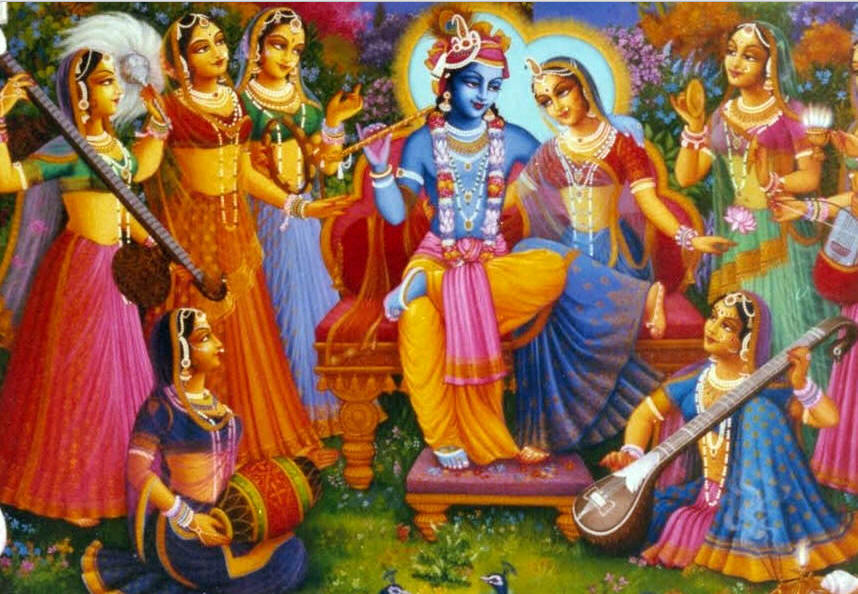
Radha-Krishna-surrounded-

By London Swaminathan
Post No. 901 Dated 11th March 2014

Pure Love Gopis and Mirabai

Please read my earlier posts on Gopis, post number 895: ‘’Swami Vivekananda on Gopis and Krishna’’ and 859 (Tamil article about Gopis).

Lord Shiva is praised as the Leader of the Robbers and Thieves in many places in Rudra hymn in the Yajur Veda. Scholars have given various interpretations in their commentaries for words such as ‘’Taskaranam, Sthayunam’’ in the Rudra. One of the interpretations is God is one who steals our heart.

The Boy Wonder of Tamil Language Tiru Jnana Sambadar who started singing thousands of hymns from the tender age of three, in his very first verse, called Lord Shiva, as the ‘’Thief who stole my heart’’ (Ullam Kavar Kalvan in Tamil). Without stooping at the first verse, he repeated the word ‘Thief Who Stole My Heart’ in all the ten verses in the first hymn. Every Saivite Tamil boy knows this verse (‘Thodudaiya Seviyan’ in Tamil).

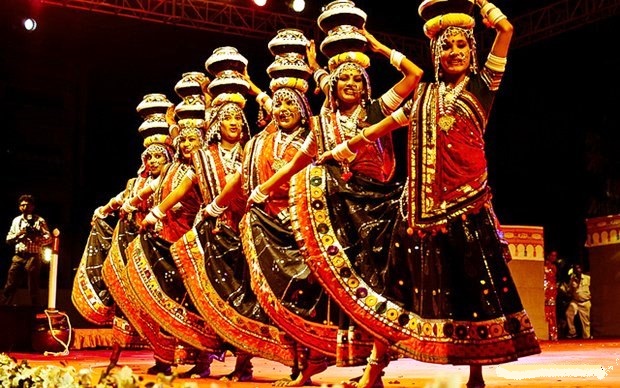
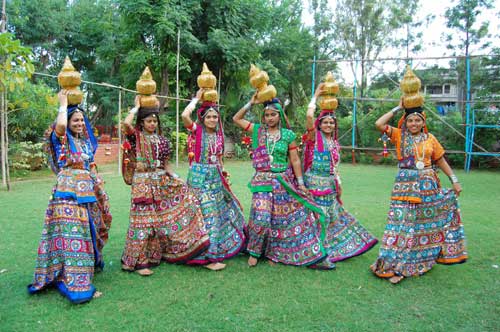
Garba-raas-dance2

In Northern part of India we see the same theme in the hymns of Mirabai and Gopis. They fell in love with Lord Krishna. God is a magnet and the devotee is iron. So the attraction is natural. As long as the iron is not rusty with bad thoughts and habits, it naturally sticks to magnet—the God.

Krishna has Stolen my Heart!

Here are two stories told by Swami Ramdas:

“Mirabai was a great devotee of Sri Krishna. She was married although she had dedicated her life to Krishna. Even after marriage she was always found singing and worshipping Krishna. She was pining for her divine lord and was perfectly indifferent to the world.

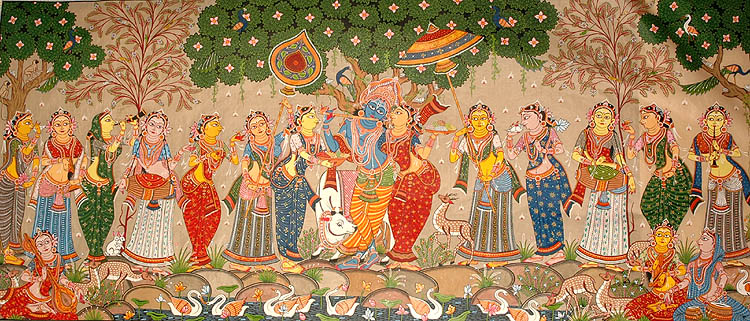
Radha-Krishn-Gopis

Mirabai belonged to the royal family and was married to a Prince of Udaipur. On account of her devotional nature, all in the royal household were against her and she underwent untold persecution through the hands of her sister-in- law and others in the palace. Her husband was kind and good to her. One day the prince came to her and said, “I am your wedded husband and so I am entitled to your love and affection. But whenever I come to you, I find you intoxicated with divine ecstasy. You have no time even to talk to me. My earnest wish is that you should give me also a portion of your love. What do you say?”

“My lord what you say is perfectly right. As a dutiful wife I should love you and serve you. But what can I do? Krishna, to whom I have dedicated my life when I was yet girl, has stolen my heart entirely. He has filled it with Himself so much so that there is no place left for you. I am helpless. Even if I wish to love you, I cannot do so. So understanding my position, you should be gracious enough to forgive me”
( I have published similar stories about two Tamil women Karaikal Ammaiyar and Andal: -swami)

Pune-Garba-Dandiya-Dance1

Gopis’ Love

Many people are mistaken in their belief that the love between the Gopis and Krishna was of an ordinary nature on the physical level. This was not so. Their love was on the higher spiritual level. When the Gopis merely thought of Him, they were lost in Him and were raised to such a state of ecstasy that, for the time being, they forgot their bodies and their surroundings. All worldly inclinations, desires and thoughts were drowned in that ecstasy. The physical pains and attachments to the nearest kith and kin were all obliterated.

Once it so happened that a Gopi asked her daughter in law to light the lamp in the house, getting fire from the neighbouring house. In those days, there were no electric lights or even match boxes. The daughter in law went with a cotton wick soaked in oil to light it from the lamp at the neighbour’s house. She placed the wick on the fire when, just at the moment, somebody said, “Krishna is at the door”. Her eyes turned towards the door and she beheld Krishna standing there. She was so struck by the sight of Krishna that she stood gazing at Him, oblivious of the time and the fact that her hand was holding the wick over the fire. The wick having taken the fire was burning. The flame was licking her fingers, but she was not aware of it. She did not feel the pain, for she was unconscious of her body. The mother in law found out after a long wait that her daughter in law did not come, went to see what the matter was. She saw her looking at Krishna, entranced and enchanted by his presence, although her fingers were burning.

krishna_with_radha_and_gopis_pg31

That was the love of the Gopis for Krishna, their Adored One. Their love was of the purest and the holiest type. Devotees reach this climax of love when they utterly absorbed in god—their heart’s Beloved.

Source: Stories As Told By Swami Ramdas, Published for Anandashram by Bharatiya Vidya Bhavan, Bombay-7, Year 1969.
Contact: swami_48@yahoo.com

garba dance

கொக்கைப் போல இருப்பான், கோழி போல இருப்பான், உப்பைப் போல இருப்பான் பக்தன்

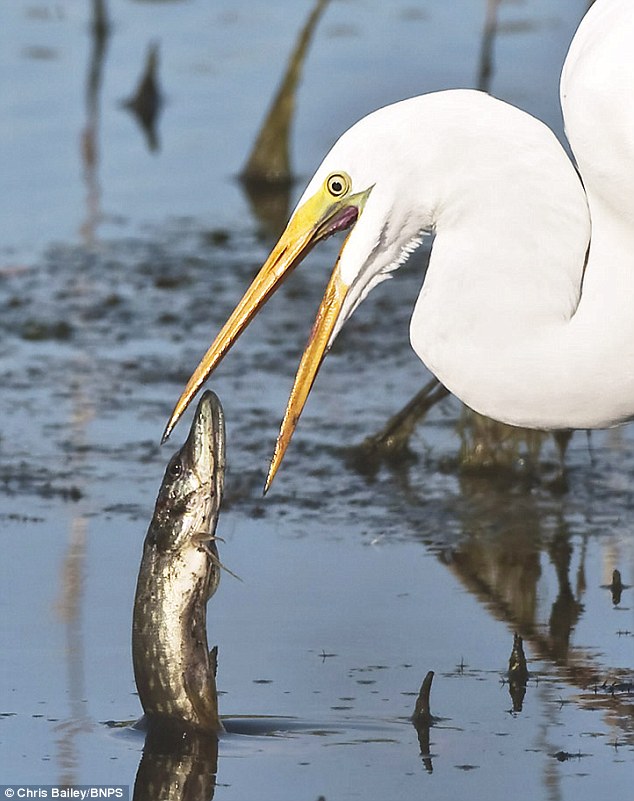
kokku

கொக்கைப் போல இருப்பான், கோழி போல இருப்பான், உப்பைப் போல இருப்பான் பக்தன்

By London Swaminathan
Post No. 900 Dated 11th March 2014

கொக்கும் துறவியரும்

தமிழர்கள் தெய்வ பக்தி மிகுந்தவர்கள். எதைக் கண்டாலும் அதில் தெய்வத்தை ஏற்றிவிடுவர். ‘’யாதும் ஊரே யாவரும் கேளிர்’’– என்ற புறப்பாட்டில் ஆற்று வெள்ளத்தில் அடித்துச் செல்லப்படும் தோணியைப் பார்த்த புலவர் அதன் மூலம் கர்ம வினைக் கொள்கையைப் புகட்டியதை ‘’தீதும் நன்றும் பிறர்தர வாரா ‘’ என்ற கட்டுரையில் நான் விளக்கியதைப் படித்திருப்பீர்கள்.

இதோ கொக்கு பற்றி என்ன சொல்கிறார் சங்கப் புலவர்?

செக்கர்கொள் பொழுதினான் ஒலிநீவி, இனநாரை
முக்கோல்கொள் அந்தணர் முதுமொழி நினைவார்போல்
எக்கர்மேல் இறை கொள்ளும், இலங்குநீர்த் தண்சேர்ப்ப!
(நெய்தற்கலி, கலித்தொகை)

பொருள்: அழகிய மேலைத்திசையில் மாலைக் கதிரவன் சேர்ந்துவிட்டான். சந்திரனும் அழகுடன் தோன்றிவிட்டான். செக்கர் வானம் தெரிகிறது. முக்கோல் ஏந்திய அந்தணர்கள் மந்திரங்களை தியானம் செய்துகொண்டு இருப்பது போல நாரைகள் கடற்கரை மணலிலே கண்மூடி அமர்ந்திருந்தன. இப்படி நீர்வளம் நிரம்பிய நாடு உடையவனே—நல்லந்துவனார் என்ற புலவர் 2000 ஆண்டுகளுக்கு முன்னரே பாடிவிட்டார்.

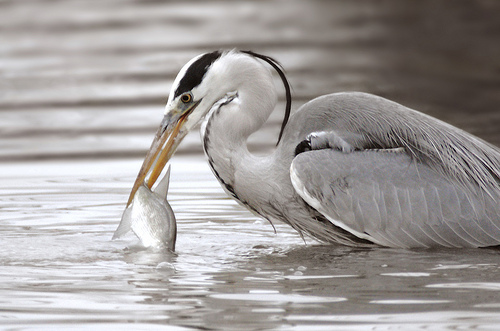
stork fish

இதையே இன்னொரு வகையில் விளக்கலாம். ‘’கொக்குக்கு ஒன்றே மதி’’ என்று தமிழில் ஒரு பழமொழி உண்டு. அதே போல முனிவர்களுக்கும் ஒன்றே மதி. கொக்குக்கு வேண்டியது இரை. அதற்கு வயிற்றுப் பசி. ஞானிகளுக்கு அறிவுப் பசி. அவர்களுக்கு வேண்டியது இறையுணர்வு அல்லது முக்தி. ஆக இருவரும் மாலையில் தியானம் செய்வது பொருத்தமான உவமை.

‘’காணாமல் கோணாமல் கண்டு கொடு’’— என்பது தமிழ் பழமொழி. இறைவனை வழிபடும் இந்துக்கள் முப்போது அவனை வழிபடுவர். காணாது (சூரியனைக் காணாது= அதிகாலையில்), கோணாது (நம்முடைய நிழல் சாய்வாக விழாத வேளை= அதாவது நண்பகல்), கண்டு (சந்தியா காலம்=பொழுது சாயும் நேரம்= சூரியனைக் கண்டு) கொடு. அந்தணர்கள் முப்போதும் இப்படி நீர் கொடுத்து தியானம் செய்வர். அது முனிவர்களுக்கும் பொருந்தும்.

வள்ளுவன் கண்ட கொக்கு

தமிழ்ப் புலவன் வள்ளுவனும் இப்படித்தான். காக்கை, கொக்கு, எலி, புலி, யானை, பாம்பு—எல்லாவற்றையும் பயன்படுத்தி நமக்குப் பாடம் சொல்லித் தருகிறான். இக் கட்டுரையில் வரும் கொக்கை மட்டும் எடுத்துக் கொள்வோம்:

கொக்கொக்க கூம்பும் பருவத்து மற்றதன்
குத்தொக்க சீர்த்த இடத்து (490)

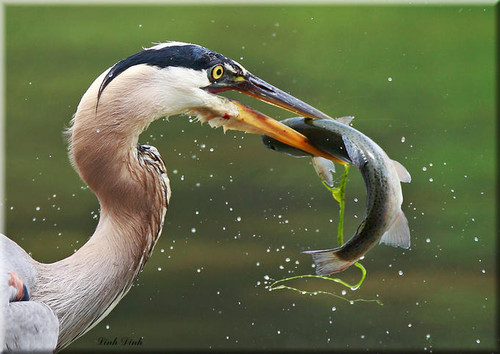
big fish

பொருள்: எதையும் கொக்கு போல காலம் அறிந்து செய்ய வேண்டும். அமைதியாக, அடக்கமாக இருக்க வேண்டிய நேரத்தில் கொக்கு போல இருங்கள். பெரிய மீன் வரும்போது கொக்கு ஒரே குத்தில் எப்படி மீனைப் பிடிக்கிறதோ அப்படி ஒரே அடியில் பகைவனை வீழ்த்துங்கள் என்பார்.

பகை, எதிரி என்பதை எல்லாம் மறந்துவிட்டு நல்ல செயல்கள் ஆற்றவும் இந்த அறிவுரை பொருந்தும். இதோ இன்னொரு அழகான கொக்குப் பாட்டு:

அடக்கம் உடையார் அறிவிலார் என்று எண்ணிக்
கடக்கக் கருதவும் வேண்டா – மடைத் தலையில்
ஓடு மீன் ஓட உறு மீன் வரும் அளவும்
வாடி இருக்குமாம் கொக்கு (வாக்குண்டாம்)

பொருள்: ஒருவன் அடக்கமாக அமைதியாக இருக்கிறான். அவன் அறிவில்லதவன் போல என்று நினைத்து, ஒருவனைப் போய் சீண்டி விடாதீர்கள். அவர்கள் கொக்கைப் போன்றவர்கள். சின்ன மீன் எல்லாம் ஓடட்டும் என்று விட்டுவிட்டு வாட்டத்தோடு நிற்கும். இதை நம்பி ஏமாந்த பெரிய மீன் ஒன்று அருகில் வருகையில் ஒரே அடியில் ‘லபக்’ என்று விழுங்கிவிடும் கொக்கு.

பெருங்கதை என்னும் நூலிலும் இதே கருத்தில் ஒரு செய்யுள் உண்டு:

ஒடுங்கி இருந்தே உன்னியது முடிக்கும்
கொடுங்கால் கொக்கின் கோளினமாகிச்
சாய்ப்பிட மாகப் போர்ப்படை பரப்பி
வலிகெழு வேந்தனை வணக்குதும் (பெருங்.3-17-61/4)
fish stork

இதுகாறும் கொக்கை எதிர்மறை அணுகு முறையில் பார்த்தோம். கொக்கை பக்தனுக்கும் உவமையாக்குகிறார் ஒரு வைஷ்ணவர். அவருடைய பெயர் அனந்தாழ்வான். ராமானுஜருக்குப் பின் வாழ்ந்த ஒரு ஆசார்யார். அவரிடம் ஒருவர், ‘’வைணவன் என்பவன் யார்? அவனுக்கான இலக்கணம் என்ன?’’ என்று கேட்கிறார். அதற்கு அனந்தாழ்வான் கூறிய பதில்:

கொக்கை போல இருப்பான் கோழி போல இருப்பான்
உப்பைப் போல இருப்பான் உம்மைப் போல இருப்பான்.

கொக்கைப் போல இருப்பான்

எங்கு நீர் நிலை இருக்கிறதோ அங்கே கொக்குகள் இருக்கும். மஹா பாரதம் படித்தவர்களுக்குத் தெரியும். திரவுபதி தாகம் எடுக்கிறது என்று சொன்னவுடன் பாண்டவர்கள் ஒரு மரத்தின் மீது ஏறி ஏதேனும் நீர் நிலை இருக்கிறதா என்று பார்த்தனர். அவர்களில் ஒருவன் கொக்கு போன்ற நீர்ப்பறவைகள் வட்டமிடுவதைப் பார்த்துவிட்டு அங்கே தண்ணீர் கிடைக்கும் என்கிறான். வைணவனும் எங்கே திருமாலின் கோவில் குளங்கள் இருக்கிறதோ அங்கேதான் இருப்பான்.

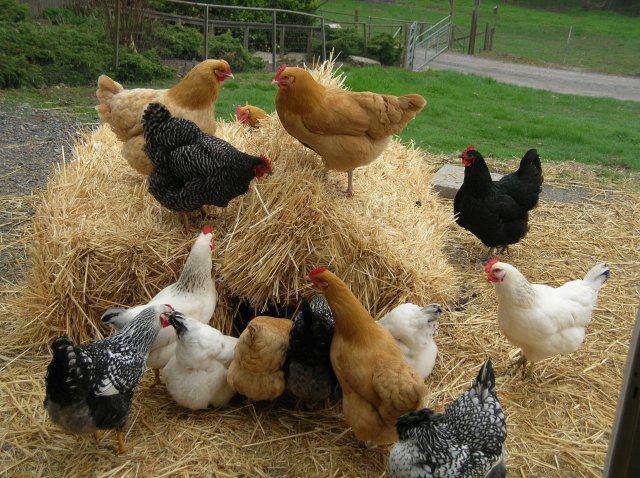
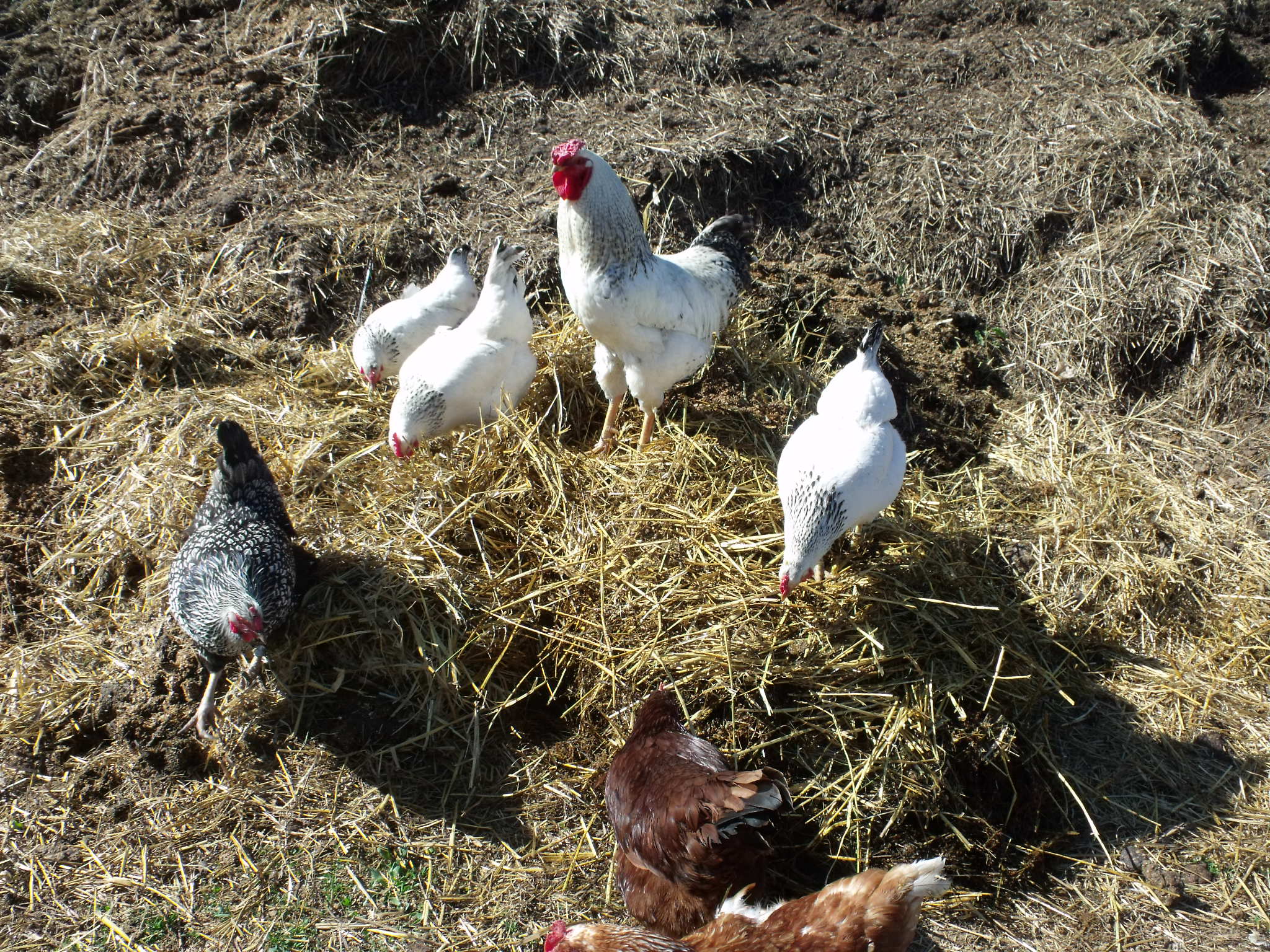
kozi,kozi, fb

கோழி போல இருப்பான்

கோழி என்ன செய்கிறது? குப்பையை எல்லாம் விலக்கிவிட்டு தனக்கு வேணும் உணவை மட்டுமே தின்னுகிறது. வைணவனும் இப்படித்தான். குப்பைகளைக் களைந்துவிட்டு சத்தான விஷயங்களை மட்டுமே எடுத்துக் கொள்வான். அது மட்டுமல்ல; கோழி தனது குஞ்சுகளுக்கும் ஊட்டுவது போல உலகிற்கெல்லாம் பாகவத தர்மத்தைப் பரப்புவான். இங்கு லண்டனில் ஸ்டேஷன் வாசல்களில் ஹரே கிருஷ்ணா இயக்கத்தினர் நின்று கொண்டு கிருஷ்ண பக்தியைப் பரப்புவதை நாங்கள் அன்றாடம் காண்கிறோம்.

உப்பைப் போல இருப்பான்

வைணவன் ஒரு ஊதுபத்தி; தன்னை அழித்து மற்றவகளுக்கு வாசனை தருவான். அவன் ஒரு மெழுகுவர்த்தி. தன்னை அழித்துக் கொண்டு பிறருக்கு ஒளி தருவான். அவன் ஒரு உப்புக் கல். சமைத்த உணவுக்குள் ஒன்றி மறைந்து மற்றவர்களுக்கு சுவை தருவான். அதாவது ஞானம் அளிப்பான். தொண்டனுக்கும் தொண்டனாக தாஸானுதாஸனாக வாழ்வான்.

chicken

உம்மைப்போல இருப்பான்

என்னை வந்து கேள்வி கேட்டு, அதற்கு நான் சொன்ன பதில் எல்லாவற்றையும் உன்னிப்பாக, பொறுமையோடு கேட்டாயே – ஒரு வைணவன் இப்படித்தான் ஞானப் பசியோடும் பொறுமையோடும் இருப்பான் என்றாராம் அனந்தாழ்வான்.

ஆக கொக்கும் கோழியும் உப்பும் கூட நீதி புகட்டும் இந்து மதத்தில்!! வல்லவனுக்குப் புல்லும் ஆயுதம் அன்றோ!!

Contact swami_48@yahoo.com
Read also my earlier posts:
The Connection between William Wordsworth and Dattatreya posted 10 November 2011
13 Saints in Nature posted on 7 November 2013

Saraswati Statue in Saudi Arabia

arabian saras
Picture os a Saudi Arabian Goddess riding swan

By London Swaminathan
Post No.899 Dated 10th March 2014

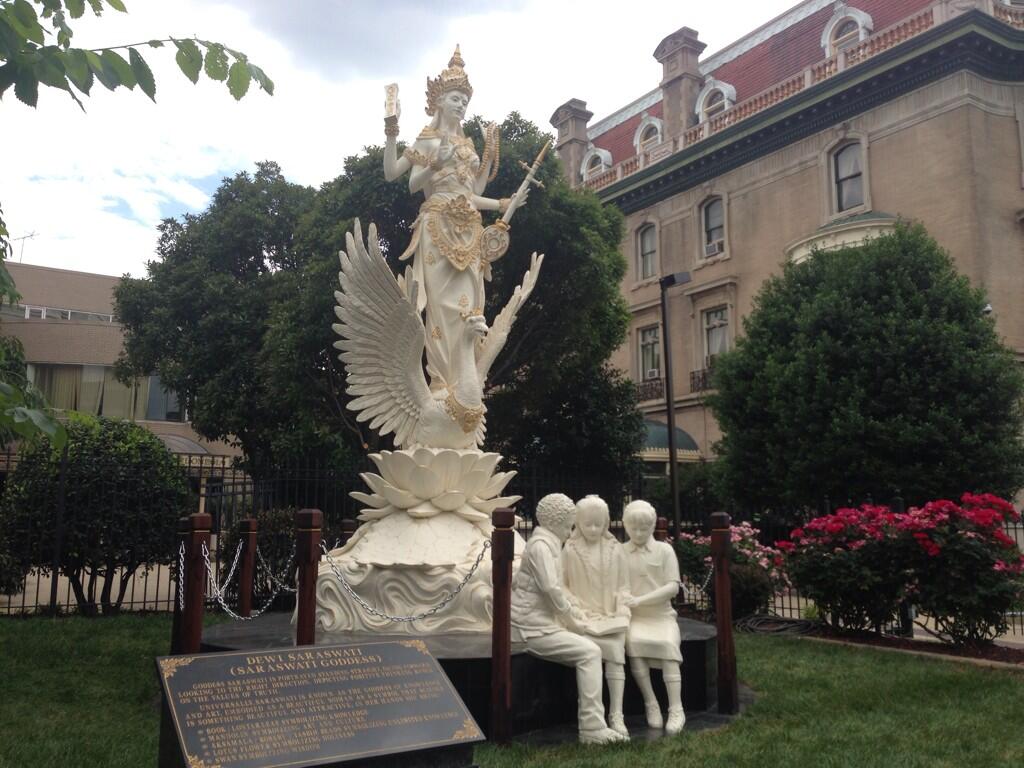
Saraswati statue in Washington DC, Capital of the United States of America, is an old story.
Saraswati statue in the British Museum is still older story.
Saraswati statue in Japan is a well known story documented by both the Japanese and Indian scholars long ago.

Saraswati statue in Saudi Arabia is also nothing new. Scholars like Stpehen Knap have already published the pictures in their blogs. But I am just putting them together for those who missed the latest.
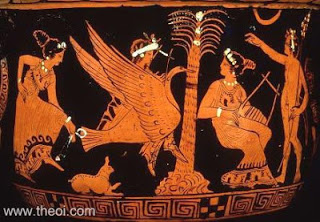
The pre Islamic Arabia has many statues. One of them is riding a swan. So anyone will identify the goddess as Saraswati. But I have already shown in my earlier post ‘Hindu vahanas In Greece and Italy’, that the West portrays Aphrodite and Apollo as a rider of swan. But Aphrodite and Minerva and other Goddesses of the West are identified as Hindu goddesses with some minor changes. If you look at the pictures or statues of goddesses they may have several common features with statues of Hindus.

aphrodite black-320
Picture of Aphrodite on swan

The same picture of a goddess riding a swan is found in paintings and sculptures in Western museums under the name of Aphrodite and Apollo. So Saudi Arabian picture may be of Aphrodite or Apollo. But Minerva, the Roman goddess of art and education and Aphrodite got mixed up with Hindu Gods and Goddesses. For instance Aphrodite came from the ocean like Lakshmi. All Roman and Greek Gods or Goddess have one or two attributes of Hindu gods. Max Muller rightly pointed out that the Greek Mythology distorted all stories in the Hindu Mythology.

Even in India where there is a living Hindu religion, we have different stories about Ganesh and Hanuman in North India and South India. Both of them are bachelor or married depending upon which part of India they are worshipped. In the north Vaishnavism is synonymous with vegetarianism and in the south Saivism is synonymous with vegetarianism. People who have an overall view of Hinduism won’t see any contradictions in these superficial differences. People who have not learnt any one scripture in full will raise unnecessary questions confusing themselves and confusing others.

Saraswati in USA

Goddess-Saraswati (1)

The largest Muslim country in the world Indonesia is still following Indian culture, in other words, Hindu culture. One can be religiously Muslim and Culturally Hindu. That is what the movements like RSS is preaching in India.

Indonesia-gifts-Saras
Picture of Saraswati in Washington DC, USA

I have already listed all the wonders in my earlier post ‘’Hindu Wonders in a Muslim Country’’. Last year (2013)Indonesia has installed a tall Saraswati statue in Washington DC in front of its embassy in Massachusetts Avenue. Very near is the Indian Embassy with Mahatma Gandhi’s statue.
Saraswati ,Hindu Goddess of Knowledge and Wisdom, is glowing in gold and white with her vehicle swan, another symbol of wisdom. Standing on a white lotus flower, she has four arms, one holding a book symbolizing knowledge, another holding a rosary symbolizing unlimited knowledge; two other arms holding a mandolin symbolizing art and culture and showing Abhaya Hastha i.e. blessing hand. The statue is made up of marble and it is 16 foot high.

apolon-and-marsias
Picture of Apollo on swan

British Saraswati and Japanese Saraswati

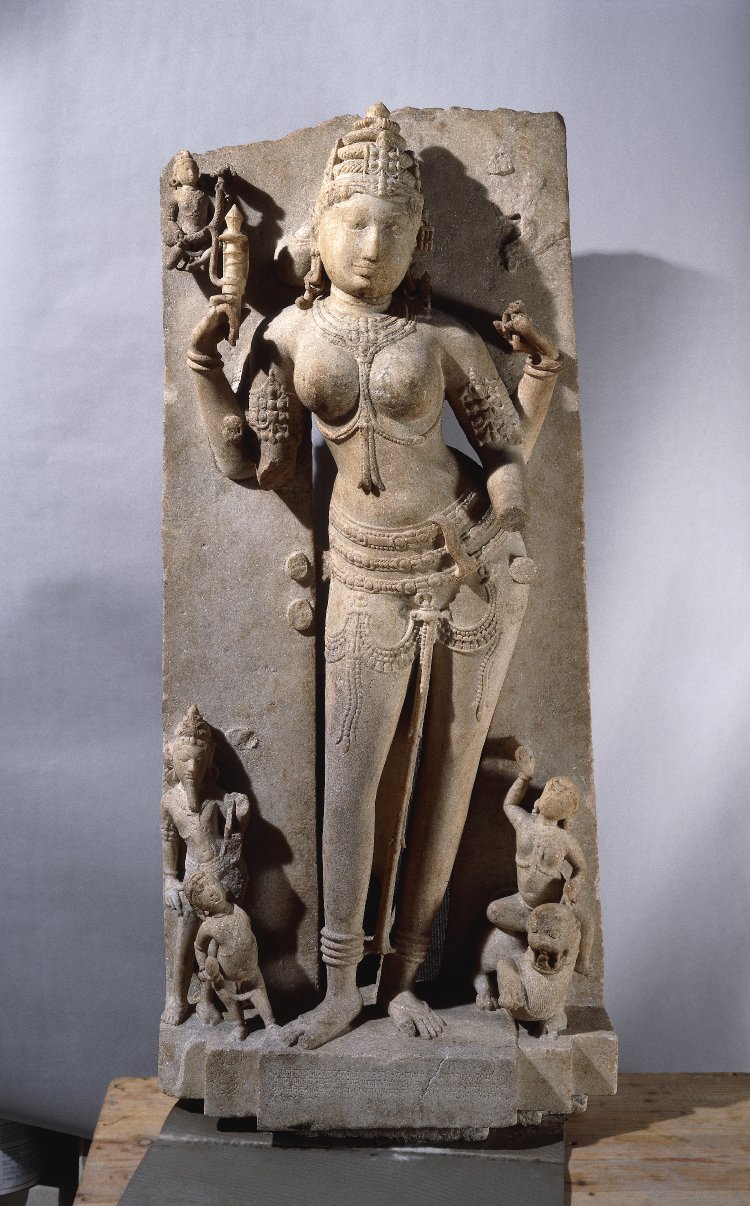
On the controversial statue at the British Museum, we were told by the British authorities in 2003 itself that the statue at British museum is of Jain origin and the statue is goddess Ambika according to the inscription on the statue.

Some people suspected this as the Saraswati statue taken from Dhar in Madhya Pradesh. Kanchi Paramacharya in his talks explained how the archaeological department found a Saraswati temple inside a mosque.

saraswati brit mus

Picture of Ambika

He says,

“Dhar was a state in the former Central Province (now Madhya Pradesh). It si the same as Dhara which was capital of Bhojaraja who was a great patron of arts. Once a cave was discovered inside the mosque in Dhar On examination they found some writings in Sanskrit. They saw a wheel inside the verses dealing with grammar inscribed on it in the form of a chart. The mosque stands today where a Saraswati temple stood during Bhojaraja’s time”. (p330 Hindu Dharma, Voice of the Guru, Published by BV Bhavan)
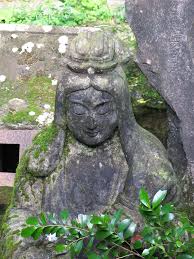
In Japan Saraswati has been worshipped along with other Hindu gods from sixth century AD. She is called Benzaiten. There are temples for her.

benzaiten

Picture of Benzaiten Japanese Saraswati

Contact swami_48@yahoo.com
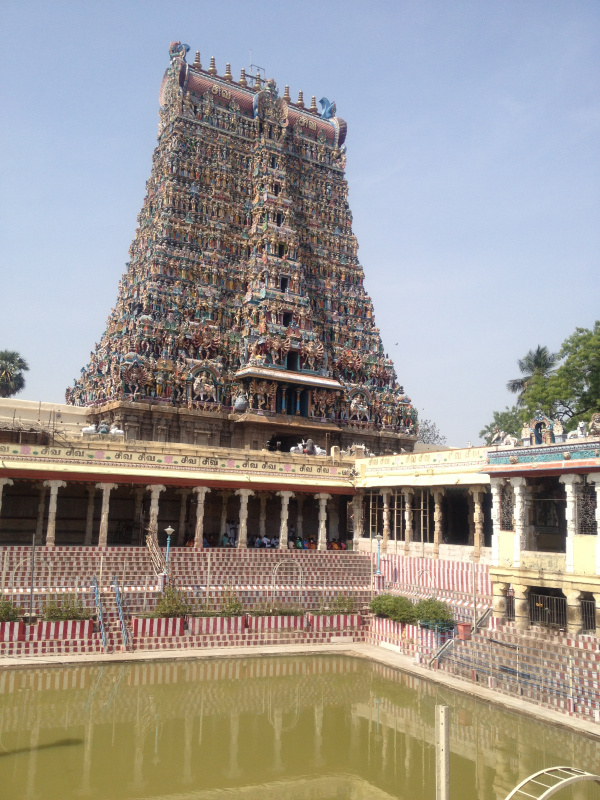
‘மதுரை பார்க்காதவன் கழுதை’

meenakshi temple

By London Swaminathan Post No. 898 Dated 10th March 2014

(Please read my earlier post to know the mysteries of the Madurai temple
“The Wonder that is Madurai Meenakshi Temple” — posted in September in tamilandvedas.wordpress.com and in October 2011 in swamiindology.blogspot.com)

மதுரை பார்க்காதவன் கழுதை என்று மலையாளப் பகுதியில் ஒரு பழமொழி உண்டாம்! மதுரை நகரின் அழகையும் கோவிலின் அழகையும் கண்டவர்கள் கட்டாயம் ‘’ஆமாம் இது உண்மையே’’ — என்று ஒப்புக் கொள்வார்கள். மேலும் மதுரை என்பது கேரளத்தின் எந்தப் பகுதியில் இருந்து பயணம் செய்தாலும் வெகுதூரம் இல்லை.

விவேக சிந்தாமணி ஆசிரியரோவெனில் புனிதத் தலங்கள் எதற்கும் போகாதவர்களை கழுதை என்கிறார்!

பூதலத்தில் மானிடராய்ப் பிறப்பதரிது எனப்
புகல்வர்; பிறந்தோர் தாமும்
ஆதிமறை நூலின் முறை அருள் கீர்த்தி ஆம்
தலங்கள் அன்பாய்ச் சென்று
நீதி வழுவாத வகை வழக்குரைத்து
நல்லோரை நேசம் கொண்டு
காதவழி பேர் இல்லார், கழுதை எனப்
பாரில் உள்ளோர் கருதுவரே.

பொருள்: மானிடராய்ப் பிறப்பதரிது. பிறந்தாலும் சாத்திரப்படி தயவு, புகழுடன் வாழ்ந்து, தல யாத்திரை செய்யவேண்டும் நியாயம் தவறாமல் வழக்கு தீர்த்து, நல்லோருடன் பழகி ஒரு பத்து மைல் தூரத்துக்காவது புகழ் பரவ வேண்டும் அல்லது அவனைக் கழுதையின் மறு பிறப்பே என்று உலகம் கருதும்!

details2

ஆதி சங்கரர் என்ன சொல்கிறார்?

ஆதி சங்கரர் எழுதிய வினா – விடை துதியில் (பிரஸ்னோத்தர ரத்ன மாலிகா) ஒரு கேள்விக்கு அழகான பதில் தருகிறார்:
யார் முடமானவன்? என்ற கேள்விக்கு சங்கரர் தரும் பதில்
கடைசி காலத்தில் யாத்திரை செல்பவன் முடமானவன்.
அதாவது, இளமைக் காலம் முழுதும் மற்ற விஷயங்களில் செலவழித்து விட்டு சாகிற நேரத்தில் சங்கரா, சங்கரா என்பவர்களையே ஆதி சங்கரர் இப்படி முடமானவன் என்கிறார்.

திருமூலரும் யாத்திரை பற்றிப் பின்வருமாறு சொல்லுவார்:

நாடும் நகரமும் நல் திருக்கோயிலும்
தேடித் திரிந்து சிவபெருமான் என்று
பாடுமின் பாடிப் பணிமின் பணிந்தபின்
கூடிய நெஞ்சத்துக் கோயிலாக் கொள்வனே

பொருள்: நாடு நகரம் தோறும் உள்ள எல்லா கோவில்களுக்கும் சென்று சிவ பெருமானைப் பாடிப் போற்றி துதியுங்கள். இப்படிச் செய்தால் அவன் உங்கள் பக்தியை மெச்சி உள்ளக் கோவிலில் எழுந்தருளி உங்களுக்கு அருள் புரிந்து கொண்டே இருப்பான்.
details

இதையே தேவார மூவரும், மாணிக்க வாசகரும், ஆழ்வார்களும் செய்தனர். ஏறத் தாழ 300 ஊர்களில் உள்ள கோவில்கள் அவர்களால் புத்துயிர் பெற்றன. சுந்தரர், சேரமான் பெருமாள் நாயனார், அவ்வையார் ஆகியோர் கயிலாய யாத்திரை சென்றனர். கண்ணின் சகோதரன் பாரதப் போரில் ப்ங்கேற்காமல் யாத்திரை சென்றான். பாரதம் முழுதும் வலம் வந்தான். ஆதிசங்கரர் நாடு முழுதும் வலம் வந்து நான்கு மடங்களைத் தாபித்தார். சென்ற இடமெல்லாம் கோவில்களில் சக்கரங்களைப் பதித்து மந்திர உருவையும் ஆகர்ஷண சக்தியையும் உண்டாக்கினார்.

சிலப்பதிகாரத்தில் வடக்கில் இருந்து கன்யாகுமரிக்கு யாத்திரை வந்தோர் பற்றிய குறிப்புகள் உண்டு. மகாபாரதத்திலும் ராமாயணத்திலும் யாத்திரையின் பெருமை பேசப்படுகிறது.

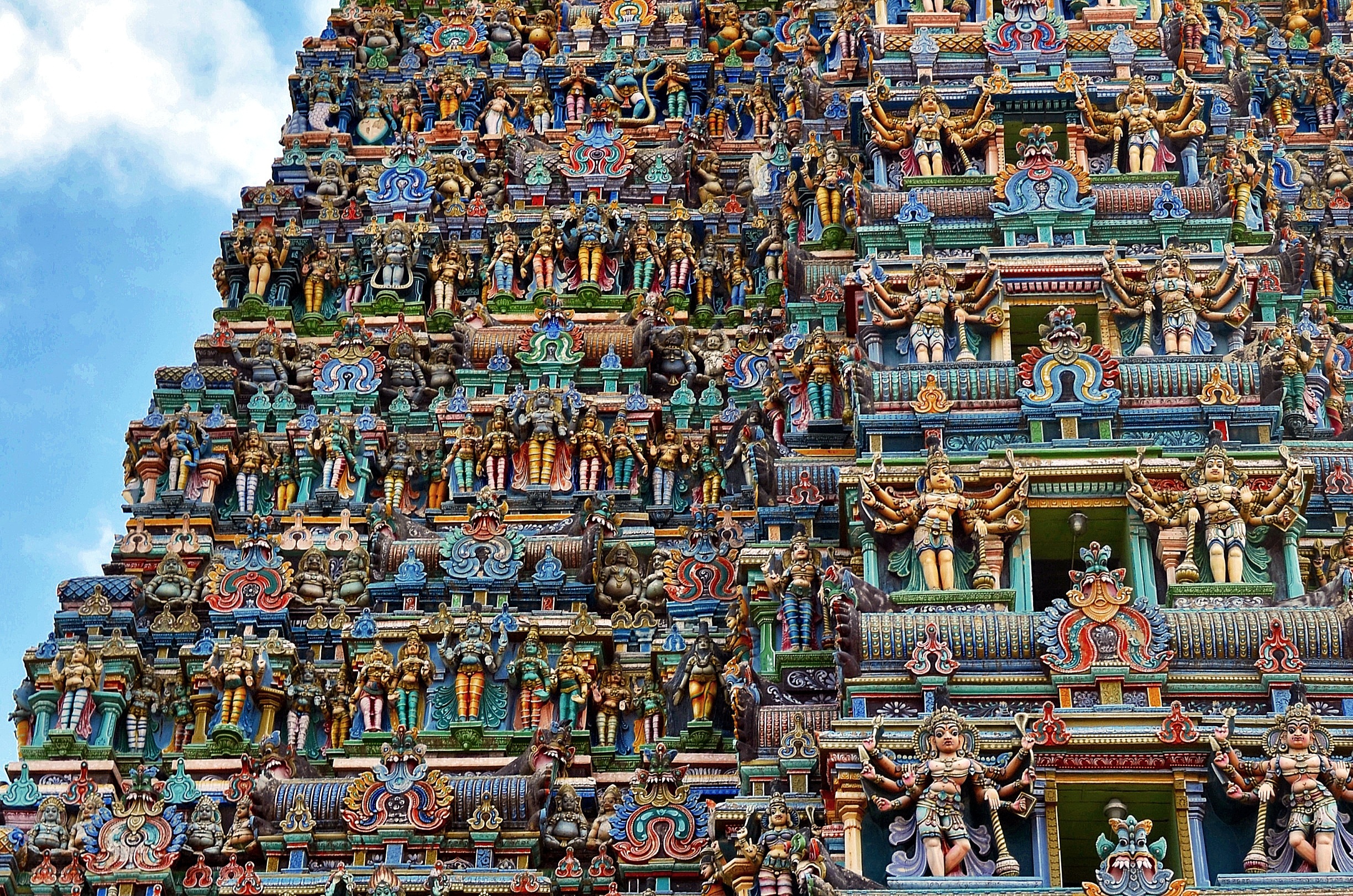
tower close up

அப்பர் என்ன சொல்கிறார்?

ஆயினும் கங்கையில் நீராடினாலும் காவிரியில் நீராடினாலும் உண்மை பக்தி இல்லாவிடில் பயனில்லை என்கிறார் அப்பர்:

கங்கை ஆடிலென் காவிரி ஆடிலென்
கொங்கு தண் குமரித்துறை ஆடிலென்
ஓங்கு மாகடல் ஓதநீர் ஆடில் என்
எங்கும் ஈசன் என்னாதவர்க்கு இல்லையே (5-99-2)

கங்கை, காவிரி நதிகள், கன்யாகுமரிக் கடல் ஆகியவற்றில் நீராடும் போது மட்டுமில்லாமல், எப்போதும் இறைவன் பற்றிய சிந்தனை இல்லாவிடில் பயன் ஒன்றும் இல்லை. ராமகிருஷ்ண பரமஹம்சரும் இதையே வேறு ஒரு விதமாகக் கூறுவார். கங்கை நதியில் நீராடினால் பாவம் எல்லாம் போய்விடும் என்றால் அதில் வாழும் மீன்கள் எல்லாம் நமக்கும் முன்னால் சொர்க்கத்துக்குப் போய்விடும்என்று. இதன் பொருள் என்னவென்றால் பழைய பாவங்களுக்கு மனம் வருந்தி இனி எக்காலத்தும் பாவம் செய்ய உறுதி எடுக்க வேண்டும் என்பதாம். சுற்றுலாப் பயணங்களின் ஒரு பகுதியாக ரிஷிகேஷ், ஹரித்வார் செலுவோருக்கு ஏதோ கொஞ்சம் பயன் கிட்டும்.

சித்தர்கள் என்ன சொல்கிறார்கள்?
நட்ட கல்லைத் தெய்வம் என்று நாலு புட்பம் சாத்தியே
சுற்றி வந்து முணுமுணுத்துச் சொல்லும் மந்திரம் ஏதடா
நட்ட கல்லும் பேசுமோ நாதன் உள்ளிருக்கையில்
சுட்ட சட்டி சட்டுவம் கறிச்சுவை அறியுமோ
durga

என்று சிவவாக்கியர் இன்னும் அழகாகச் சொல்லுவார். பானைக்குள் சுவையான சர்க்கரைப் பொங்கல் இருக்கிறது. அதன் சுவை சுட்ட சட்டிக்கும், சட்டுவத்துக்கும் (கரண்டி) தெரியுமா? இது போல அர்த்தமின்றி சடங்குகளைச் செய்வோருக்கு என்ன பயன். உள்ளுக்குள்ளே உறையும் இறைவனை விட்டு ஊர் ஊராக யாத்திரை போய், கல்லின் மீது நாலு புஷ்பங்களை மட்டும் போட்டால் முக்தி கிடைத்து விடுமா?

நிற்க.

கொஞ்சம் சுய சரிதை!
25 ஆண்டுகளுக்கு முன் பி.பி.சி. தமிழோசையில் பணியாற்றியபோது எனது ‘’வினவுங்கள் விடை தருவோம்’’ நிகழ்ச்சிக்காக வாரம் தோறும் புத்தகம் வாங்க கடைகளுக்குப் போவேன். லண்டன் டாட்டன்ஹாம் ரோடு வழியே சென்றபோது ‘’100 உலக அதிசயங்கள்’’ என்ற ஆங்கிலப் புத்தகத்தைப் பார்த்தேன். நிறைய நேயர்கள் எனக்கு உலக அதிசயங்கள் பற்றி கேள்விகளை அனுப்பியதால் புத்தகத்தைப் புரட்டினேன். முதலில் தென்பட்டது மதுரை மீனாட்சி கோவில்தான்! ஒரே ஆச்சரியம்!! உடனே ‘’டில்’’லுக்குப் போய் பணத்தைக் கொடுத்துவிட்டு ரயில் (அண்டர்கிரவுண்ட்) பயணத்தின் போதே புத்தகத்தைப் படிக்கத் துவங்கினேன். அதை வெளியிட்டவர்கள் நம்மவர் இல்லை. பிரிட்டிஷ் ஆட்டோமொபைல் அஸோசியேஷன் வெளியிட்டது அது. மதுரையின் பெருமையை இன்று உலகமே அறியும். 25 ஆண்டுகளுக்கு முன் இந்த அளவுக்குத் தெரியாது. கூட்டம் மிகக் குறைவு.

1858 Madurai

Madurai in 1858

தினமும் மாலை வேளைகளில் மதுரை சித்திரை வீதியில் ஒரு ஆடிட்டர் வீட்டுத் திண்ணையில் நடக்கும் இலவச சம்ஸ்கிருத வகுப்புக்குச் செல்லும்போது நானும் என் சகோதரர்களும் மீனாட்சி கோவில் ஆடி வீதிகளில் ஓடிப் பிடித்து விளையாடுவோம். இப்பொழுது அங்குள்ள கூட்டத்தைப் பார்த்தால் கற்பனையும் செய்யமுடியாது. புதுக்கோட்டை ஸ்ரீ சாந்தானந்த சுவாமிகள் சஹஸ்ர சண்டி மஹா யக்ஞம் நடத்துவதற்காக நிதி சேர்க்க நாங்கள் ஆடி வீதியில் ஸ்ரீ அனந்தராம தீட்சிதரின் உபந்யாசம் ஏற்பாடு செய்திருந்தோம். அந்த 40 நாட்களிலும் ஆன்மீகப் புத்தகக் கடை வைத்து அதன் முலமும் நிதி உண்டாக்கிக் கொடுத்தோம் .அதுபோன்ற தருணங்களில் ஆடிவீதி 10,000 பேருடன் நிரம்பி வழியும். அல்லது சித்திரைத் திருவிழா நடக்கும் காலங்களில் மட்டும் கூட்டம் இருக்கும். இப்போதோ திருப்பதி பாலாஜி கோவிலுடன் போட்டியில் இறங்கிவிட்டாள் என் அன்னை மீனாட்சி!!

‘’மாடு கட்டிப் போரடித்தால் மாளாது செந்நெல் என்று
ஆனைகட்டிப் போரடிக்கும் அழகான தென் மதுரை’’ – வாழ்க !!
எம் அன்னை மீனாட்சி புகழ் ஓங்குக!!

Contact swami_48@yahoo.com

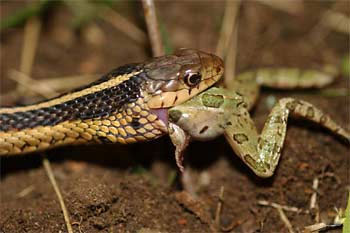
Frog in the mouth of a Snake: Tamil Saints’ Simile

snake-frog

By London Swaminathan
Post No. 897 Dated 9th March 2014

Appar alias Thirunavukkarasar is one of the Four Tamil Saivite saints who lived around seventh century. He, along with Sambandar and Sundarar, sang thousands of hymns in praise of Lord Shiva. All the three saints visited over 225 temples and sang about the glory of Lord Shiva and the greatness of his devotees. The hymns are grouped as Thevaram in Tamil. Appar alone composed 4900 verses. They became popular because of its devotional content and the use of apt similes. Though Sangam age Tamil poets who lived before him used lot of similes in their 2300 poems, Appar as a single poet is far superior to them in handling apt similes. While other poets used the similes in different contexts such as describing the beauty of a woman or a tree or a king, Appar used it with a single purpose of glorifying Lord Shiva. One who reads his similes will be reminded of the greatest poet of India, Kalidasa.

Appar was given the name Thiru Navukku Arasu by Lord Shiva. It means the King of Speech. He lived true to his name. He was king of words, similes and language. During his time there lived the Boy Wonder of the Tamil speaking world, known as Thiru Jnana Sambandar. He lived just 16 years and composed 4000+ verses from the age of three! He did a lot of miracles during his 16 year life on earth. He also used lot of pen pictures and word pictures.

Both of them stood for the words of William Wordsworth:
One impulse from a vernal wood
May teach you more of man
Than all the sages can!

snakefrog3

I am giving below only a few word pictures –depiction of nature– through which they teach us great truths:

“Oh! Lord of TiruVotriyur! Look at me. I am looking after this body which is useless like a ladle without a handle. So I am unable to scoop your ambrosia of mercy. My thoughts are like the fearful thoughts of a frog in the mouth of a snake. I take refuge in you. Please remove my fears. (454,Fourth Tirumurai)

Sambandar gives us an improved picture of the same scene. Probably he used a camera with a more powerful lens to give us a close up shot. His poem was an apostrophe to his mind:

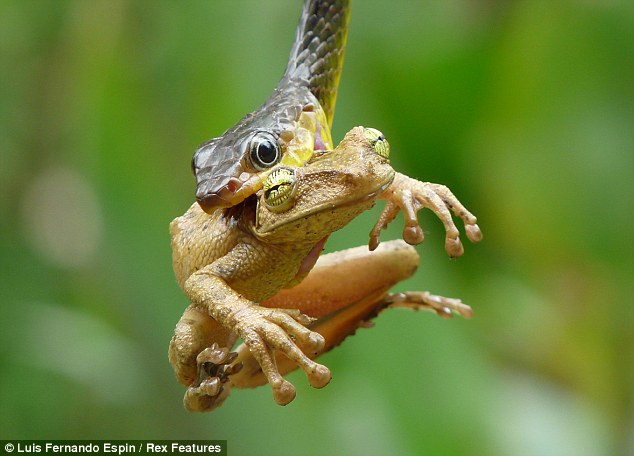
“Oh!Mind! This body is capable of doing blunders and liable to become sick. You try to derive pleasure from such a body. It is like a bee stuck in the mouth of a frog, which is caught in the mouth of a snake, is trying to taste the honey it gathered from the flower! But don’t worry; Lord of Tiruvarur is worshiped even by the heavenly angels. You also worship him and get freedom ( 860,Second Tirumurai)

Here we see a snake with five heads. One of its five mouths has a frog struggling to escape. That frog has a bee in its mouth it wants to taste. That bee has some honey from a flower and wanted to drink it! All of us are going after such imaginary and temporary pleasures like this without realising the danger and disaster that is going to strike us next minute.

Nature can teach us a lot!

Appar saw another scene along his travel route. In a village he saw people boiling turtle for their food. It was a big vessel with cool water. The turtle is swimming happily, but below the vessel firewood is just lighted. The flames are growing bigger and bigger. The happily swimming turtle is going to be boiled and eaten in an hour. Stupid turtle does not know the danger to its life and enjoyed the momentary pleasure. Such is our impermanent life, he says.

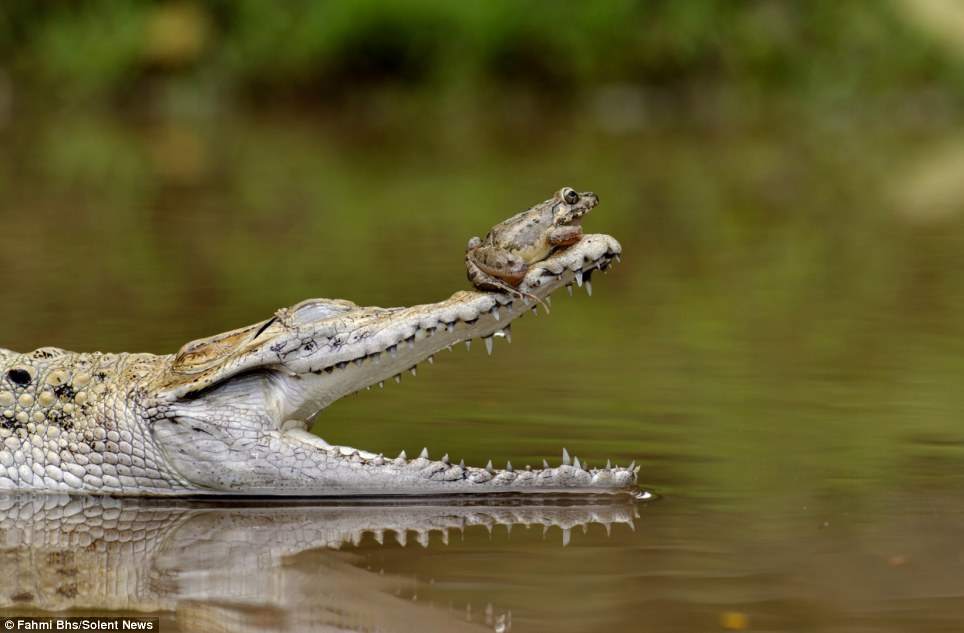
frogcrocodile

We have lot of scenes which he saw in his day to day life. But everything he saw reminded him of only one thing—Lord Shiva. He did not waste a single minute in singing his glory. Hundreds of his devotees followed him and recorded whatever he said. Thanks to them we have a few thousands of his verses even after 1300 years!

Contact swami_48@yahoo.com

கிணற்றுத் தவளை: அப்பரும் விவேகாநந்தரும் சொன்ன கதைகள்

snake frog1

கட்டுரையாளர் : லண்டன் சுவாமிநாதன்
கட்டுரை எண்:896 தேதி 8-2-14

அமெரிக்காவில் உலக சர்வமத மாநாட்டில் பேசி அனைவரையும் கவர்ந்த சுவாமி விவேகானந்தர், அற்புதமான ஆங்கிலத்தில், சொன்ன முதல் கதை கிணற்றுத் தவளைக் கதைதான். இந்தக் கதை பாரதத்தில் இமயம் முதல் குமரி வரை இருந்ததற்கு ஆதாரம் பழமொழி நானூறு நூலில் உள்ளது:–

உணற்கினிய வின்னீர் பிறிதுழியில் லென்னும்
கிணற்றகத்துத் தேரை போலாகார் – கணக்கினை
முற்றப் பகலும் முனியாது இனிதோதிக்
கற்றலிற் கேட்டலே நன்று – (பழமொழி நானூறு)

பொருள்: உண்ணுதற்குத் தகுந்த இனிய நீர் வேறிடத்தில் இருக்காது என்று என்னும் கிணற்றுத் தவளை போல இருக்காமல், நூலினை வெறுக்காமல் நாள் முழுதும் கற்பதைக் காட்டிலும் கேள்வி ஞானம் மிக்ச் சிறந்தது ஆகும்.

snakefrog2

சுவாமி விவேகாநந்தர் சொன்ன கதை

ஒரு கிணற்றில் ஒரு தவளை நீண்ட காலம் வாழ்ந்து வந்தது. ஒரு நாள் கடலில் வசித்து வந்த ஒரு தவளை அந்தக் கிணற்றில் விழுந்தது. உடனே அந்தத் தவளையைப் பார்த்து ‘’நீ எங்கிருந்து வருகிறாய்?’’ என்று கேட்டது. ‘’நான் கடலில் இருந்து வருகிறேன்’’ என்று சொன்னவுடன் கடல் எவ்வளவு பெரியது என்று கேட்டது. அது மிகப் பெரியது என்று கடல் தவளை சொன்னது. கிணற்றுத் தவளை, அந்தக் கிணற்றின் ஒரு பக்கத்தில் இருந்து மறுபக்கத்துக்குத் தாவியது. இவ்வளவு பெரிதாக இருக்குமா என்று கேட்டது. கடல் தவளை, ‘’கடல் என்பது மிகப் பெரியது’’ என்று சொன்னவுடன் மீண்டும் ஒருமுறை பழைய இடத்துக்குத் திரும்பித் தாண்டியது. இவ்வளவு பெரிதாக இருக்குமா? என்று கேட்டது.

கடல் தவளை, ‘’நீ என்ன முட்டாள் மாதிரி பேசுகிறாய்? கடல் மிக மிகப் பெரியது’’ என்று சொன்னது. உடனே என் கிணற்றை விடப் பெரியதாக ஒரு இடம் இருக்க முடியாது என்று சொல்லி அந்தத் தவளையைப் பொய்யன் என்று கூறி வெளியேறச் சொன்னது. இப்படித்தான் நாம் ஒவ்வொரு மதத்தினரும் இருக்கிறோம். அவரவர் கிணற்றுத் தவளையாக இருக்கிறோம். நான் இந்துக் கிணற்றிலும், கிறிஸ்தவர்கள் அவர்கள் கிணற்றிலும், முஸ்லீம்கள் அவர்கள் கிணற்றிலும் வாழ்ந்து கொண்டிருக்கிறோம். அவரவர்கள் அவர்கள் கிணறே உலகம் என்றிருக்கிறோம். இந்தச் சிறிய உலகத்தின் தடைகளைத் தகர்த்தெரிய இந்தக் கூட்டத்துக்கு ஏற்பாடு செய்த அமெரிக்காவுக்கு நன்றி கூறுகிறேன். உங்கள் முயற்சிகள் வெற்றியடைய கடவுள் உதவட்டும்’’ என்றார் சுவாமி விவேகாநந்தர் 150 ஆண்டுகளுக்கு முன்.

இதையே நால்வரில் ஒருவரான அப்பர் பெருமான் ஆமையாக உருவகித்துச் சொல்லுகிறார்.

அப்பர் சொன்ன கதை
மேலே உள்ள கதையில் தவளை என்பதற்குப் பதிலாக கடல் ஆமை, கிணற்று ஆமையைச் சந்தித்ததாக அப்பர் பாடிய பாடல் இதோ:
கூவல் ஆமை குரைகடல் ஆமையைக்
கூவலோடு ஒக்குமோ கடல் என்றால்போல்
பாவகாரிகள் பார்ப்பதரிது என்பரால்
தேவதேவன் சிவன் பெருந்தன்மையே — (ஆதிபுராணத் திருக்குறுந்தொகை)
snakefrog3

கிணற்றில் வசிக்கும் ஆமை, கடல் ஆமையைப் பார்த்து உன் கடல் இந்தக் கிணறு அளவுக்குப் பெரிதாக இருக்குமா? என்று கேட்டது போல பாவம் செய்வோருக்கு சிவனுடைய பெரிய தன்மையை அறிய முடியாது.

பாம்பின் வாய் தேரை போல

அப்பர் (திருநாவுக்கரசர்) தேவாரத்தில் பாம்பின் வாய் தேரை போலக் கஷ்டப் படுகிறேனே என்று பாடுகிறார்.
அப்பர் கண்ட மற்றொரு காட்சி. பாம்புகள் சீறிப் பாய்ந்து தவளைகளப் பிடித்து தின்ற காட்சி. ‘’நுணலும் தன் வாயால் கெடும்’’ என்பர். தவளையே சப்தம் போட்டு பாம்புகளுக்குத் தாங்கள் இருக்கும் இடத்தைப் பறை அறிவிக்கின்றன. அவைகளின் வாயில் சிக்கிய தவளைகள் என்னதான் முயன்றாலும் பாம்பின் வாயில் இருப்து தப்பித்ததே இல்லை. அது போல,

ஓம்பினேன் கூட்டை வாளா
உள்ளத்தோர் கொடுமை வைத்துக்
காம்பிலா மூழை போலக்
கருதிற்றே முகக்க மாட்டேன்
பாம்பின்வாய்த் தேரை போலப்
பலபல நினைக்கின் றேனை
ஓம்பிநீ உய்யக் கொள்ளாய்
ஒற்றியூ ருடைய கோவே (நாலாம் திருமுறை,454)

இதையே திருஞான சமபந்தப் பெருமான் இன்னும் கொஞ்சம் காட்சிகளைச் சேர்த்துப் பாடுகிறார்:
“செடிகொள் நோய் ஆக்கை ஐம்பாம்பின் வாய்த் தேரைவாய் சிறு பறவை கடிகொள் பூந்தேன் வைத்து இன்புறலாம் என்று கருதினாயே (இரண்டாம் திருமுறை, 860)

snake-frog

பாம்பின் வாய்க்குள் தவளை இருக்கிறது. தவளை வாய்க்குள் தேனீ அல்லது இருக்கிறது. அதன் வாய்க்குள் தேன் இருக்கிறது. அதைப் போய் சாப்பிட எண்ணுகிறதே தேனீ ! என்கிறார். எது உண்மை இன்பம் என்று அறியாது போலி இன்பங்களைக் கண்டு ஏமாறும் மனதையும் அதனால் ஏற்படும் துயரங்களையும் காட்டும் அருமையான சினிமாக் காட்சி இது. நம் ஊர் திரைப்பட டைரக்டர்கள் கூட ஒரு காட்சியை இப்படிக் காட்ட முடியாது!!

frogcrocodile

இப்படி எத்தனையோ காட்சிகள் ! உவமைகளைக் கையாளுவதில் உலகப் புகழ்பெற்ற உவமை மன்னன் காளிதாசனுக்கு மிக நெருங்கி வருகிறார் அப்பர் பெருமான்!

swami_48@yahoo.com