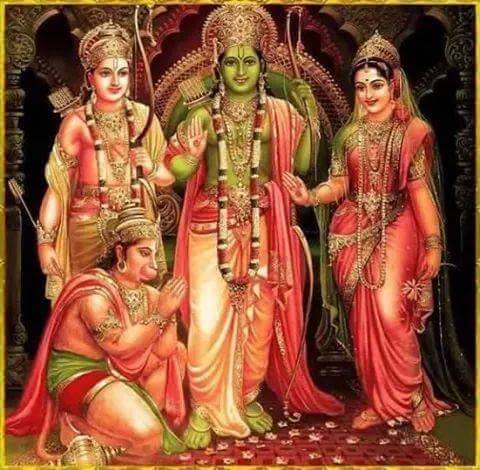
ஒரு தாரம் எனும் உயர்வினைக் காட்டிய அவதாரம்!

rama raibow

ஸ்ரீ ராமர் படம்

Article written by S NAGARAJAN

Post No. 1782; Date 7th April 2015

Uploaded from London at 6-12 am


தமிழ் திரைப்படங்களில் ராமர் – 17

by ச.நாகராஜன்

ஒருவனுக்கு உலகில் ஒரு தாரம் எனும் உயர்வினைக் காட்டிய அவதாரம்!
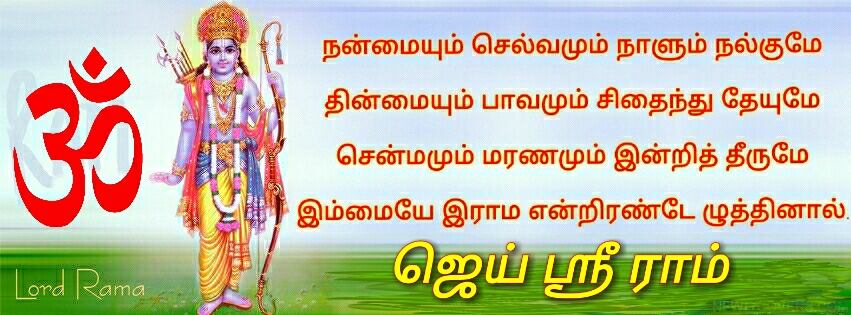
 rama immaiyee

நாராயணா என்னும் நாமம்!


நாராயணா என்னும் நாம மகிமையை திருமங்கை ஆழ்வார் பெரிய திருமொழியில் கூறியிருப்பதை அறியாதவர் இருக்க முடியாது. பெற்ற தாயினும் ஆயின செய்யும் அந்த எட்டெழுத்து மந்திரம், குலம் தரும் செல்வம் தரும், அனைத்து நலன்களையும் தரும்! அவர் அருளிய பாடலைப் பார்ப்போம்:-

குலம் தரும் செல்வம் தந்திடும் அடியார் படு துயாராயினவெல்லாம்                          

நிலம் தரச் செய்யும் நீள் விசும்பு அருளும் அருளொடு பெரு நிலமளிக்கும்           

வலம் தரும் மற்றும் தந்திடும் பெற்ற தாயினுமாயின செய்யும்                  

நலம் தரும் சொல்லை நான் கண்டு கொண்டேன் நாராயணாவென்னும் நாமம்


இப்படிப்பட்ட அரும் நாமம் கொண்ட மஹாவிஷ்ணு பத்து அவதாரங்களை எடுத்துள்ளதை நமது புராணங்கள் அழகுற விளக்குகின்றன.


திருமால் பெருமைக்கு நிகரேது!

மஹாவிஷ்ணு எடுத்த பத்து அவதாரங்களில் மனிதருக்கு வாழும் நெறியைக் காட்டிய அவதாரங்களில் ராமாவதாரமும் கிருஷ்ணாவதாரமும் தனிச் சிறப்பைப் பெற்ற அவதாரங்கள்.

இந்த பத்து அவதாரங்களையும் பார்த்து மகிழ ஒரு பாட்டு பிறந்தது – திருமால் பெருமை என்னும் படத்தில்.

1968ஆம் ஆண்டு வெளியான இந்தப் படத்தை இயக்கியவர் இந்த மாதிரி படங்களை எடுப்பதற்கென்றே பிறந்தவர் என்று சிறப்பாகக் கொண்டாடப்பட்ட ஏ.பி.நாகராஜன். இதில் பத்து அவதாரச் சிறப்பையும் ஒவ்வொரு வரியில் அமைத்துத் தர வேண்டும். யாரால் முடியும்? வேறு யார் – கண்ணதாசன் தான் பாடலை இயற்றியுள்ளார்.

கணீர் என்ற குரலில் டி.எம்.சௌந்தரராஜன் இனிமையாகப் பாடலைப் பாட காட்சியின் பின்னணியில் பத்து அவதாரங்களையும் கண்டு மகிழலாம். சிவாஜிகணேசனும் பத்மினியும் இந்தக் காட்சியில் தோன்றுகின்றனர். சிவாஜி பாட பத்மினி அருகில் இருந்து துதிக்கும் காட்சி இது. சிவகுமார் புன்சிரிப்புடன் தெய்வத் தோற்றத்தைக் காட்டுகிறார். ஆவியே அமுதே என்று இறைவனை விளித்து சிவாஜி பத்து அவதாரங்களையும் வர்ணிக்கும் பாடல் அற்புதம் தான்! ராம அவதாரம் என்று பாடியவாறே வில்லை சிவாஜி அபிநயித்துக் காட்டி ராமரின் ஏற்றத்தைக் காட்டுகிறார்! பல ராமன் என்று கூறிப் பின்னர் பலராமன் என அவதாரத்தைச் சொல்லும் போது இந்தச் சொல்லை சிலேடையாகப் பயன்படுத்தி இருக்கும் கண்ணதாசனின் கவித்துவத்தைப் பளீரென மின்னலடித்துக் காட்டுவதாக விளங்குகிறது!
ramakoti beauty

நீண்ட இனிய பாடல் 4 நிமிடம் 43 வினாடிகள் நீடிக்கிறது.

திருமால் பெருமைக்கு நிகரேது – உன்றன்

திருவடி நிழலுக்கு இணையேது

பெருமானே உன்றன் திருநாமம் – பத்து

பெயர்களில் விளங்கும் அவதாரம்     (திருமால் பெருமைக்கு)

கடல் நடுவே வீழ்ந்த சதுர்வேதம் தன்னைக்

காப்பதற்கே கொண்ட அவதாரம் – மச்ச அவதாரம்

அசுரர்கள் கொடுமைக்கு முடிவாகும் – எங்கள்

அச்சுதனே உந்தன் அவதாரம் – கூர்ம அவதாரம்

பூமியைக் காத்திட ஒரு காலம் – நீ

புனைந்தது மற்றொரு அவதாரம் – வராக அவதாரம்

நாராயணா என்னும் திருநாமம் – நிலை

நாட்டிட இன்னும் ஒரு அவதாரம் – நரசிம்ம அவதாரம்

மாவலி சிரம் தன்னில் கால் வைத்து – இந்த

மண்ணும் விண்ணும் அளந்த அவதாரம் – வாமன அவதாரம்

தாய் தந்தை சொல்லே உயர் வேதம் – என்று

சாற்றியதும் ஒரு அவதாரம் – பரசுராம அவதாரம்

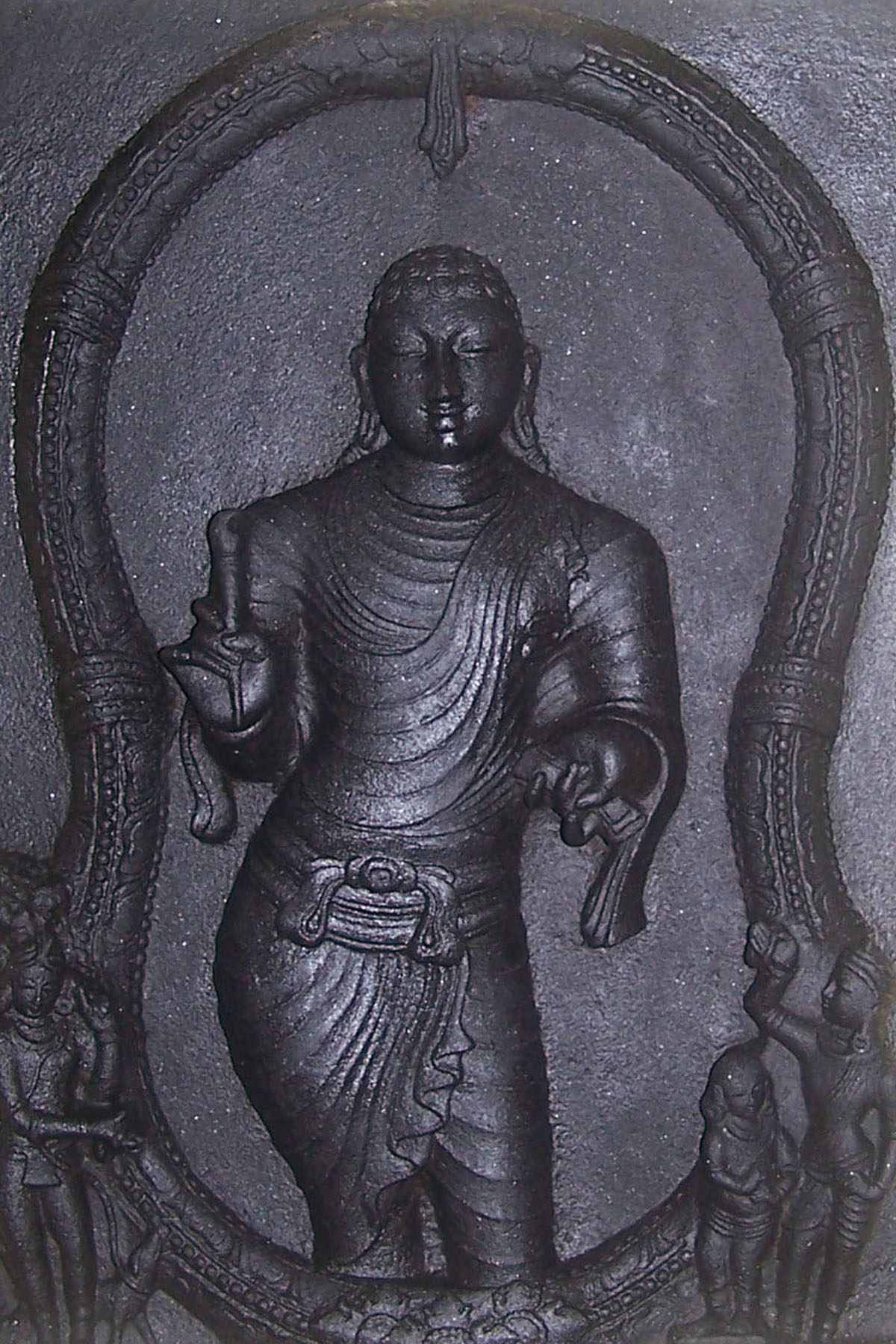
ஒருவனுக்கு உலகில் ஒரு தாரம் எனும்

உயர்வினைக் காட்டிய அவதாரம் – ராம அவதாரம்

ரகுகுலம் கொண்டது ஒரு ராமன் – பின்பு

யதுகுலம் கண்டது பலராமன்  – பலராமன்

அரசுமுறை வழிநெறி காக்க – நீ

அடைந்தது இன்னொரு அவதாரம் – கண்ணன் அவதாரம்

விதி நடந்ததென மதி முடிந்ததென

வினையின் பயனே உருவாக

நிலை மறந்தவரும் நெறியிழந்தவரும்

உணரும் வண்ணம் தெளிவாக,

இன்னல் ஒழித்து புவி காக்க – நீ

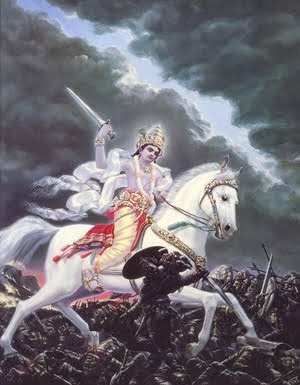
எடுக்க வேண்டும் ஒரு அவதாரம் – கல்கி அவதாரம்  (திருமால் பெருமைக்கு)
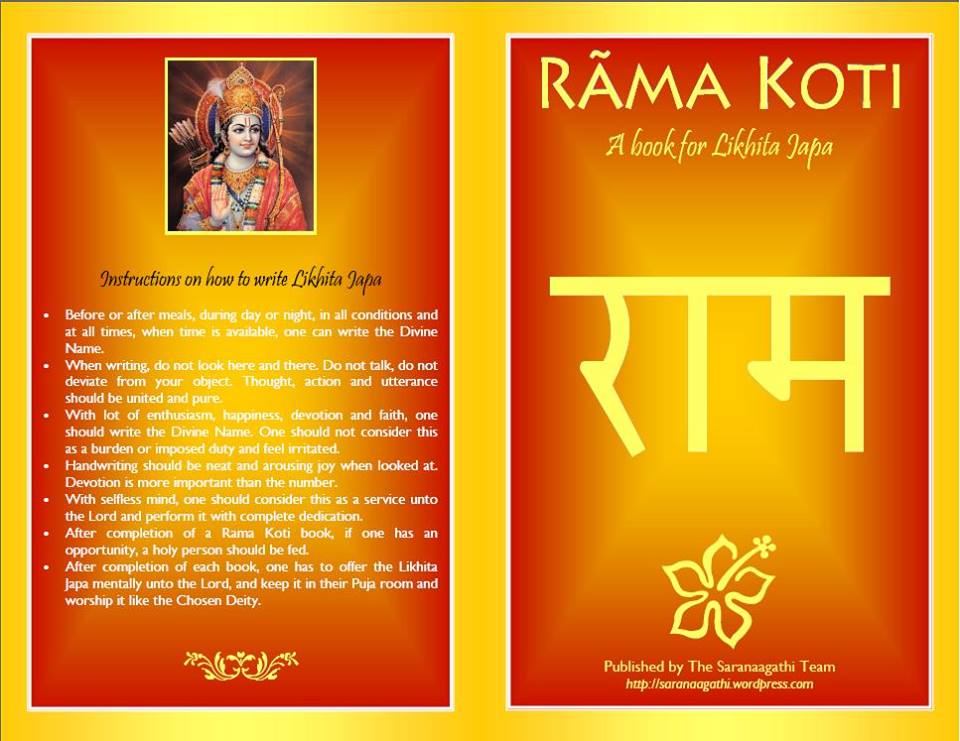
 

 ramakoti

சீதையே இலட்சிய இந்தியா :ஸ்வாமி விவேகானந்தர்!

“சீதாயா சரிதம் மஹத்” என்பார் வால்மீகி. இராமாயணத்திற்கு வால்மீகி தந்த பெயர் சீதையின் சரிதம் என்பது தான்!

சீதையே இலட்சிய இந்தியா என்றார் ஸ்வாமி விவேகானந்தர்:  “Sita is typical of India – the idealized India”

ஸ்வாமிஜியின் அமுத மொழிகள் ராமரின் ஏற்றத்தையும் சீதையின் மாபெரும் மஹத்துவத்தையும் இப்படிச் சித்தரிப்பதைக் காணலாம்:-

Rama and Sita are the ideals of the Indian nation. All children, especially girls, worship Sita. The height of a woman’s ambition is to be like Sita, the pure, the devoted, the all-suffering!”

“Sita is the name in India for everything that is good, pure, and holy; everything that in woman we call woman”

ஆக வழிவழியாக பாரதப் பெண்மையின் லட்சியமாக சீதை திகழ்வதையும் அப்படிப்பட்ட ஒரே தாரத்தைப் பெற்றுப் போற்றி குடும்பம் நடத்துவதற்கான வாழ்வு நெறியை ராமன் காண்பிப்பதையும் ராமாயணம் நமக்கு உணர்த்துகிறது.

இதைத் தமிழ் திரையுலகம் அவ்வப்பொழுது அழகுறச் சித்தரித்து வந்து கொண்டே இருக்கிறது.

அந்த வகையில் திருமால் பெருமை பத்து அவதார மகிமையையும் சுருங்கச் சொல்லி விளங்க வைத்து விட்டது எனலாம்!

*****************

Sanskrit Inscriptions in South East Asia!

Carte_Empire-Khmer

Compiled by London swaminathan

Post No. 1781; Date 6th April 2015

Uploaded from London at   20-15

Over 1250 inscriptions are discovered so far in South East Asian countries. Majority of them are in Sanskrit language. Ancient Cambodia, known as Kingdom of Khmer covered most of the area in South East Asia. Champa, what is now known as Vietnam, has the oldest Sanskrit inscription. Since the name on the inscription is Sri Mara, I have interpreted it as the name of a Pandyan king in my research article “A Tamil king who ruled Vietnam” — posted here on  Sept 13 , 2011. This is what I wrote,

“The inscription is known as Vo-Chanh Inscription. It was inscribed on a rock as two parts. This is about the donation made by the family of the king Sri Maran. We have fifteen lines on one part of the rock and seven more lines on the other side. Of these only nine lines are readable. Scholars who took a copy of the inscription say the poetry part is in Vasantha Thilaka metre in Sanskrit and rest is in prose.

The king donated all his property to the people who were close to him and ordered that it should be honoured by the future kings. The inscription ends abruptly. But we could read the words ‘Sri Mara raja kula’ very clearly. Though we couldn’t get much information about this king from other sources, Chinese historians confirmed that the Hindu empire that existed in Vietnam, Laos and Cambodia started with Sri Maran”.

Over 800 Sanskrit inscriptions were found in S.E.Asia until fifty years ago. Now more and more inscriptions are discovered. Even a new underground city is discovered in 2013.

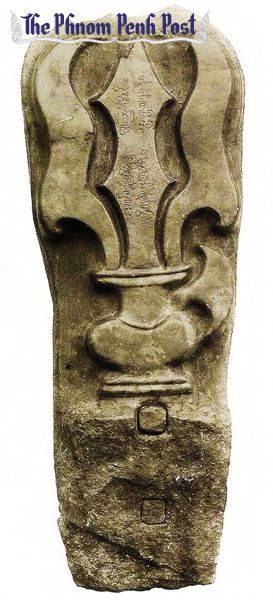
10_A-Shivait-Sanskrit-inscription

Saivite Sanskrit Inscription

Cambodia has made unique contributions to Sanskrit literature especially in poetry according to Dr M K Charan. He says, “The writers demonstrated full knowledge of various Indian sects. They mastered the rhetorical and literary conventions like puns, alliterations, similes etc. and virtually employed all the varied metres of Sanskrit poetics.

Cambodian epigraphy used both Sanskrit and old Khmer languages. They considered Sanskrit as a sacred language and so used it to record royal genealogies, panegyrics of the founders of monuments and donors, while old Khmer and Cambodian were used for the details which followed. Even in South India writers used Sanskrit and Tamil in the same way. Sanskrit verses praised the king and his Vamsavali (genealogy) whereas the Tamil section gave minute details of the donation, the extension of the land or the gifts to temples or the Brahmins.

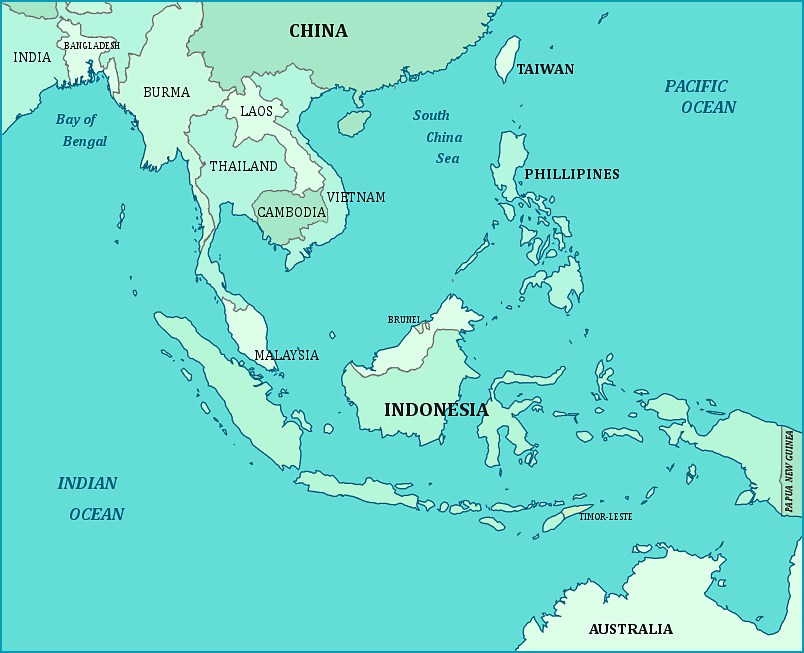
south-east-asia-map

298 verses in one inscription!

Since the Cambodian inscriptions covers a vast area covering several modern S. E. Asian countries and period of 800 years from 7th century to 14th century CE, we can’t expect uniformity in the language of the inscriptions.

“We have positive evidence about the flourishing state of Sanskrit language during a span of more than 800 years. Verses composed during the period of Jayavarman and Yasovarman conform to Panini’s rules because the composers had a thorough knowledge of grammar”, says DR MK Charan. Many of the Sanskrit verses are so beautiful that we do not find their parallel in India. A new Kavya style named Manohara has been referred to in the Pre rup inscription.

Inscriptions are in beautiful and flawless Kavya style. They exhibit a thorough knowledge of different metres and most developed rues and conventions of rhetoric and prosody.

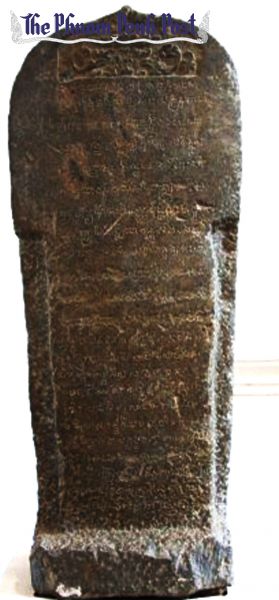
10_A-Buddhist-inscription

Buddhist Inscription

The oldest inscription found in Cambodia is of fifth century CE. Out of the five verses contained in this inscription, four are in sardulavikridita metre and one shows familiarity with Hindu mythology. Some of the inscriptions are very big compositions. The Prasusti of Rajendravarman which contains 298 verses excess all others in size.

J F Stall says, “The Vocañh inscription is written in regular Sanskrit prose, and most of the inscriptions from Cambodia are written in a more correct form of Sanskrit than that which is used in some of the inscriptions from India. The reason for this may be that the Cambodians learned Sanskrit from grammar books and not from native speakers. The Indian grammarian Panini is in fact honoured by being mentioned in these inscriptions; other linguistic works are referred to as well”.

Jean-Michel Filippi, Professor of Linguistics at Royal Phnom Penh University wrote in June 2013, “Cambodian inscriptions make you feel dizzy: new inscriptions are still regularly found and they are very far from having been translated and commented upon.

The implications of this fact are obvious: Cambodian general history may well be known, but there remains very many obscure points which will only be made clear when the inscriptions are deciphered. Thus there is a strong chance that a book about pre-Angkor or Angkor Cambodia written 20 years ago may be simply refuted by the discovery or the deciphering of an inscription”.

budhagupta inscription

Pallava Grantha Script

Lakshminarayana dasa and Bhaktin Kaunteya of Iskcon, Cambodia, are writing about research in this area and add

“In the beginning of Christian era, Khmer language was only a spoken language. In other terms, at that time, the Khmer did not know how to write. The ancient Khmers borrowed the Indic script to record their own language. So the modern Khmer language is written in a script, which is borrowed from India. It is precisely the Grantha Brahmi script, which is the mother of modern Khmer script. Cambodia has also adopted the Devanagari script and Pallava Grantha script in order to develop its actual alphabets. In the present day Cambodian, about seventy percent words are borrowed from Sanskrit. Such common words as dhanagara (bank), durasabda (telephone),bhasa (language), etc are derived from Sanskrit.

Sanskrit was the court language of the Khmer Empire for more than thousand years. All the royal orders, land transactions, temple administration were recorded in Sanskrit. Slowly the Khmer language shared this role in course of centuries. So after seventh century we find inscriptions partly written in Sanskrit and partly in Khmer.

south_east_asia_map

About 1250 inscriptions have been discovered from the Ancient Angkor Empire. The majority is written in Sanskrit. The aim of the present research is to explore various aspects of cultural relations between India and Cambodia as presented in the epigraphic literature of this country”

Sources:–

Studies in Sanskrit Inscriptions of Ancient Cambodia by M K Charan, 1974

Articles by J F Stall, Jean-Michel Filiippi and Iskcon, Cambodia.

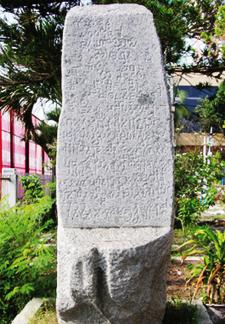
10_The-Vo-Canh-Inscription

Vo Canh Inscription in Vietnam (Champa)

‘நோகாது உண்பவர் கல்வியை நோற்பவர்’: சுவையான கதை!

gurukulam

குரு குல முறையில் வேதாத்யயனம்

Article written by London swaminathan

Post No. 1780; Date 6th April 2015

Uploaded from London at  காலை 9-22

மெய்வருத்தம் பாரார் பசிநோக்கார் கண்துஞ்சார் 
எவ்வெவர் தீமையும் மேற்கொள்ளார் – செவ்வி 
அருமையும் பாரார் அவமதிப்புங் கொள்ளார் 
கருமமே கண்ணாயி னார்நீதி நெறி விளக்கம்


ஒரு செயலில் முனைப்பாக இருப்பவர் உடலுக்கு வரும் வருத்தம், நோய் நொடிகளைப் பொருட்படுத்த மாட்டார். பசித்தாலும் கவலைப்படமாட்டார். தூங்க மாட்டார். யாரேனும் கெடுதல் செய்தாலும் அதையும் மனதிற் கொள்ளார். காலம் பற்றியும் கவலைப்படமாட்டார். தனக்கு வரும் அவமதிப்பையும் எடுத்துக்கொள்ளார்.

கற்றவனுக்கு அடையாளம் என்ன?

ஒரு சுவையான கதை கேளுங்கள். ஒரு படிக்காத இளைஞனை நன்றாகப் படித்த பெண்ணுக்குக் கல்யாணம் செய்து வைத்தனர். நாளாக ஆக இருவருக்கும் சரிப்பட்டு வரவில்லை. அவளும் வாய்ப்புக் கிடைத்த போதெல்லாம் ‘வாழைப்பழத்தில் ஊசி ஏற்றுவது போல’ இவனை குத்திக் காட்டினாள். இவன் ஒரு முடிவுக்கு வந்தான். நன்கு கல்வி கற்ற பின்னரே வீட்டுக்கு வருவேன் என்று சொல்லி விட்டுப் புறப்பட்டான்.

ganapati2

நல்ல மாணவர்கள் பசி நோக்கார்

அந்தக் காலத்தில் காசி என்ற தலமே கற்றோர் நிறைந்த ஊர். ஆகையால் பெரிய அறிவாளிகள் எல்லாம் காசிக்குச் சென்று கற்று வருவர். இவனும் காசிக்குப் போனான். அங்கே ஒரு வயதான ஆசிரியரைக் கண்டான். தனது சோகக் கதையைச் சொல்லி தனக்கு கல்வி புகட்டும்படி மன்றாடினான். அவரும் இவனை சிஷ்யனாக ஏற்றார்.

இரண்டு மூன்று ஆண்டுகள் ஓடின. நல்ல சீடனாகவே இருந்து எல்லாவற்றையும் ஆர்வத்தோடு கற்றான். குரு, ஒரு நாள் தனது மனைவியை அழைத்து, நாலை முதல் இவனுக்குப் பரிமாறும் உணவில் ஒரு உத்தரணி (ஸ்பூன்) அளவுக்கு வேப்ப எண்ணையைக் கலந்து பரிமாறு என்றார். ஆனால் அவன் அதைக் கண்டுபிடித்துவிட்டால் அந்த நாளைன்றே என்னிடம் சொல்லிவிடு என்றார்.

குருவின் மனைவிக்கு ஏன் என்று புரியவில்லை. இருந்தாலும் கணவன் இட்ட கட்டளையை மீறாத பத்தினி அவள். அந்த சிஷ்யனும் முகம் கோணாது சாப்பிட்டு வந்தான். குருவின் மனைவிக்குக் கூட கொஞ்சம் பரிதாபம் மனதில் ஏற்பட்டது. வேப்ப எண்ணையைக் கலக்காமல் விட்டுவிடலாமா என்று எண்ணிணாள். ஆயினும் அவளுக்கு அந்தத் துணிவு வரவில்லை.

dhanus

மெய் வருத்தம் பாரார்

இவ்வாறு வேப்ப எண்ணை கலந்த சாப்பாடு மூன்று மாதம் பரிமாறப்பட்டது. ஒரு நாளைக்கு சிஷ்யன், குருவின் மனைவியைப் பார்த்து, “அம்மையே, உங்களுடைய சாப்பாடு எப்போதும் அமிர்தமயமாகவே இருக்கும். கடந்த சில நாட்களாகக் கொஞ்சம் வேறுபாடு தெரிகிறது. ஏதோ வேப்பெண்ணை வாசனை அடிக்கிறது” என்றான். குருவின் மனைவியும் சமாளித்துக் கொண்டு, “அப்படியா? என்ன காரணம் என்று கண்டுபிடிக்கிறேன்” என்று சொல்லிவிட்டுப் போய்விட்டாள்.

ரகசியமாக கணவனிடம் விஷயத்தைச் சொன்னாள், “உங்கள் சீடனுக்குத் தெரிந்துவிட்டது. அவன் வேப்பெண்ணை வாசனையைக் கண்டுபிடித்துவிட்டான்” என்றாள். குரு சிரித்துக் கொண்டே, சிஷ்யனைக் கூப்பிட்டார்.

“சிஷ்யா! நீ நல்ல மாணவன். மூன்று ஆண்டுகளாக எல்லாவற்றையும் உண்மையான ஆர்வத்தோடு பயின்றாய். நீ எல்லாவற்றையும் கற்றுமுடித்த அறிகுறிகள் தென்படுகின்றன. நாளை காலை நீ உன் சொந்த ஊருக்குத் திரும்பலாம். உனக்கு என்னுடைய பரிபூரண ஆசீர்வாதம்” என்றார். சீடனுக்கு மிகவும் சந்தோஷம். மறுநாள் காலையில் தக்க குரு தட்சிணை கொடுத்து, நமஸ்கரித்துவிட்டுப் புறப்பட்டான்.

குருவின் மனைவி வியப்புடன் கேட்டாள், “நாதா! வேப்பெண்ணைக்கும் படிப்புக்கும் என்ன சம்பந்தம்? எனக்கு விளங்கவில்லையே!”

குரு சொன்னார், “அன்பே, நோகாது உண்பவர் கல்வியை நோற்பவர் என்ற ஆன்றோர் வாக்கை நீ கேட்டது இல்லையா? ஒருவனுக்கு கல்வியில் நாட்டம் உள்ளவரை வேறு எதிலும் சுவை இருக்காது. சொல்லப்போனால் சுவையே தெரியாது. அவனுக்கு கல்வியில் முழு கவனம் இருக்கும் வரை அவனுக்கு ருசியே தெரியவில்லை. அந்த நாட்டம் குறைந்தவுடன் அவனுக்கு ருசி தெரிந்துவிட்டது. ஆகையால்தான் அவனை ஊருக்கு அனுப்பிவைத்தேன். அவன் இனிமேல் பிழைத்துக் கொள்வான்” என்றார்.

children,mumbai

கருமமே கண்ணாயினார்

–சுபம்

கொக்கின் தலையில் வெண்ணையை வைத்துப் பிடிக்கலாமா?

http://regex.info/blog/2007-05-23/466

Article written by S NAGARAJAN

Post No. 1779; Date 6th April 2015

Uploaded from London at 7-20 am


சம்ஸ்கிருதச் செல்வம்இரண்டாம் பாகம்

28. கொக்கின் தலையில் வெண்ணையை வைத்துப் பிடிக்கலாமா?

.நாகராஜன்

நியாயங்களின் வரிசைத் தொடரில் மேலும் சில நியாயங்களைப் பார்ப்போம்:

पञ्जरमुक्तपक्षिन्यायः

panjaramuktapaksi nyayah

பஞ்சர முக்த பக்ஷி நியாயம்

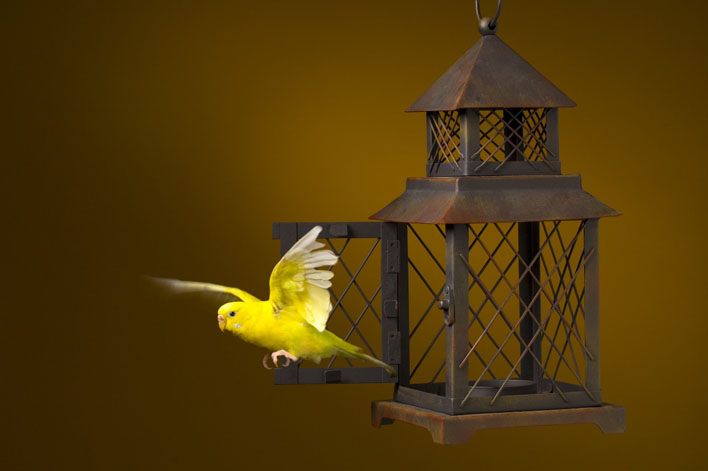
கூண்டிலிருந்து விடுதலையாகும் பறவை பற்றிய நியாயம் இது.

இறப்பின் போது உடலிலிருந்து ஆன்மா, கூண்டிலிருந்து விடுதலையாகிப் பறந்து வானில் செல்லும் பறவையைப் போல பறந்து செல்கிறது என்பதை இந்த நியாயம் சுட்டிக் காட்டுகிறது.

bird_escaping_from_cage

கூண்டுக் கிளி பறந்தது (குடம்பை தனித்து ஒழியப் புள் பறந்தற்றே

உடம்போடடு   உயிரிடை நட்பு – குறள்  338)

प्रथममल्लन्यायः

prathanamalla nyayah

பிரதம மல்ல நியாயம்

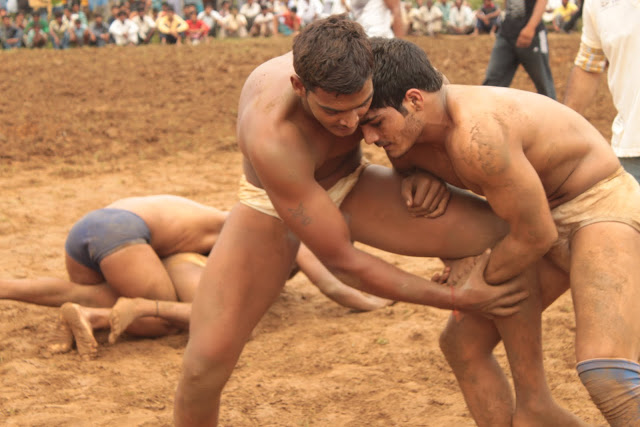
மல்யுத்த வீரர்களின் தலைவனைத் தோற்க அடிப்பது குறித்த நியாயம் இது.

பல பேரை எதிர்க்க வேண்டியுள்ள ஒருவன் எதிர்ப்பவர்களில் வலிமையாக இருக்கும் தலைவனைத் தோற்க அடித்து விட்டால் ஏனையோரைப் பற்றிக் கவலையே பட வேண்டாம், இல்லையா! அது போல, பல வித கொள்கைகளை எதிர்த்து தன்  கொள்கையை ஸ்தாபிதம் செய்ய நினைக்கும் ஒருவர் ஒவ்வொரு கொள்கையாக எடுத்து எதிர்த்து தன் கொள்கையாக நிர்ணயிக்காமல், பிரதானமாக இருக்கும் கொள்கையை எதிர்த்து தன் கொள்கையை ஸ்தாபித்து விட்டால் ஒவ்வொரு கொள்கைக்கும் பதில் சொல்ல வேண்டாம். இதைச் சுட்டிக் காட்டும்வலியவனை வெல்என்னும் நியாயம் இது.

kushti 2

குஸ்தி, மல்யுத்தம் படம்

बकबन्धनन्यायः

bakabandhana nyayah

பக பந்தன நியாயம்


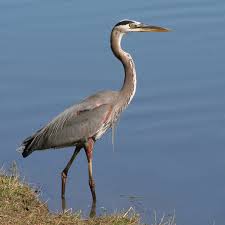
கொக்கின் தலையில் வெண்ணையை வைத்துப் பிடிக்கும் நியாயம் என்ற இந்த நியாயம் பிரசித்தி பெற்ற ஒன்று. சாதாரணமாக வழக்கில் இருந்து வரும் ஒன்றும் கூட!

கொக்கைப் பிடிக்க ஒருவன் நினைத்தான். அதற்கு அவன் கண்டு பிடித்த வழி, அதன் தலையில் முதலில் வெண்ணெய் வைக்க வேண்டும். அது சூரிய வெப்பத்தில் உருகி கொக்கின் கண்ணை மறைத்தவுடன், கொக்கு குருடாகி விடும். அப்போது அதை சுலபமாகப் பிடித்து விடலாம். எப்படிப்பட்ட யோசனை! இப்படி முட்டாள்தனமான யோசனைகளை ஒருவர் கூறும் போது இந்த நியாயம் சுட்டிக் காட்டப்படும்.

kokku

கொக்கின்   தலையில் வெண்ணை?

बधिरकर्णजपन्यायः

badhira karnajapa nyayah

பதிர கர்ண ஜப நியாயம்

செவிடன் காதில் முணுமுணுப்பது பற்றிய நியாயம் இது.

ஒன்றுமே காதில் விழாத ஒரு செவிடனிடம் முணுமுணுப்பதால் என்ன பிரயோஜனம்? வீணான ஒரு வேலையை ஒருவர் மேற்கொள்ளும் போது இந்த நியாயம் சுட்டிக் காட்டப்படும்.

deaf_grandma_small

செவிடன் காதில்  – ஊதிய சங்கு


बहूनामनुग्रहो न्यायः

bahunamanugraho nyayyah


பஹுனாமனுக்ரஹோ நியாயம்


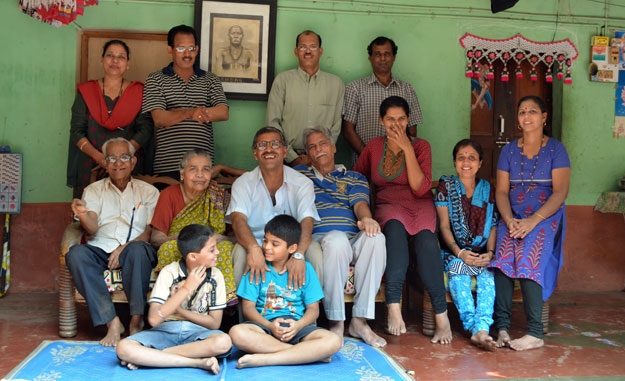
பலர் ஒன்று கூடி சேர்ந்திருப்பதைச் சுட்டிக் காட்டும் நியாயம் இது. தன் பந்து மித்திரர்களுடன்உற்றார் உறவினருடன்சேர்ந்து இருந்து அவர்களின் ஆதரவைப் பெற்றால் அது மிகவும் நல்லது, அல்லவா! அனைவரது ஒத்துழைப்பும் நல்லாசிகளும் கிடைக்கும். இந்த ஒற்றுமையைச் சுட்டிக் காட்டும் நியாயம் இது.

large family

நல்ல குடும்பம், பெரிய குடும்பம்

*****************

Four Indian Kings who did not want to Rule!

Puhar-ILango

Picture of Tamil Prince Ilango

Research Article written by London swaminathan

Post No. 1778; Date 5th April 2015

Uploaded from London at  22-03

We have stories of at least four ancient Indian kings who sacrificed their right to rule. Because of their great sacrifice their names are entered into our literature and remembered for ever.

Devapi of Rig Vedic Period

Dustaritu Paumsayana of Vedic Period

Bhisma of Mahabharata Period

Ilango of Tamil Sangam Period

The interesting stories about these people are as follows:-

Devapi (RV 10-98) abdicated the throne in favour of his brother. According to the Nirukta (2-10), Devapi was the elder Kuru prince, but his younger brother Santanu became the king. There was a prolonged drought in the kingdom and Devapi acted as the priest of the king and brought rain by performing a sacrifice. The Brhaddevata gives us the same story but adds that Devapi abdicated because of his skin disease.

King Dustaritu Paumsayana, a king of the Srnjayas had to abdicate for his misrule (Satapata Brahmana 12-9-3-1). We have the stories of Vijaya who was banished from Kalinga/Vanga region who established a new kingdom in Sri Lanka. Other kings thrown out were Vena, Nahusa and Sumuka. But theirs was not abdication; they were driven out from their kingdoms.

title_bhishma_

Bhishma’s Great Sacrifice

Bhishma’s sacrifice was highly praised by the epic. His name was Devavrata. He sacrificed his right to rule for the sake of his father. His father Shantanu fell in love with a fisherwoman (Satyavati). Her father insisted that Shantanu could marry her only when he promised him that her child would succeed him to the throne of Hastinapura. When Shantanu was not ready to give such a promise, Devavrata came to know about his father’s love for Satyavati. He renounced the throne of Hastinapura. The entire country praised him for his sacrifice and then he was called Bhishma (man of terrible vow).

King Edward VIII of Britain wanted to marry a divorced American woman Wallis Simpson; it was opposed on moral, political and legal grounds. He renounced the throne in 1936 and married the woman.

bhisma

Tamil Prince Ilango

Ilango (also written Ilanko) was the younger son of King Ceralatan who ruled the western coastal area (Kerala) of South India. His elder brother was Senguttuvan. He was celebrated in the Tamil epic Silappadikaram written by his brother Ilanga. They lived in the Second century CE.

One day, when the king Ceralatan was sitting in the audience hall, there came to the court an astrologer who predicted the immediate death of the reigning king and the passing of the throne to his younger son (Ilango). It was an age of faith in Astrology. The prediction was a rude shock to Senguttuvan, brother of Ilango. He was the elder son and heir apparent to the throne. Ilnago noticed this, and in order that his brother might enjoy the kingdom, he became a monk. Once he became a monk, he could not be a king. The assumption of holy orders was to assure his brother that he would not stand to the way of his brother’s hopes and aspiration. He left the palace immediately and lived in Gunavayir Kottam, a temple.

swarna-vrsti  shankara

Pictures of Vidyaranya and Adi Shankara

Hindus believed that once a person becomes a monk, astrological predictions won’t come true. It is a way out or an exit strategy to defeat the fate or to beat the Karma theory. When Adi Shankara was caught by a crocodile, he told his mother that his present life was finished, but once his mother allowed him to become a monk, he would live. His mother said yes and the crocodile left him. That was like his “second birth”.

When Vidyaranya prayed for immense wealth, goddess appeared before him and told him that he couldn’t become rich in that birth, he immediately became a monk. Later he realised that Hindu monks couldn’t touch money. He gave all the gold bars given by the Goddess to  Harihara and Bhukka to establish the Vijanagara Empire. In the same way, by taking a “second birth” as ascetic, Ilango wiped out his first existence. He beat astrology by becoming an ascetic.

Source books:

Who is Who in the Mahabharata by Subash Mazumdar

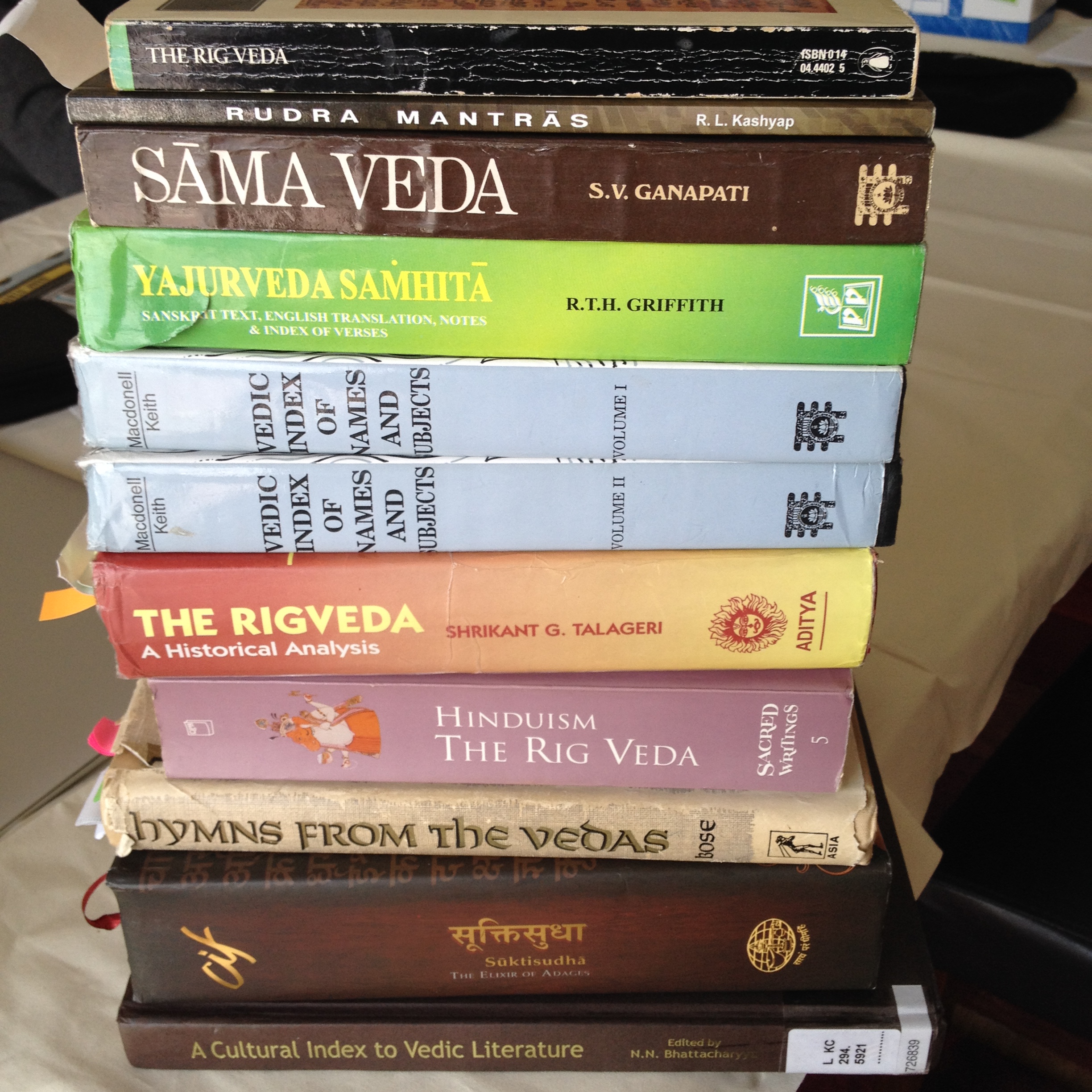
A cultural Index to Vedic Index, Edited by N N Bhattacharya

The Cilappatikaram by Prof. V R Ramachandra Dikshitar

வேதத்தில் பரத நாட்டியம்!

JR

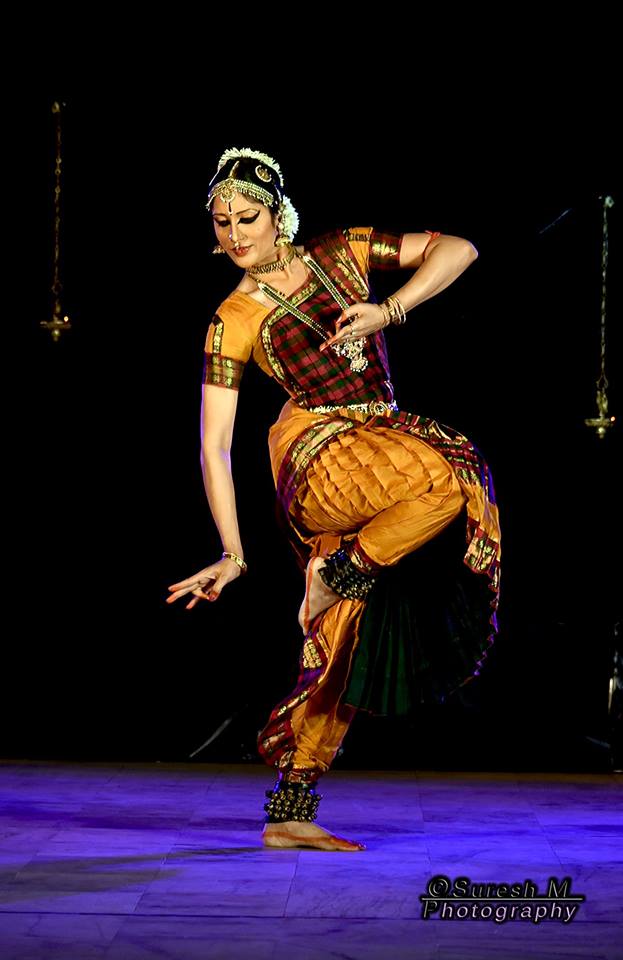
Picture of Famous Bharata Natyam Dancer Dr Janaki Rengarajan

Research Article written by London swaminathan

Post No. 1777; Date 5th April 2015

Uploaded from London at  14-00

This is already published in English in two parts

உலகிலேயே மிகப் பழமையான நூல் ரிக்வேதம். அதிலுள்ள பல சம்ஸ்கிருதச் சொற்களை தமிழர்களாகிய நாம் இன்றும் அன்றாடம் பேசும் உரையாடலில் பயன்படுத்துகிறோம். இன்றும் அந்த வேதம் கோவில்களிலும் யாகங்களிலும், திருமணச் சடங்குகளிலும் ஒலித்துக் கொண்டிருக்கிறது. அதில் நாட்டியம் பற்றியும், சங்கீதம் பற்றியும் ஏராளமான குறிப்புகள் உள்ளன. வேதத்தில் வரும் இசைக் கருவிகள், ஆபரணங்கள், தங்க நகைகள், நாட்டியம் – சங்கீதம் ஆகிய எல்லாவற்றையும் ஒட்டு மொத்தமாக வைத்துப் பார்க்கையில் அவர்கள் எவ்வளவு நாகரீகம் படைத்தவர்கள் என்பதை எண்ணி வியக்கிறோம்.

ஒரு நாட்டில், மக்களின் அடிப்படைத் தேவைகள் – உணவு, உடைகள், உறைவிடம் – ரோட்டி கப்டா அவர் மகான் – நிறைவடையும் போதுதான் கவலைகள் மறையும்; கலைகள் மலரும். அவைகள் பரிணமிக்க மேலும் சிறிது காலம் பிடிக்கும். ரிக் வேத காலத்தில் பெண்கள் நகை அணிந்து சபைகளுக்குச் செல்லும் மந்திரங்களைப் பார்க்கையில் அவர்கள் நாகரீகத்தில் மிகவும்  முன்னேறியவர்கள் என்று தெரிகிறது.

குஜராத்தி பெண்கள் இன்று ‘கர்பா’ நடனம் ஆடுவது போல— மேலை நாட்டில் கம்பத்தைச் சுற்றி ‘மே போல் டான்ஸ்’ ஆடியது போல— வேத காலப் பெண்கள் வட்டமாக நின்று ஆடிய குறிப்புகளும் உள.

இந்திரனை நாட்டியக்காரன் என்று ரிக்வேத மந்திரங்கள் துதிபாடுகின்றன. இந்திரன் ஆடியதோடு மற்றவர்களை ஆடவைத்ததையும், கந்தர்வர்கள், அப்சரஸ்கள் ஆடியதையும் காண்கிறோம்.

பிற்கால புராணக் கதைகளில் இதன் முழு விவரங்களும் கிடைக்கின்றன. தேவ லோகத்தில் அரம்பையர்கள் ரம்பா, ஊர்வசி, மேனகா, திலோத்தமா – ஆடியதை நாம் அறிவோம். கந்தர்வர்கள் என்பவர்களை இசையுடன் இணைத்து கந்தர்வ கானம் என்று புகழ்வதையும் நாம் கேட்கிறோம். இதற்கெல்லாம் வேதத்தில் மூலம் (வேர்) இருக்கிறது.

ராமாயணம், மஹாபாரதம் போன்ற இதிஹாசங்களில் இதுபற்றி கூடுதலாகத் தகவல் கிடைக்கிறது. அர்ஜுனன், அலி வேடம் தரித்து உத்தரை என்ற ராஜ குமாரிக்கு சங்கீதம் நடனம் பயிற்றுவித்ததை அறிவோம். தமிழில் சிலப்பதிகாரத்திலும் அதன் உரைகளிலும் நாட்டியம் பற்றிய முழு விவரங்களும் உள்ளன. (இது பற்றி நான் எழுதிய முந்தைய கட்டுரைகளைக் காண்க). இந்தப் பிண்ணனியில்தான் சம்ஸ்கிருதத்தில் பரதர் எழுதிய பரத நாட்டிய சாஸ்திரமும் புகழ் பெற்றது.

janki fb

வேதத்தில் வரும் நாட்டிய விஷயங்கள்

தொல்பொருட் துறை அறிஞர் டாக்டர் இரா நாகசாமி 25-2-1989-ல் பம்பாய் ஷண்முகாநந்தா நுண்கலை – இசை சங்கத்திலும் 16-12-1989 ல் சென்னை நாரத கான சபையிலும் ஆற்றிய ஆங்கிலச் சொற்பொழிவுகளில் குறிப்பிடுவதாவது: ரிக் வேதத்தில் சரியான பாத அசைவுகளோடு ஆடும் மருத்துகளை ந்ருதவ: (நடனமாடுவோன்) என்று அழைக்கின்றனர்.

மார்பில் தங்க நகைகளோடு ஆடும் நடனக்காரர்களே! உங்கள் சகோதரத்துவத்தை நாடி மானுடப் பிறவிகளும் ஓடி வருகின்றனர். எங்களையும் பார்த்துக் கொள்வாயாக  – என்று ரிக் வேத துதி கூறுகிறது (8-20-22)

மருத்துக்கள் தாளத்துக் கேற்ப ஆடுவதோடு மட்டும் நில்லாமல், பாடவும் செய்கின்றனர். மருத்துக்கள் ஆண்கள். பெண்களில் மிகச் சிறந்த நடனம் ஆடும் உஷை (அதிகாலைப் பொழுது) பற்றிய அழகிய பாடலும் உண்டு. அவள் பகட்டான ஆடை அணிந்து வரும் காட்சியை ரிக் வேத ரிஷி வருணிக்கிறார்.

“அதிகாலைப் பொழுது — உஷா— கிழக்கு வானத்தில் அழகிய வண்ணங்களில் தோன்றிவிட்டாள். பறவைகள் சிறகடித்துப் பாடுகின்றன (புள்ளும் சிலம்பின காண் – ஆண்டாள் திருப்பாவை)). மனிதர்கள் எழுந்து சுறுசுறுப்பான வேலைகளில் இறங்கிவிட்டனர். உஷத் காலம், ஒரு நடனக்காரி போல, எல்லோருக்கும் மகிழ்ச்சியையும், உற்சாகத்தையும் அளிக்கிறாள்”.

உவமை பற்றிய விதிகள், மக்களுக்கு நன்கு தெரிந்த விஷயங்களையே, உயர்ந்த விஷயங்களையே உவமைகளாக்க வேண்டும் என்று சொல்லுகின்றன. வேத காலத்தில் நாட்டியம் என்பது மிகவும் பிரபலமாக இருந்ததால்தான் புலவர் இந்த உவமையைக் கையாளுகிறார்.

நாட்டியக் கலை மிகவும் உன்னத நிலைக்குச் சென்றதைக் காட்டும்  – மிகவும் வளர்ச்சி பெற்றதைக் காட்டும் — பல உவமானங்கள் ரிக் வேதத்தில் வருகின்றன. நாட்டியக்காரிகள், சமூகத்தில் முக்கிய இடம் பெறுகின்றனர். அவர்கள் இல்லாமல் எந்தப் புனிதச் சடங்கும் நடைபெறமுடியாது. புனிதத்துவத்துக்கும், பூரனத்துவத்துக்கும் சின்னமாக விளங்குவது பூரண கும்பம். “ஓ! அழகிய பெண்மணியே, நெய்யும் தேனும் நிறைந்த அந்த பூரண கும்பத்தை எடுத்து வா” என்று இன்னும் ஒரு துதி கூறும்.

அமரகோசம் என்னும் அற்புத சம்ஸ்கிருத நிகண்டில் நாட்டியம் பற்றிப் பல சொற்கள் இருப்பதையும் நாகசாமி எடுத்துரைத்தார்:

தாண்டவம் நடனம் நாட்யம் லாஸ்யம் ந்ருத்யம் ச நர்த்தனே

தன்யத்த்ரிகம் ந்ருத்ய கீத வாத்யம் நாட்யம் இதம் த்ரயம்

(ஆங்கிலச் சொற்பொழிவில் இருந்து நான் மொழி பெயர்த்ததில் பிழைகள் இருந்தால் அவை என்னுடையவை என்று அறிக)

இனி சந்திரா ராஜன் எழுதிய காளிதாசன் எற ஆங்கில நூலில் சொல்லும் சில கருத்துக்களைக் காண்போம்:–

பரத மாமுனி, சம்ஸ்கிருதத்தில் எழுதிய நாட்டிய சாஸ்திரம் என்ற நூல்தான் உலகில் நாடகம், நாடகவியல் கோட்பாடுகள் பற்றிய மிகப் பழைய நூல் (பழங்காலத்தில் நாடகமும் நடனமும் இணைந்தே மக்கள் முன் வைக்கப்பட்டன).

வேத மந்திரங்களைப் பல்ர் பாடியதற்கான சான்றுகளைப் பார்க்கையில் அவை கோஷ்டி கானம் என்பது தெளிவாகிறது. மேலும் அதில் திரும்பத் திரும்ப வரும் பல்லவிகலையும் காண்கிறோம். மேலும் பெண்கள் அழகிய ஆடைகளையும் அணிகலன்களையும் அணிந்து கைகளில் நீர்க்குடங்களுடன் யாக மேடைகளைச் சுற்றி ஆடிப் பாடி நடன மாடிய காட்சிகளும் மந்திரங்களில் வருகின்றன. இந்தப் பல்லவி, ஆடல், பாடல் ஆகியன அக்காலத்தில் நாடகத்தின் ஆதி வடிவம் ஆகும்.

எங்களுக்கு வரம்பிலா மகிழ்ச்சியை அருள்வாயாக என்ற வரிகள் மீண்டும் மீண்டும் வருகின்றன ( ரிக் 10-100); மாட்சிமை பொருந்திய அன்னை உன்னை ஈன்றெடுத்தாள். அருள் பெற்ற அன்னை உன்னைப் பெற்றெடுத்தாள்– என்ற வரிகள் மீண்டும் மீண்டும் வருகின்றன ( ரிக் 10-134).

இந்திரனை நாட்டியக் காரன் என்று சொல்லும் ரிக்வேத மந்திரங்கள் வசந்த காலத்தில் நடனமாடும் மருத்துக்கலைப் பற்றியும் பாடுகின்றன (ரிக். 5—52; 6—63). அஸ்வினி தேவர்களும் இவ்வாறு போற்றப்படுகின்றனர்.

jr natraj pose

காளிதாசனில் நாட்டியம்

உலகப் புகழ் பெற்ற சம்ஸ்கிருதக் கவிஞன் கி.மு. முதல் நூற்றாண்டில் வசித்தான் என்னும் பல அறிஞர்களின் கருதை சங்க காலப் பாடல்களும் உறுதி செய்வதைப் பல ஆராய்ச்சிக் கட்டுரைகள் மூலம் இதே பிளாக்கி- கடந்த ஐந்தாண்டுகளாக எழுதி வருகிறேன். அவனும் பல இடங்களில் நாட்டியம் பற்றிக் குறிப்பிடுகிறான். அவனுக்கு 500 ஆண்டுகளுக்குப் பின்னர் வாழ்ந்த வராஹமிகிரரும் பிருஹத் சம்ஹிதாவில் கிரகணமும், கிரகங்களும் நாட்டியப் பெண்களைப் பாதிப்பது பற்றி மூன்று இடங்களில் குறிப்பிடுவான்.

காளிதாசன் எழுதிய நடனக் குறிப்புகலைத் டனிக் கட்டுரையில் தருவேன்.

ரிக்வேதத்திலும் அதர்வ வேதத்திலும் நடனம் பற்றி வரும் இடங்கள் பின்வருமாறு:

ரி.வே.:–

1-130-7; 2—22-4; 5-52-12; 6-63-5; 7-33-9, 7-33-12, 7-10-95; 8-20-22, 8-24-9, 8-24-12, 8-92-2; 10-100, 10-123-5, 10-134, 10-132-6

அ.வே.

4-37-1, 4-37-4, 4-37-5, 7-12-2, 12-1-1, 12-1-41

ரிக் வேதத்தில் கந்தர்வர், அப்சரஸ் பற்றிய பாடல்களும் கூர்ந்து நோக்கப்படவேண்டியவை.

அதர்வவேதத்தில் பூமி பற்றிய பாடல் மக்கள் எப்படி ஆடிப்பாடி மகிழ்ச்சியுடன் வாழ்கின்றனர் என்று காட்டுகிறது.

இருபதுக்கும் மேலான இசைக் கருவிகள், இருபதுக்கும் மேலான ஆபரணங்கள், இருபதுக்கும் மேலான நடனக் குறிப்புகள் முதலியன் 3700 ஆண்டுகளுக்கு முந்தைய, உலகின் மிகப் பழைய நூலான ரிக் வேதத்தில் இருப்பது — ரோடி-கப்டா அவ்ர் மகான்—பற்றிய கவலையே இல்லாத ஒரு செழிப்பான நாகரீகத்தைக் காட்டுகிறது என்பதில் இனியும் ஐயம் உண்டோ!!

jan2 (2)

What you have learnt is Handful, what you haven’t learnt is…………

IMG_2785

What we have learnt — picture
Article written by S NAGARAJAN
Post No. 1776; Date 5th April 2015
Uploaded from London at  12–48

Hindu Vedas, Vedangas and the Great Sages Associated With the Vedas

By Santhanam Nagarajan

The primary scriptures of Hinduism are the Vedas.

They are beginning less, endless. They are eternal in nature.

The Vedas are not composed by any man. They are ‘apaurseya’ (meaning not man made).

They are called ‘Sruthi’ (meaning ‘heard’).

The Vedas were revealed to the sages after the creation of the Universe for the benefit of mankind. These have been handed down from generation to generation in the teacher -disciple tradition orally because the method of chanting cannot be mastered otherwise.

The oral method of instruction has ensured that there has not been any distortion.

The Vedas are four namely Rik , Yajur , Sama  and Atherva Veda.

These Vedas consist of thousands of mantras so to say countless. The mantras  are vibrations which are very potent.

Each of the four Vedas has further been divided into various branches. The Rik has 21 branches, the Yajur has 101 branches, the Sama has 100 branches and the Atharva Veda has 9 branches.

But at present some of the branches alone exist. Thus we have only one branch in Rik Veda. This is called pauzhiyam.

We have three branches in Yajur Veda namely Tatittriya, Kanva and Madhyandina,  only two branches in Sama  namely Chandoga and Talavakara and only one branch in Atharva Veda. This is available in Northern part of India.

Krishna Dwaipayana also known as Vyasa divided Vedas into four parts. He selected four of his intelligent disciples to study these diligently.

He taught Rig  to Paila, Yajur  to Vaisampayana, Sama  to Jaimini and Atharva Veda to Sumantu.

He also taught the 18 Puranas and Idihasa (meaning great epics) to Romoharshana.

Then again Paila has divided Rig Veda into two parts and imparted its teachings to two of his disciples – to Indrapramiti and Baspala. Baspala has divided his own branch to four parts and taught them to his pupils Bodhya, Agnimadaka, Yagnyavalkya and Parasara. Indrapramiti has taught his own branch to his son Mandukya.

One should not take the outward meaning of the mantras. Each and every word has ten meanings. Not by scholarly reading buy by intuition only one could understand these.

From time immemorial till modern days many have revealed the fantastic sciences that are potent in these which include vedic mathematics, the science of building planes, the ways to enhance one’s life span etc.

Swami Vivekananda, Maharishi Dayanada Saraswathi, Aurobindo, Swami Bharathi Krishna Tirtha are some of the great men who revealed the greatness of Vedas.

book line1

What we have not learnt – picture

What you have learnt: Bharadwaja Story

Vedas are countless and one cannot master it completely.

An interesting story with regard to mastering of Vedas is worth reading.

The great sage Bharadwaja started studying the Vedas. One purusha ayus (meaning a full span of life for human which is one hundred years) was completed. Still there was a lot to learn. He prayed Indra for another purusha ayus. Indra granted. One more hundred years passed. But Bharadwaja found that a lot more to learn. He again prayed and Indra again granted another 100 years. Thus 300 years passed. After 300 years Indra appeared and Bharadwaja was proud that he completed Vedas fully. Indra made three huge mountains before him. He took a handful of the earth from each of the mountains and told the sage, “Oh, Bharadwaja, what you have learnt so far is equivalent to these three handfuls of the earth only and whatever Vedas you are yet to learn are equivalent to these three huge mountains.” Thus Vedas are endless.

Sage Vaisampayana, the disciple of Ved Vyas has compiled twenty seven branches of Yajur Veda.

Sukarna was the son of Sumanthu and the grand son of sage Jaimini; they have studied one branch of Sama Veda. Sumanthu divided Sama Veda samhitha into one thousand branches. Kaysaly, Hiranyanabha, Pauspincha are his disciples. Hiranyanabha had 500 disciples for himself. One disciple Kruthi has studied twenty four Samhithas of Sama Veda.

Maharishi Maunchakesh have compiled Nakhyatra, Veda kalpa, Samhitha kalpa, Agnirakshya kalpa and Santi kalpa. These five bikalpas are the important parts of Atharva Veda Samhitha.

The Vedas are also called as Veda purusha. He has got six different organs or limbs namely 1) Shiksha 2) Vyakaranam (meaning Grammar) 3) Chandas (meaning Sconce of Prosody) 4) Niruktam (Science of etymology) 5) Jyotisham (Astronomy and Astrology) 6) Kalpam

These six are called as Vedangas.

Shiksha is that work which helps us to obtain the full results of Vedas. It is found that there are 35 of them. Shiksha tells us about the various aspects of letters. Details are not enumerated here.

Vyakarana helps us in understanding the Vedas by analyzing the words and their meanings.

Chandas tells us about the various meters such as Gayatri, Trishtub etc.

Niruktam gives a detailed exposition about the Vedic words and their meanings.

Jyotisha is based on Jyothis Lord namely the sun. This tells us the proper timings for the performance of various Vedic rituals.

Kalpa means the performance or practice of something. It tells us the method of practicing the various sacrifices and other karmas (or duties) mentioned in the Vedas.

IMG_2789

*****************

Only Religion where Woman is worshiped!

goddess

Research Article written by London swaminathan

Post No. 1775; Date 4th April 2015

Uploaded from London at  22-02


“ Yatra naryast pujyante ramante tatra devatah

Yatraitastu na pujyante sarvastatraphalah kriyah”

Manu smriti 3-56, Mahabharata 13-45-5

‘Where women are worshipped, there the gods are delighted; but where they are not worshipped, all religious ceremonies become futile’—Manu Smriti.

One acharya/Guru excels ten Upadhyayas/teachers in glory; a father excels 100 acharyas/Gurus in glory; but a MOTHER excels even a thousand fathers in glory (Manu 2-145)

lakshmi

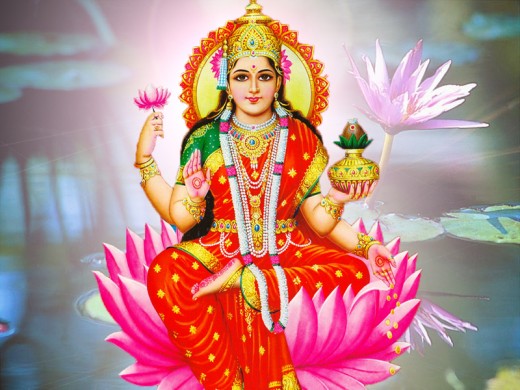
Hinduism is the only religion in the world where woman is worshipped as Goddess from the days the oldest Veda until today. In other religions God is He, but in Hindu religion God is worshiped as He and She from the Vedic days. The beauty of Hindu religion is that the same goddesses are worshiped continuously until today. Though we heard many names of goddesses in in the Middle East, Egypt and Europe (Greek and Rome) all those goddesses were sent to Museums. The most powerful mantra Gayatri is in all the three Vedas. Goddesses Gayatri, Savitri and Sarasvati are worshipped from Vedic days and they are very popular names of girls from Northern Himalayas to Southern Most parts of Sri Lanka.

Here is a list of Goddesses from the Vedas:–

1.Usas (dawn)—Most beautiful description of Usas is found in the Vedas in many hymns.

2.Sarasvati — River and Goddess; praised in many hymns

3.Prithivi  – Earth (Greeks and others followed this Hindu concept)

4.Ratri (RV 10-107) – Called daughter of Heaven

5.Vac (personified speech) – RV 10-125

6.Purmandhi (Goddess of Plenty)  – Her name occurs nine times in the Oldest Book Rig Veda

7.Parendi(Goddess f Riches and abundance) –

8.Dhiisanaa  (Goddess of Abundance) – mentioned at least 12 times

9.Ilaa (Goddess of Nourishment) Personification of the offering of milk and butter, meaning plenty. Her name is very common among girls. She is mentioned at least 10 times in the Rig Veda. She is also known as the daughter of Manu or Mitra- Varuna in the Satapata Brahmana

sachu

10.Brhaddivaa- Occurs at least four times. She is called mother and mentioned with Ila (RV 10-64-10), Sarasvati and Raka.

11.Raka – Bountiful goddess Raka is mentioned at least twice (RV 2-32-7, 5-42-17)

12.Sinivaali _ She is mentioned in two hymns (2-32; 10-184). She is invoked with Sarasvati and called as wife of Vishnu. She is sister of the gods, broad hipped, fair armed, prolific and a mistress of the family. She is implored to grant off spring.

13.Kuhu (Personification of New Moon). Raka and Sinivaali are also connected with the phases of the moon

14.Prsni – The mother of Maruts

15.Saranyu (10-17-2)- Occurs once in the RV; Tvast’s daughter married to Visvat

16.Indrani – Wife of Indra

17.Varuni- Wife of Varuna

18.Agnayi – Wife of Agni

19Rudrani

(This type of Sanskrit naming exists until today among Hindu families: Bhava=Bhavani, Shiva= Shivan, Vishnu=Vasihnavi etc)

20.Asvini= Wife of Asvins is mentioned once

21.Suryaa is also mentioned

22.Bharati

23.Mahi

24.Aditi:Aditi is an ancient Goddess to express the infinite and boundlessness. She is mentioned about eighty times in the Rig Veda. The concept of her motherhood is found in many words such as dyaur-aditih, aditeh putrah. Her children were Adityas. Aditi is connected with light.

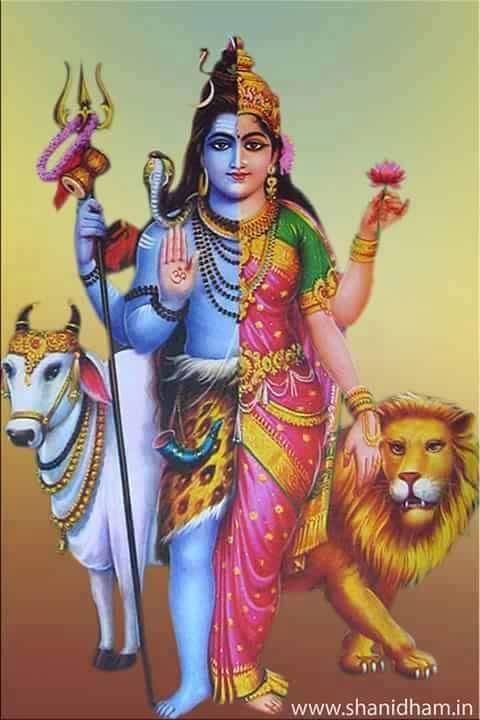
God and Goddess sharing (Ardhanaree)

ardhanaree with two vahanas

Ten Mandalas of the Rig Veda have Apri Suktas where Bharati, Sarasvati and Ila are invoked. In some, Bharati is replaced with Mahi.

Al other are invoking Bharati, Sarsvati and Ilaa.

There are over twenty poetesses among the Rig Vedic poets or “composers” ( Vedas are “heard” like we hear radio wavelengths on the receivers; not “composed”. Like Newton’s Laws of Motion, they exit whether we discover them or not. Vedas are eternal)

Along with the names of poetesses, the goddesses form the biggest group of esteemed women in any known ancient civilization. The latest date accepted for the Rig Veda is 1700 BCE. We have not heard such a big group of women in any other civilization around that time. All the Vedic metres are given women’s names. All the rivers are given women’s names in the Vedas: Ganga Sindhu, Sarasvati and Yamuna etc. All the good virtues are given the names of women in the Vedas such as Kirti, Karunaa and Shanti.

And of feminine forms I am fame(Kirti), prosperity (Sri), speech (Vac), memory (Smrti) , intelligence (Medha), firmness(Dhrti) and patience (Kshama).—Bhagavad Gita—X-34

sivauma

Jagata Pitarau Parvati Paramesvarau (Father and Mother of Universe– Kalidasa)

கலியுக அறிகுறி- குருமார்கள் குலிங்க பக்ஷி போலத்திரிவர்!! 8 வயதில் குழந்தை பெறுவர்!

PloverCrocodileSymbiosis

Research Article written by London swaminathan

Post No. 1774; Date 4th April 2015

Uploaded from London at  13-10 (லண்டன் நேரம்)

கல்கி புராணம்

சம்ஸ்கிருதத்திலிருந்து தமிழில் மொழி பெயர்த்தவர் கு.அனந்தாசாரியார் – 1903 — விலை12 அணா


சென்ற வாரம் லண்டனில் பிரிட்டிஷ் லைப்ரரிக்குச் சென்று கல்கி புராணத்தைப் படித்தேன். அதிலுள்ள சில சுவையான விஷயங்களைத் தருகிறேன். கூடிய மட்டிலும் கு.அனந்தாசாரியார் 1903-ல் பயன்படுத்திய சொற்களை அப்படியே தருகிறேன். குலிங்க பக்ஷி பற்றி கல்கி புராணம் கூறுவது முன்னர் நான் எழுதிய “மஹா பாரதத்தில் ஒரு அதிசயப் பறவை” (ஜூலை1, 2014) என்ற கட்டுரையில் சொன்ன பூலிங்கப் பறவையே என்பதும் தெரிந்தது. இது பற்றி வைஷ்ணவப் பெரியார் ஸ்ரீ வேதாந்த தேசிகன் (கி.பி 1268—1370) எழுதிய தயா சதகத்தில் வரும் சுவையான விஷயத்தையும் கீழே படியுங்கள்:–

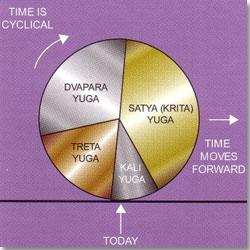
ஓ, சூத முனிவரே! மனிதர்கள் முப்பதடிப் பிரமாணமுள்ளவர்கள்,கலி யுகத்தில் முடிவில் மூன்றங்குலப் பிரமாணமாகி விடுவர்.

கலியுகத்தில், ஜனங்கள் அன்ன விக்ரயம் (விற்பது) செய்வார்கள்; அந்தணர்கள் மந்திரங்களை விற்பார்கள்; ஸ்த்ரீகள் பதிவ்ரதா தர்மத்தை (கற்பை) விற்பார்கள்.

பிராமணர்கள், வேதங்களைக் கீழ்ப்பட்ட ஜாதியினருக்குச் சொல்லிப் பிழைப்பர். பிராமண ஸ்த்ரீகள் மோர், தயிர், பால் விற்பார்கள்; வைஸ்யர்கள் எல்லோரும் மாமிசம் விற்பார்கள்

symbiosis

மானுக்குதவி செய்யும் பறவை

கலியுகத்தில் பிராமணாதி மூன்று வர்கத்தினர் ஸ்வதர்மத்தை இழந்து வயிறு நிறைப்பதிலும், மாதர்களைப் புணர்வதிலும் ஆசை கொள்வர்.  சூத்திரர்கள் நற்செய்கை, நல்லொழுக்கம் உள்ளவர்களாயிருப்பார்கள்.

ஸ்த்ரீகள் (பெண்கள்) எல்லோரும் எட்டாவது வருஷத்தில் புத்திரர்களைப் பிரசவிப்பார்கள்- நியாயாநியாயாயமில்லா மல் (நியாயம்+ அநியாயம்) புருஷர்களைப் புணருவார்கள்.

மாதர்கள் யாவரும் பன்றிபோல் பத்து எட்டு குழவிகளைப் பெறுவார்கள். இரு கரத்தாலும் சிரத்தை (தலையை) சொறியப்போகிறார்கள்.

ஓ, புத்திமானே, மாதர்கள் புருஷனை வஞ்சனை செய்து, புருஷனுக்கு முன் உண்ணுதலும், உறங்குதலும் செய்யப்போகிறார்கள்

பூமிகளெல்லாம் சுரமில்லாமல் சுவல்பப் பலனாய் பலிக்கப்போகிறது. கொடிகள் யாவும் செழிப்பாக வளர மாட்டா.

Kalki

கல்கி அவதாரம்

விவாக ரத்து அதிகரிக்கும்!

ஜனங்களைப் பிணிகள் பீடிக்கப் போகிறது. விதவைகள் ஒரு புருஷனை மணந்து சந்ததியுண்டு பண்ணுவர். சுமங்கலி ஸ்த்ரீக்கள் புருஷனோடு சண்டையிட்டு விதவைகளைப் போல் ஆவர் (டைவர்ஸ்- விவாக ரத்து அதிகரிக்கும் என்று சொல்வதாக நான் அர்த்தம் செய்கிறேன். பம்பாய், கலகத்தா, டில்லி, சென்னை ஒவ்வொரு நகரத்திலும் ஆண்டுக்கு 8000 விவாகரத்து வழக்குகள் விசாரணைக்கு வருகின்றன. இதை சில ஆயிரம் ஆண்டுகளுக்கு முன்னர் எழுதி வைத்த நம் முன்னோர்களை எண்ணி வியக்கிறேன்)

கலியுகத்தில் கொடையாளிகள், தரித்திரர்களாகவும் கிருபணன், தனிகனாகவும், பாபி, தீர்க்கயுஸ் உடையவனாகவும், நல்லவன் அல்பாயுஸ் உள்ளவனாகவும், அல்ப ஜாதிகள் மஹாராஜாவாகவும், உத்தம குணத்தினர் அவர்களுக்குப் பணிவாகவும் இருப்பர்

பெருங்காற்று- சுவல்ப மழை- க்ஷாமம் உண்டாகும்

எல்லா ஜனங்களும் வேதாந்தம் பேசுவர்- ஒருவரும் தத்துவத்தை அறியார். அந்தணர்கள் வெகுவாக வாதம் பண்ணுவர். வேஷத்தில் மட்டும் அந்தணர்களாக இருப்பர்.

கலியுகத்தில் மனிதர்கள் பொய்யை சத்தியமாகவும், மெய்யை அசத்தியமாகவும் செய்வர். வேத மார்க்க கர்மங்களை தூஷிப்பர் – நீதியை அனுசரியார்.

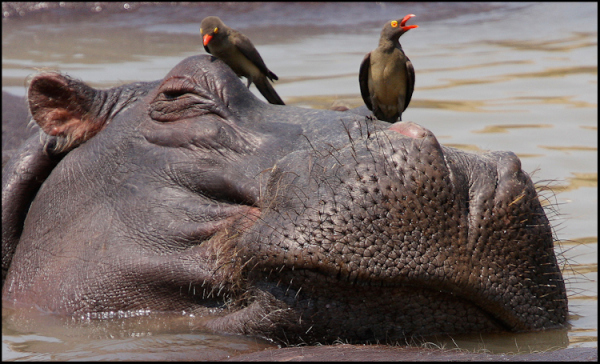
Hippo and Oxpeckers - Highly Commended - Paula Martin

நீர் யானைக்குதவும் பறவைகள்

குலிங்கப் பறவைகளும் குருமார்களும்

கலியுகத்தில் சில குருமார்கள், நித்திய கர்மங்களை இழந்து இதரர்களுக்கு மாத்திரம் ஞானத்தைப் போதித்து குலிங்க பக்ஷிக்கள் போல் சஞ்சரிப்பார்கள்.

எனது கருத்து

குலிங்க பறவை பற்றிய ஒன்றிரண்டு கதைகள் மஹாபரதத்தில் வருகின்றன. ஆனால் அவை மேற்கூறிய குருமார்கள் விஷயத்தில் பொருந்தாததால் ஸ்ரீ வேதாந்த தேசிகர் எழுதிய தயா சதக மேற்கோளைப் பார்த்தேன். மிகவும் பொருத்தமாக இருக்கிறது. இதோ அந்த ஸ்லோகமும் அதன் விளக்கமும்:–

மாசாஹசஸ் உக்தி கந கஞ்சுக வஞ்சித அந்ய

பத்யத்ஸு தேஷு விததாமி அதி சாஹசானி

பத்மா சஹாய கருணே ந ருணத்ஸி கிம் த்வம்

கோரம் குலிங்கம் சகுநே: இவ சேஷ்டிதம் மே (ஸ்லோகம் 94)

பொருள் விளக்கம்:

தயாதேவியே! சாஹசச் செயல்களைச் செய்யாதே என்று மற்றவர்களிடம் சொல்லிவிட்டு – உத்தமன் போல வேஷம் போட்டு —  அவர்கள் பார்த்துக் கொண்டிருக்கும் போதே நான் சாஹசச் செயல்களில் இறங்குகிறேன். குலிங்கப் பறவை போல நான் செய்யும் சாஹசச் செயல்களை நீ கண்டிக்காமல் இருப்பது ஏன்? (என்னை சரியான பாதையில் செலுத்துவது தாய் போன்ற உனது கடமை இல்லையா?)

குலிங்கம் என்னும் பறவை கத்துவது — மா ஸாஹஸம் குரு—

சாகசம் செய்யாதே – என்று சொல்லுவது போல இருக்குமாம். இப்படிச் சொல்லிக்கொண்டே, கொட்டாவி விடும் சிங்கத்தின் வாயில் புகுந்து அதன் பற்களில் சிக்கியுள்ள மாமிசத் துண்டுகளை இழுக்குமாம். சிங்கம் வாயை மூடினால் அதற்கு என்ன நேரிடும்?

(வேதாந்த தேசிகர் மிகப் பெரிய மஹான். பணிவின் காரணமாகவும் நம்மைப் போன்றோருக்கு அறிவுறுத்தவும் தன்னைக் குலிங்க பறவைக்கு ஒப்பிடுகிறார். மாணிக்கவாசகரும் திருவாசகத்தில் தன்னை நூற்றுக்கும் மேலான பாடல்களில் நாயுடன் ஒப்பிட்டுப் பாடியிருப்பதை நினைவிற் கொள்ளுதல் பொருத்தம்)

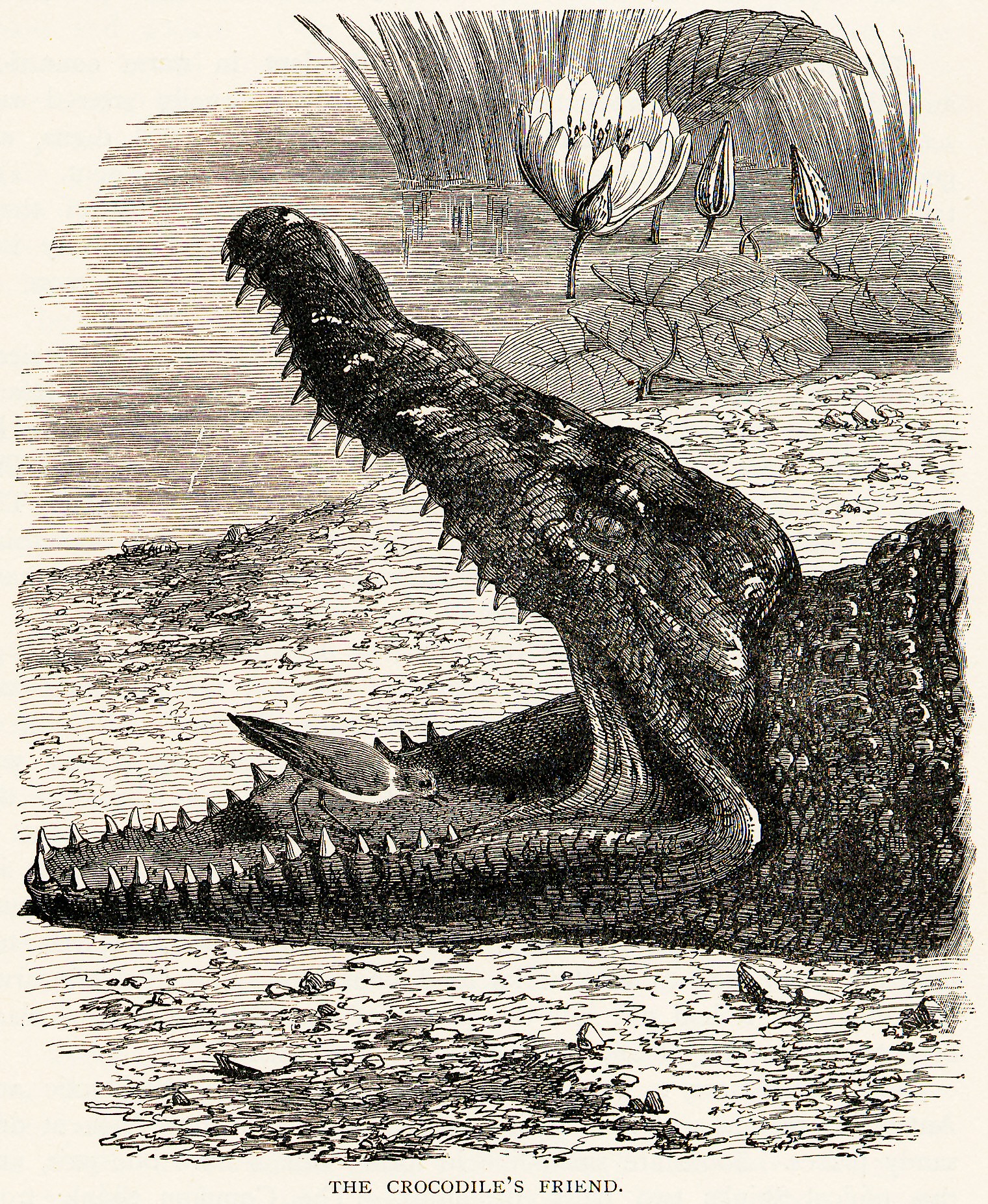
இரு வகை பிராணிகள் இடையே நிலவும் ஒத்துழைப்பை உயிரியல் விஞ்ஞானிகள் ‘’சிம்பியாஸிஸ்’’ என்று அழைப்பர். முதலையின் வாயில் சிக்கும் மாமிசத் துண்டுகளை எடுத்து சுத்தம் செய்யும் ப்ளோவர் பறவைகளின் வரவுக்காக முதலைகள் வாயைத் திறந்துகொண்டு காத்திருக்கும். அவைகளுக்கு ஒரு தீங்கும் செய்யா. ஆனால் சிங்கம் புலி போன்ற மிருகங்களிடையே இப்படி நடப்பதாக பதிவு செய்யப்படவில்லை. இந்தியக் காடுகளில் இத்தகைய செயல்கலைக் கண்ட நம் முன்னோர்கள் தக்க இடத்தில் அதை உவமையாகப் பயன்படுத்துவது சிறப்புடைத்து.

time1

ஏற்கனவே ஆதி சங்கரர் ஒரு நாலு வரிப் பாட்டிலேயே நான்கு பறவைகளை உவமையாக்கியது பற்றியும் தத்தாத்ரேயர் இருபதுக்கும் மேலான பறவை, விலங்குகள், பூச்சிகளிடமிருந்து தான் கற்ற போதனைகளை பாகவத புராணத்தில் சொல்லியிருப்பதையும், மரத்தின் மீது ஏறும் அதிசய அங்கோல மர விதைகள் பற்றி ஆதி சங்கரர் பாடியிருப்பது பற்றியும் பல கட்டுரைகளில் தந்துள்ளேன். படித்து இன்புறுக.

இனி, கல்கி புராணத்தில், மேலும் உள்ள விஷயங்களைக் காண்போம்:–

கலியுகத்தில் பிராமணாதி வர்ணத்தினர் நித்திய கர்மங்களை இழந்து, அதர்மங்களைச் செய்து சாராயம், கள், மாம்ஸம் முதலான தாமஸ பதார்த்தங்களைப் புசித்து உலகத்து ஜனங்கள் (அவர்களை) நிந்திக்கப் போகிறார்கள்.

கலியுகத்தில் வித்தியா குருவென்றும், மந்திரோபதேசக்  குருவென்றும், சிஷ்யன் என்கிற பேதமுமில்லாமல் நாம வாசகத்தால் மட்டும் பேதத்தை அடைந்து ஆசார்யப் பத்தினியை சீஷனும், சிஷ்ய பத்தினியை குருவும் அனுபவிக்கப் போகிறார்கள்.

கலியுகத்தில் எவன் தனிகனோ (பணக்காரன்) அவன் நல்ல குலத்தில் பிறந்தவனாகிறான் (கருதப்படுவான்). தரித்ரனானவன் துஷ் குலத்தில் பிறந்தவனாகிறான் (கருதப்படுவான்).சிலவிடங்களில் ஜாதி பேதமில்லாமல் இருக்கும்.

கலியில் மிருகங்கள் முதலிய ஜந்துக்களின் வயிற்றில் விசித்திர கர்மமும், கலியுக முடிவில் மனுஷ்ய யோனியில் அல்ப மிருகங்களும் உண்டாகப் போகின்றது.

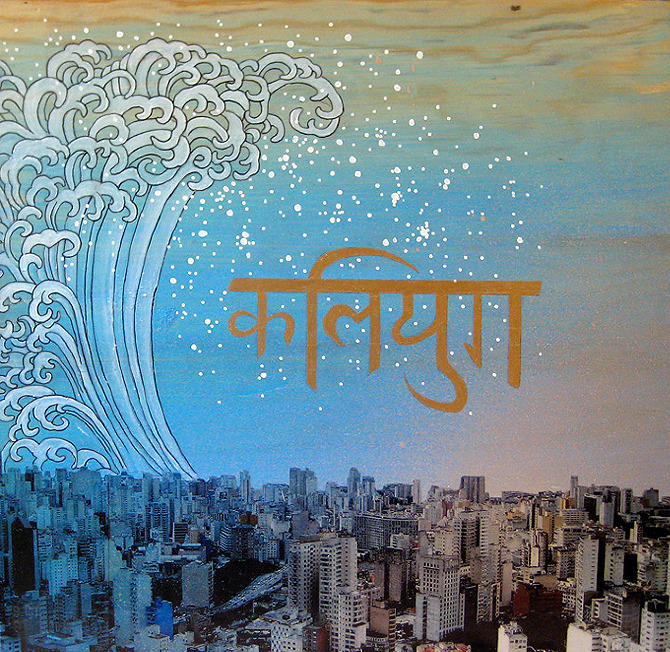
kaliyuga_spencer_sass

யோகிகளுக்குள் சிறந்தவரான சூத புராணிகன், கலியுக தர்மம் யாவையும் ரிஷிகளுள் சிறந்தவரான  வியாச மாமுனியிடத்தில் கேட்டு, பரம ஆச்சரியத்தை அடைந்து மறுபடியும் கிருத யுக தர்மத்தைக் கேட்டார்.

(இதற்குப் பின்னர் கிருதயுக தர்மம் பற்றி வருகிறது. இது 1903 ம் ஆண்டு வெளியிடப்பட்டது. அடைப்புக் குறிக்குள் இருப்பது எனது விளக்கங்கள்).

Paul Brunton – by Annie Cahn Fung

annie1annie1

Post No 1773; Date 4th April 2015

uploaded from London at 7-44 am

BOOK REVIEW

Paul Brunton – by Annie Cahn Fung

Santhanam Nagarajan

The book under review, ‘Paul Brunton’ is written by Annie Cahn Fung. It is a thesis of seven long years presented by the author to the Department of Religious Anthropology, University of Paris, Sorbonne.

Written in a lucid style the book covers all aspects of the great life of Paul Brunton, the mystic writer (1898-1981). It consists of two parts, Prelude to a Quest and The Quest for Truth.

The research led the research scholar to Switzerland, India and The United States.  Brunton died in Switzerland in 1981 and he spent many years in India where he met very many great souls. Brunton’s friends and students founded Wisdom’s Goldenrod center for Phillosophic Study in US and Anne Cahn Fung has collected all important information about Brunton, here.

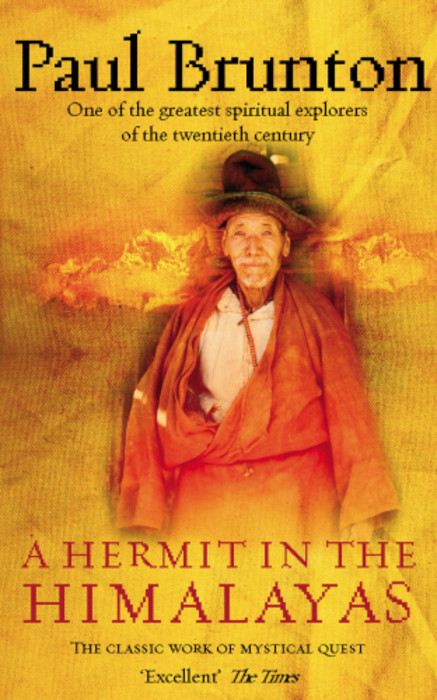
a-hermit-in-the-himalayas

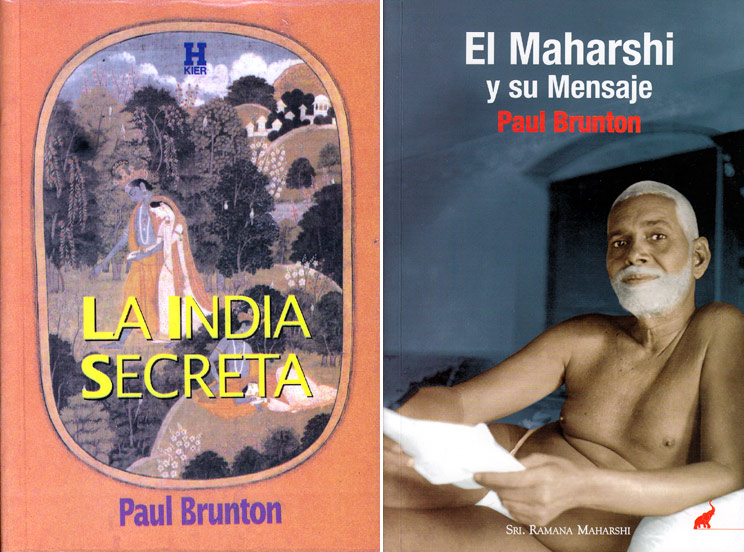
Paul Brunton’s real name was Raphael Hurst. He was born in London on November 27, 1898. He came to India in 1930 and met the great Sankaracharya of Kanchi mutt and the sage of Thiruvannamalai Ramana Maharishi. In 1931, during his second stay at Thiruvannamalai he encountered many mystical experiences taking him to a new sprititual hight. Due to some unexpected financial and professional reasons he was forced to return back to London.

His second visit to India was in 1935. He stayed in Thiruvannamalai and published his famous book, ‘A message from Arunachala’. He spent four months in the heart of Himalayas.

He passed the winter, 1937-1938 in London and then returned to India for the third time in 1939.

The author explains in detail the various incidents that led Brunton to many cities of the world and the mystical experiences he encountered therein.

PaulBruntonRamanaMaharshi1

His friendship with Maharaja of Mysore is very interesting. It is in Mysore he met the learned guru, Sri Subrahmanya Iyer, The guruji of Maharajah of Mysore.

His day to day discussions with Mr Iyer gave him a fresh insight in all of his research. Under Iyer’s influence, Brunton had written the book, ‘The Hidden Teaching Beyond Yoga’.

Due to some ‘deplorable situation’ in Ramanashramam, he had to return back to Mysore from Thiruvannamalai and he never saw Ramana maharishi again.

But his faith in Ramana’s teachings was unshattered. After spending many months in the company of Sri Iyer, he retruned to London.

The first part of the book explains all these in detail and the second part explains the intricate perception, space and time, casuality, karma, evolution, mind and brain, symbolism of numbers, inner divinity etc.

Brunton’s view of the “Hinduized” West will make us an interesting reading.

message from arunachala

The author concludes the book with two chapters titled, ‘Brunton’s work’ and ‘The man who bridged the East and West’.

The book is very interesting as it covers many hitherto untold happenings in Paul Brunton’s life.

We heard all about Brunton’s active years in India. But after that we are not aware of any thing about his exclusive last years.

The book gives all about Paul Brunton, and I recommend very strongly all Ramana devotees and Brunton admirers to read this book.

search in secret india

Words fail me in congratulating the author who took a very rare subject for her thesis.

After reading this book, I am sure, the reader will be ‘reborn’ again knowing many secrets of life.

I suggest the author Annie to write more about Brunton’s life and his views on Vedanta as her seven long years’ research will certainly reveal more interesting information.

notebooks of Paul

**********