WEIGHT OF AN ELEPHANT: Boatman who outsmarted Aurangzeb!

elephant weight

Article No. 2043

Written by London swaminathan

Swami_48@yahoo.com

Date : 4  August  2015

Time uploaded in London : –17-34

Tulapur is a village near Pune in Maharashtra. This place is historically important because of the execution of Sambhaji, son of Shivaji the Great.

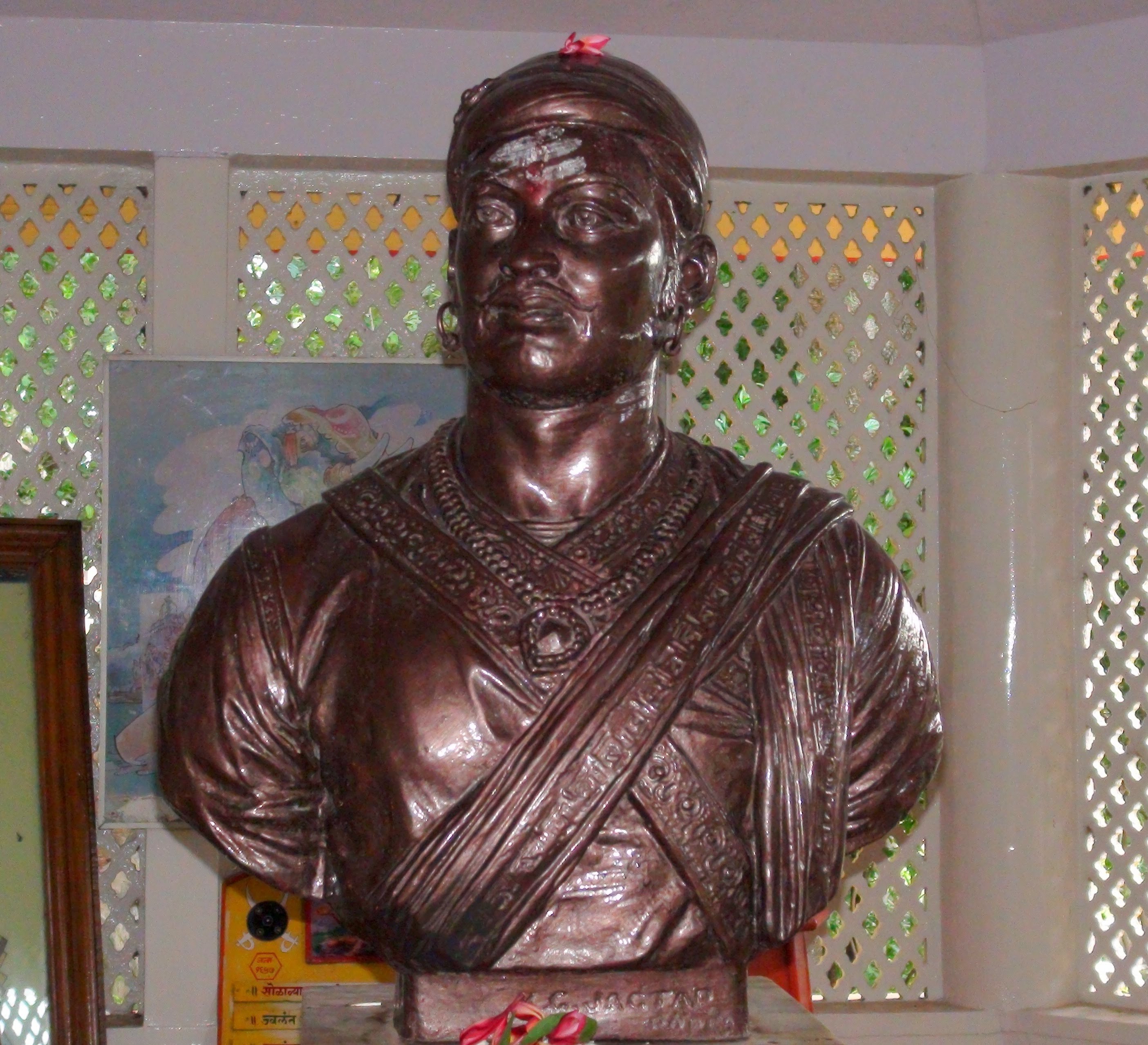
His Samadhi is situated there. Shivaji shook the very foundations of Moghul Empire and carved a Hindu kingdom in the western part of India. But to avenge all the onslaughts and victories of Shivaji, Aurangazeb caught hold of Chatrapati Shivaji’s son Sambhaji and executed him at Tulapur. But there are some heroic episodes that happened even after this sad killing.

Muslim invaders are fanatics and they always kill their enemies and show disrespect to their dead bodies. We can see such barbaric actions throughout Muslim rule in India. Hoysala King Veera Vallala was killed by Sultan Giazuddin Damghani. Moroccan explorer Ibn Batuta wrote the following in his diary in 1341:

“Treating him at first with great consideration, Giazuddin persuaded him (Veera Ballala) to part with all his riches, horses and elephants; and then had him killed and flayed. His skin was stuffed with straw and hung upon the wall of Madura, where I saw it in the same position” – Ibn Batuta, year 1341.

Later Kumara Kampanna’s wife Gangadevi wrote in her book ‘Madura Vijayam’ about the spiked heads of Pandyan soldiers on both sides of the pathways in Madurai. She was the first war correspondent in the world who accompanied her husband Kumara kampanna and wrote a live war commentary in Sanskrit. Kampanna reopened the Madurai Meenakshi temple  which was closed for forty years under Madurai Sultans rule.
shambaji close upsambhaji-maharaj-samadhi-tulapur

Shivaji’s son cut into pieces

In the same way Aurangazeb caught Sambhaji and executed him in Tulapur and cut his body into pieces and threw them into river Bhima. This is to prevent a proper Hindu funeral. But the heroic community in the town jumped into the river and collected all the body parts, sewed them together and cremated the body with due respect according to Hindu custom. That community is called shewale (those that sewed) community until this day.

A Samadhi for Sambhaji is at Vadhu near Tulapur. There is one at Tulapur as well. This town is at the confluence of rivers Bhima and Indrayani. There is a famous temple for Shiva with the name Sangameswar. The original name of the town was Nagargaon.

Tulapur-5sangameswar

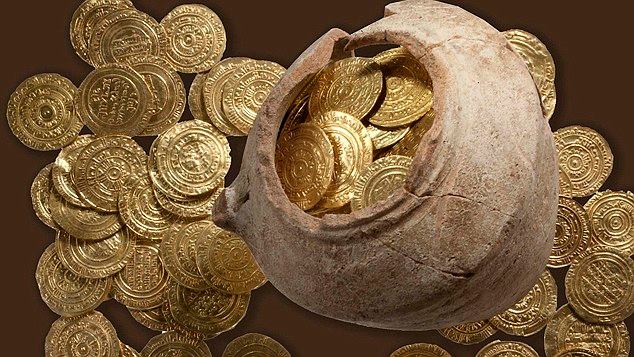
Tula means balance. There are two stories about Tula. Murarpant Jagdev was one of the important official in Adilshah’s court. When he developed some white patches on his body, he met a sage called Swami Rudranath Maharaj. When he was cured of the disease he gave lot of donations and the sage diverted everything to the temple at Tulapur. Following the sage’s order he donated 24 items equal to his weight. Tulabharam is a Hindu custom followed in all parts of India. One will weigh himself against the selected items from grains to god and donate it to a person or a temple. Guruvayur, Tirupati and other temples have big balances for it in the temples.

It is said that he donated gold to the weight of an elephant. This is the reason for the name of the town TULAPUR.

pluto3

Elephant’s Weight on Planet Pluto

There is another story.

When Aurangazeb came here he wanted to cross the river Bhima in a boat. He had his elephants and horses with him. When he was worried about the weight the boat can carry, the boatman boasted that he can weigh anything under the Sun. Immediately Aurangzeb asked him whether he can tell him the weight of his elephant. The boatman told Aurangazeb that it was not all a problem. He called a big boat and asked him to put the elephant in the boat. The emperor’s servants did this. When the elephant was on the boat he marked the water level with a line on the boat. Then he asked the elephant to get out of the boat and filled the boat with heavy stones till it reached the same water line. He sent the stones to the nearby wood shop where big weights are used. They weighed all the stones and gave him the total weight. The boat man took it to the emperor and told him the correct weight of the elephant. When the emperor came to know the method he employed, he appreciated it and gave him a valuable prize. Because the boat man used the weighing balance (Tula) Nagargaon was renamed as TULAPUR. 

 vesswic-86-1024x678

விநோதக் கனவுகள்; கனவில் வந்த கதைகளும் கவிதைகளும்

the-polygamy-slippery-slope

Article No. 2042
Written by London swaminathan

Swami_48@yahoo.com

Date : 4  August  2015

Time uploaded in London : –13-04

கனவுகள் பற்றி எவ்வளவோ அதிசயச் செய்திகள் உள்ளன. கணித மேதை ராமானுஜம் கனவில் கடவுளிடமிருந்து பெற்ற கணித விஷயங்கள் முதல் பென்ஸீன் அமைப்பை கனவில் கண்ட விஞ்ஞானிகள் வரை எழுதிவிட்டேன். இப்பொழுது  கனவில் கதைகளையும் கவிதைகளையும் பெற்ற ஓரிரு சம்பவங்களைப் பார்ப்போம்.

திருமதி அமோஸ் பிஞ்சொட் என்பவர் ஒரு கவிஞர். ஒரு நாள் அவருக்கு கனவில் ஒரு கவிதை வந்தது. அது பலதார திருமணம் பற்றிய கவிதை. கனவில் கவிதை வந்தவுடன் பக்கத்தில் மேஜை மீதிருந்த பென்சிலையும் பேப்பரையும் எடுத்து அவசர அவசரமாகக் கிறுக்கி வைத்தார். காலையில் எழுந்தபோது மறந்தே போய்விட்டார். பின்னர், மேஜை மீது காகிதக் கிறுக்கலைப் பார்த்தபோது அதை எடுத்துப் படித்தார். அசந்தே போனார்.

அவர் எழுதிய கவிதை

ஹோகமஸ் ஹைகமஸ்

மென் ஆர் பாலிகமஸ்

ஹைகமஸ் ஹோகமஸ்

விமன் ஆர் மானொகமஸ்

பாலிகமஸ்=பல மனைவியரை மனத்தல்

மானோகமஸ் = ஒருவரை மட்டும் மணத்தல்

“Hogamus Higamus

Men are Polygamous

Higamus Hogamus

Women Monogamous.

(நான் நினைவில் கண்டவை: மறுநாள் காலையில் எழுத வேண்டிய கட்டுரைத் தலைப்பு பற்றி எண்ணியவாறே நான் தூங்குவேன். இரவில் முழிப்பு வரும்போது திடீரென்று சில புதிய ஐடியாக்கள்- அதாவது அந்தக் கட்டுரைக்குத் தொடர்புடைய விஷயங்கள் – மனதில் தோன்றும். உடனே படுக்கைக்கு அருகில் வைத்திருக்கும் சிட்டையில் எழுதிவைப்பேன். காலையில் அவைகளைத் தொகுத்து எழுதுவேன். ஆனால் இதுவரை கனவில் எதுவும் கிடைக்கவில்லை!!)

மேலை உலகத்தில் மிகப்பெரிய உளவியல் நிபுணர்கள் என்று கருதப்படும் பிராய்ட், யங் ஆகியோர் கனவுகளைப் பற்றி சொல்லும் கொள்கைகள் சரியென்று தோன்றவில்லை. அடி மனதில் புதைந்து கிடக்கும் நிறைவேறாத ஆசைகள்தான் இரவில் கனவுகளாக பரிணமிப்பதாக அவர்கள் கூறுவர். ஆனால், புத்தர், மஹாவீரர் ஆகியோரின் தாய்மார்கள் கண்ட சுபக் கனவுகள் பற்றி அவர்களுடைய சாத்திரங்கள் சொல்லுகின்றன. இந்து மத நூல்களிலும் ரிக் வேத காலம் முதல் கனவுகளின் பொருள் பற்றி விவாதிக்கப்பட்டுள்ளது.

கனவுகளின் விளக்கம் என்ற நூல் சம்ஸ்கிருததில் உள்ளது. இது வியாழ பகவான் எழுதியது. இது தவிர, பொன்னவன் எழுதிய கனா நூல் ஒன்றுளது. தமிழ் என்சைக்ளோபீடியாவான சிங்காரவேலு முதலியாரின் அபிதான சிந்தாமணியில் ஏழு பக்கங்களுக்கு கனவுகள் பற்றி விளக்கங்கள் உள்ளன.

stevenson

கனவில் வந்த கதை

ராபர்ட் லூயிஸ் ஸ்டீவென்சன் என்ற கதாசிரியரை, ஆங்கிலம் படித்த எல்லோருக்கும் தெரியும். அவர் எழுதிய ‘ட்ரெஷர் ஐலண்ட்’, ‘கிட்நாப்ட்’ – முதலிய கதைகள் மிகவும் பிரசித்தமானவை. ஒரு நாள் அவர் தூங்கிக் கொண்டிருந்தபோது பயத்தில் ஓலமிட்டார். அவருக்கு ஏதோ பயங்கரக் கனவு எற்ற்பட்டிருக்கிறது என்று எண்ணி, அவருடைய மனைவி, லூயிஸைத் தட்டி எழுப்பினார். அவருக்கு ஒரே கோபம்; ஏன் என்னை எழுப்பினாய்? அருமையான ஒரு பயங்கரக் கதையைப் பார்த்துக்கொண்டிருந்தேன் – என்று சொல்லி திட்டினார். பின்னர் இதை “டாக்டர் ஜெகில், மிஸ்டர் ஹைட்”  என்ற கதையாக எழுதினார்.

லிங்கன் கண்ட கனவு

அமெரிக்காவின் 16ஆவது ஜனாதிபதியான ஆப்ரஹாம் லிங்கன் ஒரு கனவு கண்டது பற்றி அவரே எழுதிவைத்து  இருக்கிறார்: “நான் ஒரு பெரிய சபையில் பலரைக் கடந்து சென்று கொண்டிருந்தேன். யாரோ ஒருவர் என்னைப் பார்த்து “இவனைப் பார்த்தால் சாதாரண ஆசாமி போலத் தோன்றுகிறது” – என்றான். நான் உடனே அவனைப் பார்த்து சொன்னேன்: “நண்பரே! கடவுளுக்கு சாதாரண ஆசாமிகளைத்தான் அதிகம் பிடிக்கும். அதனால்தான் அவர், சாதாராண மனிதர்களை அதிகம் படைத்திருக்கிறார்.”

rat

கனவில் வந்த எலிகள்

ஒரு ஜெர்மன் இளவரசனுக்கு எலிக் கனவு வந்தது. அந்தக் கனவில் மூன்று எலிகள் வந்தன. ஒன்று கொழுத்த எலி; இன்னொன்று நலிந்து மெலிந்து போன எலி; மூன்றாவதோ குருட்டு எலி. அவருக்கு இந்தக் கனவின் பொருளை அறிய ஆசை. உடனே எல்லோரும் “ஜிப்ஸி இன ஆரூடக்காரியிடம் கேளுங்கள்” – என்று சொன்னார்கள். அவரும் ஜிப்ஸி குறத்தியிடம் குறி கேட்டார். அந்தப் பெண் சொன்னாள்: “கொழுத்த எலி இருக்கிறதே – அதுதான் உன்னுடைய பிரதம மந்திரி, மெலிந்த எலி இருக்கிறதே – அது உன் நாட்டு மக்கள்; மூன்றாவது குருட்டு எலி யார் தெரியுமா? அது நீயே தான்!!

american indian

செவ்விந்தியர் கனவு

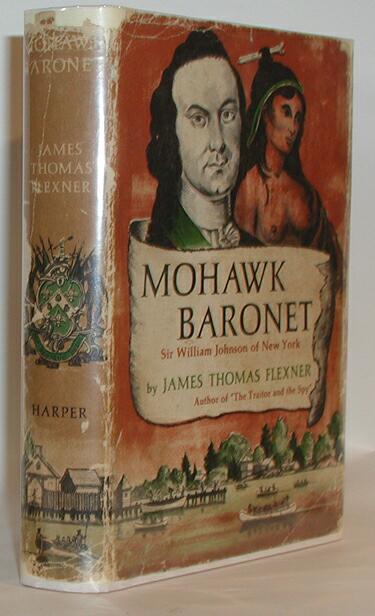
ஒரு 500 ஆண்டுகளுக்கு முன் வரை உலகிலேயே பணக்கார நாடு இந்தியாதான். இதனால் உலகம் முழுதுமுள்ள பேராசைக்காரர்கள் எல்லாம் இந்தியாவை நோக்கி 2000 ஆண்டுகளாகப் படை எடுத்து வந்தனர். இப்படிப் புறப்பட்ட ஒரு ஆள்தான் கொலம்பஸ். அவர் கண்டுபிடித்ததோ மேற்கிந்தியத் தீவுகள். அதை இந்தியா என்று நினைத்து அனைவரையும் இந்தியர் என்று பெயரிட்டார். இப்படிப்பட்ட அமெரிக்க இந்தியர்களுக்குப் பொறுப்பாக சர் வில்லியம் ஜான்சன் என்பவரை பிரிட்டன் நியமித்தது. அப்பொழுது அமெரிக்காவின் ஒரு பகுதி அவர்களிடம் இருந்தது.

சர் வில்லியம் நல்ல ஜரிகை வேலைபாடுமிக்க உடைகளை இங்கிலாந்திலிருந்து தரவழைத்திருந்தார். இந்தியாவில் பல பழங்குடி மக்கள் இருப்பது போலவே, இந்தியாவைவிடப் பெரிய நாடான அமெரிக்காவில், நிறைய பழங்குடி இன மக்கள் இருக்கின்றனர். அதில் ஒரு இனம் மொஹாக் இனப் பழங்குடியினர். அவர்களின் தலைவன் ஹென் ட் ரிக்.

வில்லியமைச் சந்திக்கவந்தபோது அவரும் இந்த வெளிநாட்டு உடைகளைப் பார்த்து புகழ்ந்துவிட்டுச் சென்றார். சில நாட்களுக்குப் பின் திரும்பிவந்து தான் கண்ட கனவை வில்லியமிடம் கூறினார். அந்தக் கனவில், விலையுயர்ந்த வெளி நாட்டு உடைகளில் ஒன்றை வில்லியம் தனக்குக் கொடுப்பது போல கனவு கண்டதாகச் சொன்னார். உடனே சர் வில்லியமும் குறிப்பறிந்து ஒழுகினார். ஒரு உடையை அந்த செவ்விந்தியத் தலைவரிடம் கொடுத்தார். அவரும் மகிழ்ச்சியுடன் விடை பெற்றார்.

IF

IF

சில காலம் கழிந்தது. ஹென் ட் ரிக் மீண்டும் வில்லியமைக் காண வந்தார். இப்பொழுது வில்லியம், தான் கண்ட ஒரு கனவை ஹென் ட் ரிக்கிடம் சொன்னார். மோஹாக் நதிக்கரையில் விலை மதிக்கமுடியாத 5000 ஏக்கர் நிலப்பரப்பை பழங்குடி இனம் தனக்குக் கொடுப்பதாகக் கனவு கண்டதாகச் சொன்னார். உடனே அந்த இனத்தின் தலைவன் கொஞ்சமும் தயங்காமல், 5000 ஏக்கர் நிலப்பரப்பை வெள்ளைக்காரரிடம் கொடுத்துவிட்டார்.

போகும்போது அவர் சொன்னார்: வில்லியம், இனி உங்களைக் கனவில் காணும் ஆசையே போய்விட்டது. ஏனெனில் உங்கள் கனவெல்லாம் கொஞ்சம் ஜீரணிக்கக் கடினமானவை”.

(வெள்ளைக்காரனிடம் விலையுயர்ந்த ஆடையை வாங்கியதால் 5000 ஏக்கர் விலையுயர்ந்த நிலப்பரப்பை இழந்தது மோஹாக் இனம்! வில்லியம் கண்ட கனவு, உண்மைக் கனவோ பொய்க் கனவோ, யாம் அறியோம் பராபரமே!)

mohack indian

My previous Research Articles on Dreams:

Role of Dreams in Tamil Saivite Literature (posted on July 4, 2013)

Do our Dreams have Meaning? (Posted on December 29, 2011)

God’s Note Book (posted on March 16, 2014)

Strange Dreams, posted on 27 July 2015Inauspicious Dreams: Dreams in Vedas and Upanishads, Posted on 28th July 2015

Vedic Echo in Sumerian and Egyptian Concept of Dreams, Posted 31 July 2015

–சுபம்—

Kamini and Kanchana: 3 Stories about Women and Gold

Article No. 2041

Written by London swaminathan

Swami_48@yahoo.com

Date : 3  August  2015

Time uploaded in London : –21-19

There are three interesting stories in the life of great men of India that shows the attachment to Kamini (Women) and Kanchana (Gold) are hindrances to spiritual development.

Machendranath and Goraknath were once wandering from place to place. Machendranath was the Guru and Goraknath the disciple. The disciple in this case was a Siddha 9realised soul), but the Guru was not yet ripe.

The guru had a bag which he would not trust anybody with, not even his disciple. He took it wherever he went, being ever cautious about its security. The disciple was surprised at the attachment of his guru for the bag and wanted to see what it contained. But he could not find an opportunity to do so.

One day the guru had to leave the bag under the care of his disciple as he had to attend to the call of nature. Now the disciple opened the bag and saw a gold bar in it. He said to himself, “Ah! This gold bar is that what has put my Master under bondage. I should free him from it”. So, thinking he threw away the god bar into a nearby well.

The guru came back and when he took the bag found the gold bar missing. He asked his disciple about it. The disciple told him that he threw the bar away. This made the guru furious. He took a big stick and started beating Goraknath, who ran and ran until he got exhausted and sat down on a rock saying, “Let me die at the hands of my Master.” The Master continued to shower severe blows on the disciple. Goraknath fell in to a swoon and passed urine, the touch of which turned into gold the whole mass of rock on which he sat!

The Guru beat him for throwing away a small bar of gold and here was a rock turned into gold! This opened the eyes of Machendranath who now realised the greatness of his disciple and gave up his attachment of gold.

Xxx

Wife and Diamond

A husband and wife renounced the world and together undertook a pilgrimage to various holy shrines. Once as they were walking along a road, the husband, being a little ahead of his wife, saw a piece of diamond on the road. Immediately he began to scratch the ground to hide the diamond in it, thinking that, if his wife saw it, perchance she might be moved to avarice and thus lose the merit of her renunciation.

While he was thus scratching the ground, the wife came up and asked him what he was doing. He gave her in an apologetic tone an evasive reply, she however, finding out the diamond and reading his thoughts, remarked, “Why, did you leave the world, if you still feel the distinction between diamond and dust?”

Xxx

Janaka and a woman Ascetic

Once a sanyasini (nun) came to the royal court of Janaka. To her the king bowed, without looking at her face.  Seeing this, the sanyasini said:  “How strange it is, O Janaka, that you have still so much fear of woman!” When one attains to full Jnana (wisdom), one’s nature becomes like that of a little child, – one sees no distinction between male and female.

xxx

“Sama loshta Kanchana”

Lord Krishna says in Bhagavad Gita, “The ascetic whose soul is satisfied with wisdom and knowledge, who is unchanging and master of his senses, to whom a clod, a stone and a piece of gold are the same, is said to be controlled (in Yoga)” —(Bhagavad Gita 6-8)

He repeated it in a later chapter as well

“He who regards pain and pleasure alike, who dwells in his own self, who looks upon a clod, a stone, a piece of gold as of equal worth, who remains the same amidst the pleasant and unpleasant things, who is firm of mind, who regards both blame and praise as one (he is fit for becoming Brahman.”) —(Bhagavad Gita 14-24).

Tamil saints have also sung about the wisdom of great men who will see no difference between gold and a clod (Odum Ponnum Okkave Nokkuvaar). For them both have no value.

Source:

Bhagavad Gita and Tamil Hymns

Sayings of Sri Ramakrishna

Stories as told by Swami Ramadas

எகிப்து, சுமேரியாவிலும் த்ருஷ்டி பொம்மை, கந்த சஷ்டிக் கவச வரிகள்!!

Drishti-Bomma

Research Article No. 2040

Written by London swaminathan

Swami_48@yahoo.com

Date : 3  August  2015

Time uploaded in London : – 17-51

(This has been published in English already)

கந்த சஷ்டிக் கவசம் தெரியாத அல்லது கேட்டறியாத தமிழர்கள் இருக்க முடியாது.தேவராஜ சுவாமிகள் அருளிய இக்கவசம் மிகவும் சக்தி வாய்ந்தது. வட இந்தியாவில் இதே போல துளசிதாசர் இயற்றிய ஹன்மான் சாலீசா மிகவும் பிரசித்தமானது. இரண்டுக்கும் ஒரு ஒற்றுமை உண்டு. அனுமன் பெயரைச் சொல்லிய மாத்திரத்தில் பூதப் பிசாசுகள் நடுங்கி ஓடி விடும். அதே போல கந்த சஷ்டிக் கவசம் சொன்னால் பேய், பிசாசுகள், பில்லி, சூனியம் அண்டாது.

கந்த சட்டிக் கவசத்தில் வரும் வரிகள், பில்லி சூனியம் பற்றி மிகவும் விளக்கமாக விளம்புகிறது. இதே நம்பிக்கை பழங்கால எகிப்திலும் இருந்தது. மத்தியக் கிழக்கில் இப்பொழுது சிரியா, இராக் நாடுகள் உள்ள சுமேரியாப் பகுதியிலும் இருந்தது. இதற்கெல்லாம் மூலம், அதர்வண வேதம் அதன் பத்தாவது மண்டலத்தில் இந்த விஷயங்கள் வருகின்றன.  கேரளத்தில் இப்பொழுதும் மாந்த்ரீகச் சடங்குகள் நடக்கின்றன. நம்மூர் அரசியல்வாதிகள் கூட எதிரிகளை ஒடுக்கவோ, மடக்கவோ, ஒரேயடியாக ஒழிக்கவோ இத்தகைய “மிளகாய் யாகங்களை” நடத்துகின்றனர்.

வேத கால மக்கள் உலகெங்கிலும் பரவியபோது நல்ல விஷயங்களை எடுத்துச் சென்றது போலவே இது போன்ற “ஆபிசாரப் பிரயோகங்களையும்” எடுத்துச் சென்றனர்.

இங்கிருந்து போனதற்கு என்ன ஆதாரம்? ரிக் வேத கலம் முதல் இன்று வரை இது மட்டுமின்றி எல்லாச் சடங்குகளையும் நாம் மட்டுமே செய்து வருகிறோம். இடையில் வந்த கலாசாரம் என்றால் என்றோ மறைந்து போயிருக்கும்.

bes

எகிப்திய பேஸ்

இப்பொழுது என்னைப் பொன்றோர் லண்டனில் குடியேறி ஒவ்வொரு தலை முறையிலும் எப்படி பழைய வழக்கங்களைக் கொஞ்சம் கொஞ்சமாக விட்டு வருகிறோமோ அப்படி ஐரோப்பாவிலும் ஆசியாவிலும் குடியேறிய இந்துக்கள் விட்டு விட்டனர். ஆனால் அவை அனைத்தும் எகிப்திய பபைரஸ் (பேப்பர்) தாளிலும், சுமேரியக் களிமண் பலகைகளிலும் பொறித்து வைக்கப்பட்டுள்ளன.

“பில்லி சூனியம்

பெரும்பகை அகல

……………………………….

ஆனை அடியினில் அரும் பாவைகளும்

பூனை மயிரும் பிள்ளைகள் என்பும்

நகமும் மயிரும் நீண்முடி மண்டையும்

பாவைகளுடனே பல கலசத்துடன்

மனையிற் புதைத்த வஞ்சனை தனையும்

ஒட்டியச் செருக்கும் ஒட்டிய பாவையும்

……………………………………………………………………..

இப்படி நாம் கவசம் சொல்லுகிறோம். விநாயக கவசத்தில் சுருக்கமாக மாரணம் என்ற ஒரு சொல்லில் இவை அடக்கப்படுவிட்டது. பில்லி, சூனியம், ஏவல் வைப்போர், இப்படி எதிரிகளின் வீட்டில் மயிர், எலும்பு, நகம், பொம்மைகள் ஆகியவற்ரைப் புதைத்து வைத்து அவர்களை ஒடுக்குவர். இதைத் தான் தேவராய சுவாமிகள் விளக்கமாகப் பாடியுள்ளார்.

bes in Louvre

எகிப்தில் பல சிலைகள் மூஞ்சி சிதைக்கப் பட்டுப் மூளியானதற்கு இத்தகைய சடங்குகள் காரணம் என்று ஆராய்ச்சியாளர்கள் எழுதி யுள்ளனர். ஒருவருடைய உருவத்தைச் செய்து அதன் மீது மந்திரம் ஏவி அதை உடைத்தால் அவர் அழிந்து போவார் அல்லது மனம் உடைந்து போவார் என்ற நம்பிக்கை உலகெங்கிலும் நிலவியது.

எகிப்தியர் கீழ்கண்ட முறைகளைக் கையாண்டனர்:-

1.சாபம் இடும் மந்திரங்களைச் சொல்லுவது

2.களிமண் அல்லது மெழுகு பொம்மைகளைச் செய்து, சில சடங்குகளுக்குப் பின்னர், அவைகளை உடைப்பது

3.துர் தேவதைகளை அழைத்து அவர்களுக்கு கெட்ட சொப்பனங்களை உண்டாக்கி பயமுறுத்துவது

4.ஐஸிஸ் என்னும் தேவதையைக் குறித்தே பெரும்பாலான உச்சாடனங்கள் சொல்லப் படுகின்றன. இதற்கு அடுத்தபடியாக பேஸ் என்னும் குள்ள தெய்வம் உதவி செய்யும். இது நல்லதுக்கும் பொல்லாததுக்கும் உதவும் விகடகவி, பபூன் போன்ற உருவமுள்ள தெய்வம். ஆண்குறி பெரிதாகக் காட்டப் பட்டிருக்கும். திருஷ்டி பொம்மை போல நாக்கு வெளியே தொங்கும். அதைப் போலவே அவலட்சணமாக இருக்கும்.  நன்மை, தீமைகளுக்கு உதவும் மாந்த்ரீக தெய்வம். நம் பண்பாட்டில் கணபதி விக்னங்களை உருவாக்கவும் செய்வார், உடைக்கவும் செய்வார் என்பது போல.

250px-Kanthristi

இது தவிர எகிப்தியர்கள் ஏராளமான வகை தாயத்துகளைப் பயன்படுத்தினர். மம்மி என்னும் சவங்களுடன் நிறைய தாயத்துக்கள் கிடைக்கின்றன. நாம் யந்திரத் தகடுகளில் எழுதி அதை தாயத்துக்குள் போட்டுக் கழுத்தில் தொங்க விடுவதுபோல எகிப்தியர், புதிய பபைரஸ் புல் காகிதத்தில் எழுதி அதை தாயத்தாக வைத்துக் கொண்டனர். நாம் சங்கரன் கோவில் முதலிய கோவில்களிலும் மாரியம்மன் கோவில்களிலும் உடல் உறுப்புகளை வெள்ளியில் செய்து காணிக்கை உண்டியலில் போடுவது போல எகிப்தியர்களும் செய்தனர். எனது முந்தைய ஆராய்ய்சிக் கட்டுரைகளில் இது போன்ற பல விஷயங்களைச் சொல்லி இருக்கிறேன். இந்த நம்பிக்கை கிரேக்க நாடு வரை சென்று பரவியது.

அதர்வ வேதம் பத்தாவது மண்டலம் சொல்லும் விஷயங்கலை தமிழ் மாறன் எழுதிய, “அதர்வ வேதம் அருளும் ஆனந்த வாழ்வு” (பக்கம்175-182) நூலில் காண்க.

hecate 2

கிரீஸ் நாட்டில்

வெளிநாட்டுக் காரர்கள் சரித்திரம் எழுதியபோது பிதகோரஸ், சாக்ரடீஸ், பிளாட்டோ ஆகியோரைக் காட்டி உலகில் மிகவும் முன்னேறிய மக்கள் கிரேக்கர்கள் என்று புகழ்ந்து வைத்துள்ளனர். அவர்களுடைய மூட நம்பிக்கைகளையோ, அட்டூழியங்களையோ பெரிதுபடுத்தவில்லை. ஏனெனில் உலகில் யாரும் அடிமைப்படுத்தாத சுதந்திர நாடு கிரேக்கம்.

ஆனாலங்கும் மேற்கூறிய எல்லா நம்பிக்கைகளும் இருந்தன. சாக்ரடீஸ் விஷம் அருந்தி சாவதற்கு முன்னர். ஆத்ம நண்பன் கிரீட்டொவை அழைத்து, குறிப்பிட்ட தெய்வத்துக்கு மறக்காமல் கோழியடித்துக் கும்பிட்டு விடு என்று சொல்லிவிட்டுச் செத்ததை முன்னரே எழுதி இருக்கிறேன்.அவர் சேவல்கோழி காணிக்கை செலுத்துவதாக வேண்டுதல் செய்திருந்தார்.

கிரேக்கர்கள் ஹெகதி என்னும் தெய்வத்தை முச்சந்திகளில் நிறுத்திவைத்து பேய் பிசாசு, துர் தேவதைகளுக்குப் பரிகாரம் செய்தனர். ஹெகதி என்பது சக்தி என்ற சொல்லின் திரிபு. நாம் முச்சந்திகளில் இரவில் போகப் பயப்பட்டது போல அவர்கள் முச்சந்திகளில் உணவு வைத்து வழிபட்டனர். அது நள்ளிரவில் முச்சந்திகளில் ஊளையிடும் நாய்களுடன் தோன்றும் என்று நம்பினர். இப்பொழுது எல்லா, எகிப்திய, சுமேரிய, கிரேக்க தெய்வங்களையும் மியூசியங்களில் காணலாம்.

ரிக் வேதத்தில் பூஷன் என்னும் தெய்வம் சாலைத் தெய்வமாகவும் , வழிப்போக்கர்களுக்கு உதவும் தெய்வமாகவும் போற்றப்படுகிறது.

pazuzu, british museum

சுமேரியப் பண்பாட்டில்

கண் திருஷ்டி விழுந்தால் கெடுதி என்ற நம்பிக்கை சுமேரியாவில் இருந்தது. நாம் வீட்டு வாசல்களிலும் கடை வாசல்களிலும் பூதம் போல, அவலட்சணமான ஒரு உருவத்தை வைக்கிறோம். அல்லது த்ருஷ்டி கழிய பூசனிக்காய் மீது வரைந்து தொங்க விடுகிறோம். சுமேரியர்கள் இதே போல பசசுஜு என்னும் அவலட்சண தேவதையை வாயில்களில் தொங்கவிட்டனர். போதாக்குறைக்கு பொன்னியும் வந்தாளாம் – என்பது போல அதை தாயத்தாகச் செய்து கழுத்திலும் மாட்டிக் கொண்டனர். அவர்களும் இந்துக்களைப் போல சாபங்கள் கொடுத்தனர். தீய சக்திகளை ஒழிக்க இரவு பூஜைகளைச் செய்தனர். அவர்களுடைய உச்சாடனங்கள், அதர்வ வேத மந்திரங்கள் போல இருக்கும்.

பெண்களை வசீகரிக்க மந்திரங்கள் வைத்திருந்தனர். இப்பொழுது வெளிநாடுகளில் காதலர் தின அட்டைகளில் ஒரு இருதயத்தை அம்பு (மன்மதன் மலர் அம்பு) துளைப்பது போல வரைந்து உலகெங்கிலும் பயன்படுத்துகின்றனர். இது அதர்வ வேத மந்திரத்தில் உள்ள வர்ணனை என்பதை முன்னொரு கட்டுரையில் தந்தேன். எல்லா உச்சாடனங்களையும், அதர்வ வேத மந்திரங்களையும் ஒப்பிட்டால் நாம்தான் மூலம்/ வேர் என்பது வெள்ளிடை மலை யென விளங்கும்.

எகிப்தில் பேஸ், சுமேரியாவில் பசுஜு. கிரேக்கர்கள் இவைகளின் பெயருக்கு இணையான கிரேக்க தெய்வங்களைச் சொன்னார்கள்.

pazzuzu assyrian

Source:

Dictionary of the Ancient Near East by British Museum

Ancient Egypt by David Silverman

Atharva Vedam (Tamil Book) by Tamilmaaran

Dictionary of World Myth by Roy Willis

Encyclopaedia of Gods by Michael Jordan

Pictures from various sources

pazuzu 3

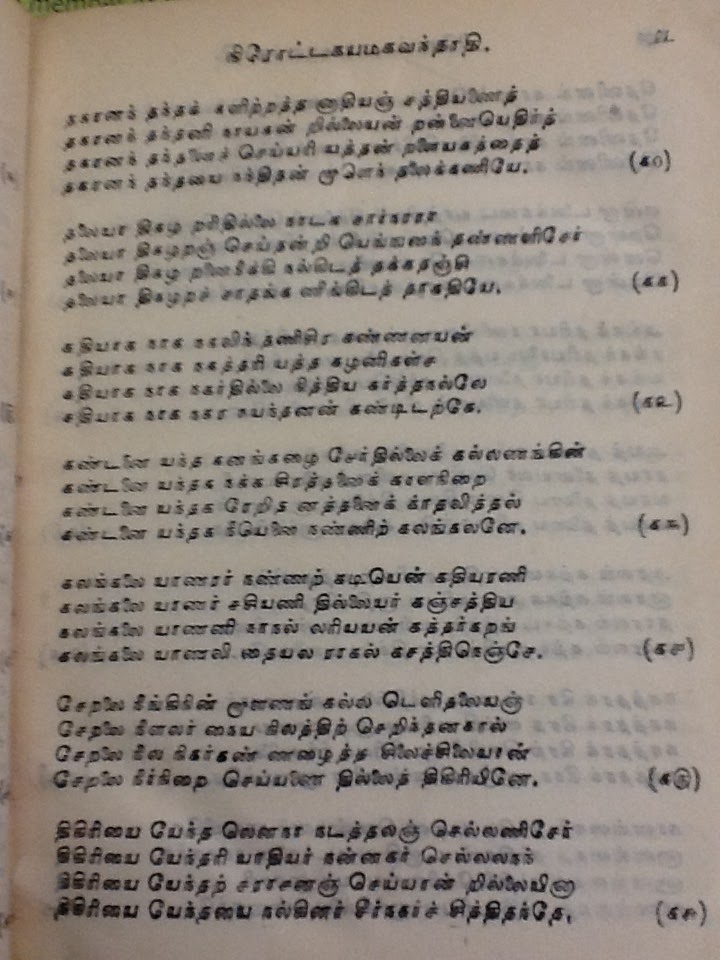
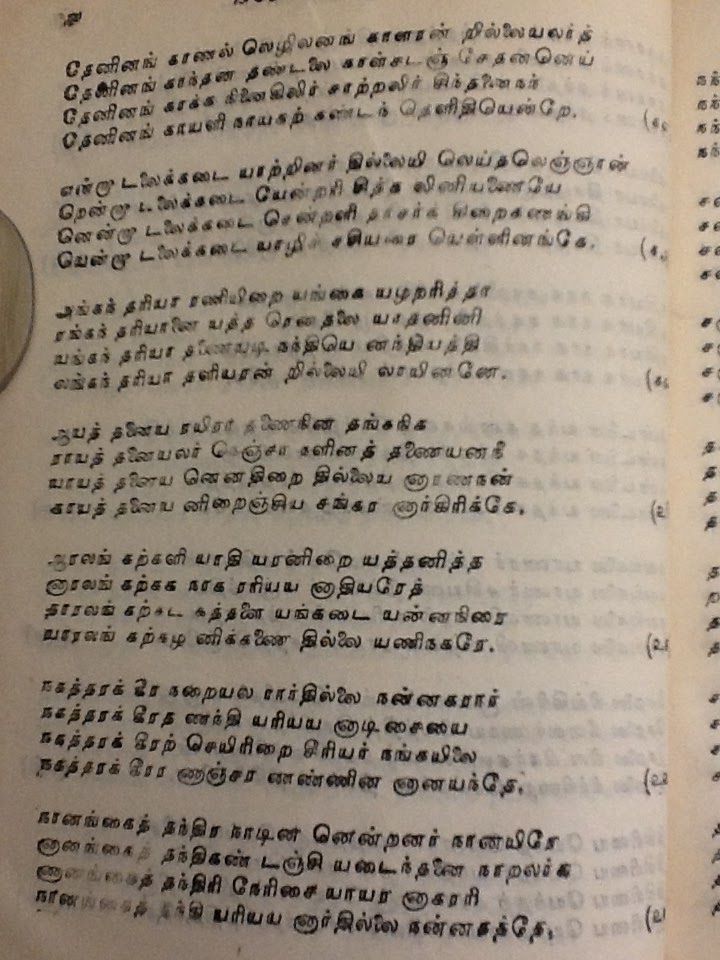
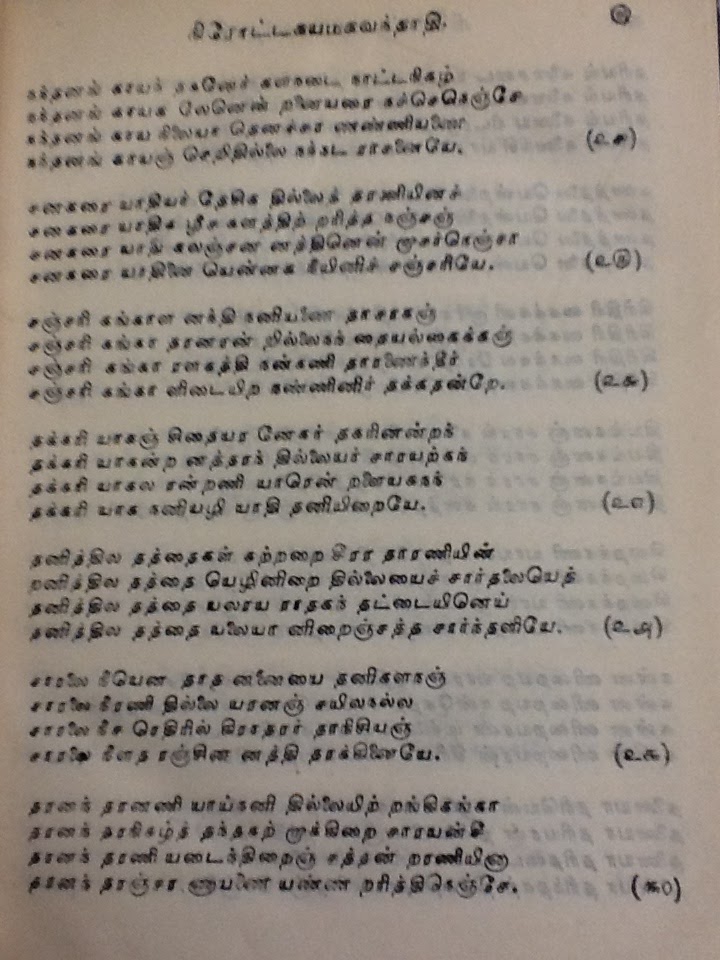
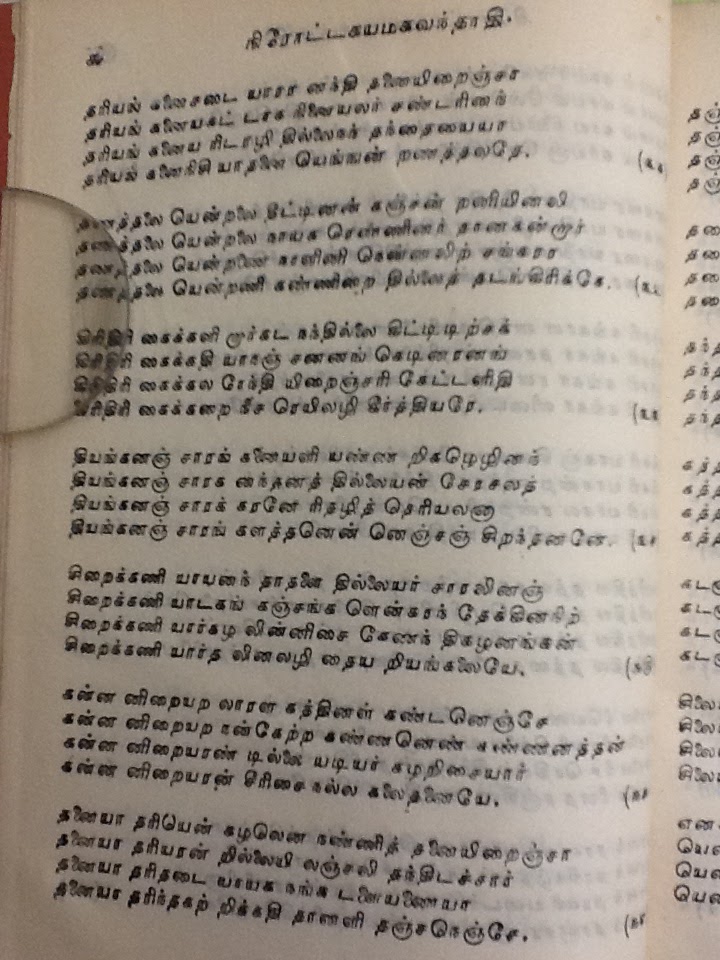
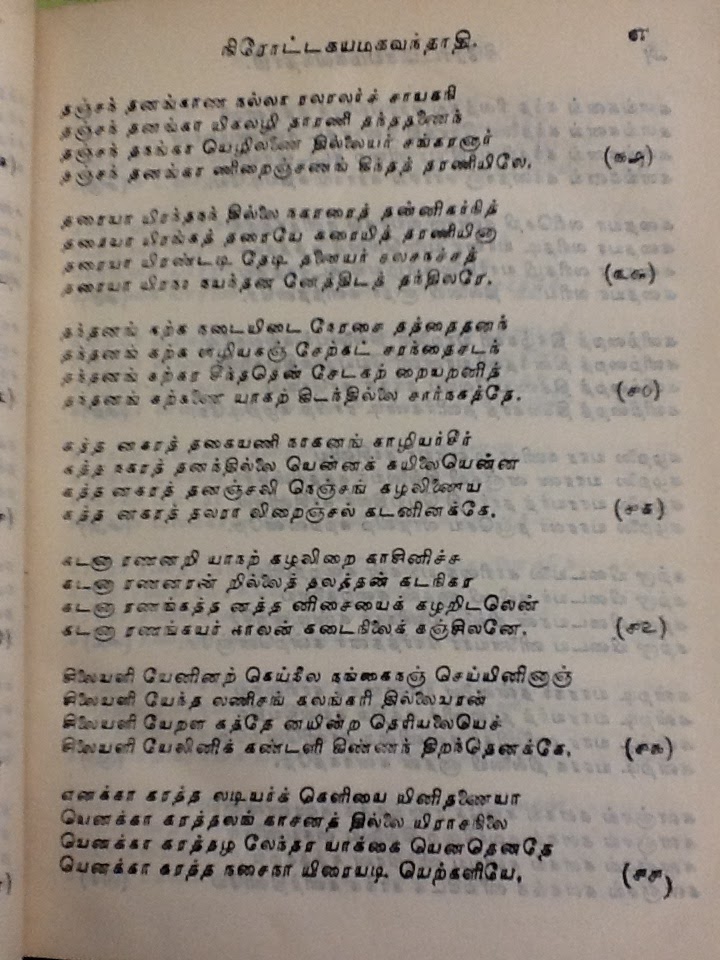
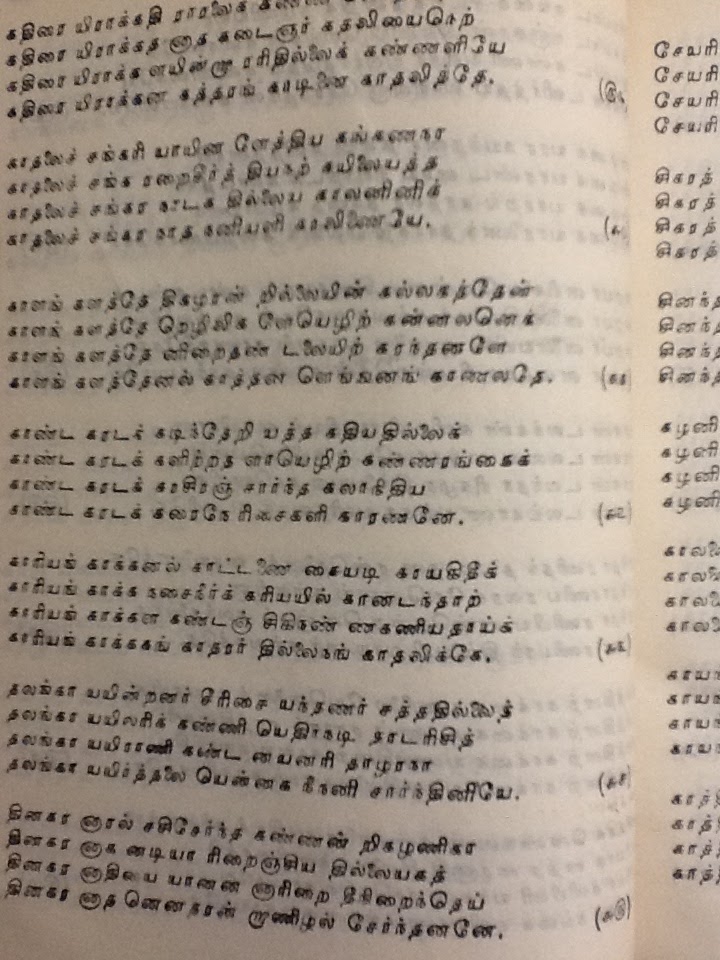
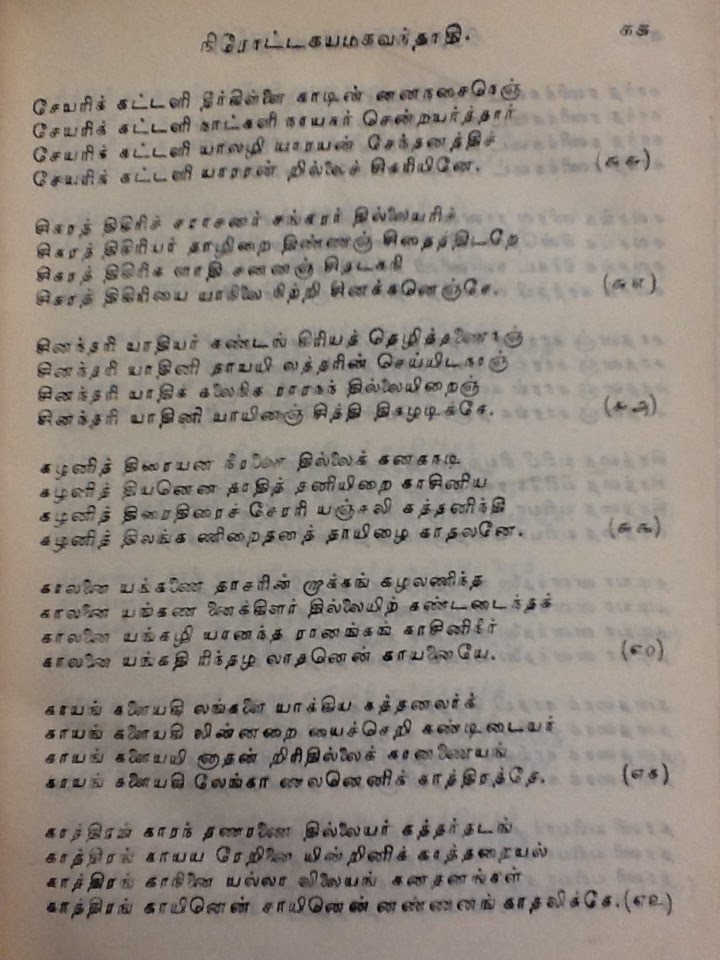
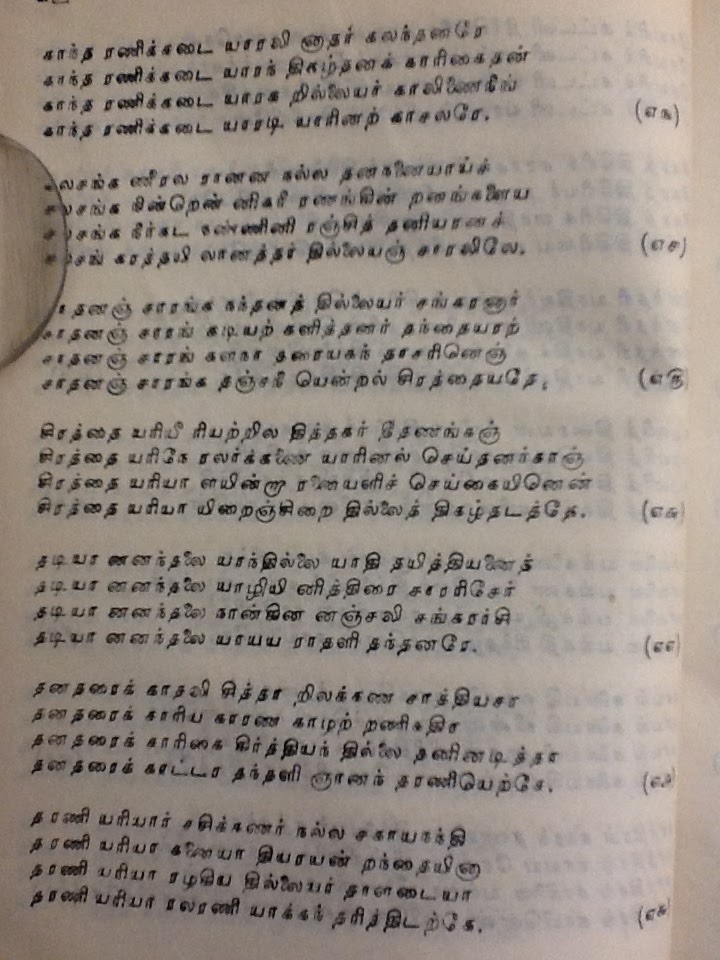
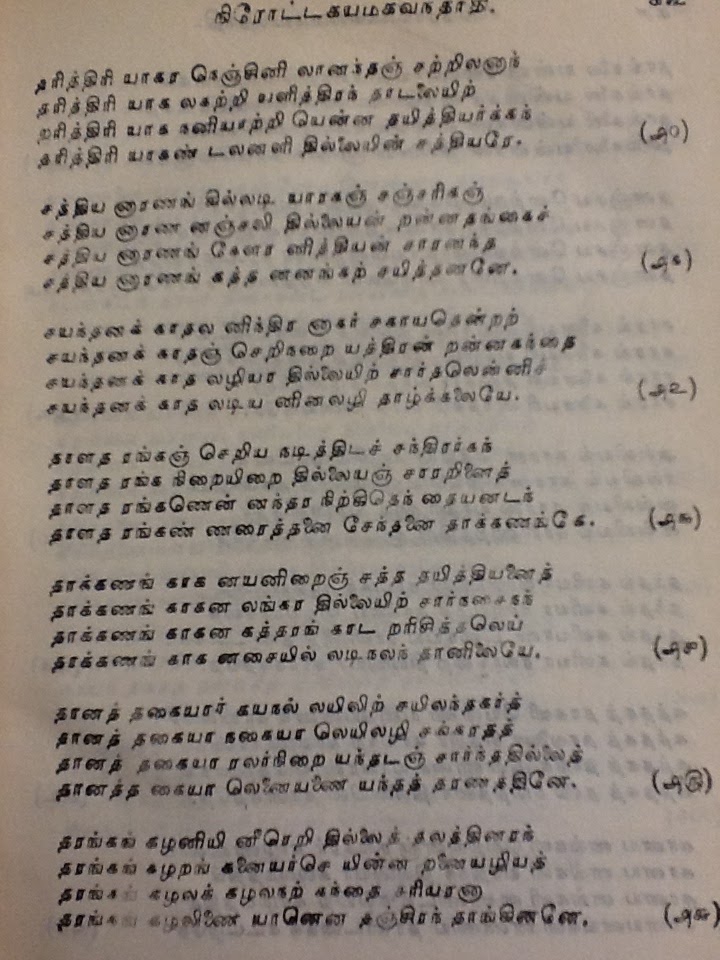
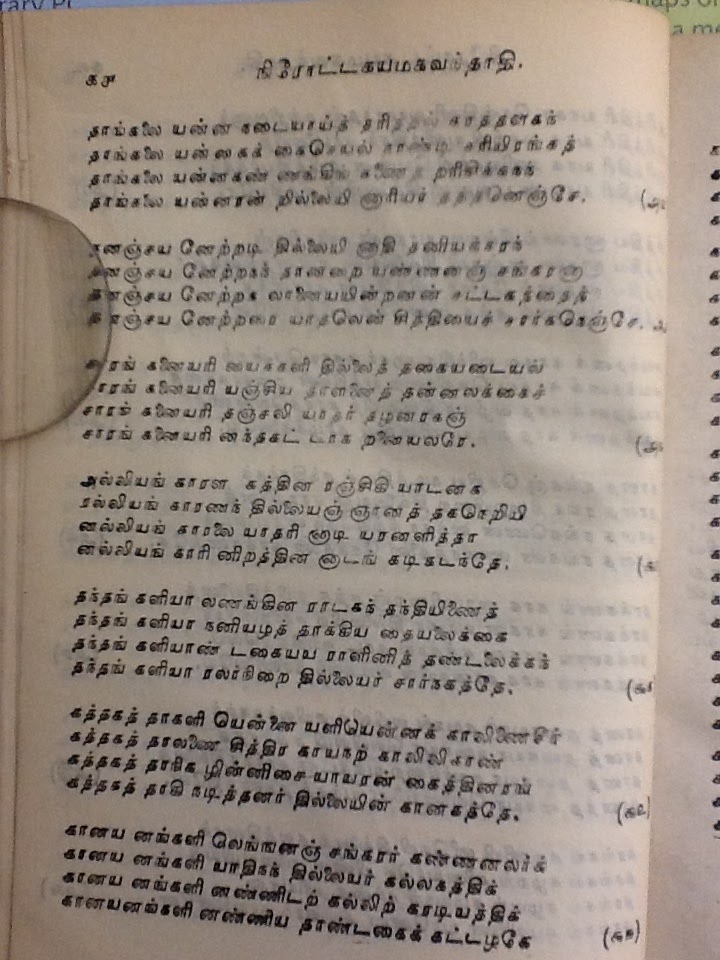
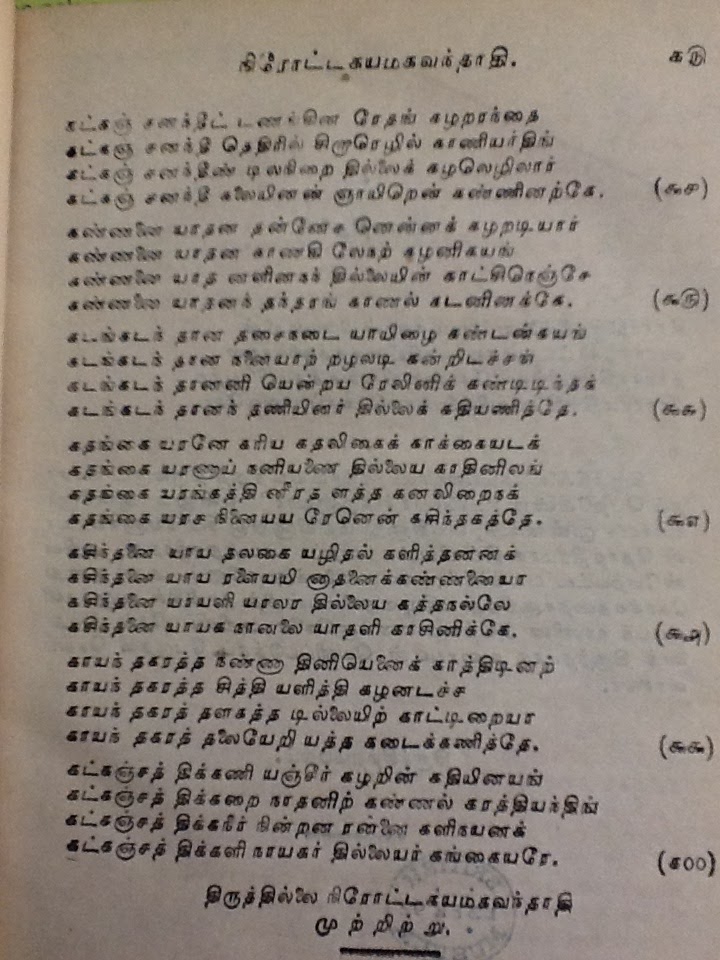
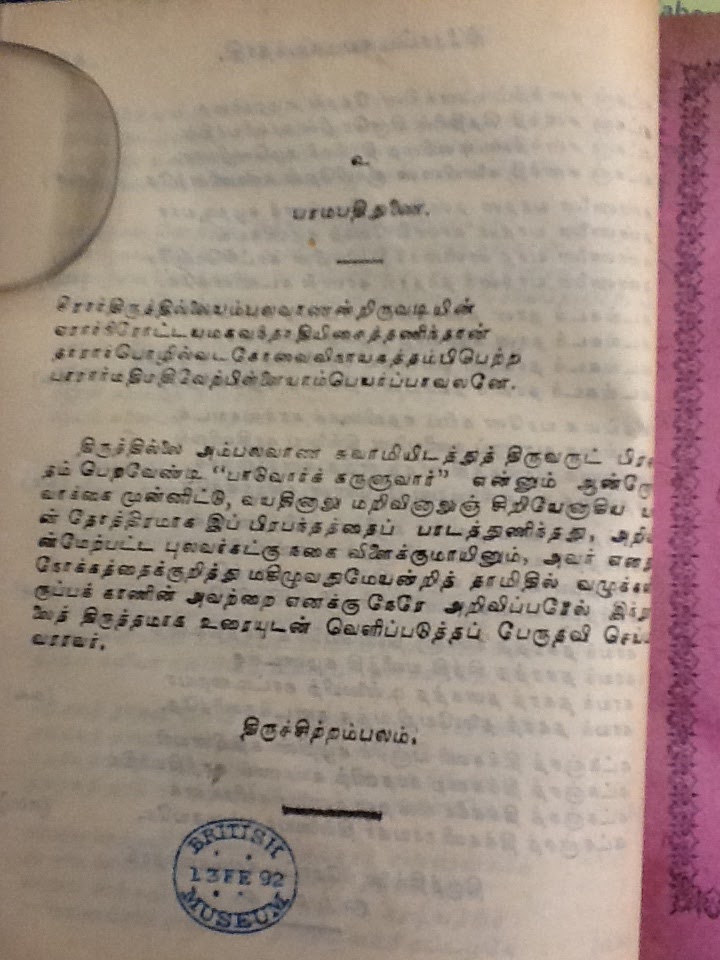
யாழ்ப்பாணம் வேலுப்பிள்ளை செய்த திருத் தில்லை நீரோட்டக யமக அந்தாதி

Article No. 2039

Written by London swaminathan

Swami_48@yahoo.com

Date : 3  August  2015

Time uploaded in London : -15-45

தமிழில் சிற்றிலக்கியத்தில் 96 பிரபந்த வகைப் பாடல்கள் உள்ளன. அவைகளில் ஒன்று அந்தாதி. அந்தாதியில் பல வகை அந்தாதிகள் உண்டு. அவை:

ஒலியந்தாதி

பதிற்றந்தாதி

நூற்றந்தாதி

கலியந்தாதி

கலித்துறை அந்தாதி

வெண்பா அந்தாதி

யமக அந்தாதி

சிலேடை அந்தாதி

திரிபு அந்தாதி

நீரோட்டக யமக அந்தாதி

யமகம் என்றால் ஒரே சொல் மீண்டும் மீண்டும் வரும்; ஆனால் அதற்கு வெவ்வேறு பொருள் இருக்கும். அந்தாதி என்றால் முதல் பாடலில் அந்தத்தில் (இறுதியில்) வரும் சொல் அடுத்த பாடலில் ஆதியில் (துவக்கத்தில்) வரும். இவையெல்லாமே சம்ஸ்கிருதச் சொற்கள். “ஆதி அந்தமில்லாத”, “வேதாந்தம்” (வேதத்தின் அந்தம்/இறுதி = உபநிஷத் கூறும் தத்துவம்) ஆகிய சொற்களை நீங்கள் கேட்டிருப்பீர்கள்.

ஆக அந்தாதி என்றால் தெரிந்து விட்டது. யமகம் என்றால் புரிந்துவிட்டது. நீரோட்ட யமக அந்தாதி என்பதில் நீரோட்டம் என்றால் என்ன. இதுவும் சம்ஸ்கிருதச் சொல்லே! நிர்+உஷ்ட என்றால் உதடு ஒட்டாத என்று பொருள். உஷ்ட என்ற வடமொழிச் சொல்லும் உதடு என்ற தமிழ் சொல்லும் ஒரே மூலம் உடையவை. (தமிழ் திராவிட மொழியும் இல்லை, சம்ஸ்கிருதம் ஆரிய மொழியும் இல்லை. இரண்டும் சிவன் உடுக்கை ஒலியின் இரு புரத்திலிருந்து வந்த இரு பாரதீய மொழிகள் என்று எனது ஆராய்ச்சிக் கட்டுரைகளில் நிரூபித்துள்ளேன்)

ஒட்டகத்துக்கு உஷ்ட்ரம் என்ற சம்ஸ்கிருதப் பெயரும் ஒட்டகம் என்ற தமிழ்ப் பெயரும் அதன் தடித்த உதடுகளால் வந்த பெயரே! சிறப்பான கை உடைய மிருகம் யானை, சிறப்பான மயிர் உடைய மிருகம் சிங்கம் (கேச+அரி); அதே போல சிறப்பான உதடு உடைய மிருகம் ஒட்டகமும் கழுதையும். இதனால் வடமேற்கு இந்திய எழுத்துக்கு கரோஷ்டி என்று பெயர் (கழுதை உதட்டு எழுத்து). அசோகர், காஞ்சீபுரம் வரை பிராமி எழுத்தில் எழுதிவிட்டு, வடமேற்கு இந்தியாவில் மட்டும் கழுதை உதடு போல தடிப்பாக இருக்கும் கரோஷ்டியில் எழுதிவைத்தார்.

ஆக நிர்+உஷ்ட =உதடு ஒட்டாத என்ற சம்ஸ்கிருதச் சொற்கள் நீரோட்டம் எனத் தமிழ்படுத்தப்பட்டது. இவ்வாறு உதடு ஒட்டாத சொற்களை வைத்துப் பாடுவது கடினம், அதில் யமகம் வைத்துப் பாடுவது அதைவிடக் கடினம்; அதில் அந்தாதி அமைப்பது அதைவிடக் கடினம். இது போன்ற சாதனைகளைத் தமிழ்ப்புலவர்கள் அந்தக் காலத்தில் செய்துள்ளனர்.

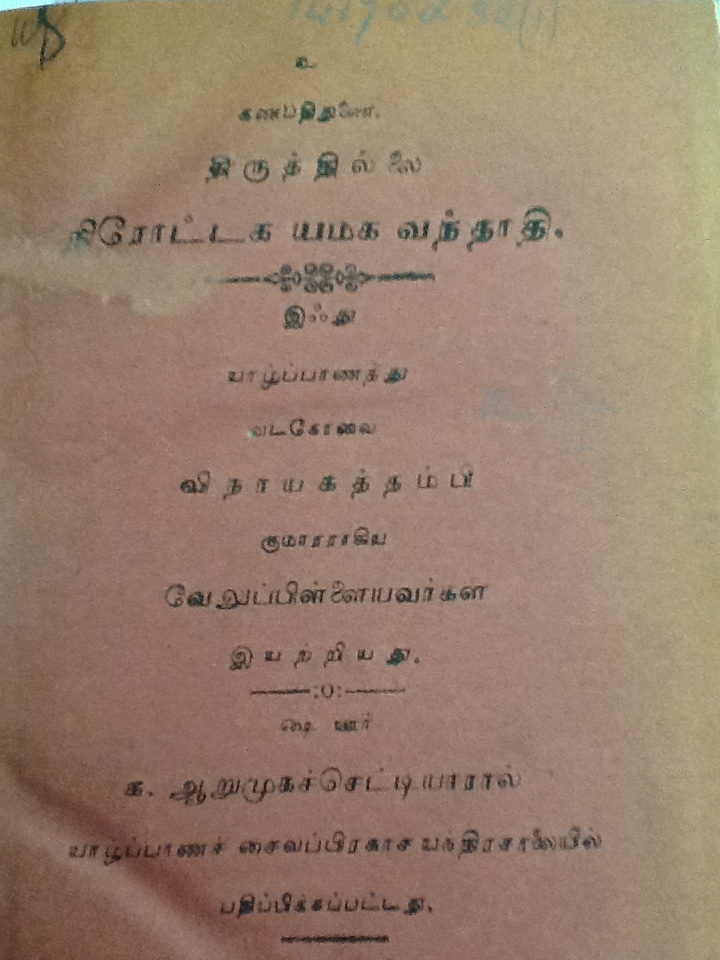
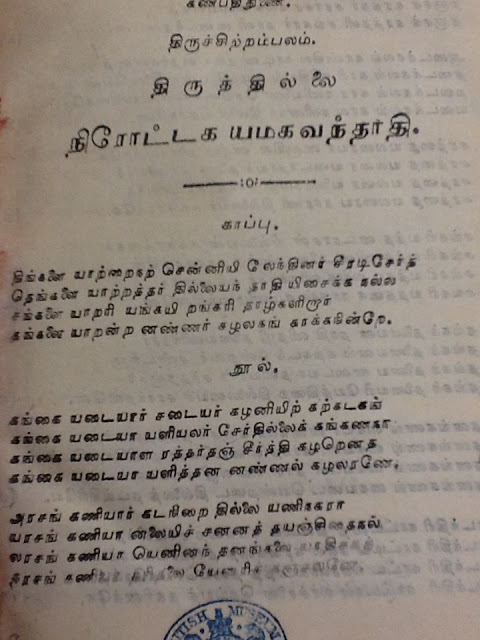
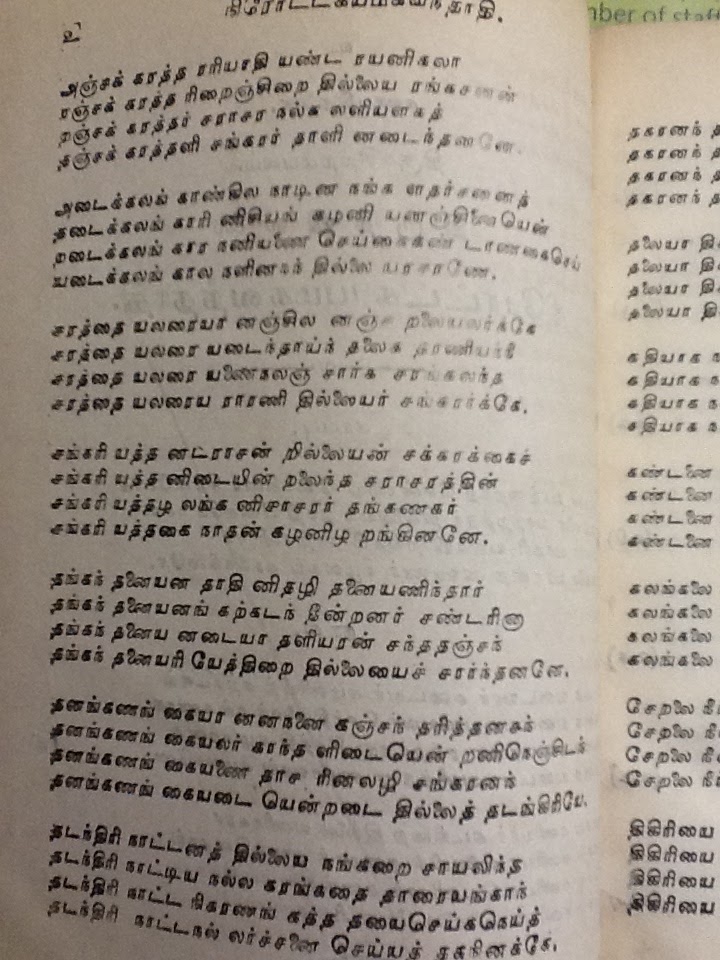
இலண்டனிலுள்ள பிரிட்டிஷ் லைப்ரரியில் கிடைத்த யாழ்ப்பாணம் வேலுப்பிள்ளை யாத்த திருத் தில்லை நீரோட்டக யமக அந்தாதி இத்துடன் பதிப்பிக்கப்படுகிறது.1892 ஆம் ஆண்டில் பிரிட்டிஷ் மியூசியத்தில் சேர்க்கப்பட்டதால் அதற்கு முன் எழுதப்பட்டது புலப்படும்.

ஆடுற மாட்டை ஆடிக் கறக்கனும், பாடுற மாட்டைப் பாடிக் கறக்கனும்

bum bum 2

Article No. 2038

Written by London swaminathan

Swami_48@yahoo.com

Date : 2nd August  2015

Time uploaded in London : – 21-04


இதுவரை ஆயிரத்துக்கும் மேலான தமிழ்ப் பழமொழிகளை தலைப்பு (சப்ஜெக்ட்) வாரியாகத் தொகுத்துக் கொடுத்துள்ளேன். இதைத் தவிர தமிழுக்கு இணையான ஆங்கிலப் பழமொழிகளையும் சம்ஸ்கிருதப் பழமொழிகளையும் கொடுத்து வருகிறேன். இதோ மேலும் பத்து சம்ஸ்கிருதப் பொன்மொழிகளும் அதற்கு இணையான தமிழ்ப் பழமொழிகளும்;—


1)பர்வதானாம் பயம் வஜ்ராத்- சாணக்ய நீதி தர்பணம்

மலைகளுக்குப் பயம் இடி மின்னலிலிருந்து

2)பாதபானாம் பயம் வாதாத்- சாணக்ய நீதி தர்பணம்

மரங்களுக்குப் பயம் காற்றிலிருந்து

3)பாடச்சரலுண்டிதே வேஸ்மணி யாமிக ஜாகரணம்

திருடுபோன பின்னால், வீட்டில் காவல்காரனை எழுப்பி என்ன பயன்?

(கண்கெட்ட பிறகு சூரிய நமஸ்காரமா?)

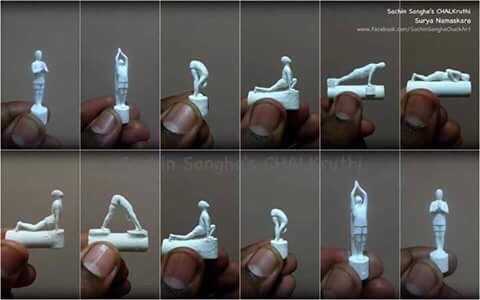
surya namaskar on chalk piece

4)பாணௌ பாயசத்க்தே தக்ரம் பூத்க்ருத்ய பாமர: பிபதி — சுபாஷிதரத்ன பாண்டாகாரம்

பாலால் சுடுபட்டவன் மோரையும் ஊதிக் குடிப்பான்

(அரண்டவன் கண்ணுக்கு இருண்டதெல்லாம் பேய்)


5)பாதலக்னம் கரஸ்தேன கண்டகேநைவ கண்டகம் – ஹிதோபதேசம்

காலில் குத்திய முள்ளை கையிலுள்ள முள்ளால்தான் எடுக்கவேண்டும்.

((முள்ளை முள்ளால் எடுக்க வேண்டும்

வைரத்தை வைரத்தால் அறுக்க வேண்டும்))


6)பாதாதாதஸ்ய யத்பாத்ரம் வார்தயா தன்ன துஷ்யதி

காலால் உதைக்க வேண்டியதை சொற்களால் சமாளிக்க முடியாது

((இணையான தமிழ்ப் பழமொழிகள்: அடியாத மாடு படியாது;

அடி உதவுவது போல அண்ணன், தம்பி உதவ மாட்டார்கள்;

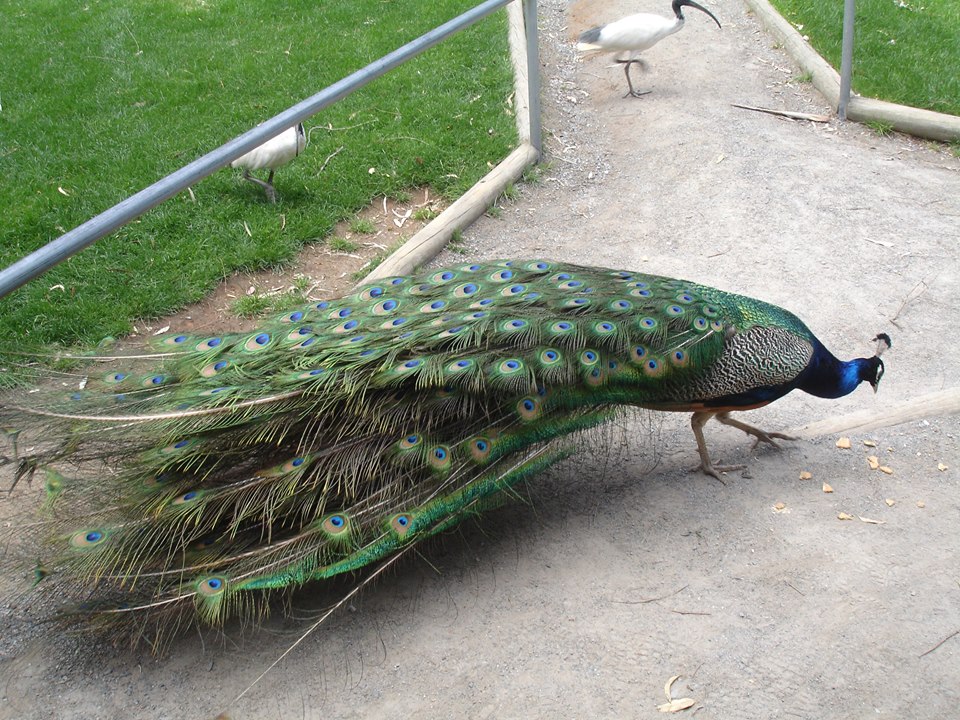
ஆடுற மாட்டை ஆடிக் கறக்கனும், பாடுற மாட்டைப் பாடிக் கறக்கனும்;

மயிலே மயிலே இறகு போடு என்றால் போடாது))

 mayil narai

7)பாவகோ லௌஹசங்கேன முத்கரைரபிஹன்யதே– சுபாஷிதரத்ன பாண்டாகாரம்

இரும்போடு சேர்ந்த நெருப்புக்கும் அடி விழும்

(சஹவாச தோஷம்)


8)பிசாசானாம் பிசாச பாசயைவோத்தரம் தேயம்

பிசாசுக்கு பிசாசு பாஷையில்தான் பதில் கொடுக்கவேண்டும்


9)புஸ்தகம் வனிதா வித்தம் பரஹஸ்தகதம் கதம் – சமயோசித பத்ய மாலிகா

புத்தகம், பெண், பணம் – மற்றவர் கைக்குப் போனால் திரும்பாது


10)ப்ரக்ஷாலனாத் ஹி பங்கஸ்ய தூராதஸ்பர்சனம் வரம்- ஹிதோபதேசம்

சேற்றில் விழுந்து கழுவிக் கொண்டிருப்பதைவிட, அது மேலே படாமல் காப்பது சிறந்தது

Prevention is better than cure


என்னுடைய பழைய கட்டுரைகள்:

யானை பற்றிய நூறு பழமொழிகள், ஜூன் 5, 2012

இந்துமதம் பற்றிய 200 பழமொழிகள் – Part 1, ஜூன் 22, 2012

இந்துமதம் பற்றிய 200 பழமொழிகள் – பகுதி 2, ஜூன் 22, 2012

இராமன் பற்றிய பழமொழிகள் ஏப்ரல் 10, 2014

இருபதாயிரம் தமிழ் பழமொழிகள், மே 31, 2012,
பெண்கள் பற்றிய 300 பழமொழிகள் (பகுதி 1,2,3) ஜூன் 26, 2012 & ஜூன் 28, 2012
பாரதி பாட்டில் பழமொழிகள், ஜூன் 25, 2012
அப்பர் தேவாரத்தில் பழமொழிகள் (இது மட்டும் எஸ்.நாகராஜன் எழுதியது) ஜூன் 26, 2012

ஒன்றுக்கும் உதவாத உதிய மரமே
உடம்பைக் கடம்பால் அடி

மேலும் 33 இந்துமதப் பழமொழிகள் ,ஜூலை 21, 2015

ஆரோக்கியம் தொடர்பான பழமொழிகள், 25 பிப்ரவரி 2015

20,000 Tamil Proverbs (English article)

Magic in Hindu, Sumer and Egyptian Culture

Drishti-Bomma

Research Article No. 2036

Written by London swaminathan

Swami_48@yahoo.com

Date : 2nd August  2015

Time uploaded in London : – 19-12


This article is about the Hindu beliefs of burying hair and bones at the place of an enemy to eliminate him/her and hanging ugly faces to ward off evil eye (Dhrsti) that were found in Egypt, Greece and Sumer.

Western “Scholars” used to project Greeks as advanced in modern thinking or philosophical thinking. It is true only after they came into contact with the Hindus.  We see it from the period of Pythagoras and Socrates, who came into the world only after the Upanishad period. Greeks, Egyptians and Sumer people had similar beliefs about magic, witchcraft and ghosts which was in the Vedas at least one thousand years before them. There are of similarities in the Atharva Veda, Sumerian and Egyptian literature. I will take only one set of beliefs for comparison in this article:

250px-Kanthristi

How to destroy enemies or evil spirits?

All the ancient people believed that they can eliminate their enemies or evil spirits through curses. They also believed that they can destroy the statues or dolls of their enemies and eliminate them. They thought that they can bury something like hair, magical plates or talismans at the residence of their enemies and subdue them.

Kavachams are a genre of hymns where in god is prayed to protect every part of the body. In addition to it, they pray for the elimination of their enemies and counter act the enemy’s black magic activities. The most famous kavacham of Tamils is Kantha Shasti Kavacham which prays to God Skanda, son of Shiva. It specifically refers to the enemies act of burying dolls, cat’s hair, bones, hair and nails of children etc. The devotee of Skanda prays to neutralise such things and act against all the ghosts, spirits, ghouls etc. The basis for such belief is in the Atharva Veda (10-1-18 and 19). This shows that it is an age old belief; may be several thousand years old.

This belief spread to different parts of the world when Vedic Hindus spread to different parts of the world.

To ward off the evil eye, an ugly figure was hung in all the palaces or houses of the Hindus. This is called Dhrsti (Evil Eye) doll. This is found in all other cultures.

pazuzu 3

Sumerian beliefs

Magic was used to drive away demons, to undo the bad effects of certain sinful actions, to counteract the potential effects of certain portended effects, to increase sexual potency, to secure the favours of a loved one, to quieten squalling infants and to frustrate the activity of hostile sorcerers

(All these are in Hindu mantras/incantations)

Sumer people wore ugly figures similar to ugly Dhrsti dolls of Hindus. ‘Pazuzu’ was Sumer demon. They hung it at the entrance of the houses like Hindus. Hattic and Hittites cultures were sources for all this belief. They were Kshatriyas who migrated from India.

Akkadian had ‘namburbu’ incantation rituals to ward off evil things. Some aspects of these were done during night time like Hindu black magic rituals. Hindus did this at the dead of night.

Sumerian incantations are similar to Atharva Veda incantations/mantras. (I have already shown that even the most popular Valentine day symbol of an ‘arrow piercing the heart’ is from the Atharva Veda).

bes

image of Bes

Egyptian Beliefs

The magical rituals that are most easily understood involved the deflection of enemies by cursing formulae (similar to Vedas). These are accompanied by ritual destruction of wax or clay figures (Even now it is done by magicians in Kerala) Ritual devised for vanquishing cosmic enemies Apep and political enemies, also private individuals, were essentially similar in character. Some Greco-Egyptian spells invoke evil gods and demons to appear in a person’s nightmares.

Magic was used for benign purpose as well. A love potion was given to wanted man or woman with incantations (like in Athrva Veda). Talismans, amulets and Lucky charms were also used to bring fortune to the wearer. Huge quantities of amulets representing gods and goddesses, parts of the body replicas were recovered from Egyptian burial sites. Magical spells written on papyrus were also used as amulets. Hindus also did this. They put such magical spells inside the metal containers and hung on their necks.

Isis was the goddess frequently addressed. Bes was a curious dwarf whose hideous features personify the supernatural world’s mixture of frightfulness and beneficence.

bes in Louvre

Bes in Louvre Museum, Paris

Bes

Bes’ ugliness wards off evil. He appears with a large bearded and barely human face, a thick body, short arms and short bandy legs. He wears a plumed crown and often wields a short sword. He possesses a lion’s mane, usually has his mouth open and tongue protruding. He is also drawn as a dancing musician.  Bes was absorbed by Greco – Roman culture. The Greeks depicted him in strong ithyphallic (erect penis) guise.

(This can be compared with the Dhrsti doll of Hindus or Ayyanar/Sastha, village God with sword and protruding tongue at villages in South India).

Bes was a protective deity, usually portrayed as a hideous but jovial dwarf. It was revered as the god of pleasure and entertainment and as a protector of the family, especially of children and women in child birth

hecate 2

Hekate in Greece

Hekate is the corrupted form of Sakti in Sanskrit. The goddess of sorcery, who resided in the Underworld.  There she oversaw the ritual purifications as well as magical invocations. Witches, such as Medea, drew power from the goddess. Hekate would sometimes appear on earth at night time, especially at cross roads, accompanied by baying hounds.

(Hindus fear to cross junction of three roads, particularly at night time,  and they believe evil spirits occupy those places. Greeks also believed in it)

Artistic representations show her carrying torches. Where paths met, a triple figure of Hecate rose from masks placed at the junction. Offerings were left at road side shrines and at junctions. In some parts of Greece she was worshipped by occult bands and moon worshippers.

(Vedic Hindus believed in Path way god Pushan. In South Indian villages lot of road side shrines are there for village gods and goddesses.)

pazuzu, british museumpazzuzu assyrian

image of Sumerian Pazuzu

Source:

Dictionary of the Ancient Near East by British Museum

Ancient Egypt by David Silverman

Atharva Vedam(tamil Book) by Tamilmaaran

Dictionary of World Myth by Roy Willis

Encyclopaedia of Gods by Michael Jordan

Pictures from various sources

கோமாதாவும் குலமகளிரின் கண்ணாடி மோதிரமும்!

Ranjit_Singh_Stamp_1966_1

ஞான ஆலயம் 2015 ஆகஸ்ட் மாத இதழில் வெளியாகி இருக்கும் கட்டுரை இது.

கோமாதாவும் குலமகளிரின் கண்ணாடி மோதிரமும்!

Article No. 2035

Written by S NAGARAJAN

Swami_48@yahoo.com

Date : 1st August  2015

Time uploaded in London : – 22-30

By ச.நாகராஜன்

மஹாராஜா ரஞ்சித் சிங்கின் ஆட்சி

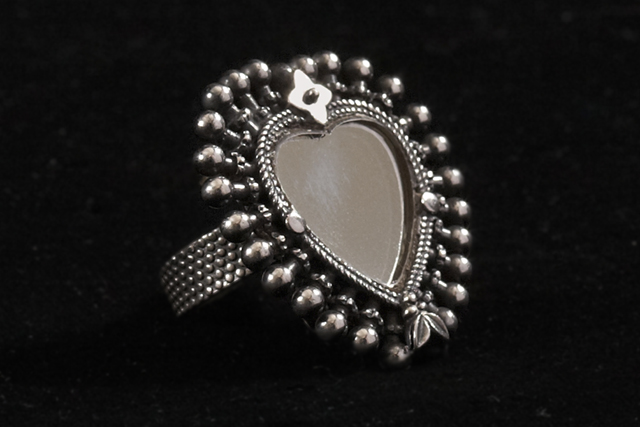
பஞ்சாப் மாநிலத்தில் உள்ள பெண்மணிகளின் கையில் உள்ள மோதிரத்தில் ஒரு கண்ணாடி பளபளக்கும். அதில் அவர்களுடைய முகங்களின் மங்களகரமான பிரதிபிம்பம் பளிச்செனத் தெரியும். இதற்குப் பின்னால் ஹிந்து பாரம்பரியத்தைப் போற்றும் ஒரு அதிசயமான சுவையான உண்மைச் சம்பவம் இருப்பதை யாரும் அறிந்திருக்க மாட்டார்கள்!

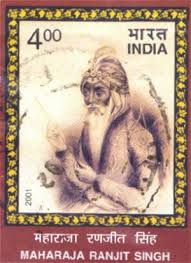
சீக்கிய சாம்ராஜ்யத்தை ஸ்தாபித்த மஹாராஜா ரஞ்சித் சிங் (தோற்றம் 13-11-1780; மறைவு:27-6-1839) பஞ்சாபை அரசாண்ட காலம்.லாகூரில் சுறுசுறுப்பாக எப்போதும் உயிர்த்துடிப்புடன் இயங்கும் ஒரு வீதியின் மூலையில் உள்ள கிணற்றிலிருந்து பஞ்சாபிய மங்கையர் நீரை எடுத்துக் கொண்டிருந்தனர். அங்கு நீரைக் குடித்துத் தாகத்தைத் தணிக்க பசுக்கள் உள்ளிட்ட மிருகங்களும் கூடி இருந்தன.

கொம்புகளை விடுவிக்க முடியாத பசு

அந்தப் பசுக்களில் ஒன்று அருகில் இருந்த சுவர் ஒன்றின் கீழே குனிந்து அங்கிருந்த குழியில் இருந்த தானியங்களை உண்ண முயன்றது. துரதிர்ஷ்டவசமாக அந்தக் குழியில் பசு மாட்டின் கொம்புகள் மாட்டிக் கொண்டன. அதை எடுக்க முயன்ற போது அதன் தலை இன்னும் அதிக ஆழத்தில் மாட்டிக் கொண்டது. அதன் அம்மா என்ற ஓலச் சத்தம் கேட்டுப் பெண்கள் அனைவரும் அங்கு ஓடினர். யாராலும் ஒன்றும் செய்ய முடியவில்லை. ஆடவரின் துணையை அவர்கள் நாடவே ஏராளமானோர் வந்து பசுவிற்கு உதவ முயன்றனர்.

அங்கிருந்த பலரும் சுவரை ஜாக்கிரதையாக இடித்துப் பசுவைக் காப்பாற்றி விடலாம் என்றனர். ஆனால் குழுமியிருந்தோரில் ஒருவன் மட்டும் பசுவின் கொம்புகளை வெட்டிப் பசுவை குழியிலிருந்து அகற்றி விடலாம் என்றான். அவனை அனைவரும் வெகுவாகத் திட்டினர்.இறுதியில் சுவர் ஜாக்கிரதையாக இடிக்கப்பட்டது. பசு மிகுந்த மகிழ்ச்சியுடன் தன் கொம்புகளுடன் வெளியே மீண்டது. கூட்டத்தினர் ஆரவாரம் செய்து கோமாதாவுக்கு ஜே எனக் கூவியவாறே கலைந்தனர்.

இந்த சம்பவத்தைப் பார்த்துக் கொண்டிருந்த அரசவை ஒற்றர்களுள் ஒருவன் நடந்த சம்பவத்தை அப்படியே மஹாராஜா ரஞ்சித் சிங்கிடம் கூறினான்.

மறுநாள் கொம்புகளை வெட்டலாம் என்று சொன்னவன் தர்பாருக்கு அழைக்கப்பட்டான்.

ranjith1

ராஜ விசாரணை

மஹாராஜா ரஞ்சித் சிங் அவனை கூர்மையாக நோக்கினார்.

“நீ தான் நேற்று பசுவின் கொம்புகளை வெட்டலாம் என்று கூறியவனா?”

பயந்தவாறே, அவன், “ஆமாம், மஹாராஜா!” என்றான்.

“நீ ஒரு ஹிந்துவா?”

“ஆமாம், மஹாராஜா!”

“எனக்கு சந்தேகமாக இருக்கிறது. ஒரு ஹிந்துவால் எப்படி பசுக்களின் கொம்புகளை வெட்டலாம் என்று கூற முடியும்?”

நடுநடுங்கிய அவன் கம்மிய குரலில், “தப்பு தான், மஹாராஜா” என்றான்.

“அது ஒரு இயல்பான தப்பாக எனக்குத் தெரியவில்லை.” உறுதியான குரலில் கூறிய கூரிய அறிவு படைத்த மஹாராஜா ரஞ்சித் சிங் அவனுடைய தாயாரை அரசவைக்கு உடனே அழைத்து வருமாறு பணித்தார்.

அவனுடைய வயதான தாயார் அரசவைக்கு வந்தார். அனைவரும் அந்தப் பெண்மணி என்ன கூறப் போகிறாள் என்பதை ஆவலுடன் எதிர்நோக்கினர்.

அந்தப் பெண்மணியிடம் ராஜா கேட்டார்:”நீ ஒரு ஹிந்துப் பெண்மணி தானா!”

“ஆமாம், மஹாராஜா” அவள் உறுதி படத் தெரிவித்தாள்.

“அப்படியானால் நிஜத்தைச் சொல். இப்படிப்பட்ட மகா மோசமான ஒரு பிள்ளையை நீ எப்படிப் பெற்றாய். கோமாதாவின் கொம்புகளை வெட்டு என்று சொல்லும் பிள்ளையை நீ பெற்ற காரணம் என்ன?”

தர்பாரே அமைதியாக அவளது பதிலுக்காக ஆவலுடன் காத்திருந்தது.

மெதுவாக யோசித்த பின்னர் அவள் கூறலானாள்:-“மஹாராஜா! அதற்கு என்னால் ஒரு காரணத்தை மட்டுமே யூகிக்க முடிகிறது. இவனைக் கர்ப்பமுற்ற அந்த நாளில் முதன் முதலாகக் காலையில் ஜன்னல் வழியாக வெளியே பார்த்தேன். அப்போது   காலணி தைக்கும் ஒருவன் செத்த மிருகத்தின் தோலை உரித்துக் கொண்டிருந்ததைப் பார்த்தேன். அது ஒரு பசுவின் தோலாக இருந்திருக்கக்கூடும். அது காரணமாக இருக்கலாமோ, என்னவோ”

மஹாராஜா கூவினார்: ”அது தான் சரி! இப்போது எனக்குப் புரிகிறது, இவன் ஏன் அப்படிச் சொன்னான் என்று!”

gold mirror


சரியான தீர்வு: கண்ணாடி பதித்த மோதிரம்

சற்று யோசித்த மஹாராஜா கூடியிருந்த அனைவரின் முன்னிலையிலும் மந்திரியிடம் கூறினார்:” தற்செயலாக இந்தப் பெண்மணி வெளியில் எட்டிப் பார்த்த போது நடந்த சம்பவம் போல எனது ராஜ்யத்தில் இப்படிப்பட்ட சம்பவம் இன்னும் ஒன்று நடக்கவே கூடாது. கர்ப்ப ஸ்தீரிகள் நல்லனவற்றைப் பார்க்க வேண்டும். நல்லனவற்றை பிரார்த்தனையாக உச்சரிக்க வேண்டும். நல்லனவற்றையே கேட்பதுடன் பழைய பாரம்பரியத்தை மதிக்க வேண்டும். ஆகவே அவர்கள் எழுந்தவுடன் தங்கள் முகத்தையே பார்க்கும் படி கைகளில் ஒரு சிறிய கண்ணாடியை எப்போதும் அணிய வேண்டும். இது எனது ஆணை என்று இன்றே பறை சாற்றுங்கள்.”

அன்று உருவானது தான்  சிறிய கண்ணாடி பதித்த மோதிரங்கள்.  அவற்றில் அழகிய தங்கள் முகங்களை விழித்தவுடன் பஞ்சாபிய மங்கையர் பார்க்க ஆரம்பித்தனர்.

காலம் காலமாக வரும் இந்தப் பழக்கத்தினாலேயே பஞ்சாபிய மங்கையரிடன் கண்ணாடி பதித்த மோதிரம் இன்றும் காணப்படுகிறது.

heart mirror

கோமாதாவின் மீது பக்தி, கர்ப்ப காலத்தில் இறை சிந்தனை, காலையில் கராக்ரே வஸதே லக்ஷ்மி கர மத்யே சரஸ்வதி கர மூலேது கோவிந்த: ப்ரபாதே கர தர்சனம்என்று ப்ராத ஸ்மரண ஸ்லோகம் சொல்லும் போது குல மங்கையர்கள் தங்கள் திரு முகங்களைப் பார்க்க உதவும் மோதிரம் ஆகிய அனைத்தையும் ஹிந்து பாரம்பரியத்தைக் காக்கும் உணர்வில் இணைக்கும் உண்மை வரலாறு தான் எவ்வளவு சுவையானது?! உலகில் கோ மாதாவை உள்ளார்ந்து அனைத்து விதத்திலும் போற்றும் நாடு பாரதம் ஒன்றே!

************

HANGING JUSTIFIED

hanging

Article No. 2034

Written by London swaminathan

Swami_48@yahoo.com

Date : 1st August  2015

Time uploaded in London : – 14-44

“It is very hard, my lord”, said a convicted person at the bar to judge Barnet, “to hang a poor man for stealing a horse.”

“You are not to be hanged, sir” answered the judge, “for stealing a horse; but you are to be hanged that horses may not be stolen.”

XXXX

Allen, the Quaker, waited upon the Duke of Sussex to remind him of his promise to present a petition to abolish capital punishment. The Duke did not seem to like the job, and observed that the scripture has declared,

“Whoso, sheddeth man’s blood, by man shall his blood be shed.”

“But please note,” replied the Quaker, “that when Cain killed Abel he was not hung for it.”

“That is true,” rejoined the Duke, “but remember Allen, there were not twelve men in the world then to make a jury”.

Xxxx

When Lord Bacon was chancellor of England, a witty criminal was brought before him. “Your Honour should let me go,” he observed. “We are kin. My name is Hogg, and Hogg is kin to bacon.

“Not until it’s hung,” said Bacon.

Xxxx

Joan

Jokes apart, ancient Sanskrit and Tamil literatures are full of death sentences by different methods. Chopping the head was the most used method by the kings. Sanskrit dramas describe the scene of criminals dragged or paraded along the streets in coloured attire, mostly red or black, to the place of execution.

Famous Tamil poet Tiruvalluvar says it is the duty of the king to weed out the criminals:-

“When the king imposes the severest penalty on a cruel murderer, it is like weeding the field to protect the crops” – Tirukkural 550

Rajaji, the First Governor General of Independent India, said that capital punishment for grievous offences is like the weeding of fields, necessary for protecting the food crops.

Indians knew that hundreds of freedom fighters were hanged by the British for being patriotic. They did it in all the places they colonised. During French revolution over 1000 people were guillotined and at the end, the person who invented the Guillotine was also guillotined. In the United States after a long discussion they came to the conclusion that the most humane method of execution is by lethal injection.  Electrical chairs are also used.

joanstampwoman

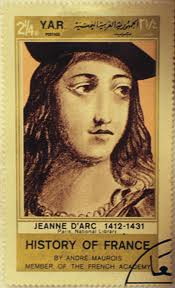
The British burnt alive thousands of women dubbing them as witches. Whoever did not believe in Christianity and practising pagan religions were called witches throughout Europe. Joan of Arc was the most famous woman who was burnt alive in France. The English clergy burnt her body three times to make sure that she is charred to ashes.

ஐன்ஸ்டீன் மூளை பற்றிய ரகசியங்கள்!

usa e=mc2

Research Article No. 2033

Written by London swaminathan

Swami_48@yahoo.com

Date : 1st August  2015

Time uploaded in London : – 13-25

(This is already published in English a few days back)

ஐன்ஸ்டீனின் சார்பியல் கோட்பாட்டை விளக்க ஒரு கணித வல்லுநர்கள் கூட்டம் ஏற்பாடு செய்யப்பட்டது. ஒரு பேராசிரியர் மிகவும் சிரமப்பட்டு அந்த கொள்கையை விளக்க முற்பட்டார். மணிக்கணக்கில் பேசிக் கொண்டிருந்தார். கூட்டத்தில் இருந்த அறிஞர்கள் பொறுமை இழந்தனர்; ஒரு துணிச்சல்காரர் எழுந்து சொன்னார்:

“அன்பரே! ஐன்ஸ்டீனின் தத்துவம் 12 பேருக்கே புரிந்தது என்று கேள்விப்பட்டேன். நீங்கள் பேசியதோ எங்களில் ஒருவருக்கும் விளங்கவில்லை. ஆகவே நீவீர் ஐன்ஸ்டீனுக்கும் மேலான அறிஞரே!”

(பழிகரப்பு அங்கதம் வாழ்க)

Xxxxx

india eistein

நான் கணித மேதை அல்ல!!

சர் வில்லியம் ராதென்ஸ்டைன் என்ற ஓவியர் ஐன்ஸ்டீனின் ஓவியத்தை வரைந்தார். இதற்காக ஓவியருக்கு முன்னால் ஐன்ஸ்டீன் மணிக்கணக்கில் உட்கார வேண்டி வந்தது. ஆனால் ஐன்ஸ்டீன் கொஞ்சமும் நேரத்தை வீணாக்க வில்லை. அவருடன் ஒருவர் வந்திருந்தார். அவர் ஒரு மூலையில் சிவனே என்று அமர்ந்திருந்தார். அவ்வப்பொழுது ஐன்ஸ்டீன் சில கணிதப் புதிர்களைப் போடுவதும் அதை அவர் விடுவிப்பதுமாக இருந்தது.

ஓவியம் வரைந்த பின்னர் ராதென்ஸ்டைன், மெதுவாக ஐன்ஸ்டீனிடம் யார் அந்த ஆசாமி என்று கேட்டார். “அவரா? அவர்தான் என்னிடம் கணிதமேதையாக வேலை செய்பவர். எனக்கு கணக்கு வராது. ஆகையால் அவ்வப்பொழுது நான் போடும் கணக்குகளைச் சரிபார்க்க அவரை வைத்திருக்கிறேன்” என்றார். பணக்காரர்கள் எல்லோரும் கணக்குப்பிள்ளை ஒருவரை வேலைக்கு வைத்திருப்பார்கள் என்பதைக் கேள்விப்பட்டிருக்கிறோம். விஞ்ஞானிகள் , “கணிதமேதைப்பிள்ளை”-களையே வேலைக்கு வைத்திருக்கிறார்கள்!!

Xxxx

E= mc2

ஐன்ஸ்டீனுக்கு சின்ன மூளை!!!

ஆங்கிலத்தில் யாருக்காவது சின்ன புத்தி இருந்தால் “பறவை அளவுக்குதான் மூளை— bird’s brain பேர்ட்ஸ் பிரயின் – என்று கேலி செய்வர். டால்பின் போன்ற பிராணிகளுக்கு மூளை மிகவும் பெரிதாகையால் அவை மிகவும் புத்திசாலிப் பிராணிகளாக இருக்கின்றன என்றும் படிக்கிறோம். ஆனால் வியப்பான செய்தி ஐன்ஸ்டீனுக்கு நம்மைப் போன்ற சாதாரண ஆட்களைவிட மூளை சிறியது என்பது அவர் இறந்தபின்னர் உடலைப் பரிசோதித்த போதுதான் தெரிந்தது!

ஐன்ஸ்டீனின் மூளையை 240 துண்டு போட்டு உலகெங்கிலும் உள்ள மூளையியல், நரம்பியல் ஆராய்ச்சியாளர்களுக்குக் கொடுத்தனர். அதை ஆரய்ந்ததில் ஒரு குறிப்பிட்ட (ப்ரீ Fராண்டல் கார்டெக்ஸ்) உறுப்பு அவருக்கு சிறப்பாக அமைந்திருந்ததைக் கண்டனர். இதுதான் அவரை உலகப் பெரும் இயற்பியல் விஞ்ஞானியாக்கி இருக்கிறது ((The researchers noted a uniquely formed pre-frontal cortex and concluded that this would explain the kind of abstract thinking Einstein would have needed for his experiments on the nature of space and time – such as imagining riding alongside a beam of light.))

Xxxx

Albert_Einstein_1979_USSR_Stamp

மந்தமான ஐன்ஸ்டீன்!

ஐன்ஸ்டீன் சிறுவயதில் யாருடனும் அதிகம் பேச மாட்டார். தனியாகவே விளையாடுவார். உடல் வளர்ச்சி, மூளை வளர்ச்சி ஆகியன எல்லாம் வயதுக்கேற்றவாறு இல்லை .பேச்சே வரவில்லை. டாக்டரிடம் அழைத்துச் சென்றனர். அவரும் இந்தக் குழந்தை – கொஞ்சம் மந்தம்தான் – என்று சொல்லிவிட்டார். பெற்றோர்களுக்கோ பெரும் கவலை.

ஒரு நாள் இரவுச் சாப்பாட்டிற்கு அனைவரும் மேஜையில் அமர்ந்தனர். திடீரென சின்னப் பயல் ஐன்ஸ்டீன், “அம்மா இந்த சூப்பு மிகவும் சூடாக இருக்கிறது” என்று தாய்மொழியில் (ஜெர்மன் மொழியில்) கத்தினான். பெற்றோர்களுக்குத் தூக்கிவாரிப்போட்டது. பேரானந்தம்! ஆனந்தக் கண்ணீர் வடித்தனர்.

“அடப் பாவி மகனே! தேனே! பாலே! கற்கண்டே! என் அமுதமே! குஞ்சு மணியே! ஏனடா இவ்வளவு காலம் ஒரு வார்த்தைகூடப் பேசவில்லை?” என்று சொல்லி கட்டி அணைத்துக் கொண்டனர்.

சின்னப் பையன் ஐன்ஸ்டீன் சொன்னான்:

“இவ்வளவு காலம் வரை எல்லாம் சரியாக இருந்தது!” (அதனால் பேசத் தேவை எழவில்லை).

இதற்குப் பின்னர் இப்படி சிறு வயதில் வளர்ச்சி குன்றி, பிற்காலத்தில் பெரும் மேதைகளாக வரும் “நோய்க்கு” ஐன்ஸ்டீன் சிந்Dரோம் என்று பெயர் சூட்டினர் மருத்துவ வல்லுநர்கள்.

உங்கள் பிள்ளை கொஞ்சம் மந்தமாக இருந்தால் கவலைப்படாதீர்கள்” யார் அறிவார்? ஐன்ஸ்டீனை விடப்பெரிய கண்டுபிடிப்புகளைச் செய்யக் கூடும்!!!

Xxxxxx

mocambiqe

ஐன்ஸ்ட்டீனும் கடவுளும்

ஐன்ஸ்டீனுக்குக் கடவுள் நம்பிக்கை உண்டா? அவரே சொன்ன பதில்:–

ஒரு சிறுவன் ஒரு நூலகத்தில் நுழைகிறான் என்று வைத்துக்கொள்ளுங்கள். அந்தச் சிறுவன் வியப்பான் இவ்வளவு புத்தகங்களையும் யார் எழுதியது? எவ்வளவு மொழிகள்? யாரோ இதை அழகாக ஒரு வரிசையில் வைத்திருக்க வேண்டும் என்று அந்தைப் பையன் வியப்பான். நூல்களை அடுக்கியவரோ, புத்தகத்திலுள்ள மொழிகளோ , அவைகளின் ஆசியரோ – யாரையும் அவனுக்குத் தெரியாது.

எவ்வளவு பெரிய அறிஞரானாலும் இப்படித்தான் பிரபஞ்சத்தைப் பார்த்து வியப்பார்கள் என்று நான் நம்புகிறேன். ஒரு மர்மமான முறையில் இந்தப் பிரபஞ்சமே இயங்குகிறது. அற்புதமான, அபாரமான ஒரு வரிசைக் கிரமத்தில் இந்தப் பிரபஞ்சம் இயங்குகிறது. அதன் முழு விளக்கங்களும் நமக்குப் புரிவதில்லை”.

s_einstein-8

யானை இருந்தாலும் ஆயிரம் பொன்………………………

யானை இருந்தாலும் ஆயிரம் பொன், இறந்தாலும் ஆயிரம் பொன்…….. என்று தமிழில் ஒரு பழ மொழி உண்டு. இது போல எல்விஸ் பிரஸ்லி என்ற பாடகர், மர்லின் மன்றோ என்ர நடிகை முதலான பத்துப் பேர் இறந்த பின்னரும் அவர்களின் பாடல், நடிப்பு, பெயர்கள், பிராண்டுகள் மூலம் ஏராளமான ராயல்டி தொகை கிடைக்கிறது. அதாவது உலகிலேயே பெரிய பத்து – செத்துப் போன—இப்போது பணம் உண்டாக்கும் பணக்காரர்கள்– என்று சொல்லலாம். இந்த பத்துப் பேரில் ஐன்ஸ்டீனும் ஒருவர். ஆண்டுக்கு அவர் பெயர் – புகழ் – மூலம் கிடைக்கும் வருவாய் இருபது மில்லியன் ( 2 கோடி) டாலர்கள்!!!

Einstein.stamp

–சுபம்–