பட்டினப்பாலை, மதுரைக் காஞ்சியில் அந்தணரும் வேதமும் ! (Post No.3374)

Written by S Nagarajan


Date: 21 November 2016


Time uploaded in London:5-36 am


Post No.3374


Pictures are taken from various sources; they are representational only; thanks.


contact; swami_48@yahoo.com


சங்க இலக்கிய ஆய்வு – கட்டுரை எண் 10

இந்தக் கட்டூரையில் பத்துப்பாட்டில் உள்ள பட்டினப்பாலை, மதுரைக் காஞ்சி  ஆகிய நூல்களில் வேதம், அந்தணர் பற்றி வரும் சிறப்பான செய்திகள் இடம் பெற்றுள்ளன


  பட்டினப்பாலை, மதுரைக் காஞ்சியில் அந்தணரும் வேதமும் !


                      ச.நாகராஜன்


பட்டினப்பாலை

பத்துப்பாட்டில் உள்ள பட்டினப்பாலையைப் பாடியவர் கடியலூர் உருத்திரங்கண்ணனார். பாட்டுடைத் தலைவன் பெரும் புகழ் பெற்ற கரிகால் சோழன். திருமாவளவன் என்ற இயற்பெயரைக் கொண்டவன். இதில் உள்ள அடிகள் 301.

பூம்புகாரின் பெருஞ்சிறப்பு அழகுற பட்டினப்பாலையில் விளக்கப்படுகிறது.

அங்குள்ள உழவர் பெருமக்கள் அந்தணர் பெருமையைப் பரப்புகின்றனர். இதை விளக்கமுற நூலில் காணலாம்.


நான்மறையோர் புகழ் பரப்பியும் (வரி 202)


சங்க காலத்திலேயே நான்கு மறைகளான ரிக், யஜுர், சாம, அதர்வண வேதங்கள் புகழ் பெற்று விளங்கியமையும், அதை ஓதும் அந்தணர்கள் அனைவரிடமும் நன் மதிப்புப் பெற்றவர்கள் என்றும் இதனால் நன்கு தெரிய வருகிறது.


மதுரைக் காஞ்சி

பத்துப்பாட்டில் உள்ள மதுரைக் காஞ்சி இருக்கின்ற பாடல்களிலெல்லாம் மிகப் பெரியது. 783 அடிகளைக் கொண்டது. இதைப் பாடியவர் மாங்குடி மருதனார். பாட்டுடைத் தலைவன் தலையாலங்கானத்துச் செரு வென்ற நெடுஞ்செழியன்.

இளைஞன் தானே என்று அவனைத் தலையாலங்கானத்தில் தாக்க வந்தனர் பகைவர்கள். அவர்களை ஒடுக்கித் தன் ஆற்றலைக் காட்டினான் அவன்.

அவனை வியந்து பாடினார் புலவர்.

மதுரையின் சிறப்பைத் தேர்ந்த தமிழ்ச் சொற்களால் கவினுறு கவிதை வடிவில் படிக்க வேண்டுமெனில் அதற்கென இருக்கும் அழகிய நூல் மதுரைக் காஞ்சியே. சங்க கால் மதுரையை அப்படியே படம் பிடித்துக் காட்டுகிறார் மாங்குடி மருதனார். இப்புலவரின் சிறப்பு சொல்லி  மாளாது.

மதுரையில் அந்தணர் பள்ளியை விவரிக்கிறார் புலவர் இப்படி :


சிறந்த வேதம் விளங்கப் பாடி

விழுச்சீர் எய்திய ஒழுக்கமொடு புணர்ந்து

நிலம் அமர் வையத்து ஒருதாம் ஆகி

உயர்நிலை உலகம் இவண்நின்று எய்தும்

அறநெறி பிறழா அன்புடை நெஞ்சின்

பெரியோர் மேஎய் இனிதின் உறையும்

குன்று குயின்றன்ன  அந்தணர் பள்ளியும்                               (வரிகள் 468 முதல் 474 முடிய)

குன்றையே குடைந்து செய்தது போல விளங்குகிறது அந்தணர் பள்ளி. (குன்று குயின்றன்ன அந்தணர் பள்ளி).

அவர்கள் சிறந்த வேதத்தைப் பொருள் விளங்க ஓதுகின்றனர். (சிறந்த வேதம் விளங்கப் பாடி)

அவர்கள்  மிகச் சிறந்த ஒழுக்கத்துடன் வாழ்கின்றனர். (விழுச்சீர் எய்திய ஒழுக்கமொடு புணர்ந்து)

வெவ்வேறு வகையான நிலங்களை உடைய உலகில் அவர்கள் ஒப்பற்றவராக வாழ்கின்றனர் இருந்த இடமான இங்கிருந்தே உயர் நிலை உலகத்தை எய்துபவர்கள் அவர்கள். (நிலம் அமர் வையத்து ஒருதாம் ஆகி, உயர்நிலை உலகம் இவண்நின்று எய்தும்)


இந்தப் பகுதியை விளக்க வந்த நச்சினார்க்கினியர், அவர்கள் இங்கேயே பிரம்மமாக விளங்குகின்றனர் என்று விளக்குகிறார்.

அவர்கள் அறநெறி வழுவாதவர்கள். அன்புடைய நெஞ்சத்தவர் (அறநெறி பிறழா அன்புடை நெஞ்சின்)

அவர்கள் உயர்ந்த உள்ளம் கொண்டவர்கள். எப்பொழுதும் இனிதாக வாழ்கின்றனர் (பெரியோர் மேஎய் இனிதின் உறையும்)

இப்படி அந்தணரின் சிறப்பும் வேதத்தின் சிறப்பும் மாங்குடி மருதனாரால் நன்கு விளக்கப்படுகிறது.


இனி மதுரையில் காலைப் பொழுது எப்படி மலர்கிறது என்பதைப் பார்ப்போம். இனிய காலைப் பொழுதை அவர் வர்ணிக்கிறார் இப்படி:


போது பிணி விட்ட கமழ் நறும் பொய்கைத்

தாது உண் தும்பி போது முரன்றாங்கு

ஓதல் அந்தணர் வேதம் பாடி (வரிகள்  654 முதல் 656 முடிய)

பொய்கைகளில் போதுக்கள் நல்ல வாசனையோடு மலர்வதால் தேனை உண்ண வரும் வண்டுகள் அங்கு வந்து ரீங்கர்ரம் செய்கின்றன. (போது பிணி விட்ட கமழ் நறும் பொய்கைத்

தாது உண் தும்பி போது முரன்றாங்கு)

அப்போது அந்த புலர்காலைப் பொழுதில் அந்தணர்கள் வேதம் பாடுகின்றனர்.( ஓதல் அந்தணர் வேதம் பாடி)


வேத கீதத்துடன் தினமும் மதுரையின் காலைப் பொழுது மலர்கிறது!

மதுரைக் காஞ்சியில் தொல் முது கடவுள் என்று சிவபிரான குறிப்பிடப்படுகிறார். (வ்ரி 41) அந்த சிவபிரானின் வழியில் வ்ந்த சான்றோன் நெடுஞ்செழியன் என்று புலவர் பிரான் அவனை அடையாளம் காட்டுகிறார்.

அத்துடன் பரந்த பாரத தேசம் ஒன்றே என்பதை விளக்கும் விதமாக

தென் குமரி வட பெருங்கல்

குணகுட க்டலா எல்லை

என்று தேசத்தின் பூகோளப் பரப்பு சுட்டிக் காட்டப் படுகிறது. தெற்கே குமரி (தென் குமரி) வடக்கே பெரிய இமயமலை ( வட பெருங்கல்) கிழக்கிலும்  மேற்கிலும் கடல் இவற்றை எல்லையாகக் கொண்ட நாடு( குண குட க்டலா எல்லை)


சிவனே தெய்வம். இமயம் முதல் குமரி வரை ஒரே நாடு. ஒரே பண்பாடு. இப்படி சொல்ப்வர் பாண்டியனின் புகழ் பாடும் சங்க காலப் பெரும் புலவர்!

ஆக இமயம் தோன்றிய நாளிலிருந்து வேதமும் அந்தணரும் புகழ் பெற்று இருந்தமை தெரிய வருகிறது.

வாழ்க வேதம்! வாழ்க அந்தணர்! வாழிய பாரத மணித் திருநாடு!

*************


.


மரமும் மேகமும் கொடை வள்ளல்கள்- புலவர்கள் புகழாரம் (Post No.3373)

Written by London Swaminathan


Date: 20 November 2016


Time uploaded in London: 18-27


Post No.3373


Pictures are taken from various sources; they are representational only; thanks.


contact; swami_48@yahoo.com


காளிதாசனும் கம்பனும் வள்ளுவனும் சங்கப் புலவர்களும் கையாளும் உவமைகள் பாரதப் பண்பாடு ஒன்றே என்று காட்டுகின்றன. இமயம் முதல் குமரி வரை ஒரே சிந்தனை; ஒரே வகையான உவமை. ஆயினும் உலகில் , வேறெங்கும் இந்த உவமைகளைக் காணமுடியாது. மரமும் மேகமும் உலகம் முழுதும் காணப்படும். ஆயினும் பாரதப் புலவர்களுக்கு மட்டுமே அவைகளைப் பார்த்த மாத்திரத்தில் நற்சிந்தனை எழுகின்றது.


காளிதாசன் எழுதிய சாகுந்தல நாடகத்தில் கூறுவான்:-


பவந்தி நம்ராஸ் தரவ: பலாகமை

நர்வாம்புபிர்தூர விலம்பினோ கனா:

அனுத்ததா: சத்புருஷா: சம்ருத்திபி:

ஸ்வபாவ ஏவைஷ பரோபகாரிணாம்

–சாகுந்தலம் 5-12

பொருள்:-

பழங்கள் நிறைந்த மரம் வளைந்து வணங்கி கீழ்நோக்கி நிற்கிறது. நீர் நிரம்பிய மேகம் விண்ணில் தாழத் தவழ்கிறது. நகரும் பொருளான மேகமும் நிலையான பொருளான மரமும் கூட உதவி கொடுக்கத் தயாராக பணிந்து நிற்கின்றன. நல்லோரும் இப்படித்தான். அவர்களுக்குச் செல்வம் கிடைத்தால் பணிவாக இருப்பர். பணிவே அவர்களுக்கு அணிகலன்.


வள்ளுவனும் இதை அழகாகச் சொன்னான்:

பயன்மரம் உள்ளூர் பழுத்தற்றார்ச் செல்வம்

நயனுடையான் கட் படின் – குறள் 216


ஊர் நடுவில் ஒரு மரத்தில் பழங்கள் காய்த்தால் எப்படிப் பயன்படுமோ அதுபோல நல்லோரிடம் வந்த செல்வம் எல்லோருக்கும் பயன்படும்; எளிதில் கிடைக்கும்.


புறநானூற்றுப் பாடலில்

கபிலர் பாடிய புறநானூற்றுப் பாடலில் பாரியை இகழ்வது போலப் புகழ்கிறார். அங்கும் மேகம் உவமை வருகிறது:-


பாரி பாரி என்று பல ஏத்தி

ஒருவர் புகழ்வர், செந்நாப்புலவர்

பாரி ஒருவனும் அல்லன்

மாரியும் உண்டு, ஈண்டு உலகு புரப்பதுவே

–புறம் 107, கபிலர்


பொருள்:-


இது என்ன வேடிக்கையாக இருக்கிறது. செந்நாப் புலவர்கள் எல்லோரும் கொடுப்பதில் சிறந்தவன் பாரி, பாரி என்று புகழ்ந்து தள்ளுகிறார்களே. பாரி ஒருவன் மட்டும்தான் உலகத்தைக் காப்பதற்கு உள்ளானோ! மாரியும் (மழையும்) உலகைக் காப்பாற்ற இருக்கிறது! (பாரியை மட்டம் தட்டுவது போலப் புகழ்வது)!


தராசு போல இரு


நீதி வெண்பா இயற்றிய ஒரு தமிழ்ப் புலவர், தராசு போல இரு என்று ஒரு அருமையான உவமை தருகிறார்:


ஆக்கம் பெரியர் சிறியார் இடைப்பட்ட

மீச்செலவு காணின் நனி தாழ்ப — தூக்கின்

மெலியது மென்மேல எழச் செல்லச் செல்ல

வலிதனே தாழுந்துலைக்கு


(துலை= துலா = தராசு)

பொருள்:

தராசுத்தட்டில் வைத்து நிறுத்தால் மெல்லீய பொருளுள்ள தட்டு மேலே போகப்போக பாரமான தட்டு கீழே போகும். அது போல, கல்வி, செல்வம் ஆகிய இரண்டிலும் சிறந்த பெரியோர்கள் செருக்குடையோரைக் கண்டால் தாழ்ந்து போவர்.


அதாவது நிறைகுடம் தழும்பாது; குறைகுடம் கூத்தாடும்.


–SUBHAM—


Tact Anecdotes! Coffee for the Cat! (Post No 3372)

Compiled by London Swaminathan


Date: 20 November 2016


Time uploaded in London: 7-39 am


Post No.3372


Pictures are taken from various sources; they are representational only; thanks.


contact; swami_48@yahoo.com


Who is beautiful?

Once Talleyrand, the French statesman, sat at dinner between Madame de Stael and Madame Recamier, the celebrated beauty. Madame de Stael, whose beauties were certainly not those of the person, jealous of his attention s to her rival, insisted upon knowing which he would save if they were both drowning. After seeking in vain to evade her, he at last turned toward her and said with his characteristic shrug,

Ah ,Madame, you know how to swim!


Xxxx


Impossible Mouth!

When Wu Ting Fang was minister to the United States from China, he visited Chicago. A native of the Windy City said to him at a reception


Mr Wu, I see there is a movement in China to abolish the pigtails you wear. Why do you wear the foolish thing anyhow?


Well, countered Mr Wu, why do you wear your foolish moustache?

Oh, that’s different, said the Chicago man, you see I have got an impossible mouth

So I should suppose, retorted Mr Wu, judging from your remarks.


Xxx

Good Bye again?

At a large party in New York Mrs Joseph Schildkraut said goodbye to the British consul, then shook many other hands, and finally found herself shaking his hand again.

But you have already said goodbye to me once, he remonstrated.

Oh yes Mrs Campbell , she replied archly, but it’s always a pleasure to say goodbye to you.


Xxx

Coffee for the Cat!

During the Coolidge administration, an overnight guest at the White House found himself in a hideously embarrassing predicament. At the family breakfast table he was seated at the presidents right hand

To his surprise he saw Coolidge take his coffee cup, pour the greater portions of content s into the deep saucer, and leisurely add a little bit of cream and sugar. The guest was so disconcerted that he lost his head. With a panicky feeling that it was incumbent upon him at the White House to do as the president did, he hastily decanted his own coffee into the Chaucer and followed suit.


He was frozen with horror, when he had accomplished this, to see Coolidge take his own saucer and place it on the floor for the cat.


—SUBHAM–

அற்ப சண்டைகளை விட ஆகாயத்தைப் பாருங்கள்! (Post No.3371)

Written by S NAGARAJAN


Date: 20 November 2016


Time uploaded in London: 5-51 am


Post No.3371


Pictures are taken from various sources; they are representational only; thanks.


contact; swami_48@yahoo.com


பாக்யா 18-11-2016 இதழில்  அறிவியல் துளிகள் தொடரில் வெளியாகியுள்ள கட்டுரை

அற்ப சண்டைகளை விட ஆகாயத்தைப் பாருங்கள்!

ச.நாகராஜன்

“அண்ட கோடிகள் வானில் அமைத்தனை;                                         

     அவற்றில் எண்ணற்ற வேகம் சமைத்தனை;                      மண்டலத்தை அணுவணு ஆக்கினால்,                                             

     வருவது எத்தனை அத்தனை யோசனை                                              கொண்ட தூரம் அவற்றிடை வைத்தனை,                                        

     கோலமே! நினைக் காளி என்றேத்துவேன்! –ம்காகவி பாரதியார்


    2016ஆம் ஆண்டு அக்டோபர் 13ஆம் தேதி அஸ்ட்ரோபிஸிகல் ஜர்னலில் வெளியிடப்பட்டுள்ள ஒரு ஆய்வுக் கட்டுரை பெரும் பிரமிப்பை உலகில் ஏற்படுத்தியுள்ளது.


பிரபஞ்சத்தைப் பற்றிய நமது அறிவு கொஞ்சமே என்று கூறும் இந்த ஆய்வுப் பேப்பர், ‘உலகில் நூறு கோடிக் கணக்கான (பில்லியன்) காலக்ஸிகள் உள்ளன என்று முன்னர் நினைத்தோம். அது தவறு. இப்போது கிடைத்துள்ள ஆய்வின் முடிவின் படி  பிரபஞ்சத்தில் இரண்டு டிரில்லியன் காலக்ஸிகள் உள்ளன. அதாவது முன்னர் நினைத்ததை விடப் பத்து மடங்கு அதிகம் காலக்ஸிகள் உள்ளன என்கிறது.


ஒரு டிரில்லியன் என்பது ஒன்றுக்குப் பின்னால் 12 பூஜ்யங்களைக் கொண்ட ஒரு பெரிய எண்!  இதை விளக்க ஒரு சிறிய உதாரணம் தரப்படுகிறது. இயேசு பிறந்த அன்றிலிருந்து நீங்கள் ஒரு நாளைக்கு பத்து லட்சம் டாலர்களைத் தினமும் செலவழித்து வந்தால் கூட 2016இல் இன்றைய தினத்தில் நீங்கள் ஒரு டிரில்லியன் டாலரைச் செலவழித்து முடித்திருக்க முடியாது!


இன்னொரு விளக்கம்: பத்து லட்சம் விநாடிகள் என்பது 11.5 நாட்கள். ஒரு பில்லியன் விநாடிகள் என்பது 32 வருடங்கள். ஒரு டிரில்லியன் விநாடிகள் என்பது 32000 ஆண்டுகள்!

ஹ்ப்பிள் டெலஸ்கோப் மற்றும் உலகில் உள்ள அதி நவீன சாதனங்களை வைத்துச் செய்யப்படும் ஆய்வின் முடிவாக விஞ்ஞானிகள், “பிரபஞ்சத்தில் உள்ள காலக்ஸிகளில் 90 சதவிகிதம் மிகவும் மங்கலாக உள்ளன. அவை நாம் நம்ப  முடியாத அளவு வெகு வெகு தூரத்தில் உள்ளன என்கின்றனர்!


ஒரு காலக்ஸி என்பதில் நூறு நூறு கோடி நட்சத்திரங்கள் உள்ளன. ஒவ்வொரு நட்சத்திர மண்டலமும் பல நூறு கிரகங்களைக் கொண்டுள்ளன. வானியல் விஞ்ஞானிகள் ‘இந்த காலக்ஸிகளில் நமது பூமி போல உள்ள  கிரகங்கள் மட்டும் பல பில்லியன்கள் உள்ளன என்கின்றனர். இவை அனைத்தும் உயிரினங்கள் வாழக் கூடிய கிரகங்களே!


இப்போது இரண்டு டிரில்லியன் காலக்ஸிகளை எண்ணிப் பார்த்தால் அதில் பூமி போன்ற கிரகங்கள் எத்தனை கோடி கோடி கிரகங்கள் இருக்கும்? நினைக்கவே மலைப்பாக இருக்கிறது, அல்லவா!

பிரபல பத்திரிகையான ஃபோர்பஸ் (Forbes) பூமியில் இருக்கின்ற ஒவ்வொரு மனிதனுக்கும் 200 காலக்ஸிகள் இருக்கின்றன என்று சுருக்கமாகக் கூறுகிறது.


நாட்டிங்ஹாம் பல்கலைக்கழகத்தைச் சேர்ந்த கிறிஸ்டோபர் கான்ஸிலிஸ் (Christopher Conselice of University of Nottingham)  என்பவரே இந்த ஆய்வை முன்னின்று நடத்தியவர். அவர் பத்திரிகைகளுக்கு விடுத்துள்ள குறிப்பு ஒன்றில், “எதிர்காலத் தலைமுறைகள் கண்டுபிடிக்கும் டெலஸ்கோப்களை வைத்து இவற்றை ஆராயும் போது இன்னும் என்னவெல்லாம் அதிசயக்கத்தக்க செய்திகள் கிடைக்குமோ, யார் அறிவார்? என்று வியந்து கூறுகிறார்!

விஞ்ஞானிகள் எப்படி காலக்ஸிகளின் எண்ணிக்கையைக்  கணக்கிடுகின்றனர்? ஹப்பிள் டெலஸ்கோப் எடுக்கும் படங்களை நுணுக்கமாக ஆராய்கின்றனர். ஹப்பிள் டீப் ஃபீல்ட் என்று அழைக்கப்படும் போட்டோக்களை வைத்து முதலில் நூறு பில்லியன் காலக்ஸிகள் உள்ளதாகக் கணக்கிடப்பட்டன. ஆனால் இப்போதோ அல்ட்ரா டீப் ஃபீல்ட் போட்டோக்களை பார்க்கும் போது ஒரு சிறிய புள்ளியை நன்கு ஆராய்ந்து பார்க்கையில்  அதில் பல கோடி காலக்ஸிகள் உள்ளதை அவர்கள் கண்டு வியக்கின்றனர்.


ஹப்பிள் டெலஸ்கோப் நிறுவி 26 ஆண்டுகள் ஆகிறது. அது தன் ஆயுளின் முடிவை அடையவிருக்கிறது. இதை அடுத்து ஜேம்ஸ் வெப் ஸ்பேஸ் டெலஸ்கோப் 2018ஆம் ஆண்டு அமைக்கப்பட இருக்கிறது. அதில் பொருத்தப்படும் பெரிய கண்ணாடியும அதி நவீன சென்ஸரும் இன்னும் என்னென்ன விந்தைகளைச் சுட்டிக் காட்டப் போகிறதோ, விஞ்ஞானிகள் பெருத்த கிளர்ச்சியுடன் காத்திருக்கின்றனர்!


இந்த பன்னிரெண்டு பூஜ்யங்கள் போதாது, இன்னும் எத்தனை பூஜ்யங்கள் கூடப் போகிறதோ என்று விஞ்ஞானிகள் வட்டாரத்தில் பரபரப்பான விவாதம் நடைபெற ஆரம்பித்து விட்டது.


‘கற்பனைக்கு அப்பாற்பட்ட பெரிய ..  பெரிய ..  பெரிய்ய்ய பிரபஞ்சத்தில் அற்ப சண்டைகள் ஏதுக்கு? இதைச் சுலபமாகப் போக்க ஒரே வழி: ஆகாயத்தைப் பாருங்கள். இந்த பிரம்மாண்ட பிரபஞ்சத்தில் நீங்கள் எவ்வளவு அற்பமாக இருக்கிறீர்கள்? இந்த எல்லையற்ற முடிவே இல்லாத பிரபஞ்ச வயதில் நூறு ஆண்டுகள் கூட வாழ முடியாத நீங்கள் எதற்காகவும் தான் இருக்கட்டுமே, சண்டை போடலாமா? கூடாது. இந்த உணர்வைப் பெற ஆகாயத்தில் மின்னும் கோடி கோடித் தாரகைகளைப் பாருங்கள் என்கின்றனர் விஞ்ஞானிகள்.


இந்தப் புதிய கண்டுபிடிப்பு காட்டும் தத்துவம் உலகை சமாதானத்திற்கு அழைத்துச் செல்வதோடு உள் குடும்ப, பிராந்திய, மொழிச் சண்டைகளுக்கும் ஒரு முற்றுப் புள்ளி வைத்து விடும்.

அறிவியலின் வளர்ச்சியில் நாம் அடையப் போகும் மிகப் பெரிய ஆதாயம் நிரந்தர சமாதானம் தானோ! பரஸ்பர ஒற்றுமை, அன்பு,நேசம், ஒத்துழைப்பு, மரியாதை என்று மதங்கள் வலியுறுத்த அதை பௌதிகமாக விஞ்ஞானம் காண்பிக்கையில் மதமும் விஞ்ஞானமும் இணணயப் போகிறதோ!


விஞ்ஞானிகளின் வியத்தகு அறிவிப்பைக் கேட்கும் இந்தத் தருணத்தில்,


மாணிக்கவாசகர் திருவண்டப்பகுதியில்

“அண்டப் பகுதியின் உண்டைப் பிறக்கம்

அளப்பருந் தன்மை வளப்பெருங் காட்சி

ஒன்றனுக் கொன்று நின்றெழில்  பகரின்

நூற்றொரு கோடியின் மேற்பட விரிந்தன

என்று பிரபஞ்ச மர்மத்தை விடுவிப்பதையும்,

மகாகவி பாரதியார்,

“நக்க பிரானருளால் – இங்கு

    நடைபெறும் உலகங்கள் கணக்கிலவாம்!

தொக்கன அண்டங்கள் – வளர்

    தொகைபல கோடிபல் கோடிகளாம்!

இக்கணக்கெவர் அறிவார்? – புவி


   எத்தனை உளதென்பது யாரறிவார் “ (நக்க பிரான் – சிவபிரான்)

என்று அன்றே பற்பல கோடி அண்டங்கள் உள்ளது என்று பாடிய பாடலையும் நினைவு கூர்ந்து தமிழனின் தலை நிமிர வைக்கும் பிரபஞ்ச அறிவை எண்ணி எண்ணி பிரமிக்கலாம்!

உலகின் மிகச் சிறப்பான தினங்களை நோக்கி விஞ்ஞானம் நடைபோடுவது நம்மைப் புல்லரிக்க வைக்கிறது!!


அறிவியல் அறிஞர் வாழ்வில .. …

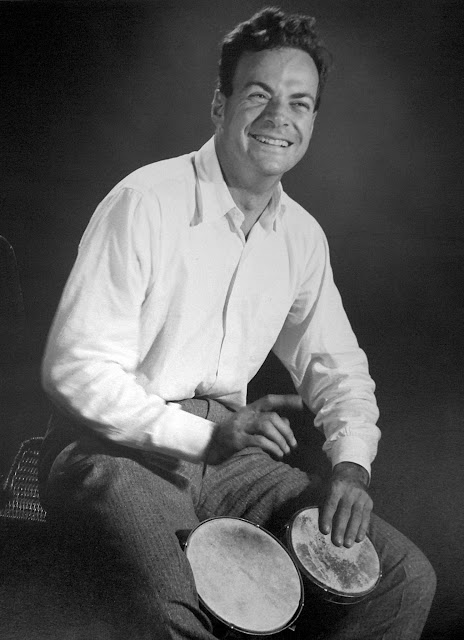
இயற்பியலுக்கான நோபல் பரிசை பிரபல விஞ்ஞானி ரிச்சர்ட் ஃபெய்ன்மேன் (Richard Feynman) 1965ஆம் ஆண்டு பெற்றார். பரிசைப் பெற்றவுடன் அவர் நியூயார்க்கிற்குத் திரும்பினார். திரும்பும் போது, கூட வந்திருந்த இரண்டு விஞ்ஞானிகளுடன் தான் படித்த பழைய பள்ளிக்கூடத்திற்குள் சென்றார். உற்சாகமான வரவேற்பு இருந்தது.  தனது பழைய பள்ளி ரிகார்டுகளை அவர் ஆர்வத்துடன் பார்த்தார். அவரது ஐக்யூ (நுண்ணறிவு  கோஷண்ட்) பற்றி என்ன குறிப்பிடப்பட்டிருக்கிறது என்று பார்த்த போது மிகவும் குறைவான ஐக்யூவே அவருக்குத் தரப்பட்டிருந்தது.


உடனே அவர், “நோபல் பரிசு பெறுவது என்பது அவ்வளவு ஒன்றும் கஷ்டமான விஷயம் இல்லை. ஆனால் இவ்வளவு குறைந்த ஐக்யூ கொண்ட ஒருவன் நோபல் பரிசு பெறுவது என்பது அபூர்வமான விஷயம் தான் என்று கூறினார். அனைவரும் சிரித்தனர்.


பள்ளிக் குறிப்பேடுகளில் ‘டல் எனக் குறிப்பிடப்பட்ட பலர் பின்னால் பெரும் மேதைகளாக ஆகி உலகை அசத்தி இருக்கின்றனர். ரிச்சர்ட் ஃபெய்ன்மேனும் அவர்களில் ஒருவர்!

***********


ADVICE TO JUDGES! (Post No.3370)

Written by London Swaminathan


Date: 19 November 2016


Time uploaded in London: 11-14 am


Post No.3370


Pictures are taken from various sources; they are representational only; thanks.


contact; swami_48@yahoo.com


MORE COURT TRIAL ANECDOTES (Please read my earlier posts about court cases)


Don’t burn them, Read them!

When the celebrated Dunning, afterward Lord Ashburton, was “stating law” to a jury in court Lord Mansfield interrupted him by saying, “If that be law, I’ll go home and burn my books.”

My lord,” replied Dunning, “you had better go home and read them.

Xxxx


Who is Offensive!

One of Winston Churchill’s favorite stories is of the Earl of Birkenhead as a young barrister. He had gotten into a heated controversy with the Judge over some aspect of a case. Their remarks grew more and more and personal.


At last the Judge said, “Young man, you are extremely offensive. “Yes,” said the Earl, “we both are. But I am trying to be, and you can’t help it.”

Xxxx

Lincoln’s Argument!

Once opposing counsel objected to a juror on the ground that he knew Mr. Lincoln, and as this was a reflection upon the honor of a lawyer, Judge Davis promptly overruled the objection. But when Lincoln, following the example of his adversary examined two or three of the jury and found that they knew his opponent, the Judge interfered. “Now, Mr. Lincoln,” he observed severely, you are wasting time. The mere fact that a juror knows your opponent does not disqualify him.”


“No, Your Honor responded Lincoln dryly, “but I am afraid some of the gentlemen may not know him which would place me at a disadvantage.”

xxx

Hang me!

Thelwall, about to be tried for treason, wrote to Lord Erskine, the following laconic epistle: “I shall plead my own cause. To which Erskine as laconically replied “You’ll be hanged if you do”.


Mr Thelwall wittily rejoined: “Then if I do, I will be hanged.

xxxx
Straightforward Judge!

A certain judge in the mining territory of Nevada had a reputation for probity (Honesty). In keeping with this opinion, he opened a mining claim case one morning with the following words to the court “Gentlemen, this court has received from the plaintiff in this case a check for $10,000. He has received from the defendant a check for $15,000. The court has returned $5,000 to the defendant and will now try the case on its merits.


—Subham–


சம்பாதி செய்த அற்புதம்: கம்பன் கூறும் செய்தி!! (Post No.3369)

Written by London Swaminathan


Date: 19 November 2016


Time uploaded in London: 7-23 am


Post No.3369


Pictures are taken from various sources; they are representational only; thanks.


contact; swami_48@yahoo.com


சம்பாதி யார்?

கழுகுகளின் அரசன். ஜடாயுவின் அண்ணன்.


கம்பராமாயணத்தில் கிஷ்கிந்தா காண்டத்தில் ஒரு அரிய செய்தி வருகிறது. எப்போது?


ராவணன் வீசிய வாளால் இறக்கைகள் அறுந்து ஜடாயு என்னும் கழுகுகளின் தலைவன் இறக்கிறான். இது கேட்டு ஜடாயுவின் அண்ணனான சம்பாதி அங்கே வருகிறான். அருகேயிருந்த வானரக் கூட்டம் பயந்து ஓடி விடுகிறது. ஆனால் மதியூகியான அனுமன் மட்டும் அங்கேயிருந்து அவனை யார் என வினவ அவன் ஜடாயுவின் தமையன் என்று அறிமுகப்படுத்திக் கொள்கிறான். பின்னர் எல்லா வானரங்களும் வந்து குழுமின.


எல்லீரும் இராம நாமம் சொல்லீர்!


சம்பாதி அங்கே குழுமி இருந்த வானர வீரர்களை நோக்கி நீங்கள் எல்லோரும் இராம நாமம் சொல்லுங்கள் அவ்வாறு சொன்னால் என் சிறகுகள் வளரும் அந்த ராமனின் அருளும் எனக்குக் கிட்டும் என்று சொல்லுகிறான்:


எல்லீரும் அவ் இராம நாமமே

சொல்லீர் சொல்ல எனக்கோர் சோர்விலா

நல்லீரப் பயன் நண்ணும் நல்ல சொல்

வல்லீர் வாய்மை வளர்க்கும் மாண்பினீர்


அதுகேட்ட வானர வீரர்களுக்கு ஒரு சந்தேகம். ராம நாமம் சொன்னால் இறக்கை வளருமா? —  எங்கே நாம் ஆராய்ச்சி செய்து பார்ப்போம். என்று எண்ணி இராமனின் திரு நாமத்தைச் சொல்லத் துவங்கின.. அப்போது சம்பாதியின் இறக்கைகள் வானளாவ வளர்ந்தன.  வலிமையாக பெரிதாக வளர்ந்தன.


என்றான் அன்னது காண்டும் யாம் எனா

நின்றார் நின்றுழி நீல மேனியான்

நன்றாம் நாமம் நவின்று நல்கினார்

வன்றோளான் சிறை வானம் தோயவே


(சிறை- இறக்கை, சிறகு)


எல்லா குரங்குகளுக்கும் ஒரே வியப்பு. சம்பாதி அங்கே வந்தபோது அவனது இறக்கைகள் கருகித் தேய்ந்திருந்தன. இப்போது அவை பளபளவென மின்னத்துவங்கின என்பான் கம்பன்:-


இந்தப் பாட்டின் மூலம் கம்பன், நமக்கு வேறு இரண்டு செய்திகளையும் அளிக்கிறான்:-


முதல் செய்தி:-

பிற்காலத்தில் இந்த வானர சேனைதான் இராமனுக்காக இலங்கை வரை அணைகட்டித் தரப்போகின்றன. இப்போதே ராம நாமத்தின் மகிமையை அவைகளின் மனதில் வேரூன்ற  வைக்கிறான் சம்பாதி மூலமாக. பிற்காலத்தில் அவை ஒவ்வொரு பாறை  பீதும் இராம, இராம என்று எழுதியவுடன் அவை மிதக்கத்துவங்கி பாலம் எழுந்த்ததை நாம் படிக்கிறோம்.


இரண்டாவது செய்தி மனிதர்களுக்கானது.

மானிடர்களே! இராம நாமத்தின் மகிமையை நான் பால காண்டத்திலேயே சொல்லி இருக்கிறேன். ஒருவேளை, மறந்து போயிருந்தால் இராம நாம மகிமையை இப்போது நினைவுபடுத்திக்  கொள்ளுங்கள் என்கிறான்.


பால காண்டத்தில் கம்பன் என்ன சொன்னான் நினைவு இருக்கிறதா?


நன்மையும் செல்வமும் நாளும் நல்குமே

தின்மையும் பாவமும் சிதைந்து தேயுமே

சென்மமும் மரணமும் இன்றித் தீருமே

இம்மையே இராம என்ற இரண்டெழுத்தினால்.


****

நாடிய பொருள் கைகூடும் ஞானமும் புகழும் உண்டாம்

வீ டியல் வழியதாக்கும் வேரியம் கமலை நோக்கும்

நீடிய அரக்கர் சேனை நீறு பட்டழிய வாகை

சூடிய சிலையிராமன் தோள்வலி கூறுவார்க்கே.


இராமனுடைய இரண்டெழுத்தைச் சொன்னால் எல்லா நன்மைகளும் கிடைக்கும். செல்வம், ஞானம் (நல் அறிவு), புகழ், லெட்சுமி கடாட்சம் எல்லாம் கிடைப்பதோடு பாவங்கள் அழிந்து இந்த ஜன்மத்திலேயே ஜனன—மரணச் சுழலில் இருந்து விடுதலையும் கிட்டும்.


—SUBHAM—


அதிசய புத்த துறவி ஸு யுன்! – 17 (Post No.3368)

WRITTEN BY S NAGARAJAN


Date: 19 November 2016


Time uploaded in London:6-27 AM


Post No.3368


Pictures are taken from various sources; they are representational only; thanks.


contact; swami_48@yahoo.com


100 வயது வாழ்ந்த பெரியோர்


120 வயது வாழ்ந்த அதிசய புத்த துறவி ஸு யுன்! – 17

ச.நாகராஜன்


ஸு யுன்னுக்கு இப்போது வயது 76.

வசந்த காலம் வந்தது. ஒரு விசித்திரமான சம்பவம் நடைபெற்றது.

முன்னாள் மஞ்சு வமிசத்தின் வழி வந்த ஒரு கல்வியாளர் டெஞ்சுகானில் வசித்து வந்தார். அவர் பெயர் டிங்.

அவருக்கு மண்மாகாத கன்னிப் பெண் ஒருத்தி இருந்தாள். அவளுக்கு வயது 18.

ஒரு நாள் திடீரென்று அவள் மயங்கி விழுந்தாள். குடும்பத்தினருக்கு என்ன செய்வதென்றே புரியவில்லை.

அவளுக்கு நினைவு திரும்பியபோது விசித்திரமான ஆண்குரலில் அவள் பேச ஆரம்பித்தாள்.

அவள் தனது தந்தையை நோக்கி, “ ஏ, டிங், உனது செல்வாக்கின் காரணமாக என்னை அநியாயமாகக் கொள்ளைக்காரன் என்று குற்றம் சுமத்திச் சாக அடித்தாய்! டாலியில் நான் வாழ்ந்து வந்தது உனக்கு நினைவிருக்கிறதா? நான் உன்னை மரண தேவனிடம் குற்றம் சுமத்தியுள்ளேன். எட்டு வருடங்களுக்கு  முன்னால் நீ இழைத்த கொடுமைக்காகப் பழி வாங்க இப்போது இங்கு வந்துள்ளேன்!” என்றாள்.

பின்னர் ஒரு கோடாலியை எடுத்துக் கொண்டு தந்தையைத் துரத்த ஆரம்பித்தாள்.

பயந்து போன டிங் வெளியில் ஓடி ஒளிந்து கொண்டார். வீட்டிற்கே திரும்பி வரவில்லை.

ஒவ்வொரு நாளும் அந்த ஆவி அவள் மீது ஆவிர்பித்தவுடன் அவள் போக்கே மாற ஆரம்பித்தது.

வீட்டில் உள்ள எல்லோரும் பயந்தனர். அண்டை அயலாரும் கூட தொந்தரவுக்குள்ளாயினர்.

அப்போது காக்ஃபுட் மவுண்டனிலிருந்து சூ சி மற்றும் சூ கின் என்ற இரண்டு பிட்சுக்கள் டெங்சுவானுக்கு வந்திருந்தனர். அவர்கள் டிங்கின் வீட்டின் பக்கமாகச் சென்ற போது அங்கே ஒரே கூட்டமாகக் குழுமி இருந்ததைக் கண்டு என்ன விஷயம் என்று விசாரித்தனர்.


அந்தப் பெண் அப்போது ஆவியினால் பீடிக்கப்பட்டிருந்தாள்.

இரண்டு பிட்சுக்களும் ஆவியிடம் சென்று, “நீ இப்படி தொந்தரவு கொடுக்கக் கூடாது என்று கேட்டுக் கொள்கிறோம்” என்றனர்.

அந்த ஆவியோ, “ நீங்கள் துறவிகள். அடுத்தவர்கள் விஷயத்தில் அனாவசிய்மாக நீங்கள் தலையிடக் கூடாது” என்றது.

ஒரு துறவி கூறினார்: “உண்மை தான்! இது எனக்குச் சற்றும் சம்பந்தமில்லாத விஷயம் தான். ஆனால் என் குரு எப்போதுமே சொல்லி இருக்கிறார்- பகைக்குப் பகை என்பது எப்போதுமே நல்லதில்லை என்று! அதை உட்னடியாக முடிவுக்குக் கொண்டு வர வேண்டும். இல்லையேல் இன்னும் எல்லாம் மோசமாகி விடும்!”

அந்த ஆவி சற்று யோசித்தது. பின்னர் கேட்டது: “உங்கள் குரு யார்?”

‘சூ செங் மடாலயத்தைச் சேர்ந்த ஸு யுன் தான் எங்கள் குரு”

“அவரைப் பற்றி நான் நிறையக் கேள்விப் பட்டிருக்கிறேன். ஆனால் பார்த்ததில்லை. அவர் என்னைக் கடைத்தேற்றுவாரா?”

“அவர் எல்லோர் மீதும்  மிகுந்த தயை உள்ளவர். எல்லோரையும் க்டைத்தேற்றுவது என்ற சங்கல்பம் பூண்டவர். உனது வேண்டுகோளை அவர் எப்படி மறுப்பார்?”

அந்தத் துறவி டிங்கை சிறிது பணம் செலவழித்து அந்த ஆவிக்காக பிரார்த்தனை செய்து அதை விடுவிக்குமாறு அறிவுரை கூறினார்.

ஆனால் அந்தப் பெண்ணோ, “டிங்கின் பணம் எனக்குத் தேவை இல்லை. அவன் ஒரு கொலைகாரன்” என்றாள்.

“சரி! இந்த நகரத்து மக்கள் தங்கள் பணத்தைக் கொடுத்து உன்னை விடுவிக்க முயன்றால் அது தப்பாகாதே” என்றார் பிட்சு.


அந்தப் பெண் கோபமான குரலில் கூவினாள் :”இந்த எனது துக்கம் தீர்க்கப்படவில்லையானால் நான் திருப்தி அடையவே மாட்டேன். ஆனால் பகைக்கு பகை என்பது தொடர்ந்து நீண்டு கொண்டே தான் இருக்கும். ஆகவே நான் மரண தேவனிடம் என்ன செய்வது என்று கேட்டு வருகிறேன். சில நிமிடங்கள் பொறுமையாக இருங்கள்”

அந்தப் பெண் குழுமியிருந்த கூட்டத்தினரைக் கண்டு சற்று வெட்கம் அடைந்தாள்.

மறு நாள் மீண்டும் வந்த அந்த ஆவி பிட்சுக்கள் காத்திருக்காமல் சென்று விட்டதைச் சொல்லி வருத்தப்பட்டது

பிட்சுக்கள் வருத்தம் தெரிவித்து தாங்கள் நகர அலுவலகத்திற்குச் சென்று தங்கள் வேலையை முடிக்க வேண்டியிருந்தது என்று விளக்கினர்.

ஆவி கூறியது: “நான் மரணதேவனிடம் ஆலோசனை கேட்டேன். சூ ஷெங் மடாலயம் புனிதமான் இடம் என்றும் அங்கு நான் செல்லலாம் என்று மரண தேவதை கூறியது. ஆனால் ஒரு நிபந்தனை. நீங்கள் என் கூட வரவேண்டும்”

அந்தப் பெண்ணுடன் துறவிகள் இருவரும் காக்ஃபுட் மவுண்டனுக்குத் திரும்பினர்.

கூடவே பத்துப் பேர்களும் வந்தனர். அவர்கள் நடந்தது அனைத்தையும் ஸு யுன்னுக்கு விளக்கினர்.

மறு நாள் ஒரு பெரிய பீடம் ஒன்று எழுப்பப்பட்டது. விசேஷமாக சூத்ரங்கள் இசைக்கப்பட்டன.

அந்த ஆவி கடைத்தேற பிரார்த்தனை செய்யப்பட்டது.

அந்த ஆவியும் திருப்தியுற்று அகன்றது.

அன்று முதல் டிங்கின் வீட்டில் அமைதி திரும்பியது.

இதைத் தொடர்ந்து அந்த நகரத்து மக்களுக்கு இந்தச் செய்தி பரவ அவர்கள் அனைவரும் அடிக்கடி ம்டாலயத்திற்கு வர ஆர்மபித்தனர். ஸு யுன்னைத் தரிசிக்க ஆரம்பித்தனர்.

***************


நோஞ்சான் குதிரை மூலம் லிங்கன் சொன்ன புத்திமதி! (Post No.3367)

Written by London Swaminathan


Date: 18 November 2016


Time uploaded in London: 9-38 am


Post No.3367


Pictures are taken from various sources; they are representational only; thanks.


contact; swami_48@yahoo.com


அமெரிக்காவின் ஜனாதிபதி ஆவதற்கு முன் ஆப்ரஹாம் லிங்கன் வக்கீல் தொழில் செய்துவந்தார். ஒரு நாள் வயதான, எலும்பும் தோலுமான தனது நோஞ்சான் குதிரை மீது லூயிஸ்டன் கோர்ட்டுக்குப் பயணமானார்.


அந்தக் குதிரை தெனாலிராமன் குதிரை போன்றது. முன்னே இரண்டு பேர் இழுக்க, பின்னே இரண்டு பேர் தள்ள, பத்து தப்பிடி நகரும். அவ்வளவுதான்.


அவர் குதிரை ஒரு வயக்காட்டு வழியே போன போது நடந்த சம்பாஷணை:-


ஏய் அபி (Abraham Lincoln) ! என்ன லூயிஸ்டன் கோர்ட்டுக்குப் போறியா?


ஆமாம், டாமி மாமா (Uncle Tommy). நீங்க சவுக்கியமா இருக்கீங்களா?


ம்ம்ம்ம்ம்……. இருக்கேன்……..


என்ன அங்கிள் டாமி? ஏதாவது பிரச்சனையா? இழுத்து…… இழுத்து …….. பேசுறீங்களே


இல்ல, நானும் லூயிஸ்டன் கோர்ட்டுக்கு வந்து உன்ன பாக்கறேன்.


என்ன மாமா. கோர்ட்டு, கீர்ட்டுன்னு பேசறீங்க !என்ன பிரச்சன?


ஒன்னுமில்ல. எல்லாம் நம்ம பக்கத்து நிலம் ஜிம்மிதான் — கொஞ்சம் அத்து மீறி போயிட்டிருக்கான்.

அவன கோர்ட்டுல ஒரு கை பாக்கனும்.


மாமா, இருங்க, பொறுங்க. நீங்களும் ஜிம்மியும் எத்தன வருஷம் பக்கத்துல பக்கத்துல வசிக்கிறீங்க.

என்ன ஒரு 25 வருஷம் இருக்கும்னு நினக்கிறேன்

என்ன மாமா இது? 25 வருஷமா சேர்ந்து வசித்துவிட்டு இப்ப கோர்ட் பத்திப் பேசறீங்க.


மாமா என் குதிரையை பாருங்க. இதுவும் 10, 15 வருஷமா இருக்கு. எப்படி நடக்குதுன்னு நீங்களே பாருங்க. முன்ன எல்லாம் ஒழுங்காத்தான் போச்சு. இப்ப அது மேல நான் கோபப்படுறேனா. இல்லையே.


அவ்வளவுதான்! அதோட “அட்ஜஸ்ட்” பண்ணி போறேன்.


நோஞ்சான், நொண்டி என்று தூக்கிப்போட முடியுமா?


அப்ப நீ சொல்ற. நானும், உன்னைப் போல பொறுமையாய் அட்ஜஸ்ட பண்ணிட்டு போனும்; வழக்கு வாய்தான்னு வம்பு வேண்டாங்கற.


பின்ன? அங்கிள் டாமி,  பழைய குதிரை போல நண்பரையும் பாருங்க.


சரீப்பா, அபி, நீ சொல்றதும் சரியாத்தான் படறது.


இதைக் கேட்டவுடன் ஆப்ரஹாம் லிங்கனின் முகத்தில் புன்னகை மலர்ந்தது.


கோர்ட்டுக்கு வரும் முன்னரே ஒரு வழக்கைத் தீர்த்துவிட்ட பெருமிதம் அவர் முகத்தில் பளிச்சிட்டது.

அவரது நோஞ்சான் குதிரை முன்னைவிட சிறிது வேகமாக லூயிஸ்டன் நீதிமன்றத்தை நோக்கி நடைபோட்டது!


நாய் “வாலால்” கடிக்கட்டுமே!


அமெரிக்காவில் லாங் ஐலண்ட் (LONG ISLAND) ராணுவ முகாம் அருகில் ஒரு பெரிய எஸ்டேட் இருந்தது. அங்கே பாதுகாப்புக்காக நல்ல உயர்தர, விலை மதிப்புள்ள நாய்களை பாதுகாப்புக்காக வைத்திருந்தனர். ஒரு நாள், ஒரு நாய் ராணுவ முகாம் பாதுகாவலரைக் (Army Camp Sentry) கடித்துவிட்டது. அவர் கோபத்தால் துப்பாக்கி  சனியனால் (துப்பாக்கி  முனையில் சொருகப்பட்ட கத்தி Bayonet) நாயைக் கொன்றுவிட்டார்.


நாயின் சொந்தக்காரர் வழக்கு போட்டார். வழக்கு விசாரணை நாளும் வந்தது. நாயின் சொந்தக்காரர் , அந்தக் காவலரை தன்னுடைய நாய் அப்படி ஒன்றும் கடித்துக் குதறிவிடவில்லை என்று நிரூபித்தார்.


உடனே நீதிபதி கேட்டார்:

ஏம்பா. உன்னை நாய் ஒன்றும் அப்படிப் பெரிதாக கடிக்கவில்லையே! துப்பாக்கி முனை கத்தியைப் பயன்படுத்துவதற்குப் பதிலாக அதன் பின்புறப்பகுதியால் (Rifle Butt) அடித்து விரட்டி இருக்கக் கூடாதா?

உடனே அந்தக் காவலர் பளிச்சென்று பதில் தந்தார்”


அது சரி கனம் நீதிபதி அவர்களே! அந்த நாயும் முன்பக்கத்தால் கடிக்காமல் அதன் பின்புற வாலால் என்னைக் கடிக்கக்கூடாதா?


நீதிபதி  இந்தப் பதிலைக் கேட்டு திகைத்துப் போனார்!


–Subham–

Tolerance Anecdotes: Abraham Lincoln and his Horse! (Post No.3365)

Compiled  by London Swaminathan


Date: 18 November 2016


Time uploaded in London: 9-17 am


Post No.3365


Pictures are taken from various sources; they are representational only; thanks.


contact; swami_48@yahoo.com


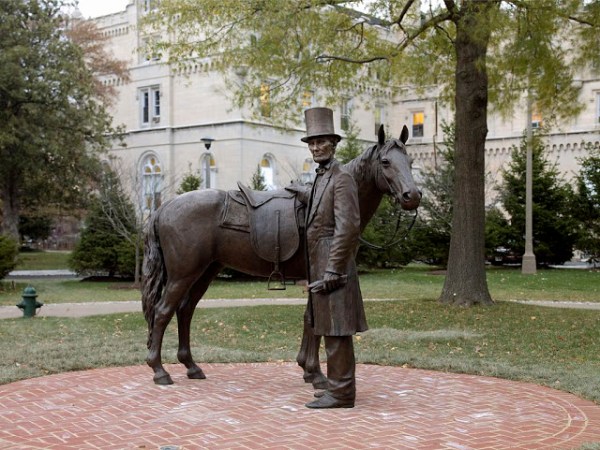
Abraham Lincoln’s lame horse!


When Abraham Lincoln used to be drifting around the country, practising law at Fulton and Menard counties, Illinois, an old fellow met him going to Lewiston, riding a horse, which, while it was a serviceable enough animal, was not of the kind to be truthfully called a fine saddler. It was a weather beaten nag, patient and plodding, and it toiled along with Abe–and Abes books, tucked away in saddle bags, lay heavy on the horses flank.

Hello, Uncle Tommy, said Abe.

Hello Abe, responded Uncle Tommy. I am powerful glad to see ye, ye, for I am going to have something for you at Lewiston cot, I reckon.

How is that? Uncle Tommy, said Abe

Well, Jim Adams, his land runs long o mine , he is pestering me a heap, and I got to get the law on Jim, I reckon.

Uncle Tommy, you have not had any fight s with Jim, have you?

No

He is a fair to middling neighbor isn’t he?

Only tolerable, Abe.

He has been a neighbor of yours for a long time, hasn’t he?

Nigh on to fifteen years.

Part of the time you get along all right, don’t you?

I reckon, we do Abe

Well, now, uncle Tommy, you see this horse of mine?

He isn’t a good horse as I could straddle, and I sometimes get out of patience with him, but I know his faults. He does fairly well as horses go , and it might take me a long time to get used to some other horses faults. For all horses have faults. You and uncle Jimmy must put up with each other as I and my horse do with one another.

I reckon, Abe, said uncle Tommy, as he bit off about four ounces of Missouri plug, I reckon you are about right.

And Abe Lincoln with a smile on his gaunt face rode on toward Lewiston.


Xxx

Colour one cheek!

Sir Francis De Sales, being consulted by a lady on the propriety of wearing rouge, replied,

“Some persons may object to it, and others may see no harm in it, but I shall take a middle course, by allowing you to rouge on one cheek.”


Xxx

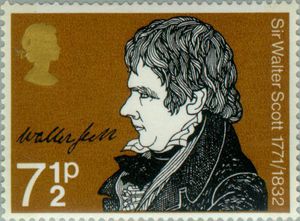
Sir Walter Scott’s Advice

Sir Walter Scott, once happening to hear his daughter Anne say of something that it was vulgar, gave the young lady the following rebuke:

“My love, you speak like a very young lady; do you know, after all, the meaning of this word vulgar? It is only common. Nothing that is common, except wickedness, can deserve to be spoken of in a tone of contempt.”

–Subham–


Why do Hindus dissolve ash in the River Ganges? (Post No.3366)

Compiled  by London Swaminathan


Date: 18 November 2016


Time uploaded in London: 8-28 AM


Post No.3366


Pictures are taken from various sources; they are representational only; thanks.


contact; swami_48@yahoo.com


ADULTS ONLY: THIS SHOULD BE READ ONLY BY THOSE WHO HAVE LOST THEIR FATHER OR MOTHER OR BOTH. YOUNGSTERS SHOULD NOT READ THE FUNERAL POSTS.


13 Day Hindu Funeral Rites- Part 3


Recorded by The Rev. J E Padfield B.D., year 1908, in his book “The Hindu at Home”.


32 different mantras
The party then proceed to a special place, outside the town or village, where such funeral rites are performed. This place is usually a well or is near a tank or river, and is used only for this particular purpose. On  arriving at the place in question, the karta proceeds to bathe and then to cook the food which he has brought. The preta shila/stone is then placed into a little receptacle formed for it of leaves and is then consecrated by the repetition of mantrams portion. A small portion of the cooked food is now waved before the stone as an offering. This is to appease the hunger of the preta, just as water, which is poured over it, is supposed to appease its thirst. After this the remainder of the cooked food is scattered to different sides a thirty-two different mantrams are repeated, calling upon the crows and kites to come and devour what is scattered. The mantras are appeals to the disembodied spirit, in the shape of the various kinds of birds, to come and partake of the food thus provided. All this is repeated every morning for ten days. The following is a specimen of the texts thus said:-


May this préta enjoy this food by means of the mouths of these kites and crows.”

Grdhra vayasa mukhena preto bhujyatam


When this ceremony is over, the scattered food is eaten by the kites and crows which fly around in expectation of the feast.
 

Nine different grains


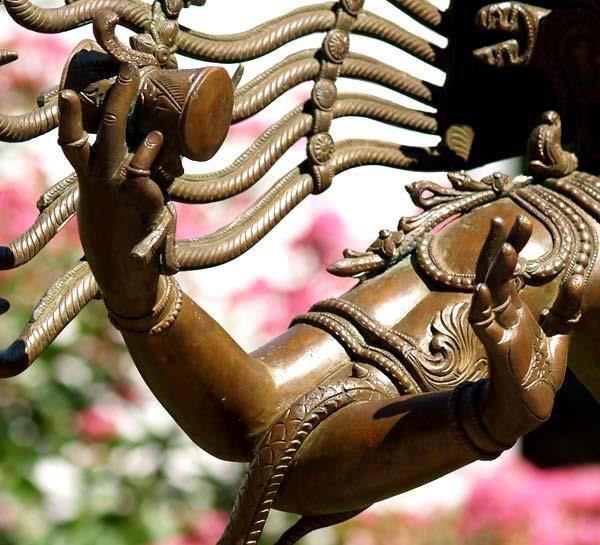
After all this is finished the party return home. On entering the house, the karta purify his eyes before looking upon any of the household, by fixing them upon the light which has been placed on the spot where the deceased last lay. He then gets a pot of water which he suspends from a beam over the same place, where the dead breathed his last. A small hole is made in the bottom of this pot and the water is allowed slowly to drip on to the ground near the place, where the head lay. Some earth is also put there in which nine different kinds of grain have been mixed. The pot is left there for the ten days of the nitya karma. in order to quench the thirst of the spirit which is thought to still hover near the spot.


From the time of death up to this moment no food has been cooked in the house; but now a meal is prepared, a small portion of which is carefully placed near to the dripping water for the refreshment of the disembodied spirit. This food is renewed and placed there daily during the ten days of the nitya karma cere monies. This act ends the ceremonies of the funeral day itself, but not all the ceremonies for the dead.


Collecting the bones


On some one day of the ten during which the nitya karma rites are performed, there is a sanchanam (collecting). This takes place usually on the fourth day, and it is performed at the burning ground. It is different from and additional to the daily rite at the préta place.


Bones placed in the Ganges River


The karta and the priest accompanied by a few friends, and probably a few Brahmins, especially if a fee is given to them for so coming, will proceed to the burning ground, taking with them from the house fire, rice, ghee and curds with pots for cooking, and also some of the sacred darbha grass. The karta then gathers some of the pieces of bone that may be left amongst the ashes of the funeral pile. These bones are preserved in a new earthen vessel or urn for a time, after which they are taken and dissolved in some sacred river, or buried in an unfrequented place.


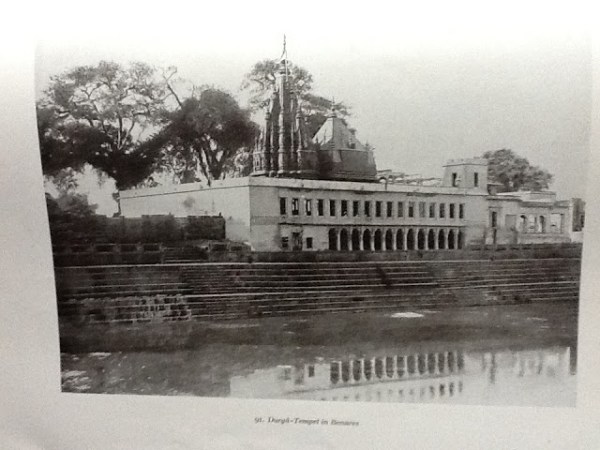
In the case of wealthy people, who can afford to pay the necessary expenses, it is a very common thing for Brahmins to be employed and well payed to take the urn (asthi patra) with the calcined bones all the way to Benares, there to be dissolved into the sacred Ganga (River Ganges).


There is a slokam or verse, which is current amongst the purohitas/priests and extremely popular, showing the benefit which will be derived from the bones being thus cast into the waters of the river Ganges


“How longsoever the bones of a man

Are in the waters of the Ganges

For so many thousands of years

They will be respected in Brahma lokam.


Yavadhasti manushayanam Gangatoyateshu tishtati

Tavadvarsha sahasrani brahmaloke mahipate


The rest of the ashes are carefully gathered together, and put aside or buried. The karta now proceeds to prepare a place for cooking the materials be has brought for the purpose. This is done by sprinkling a spot of ground with water and smearing it with the dung of a cow. He then bathes and cooks the food, after which he performs a homam/ fire sacrifice. This being done he with suitable mantrams, casts food to the crows and kites which have come there for the meal. This food is called prétabaram or food for the spirit.


On the tenth and final day of the mourning, the near relatives, with the family priest and the karta, assemble at the place where the nitya karma rites are performed for the last important ceremony. The food is cooked and scattered to the birds, with the repeating of mantrams for the last time;  after which the chief mourners shave and bathe, so as to be rendered free from defilement. The brass pot in which this food has been cooked for the past ten days, and the preta shila (the small stone), are now thrown into the water by the karta, for they are now done with. This is called shiladhivasam, or placing the stone. The pot is afterwards secured by the purohita as a fee. After this a homam is performed by the karta, alms are to distributed to attendant Brahmins and all proceed to their homes.

What happens to the wife of the deceased?

If the deceased was a married man, it is at this last ceremony that the poor widow is degraded into her state of widowhood. This rite is called sutrachédam or cutting of the cord.


No thought of youth or beauty, no bonds of nature or ties of affection can ward off this inevitable curse. The relatives and friends of the poor forlorn creature assemble at the house and the victim is adorned for the sacrifice. Her festive raiment is put on, and she is beautified with her jewels, flowers and sweet-smelling sandal paste. The beauty intensified with rouge and bright pigments, and all is arranged as for a festive day. For a time her loving friends weep with her and embrace her, condoling with her on her fate. After this is over she is taken in a palanquin to some sort and conveyed to the scene of her degrading. When she arrives, her bright clothing and jewels are taken off. Henceforth she must have only one coarse covering; her beautiful long hair, the glory of her womanhood, is cut off and her head is close shaven. The mangalasutram or marriage token is cut off and she is now a widow indeed. This cutting off of the marriage cord is always done by a woman and then she is taken back to her home.
11th Day

On the eleventh day there are some ceremonies at the house which include the feeding of Brahmins. On this day too, in times gone by, there was a ceremony called Ekahvanam (calling of one) by which a Brahmin for sufficient consideration, took upon himself the sins of the deceased and expiated the same by 21 days seclusion and by repating numberless times the Gayatri, with various ceremonies. This now appears to be an obsolete rite. Instead of it , 32 lumps of rice and ghee mixed together are taken and thrown into a pit near to  which a sacrifice /homam is made.

Bull is dedicated


A young bull is dedicated by being stamped with the mark of vishnu’s wheel or shiva’s trident. By this the sins of the deceased are supposed to be transferred to the animal which is meritorious to feed and care for. Sometimes a cow-calf  is also devoted, and a kind of marriage is performed between the two.

12th day
On the twelfth last of the various funeral ceremonies is performed. It is called the sapindi karanam. A few words should be said about mourning, for the Hindu idea of mourning is not conveyed by the English term. To  the Hindu it means uncleanness, ceremonial defilement and it is quite apart from the natural sorrow caused to survivors by death. The word used for mourning, in the true Hindu sense, is ashushi or sutakam, both which words mean ceremonial defilement. The duration of this mourning varies according to the condition of the deceased. In the case of mere infants the time is about one day. In the case of a boy who has not yet been invested with the sacred thread, or of a girl not yet married, the time is three days and after that, in either case the proper time is ten days. In the case of a married female, whether she has joined her husband or not, her own parents and brothers and sisters observe this ceremonial mourning for three days. During these periods, the near relatives of the deceased are considered unclean, and their touch would ceremonially defile any person or thing. They must not enter their own kitchen or touch any cooking utensil. The food, during the days of mourning, must be prepared by someone not personally connected with the deceased although of equal caste.


13th day

Thirteenth day is called Suba Sweekaram. Everyone in the family bathes and wear new clothes. They go to temple and worship . afer which they don’t go to temple for a year. Elders don’t celebrate the usual festivals but children do celebrate.
 

(My Comments:– It is not very comprehensive. But it will give some idea about the Hindu way of life. Lot of Dhanams (Gifts), at least 96 gifts are listed in the books. Garuda Puranam is recited on the 13th day or before that. Customs also differ from area to area. It is all done for practical reasons. When people find it difficult to follow certain rules for practical reasons, the elders in the family or in the community guide them to drop some or modify some rules. Hinduism is not rigid. If someone has to write what all happens from the minute of death to the first anniversary of the death, it will be a voluminous book. Every month some ceremonies are done for one year. The first death anniversary also has lot of rituals. Then they do Tarpan on new moon days and other important days throughout their life. Non-Brahmins don’t do all the rituals but they do pay respect to their departed souls twice a year or four times a year during Two Important New Moon Days and two equinox days)


–Subham–