TREES AND STARS- HINDU WAY OF SAVING ENVIRONMENT (Post No.4904)

Written by London Swaminathan 


Date: 11 April 2018


Time uploaded in London –  17-10  (British Summer Time)


Post No. 4904


Pictures shown here are taken from various sources such as Facebook friends, Books, Google and newspapers; thanks. Pictures may be subject to copyright laws.


WARNING: PLEASE SHARE MY ARTICLES; BUT DON’T SHARE IT WITHOUT AUTHOR’S NAME AND THE BLOG NAME. BE HONEST; OTHERS WILL BE HONEST WITH YOU
 

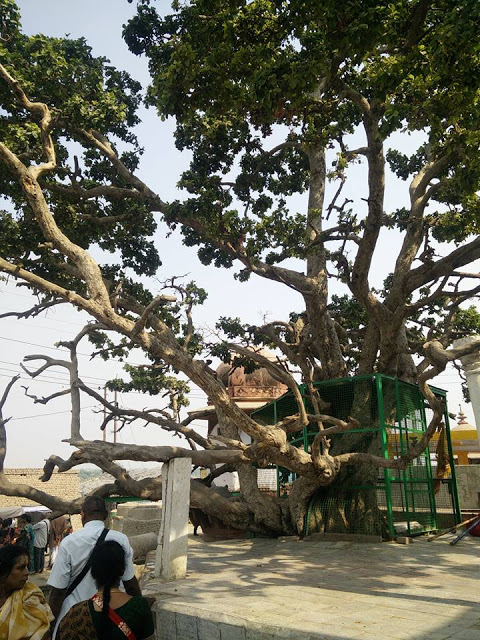
Hindus allocated one tree to every temple and made them holy. It helped to save environment. It helped to save and grow more forest. Every temple has a garden called Nanda Vanam. Because of the Muslim invaders and their destructive activities it slowly dis appeared in North India. But in the South several big and famous temples maintain the old tradition.


In the same way Hindus designated one tree for every star. Hindus cast their horoscope when a baby is born and it falls under one of the 27 stars in the Zodiac. That means each one will take care of their tree or plant, worship it and respect it.


The following list is taken from Malayalam sources; so the plants names are in Malayalam


Nowhere in the world we can see such a systematic protection of plants. Here is the list of Stars and Plants:

1.ASWINI – BETA ARIETIS – KANJIRAM (Nux Vomica plant)

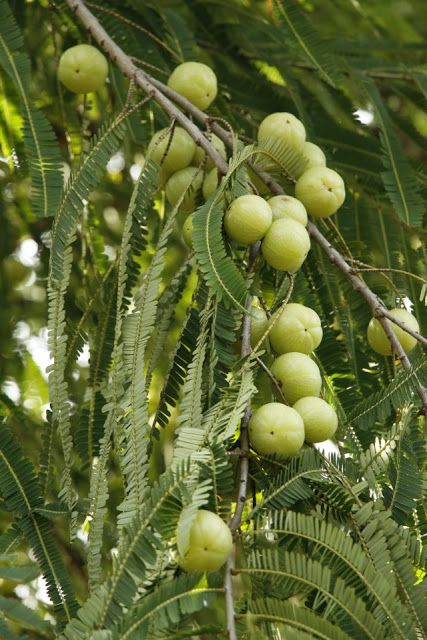
2.BHARANI – 35 ARIETIS – NELLI (Phyllanthus Embilica)

3.KRITTIKA – ETA TAURI/PLEIADES – ARTHI (Ficus oppostifolia)

4.ROHINI – ALDEBARAN – NJAVAL (Zyzygium jambolanum)

5.MRIGASIRSHAM- LAMBDA ORIONIS- KARINGALI (Mimosa catechu)
 

6.THIRUVADIRAI/ARUDRA- BETELGEUSE- KARIMARAM (Terminalia alata)

7.PUNARVASU- BETA GEMINORUM- MULA (Bamboo)

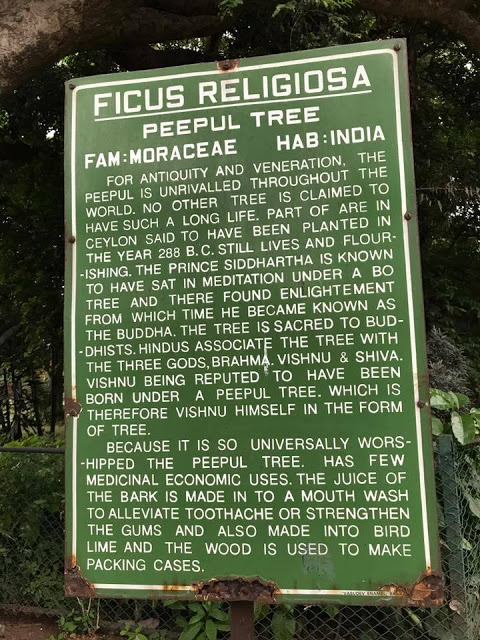
8.PUSHYA – DELTA CANCERI – PEEPAL (Ficus religiosa)

9.AYILYAM/ASLESHA- ALPHA HYDROE – NAKAM (Heritiera littoralis)

10.MAKAM /MAGHA- REGULUS – PERAL/ VATA (Ficus indica)

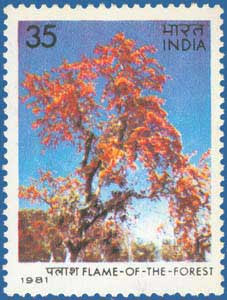
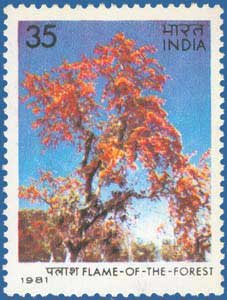
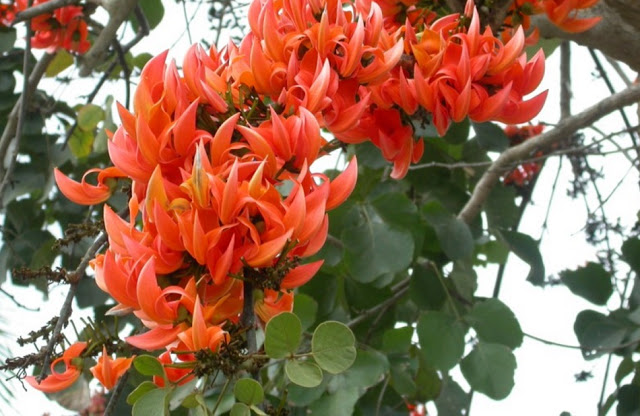
11.POORAM/PURVA PALGUNI – DELTA LEONIS- PALASH (Butea frondosa)

12.UTHRAM – UTHIRA PALGUNI- BETA LEONIS- ITHTHI (Ficus venosa)

13.HASTHAM – DELTA CORVI- AMPAZHAM- (Spondias Mangifera)

14.CHITRA- SPICA VIRGINIS- KOOVALAM- Crateva religiosa

15.SWATI- ARCTURUS- NERMARUTHU (Penteptera arjuna)

16.VISAKAM- ALPHA LIBRAE – VAYYAMKATHUKU- (sSida retusa)
 

17.ANURADHA- DELTA SCORPIO- ILANJI (Mimusops elengi)

18.JYESHTA- KETTAI- ANTARES- VETTI (Physalis flexuosa)

19.MOOLAM/MULA- LAMBDA SCORPI- PINE

20.PURDAM/PURVA ASHADA- DELTA SAGITTARI- VANNI (Prosopis spicigera)

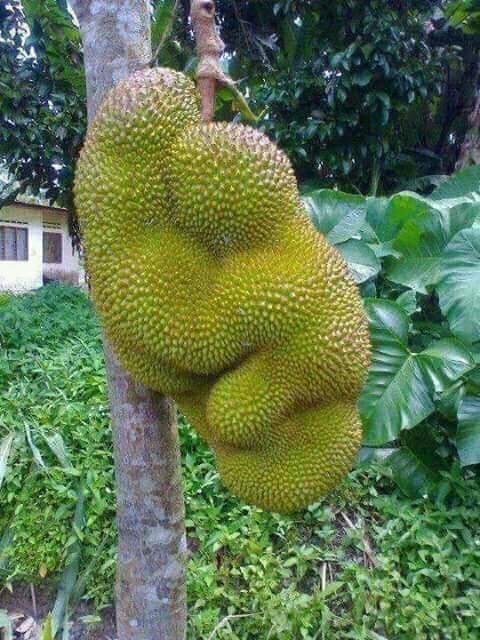
21.UTHRADAM- UTHRA ASHADA-  SIGMA SAGITTARI- PILAVU (jack fruit)

22.ONAM- SRAVANA – ALPHA AQUILOE- ERUKKU (Calotropis gigantean)

23.AVITTAM/DHANISHTA- BETA DELPHINUM – VANHI (Plumbago ceylanica)

24.SATHAYAM/SATHABISHAK- LAMBDA AQUARIUS- KATAMBU (Nauclea Cadamba)

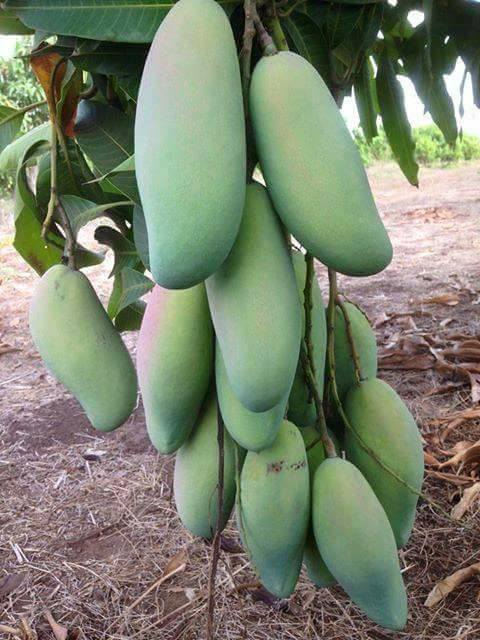
25.POORATTADI- PURVA BHADRAPADA- ALPHA PEGASI- MANGO TREE

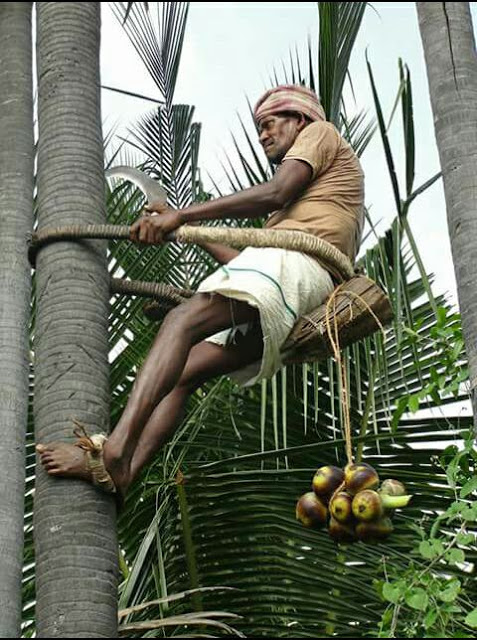
26.UTTRATTADI- UTTARA BHADRAPADA- GAMA PEGASI- KARIMPANA- (Borassus flabelliformis)

27.REVATHI – ZETA PISCUM- IRIPPA (Bassia latifolia)
–subham–
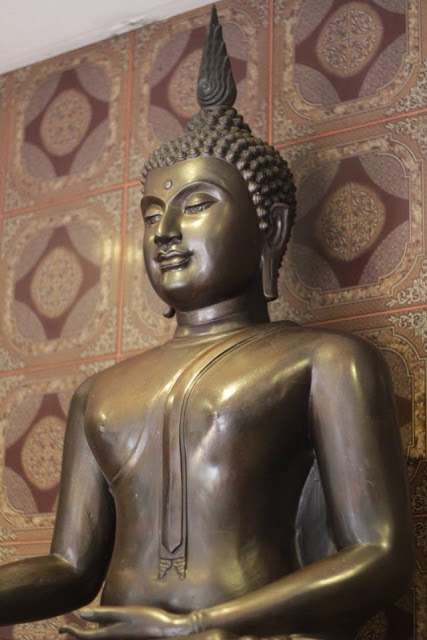
 

புத்தரின் உருவ வழிபாடு! (Post No.4903)

Written by S NAGARAJAN


Date: 11 April 2018


Time uploaded in London –  7-32 AM  (British Summer Time)


Post No. 4903


Pictures shown here are taken from various sources such as Facebook friends, Books, Google and newspapers; thanks. Pictures may be subject to copyright laws.


WARNING: PLEASE SHARE MY ARTICLES; BUT DON’T SHARE IT WITHOUT AUTHOR’S NAME AND THE BLOG NAME. BE HONEST; OTHERS WILL BE HONEST WITH YOU


by ச.நாகராஜன்


உலகெங்கும் பல நாடுகளில் புத்தரின் சிலைகள், உருவங்கள் உள்ளன.புத்த மதத்தினரும் புத்த மதத்தைச் சேராத பல சாமான்ய மக்களும் அறிவாளிகளும் அந்தச் சிலைகளை வழிபடுவது வழக்கமாக உள்ளது.


பல அறிஞர்களின் வீ டுகளும் அலுவலக அறைகளும் புத்தரின் அழகிய தோற்றம் உடைய சிலைகளையோ அல்லது படங்களையோ கொண்டிருக்கின்றன.


இது ஏன்?


அமைதி ததும்பும் அந்த சாந்த உருவம் மனதை சாந்தப்படுத்தி கிளர்ச்சிகளை நீக்கி உயர் நிலைக்கு இட்டுச் செல்கிறது.

இது அனுபவித்தவர்களுக்கே புரியும்.


இதைப் பற்றிய சம்பவம் ஒன்று உண்டு. டாக்டர் ஸ்ரீ கே.தம்மானந்தா புத்த மதத்தினர் உருவ வழிபாட்டைக் கொண்டவர்களா என்ற கட்டுரையில் இது பற்றிக் குறிப்பிடுகிறார்.

கதை இது தான்:


புத்தரின் மறைவிற்குப் பின்னர் சில நூற்றாண்டுகள் கழிந்த்ன. இந்தியாவில் புத்தரின் கொள்கைகளை பிரசாரம் செய்வதில் அபூர்வமான ஒரு பிக்ஷு தோன்றினார். அவர் பெயர் உபகுப்தர்.

அவரது சொற்பொழிவுகளைக் கேட்க ஆயிரக் கணக்கில் மக்கள் திரள்வது வழக்கம்.


இது தேவதைகளுள் மயக்கும் தேவதையான மாரனுக்குப் பொறாமையைத் தந்தது.


எப்படியாவது இந்தக் கூட்டத்தைக் கலைத்து மக்களைத் தன் பக்கம் இழுக்க மாரன் திட்டமிட்டான்.

ஒரு முறை பிரம்மாண்டமான கூட்டம் ஒன்றில் உப குப்தர் பேசிக் கொண்டிருந்தார். ஆயிரக்கணக்கில் மக்கள் திரள்!

மாரன் இது தான் தக்க தருணம் என்று உபகுப்தர் பேசிய இடத்திற்கு எதிர்த்தாற் போல ஒரு பெரிய மேடையை க்ஷண நேரத்தில் அமைத்தான்.


அழகிய அப்ஸரஸ் போன்ற மங்கைகளை நடனமாட வைத்தான்.

கூட்டம் அப்படியே மாரன் அமைத்த மேடையை நோக்கித் திரும்பியது.


ஒவ்வொருவராகச் செல்ல இறுதியில் உபகுப்தர் மட்டுமே இருந்தார்.


அவரும் கூட்டத்துடன் மாரனின் மேடையை நோக்கிச் சென்றார்.

நடன நிகழ்ச்சி முடிந்தது.


உபகுப்தர் மாரனுக்கு ஒரு பாடம் கற்பிக்க எண்ணினார்.

மாரனை அணுகிய உபகுப்தர், “மாரா! நீங்கள் அமைத்த நிகழ்ச்சி பிரமாதம்!உங்களுக்கு இந்த மாலையைச் சூட்ட விழைகிறேன்’ என்றார்.


மாரனுக்குப் பரம சந்தோஷம். “உங்கள் பெருந்தன்மையைப் பாராட்டுகிறேன்” என்று கூறிய மாரன் தன் கழுத்தை நீட்டினான்.

மாலை அவன் கழுத்தில் போடப்பட்டது.

உடனடியாக அது பாம்பு போன்ற சுருள்களைக் கொண்டதாக மாறி பாம்பு சுருள்வது போலச் சுருண்டு மாரனின் கழுத்தை நெருக்கத் தொடங்கியது.

வலி தாங்க மாட்டாத மாரன் அலறத் தொடங்கினான்.

உடனடியாக் நேராக தேவர்களின் அரசனான சக்கனிடம் சென்று மாலையை நீக்க வேண்டினான்.


சக்கனோ தன்னால் இயலவில்லை என்று தெரிவித்து விட்டான்.

உடனடியாக மஹா பிரம்மாவை அணுகிய மாரன் தன்னை மாலையிலிருந்து விடுவிக்குமாறு வேண்டினான்.

தன்னால் முடியாது என்று கூறிய பிரம்மா, “ஆனால் ஒரு வழி இருக்கிறது. இதை யார் போட்டார்களோ அவர்களே இதைக் கழட்ட முடியும்” என்றார்.


மாரன் கடைசியாக உபகுப்தரிடம் வந்து மாலையை அவிழ்க்குமாறு மன்றாடினான்.


உபகுபதர், “ அப்படியே செய்கிறேன், இரண்டு நிபந்தனைகளுக்கு உட்பட்டு. சம்மதமா?” என்று கேட்டார்.

தப்பித்தால் போதும் என்ற நிலையில் மாரன் நிபந்தனைகளுக்கு இணங்கினான்.


“முதல் நிபந்தனை இனி எந்தக் காலத்திலும் புத்தரின் கோட்பாடுகளைக் கேட்கும் எவருக்கும் தீங்கு செய்ய நினைக்கக் கூட கூடாது என்பது.


இரண்டாவது நிபந்தனையை உப குப்தர் விளக்கினார்” “நான் புத்தரின் உருவத்தை நேரில் தரிசித்ததில்லை. ஆனால் நீயோ அவரைப் பார்த்திருக்கிறாய். ஆகவே அவரது உண்மையான உருவத்தை எனக்குக் காட்ட வேண்டும்!”

இதற்கு இணங்கிய மாரன், “ ஆனால் ஒரு விஷயம். நான் தான் புத்தராக மாற வேண்டும். அப்படி மாறித் தோற்றமளிக்கும் போது புத்தர் வடிவில் இருக்கும் என்னை நீங்கள் வணங்கி விடக் கூடாது. ஏனெனில் நான் உங்களைப் போல புனிதமானவன் அல்ல” என்றான்.

இதற்கு இணங்கினார் உபகுப்தர்.

மாரன் புத்தராக மாறினான்.


கருணை பொங்கும் அந்த உருவத்தைக் கண்ட உபகுப்தர் உருகினார்.


தன் கைகளைக் கூப்பி புத்தரை வணங்க ஆரம்பித்தார்.

“ஆ! நீங்கள் கொடுத்த வாக்கை மீறுகிறீர்கள்’ என்று அலறினான் மாரன்.


“ நான் மாரனை எங்கே வணங்குகிறேன். நான் புத்தரை அல்லவா வணங்குகிறேன்” என்று பதில் சொன்னார் உபகுப்தர்.

ஆக இந்த சம்ப்வத்திலிருந்து புத்தரின் உருவம் ஒன்றே அசாத்தியமான சாந்தியையும் உயரிய நிலையையும் அளிக்கும் என்பது தெரிய வருகிறது.


அன்றிலிருநது புத்தரின் சிலைகளை வணங்கும் வழக்கம் எல்லா நாடுகளிலும் ஏற்பட்டது.


சிறிய அளவில் இருந்த புத்தரின் சிலை மகோன்னதமான அளவில் மிகப் பெரிதாக வடிவமைக்கப்பட்டது.

இது தான் புத்தர் சிலை வழிபாடு ஆரம்பமானதின் கதை!

***

FAMOUS TREES OF NORTH INDIA (Post No.4902)

Kadamba Tree that Lord Krishna used at Chirghat, UP

Written by London Swaminathan 


Date: 10 April 2018


Time uploaded in London –  21-36  (British Summer Time)


Post No. 4902


Pictures shown here are taken from various sources such as Facebook friends, Books, Google and newspapers; thanks. Pictures may be subject to copyright laws.


WARNING: PLEASE SHARE MY ARTICLES; BUT DON’T SHARE IT WITHOUT AUTHOR’S NAME AND THE BLOG NAME. BE HONEST; OTHERS WILL BE HONEST WITH YOU


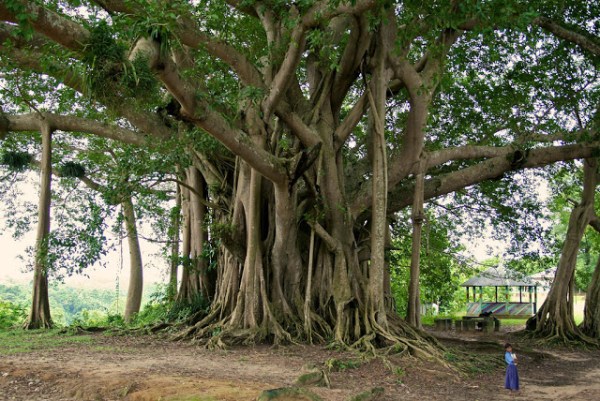
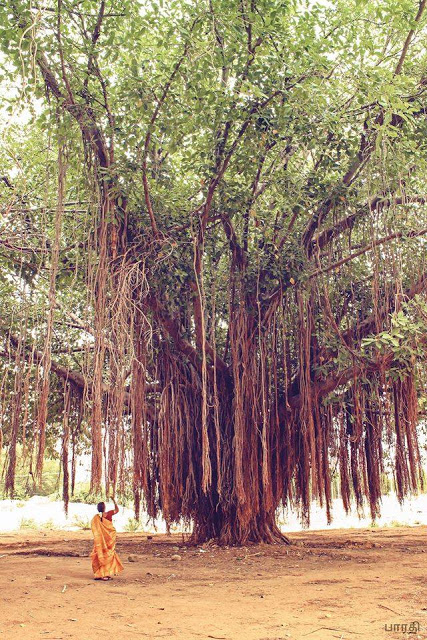
The Mythology of Plants (Mythologie des Plants) says that in 17th century Hindus worshipped a Banyan tree near Surat (Gujarat), supposed to be 3000 years old. Hindus showed full respect to the tree and they never plucked even a leaf from it. They carved a head figure on the tree, just above the ground level, and worshipped it. They furnished it eyes in gold or silver. They decorated it with different garlands.


Even when Hindus cut the trees they asked for pardon. When the Vedic priest cut a tree for the sacrificial post (Yupa Stambha), the priest was instructed to place a blade of Dharba (holy) grass between the axe and the tree, saying “Oh Grass, shield it” and then before striking, to say, “Oh Axe, hurt not”.

From the Vedic days, they knew that trees or living beings and it also feels the pain. Western botanists ‘discovered’ it only a few hundred years ago!


From the Vedas to Kalidasa, we find slokas or hymns praising the trees. North Indian villagers wont taste the mangoes until they marry one of the mango trees to a Tamarind tree. Even Kalidasa has mentioned the marriage of Navamallika plant with a mango tree. Soma plant occupies one full Mandala (ninth) out of the Ten Mandalas of Rig Veda.


Banyan Tree at Prayag

Banyan Tree worship and Pipal Tree worship are very popular in North India. In Valmiki Ramayana, the banyan tree (Akshay Vat) was praised. The descendant of this tree which was situated at the confluence of Ganga, Yamuna and Sarasvati in Prayag (Allahabad in U.P.) was worshipped. People used to commit suicide by jumping into Ganges from the top of the tree. After the death of a Rashtrakuta king 150 women including the queens committed suicide in this way. This tree was famous even when Chinese traveller Huan Tsang visited India. He had mentioned it in his travels.


Neem tree was worshipped at times of prevalence of small pox, chicken pox etc. Almost all the trees are worshipped by the Hindus. Hindu Brahmacharis (students) used to carry the staff made up of Palash tree (Butea frondosa). Even Kalidasa mentioned it in Kumarasambhava (canto 5). There is no plant that is not worshipped by the Hindus.


Interesting descriptions of Tree Worship are found in old District Gazetteers of British India.

A giant jack tree in Travancore, called ‘Ammachi Pilavu’, which bestowed asylum to the Ettuvettil Pillamar, the warriors of the eight household, has been declared a national monument by the Government of Kerala. Some jack trees near famous temples have become objects of worship.


The Pala (Neirum antidygentiarum) tree is notorious for its association with goblins, fairies and other evil spirits. Nobody cuts it. The trunk of the Pala tree standing inside the eastern compound of the temple at Chottanikkara is full of nails. Spirits are imprisoned in this plant and they cant escape because of the power of Chottanikkara Goddess Bhagavati.


Kadamba Tree of Chirghat

In the Brindavan area, there is a Kadamba tree on the banks of River Yamuna. it is believed that Krishna stole the clothes of Gopi girls while they were worshipping Katyayani Devi with sand (sand dolls as we find in Tamil Tiruppavai of Andal and Ambavatal of Sangam literature Pari patal). This tree has become famous. There is another Kadamba tree with the same legend. It is possible Krishna was using different trees on different occasions.


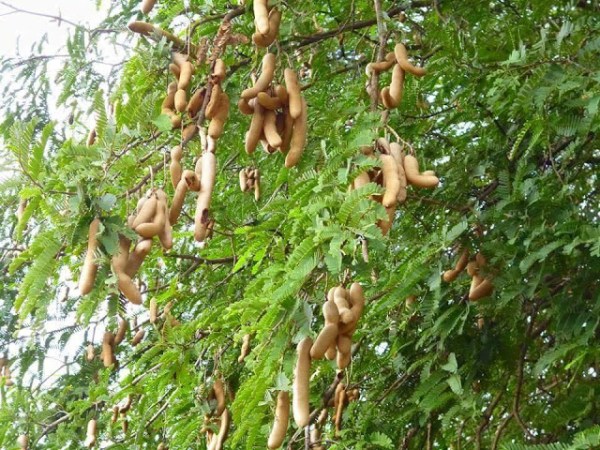
( I have already written about the four huge and famous banyan trees in India, the tree at Kurukshetra, two famous trees in Perur, Tamil Nadu, The Bodhi tree of Buddha Gaya, Azinjil (ankola) tree of Tiruvakkarai in Tamil Nadu, Tamarind trees of Nammalvar and musician Tansen, the real ghost on a tamarind tree, the genetic change of a Palmyra by Tamil saint Sambandar etc in separate articles in this blog)

Seven branched Palmyra tree at Kallal, Tamil Nadu


–subham–


இறவாப் பனை மரம்! பிறவாப் புளிய மரம்!-தமிழ் அதிசயம்! (Post No.4901)

இறவாப் பனை மரம்!  பிறவாப் புளிய மரம்!-தமிழ் அதிசயம்! (Post No.4901)


Written by London Swaminathan 


Date: 10 April 2018


Time uploaded in London –  8-15 am  (British Summer Time)


Post No. 4901


Pictures shown here are taken from various sources such as Facebook friends, Books, Google and newspapers; thanks. Pictures may be subject to copyright laws.


WARNING: PLEASE SHARE MY ARTICLES; BUT DON’T SHARE IT WITHOUT AUTHOR’S NAME AND THE BLOG NAME. BE HONEST; OTHERS WILL BE HONEST WITH YOU


தமிழ் நாட்டின் புகழ் பெற்ற புனித மரங்கள்


மரங்களைத் தமிழர்கள் போற்றியது போல வேறு எவரும் போற்றியிருப்பார்களா என்பது கேள்விக்குறியே; ஒவ்வொரு கோவிலிலும் ஒரு மரம் வைத்து அதையும் புனித ஸ்தல வ்ருஷமாகக் கருதி (வ்ருக்ஷம்=மரம்) வழிபாடு செய்தது- செய்வது- செய்யப்போவது- தமிழர்களே.


காஞ்சி, தில்லை என்று மரங்களின் பெயர்களாலேயே புனித இடங்களை அழைத்ததும் தமிழரே! நிலங்களுக்கு குறிஞ்சி, முல்லை, பாலை, மருதம், நெய்தல் என இயற்கை வழிப் பெயர்களைச் சூட்டியதும் தமிழரே. மரங்கள் விஷயத்தில் ஆண் பனையைப் பெண் பனையாக்கி காய்கள் குலுங்க வைத்ததும் (GENETIC WONDER) தமிழரே.


புத்தருக்குப் போதி மரத்தில் ஞானம் கிடைத்தால் தமிழன் புளிய மரத்துக்கடியிலும் ஞானம் பெறுவான் என்று காட்டிய நம்மாழ்வாரைக் கொண்டதும் தமிழ்நாடே.


காடு வளர்ப்போம்; கலை வளர்ப்போம் என்று பாடிய பாரதியாரை உடைத்தும் தமிழ்நாடே.


வேதாரண்யம், தர்பாரண்யம், திருப்புவனம், திர்வேற்காடு, பழவேற்காடு, திருவாலங்காடு என்று காடுகளின் பெயரில் ஊர் வைத்தவனும் புனிதத் தமிழர்களே.


இந்தியா முழுதும் புகழ்பெற்ற மரங்கள் இருந்தாலும் புனித மரங்கள் அதிகம் இருப்பதும் அதை இன்று வரை கொண்டாடுவதும் தமிழர்கள் மட்டுமே.


தான்சேன் என்ற புகழ்பெற்ற பாடகரின் சமாதியில் உள்ள புகழ் பெற்ற புனிதமரம், குருக்ஷேத்திரத்தில் உள்ள புனித மரம், கயாவிலுள்ள புனித அரச/போதி மரம், கல்கத்தாவிலுள்ள புகழ்பெற்ற ஆலமரம், அடையாற்றிலுள்ள (சென்னை) பெரிய ஆலமரம், கின்னஸ் புத்தகத்தில் இடம்பெற்ற ஆந்திர, பஞ்சாப் மாநில ஆல மரங்கள், ஆண்டாளும் ஆதி சங்கரரும் பாடிய அழிஞ்சில் மரம், அனந்தராம தீட்சிதர் சொன்ன புளிய மரப் பேய் சம்பவம், ஆழ்வார் திருநகரி நம்மாழ்வார் புளிய மரம், திருமங்கை ஆழ்வார் சொன்ன புளியமரம்– இன்னும் எவ்வளவோ மரங்கள் பற்றிய கட்டுரைகள் எழுதிவிட்டேன்.


எங்கள் ஊர் மதுரை மீனாட்சி சுந்தரேஸ்வரர் கோவிலில் பழைய கடம்ப மரத்துக்கு வெள்ளிக் கவசம் போட்டு வேலி கட்டி வைத்திருக்கின்றனர். முன் காலத்தில் மதுரை கடம்ப வனக் காடாக இருந்தது. 2000, 3000 ஆண்டுகளுக்கு முன்னர் தனபதி என்னும் செட்டியார் இரவுநேரத்தில் காட்டைக் கடக்கும் போது பிரம்மாண்ட ஒளி விளக்கு வெளிச்சத்தில் இந்திரன் பூஜித்த சிவலிங்கத்தைக் கண்டவுடன் பாண்டிய மன்னனிடம் சொல்லவே அவன் கோவில் எழுப்பி மதுரை மாநகரை உருவாக்கினான். காடு போனது; ஒன்னே ஒன்னு கண்ணே கண்ணு என்று ஒரு கடம்ப மரம் மிஞ்சியது.


காஞ்சீபுரம் ஏக ஆம்ரேஸ்வரர் கோவில் மாமரம், திருமுதுகுன்றம்/ விருத்தாசலம் பழமலை நாதர் கோவில் வன்னிமரம் போன்ற பல மரங்கள் சில ஆயிரம் ஆண்டுகளாக உள்ளதாக பக்தர்கள் செப்புவர். ஆயினும் தாவரவியல் பட்டதாரியான நான் அதை நம்புவதில்லை. ஆனால் பக்தர்களின் கூற்றிலும் மெய் இருக்கிறது. அதாவது அதே மரத்தின் விதையையோ கிளையையோ அந்த இடத்தில் வளரவிடுவதால் இப்படி பல்லா யிரம் ஆண்டுப் பழமை எனும் பட்டம் சூட்டுகிறோம்.


மாமன்னன் அசோகன் புத்தர் காலத்துக்கு பல நூறு ஆண்டுகளுக்குப் பின்னர் வாழ்ந்தாலும் அந்த மரத்தின் கன்றுகளை இலங்கைக்குக் கப்பலில் அனுப்பியவுடன் அதற்கு ராஜ வரவேற்பு கொடுக்கப்பட்டதை நாம் மஹா வம்சம் மூலம் அறிகிறோம். ஆக 2300 ஆண்டுகளுக்கு முன்னர் ஒரு சிவப்புக் கம்பள வரவேற்பு (RED CARPET WELCOME ) பெற்ற மரமும் ஒரிஜினல் மரத்தின் கிளையே என்பதை அறிக. நிற்க

இன்னும் இரண்டு புகழ்பெற்ற மரங்களையும் காண்போம் இன்று!


கோயம்புத்தூருக்கு அருகிலுள்ள பேரூரில் அமைந்துள்ள சிவன் கோவில் பெயர் வாய்ந்தது; வைப்புத் தலங்களில் ஒன்று. அடியார்கள் வராதபடி தொலைவிலிருந்தே பாடிய திருத்தலங்கள் வைப்புத் தலங்கள் ஆகும். அங்கு இரண்டு மரங்கள் பெயர் பெற்று விட்டன. பிறவாப்புளியும் இறவாப் பனையும்; சொல்வதற்கும் கேட்பதற்கும் எதுகை மோனை இருப்பதால் இம்மரங்கள் புகழ் அடைந்தனவா? அல்லது அவற்றில் உண்மை உளதா? சிறிது ஆராய்வோம்.


பிறவாப் புளி என்று சொல்லுவதேன்? இந்தப் புளிய மரத்தின் கொட்டைகளை எங்கு ஊன்றினும் அது முளைப்பதில்லை என்பது ஒரு விளக்கம். புளிய மரமும் கூட இறைவன் அருள் பெற்றது இனி அதற்கு பிறப்பு-இறப்பு சுழல் இல்லை- அது போல இங்கு வரும் பக்தர்களும் முக்தி பெறுவர் என்பது மற்றொரு விளக்கம்.


எங்கள் மதுரையில் கருங்குருவி, பன்றி முதலியன மோட்சம் பெற்ற கதைகளைத் திருவிளையாடல் புராணத்தில் காணலாம்.

நாளை ஒரு சோதனை நடத்தி இந்த மரம் விளையும்- பக்தர்கள் நம்புவது பொய் என்று கண்டாலும் இந்த தத்துவ விளக்கம் பக்தர்களை தாங்கி நிற்கும். உண்மையிலேயே விளையாவிடில் அங்கு கதிரியக்கம் இருக்கிறதா அல்லது அந்த மரம் மரபியல் ரீதியில் மாறுபட்டதா என்பதைக் காட்ட உதவும். ஆகவே எந்த ஆய்வும் இந்து மதத்தினடிப்படை உண்மைகளைத் தகர்க்காது


இறவாப் பனை என்று இயம்புவதன் காரணம் என்ன? இந்தப் பனை மரத்தின் பட்டைகள் மருத்துவ குணம் கொண்டவை; அது காய கல்பம் போன்றது என்று பகர்வர் பக்தர் பெருமக்கள்; அப்படி இறக்காமல் இருந்தவர் எவருமிலர். இன்னொரு விளக்கம்- இந்தப் பனை மரம் மிகவும் பழையது; ஆயிரக்கணக்கான, அல்லது நூற்றுக் கணக்கான – அல்லது மற்ற பனைமரங்களை விட– வயது கூடியது என்பது பக்தர்கள் புகலும் சொற்றொடர்களாம்.


இதிலும் உண்மை இருக்கதான் செய்கிறது. நான் முன்னர் சொன்னது போலவே அதே அனை மரத்தின் காயை வைத்து தொடர்ச்சியாக ஆயிரம் ஆண்டுகளுக்கு பனை மரத்தை வளர்க்கலாம். அசோகன், இலங்கைக்கு அனுப்பிய போதி மரங்கள் இன்று இலங்கையில் பல இடங்களில் தரிசனம் தருவது போல.


இந்தப் பக்தர்களின் நம்பிக்கை உலக மஹா அதி சயம் ஒன்றைச் செய்துள்ளது. தமிழ் நாடெங்கிலும் மரங்களும் புனித மானவை; அவைகள் பாதுகாக்கப்பட வேண்டியவை என்ற உணர்வை ஏற்படுத்தியுள்ளது. அது மட்டுமின்றி மரங்களும் எறும்பும் பறவைகளும் கூட மோட்சம் பெற முடியுமானால் மனிதனே உன்னால் முடியாதா? சத் சங்கம் ஒன்றே போதுமே! பூவோடு சேர்ந்த நாரும் மணம் பெறுவது போல கோவில் அருகில் இருந்த ஒரு காரணத்தாலேயே பறவைகளும் மிருகங்களும் செடி கொடிகளும் முக்தி பெறும்போது நீயும் நல்லோர்  சஹவாசத்தால் நன்மை அடையலாமே என்று சொல்லாமல் சொல்கின்றன.

வாழ்க புனித மரங்கள்! வளர்க கோவில் நந்த வனங்கள்!!


-சுபம்–

பாரதி போற்றி ஆயிரம் – 74 & 75 (Post No.4900)

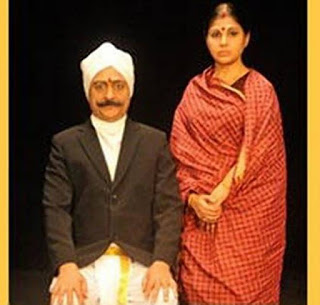
From Bharati drama; Ramanan acting as Bharati; directed by Raman.

COMPILED by S NAGARAJAN


Date: 10 April 2018


Time uploaded in London –  6-25 AM  (British Summer Time)


Post No. 4900


Pictures shown here are taken from various sources such as Facebook friends, Books, Google and newspapers; thanks. Pictures may be subject to copyright laws.


WARNING: PLEASE SHARE MY ARTICLES; BUT DON’T SHARE IT WITHOUT AUTHOR’S NAME AND THE BLOG NAME. BE HONEST; OTHERS WILL BE HONEST WITH YOU


பாரதி போற்றி ஆயிரம் – 74

  பாடல்கள் 614 முதல் 621


கவிதை இயற்றியோர்: பல்வேறு கவிஞர்கள்

தொகுப்பு : ச.நாகராஜன்

பாரதி பத்துப்பாட்டு

நூலில் பத்து அத்தியாயங்கள் உள்ளன. இங்கு எட்டாம் அத்தியாயமான பாப்பா பார்வையில் பாரதி துவங்குகிறது.

எட்டாம் அத்தியாயம்: பாப்பா பார்வையில் பாரதி

1 முதல் 8 வரை உள்ள பாடல்கள்


பாப்பா வுக்கென பாடல் வடித்த

     பாரதி உன்னைப் போற்றுகிறோம்

பாப்பா வாழ்வைச் செம்மைப் படுத்தப்

     பாடிய உன்புகழ் சாற்றுகிறோம்

பாப்பா வுக்கென உனக்கு முன்னே

     பாடிய புலவர் எவருண்டு?

பாப்பா பாட்டைக் கேட்டபின் அதுபோல்

     பாடிய கவிஞர் பலருண்டு


பிள்ளை மனதில் பதிபவை யன்றோ

     பின்னாள் அவரை உருவாக்கும்

வெள்ளைத் துகிலில் படியும் சிறந்த

    வண்ணம் போலே கலந்துவிடும்

கள்ளம் இல்லா நெஞ்சில் சிறந்த

    கருத்தைப் பதிப்பேன் எனநீயும்

தெள்ளந் தெளிந்த உயர்ந்த கருத்துகள்

    தீந்தமிழ்ப் பாட்டாய் உரைத்தாயே!


ஔவை அந்நாள் எமக்குத் தந்த

     ஆத்தி சூடி தனைப்போலே

செவ்வை மிகுந்த கால மாற்றம்

     தேர்ந்து நீயும் பாடிவைத்தாய்

அவ்வவர்க் குரிய முறையில் புதிய

     ஆத்தி சூடி தனைத்தந்தாய்

ஒவ்வொரு வரியிலும் தேசிய உணர்வை

     ஊட்டி நீயும் பாட்டிசைத்தாய்


அச்சம் தவிர்க ஆண்மை தவறேல்

    அரிய தொடக்கம் இதுவாக

உச்சம் இதுவென சாவதற் கஞ்சேல்

     உரைத்தது மேனோ நற்கவிஞ

இச்சம யத்திற் கிதுவே சரியென

     எமக்கும் அதைநீ உணர்த்தினையோ?

நிச்சயம் சுதந்திரப் போரில் எம்முயிர்

     நீங்குதல் இயல்பென நினைத்தனையோ?


உணவைக் குறையென அனைவரும் சொல்வார்

    ஊன்மிக விரும்பென் றுரைத்தாயே

உணவே உடலை உறுதிசெய் திடற்கு

    ஊட்டம் தருமென நினைத்தாயோ!

பணத்தைப் பெருக்கு என்றொரு சொல்லை

     பாங்குடன் எமக்கு உரைத்தாயே

பணமில் லாமல் வாழ்நாள் முழுதும்

     பட்டதை நீயும் நினைத்தாயோ?


சோதிடம் பார்த்தே பலரது வாழ்க்கை

    சோதனை யாகிப் போனதினால்

சோத்டம் தனையிகழ் என்றாய் தெளிந்து

    சொல்லெதை யுமென வழியுரைத்தாய்

மேதினி தன்னில் உழைப்பே என்றும்

     மேன்மை தந்திடும் என்பதனால்

ஓதினை கைத்தொழில் போற்றுக என்றே

     ஓய்தல் ஒழியென உரமளித்தாய்


எண்ணுவ துயர்வாய் இருந்திட வேண்டின்

    ஐம்பொறி ஆட்சிகொள் என்றாயே

திண்ணிய ராகிட குன்றென நிமிர்ந்துநில்

     தீயோர்க் கஞ்சேல் சொன்னாயே

பெண்ணைப் போற்றிடத் தையலை உயர்வுசெய்

     பிள்ளைக ளுக்கே உரைத்தாயே

நுண்ணிய அறிவுரை இருசொற் களிலே

     நுணுக்க முடன்நீ வடித்தாயே


உனக்கு முன்னும் ஆத்தி சூடி

    உரைத்தவ ருண்டு அறிவோமே

உனக்குப் பின்னும் ஆத்தி சூடி

    உரைத்திட வருவார் உணர்வோமே

தினமும் வாழ்வில் கடைப்பிடித் திடவே

     சிறந்த கருத்துகள் பலவற்றை

மனதில் பதியும் வகையில் உரைத்தே

     மாண்புறச் செய்தாய் பாரதியே

பாப்பா பார்வையில் பாரதி தொடரும்


பாரதி போற்றி ஆயிரம் – 75

  பாடல்கள் 622 முதல் 631


கவிதை இயற்றியோர்: பல்வேறு கவிஞர்கள்

தொகுப்பு : ச.நாகராஜன்

பாரதி பத்துப்பாட்டு

நூலில் பத்து அத்தியாயங்கள் உள்ளன. இங்கு எட்டாம் அத்தியாயமான பாப்பா பார்வையில் பாரதி தொடர்கிறது.

எட்டாம் அத்தியாயம்: பாப்பா பார்வையில் பாரதி

9 முதல் 18 வரை உள்ள பாடல்கள்


முரச றைந்தஉன் பாடல் – வாழ்வின்

முழுமை தந்திடும் பாடல்

உரமளிக்கும்நற் பாடல் – வாழ்வை

உணர வைத்திடும் பாடல்


பிள்ளைக்குச் சொல்வது போல – நீ

பெரியவர்க் குமதைச் சொன்னாய்

உள்ளத்தைச் செம்மைப் படுத்த – பல

உயர்ந்த கருத்துகள் சொன்னாய்


மதங்களின் பெயர்களைச் சொல்லி – நாம்

மதம்பிடித் தலைந்திட லாமோ?

இதமற்ற செயலது வன்றோ? – என

எளிய உவமையில் சொன்னாய்


பூனைதனைச் சுட்டிக் காட்டி – அது

போட்ட குட்டிகளும் காட்டி

காணும் பலவண்ணம் சொன்னாய் – அதைக்

கண்டும் பயனில்லை இன்னும்


சாதிகள் வந்தது எதனால் – மனிதர்

செய்திட்ட தொழில்முறை யதனால்

வாதித்து உயர்வுதாழ் வென்றே – அதனை

வகைப்படுத் தல்என்ன நியாயம்?


குடும்பந் தனிலுள்ள பேரில் – ஒருவர்

குறையென்றும் நிறையென்றும் உண்டோ?

தொடுத்திட்ட சாதியும் அதுவே – அதில்

தாழ்வில்லை என்றுரைத் தாயே


பெண்ணின் சிறப்பினை உன்போல – இங்கு

பேசிய வரில்லை எங்கும்

கண்ணிரண் டிலது ஒன்றே – அவற்குக்

கல்விக்கண் தரவேண்டு மென்றாய்


விரிந்து பரந்துள்ள பூமி – இதில்

வினயமு டன்வாழ லாகும்

பிரிந்து பலசண்டை செய்வார் – அவர்

பேதமை கண்டு துவண்டாய்


வல்லர சாகிட எண்ணி – பிறர்

வாழும் நிலத்தைப் பறித்தார்

வல்லமை யுள்ளநல் தெய்வம் – தந்த

வாழ்வென் பதைஏன் மறந்தார்?


பெரிய வரிடமிதைச் சொல்லி – எந்தப்

பயனு மில்லையென்று தள்ளி

சிறியவ ரிடம்சொல்ல வந்தாய் – அதைச்

சீரோடு கேட்டே  உயர்வோம்

பாப்பா பார்வையில் பாரதி தொடரும்

தொகுப்பாளர் குறிப்பு:
பாரதிப் பத்துப்பாட்டை வெளியிட மகிழ்ச்சியுடன் அனுமதி தந்த கவிஞருக்கும் சந்தனத் தென்றல் பதிப்பக உரிமையாளர் கவிஞர் சி.காசிநாதன் அவர்களுக்கும் எமது நன்றி.

கவிஞரைப் பற்றிய குறிப்பு ஏற்கனவே தரப்பட்டுள்ளது.

***

FAMOUS TREES OF TAMIL NADU (Post No.4899)

Written by London Swaminathan 


Date: 9 April 2018


Time uploaded in London –  20-43  (British Summer Time)


Post No. 4899


Pictures shown here are taken from various sources such as Facebook friends, Books, Google and newspapers; thanks. Pictures may be subject to copyright laws.


WARNING: PLEASE SHARE MY ARTICLES; BUT DON’T SHARE IT WITHOUT AUTHOR’S NAME AND THE BLOG NAME. BE HONEST; OTHERS WILL BE HONEST WITH YOU


There are many famous trees in Tamil Nadu. Some are famous because of its age or due to its holiness. The banyan tree in Adyar, Chennai is famous because of its huge size. It is damaged in several storms.

There are two holy trees in Perur near Coimbatore. They are called Iravap Panai and Piravaap Puli. In Tamil it rhymes very well. The rough translation of the words is The Palmyra Tree that never dies and the Tamarind Tree that is never born.

The story about the Palmyra tree is that its bark is used in medicines which will give one a long-life span. There is another explanation about its never dying nature.


The story about the Tamarind tree is that its seeds never grow. Even if it is sown it never germinates. It looks like both are not tested scientifically. But the belief is strong that the devotees visit the trees when they visit the temple.

There is a philosophical explanation as well. One would never be born again if he sees the Perur Lord Shiva like the Tamarind seed in the temple. And similarly devotees believe that those who worship Lord Shiva at Perur Temple will live for long.

So whether the trees have miraculous properties or not, the philosophy behind the trees teaches more than many philosophical works.

Neem Tree by Lalgudi Veda

In other words, William Wordsworth’s words have come true:

One impulse from a vernal wood

May teach you more of man,

Of moral evil and of good,

Than all the sages can.


Kadamba Tree


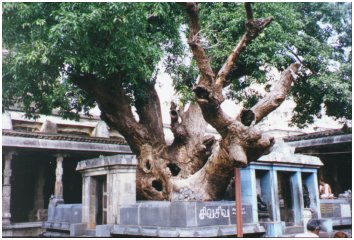
Inside the world famous Meenakshi Sundareswar Temple in Madurai, still a tree is preserved inside a fence. It is a Kadamba tree, the local temple tree (sthala Vrksha). Once upon a time Madurai area was a forest of Kadamba Trees and then a Pandya king built a temple in the area when the devotees reported some miracle inside the forest.


Mango Tree Inside Kanchi temple.

At the Ekambareswar temple in Kancheepural there is a livin mano tree which is considred very old. Its age is given between 3500 and 5000 years. Though it is not possible scientifically one tree after another might have been planted using the seeds of the same mango tree.


Vridhachalam: 1700 year old Vanni Tree

In Vridhachaam there is a Vanni Tree inside the Pazamalainathar Temple which is said to be 1700 year old. It is possible they used the same tree for continuous propagation.


Every temple in Tamil Nadu has a holy tree known as the Sthala Vrksha (local Temple Tree). It is heartening to note that Tamils had this custom of cultivating or raising a particular tree in every temple.


Famous Tamarind Trees

I have already written about the famous Tamarind Tree of Nammalvar, another tree associated with Tirumanagai Alvar, real ghost in Tamarind tree according to Sri Anantharama Dishitar and the Tamarind tree associated with Tansen (See below for the links to my old articles.)


Tansen and Tamarind Tree! Ghosts in Tamarind … – Tamil and Vedas

https://tamilandvedas.com/…/tansen-and-tamarind-tree-ghosts-in-ta…

26 Mar 2016 – STORY OF FAMOUS TAMARIND TREES. 1.There is atamarind tree in Gwalior at the tomb of Tansen, the great singer of Moghul period. People believe that whoever chew the leaves of the tree will get a sweet voice. This, they believe due to the presence of the tomb of Tansen.Nammalvar and Tamarind …

Nammalvar | Tamil and Vedas

https://tamilandvedas.com/tag/nammalvar/

People believe that whoever chew the leaves of the tree will get a sweet voice. This, they believe due to the presence of the tomb of Tansen.Nammalvar and Tamarind Tree. 2.There is another famous tamarind treeat Azvar Tirunagari in the far south of Tamil Nadu. Maran Sadagopan, later known as Nammazvar, one of the …


Trees of Wisdom | Tamil and Vedas

https://tamilandvedas.com/tag/trees-of-wisdom/


Magic of Trees! Picture shows Newton under Apple Tree. Hindu Saints composed Upanishads under the Himalayan Trees. Buddha attained wisdom under the Bodhi Tree. Vaishnavite saint Nammalvar attained wisdom under a Tamarind tree. Sanatkumaras attained wisdom under the banyan tree. Saivaite saint …


sacred trees | Tamil and Vedas

https://tamilandvedas.com/tag/sacred-trees/

6 Nov 2017 – The famous Bodhi tree in Gaya (Bihar, India) and its sister trees in Sri Lanka, Tamarind tree of Tansen and Nammalvar, Banyan Tree of Lord Krishna and Panchavati (five Banyan trees) of Lord Rama are some examples. There are hundreds of trees like these throughout India Every Tamil temple has a tree …

tree worship | Tamil and Vedas

https://tamilandvedas.com/tag/tree-worship/

The famous Bodhi tree in Gaya (Bihar, India) and its sister trees in Sri Lanka, Tamarind tree of Tansen and Nammalvar, Banyan Tree of Lord Krishna and Panchavati (five Banyan trees) of Lord Rama are some examples. There are hundreds of trees like these throughout India Every Tamil temple has a tree worshipped in its …


Adi Shankara & Alangium hexapetalum | Swami’s Indology Blog


https://swamiindology.blogspot.com/2013/08/adi-shankara-alangium-hexapetalum.html

20 Aug 2013 – Adi Shankara, the greatest philosopher of India uses lot of similes from nature to illustrate Advaita philosophy. In one sloka he used four birds. I have written about it in my earlier post. One of his interesting observations is about a tree called Ankola in Sanskrit, Alinjil in Tamil andAlangium hexapetalum in …


Adi Sankara and Andal | Tamil and Vedas


https://tamilandvedas.com/tag/adi-sankara-and-andal/

But there is a strange coincidence between Andal and Adi Shankara.Andal has

composed two poems Thiruppavai and Nachiar Thirumozi. Adi Shankara mentioned a plant known as Azinjil in Tamil and Ankola in Sanskrit, in his hymn Sivananda Lahari. Though Andal did not mention this plant in her hymn Nachiar …


—SUBHAM—


வேதத்தில் அழகிய காட்டு ராணி கவிதை! (Post No.4898)

வேதத்தில் அழகிய காட்டு ராணி கவிதை! (Post No.4898)


Research article Written by London Swaminathan 


Date: 9 April 2018


Time uploaded in London –  9-25 am (British Summer Time)


Post No. 4898


Pictures shown here are taken from various sources such as Facebook friends, Books, Google and newspapers; thanks. Pictures may be subject to copyright laws.


WARNING: PLEASE SHARE MY ARTICLES; BUT DON’T SHARE IT WITHOUT AUTHOR’S NAME AND THE BLOG NAME. BE HONEST; OTHERS WILL BE HONEST WITH YOU


உலகிலேயே மிகப் பழைய நூல் ரிக் வேதம் என்பதில் யாருக்கும் கருத்து வேறுபாடு இல்லை; உலகிலேயே மிகப் பழைய கவிதைத் தொகுப்பு ரிக் வேதம் என்பதிலும் இரு வேறு கருத்துக்கு இடமே இல்லை. அந்த வேதத்தில் பத்து மண்டலங்கள் உள்ளன.  ஆயிரத்துக்கும் மேலான துதிகள் – கவிதை வடிவில் உள்ளன, இதன் காலம் 6000 ஆண்டுகளுக்கு அல்லது 8000 ஆண்டுகளுக்கு முந்தையது (BETWEEN 4000 BCE AND 6000 BCE) என்பது பால கங்காதர திலகர், ஹெர்மன் ஜாகோபி (GERMAN SCHOLAR HERMAN JACOBI) என்ற ஜெர்மன் அறிஞர் ஆகியோரின் கணிப்பு. மாக்ஸ்முல்லர் போன்றோர் இதை 3200 ஆண்டுகளுக்கு முந்தியது ஒரு வேளை 5000 ஆண்டுகளுக்கும் முந்தியதாக இருக்கலாம்- எவரும் வேதத்தின் காலத்தைச் சொல்லுவதற்கு இயலாது என்று சொல்லிவிட்டார்கள். இதில் காட்டு ராணி பற்றிய அற்புதமான ஒரு கவிதை உளது (10-146)

கடைசி மண்டலமான பத்தாவது மண்டலத்தில் (10-146) இது இடம் பெற்றுள்ளது. இதன் அருமை பெருமைகளைக் காண்போம்


இந்தக் கவிதையில் கண்ட சில உண்மைகள்–

  1. பல்லாயிரம் ஆண்டுகளுக்கு முன்னரே புறச்சூழல் பாதுகாப்பு உணர்வு இருந்திருக்கிறது. காடுகளை கானக தேவதை, காட்டு ராணி என்று புகழ்ந்திருக்கிறார்கள். பூமாதேவி என்று பூமிக்கும் காடுகளுக்கும் நதிகளுக்கும் தாயார் பட்டம் சூட்டிய ரிக் வேதக் கருத்துகளை கிரேக்கப் புலவர்களும் தமிழ்ப் புலவர்களுமப்படியே ஏற்றுக் கொண்டனர்.

2.உலகிலேயே காடுகள் பற்றி எழுதப்பட்ட பழமையான அழகான கவிதை இது


3.காடுகளின் அற்புதமான வருணனை இதில் உளது. வண்டுகளின் ரீங்காரம், பறவைகளின் கீச்சொலி, தொலைதூர கிராம வீடுகளின் தோற்றம், வண்டிகளின் சப்தம், பசு மாடுகளின் ‘அம்மா’ ஒலி, மண் வாசனை, சில விநோதமான குரல்கள், மாடுகளை விரட்டும் ஒலி– என்று கதைகளிலும் நாவல்களிலும் படிக்கும் அத்தனை காட்சிகளும் சிறு கவிதையில் வந்து விடுகிறது.


  1. கவிஞர் கேட்கிறார்: ஏ கானகமே உனக்குப் பயமே இல்லையா? நீ ஏன் கிராமத்துக்கு வரக்கூடாது?
  2. இந்தக் கவிதையும் ரிக் வேதத்திலுள்ள சமத்துவக் கவிதைகளும் இந்து நாகரீகம் உலகின் மற்ற நாகரீகங்களைவிடப் பல்லாயிரம் ஆண்டுப் பழமையுடைத்து என்பதை நிலைநாட்டுகிறது.


6.முதல் வரி ‘அரண்யானி! அரண்யானி!’ என்று காட்டு ராணியை அழைக்கிறது. ரிக் வேத சம்ஸ்க்ருதச் சொற்களைத் தமிழர்கள் தன்னுடைடய அன்றாட உரையாடல்களில் பயன் படுத்துகின்றனர். அரண்யம்= காடு என்ற சொல் வேதாரண்யம், தர்பாரண்யம் (திரு நள்ளாறு), வடாரண்யம் (திருவாலங்காடு) என்று தமிழ்நாட்டிலும் நைமிசாரண்யம் தண்டகாரண்யம் என்று வடக்கிலும் புழங்குவதை நாம் நன்கறிவோம்.


ரிக் வேதத்தை வியாசர் தொகுத்த பாணியிலேயே புற நானூறும் ஏனைய சங்கப் பனுவல்களும் தொகுக்கப்பட்டன. கூடிய மட்டிலும் ஒரே கருத்துடைப் பாடல்கள் அடுத்தடுத்து வரும்; வெள்ளி கிரகம் பற்றிய பாடல்கள், இரங்கற்பாக்கள், மிகப் பழைய பாடல்கள் எல்லாம் ஒரு சேர வரும். புலவரின் பெயர் தெரியாவிட்டால் அவர்கள் வழங்கும் அடைமொழிகளைக் கொண்டு அவர்களை அழைக்கும் ரிக் வேத வழக்கமும் ( செம்புலப் பெயல் நீரார், தேய்புரிப் பழங்கயிற்றார்) ரிக் வேதத்தை ஒட்டியதே. ரிக் வேதத்தில் இருபதுக்கும் மேலான பெண் புலவர்கள் இருப்பது போல தமிழ் இலக்கியத்திலும் காணப்படுகிறது. உலகிலேயே மிக மிக முன்னேறிய இலக்கிய- நாகரீக சமுதாயம் – இந்து நாகரீகம் என்பதற்கு இவை அனைத்தும் சான்று பகரும்


இந்தக் கவிதையில் ‘அரண்யானீ! அரண்யானீ’’ என்று இரு முறை அழைக்கும் பாணியையும் புற நானூற்றுப் புலவர்களும் ஏனையோரும் பின்பற்றினர்:

பல் சான்றீரே! பல் சான்றீரே! (246, 301)

கலம்செய் கோவே! கலம்செய் கோவே! (228, 256)

அன்னச் சேவல்! அன்னச் சேவல்!(பாடல் 67)

பாசறையீரே! பாசறையீரே! (285)


இது போல ஐங்குறு நூற்றிலும் பல பாடல்களைக் காணலாம்.


இவ்வாறு இயற்கை வருணனைக்கும், இலக்கிய நயத்துக்கும் முன்னோடியாக இருக்கிறது இந்தக் கானக கவிதை.

கானகம் பற்றிப் பாடிய கவிஞர் எண்ணிக்கை பல ஆயிரம் இருந்தாலும் முதல் கவிஞர் ரிக் வேதப் புலவரே.


இதோ கவிதையின் தமிழ் மொழி பெயர்ப்பு

ஜம்புநாதன் அவர்களின் மொழிபெயர்ப்பைத் தழுவிய எனது மொழிபெயர்ப்பு :-


1.கானக ராணி! கானக ராணீ! காட்சியில் இருந்து மறைபவள் போலத் தோன்றும் கானக ராணியே! நீ ஏன் கிராமத்தை நாடுவதில்லை? உனக்கு பயமே கிடையாதா?


(தொலைவிலிருந்து பார்க்கும் கவிஞனுக்கு புகை மூட்டம் போலப் பனி மூட்டம் மூடிய மலைக் காடுகள மறைவது போலத் தென்படும்! கவிஞனுக்கு வியப்பு; நாங்கள் எல்லோரும் புலி, சிங்கம், மலைப் பாம்பு என்று காடுகள் பற்றி அஞ்சுகிறோமே; உனக்கு பயமே இல்லையா? நீயும் ஏன் எங்கள் கிராமத்துக்கு வரக்கூடாது?)


2.கிரீச் கிரீச் என்று வண்டுகளும், சுவர்க்கோ ழிகளும் வெட்டுக்கிளிகளும் போடும் ஒலிக்கு சிச்சிகப் பறவைகள் கொடுக்கும் பதில்— தாளமும் சுருதியும் சேர்ந்தது போல் உளதே!


(தமிழ் இலக்கியத்திலும் காளிதாசனிலும் இயற்கை ‘ஆர்க்கெஸ்ட்ரா’ பற்றிப் பல பாடல்கள் (ORCHESTRA IN NATURE) உள்ளன அதற்கெல்லாம் முன்னோடி இது!)


3.பசுக்கள் மேய்வதைக் கண்டால், வீடுகள் இருக்கும் இடம் போல இருக்கிறது. வண்டிகள் உன்னை விட்டு உருண்டோடுகின்றனவே


(மாலை வேளை நெருங்கி விட்டது; காட்டில் மேய்ந்த பசுக்களும் காளைகளும் வீடு திரும்புகின்றன; வண்டிக்காரர்கள் நடை கட்டுகின்றனர்; அற்புதமான வருணனை)


4.வனத்தின் தேவியே! ஒருவன் மாடுகளை அழைக்கிறான். மற்றொருவன் மரத்தை வெட்டுகிறான். இங்கு மாலை வேளையில் கேட்கும் ஒலிகளோ வனத்தில் வசிப்பவன் ஏதோ என்னவோ என்று அஞ்ச வைக்கிறது (இதற்கு சாயனர் பாஷ்யம், புலியோ திருடர்களோ என்ற அச்சம் என்று உரைக்கும்)


5.காடுகள் எவரையும் துன்புறுத்தாது —அதை எவரும் துன்புறுத்தாத வரை! இங்கு புசிப்பதற்கு இனிய பழங்கள் கிடைக்கின்றன.


  1. அருமையான வாசனையும் (பூக்கள்+ மண் வாசனை), பயிரிடப் படாமலேயே வளம் கொழிக்கும் மரங்களும், மிருகங்களுக்கு எல்லாம் தாயாகவும் விளங்கும் வன தேவதையே உன்னை வணங்குகிறேன்


இந்தக் கவிதையை பல வெளி நாட்டினர் பல சொல் மாற்றங்களுடன் மொழி பெயர்த்துள்ளனர். ஆனால் கானகத்தின் விளிம்பில் வசிக்கும் ஒருவன் இதைப் படித்தால் பொருள் நன்கு விளங்கும்; ஏனையோருக்கோ பொறிவிளங்காய் உருண்டையாகவே (பொருள் விளங்கா) நிற்கும்.


ஸரஸ்வதி நதி தீரத்திலும் சிந்து நதிக் கரையிலும் பல்லாயிரம் ஆண்டுகளுக்கு முன் னால் ஸம்ஸ்க்ருதத்தில் ஒலித்த கவிதை என்பதை எண்ணும் போது மயிர்க் கூச்சம் ஏற்படுகிறது.


காட்டு ராணி வாழ்க! வன தேவதை வெல்க.

அரண்யானீ! அரண்யானீ!

-சுபம்–

அட்லாண்டிஸ் மர்மம் – அதிசயத் தகவல்கள்! – 2 (Post No.4897)

Date- 9 April 2018


British Summer Time- 6-21 am


Written by S Nagarajan


Post No.4897


Pictures are taken from various sources; thanks.


பாக்யா 30-3-2018 இதழில் அறிவியல் துளிகள் தொடரில் வெளியாகியுள்ள (எட்டாம் ஆண்டு ஐந்தாம்) கட்டுரை

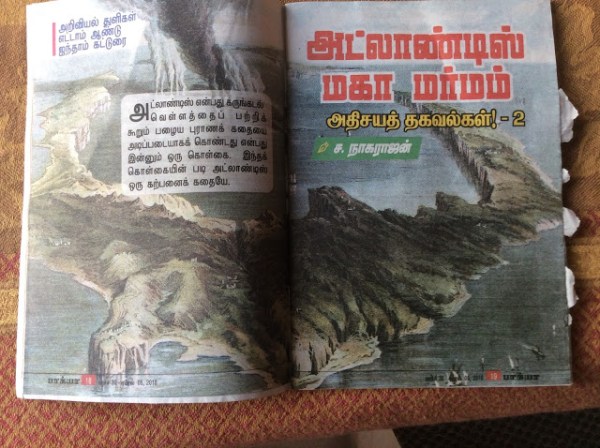
அட்லாண்டிஸ் மகா மர்மம்அதிசயத் தகவல்கள்! – 2

.நாகராஜன்


அட்லாண்டிஸ் என்பது கருங்கடல் வெள்ளத்தைப் பற்றிக் கூறும் பழைய புராணக் கதையை அடிப்படையாகக் கொண்டது என்பது இன்னும் ஒரு கொள்கை. இந்தக் கொள்கையின் படி அட்லாண்டிஸ் ஒரு கற்பனைக் கதையே. ஆனால் அதன் மர்மமான மறைவு ஒரு உண்மையான வரலாற்று சம்பவத்தை அடிப்படையாகக் கொண்டது! கிறிஸ்துவுக்கு முன் 5600ஆம் ஆண்டில் மெடிட்டரேனியன் கடலில்  பாஸ்பொரஸ் என்ற இடத்தில் ஏற்பட்ட உடைப்பையும் அதைத் தொடர்ந்து கருங்கடலில் ஏற்பட்ட ஒரு பெரிய வெள்ளத்தையும் அடிப்படையாகக் கொண்டது இந்தக் கொள்கை.


அப்போது கருங்கடலின் தண்ணீர் நல்ல ஏரியின் நீராக இருந்தது. இப்போதிருப்பதில் பாதி அளவு தான் அந்த ஏரி இருந்தது. கருங்கடலில் ஏற்பட்ட பெருவெள்ளம் கடற்கரையில் நூற்றுக்கணக்கான அடி அளவு கடற்கரைப் பகுதிகளை ஆழ அமுக்கி அங்கிருந்த நாகரிகங்களையும் மக்களையும் ஒருசேர ஒரே வருடத்திற்குள் அழித்தது! அழிக்கப்பட்ட பகுதியான பெரும் பரப்பளவு என்பதால் அங்கிருந்த மக்கள் பிரளயத்தைப் பற்றியும் அதைச் சுற்றி ஏற்பட்ட சம்பவங்களையும் கதைகளாகப் பரப்பினர். ஆயிரக்கணக்கான ஆண்டுகளுக்குப் பின்னர் பிளேட்டோ இதைப் பயன்படுத்திக் கொண்டார்.

இன்னொரு கொள்கை, அட்லாண்டிஸ் என்பது மினோயன் நாகரிகத்தின் கதை என்பதாகும். இது கிறிஸ்து பிறப்பதற்கு முன்னர் கிரேக்கத் தீவுகளில் 2500 – 1600 ஆண்டுகளில் ஏற்பட்டது!


தேரா என்ற தீவு கடலிலிருந்து எழும்ப அந்தப் பெரும் அலைகள்

மினோயன்வாசிகளை முற்றிலுமாக அழித்தது!

கிரேக்கத் தீவுகளான க்ரீட் மற்றும் தேராவை மையமாக வைத்து மிகச் சமீபத்தில் ஒரு கொள்கை அறிஞர்களால் தரப்பட்டுள்ளது.

இந்தத் தீவுக்கு இப்போது சாண்டோரினி என்று பெயர். மினோஸ் என்ற புகழ்பெற்ற அரசனின் பெயரால் மினோயன் என்று பெயரிட்டனர் தங்கள் தீவை! 4000 ஆண்டுகளுக்கு முற்பட்ட கதை இது!

மினோயன் நாகரிகம் ஐரோப்பாவின் முதல் பெரும் நாகரிகம் ஆகும். மினோயன்வாசிகள் அருமையான பெரிய அரண்மனைகளைக் கட்டினர். பெரிய சாலைகளை அமைத்தனர். முதன் முதலாக ஒரு மொழியையும் அமைத்ததோடு அதை எழுதும் மொழியாகவும் ஆக்கினர். புகழ் பெற்றிருந்த உச்ச கட்டத்தில் இந்த நாகரிகம் தீடீரென்று மர்மமாக மறைந்தது!

இந்த மகத்தான மர்மம் தான் பிளேட்டோவை வெகுவாகக் கவர்ந்தது! ஆகவே அட்லாண்டிஸைப் பற்றி எழுத ஆரம்பித்தார்.

வரலாற்று அறிஞர்கள் கிறிஸ்துவுக்கு முன் 1600 ஆம் ஆண்டில் ஒரு பெரும் பூகம்பம் தேரா தீவில் ஒரு எரிமலை வெடிப்பை ஏற்படுத்தியதென்றும் அது 100 லட்சம் டன் பாறையைக் கக்கியது என்றும் சாம்பலும் புகையும் வளிமண்டலத்தையே அலங்கோலமாக்கியது என்றும் கூறுகின்றனர்.

இந்த பூகம்பத்தைத் தொடர்ந்து ஏற்பட்ட சுனாமிகள் மினோயன் நகரங்களையே அழித்து ஒழித்தது என்பதும் இவர்கள் கூற்று.

எது எப்படியோ அட்லாண்டிஸ் என்பது ஒரு கற்பனை இடமே; அதை பிளேட்டோ தான் கண்டு பிடித்தார் என்பது பல விஞ்ஞானிகள் மற்றும் வரலாற்று அறிஞர்கள் ஆகியோரின் ஒருமித்த கருத்து.

பிளேட்டோவின் கருத்துப் படி அட்லாண்டிஸ் ஒரு லட்சிய நாகரிகம் அது மறைந்ததன் காரணம் கடவுளர் மனிதனுக்கு அளித்த தண்டனையாகும் என்பதே!

ஒரு சுவாரசியமான விஷயம், அட்லாண்டிஸ் பற்றிய எந்த விதமான எழுத்துபூர்வமான தகவலும் பிளேட்டோவின் உரையாடலைத் தவிர்த்து வேறெங்கும் இல்லை என்பது தான். பழைய கால கிரேக்கத் தீவுகளிலிருந்து ஆயிரக்கணக்கில் பழைய சுவடிகள், புத்தகங்கள் கிடைத்துள்ளன. அதில் எதிலும் அட்லாண்டிஸ் குறிப்பிடப்படவில்லை!

இன்றைய நவீன அறிவியல் தரும் சுவாரசியமான ‘லேடஸ்ட்’ தகவல் இது:

இப்போது அதி நவீன தொழில்நுட்பத்தின்படி கடலைப் பற்றிய ஆய்வுகள் மிகப் பிரமாதமான முன்னேற்றத்தைக் கொண்டுள்ளன. கடலை அப்படியே வரைபடமாக ஆக்கும் கலை மிகவும் முன்னேறி உள்ளது; அதன் படி பார்த்தாலும் அட்லாண்டிஸைக் காணோம்!

அடுத்து, இன்னும் சில விவரங்களையும் இது பற்றி அலசி விடுவோம்.


அறிவியல் அறிஞர் வாழ்வில் ..

சமீபத்திய பாக்யா இதழில் (2-2-2018 இதழ்) ஸ்டீபன் ஹாகிங்கின் 76ஆம் ஆண்டை ஒட்டி ‘மெடிகல் மிராக்கிள்’ புகழ் ஸ்டீபன் ஹாகிங்கை வாழ்த்தினோம்.

ஆனால் விதி அந்த மாபெரும் விஞ்ஞானியை நம்மிடமிருந்து புதன்கிழமை – 14-3-2018 அன்று – அதிகாலை பறித்து விட்டது.அவர் கேம்பிரிட்ஜில் தனது இல்லத்தில் காலமானார்.

வீல் சேரிலிருந்து கொண்டே பிரபஞ்சம் எங்கும் சுற்றித் திரிந்த மாபெரும் விஞ்ஞானியின் இழப்பை உடனடியாக அறிவியல் இதழ்களும், பத்திரிகைகளும் சாமான்யர்களும் பரப்பியதோடு அவருக்கு புகழாரம் சூட்டியுள்ளன.

அவருக்கு நோபல் பரிசு கிடைக்காத குறையை அனைவரும் சுட்டிக் காட்டியுள்ளனர். ஆப்ஸர்வேஷன் எனப்படும் உற்றுக் கவனித்தல் என்பதன் அடிப்படையில் கண்டுபிடிக்கப்படும் கண்டுபிடிப்புகளுக்கு மட்டுமே நோபல் பரிசு வழங்க வேண்டும் என்பது விதி. ஆனால் மனோ சஞ்சாரம் மூலமாக புத்தியால் அலசி ஆராய்ந்து அவர் விளக்கிய பிரபஞ்ச மர்மங்கள் இந்த ஆப்ஸர்வேஷன் வகையில் வரவில்லை. ஆகவே தான் அவருக்கும் நோபல் பரிசு கிடைக்கவில்லை. போகட்டும், விடுங்கள்!

‘ப்ளாக் ஹோல்’ எனப்படும் கருந்துளை பற்றிய அவரது விளக்கம் அவரை ஐன்ஸ்டீனுக்கு அடுத்த மாபெரும் விஞ்ஞானியாக ஆக்கி விட்டது.

இறுதி வரை அவர் செயல்பாடுடன் கூடிய விஞ்ஞானியாகவே விளங்கினார்.

அன்னாருக்கு உலக மக்களுடன் பாக்யா வாசகர்களின் அஞ்சலியும் சேர்கிறது!

***


OLDEST POEM ABOUT THE MOST BEAUTIFUL FOREST! (Post No.4896)

OLDEST POEM ABOUT THE MOST BEAUTIFUL FOREST! (Post No.4896)


WRITTEN by London Swaminathan 


Date: 8 April 2018


Time uploaded in London –  20-38 (British Summer Time)


Post No. 4896


Pictures shown here are taken from various sources such as Facebook friends, Books, Google and newspapers; thanks. Pictures may be subject to copyright laws.


WARNING: PLEASE SHARE MY ARTICLES; BUT DON’T SHARE IT WITHOUT AUTHOR’S NAME AND THE BLOG NAME. BE HONEST; OTHERS WILL BE HONEST WITH YOU


Rig Veda is a treasure house. It is the encyclopaedia of human race. Since it is the only book about humanity in the ancient world, everything said in it is carefully analysed. There is a beautiful poem about Forest and Queen of the Forest in the tenth mandala, the last of the ten mandalas/divisions in the Rig Veda.

We come across beautiful description of the forest by the poet. The queen of the forest is called ARANYAANI. The beauty of the word ARANYAM is that it is found in all Indian languages including Tamil. Vedaranyam, Dharbaranyam (Tirunallaru), Vadaranyam (Tiru Alankadu) in Tamil Nadu, Naimisaranyam, Dandakaranyam in the North are famous.

Like many Rig Vedic words, it is very common. The Goddess of the Forest is addressed by the poet.

This highlights many points

Hindus cared about environment several thousand years before any other community in the world.

Hindus appreciated and respected nature than any other community. Note the words Queen, Goddess etc.

Hindus worshipped everything in Nature.

The method of addressing is followed even by the 2000 year old Tamil Sangam poets: The poet says Aranyaanii! Aranyaanii! Tamils used such repetitions in Purananauru verses–195, 228, 256, 285, 301 etc


Let us look at the short poem or hymn now:

1.Goddess of the Forest! Goddess of the Forest! who seem to vanish from the sight.

How is it you seek not the village? Are you not afraid?

2.What time the grasshopper replies and swells the shrill Chichika bird’s voice

seeming to sound the tinkling bells, the Lady of the Wood exults

3.And yonder, cattle seem to graze, what seems a dwelling place appears;

Or else at evening the Lady of the Forest seems to free the wains.

4.Here one is calling to his house, another has felled the tree;

At evening the dweller in the wood fancies that somebody has screamed.

5.The Goddess never slays, unless some murderous enemy approach

She eats fruit and then takes, even as she wills, rest.

6.Now have I praised the Forest Queen, sweet scented, redolent of balm,

The Mother of all Sylvan things, who tills not but has stores of food.

–Rig Veda 10-146


Probably this is the oldest and most beautiful poem on Forest. The scent of the forest, the sounds heard in the forest, the strength of the forest (she doesn’t need to plough and cultivate), the vegetarian food of the forest queen, the title as Queen, the status as Goddess- all such words and epithets show great appreciation for the forest.


One wonders how come the forest is not afraid, but every one of us fears it because of the wild animals and the robbers hiding there.

The chirping of the birds and crickets is not missed by the poet.

The evening scenes are picturesque: – a cart is rolling, cows are mowing, some sounds similar to crying (from animals) are heard, someone sees a house at a distance with lamps perhaps.


The forest never hurts any one unless a person hurts it.  The forest never cultivates, ploughs or raise trees; but they grow on their own and always full of fruits—all appreciation!


It is as if we are beginning to read a story or novel. The authors always describe such scenes and proceed to their plot of the story.

If we imagine that this hymn is sung in the Bhoopaala Raga, it will add more colour to it.

In Sanskrit and Tamil we have Suprabatham and Tiru Palli Ezuchi. It may be the prelude to that genre.


–Subham—


DOLL FESTIVAL IN TIRUPPAVAI AND TIRUVEMPAVAI (Post No.4895)

DOLL FESTIVAL IN TIRUPPAVAI AND TIRUVEMPAVAI (Post No.4895)


COMPILED by London Swaminathan 


Date: 8 April 2018


Time uploaded in London –  15-59 (British Summer Time)


Post No. 4895


Pictures shown here are taken from various sources such as Facebook friends, Books, Google and newspapers; thanks. Pictures may be subject to copyright laws.


WARNING: PLEASE SHARE MY ARTICLES; BUT DON’T SHARE IT WITHOUT AUTHOR’S NAME AND THE BLOG NAME. BE HONEST; OTHERS WILL BE HONEST WITH YOU


Learned Tamil scholar V R Ramachandra Dikshitar compares the Doll festival in Andal’s Tiruppavai, Manikkavasakar’s Tiruvempavai, Sangam Tamil Verses Tai Neeratal (bathing in the month of Thai) and Ambavatal of Nallanthuvanar (in Sangam Literature work Paripaatal).


Tamil Mystic poetess Andal’s celebrated work ‘Tiruppavai’ refers to Paavai Nonbu. Young girls observe Pavai Nonbu for thirty days in the Tamil month of Markazi (corresponding to December and January). They follow strict rules and bathe in the morning and go to temple or banks of the river and make sand dolls of Goddess).

Andal Kolam

V R R Dikshitar says,


“The commentator of Tiruppavai Periyavaacaan Pillai speaks of this festival as ‘Sistaacaara’, and no ancient authority could be cited in tracing out its origin.


The same festival is also referred to in the Tiruvembaavai of Tiruvadavuuraar (Manikkavasakar). Whatever might be the origin of this festival, that it was celebrated by one and all of the unmarried girls is evident.

Story behind Pavai Festival

The story goes that once when Lord Vishnu was living in human form as Krishna, there were no rains. At that time the cowherd women began to pray to the Lord. One form of prayer was the celebration of Markazi (December-January) Nonbu by the unmarried girls. Early in the morning these girls went to the river Yamuna, took their bath, and prayed. They also wished to have Krishna Himself as their husband.

(My comments: That is the literal meaning. But the meaning behind the words is someone with the qualities of or virtues of the Lord. It is a festival for rains is evident in the lines of Andal “there will be three rains every month and plenty of paddy crops”)


Evidence in Bhagavata Purana- Katyaayani Vrata

A more or less similar version of the story is found in the Bhagavata Purana (Life History of Krishna). From this it would appear that this Nonbu (fating) went by the name Kaatyaayani Vrata for these girls said to worship the goddess Katyayani ( in the form of sand dolls) who would help them in securing Krshna as their husband (i.e.a man with divine virtues). The Puja asted for a month and on the last day, the Lord appeared befor them and after a rigid test agreed to fulfil their wishes (Dasama skanda ,Chapter 22). We know even today orthodox Brahmins performing Dhanurmasa Puja. They get up very early in the morning, bathe in the river and offer worship. Worship is also offered in all the temples before sunrise in the month.

(My comments:- Why did our forefathers chose a cold month for this fasting? People tend to sleep more, covering their head to foot with woollen shawl, and becoming lazier. So our forefathers found a way out by inventing or allocating this for the coldest month in the year. The second interesting point is to go in group to a river or tank or lake nearby for the bath. The communal spirit will keep them warm and they can make more fun which is evident in Tiruppavai lines—girls mocking or teasing other girls who are still in bed. The third point is scholalrly one:- Lord Krishna says that he is Month Markazi among the 12 months giving it foremost importance. The real meaning is that it was the beginning of the year several thousand years ago. i.e during the Rig Vedic days. B G Tilak and German scholar Herman Jacobi dated Rig Veda between 4000 BCE and 6000 BCE on the basis of astronomical remarks in the Vedic Hymns. Some scholars believe that Markazi (December / January was the beginning of the year; it is still followed in the Western world. January came from Lord Ganesh- Janus – a two faced God in Roman mythology; meaning is saying good bye to the year gone and welcoming the new year with another face. Ganesh= Janus )

In Tamil Sangam Literature

The religious observance is not unknown to the Sangam literature. It is known as Tai Niiraatal, literally bath in the month of Tai (Tamil month Tai corresponds to January-February).

The evidence is in the 2000 year old Sangam literature in the following books:

Paripaadal St.11.1.17

Kalittogai 59, 80

Aingurunuru 84

Narrinai 22

The festival was perhaps begun on the full moon day of Markazi and continued up to the full moon of Pushya. According to the calculation of the Puurnimanta system the month of Markazi after the fifteenth is considered as Tai.

(My comments: Andal’s very first verse mentioned the full moon day in Markazi; It is also interesting to see all the full moon days are celebrated as festival days according to Hindu calendar; in those days, we didn’t have bright electric lights; so people used all the natural light available on full moon days – 24 hour lighting from sun and moon)

Lalgudi Nataraja

New name in Sangam Literature- Ambaavaatal

Nallanthuvanar, the author of Paripaadal designates this festival as Ambaavaatal. According to this authority, the festival commenced with the Tiruvadirai  (Star- Arudra) day of the month of Markazi. In his days the Vedic Brahmins were engaged in Agnihotra rites when the girls after their bath in the River Vaiagi (Madurai is on the banks of Vaigai) also worshipped the fire god in order that seasonal rains might visit the land and they might secure good husbands.


It is believed that the present festivalof Arudra Darsanam or Tiru Adirai was celebrated in the month of Mrakazi in the Tamil and Malayalam districts is a relic of this ancient practice of Pavai Nonbu.


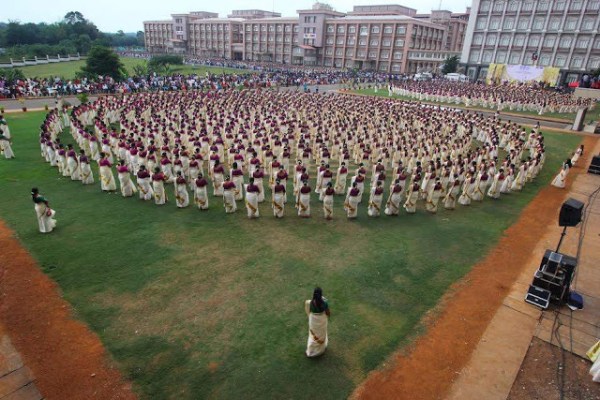
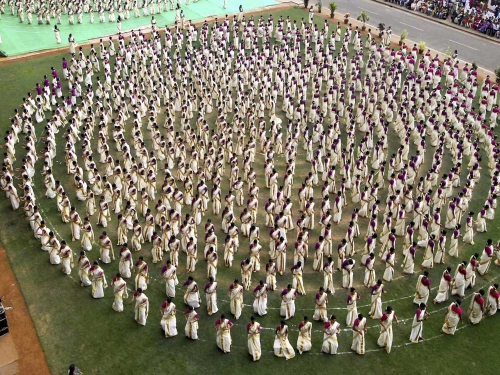
(My comments:- Tiruvadirai is celebrated on a grand scale in Kerala even today. Girls bathe, wear new clothes and flowers and dance in groups. Special dishes are made. In Tamil Nadu it is a big festival day in all the Siva temples. When the climatic conditions changed naturally two festivals merge together. We see such things in Easter and Christmas festivals in the Western world; pagan rites merge with Christian beliefs.)

Tiruvadirai dance in Kerala

Pavai Nonbu was a vow observed by un married girls. This practice of religious austerity was sacred to the goddess Katyayani. It was a belief then by the grace of Katyayani the young girls could get suitable husbands for themselves so that their lives could be peaceful and happy. What is remarkable is that it is being observed every year both by the followers of Vaishnava and Saiva cult.”


Page 301 and 302, Studies in Tamil Literature by V R R Dikshitar.


— Subham–