கண் திருஷ்டியும் அறிவியலும்! – 1(Post No.5024)

Written by S NAGARAJAN


Date: 19 MAY 2018


Time uploaded in London –  5-35 AM   (British Summer Time)


Post No. 5024


Pictures shown here are taken from various sources such as Facebook friends, Books, Google and newspapers; thanks. Pictures may be subject to copyright laws.


18-5-18 பாக்யா வார இதழில் அறிவியல் துளிகள் தொடரில் வெளியாகியுள்ள (எட்டாம் ஆண்டு பதினொன்றாம்) கட்டுரை


கண் திருஷ்டியும் அறிவியலும்! – 1

.நாகராஜன்

உலகில் கண் திருஷ்டிக்குப் பயப்படாதவர்கள் இல்லை.

நாடகம் முடிந்தாலும் சரி, பெரிய விழா முடிந்தாலும் சரி திருஷ்டி கழிப்பது வழக்கமாகி விட்டது.உடனடியாக திருஷ்டி கழித்துப் போட்டு விட்டுத் தான் மறு வேலை பார்ப்பார்கள்.

சில பேருடைய பார்வை பட்டாலேயே போதும் திருஷ்டிக்கு உள்ளானவர் பல விதத்திலும் பாதிக்கப்படுவர், ஏன், சில சமயம் உயிருக்கே ஆபத்து ஏற்படுவதுண்டு!

தி ஈவில் ஐ –  எ கேஸ் புக் என்று ஆலன் டுண்டஸ் (The Evil Eye : A casebook – Alan Dundes) இது பற்றிப் பெரிய ஆராய்ச்சி நூலையே எழுதியுள்ளார்.

பார்த்த பார்வையில் புதுச் சட்டை கிழியும்; பால் புளித்துப் போகும், பார்த்த பார்வையில் பல நாட்களுக்குச் சாப்பிடவே பிடிக்காது. வாந்தி எடுக்கும் – இப்படி கெட்ட திருஷ்டியின் “மஹிமையை”ச் சொல்லிக் கொண்டே போகலாம்.

திருஷ்டி பற்றிக் கவலைப்படாத நாகரிகமே இல்லை; நாடே இல்லை; மக்களே இல்லை!

ஒவ்வொரு நாட்டிலும் இதற்குத் தனிப் பெயர் உண்டு.

சுவாரசியமான அந்தப் பெயர் பட்டியலை அப்படியே கீழே காணலாம்:

ஜெர்மனியில் இதற்குப் பெயர் போஸ் ப்ளிக் (Bose Blick)

ஹாலந்தில் இதற்குப் பெயர் பூஸ் ப்ளிக   (boose Blick)

போலந்தில் இதற்குப் பெயர் டே ஒகோ   (Zte Oko)

இத்தாலியில் இதற்குப் பெயர் மால் ஓச்சியோ  (Mal Occhio)

சார்டினாவில் இதற்குப் பெயர் ஒகு மாலு   (Ogu Malu)

கோர்ஸிகாவில் இதற்குப் பெயர் இன்னோச்சியாடுரா   (Innochiatura)

ஸ்பெயினில் இதற்குப் பெயர் மால் டி ஓஜோ   (Mal De Ojo)

பிரான்ஸில் இதற்குப் பெயர் மௌவாயிஸ் செய்ல்  (Mauvais Ceil)

நார்வேயில் இதற்குப் பெயர் ஸ்கோயர் டுஞ்ஜ்   (Skjoertunge)

டென்மார்க்கில் இதற்குப் பெயர் ஆண்ட் ஓஜே (Ondt Oje)

இங்கிலாந்தில் இதற்குப் பெயர் ஈவில் ஐ (Evil Eye)

அயர்லாந்திலும் ஸ்காட்லாந்திலும் இதற்குப் பெயர் இல் ஐ   (Ill Eye)

சிரியாவில் இன்று வரை இதற்குப் பெயர் அயினா பிஷா   (Aina Bisha)

பெர்சியாவில் இதற்குப் பெயர் ஆகாஷா  (aghasha)

ஆர்மீனியாவில் இதற்குப் பெயர் படேரெக்   (Paterrak)

இந்தியாவில் இதற்குப் பெயர் கோர சக்ஷு (Goram cakshu)

இப்படி உலகில் எந்த நாட்டை எடுத்துக் கொண்டாலும் கெட்ட திருஷ்டிக்குத் தனிப்  பெயர் உண்டு. அவ்வளவு நம்பிக்கை.

கிரேக்க, ரோமானிய, ஹிந்து நூல்களில் இந்த கண் திருஷ்டி பற்றி நிறையவே சொல்லப்பட்டிருக்கிறது. பைபிளில் ப்ராவெர்ப் 23:6-இல் கெட்ட திருஷ்டி உடையவனிடம் ரொட்டியை வாங்கிச் சாப்பிடாதே; அவனது திருஷ்டி பட்ட உணவையும் விரும்பாதே என்று சொல்லப்பட்டிருக்கிறது.

குரானிலும் ஷேக்ஸ்பியர் நாடகங்களிலும் கண் திருஷ்டி சொல்லப்படுகிறது.

ஹிந்துக்கள் குடும்ப உறுப்பினர்கள் சாப்பிடுவதை வெளியார் யாரும் பார்ப்பதை விரும்புவதில்லை!

கோணல் கண், கண்களில் பல முடிச்சுகள் இருந்தால் அவரைக் கண்டு விலகுவது எல்லோருக்கும் சகஜமான பழக்கம். குறிப்பாக அபாயகரமான தொழில்களான சுரங்கப் பணி, கடலில் மீன் பிடிக்கச் செல்லுதல் போன்றவற்றில் ஈடுபடுவோர் திருஷ்டி பற்றி நன்கு கவனிப்பர்.குறிப்பாகப் பெண்மணிகள் தங்கள் வீட்டு ஆண்கள் வெளியே செல்லும் போதோ அல்லது ஒரு காரியத்தை நன்கு முடித்து விட்டு வந்தாலோ திருஷ்டி பற்றிக் கவனிப்பர். திருஷ்டி சுற்றிப் போடுவர்.

திருஷ்டியிலிருந்து எப்படித் தப்புவது? முதல் வழி அப்படிப்பட்ட ஆள்களைப் பார்க்கவே பார்க்காதே என்பது தான். அடுத்த வழி சில தாயத்துகளை அணிவது தான்.

அரைஞாண் கயிற்றில் ஆரம்பித்து மணிக்கட்டு, புஜத்தின் மேல் பகுதியில் கயிறு கட்டுதல், கழுத்தில் கயிறில் தாயத்தை அணிவது என்று பல ரகங்களில் திருஷ்டியிலிருந்து தன்னைப் பாதுகாக்க ஒவ்வொருவரும் முயல்கின்றனர்.

லத்தீன் அமெரிக்காவில் கண் திருஷ்டிக்கு மால் டி ஓஜோ என்று பெயர். இதை நம்பாதவர்களே அங்கு இல்லை. ப்யூர்டோ ரிகோசில் பிறந்த குழந்தைகளுக்கு அஜாபச்சே (Azabache) என்ற அதிர்ஷ்டத்திற்கான தாயத்து தரப்படுகிறது.

திருஷ்டியை எதிர்கொள்ள சிறப்பான வண்ணம் நீலம் தான். இது  சுவர்க்கம் அல்லது இறைத்தன்மையைக் குறிக்கும். உள்ளிப்பூண்டை சில தேசத்தவர் பயன்படுத்துகின்றனர். உள்ளிப்பூண்டு என்று சொன்னாலேயே திருஷ்டி போய் விடுமாம்.

நமது ஊரில் மிளகாயைப் மரக்கால் படியில் வைத்து திருஷ்டி சுற்றிப் போடுவர். கடல் உப்பை (கல் உப்பு; உப்புப் பொடி அல்ல) வைத்து திருஷ்டி கழிப்பது அன்றாடப் பழக்கம். பூசணிக்காய் பற்றிச் சொல்லவே வேண்டாம்.

சிலருடைய வீடுகளில் எல்லையற்ற துன்பம் நேர்ந்தால் (திடீரென்று கல்லாக விழுதல் போன்றவை) உடனடியாக இந்த திருஷ்டியைப் போக்க அல்லது சாபத்தைப் போக்க மாந்திரீக வழிகளையும் நாடுவர்.

உலகில் தன்னை திருஷ்டியிலிருந்து பாதுகாத்துக் கொள்ளாத பிரபலங்களே இல்லை. அமெரிக்க ஜனாதிபதியாக இருந்த ஒபாமா ஹனுமான் உருவத்தைத் தன்னுடன் எப்போதும் வைத்திருந்த செய்தியை நாம் அறிவோம். பேஷன் மாடலான கிம் கர்டாஷியான் கெட்ட திருஷ்டியைப் போக்கும் ப்ரேஸ்லெட், தலையணி போன்றவற்றை அணிந்து போஸ் கொடுப்பது வழக்கம். ஜிஜி ஹடிட் 2017இல் ‘ஐ லவ் ஷீ லைன்’ -ஐ திருஷ்டியிலிருந்து காத்துக் கொள்வதற்காக அறிமுகப்படுத்தினார்.

பிரபலங்கள் இதற்காகவே அறிமுகப் படுத்தும் கண் அணிகள், நெக்லேஸ், கீ-செய்ன் ஆகியவை சந்தையில் விற்பனையில் சக்கைப்போடு போடுகின்றன.

கிரேக்க நாகரிக இலக்கியத்தில் பொறாமையுடன் பார்க்கப்படும் பார்வை பொல்லாத பார்வை என்று குறிப்பிடப்படுகிறது. ‘பூரி நஜர்’ (தீய பார்வை) என்றும் இது பொதுவாகச் சொல்லப்படுகிறது. திருஷ்டி பற்றி இன்னும் கொஞ்சம் அலசுவோம்.


அறிவியல் அறிஞர் வாழ்வில் .. ..
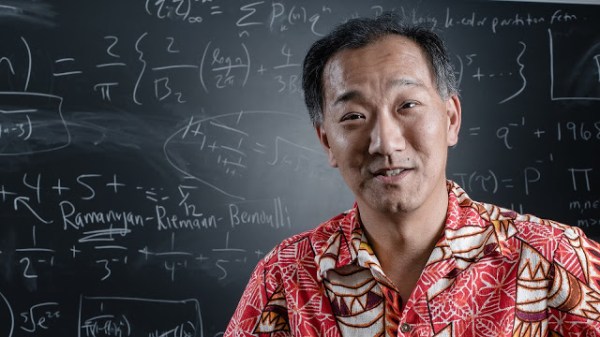
பிரபல இந்திய கணித மேதையான சீனிவாச ராமானுஜனால் உத்வேகம் பெற்ற கணித மேதை ஜப்பானியரான கென் ஓனோ.(Ken Ono). இவருக்கு வயது இப்போது 50.

இவரது தந்தையார் ஒரு கணித மேதை. தாயாரோ படித்து சாதித்தால் தான் உருப்படுவாய் என்று மகனைத் தூண்டிக் கொண்டே இருக்கும் ‘பெண் புலி’.

பிரபல விஞ்ஞானி ஓப்பன்ஹீமரின் அழைப்பின் பேரில் ஜப்பானிலிருந்து அமெரிக்காவிற்கு வந்தார் கென் ஒனோவின் தந்தை.

ஒனோவிற்கு படிப்பில் அவ்வளவாக ஆர்வம் இல்லை. தந்தை, தாயின் எதிர்பார்ப்புக்கு அவரால் 27 வருடங்கள் ஈடு கொடுக்க முடியவில்லை.

ஒருவழியாக கணிதத்தில் தேறி அமெரிக்காவில் ஒரு பேராசிரியராக ஆனார். அப்பொழுது தான் சீனிவாச ராமானுஜனைப் பற்றி அவர் தெரிந்து கொண்டார்.

ஆயிரக்கணக்கான சூத்திரங்களை ராமானுஜன் நோட்புக்குகளில் எழுதி வைத்திருந்தது அவரை பிரமிக்க வைத்தது. அவரைப் பற்றி நன்கு ஆராயலானார்.

அவரது சூத்திரங்களில் ஒன்றை ஒட்டித் தானும் அல்ஜிப்ரெய்க் நம்பர் தியரியில் ஒரு புதிய கண்டுபிடிப்பைக் கண்டுபிடித்தார்.

சீனிவாச ராமானுஜனைப் புகழ்ந்து கொண்டே இருக்கும் ஒனோ அவரைப் பற்றிய திரைப்படமான ‘The Man Who Knew Infinity’ படத்திற்கும் கணித சம்பந்தமான ஆலோசகர் ஆனார். சீனிவாச ராமானுஜனுக்குத் தனது நன்றியைத் தெரிவிக்கும் வகையில் அவரைப் பற்றிய ஒரு நூலையும் அமிர் அஜல் என்பவருடன் இணைந்து எழுதியுள்ளார். அந்த நூலின் பெயர் : My Search for Ramanujan: How I Learned to Count .

படிப்பே பிடிக்காத தானே ராமானுஜனால் உத்வேகம் பெற்று பெரிய கண்டுபிடிப்பைக் கண்டுபிடித்ததால், “ராமானுஜனைப் பற்றி அறியுங்கள்; அவரிடமிருந்து யார் வேண்டுமானாலும் உத்வேகம் பெற்று அவரைப் போல் ஆகலாம்” என்று கென் ஒனோ எல்லோருக்கும் இன்று அறிவுரை கூறி வருகிறார்.

நமது கும்பகோணத்தைச் சேர்ந்த கணித மேதைக்கு இப்போது கடைசியாக வந்துள்ள புகழாரம் கென் ஓனோவினுடையது என்பதில் நமக்குப் பெருமை தானே!

***
 

STRANGE STORIES ABOUT RAMA’S SONS -THAI RAMAYANA-3 (Post No.5023)

STRANGE STORIES ABOUT RAMA’S SONS KUSA AND LAVA-THAI  RAMAYANA-3 (Post No.5023)


WRITTEN by London Swaminathan 


Date: 18 May 2018


Time uploaded in London – 11-54 am (British Summer Time)


Post No. 5023


Pictures shown here are taken from various sources such as Facebook friends, Books, Google and newspapers; thanks. Pictures may be subject to copyright laws.


WARNING: PLEASE SHARE MY ARTICLES; BUT DON’T SHARE IT WITHOUT AUTHOR’S NAME AND THE BLOG NAME. BE HONEST; OTHERS WILL BE HONEST WITH YOU


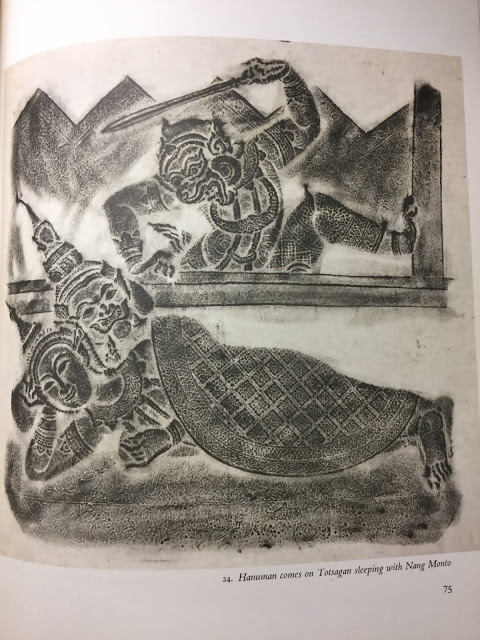
Thai Ramayana ‘Ramakien’ differs with Valmiki Ramayana in the birth story of Kusa and Lava. They were the twin sons of Rama and Sita according to Valamiki. But ‘Ramakien’ of Thailand and Ananda Ramayana of India differ very much. It is an interesting animal story.


A son was born to Sita and he was named Mongkut. But her second son was created by a miracle by sage Vajmrga (Valmiki). One day Sita went into the forest to gather fruits after leaving her son Mongkut with the sage. She was enjoying nature and saw a family of monkeys. She told the monkey mothers to be careful with their babies otherwise they may fall from the trees. Monkey mothers laughed at her and said to her that they were better than Sita who left her child with the sage who closed his eyes for meditation. Sita was shocked to hear this and rushed back to the sage’s ashram and brought back her child.


In the meantime, sage opened his eyes after meditation and found the child was missing. Thinking that Sita would feel sad, he created another child by miracle. When Sita came back he explained what happened and advised her that the second son will be the playmate of her first son. He gave it the name Lava.

This Thai versions is somewhat similar to Ananda Ramayana:

It is in the Janmakanda section (Canto 4, verses 21-86).

Sita had only one son and he was named Kusa because sage Valmii sprinkled holy water on the baby with Kusa grass.  Rama came by Pushpaka Vimana (aeroplane) and did the birth rites with some brahmins and went back to Ayodhya by the Vimana. He told them not to reveal the news to anyone. Sita’s father Janaka also came but he stayed even after Rama left.


One day she went to the river to take bath and saw a monkey mother with five baby monkeys. She left her baby with the sage Valmiki. When she saw the mother monkey carrying five of its litter, she felt very guilty for not taking her baby. Sita rushed back to the hermitage of Valmiki and took her baby. At that time, Valmiki with his disciples went to the riverside. When Valmiki came back to his hermitage, he was surprised to see Sita’s son missing. So he created a double of her first son. He gave the second son to Sita and named him Lava, because he was created with Lava/wool. Both the children grew up together at the hermitage and their parents showered love and affection on them.


Kathasarit sagara, slightly differed from this version and said Lava was her first son and Kusa was the second son who was created by Valmiki’s miraculous power.


One can understand the deep impact of Ramayana  on a vast geographical area and long span of  time. Valmiki’s original version was distorted here and there in course of 2000 or 3000 years. Ramayana is in Buddhist and Jain literature as well.


Sita’s ‘infidelity’!

Hindus never like one woman staying with another man who is not her brother or father. So there are lot of stories about the infidelity of Sita.


In Thai Ramayana Adul, a demoness daughter of Surpanakha wanted to take revenge upon Rama, because his brother Lakshmana cut off Surpankaha’s nose. Adul was working as a servant maid in the palace of Rama under a different disguise. She asked  Sita to draw the figure of Ravana and when she drew the picture out of fun, Rama saw that. The demoness used that opportunity to betray Sita and Rama wanted to kill his wife Sita. He assigned the task of killing Sita deep inside the forest to Lakshmana. And Lakshmana took her to the jungle, but his mind didn’t allow him to commit the ghostly act. So he showed her the hermitage of Valmiki and took back the heart of a deer and showed it to Rama as a proof of killing Sita. Rama came to know that Sita was alive after a very long time. In the original Ramayana of Valmiki she was simply banished from the country because a washer man suspected her chastity.


Tribal Folk song!

Ramayana is the only epic in the world which has penetrated the deepest parts on earth in the oldest time. Even tribal communities have different versions of Ramayana episodes in their folk songs. That shows Ramayana might have happened several thousand years ago.  The folk song in the tribal Bundelghund region says when Sita visited the forest she drew a portrait of Ravana at the behest of her friends. They insisted her to draw the figure to see How Ravana looked like. This happened long after the death of Ravana and Sita’s joining her husband. Sita did it with the cowdung.  As she was making the figure up to waist, there appeared Rama and suspected Sita’s fidelity. Then he ordered her expulsion.


There are over 3000 versions or more of Ramayana. Every time I go to British Library in London, I see a new Ramayana episode or many episodes in very old Tamil Books. In 2000 year old Sangam Tamil literature there are two episodes which are not found anywhere else in the world. In the Alvar/ Tamil Vaishnavite saints’ poems we see new episodes about squirrels helping in the bridge work. In the Pali and Prakirit language literature we see newer versions.


The most attractive story of Rama and Sita stand for the purest qualities and virtues on earth. No other literature of the ancient world has made such an impact anywhere on earth. After the founding of ISKCON and other organisations, story of Rama and Krishna and the Mantra ‘Hare Rama’ have been echoing in the nook and corner of the world.

Please read also my articles on Vivekananda’s lecture on Sita and Sangam literature poems on Rama and Sita.

Long Live Rama’s Name!

–Subham–

கடலுக்கு அடியில் ராவணன் உயிர்!! தாய்லாந்து ராமாயணம்-2 (Post No.5022)

கடலுக்கு அடியில் ராவணன் உயிர்!! தாய்லாந்து ராமாயணம்-2 (Post No.5022)


WRITTEN by London Swaminathan 


Date: 18 May 2018


Time uploaded in London – 7-49 AM (British Summer Time)


Post No. 5022


Pictures shown here are taken from various sources such as Facebook friends, Books, Google and newspapers; thanks. Pictures may be subject to copyright laws.


WARNING: PLEASE SHARE MY ARTICLES; BUT DON’T SHARE IT WITHOUT AUTHOR’S NAME AND THE BLOG NAME. BE HONEST; OTHERS WILL BE HONEST WITH YOU


தாய்லாந்து ராமாயணமான ராம்கீயனில் பல சுவையான, விநோதமான செய்திகள் இருப்பதை நேற்று முதல் பகுதியில் சொன்னேன். இதோ பல விசித்திர, அதிசய ராமாயணக் கதைகள்.


வால்மீகி ராமாயணம் காண்டங்களாகப் பிரிக்கப்பட்டுள்ளது. தாய் மொழி ராமாயணம் அப்படிப் பிரிக்கப்படவில்லை.


உலகின் முதல் அரசன் அநோமதன்

முன்னொரு காலத்தில் சக்ரவாள மலையின் மீது ஹிரன்யாக்ஷன்

வசித்தான். அவன் தேவர்களைத் துன்புறுத்தவே அவர்கள் ஈஸ்வரனை அணுகி முறையிட்டனர். ஈஸ்வரன் சொற்படி நாராயணன் அந்த ஹிரன்யாக்ஷனை அழித்தார். அவர் திரும்பி வருகையில் பாற்கடலில் ஒரு அழகிய தாமரை மலரையும்     அதில் ஒரு குழந்தையையும் கண்டார். உடனே நாராயணன் அக் குழந்தையை எடுத்து ‘க்ரைலாஸம்’ சென்று, ஈஸ்வரனிடம் அக்குழந்தையை அளித்தார். அவர் அக்குழந்தைக்கு அநோமடன் என்று பெயரிட்டு  அவரை உலகின் முதல் அரசனாக்கி ஜம்பூத்வீபத்தில் உள்ள அயோத்தியில் ஆட்சி பீடத்தில் அமர்த்தினார். இறைவன் சொற்படி இந்திரன், அந்த அயோத்தி மாநகரை உருவாக்கினான்.

விபீஷணன் மகள் பெஞ்சகாய்- அனுமன் காதல் திருமணம்


ராவணன், பெஞ்சகாய் என்ற ராக்ஷஸியை அழைத்து நீ சீதை போல உரு எடுத்து, இறந்த சடலம் போல ஆற்றில் மிதந்து போ. ராமன் அதைப்

பார்த்து மயங்கி கதறட்டும் என்று கட்டளை இட்டான். அவளும் அப்படியே செல்லுகையில், ராமன் காலைக் குளியலுக்கு நதிக்கு வருகையில் அதைக் கண்டு துக்கம் அடை ந்தான்.


அனுமனும் லக்ஷ்மணனும் அடுத்து வந்தனர். லக்ஷ்மணனும் அந்த சீதையின் சடலத்தைக் கண்டு கதறினான். ஆனால் அனுமனோ இது போலியா அசலா என்று ஐயமுற்று அந்த சடலத்தை சிதைத் தீயில் வைத்தான். பெஞ்சகாய் கதறியவாறு வானத்தில் தாவிக் குதித்தாள். சுக்ரீவன் அவளை சாட்டையால் அடித்து நீ யார்? என்று வினவ, அவளும் உண்மையைச் சொன்னாள். அவள் விபீஷணனின் தங்கை என்பதை அறிந்து ராமன் அவளை மன்னித்து அருளினன்.


அனுமனை அழைத்து இவளை பத்திரமாக இலங்கை வரை கொண்டு போய் விடு என்றனன். அனுமனுக்கும் பெஞ்சகாய்க்கும் இடையே காதல் மலர்ந்தது; அதுவும் கனிந்தது. ‘அசுரபாத’ என்ற பிள்ளையும் பிறந்தது. இது அனுமனின் முதல் திருமணம்; முதல் பிள்ளை.


இந்தியாவில் ராமாயணத்தில் ஹனுமார் நித்திய பிரம்மாச்சாரி. தாய்லாந்து மக்கள், ராமாயணத்தில் அவர்களுடைய கலாச்சாரத்தைக் கலப்பதற்ககாக ஹனுமாரை காதல் மன்னன் ஆக்கிவிட்டனர். அவருக்கு மேலும் பல மனைவியர் உண்டு! கதை வளர்கிறது.


ராவணன் உயிர் எங்கே?

ராமன் எத்தனையோ அம்புகளை எய்தும் ராவணன் மாயவில்லை. அப்பொழுது விபீஷணனன் ஒரு உண்மையைச் சொன்னான்.


மனிதனின் உடல் வேறு; உயிர் வேறு; உயிர் வேறு ஒரு இடத்தில் பாதுகாப்பாக வைக்கப்பட்டிருக்கும்; அதை ஒருவர் அழிக்கும் வரை  ஒருவனுடைய உயிர் போகாது என்ற விஷயம் ராமகீயனின் பல இடங்களில் சொல்லப்படுகிறது.


ராவணனுடைய குரு  கோ புத்ரன்; அவனிடம்தான் ராவணனின் உயிர் இருக்கும் பேழை (கலசம்) பாதுகாப்புக்காக கொடுக்கப்பட்டுள்ளது என்பதை விபீஷணன் சொன்னான். உடனே ராமன், அனுமனை அழைத்து “சென்று வா மகனே; வென்று வா” என்று அனுப்பினன்.


ஹனுமார், அங்கதனையும் துணைக்கு அழைத்துக் கொண்டு கோபுத்ரன் ஆஸ்ரமத்துக்குச் சென்றான். “இதோ பார்,  எங்களுக்கு ராமனைப் பிடிக்கவில்லை. நாங்கள் ராவணன் தரப்புக்கு கட்சி மாற வந்துள்ளோம். எங்களை அவனிடம் அழைத்துச் சென்று அறிமுகப்படுத்து என்றான். வெளுத்தை எல்லாம் பால் எனும் நம்பும் கோபுத்ரன் அவ்விருவரையும் இலங்கை வாயில் வரை அழைத்துச் சென்றான்.

ஒருவேளை ராவணன் உயிரையும்   இதயத்தையும் வைத்திருக்கும் பேழையை ராமன் திருடக்கூடும் என்று ஹனுமன் எச்சரித்து இருந்ததால் கோபுத்ரன் அதையும் கையில் எடுத்துக்கொண்டே சென்றான். இலங்கை வாயிலை அடைந்தவுடன் திடீரென்று ஒரு விஷயம்  நினைவுக்கு வந்தது. வாயிலைக் கடந்தால் கிண்ணத்தில்/ பேழையில் உள்ள உயிர் ராவணனிடமே பறந்து போய்விடும் என்று!


ஹனுமார் சொன்னார்

“குறை ஒன்றுமில்லை கோபுத்ரா. அங்கதனிடம் அதைக் கொடுத்து வாயிலுக்கு வெளியே நிற்கச் சொல்லுவோம்” என்றான். அவருடைய சதித் திட்டம் பலித்தது. அங்கதன் வாயிலி நிற்க இருவரும் இலங்கைக்குள் நுழைந்தனர். திடீரென்று ஹனுமார் திரும்பிச் சென்றார். அங்கதனை எவரேனும் சந்தேகப்பட்டு கொன்று விடலாம் ஆகையால் பாதுகாப்பது எப்படி என்று சொல்லிக் கொடுத்துவிட்டு வருகிறேன் என்றார். கோபுத்ரனும் அவரை நம்பினார்.


அங்கதனிடம் திரும்பிவந்த ஹனுமார், ராவணனின் உயிர் போல ஒரு போலி உயிரை ( இதயத்தை) உருவாக்கி பேழையில் வைத்துவிட்டு அசல் உயிரை அங்கதனிடம் கொடுத்து இதை கடலுக்கு அடியில் புதைத்து விடு என்றார். அங்கதனுமவ்வாறு செய்யவே ராவணனை ராமன் எளிதாக வீழ்த்த முடிந்தது.

சீதை யார்?

ராவணனுக்கும் மண்டோதரிக்கும் பிறந்த பெண்ணே சீதை என்றும் சிறு வயதிலேயே அவளைக் காட்டில் விட்டதாகவும், ‘தாய்’ மக்கள் நம்புகின்றனர். அந்தக் குழந்தையை ஜனகன் எடுத்து வளர்க்கவே அவள் பெரியவளாகித் திருமணம் முடித்து ராமனுடன் வாழ்கையில் ராவணன் அவளைத் தூக்கிவந்தான் என்றும் ‘தாய்’ மக்கள் கதை சொல்லுவர். அவளை ராவணன் தொட முயன்றபோது ராவணன் உடல் எரியவே அவளைத் தொடாமல் விட்டனன் என்பதும் கதை.


இப்படி ராமாயணத்தைத் தங்கள் கலாச்சார நம்பிக்கைக்கு ஏற்ப தாய் மக்கள் கதை கட்டிவிட்டனர்.


அடுத்த பகுதியில் மேலும் சில சுவையான ராமயண சம்பவங்களைக் காண்போம்.


தொடரும்……………..


— சுபம்—

வோர்ட்ஸ்வொர்த்தின் டாஃபோடில்ஸ் -2 (Post No.5021)

Written by S NAGARAJAN


Date: 18 MAY 2018


Time uploaded in London –  6-58 AM   (British Summer Time)


Post No. 5021


Pictures shown here are taken from various sources such as Facebook friends, Books, Google and newspapers; thanks. Pictures may be subject to copyright laws.


ஒசை இன்பம் கொண்ட வோர்ட்ஸ்வொர்த்தின் டாஃபோடில்ஸ் -2


.நாகராஜன்


3

1807ஆம் ஆண்டு முதல் முதலாக இந்தக் கவிதை அச்சிடப்பட்டது. ஆனால் 1815க்குள் இந்த அழகிய தனது கவிதையில் வோர்ட்ஸ்வொர்த் ஏராளமான மாற்றங்களைச் செய்தார். கருத்து நயம், ஓசை இன்பம் கொண்ட இந்த மாறுதல்களால் கவிதையின் மெருகு அற்புதமாகக் கூடியது.


அவர் செய்த மாறுதல்களைப் பார்ப்போம்.


நான்காம்  வரியில் இருந்த dancing என்ற வார்த்தையை golden  என்று அவர் மாற்றினார்.


A host, of dancing daffodils;

என்பது


A host, of golden daffodils;  என்று மாறியது.

அடுத்து ஐந்தாம்  வரியில் இருந்த along என்ற வார்த்தையை beside  என்று அவர் மாற்றினார்.


Along the lake, beneath the trees

என்பது


Beside the lake, beneath the trees என்று மாறியது.


அடுத்து ஆறாம்  வரியில் இருந்த ten thousand என்ற வார்த்தையை fluttering and என்று அவர் மாற்றினார்.

Ten thousand dancing in the breeze. என்பது

Fluttering and dancing in the breeze. என்று மாறியது.


அடுத்து பதினாறாம்  வரியில் இருந்த laughing என்ற வார்த்தையை jocund என்று அவர் மாற்றினார்.

இரண்டாவது செய்யுளாக – Stanzaவாக – உள்ள – வரிகள் 7 முதல் 12 முடிய உள்ள செய்யுள் புதிதாகச் சேர்க்கப்பட்டது.


கடகடவென செய்யுளை வேகமாக தன்னிச்சையாக இயற்றி வந்த கவிஞர் They flash upon that inward eye


Which is the bliss of solitude;


என்ற  21 மற்றும் 22 வரிகளை இயற்ற முடியாமல் தடுமாறினார்.

அவரது மனைவி மேரி உதவிக்கு வரவே அந்த வரிகள் பூர்த்தி செய்யப்பட்டது.


இப்போது முதலில் இருந்த கவிதையையும் மாற்றப்பட்ட கவிதையையும் படித்துப் பார்க்கலாம்.


முதலில் இருந்த கவிதை:


I wandered lonely as a cloud

That floats on high o’er vales and hills,

When all at once I saw a crowd,

A host, of dancing daffodils;

Along the lake, beneath the trees,

Ten thousand dancing in the breeze. (வரிகள் 1 முதல் 6)


The waves beside them danced; but they

Out-did the sparkling waves in glee:

A poet could not but be gay,

In such a laughing company:

I gazed—and gazed—but little thought

What wealth the show to me had brought: (வரிகள் 13 முதல் 18)


For oft, when on my couch I lie

In vacant or in pensive mood,

They flash upon that inward eye

Which is the bliss of solitude;

And then my heart with pleasure fills,

And dances with the daffodils.  (வரிகள் 19 முதல் 24)


மாற்றப்பட்ட கவிதை அதாவது இப்போது நாம் ரஸிப்பது :

I wandered lonely as a cloud

That floats on high o’er vales and hills,

When all at once I saw a crowd,

A host, of golden daffodils;

Beside the lake, beneath the trees,

Fluttering and dancing in the breeze. (வரிகள் 1 முதல் 6)


Continuous as the stars that shine

And twinkle on the milky way,

They stretched in never-ending line

Along the margin of a bay:

Ten thousand saw I at a glance,

Tossing their heads in sprightly dance. (வரிகள் 7 முதல் 12)


The waves beside them danced; but they

Out-did the sparkling waves in glee:

A poet could not but be gay,

In such a jocund company:

I gazed—and gazed—but little thought

What wealth the show to me had brought: (வரிகள் 13 முதல் 18)


For oft, when on my couch I lie

In vacant or in pensive mood,

They flash upon that inward eye

Which is the bliss of solitude;

And then my heart with pleasure fills,

And dances with the daffodils.  (வரிகள் 19 முதல் 24)


ஒரு அற்புதமான கவிதை உருவாவது என்பது சாதாரண விஷயமல்ல. அதை Daffodils நமக்கு உணர்த்துகிறது.

***                       முற்றும்


RAVANA’S SOUL IN A RECEPTACLE; STRANGE THAI RAMAYANA -2 (Post No.5020)

RAVANA’S SOUL IN A RECEPTACLE; STRANGE THAI RAMAYANA -2 (Post No.5020)

WRITTEN by London Swaminathan 


Date: 17 May 2018


Time uploaded in London – 16-14 (British Summer Time)


Post No. 5020


Pictures shown here are taken from various sources such as Facebook friends, Books, Google and newspapers; thanks. Pictures may be subject to copyright laws.

WARNING: PLEASE SHARE MY ARTICLES; BUT DON’T SHARE IT WITHOUT AUTHOR’S NAME AND THE BLOG NAME. BE HONEST; OTHERS WILL BE HONEST WITH YOU.


I posted the first part yesterday under the title

SITA DAUGHTER OF RAVANA! STRANGE THAI RAMAYANA-1


Episode of Ravana’s Soul/Heart

Ramakien repeats one strange thing in more than one place- that is the soul of a person is kept away from his body. Ravana’s soul was also kept in a receptacle separately and was left with Goputra. When Rama’s weapons did not work with Ravana Vibhishana revealed the secret of Ravana’s soul.

Goputra was his preceptor. Hanuman was given the task of finding Ravana’s soul or heart and crush it. So he went with Angada to the ASHRAMA of Goputra and told him that he was fed up with Rama and so he wanted to join the army of Ravana.  Goputra believed the words of Hanuman like a simpleton. Taking both of them, Goputra went to Ravana’s place with the receptacle. Hanuman and Angada accompanied with some secret plan. When they reached the palace gate Goputra remembered if they went inside the palace the soul will fly back to Ravana. So he left it with Angada. Hanauman suddenly came back to Angada under the excuse of giving him some safety first instructions. At that time Hanuman created a fake heart/ soul and took the real soul and asked Angada to bury it under the sea. Then Rama easily killed Ravana.

Episode of Mahipala Debasura

Mahipala Debasura was Ravana’s best friend. Without knowing Ravana’s death, he came to Ravana’s palace to see him. Having heard about Ravana’s death, he became angry and laid a siege around Lanka. At that time, Vibhishana was ruling Lanka. Rama realising that Vibishana may not have enough strength to tackle all the troubles, sent an arrow to Vibhisana every week. Using that arrow Vibhishana sent an SOS message to Rama. He sent Hanuman to help Vibishana. Since Hanuman was ruling nearby kingdom Nabapuri with the name Phya Anujit came to Lanka and fought with Mahipala. When Hanuman tore the body of Mahipala it united into one. Then Vibishana revealed him the secret of killing him. At his behest Hanuman tore the chest of Mahipala and he died.

Episode of Insurrection in Lanka

After Ravana’s death Mandodari became one of the queens of Vibishana. At that time she was already pregnant and gave birth to a son. He was named Varanisura. His governor told him the story of his father Ravana and Varanisura decided to take revenge upon Vibhishana. His governor gave him the new name Bainasuri vangsh. With the intention of taking revenge he sought the help of Chakravarti, the ruler of Malivan. He was Ravana’s friend. They invaded Lanka and put Vibishana behind the bars. Hanuman with his son Ashurapad came to Kishkinda and got the help of Sugreeva. They went to Ayodhya to get the help of Rama. All of them marched to Lanka, killed Baina surivangsh and released Vibhishana.


If we compare other episodes of Valmiki Ramayana with Ramakiyan, there are only minor differences in the Thai Ramakiyan.

Who is Sita?

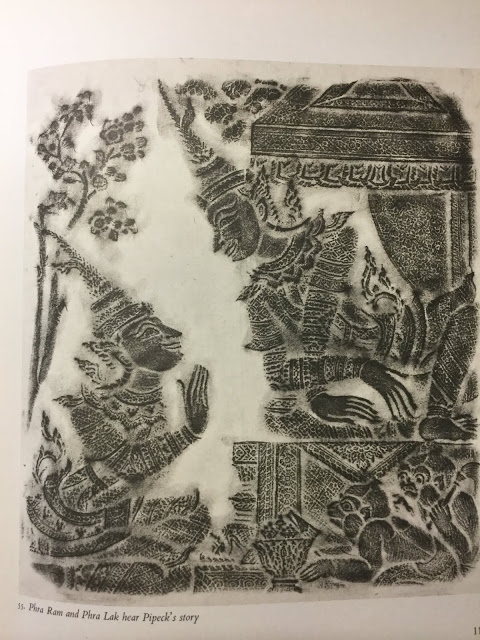
Sita was the daughter of Mandodari and Ravana, but abandoned in a forest as soon as she was born. King of Mithila found her and raised her. Ravana came and abducted her without knowing it was his daughter. When he tried to touch her his skin burnt and then couldn’t touch her. So there are so many versions of Ramayana in Ramakien as well as palatial murals in Bangkok and other places in Thailand.


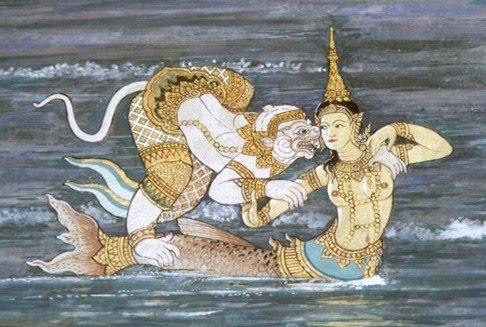
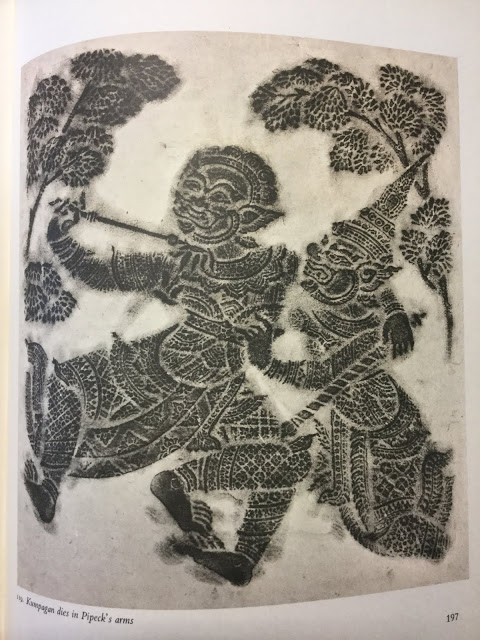
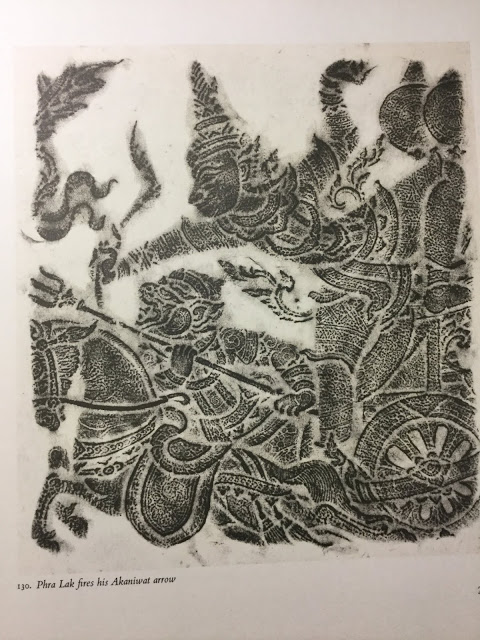
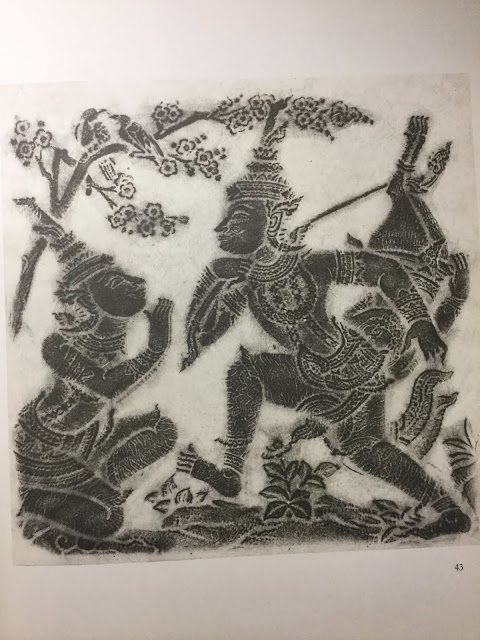
There are some differences in the birth of Rama’s sons and Sita’s infidelity etc. It is an unending story. Beautiful sculptures and murals of Ramayana are in Bangkok and other places. We will look at them separately.

to be continued……………

–Subham–


‘சீதைக்கு ராமன் சித்தப்பா’! தாய்லாந்து ராமாயணம்-1 (Post No.5019)

WRITTEN by London Swaminathan 


Date: 17 May 2018


Time uploaded in London – 9-00 AM (British Summer Time)


Post No. 5019


Pictures shown here are taken from various sources such as Facebook friends, Books, Google and newspapers; thanks. Pictures may be subject to copyright laws.


WARNING: PLEASE SHARE MY ARTICLES; BUT DON’T SHARE IT WITHOUT AUTHOR’S NAME AND THE BLOG NAME. BE HONEST; OTHERS WILL BE HONEST WITH YOU


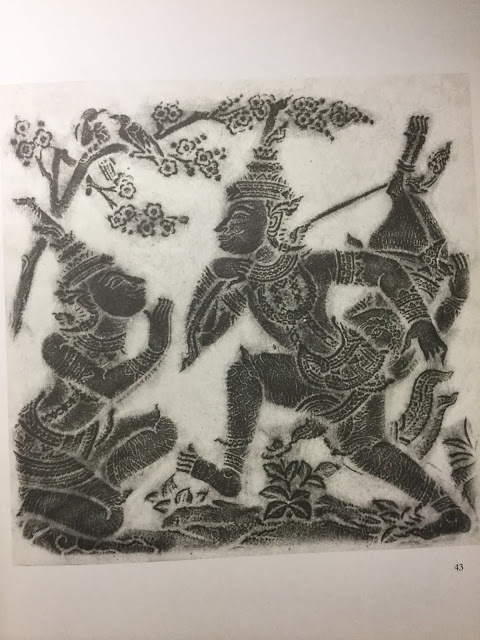
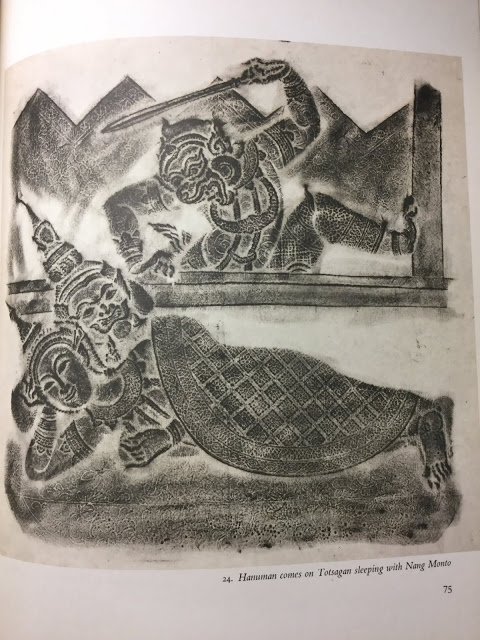
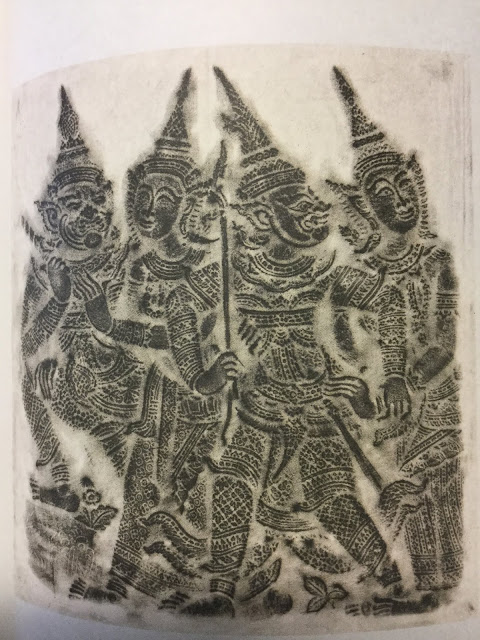
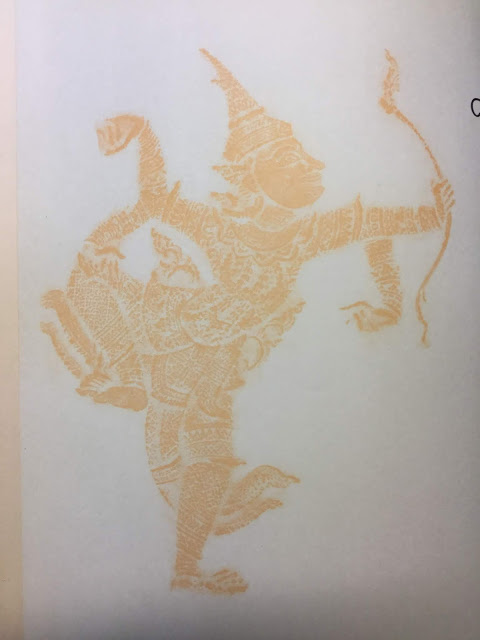
விடிய விடிய ராமாயணம் கேட்டானாம்; என்னடா கதை? என்று கேட்டபொழுது சொன்னானாம் ‘சீதைக்கு ராமன் சித்தப்பா’ – என்று தமிழில் ஒரு பழமொழி உண்டு. இது தாய்லாந்தைப் பொறுத்த மட்டில் மிக மிக உண்மை. ராமாயணத்தைத் தலை கீழாக மாற்றிவிட்டார்கள்.

கேட்கக் கேட்க வேடிக்கையாக இருக்கும்; ராமபக்தர்களுக்கோ அபச்சாரமாகத் தோன்றும்; நீண்ட கட்டுரை; ஆகையால் முதலில் சுவையான விஷயங்களை புல்லட் பாயிண்டுகளில் (in Bullet Points) தருகிறேன்.

1.சீதாதேவி, ராவணனின் மகள்; வேறு ஒரு இடத்தில் வளர்ந்ததால், தெரியாமல் தூக்கி வந்து விட்டார்.


2.அனுமனுக்கு குறைந்தது இரண்டு மனைவிகள்; இரண்டு மகன்கள்! அவர் குரங்கு மனம், குரங்கு புத்தி உடையவர். பிரம்மச்சாரி அல்ல.


3.ராமாயணத்தில் பலப்பல புதுக்கதைகள்; இந்தியாவில் அந்தப் பெயர்களையே கேள்விப்பட்டதில்லை; கம்பனும் வால்மீகியும் சொல்லாத கதைகள்.

4.ராமன் பெயர், சீதை பெயர், அனுமன் பெயர் தவிர மற்ற எல்லாப் பெயர்களும் கண்டபடி மாற்றம். ராமாயணம் படிக்காதவர்கள் பார்த்தால், இது ஏதோ வேறு ஒரு கதை என்று மலைப்பர்.

5.இந்தியாவில் உள்ள ராமாயணம் பற்றியோ அதை எழுதிய வால்மீகி பற்றியோ தெரியாது.

6.ராவணனையும் விடப் பெரிய ராக்ஷஸன் உண்டு. அவனுக்கு ஆயிரம் தலைகள்!

7.ராமாயணம் என்பது தாய்லாந்தில் நடந்தது!

ஏன் இத்தனை கோளாறுகள்?


தாய்லாந்து மக்களின் வாழ்வில், கலையில், பண்பாட்டில், வரலாற்றில் ராமாயணம் இரண்டறக் கலந்துவிட்டது. ஆகையால் அது வெளி நாட்டில் நடந்ததாகச் சொன்னால் மக்கள் மனம் ஏற்காது. மேலும் தாய்லாந்தின் நம்பிக்கைகள், பழக்க வழக்கங்களுக்கு ஏற்ப ராமாயணம் திரிக்கப்பட்டுள்ளது. ஆகையால் ‘’தாய்’’ மக்கள் அது இங்கேதான் நடந்தது என்று நம்புகின்றனர் என்று தாய்லாந்து மொழி ராமாயணமான ‘ராம்கியன்’ அறிஞர் மனீக் (மாணிக்க) ஜும்சாய் கூறுகிறார்.

உண்மை என்ன?


தாய்லாந்தில் இருந்த தாய்லாந்து மொழி ராமாயணத்தின் பெயர் ராம்கீயன் ( ராம க்யான அல்லது ராம கீர்த்தி).இது 200 ஆண்டுகளுக்கு முன்னர் தீ விபத்தில் அழிந்து விட்டது. பின்னர் முதலாவது ராமா, இரண்டாவது ராமா என்ற மன்னர்களும் தக்ஷின் என்ற கவிஞர் முதலியோரும் புதிய ராமாயணத்தை யாத்தனர். அதில் பல கற்பனைகளைச் சிறகடித்துப் பறக்கவிட்டனர். மக்களுக்கு ரசனையாக தாய்லாந்து மக்களின் உணர்ச்சி வெளிப்பாடுகளைப் புகுத்தினர். ஆனால் ராமனையோ சீதையையோ பழிக்க வில்லை போற்றித் துதி பாடினர்.


இதைத் தமிழ்நாட்டிலுள்ள கோயில் தல புராணங்களுக்கு ஒப்பிடலாம். நமக்குத் தெரிந்த புராணக்  கதைகளை, இதிஹாசக் கதைகளை உள்ளூரில் நடந்ததாகக் கூறி அந்த ஊர் சாமியின் புகழை ஏத்தி விடுகிறோம்.


மேலும் வேத காலத்தில் இதிஹாச காலத்தில் வாழ்ந்த ரிஷி முனிவர்களை அங்கு வந்து சாப விமோசனம் பெற்றதாகக் கூறுகிறோம். ஆனால் உண்மையில் கடவுளையோ அந்த சாது சந்யாசிகளையோ பழிக்காமல் அவர்கள் புகழை அதிகப்படுத்த முயற்சிக்கிறோம்.


மேலும் பல உள்ளூர்க் கதைகளையும் நம்பிக்கைகளையும் பழையதுடன் கலந்து சுவைபடக்  கூறுகிறோம். நேற்று தோன்றிய முஸ்லீம், கிறிஸ்தர்களைக் கூட இணத்து சில புதிய கதைகளை உண்டாக்குகிறோம்; உண்மையில் அவர்கள் அண்மைக்  காலத்தில் வாழ்ந்த பக்தர்கள். அவ்வளவுதான்.


இப்படி நமது நாட்டிலேயே நடக்குமானால் சில ஆயிரம் மைல்கள் தள்ளியுள்ள தாய்லாந்தில் கதைப்போக்கு மாறுவதில் வியப்பொன்றுமில்லை. அது மட்டுமல்ல அங்கு இப்பொழுது மூன்று      வேறு வேறு பாட பேதங்கள் உள்ளன. கோவில் சிலைகளில் வேறு புதிய கதைகள்!

சிலைகள், ஓவியங்கள் முதலியன அவரவர் கற்பனைக்கேற்ப புனையப்பட்டுள்ளன.

இதோ தாறுமாறாக திரிக்கப்பட்ட ராமாயண கதாபாத்திரஙகள்:-

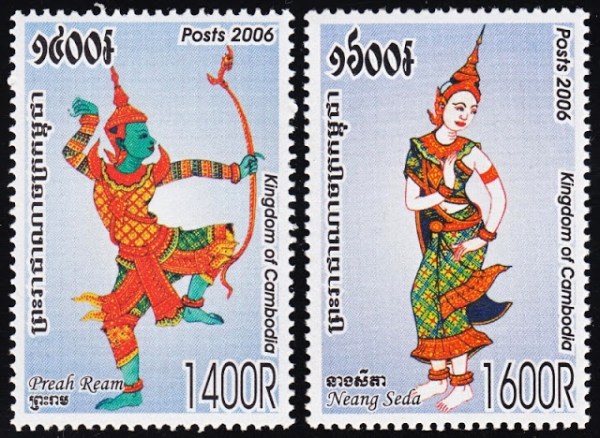
குச்சி= கூனி மந்தரை (குப்ஜ/கூன் முதுகு;ஸம்ஸ்க்ருதம்)

ஸ்வாஹா= அஞ்சனா

கல்லாசனா= அஹல்யா (கல் என்ற தமிழ் சொல்)

காகனாசுரா= தாடகா

கூகன்= வேடன் குகன்

மங்குட்= லவன் (ராமன் புதல்வன்)

வஜ்ம்ருகா = வால்மீகி

சத்ருட் = சத்ருக்னன்

க்ருட்= கருடன்

லக்= லக்ஷ்மணன்/ இலக்குவன்

லாஸ்டியன்= புலஸ்த்ய

பிபெக்= விபீஷணன்


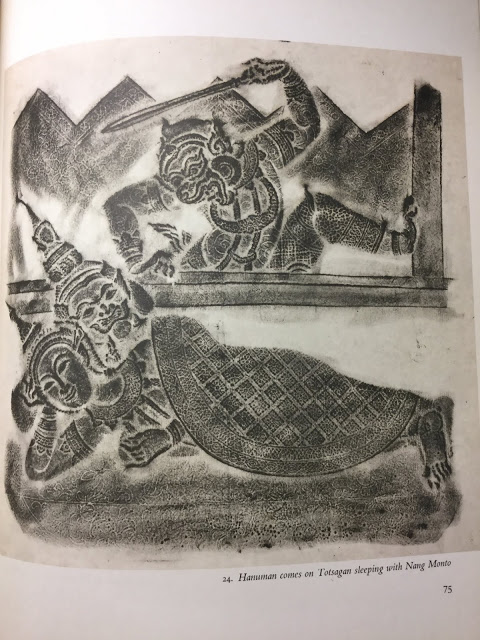
நங் மோண்டோ= மண்டோதரி

தத்சகன்= தச கண்டன்/ ராவணன்

பாலி= வாலி

சுக்ரீப்= சுக்ரீவன்

நங் சீடா = சீதா தேவி

ப்ரம் ராம் = ராமன்

கும்பகன் = கும்ப கர்ணன்

இந்ததரசிட்= இந்திரஜித்

புதிய பெயர்கள்


பெஞ்சகாய்= வஞ்சகி???

மைராப் = மயில் ராவணன்??

மாலிவக்க ப்ரஹ்மா= பிரம்மா

சுவண்ணமச்சா= ஸ்வர்ண மத்ஸ்ய= தங்க மீன்

மச்சானு= மத்ஸ்யன் (மீனன்)

மஹாபால் = மஹீபாலன்??? (மன்னன்)

தேபாஸுரா = தேவாசுர (தேவர்கள்+ அஸுரர்கள்

உன்ராஜ் = ஊன ராஜன் ( நொண்டி ராஜா?)


இனி அனுமனின் இரண்டு மனைவி, மயில் ராவணன் , மாண்டோதரி மகள் சீதை முதலிய கதைகளைக் காண்போம்.


தொடரும்…………………………….


–சுபம்–

ஒசை இன்பம் கொண்ட டாஃபோடில்ஸ்-1 (Post No.5018)

Written by S NAGARAJAN


Date: 17 MAY 2018


Time uploaded in London –  8-20 AM   (British Summer Time)


Post No. 5018


Pictures shown here are taken from various sources such as Facebook friends, Books, Google and newspapers; thanks. Pictures may be subject to copyright laws.


ஒசை இன்பம் கொண்ட வோர்ட்ஸ்வொர்த்தின் டாஃபோடில்ஸ் -1


.நாகராஜன்


1

ஆசை தரும் கோடி அதிசயங்கள்  கண்டதிலே

ஓசை தரும் இன்பம் உவமையிலா இன்பமன்றோ (குயில் பாட்டு – 194)

என்றான் மகாகவி பாரதி.


ஒசை நுட்பமானது. அதை உணர்பவர்களே நல்ல கலா ரஸிகர்கள். கவிதையை ரஸிக்க வல்லவர்கள்.

கவிஞர்கள் இந்த ஓசை நுட்பத்தில் கரை கண்டவர்கள்.

அவர்கள் மனமும் சிந்தனையும் சொற்களின் வாயிலாக உயர் கருத்துக்களை அள்ளித் தெளிக்கும் போது ஓசை நுட்பத்திற்கு உயரிய இடம் கொடுத்து படிப்போரை ஈர்த்து தன்னுடன் லயப்படுத்துவர்.


ஒரு சொல்லை இன்னொரு சொல்லால் மாற்றிப் போட முடியாதபடி கவிதை தருபவனே உண்மைக் கவிஞன். ஒரே அர்த்தம் தரும் பல சொற்கள் உண்டு. ஆனால் கவிஞன் அவற்றை எல்லாம் கருத்தில் கொண்டே தனது சொல்லைத் தேர்ந்தெடுக்கிறான்.


கோவில் மணியோசை தன்னைக் கேட்டதாரோ (கிழக்கே போகும் ரயில் 1978 வெளியீடு; இயற்றியவர் கவிஞர் கண்ணதாசன்)


என்ற பாட்டில் ஓசைக்குப் பதிலாக நாதம் என்ற சொல்லைப் போட்டு

கோவில் மணிநாதம் தன்னைக் கேட்டதாலே

என்று சொல்லிப் பாருங்கள். ரஸனை இடிக்கும்.

தேவன் கோவில் மணியோசை – இதுவும் திரைப்படப் பாடல் தான். (படம் மணியோசை-1962 வெளியீடு)


தேவன் கோவில் மணி நாதம் – கேட்கவே சரியில்லை.

சரி, நாதமென்னும் கோவிலிலே

ஞானவிளக்கேற்றி வைத்தேன்

ஏற்றி வைத்த விளக்கினிலே ….

(படம் : மன்மத லீலை; இயற்றியவர் கவிஞர் கண்ணதாசன்)


இதுவும் திரைப்படப் பாடல் தான்.


ஓசை என்னும் கோவிலிலே ஞான விளக்கு ஏற்றி வைத்தேன் ?!


ரஸனை இடிக்கிறது.

இந்தப் பாடலில் நாதம், நாதம் தான்; ஓசை, ஒசை தான்!


இப்படி சொல்லிக் கொண்டே போகலாம்.

அதனால் தான் கம்பன் வால்மீகியின் ராமாயணத்தைப் புகழும் போது


‘வாங்க அரும் பாதம் நான்கும் வகுத்த வான்மீகி என்பான் என்று கூறி வால்மீகி முனிவரின் பாதம் ஒன்றைக் கூட மாற்ற முடியாது என்று புகழ்ந்து கூறினான். ( ஒரு சுலோகத்திற்கு நான்கு பாதம் உண்டு. விருத்தச் செய்யுளிலில் நான்கு அடிகள் இருப்பது போல!)


ஆக இந்த ஓசை இன்பம் தமிழுக்கு மட்டும் அல்ல; ஆங்கிலத்திலும் இதர எல்லா மொழிகளிலும் கூட உண்டு.

ஆங்கிலக் கவிஞர்களும் இதில் வல்லவர்கள்.

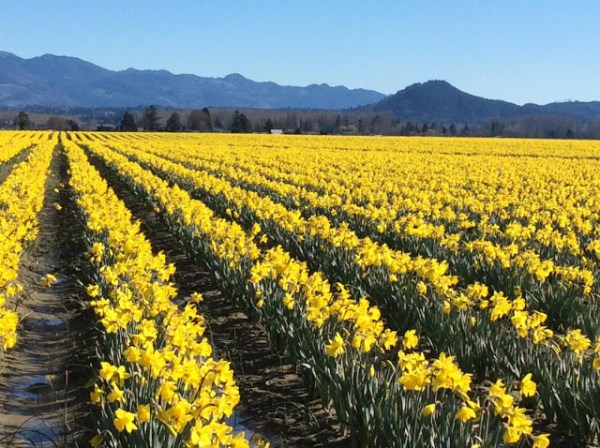
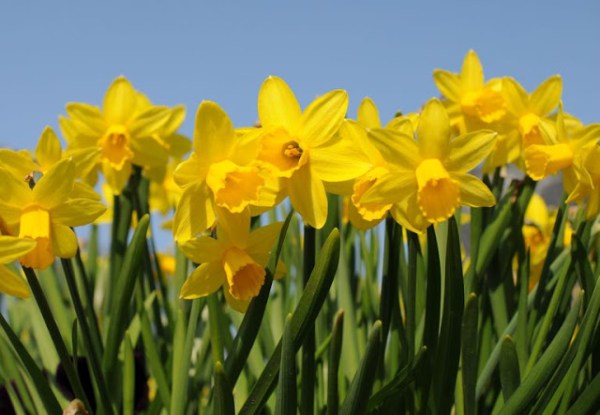
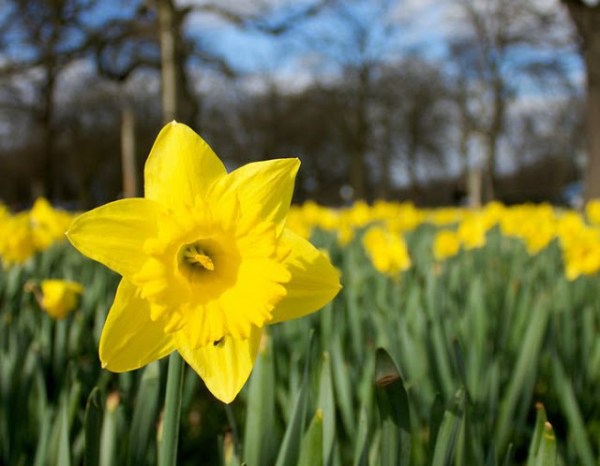
எடுத்துக் காட்டாக வோர்ட்ஸ்வொர்த் எழுதிய அற்புதக் கவிதையான டாஃபோடில்ஸ் கவிதையைப் பார்ப்போம்.

இந்தக் கவிதை கீழே தரப் படுகிறது.


இதை எனது பழைய கால சேதுபதி ஹை ஸ்கூல் உபாத்தியாயர் திரு எம்.எஸ்.ஆர் என்பவர் செந்தமிழ் நாடென்னும் போதினிலே என்ற ராகத்தில் அழகுறப் பாடுவார்.

அதில் சொக்கிப் போன எங்களுக்கு பாடல் அப்படியே மனப் பாடம் ஆகி விட்டது!


ஓசை இன்பம் அப்படிப்பட்டது இந்தப் பாடலில்.

பாடலைக் கீழே முதலில் பார்ப்பொம். பிறகு ஓசை இன்பத்திற்கு வோர்ட்ஸ்வொர்த் என்ன செய்தார் என்பதைப் பார்ப்போம்.


2

I Wandered Lonely as a Cloud 


BY WILLIAM WORDSWORTH


I wandered lonely as a cloud

That floats on high o’er vales and hills,

When all at once I saw a crowd,

A host, of golden daffodils;

Beside the lake, beneath the trees,

Fluttering and dancing in the breeze. (வரிகள் 1 முதல் 6)


Continuous as the stars that shine

And twinkle on the milky way,

They stretched in never-ending line

Along the margin of a bay:

Ten thousand saw I at a glance,

Tossing their heads in sprightly dance. (வரிகள் 7 முதல் 12)


The waves beside them danced; but they

Out-did the sparkling waves in glee:

A poet could not but be gay,

In such a jocund company:

I gazed—and gazed—but little thought

What wealth the show to me had brought: (வரிகள் 13 முதல் 18)


For oft, when on my couch I lie

In vacant or in pensive mood,

They flash upon that inward eye

Which is the bliss of solitude;

And then my heart with pleasure fills,

And dances with the daffodils.  (வரிகள் 19 முதல் 24)

***

SITA DAUGHTER OF RAVANA! STRANGE THAI RAMAYANA-1 (Post No.5017)

SITA DAUGHTER OF RAVANA! STRANGE THAI RAMAYANA-1 (Post No.5017)

WRITTEN by London Swaminathan 


Date: 16 May 2018


Time uploaded in London – 16-37 (British Summer Time)


Post No. 5017


Pictures shown here are taken from various sources such as Facebook friends, Books, Google and newspapers; thanks. Pictures may be subject to copyright laws.


WARNING: PLEASE SHARE MY ARTICLES; BUT DON’T SHARE IT WITHOUT AUTHOR’S NAME AND THE BLOG NAME. BE HONEST; OTHERS WILL BE HONEST WITH YOU

Ramayana has influenced Thailand in its culture, language and arts. But the Thai Ramayana has got many strange things in it. It may look funny for some and blasphemous for others. It may be due to the fact that the original Thai Ramayana was destroyed in a fire accident in the 18th century and then several hands added new materials to it little by little. Three versions are available now.


In India every temple has got some story behind the Murtis/idols of the temple which is nothing but a mixture of local legends and the original epics. Names of Rishis and saints belonging to different periods are freely used, but all with the good intention of increasing the greatness of the temple.


In Thailand also Rama and Sita are greatly respected but with the distortion of the original Ramayana which is over 2000 years old. Two facts will startle any Hindu in India who has read Ramayana:

1.Sita is the daughter of Ravana and Mandothari and Ravana abducted and married her without knowing the fact.

  1. Hanuman is not a chaste god but married many women and had children. In Valmiki Ramayana he is a Brahmachari; a celibate.
  2. Apart from Ravana, there was another demon with 1000 more heads.

4.The names of the Ramayana characters are distorted beyond recognition.

5.Thais believed Ramayana happened in Thai soil.

6.Thais don’t know Valmiki or the word Ramayana. They know only Ramakien (may be Ramakirti or Rama Khyana).

Manich Jumsai, an authority on Ramakien says, “The Thai version was adapted to Thai sentiments. The story is so made and adapted to that Thai character that no Thai thinks of it a thing originated from foreign origin. It is impossible to convince an average Thai that the incidents connected with Rama story did not take place in Thailand.

Strange names

Kucchi= Manthara (Kubja=Kubji=Kuchi)

Svaahaa= Anjanaa

Kallaacanaa= Ahalyaa

Kaakanaasuraa= Tadakaa

Khukhan= Guhan

Mongkut= Kusa (Rama’s son)

Vajmrga=Vaalmiiki

Satrud= Satrughna

Khrut= Garuda

Lak= Lakshmana

Pulastya= Lastian

Bibhek= Vibhishana

Chiuha= Vidyukkja

Monto=Mandodari

Totskan= Ravana (Dasa kantha)


The following have distorted spelling but easily recognisable:

Siidaa (Sita Devi),Phaali (Vaali), Sukrip= Sugreevan, Intharachit (Indrajit), Kumphakhan (Kumbakarna)


New names which are not identifiable:

Benchakai, Maiyaraab, Maalivaggabrahmaa, Suvannamachchaaa, Machchaanu, Mahaapaal, Debaasura and Unraaj


Here is the story:-

It is not divided into cantos but divided into three parts .

The Benchaki episode, the Maiyaraab episode and several other episodes are new; not found in the Valmiki Ramayana

Benchakaai Episode; Hanuman had a son!

Ravana ordered Banshakaai, a demoness to take  the form of Sita, feign dead and float down the river near Rama to dupe him. After Hanuman and Sugreeva captured her she revealed her identity. Rama forgave her when he came to know it was Vibhishana’s daughter and asked Hanuman to take her out of Lanka. Hanuman made love to her and she bore him a son called Asuraphad.


Hanuman’s Second Son

When building the bridge and Hanuman and civil engineer Nilan had a fight and so Rama punished both. Nilan was sent to Sugreevan as servant and Hanuman was ordered to finish the bridge work in seven days. When all stones he put disappeared he went down the sea and met a beauty Suvannamachchaa (Suvarna Matsya= Gold Fish); Hanuman fell in love with her and they had a son;  his name was Machchaanu (Fish).


Maiyaraab episode

Ravana asked his friend Maiyaraab, King of Patala (under water world). Maiyaraab went to Rama’s camp, sprinkled sleeping powder and brought unconscious Rama to Patala. Sugreevan found it and sent Hanuman to rescue him. He sought his son Macchaanu help him.


Episode of Maalivaggabrahmaa


When demons fell one after another at Rama’s arrow, Ravana got worried and asked his grandfather Maalivaraja Brahma to pronounce an impartial judgement in the case. He accused Rama of great many things. Brahma listened to both the sides in the no man’s land (battle field) in the presence of Devas and found Ravana guilty. Thus Ravana’s plan got totally misfired.


–to be continued………………


குறள் கதை- ஏமாறாதே! ஏமாற்றாதே!! (Post No.5016)

WRITTEN by London Swaminathan 


Date: 16 May 2018


Time uploaded in London – 7-37 am (British Summer Time)


Post No. 5016


Pictures shown here are taken from various sources such as Facebook friends, Books, Google and newspapers; thanks. Pictures may be subject to copyright laws.


WARNING: PLEASE SHARE MY ARTICLES; BUT DON’T SHARE IT WITHOUT AUTHOR’S NAME AND THE BLOG NAME. BE HONEST; OTHERS WILL BE HONEST WITH YOU


‘நான் பெற்ற இன்பம் பெறுக இவ்வையகம்’ என்பர் சான்றோர்கள். யாம் பெற்ற துன்பம் பெறுக இவ் வையகம் என்பர் சிறியோர்கள். இதை விளக்க இதோ இரண்டு கதைகள். தமிழ் வேதம் தந்த வள்ளுவப் பெருமானும் பத்து குறள்களில் சிற்றினம் சேராமை நன்று என்று விளக்குகிறார்.


நல்லினத்தி  னூங்குந் துணையில்லை தீயினத்தின்

அல்லற் படுப்பதூஉம் இல் -குறள் 460


நல்லவர்களைத் துணையாகக் கொள்வதைவிடச் சிறந்தது உலகில் வேறு எதுவும் இல்லை. அதுபோல தீயவர்களைத் துணையாகக் கொள்வதைவிடத் தீங்கு எதுவும் இல்லை.


முதல் கதை

ஒரு ஊரில் சில வியாபாரிகள் இருந்தனர்; ஒருவருக்கொருவர் கில்லாடி; உண்மை என்பது வாயில் தப்பித் தவறியும் வராது. ஒரு நாள் அனைவரும் சந்தைக்குச் செல்லும் முன்னர், ஒரு பிள்ளையார் கோவிலுக்குச் சென்றனர். ஒரு வணிகனுக்குப் பேராசை. பிள்ளையார் தொப்புளில் காசு வைக்கும் பழக்கம் சில பக்தர்களுக்கு உண்டு என்பதை நினைத்து அங்கிருந்த பெரிய பிள்ளையார் சிலையின் தொப்புள் ஓட்டைக்குள் விரலை விட்டார். அங்கு ஒரு தேள் இருந்தது. அது சடக்கென்று அவர் விரலில் கொட்டியது. கடுமையான வலி. திருடனுக்குத் தேள் கொட்டினால் சொல்ல முடியுமா? பேசாமல் மூக்கின் அருகில் விரலைக் கொண்டு சென்று புன்னகைத்தார். எல்லோரும் என்ன என்ன? என்று ஆவலுடன் வினவினர்.


அந்த வணிகர் சொன்னார்:அடடா! என்ன வாசனை! என்ன வாசனை! கஸ்தூரி வாசனை, கோரோசனை வாசனை கமக்குது, கமக்குது என்றார்.


உடனே ஒருவர் பின் ஒருவராக வரிசையில் நின்று ஓட்டைக்குள் கையை விட்டனர். ஒவ்வொருவரையும் தேள் கொட்டியது. எல்லோரும் கஸ்தூரி வாசனை கமக்குது கமக்குது என்று ஒருவரை ஒருவர் ஏமாற்றிக் கொண்டு தன்னைதானே ஏமாற்றிக்கொண்டனர்.

XXXXX

சிற்றினம் அஞ்சும் பெருமை சிறுமைதான்

சுற்றமாச் சூழ்ந்து விடும் – குறள் 451


பொருள்

கீழ் மக்களைக் கண்டு அஞ்சி விலகிப்  போவார்கள் பெரியோர்; அற்பர்கள், அவர்களையே விரும்பி ஏற்றுக் கொள்வர்.


இரண்டாவது கதை


ஒரு ஊரில் வடை சுட்டு விற்கும் வியாபாரி அடுத்த ஊரில் வாரச் சந்தை கூடும் தினத்தன்று ஒரு கூடை நிறைய வடைகளை எடுத்துச் சென்றார்.

அவர் பாதி தூரம் செல்லும்போது அவரை ஒரு ரவுடிகள் கூட்டம் சூழ்ந்து கொண்டது.

ஏய்! கூடையில் என்ன? என்று கேட்டது.

இவர் கூடை நிறைய வடை என்றவுடன் கும்பலில் இருந்த ஒவ்வொரு ரவுடியும் ஆளுக்கு இரண்டு மூன்று தின்றுவிட்டு ஏப்பம் விட்டனர். காசு என்று கேட்டவுடன், முதுகிலும் கன்னத்திலும் நாலு அடி போட்டு விரட்டி விட்டனர். அவர் அலறிப் புடைத்துக் கொண்டு சொந்த கிராமத்துக்கு விரைந்து வந்தார்.


அவர் இவ்வளவு சீக்கிரம் திரும்பி வந்ததைப் பார்த்த அடுத்த வீட்டு வியாபாரி என்ன வடை எல்லாம் விற்றுத் தீர்ந்து விட்டதா? நல்ல விற்பனையோ? நல்ல கூட்டமோ? என்று வினவினார். அவர் அப்பம் சுட்டு விற்கும் வணிகர். அவர் கையில் கூடை நிறைய அப்பம் வைத்துக் கொண்டு இப்படி ஆவலுடன் கேட்டார்.

அடிபட்ட வியாபாரி சொன்னார்: சீக்கிரம் போங்கள். சந்தை வரை போகத் தேவையே இல்லை. பாதி தூரம் போகும்போதே கூடை காலி ஆகிவிடும் என்றார்.


ஆப்பக்கூடை வியாபாரி ஆசையோடு வேக நடை போட்டார். சந்தைக்குப் போகும் முன்னரே பாதி வழியில் அவரை ரவுடிகளின் கூட்டம் சுற்றி வளைத்தது. கூடையில் இருந்ததைத் தின்று முடித்தவுடன், வியாபாரி காசு கேட்டார். அவரையும் நாலு சாத்தி சாத்தி விரட்டி விட்டனர்.


கிராமத்துக்குத் திரும்பியவுடன், ஏற்கனவே அடிபட்ட வியாபாரி,

‘என்ன பிரமாதமான விற்பனையோ? இவ்வளவு சீக்கிரம் வந்துவிட்டாயே?’ என்றார்.

ஆமாம் ஆமாம்     இன்று சேல்ஸ் (sales) கன ஜோர் என்று சொல்லிக் கொண்டே நடையைக் கட்டினார்.

இதனால்தான் வள்ளுவனும் சிற்றினம் சேராமை என்று பத்து பாடல்களைப் பாடிவிட்டும் போனார்.


–சுபம்—


எல்லாப் பழியும் சமணன் தலையிலே! (Post No.5015)

Written by S NAGARAJAN


Date: 16 MAY 2018


Time uploaded in London –  7-04 AM   (British Summer Time)


Post No. 5015


Pictures shown here are taken from various sources such as Facebook friends, Books, Google and newspapers; thanks. Pictures may be subject to copyright laws.


ச.நாகராஜன்


பகவான் ராமராக அவதரித்த போது இளமைப் பருவத்தில் கூனி மந்தரையைக் கேலி செய்ததாக வரலாறு உண்டு.

ஆனால் இது ராமாவதாரத்திற்கு உரியது அல்ல; இது போன்ற பால்ய லீலைகள் எல்லாம் கிருஷ்ணாவதாரத்திற்கு உரியவையே; ஆக அங்கே தான் இதைச் சொல்ல வேண்டும் என்று பலர் சொல்வதுண்டு.


இதை பகவத் விஷயம் என்ற நூல் “எல்லாப் பழியும் சமணன் தலையிலே” என்பது போல இருக்கிறது என்கிறது.

அதைப் பற்றிய கதை இது தான்:


ராஜா ஒருவனுக்கு ஒரு புகார் வந்தது ஒரு திருடனின் நண்பர்களிடமிருந்து.


திருடன் ஒரு பிராம்மணனின் வீட்டில் திருடச் செல்லும் போது சுவர் ஈரமாக இருந்ததால் இடிந்து ன் மேல் விழவே அவன் இறந்து விட்டான். ஆகவே திருடன் இறந்ததற்கு பிராம்மணன் நஷ்ட ஈடு தர வேண்டும் என்று திருடனின் நண்பர்கள் பிராம்மணன் மீது வழக்குத் தொடர்ந்தனர்.


இரண்டு கட்சிக்காரர்களும் ராஜா முன் ஆஜர்படுத்தப்பட்டனர்.


ராஜா: ஓ! பிராம்மணரே! உங்கள் வீ ட்டின் ஈரச் சுவர் இடிந்ததால் தான் திருடன் இறந்தான். நஷ்ட ஈடைக் கொடுக்க வேண்டும். என்ன சொல்கிறீர்?


பிராம்மணன் : எனக்கு ஒன்று தெரியாது ராஜாவே! இந்தச் சுவரைக் கட்டிய வேலையாளைத் தான் நீங்கள் கேட்க வேண்டும்.


ராஜா வேலையாளை அழைத்து வரச் செய்து கேட்டான்: நீ தான் சுவரைக் கட்டினாய். ஆகவே நீ தான் நஷ்ட ஈடு தர வேண்டும்.


வேலையாள் : இல்லை ராஜாவே! தண்ணீர் ஊற்றியவன் நிறையத் தண்ணீர் ஊற்றி விட்டான்.


தண்ணீர் ஊற்றியவன் வந்து சொன்னான்: இல்லை ராஜாவே! பானை செய்தவன் பெரிதாகப் பானை செய்து விட்டான். அவனைத் தான் கேட்க வேண்டும்.


பானை செய்தவன் : இல்லை ராஜாவே! பானை செய்யும் போது நடனமாடும் பெண்மணி வழியில் சென்றாள். அவளைக் கவனித்ததால் எனது பானை பெரிதாக ஆகி விட்டது.


நடனப் பெண்மணி : அந்த வழியாகச் சென்றதற்குக் காரணம் வண்ணான் என் துணியைத் தராததால் தான்! அவனைக் கேட்பதற்காகத் தான் அந்த வழியாகச் செல்ல நேர்ந்தது.


வண்ணான் வந்தான் : நான் துணிகளைத் தோய்க்கப் போகையில் அங்கு சமணன் குளித்துக் கொண்டிருந்தான். அவன்

குளித்து விட்டு வெளியே வரும் வரை காத்திருக்க வேண்டியதாகி விட்டது.


சமணன் வந்தான். சமண சமயத்தின் விதிகளின் படி அவன் மௌனத்தைக் கடைப்பிடித்தான். ஒன்றும் சொல்லவில்லை.


ராஜா: எல்லாம் சமணனால் வந்தது. சமணன் தான் நஷ்ட ஈடு தர வேண்டும்.

சமணன் மௌன விரதத்தில் இருந்ததால் வாயைத் திறக்கவில்லை.


“ஆஹா சமணன் வாயையே திறக்கவில்லை. மௌனம் சம்மதத்திற்கு அடையாளம். அவன் குற்றத்தை ஒப்புக் கொண்டு விட்டான். அவனைத் தூக்கில் போடு” என்று ராஜா தீர்ப்பை வழங்கினான்.


அது போலத் தான் கிருஷ்ணாவதாரமும். எல்லாப் பழியும் சமணன் தலையிலே என்பது போல எல்லா பால்ய லீலைகளும் கிருஷ்ணனின் வாசலுக்கு வந்து விடுகிறது.

இது தான் உண்மை.

இந்தக் கதை பகவத் விஷயத்தில் முதல் பகுதியில் 425ஆம் பக்கத்தில் இடம் பெறுகிறது.


அழகிய இந்த நூல் தெலுங்கு மொழியில் உள்ளது. பல பகவத் விஷயங்களை சுவாரசியமாகச் சொல்லும் இந்த நூல் படிக்கப் படிக்க வைணவ சம்பிரதாயத்தில் உள்ள அற்புதமான பல ஆன்மீக விஷயங்களின் நுணுக்கங்களை அள்ளித் தரும்.


குறிப்பு :- வட இந்தியாவில் 40000 சுலோகங்களுடன் கூடிய ஒரு ராமாயணத்தில் ராமரின் பால்ய லீலைகள் நிறையக் குறிப்பிடப்பட்டுள்ளதாம்!

***