Date: 19 OCTOBER 2019 British Summer Time uploaded in London – 8-50 am Post No. 7112
Pictures are taken from various sources; beware of copyright rules; don’t use them without permission; this is a non- commercial, educational blog; posted in swamiindology.blogspot.com and tamilandvedas.com simultaneously. Average hits per day for both the blogs 12,000.
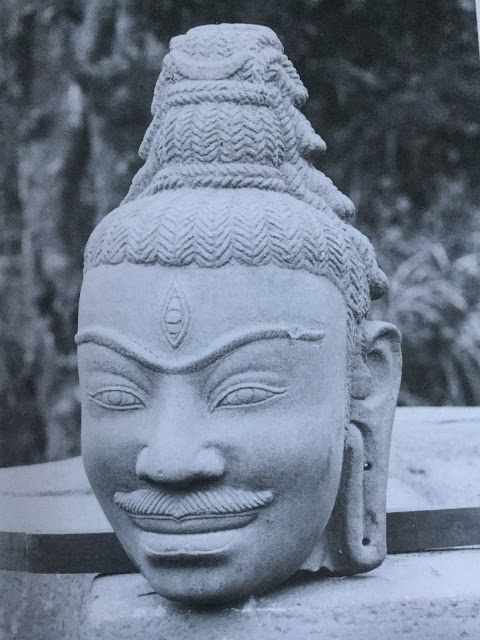
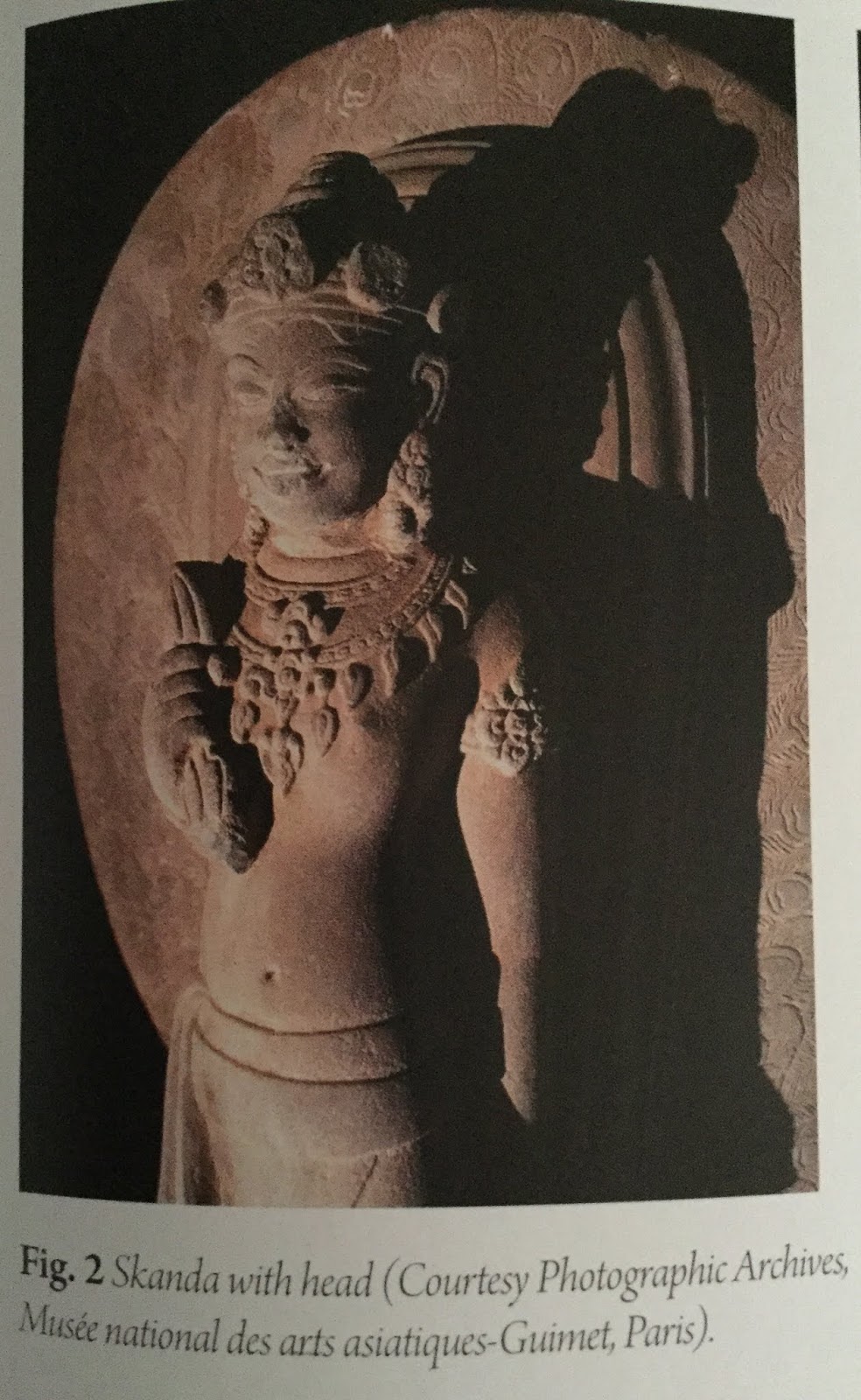
broken Murug/ SKANDAMURUGA/ SKANDA WITH HEAD IN 1903DANANAG MUSEUM IN VIETNAM
Date: 19 OCTOBER 2019 British Summer Time uploaded in London – 6-05 am Post No. 7111
Pictures are taken from various sources; beware of copyright rules; don’t use them without permission; this is a non- commercial, educational blog; posted in swamiindology.blogspot.com and tamilandvedas.com simultaneously. Average hits per day for both the blogs 12,000.
ஹெல்த்கேர் (Health care Magazine) அக்டோபர் 2019 இதழில் வெளியான கட்டுரை
Program for Dynamic Health : (ப்ரோக்ராம் ஃபார் டைனமிக் ஹெல்த்) : எழுதியவர் :T.C.Fry
ச.நாகராஜன்
1
Natural Hygiene எனப்படும் இயற்கை சுகாதாரத்தை அறிமுகப்படுத்தியவர்
டி.சி. ஃப்ரை.
1926, ஜூலை மாதம் 26ஆம் தேதி அமெரிக்காவில்
ஓக்லஹாமா, பென்னிங்டனில் பிறந்த அவருக்கு 1970இல் இயற்கை உணவு சார்ந்த
வாழ்க்கையில் ஆர்வம் ஏற்பட்டது. அதை ஆராயத் தொடங்கினார். ஏராளமான புத்தகங்களை
எழுதினார். 1976இல் Health Sciences Institute
ஒன்றையும் நிறுவினார்.தனது 69ஆம் வயதில் காலமானார்.
அவர் எழுதிய
புத்தகங்களுள் ஒன்று “Program for Dynamic Health”.
118 பக்கமே உள்ள
இந்தச் சிறிய புத்தகம் ஆரோக்கியத்துடன் வாழ பல முக்கிய குறிப்புகளை அளிக்கிறது.
புத்தகத்தின் சில முக்கிய பகுதிகளை இங்கு பார்க்கலாம்.
2
ஒரு நல்ல வாழ்க்கைக்குத் தேவையான இன்றியமையாத காரணிகள் 18.
அவையாவன : சுத்தமான காற்று, சுத்தமான தண்ணீர், சுத்தம், வெப்பம், தூக்கம்,
சத்துள்ள உணவு, உடல் பயிற்சி, ஓய்வும் இளைப்பாறுதலும்,சூரிய ஒளி, உணர்ச்சிகளில்
நிதானம், இன்பமான சுற்றுப்புறச் சூழல், பாதுகாப்பான வாழ்வும் அதற்கான வழிமுறையும்,
தன்னான்மைத் திறம்,ஊக்கம் அல்லது தன்முனைப்பாற்றல், பயனுள்ள வேலையை உருவாக்கல்,உடைமை, இயற்கையான
உள்ளுணர்ச்சிகளை வெளிப்படுத்தல், கலை, அழகுணர்ச்சிகளில் ஈடுபாடு ஆகியவை.
உபவாசமிருத்தல் : நல்ல ஆரோக்கியமான வாழ்க்கைக்குத் திட்டமிட்ட கட்டுப்பாடான உபவாசம்
தேவை. குறிப்பிட்ட நேரம் மட்டும் இந்த உபவாசத்தைக் கடைப்பிடிக்க வேண்டும்.
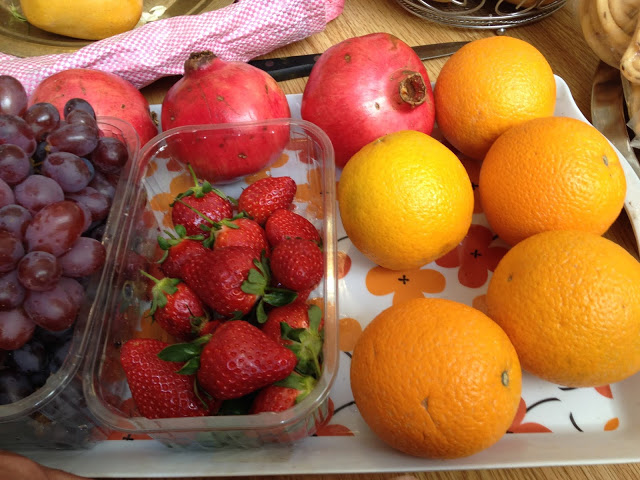
பழ வகைகளை உணவில் அதிகமாகச் சேர்த்துக் கொள்ள வேண்டும். சமைக்கப்பட்ட உணவு வகைகளைக் கூடுமான வரையில் தவிர்க்க வேண்டும் அல்லது குறைத்துக் கொள்ளலாம். உணவை நன்றாக மென்று விழுங்க வேண்டும்.
உடல்பயிற்சியின் போது அனைத்து அங்கங்களையும் அதில் ஈடுபடுத்த வேண்டும்.
எப்போதும் நிமிர்ந்து உட்காருதல் நல்லது. நடக்கும் போது நிமிர்ந்த தலையுடன்
நடத்தல் வேண்டும்.
களைத்துப் போயிருந்தால் சற்று ஓய்வெடுங்கள். ஓய்வெடுக்கும் போது
படிக்காதீர்கள். டி.வி.பார்க்காதீர்கள்.
சீக்கிரம் தூங்கச் செல்லுங்கள். நல்ல காற்றோட்டமுள்ள, அமைதியான, இருட்டு
அறையில் உகந்த சீதோஷ்ண நிலையில் தூங்குவது அவசியம்.
சந்தோஷமாக இருப்பதற்கு ஏதேனும் ஒன்றைச் செய்து கொண்டே இருங்கள்.
வாழ்க்கையில் குறிக்கோள் ஒன்றைக் கொண்டு அதை அடைவதற்கான செயல்களில்
இறங்குங்கள். நல்ல பிடித்தமான ஹாபி ஒன்றில் ஈடுபடுங்கள்.
டிக்ஷனரி ஆஃப் மேன்’ஸ் ஃபுட்ஸ் – டாக்டர் வில்லியம்
எஸ்ஸர் (Dictionary of Man’s Foods by Dr William Esser) எழுதியதைப் படித்து சாப்பிடுவதற்குரிய உணவு வகைகளைப் பற்றித் தெரிந்து
கொள்ளுங்கள். (அதாவது Sweet Fruit, Sub Acid Fruit,
Acid Fruit, Melons, Proteins, Starches, Non Starchy Vegetables ஆகியவை எவை எவை என்பதைத் தெரிந்து கொண்டு குறித்து வைத்துக் கொள்ள வேண்டும்)
அமிலம் மற்றும் ஸ்டார்ச் உணவு வகைகளைத் தனித் தனி நேரங்களில் (காலை, மதியம்,
இரவு சாப்பாடு போன்றவற்றில்) உணவில் சேர்த்துக் கொள்ள வேண்டும். இரண்டையும்
சேர்ந்து சாப்பிட்டால் அஜீர்ணம் ஏற்படும்.
அதே போல புரோட்டீனையும் கார்போ ஹைட் ரேட்டையும் தனித் தனி நேரங்களில் உணவில்
சேர்த்துக் கொள்ளவேண்டும்.
இப்படி எதை எதை எப்போது சாப்பிட வேண்டும் என்ற பட்டியலின் படி சாப்பிட
வேண்டும்.
உணவில் 80 % ஆல்கலைன் உணவைச் சேர்க்க வேண்டும்.
Bread – ப்ரெட்- என்பது ஹெல்த்கேர் உணர்வுள்ள ஒருவரின் உணவில் வரவே கூடாது.
சோடியம் குளோரைடு எனப்படும் உப்பு இன்ஆர்கானிக்! அதைச் சேர்க்கவே கூடாது.
உடலில் அதிகமான திரவச் சேர்க்கை உப்பினாலேயே ஏற்படுகிறது. இது தவிர்க்கப்பட
வேண்டிய ஒன்று.
உங்களது நாடித்துடிப்பை சரிபார்க்கத் தவற வேண்டாம். மிகப் பெரும் விளையாட்டு
வீரர்களின் நாடித் துடிப்பு நிமிடத்திற்கு 30 முதல் 40 வரை தான் இருக்கிறது!
மருத்துவர்கள் நாடித்துடிப்பு நிமிடத்திற்கு சராசரியாக 72 இருக்கும் எனக் கூறுகிறார்கள். ஆனால் இது நோய்வாய்ப்பட்டவர்களுக்கான ஒன்று!
ஓய்வாக இருக்கும் ஒருவரின் சராசரி நாடித் துடிப்பு இதோ:
வயதுக்கு வந்த ஒரு ஆண் : நிமிடத்திற்கு 40 முதல் 50 வரை
வயதுக்கு வந்த ஒரு பெண் : நிமிடத்திற்கு 46 முதல் 56 வரை
ஆண் குழந்தை : நிமிடத்திற்கு 50
முதல் 60 வரை
பெண் குழந்தை : நிமிடத்திற்கு 56
முதல் 66 வரை
தினசரி வேலைகள் 8 முதல் 12 வரை நாடித் துடிப்பை அதிகரிக்கலாம்.
வேலை பார்த்துக் கொண்டிருக்கும் போது
இருக்கும் ஒருவரின் சராசரி நாடித் துடிப்பு இதோ:
வயதுக்கு வந்த ஒரு ஆண் : நிமிடத்திற்கு 50 முதல் 60 வரை
வயதுக்கு வந்த ஒரு பெண் : நிமிடத்திற்கு 56 முதல் 66 வரை
ஆண் குழந்தை : நிமிடத்திற்கு 60
முதல் 70 வரை
பெண் குழந்தை : நிமிடத்திற்கு 66
முதல் 76 வரை
காப்பி என்பது பழக்கத்திற்கு நம்மை அடிமையாக்க வைக்கும் ஒரு ஊக்கி. நிகோடின்
போலவே அதையும் விஷம் என்றே சொல்லலாம்.
ஜீனியில் ஊட்டச்சத்தே கிடையாது. அதில் கலோரி வேல்யூ தான் உண்டு. உடலில்
ஏற்கனவே இருக்கும் ஊட்டச்சத்துக்களை அது
‘கொள்ளையடிக்கிறது’.
டாக்டரின் மருந்துச் சீட்டு இல்லாமல் அனைவரும் தலைவலிக்காக எடுத்துக் கொள்ளும்
ஆஸ்பிரின் தனது கெமிக்கல் வினையால் நரம்புகளை செயலிழக்கச் செய்கிறது.
மருந்துகள் அனைத்துமே எந்த ஊட்டச்சத்தையும் உடலுக்கு வழங்குவது இல்லை.
அவைகளுக்கு எந்தத் திசுவையும் உருவாக்கும் ‘அறிவு’ இல்லை.
இயற்கை சுகாதாரத்தைக் கடைப்பிடிக்கும் ஒருவருக்கு ஆரோக்கியம் மட்டும்
உறுதியாவதில்லை, ஏராளமான மருத்துவச் செலவுகளும் மிச்சமாகிறது.
இதை அனுபவித்து உணர்ந்து பாருங்கள்!
3
கட்டுரை ஆசிரியரின் குறிப்பு :
மேலே கண்ட நூலை முழுவதுமாகப் படிப்பதால் உணவுத் திட்டம், உணவு வகைகள்,
உடலுக்குத் தீங்கு பயக்கும் உணவுகள் ஆகியவை நமக்கு நன்கு தெரிகிறது; தெளிவடைகிறோம்.
ஆனால் சமைக்காத உணவை மட்டுமே சாப்பிட வேண்டும், மருந்துகள் எதையும் எடுத்துக்
கொள்ளாதீர்கள் போன்ற ஆலோசனைகள் இந்தக் கால கட்டத்திற்கும் அவரவர் உடலமைப்பு,
வியாதி ஆகியவற்றிற்கும் பொருந்துமா என்பது விளங்கவில்லை.
இந்த நூலின் ஆசிரியரின் யோசனைகளுக்குக் கடுமையான விமரிசனங்கள் எழுந்தாலும் கூட
இந்த நூல் பல்லாயிரக்கணக்கில் விற்பனையாகி உள்ளதை எண்ணினாலேயே இது கூர்ந்து
கவனிக்கப்பட வேண்டிய ஒன்று என்பது தெரியவரும்.
அன்பர்கள் இந்த நூலைப் படித்துக் கடைப்பிடிக்க வேண்டிய விஷயங்களைக்
கடைப்பிடிக்கலாம்; கடைப்பிடிக்கும் முன்பு தங்கள் குடும்ப மருத்துவரையும் நல்ல
ஆலோசனைக்காக நாடி உணவு பற்றிய ஆலோசனைகளையும் பெறலாம்.
Date: 18 OCTOBER 2019 British Summer Time uploaded in London – 18-12 Post No. 7110
Pictures are taken from various sources; beware of copyright rules; don’t use them without permission; this is a non- commercial, educational blog; posted in swamiindology.blogspot.com and tamilandvedas.com simultaneously. Average hits per day for both the blogs 12,000.
1992 ம்ஆண்டில்
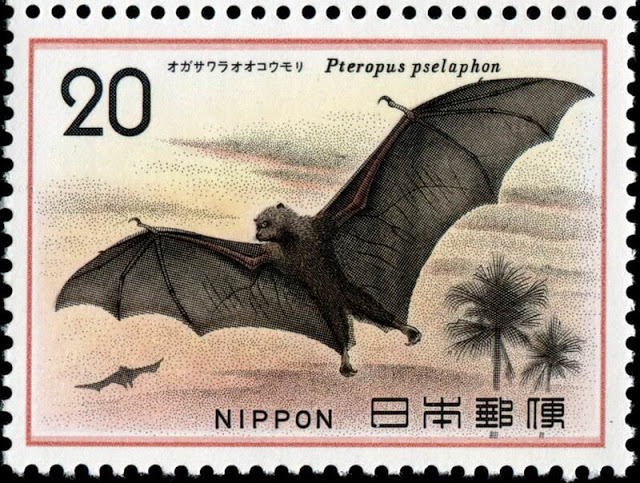
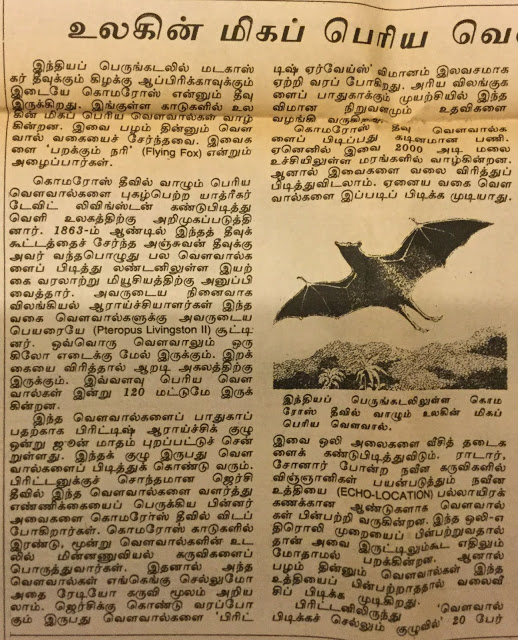
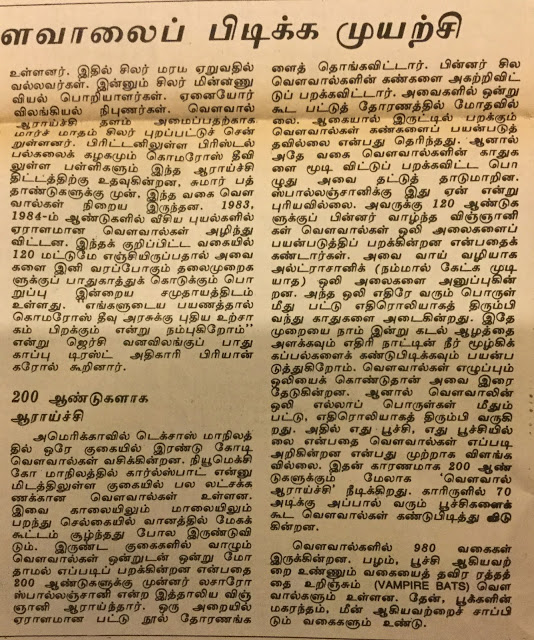
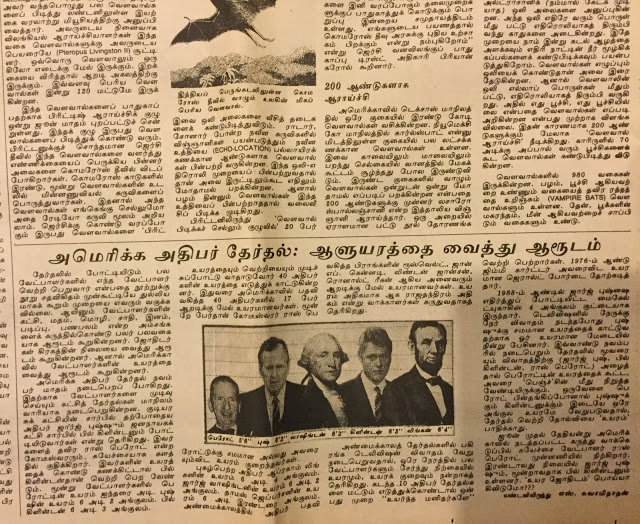
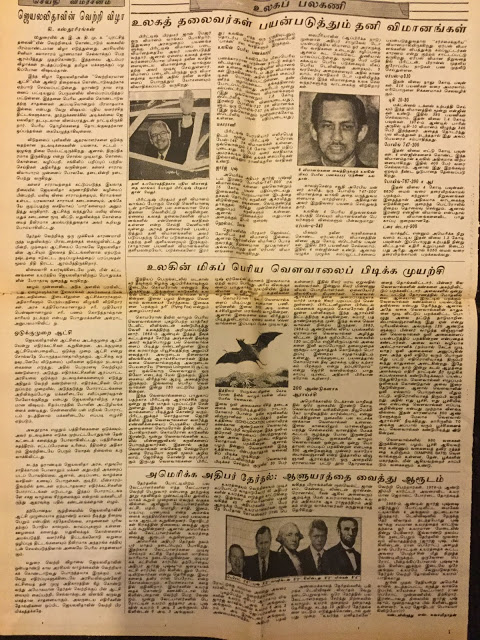
வாரம்தோறும் ஞாயிற்றுக்கிழமைகளில். தினமணிப் பத்திரிக்கையில் ‘உலகப் பலகணி’ என்ற தலைப்பில் கட்டுரைகள் எழுதி வந்தேன். இதோ 28-6-1992ல் வெளியான 3 கட்டுரைகளின் பறவைக் கண் பார்வை (Bird’s Eye View) . ஆனால் காலத்தினாலும் சுவை குன்றாத கட்டுரை ‘உலகின் மிகப்பெரிய வௌவால்’. அதை மட்டும் பெரிது படுத்திக் காட்டுகிறேன். பழைய
குப்பைகளை (Old Paper Cuttings) தூக்கி எறிந்துவருகிறேன். பயனுள்ள விஷயத்தை மட்டும் பகிர்வேன்
Date: 18 OCTOBER 2019 British Summer Time uploaded in London – 17-20 Post No. 7109
Pictures are taken from various sources; beware of copyright rules; don’t use them without permission; this is a non- commercial, educational blog; posted in swamiindology.blogspot.com and tamilandvedas.com simultaneously. Average hits per day for both the blogs 12,000.
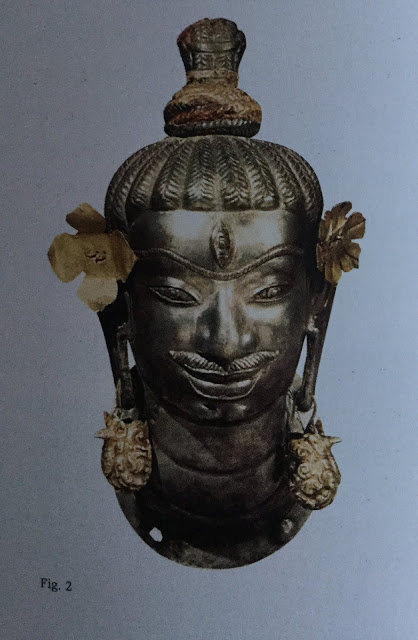
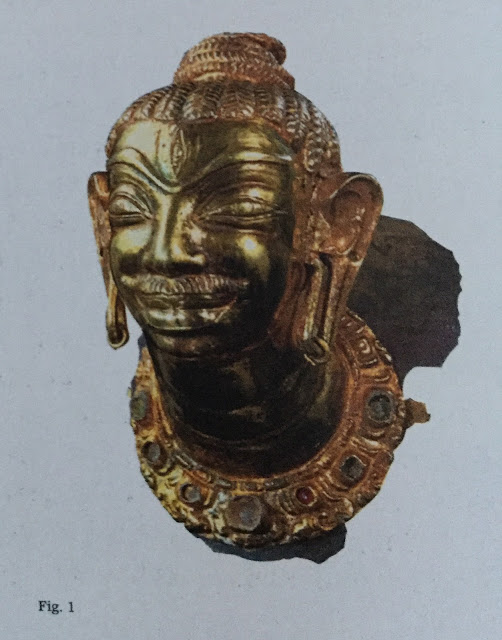
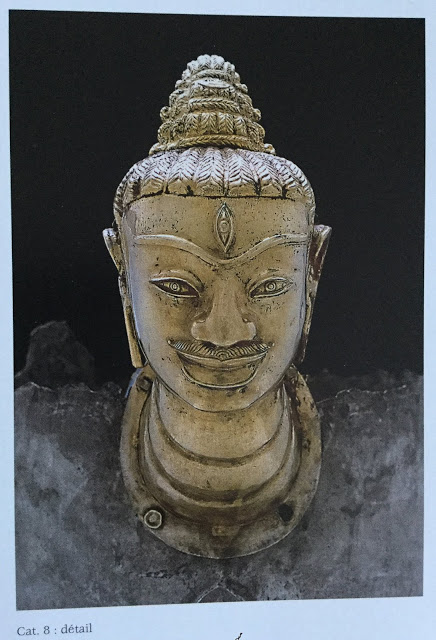
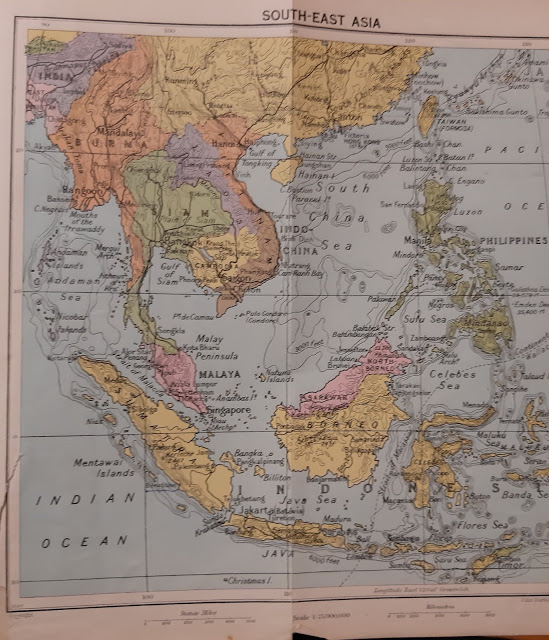
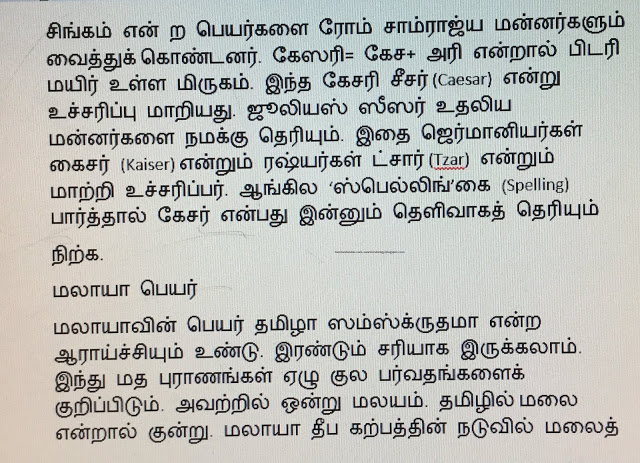
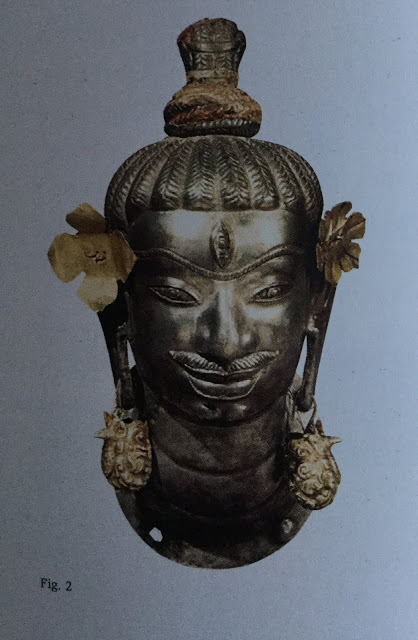
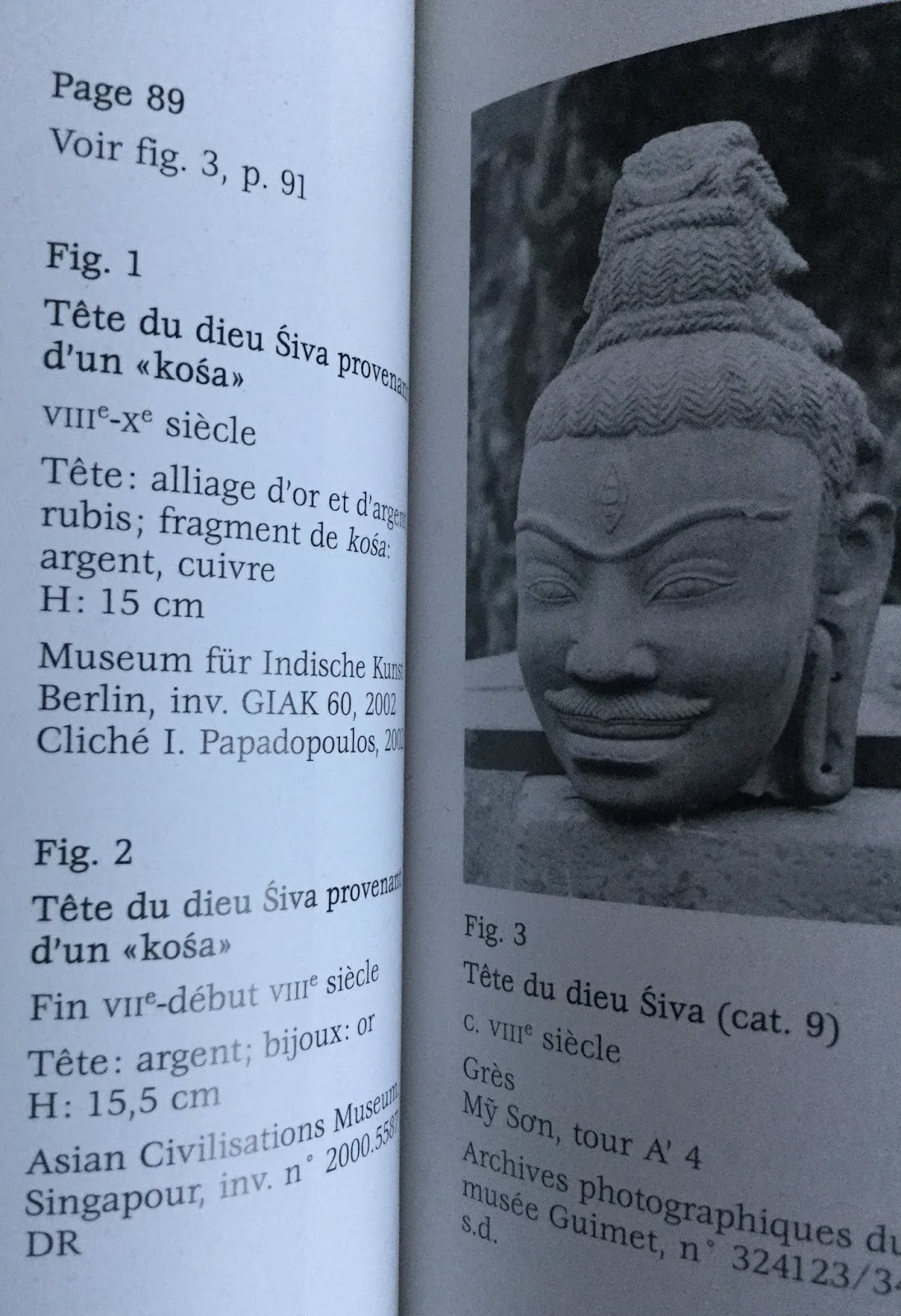
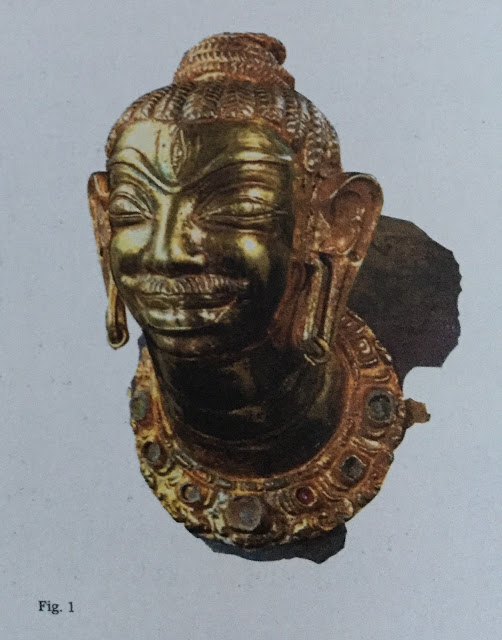
All the encyclopaedias attribute the source of the name Singapore to the Sanskrit word Simhapura (Lion city). Singapore’s old history goes back to about 1300 CE. A prince from Sumatra island of Indonesia by name Sri Tri Bhuvana (also known as Sanga Neela Uttama) founded the Kingdom of Singapura (Lion Kingdom) in 1299. But the individual port cities are named at least for 2000 years. On either side of Singapore were powerful Hindu empires from the first century.
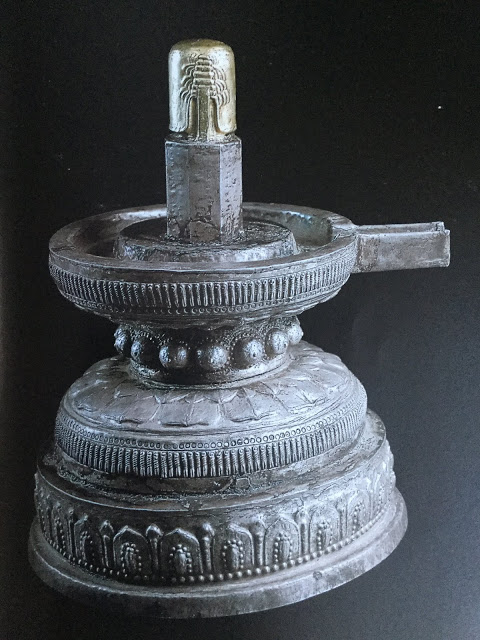
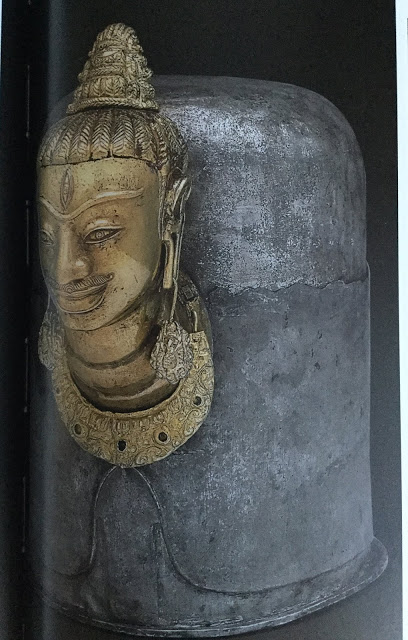
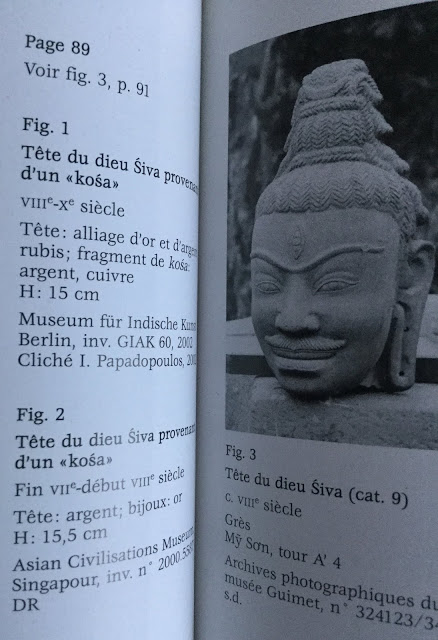
Shiva in Berlin (Germany) Museum
Simhapura is
also interpreted as Sringa Puri (Horn of the Malayan peninsula). There is a
debate this name- how come he named Simha (lion) to a place where there are no
lions. The reason for this is, lion is
always associated with Kingship. The word Kesari (Kesa+ ari) meant Hair animal.
That was the title of many Indian kings and Roman Kings. Kesari became Caesar
in the West. We come across many Caesars including the most famous Julius
Caesar/Kesari. Even Si Lanka, which has no lions, named itself as Simhala Desa
(Lion country) 2500 years ago. People who don’t know the Hindu stories of Lion
King gave stupid interpretations in Singapore and Ceylon (Sri Lanka). Singapore
and Sri Lanka have lion in their flags or emblems. It simply means heroism with
lion like kings.
More
interesting is the word Malaya. This word has its origin both in Tamil and
Sanskrit. In Tamil, it meant mountain and the most famous Malaya Parvata (Hill)
is mentioned in both Tamil and Sanskrit literature. It has become synonymous
with Sandal wood and southern breeze. In Tamil ‘Malai’ is mountain/hill. Since
Malaya is divided by a mountain range Tamils might have called it Malaya desa.
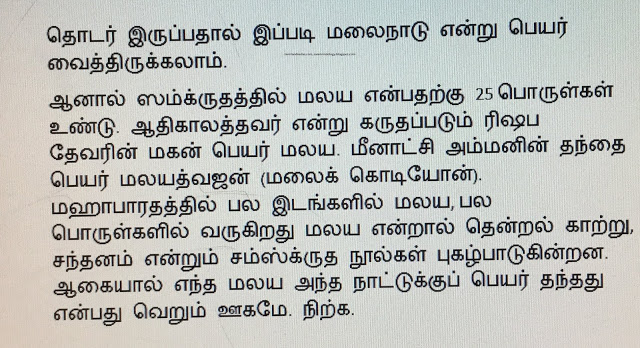
But the Sanskrit word Malaya has more meaning. It is in Mahabharata and many
Sanskrit stories. Even King Rishabadeva’s son was called Malaya. Pandya kings
had Malai (hill) in their flags and one Pandya was called Malayadwaja (one with
mountain flag).
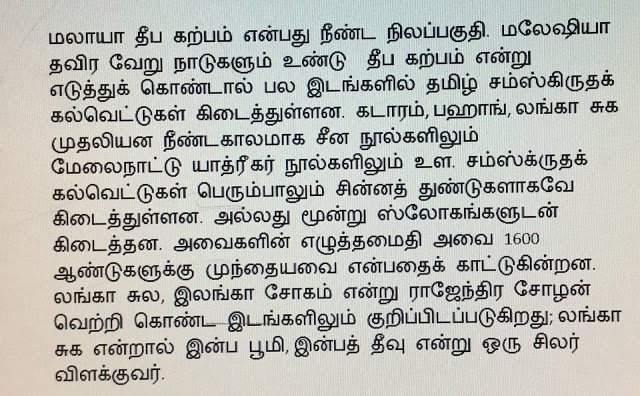
More interesting is the discovery of several Tamil and Sanskrit inscriptions in Malayan peninsula.
One of the
oldest Hindu Kingdoms in the peninsula is mentioned in the Chinese History of
the Liang Dynasty (502-556 CE) as lang- ya su. Later Malay and Javanese chronicles
refereed to it as Lankasuka (Pleasure Island). Rajendra Choza won this place in
12th century and his Tamil inscription mentioned it as Lankasokam.
Two other
Hindu kingdoms are mentioned in Chinese Chronicles Pan-pan where Brahmanas from
India came to get gifts from the munificent king. Another one was Pa-hoang
(Pahang). Sari – Pala- Varman sent an embassy to China from here in 449 CE.
Though a
kingdom called Kantoli sent embassies to China, scholars are not able to
identify it.
Only
fragmentary Sanskrit inscriptions are available from Malaya. The Indian
alphabets on them are ascribed to 4th or 5th centuries.
Seven of the inscriptions were found in the centre, four in the northern part
of Province Wellesley. Five of them were found in Ligor, two in Chaiya and one
each in Keddah and Takua pa, according to R C Majumdar.
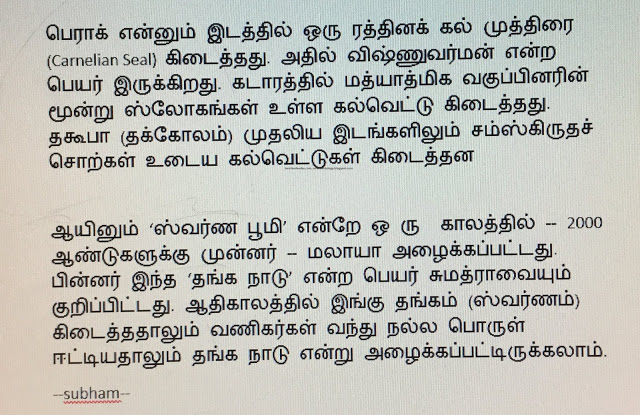
Other
significant founds include a Cornelian seal in Perak with the Hindu name Sri
Vishnu Varman. The characters point to fifth century. Slightly later in date is
an inscription found near Keddah containing three verses from a Sutra of
Madhyamika school. (We have one Sanskrit inscription of Kulothunga Choza period
according to Wikipedia).
Swarnabhumi
(Golden land) is used to refer to several regions from Malaya to Sumatra. At
one time Malaya was also called Swarnabhumi.
(I will
write about the Tamil Inscriptions in Malaya separately).
Date: 18 OCTOBER 2019 British Summer Time uploaded in London – 5-37 AM Post No. 7108
Pictures are taken from various sources; beware of copyright rules; don’t use them without permission; this is a non- commercial, educational blog; posted in swamiindology.blogspot.com and tamilandvedas.com simultaneously. Average hits per day for both the blogs 12,000.
கட்டுரை எண் : 7101 வெளியான தேதி : 16-10-2019 – கீதையின் இரண்டாவது கட்டளை-யைத் தொடர்ந்து வருவது இந்தக் கட்டுரை
கீதையின் மூன்றாவது கட்டளை!
ச.நாகராஜன்
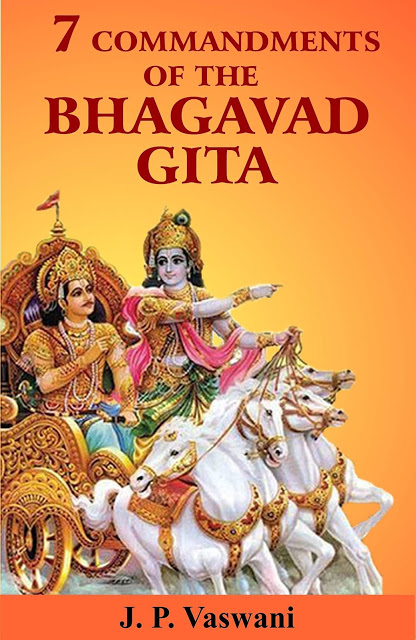
ஜே.பி.வாஸ்வானி அவர்கள் கீதை
ஏழு கட்டளைகளைத் தருவதாகக் கூறுகிறார்.
ஏழு கட்டளைகளுள் மூன்றாவது கட்டளை
இது தான் :
Thou
Shalt Do Thy Duty and a Little More
நீ உனது கடமையை இன்னும் கொஞ்சம்
அதிகமாகச் செய்
இதைப் பற்றி விளக்குகையில் அவர்
தரும் சம்பவங்கள் சிலவற்றை இங்கே பார்ப்போம்:
இத்தாலியைச் சேர்ந்த மிகப் பெரும்
பாடகியான மாப்ரிபான் (Mabribon) ஒரு நாள் மாலை தன்னைப் பார்க்க வருபவர்களைச் சந்தித்துப் பேசிக்
கொண்டிருந்தார்.
பல பேரைச் சந்தித்த பிறகு, தனது வேலைக்காரியிடம்,
“மிகவும் களைப்பாக இருக்கிறது. இனிமேல் யாரையும் அனுமதிக்க வேண்டாம்” என்றார்.
தனது விசிறிகளிடம் பேசி அவர்களைத் திருப்திப்படுத்துவதை
அவர் தனது கடமைகளுள் ஒன்றாகக் கொண்டிருந்தார்.
“இன்னும் ஒரே ஒருவர் தான் இருக்கிறார்,அம்மா” என்றாள் வேலைக்காரி. “அதுவும் அவன் ஒரு சிறு பையன்” என்றாள் அவள்.
“சரி, உள்ளே அனுப்பு” என்றார் மாப்ரிபான்.
தயங்கித் தயங்கி அறைவாசலில் நின்று கொண்டிருந்த
பையனைப் பார்த்த மாப்ரிபான். “வா, உள்ளே வா, உன் பெயர் என்ன?” என்றா.
“பியரி” என்றான் பையன்.
“சொல், உனக்கு என்ன வேண்டும்?” மாப்ரிபான் கேட்க பையன் பதில் சொன்னான் :” எனது அம்மா… மிகவும் நோய்வாய்ப்பட்டு இருக்கிறார். நான் எழுதிய
ஒரு கவிதையைக் கொண்டு வந்திருக்கிறேன். அதை நீங்கள் பாடினால் .. அதற்கு ஏதாவது கொடுக்க
வேண்டுமென்று நினைத்தால்.. மிகவும் உதவியாக இருக்கும். இந்த உதவியை நான் என்றுமே மறக்க
மாட்டேன்”
“அட, உனது கவிதையைக் கொடு. அப்படியே உன் முகவரியையும்
சேர்த்துக் கொடு.”
பையன் கவிதையுடன் முகவரியையும் சேர்த்துக்
கொடுத்து விட்டுக் கிளம்பினான்.
மறுநாள் மாப்ரிமான் அந்தக் கவிதையை அரங்கத்தில்
பாடினார்.
அனைவருக்கும் அந்தக் கவிதை பிடித்திருந்தது
– அவருக்கும் தான்!
அனைவரும் ஆரவாரித்துக் கை தட்டினர்.
நிகழ்ச்சி முடிந்தவுடன் நேராக அவர் பியரியின்
வீட்டிற்குச் சென்றார்.
அவனையும் அவனது தாயாரையும் பார்த்தார்.
“பியரி, உனது கவிதை பிரமாதம். அனைவரும் அதைப்
பாராட்டினர். இதோ இந்தா” என்று
அன்று நிகழ்ச்சியில் கிடைத்த முழுப்பணத்தையும் மாப்ரிபான் அளித்தார்.
“உனது தாயாருக்கு என்ன சிகிச்சை அளிக்க வேண்டுமோ
அதை இப்போது செய்” என்று கூறிவிட்டு
அவர் அங்கிருந்து சென்றார்.
நன்கொடை, உதவி என்ற வார்த்தைகளுக்கெல்லாம்
அப்பாற்பட்டு கடமைக்கும் சற்று மேலாகச் செய்வது தான் சேவை.
அதை செய்யத் தவறக் கூடாது
*
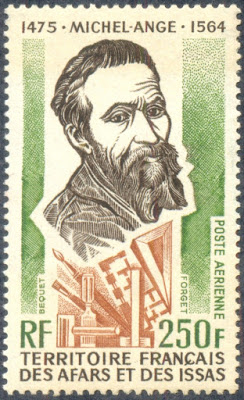
பிரபல ஓவியரான மைக்கேலேஞ்சலோவிற்கு
20 வருட காலம் நம்பிக்கைக்குரியவராயும் பணி செய்பவராகவும் இருந்தவர் ஆர்பினோ (Arbino)
என்பவர்.
ஆர்பினோவிற்கு வயது அதிகமாகவே
தள்ளாமை வந்து விட்டது. நீண்டகாலம் தான் இருக்கப் போவதில்லை என்பதை அவர் உணர்ந்தார்.
மைக்கேலேஞ்சலோ அவரை நன்கு ஓய்வு
எடுத்து சக்தியை சேமிக்கும்படி கூறி அதனால் நீண்ட நாள் வாழ முடியும் என்று எடுத்துரைத்தார்.
ஆர்பினோ அதற்கு இணங்கவில்லை.”உங்களுக்கு நான் ஒரு சுமையாக
ஆகி விடுவேனே” என்றார்.
ஆனால் மைக்கேலேஞ்சலோ அவரை ஆசுவாசப்படுத்தினார்.
“ஒரு சுமையும் இல்லை நான் இரவும்
பகலும் உங்களைப்பார்த்துக் கொள்கிறேன்” என்றார் அவர்.
சொன்னபடியே தன் வார்த்தையை அவர்
காப்பாற்றினார்.
ஆர்பினோ நோய்வாய்ப்பட்டார்.
அவரை நன்கு பார்த்துக் கொண்ட மைக்கேலேஞ்சலோ ஆர்பினோவின் இறுதி நாட்களில் அவர் படுக்கை
அருகே அமர்ந்து ஒரு பெரிய அற்புதமான ஓவியத்தையும் வரைந்து முடித்தார்.
*
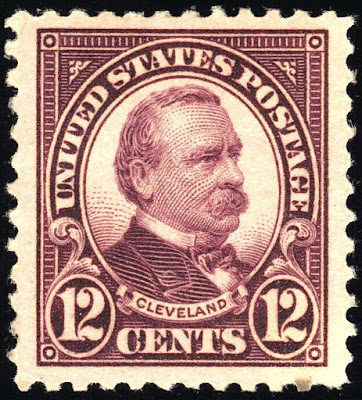
அமெரிக்க ஜனாதிபதி க்ளீவ்லேண்ட்
(Cleaveland) ஒரு பயணத்திற்காக ரயிலில் ஏறினார். அவருடன் அவரது வாழ்க்கை வரலாற்றை எழுதிய ரிச்சர்ட்
கில்டரும் (Richard
Gilder) அதே ரயிலில் பயணம் செய்தார்.
ஜனாதிபதி அந்த ரயிலில் பயணம்
செய்வதைக் கேட்ட ரிச்சர்ட் அவரைத் தேடி ஒவ்வொரு கம்பார்ட்மெண்டாகப் பார்க்க ஆரம்பித்தார்.
அவருக்கு ஜனாதிபதியிடம் சொல்ல வேண்டிய முக்கியமான
விஷயம் ஒன்று இருந்தது.
ஆனால் எவ்வளவு தேடியும் அவரால் ஜனாதிபதியைக் கண்டுபிடிக்க
முடியவில்லை.
குழப்பமடைந்த ரிச்சர்ட் கடைசி
கோச்சுக்குச் சென்று ரயில் கண்டக்டரிடம் ஜனாதிபதி எங்கே என்று கேட்டார்.
என்ன ஆச்சரியம். அங்கே ஒரு மர
பெஞ்சில் ஜனாதிபதி அமர்ந்திருந்தார்.
ஒரு பெண்மணி தனது குழந்தையுடன்
ரயிலில் ஏற தனது சீட்டை அந்தப் பெண்மணிக்குக் கொடுத்து விட்டு மர பெஞ்சில் அமர்ந்து
பயணிக்கலானார் க்ளீவ்லேண்ட்!
*
இது போன்ற இன்னும் ஏராளமான சம்பவங்களை
அடுக்கடுக்காகச் சொல்லி சாது வாஸ்வானி கடமையைச் செய்யும் போது அதில் பிறருக்கு உதவும்
சேவை மனப்பான்மையுடன் செய்ய வேண்டும் என்று வலியுறுத்துகிறார்.
Date: 17 OCTOBER 2019 British Summer Time uploaded in London – 18-14 Post No. 7107
Pictures are taken from various sources; beware of copyright rules; don’t use them without permission; this is a non- commercial, educational blog; posted in swamiindology.blogspot.com and tamilandvedas.com simultaneously. Average hits per day for both the blogs 12,000.
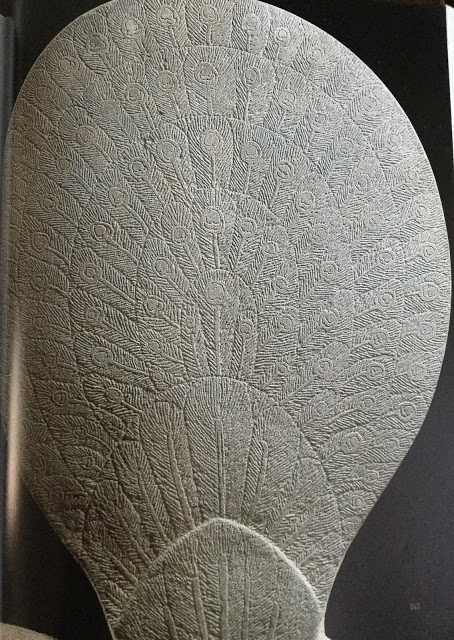
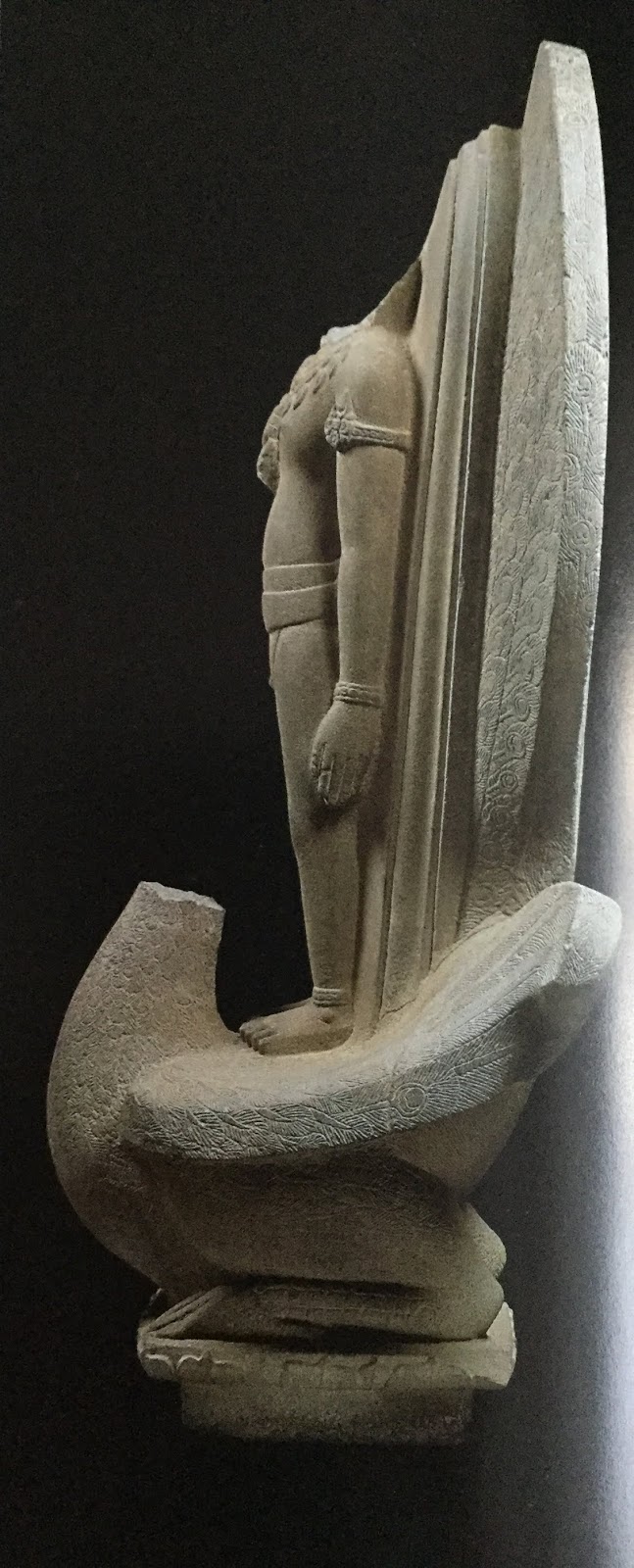
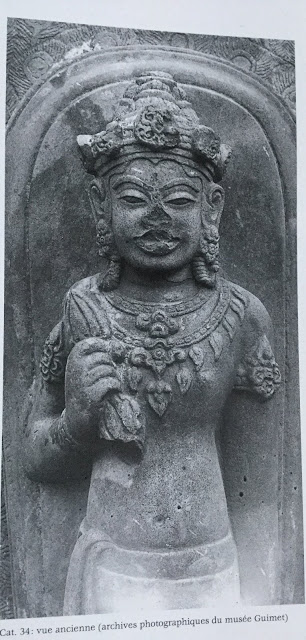
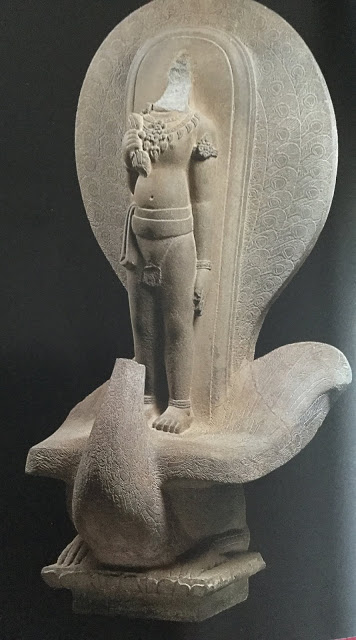
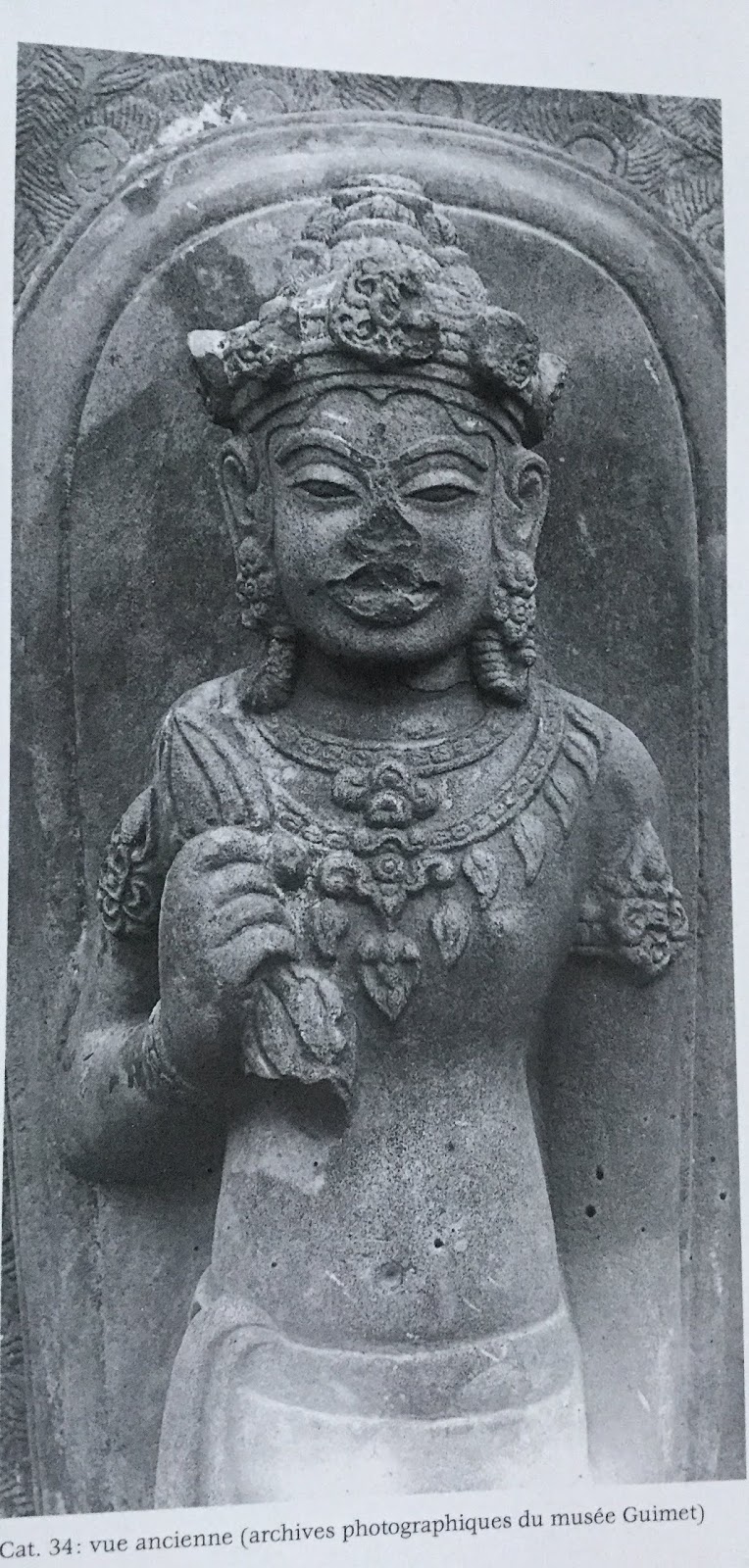
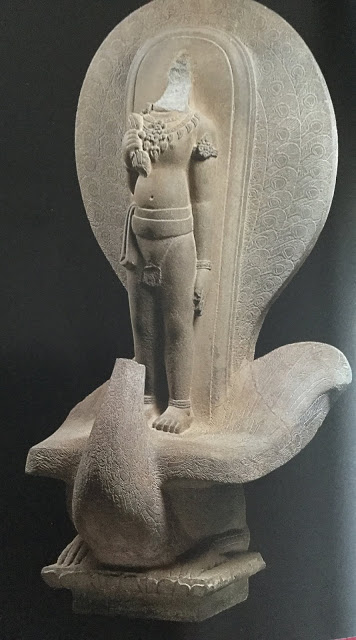
Lord Skanda (also
known as Muruga, Kartikeya, Kumara, Guha) lost his head in 1988. His Vahana
peacock also lost its head but the beautiful feather of his Vahana is still
intact. The original pictures are with head intact. No book gives the details
of this lost head. They hope that it would turn up one day. But I doubt it.
My Son is a place
in Vietnam where lot of Hindu statues ere discovered in 1903. Numerous
sculptures emerged from the thick vegetation when Henri Parmentier and Charles
Carpeaux cleared the bushes. Among them was the statue of Skanda and the broken
piece of peacock’s feather. Skanda and another statue of Ganesa were photographed
by Charles Carpeaux.
“Peacock is
beautifully sculpted in stone. With legs folded the bird is sadly without its
head, originally reaching god’s hips, which was not found during excavations. A
fine network of incisions into the stone running over the bird’s body evokes
with precision the characteristic plumage of the bird; on the back it yields a
formal play of great beauty.
The vajra he
holds in hiss right hand and the five chignons also assist in identifying him.
Skanda in his young appearance as Kumara wears several pieces of jewellery. The head sadly lost in about
1988 once bore particular earrings,
mixing flower motifs and pendants with pears inserted into elongate lobes.
One can only
hope that the head of this piece, happily known and published for a long period,
might one day be recovered.
Date: 17 OCTOBER 2019 British Summer Time uploaded in London – 15-54 Post No. 7106
Pictures are taken from various sources; beware of copyright rules; don’t use them without permission; this is a non- commercial, educational blog; posted in swamiindology.blogspot.com and tamilandvedas.com simultaneously. Average hits per day for both the blogs 12,000.
Date: 17 OCTOBER 2019 British Summer Time uploaded in London – 15-05 Post No. 7105
Pictures are taken from various sources; beware of copyright rules; don’t use them without permission; this is a non- commercial, educational blog; posted in swamiindology.blogspot.com and tamilandvedas.com simultaneously. Average hits per day for both the blogs 12,000.
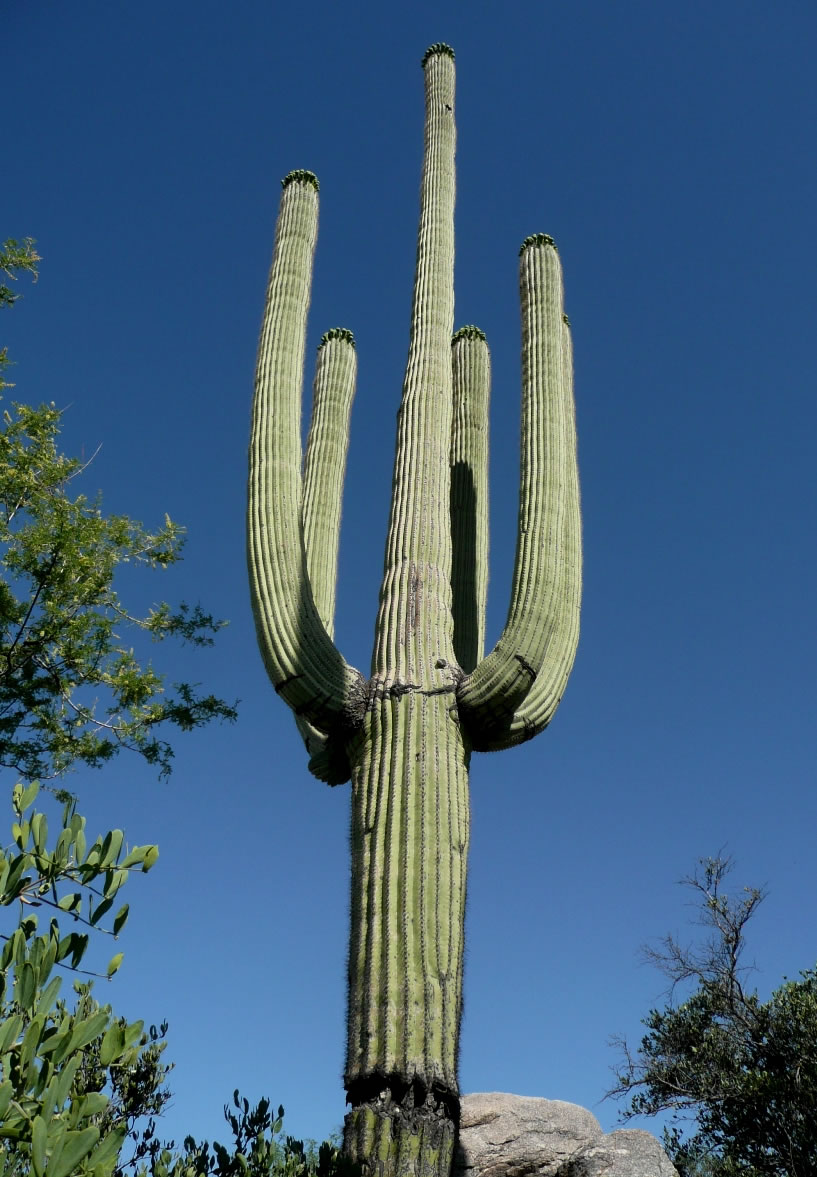
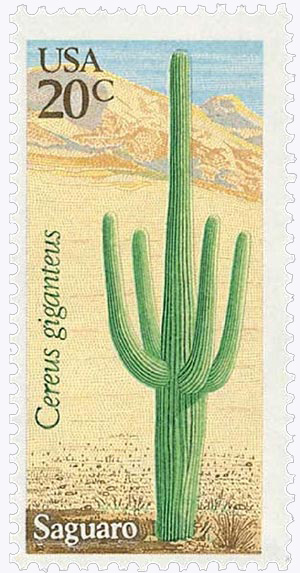
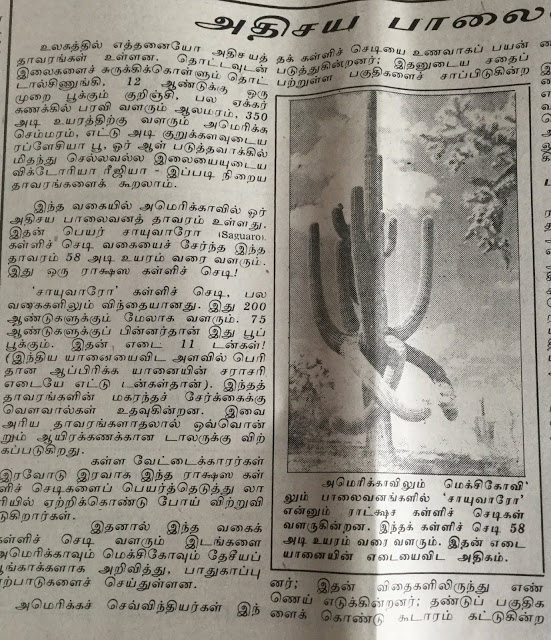
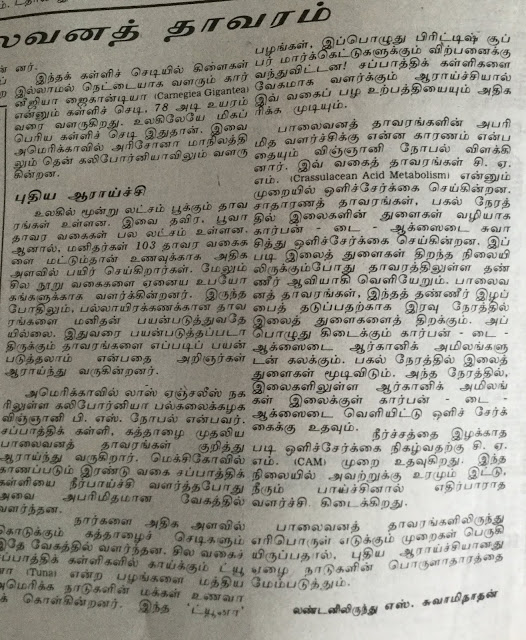
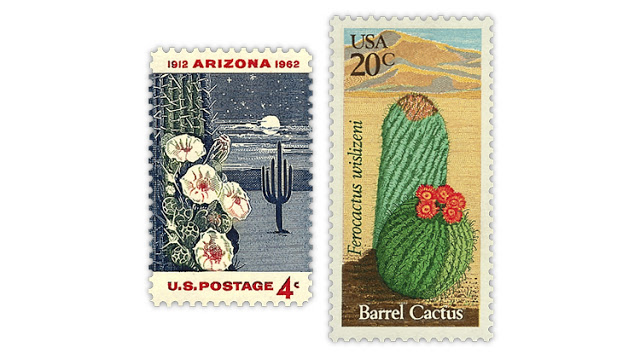
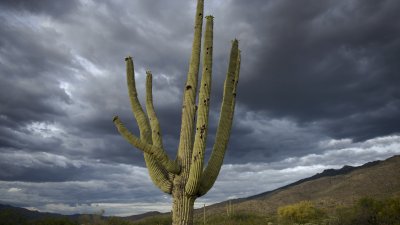
1992ன் ஆண்டில் வாரம்தோறும்
ஞாயிற்றுக்கிழமைகளில். தினமணிப் பத்திரிக்கையில் ‘உலகப் பலகணி’ என்ற தலைப்பில் கட்டுரைகள் எழுதி வந்தேன். இதோ
31-5-1992ல் வெளியான 4
கட்டுரைகளின் பறவைக் கண் பார்வை
(Bird’s Eye View) . ஆனால் காலத்தினாலும் சுவை குன்றாத
கட்டுரை ‘அதிசய
பாலைவனத் தாவரம்’. அதை மட்டும் பெரிது படுத்திக் காட்டுகிறேன். பழைய குப்பைகளை (Old
Paper Cuttings) தூக்கி எறிந்துவருகிறேன். பயனுள்ள
விஷயத்தை மட்டும் பகிர்வேன்
Date: 17 OCTOBER 2019 British Summer Time uploaded in London – 5-58 AM Post No. 7104
Pictures are taken from various sources; beware of copyright rules; don’t use them without permission; this is a non- commercial, educational blog; posted in swamiindology.blogspot.com and tamilandvedas.com simultaneously. Average hits per day for both the blogs 12,000.
பாக்யா 1-10-2019 இதழில் அறிவியல் துளிகள்
தொடரில் வெளியாகியுள்ள ஒன்பதாம் ஆண்டு பதினேழாம் கட்டுரை – அத்தியாயம் 433
சந்திர வெற்றி!
ச.நாகராஜன்
விண்வெளி சாதனைகளில் அமெரிக்கா, ரஷியா, ஐரோப்பா ஆகிய
நாடுகளுக்கு ஈடு கொடுத்து முன்னேறும் நாடு இந்தியா என்பதை நமது சமீபத்திய சந்திர
வெற்றி நிரூபித்துள்ளது.
இந்த நிலவுச் சாதனை சாதாரண சாதனை அல்ல. மாபெரும் வெற்றி
எனக் கொண்டாடத் தகும் பெரிய சாதனை.
இந்திய விண்வெளி ஆய்வு நிறுவனமான இஸ்ரோ தொடர்ந்து பல
ஆண்டுகளாகச் சாதனைகள் படைத்து வருவதை உலகம் முழுவதுமே உன்னிப்பாக வியப்புடன்
கவனித்து வருகிறது.
விண்ணில் சாடலைட்டுகளை அனாயாசமாக ஏவும் நாடுகளில் ஒன்றாக
இந்தியா இன்று திகழ்கிறது.
விண்ணில் பறக்கும் ஒரு விண்கலத்தை மீண்டும் தேவையெனில் தரையிறக்கும்
ஸ்பேஸ் காப்ஸ்யூல் ரிகவரி எக்ஸ்பெரிமெண்டையும் (Space Capsule
Recovery Experiment) இந்தியா செய்து வெற்றி பெற்றிருக்கிறது.
ஒரே ராக்கெட்டில் 104 சாடலைட்டுகளை விண்ணில் ஏவி இந்தியா சாதனை
படைத்திருக்கிறது. பல நாடுகளும் தங்கள் சாடலைட்டுகளை விண்ணில் ஏவ இந்தியாவை நாடி வருகின்றன.
அடுத்து சந்திரனையும் செவ்வாயையும் நோக்கி நமது பார்வை ஆழப்
பதிந்திருக்கிறது.
செவ்வாய்க்குச் செல்லும் கலமாக மங்கள்யான் -1 இந்தியாவிலேயே
தயாரிக்கப்பட்டது. 5-11-2013 அன்று செவ்வாயை
நோக்கி நமது கலம் கிளம்பியது. சோவியத், அமெரிக்கா, ஐரோப்பா ஆகிய மூன்று நாடுகளுடன் இந்த செவ்வாய் பயணத்தின் மூலமாக இந்தியா சேர்ந்து
விட்டது.
ஆசியாவில் முதலாவதாக செவ்வாய்க்குக் கலம் அனுப்பிய நாடு என்பதோடு
உலகில் நான்காவதாக அனுப்பிய நாடு என்ற பெருமை நம்மைச் சேர்கிறது.
அடுத்து சந்திரயான்
– 1 என்ற நமது விண்கலம் 22, அக்டோபர் 2008இல் சந்திரனை நோக்கி ஏவப்பட்டது. முதன் முதலாக
சந்திரனில் நீர் இருக்கிறது என்ற செய்தியை இந்தக் கலத்தின் மூலமாக 2009ஆம் ஆண்டில்
கண்ட நமது விஞ்ஞானிகள் அதை உலகிற்கு அறிவித்தனர்.
இதைச் சரிபார்க்கத்
தனது கலத்தை ஏவிய அமெரிக்க விண்வெளி ஆய்வு நிறுவனமான நாஸா அது உண்மையே எனக் கண்டு வியந்து
அதை உலகிற்கு அறிவித்தது.
சந்திரனுக்குக் கலம் அனுப்பியதன் மூலமாக அமெரிக்கா, சோவியத்,
சீனா ஆகிய நாடுகள் வரிசையில் இந்தியா சேர்ந்து விட்டது.
இந்த வெற்றியைத் தொடர்ந்து ஒரு மாபெரும் திட்டம் தீட்டப்பட்டது.
சந்திரனை ஆராய ஒரு கலத்தை அனுப்பி அதன் தென் பகுதியில் நமது லேண்டரை இறக்குவது என்ற
திட்டம் தான் அது.
இந்தத் திட்டம் தீவிரமாகப் பரிசீலிக்கப்பட்டு சந்திரயான் -2
என்ற கலம் சுமார் 1000 கோடி ரூபாய் செலவில் தயாரிக்கப்பட்டது.
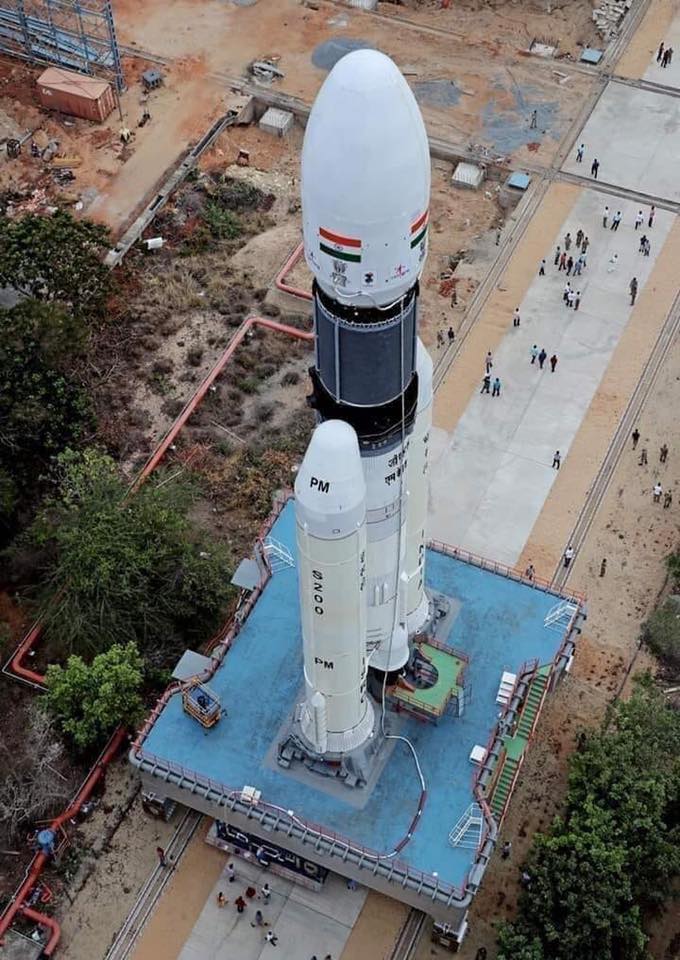
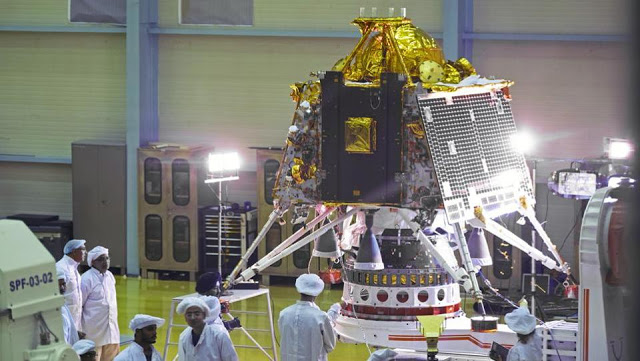
சந்திரயான் – 2 விண்ணில் 22
ஜூலை 2019 அன்று ஏவப்பட்டது. 3850 கிலோ எடை கொண்ட இது ஆர்பிட்டர், லேண்டர் விக்ரம்,
ரோவர் ஆகிய மூன்று அமைப்புகளைக் கொண்டது.
இதில் உள்ள விக்ரம் என்ற லேண்டர் (Lander) தரை
இறங்கி அனைத்தையும் சரிபார்த்த பின்னர் ப்ரக்யான் என்ற ரோவர் சந்திரப் பரப்பில் ஊர்ந்து சென்று ஆய்வுகளை
நடத்த வேண்டும் என்பது நமது திட்டம்.
48 நாட்கள் பயணித்த பின்னர் சந்திரயான் – 2 சந்திரனை நெருங்கியது.
மணிக்கு 6048 கிலோமீட்டரில் சென்ற லேண்டரின் வேகத்தைப் படிப்படியாக வெற்றிகரமாகக் குறைத்து
அதை மணிக்கு 7 கிலோமீட்டர் என்ற குறைந்த வேகத்தில் செல்ல விஞ்ஞானிகள் பெருமுயற்சி செய்து
வெற்றி பெற்றனர். அடுத்துச் சந்திரப்பரப்பைத் தொட வேண்டியது தான் பாக்கி.
செப்டம்பர் 7. இரவு மணி 1.51. லேண்டர் சந்திரனின் மிக அருகில்
100 கிலோமீட்டர் உயரத்திற்கு வரும் தருணம்.
இந்திய நாட்டில் கோடானு கோடி பேர்கள் சந்திர வெற்றியைக் கொண்டாடத்
தயாராக இருந்தனர். உலகின் பல்வேறு நாடுகளில் உள்ளோரும் இந்தப் பயணத்தைக் கூர்ந்து கவனித்து
வந்தனர்.
அனைத்தும் திட்டமிட்டபடி நடந்த வண்ணம் இருக்க, இறுதி சில கணங்களில்
எதிர்பாராத விதமாக லேண்டர் விக்ரம் மெதுவாகத் தரை இறங்குவதற்குப் பதிலாக திசை மாறி
ஹார்ட் லேண்டிங் எனப்படும் தரை மீது மோதியபடி இறங்கியது.
லேண்டரிலிருந்து நமக்கு வரும் தகவல் தொடர்பு நிற்கவே, எதிர்பாராத
விதமாக ஒரு பின்னடைவு ஏற்பட்டது.
இஸ்ரோ தலைவர் சிவன் சற்றுக் கண்ணீர் விட்டுக் கலங்க நமது பிரதமர்
மோடி அவரைத் தட்டிக் கொடுத்து ஆறுதல் கூறி உற்சாகப்படுத்தினார். ஒட்டு மொத்த நாட்டு
மக்களும் அவருடனும் நம்முடைய விஞ்ஞானிகளுடனும் இருப்பதாக உறுதி கூறினார்.
செவ்வாய் கிரகத்தை நோக்கிச்
சென்ற நமது கலம் முதல் தடவையிலேயே வெற்றி பெற்றது குறிப்பிடத் தகுந்த ஒரு விஷயம்.
அதே போல சந்திரயான் – 1 இன் வெற்றியும் குறிப்பிடத் தகுந்தது.
அடுத்து சந்திரயான் – 2 முழுக்க முழுக்க இந்திய விஞ்ஞானிகளாலேயே
வடிவமைக்கப்பட்டு பாகங்கள் அனைத்தும் இங்கேயே செய்யப்பட்டு அதை அசெம்பிள் செய்வதும்
இங்கேயே முடிக்கப்பட்டது என்பது நாம் விண்வெளி அறிவியலில் எவ்வளவு தூரம் முன்னேறி இருக்கிறோம்
என்பதைத் தெள்ளத் தெளிவாகப் பறை சாற்றுகிறது.
சந்திரனின் தென் துருவத்தை ஆராயும் முதல் விண்கலமும் இதுவே தான்!
ஆக இப்போது சந்திரயான்-2இன்
லேண்டர் தரை இறங்கி ரோவரை சந்திரப் பரப்பில் ஊர்ந்து செல்ல வைக்க முடியாத நிலை வருத்தம்
தரும் ஒன்று என்றாலும் கூட 90 சதவிகிதம் வெற்றியை நாம் பெற்றிருக்கிறோம்; ஏனெனில் எதிர்பார்க்கும்
தகவல்களை நமது கலம் தொடர்ந்து தந்து கொண்டே இருக்கும்.
யாராலும் வெற்றி
கொள்ள முடியாது என்று கருதப்பட்ட எவரெஸ்ட் சிகரத்தை வெற்றி கொண்ட டென்சிங் வெற்றியடைந்த
பிறகு, “ நான் முயன்றேன். ஒரு தடவை அல்ல; ஏழு தடவைகள் முயன்றேன். தாயின் மடியில் தவழப்
பாயும் சேயைப் போல! முடிவாக வெற்றியை அருளினாள்” என்று குறிப்பிட்டார்.
அதே போல அடுத்தடுத்த
முயற்சிகள் மூலம் சந்திரனில் ஒரு இந்தியர் இறங்கும் நாள் வெகு தொலைவில் இல்லை என்பதை
சந்திரயான் – 2இன் பயணம் உறுதிப் படுத்துகிறது.
பல நாடுகள் தமது தோல்விகளை
மறைத்து வெற்றி பெற்றதை மட்டுமே அறிவிக்கும் நிலையில் இந்தியா வெளிப்படையாக சந்திரப்
பயணம் பற்றிய அனைத்து விவரங்களையும் உலகின் முன் வைத்தது.
சந்திரனைத் தொட இருந்த
தருணத்தில் ஒரு தற்காலிகப் பின்னடைவைச் சந்தித்தபோதிலும் அடுத்த முயற்சி ஆரம்பமாகி
விட்டது.
ஒவ்வொரு தடைக்கல்லும் நமக்கு வெற்றியை அடைவதற்கான படிக்கல்லே என்பதை மனதில் ஏற்றித் தளராது உழைப்போம்; உயர்வோம்; வெற்றி பெறுவோம்.
அறிவியல் அறிஞர் வாழ்வில்
.. ..
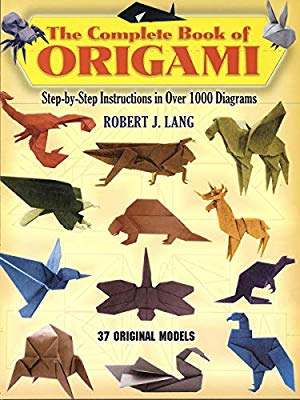
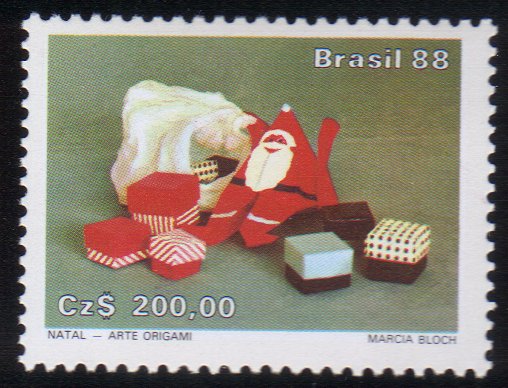
ஓரிகாமி (Origami) என்பது
ஒரு ஜப்பானியக் கலை. பேப்பரை மடித்தும் வளைத்தும் புதுப் புது உருவங்களைச்
செய்யும் இந்தக் கலை பதினேழாம் நூற்றாண்டில் ஜப்பானில் மிகவும் புகழ் பெற்றுப் பரவ
ஆரம்பித்தது. இதில் காகிதத்தை ஒட்டுதலோ வெட்டுதலோ கூடாது.
இந்தக் கலையை அமெரிக்க விஞ்ஞானி ராபர்ட் ஜே.லேங் (Rober
J.Lang) என்பவர் ஒரு புதிய பரிமாணத்திற்கு ஏற்றி இருக்கிறார். 58
வயதான இவர் (பிறப்பு :4-5-1961) ஓரிகாமியில் கணிதத்தையும் அறிவியலையும் இணைத்து
அதிசயிக்கத்தக்க வடிவமைப்புகளைச் செய்து காட்டி அசத்துகிறார்.
ஆறு வயதிலிருந்தே பேப்பர்களை மடிப்பதில் ஆர்வம் காட்டிய
இவர் படிப்பை முடித்த பின்னர், அமெரிக்க விண்வெளி ஆய்வு நிறுவனமான நாஸாவில் ஜெட்
புரபல்ஷன் லாபரட்டரியில் பணியாற்றினார்.
ஓரிகாமியில் பெரும் ஆர்வம் ஏற்பட்டதால் 2001ஆம் ஆண்டில்
தனது பணியை விட்டு விட்டு ஓரிகாமி கலையைப் பரப்புவதில் முழு வீச்சுடன் இறங்கினார்.
ஓரிகாமி கலையை உலகினருக்குப் பயன்படுத்தும் விதத்தில்
எப்படி விரிவாக்குவது என்பதை ஆராய்ந்து அந்த பேப்பர் மடிப்புகளின் மூலம் அரிய
விண்வெளி சாதனங்கள் மற்றும் மருத்துவ சாதனங்களின் வடிவமைப்பைச் செய்து
காண்பித்தார்.
நிஜமான சாதனங்கள் இந்தப் பேப்பர் மடிப்பு வடிவமைப்பை
அடிப்படையாக வைத்து உருவாக்கப்பட்டன.
இவரது எட்டு புத்தகங்கள் மிகவும் பிரபலமாகி உள்ளன.
யூ டியூபில் இவரது பிரமிக்க வைக்கும் படைப்புகளைக் காணலாம்.
தவளை, டைனோஸர், விண்வெளி டெலஸ்கோப் என ஓரிகாமியில்
படைக்கப்படும் படைப்புகளுக்கு ஒரு எல்லையே இல்லை!
சிறிய ஹாபி என்று அழைக்கப்பட்ட ஓரிகாமி பெரிய அறிவியல்
விதையைக் கொண்டுள்ளது என்பது ஒரு அதிசயிக்க வைக்கும் சுவையான செய்தி தானே!
Research Article written London Swaminathan
swami_48@yahoo.com
Date: 16 OCTOBER 2019 British Summer Time uploaded in London – 20-48 Post No. 7103
Pictures are taken from various sources; beware of copyright rules; don’t use them without permission; this is a non- commercial, educational blog; posted in swamiindology.blogspot.com and tamilandvedas.com simultaneously. Average hits per day for both the blogs 12,000.
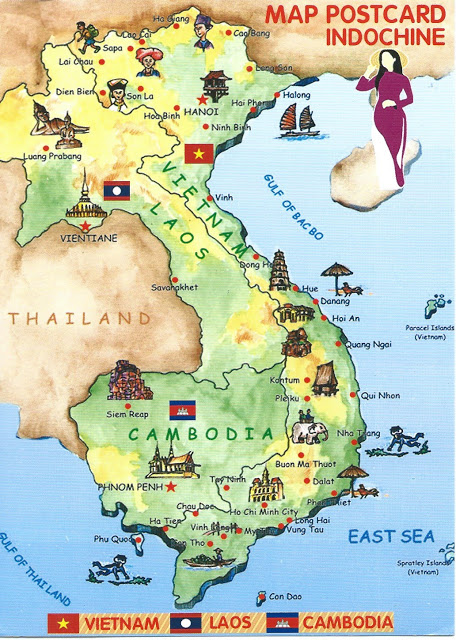
There are two interesting stories about the fonder of the Hindu Rule in Vietnam. Two thousand years ago the country was called Annam and Champa. When the French ruled the region, it was called Indo-China and Cochin- China. The Hindu rule was started by a Brahmin named Kaundinya. The inscriptions talk about two Kaundinyas. But there is nothing unusual in it because Kaundinya is a Gotra name. Whoever is born in the Gotra/clan call himself Kaundinya. They were well known in Tamil Nadu. We know three famous Kaundinyas. One was the saint who crossed the ocean and established Hindu rule in South East Asia (S E A) which lasted for over 1500 years. Another famous Kaundinya was the great Saivaite saint Thiru Jnana Sambandar who revived Saivism in Tamil Nadu 1400 years ago. The third Kaundinya was Vishnu Dasan in Purananuru of Sanagam Tamil Literature. He was a great Brahmin who performed Yagas and Yajnas and the ghee was flowing like river according to Tamil poet Avur Mulan Kizar (Verse 166 of Pura nanuru)
Now back
to Kaundinya of Vietnam. Once a follower of Hindu faith, directed by god in his
dream, came to Champa in a trading vessel. The female ruler of the kingdom came
to plunder the vessel, but was taken aback by the military power of the
Brahmana Kaundinya and his followers. She submitted to the new comer and
married him. Her name was Soma and she was the head of Nagas, the snake (race) people.
The story was recorded in the middle of third century by the Chinese. It is
echoed in an epigraphic record dated 657 CE in Cambodia.
In that
epigraph we hear that Brahmana Kaundinya married daughter of the Naga King, and
from this union sprang the royal family.
The Chinese records distort Sanskrit names beyond recognition. But from the history of both the countries and the period of rulers we are able to identify the Chinese names.
Kaundinya
was called Hen Tien in Chinese history.
Another story
about the foundation of Kambuja (Cambodia) says that the son of Indraprastha
was banished by his father for some misdeeds. He came to the kingdom and
defeated the Naga ruler and then married his daughter.
We see similar stories in Tamil epic Manmegalai, Pallava
history and Mahavamsa of Sri Lanka.
The story line is similar- one banished prince travels to a far-off
place, marries the local princess and start a new royal line.
The Chinese distortion of names must be understood to follow
the history of Vietnam. Since we have only inscriptions in Vietnam and no
written history we have to look at the written records in Chinese. Following
Sanskrit names are identified in Chinse records.
First King Sri Maran (192 CE) = Kiu -lien or
Fan-che-man
Indra varman or Shresta varman = Chelli ta pa mo
Kaundinya = Huen – tien
Jaya varman = Cho – ye- pa-mo
FUNAN = Phnom, biu nam (meaning mountain – Sailendra )
Yava dwipa = Ye- tiao
Deva varman =Tiao pien
R C Majumdhar, an authority on S E A History argues
that we see the influence of both South and North Indian cultures in S E An
countries.
So far, scholars agree that the script came through
the Pallava region and the architecture also is similar to the Pallava period. Place
names and Kings’ names and religious ideas and artefacts are from both North
and South India
But my research shows more similarities and the
scholars have missed those points until now.
Following are my discoveries:
1.The first King’s name SRI MARAN is a typical Tamil
Pandya king’s name. We don’t find such name anywhere in India except Pandya
Dynasty. Sri Maran’s name is documented in Tamil inscriptions and Tamil
literature
2.Vietnam’s Kate festival is similar to Pitru Paksha
and Mahalaya Amavasai of Hindus of India. Both pay homage to the departed souls
at the same period in similar ways.
3. Ram Navami and other Hindu festivals are
celebrated by Vietnam Hindus (Chams) with the names like Ram naung
4.We have two famous Kaundinyas in Tamil literature-
Purananuu (verse 166) and Thevaram of Sambandar.
5. There was a Tamil king with the title ‘the
Pandya who lost life in sea’ (Kadalul Maaintha Ilam Peruvazuthi). My opinion is
that he was one of the kings on sea expedition, may be travelling towards S E
A.
6.Most famous Pallava King Mahendra Varman ruled
from Kancheepuram in Tamil Nadu. At the same time there was one Mahendra Varman
in SEA.
7. Pasupata Cult , Kabalika cult are referred to in
Tamil Saivaite saints’ stories (Periya
Puranam etc). it existed in S E A
at the same time. We must find out who spread this to SEA.
8.Sanskrit Inscriptions, numbering over 800 are
found spread over a vast area from Vietnam to remote Borneo. We see Sanskrit
writing in Vietnam from second century CE and we see Mulavaraman Yupa
Inscription deep inside Borneo’s thick forest. How was is possible to spread
Sanskrit from one end of SEA to another end 1600 years ago?
There is much scope for research in the above areas
and the universities in both countries must come together and organise joint
research. One must know Sanskrit, Chinese and Tamil to study the ancient
history of S E An countries.
–subham —
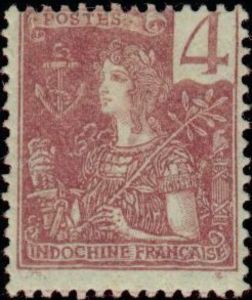
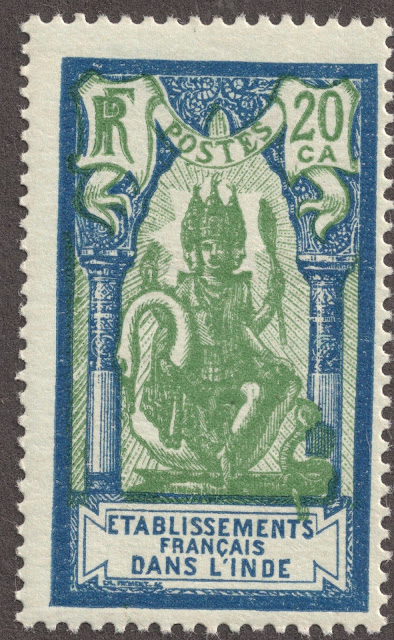
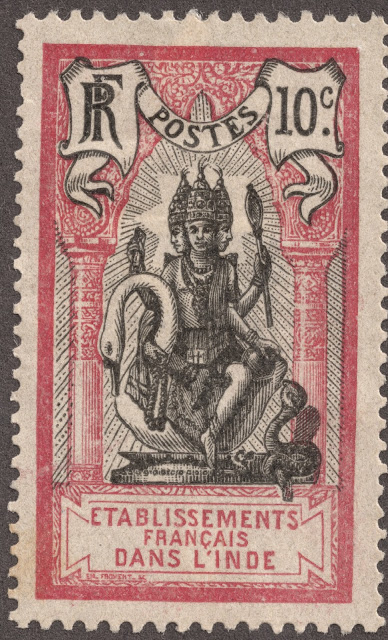
Brahma on Stamps
Following are my discoveries:
1.The first King’s name SRI MARAN is a typical Tamil Pandya king’s name. We don’t find such name anywhere in India except Pandya Dynasty. Sri Maran’s name is documented in Tamil inscriptions and Tamil literature.
2.Vietnam’s Kate festival is similar to Pitru Paksha and Mahalaya Amavasai of Hindus of India. Both pay homage to the departed souls at the same period in similar ways.
3. Ram Navami and other Hindu festivals are celebrated by Vietnam Hindus (Chams) with the names like Ram naung.
4.We have two famous Kaundinyas in Tamil literature- Purananuu (verse 166) and Thevaram of Sambandar.
5. There was a Tamil king with the title ‘the Pandya who lost life in sea’ (Kadalul Maaintha Ilam Peruvazuthi). My opinion is that he was one of the kings on sea expedition, may be travelling towards S E A.
6.Most famous Pallava King Mahendra Varman ruled from Kancheepuram in Tamil Nadu. At the same time there was one Mahendra Varman in SEA.
7. Pasupata Cult , Kabalika cult are referred to in Tamil Saivaite saints’ stories (Periya Puranam etc). it existed in S E A at the same time. We must find out who spread this to SEA.
8.Sanskrit Inscriptions, numbering over 800 are found spread over a vast area from Vietnam to remote Borneo. We see Sanskrit writing in Vietnam from second century CE and we see Mulavaraman Yupa Inscription deep inside Borneo’s thick forest. How was is possible to spread Sanskrit from one end of SEA to another end 1600 years ago?
There is much scope for research in the above areas and the universities in both countries must come together and organise joint research. One must know Sanskrit, Chinese and Tamil to study the ancient history of S E An countries.














 Tamil and Vedas