Pictures are taken from various sources for spreading knowledge; this is a non- commercial blog.
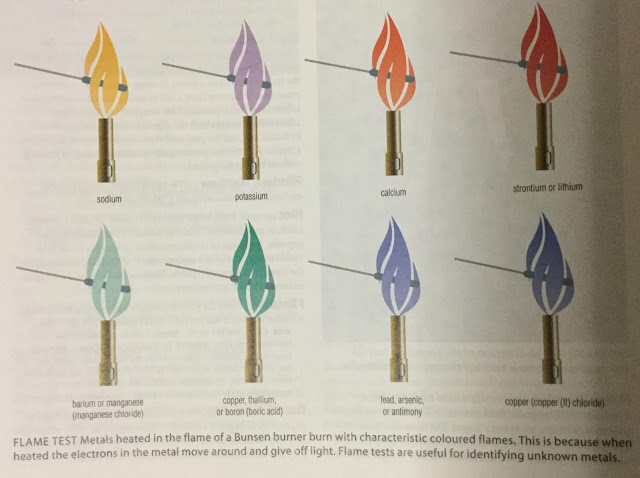
Barium flame in green colour
பேரியம் (Barium) என்னும் மூலகம் பற்றிய சுவையான விஷயங்களைக் காண்போம் . இதுவரை அமெரிஷியம், ஆர்செனிக், பிஸ்மத், காட்மியம், குரோமியம், கோபால்ட், க்யூரியம் , ப்ளோரின், அயொடின், லித்தியம், மக்னீஷியம், பொட்டாசியம், ரேடியம், செலீனியம் , தாலியம் , தோரியம், யுரேனியம் , துத்தநாகம், பாதரசம், மாலிப்டினம், நிக்கல் ஆகிய மூலகங்கள் பற்றிய சுவைமிகு செய்திகளை எடுத்துரைத்தேன். இன்று பேரியம் கஞ்சி (Barium Meal) சாப்பிடுவோம்.
உங்களுக்கு நன்றாகத் தெரிந்த மூலகம் / தனிமம் பேரியம். ஆனால் நீ ங்கள் கண்டுகொள்ளாமல் விட்டுவிட்டீர்கள் . தீபாவளி அன்றும் அதற்கு முன்னாலும் நீங்கள் விட்ட பச்சை மத்தாப்பில் பேரியம் உப்பு (Barium Nitrate and Barium Chlorate) இருப்பதால்தான் அது அப்படி சுடர்விட்டுப் பிரகாசித்தது . இது போல வாண வேடிக்கைகளிலும் பச்சை வர்ணத்தைக் கொணர பேரியம் அவசியம்.
யாருக்கேனும் வயிற்றில் நோவு ஏற்பட்டு சாதாரண சிகிச்சையில் குணப்படுத்த முடியாவிட்டால் உடனே டாக்டர்கள் உங்களை பேரியம் கஞ்சி குடிக்க (Barium Swallow Test) அனுப்பிவிடுவார். அதாவது எக்ஸ்ரே கருவிக்கு முன்னர் நிற்பதற்கு முன்னர் உங்களை ஒரு சுவையற்ற கஞ்சியைக் குடிக்கச் சொல்லுவார்கள். இது பின்னர் தீங்கின்றி மலத்துடன் வெளியேறிவிடும். ஏன் பேரிய உப்பிலான (Barium Sulfate) கஞ்சியைத் தருகிறார்கள்? இந்தப் பிரபஞ்சத்தில் உள்ள 118 மூலகங்களில் பேரியத்தை ஏன் பிரியத்துடன் தேர்ந்தெடுத்தார்கள்?
இந்தக் கஞ்சி பேரியம் சல்பேட்டினால் (Barium Sulfate) ஆனது. அது உப்பு வகைகளில் எளிதில் கரையாத உப்பு. மகா சண்டித்தனம் செய்யும். வயிற்றில் சுரக்கும் அமிலங்களும் கூட இதைக் கரைக்க முடியாது. உடலுக்குத் தீங்கும் விளைவிக்காது . இது வயிற்றின் வழியாக குடலில் பரவிய பின்னர் அப்பகுதிகளை ஸ்கேன் (Scan) செய்தால் ஏதேனும் உறுப்புகளில் நோய், நொடி இருந்தால் தெரிந்து விடும். எக்ஸ்ரே கதிர்களை உட்கொண்டு பேரியம் மட்டும் காட்சி தரும். தெளிவான எக்ஸ்ரே படம் கிடைப்பதால் டாக்டர்களின் பணியை எளிதாக்கிவிடும் .
பேரியம் கஞ்சி மலச் சிக்கலை உண்டாக்கும் . ஆகையால் நிறைய தண்ணீர் குடிக்கச் சொல்லுவார்கள். சில நாட்களுக்கு மலம் வெள்ளை நிறத்தில் இருக்கும். இதுதான் வெள்ளை நிற பேரியம் கஞ்சியின் மகிமை.
பொதுவாக பேரியம் எல்லா இடங்களிலும் இருக்கிறது. நம் உண்ணும் உணவு மூலமும் உள்ளே செல்கிறது. ஆனால் குறிப்பிட்ட பலன் எதுவும் இருப்பதாகத் தெரியவில்லை. காரட் , வெங்காயம், பீன்ஸ், தானிய வகைகள், பிரேஸில் நட் (Brazil Nut) எனப்படும் பருப்பு ஆகியவற்றில் இது அதிகம் காணப்படுகிறது பேரியம் கார்பனேட் போன்ற சில உப்புகள் உடலுக்குத் தீங்கிழைக்கும். இது எலி மருந்தில் கலக்கப்படுகிறது . சில வகை பேரிய உப்புக்கள் இதயத்தைப் படபடக்கச் செய்யும். அதிக அளவு உடலுக்குள் சென்றால் வாந்தி, வயிற்று போக்கு, பக்கவாதமும் வரும். ஆனால் முன்னர் கண்ட பேரியம் கஞ்சியினால் தீங்கு ஏற்படாது .
பேரியம் பற்றிய ஒரு அதிசயச் செய்தி
பச்சை நிற பாசிகளை(Algae) நாம் பார்க்கிறோம். இதில் ஒரு செல் மட்டுமுள்ள பாசி வகையை டெஸ்மீட்ஸ் (Desmids) என்பர். மழை நீர் மட்டுமே கிடைக்கும், சத்தான பொருட்கள் கிடைக்காத சதுப்பு நிலங்களில் கூட இவை வளரும். இதில் கிளாஸ்டிரியம் (Closterium) என்ற பாசி வகையை ஆராய்ந்ததில் அது முழுவதும் பேரியம் சல்பேட் படிகங்களை கொண்டிருந்தது. இது ஒரு மில்லிமீட்டர் நீளத்துக்குத்தான் வளரும். இந்தவகை பாசிகள் விஷமூட்டக்கூடிய அளவுக்கு பேரியமுள்ள இடங்களிலும் கூட வளருகின்றன. எதற்காக இவை பேரியம் சல்பேட் படிகங்களைச் சேர்க்கின்றன, எப்படி உயிர்வாழ்கின்றன என்று தெரியவில்லை. பேரியமும் கால்சியமும் ஏறத்தாழ ஒரே மாதிரி இருப்பதால் பாசி வகை இப்படிச் செய்கின்றன போலும்!
பேரியம் பற்றிய ரசாயன/ வேதியியல் செய்திகளைக் காண்போம்
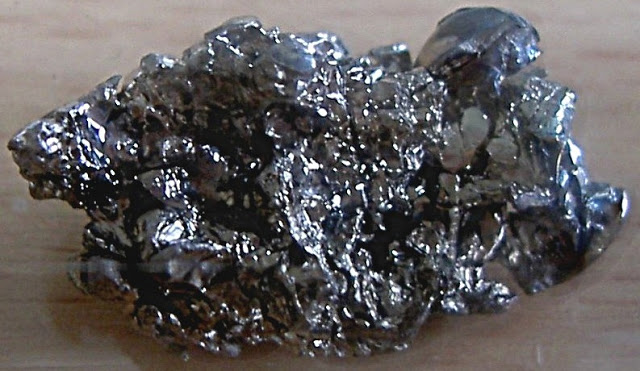
இது பூமியில் எங்கும் கிடைக்கும் . இது உலோக வகையைச சேர்ந்தது. வெள்ளி (Silvery white metal) நிறத்தில் இருக்கும். இரும்பின் அடர்த்தியில் பாதிதான் இதன் அடர்த்தி. இதற்கு எழுவகை ஐசடோப்புகள் இருக்கின்றன
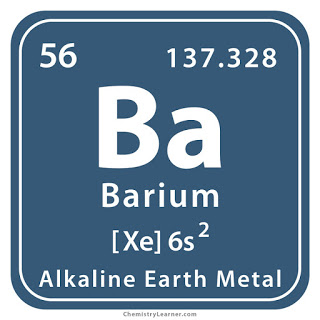
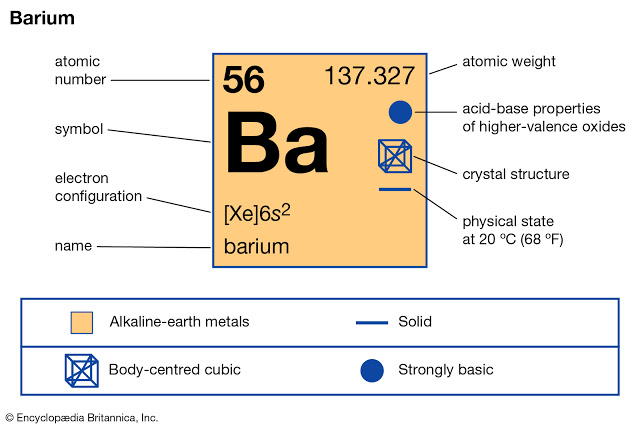
பேரியத்தின் குறியீடு – பிஏ Ba
அணு எண் – 56
உ ருகு நிலை – 729 டிகிரி ஸி /C
கொதி நிலை – 1637 டிகிரி ஸி/C
பொருளாதாரப் பயன்கள்
இது இதாலி , பிரிட்டன், அமெரிக்க, ஜெர்மனி, செக் குடியரசு நாடுகளில் வெட்டி எடுக்கப்படுகிறது. இவை பேரியம் சல்பேட் , கார்பனேட் வடிவத்தில் கிடைக்கின்றன.
Barium
பெனிடோட்( benitoite) என்பது அபூர்வமாகக் கிடைக்கும். இது ஒருவகை ரத்தினைக் கல். இதன் ரசாயனப் பெயர் பேரியம் டைட்டேனியம் சிலிகேட். (Barium titanium silicate ) இது நீலக் கல் போல இருக்கும்.
பேரியத்தை மற்ற உலோகங்களுடன் சேர்த்துப் பயன்படுத்துவர்.
1600ம் ஆண்டு வாக்கில் ஒரு இத்தாலியர் இதைக் கண்டுபிடித்தார். போலோக்நா (Bologna) எற ஊரில் கண்டுபிடித்ததால் முதலில் இதை போலோக்நா கல் (Bologna Stone) என்று அழைத்தனர். இதை வெப்பமாக்கினாலோ சூரிய ஒளியில் நீண்ட நேரம் வைத்திருந்தாலோ இது இரவில் பிரகாசிக்கும். அதற்குப் பின்னர் கார்ல் ஷீல் , டாக்டர் வில்லியம் விதரிங், ஹம்ப்ரி டேவி ஆகியோர் இதன் வெவ்வேறு உப்புக்களை ஆராய்ந்து அறிக்கை வெளியிட்டனர்.
Pictures are taken from various sources for spreading knowledge; this is a non- commercial blog.
ச.நாகராஜன்
கி.பி.ஆறாம் நூற்றாண்டில் பிதகோரஸ் கூட சூரியனிடமிருந்து வரும் ஒலியைக் கேட்டார். அதிர்வெண்களின் கலவையான ஆழ்ந்த ‘ஹம்’மின் எதிரொலி என அவர் அதை விவரித்தார்.
“ காதுகளினால் கேட்க முடியாதது என்றால் எப்படி பண்டைய கால ஹிந்துக்கள் இந்த மந்திரத்தைக் கேட்டனர்?
அவர்கள் பிரபஞ்ச பிரக்ஞையை ஊடுருவி அதை அறிந்து கொண்டனரோ?!”
மனிதன் பேசும் மொழியும் இயற்கையின் மொழியும் ஒலி அலையாக ஒலியின் வேகத்தை விஞ்சி பயணிக்க முடியாது என்பதால், மொழியானது தகவல் ரூபத்தில் ஒளியின் வேகத்தில் பயணித்து தன்னை எதிலும் சிக்கிக் கொள்ளாமல் மிக நுட்பமான சக்திகளாக மாறிப் பயணிக்கலாம்.
இதே போலவே, நாம் மனிதக் குரல்களை இசையாகவோ அல்லது ரேடியோ அலைகளாகவோ ஒளியின் வேகத்தில் அனுப்பலாம், நமது சொந்த உரையாடல்களையும் சொந்த ஆற்றல் வடிவையும் தகவலையும் அனுப்பலாம்!
நன்றி :- Truth Weekly Vol 87 issue 43 Dated 28-2-2020
**
இதன் ஆங்கில மூலத்தைக் கீழே காணலாம் :-
Snippets from Social Media
In the 6th century BC, the Pythagoras also heard the sound of the Sun and described it as a deep resonant hum with frequencies blended in to it. “How did the ancient Hindus know this mantra if it could not be heard by the human ear?” Could they have peered in to the universal consciousness and perceived it?” As human language and the language of nature cannot travel faster than the speed of sound as a sound wave, language as information could travel at speed of light and beyond by entangling itself on more subtle energies. In the same way, we can send human voices or music on radio waves at speed of light, we can send our own dialogue, personal energy signature and information.
Our Thanks to Truth
Source Truth Weekly Vol 87 issue 43 Dated 28-2-2020
Pictures are taken from various sources for spreading knowledge; this is a non- commercial blog.
Let us continue with the eleventh chapter of Manu smriti. I covered the first 99 slokas/ couplets in my last post on Manava Dharma Sastra.
Let me give my comments on some interesting rules or injunctions –
Following punishments are imposed on brahmins and may be on other two castes in the twice born category.
Though most of these are academic, some interesting rules deserve our attention-
1.Couplets 11-101 and 11- 105 talks about death sentence for theft and sex offence. Some commentators say that the sentence is symbolic which is equivalent to death sentence. Normally brahmins are not punished with death sentence. They are banished.
2.Sins or divided into mortal sins and minor sins (Maha Patakas and Upa patakas).
3.Couplet 11-111 tells us about Virasana. It is interesting to note that Asanas were used in punishments a few thousand years ago.
4.If a student commits an offence then he is asked to ‘sacrifice’ a donkey and wear the donkey skin and beg. See slokas 11-119 and 11-123.
Donkeys are always used to insult someone. King Kharavela of Orissa and Tamil Kings of Sangam age ploughed the land of enemies with donkeys.
5.Sloka/ couplet 11-127 tells us about fractions ¼, 1/8, 1/16 . This type of tables existed even when I studied in school. Indian currency also went up in 3 pies, 6 pies, then 4 annas, 8 annas, 16 annas equal to 192 pies; then India followed the decimal system of one rupee worth of 100 paisas. Even in Indus valley weights, wee see the old system.
6.From 11-132 onwards we see punishments for killing animals. This shows that Ahimsa was valued
7.From 11-143 we read about punishments for cutting tress and destroying plants. Environmental awareness existed even at the time of Manu. The world is raising such slogans only now. Manu was a great thinker with foresight.
8.In slokas 11-148, 11-149, 11-160 etc he talks about herbal treatments. We don’t know the actual effect of them on human body. But use of Ayur Veda is revealed by these slokas.
9.Punishments for drinking, adultery and other sex offences are also listed by Manu. He has touched all aspects of life and prescribed punishment or atonement. He was very strict with Brahmins.
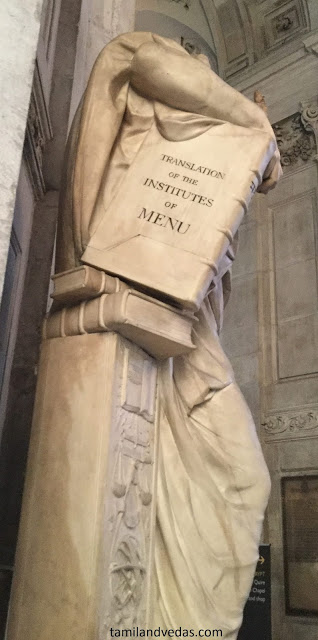
St Paul’s Cathedral in London
Now look at the translation of original slokas
GOLD THEFT
11-100. A Brahmana who has stolen the gold of a Brahmana shall go to the king and, confessing his deed, say, ‘Lord, punish me!’
11-101. Taking from him the club (which he must carry), the king himself shall strike him once, by his death the thief becomes pure; or a Brahmana may purify himself by austerities.
102. He who desires to remove by austerities the guilt of stealing the gold of a Brahmana, shall perform the penance prescribed for the slayer of a Brahmana, (living) in a forest and dressed in garments made of bark.
103. By these penances a twice-born man may remove the guilt incurred by a theft (of gold); but he may atone for connexion with a Guru’s wife by the following penances.
MAHA PATAKAS
DEATH SENTENCE FOR SEX OFFENCE
11-104. He who has violated his Guru’s bed, shall, after confessing his crime, extend himself on a heated iron bed, or embrace the red-hot image of a woman; by dying he becomes pure;
11- 105. Or, having himself cut off his organ and his testicles and having taken them in his joined hands, he may walk straight towards the region of Nirriti (the south-west), until he falls down dead;
106. Or, carrying the foot of a bedstead, dressed in garments of bark and allowing his beard to grow, he may, with a concentrated mind, perform during a whole year the Krikkhra (or hard, penance), revealed by Pragapati, in a lonely forest;
107. Or, controlling his organs, he may during three months continuously perform the lunar penance, (subsisting) on sacrificial food or barley-gruel, in order to remove (the guilt of) violating a Guru’s bed.
MINOR OFFENCES- UPA PATAKAS
11-108. By means of these penances men who have committed mortal sins (Maha pataka) may remove their guilt, but those who committed minor offences, causing loss of caste, (Upapataka, can do it) by the various following penances.
109. He who has committed a minor offence by slaying a cow (or bull) shall drink during (the first) month (a decoction of) barley-grains; having shaved all his hair, and covering himself with the hide (of the slain cow), he must live in a cow-house.
110. During the two (following) months he shall eat a small (quantity of food) without any factitious salt at every fourth meal-time, and shall bathe in the urine of cows, keeping his organs under control.
VIRASANA
11-111. During the day he shall follow the cows and, standing upright, inhale the dust (raised by their hoofs); at night, after serving and worshipping them, he shall remain in the (posture, called) virasana.
112. Controlling himself and free from anger, he must stand when they stand, follow them when they walk, and seat himself when they lie down.
113. (When a cow is) sick, or is threatened by danger from thieves, tigers, and the like, or falls, or sticks in a morass, he must relieve her by all possible means:
114. In heat, in rain, or in cold, or when the wind blows violently, he must not seek to shelter himself, without (first) sheltering the cows according to his ability.
115. Let him not say (a word), if a cow eats (anything) in his own or another’s house or field or on the threshing-floor, or if a calf drinks (milk).
116. The slayer of a cow who serves cows in this manner, removes after three months the guilt which he incurred by killing a cow.
117. But after he has fully performed the penance, he must give to (Brahmanas) learned in the Veda ten cows and a bull, (or) if he does not possess (so much property) he must offer to them all he has.
118. Twice-born men who have committed (other) minor offences (Upapataka), except a student who has broken his vow (Avakirnin), may perform, in order to purify themselves, the same penance or also a lunar penance.
ONE EYED ASS
11-119. But a student who has broken his vow shall offer at night on a crossway to Nirriti a one-eyed ass, according to the rule of the Pakayagnas.
120. Having offered according to the rule oblations in the fire, he shall finally offer (four) oblations of clarified butter to Vata, to Indra, to the teacher (of the gods, Brihaspati) and to Agni, reciting the Rik verse ‘May the Maruts grant me,’ &c.
121. Those who know the Veda declare that a voluntary effusion of semen by a twice-born (youth) who fulfils the vow (of studentship constitutes) a breach of that vow.
122. The divine light which the Veda imparts to the student, enters, if he breaks his vow, the Maruts, Puruhuta (Indra), the teacher (of the gods, Brihaspati) and Pavaka (Fire).
DONKEY SKIN
11-123. When this sin has been committed, he shall go begging to seven houses, dressed in the hide of the (sacrificed) ass, proclaiming his deed.
124. Subsisting on a single (daily meal that consists) of the alms obtained there and bathing at (the time of) the three savanas (morning, noon, and evening), he becomes pure after (the lapse of) one year.
125. For committing with intent any of the deeds which cause loss of caste (Gatibhramsakara), (the offender) shall perform a Samtapana Krikkhra; (for doing it) unintentionally, (the Krikkhra) revealed by Pragapati.
126. As atonement for deeds which degrade to a mixed caste (Samkara), and for those which make a man unworthy to receive gifts (Apatra), (he shall perform) the lunar (penance) during a month; for (acts) which render impure (Malinikaraniya) he shall scald himself during three days with (hot) barley-gruel.
¼ , 1/8 , 1/16
11-127. One fourth (of the penance) for the murder of a Brahmana is prescribed (as expiation) for (intentionally) killing a Kshatriya, one-eighth for killing a Vaisya; know that it is one-sixteenth for killing a virtuous Sudra.
128. But if a Brahmana unintentionally kills a Kshatriya, he shall give, in order to purify himself, one thousand cows and a bull;
129. Or he may perform the penance prescribed for the murderer of a Brahmana during three years, controlling himself, wearing his hair in braids, staying far away from the village, and dwelling at the root of a tree.
130. A Brahmana who has slain a virtuous Vaisya, shall perform the same penance during one year, or he may give one hundred cows and one (bull).
131. He who has slain a Sudra, shall perform that whole penance during six months, or he may also give ten white cows and one bull to a Brahmana.
PUNISHMENTS KILLING ANIMALS
11-132. Having killed a cat, an ichneumon, a blue jay, a frog, a dog, an iguana, an owl, or a crow, he shall perform the penance for the murder of a Sudra;
133. Or he may drink milk during three days, or walk one hundred yoganas, or bathe in a river, or mutter the hymn addressed to the Waters.
134. For killing a snake, a Brahmana shall give a spade of black iron, for a eunuch a load of straw and a masha of lead;
135. For a boar a pot of clarified butter, for a partridge a drona of sesamum-grains, for a parrot a calf two years old, for a crane (a calf) three years old.
136. If he has killed a Hamsa, a Balaka, a heron, a peacock, a monkey, a falcon, or a Bhasa, he shall give a cow to a Brahmana.
137. For killing a horse, he shall give a garment, for (killing) an elephant, five black bulls, for (killing) a goat, or a sheep, a draught-ox, for killing a donkey, (a calf) one year old;
138. But for killing carnivorous wild beasts, he shall give a milch-cow, for (killing) wild beasts that are not carnivorous, a heifer, for killing a camel, one krishnala.
139. For killing adulterous women of the four castes, he must give, in order to purify himself, respectively a leathern bag, a bow, a goat, or a sheep.
140. A twice-born man, who is unable to atone by gifts for the slaughter of a serpent and the other (creatures mentioned), shall perform for each of them, a Krikkhra (penance) in order to remove his guilt.
141. But for destroying one thousand (small) animals that have bones, or a whole cart-load of boneless (animals), he shall perform the penance (prescribed) for the murder of a Sudra.
142. But for killing (small) animals which have bones, he should give some trifle to a Brahmana; if he injures boneless (animals), he becomes pure by a suppressing his breath (pranayama).
PUNISHMENTS FOR CUTTING TREES
11-143. For cutting fruit-trees, shrubs, creepers, lianas, or flowering plants, one hundred Rikas must be muttered.
144. (For destroying) any kind of creature, bred in food, in condiments, in fruit, or in flowers, the expiation is to eat clarified butter.
145. If a man destroys for no good purpose plants produced by cultivation, or such as spontaneously spring up in the forest, he shall attend a cow during one day, subsisting on milk alone.
146. The guilt incurred intentionally or unintentionally by injuring (created beings) can be removed by means of these penances; hear (now, how) all (sins) committed by partaking of forbidden food (or drink, can be expiated).
PUNISHMENTS FOR DRINKING
11-147. He who drinks unintentionally (the spirituous liquor, called) Varuni, becomes pure by being initiated (again); (even for drinking it) intentionally (a penance) destructive to life must not be imposed; that is a settled rule.
11-148. He who has drunk water which has stood in a vessel used for keeping (the spirituous liquor, called) Sura, or other intoxicating drinks, shall drink during five (days and) nights (nothing but) milk in which the Sankhapushpi (plant) has been boiled.
11-149. He who has touched spirituous liquor, has given it away, or received it in accordance with the rule, or has drunk water left by a Sudra, shall drink during three days water in which Kusa-grass has been boiled.
150. But when a Brahmana who has partaken of Soma-juice, has smelt the odour exhaled by a drinker of Sura, he becomes pure by thrice suppressing his breath in water, and eating clarified butter.
151. (Men of) the three twice-born castes who have unintentionally swallowed ordure or urine, or anything that has touched Sura, must be initiated again.
152. The tonsure, (wearing) the sacred girdle, (carrying) a staff, going to beg, and the vows (incumbent on a student), are omitted on the second initiation of twice-born men.
153. But he who has eaten the food of men, whose food must not be eaten, or the leavings of women and Sudras, or forbidden flesh, shall drink barley (-gruel) during seven (days and) nights.
154. A twice-born man who has drunk (fluids that have turned) sour, or astringent decoctions, becomes, though (these substances may) not (be specially) forbidden, impure until they have been digested.
URINE DRINKING
11-155. A twice-born man, who has swallowed the urine or ordure of a village pig, of a donkey, of a camel, of a jackal, of a monkey, or of a crow, shall perform a lunar penance.
156. He who has eaten dried meat, mushrooms growing on the ground, or (meat, the nature of) which is unknown, (or) such as had been kept in a slaughter-house, shall perform the same penance.
157. The atonement for partaking of (the meat of) carnivorous animals, of pigs, of camels, of cocks, of crows, of donkeys, and of human flesh, is a Tapta Krikkhra (penance).
158. If a twice-born man, who has not returned (home from his teacher’s house), eats food, given at a monthly (Sraddha,) he shall fast during three days and pass one day (standing) in water.
159. But a student who on any occasion eats honey or meat, shall perform an ordinary Krikkhra (penance), and afterwards complete his vow (of studentship).
HERBAL TREATMENT
11-160. He who eats what is left by a cat, by a crow, by a mouse (or rat), by a dog, or by an ichneumon, or (food) into which a hair or an insect has fallen, shall drink (a decoction of) the Brahmasuvarkala (plant).
161. He who desires to be pure, must not eat forbidden food, and must vomit up such as he has eaten unintentionally, or quickly atone for it by (various) means of purification.
162. The various rules respecting penances for eating forbidden food have been thus declared; hear now the law of those penances which remove the guilt of theft.
11-PUNISHMENTS FOR THEFT
163. The chief of the twice-born, having voluntarily stolen (valuable) property, grain, or cooked food, from the house of a caste-fellow, is purified by performing Krikkhra (penances) during a whole year.
164. The lunar penance has been declared to be the expiation for stealing men and women, and (for wrongfully appropriating) a field, a house, or the water of wells and cisterns.
165. He who has stolen objects of small value from the house of another man, shall, after restoring the (stolen article), perform a Samtapana Krikkhra for his purification.
166. (To swallow) the five products of the cow (pankagavya) is the atonement for stealing eatables of various kinds, a vehicle, a bed, a seat, flowers, roots, or fruit.
167. Fasting during three (days and) nights shall be (the penance for stealing) grass, wood, trees, dry food, molasses, clothes, leather, and meat.
168. To subsist during twelve days on (uncooked) grains (is the penance for stealing) gems, pearls, coral, copper, silver, iron, brass, or stone.
169. (For stealing) cotton, silk, wool, an animal with cloven hoofs, or one with uncloven hoofs, a bird, perfumes, medicinal herbs, or a rope (the penance is to subsist) during three days (on) milk.
PUNISHMENTS FOR SEX OFFENCES
11-170. By means of these penances, a twice-born man may remove the guilt of theft; but the guilt of approaching women who ought not to be approached (agamya), he may expiate by (the following) penances.
171. He who has had sexual intercourse with sisters by the same mother, with the wives of a friend, or of a son, with unmarried maidens, and with females of the lowest castes, shall perform the penance, prescribed for the violation of a Guru’s bed.
172. He who has approached the daughter of his father’s sister, (who is almost equal to) a sister, (the daughter) of his mother’s sister, or of his mother’s full brother, shall perform a lunar penance.
173. A wise man should not take as his wife any of these three; they must not be wedded because they are (Sapinda-) relatives, he who marries (one of them), sinks low.
174. A man who has committed a bestial crime, or an unnatural crime with a female, or has had intercourse in water, or with a menstruating woman, shall perform a Samtapana Krikkhra.
175. A twice-born man who commits an unnatural offence with a male, or has intercourse with a female in a cart drawn by oxen, in water, or in the day-time, shall bathe, dressed in his clothes.
176. A Brahmana who unintentionally approaches a woman of the Candala or of (any other) very low caste, who eats (the food of such persons) and accepts (presents from them) becomes an outcast; but (if he does it) intentionally, he becomes their equal.
ADULTERY
11-177. An exceedingly corrupt wife let her husband confine to one apartment, and compel her to perform the penance which is prescribed for males in cases of adultery.
178. If, being solicited by a man (of) equal (caste), she (afterwards) is again unfaithful, then a Krikkhra and a lunar penance are prescribed as the means of purifying her.
179. The sin which a twice-born man commits by dallying one night with a Vrishali, he removes in three years, by subsisting on alms and daily muttering (sacred texts).
180. The atonement (to be performed) by sinners (of) four (kinds) even, has been thus declared; hear now the penances for those who have intercourse with outcasts.
181. He who associates with an outcast, himself becomes an outcast after a year, not by sacrificing for him, teaching him, or forming a matrimonial alliance with him, but by using the same carriage or seat, or by eating with him.
182. He who associates with any one of those outcasts, must perform, in order to atone for (such) intercourse, the penance prescribed for that (sinner).
183. The Sapindas and Samanodakas of an outcast must offer (a libation of) water (to him, as if he were dead), outside (the village), on an inauspicious day, in the evening and in the presence of the relatives, officiating priests, and teachers.
184. A female slave shall upset with her foot a pot filled with water, as if it were for a dead person; (his Sapindas) as well as the Samanodakas shall be impure for a day and a night;
185. But thenceforward it shall be forbidden to converse with him, to sit with him, to give him a share of the inheritance, and to hold with him such intercourse as is usual among men;
186. And (if he be the eldest) his right of primogeniture shall be withheld and the additional share, due to the eldest son; and his stead a younger brother, excelling in virtue, shall obtain the share of the eldest.
187. But when he has performed his penance, they shall bathe with him in a holy pool and throw down a new pot, filled with water.
188. But he shall throw that pot into water, enter his house and perform, as before, all the duties incumbent on a relative.
189. Let him follow the same rule in the case of female outcasts; but clothes, food, and drink shall be given to them, and they shall live close to the (family-) house.
190. Let him not transact any business with unpurified sinners; but let him in no way reproach those who have made atonement.
191. Let him not dwell together with the murderers of children, with those who have returned evil for good, and with the slayers of suppliants for protection or of women, though they may have been purified according to the sacred law.
192. Those twice-born men who may not have been taught the Savitri (at the time) prescribed by the rule, he shall cause to perform three Krikkhra (penances) and afterwards initiate them in accordance with the law.
193. Let him prescribe the same (expiation) when twice-born men, who follow forbidden occupations or have neglected (to learn) the Veda, desire to perform a penance.
tags- Manu, Brahmins, Death sentence, Cutting trees, Killing animals
Pictures are taken from various sources for spreading knowledge; this is a non- commercial blog.
தூய தமிழ் மொழி இயக்கம்
நீண்ட காலமாக பல அறிஞர்கள் தூய தமிழ் மொழிக் கொள்கையை வலியுறுத்தி வருகின்றனர். இதன் படி பிற மொழிச் சொற்களே கலக்காமல் பேச வேண்டும், எழுத வேண்டும் என்று அவர்கள் வலியுறுத்துகிறார்கள். எந்த ஒரு மொழியும் தூய்மையாக இருக்க வேண்டும், அதில் பிற மொழிச் சொற்கள் கலக்கக்கூடாது என்று விரும்புவது நியாயமான ஆசைதான். ஆனால் இது முடியுமா?
இதற்கு விடை காண்பதற்கு முன்னர் (1).உலகில் எங்காவது, எந்த மொழியிலாவது இப்படி நடந்து இருக்கிறதா?
(2).அதனால் லாபமா, நஷ்டமா?
(3).அந்தக் குறிப்பிட்ட மொழி தோன்றிய காலத்தில் இப்படி இருந்ததா என்றும் பார்க்க வேண்டும். எனக்குத் தெரிந்த வரை பழங்கால மொழிகளில் இப்படி இருந்ததில்லை. உடனே இதற்கு என்ன ஆதாரம் என்று கேட்கலாம்.
எகிப்திய, பாபிலோனிய, சீன, மாயா, இந்தியா நாகரீகங்களின் துவக்க கால வரலாற்றைப் படித்தால் பல சொற்களுக்கு எல்லோரும் ஏற்கும் விளக்கம் கிடைப்பதில்லை ‘இதிலிருந்து வந்திருக்கலாம்’, ‘அதிலிருந்து வந்திருக்கலாம்’ என்று ஊகங்களே உள்ளன. ஏன்?
வணிகத் தொடர்பாலும், திருமண உறவுகளாலும், படை எடுப்புகளாலும் மொழிக் கலப்பும், புதிய சொற்களின் பிறப்பும் தோன்றின. இப்பொழுது தமிழ் மொழியை மட்டும் எடுத்துக்கொள்வோம்.
தமிழில் எந்த ஒரு காலத்திலும் மொழிக் கலப்பில்லாமல் இருந்தது இல்லை. ஆனால் காலப்போக்கில் பிற மொழிக் கலப்பு அதிகரித்தது என்பது உண்மை.
சங்க காலத்தில் 18 நூல்கள் இருந்தன. அவற்றை நாம் பத்துப் பாட்டு எட்டுத் தொகை என்போம். அவைகளில் மிகவும் பழைய நூல்களில் ஒன்று புற நானூறு. அந்த நூலில் வட நாட்டில் இருந்த நம்பிக்கைகள் பேசப்படுகின்றன. வடக்கே போற்றப்பட்டவர்களும் போற்றப்படுகின்றனர். புலவர்களின் பல பெயர்களும் சம்ஸ்கிருதப் பெயர்களாக உள்ளன.
சில எடுத்துக் காட்டுகளைக் காண்போம்:
உறையூர் மருத்துவன் தாமோதரனார்
கருவூர் பெருஞ் சதுக்கத்துப் பூத நாதனார்
உலோச்சனார்
கோடை பாடிய பெரும்பூதனார்
சங்க வருணர் என்னும் நாகரியர்
கோசிகனார் (கௌசிகன்)
கவுணியன் (கவுண்டின்ய கோத்ரம்)
கபிலர்
பரணர்
பூதப் பாண்டியன் தேவி
பெரும் பதுமனார்
வான்மீகி
பிரமனார்
சங்க இலக்கியம் முழுதும் எடுத்துக்கொண்டால் இன்னும் நிறைய பெயர்கள் கிடைக்கின்றன.
இது தவிர பல பாடல்களில் நாகன் (மருதன் இள நாகன்) என்று வருகிறது. இந்த நாகன் என்ற பெயருடைய மக்களை குப்தர் கால கல்வெட்டுகளிலும் காண்கிறோம்.
மேலும் சாத்தன், மாசத்தன் என்பன மஹாசாஸ்தா என்பதன் தமிழ் வடிவம் ஆகும். நிலம் வழியாக வணிகம் செய்தோர் சாத்தன், கடல் வழியாக வணிகம் செய்தோர் நாயகன் எனப்பட்டனர். சிலப்பதிகாரத்திலும் மாநாய்க்கன், மாசாத்தனைக் காண்கிறோம். பல சங்கப் புலவர்களின் கோத்திரப் பெயர்களும் புலவர் பெயர்களுடன் இணைந்துள்ளன. இவை சொல்லும் செய்தி என்ன?
எவரும் வெட்கப்பட்டோ அல்லது மொழியின்பால் பேரன்பு கொண்டோ தங்கள் பெயர்களை பரிதிமாற் கலைஞர், நெடுஞ்செழியன், மதி அழகன் என்று மாற்றவில்லை. அதாவது தனித் தமிழ்தான் வேண்டும் என்று முனைப்பு காட்டவில்லை.
புனித வதி, திலக வதி, பரம தத்தன்
புற நானூற்றிலிருந்து சில நூறு ஆண்டுகள் தள்ளி வருவோம். அப்பர் சகோதரியின் பெயர் திலகவதி. அவருக்கு முன் வாழ்ந்த காரைக்கால் அம்மையாரின் இயற்பெயர் புனிதவதி. அவர் கணவர் பெயரோ பரம தத்தன். ஆக பிராமணர் இல்லாத குடும்பங்களிலும் கூட சம்ஸ்கிருதப் பெயர்களைச் சூட்டிக்கொண்டனர். மொழிக் காழ்ப்புணர்ச்சியோ, தூய தமிழ்தான் இருக்க வேண்டும் என்றோ ஒரு வெறி இல்லை.
சிந்து சமவெளி எழுத்துக்களை ஆராய்ந்த சில அறிஞர்கள் சிந்து சமவெளியில் பின்னொட்டுகள் (SUFFIX) அதிகம் இருப்பதால் அது திராவிட குடும்பத்தை சேர்ந்தாக இருக்கலாம் என்றனர். ஆனால் சிந்து சம வெளி முத்திரைகளில் தமிழ்ப் பெயர்கள் இருப்பதாகக் கற்பனை செய்வோம். அப்போது நல், தொல், இள, முது, முதலியனவும் இருக்கலாமே. இந்த முன்னொட்டுகளுடன் நிறைய சங்கப் புலவர்கள் உளர்.
இந்த முன்னொட்டுக்ளை நாம் சம்ஸ்கிருதப் பெயர்களிலும் காண்கிறோமே.
பல புலவர், மன்னர், குறு நில மன்னர் பெயர்களில் இளம், முது, நல், தொல் முதலிய முன்னொட்டுகளைக் காண்கிறோம். சம்ஸ்கிருதத்தில் சுமதி, சுகந்தி, சுநீதி என்று பெயர் இருந்தது போல தமிழ்ப் புலவர்களும் நக்கீரன், நச்செள்ளை, நக்கண்ணை என்று வைத்துக்கொண்டனர்.
தற்காலத்துக்கு வருவோம்
சென்னை ஆட்டோ ரிக்ஷாக்கார்களும், வண்டிக்காரகளும் சர்வ சாதாரணமாக வசைபாடும் சொல்` ஏய் கசுமாலம்!` இது தூய சம்ஸ்கிருதச் சொல். பகவத் கீதையில் அர்ஜுனனைத் திட்டும் கிருஷ்ணன் உனக்கு அழுக்கான/கஸ்மலம் (அசிங்கமான) எண்ணம் எங்கிருந்து வந்தது என்று கேட்கிறார் (கீதை 2-2)
நாம் மிகவும் பயன்படுத்தும் திராவை, சுள்ளான் முதலியன யஜூர் வேதத்தில் ருத்ரம் சமகம் மந்திரங்களில் அதே பொருளில் வருகின்றன. தமிழ் இல்லாத வசவுகள் என்று நாம் எண்ணும் போக்ரி(பயல்) துக்ரிப் (பயல்) என்பன உண்மையில் தூய தமிழ்சொற்கள். அவை அப்பர் பயன்படுத்தும் வசவுகள்! போக்கிலி – போக்கிரி, துக்ரி- தூக்கிலி என்பனவாகும் என்னை சரியான போக்கு இல்லதவனாகவும் நல்லது கெட்டதை தூக்கி எடை போடத் தெரியாதவானவும் ஆக்கிவிட்டாயே (சமண மதத்தில் இருந்த காலத்தில்) என்று வருந்துகிறார் அப்பர் பெருமான்.
இன்னும் ஒரே ஒரு எடுத்துக் காட்டைப் பார்ப்போம். காமம், மனது, உலகம், காரணம், குணம்,தானம் தவம்— இப்படி எவ்வளவோ சம்ஸ்க்ருத சொற்களை திருவள்ளுவர் பயன்படுத்துவது போலவே நாமும் தாராளமாகப் பயன் படுத்துகிறோம். இந்த விஷயத்தில் ஐயன் வள்ளூவன் எல்லோருக்கும் ஒருபடி முன்னால் நிற்கிறான். அவனது காலம் கி.மு. 31 என்று நாம் நம்புவோமானால் அவன் தான் சம்ஸ்கிருததை தைரியமாக பாடலின் துவக்கத்தில் பயன்படுத்திய முதல் புலவன்; `தானம் தவம் இரண்டும்`, `குணம் என்னும் குன்றேறி; என்றெல்லாம் குறள்களை சம்ஸ்கிருதத்திலேயே துவக்குகிறான்.
கடைசியாக இன்று ஒருவர் இருதய அறுவைச் சிகிச்சைக்காக மருத்துவ மனையில் சேர்க்கப்பட்டதாக நாம் வைத்துக்கொள்வோம். இருதயத்துக்குத் தமிழ் சொல் இருக்கிறதா? இல்லை. மாரடைப்பு நோய் வந்தது, நெஞ்சு வலி வந்தது என்று எல்லாம் சொல்லலாம். ஆனால் இருதயத்தின் குழாயில் உள்ள அடைப்பை நீக்குவது பற்றியோ இருதயத்தில் ஆபரேஷன் செய்தது பற்றியோ சொல்லும் போது உள்ளம் நெஞ்சு, மார்பு என்ற சொற்கள் உதவாது. பழைய தமிழ் மருத்துவ நூல்களிலும் இருதயம்/ இதயம் தான் உள்ளது.
ஆக நாம் ஆங்கிலத்தைக் கலக்காமல் தூய தமிழில் பேச முயற்சிப்போம்; வள்ளுவன் பயன் படுத்தியது போல சம்ஸ்கிருதச் சொற்களைத் தேவையான அளவுக்கு தேவையான இடத்தில் மட்டும் பயன்படுத்துவோம்.
என்னுடைய ஆராய்ச்சியில் ஹ்ருத்—ஹார்ட் heart —குருத்து– என்பன ஒரே ஒலி அடிப்படையில் பிறந்தது என்று தெரிகிறது. ஹ்ருத் என்பது ஹார்ட் என்று ஆங்கிலத்தில் வந்ததை உலகம் ஒப்புக்கொள்கிறது. ஆனால் அந்த ‘ஹ்ருத்’ துக்கும் குருத்துக்கும் உள்ள தொடார்பை என்னால் சங்க இலக்கியத்தில் காட்ட முடியவில்லை; ஆகையால் இன்று வரை நாமும் இதய அறுவைச் சிகிச்சை என்ற சம்ஸ்க்ருதச் சொல்லையே சொல்ல வேண்டியுள்ளாது.
சம்ஸ்கிருதமும் தமிழும் படித்தவர்கள் ஒருவரை ஒருவர் கிண்டல் செய்வதுண்டு. எவ்வாறு?
முகமில்லாத மொழி தமிழ்
வாயில்லாத மொழி சம்ஸ்கிருதம்
என்று. ஏனெனில் தமிழில் முகம் என்பதற்கு இணையான சொல் இல்லை. மூஞ்சி என்பது இழி மொழியாகப் பயன்படுகிறது. அதே போல சம்ஸ்கிருதத்தில் வாய் என்பதற்கு இணையான சொல் இல்லை. இதனால் அந்த மொழி தாழ்ந்து போகாது. ஆங்கிலத்தில் உள்ள ஷேக்ஸ்பியர், ஜேம்ஸ், ஜூலி என்பதை தமிழ் எழுத்துக்களை மட்டும் வைத்து எழுதமுடியாது ஆகையால்தான் கிரந்த எழுத்து உருவாக்கப்பட்டது. பல சம்ஸ்கிருத, ஐரோப்பிய மொழிச் சொற்களை உச்சரிப்புப் படி எழுத கிரந்த எழுத்துக்கள் பயன்படுகின்றன. இதே போல தமிழில் உள்ள ல, ள, ழ ஆகியன தமிழுக்கே உரித்தான ஒலிகள். ஆக எல்லா மொழிகளும் ஏதோ ஒரு வகையில் குறைபாடுடைத்தே. இதனால் ஒரு மொழி பின்தங்காது என்பதற்கும் பிறமொழிச் சொற்களை ஏற்றும் உலகின் முதல் சமூகமாக இருக்க முடியும் என்பதற்கும் ஆங்கிலமே சான்று.
சிந்தனைக்கு ஒரு விசயம் சொல்கிறேன்.
எந்தக் கால தமிழ் பத்திரிக்கையையும் எடுங்கள். ஏதேனும் இரண்டோ மூன்று பக்கங்களோ எடுங்கள். தமிழ் மொழி இல்லாத பிற சொற்களை வண்ண (Colour Ink) மையால் அடிக்கோடு இடுங்கள்.
ஏதேனும் ஒருவர் பேச்சை ஐந்து நிமிடங்களுக்கு பதிவு செய்யுங்கள். உங்கள் அண்ணன் தம்பி, அம்மா, அப்பா, அக்கா, தங்கையாகக் கூட இருக்கலாம். அவர்கள் பேசிய பேச்சில் எத்தனை பிற மொழிச் சொற்கள் உள்ளன என்பதைக் கணக்கிடுங்கள்.
அட, நீங்களே உங்கள் நண்பருக்கு போன் செய்யுங்களேன். அவரோ நீங்களோ ஐந்து நிமிடங்களுக்குக் கூட சம்ஸ்கிருதம் இல்லமல் பேச முடியாது.!!
மொழியின் தூய்மையைப் பாதுகாப்போம். ஆயினும் தெய்வத்தின் பெயர்களையும் உங்கள் அம்மா அப்பா பெயர்களையும் உங்கள் ஊர் பெயர்களையும் மாற்றத் தேவை இல்லை. பாரதியும் வள்ளலாரும் காட்டிய வழியைப் பின்பற்றுவோம்.
4 Sep 2018 – ரிக் வேதத்தில் தமிழ் சொற்கள்! (Post No.5392). RESEARCH ARTICLE WRITTEN BY LONDON SWAMINATHAN. swami_48@yahoo.com. Date: 4 September 2018. Time uploaded in London – 6-34 am …
ரிக் வேதத்தில் தமிழ் சொற்கள்! (Post No.5392). RESEARCH ARTICLE WRITTEN BY LONDON SWAMINATHAN. swami_48@yahoo.com. Date: 4 September 2018. Time uploaded in London – 6-34 am (British Summer …
13 Apr 2012 – Kerala Royal Lady-Painting by Raja Ravivarma திராவிடா என்ற ஒரு பெண்ணின் பெயர் … பிந்துவின் காலம் கி.மு.1320. இந்த அரசர் வரிசை புராணங்களில் …
6 May 2019 – பரத = பா+ரா+தா & ந்ருத்யம், ந்ருத்தம் வேறுபாடு (Post No.6349) … ((posted by swamiindology.blogspot.com AND tamilandvedas.com)) … வேதத்தில் பரத நாட்டியம்! JR.
17 Sep 2017 – பெண்ணின் மனம்: ரிக் வேதம், ஷேக்ஸ்பியர், தமிழ் பாட்டு ஒப்பீடு (Post No.4220). Written by London … tamilandvedas.com/tag/பெண்களின்… Posts about …
முதலையைக் கொலுசினால் கன்னத்தில் உதைத்த பெண்! … don’t use them without permission; this is a non- commercial, educational blog; posted in swamiindology.blogspot.com and tamilandvedas.com simultaneously. …. என் மனம் தொட்டு ஏக்கமும்பட்டு
20 Aug 2018 – ரிக்வேத ஆராய்ச்சியில் கிடைத்த ஒன்பது விஷயங்கள்! (Post No.5342) … இது கிரேக்க சாம்ராஜ்யத்தில் உண்டு. பெரிய … ஒன்பது செல்வங்கள், நவராத்ரி தேவதைகள் (post No.7153)In “சமயம். தமிழ்”.
கம்ப ராமாயணம் ஆறு காண்டங்களைக் கொண்டது. இதில் 116 படலங்கள் உள்ளன. பாடல்கள் 10500 முதல் 10576 வரை உள்ளன. சில பாடல்கள் இடைச் செருகலாக இருக்கக் கூடும்.
கம்பன் பாடிய வண்ணங்கள் 96 என்று ஒரு தனிப்பாடல் கூறுகிறது. இதைக் கூறியவர் நிச்சயமாக கம்பனின் பாடலைத் தனித்தனியாக சந்தத்தைக் கண்டு பாக்களின் வகைகளைக் கணக்கிட்டு 96 வித வண்ணங்களை அவர் கையாண்டிருக்கிறார் என்ற முடிவுக்கு வந்திருக்கிறார்.
இந்த 96 வண்ணங்கள் மற்றும் சந்தங்கள் பற்றிய ஆராய்ச்சி சம்பந்தமாக (எனக்குத் தெரிந்து) இரண்டு ஆய்வுப் புத்தகங்கள் வந்துள்ளன. 1. இரா.திருமுருகன், புதுச்சேரி எழுதியுள்ள கம்பன் பாடிய வண்ணங்கள் – முதல் பதிப்பு ஏப்ரல் 1987 2. The Metres in Kambaramayana by Dr. K.V. Dakshayani, Annamalai University, Annamalai Nagar, 1979)
பல்வேறு வகையான பா வகைகளைக் கம்பன் கையாளுகிறான். ஒண்பா என்னும் விருத்தத்திற்கு உயர் கம்பன் என அறிஞர்கள் கூறி வந்ததால் கம்பனைப் போல் விருத்த வகைகளைக் கையாளும் திறன் படைத்த கவிஞர் யாரும் இல்லை என்றே சொல்லலாம்.
இந்த 10000 + பாடல்களில் அவன் சுமார் 43 வகையான விருத்த வகைகளைக் கையாளுகிறான். இந்த 43 வகைகளில் எண்சீர் விருத்தமும் ஒரு வகை. ஆனால் 10576 பாடல்களில் எண்சீர் விருத்தப் பாடல்களாக அவன் அமைத்தது ஆறு பாடல்களே!
இந்த அதிசயப் பாடல்கள் ஆறும் இந்திரன் இராமனை நோக்கிச் செய்யும் துதிப் பாடல்களாக அமைந்துள்ளன.
இதில் இராமனின் பரத்துவத்தை நிர்ணயிக்கும் ஒரு செய்தியை உள்ளே வைக்கிறான் கம்பன். ‘வல்லை வரம்பு இல்லாத’ என்று எண்சீர் விருத்தத்தில் கடைசிப் பாடலாக அமையும் இதை கீழே கட்டுரையின் இறுதியில் காணலாம்.
இதில் வரும் சுவையான வரலாறு இது:
முன்னொரு காலத்தில் முனிவர் தேவர்கள் அனைவரும் மேருமலையின் சிகரத்தில் கூடினர். அங்கு பரத்துவ நிர்ணயம் செய்வதில் பெரும் விவாதம் நிகழ்ந்தது. ஒவ்வொருவரும் ஒருவரைச் சொல்ல அவர்கள் சப்த ரிஷிகளைச் சரண்டைந்து தங்கள் ஐயத்தைத் தீர்க்குமாறு வேண்டினர். சப்தரிஷிகளில் தலைமை பீடம் பெற்ற பிருகு முனிவர், முக்குணங்களுள் சத்வ குணம் உடையவர் எவரோ அவரே பரதத்துவம்; அதை நேரில் அறிந்து வந்து சொல்கிறேன் என்று கூறி விட்டு முதலில் நேராகக் கைலாயம் சென்றார்.
அங்கு நந்திதேவரால் அவர் தடுக்கப்பட்டார். ஏழுநாள் காத்திருந்தார். பின்னர் தான் சிவபிரான் உமாதேவியோடு கலவியில் – புணர்ச்சியில் – ஈடுபட்டிருந்ததை அறிந்தார். தாமச குணத்தால் காமமுற்று என்னை காக்க வைத்த அக்கடவுட்கட்கு இரு குறியும் விழக் கடவது என்று சபித்தார். அந்த நேரத்தில் சிவபிரான் நந்தியால் நடந்தது அனைத்தையும் அறிய, பிருகுவை அழைத்தார். அவரைத் தழுவும் எண்ணத்துடன் அவரை நெருங்கிய போது, ‘வாலாமை (அசுசி)யான நீ என்னத் தொடாதே என்று தடுக்க சிவபிரான் சினம் கொண்டார். தன் நெற்றிக் கண்ணைத் திறந்தார். அதிலிருந்து நெருப்பு கிளம்ப பிருகு முனிவரோ அஞ்சாது தன் பாதத்தின் பெருவிரலிலுள்ள நெருப்புக் கண்ணை விழித்து அதிலிருந்து எழுந்த நெருப்பால் சிவபிரானின் நெருப்பை அடக்கி விட்டு, ‘நீ பிராமணிய தெய்வம் ஆகாது போகக் கடவது’ என்று இன்னொரு சாபத்தையும் கொடுத்தார்.
பிறகு நேராக சத்திய லோகம் சென்று பிரம்மாவைப் பார்த்து வணங்கினார். பிரம்மா தந்தையைத் தனயன் வணங்குவது தக்க முறைப்படியானதே என்று பிருகுவிற்கு பதில் வணக்கம் செய்யாதிருந்தார். இராஜஸ குணம் மிகுந்தவராக பிரம்மா இருப்பதைக் கண்ட பிருகு, “இன்று முதல் உமக்கு ஆலய பிரதிஷ்டை இல்லாது போகக் கடவது’ என்று தந்தை என்றும் பாராமல் சாபம் கொடுத்தார்.
பின்னர் நேராக வைகுந்தம் சென்றார். அங்கு வாயில் காவலர் அஞ்சி நிற்க நேராக அனந்தாழ்வான் மீது திருமகளும் நிலமகளும் திருவடி வருடிக் கொண்டிருக்க பள்ளி கொண்டிருந்த திருமாலின் மார்பில் ஒரு உதை உதைத்தார்.
அவ்வளவில் திருமால் மக்கள் மேல் விழுந்த தாய் சந்தோஷப்படுவது போல் மகிழ்ச்சியுற்றார். ‘உமது திருவடி பட்டதால் என் மார்வம் திருநிலை பெற்றது; நுமது வரவை அறியாது நான் படுத்திருந்ததைப் பொறுப்பீர்” என்று பலவாறு முகமன் கூற மகிழ்ச்சி அடைந்த பிருகு பரமனது காலில் விழுந்து வணங்கினார்.
‘சுத்த சத்வ குணத்தைக் கொண்ட பரதத்துவத்தை அறிய நான் செய்த இப் பெரும் பிழையைப் பொறுத்தருள்க’ என்று பலவாறு வேண்டினார்.
பின்னர் மேருவை அடைந்து ஸ்ரீமன் நாராயணனே பரத்துவம் என்று சித்தாந்தம் செய்தார்.
கம்பன் இந்த வரலாற்றை இந்திரன் துதியில் வைக்கிறார்.
வான்மீகி முனிவர் இராமனைப் பார்க்காமல் இந்திரன் சென்றதாகக் குறிப்பிடுகிறார். கம்பன் இங்கு மாறுபட்டு இந்திரன் இராமனைத் துதி செய்ததாக அமைக்கிறார்; அதுவும் எண் சீர் விருத்தப் பாடல்கள் ஆறை இந்த ஒரே ஒரு இடத்தில் மட்டும் அமைத்து இராமனின் பரதத்துவத்தைத் தேர்ந்தெடுத்த சொற்களால் இந்திரன் வாயிலாகப் புகழ்கிறார்.
பாடல்கள் இதோ:-
துவசம் ஆர் தொல் அமருள், துன்னாரைச் செற்றும், சுருதிப் பெருங் கடலின் சொல் பொருள் கற்பித்தும்,
திவசம் ஆர் நல் அறத்தின் செந்நெறியின் உய்த்தும், திரு அளித்தும், வீடு அளித்தும், சிங்காமைத் தங்கள்
கவசம் ஆய், ஆர்உயிர் ஆய், கண் ஆய், மெய்த்தவம் ஆய், கடைஇலா ஞானம் ஆய், காப்பானைக் காணா,
Pictures are taken from various sources for spreading knowledge; this is a non- commercial blog.
SECOND PART WAS PUBLISHED UNDER THE TITLE VYASA AND MANU STATUES IN OXFORD.
THIS IS THE THIRD AND LAST PART FROM THE GERMAN BOOK.
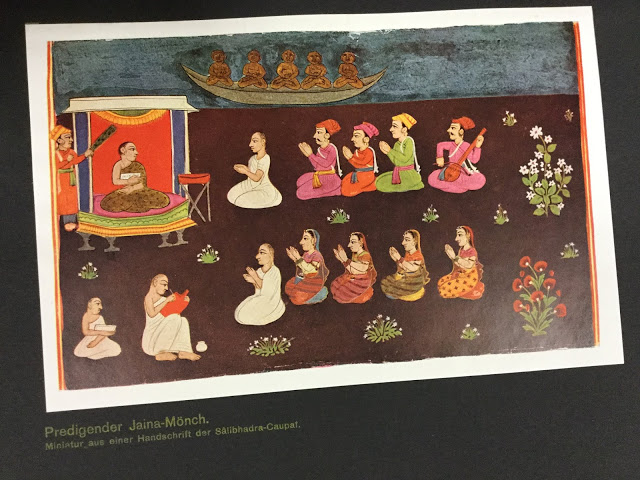
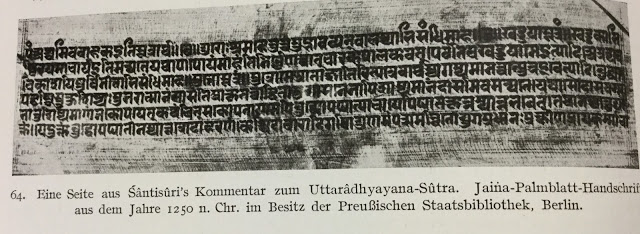
Jain sutra in Berlin, Germany
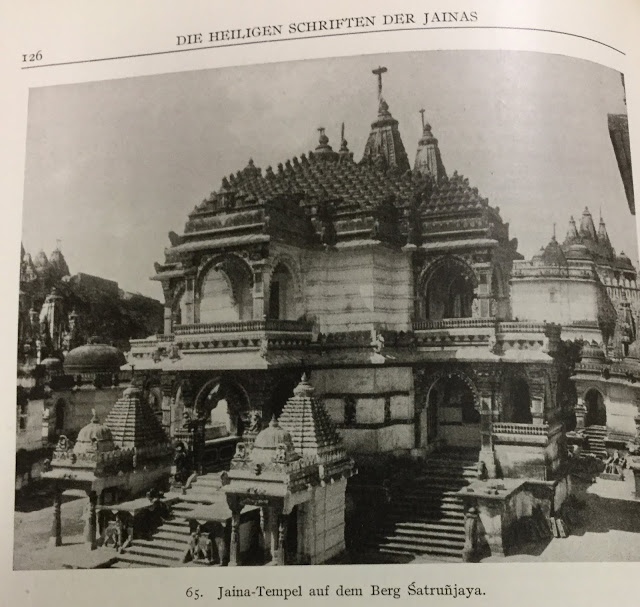
SATRUNJAYA JAIN TEMPLE IN INDIA
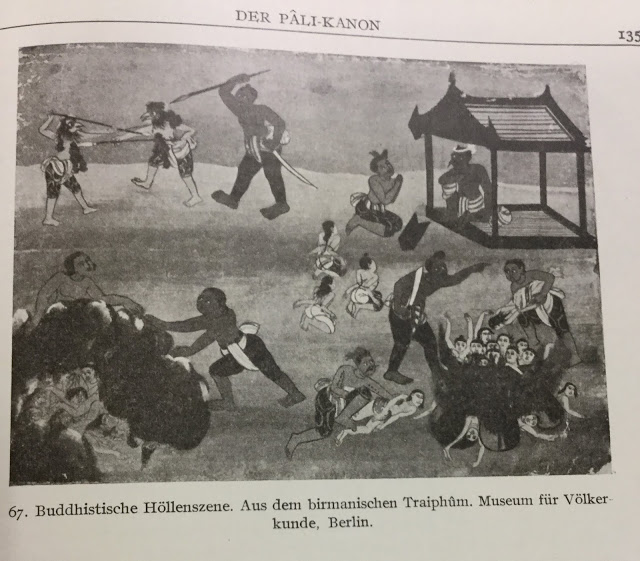
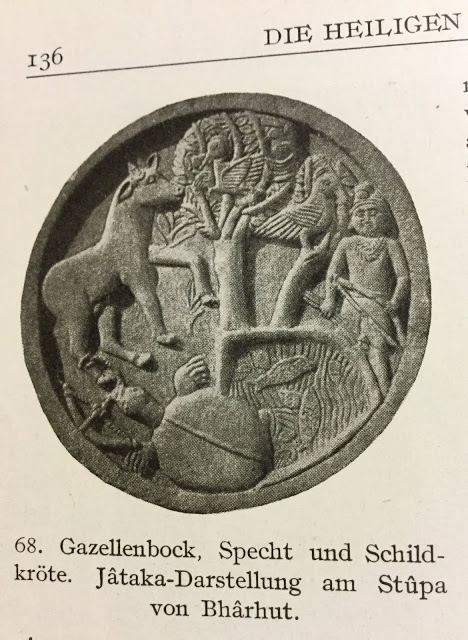
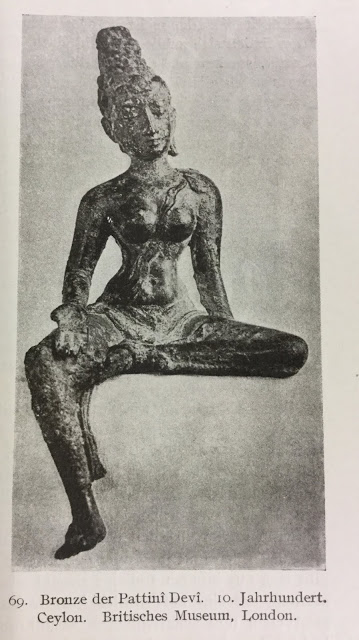
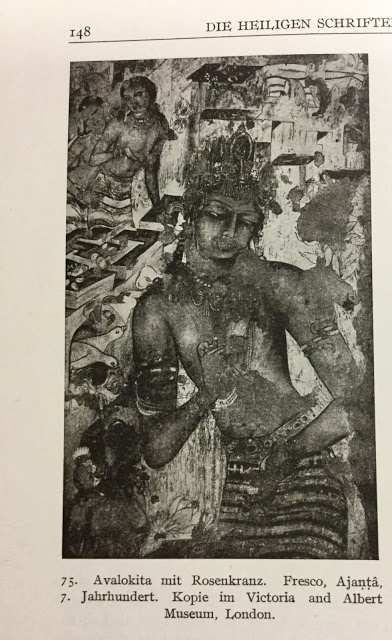
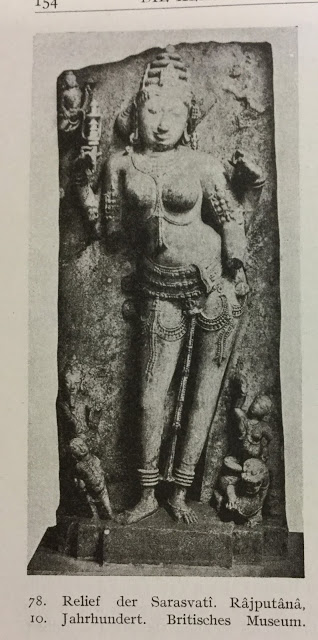
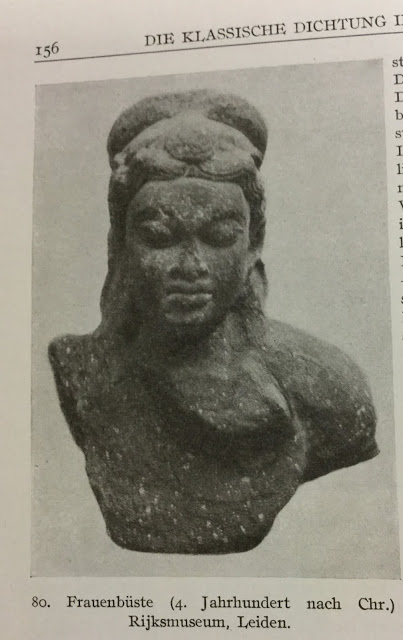
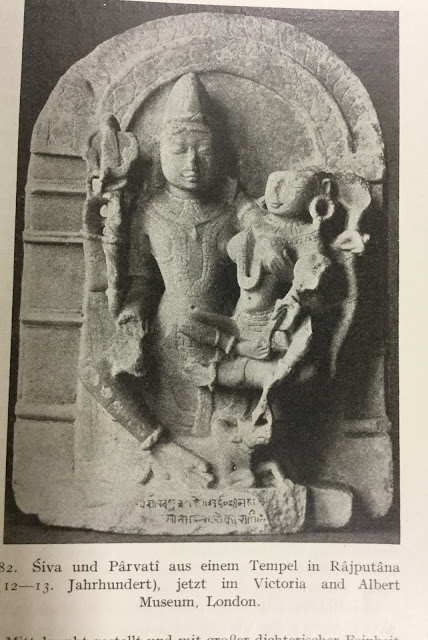
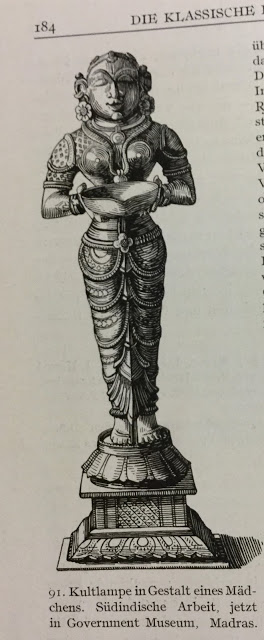
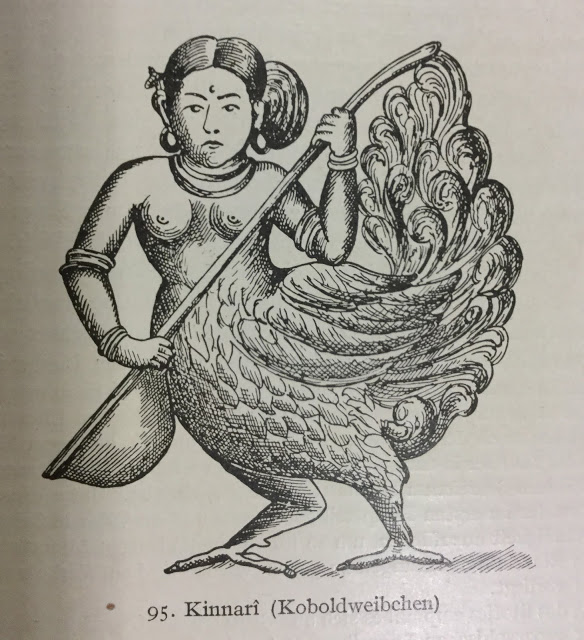
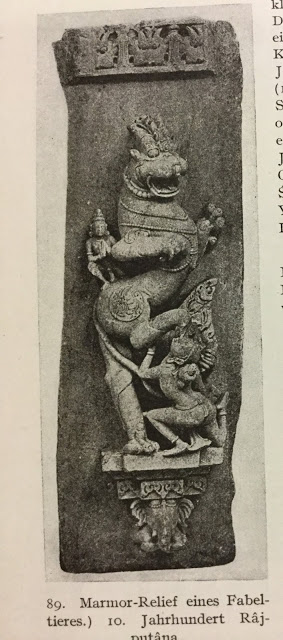
HELL IN BURMESE WORK, BERLINJATAKA TALE IN BHARHUT, INDIAPATTINI IN SRI LANKA, BRITISH MUSEUMGODDESS HARITI,FROM KASHMIR IN V&A MUSEUM, LONDONBUDDHA RELIEF IN V&A MUSEUM, LONDONAJANTA FRESCO, INDIASARASVATI IN BRITISH MUSEUM IN LEIDEN, HOLLANDIN LEIDEN, HOLLANDAJANTA PAINTINGSIVA AND PARVATI, LONDONLOVERS IN AJANTAAJANTAPAVAI VILAKKU, MADRAS MUSEUMKINNARI, CELESTIAL MUSICIAN, HALF WOMAN, HALF BIRDMARBLE STATUE, RAJASTHAN
Pictures are taken from various sources for spreading knowledge; this is a non- commercial blog.
Yuan Chwang, the Chinese traveller who visited India 1400 years ago gives his account of India at the time of Panini, the greatest grammarian the world has ever seen. Goldstucker and Indian Sanskrit scholars date Panini to 8th century BCE. This shows his name and fame was wide spread even when the Chinese traveller visited India 1400 years after Panini.
Salaatura was the birth place of Panini. He was called Saalaaturiya. Ywang Chwang visited this place in the seventh century CE and found that the tradition about Panini was current there.
Salatura was identified by Cunningham with Lahore, now in Pakistan.
A Kharoshti inscription now preserved in the Lahore Museum and dated in the Kushana year 40,(118 CE), mentioned the boat ferry of Sala, which plied from the eastern bank of the Indus River and derived its name from the town of Salaturia situated on the opposite side at some distance from the river
The indian tradition is embodied in Katha Sarisagara. Manju sri Mulakalpa of 8th century CE, said panini was a friend of Nanda at Puspa city. The king had a Buddhist Brahmana minister by name Vararuchi. He was of high soul, kind and good.
Ywang Chwang speaks of a statue of Rishi Panini being in worship in Lahore.
For hundreds of years Salaatura continued as a centre of Paninian studies,
He writes,
“To the north west of Utokishan cho 20 li or so we came to the town of Polstulo. This is the place where Rishi Panini, who composed the Ching ming lun, was born”.
“The children of this town , who are his disciples revere his eminent qualities, and a erected to his memory still exists.
Ywang Chwang continues in his Siyuki,
Referring to the most ancient times, letters were very numerous; but when in the process of ages, the world was destroyed and remained as a void, the devas of long life desended spiritually to guide the people. Such was the ancient letters and compositions.
From this time and after it, the source of Language spread and passed its bounds.
Brahmadeva and Sakra/Devendra established rules according to the requirements. Rishis belonging to different schools each drew up forms of letters . Men in their successive generations put into use what is delivered to them; but nevertheless, students without ability were unable to make use of these characters. And now men’s lives were reduced to the length a hundred years, during the time of Rishi Panini.
He was from birth extensively informed about things. The times being dull and careless, he wished to reform the vague and false rules of writing and speaking. — to fix the rules and correct improprieties
As he wandered about asking for right ways, he encountered Iswara Deva and recounted to him the plan of his undertaking. Iswara deva said
Wonderful, I will assist you in this.
The Rishi, having received the instruction retired. He then laboured incessantly and put forth all his power of mind . He collected a multitude of words, and made a book on letters which contained a thousand Slokas; each Sloka was of thirty two syllables. It contained everything known from the first till then, without exception, respecting words and letters. He then closed it and then sent to the king, who exceedingly prized it, and issued an edict that throughout the kingdom it should be used and taught to others. He added that whoever should learn it from beginning to end should receive as his reward a thousand pieces of gold.
And so from that time masters have received it and handed it down in the completeness for the good of the world. Hence the Brahmanas of this town are well grounded in their literary work, and are of high renown for their talents, well informed as to things, and of a vigorous understanding memory”.
—-Siyuki, pp 114-115
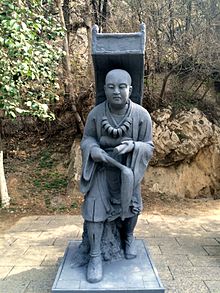
Xuan Zang (Yuan Chwang) from Wikipedia
This shows Paninian system was studied vigorously for 1400 years until the days of his visit.
Yuan Chwang speaks of thousand pieces of gold as the reward received by one who mastered ASHTADHYAYI from beginning to end. Sutra 6-2-65 presupposes a customary payment of this nature.
One of the stock illustrations cited by Patanjali actually makes the grammarian a recipient of ‘harin’ an elephant. Kautilya mentioned in Arthasastra 1000 silver pieces as the reward for learning.
Every year there was a Vidwat Sadas, assembly of scholars, held in Pataliputra by the king where scholars received big prizes.
Those who memorised fully works like ‘Ashtadhyayi’ received the rewards. It meant that it was passed orally from generation to generation until it was put to writing.
Even a Pandya king of Madurai in South India announced 1000 gold coins for a verse according to Tiruvilaiyadal Puranam. Later a Tamil devotional poet called Appar of seventh century CE also confirmed the anecdote in a Thevaram verse.
In short, from the Himalayas to Kanyakumari this type of award existed. The earliest such 1000 gold coin award is in the 2850 year old Brihad Aranyaka Upanishad. When Yajnavalkya was ready to take 1000 gold coins tied to the horns of 1000 cows, one woman scholar by name Miss V. Gargi challenged him Women scholars were also invited to Philosophers Conference 3000 years ago.
Sources
India as known to Panini by V S Agrawala, 1953
Tiruviayadal Puranam of Paranjothi Munivar , 17th or 18th Century CE
Appar Thevaram of Seventh Century CE
Brhdaranyaka Upanishad of 9th Century BCE.
Siyuki of Yuan Chwang of Seventh Century CE
tags – Yuan Chwang, Panini , Chinese traveller, Siyuki
Pictures are taken from various sources for spreading knowledge; this is a non- commercial blog.
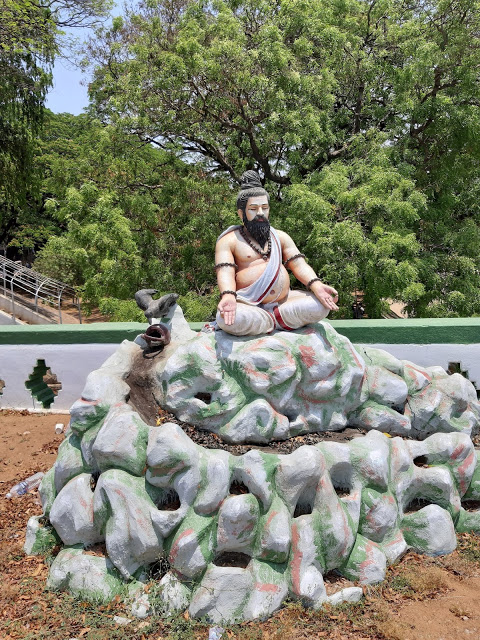
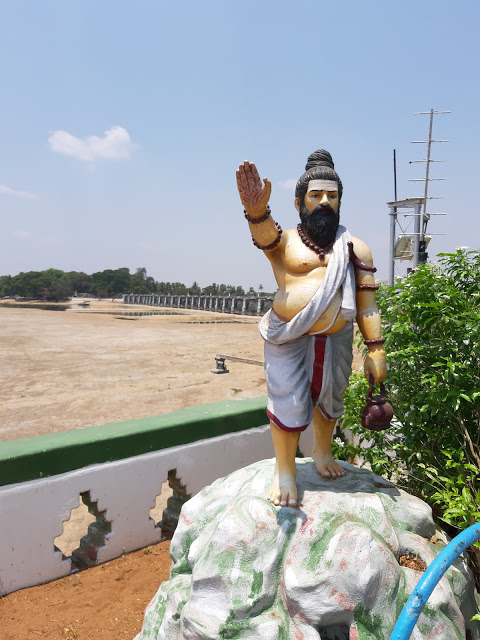
தமிழுக்கு இலக்கணம் வகுக்க ஏன் அகத்தியரை சிவபெருமான் அனுப்பினார்? (Post No.7718)
நமது புராணங்களில் இரண்டு முக்கியச் செய்திகள் உள்ளன.
ஒன்று, வடக்கில் மக்கட்தொகை பெருகியதால், ஒரு குழு தெற்கு நோக்கி அனுப்பப்பட்டது. அந்தக் குழுவுக்கு அகத்தியர் தலைமை தாங்கி வந்தார். இரண்டாவது தமிழுக்கு இலக்கணம் வகுக்க அகத்தியரை சிவ பெருமான் அனுப்பினார். தமிழே தெரியாத அகத்தியர் எப்படி தமிழ் மொழிக்கு இலக்கணம் அமைக்க முடியும்? என்ற கேள்வி எழும். இதற்கும் விடை சொல்லிவிட்டனர் தமிழ்ப் புலவர்கள் . தமிழ் மொழியைத் தோற்றுவித்த சிவபெருமானும் அவருடைய மகனான முருகப் பெருமானும் அகத்தியருக்கு தமிழ் மொழியைக் கற்பித்தனர். இதைக் கம்பன் முதல் பாரதியார் வரை பாடிவிட்டனர். முருகன் அளித்த தமிழ் பற்றி அருணகிரிநாதர் பல இடங்களில் பாடி இருக்கிறார்.
என்னுடைய கருத்து இரண்டும் ஒரே வேரிலிருந்து கிளைவிட்டுப் பிரிந்த இரண்டு மொழிகள்தான். ஆனால் காலப்போக்கில் இரண்டும் வளம் பெற்று ஓங்கி வளர்ந்ததால், இரண்டுக்கும் உள்ள தொடர்பு வெளிப்படையாகத் தெரியவில்லை.
அத்தோடு மொழியியல் அறிஞர்கள், ஆராய்ச்சியாளர்கள் என்று சொல்லிக் கொண்டு வெளிநாட்டிலிருந்து வந்தோர் திராவிட மொழிக் குடும்பம் என்ற ஒன்றைக் கற்பித்து மற்றொரு புறம் இந்திய ஐரோப்பிய மொழிக் குடும்பம் என்பதைக் கற்பித்து இரண்டும் வேறு வேறு என்று வேற்றுமை கற்பித்தனர். இது சரியல்ல என்பதற்குச் சான்றுகள் தருவேன்.
திராவிட மொழிக் குடும்பம் என்று சொல்லப்படும் தமிழ், தெலுங்கு, மலையாளம் கன்னடம் முதலிய மொழிகளுக்கும் சம்ஸ்கிருதத்துக்கும் உள்ள நெருங்கிய தொடர்பு போல உலகில் வேறு எந்த மொழியையும் தமிழுக்கு அருகில் கொண்டு வரமுடியவில்லை. உலகில் எவ்வளவோ மொழிகளைத் தமிழுடன் தொடர்புபடுத்தி ஒவ்வொரு உலகத் தமிழ் மகாநாட்டிலும் எவ்வளவோ கட்டுரைகள் வாசிக்கப்பட்டு எழுத்திலும் வடிக்கப்பட்டுவிட்டன. ஆயினும் சில பல சொற்களோ. வழக்குகளோ இருப்பதைத் தவிர ஒருவர் பேசினால் மற்றொருவர் புரிந்துகொள்ள முடியுமா என்றால் முடியவே முடியாது என்றே பதில் வரும். அதாவது மேம்போக்கான ஒற்றுமைகளே. உலகில் எந்த இரண்டு மொழிகளுக்கும் இடையே இப்படித் தொடர்பைக் காட்ட இயலும். மற்றொரு விஷயம் அருகருகே இரண்டு மொழி பேசுவதால் ஒன்றின் மீது மற்றொன்று ஏற்படுத்தும் தாக்கம் ஆகும். இவ்வகையில் தமிழும் சம்ஸ்கிருதமும் ஒன்றின் மீது ஒன்றைப் பாதித்திருக்கலாம் என்பது உண்மையே. ஆயினும் தமிழுக்கும் சம்ஸ்கிருதத்துக்கும் உள்ள உறவு ஆழமான உறவு என்பதைக் காண்போம்.
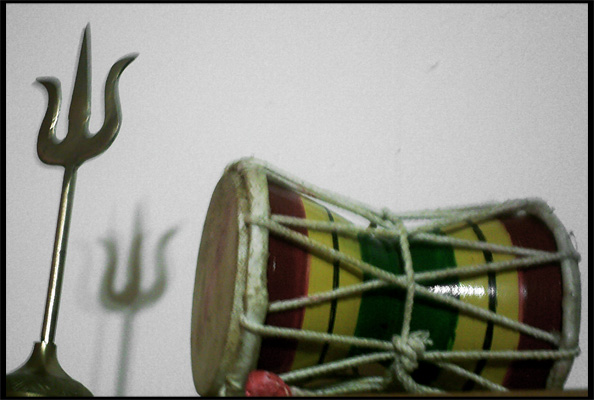
நான் ஒரு புதிய கருத்தை வெளியிட்டு வருகிறேன். பரஞ்சோதி முனிவர்கள் முதலானோர் மறைமுகமாக வெளியிட்ட கருத்து அது. அதாவது தமிழும் ஸம்ஸ்ருதமும் சிவ பெருமானின் உடுக்கையின் இரண்டு பக்கங்களில் இருந்து பிறந்தன. தமிழும் ஸம்ஸ்க்ருதமும் ஒரு தாயின் இரண்டு பிள்ளைகள்.
வடமொழியைப்பாணினிக்குவகுத்தருளிஅதற்கிணையாத்
தொடர்புடையதென்மொழியை, உலகமெலாம்தொழுதேத்தும்
குடமுனிக்குவலியுறுத்தார்கொல்லேற்றுப்பாகர்
கடல்வரைப்பின்இதன்பெருமையாவரேகணித்தறிவார்
–பரஞ்சோதி முனிவரின் திருவிளையாடல் புராணம்
கடவுள் தந்த தமிழ்
வழக்கினும் மதிக்கவியினும் மரபின் நாடி
நிழற்பொலி கணிச்சி மணி நெற்றியுமிழ் சங்கண்
தழற்புரை சுடர்க் கடவுள் தந்த தமிழ் (கம்ப இராமா.ஆரணி. அகத்தி.41)
அவ்வாறில்லாவிடில் சிவ பெருமான், அகத்தியனை வடக்கிலிருந்து அனுப்பித் தமிழுக்கு இலக்கணம் செய்யக் கேட்டிருக்க மாட்டார். இந்த இரண்டு மொழிகளுக்குள்ள தொடர்பு போன்ற நெருக்கம் வேறு எந்த மொழிக்கும் இடையில் காண முடியாதது. சந்தி இலக்கணம், வேற்றுமை உருபுகள் முதலிய பல அம்சங்களில் இரண்டும் ஒன்றே!
சிவன் எழுப்பிய உடுக்கை ஒலியிலிருந்து ஒரு புறம் சம்ஸ்கிருதமும் மறுபுறம் தமிழ் மொழியும் வந்தன என்பது தமிழ்ச் சான்றோர்களின் நம்பிக்கை. மஹேச்வர சூத்திரம் எனப்படும் 14 ஒலிகளிலிருந்து சம்ஸ்கிருதம் வந்ததை பாணினி என்ற உலகப் புகழ் பெற்ற இலக்கண வித்தகன் காட்டி இருக்கிறான். தொல்காப்பியர் இதை மறைமுகமாகச் சுட்டிக்காட்டி அங்கே தெரிந்துகொள்க என்று சொல்லிவிட்டுப் போய்விடுகிறார். பாரதி கூட
“ஆதி சிவன் பெற்றுவிட்டான் – என்னை
ஆரிய மைந்தன் அகத்தியன் என்றோர்
வேதியன் கண்டு மகிழ்ந்தே – நிறை
மேவும் இலக்கணஞ் செய்து கொடுத்தான்
மூன்று குலத் தமிழ் மன்னர் என்னை
மூண்ட நல்லன்போடு நித்தம் வளர்த்தார்
ஆன்ற மொழிகளுனுள்ளே – உயர்
ஆரியத்திற்கு நிகரென வாழ்ந்தேன்”
-என்று பாடியுள்ளார். பாரதிக்கும் மேலான தமிழன் எவரேனும் உண்டோ?
அவரே உயர் சம்ஸ்கிருத மொழிக்கு நிகராக வாழ்ந்தேன் என்னை சிவ பெருமான் படைத்தார் என்று சொல்லுகிறார்.
இந்தியாவின் இரண்டு பழைய மொழிகள் தமிழும் சம்ஸ்கிருதமும் ஆகும். இந்த இரண்டு மொழிகளும் சிவனிடமிருந்து தோன்றியவை என்றும் ஒன்றுக்கு பாணிணியையும் மற்றொன்றுக்குக்கு அகத்தியனையும் இலக்கணம் எழுத சிவ பெருமானே பணித்தான் என்றும் ஆன்றோர் கூறுவர். இதை எல்லாம் பிற்காலக் கதைகள் என்று சொல்லுவோரும் கூட வியந்து போற்றக்கூடிய சில மொழியியல் அம்சங்கள் இரு மொழிக்கும் பொதுவாக அமைந்துள்ளன.
எனது நாற்பது ஆண்டுக்கால மொழி ஆய்வில் கண்ட சில உண்மைகளைப் பகிர்ந்து கொள்கிறேன். சுமேரியாவில் ‘’ஊர்’’ என்ற ஒரு இடம் உள்ளது. இது தமிழில் வரும் ‘’ஊர்’’ என்பதைப் போலவே இருப்பதாக எண்ணி தமிழர்கள் மகிழ்வர். இது புரம், புரி என்பதன் திரிபு என்றும் வட இந்தியா முழுதும் ஜெய்ப்பூர், உதய்பூர், நாக்பூர் என்று பல ‘’ஊர்’’கள் காஷ்மீர் வரை பரவிக் கிடப்பதால் இது சம்ஸ்கிருதமே என்றும் சொல்லி வேறு சிலர் மகிழ்வர். உண்மையில் ஒரு மொழி எப்படி இரு வகையாகப் பிரியும் என்பதற்கு இது சரியான எடுத்துக் காட்டு. அதாவது இச் சொல்லுக்கான மூலம் ஒன்றே. அது தமிழில் ஊர் என்றும் சம்ஸ்கிருதத்தில் புரம் என்றும் கவடு விட்டுப் பிரிந்தது.
இன்னொரு எடுத்துக் காட்டு மூலம் இதை விளக்குகிறேன். ஆங்கிலத்தில் எண் 1 என்பதற்கு ‘’ஒன்’’ என்பர். இது தமிழ் ‘’ஒன்று’’க்கு நெருக்கமானது. ஆனால் சம்ஸ்கிருதத்திலோ ‘’ஏகம்’’ என்பர். ஆங்கிலத்தில் எண் 8 என்பதற்கு ‘’எயிட்’’ என்பர். இது தமிழ் ‘’எட்டு’’ என்பதற்கு நெருக்கமானது. சிறிது ஆழமாகப் போய்ப் பார்த்தால் ‘ஒன்’ என்பது ‘யுன்’, ‘ஐன்’ என்று மாறி ‘ஒன்’ என்றாயிற்று என்பர். இதே போல ‘எட்டு’ என்பது ‘ஆக்டோ’, ‘அஷ்ட’ என்பதாக மாறி ‘’எயிட்/அயி’’ட் ஆயிற்று என்பர். ஆக ஒரு மூலச் சொல் இப்படி இருவகையாகப் பிரியமுடியும் என்று தெரிகிறது.
சில சொற்கள் தமிழில் இருந்து வந்ததோ என்றும் சில சம்ஸ்கிருதத்தில் இருந்து வந்ததோ என்றும் எண்ண வைக்கும். தமிழில் இருந்து கன்னடம், தெலுங்கு, மலையாளம் எப்படி உருவாயிற்று என்று பார்த்தால் கூட, வரலாறு, புவியியல், பிறமொழிப் படையெடுப்பாளர் ஆகியவற்றால் எல்லாம் எப்படி மொழிகள் உருவாகின்றன என்பது விளங்கும்
ரிக் வேதத்தில் தமிழ் சொற்கள்
மீன், நீர், மயில் (மயூர) போன்ற தமிழ் சொற்கள் ரிக் வேதத்தில் இருப்பதாகவும், தொல்காப்பியத்திலும் சங்க இலக்கியத்திலும் காலம், உலகம், மனம், காமம் முதலிய சம்ஸ்கிருதச் சொற்கள் இருப்பதாகவும் அறிஞர்கள் சொல்லுவர். இதை எதிர்ப்போர் இவை எங்கள் மொழியில் இருந்து அங்கே சென்றவை என்று வாதிடுவர். உண்மையில் சில சொற்கள் காலத்தையும் மீறி உரு மாறாமல் இருந்ததால் இவைகளை இப்போது எந்த மொழியில் புழங்குகிறதோ அந்த மொழிச் சொல் என்று நாம் வாதாடுகிறோம். ஆனால் இவை இரு மொழிக்கும் பொதுவான சொற்கள் என்பதை அறிந்தால் இரு மொழிக்கு இடையில் உள்ள பிரிவினைக் கோடு மறைந்து போகும்.
பெரிய ஆதாரம்
இவைகளை எல்லாம் விட பெரிய ஆதாரம் இரு மொழி இலக்கியங்களில் உள்ளன. தமிழுக்கு மிக நெருக்கமான மொழி சம்ஸ்கிருதம்! இதே போல சம்ஸ்கிருதத்துக்கு நெருக்கமான மொழி தமிழ். இரு மொழிகளிலும் உள்ள பழைய கவிதை நூல்களை எடுத்துக் கொண்டு கடைசி பக்கத்தில் உள்ள பாடல் முதற்குறிப்பு அகராதிக்குப் போங்கள். ஒவ்வொரு மொழியிலும் உயிர் எழுத்தில் எத்தனை பாடல்கள் துவங்குகின்றன என்று பாருங்கள். அற்புதமான ஒற்றுமை இருப்பதைக் காண்பீர்கள்.
‘’ஔ’’ என்ற எழுத்தில் இரு மொழிகளிலும் பாடலே துவங்காது. அல்லது அபூர்வமாக இருக்கும். யாரும் பழைய காலப் புலவர்களிடம் போய் நீ இந்த எழுத்தில் துவங்கும் பாடல்கள் இவ்வளவுதான் பாட வேண்டும் என்று சொன்னதும் இல்லை. அப்படி இலக்கண விதிகள் எதுவும் இல்லவும் இல்லை. ஆயினும் இரு மொழிகளும் ஒரே பாணியைப் பின்பற்றுவதைக் காணலாம்.
இரு மொழிகளிலும் உயிர் எழுத்துக்களில் துவங்கும் பாடல்கள் ‘மூன்றில் ஒரு பகுதி’ அல்லது ‘நான்கில் ஒரு பகுதி’ இருக்கும். இவ்விரு மொழிகளை மட்டுமே எளிதில் ஒப்பிடும் மாதிரியில் இரு மொழி அரிச்சுவடியும் கிட்டத்தட்ட ஒன்றாகவும் இருக்கிறது. இரு மொழி மக்களின் சிந்தனை, செயல்பாடு, நம்பிக்கைகள், பழக்க வழக்கங்கள் ஆகியனவும் ஒரே மாதிரி உள்ளன. வெகு சில விஷயங்களே மாறுபடும். அத்தகைய மாற்றங்களை உலகில் எல்லா இடங்களிலும் காண முடிகிறது
.
கீதையும் குறளும்
பகவத் கீதையில் அ-97, ஆ-17, இ-21, ஈ-1, உ-9, ஊ-2, க்ரு-1, ஏ-21, ஓ-2 வில் துவங்கும் ஸ்லோகங்கள் =171 மொத்தம் ஸ்லோகங்கள் 700 ஆக நாலில் ஒரு பகுதி உயிர் எழுத்தில் துவங்குபவை
திருக்குறளில் அ-157, ஆ-23, இ-114, ஈ-8, உ-81, ஊ-21, எ-45, ஏ-9, ஐ-4, ஒ-40, ஓ-6 ஔ-0 -வில் துவங்கும் பாடல்கள் = 508 மொத்தம் உள்ள குறள்கள் 1330
ஆக மூன்றில் ஒரு பகுதி அல்லது நான்கில் ஒரு பகுதி இருப்பதோடு ஔ – வில் எதுவும் இல்லை என்பதும் குறிப்பிடத்தக்கது. அது மட்டுமல்ல.
குறில் ஒலிகளில் ( அ, இ, உ, ஒ) அதிகப் பாடல்களும் நெடில் ஒலி எழுத்துக்களில் குறைவான (ஆ, ஈ, ஊ, ஏ, ஓ) பாடல்களும் இருப்பதையும் காணலாம். இவை எல்லாம் இரு மொழியிலும் இயற்கையாகவே அமைந்துள்ள விஷயங்கள் —- யாரும் போய் கட்டளை இட்டுச் செய்தது அல்ல. மேலும் கவிதை என்பது உள்ளத்தில் எழுந்து பீறிட்டு எழும் உணர்வுகள். அதற்கு யாரும் தடைகளோ விதிகளோ போட முடியாது. ஆக கவிதைகள் கூட இரு மொழிகளும் ஒரே மூலத்தில் பிறந்து ஏறத் தாழ ஒரே விதிகளைப் பின்பற்றுவதைக் காட்டுகின்றன.
மொழிகளுக்குள் சொற்களை இணைப்பதற்கான சந்தி விதிகள் இருக்கின்றன. இவை உலகில் தற்போதைய மொழிகளில் காணப்படாத புதுமை. ஆனால் சம்ஸ்கிருதத்திலும் தமிழிலும் மட்டும் உண்டு.
டூத் + பவுடர் என்ற இரு சொற்களை ஆங்கிலத்தில் அப்படியே இணைத்து டூத் பவுடர் என்று எழுதலாம். ஆனால் தமிழில் பல்+ பொடி= பற்பொடி என்று மாறுவதைக் காணலாம். இது போல சந்தி விதிகளை இன்றும் பயன்படுத்துவது தமிழும் சம்ஸ்கிருதமும் மட்டுமே.
இந்தியர்களாகப் பிறந்தவர்கள் உலகிலேயே மிகவும் அதிர்ஷ்டசாலிகள். தமிழ், சம்ஸ்கிருதம் என்னும் இரண்டு அரிய, பெரிய, பழைய மொழிகள் அவர்கள் நாட்டுக்குளேயே புழங்கி வருகின்றன வீட்டுக்குளேயே புழங்கி வருகின்றன -. உலகிலுள்ள எல்லா மொழிகளையும் இந்த இரண்டு மொழிகளுக்குள் அடக்கிவிடலாம்.
காளிதாசன் வழங்கும் முதல் சான்று
காளிதாசன் என்னும் கவிஞன் கி.மு. முதல் நூற்றாண்டில் வாழ்ந்த மாபெரும் கவிஞன். இவனைப் போல நாடகம், காவியம், கவிதைகள் எனும் முத்துறையிலும் சிறப்புற விளங்கியவர் உலகில் மிக மிகக் குறைவு. அவனது ரகு வம்ச காவியத்தில் (6-61, 6-62) ராவணன் – பாண்டியன் – அகத்தியன் ஆகிய மூவரையும் இணைத்துப் பாடியதில் இருந்து நமக்கு அரிய செய்திகள் கிடைக்கின்றன. அவன் அகத்தியன் பற்றியும் பாண்டியன் பற்றியும் பாடியது வட இந்தியாவரை அகத்தியன் – தமிழ் உறவு தெரிந்திருந்ததைக் காட்டுகிறது..
புறநானூறு முதலிய சங்க கால நூல்களில் பொதிய மலையையும் இமய மலையையும் ஒப்பிட்டுப் புலவர்கள் பாடுவர். பொதியில் குன்று என்பது அகத்தியர் ஆசிரமம் இருந்த இடம். ஆதாலால் இப்படிச் சிறப்பு எய்தியது.
மாணிக்கவாசகர் தரும் சான்று
ஆழ்வார்கள், நாயன்மார்கள் ஆகியோர் நுற்றுக் கணக்கான இடங்களில் தமிழையும் சம்ஸ்கிருதத்தையும் ஏத்தித் துதிபாடிவிட்டனர். ஓரிரு எடுத்துக் காட்டுகளைத் தருவன்:–
தண்ணார் தமிழ் அளிக்கும் தண்பாண்டி நாட்டானே என்று திருவாசகத்தில் மாணிக்கவாசகர் குறிப்பிடுவது சிவனையே என்பது அவருக்குப் பின்னோர் வந்த பாடலில் மேலும் உறுதிப்படுத்தப்படும்.
முத்தமிழும் நான் மறையும் ஆனான் கண்டாய் (அப்பர்) தமிழ் சொல்லும் வடசொலுந் தாணிழற்சேர (தேவாரம்)
மந்திபோல திரிந்து ஆரியத்தோடு செந்தமிழ்ப் பயன் தெரிகிலா அந்த்தகர்க்கு எளியேன் இலேன் – சம்பந்தர் தேவாரம் (இந்தப்பாடலில் தமிழ் சம்ஸ்கிதரும் ஆகிய இரண்டின் பெருமையையும் அறியாதோரை குரங்கு, குருடர் — என்பார் சம்பந்தர்)
கம்பர் தரும் சான்று உழக்கும் மறை நாலினும் உயர்ந்து உலகம் ஓதும் வழக்கினும் மதிக்கவியினும் மரபின் நாடி நிழற்பொலி கணிச்சி மணி நெற்றி உமிழ் செங்கண் தழற்புரை சுடர்க் கடவுள் தந்த தமிழ் தந்தான் — (கம்ப ராமாயணம்)
தமிழ் மொழியை நெற்றிக் கண் கொண்ட சுடர்க் கடவுள் சிவ பெருமான் தான் தந்தான் என்பதை கம்பன் பட்டவர்த்தனமாகப் பாடிவிட்டான்.
அகத்தியன் பற்றிக் கம்பர் கூறியவை: ‘’தமிழ் எனும் அளப்பரும் சலதி தந்தான்’’ (சலதி = கடல்) ‘’நீண்ட தமிழால் உலகை நேமியின் அளந்தான்’’
பரஞ்சோதி முனிவர் தரும் சான்று
வடமொழியைப் பாணினிக்கு வகுத்தருளி அதற்கிணையாத் தொடர்புடைய தென்மொழியை, உலகமெலாம் தொழுதேத்தும் குடமுனிக்கு வலியுறுத்தார் கொல்லேற்றுப்பாகர் கடல் வரைப்பின் இதன் பெருமை யாவரே கணித்தறிவார் –பரஞ்சோதி முனிவரின் திருவிளையாடல் புராணம்
சிவஞான முனிவர் கருத்து இருமொழிக்கும் கண்ணுதலார் முதற்குரவரியல் வார்ப்ப இருமொழியும் வழிப்படுத்தார் முனிவேந்தர் இசை பரப்பு இருமொழியுமான்றவரே தழீஇயனா ரென்றாலி இருமொழியும் நிகரென்னும் இதற்கையம் உளதோ
தமிழ், சம்ஸ்கிருதம் இரண்டு மொழிகளுக்கும் சிவனே கர்த்தா. இரண்டும் கண்ணின் இரு விழிகள். இவ்விரு மொழிகளும் சமம் என்பதில் என்ன சந்தேகம்? என்பார் காஞ்சிப் புராணம் எழுதிய சிவஞான முனிவர்.
தமிழையும் சம்ஸ்கிருதத்தையும் இரு கண்கள் எனப் பாவித்து இரு மொழி கற்போம் !!
Tags – அகத்தியர், தமிழ், இலக்கணம், சிவபெருமான், பரஞ்சோதி, சிவஞான, முனிவர்

















 Tamil and Vedas