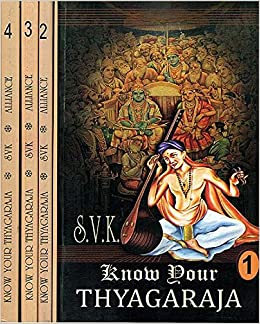
SRI TYAGARAJA-30, Life in the World (Post No.8136)

WRITTEN BY R. NANJAPPA                        

Post No. 8136

Date uploaded in London – – – 9 June 2020   

Contact – swami_48@yahoo.com

Pictures are taken from various sources for spreading knowledge; this is a non- commercial blog. Thanks for your great pictures.

SRI TYAGARAJA-30,   Life in the World


Life poses the problem of living: How to? Man does not exactly know.

There are philosophies which propound that this world is all there is and to obtain material comforts is what is life all about. We have our Charavakas and the Westerners their Epicureans. In the modern day, there has been the Existential idea, which tells you to live any which way you can.

But serious thinkers in all societies up to “modern” times have been advising us that there is a greater reality behind this world and life here is but a preparation for it. Ultimately, this is the basic idea in all religions.  No religion -East or West-  stops with this world. There is no religion which advocates unlimited or unrestrained immersion in this world in the name of “enjoyment”.

Classical Hinduism provided a graded system, through its Varnasrama arrangement.  Life in the world was regulated, ultimately leading to contemplation on the meaning and purpose of life- by gradual detachment  and  renunciation at the appropriate stage. But renunciation was not held as the ideal for every one, at all times, just as unrestrained enjoyment was not. 

Our religion taught everyone that behind all the varied celebrations and enjoyments, there was the inevitable hand of icy death, often disease, old age and other afflictions.

 Bhagavad Gita is no advocate of pessimism but it too tells us about the nature of the world: 

  • dukkhalayam asaasvatam    8.15
  • mrutyu samsara vartmani     9.3
  • anityam asukhna loke          9.33
  • mrutyu samsara sagarat      12.7
  • janma mrutyu jara vyadhi dukkha doshanu darsanam       13.8
  • Janma mrutyu jara dukkham   14.20

The Gita also tells us what to do.The primary purpose and function of religion is therefore to make man aware of the purpose of life and  make him live accordingly. 

Veda and Upanishads are vibrant with the exuberance of life and there is no trace of pessimism in them. One is advised to live without forgetting the basic purpose of life- the purusharthas.   Later day philosophers made a business of making life appear like a villain. Popular religion responded by inventing all systems of sops, to make man forget his purpose and “enjoy life”. Saints appear at this stage to remind us of the true facts of life. Tyagaraja belongs to this line.

Life is likened to an ocean- it is usual to speak of ‘samsara sagaram’ or bhava sagaram. It is also called a disease-bhava rogam. It is also like the forest. One should know how to go about it.

Ocean of Life

Teerani bhava neeradi yaaradi

sairimpa neraka 

bhaya mandaga bankaja patra

neeruvida malladaka…….     Enduku dayaradura

One is unable to bear the troubles of this ocean of life and struggle like drops of water on the lotus leaf.

Drops of water on the lotus leaf-  this is an image made familiar to us by Acharya Sankara in his ‘Bhaja Govindam’:
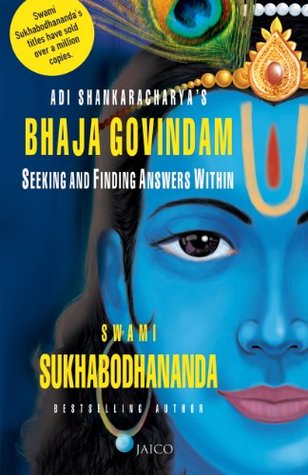
Nalini dala gata jalam ati taralam

Tatvajjivita matisaya chapalam

Viddhi vyaadhabhimana grastam

Lokam soka hatam cha samastam.    3

The drops of water on the lotus leaf are always unsteady/ subject to constant movement. In the same way, life is also unsteady in surprising ways.Know this that life is seized by disease and egoism and is dominated by suffering.

Life dominated by suffering- this is the starting point of Buddha’s teaching.

 O Manasa poddu poyyeni

Niddura gonnallu

 vishaya buddula cheta gonnallu

Podduna lachi tritapamulanu narula

bogadi bogadi konnnallu

Patti eddu  reeti kannataavuna bhujiyinchi

yemi teliyaka gonnallu

Mudduga doche bhava sagara muna

munigi taeluchu gonnallu

Paddu malina pamara janulato verri

paluku laadusu gonnallu

Mudamuna dana tanayaakaaramula joochi

madamu cheta gonnallu

Andu chedarinayanta chokarnavagatudai

jaali jendutayu gonnallu

Edadi pacha joochi taalaleka

taanilanu tiruguata gonnallu

Mudimadi  tappina vrudada tanamuna

mundu venuka teliyakane gonnallu

Yaagaadi  karmamulanu seyavalenani

yalasata cheta gonnallu

Andu raga lobha mulato naparadhamulu chesi

rajasamunu gonnallu

Baaguga nama kirtanamulu seyute

bhagyamanaka gonnallu…..

Sri Ramuni tatvamu deliyagane gonnallu

Poddu poyyeni manasa

O mind! Time will run away very fast!

Some time is spent is sleep and in enjoying pleasures.

Some time is spent in facing the three kinds of taapaas and in praising people, soon as we wake up in the morning.

Some time is spent is working like the farm bullock, eating anywhere, and lying down without awareness of the surroundings.

Some time is spent immersed in this samsara, which is like the ocean, which appears beautiful.

Some time is spent is exchanging pleasant nonsense with people who do not know anything.

Some time is spent in boasting about one’s house, wealth, children,etc.

Some time is spent in sorrow, when these things go away.

Some time is spent in sheer jealousy, watching  the prosperity of others.

Some time is spent in just bafflement, when one gets old, not knowing what lies ahead.


Some time is spent in getting busy with performance of yajnas and such other rituals.

Some time is spent in the aftermath of rajoguna developed out of the desire for such rituals, and the attendant stinginess, etc.

Some time is spent without knowing the good fortune caused by engaging in singing the kirtan of Bhagavan’s names.

Some time is spent without knowing the truth behind Rama.

O mind, Time will pass away like this!

How well Tyagaraja Swami has captured the life of an average householder! He only means that we are engaged in earning and spending, caring for the body and will get baffled when old age comes, without awareness of God! About the same time as Tyagaraja, the great English poet Wordsworth wrote:

The world is too much with us; Late and soon,

Getting and spending, we lay waste our powers;-

Little we see in Nature that is ours;

We have given our hearts away, a sordid boon.

Life like a dolls’ house

Dhana tanaya kalatraadulu

tamadani bhddheeyani …

Mommarindlu gaani nera

nammmuku  bhavamunu yanu

Nemmadi leni janana maranammula

dolaginche ninu…………. (Nammakane)

You remove the idea that wealth, children, women are mine.

You warn me that this samsara is like a dolls’ house and so don’t rely on it!

You cause the removal of birth and death.


Tyagaraja implies here that the phenomenon of birth and death is at the centre of the problem of samsara, and that is removed only by resorting to divine grace.
Jnana vairagya heenamulu heenamai natti
bhava kananamuna tirgu manavulu
                                         (Samsarulaite)

People  are wandering in the forest of samsara which is devoid of jnana and vairagya.

This is a serious point. The world does not display the general characteristics of Wisdom and Discrimination. Just look around. So many foods are known to be unhealthy, but people do not avoid it. Smoking and drinking are scientifically proven to be bad, but even doctors indulge in them! So  much corruption is there in govt and even educational institutions! It is said that more than 50% of Indian engineering graduates are unemployable! Teaches cannot teach, students cannot read and write, temple priests cannot say the mantras properly. Who can say society is ruled by wisdom and discrimination! But it is always for individuals to adopt these virtues and save themselves. Tyagaraja goes on to say,what if people are like this if they believe in Rama! This echoes the sentiment of the Gita.(9.30)

Drishtiki saram bagulalana
sadanarbhaga senamita dhanadulanu
                                             (Dudukugala)

Women, house, children, servants , extensive wealth- all this is sweet only in appearance.


Life as a Forest


Samsara kanana     (Rara nanneluko)
The forest that is samsara


Bhavasagaramunu needaleka bhayamuna 
                                              (Nee daya galgude)

People get frightened unable to swim the ocean of samsara.

Bhavaroga            (Paahi parama dayalo)
The disease that is samsara
Ennarani deha letti
Ee samsaraa gahana mandu
pannugajorulareeti
barulanu veginchunu 
Ennallu tirigedi                    (Ennallu tirigedi)


Taking countless janmas, in this samsara that is like a forest, driving away other people as if they were thieves- how long to roam about like this?


It is not clear  whether this kriti has any personal reference.  Tyagaraja is complaining here of the difficulty in obtaining everything from salt to camphor by begging-through Unchavritti, and the things he has to do to please others, about the food on the morrow, the inability to concentrate on Puja in such circumstances,etc. Tyagaraja lived up to 80 and lived by Unchavritti. We know he did not live in comfort. This kriti is very moving. And it illustrates the other side- not only is excess wealth a bane of samsara, poverty is,too!  There is no glorification of poverty in Tyagaraja- but only a sense of renunciation. 

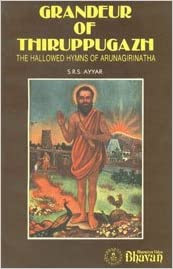
Arunagirinatha is emphatic on how bad poverty is for spiritual life. In Kandaranubhuti (19), he sings that one loses good appearance, mental poise, good qualities, the traditions of one’s family and lineage- all due to onset of poverty.
வடிவும் தனமும் மனமும் குணமும்

குடியும் குலமும் குடிபோகியவா

அடி அந்தமிலா அயில்வேலரசே

மிடியென்றொரு பாவி வெளிப்படினே.

 What is necessary for spiritual life for normal people is simplicity and voluntary restraint, not stark poverty ( though there are some people who extol poverty.)

Yelavatarametuukontivi
Emi karanamu…..
Bhavarogulanu brochutaka


How did you take this Avatara? What is the reason for it? Is it to save people from the disease of samsara?


Bhava kananamuna jarinche balugaasi   (Evaraina)

People suffer in this samsara that is like a forest.

Saaraheena samsaram        (Rama ninnu)
This samsara that is without substance

Bhavarogamu       (Etulaina)
The disease that is samsara

Bhavapaasa          (Eevaraku)
The bondage that is samsara

Mitimeraleni prakrutilona dalikine   (O Rajivaksha)
Getting caught in this samsara which seems to be shoreless.


Taara tanayula udara
Pooranamu seyu koraku
Dooradesamulanu sancharamujesi
Saaraminnainaleka vesaari
Eesamsara paaraavaaramandu galugu
Bhalamidaariyani telisi           (Ninnenera)

For the sake of supporting wife and children, they wander in distant countries. But they do not reap much benefit. They get tired. Thus they get immersed in this ocean of samsara. I have understood what  is the end result of all this.

 It is the order now for every youngster to aspire to go and work abroad. They do earn well, when converted to rupee terms but most Indians are not paid equal to local people anywhere in the world. And they manage to save only by  frugal living- ie by not adopting the living standards of the locals . I am not aware whether  any sociologist has seen through this phenomenon and studied its long-term effects. Right now, it is the trend, and Tyagaraja wrote  more than a hundred and fifty  years ago. 


Bhavavaranamruga      (dayajuchuda)
Samsara that is like an elephant ( in masth)
Paraloka bhayamu lekane
Bhavapaasa baddhulaiyeru 
         (Paraloka)
Lacking any fear of the afterlife, people will get entangled by the bonds of samsara.


Karivarija srfingaaraaraama
sibigadulella manage kalgenani

They get entangled, boasting that  they are happy about owning elephants, horses, fancy parks and gardens,palanquins,etc


Konna kanthalanu kona biddalanu
Vannne cheeralanu vaana gudiselenu
Tinnaka gani daivalokamani

Tannu kollalo Tyagarajanuta

They look happily at the women they have got for a price; at the children who are crooked (uncontrollable); at many-coloured dresses, constructed houses- they think they are in a divine land and thus get caught in the net of (their own) mental distraction and  further entangled in samsara.

This is a tremendous piece of prescience. For the last two hundred years, this is what modern civilisation has been doing all over the world: it has projected an artificial atmosphere of our own creation as the reality and every true value has been distorted or discounted or dismissed out of reckoning.. People have become increasingly disconnected from any sense of intrinsic value beyond the market place. We have all become more and more worldly. There is lot of serious writing on this by very thoughtful people. But even poets of the Romantic school warned us about this phenomenon. Even if direct reference to God and religion is left out, the resulting damage to Nature itself is considered irreversible. People live not only as if there is no Paralokam, but they consume as if there is no tomorrow. And at the current rate , there may not be many!  
The world is not only too much with us. We do not even know what to make of it! 

This is where the Sadguru is bringing us to our senses.

-to be continued…………………………………………

tag- Sri Tyagaraja-30
கம்போடியா – காஞ்சீபுரம் தொடர்பு (Post No.8135)

WRITTEN BY LONDON SWAMINATHAN

Post No. 8135

Date uploaded in London – 9 June 2020       

Contact – swami_48@yahoo.com

Pictures are taken from various sources for spreading knowledge; this is a non- commercial blog. Thanks for your great pictures.

tamilandvedas.com, swamiindology.blogspot.com

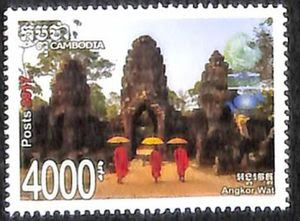
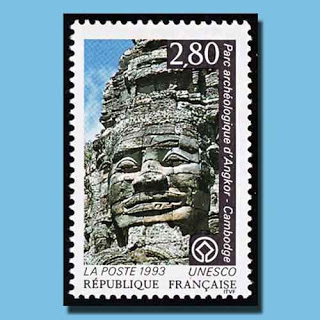
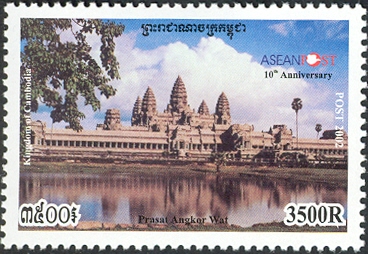
கம்போடியாவிலுள்ள உலகப் புகழ்பெற்ற அங்கோர்வாட் கோவிலை அறியாதோர் எவருமிலர். நானும் எவ்வளவோ புஸ்தகங்களைப் படித்துவிட்டேன். நமது ‘பிளாக்’கில் கட்டுரைகளும் உள . ஆயினும் பழைய பேப்பர் கட்டிங் (News Paper  Cuttings) குகளைத் தூக்கிப் போடுகையில் 2006-ம் ஆண்டு ஜனவரி 22ம் தேதி Organiser Weekly இதழில் வைதேகி நாதன் எழுதிய கட்டுரையில் உள்ள சில அதிசய விஷயங்களைப் பற்றி மாட்டும் குறிப்பிடுகிறேன் .

அமெரிக்காவில் ப்ளோரிடா பல்கலைக் கழகத்தில் சமயத் துறையில் பேராசிரியராகப் பணியாற்றும் டாக்டர் வசுதா நாராயணன் (Dr Vasudha Narayanan) காஞ்சீபுரம் கோவில்களையும் கம்போடியா கோவில்களையும் ஒப்பிட்டு எழுதிய நூலின் மதிப்புரை போனறது அக்கட்டுரை.

இதோ  அதிசயச் செய்திகள்:–

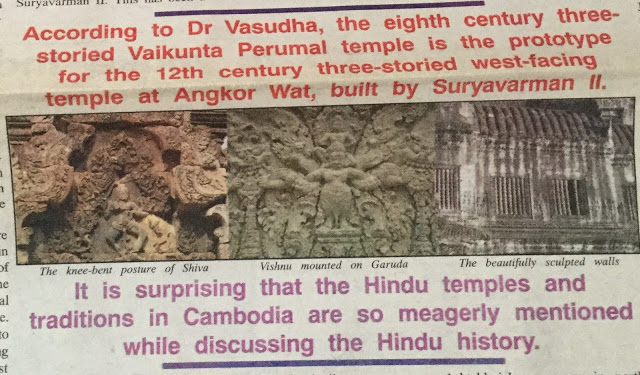
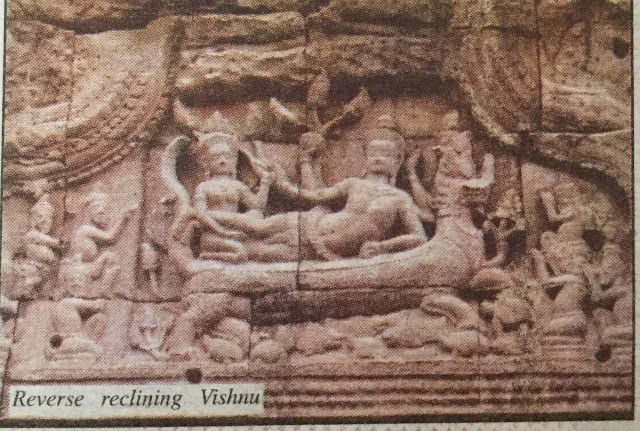
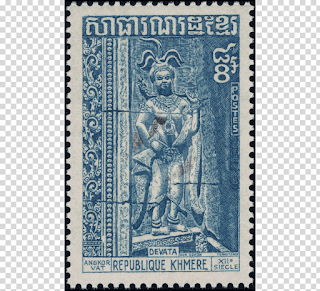
1.கலிங்க தேசம் (ஒரிஸ்ஸா), தமிழ் நாடு ஆகிய இரண்டும் கம்போடியாவுக்கு பல சிற்பிகளை அனுப்பியது போலும். காஞ்சியிலுள்ள மூன்று வைஷ்ணவக் கோவில்கள் கம்போடியாவின் அங்கோர்வாட்டுக்கு முன்மாதிரியாகத் நிகழ்ந்துள்ளன. விஷ்ணு ‘தலை மாற்றி சயனிக்கும்’ கோலம் இரண்டு இடங்களிலும் உள்ளன. அதாவது பெரும்பாலும் படுத்து இருக்கும் கோ லத்திலுள்ள (சயன) விஷ்ணுவின் தலை இடது புறத்திலும் பாதங்கள் வலது புறத்திலும் இருக்கும். ஆனால் காஞ்சியிலும் கம்போடியாவிலும் வலது புறத்தில் தலை வைத்துப் படுக்கும் படியாக அமைந்துள்ளது. இந்தியாவில் மேற்கு நோக்கி இருக்கும் கோவில்கள்  மிகவும் குறைவு. இதிலும் இரண்டுக்கும் ஒற்றுமை இருக்கிறது. அதாவது மேற்கு நோக்கி அமைந்துள்ள அங்கோர்வாட் கோவில், காஞ்சியிலுள்ள வைகுண்டப் பெருமாள் கோவில் போல அமைக்கப்பட்டுள்ளது.

காஞ்சியிலுள்ள வைகுண்டப் பெருமாள் கோவில் மூன்று அடுக்குகளைக் கொண்டது. இது போலவே அங்கோர் வாட் கோவில் அமைக்கப்பட்டுள்ளது .இது 12ம் நூற்றாண்டைச் சேர்ந்தது. காஞ்சிக் கோவில் எட்டாம் நூற்றாண்டைச் சேர்ந்தது.

2.வைகுண்டப் பெருமாள் கோவில், திரு வெஃகா கோவில், அஷ்டபுஜகரம் கோவில் ஆகியவற்றுடன் நெருங்கிய தொடர்புடையது கம்போடியா கோவில்கள். அஷ்ட புஜம் அதாவது எட்டு கைகளுடனுள்ள பெருமாள் இரண்டு இடங்களிலும் உள .

பெரிய அதிசயம்

தமிழ் நாட்டிலுள்ள பல கோவில்களில் குறிப்பிட்ட நாளன்று சூரிய ஒளி கோவிலுக்குள் நுழைவதையும், கர்ப்பக் கிரஹத்திலுள்ள சிலை மீது சூரிய ஒளி பட்டு சூர்ய தேவனே வழிபடுவதையும் பார்க்கிறோம். அங்கோர்வாட்டிலும் சூர்யன், வசந்த காலத்தில் அடியெடுத்து வைக்கும் நாளன்று அங்கோர்வாட்டின் நடுப்பகுதியில் சூரியன் உதயமாவதைக் காணலாம். கோவில் மேற்கு நோக்கி இருப்பதால் நடு கோபுரத்தில் பின்பக்கம் சூரியன் உதயமாகும். இதைவிட அதிசயம் பீஷ்மர் சிலை மீது சூர்ய ஒளி விழும் நாளாகும். மஹாபாரத யுத்தத்தில் அம்புகளால் வீழ்த்தப்பட்ட பீஷ்ம பிதாமஹர், அம்புப் படுக்கையில் சயனித்து, ஏறத்தாழ இரண்டு மாதங்களுக்குப் பின்னர், தான் நிர்ணயித்த உத்தராயண புண்ய காலத்தில் உயிர் துறக்கிறார் . அந்த குறிப்பிட்ட உத்தராயண புண்ய காலத்தில் சூரிய ஒளி பீஷ்மரின் சிற்பம் மீது விழும்!!!

3. மூன்றாவது அதிசயம் கங்கை நதி சிவன் தலையில் இருந்து விழுந்து, விஷ்ணுவின் பாதங்களைக் கழுவி சமவெளியில் பாய்வதாக புராணங்கள் செப்பும். அதே போல சியம் ரீப் (Seam Reap) ஆற்றில் அமைக்கப்பட்டிருந்தது. ஆனால் போரினால் சீரழிந்த கம்போடியாவில் பாதுகாப்பற்றுக் கிடந்த சிலையின் உடல் பக்கத்தை மட்டும் அறுத்து எடுத்து மேலை நாட்டு மியூசியங்களுக்கு விற்று விட்டனர் சிலைத் திருடர்கள்.

ஹரிஹரன் (சிவன்+ விஷ்ணு) முதலிய உருவங்கள் இந்தியாவிலும் காம்போடியாவிலும் உண்டு.

4.ஹைதாராபாத் சாலார் ஜங் மியூசியத்தில் விஷ்ணுவை சுமக்கும் கருடன் சிலை மிகவும் அழகானது (Salarjung Museum in Hyderabad). இது போன்ற உருவங்கள் கம்போடியாவில் உள்ளன. மிக அழகான ஹரிஹரன் சிலை, தலை இல்லாமல் நாம்பென் மியூசியத்தில் நிற்கிறது; அதன் அருகில் ஒரு சின்ன போர்டு வைத்துள்ளனர். “இந்தச் சிலையின் தலை பாரிஸ் நகரிலுள்ள கெய்மே (Musee Guimet)  மியூசியத்தில் இருக்கிறது” என்று அதில் எழுதப்பட்டுள்ளது.

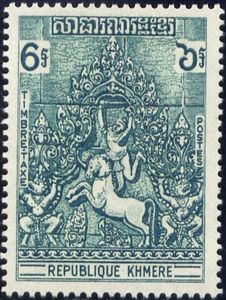
5. கடல் கடைந்து அமிர்தம் எடுத்த காட்சி கம்போடியர்களுக்கு மிகவும் பிடித்த காட்சி . பல ஹோட்டல்களிலும் பொது இடங்களிலும் காணலாம். அங்கோர் வட்டில் இந்தக் காட்சி பிரம்மாண்டமான அளவில் செதுக்கி வைக்கப்பட்டுள்ளது (49 மீட்டர்).

கம்போடியாவில் நூற்றுக் கணக்கான கோவில்கள் இருக்கின்றன. போரினாலும் காலத்தின் கோலத்தாலும்

அழிந்தது போக எஞ்சியத்தைக் காணும்போதே நமக்கு பிரமிப்பு ஏற்படுகிறது!!

tags —  கம்போடியா – காஞ்சீபுரம், தொடர்பு, அங்கோர்வாட்

–subham–

ஹிந்தி படப் பாடல்கள் – 62 – இரு மணிகள் – மழைக்காலப் பாடல்கள் (Post.8134)

WRITTEN BY R. NANJAPPA                        

Post No. 8134

Date uploaded in London – – – 9 June 2020   

Contact – swami_48@yahoo.com

Pictures are taken from various sources for spreading knowledge; this is a non- commercial blog. Thanks for your great pictures.

ஹிந்தி படப் பாடல்கள் – 62 – இரு மணிகள் – மழைக்காலப் பாடல்கள்

R. Nanjappa

இந்தியா பருவ மழையை நம்பியிருக்கும் நாடு. GDP அது இது என்று நமது அரசியல் வாதிகளும் பொருளாதாரவாதிகளும் அளப்பார்கள்- பருவமழை வர ஒருவாரம் தாமதமானால் தலையில் கைவைத்து உட்கார்ந்துவிடுவார்கள்! அப்படி வந்தாலும்  போதாது- பருவம் முழுவதும் நன்றாக நாட்டின் எல்லாப் பகுதிகளிலும் பெய்யவேண்டும்! இது எந்த அரசியல் வாதியின் கையிலும் இல்லை! வான் நின்றுலகம் வழங்கி வருவதல்லவா!  நமது திரைப்படங்களில் மழைபற்றிப் பல நல்ல பாடல்கள் இருக்கின்றன. படம் ஆதலால் கதையுடன் இணைந்தே வரும்.அப்படி இரு பாடல்களைப் பார்க்கலாம்.  

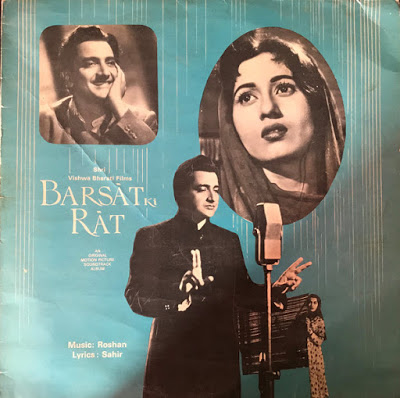
கர்ஜத் பர்ஸத் ஸாவன் ஆயோ ரே  

गरजत बरसत सावन आयो रे, गरजत बरसत सावन आयो रे लायो न संग में, हमरे बिछड़े बलमवा सखी का करूं हाय, गरजत बरसत सावन आयो रे गरजत बरसत सावन आयो रे सावन आयो, सावन आयो रे गरजत बरसत सावन.    रिमझिम-रिमझिम मेहा बरसे रिमझिम-रिमझिम मेहा – बरसे – बरसे रिमझिम-रिमझिम मेहा बरसे तड़पे जियरवा मीन समान पड़ गई फीकी लाल चुनरिया पिया नहीं आए गरजत बरसत सावन आयो रे 

पल पल छिन छिन पवन झकोरे पल पल छिन छिन पवन झकोरे पल पल छिन छिन पवन झकोरे लागे तन पर तीर समान – तीर समान सखी लागे तन पर तीर समान नैनन जले सौ भीगी सजरिया अगन लगाए गरजत बरसत सावन आयो रे लायो ना संग में, हमरे बिछड़े बलमवा  

கர்ஜத் பர்ஸத் ஸாவன் ஆயோ ரே கர்ஜத் பர்ஸத் ஸாவன் ஆயோ ரே லாயோ ந ஸங்க் மே ஹமரே பிசடே பலம்வா ஸகீ கா கரூன் ஹாய், கர்ஜத் பர்ஸத் ஸாவன் ஆயோ ரே   ரிம்ஜிம்-ரிம் ஜிம் மேஹா பர்ஸே தட்பே ஜியரவா மீன் ஸமான் பட்கயீ ஃபீகீ லால் சுனரியா பியா நஹீ ஆயே கர்ஜத் பர்ஸத் ஸாவன் ஆயோ ரே   பல் பல் சின் சின் பவன் ஜகோரே லாகே தன் பர் தீர் ஸமான், தீர் ஸமான் ஸகீ லாகே தன் பர் தீர் ஸமான் நைனன் ஜலே சௌ பீகி சஜரியா அகன் லகாயே கர்ஜத் பர்ஸத் ஸாவன் ஆயோரே..

  இங்கு வரிக்கு வரி அர்த்தம் பார்க்கவேண்டாம்.பொதுவாகத் தெரிந்துகொண்டால் போதும். கார்கால மேகங்கள் கர்ஜித்து வருகின்றன, மழையைப் பொழிகின்றன ஆனால் அன்பரை உடன் அழைத்து வரவில்லை, ஸகியே என்ன செய்வேன் என்று வருந்துகிறாள். மேகங்கள் தாரைதாரையாக மழை வர்ஷிக்கின்றன. குளிர்ந்த காற்று வீசுகிறது ஆனால் அது அம்புபோல் உடலில் பாய்கிறது, மனம் நிம்மதி இழந்து மீன்போல் அலைந்து தவிக்கிறது, இந்த மேகம் அன்பரை அழைத்துவர வில்லை, என்ன செய்வேன் என்கிறாள்! உருதுக் கவிஞர் இங்கு   கிராமப்புர ஹிந்தியிலேயே எழுதிவிட்டார்  

Song: Garjat barsat sawan Film: Barsat Ki Raat 1960 Lyrics: Sahir Ludhianvi Music: Roshan  Singers: Suman Kalyanpur & Kamal Barot Raag: Gaud Malhar YouTube link:  https://www.youtube.com/watch?v=r2LAdBwgCe4.. This contains portions from a song from the 1951 film Malhar, in the same Raga composed by Roshan himself. https://www.youtube.com/watch?v=62TjjoPCyG8   

இந்தப் பாடல் கௌட மல்ஹார் ராகத்தில் அமைந்த பாடல்களில் சிறந்ததாகக் கருதப்படுகிறது.   மழை அவசியமென்றாலும் நாம் மழையை எப்படி எதிர்கொள்கிறோம்? துளி தூரல் என்றால் ஓடி ஓளிந்துகொள்கிறோம், குடையைத் தேடுகிறாம்! குஜராத்தில் மழைக்காலத்தில் முதல் மழையில் எல்லோரும் வேண்டுமென்றே நின்று நனைவார்கள்! பம்பாயில் மழைக்காலத்தில் நனைந்து போவது சகஜம். இங்கு தெற்கில் மழை என்றால் ஒடி ஒதுங்குகிறார்கள். இங்கே ஒரு பாட்டில் மழையை எப்படி அனுபவிப்பது என்று ஹீரோ காட்டுகிறார்!  

டம் டம் டிகா டிகா  

डम डम डिगा डिगा मौसम भीगा भीगा
बिन पिए मैं तो गिरा…मैं तो गिरा
हाय अल्लाह, सूरत आपकी सुभान अल्लाह

तेरी अदा वाह-वाह क्या बात है
अँखियाँ झुकी झुकी, बातें रुकी रुकी
देखो कोई आज लुट गया
हाय अल्लाह..

सनम हम माना गरीब हैं
धंधा खोटा सही बन्दा छोटा सही
दिल ये खजाना है प्यार का
हाय अल्लाह


तेरी कसम तू मेरी जान है
मुखड़ा भोला भोला, छुपके डाका डाला
जाने तू कैसा मेहमान है
हाय अल्लाह …  
 
#
டம் டம் டிகா டிகா, மௌசம் பீகா பீகா பின் பீயே மைதோ கிரா மைதோ கிரா ஹை அல்லாஹ் சூரத் ஆப் கீ ஸுபான் அல்லாஹ்! ஹாய் அல்லா!   டம் டம் என்று மேளத்தின் சப்தம் (அல்லது மேகத்தின் சப்தம்) மழைக்காலம் வந்துவிட்டது! இதோ, குடிக்காமலேயே நான் கீழே விழுந்துவிட்டேன்! ஆண்டவனே! உன் முகம் கொள்ளை அழகு!   தேரீ அதா வாஹ் வாஹ் க்யா பாத் ஹை அகியா(ன்) ஜுகீ ஜுகீ, பாதே(ன்) ருகீ ருகீ தேகோ கோயீ ஆஜ் லுட் கயா ஹாய் அல்லாஹ்…  

உன்னுடைய நடை,உடையை பாவனையை  எப்படிப் புகழ்வது! தாழ்ந்த பார்வை, தயங்கிய பேச்சு பார், இன்று யாரோ உன்னிடம் மனதைப் பறிகொடுத்து விட்டார்கள்! ஆண்டவனே!   ஸனம்  ஹம் மானா கரீப் ஹை தந்தா கோடா ஸஹீ, பந்தா சோடா ஸஹீ தில் யே கஃஜானா ஹை ப்யார் கா ஹாய் அல்லாஹ்   நான் ஏழை என்பது தான் தெரியுமே! பிழைப்புக்கு வழியில்லை, சிறிய ஆள் தான் ஆனால் மனது அன்பால் நிறைந்திருக்கிறது ஆண்டவனே!   தேரீ கஸம் தூ மேரீ ஜான் ஹை முக்டா போலா பாலா, சுப்கே டாகா டாலா ஜானே தூ கைஸா மேஹ்மான் ஹை ஹாய் அல்லாஹ்…   உண்மையாகச் சொல்கிறேன், நீயே என் உயிர்! முகம் எளிமையாக இருக்கிறது, ஆனால் பேசாமல் மனதைப் பறித்துவிட்டாய் நீ எப்படிப்பட்ட விருந்தாளியோ, தெரியவில்லையே! ஆண்டவனே!  

Song: Dum dum diga diga Film: Chhalia 1960  Lyrics: Qamar Jalalabadi Music: Kalyanji Anandji Singer: Mukesh YouTube link: https://www.youtube.com/watch?v=AjHdWU4fo-Q https://www.youtube.com/watch?v=pZsmUHNwsas    

இது படத்தில் கதையை ஒட்டி வரும் பாடல். வீடியோவைப் பார்த்தால்தான் புரிந்துகொள்ள முடியும்.     விவசாயத்தையே நம்பி இருக்கும் ஒரு நாட்டில் மழை எவ்வளவு முக்கியமானது! இதை வேறு இரு பாட்டிலும் நன்கு சித்தரித்திருக்கிறார்கள்:   1. Do Bigha Zamin .Song: Haryala Sawan Dol bhajata aaya Music: Salil Chowdhury YouTube link; https://www.youtube.com/watch?v=bcKm9OXY0bY 2. Do Ankhen Barah Hath:Song: Umad Ghumad kar Aayire ghata Music: Vasant Desai YouTube link:  https://www.youtube.com/watch?v=qtUnvEtFcZA   இத்தகைய நல்ல மழைப் பாடல்களைக் கேட்பதே நாம் மாரி மாட்டு நன்றி

பாராட்டுவதாகும்!   Attachments area   Preview YouTube video garjat barsat saawan aayo re..Suman Kalyanpur_Kamal Barot_Lata_Roshan..a tribute https://i.ytimg.com/vi/r2LAdBwgCe4/hqdefault.jpg

garjat barsat saawan aayo re..Suman Kalyanpur_Kamal Barot_Lata_Roshan..a tribute Preview YouTube video Garjat Barsat Saawan Aayo Re – Suman Kalyanpur, Kamal Barot – BARSAAT KI RAAT – Madhubala, Bharat https://i.ytimg.com/vi/62TjjoPCyG8/hqdefault.jpg https://ssl.gstatic.com/docs/doclist/images/mediatype/icon_2_youtube_x16.png Garjat Barsat Saawan Aayo Re – Suman Kalyanpur, Kamal Barot – BARSAAT KI RAAT – Madhubala, Bharat Preview YouTube video Dum Dum Deega Deega | Raj Kapoor | Chhalia | Mukesh| Kalyanji Anandji | Evergreen Hindi Songs https://i.ytimg.com/vi/AjHdWU4fo-Q/hqdefault.jpg https://ssl.gstatic.com/docs/doclist/images/mediatype/icon_2_youtube_x16.png Dum Dum Deega Deega | Raj Kapoor | Chhalia | Mukesh| Kalyanji Anandji | Evergreen Hindi Songs Preview YouTube video Chhalia – Dum Dum Deega Deega Mausam – Rehman – Nutan – Lata Mangeshkar – Evergreen Hindi Songs https://i.ytimg.com/vi/pZsmUHNwsas/hqdefault.jpg https://ssl.gstatic.com/docs/doclist/images/mediatype/icon_2_youtube_x16.png

Chhalia – Dum Dum Deega Deega Mausam – Rehman – Nutan – Lata Mangeshkar – Evergreen Hindi Songs Preview YouTube video Hariyala Sawan Dhol Bajata (HD) – Do Bigha Zamin Songs – Balraj Sahni – Meena Kumari – Manna Dey https://i.ytimg.com/vi/bcKm9OXY0bY/hqdefault.jpg https://ssl.gstatic.com/docs/doclist/images/mediatype/icon_2_youtube_x16.png Hariyala Sawan Dhol Bajata (HD) – Do Bigha Zamin Songs – Balraj Sahni – Meena Kumari – Manna Dey Preview YouTube video Umad Ghumad Kar Aayee Re Ghata | Do Ankhen Barah Haath (1957) | Sandhya | Old Classic Hits https://i.ytimg.com/vi/qtUnvEtFcZA/hqdefault.jpg https://ssl.gstatic.com/docs/doclist/images/mediatype/icon_2_youtube_x16.png Umad Ghumad Kar Aayee Re Ghata | Do Ankhen Barah Haath (1957) | Sandhya | Old Classic Hits    

கயிறு சார்த்திப் பார்த்தல் மற்றும் Bibliomancy Oracle! -2 (Post No.8133)

WRITTEN BY S NAGARAJAN                     

Post No. 8133

Date uploaded in London – – – 9 June 2020   

Contact – swami_48@yahoo.com

Pictures are taken from various sources for spreading knowledge; this is a non- commercial blog. Thanks for your great pictures.

ச.நாகராஜன்

ரெப் லிவிங்ஸ்டன்!

அமெரிக்காவைச் சேர்ந்த ஒரு பெண்மணி ரெப் லிவிங்ஸ்டன்.  அவர் Bibilomancy Oracle ப்ராஜெக்ட் என்று ஒன்றை 2012இல் ஆரம்பித்தார்.

காலம் காலமாக இருந்து வரும் உண்மைகள் நம்மை வழி நடத்தும் என்பது அவரது முடிந்த முடிபு.

ஒரு கேள்வியைக் கேளுங்கள். ஒரு புத்தகத்தை எடுங்கள். தற்செயலாக அதில் நீங்கள் தேர்ந்தெடுக்கும் பக்கத்தில் உங்கள் கேள்விக்கான பதில் ஒரு செய்தி வடிவத்தில் இருக்கும்.

விக்கிபீடியாவின் படி 1753ஆம் ஆண்டில் பைபிளோமேன்ஸி கடைப்பிடிக்கப்பட்டிருக்கிறது; அதற்கான ஆவணம் இருக்கிறது.

இன்னொரு நடைமுறை ஸ்டிசோமேன்ஸி (Stitchomancy).  இதன்படி ஏதேனும் ஒரு புத்தகத்தில் உள்ள பல வரிகளைத் தேர்ந்தெடுத்துப் பதிலைக் காண்பது ஒரு பழக்கம்.

பலிக்குமா, பலிக்காதா என்பது அவரவர் நம்பிக்கையைப் பொறுத்து அமைகிறது.

ரெப் லிவிங்ஸ்டன் எந்தக் கேள்விக்கும் தனக்குச் சரியான பதில் கிடைக்கிறது என்கிறார்.

அவரிடம் இது பற்றி அவருக்குத் தெரிந்த ஒரு சம்பவத்தைக் கூறுமாறு கேட்ட போது அவர் ஆங்கிலக் கவிஞர் ராபர்ட் ப்ரௌனிங் வாழ்க்கையில் நிகழ்ந்த ஒரு சம்பவத்தைக் கூறினார்.

இந்தச் சம்பவம் விக்கிபீடியாவிலும் உள்ளது.

ராபர்ட் ப்ரௌனிங்கின் அனுபவம்!

எலிஸபத் பேரட்டுடனான அவரது தொடர்பு பற்றி அவர் இப்படிக் கயிறு சார்த்திப் பார்த்திருக்கிறார் – அதாவது தற்செயல் தேர்வாக ஒரு பக்கத்தை எடுத்துப் பார்த்திருக்கிறார். அவர் எடுத்த புத்தகம் – Cerutti’s Italian Grammar!

இது அவருக்குப் பெரும் ஏமாற்றத்தைத் தந்தது. என்றாலும் கூட யதேச்சையாக ஒரு பக்கத்தைத் திறந்தார். அதில் வந்த வரி அவரைப் பெரிதும் கவர்ந்தது: if we love in the other world as we do in this, I shall love thee to eternity’ (which was a translation exercise).”

“இந்த உலகில் நாம் ஒருவரை ஒருவர் காதலிப்பது போல அடுத்த உலகிலும் நேசித்தால், நான் உன்னை ஊழிஊழி காலம் வரை காதலிப்பேன்” (இது ஒரு மொழிபெயர்ப்பு பயிற்சிக்காக அந்த இலக்கணப் புத்தகத்தில் வந்த வரி)

பின்னால் எலிஸபத் பேரட், எலிஸபத் பேரட் ப்ரௌனிங்காக மாறிய சரித்திரம் அனைவரும் அறிந்தது தான்.

(Reb Livingston : -My favorite bibliomancy example is this from Wikipedia:  “English poet Robert Browning used this method to ask about the fate of his enchantment to Elizabeth Barret (later known as Elizabeth Barret Browning). He was at first disappointed to choose the book “Cerutti’s Italian Grammar”, but on randomly opening it his eyes fell on the following sentence: ‘if we love in the other world as we do in this, I shall love thee to eternity’ (which was a translation exercise).”)

ஆக இது போன்ற ஏராளமான நிகழ்வுகள் உலகெங்கும் பதிவு செய்யப்பட்டிருக்கின்றன.

உலகில் எவ்வளவோ நம்ப முடியாத புதிர்கள்; ஆச்சரியங்கள்!

அவற்றில் இதுவும் ஒன்று!

*

சரி, இந்தப் பழக்கத்தைக் கிண்டல் செய்து வந்துள்ள ஒரு ஜோக்கையும் இங்கு பார்த்து விடுவோமா?!

Bibliomancy is the practice of opening the pages of the Bible at random and deriving solace or a solution for a nagging problem.

Once, a person too nervous and shaking, opened and on the first occasion came across Matthew 27:5 – “(Judas) went away and hanged himself”.

He turned again and has eyes fell upon Luke – 10:17 “go and do likewise”.

Much dispirited he tremulously turned another page and was totally unnerved to find “What you are about to do, do quickly”. (John-13:27)

tag- கயிறு சார்த்திப் பார்த்தல்-2

xxx

தேள் பற்றிய 4 பழமொழிகளைக் கண்டுபிடியுங்கள் (Post No.8132)

தேள்  பற்றிய 4 பழமொழிகளைக் கண்டுபிடியுங்கள் (Post No.8132)

WRITTEN BY LONDON SWAMINATHAN

Post No. 8132

Date uploaded in London – 8 June 2020       

Contact – swami_48@yahoo.com

Pictures are taken from various sources for spreading knowledge; this is a non- commercial blog. Thanks for your great pictures.

tamilandvedas.com, swamiindology.blogspot.com

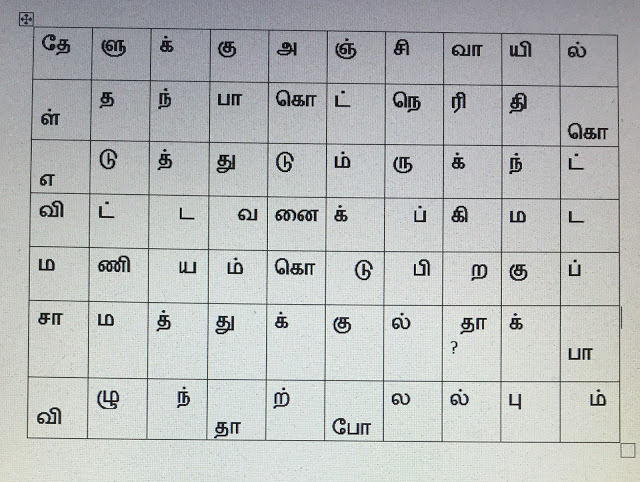
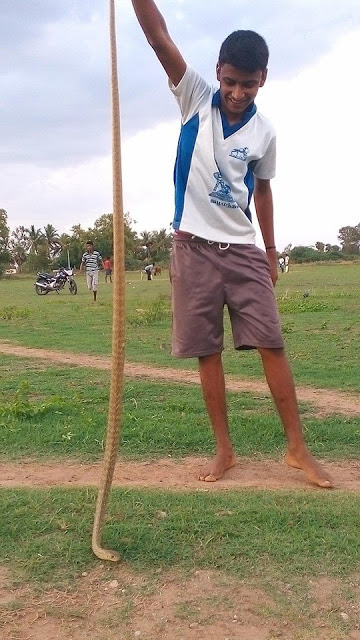
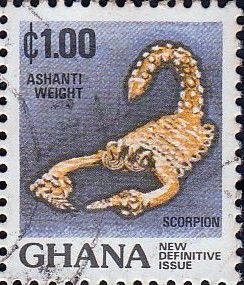
ஒரே சொல் மீண்டும் மீண்டும் வந்தால் ஓரிரு இடங்களில் மட்டுமே கட்டத்தில் இருக்கும். கொண்டு கூட்டி பொருள் கொள்க . விடை கீழே உள்ளது . சில நேரங்களில் படங்களைப் பார்த்தாலும் விடை காண உதவலாம்.

விடை

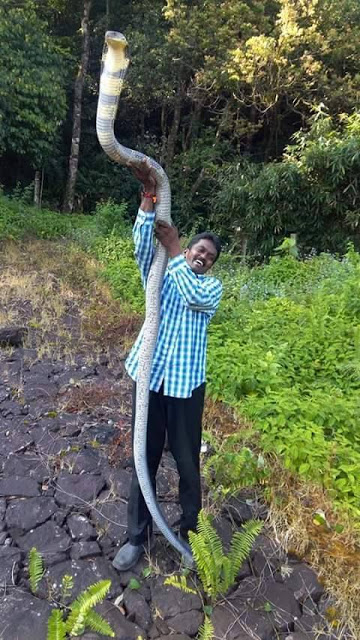
1.தே ளு க்கு அஞ்சி பாந்தள் /பாம்பு வாயில் விழுந்தாற்போல

2.தேள் கொட்டப் பாம்புக்கு மந்திரிக்கிறதா?

3.தேள் நெருப்பில் விழுந்தால் எடுத்துவிட்டவனைக் கொட்டும்

4.தேளுக்கு மணியம்/அதிகாரம்  கொடுத்தால் சாம சாமத்துக்குக் கொட்டும்


Source book :–

பயன்படுத்திய நூல்- கழகப் பழமொழி அகர  வரிசை, கழக வெளியீடு

Tags- தேள்  , பழமொழி, பாந்தள்

–subham–

SRI TYAGARAJA-29, Tyagaraja & Philosophy (Post No.8131)

WRITTEN BY R. NANJAPPA                        

Post No. 8131

Date uploaded in London – – – 8 June 2020   

Contact – swami_48@yahoo.com

Pictures are taken from various sources for spreading knowledge; this is a non- commercial blog. Thanks for your great pictures.

SRI TYAGARAJA-29,  Tyagaraja & Philosophy

Tyagaraja was not a philosopher. He was a mystic who practiced his devotion to his chosen deity in the light of the highest Hindu traditions as laid down in the Scriptures and as shown by ancient authorities like Narada, Vyasa and other Sages and Saints. He was not interested in questions of philosophy as such. However, Hindu religion in practice involves both theology and philosophy, even if  not explicitly stated. As such Tyagaraja too had to deal with some aspects of the question.


Hinduism is  marred by two  controversies. One  is the sectarian theological controversies;  the other is about the philosophical systems.

 Six systems of philosophy , called Astika Darshanas,  accept the authority of the Veda.. Vedanta is at the head: as the name implies, it is the logical end or conclusion (anta) of the Veda. The other systems complement it along the way- each one is helpful and necessary at some stage. All systems agree that Brahman is the Ultimate Reality. 

Vedanta

Vedanta  has three main divisions: Dwaita, Visishtadvaita and Advaita, though there are others, like Achintya Bhedabheda . Each one of them is further subdivided into many schools as philosophy gets mixed up with theology. This cannot be avoided in practical and living religion which keeps evolving; such divisions and subdivisions are natural and make the whole rich, provided the adherents do not turn fanatics. And provided they do not subject personal experience of the Ultimate to the vagaries of the mind.

When the source is one viz the Veda, why should there be so many ‘philosophies’ and theologies? There are only four reasons:

  • difference in the depth of understanding, perception/experience
  • difference in interpretation
  • difference in temperament and nature of the followers
  • human ego and personal prejudices or preferences.

The Truth is One. But it is experienced, interpreted, and expressed by less than perfect minds differently. Hence different systems arise. In course of time, each one gains its adherents and considers itself not only different from but even superior to others. This is the case in all religions: Christianity has more than 100 divisions, Islam about 70. Buddhism and Jainism, too. Why, even the modern Brahmo Samaj got split due to various reasons! Even political parties have factions. Learned Judges differ in their interpretation of even mundane law!

Prastanatraya

The Upanishads, Bhagavad Gita and Brahma Sutras are the foundation of our philosophy. All theories have grown out of their interpretations.

But these are not dogmatic or sectarian “books”. The religious culture of the Hindus:

“set itself no sectarian limits; it claimed no universal adhesion, asserted no sole infallible dogma, set up no single narrow path or gate of salvation; it was less a creed or cult than a continuously enlarging tradition of the Godward endeavour of the human spirit.”
“The Indian religious thinker knows that all the highest eternal verities are truths of the spirit.The Supreme truths are neither the rigid conclusions of  logical reasoning, nor the affirmations of credal statement, but  fruits of the soul’s inner experience.”

Sri Aurobindo:The Renaissance in India, 1997, p.179, 181

  But in course of time. the intellect triumphed over spiritual experience, and built systems of thought and belief. Conflicts followed. Those who experience do not indulge in argument: they KNOW. In the modern age, Sri Ramakrishna and Ramana Maharshi are the outstanding examples of such Unity. Sadly, their followers have made ‘systems’ or ‘cults’ out of them,too.

Philosophical dispute

The arguments surround the ideas: Jiva, Jagat, Ishwara and the relationship among them. The bitterest arguments are between the Dwaitins and Advaitins. The dwaitins consider the world “real”, the Advaitins, “Unreal”, though in a purely technical sense. The dwaitins consider the world to be Bhagavan’s ‘Leela’ or play. The Advaitins- at least the school of Sankara- consider it as ‘Maya’. These are purely technical terms and one may spend a lifetime arguing about them  and arriving nowhere.  In this respect, the followers of Chaitanya Mahaprabhu are practical: they say it is all a mystery, beyond our intellectual capacity to understand- hence ‘Achintya bhedabhedam’.


Without getting into intricate ( and fruitless) arguments, one may attempt a brief sketch: There is One Reality (SAT) IN EXISTENCE. IT IS EXISTENCE.  This is called Brahman.The world is an expression of it. But the world is manifold, contains multiplicity. Often things seem contradictory or conflicting- the so called dualities. How has the One become the Many? This is the crux of the philosophical problem. Every argument makes it worse. The real Jnanis say: Has It indeed become many? Find out by personal experience!

Philosophy and modern science

We can find a parallel in modern science. It started with the idea of separation of mind and matter. Matter was taken as the fundamental unit of existence. Newtonian science is based on it.  In the 20th century, Science found out that there is ultimately no matter, but only energy, that too in a state of constant flux. Further, the whole thing is not out there as some objective reality, but is there in our consciousness. Somehow, what we perceive depends upon our consciousness! Now, while this is the ultimate scientific truth, we have to deal with matter for practical purposes. When you build a house, you resort to Newtonian science, not quantum physics, though  it is quantum physics which is the  ultimate truth. This is the practical situation. So, the controversy among the systems of philosophy is totally absurd. 

 For practical religion this means that while God alone is the Absolute Truth, we still have to live in this world and deal with it. So long as we have this body consciousness- ie feel hunger, thirst etc and need food, clothing and shelter for which we depend on the world, it is not proper to say the world is ‘maya’ or unreal.  Practical spirituality is how to live in the world in the consciousness of God as the sole and ultimate reality.  God is not denied, because He is not seen; the world is not taken as the absolute reality because it is perceived by our senses!

Such philosophical issues were there in his times and Sri Tyagaraja deals with them  in his kritis. They merit careful study.

Dwaita V. Advaita?

Dwaitamu sukhama 

Advaitamu sukhama

Chaitanyamavinu sarvasakshi

Vistaramugaanu delpumunato

Is Dwaita siddhanta ( which holds Jivatma and Paramatma to be separate) superior? Or is Advaita (which holds that there is only one Atma) better? O of the nature of Chaitanya ( ie Chit or Consciousness), please explain this to me in detail.

Gagana pavana bhuvanaad avanilo

Nagadharaja Sivendraadi suralalo

Bhagavad bhakta varaagresarulalo

Baga raminche Tyagarajanuta

O the one worshipped by Tyagaraja, the One sporting in Akasha, air,Sun, the various worlds,etc, and also in  Vishnu, Brahma, Siva, Indra and other Devas, and also with the best of the devotees, please tell me which of the systems is superior!

This kriti has to be interpreted carefully. Tyagaraja is very subtle here. We have seen earlier how in the Gita (7.4-5) Bhagavan talks about his apara (lower) prakriti consisting of bhumi, apo, analo,etc and also of his para  (higher ) prakriti- by which this creation is sustained. Bhagavan does not there spell out what this higher prakriti is- but authorities take it as Chit, or Consciousness. Here Tyagaraja calls Rama ‘Chaitanyamavinu’- of the form of Consciousness! So it is clear that for Tyagaraja this question cannot be resolved unless one realises God- who is Sat-Chit-Ananda!

Without consciousness, the world cannot be sustained or perceived. This is the conclusion of both our philosophy and modern Science! At that level, this dispute about dwaita-advaita is silly.

Which way to go?

Ae daari sancharintura ikabalkara

Anni taananu margamunanu janitae

nannu veedenu bharamani yanevu

Tannu brovara sada yante 

Dwaituda nevu

What path should I follow? Please explain this.

If I try to follow the idea “I am everything” ( ie, the idea Aham Brahmasmi or Sarvam Khalvidam Brahma or So’ham, etc ie the Self is everything), you will say ‘it is hard to leave you’. If I plead with you to save me, you will say ” why, you follow the dwaita way”. So, which path I should take? Please explain.

Sri Tyagaraja is again at his subtle best. What is his relationship with God? If he thinks everything is the Self, he will miss his personal intimacy with Rama. On the contrary, as a real devotee, can he afford to think he is separate from his Deity? He can seek protection only if he is separate, but is he? So, Rama will then say: Are you separate ( ie a dvaitin) that you ask for protection? ie Are you not already part of Me? Why do you then seek protection?

This is a splendid attitude. The relationship of the bhakta to Bhagavan is beyond all categories like dwaita, advaita, etc!


Bheda rahita vedantamulu delsi    (Enduku peddala)

Understanding the Vedanta which is beyond the differences.

(Tyagaraja is describing here the greatness of jnanis- the great  men. They have transcended differences as a result of their knowledge of true Vedanta by personal experience. )

Baguga maanasa bhavasagaramunu

                                (Bhajanaseyarada)

This ocean of Samsara, which has originated in the imagination of one’s mind.]

Here Tyagaraja is touching upon one of the fundamental tenets of Advaita, in its extreme form. There is a debate among the Vedantins about the reality of the world. Some hold that the world is seen because it is real – srishti drishti vaada. Others adopt the opposite: that it is taken as real only because it is perceived- drishti srishti vaada. There is also the third view, called Ajata Vaada- that is, the world has not really been created (ajata), it is only an appearance in our mind. Here, Tyagaraja is indicating this position.

All this only shows how we view the world depends upon the state of our consciousness. As has been stated, drishtim jnanamayim kritva, pasyet Brahmamayam jagat.]

Advaita is not a dry doctrine. It is a state of realisation. Whatever the path followed, at the end of a sincere quest is the bliss where one feels the sense of absolute Unity, transcending all differences!

Sri Hari kirtanache dehadri indriya 

samuhamula marachi

So’hamainate chalu       (Inta kannananda)

Due to Sri Harinama Sankirtana, one forgets the body and all senses. One gets the feeling Sa Aham (So’ham – HE I AM). This is sufficient.

Here, Tyagaraja is reaching the zenith of Advaita. The ultimate realisation is total absence of any sense of differentiation. Tyagaraja indicates here that this is achieved through bhakti also, through Harinama Sankirtan!

This he reiterates in another kriti too.

Unity Consciousness

Aakasa Brahmamane

Atmaramuni ta sarijuchuchu

Lokadulu chinmaya mane …..

Jivan muktudau          (Sitavara Sangita jnanamu)

To realise that the Akasa constitutes the body of Brahman, that the worlds occupying that Akasa are of the form of Consciousness (Chinmaya) and then to perceive them as the Atmarama that is one’s own Self- this is the state of Jivanmukta (attained  through Sangita jnana)

Here again Tyagaraja is pointing out the state of realisation as seen by the Advaitin. Jivanmukti is the ultimate state of the Advaitin. There he realises Unity with the whole cosmos, but that is a state of consciousness experienced in and as the Self. There Rama too becomes Atmarama!

Paramatmudu Jivatmudu yokadai

Baragu chundu bhakta paradeenuni

Kalyanasundara Rama               (Karuna yela gante)

Rama is inclined to those devotees who function with the firm conviction that Jivatma and Paramatma are one!

Paramatmudu jivatmudu padunaalugu lokamulu

Nara kinnara kimpurushulu naradadi munulu

paripurna nishkalanka niravati sukha dayaka….

jnanamosagarada                       (Jnanamosagarada)

Can you not grant me the jnana that Paramatma,  Jivatma, the fourteen worlds, human beings, kinnaras, kimpurushas, Sages like Narada, and everything else is the Self?

Tyagaraja is making here the classic formulation of Advaita jnana- to realise that everything is the One Self: Sarvam Khalu Idam Brahma! There everything animate, inanimate , men, gods and other forms of life are the varied expression of that single Reality!

Clean mind

But Tyagaraja is careful to add a classic qualification, too. The vedantins hold that we must first purify the mind (Chitta suddhi) to perceive the Truth. Tyagaraja says here that he has already purified his mind through devotional singing:

Nee namamuche namati nirmalamainati

By repeating your Names, my mind has been purified.

So, Tyagaraja is seeking sujnana through anuraga!

Even much religious learning  will not lead to clarity’

Veda sastra purana vidyalache 
Bheda vaadamulu teeraga bhramase vaarala
                                         (Ninne nera)

(
I have seen that) Inspite of much learning  in Veda, sastra and puranas, people are perplexed by conflicting arguments


Rama alone can confer clarity.

Vivaadi mada harana       (Nee daya rava)


You destroy the ego of those who indulge in vain disputes.

 Thus, Sri Tyagaraja is showing us a practical way out of the philosophical disputations. First let us get divine grace through devotion and then we will see which system is superior! 

 Above all, let us not forget that all philosophies are human constructs, and are not divinely ordained. What matters is genuine personal experience of Truth which is One. [Ekam Sat]

Note: In modern times, Sri Ramakrishna and Sri Ramana Mahashi dealt with such questions in reply to earnest seekers. The Gospel of Sri Ramakrishna and Talks of Ramana Maharshi should be studied in this context. Neither of them said the world is “unreal” in the common use of the term. Ramana Maharshi , considered to be an Absolute Advaitin, clearly said:

அத்துவிதம் என்றும் அகத்துறுக ஓர்போதும்

அத்துவிதம் செய்கையில் ஆற்றற்க – புத்திரனே

அத்துவிதம் மூவுலகத்தாகும் குருவினோடு

அத்துவிதம் ஆகா தறி.

உள்ளது நாற்பது-அனுபந்தம்-39

Supplement to Reality in Forty Verses

Retain at heart always the sense of non-duality, but never express it in action. My son, the sense of non-duality may apply to the three worlds, but it is not to be used towards the Guru.

Translation by Arthur Osborne.

 (This verse is a Tamil rendering of verse 87 of Tattvopadesa of Sankaracharya]

2.As for the state of Newtonian and Quantum physics, the nature of mind and matter, the following books may be read:

– Fritjof Capra: Tao of Physics

– Gary Zukov: The Dancing Wu Li Masters

-Gregory Bateson: Mind and Nature

3. Genuine sages who experience spiritual Truth first hand in all places and at all times attest to the common element in the spiritual quest, cutting across all sectarian theological divisions. This has been termed ‘The Perennial Philosophy” by Aldous Huxley in the book with that title. It deserves serious study.

4. Lot of muck is written in the name of Indian philosophy by persons-so called “scholars” even-  who have not studied the original sources, but simply rely on doubtful translations. For a critical and brilliant account of all branches of Indian philosophy based on the original sources,, see: Chandradhar Sharma: A Critical Survey of Indian Philosophy; Motilal Banarsidass, 1960.

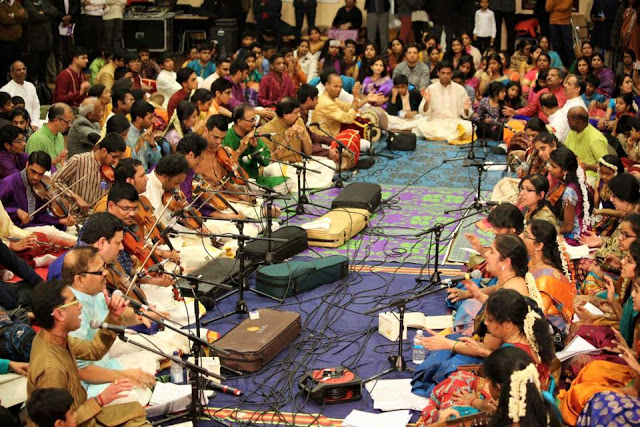
LONDON THYAGARAJA ARADHANA PICTURE

To be continued———————


SWAMI CROSSWORD 862020 (Post No.8130)

WRITTEN BY LONDON SWAMINATHAN

Post No. 8130

Date uploaded in London – 8 June 2020       

Contact – swami_48@yahoo.com

Pictures are taken from various sources for spreading knowledge; this is a non- commercial blog. Thanks for your great pictures.

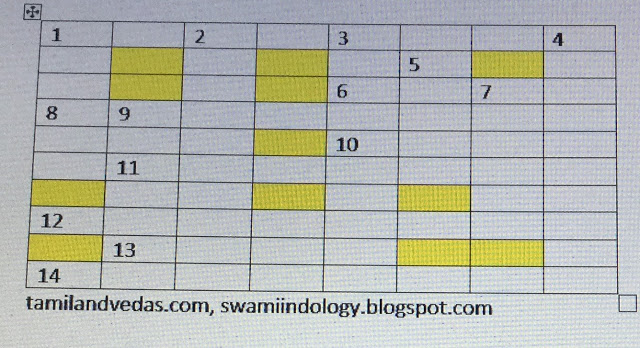
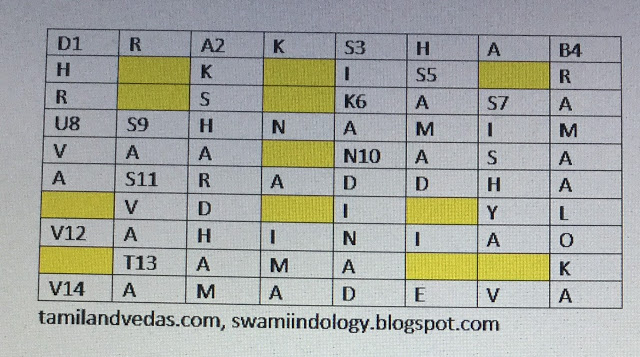
ACROSS

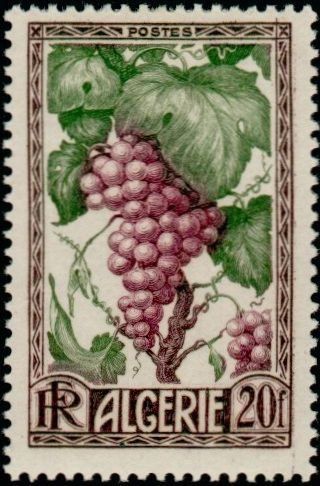
1—(7 letters)- sweet squeezy fruit in the vine that becomes wine

3—(7) one who caused the death of Bhishma in Mahabharata

6—(4)  Cough disease, Grass, Whip in Sanskrit

8—(7) Hot

10—(4) Nose; Destruction, Ruin; elision/lopa in grammar

11—(7) faith; ceremony for the departed

12—(6) battalion; channel; body of forces; river

13—(4) – darkness, night, much

14—(8) a Rishi/seer credited with Fourth Mandala of Rig Veda; also one of the faces of Lord Shiva

 DOWN

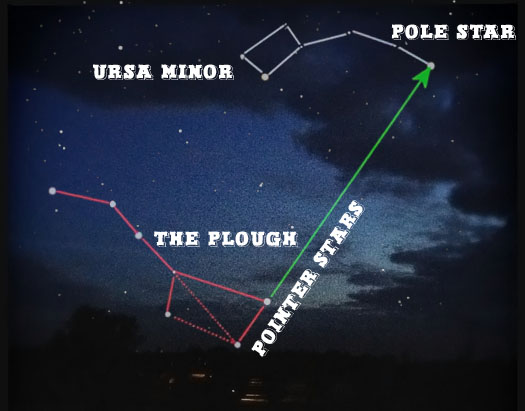
1–  (6 letters) – pole star is named after this Hindu boy

2— (10) famous temple of Swaminarayan

4.—(10) abode of God with Four Heads/ creator

5—(4)  Third Veda with  Music

7–  (6) Disciple of a Guru/Teacher

10—((7)—Permanent

–subham–

அதிசய அரிசி மருத்துவம்! (Post No.8129)

WRITTEN BY LONDON SWAMINATHAN

Post No. 8129

Date uploaded in London – 8 June 2020       

Contact – swami_48@yahoo.com

Pictures are taken from various sources for spreading knowledge; this is a non- commercial blog. Thanks for your great pictures.

tamilandvedas.com, swamiindology.blogspot.com

அரிசிச் சோற்றையே மருந்தாகக் கொடுக்கும் அபூர்வ மருத்துவ முறை கேரளத்தில் உள்ளது. ஆயுர்வேத மருத்துவசாலைகள் இதைப் பயன்படுத்துகின்றன. இது பற்றிய ஒரு சுவையான சம்பவத்தைக் கேளுங்கள்.

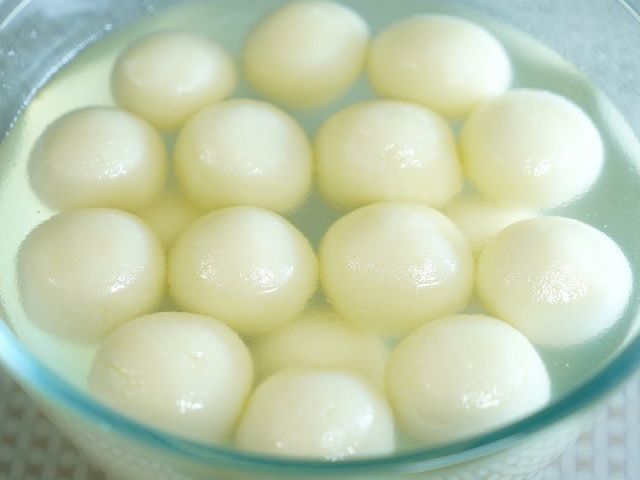
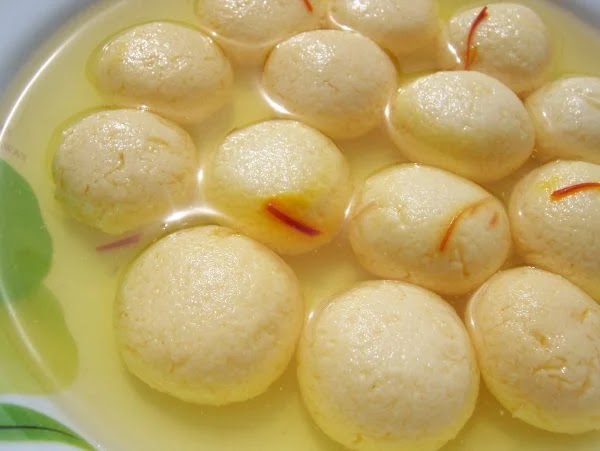
இந்தியாவின் மேற்கு வங்காள மாநிலத்தின் இரண்டாவது முதல் அமைச்சராக பதவி வகித்தவர் டாக்டர் பி.சி.ராய் (Dr P C Roy); அவர் முதலமைச்சராக இருந்தபோதும் கல்கத்தாவில் தனது வீட்டில் நோயாளிகளைப் பார்த்து மருந்து கொடுத்து வந்தார். ஒருவருடைய மகன் நோஞ்சானாகவும் வியாதிக்காரனாகவும் இருந்தான். அவருக்கும் ஒரு நாள் டாக்டர் ராய் அவர்களைப் பார்க்க வாய்ப்பு கிட்டியது. பையனை ஒரு பார்வை பார்த்தார் ராய். கவலையே படாதீர்கள் தினமும் காலையில் 2 ரசகுல்லாக்கள் கொடுங்கள் அதுதான் இந்த நோய்க்கு நல்ல மருந்து என்று சொல்லி அனுப்பினார் ( ரசகுல்லா என்பது கிட்டத்தட்ட குளோப் ஜாமுனைப் போன்றது. பால் பொருட்களால் ஆன இனிப்பு) .

ஆயினும் நோயாளியின் அப்பா விளக்கம் கேட்க முற்பட்டபோது டாக்டர் டாக்டர் ராய் சொன்னார்- உங்கள் மகனுக்குத் தேவையான அளவு புரதச் சத்து (Protein)  உடலில் இல்லை. பாலிலும் சீஸ் (Cheese) போன்ற பாலாடைக் கட்டியிலும் கேசின் (casein) என்னும் புரதச் சத்து உள்ளது; அது உங்கள் புதல்வனுக்குத் தேவை என்று விளக்கினார்.

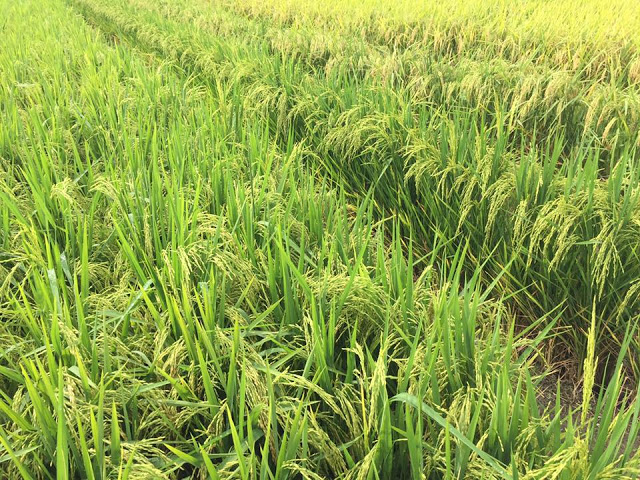
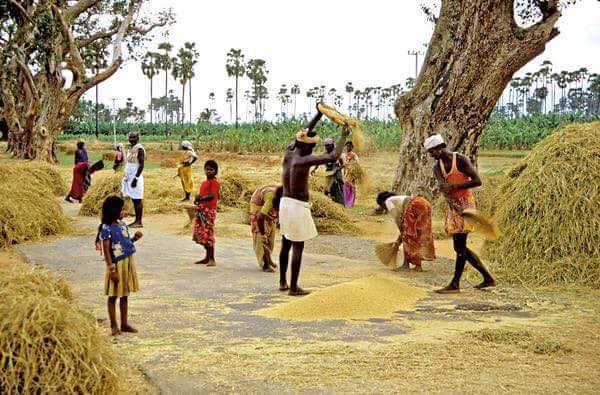
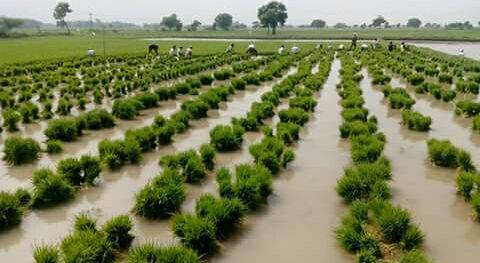
அரிசிச் சோற்றையே முக்கிய உணவாகக் கொண்ட மேற்கு வங்கத்தில் புரதச் சத்து குறைவு என்பதால் இந்த வைத்தியம் பொருத்தமானதே. ஆயினும் அரிசிச் சோற்றையே முக்கிய உணவாகக் கொண்ட கேரளத்தில் அந்த சோற்றையே மருந்தாகப் பயன்படுத்துவது விநோதமாகத் தோன்றும்.. ஆனால் அவர்கள் இப்படிப் பயன்படுத்தும் அரிசி விசேஷ வகை அரிசி ஆகும். நீவார என்னும் நெல் ‘வன நெல், குள நெல் அல்லது நீர் வாரம்’ என்று அழைக்கப்படும். இது பயிரிடாமலே காடுகளில் தானாக வளர்வதால் இதை பழங்காலத்தில் ரிஷி முனிவர்கள் பயன்படுத்தி வந்தனர்.

இதே போல ஷஷ்டிகா என்னும் அரிசி வகை 60 நாட்களில் பலன்தரும் நெல் வகையாகும் . இதையும் பயன்படுத்துவர் .

நீவார என்னும் அரிசியை யஜுர் வேதமும், பாணினியின் அஷ்டாத்யாயீயும் குறிப்பிடுகின்றன. ஆகையால் இவை 3000 ஆண்டுகளாக பயன்படுத்தப்படுகின்றன. ஷஷ்டிகா என்னும் 60 நாளில் வளரும் நெல் வகையையும் பாணினி குறிப்பிடுகிறார். ஆகையால் இவை அனைத்தும் குறைந்தது 2700 ஆண்டுகளாகத் தெரிந்தவையே.

ஷஷ்டிகா வகை அரிசியைக் கொண்டு ஆக்கப்படும் சோற்றை ஞவரகிழி என்ற பெயரில் மருந்தாக பயன்படுத்துவர் . இந்த வகை மருத்துவத்தை சரகர் , சுஸ்ருதர் போன்ற மருத்துவர்களும் 2500 ஆண்டுகளுக்கு முன்னரே சம்ஸ்கிருத மருத்துவ நூல்களில் எழுதி வைத்துள்ளனர்.

இந்த நெல்லுக்கு காரரிசி, செந்தினை என்னும் பெயர்களும் உண்டு என்பதை அகராதி மூலம் அறியமுடிகிறது

குறிப்பிட்ட வகை அரிசியினால் ஆன சோற்றை கிழியாகக் கட்டி — மூட்டை முடிச்சு- போல கட்டி உடம்பு முழுதும் மசாஜ் செய்வார்கள்; சோற்றை வடிப்பதற்கு முன் அதில் வேறு சில மூலிகைகளையும் சேர்ப்பார்கள். அதே போல உடலில் மஸாஜ் செய்யும்போது மூலிகைத் தைலங்களையும் தடவுகின்றனர். இதை ‘ஷஷ்டிகா அன்ன லேப’ என்றும் அழைப்பர் . இது முக்கியமாக மூட்டு வலி, வாத நோய்களுக்கு நல்ல பலன் தருகிறது

கிழி என்றால் முடிச்சாகக் கட்டுதல் என்று பொருள்; பொற்கிழி என்று நாம் கேள்விப்படுகிறோம். அது போல சாதத்தை துணியில் முடிச்சாகக் கட்டி அதைக் கொண்டு  உடலில் ஒத்தடம் கொடுப்பர்.

நீவார கஞ்சியை உள்ளுக்கு சாப்பிடுவதும் ஒரு சிகிச்சை ஆகும்.  இது உடல் நோஞ்சாசனாக , எதைச் சாப்பிட்டாலும் உடல் தேராத ஆட்களுக்குத் தருவார்கள். பொதுவாகவே இதை கற்கட மாதத்தில் (ஆடி ) சாப்பிடுவதால் கார்கிட கஞ்சி, மருந்துக் கஞ்சி என்றும் குறிப்பிடுவர்

இந்தியாவின் சட்டிஸ்கர் மாநிலத்தில் மருத்துவ குணமுள்ள சுமார் 50 வகை நெல் வகைகள் கண்டறியப்பட்டுள்ளன.. அவைகளையும் நாட்டு வைத்தியர்களும் பழங்குடி மக்களும் பயன்படுத்துகின்றனர். ஒரிசா, உத்தர கன்னட பகுதிகளில் கூட மக்கள் பல வகை நெற்பயிர்களை தோல்  வியாதி சிகிச்சையில் உபயோகிக்கின்றனர்.

செலவே இல்லாமல் பயிரிட்டு, எதிர் விளைவு (side effects) எதுவும் இல்லாமல் சாப்பிட்டு குணம் அடையும் இந்த அரிய  வகைச் சிகிசசை முறை பரவ வேண்டும் ; மருத்துவ குணம் உள்ள நெல் வகைகள் பாதுகாக்கப்படவேண்டும்.

பல பெயர்கள் அந்தந்த மொழி பேசுவோர் வாய் வழி வந்தமையால் அவற்றின் ஆங்கில வடிவத்தைப் பட்டியல் இடுகிறேன்.

Shastika , Nivara or Njavara (in Malayalam) nirvara or Senthinai (In Tamil)—used for Rheumatism and Neural disorders

Aalcha in Chattisgarh area used for curing Pimples

Baissor – treatment for chronic Head ache and Epilepsy

Gathuhan, Karhani, Kalimooch varieties used respectively for treating Rheumatism, Paralysis and Skin Disorders

In Jeypore area of Orissa, tribal people use Mehar, Sariphul  in treatment for various ailments

In Uttara Kannada district of Karnataka, Atikaya variety as health tonic and Kari Bhatta to treat skin infections.

இவை அனைத்தும் 15 ஆண்டுகளுக்கு முன்னர் புது டில்லியில்  நடந்த சர்வதேச அரிசி மகாநாட்டில் (International Rice Congress) சமர்ப்பிக்கப்பட்ட கட்டுரைகளின் சாராம்சம் ஆகும். ஆர்கனைசர் (Organiser,5-11-2006) பத்திரிகையில் இதன் சுருக்கம் வெளியானது .

தொல்பொருட் துறை நிபுணர்களும் இது பற்றி சுவையான தகவல்களைத் தருகின்றனர். இயற்கையாக காட்டிலும், மேட்டிலும் வளரும் இந்த பல வகையான தானியங்களின் மாதிரிகள் 8000 ஆண்டுகளுக்கு முந்தைய வசிப்பிடங்களில் (Advanced Mesolithic  or Pre Neolithic Periods) ) இருந்து கிடைக்கின்றன என்பர் .

Tags — அரிசி மருத்துவம், ஷஷ்டிகா,  நீவார, ஞவரகிழி .

–subham–

ஹிந்தி படப் பாடல்கள் – 61 – இரு மணிகள்(Post No.8128)

WRITTEN BY R. NANJAPPA                        

Post No. 8128

Date uploaded in London – – – 8 June 2020   

Contact – swami_48@yahoo.com

Pictures are taken from various sources for spreading knowledge; this is a non- commercial blog. Thanks for your great pictures.

ஹிந்தி படப் பாடல்கள் – 61 – இரு மணிகள் – ஹேமந்த் குமார், லதா மங்கேஷ்கர்!

R. Nanjappa

ஹேமந்த் குமார், லதா மங்கேஷ்கர்!

ஹேமந்த் குமார், இசைஞர், பாடகர். தன் இசையிலேயே பாடியதுடன் பிறருக்காகவும் பாடினார். 50களில் இவர் குரலில் ஒரு தனிக் கவர்ச்சி, கம்பீரம் இருந்தது. 50களில் இவர் பிற இசைஞர்களுக்காகப் பாடிய இரு பாட்டுக்களைப் பார்க்கலாம். இவற்றில் ஒரு விசேஷம். அதையும் கவனிக்கலாம். ஒரு தனிப்பாடல் :   பஹாரோ(ன்) கா ஸமா.   ye bahaaron kaa samaa, chaand taaron kaa samaa kho na jaaye aa bhi jaa ye bahaaron kaa samaa   இந்த இனிய வசந்த காலத்தின் சூழல், இனிய நிலவு, தாரகைகள் மலர்ந்த சூழல் இவை மறைந்து போவதற்குள் நீ வந்துவிடு!   zindagaani dard ban jaaye kahin aisaa na ho saans aahen sard ban jaaye kahin aisaa na ho dil tadap kar na jahaan so na jaaye aa bhi jaa ye bahaaron kaa samaa,   வாழ்க்கையில் துன்பம் வந்துவிடப் போகிறது அப்படி நேராமல் இருக்கட்டும் விடும் மூச்சும் பெருமூச்சாக மாறி துன்பம் தராமல் இருக்கட்டும் துடிக்கும் மனதுடன் உறக்கம் கொள்ளாது இந்த நல்ல சூழல் மறைவதற்குள் நீ இங்கு வா   kyaa huaa kyun is tarah toone nigaahein pher li meri raahon ki taraf se apni raahein pher li zindagi ka kaaravaan kho na jaaye aa bhi jaa   உனக்கு என்ன நேர்ந்தது? ஏன் இப்படி என்னிடமிருந்து முகத்தைத் திருப்பிக்கொண்டாய்? என் பாதையிலிருந்து உன் பாதையைத் திருப்பிக்கொண்டாய்? வாழ்க்கையின் நல்ல போக்கு மாறுவதற்குள் நீ இங்கு வா! இந்த அழகிய சூழல் மாறிவிடப் போகிறது!

Song: Ye Baharo(n) ka sama film: Milap 1955 Lyrics: Sahir Ludhianvi Music: N.Dutta Singers: Hemant Kumar. Lata separately, in tandem Here lyrics are given for Hemant Kumar version. YouTube link: https://www.youtube.com/watch?v=3TUtFWwlklw Hear Lata Mangeshkar’s version also here:  https://www.youtube.com/watch?v=-sGOg_MiSl8   எஸ்.டி.பர்மனுக்கு உதவியாளராக இருந்த தத்தா, முதலில் இசையமைத்த படம்மிலாப்‘. இவருக்கு ஸாஹிர் லுதியான்வியின் கவிதை மீது ஒரு மோகம்! பல முன்னணி இசைஞர்களுக்கு ஸாஹிரின் போக்கு பிடிக்கவில்லை. தத்தா பல படங்களில் ஸாஹிர் பாட்டுக்கு இசையமைத்தார்.. ஒரு டூயட் :   பீமார் மொஹப்பத் கா   बीमार मोहब्बत का इतना सा फ़साना है
मरता है कोई तुम पर जीने का बहाना है
साँसें तो हैं उलझी सी दिल है तो दीवाना है
मरता है कोई तुम पर  जीने का बहाना है बीमार मोहब्बत का 
सीखे हैं मेरे दिल ने अंदाज़ तेरे दिल के कुछ और भी दीवाने बेचैन हुए मिल के
पहलु में कसक सी है होंठों पे तराना है
मरता है कोई तुम पर जीने का बहाना है  बीमार मोहब्बत का     दिल मे तेरी सूरत ने एक शम्मा जलायी है ये रात मोहब्बत की तक़दीर से आई है
धड़कन की सदा सुन लो खामोश ज़माना है
मरता है कोई तुम पर जीने का बहाना है
बीमार मोहब्बत का   பீமார் மொஹப்பத் கா இத்னா ஸா ஃபஸானா ஹை மர்தா ஹை கோயீ தும் பர், ஜீனேகா பஹானா ஹை   காதல் என்னும் நோய்இதில் என்ன சிக்கல்? இவ்வளவுதான்வாழ்கிறேன் என்ற பெயரில் உனக்காக உயிரைவிடவும் யாரோ துணிந்து விட்டார்!   ஸான்ஸே தோ ஹை உல்ஜீ ஸீ தில் ஹை தோ தீவானா ஹை மர்தா ஹை கோயீ தும் பர், ஜீனே கா பஹானா ஹை பீமார் மொஹப்பத் கா   மனது பைத்தியமாகி விட்டது, மூச்சு முட்டுகிறது! வாழ்கிறேன் என்ற சாக்கில் யாரோ உன்மீது உயிர்விடவும் துணிந்தார்! இந்தக் காதல் என்னும் நோய்….   ஸீகே ஹை மேரே தில் நே அந்தாஃஜ் தேரே தில் கே குச் ஔர் பீ தீவானே பேசைன் ஹுயே மில் கே பஹலூ மே கஸக் ஸீ ஹை, ஹோடோ(ன்) பே தரானா ஹை மர்தா ஹை கோயீ தும் பர், ஜீனே கா பஹானா ஹை பீமார் முஹப்பத் கா   என் மனது உன் மனதின் போக்கை அறிய முற்படுகிறது பைத்தியம்! உன்னுடன் சேர்ந்ததில் நிம்மதியை இழந்து விட்டது! நடையில் ஒரு மிடுக்கு, உதட்டில் ஒரு பாட்டு வந்து விட்டது! வாழ்கிறேன் என்ற பெயரில் உன் மீது உயிரை விடவும் யாரோ துணிந்தார்!   தில் மே தேரீ ஸூரத் நே ஏக் ஷம்மா ஜலாயீ ஹை ராத் முஹப்பத் கீ தக்தீர் ஸே ஆயீ ஹை தட்கன் கீ ஸதா ஸுன்லோ காமோஷ் ஃஜ்மானா ஹை மர்தாஹை கோயீ தும் பர், ஜீனே கா பஹானா ஹை   என் மனதில் உன் முகம் ஒரு விளக்கை ஏற்றிவைத்து விட்டது இந்த அன்பான இரவு விதி வசத்தால் வந்ததாகும்! உலகமே நிசப்தமாக இருக்கிறதுஎன் இதயத்துடிப்பைக் கேள்! வாழ்கிறேன் என்ற பெயரில் யாரோ உன்மேல் மடியவும் துணிந்தார்!   Song: Beemar e mohabbat ka Film: Teesri Gali 1958 Lyrics: Majrooh Sultanpuri Music: Chitragupta Singers: Hemant Kumar & Lata Mangeshkar YouTube link: https://www.youtube.com/watch?v=E9-leS1krss https://www.youtube.com/watch?v=DqD2zrb806A     மஜ்ரூஹ் ஸுல்தான்புரியின் அருமையான காதல் கவிதை! சித்ரகுப்தாவின் அருமையான இசை! து ‘B grade’ படத்தில் மாட்டிக்கொண்டது! இந்தப் படத்தை எடுத்தவர் கோப் (Gope) என்ற பழைய காமெடி நடிகர். இந்தப் படத்தில் அவர் பேசுவதாக ஒரு வசனம் வரும்: “மை ஊபர் ஆதா ஹூ(ன்)” – இதோ, நான் மேலே வருகிறேன் என்று வரும். படப்பிடிப்பின்போது இந்த வசனத்தை அவர் பேசும்போதே இதயத் துடிப்பால் உயிர் நீத்தார்! பிறகு எப்படியோ படம் வெளிவந்தது. பிரபலமாகவில்லை. இந்த அருமையான பாடல் அதில் புதைந்துவிட்டது. இங்கே முதல் பாட்டு ஒரே மெட்டில் ஹேமந்த் குமார், லதா மங்கேஷ்கர் இருவரும் தனித்தனியாகப் பாடியது. இத்தகைய பாடல்களை Tandem Songs என்பர். இப்படிப் பல பாட்டுக்கள் இருக்கின்றன். ஆனால் ஆண் பாடகர் பாடிய எந்தப் பாட்டும் எந்தப் பெண் பாடகர் குரலிலும் எடுபடவில்லை! இங்கும் ஹேமந்த் குமார் குரலுக்கு லதா மங்கேஷ்கர் ஈடுகொடுக்க முடியவில்லை! ஆனால் அடுத்த டூயட்டில் இருவரும் இணைந்து பாடி பாட்டு பிரமாதமாக அமைந்து விட்டது! இத்தகைய டூயட் பாடல்கள் நம் திரை இசைக்கே உரித்தானவை! வேறு எங்கும் காணமுடியாது! ஹிந்தித் திரையிசையில் குறிப்பாக தலத்லதா, ஹேமந்த் குமார்லதா, ரஃபிகீதா தத், ஹேமந்த் குமார்கீதா தத் பாடிய டூயட் பாடல்கள் அனைத்தும் சிறந்தவை. இந்தக் குரல்களுக்கிடையே ஒரு தனிக் கவர்ச்சி இருக்கிறது! தமிழிலும் அருமையான டூயட் பாடல்கள் இருக்கின்றன. ஆனால் குரல்கள் இப்படிக் குழைந்து வருவது அபூர்வம் தான் என்று தோன்றுகிறது! வணங்காமுடியில் இரு டூயட்கள் பிரமாதமானவை: இசை ஜி.ராமனாதன் மோகனப் புன்னகை செய்திடும் நிலவேடி.எம்.எஸ்சுசீலா வாழ்வினிலே இந்தாள் இனி வருமா.எம்.ராஜாசுசீலா நாடோடி மன்னனில்கண்ணில் வந்து மின்னல் போல் காணுதே‘- டி.எம்.எஸ்ஜிக்கி. இசை எஸ்.எம். சுப்பையா நாயுடு. தமிழ்த்திரையில் இத்தகைய இனிய பாடல்கள் வித்தியாசமானவை! [நடிகர்களைப் பிடிக்காதவர்கள் கண்களை மூடி பாட்டை மட்டும் கேட்கவும்!] Attachments area Preview YouTube video YE BAHARON KA SAMA MILAP HEMANT https://i.ytimg.com/vi/3TUtFWwlklw/hqdefault.jpg https://ssl.gstatic.com/docs/doclist/images/mediatype/icon_2_youtube_x16.png YE BAHARON KA SAMA MILAP HEMANT Preview YouTube video ye baharon ka sama..lata-hemant kumar- sahir ludhianvi- n datta..a tribute https://i.ytimg.com/vi/-sGOg_MiSl8/hqdefault.jpg https://ssl.gstatic.com/docs/doclist/images/mediatype/icon_2_youtube_x16.png ye baharon ka sama..lata-hemant kumar- sahir ludhianvi- n datta..a tribute Preview YouTube video beemar e mohabbat ka..Hemant Kumar_Lata_Majrooh_Chitragupt..a tribute https://i.ytimg.com/vi/E9-leS1krss/hqdefault.jpg https://ssl.gstatic.com/docs/doclist/images/mediatype/icon_2_youtube_x16.png beemar e mohabbat ka..Hemant Kumar_Lata_Majrooh_Chitragupt..a tribute Preview YouTube video Beemar-e-Mohabbat Ka Itna Sa – Hemant Kumar & Lata Mangeshkar https://i.ytimg.com/vi/DqD2zrb806A/hqdefault.jpg https://ssl.gstatic.com/docs/doclist/images/mediatype/icon_2_youtube_x16.png Beemar-e-Mohabbat Ka Itna Sa – Hemant Kumar & Lata Mangeshkar                                                          *** Sat, May 16, 8:43 PM

கயிறு சார்த்திப் பார்த்தல் மற்றும் Bibliomancy Oracle! -1(Post No.8127)

WRITTEN BY S NAGARAJAN                     

Post No. 8127

Date uploaded in London – – – 8 June 2020   

Contact – swami_48@yahoo.com

Pictures are taken from various sources for spreading knowledge; this is a non- commercial blog. Thanks for your great pictures.

கயிறு சார்த்திப் பார்த்தல் மற்றும் Bibliomancy Oracle! -1

ச.நாகராஜன்

குழப்பத்திலிருந்து மீண்டு முடிவெடுக்க வழிகள்!

பழைய காலம் தொட்டு இருந்து வரும் ஒரு பழக்கம் ஒரு விஷயம் நடக்குமா நடக்காதா அல்லது ஒரு விஷயத்தில் இப்படிப் போவதா அப்படிப் போவதா என்பது பற்றிய குழப்பமான மனநிலை இருக்கும் போது பூ போட்டுப் பார்த்தல் அல்லது கயிறு சார்த்திப் பார்த்தல் அல்லது திருவுளச் சீட்டுப் போட்டுப் பார்த்தல் என்ற ஒரு நடைமுறை இருந்தது. இன்றும் பல குடும்பங்களில் இது தொடர்கிறது.

அதாவது இதில் தெய்வம் தரும் வழி அல்லது முடிவு என்ன என்பதைப் பார்ப்பதற்காக ஒரு தெய்வீக நூலில் – தேவாரம் அல்லது திருவிளையாடல் புராணம் போன்ற நூலில் யதேச்சையாக ஒரு இடத்தில் கயிறைச் சார்த்தி அந்தப் பக்கத்தைத் திறந்து அங்கு என்ன செய்தி வந்திருக்கிறது என்பதைப் பார்த்து இறைவனின் திருவுள்ளத்தை அறிவது வழக்கம்.

அதே போல பூக்களை சுவாமி சந்நிதியில் குருக்கள் அல்லது பூசாரி அல்லது ஒரு சிறு குழந்தையை விட்டு எடுக்கச் சொல்லி நினைத்த பூ எடுக்கப்படுகிறதா என்பது பார்ப்பதும் ஒரு வழக்கம். இரு துண்டுச் சீட்டுகளில் ஒன்றை தேர்ந்தெடுக்கச் செய்வதும் ஒரு நடைமுறை – பூவிற்குப் பதில் திருவுளச் சீட்டு.

சிலர் நாணயத்தைச் சுண்டி விட்டு தலையா அல்லது பூவா என்று பார்த்து தங்கள் நிலையை முடிவு செய்வர்.

கயிறு சார்த்திப் பார்த்தல்!

இது பற்றிய சுவையான சம்பவங்கள் நமது நாட்டில் ஏராளம் உள்ளன.

உதாரணத்திற்கு ஒன்றை மட்டும் இங்கு பார்ப்போம்:-

உ.வே.சாமிநாதையரின் என் சரிதை நூலில் 23ஆம் அத்தியாயத்தின் இறுதிப் பகுதி இது:-

ஒருநாள் காலையில் திருவிளையாடற் புராணத்தைப் படிக்கலாமென்று எடுத்தேன். அப்போது மிகவும் நைந்து, அயர்ந்துபோன என் உள்ளத்தில் ஓர் எண்ணம் தோற்றியது. “இந்தப் புஸ்தகத்தில் கயிறுசார்த்திப் பார்ப்போம்” என்று நினைந்து அவ்வாறே செய்யலானேன். இராமாயணம், திருவிளையாடல் முதலிய நூல்களில் வேறு ஒருவரைக்கொண்டு கயிறுசார்த்திப் பிரித்து அப்பக்கத்தின் அடியிலுள்ள பாடலைப் பார்த்து அச்செய்யுட் பொருளின் போக்கைக்கொண்டு அது நல்ல பொருளுடையதாயின் தம் கருத்து நிறைவேறுமென்றும், அன்றாயின் நிறைவேறாதென்றும் கொள்ளுதல் ஒரு சம்பிரதாயம்.


நான் ஒரு சிறுவனைக்கொண்டு கயிறுசார்த்தச் செய்து, புஸ்தகத்தைப் பிரித்தேன். சென்ற துர்மதி வருடம் பங்குனி மாதம் பதிப்பிக்கப்பெற்ற அப்பழம்புஸ்தகத்தில் 160-ஆம் பக்கம் கிடைத்தது. ‘வேதத்துக்குப் பொருள் அருளிச்செய்த படல’மாக இருந்தது அப்பகுதி. சில முனிவர்கள் வேதத்தின் பொருள் தெரியாது மயங்கி மதுரைக்கு வந்து அங்கே எழுந்தருளியுள்ள தக்ஷிணாமூர்த்தியைப் பணிந்து தவம்புரிய, அவர் எழுந்தருளி வந்து வேதப்பொருளை விளக்கி அருளினாரென்பது அப்படல வரலாறு. நான் பிரித்துப் பார்த்த பக்கத்தில், தக்ஷிணாமூர்த்தி ஓர் அழகிய திருவுருவமெடுத்து வருவதை வருணிக்கும் பாடல்கள் இருந்தன. அந்தப் பக்கத்தின் அடியில் 23 என்னும் எண்ணுடைய செய்யுளை நான் பார்த்தேன். “என் உள்ளக் கருத்து நிறைவேறுமா, நிறைவேறாதோ” என்ற பயத்தோடு நான் மெல்லப் புஸ்தகத்தைப் பிரித்தேன். பிரிக்கும் போதே என் மனம் திக்குத்திக்கென்று அடித்துக்கொண்டது. நல்ல பாடலாக வரவேண்டுமே!’ என்ற கவலையோடு அப்பக்கத்தைப் பார்த்தேன்.


“சீதமணி மூரல்திரு வாய்சிறி தரும்ப
மாதவர்கள் காணவெளி வந்துவெளி நின்றான்
நாதமுடி வாயளவி னான்மறையி னந்தப்
போதவடி வாகிநிறை பூரணபு ராணன்”

என்ற பாட்டைக் கண்டேனோ இல்லையோ எனக்கு மயிர்க்கூச்செறிந்தது. என் கண்களில் நீர் துளித்தது. மிகவும் நல்ல நிமித்தம் உண்டாகிவிட்டது. ஒரு குருவை வேண்டி நின்ற எனக்கு, தக்ஷிணாமூர்த்தியாகிய குருமூர்த்தி வெளிப்பட்டதைத் தெரிவிக்கும் செய்யுள் கிடைத்ததென்றால், என்பால் பொங்கிவந்த உணர்ச்சிக்கு வரம்பு ஏது? “கடவுள் எப்படியும் கைவிடார்” என்ற நம்பிக்கை உதயமாயிற்று. “மதுரை மீனாட்சிசுந்தரக் கடவுள் முனிவர்களுக்கு அருள் செய்தார். எனக்கும் அந்தப் பெருமான் திருநாமத்தையுடைய தமிழாசிரியர் கிடைப்பார்” என்ற உறுதி உண்டாயிற்று.


என் தந்தையார் பூஜையிலுள்ள மூர்த்தியும் ஸ்ரீ மீனாட்சிசுந்தரக் கடவுளே என்ற நினைவும் வந்து இன்புறுத்தியது. உவகையும் புதிய ஊக்கமும் பெற்றேன். இந்நிகழ்ச்சியை என் தந்தையாரிடம் கூறினேன். அவரும் பெருமகிழ்ச்சி அடைந்தார்.

கயிறு சார்த்திப் பார்த்ததில் மீனாட்சி சுந்தரக் கடவுள் பெயருடைய ஒருவர் ஆசிரியராகக் கிடைப்பார் என்று உ.வே.சாமிநாதையருக்குச் செய்தி வந்தது.

அதன்படியே நடந்தது.

மகாவித்துவான் திரிசிரபுரம் மீனாட்சிசுந்தரம் பிள்ளையா ஆசானாகக் கொள்ளும் பெரும் பாக்கியம் அவருக்குக் கிடைத்தது.

குருவை ஒருநாளும் அவர் மறந்தாரில்லை.

அவரது சரித்திரத்தையே அழியாத இலக்கியமாக அவர் இயற்றி விட்டார்.

இதே போல மேலை நாட்டிலும் ஏன் உலகெங்குமே கிறிஸ்தவர்கள் சிலரிடமும் ஒரு பழக்கமுண்டு. அவர்கள் தெய்வீக நூலாகக் கருதும் பைபிளில் கயிறு சார்த்திப் பார்ப்பது அவர்களின் வழி.

இது Bibliomancy Oracle என்று கூறப்படுகிறது.

இதைப் பற்றி அடுத்துப் பார்ப்போம்.

Old Articles from our blog


ஆடி கழிஞ்ச அஞ்சாம் நாள் கோழி …

tamilandvedas.com › 2020/04/22

  1.  

Translate this page

22 Apr 2020 – … ஒரு திருடன் என்று அர்த்தம்; சம்ஸ்க்ருதத்தில் ‘கயிறு நீளம்’ என்றால் ஆள் படு சோம்பேறி என்று அர்த்தம். … tamilandvedas.com › tag › கோழ…

மணல் ஜோதிடம் | Tamil and Vedas

tamilandvedas.com › tag › மணல…

  1.  

Translate this page

7 Oct 2017 – திருக்கோவையார். More ASTROLOGY Articles in my blog. ஜோதிடம்| Tamil and Vedas. tamilandvedas.com/tag/ஜோதிடம். Posts about ஜோதிடம் written … ஒரு கயிறு அல்லது …

Astrology | Tamil and Vedas | Page 9

tamilandvedas.com › astrology-2 › p…

  1.  

Translate this page

7 Oct 2017 – tamilandvedas.com/tag/ஜோதிடம். Posts about ஜோதிடம் written … ஒரு கயிறு அல்லது நூலை … go to tamilandvedas.com OR … வேதத்தில்ஜோதிடம் | Tamil and Vedas.


Tamil Astrology: Rope Trick for Predictions! | Tamil and Vedas

tamilandvedas.com › 2013/02/27 › t…

  1.  
  2.  

Translate this page

27 Feb 2013 – Tamil AstrologyRope Trick for Predictions! Tamils have novel ways of predicting your future. They listen to lizards and predict what is going to …

ROLE OF PADDY PLANTS IN TAMIL ASTROLOGY (Post No …

tamilandvedas.com › 2018/04/05 › role-of-paddy-plant…

  1.  

5 Apr 2018 – tamilandvedas.com/tag/நாடி… Posts about நாடி ஜோதிடம் written byTamil and Vedas. Tamil AstrologyRope Trick for …


Tamil astrology | Tamil and Vedas

tamilandvedas.com › tag › tamil-astrology

  1.  

Posts about Tamil astrology written by Tamil and Vedas. … Some time ago I wrote about Tamil’s Rope Trick astrology. Like orthodox Hindus find some answer by …


Astrology: Tamil’s Strange Prediction … – Swami’s Indology Blog

swamiindology.blogspot.com › 2017/10 › astrology-ta…

  1.  

7 Oct 2017 – Some time ago I wrote about Tamil’s Rope Trick astrology. Like orthodox Hindus find some … https://tamilandvedas.com/tag/bird-predictions/. 1.

tag- கயிறு சார்த்திப் பார்த்தல்