BOOKS INDIANS SHOULD READ 29 (Post No.8585)

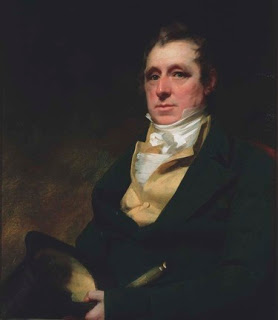
picture of Alexander Walker

WRITTEN BY R. NANJAPPA                        

Post No. 8585

Date uploaded in London – – – 28 August 2020   

Contact – swami_48@yahoo.com

Pictures are taken from various sources for spreading knowledge; this is a non- commercial blog. Thanks for your great pictures.

BOOKS INDIANS SHOULD READ 29

Chapter -11 Part 2

                     THE COLLECTED WORKS OF DHARAMPAL-6
                         Indian Science and Technology-2

TECHNOLOGY

It is obvious to a serious student of Indian economic history that India did have a solid technological base ; otherwise, they could not have risen to be a major contributor to world economy along with China. This may however sound odd to the general reader. First, this is not what they have been taught. Second, the word ‘technology’ conjures up images which are so different from what used to be. The farm tractor is a product of technology; so is the drill plough. The automobile is a product of technology; so is the bullock cart. It too is constructed on sound lines, adhering to scientific principles. Yet how many “educated” people today would associate the bullock cart or the plough with any idea of technology? The automobile pollutes, the cart does not. The tractor impoverishes the soil, the plough does not.Yet the modern mind associates technology with products and processes which are essentially destructive of the environment. It obviously cannot imagine or recognise  a benign form or face of technology! Technology need not be monstrous in scale, or destructive in effect.

The Europeans of the 18th century felt challenged by Indian science: it had developed along different lines, and reached greater heights. This was difficult for a colonial power to swallow. So they tried to decry Indian science. In the matter of technology, however, they could see the results and use them! They did, but in ways injurious to Indian interests. We shall see some of these areas.

Inoculation against Smallpox

It may come as a surprise to many that a system of inoculation against Smallpox was widely practised in India. It had attracted the attention of foreigners as early as 1731. It was said that it had been first practised 150 years earlier. There are two papers dealing with it in Dharampal’s collection.
Yet, the British stopped the practice in Bengal around 1800. It was said that there were two sources of opposition to the practice. One was on principle, and it came from the Europeans and Christian theologians. The other source was from “indigence”. Dharampal explains its origin. In the Indian system, services of many persons like teachers, doctors etc had been provided for from public funds at local levels. With the centralisation that came with British rule, local administration and their financial autonomy collapsed; the earlier beneficiaries were thrown on their own. Hence they could no more continue the services in circumstances that were agreeable to the foreigner. Yet it continued in parts at least till 1870.
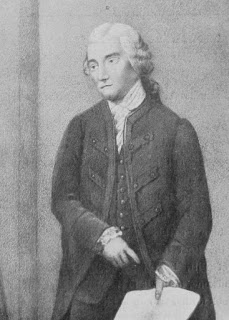
J.Z. Holwell, FRS who has given an account of Indian system of inoculation also says that Indians seemed to have had a theory of bacterial infection.


International researchers have since pointed out that the practice of Inoculation in India was very old. Kurt Pollak said in his 1968 book: “Preventive inoculation against the smallpox, which was practised in China from the eleventh century, apparently came from India,”

SURGERY

Indians’ practice of surgery, and their excellence in it had been widely noted. And their skill at plastic surgery was appreciated. Dr.H.Scott reported on the matter to the Royal Society London in 1792.

AGRICULTURE

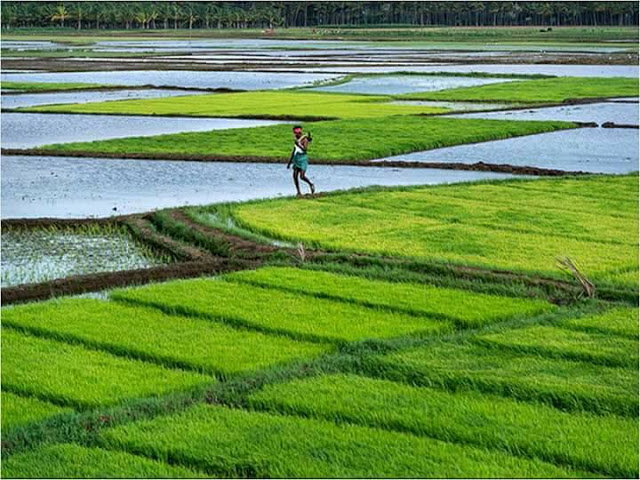
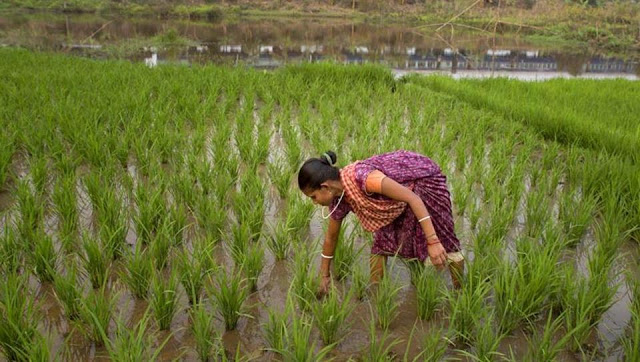
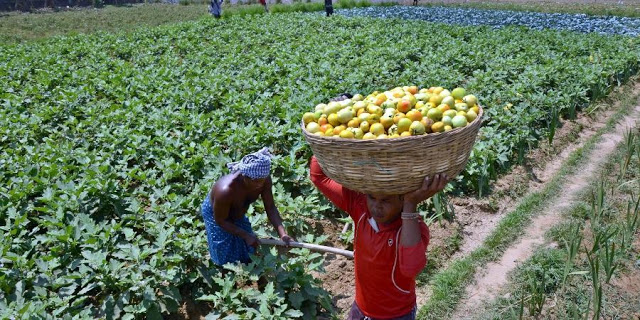
Many aspects of Indian agriculture were noted and attracted appreciation. Alexander Walker noted:
“the practice of watering and irrigation is not peculiar to the husbandry of India, but it has been carried there to a greater extent, and more laborious ingenuity displayed in it than in any other country.”


[Nearly  half a century later, Sir Arthur Cotton studied the ancient Kallanai in Tamil Nadu, and constructed one like that near by. This inspired him to construct the barrages on Godavari and Krishna. The point is, he was inspired by ancient Indian models. He was also impressed by the network of tanks for irrigation purposes in Tanjore area. Indians’ achievement in developing  river irrigation had been noted by Adam Smith too.] 


Practices such as 
-crop rotation
-manuring
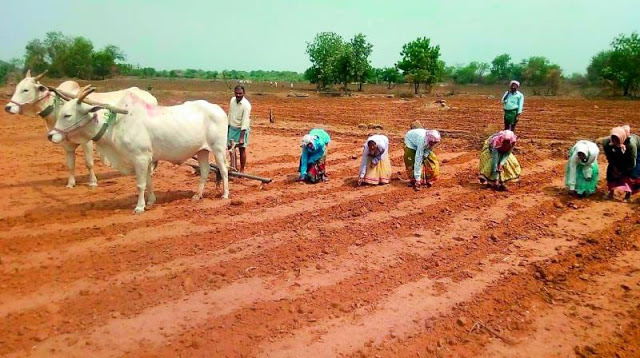
– sowing by means of the drill plough
-use of a wide variety of other implements
were noted. Their subsequent decline was due to poverty forced on the people by savage taxation. It has been recorded that in the fertile Tanjore area, farming in one third of the best agricultural lands was given up as the taxation was equal to or even exceeded the gross produce.                *** chapter 11 to be continued

To be continued
நிலத்திற்கு அழகு விவசாயம் (Post No.8584)

WRITTEN BY S NAGARAJAN                     

Post No. 8584

Date uploaded in London – – –28 August 2020   

Contact – swami_48@yahoo.com

Pictures are taken from various sources for spreading knowledge; this is a non- commercial blog. Thanks for your great pictures.

நிலத்திற்கு அழகு விவசாயம்! பெண்ணுக்கு அழகு நல்ல கணவன்!!

ச.நாகராஜன்

கடினமான சில கேள்விகளுக்கு விடை தரும் இரண்டு சம்ஸ்கிருத சுபாஷித ஸ்லோகங்கள் இதோ:

நிலத்திற்கு அழகு என்ன?

ஒரு பெண்ணிற்கு அழகு என்ன?

ஒரு தந்தைக்கு செய்ய வேண்டிய கடமை என்ன?

ஒரு பிராமணனுக்கு எது அழகு?

கேள்விகள் நல்ல கேள்விகள் தான்! பதில்? இதோ:-

க்ருஷ்யா பரிஷ்க்ருதா பூமிர் பர்த்ருபக்ஷேண கன்யகா |

பிதா பரிஷ்க்ருத: ச் ரார்த்தே சௌசாசாரேண ப்ராஹ்மணா: ||

நல்ல விவசாயம் செய்வதால் நிலம் அலங்கரிக்கப்படுகிறது.

ஒரு கன்னிக்கு அழகு நல்ல கணவன் வாய்ப்பதாகும்.

இறந்து போன ஒரு தந்தைக்கு கௌரவம் அவருக்கு உரிய வருஷாந்திர ச்ரார்த்தத்தைச் செய்வது தான்!

ஒரு பிராமணனுக்கு அழகு செயலில் தூய்மையும் ஆசாரமும் தான்!

Land is adorned by good farming,

A maiden by getting a good husband,

A (deceased) father is honoured by annual religious rite (sraddha) and

The Brahmana-s are honoured by their purity and good actions.

                                                              (Translation by A.A.R)

                                              ****

பஞ்சத்தை ஒழிக்க வழி என்ன?

வியாதிகளைப் போக்க வழி என்ன?

பெண்ணை அவளிடத்தில் இருக்கச் செய்ய வழி என்ன/

சபையில் ஒருவன் புகழ் பெறச் செய்ய வேண்டியது என்ன?

கஷ்டமான கேள்விகள்; ஆனால் சுலபமான பதில்கள் இதோ ஒரு சுபாஷித ஸ்லோகம் தருகிறது :

க்ருஷ்யா ஜயதி துர்பிக்ஷம் கோமிராமயிதா ஜிதா |

ஜிதா பலவதா நாரி வஸ்த்ர சாஸ்த்ர ஜிதா சபா ||

துர்பிக்ஷத்தை – பஞ்சத்தை – உழுது பயிரிடுவதால் ஜெயிக்க வேண்டும்.

பசுவினால் (அதன் பால்,நெய், தயிர் முதலியவற்றால்) வியாதிகளை ஜெயிக்க வேண்டும்.

ஒரு பெண்ணை பலவானாக இருப்பதால் ஜெயிக்க வேண்டும்.

நல்ல ஆடைகளாலும், சாஸ்த்ர  ஞானத்தாலும் அறிஞர்கள் கூடும் சபையை ஜெயிக்க வேண்டும்.

Famine is overcome by care in farming,

Diseasesn are vanquished by cows (dairy products),

A woman is kept in her position by a strong man, and,

One shines in an assembly by good clothes and learning.

                                                                     (Translation by A.A.R)

                                              ****

INDEX 17 FOR LONDON SWAMINATHAN’S ENGLISH & TAMIL ARTICLES (Post No.8583)

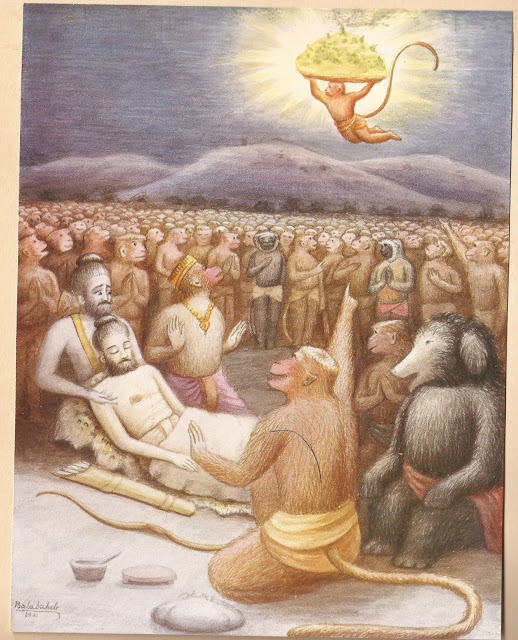
CONTINUING WITH YUDDHA KANDA PICTURES FROM VALMIKI RAMAYANA

WRITTEN BY LONDON SWAMINATHAN

Post No. 8583

Date uploaded in London – 27 August 2020   

Contact – swami_48@yahoo.com

Pictures are taken from various sources for spreading knowledge; this is a non- commercial blog. Thanks for your great pictures.

tamilandvedas.com, swamiindology.blogspot.com

ஏப்ரல் 2014 தமிழ்க் கட்டுரைகள்

மே சிந்தனைச் சிற்பிகள் காலண்டர், 30 ஏப்ரல், 2014

பாரதிதாசனுடன் 60 வினாடி பேட்டி , கட்டுரை. 1009, 29/04

ராமாயணத்தில் அந்தணர்கள் , கட்டுரை. 1005; 27/04

வெள்ளி கிரகம் – மழை தொடர்பு பற்றி உபநிஷத், கட்டுரை. 1003; 26/04

புளியமரத்தை ஒடித்துவிட்டு ஓடிப்போன பேய், கட்டுரை 1001, 25/04

சிவனை வழிபட 3 மருத மரங்கள், கட்டுரை எண் 1000; 25/04

உபநிஷத்தில் நகைச்சுவை , கட்டுரை 998; 24/04

உபநிஷத அற்புதங்கள் – 2, கட்டுரை 996; 23/04

உபநிஷத . அற்புதங்கள். பகுதி 1, கட்டுரை 994; 22/04

புறநானுற்றில் முனிவர்களும் ஆஸ்ரமங்களும் , கட்டுரை. 992; 21/04

சேரவாரும் ஜகத்தீரே – ஞானிகள் அறைகூவல் , கட்டுரை 990, 20/04

கையில் புல்லாங்குழலுடன் சுவர்க்கத்துக்குப் போன புனிதர் , கட்டுரை 982; 16/04

சப்தம் கேட்டால் இறந்துவிடும் அதிசய மிருகம் அசுணமா , கட்டுரை 980, 15/04

தியானத்துக்கு மிகவும் அவசியம் பூனை , கட்டுரை 978, 14/04

மூட நம்பிக்கைகள் தோன்றுவது எப்படி? – 4 கதைகள்

சங்கீதம் தோன்றிய கதை – ஒரு புராண வரலாறு கட்டுரை 976; 13/04

கடவுள் ஏன் காய், கால்களைக்  கொடுத்தார்?  , கட்டுரை 973, 12/04

இராமபிரானுக்கு கம்பரும், காந்தியு, சுவாமி விவேகானந்தரும் புகழ்மாலை , கட்டுரை 971; 11/04

இராமன் பற்றிய தமிழ்ப் பழமொழிகள், கட்டுரை 968; 10/04

பஜனைப் பாடகருக்கு 12 ஆண்டு சிறைத் தண்டனை , கட்டுரை 966, 9/04

கங்கை நதிக்கடியில் தங்கம்- தமிழர் தகவல் , கட்டுரை 964; 8/04

ஸ்ரீ ராமர் மீது முத்துசுவாமி தீட்சிதரின் கிருதிகள், கட்டுரை 963, 8/04

இராமபிரான் செய்த தந்திரம், கட்டுரை 961; 7/04

பூதம் கொடுத்த தொல்லை , கட்டுரை 960, 7/04

இராமபிரானும் தவளையும் , கட்டுரை 958, 6/04

இராமன் யார்  கம்பன் பதில், கட்டுரை 956, 5/04

ஒன்றே செய்க, நன்றே செய்க, இன்றே செய்க, கட்டுரை 954, 4/04

நார்வேயில் சம்பாஷணை முழுவதும் சம்ஸ்கிருதத்தில் , கட்டுரை 954, 4/04

பாரதி- நம்மாழ்வார் – கிருத யுகம், கட்டுரை 952, 3/04

வேதத்தில் வெள்ளரிக்காய் , கட்டுரை 949, 2/04

கண்டவர் விண்டிலர் , விண்டவர் கண்டிலர் , கட்டுரை 947, ஏப்ரல் 1, 2014

XXXXX

APRIL  2014 ENGLISH  ARTICLES

Good Thoughts Calendar, May,Post.1012;30 April,2014

Stories of 4 Bad Kings: Manus Warning to Rulers ,Post.1010, 29/04

More Interesting quotations from Manus Law Book, Post 1008; 28/04

30 important quotations from Manu, Post.1006; 27/04

Hindus are the Pioneers of National Anthems, Post.1004;26/04

If there is no Food, Let Brahma Perish, Post.1002;25/04

Temple s are Occult Laboratories, Post.999; 24/04

Humour in the Upanishads, Post.997; 23/04

Shankaracharya on Sanskrit Language, Post 995; 22/04

How Ancient Universities were burnt down to ashes , Post 993;21/04

Beautiful and Tranquil Hermitages of Ancient India, Post.991;20/04

Women’s Freedom by Bharatiyar, Post 989;19/04

Beautiful Quotations from a Great Playright (Bhasa), Post 988;18/04

Vedic Hymn-Better than National Anthems, Post 985;17/04

Saint who went to Heaven with a Flte in Hand, Post 983;16/04

How did Rare Indian Anoimal Asunam become extinct?, Post 981;15/04

Hindu View: What is the use of Hands and Feet?, Post 979; 14/04

Mystic Number Seven in Music, Post 977; 13/04

Superstition In World of Music , Post 975; 12/04

India- Most Important Country for Students of Religion, Post 974; 12/04

Interesting Story about Music in Purana, Post 972;11/04

Man who Recited 640 Million Names , Post 970;10/04

What Hindus know that Scientists don’t know, Post 967;9/04

Hindu Saint Jailed for 12 years, Post 965;8/04

Gold under River Ganges in Patna, Post 962;7/04

Rama’s Trick ! Three Stories!,Post 959;6/04

Rama- Embodiment of Dharma, Post 957;5/04

Tamil Saint Pattinathar’s Warning, Post 955; 4/04

Hymn of the Golden Age, Post 952;3/04

Cucumber in the Rig Veda, Post 950; 2/04

Salt doll Stories explain Brahman, Post 948;1st April, 2014

XXXX

INTRODUCTION

I started blogging in tamilandvedas.wordpress.com and swamiindology.blogspot.com from June 2011, I am giving above the INDEX for APRIL,  2014

 I did not give the date of loading or number for the article in the beginning. But all articles are available in both the blogs in the name of

 ‘London Swaminathan’.

Like you did with S Nagarajan’s articles INDEX, get the articles by googling.

Following  is the method:-

Paste the title of the article in the google (space)and add ‘from tamilandedas.com or ‘from swamiindology.blogspot.com’

 Here is an example :

Is Brahmastra a Nuclear Weapon? from tamilandvedas.com

Or

Is Brahmastra a Nuclear Weapon? From swamiindology.blogspot.com

Since I am going to give nearly 6000 titles, you may not find time to read all the articles/ posts at once.

So, please take a printout of the Index or note down the titles and dates of your favourite posts.

Thanks for all your support. We are reaching two million hits now.

If you have any difficulty in getting the articles, please let us know.

Be careful about the spelling of the title. Even a small mistake will take you somewhere and waste your precious time.

TAMIL TITLES ARE GIVEN SEPARATELY.

***

IN THE BEGINNING I UPLOADED MY ARTICLES IN

1.THE SPEAKING TREE OF TIMES OFINDIA

2.TAMIL HERITAGE FOUNDATION SITE

3.TAMIL BRAHMINS.COM etc.

So you may find the same articles on different days on different blogs

*****

To be continued…………………….

Tags- சுவாமிநாதன், கட்டுரை இன்டெக்ஸ் 17, INDEX 17,   LONDON SWAMINATHAN,  2014 ,POSTS

சாண்-முழம் பற்றிய 6 பழமொழிகளைக் கண்டுபிடியுங்கள்(8582)

WRITTEN BY LONDON SWAMINATHAN

Post No. 8582

Date uploaded in London – 27 August 2020   

Contact – swami_48@yahoo.com

Pictures are taken from various sources for spreading knowledge; this is a non- commercial blog. Thanks for your great pictures.

tamilandvedas.com, swamiindology.blogspot.com

பல இடங்களில் சாண், முழம்  என்னும் அளவுகள்  வந்தாலும் ,

கட்டத்தில் ஓரிடத்தித்தான் இருக்கும்.

விடைகள் கீழே இருக்கின்றன

விடைகள்

1.சாண் ஏற முழம் சறுக்குகிறது

2.சாண் காட்டிலே முழத்தடி வெட்டலாமா

3.சாண் குருவிக்கு முழ வாலாம்

4.சாண் பண்டாரத்துக்கு முழ விபூதி

5.சாண் பிள்ளையானாலும் ஆண்பிள்ளை இருக்கவேண்டும்

6.சாண் பறைக்கு முழத்தடி

Tags–  சாண் , முழம்

tags – சாண் , முழம்

அடிக்கல்ல குளிரு, ஆனா துடிக்குது உதடு….. (Post No.8581)

WRITTEN BY KATTUKKUTY

Post No. 8581

Date uploaded in London – 27 August 2020   

Contact – swami_48@yahoo.com

Pictures are taken from various sources for spreading knowledge; this is a non- commercial blog. Thanks for your great pictures.

tamilandvedas.com, swamiindology.blogspot.com

அடிக்கல்ல குளிரு,  ஆனா துடிக்குது உதடு…..

Kattukutty

என்ன அர்த்தம் மாமா ……சொல்லு நீ ஆமா….

(திரு.சாமி நாதன் அவர்கள் 13-10-2018 post 5535

அன்று எழுதிய “கண் துடிப்பது நல்லதா கெட்டதா??? “

என்ற கட்டுரையின் தொடர்ச்சி)

தாத்தா, தாத்தா, என் அக்கா உங்களண்ட ஒண்ணு கேட்டுண்டு

வரச் சொன்னா…….அவளுக்கு நேத்து ராத்ரீலேர்ந்து உதடு

துடிக்கறதாம்.

 நான்கேட்டேன் – உங்கக்கா எங்கே????

ஆபீஸுக்கு போயிருக்கா ராத்ரி 7 மணிக்கு தான் வருவா…..

சரி உங்கக்கா வந்தா பாக்கச் சொல்லு…….

நீங்க சொன்னாதா ….நான் போவேன்……அந்த அய்யர் வீட்டு பெண் சிறு குழந்தை சொன்னால் கேட்காதென்று எனக்குத் தெரியும்……..

அந்த பெண்ணிடம் சொன்னேன் ,”அடி உனக்கு அத்திம்பேர்

வரப் போரார்டி”……..வழக்கம்போல ஒரு சாக்லேட் வாங்கிக்

கொண்டு கத்திக்கொண்டே போனாள்……..

இரவு 9 மணிக்கு தட. தட என்று கதவைத் தட்டும் சத்தம்……

“அட, அடுத்தாத்து ஐஸ்வர்யா ராய்!!! “ என சொல்லிக் கொண்டே

கதவைத் திறந்தாள் என் மனைவி……

என்ன மாமா நீங்களே இப்படி செய்யலாமா …சொல்லலாமா?

அந்தக் கழுதை இந்த காம்பவுண்டுல இருக்கிற 24 பேர்வீட்டிலேயும் போய் எனக்கு அத்திம்பேர் வரப் போரர்ன்னு சொல்லிட்டு வந்திருக்கு…….

இந்த விஷயத்திற்கு நீ வராமல் குழந்தையை அனுப்பியது எந்த விதத்தில் எனக்கு மரியாதை???? உனக்கு ஜோதிடர் என்றால் அவ்வளவு இளப்பமா????

திடீரென ஒரு சத்தம் அவள் என்காலில் விழுந்து கிடக்கிறாள்….

என்னை மன்னிச்சடுங்க மாமா…..

உனக்கு கல்யாணம் ஆகப் போகிறது.

ரொம்ப தேங்ஸ்…..எனக்கு இப்ப வேண்டாம்….என்று சொல்லி

கொண்டே ஓடி விட்டாள்

உடலிலுள்ள நரம்புகள் இயற்கை விதியை மீறி சில சமயம்

துடிக்குமாம்.அப்போது, கண், உதடு, நெற்றி, விரல்கள்,

கால் விரல்கள், பெண்களுக்கு மார்பகங்கள், கை, புஜங்கள் துடிக்குமாம்.

இதற்கு மருத்துவத்துறையில் “மயோகிமியா“”(“MYOKYMIA”) என்று சொல்லுவார்கள்

காரணங்கள் பல — தூக்கமின்மை,சோர்வு ,நரம்பு தளர்ச்சி, போதை வஸ்துக்களை உபயோகிப்பது, அடிக்கடி காப்பி சாப்பிடுவது…….அடிக்கடி துடித்தால் தகுந்த மருத்துவரை நாடி, ஆலோசனை பெறலாம்,

எப்போதாவது துடித்தால் என்னிடம் வாருங்கள் இதோ பதில்!!!

என்னன்ன அங்கம் துடித்தால் என்னன்ன பலன்…….

இது அபிதான சிந்தாமணி என்ற நூலிலிருந்து தொகுத்தது.

முதலில் தலையிலிருந்து ஆரம்பிப்போம்.

தலை உச்சி துடித்தால் சங்கடங்கள் நீங்கும்.

தலையின வலது பக்கம் துடித தால்-பயம் வரும்.

இனிமேல் துடித்ததால் என்று அடிக்கடி எழுதப்போவதில்லை

அங்கத்தின் பெயரை எழுதினாலே அது துடித்தால் என்று

அர்த்தம் கொள்ளுங்கள்.ஓ கே… மேலே போகலாமா????

வலது நெற்றி- பிணி நீங்கும்

வலது புருவம்- பெருமை சேரும்

இடது புருவம்- கெட்ட வார்த்தைகள் கேட்க நேரும்

இரண்டு புருவங்களும் சேர்ந்து துடித்தால்-பெருமை சேரும்

வலது மேல் இமை-வழக்குகள் விலகும்

இடது மேல் இமை- துன்பங்கள் வந்து பின் போகும்

இரு மேலிமைகளும்-புகழ், செல்வம் சேரும்

வலது கீழ் இமை- நண்பருக்கு கேடு

இடது கீழ் இமை-நோய் விலகும்

இடக்கண் முழுவதும்- செல்வம் சேரும்

வலக்கண் முழுவதும்-நோய் விலகும்

வலது மூக்கு- செல்வம் சேரும்

இடது மூக்கு – செல்வம்சேரும்

மேல் உதடு- நல்ல காரியம் நடக்கும்

கீழ் உதடு- விதம்விதமான தின் பண்டங்கள் கிடைக்கும்

வலது பிடரி- நன்மை

இடது பிடரி- பெருமை கிடைக்கும்

கழுத்து……மரணச் செய்தி கிடைக்கும்

இனி மேல் கழுத்துக்குக் கீழ் வருவோமா????

வலது புஜம்- வழக்குகளில் வெற்றி

இடது புஜம் – தூரத்து செய்தி வரும்

இடது புஜத்துடன் இடது மார்பும் சேர்ந்து-மரணச்செய்தி வரும்

வலது கை- தோஷம் நீங்கும்

வலது முழங்கை-தெய்வ அருள் கிட்டும்

இடது முழங்கை- பணம் கிடைக்கும்

வலது உள்ளங்கை-பாதிப்பு

இடது உள்ளங்கை -லாபம்

வலது புறங்கை-வம்பு வழக்கு

இடது புறங்கை-துன்பம்

இனிமேல் விரல்களுக்கு வருவோமா……

நடு விரல்- நல்ல செய்தி

மோதிர விரல் – பெருமை

சிறு விரல் – மரணச் செய்தி

வலது கை அடிப்பாகம்- எடுத்த காரியம் முடியும்

இடது கை அடிப்பாகம்-காரிய தாமதம்

இடக்கை பெரு விரல்-நல்ல முடிவு

இடக்கை சுட்டு விரல்-ராஜ அனுகூலம்

இடக்கை நடு விரல்- பெருமை

இடக்கை மோதிர விரல் – நல்லது நடக்கும்

இடக்கை சிறு விரல்-நீண்ட ஆயுள்

இனிமேல் நமது மார்புக்கு வருவோமா????

நெஞ்சு— வியாதி வரப்போகிறது

வலது முலை – சாவு செய்தி

இடது முலை- சுகவாழ்க்கை

முதுகு தொப்புள்- கவலை

இடது விலா- வீடிழப்பு

முதுகு முழுவதும் – நோய்நீங்காது

வலது முதுகு- நோய் வந்து நீங்கும்

இடது முதுகு-குடி இருக்கும் வீட்டைகாலி செய்ய வைக்கும்

நடு முதுகு – செல்வம் வரும்

வலது கழுத்துப பட்டை – புது வஸ்த்திரம்

இடது கழுத்துப் பட்டை- இனிய வார்த்தை

இரு பட்டைகளும் – துன்பம் இடை- புகழ் வேள்வி

இடது விதை- – நோய் நீங்கும் வலது விதை- வாகன யோகம்

வலது தொடை- வழக்கில் வெற்றி இடது தொடை- நல்ல சேதி

இரு தொடைகளும்- செம்பொன் கிடைக்கும்

வலது முழந்தாள் -கோபம்வரும்

இடது முழந்தாள்- பந்துக்கள் வருகை

இரண்டு முழந்தாள்களும்-பண வருமானம்

வலது கணை கால்- செல்வம் வருகை

இடது கணைக்கால்- சாவு வார்த்தை

இடது கண்டைக்கால்- நோயினால் தன்பம்

வலது கண்டைக் கால்- அடிமைப் படுதல்

இரு கண்டைக்கால்களும்- பிரயாணம்

பின் உள்ள இடது புற வழி – நோய்

பின் உள்ள வலது புற வழி-வழக்கில் வெற்றி

வலது உள்ளங்கால் பாதம்- பொருள் கை கூடும்

இடது உள்ளங்கால் பாதம்- நோய் நீங்கும்

இரு கால்விரல்களும்- செல்வமும் நன்மையும் சேரும்

இதெல்லாம் சொல்லி விட்டாய் கத்துக்குட்டி

இதெற்கென்ன பதில்

துடியா துடிக்குது மனசு ????

துடிக்குது மனசு, அடிக்குது காத்து, கதவச் சாத்து…..

***

BOOKS INDIANS SHOULD READ 28 (Post No.8580)

WRITTEN BY R. NANJAPPA                        

Post No. 8580

Date uploaded in London – – – 27 August 2020   

Contact – swami_48@yahoo.com

Pictures are taken from various sources for spreading knowledge; this is a non- commercial blog. Thanks for your great pictures.

BOOKS INDIANS SHOULD READ 28

Chapter -11 Part 1

THE COLLECTED WORKS OF DHARAMPAL-6

Indian Science and Technology-2

Arithmetic and Algebra

Two of the papers included in Dharampal’s collection deal with Indians’ knowledge of Algebra. This is something that baffled the Britishers. They found that Indians possessed knowledge of systems and formulae by which they made astronomical calculations, such as predicting eclipses, and even the building of the observatory at Benares, which would not have been possible without sound knowledge of Algebra. 


[ “Astronomy is a subject that requires a larger stock of mathematical knowledge than is usually imagined, and therefore on the renewal of learning previous to the building of the Observatory at Benares…there must have been some proficiency made in the sciences.” Reuben Burrow, 1783] 

They found this knowledge to be superior to that possessed by the Arabs and the Greeks. They knew also that the Arabs were not original discoverers but only scholars; they knew that the Hindus had nothing to gain by learning from the Greeks. Yet they were unwilling to concede the superiority of the Indians unreservedly.

The above quotation from Burrow is from an unpublished paper he sent to Governor General Warren Hastings. He published a paper in 1790 stating that Hindus had known the Binomial Theorem. He said that he was engaged in translating “Lilavati” and ‘Beej Ganeta’ “or the Arithmetic and Algebra of the Hindoos” and that it was obvious to him that “there must have been treatises existing where Algebra was carried much farther: because many of their rules in Astronomy are approximations deduced from infinite series.” He said on the basis of what he saw that “they had elements not long ago, and apparently more extensive than those of Euclid is obvious from some of their works….there are indications of an Astronomy superior to that of the Soorya Siddhant, and such popular treatises”.


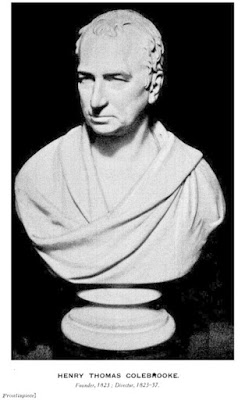
H.T.Colebrook provided a long introduction on Hindu Algebra in his book published in 1817. This was based on the previous discussions on the subject among scholars. He said that this “science in a more advanced state subsisted among the Hindus prior to the earliest disclosure of it by the Arabians to modern Europe.”
 It was however too much for him to admit the superiority of the Hindus, attained on their own. So he hinted that the Hindus must have learnt something from the Greeks. This presumption was immediately dismissed by the reviewer of the book in the Edinburgh Review of November, 1817. He said: ” the Greeks had nothing to give on the subject which was worth the while of the Indians to receive.”

 The difficulty of the Europeans arose both from their notions of Eurocentric superiority, and the fact that Indians were not communicative, and treatises they possessed were fragments, and no one knew (or would disclose) where the other parts might be. Obviously, with the decline of local rulers and their prosperity and patronage, scholars and scholarship suffered. The unwillingness on the part of Indians to communicate might also be reflective of the arrogance of the Britishers. We see from the instance of M.Le Gentil that Indian teachers were indeed willing to teach foreigners who approached in the right spirit. [This was indeed the case later with Sir John Woodroffe who learned Tantra from an authentic Indian practitioner.] The papers provided by Dharampal are sufficiently interesting for the general reader, and must provide serious material to advanced students for further study , research and  reflection. However, it is doubtful that many Indian students of mathematics today, who mainly learn by wrote would be able to follow the discussions.

                                                             ***  Chapter 11 to be continued

சுந்தர மூர்த்தி நாயனாருக்கு சிவபிரான் பொன் கொடுத்த வரலாறு! (Post No.8579)

WRITTEN BY S NAGARAJAN                     

Post No. 8579

Date uploaded in London – – –27 August 2020   

Contact – swami_48@yahoo.com

Pictures are taken from various sources for spreading knowledge; this is a non- commercial blog. Thanks for your great pictures.

சுந்தர மூர்த்தி நாயனாருக்கு சிவபிரான் பொன் கொடுத்த வரலாறு!

ச.நாகராஜன்

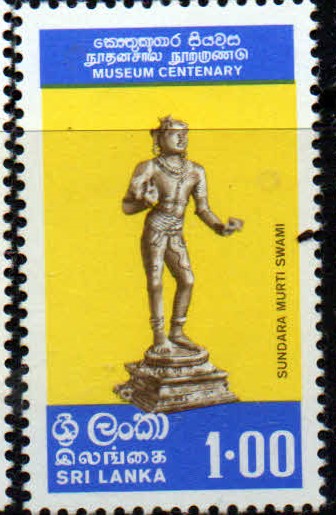
சுந்தர மூர்த்தி நாயனார் சிவபிரானைத் தோழனாக நினைத்து வழிபட்ட ஒரு அபூர்வமான சிவ பக்தர்.

இவர் வாழ்வில் நடந்த திருவிளையாடல்கள் ஏராளம்! அனைத்தும் ஆச்சரியமூட்டுபவை.

ஒரு விளையாடல் இதோ:

பேரூர் உள்ளிட்ட மேல் கொங்கு நாட்டுத் தல வழிபாட்டை மேற்கொண்டார் சுந்தரமூர்த்தி நாயனார். அவருக்குப் பொன் கொடுக்கத் திருவுளம் கொண்டார் சிவபிரான் – விக்ருதேசுரர்! ஒரு முதிய அந்தணர் வேடம் பூண்டார் விக்ருதேசுரர்! மூத்த பிள்ளையார் முதலிய திருக்குமாரர்கள் பின் தொடர்ந்து வர, தினந்தோறும் உள்ளார்ந்த அன்புடன் தன்னைப் பூஜித்து வரும் ஒரு கிழமையுற்ற ஆய்மகளிடம் அவர் சென்றார். இந்தக் குழந்தைகளை ஈடாக வைத்துக் கொண்டு பொன் தர வேண்டுமென்று வேண்டினார் அவர். அதற்கு இசைந்த அந்தக் கிழ மாது அந்த முதிய அந்தணர் குறிப்பிட்ட அளவுக்குப் பொன் கொடுத்து உதவினாள். அதைப் பெற்றுக் கொண்ட அந்தணர் தன் முன்

திருப்பதிகம் பாடிய சுந்தர மூர்த்தி நாயனாருக்கு அந்தப் பொன்னைக் கொடுத்தருளினார்.

இந்த நிகழ்வு வெங்கால நாட்டில் நிகழ்ந்தது.

இதை திருவெஞ்சமாக் கூடற்புராணம் பாடிச் சிறப்பிக்கிறது.

பாடல்:-

கொள்ளை வண் டியிரு நாட்பூங் கோதையோர் பாகர் முன்பு

கள்ளமி லுள்ளத் தன்பு கனிந்துள கிழவி யார்பாற்

பிள்ளைக ளீடு காட்டிப் பெற்றசெம் பொன்னை யெல்லாந்

தெள்ளிய தமிழ்ப்பா சொன்ன திருத்தொண்டர்க் குவந்த ளித்தார்

                           (திருவெஞ்சமாக்கூடற் புராணம்)

இந்த அருமையான நிகழ்ச்சியைப் போற்றிப் பதிவு செய்கிறது கொங்கு மண்டல சதகம் தனது பத்தாம் பாடலில்!

கிழவே தியவடி வாகி விருத்தையைக் கிட்டியெந்தன்

அழகாகு மக்க ளடகு கொண் டம்பொ னருடியென்றேற்

றெழுகாத லாற்றமிழ் பாடிய சுந்தரற் கீந்தவொரு

மழுவேந் தியவிகிர் தேசுரன் வாழ்கொங்கு  மண்டலமே

பொருள் :-

சுந்தர மூர்த்தி நாயனார்க்குப் பொன் கொடுக்க வேண்டும் என்று அருளுள்ளம் கொண்டு, மூத்த பிள்ளையார் உள்ளிட்ட திருக்குமாரர்களை ஈடு வைத்துப் பொன் பெற்று அதை ஈந்த விகிர்தேஸ்வரர் விளங்குவதும் கொங்கு மண்டலமே தான்!

tags — சுந்தர மூர்த்தி நாயனார், பொன்

***

கம்பளி பற்றிய ஆறு பழமொழிகளைக் கண்டுபிடியுங்கள் (8578)

WRITTEN BY LONDON SWAMINATHAN

Post No. 8578

Date uploaded in London – 26 August 2020   
Contact – swami_48@yahoo.com

Pictures are taken from various sources for spreading knowledge; this is a non- commercial blog. Thanks for your great pictures.

tamilandvedas.com, swamiindology.blogspot.com

கம்பளி பற்றிய ஆறு பழமொழிகளைக் கண்டுபிடியுங்கள் (8578)

பல பழமொழிகளில் கம்பளி என்று மீண்டும் மீண்டும் வந்தாலும் , கட்டத்தில் ஓரிரு இடங்களில் மட்டுமே  காணப்படும். விடைகள் கீழே உள்ளன.

1.கரடி கையில் உதை  பட்டவனுக்கு கம்பளிக்காரனை கண்டால்  பயம்

2.கம்பளி மூட்டை என்று  கரடி மூட்டையை அவிழ்த்தானாம்

3.கம்பளிமேல் பிசின்

4.கம்பளியிலே   சோற்றைபோட்டு மயிர் மயிர் என்கிறதா?

5.கம்பளியில் ஒட்டின கூ ழைப் போல

6.கம்பளி விற்ற பணத்துக்கு மயிர் முளைத்திருக்கிறதா?

tag– கம்பளி

KALI YUGA FINITO! NOW IT IS DWAPARA YUGA ! (Post .8577)

WRITTEN BY LONDON SWAMINATHAN

Post No. 8577

Date uploaded in London – 26 August 2020   

Contact – swami_48@yahoo.com

Pictures are taken from various sources for spreading knowledge; this is a non- commercial blog. Thanks for your great pictures.

tamilandvedas.com, swamiindology.blogspot.com

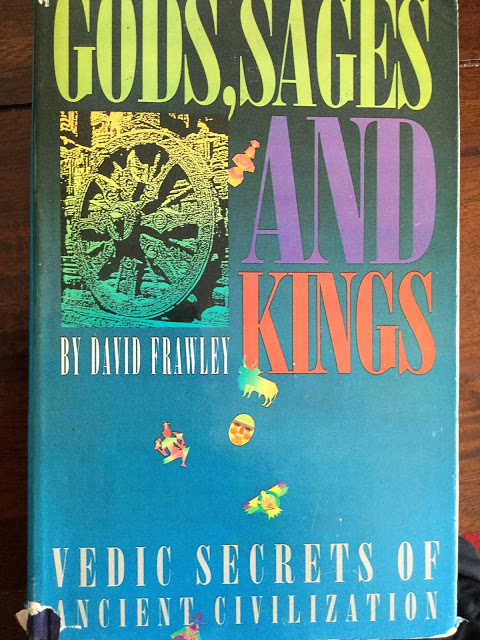
DAVID FRAWLEY   has written in his book (year 1995) ‘GODS, SAGES AND KINGS’ about SRI YUKTESWAR’s new concept of Four Yugas.  Though it is 25 years old, it becomes relevant because of latest news about magnetic pole change. It is in the second part of this article.

Sri Yukeswar is a great man respected and followed by millions of people. He was born in Bengal and attained Samadhi in 1936 at Puri. His disciple Sri Paramahamsa Yogananda (1883-1952) is more popular because of his book ‘AN AUTHOBIOGRAPHY OF A YOGI’.  Yukteswar’s Guru was Lahiri Mahasaya and whose Guru was Baba Mahavatar. All these saints popularised Kriya Yoga and Tamils came to know about him through actor Rajni kanth.

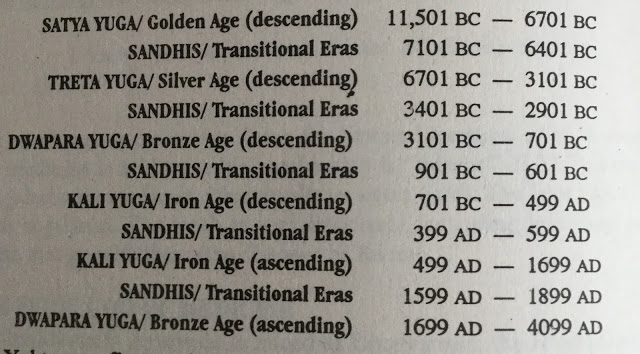
According to Yukteswar, Dwapara Yuga is between 1699 CE and 4099 CE.

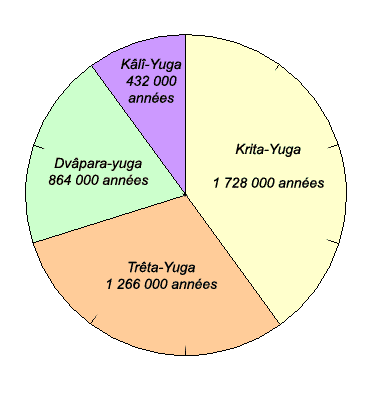
So Yukteswar’s theory cannot be ignored easily. Even Manu gives only small numbers for four Hindu Yugas – Krita, Treta, Dwapara and Kali.

Here are some bullet points from Frawley’s book:

  1. Satya Yuga known as Krita Yuga began in 11,501 BCE and finished in 6701 BCE, says Yukteswar

Manu existed at that time. Rig Veda is also dated around that date.

  • A Yuga Cycle consists of 24,000 years (12+12)
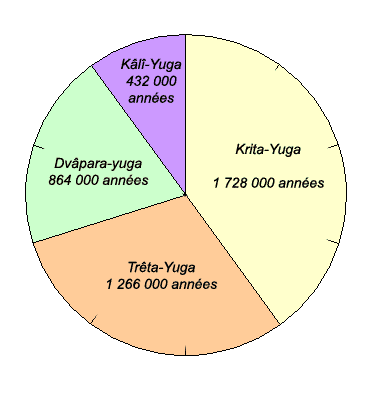
  • This 12,000 years is based on Manu Smriti(1-69-72) . Manu allocates, 4000, 3000, 2000, 1000 years for Krita to Kali. Sanskrit words for Yuga also meant 4,3,2,1 (Treta-3, dwa-2 etc). Manu beautifully explained that Dharma/ honesty loose one leg in every yuga . in Hindu symbolism the Holy Cow is with one leg in Kali Yuga.
  • Both Manu and Yukteswar allocate interval period between Yugas and it is known as Yuga Sandhi. Manu gave 10+10 percent for this interval and that is how we arrive at 12,000 years.
  • Manu is not the only person who gave different numbers. Even Atharva Veda gave 10,000 years for each yuga. But now we give very big numbers, the smallest being 4,32,000  years for Kali Yuga.
  • Probably different people used the same words with different numbers. Even English dictionary gives two numbers for Billion (100 crore and 1000 crore).
  • To avoid confusion, we have to look at them with correct interpretation.
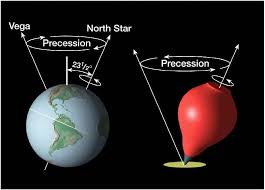
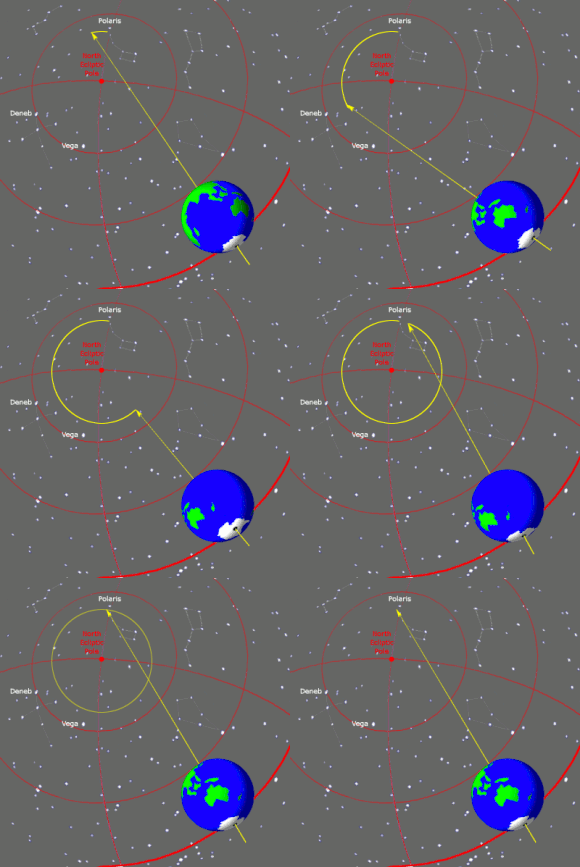
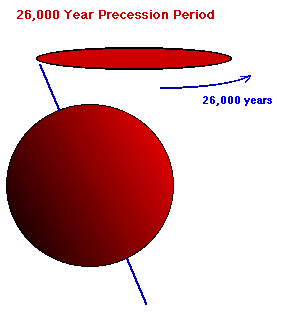
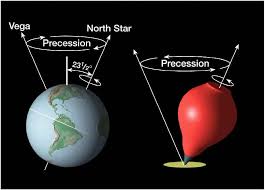
  • Yukteswar gives 24,000 years for Earth’s precession instead of approximate 26,000 years.
  • Anyway all these numbers are related to the change of magnetic pole which is also interpreted differently by

different scientists. Please read the second part and my old article on the same subject (see the link below)

xxx

xxxxxxxxxxxxxxxxxxxxxxxxxxxxxxxxxxxxxxxxxxxxxxxx

Second Part

THE SPINNING EARTH

Alanna Mitchell has published a book ‘The Spinning Earth’ in 2018 with latest details on the subject of Magnetic pole change (flipping of the Pole). She says the change has happened several times in the life of earth and the life continues without destruction. She discounts the fear that the change would destroy the life on earth ; the last change happened approximately 7,80,000 years ago. Next change cannot be predicted.

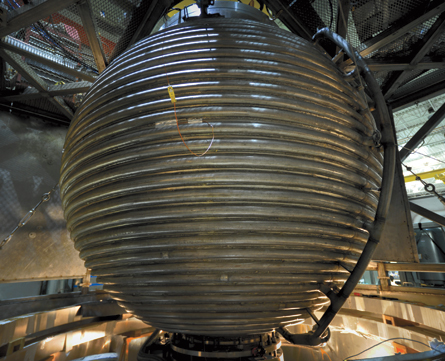
Sodium Liquid Globe in Maryland

But in my previous article I have shown one prediction that it would happen in 2030 and destroy life. Those who don’t know much about this, please read the National Geographic Interview with Alanna Mitchell and other scientists (see the link below) .

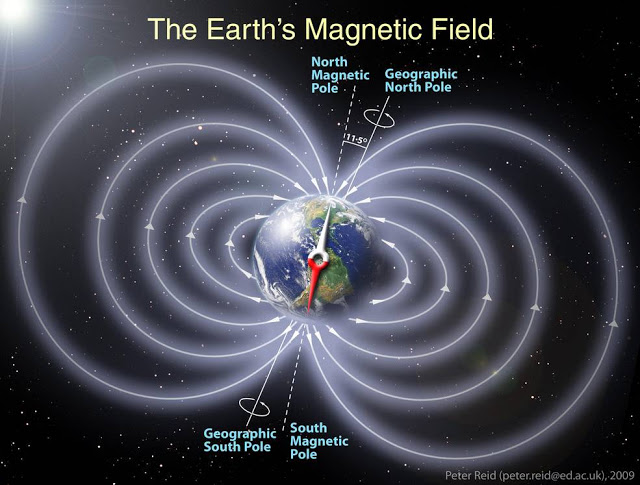
In short, the earth is a big magnet. It is a dynamo. Thousands of miles deep under our feet, the iron and nickel metals are boiling very hot. This liquid produces magnetism because the earth rotates on its axis. This magnetism only protects us from harmful radiation from the space. During the magnetic pole change the magnetic shield around may be weakened or completely disappear. In which case life on earth would be affected and all our electric and electronic equipment would go berserk. Migrating birds, whales, butterflies and fish use magnetism to navigate. If north pole becomes south pole , it would confuse them and eventually destroy them. Further research in this field is done through satellites and artificial earth dynamos. One such 30 ton globe with liquid sodium is in Maryland, USA. Current research shows more anomaly around South pole which covers 20 % of earth. But the magnetic north pole is moving slower. When it would flip, no one knows, according to Alanna Mitchell.

A radiation expert from Colorado University says life on earth would be affected, if the shield is weakened.

Now the question is what is the link between our Chatur Yugas (Four Eras) and this change; the numbers are interesting. Some numbers correlate with our Yuga calculations. All this needs further research.

For further information , please go to

https://www.nationalgeographic.com/news/2018/02/earth-magnetic-field-flip-poles-spinning-magnet-alanna-mitchell/

xxxx

Link to my old article

Science behind Hindu’s Four Ages (Chatur Yugas …

tamilandvedas.com › 2014/12/04 › science-behind-hin…

  1.  

4 Dec 2014 – Tamil and Vedas. A blog exploring themes in Tamil and vedic literature. Science behind Hindu’s Four Ages (Chatur Yugas): …

tags – Yugas, Yukteswar, Magetic pole, Spinning Magnet book, Kali Yuga

கலியுகம் முடிந்து துவாபர யுகம் நடக்கிறது (Post.8576)

WRITTEN BY LONDON SWAMINATHAN

Post No. 8576

Date uploaded in London – 26 August 2020   

Contact – swami_48@yahoo.com

Pictures are taken from various sources for spreading knowledge; this is a non- commercial blog. Thanks for your great pictures.

tamilandvedas.com, swamiindology.blogspot.com

கலியுகம் முடிந்து துவாபர யுகம் நடக்கிறது

இப்போது நடப்பது கலியுகம் அல்ல; இது துவாபர யுகம் – என்ற வியப்பான செய்தியை நடிகர் ரஜினி  காந்த்தின் குரு கூறுகிறார். அவர் பெயர் யோகி யுக்தேஸ்வர் . அவர் பரம ஹம்ச யோகானந்தாவின் குரு;  பரம ஹம்ச யோகானந்தா எழுதிய ‘ஒரு யோகியின் சுயசரிதை ‘(An Auto Biography of a Yogi by Paramahamsa Yogananda)  என்பது தமிழ் உள்பட பல உலக மொழிகளில் மொழி பெயர்க்கப்பட்டுள்ளது. யுக்தேஸ்வரின் குரு லாஹிரி மஹா சயர் . அவருடைய குரு பாபா மஹாவதார் என்று சொல்லுவர் . சுமார் 200 ஆண்டுகளுக்கு முன்னர் வாழ் ந்தவர் .

நாம் இப்போது காணப்போகும் யுக்தேஸ்வர் கிரி என்பவர் வங்காளத்தில் பிறந்து பூரி நகரில் 1936ல் சமாதி அடைந்தார் . இவர்கள் அனைவரும் கிரியா யோகம் என்னும் முறையைப் பிரபலப்படுத்தினர்.

யுக்தேஸ்வர் கிரி என்ன சொல்கிறார்?

துவாபர யுகம் 1699-ல் துவங்கிவிட்டது கி.பி. 4099ல் முடிவடையும் . ஊர் பேர் தெரியாத ஒரு ஜோதிடர் இதையே சொல்லி இருந்தால் ஏதோ ‘பப்ளிசிட்டி’க்காக நம்மூர் அரசியல்வாதிகளும் நடிகர்களும் அவ்வப்போது சர்ச்சசைக்குரிய (Tweet) ட்வீட் செய்வது போல இதுவும் ஒரு பப்ளிசிட்டி ஸ்டண்ட்  (Publicity stunt) என்று நினைக்கலாம். ஆனால் சொன்னவரோ அரசியலுக்கெல்லாம் அப்பாற்பட்ட பல்லாயிரக் கணக்கான மக்கள் போற்றும் குரு .

இனி அவர் சொல்லுவதை விளக்கமாகக் காண்போம்.

க்ருத யுகம், த்ரேதா யுகம், த்வாபர யுகம், கலியுகம் என்னும் சதுர் யுகங்களும் — அதாவது 4 யுகங்களும் 12,000 ஆண்டுகளில் முடிவடையும் இதைப்போல் இருமுறை நடப்பது ஒரு முழு வட்டம் அதாவது ‘முழு யுகச் சுழற்சி’ (One Full Cycle of Yugas) என்கிறார்.

இதற்கு ஆதாரம் என்ன ?

மிகவும் பழைய ஸ்ம்ருதியான – அதாவது சட்டப்புத்தகமான– மனு ஸ்ம்ருதியில் முதல் அத்தியாயத்தில் க்ருத யுகம் முதல் கலியுகம் வரை 4000, 3000, 2000, 1000 ஆண்டுகள் என்ற கணக்கில் நடக்கும் . ஒவ்வொரு யுகத்துக்கு இடையே ‘யுக சந்தி’ என்னும் இடைவெளி பத்து +பத்து = 20 சதவிகிதம் இருக்கும் என்கிறார். ஆக மொத்தம் 12000 ஆண்டுகள்தான் மொத்தம் 4 யுகங்களுக்கும்.

அது சரி, யுக சந்தி என்னும் இடைவெளி பற்றிச் சொல்லுகையில் ஏன் பத்து + பத்து என்று சொல்கிறீர்கள்? என்று சிலர் நினைக்கலாம். அதாவது உதயமும் சந்தியாகால வெளிச்சமும் 10, 10 சதவிகிதம். இங்கே விளக்கத்தை நிறுத்திவிட்டு சிறிது சிந்தித்துப் பார்ப்போம். முதலில் 4000, 3000, 2000 , 1000 ஆண்டுகள் என்று 4,3,2,1 என்ற இறங்கு வரிசையில் பார்க்கிறோம். பின்னர் 10+10 இடைவெளிக் காலம் என்று பார்த்தோம். எவ்வளவு கண்ணக்குப்போட்டு இதைச் சொல்லியிருக்கிறார்கள் என்பதை நினைத்தால் வியப்பாக இருக்கிறது.

இப்படிக் கணக்குப் போட்டதற்கு என்ன காரணம் ?

இப்போதுதான் மேலை நாட்டு  விஞ்ஞானம் இதை ஆராயவே துவங்கி இருக்கிறது; அதாவது பூமியின் காந்த மண்டலம் ‘பல்டி’ அடிக்கிறது ; வட துருவம், தென் துருவம் ஆகிறது; அப்போது பூமியில் உயிரினங்கள் பாதிக்கப்படுகின்றன என்று ஒப்புக் கொள்கின்றனர்.

இதுவரை அவர்கள் சொல்லும் ஆண்டுகளுக்கும் நாம் சொல்லும் ஆண்டுகளுக்கும் முழு ஒற்றுமை இல்லாவிடினும் அவர்களிடையேயும் கருத்து வேறுபாடு இருக்கிறது ; ஒருவர் 2030ம் ஆண்டில் துருவங்கள் பல்டி அடிக்கும் என்கிறார். இதை முன்னரே சொல்லி இருக்கிறேன். அதுமட்டுமல்ல 4, 3, 2, 1 என்ற இறங்கு வரிசையில் க்ருத, த்ரேத , த்வாபர , கலி  என்று சொல்வதில் தர்மம் என்னும் வண்டி அல்லது பசு மாடு ஒவ்வொரு காலாக இழந்து கலி யுகத்தில் ஒற்றைக் காலில் தள்ளாடும் என்று மனு சொன்னதை முன்னரே கண்டோம்.

இப்போது மீண்டும் யுக்தேவர் கிரி என்னும் மஹான் சொல்லும் விஷயத்துக்கு வருவோம்.

அவர் சத்ய யுகம் என்னும் கிருத யுகம் என்பது கி.மு. 11,501-ல் துவங்கி 6701-ல் முடிந்துவிட்டது. பின்னர் த்ரேதா யுகம் கி.மு.3101-ல் துவங்கியது என்கிறார். ஆனால் நமது பஞ்சாங்கங்களோ அதை கலியுகத்தின் துவக்கமாகக் காட்டுகின்றன.

சுவாமி யுக்தேஸ்வர் கீரியும் யுக சந்தி கணக்கு முதலியவற்றை ஒப்புக்கொள்கிறார். ஆனால் கலியுகம் முடிந்து இப்போது துவாபர யுகம் நடப்பதாகவும் இதே போல ‘கார் ரிவர்ஸ் கியரி’ல் (Reverse Gear) போவது போல கலி, துவாபர, த்ரேதா, சதுர் என்று முடிக்கையில் ஒரு சுழற்சி முடியும் என்றும் சொல்கிறார். மொத்தம் 24,000 ஆண்டுகள்..

அதர்வ வேதத்தில் 4 யுகம் பற்றிய ஒரு குறிப்பில் ஒரு யுகம் என்பது 10,000 ஆண்டுகள் என்றும் சொல்லப்படுகிறது.

ஆக கலியுகம் என்பது 4,3,2000 ஆண்டு என்று நாம் சொல்லுவதை யுக்தேஸ்வர் மறுக்கிறார். அவரே மனு என்பவர் கி.மு 6701ல் வாழ்ந்தவர் என்றும் சொல்லுவதால் வேதகால நாகரீகம் அப்போது சரஸ்வதி நதிக்கரையில் இருந்தததை நாம் அறிய முடிகிறது

இதை முடிப்பதற்கு முன்னர் ஒரு விஷயத்தை விளங்கிக் கொள்ளுவோம்.இந்து மதம் என்பது நீண்ட வரலாறு உடையது ; ஹெர்மன் ஜாகோபி, பால கங்காதர திலகர் (Herman Jacobi and B G Tilak)  முதலியோர் வான சாஸ்திரக் குறிப்புகளின் அடிப்படையில் ரிக் வேதத்துக்கு கி.மு. 6000 அதாவது இற்றைக்கு எட்டாயிரம் ஆண்டுகளுக்கு முந்தையது என்று தேதி குறித்ததுள்ளனர் ; காலப்போக்கில் சொற்களும் வேறு வேறு பொருள் கொள்ளும்; ஆங்கில அகராதியைப் புரட்டினால் பில்லியன் (Billion)  என்பதற்கு 1000 கோடி என்ற பொருளையும் காணலாம். ஆனால் இப்போது நாம் 100 கோடி என்ற

எண்னைக் குறிக்கத்தான் பில்லியன் என்ற ஆங்கிலச் சொல்லை பயன்படுத்துகிறோம். இதே போல யுகக் கணக்கும் மாறி இருக்கலாம். அல்லது பெரிய யுகம், சின்ன யுகம் என்று இரண்டு கணக்கு இருக்கலாம்.

எங்கள் மதுரை நகரில் பேச்சு வழக்கில் ‘சின்ன எட்டு’,’ பெரிய எட்டு’ என்று சொல்லுவார்கள். வீடு , மனை, நிலம், முதலியவற்றை விலை பேசுகையில் முதலில் ‘சின்ன எட்டு’ 80,000 ஆகவும் பெரிய எட்டு , 8 லட்சமாகவும் இருந்திருக்கும் . இப்போது விலைவாசி பத்து மடங்கு உயர்ந்து விட்டதால் பெரிய எட்டு என்பது  எட்டு மில்லியன் அல்லது எட்டு கோடியாகக் கூட இருக்கும்.

 அதாவது RELATIVE  TERMS டெர்ம்ஸ் .

நான் லண்டன் பல்கலைக் கழகத்தில் தமிழ் சொல்லிக் கொடுத்த காலத்தில் BIG HOUSE பிக் ஹவுஸ், SMALL HOUSE ஸ்மால் ஹவுஸ் என்பதை மொழி பெயர்க்கச் சொல்லுவேன். அவர்கள் பெரிய வீடு , சின்ன வீடு என்று மொழி பெயர்ப்பார்கள்  உடனே அவர்களைத் தமிழ் நாட்டுக்குப் போய் எனக்கு ஒரு சின்ன வீடு வேண்டும் என்று சொல்லிவிடாதீர்கள். அதற்கு வேறு ஒரு பொருளும் உண்டு. கள்ளக்காதலி வீட்டை ‘சின்னவீடு’ என்பர் என்று சொன்னவுடன் எல்லோரும் சிரிப்பார்கள். ஆகையால் ஒரு எண் அல்லது கணக்கு என்பது எந்த இடத்தில் எந்தக் கட்டத்தில், எந்தக் காலத்தில் சொல்லப்படுகிறது என்பதை நோக்க வேண்டும். ‘வெள்ளம்’ என்றால் மலையாளத்தில் ‘குடிப்பதற்கு நீர்’ என்று பொருள்; இன்றைய தமிழ்நாட்டில் வெள்ளப் பெருக்கு FLOODS ‘பிளட்ஸ்’ என்று பொருள். சங்க இலக்கியத்தில் அது ஒரு பெரிய எண் . ஆக இடம், காலம் என்பது முக்கியம்.

இந்துக்கள் 26,000 ஆண்டுகளுக்கு ஒரு முறை பூமியின் தலை ஒரு சுற்றுச் சுற்றுவதைக் கூட அறிந்து இருந்தனர். இதனால் துருவ நட்சத்திரம் மாறுவதையும் அவர்கள் அறிந்து இருந்தனர். ஒரு பம்பரம் சுற்றி முடியும் தருவாயில் ஒரு சுற்று சுற்றிவிட்டு தரையில் படுக்கும். அப்படித் தரையில் படுப்பதற்கு முன்னர் அது ஆடும் ஆட்டத்தை பூமியின் அச்சு ஆடும் ஆட்டத்துக்கு (Precessional Cycle) ஒப்பிடுவர். பம்பரம் ஒரு நிமிடத்தில் தலை ஆட்டத்தை முடிக்கும். ஆனால் பூமியின் தலையோ 26,000 ஆண்டுகளுக்கு மெதுவாக தலையைச்  சுற்றும். இதையும் அவர்கள் யுகக் கணக்கில் கொண்டனர் . அவர்கள் கொண்ட அறிவியல் அணுகுமுறையை நாம் பாராட்டாமல் இருக்க முடியாது!!

tags – கலியுகம், துவாபர யுகம்,யுக்தேஸ்வர் .

–subham–