Pictures are taken from various sources for spreading knowledge;
this is a non- commercial blog. Thanks for your great pictures.
உமாபதி சிவம் – 2
ஏறாத கொடியை ஏற்றுவித்த கொடிப்பாட்டு!
ச.நாகராஜன்
உமாபதி சிவாசார்யரின் வாழ்க்கையில் ஏராளமான வியப்பூட்டும் சம்பவங்கள் நிகழ்ந்துள்ளன.
சிதம்பரம் கோவிலுக்குள் நுழையக் கூடாது என்று தடை விதிக்கப்பட்டதனால், அவர் தனது சிவ பூஜையை மானசீகமாகச் செய்ய ஆரம்பித்தார்.
ஒரு நாள் கோவிலில் பூஜை செய்யும் குருக்கள் பெட்டியைத் திறந்து பார்த்த போது அங்கு வைக்கப்பட்டிருந்த சிவலிங்கத்தைக் காணோம். அலறிப் போன அவர் ‘ஓ’ வென்று கத்தினார்.
அப்போது வானிலிருந்து அசரீரி ஒன்று எழுந்தது ‘எம்மை உமாபதி சிவத்திடம் காண்க’ என்று. கோவிலிலிருந்து அனைவரும் அவர் மடத்திற்குச் சென்று பார்க்க அங்கே சிவலிங்கம் இருந்தது. அவரிடம் அனைவரும் மன்னிப்புக் கேட்டனர்; அவர் ஆலயத்திற்குள் மீண்டும் வர அனுமதிக்கப்பட்டார்.
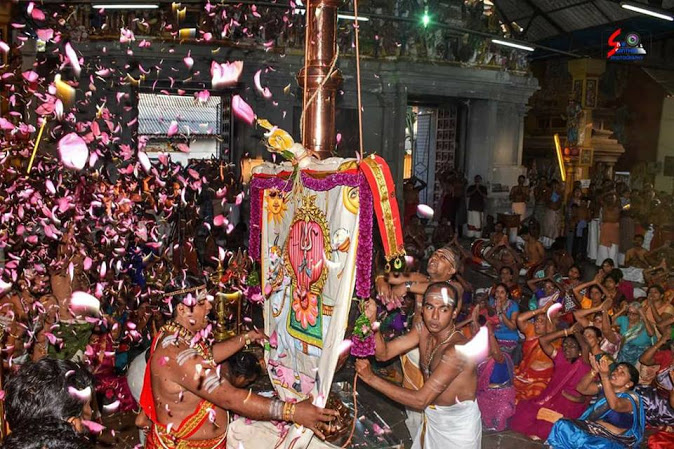
இதே வரலாறு இன்னொரு விதமாகவும் சொல்லப்படுகிறது. ஒரு நாள் உற்சவ நாளன்று கொடியேற்றுவது வழக்கமாதலால், அதை ஏற்ற முயன்றனர். ஆனால் கொடி கம்பத்தில் மேலே ஏறவே இல்லை. ‘உமாபதி சிவத்தை கொடி ஏற்றச் செய்க’ என்ற அசரீரி ஒலிக்கவே அனைவரும் அவரை அழைத்து கொடியை ஏற்றுமாறு வேண்டினர்.
உமாபதி சிவம் இறைவனின் ஆணையை சிரமேற்கொண்டு கொடிக்கம்பத்தின் முன் வந்து நின்றார்.
கீழ்க்கண்ட பாடலைப் பாடினார், கொடி தானே மேலே ஏறியது.
ஒளிக்கு மிருளுக்கு மொன்றே யிட மொன்று மேலிடிலொன்
றொளிக்கு மெனினு மிருளடரா துள்ளுயிர்க் குயிராய்த்
தெளிக்கு மறிவு திகழ்ந்துள தேனுந் திரிமலத்தே
குளிக்கு முயிரருள் கூடும்படி கொடி கட்டினனே.
இதன் பொருள் :-
ஒளி என்பது சிவஞானம் ஆகும், இருள் என்பது ஆணவ மலம் ஆகும். இவை இரண்டுக்கும் ஆன்ம வர்கம் ஒன்றே தங்கும் இடமாகும். இவற்றில் ஒன்று மேலிடில், அதாவது சிவஞானம் ஆணவமலம் இவற்றினுள் ஒன்று மேலிட்ட காலத்தில் மற்றொன்று மறைந்து விடும்.(ஒளிக்கும்). என்றாலும் கூட இருள் என்னும் ஆணவ மலமானது சிவஞானத்தை அடராது, எல்லா உயிருக்கும் உயிராய் அவைகளின் அறிவை விளக்குகின்றன சிவஞான அறிவு பூர்வ புண்ணியத்தால் சிறிது மட்டும் அந்த ஆன்மாவிடம் விளங்கினாலும் கூட திரிமலமாகிய ஆணவம், கன்மம், மாயை ஆகிய மும்மலங்களிலே பந்தப்பட்டுத் தான் இருக்கும். ஆகவே திருவருள் கூடும்படி நான் கொடியைக் கட்டினேன்.
கம்பத்தின் மேல் கொடி ஏறியவுடன் அனைவரும் வியந்து உமாபதி சிவத்தைப் பாராட்டினர்; போற்றிப் புகழ்ந்து வணங்கினர்.
தொடர்ந்து அவர் இன்னும் மூன்று பாடல்களைப் பாடினார்.
இந்த நான்கு பாடல்களும் கொடிப்பாட்டு என்ற பெயரால் சிறப்புற இன்றளவும் அழைக்கப்படுகின்றன.
ஏனைய மூன்று பாடல்கள் வருமாறு:-
இரண்டாம் பாடல்:- பொருளாம் பொருளேது போதேது கண்ணே
திருளாம் வெளியே திரவே – தருளாளா
நீபுரவா வையமெலா நீயறியக் கட்டினேன்
கோபுர வாசற் கொடி.
பொருள் :-
பொருள்களிலே உண்மையான உள்பொருள் ஏது? கிரணத்தை உவமையாக உடைய உயிர் ஏது? கண்ணை உவமையாக உடைய உயிர் ஏது? அஞ்ஞானமாகிய சகலாவத்தை எனப்படும் வெளி ஏது? கேவலாவத்தை எனப்படும் இரவு ஏது? இவை இல்லை என்று சொல்லும் அறிவில்லாவருக்கு நல்லறிவு தரும்படி அத்தனை பொருள்களும் உள்ளவையே என்று அருளும் சிவபிரானே, நான் கொடியை ஏற்றினேன்.
மூன்றாம் பாடல் :-
வாக்காலு மிக்க மனத்தாலு மெக்காலுந்
தாக்கா வுணர்வரிய தன்மையனை – நோக்கிப்
பிறித்தறிவு தம்மிற் பிரியாமை தானே
குறிக்குமரு ணல்கக் கொடி.
பொருள் : வாக்கினாலும் பொல்லாத மனத்தினாலும் எந்தக் காலத்திலும் எட்டப்படாததும், உணர்தற்கு அறிய முடியாததும் ஆகிய தன்மைகளை உடைய சிவத்தினது நிலையை பிரித்து ஆராய்ந்து பார்த்து, அது அறிவாகாரமான ஆன்மாக்களுடன் பிரியாமல் கலந்து ஒன்றாய் இருக்கும் உண்மையை உலகத்தார் தெரிந்து கொள்ளும்படி இந்தக் கொடியை ஏற்றினேன்.
நான்காம் பாடல் :-
அஞ்செழுத்து மெட்டெழுத்து மாறெழுத்து நாலெழுத்தும்
பிஞ்செழுத்து மேலைப் பெருவெழுத்து – நெஞ்சழுத்திப்
பேசு மெழுத்துடனே பேசா வெழுத்தினையுங்
கூசாமற் காட்டாக் கொடி.
பொருள் :-
அஞ்சு எழுத்து என்பது சி-வ-ய- ந- ம என்பதாகும்.
எட்டு எழுத்து என்பது ஓம்- ஹாம்- ஹௌம்-சி-வ-ய- ந- ம என்பதாகும்.
ஆறு எழுத்து என்பது ஓம்-சி-வ-ய- ந- ம என்பதாகும்.
நால் எழுத்து என்பது ஓம்-சி-வ-ய என்பதாகும்
பிஞ்சு எழுத்து என்பது ‘வ’ ஆகும்
மேலான பெரு எழுத்து என்பது ‘சி’ ஆகும்
இவற்றை நெஞ்சில் தியானித்து அதனால் ஏற்பட்ட முதிர்ச்சியால்
பேசும் எழுத்தான ‘வ’ என்பதானது தன்னை அறிவிப்பதோடு
பேசாத எழுத்தான ‘சி’ என்பதையும் மிக சுலபமாக பதிவிக்கும்படி இந்தக் கொடி ஏற்றப்பட்டது. அருமையான கொடிப் பாடல்களைத் தொடர்ந்து உமாபதி சிவம் அவர்களின் பெருமை நாடெங்கும் இன்னும் அதிகம் பரவ ஆரம்பித்தது.
அடுத்து அவர் நிகழ்த்திய அற்புதம் ஒரு மாபெரும் உண்மையை உலகம் அறியச் செய்தது.
Pictures are taken from various sources for spreading knowledge;
this is a non- commercial blog. Thanks for your great pictures.
tamilandvedas.com, swamiindology.blogspot.com
லண்டனிலிருந்து வாரம் தோறும் ஞாயிற்றுக்கிழமை மாலை இந்திய நேரம் மாலை 6.30 மணிக்கு ஒளிபரப்பாகும் தமிழ் முழக்கம் நிகழ்ச்சியில் 20-12-2020 அன்று ஒளிபரப்பான உரை. இதை www.facebook.com/gnanamayam தளத்திலும் youtubeலும் எப்போதும் காணலாம்.
ஆலயம் அறிவோம்!
வழங்குவது பிரஹன்நாயகி சத்யநாராயணன்.
மாவினை, வாய் பிளந்துகந்த, மாலை வேலை வண்ணனை, என் கண்ணனை,
வன் குன்றமேந்தி, ஆவினை அன்று உய்யக் கொண்ட ஆயர் ஏற்றை,
அமரர்கள் தம் தலைவனை, அந் தமிழின் இன்பப் பாவினை, அவ் வடமொழியைப் பற்றார்கள் பயில, அரங்கத்தரவணையில் பள்ளி கொள்ளும் கோவினை, நாவுற அழுத்தி, எந்தன் கைகள், கொய்ம் மலர் தூய்,
என்று கொலோ கூப்பும் நாளே?
—குலசேகர ஆழ்வார் திருவடிகள் வாழியே!
ஆலயம் அறிவோம் தொடரில் இன்று நமது யாத்திரையில் இடம் பெறுவது வைணவ திவ்ய க்ஷேத்திரங்கள் நூற்றியெட்டில் முதலாவதாகத் திகழும்
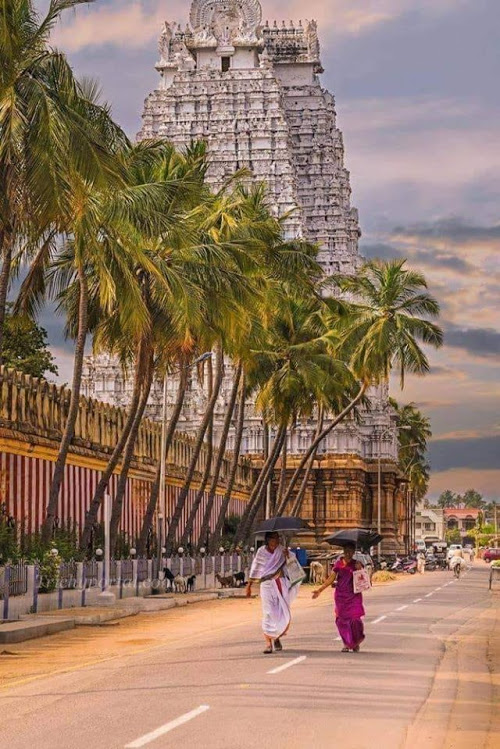
ஸ்ரீரங்க க்ஷேத்திரம் ஆகும். ஸ்வயமாக உருவாகிய ஏழு விஷ்ணு ஸ்தலங்களுள் இது மிக முக்கியமானதாக விளங்குகிறது. திருவரங்க திருப்பதி, பெரிய கோயில், பூலோக வைகுண்டம், போக மண்டபம் என்ற பல சிறப்புப் பெயர்கள் கொண்ட க்ஷேத்திரமும் இதுவே. கோயில் என்றாலே வைஷ்ணவ சம்பிரதாயத்தில் அது ஸ்ரீரங்கநாதர் எழுந்தருளியுள்ள ஸ்ரீரங்கத்தையே குறிக்கும்.
சிலப்பதிகாரம், அகநானூறு போன்ற சங்க இலக்கியத்தில் போற்றி புகழப்படும் தலமாக இருப்பதால் இதன் பழம் பெருமை நன்கு விளங்கும்.
ஸ்ரீரங்கம் கோவில் பிரம்மாண்டமானது. 156 ஏக்கர் பரப்பளவு கொண்ட இந்தக் கோவிலில் ஏழு பிரகாரங்கள் உள்ளன. அனைத்துப் பிரகாரங்களிலும் உள்ள கோபுரங்கள் மொத்தம் 21. திருச்சியில் உள்ள இந்தத் தலம் சென்னையிலிருந்து 324 கிலோமீட்டர் தூரத்தில் உள்ளது.
புனிதமான காவிரி நதியின் வடகரையில் 3 மைல் தொலைவில் உள்ளது இது. காவேரி, கொள்ளிடத்திற்கு மத்தியில் இது அமைந்துள்ளது. காவேரியும் கொள்ளிடமும். ஸ்ரீரங்கத்தை மாலையிட்டது போல் சுற்றி வருகின்றன.
ஆதியில் ராமபிரானால் விபீஷணருக்குக் கொடுக்கப்பட்ட ஸ்ரீ ரங்கநாதர் அங்கேயே நிலைத்து நின்று அருள் பாலிக்கும் தலம் இது.
இந்த ஆலயம் விஜயரங்க சொக்கநாதரால் கட்டப்பட்டது.
ஏழு சிரஞ்சீவிகளில் ஒருவரான விபீஷணர் இப்பொழுதும் இலங்கையிலிருந்து இங்கு இரவில் வந்து பூஜை செய்வதாக ஐதீகம்.
கோயிலின் வடபுறத்தில் தாயார் சந்நிதியும் ராமர் கோவிலும் உள்ளன.
இந்தக் கோயிலில் உள் விமானம் பிரணவ ரூபமாக அமைக்கப்பட்டிருப்பது இதன் தனிச் சிறப்பாகும். அந்த விமானத்தில் பர வாஸுதேவருடைய சிலா விக்ரஹம் இடுப்பு வரையிலும் காணப்படுகிறது. இந்த விக்ரஹம் முழுவதும் வளர்ந்து முழுமையாக நிற்கும் நாளில் கலி யுகம் முடிவுக்கு வரும் என்று சொல்லப்படுகிறது. சக்கரத்தாழ்வார், கோயிலுக்கு நிருதி மூலையில், அமைந்துள்ளார்.
தாயாரின் திரு நாமம் அரங்க நாயகி. தாயார் சந்நிதியின் மூல ஸ்தானத்தில்
இரண்டு தாயார்களின் விக்ரஹங்கள் ஒன்றுக்குப் பின் ஒன்றாக இருப்பது குறிப்பிடத்தகுந்தது.
துலுக்க நாச்சியார் அரங்கனின் மீது ப்ரேமை கொண்டு முக்தியடைந்ததாக வரலாறு ஒன்றும் உண்டு.
இங்கு தான், தாயார் கோவிலின் முன் புறம், அழகிய சிங்கர் முன்னிலையில் உள்ள ஓர் மண்டபத்தில், கம்பர் ராமாயணத்தை அரங்கேற்றினார். கம்பர் மண்டபம் என்ற பெயருடன் இது விளங்குகிறது.
வைகுண்ட ஏகாதசி திருநாளில் ஸ்ரீரங்கநாதருக்கு உற்சவம் வெகு விமரிசையாக நடைபெறும். ஸ்ரீரங்கத்திற்கு வடபால் கொள்ளிடக்கரை ஓரமாக தசாவதாரப் பெருமாள் கோவில் உள்ளது. கோவிலுக்குக் கிழக்குத் திக்கில் சிங்கப் பெருமாள் கோவிலும் வாயு மூலையில் தேசிகன் கோவிலும் உள்ளன.
பத்து ஆழ்வார்களும் ஆண்டாளும் அரங்கநாதரைப் போற்றிப் பாடிய பாசுரங்கள் மொத்தம் 247.
உடையவர் என்றும் எம்பெருமானார் என்றும் ஸ்ரீ பாஷ்யகாரர், யதீந்திரர் என்றும் பல்வேறு நாமங்களால் சிறப்புற அழைக்கப்பெறும் ஸ்ரீ ராமானுஜர் ஆதி சேஷனின் அபராவதாரமாகக் கருதப்படுபவர்.
பூமன்னு மாது பொருந்திய மார்பன் – புகழ் மலிந்த
பா மன்னு மாறன் அடி பணிந்து உய்ந்தவன் – பல்கலையோர்
தாம் மன்ன வந்த இராமானுஜன் சரணாரவிந்தம்
நாம் மன்னி வாழ நெஞ்சே, சொல்லுவோம் அவன் நாமங்களே
என்று பக்தர்கள் பரவசமாய் போற்றித் துதிக்கும் ஸ்ரீராமானுஜர், ஸ்ரீரங்கம் கோவிலுக்குத் தென்பால் உள்ள, மொட்டை கோபுரத்தின் மீது நின்று தான், ஜனங்களுக்கு உபதேசம் செய்ததாகக் கூறப்படுகிறது. அரங்கநாதரின் ஆணைப்படி ஐந்தாவது பிரகாரத்தின் தென்மேற்கு மூலையில் ராமானுஜரின் சந்நிதி உள்ளது. ஆனால் 120 ஆண்டுகள் உயிர் வாழ்ந்த அவர் தன் மெய்யுடலுடன் இன்றும் அங்கு இருந்து அருள் பாலிக்கிறார். அவரது உடல் ம்ருத சஞ்சீவினி மந்திரம் மூலம் நிலைத்திருக்கும் தன்மையுடன் இன்றும் உயிருடன் அந்த இடத்தில் இருப்பதாக பக்தர்கள் நம்புகின்றனர். சந்தனமும் குங்குமமும் மட்டுமே இங்கு உபயோகப்படுத்தப்படுகிறது.
சுக்ர தோஷம் உடையவர்கள் அரங்கநாதரை தரிசித்தால் அந்த தோஷம் நீங்கி விடும் என ஜோதிட சாஸ்திரம் உறுதி கூறுகிறது. அரங்கநாதர் ஏற்கும் சந்தனமே சுக்ரனுக்கு உகந்த ஒன்று. அரங்கநாதர் பள்ளி கொள்வது வெண்மையான திருப் பாற்கடலில். வெண்மையான அனைத்தும் சுக்ரனுக்குப் பிடித்தவை. சுக்ரனுக்கு உகந்த பறவை கருடன். ஸ்ரீரங்கத்தில் பிரம்மாண்டமான கருட வாகனம் உள்ளது. ஸ்ரீரங்கத்தின் இன்னொரு பெயர் போக மண்டபம். போக காரகன் சுக்ரனே. இப்படி இன்னும் ஏராளமான அபூர்வமான உண்மைகள் சுக்ரனுக்கும் இந்த ஸ்தலத்திற்கும் உள்ள தொடர்பை விளக்குகின்றன! ஆகவே சுக்ர தோஷத்தை நீக்க அரங்கநாதர் வழிபாடே சிறந்த வழிபாடாகும்!
காலம் காலமாக ஆயிரக்கணக்கான பக்தர்கள் பயபக்தியுடன் வணங்கி வரும் அரங்கநாதர் அனைவருக்கும் சர்வ மங்களத்தை தர ஞானமயம் சார்பில் பிரார்த்திக்கிறோம். நலம் தரும் சொல்லை நான் கண்டுகொண்டேன்நாராயணா என்னும் நாமம்!
Pictures are taken from various sources for spreading knowledge;
this is a non- commercial blog. Thanks for your great pictures.
tamilandvedas.com, swamiindology.blogspot.com
2700 ஆண்டுகளுக்கு முன்னர் தமிழ், ஆங்கில சொற்கள் – பகுதி 8
Panini Sutras from his Ashtadhyayi continued……………………………..
2-1-55
UPAMA – UVAMAI IN TAMIL.
உபமா = தமிழில் உவமை; தொல்காப்பியர், திருவள்ளுவர், சங்கப் புலவர்கள் இந்த சம்ஸ்கிருத்த் சொல்லை பயன்படுத்துகின்றனர் ஆனால் அந்தக் காலத்திலேயே ப= வ ஆக மாறி இருக்கிறது.
ஆனால் , ஏனோ ‘பண்டி’ என்பதை சங்க காலத்தில் அப்படியே உபயோகித்துவிட்டு இப்போது ‘வண்டி’ என்று சொல்லுகிறோம்!!!
TOLKAPPIYAM, SANGAM LITERATURE AND TIRUKKURAL USE THIS SANSKRIT WORD.
P=V
WHAT WE KNOW FROM THESE IS P=V CHANGE EXISTS FROM VERY ANCIENT PERIOD. NOW WE SEE BENGALIS AND EASTERN PARTS OF INDIA CHANGE ALL V AS P .
Pictures are taken from various sources for spreading knowledge; this is a non- commercial blog. Thanks for your great pictures.
tamilandvedas.com, swamiindology.blogspot.com
www.tamilandvedas.comசஇல் வெளிவந்த ச.நாகராஜன் தொகுத்த பாரதி போற்றி ஆயிரம், இதோ தொடர்கிறது, இதோ kattukutty மிகப் பழைய தமிழ் இதழ்களிலிருந்து தொகுத்துத் தரும் சில புதுக் கவிதைகள்!
Pictures are taken from various sources for spreading knowledge;
this is a non- commercial blog. Thanks for your great pictures.
உமாபதி சிவம் – 1 சிவப் பிரசாதம், குருப்பிரசாதம்!
ச.நாகராஜன்
திருஞான சம்பந்தர், திருநாவுக்கரசர், சுந்தரர், மாணிக்கவாசகர் ஆகிய நால்வரும் சைவ சமயத்தின் அடிப்படை நாதமாக, சைவ குரவர்களாக விளங்கியவர்கள்.
இவர்கள் காலத்திற்குப் பின்னால் சைவ சித்தாந்தத்தை சந்தான குரவர்கள் எனப்படும் நால்வர் பரப்பினர். குரு-சிஷ்ய பரம்பிரையிலான இவர்களில் மெய்கண்டசிவம் முதலாவது குரவர் ஆவர். அவருக்குப் பின்னர் அருள்நந்தி சிவம், மறைஞான சம்பந்தர் சிவம், அவரது சிஷ்யர் உமாபதி சிவம் ஆகியோர் சைவ சமயத்தை உரிய முறையில் பரப்பினர்.
உமாபதி சிவம் தில்லை மூவாயிரவர் எனப்படும் மூவாயிரம் தீக்ஷிதர் குடும்பங்களுள் ஒன்றில் பிறந்தார். இந்த மூவாயிரம் குடும்பங்களே பாரம்பரியமாக நடராஜருக்கு உரிய கோவில் வழிபாடுகளை- பூஜைகளைச் செய்ய உரிமை கொண்டவர்கள்.
உமாபதி இளமையிலேயே தமிழ் மற்றும் சம்ஸ்கிருத நூல்களைக் கற்றுக் கரை தேர்ந்தார். வேத ஆகமங்களில் வல்லவரானார்.
பாரம்பரியத்திற்கு ஏற்ப சிவாசாரியர் ஆனார். சிதம்பரம் நடராஜருக்கு தீக்ஷிதர்கள் செய்யும் அனைத்தையும் செய்யும் உரிமையையும் பெற்றார்.
அவரது அபாரமான வல்லமை நாடெங்கும் பரவியது. இதைக் கேள்விப்பட்டு மகிழ்ந்த சோழ மஹாராஜன் அவரைச் சிறப்பிக்கும் வண்ணம் ஒரு முத்துப் பல்லக்கை அவருக்கு அளித்தான். பல்லக்கில் அவர் செல்லும் போது மேள தாள வாத்தியங்களும் முழங்கின. பல்லக்கின் முன்னே பகல் நேரமாக இருந்தாலும் கூட வழக்கத்திற்கு ஏற்ப தீவட்டி ஏந்திச் செல்லப்பட்டது.
கோடைகாலத்தில் ஒரு நாள். சிதம்பரம் கோவிலில் தான் செய்ய வேண்டிய பணிகளை முடித்து விட்டு உமாபதி சிவம் திரும்பி வந்து கொண்டிருந்தார். தெருவழியே அவர் சென்று கொண்டிருந்த போது அவரது பல்லக்கு மறைஞான சம்பந்தர் அமர்ந்திருந்த திண்ணையைக் கடந்து சென்றது.
மறைஞான சம்பந்தரே மூன்றாவது சந்தான குரவர். அவர் திண்ணையில் தனது சீடர்களுக்கு பாடம் நடத்திக் கொண்டிருந்தார்.
ஆடம்பரமான பல்லக்கில் உமாபதி சிவம் செல்வதைப் பார்த்த அவர், “ பார், பார், பகல் நேரத்தில் குருடன் ஒருவன் பலகைகளில் ஏறிச் செல்கின்றான்” என்றார்.
பகல் நேரக் குருடு என்பது வெளிச்சத்தில் உமாபதி சிவம் தீவட்டியை ஏற்றிச் சென்றதைக் குறித்தது. பலகை பல்லக்கைக் குறித்தது,
உமாபதி கற்றறிந்த பெரும் ஆன்மா என்பதால் அவர் இந்த விமரிசனத்தால் கோபப்படவில்லை. மாறாக இதை பெரும் உபதேசமாக ஏற்றுக் கொண்டார்.
பல்லக்கின் திரைகளை விலக்கி அவர் பார்த்தபோது மறைஞானசம்பந்தர் அவருக்குத் தோன்றவில்லை.
சிதம்பரம் நடராஜரே தோன்றினார். உடனே பல்லக்கை விட்டுக் கீழே இறங்கிய உமாபதி சிவம் மறைஞானசம்பந்தரின் காலடிகளில் வீழ்ந்தார், வணங்கினார். உமாபதி சிவம் கீழே பணிந்து கிடக்க மறைஞானசம்பந்தர் அந்த இடத்திலிருந்து ஓட்டமாக ஓடலானார்.
இதை உணர்ந்த உமாபதி சிவம் அவரைப் பின் தொடர்ந்து ஓடலானார். ஓடி ஓடி இருவரும் களைத்துப் போயினர். அப்போது செங்குந்தர் சமூகத்தைச் சேர்ந்த ஒருவர் தனது திண்ணையில் களைத்துக் கிடக்கும் மறைஞான சம்பந்தரைக் கண்டு திடுக்கிட்டார்.
அவரோ உணவுக்காக கை ஏந்தினார். செங்குந்தர் சமூகம் என்பது நெசவுத் தொழிலில் ஈடுபட்டவர்களின் சமூகம் என்பதால் அந்தக் குடும்பத்தில் அவருக்கு அப்போது எஞ்சி இருந்தது கூழ் மட்டும் தான். அதை அவர் தர மறைஞான சம்பந்தர் அதைக் கையில் ஏந்தி ஏற்றுக் கொண்டார். அதைக் குடிக்கலானார். வாயில் வைத்து அதைக் குடிக்கும் போது அவர் சிவ பிரசாதம் சிவபிரசாதம் என்று சொல்லிக் கொண்டே அருந்தினார்.
அப்போது அவர் முழங்கை வழியே சிறிது கூழ் சொட்டு சொட்டாகக் கீழே சிந்தலாயிற்று.
அதை ஏந்திக் கொண்ட உமாபதி சிவம் குரு பிரசாதம், குரு பிரசாதம் என்று சொல்லிக் கொண்டே அதை அருந்தலானார்.
நகர் எங்கும் இந்தச் செய்தி பரவியது. தீக்ஷிதர் குடும்பத்தைச் சேர்ந்த ஒருவர் இப்படி கூழைக் குடித்ததால் அவரை சமூக விலக்கம் செய்ய நினைத்த அனைவரும் அவரை தீக்ஷிதர் சமூகத்திலிருந்து விலக்கி விட்டனர். இதனால் சிதம்பரம் கோவிலுக்குள் செல்லும் உரிமையும் அவருக்கு மறுக்கப்பட்டது.
இதனால் எல்லாம் உமாபதி சிவம் கவலைப்படவில்லை.
சிதம்பரத்திற்கு கிழக்கே உள்ள கொற்றவன் குடி என்ற இடத்திற்குச் சென்று ஒரு மடத்தை அமைத்து அங்கே தங்கலானார்.
Pictures are taken from various sources for spreading knowledge;
this is a non- commercial blog. Thanks for your great pictures.
tamilandvedas.com, swamiindology.blogspot.com
THE VEDAS WE LOST
We have four Vedas now – Rik, Yajur, Saama and Atharvana. Vedas are the oldest and biggest collection of religious works in the ancient world. The scholarly world wonder about Vedas for two reasons:
All the hymns, over 20,000 in number, have been passed by mouth. This is unheard in any part of the world. Vedas clearly say it should not be written and must be heard and remembered. Until this day it is followed in traditional Vedic schools.
The second wonder is that there is no such bulk of literature in any part of the ancient world. Though we have some religious texts in Egypt and Babylonia, they are nowhere near the Vedas quantity wise or quality wise.
I can add one another wonder; that if we draw a line in 800 BCE, we see a huge volume of literature in India and a very few in the other parts of the world. This shows again two things:-
India is the land where civilization originated and spread to other parts of the world. Bhimpetka in Madhya Pradesh has 40,000 year old rock paintings which mean, in the centre most part of India, in the deepest forest, men lived in India.
Second thing is all Latin and Greek words can be traced back to Sanskrit and Tamil roots. So languages and script also migrated from India to other parts of the world. ( I have shown it in my 70 plus articles)
When we compare it with the lost portions of the Vedas, we have more wonders.
The oldest Grammar and Linguistics book in the world is Ashtadhyayi of Panini dated by Goldstucker around 800 BCE.
The grammar book and its commentary Mahabhasya give us some information about the lost portions of the Vedas.
Vedic schools = Charana in Sanskrit
Branch = Saakhaa in Sanskrit
Most of the Vedic charanas were founded by rishis whose names were also used for Gotra/clan appellations
Xxxx
WHAT KANCHI PARAMACHARYA SAID:-
KANCHI SHANKARACHARYA SRI CHANDRA SEKARA INDRA SARASVATHY (1894-1994) SPOKE ABOUT THE LOST VEDIC SAAKHAAS (BRANCHES):-
“The Vedas in their infinitude being like the expanse of an endless ocean, no one has been able to master them. Even so in the remote past there were individuals conversant with a large number of shakass.
Since the Krta yuga there has been a decline in the powers of man.
Krsna Dvaipayana Vyasa knew all the 1180 recensions / shakass of the Vedas revealed to the world by various sages.
The Saama Veda had the highest number of shakaas/ branches/ recensions, 1000.
In the Rig Veda there were 21 .
In the Yajus 109 (Shukla/White Yajur Veda – 15 and Krsna/Black Yajur Veda- 94)
And in the Atharva Veda -50
Visnu Purana mentions the number of Shaakaas to be 1180; another scholar says there were 1133 shaakaas.
During 5000 years or more since Veda Vyasa divided the Vedas, many Saakhaas have been lost. Out of the 1180, we are in the unfortunate position of only six or seven.
Rig Veda has only one Saakhaa now- Saakala Saakhaa or Aitareya shaakaa
Saama Veda 997 shakaas lost;
Shukla /White Yajur Veda – Maadhyandina Saaskhaa and Kaanva saakhaa
Krsna/ Black Yajur Veda – only Taittiriya Brahmana is extant.
We should be guilty of a grave offence if the seven or eight Saakhaas of the 1180 that still survive become extinct because of our neglect.; there will be no expiation for the same.”
For full details in Tamil, please go to Deivathin Kural; for full details in English, please go to ‘Hindu Dharma- The Universal Way of Life’, Bharatiya Vidhya Bhavan, Mumbai, 2000
xxx
Vedic literature
Thieme , tracing Panini’s (Paaninii) references to their original sources has shown that Panini derived his grammatical material from the texts of the Rigveda , Maitraayanii Samhitaa , Kaathaka Samhitaa, Taittiriya Samhitaa and Atharva veda, probably also from the Saama veda. To these may also be added Saakalya pada paatha of the Rigveda which has supplied him with material for Suutras 1-1-16-18
P Thieme , Paanini and the Veda, p.63
Thieme further points out that some of the Vedic forms used by Paanini cannot be traced back to any extant Vedic works. Possibly they were derived from some text or saakhaa of the black Yajurveda which was known in his time but now lost to us . p 64 of the above book
xxx
Under Rigveda comes this paragraph in Agrawala’s boo
4.Bahuvricha
Paanini mentions the Aamnaaya and dharma of the Bahuvrcha school as Baahuvrichya 4-3-129
And refers to Bahuvricha as the name of Charana 5-4-154 .
That this school once enjoyed wide distribution, is shown by Patanjali speaking in terms of the Bahuvrichas while referring to the Rigveda recensions
Ekavimsadidhaa baahuvrichyam 1-9
The Bahuvrichas are referred to in the Satapatha Brahmana 11-5-1-10 and quoted a dozen times in the Aapastamba Srauta sutra. None of these citations can be traced to the two Rigveda brahmanas known to us , viz. Aitareya and Kaushiitakii and Keith was led to observe that ‘it is perfectly certain that he — Aapastamba – meant some definite work which he may have had before him and in all probability and all his quotations came from it .
Keith , Rigveda brahmanas, p.496
xxx
Panini mentions by name certain other Vedic schools , whose exact affiliations are not known. E.g.
Taitila – Kadru in sutra 6-2-42
It contains an allusion to the students of Aachaarya Titilin, also mentioned in the aforesaid Vaarttika 6-4-144
Patanjali mentions Karudaah and Kaankataah as names of schools 4-2-66; 2-286
Of which the former appears to be students of Kraudi mentioned in the Kraudyaadi gana 4-1-80
The Kaankata Brahmana is referred to in the Aapastamba Srauta- suutra 14-2-4 along with other unknown texts- see Keith, J R A S .1915, page 498
The schools of Karmanda and Krisaasva which are known only from panini 4-3-111 and those of Kaasyapa and Kausika 4-3-103 were confined to their sutra works only, showing to what extent specialisation under the Vedic charanas had advanced . the Kausikas belonged to the Atharva Veda , but the affiliations of the other three are not known .
Pages 317 to 328 , India as known to panini, V S Agrawala, university of Lucknow, 1953
Brahmanas, came after Samhitas and they are dated from 1000 BCE. Of all the lost brahmana works that of Saatyaayana has been quoted most frequently according to B K Ghosh (Fragments of Lost Brahmanas).
Pictures are taken from various sources for spreading knowledge;
this is a non- commercial blog. Thanks for your great pictures.
tamilandvedas.com, swamiindology.blogspot.com
OBITUARY – SRI R.NANJAPPA
Tamilandvedas.com and swamiinology.blogspot.com express their deepest condolences to the family of Sri R.Nanajappa. Mr R.Nanjappa passed away in Bengaluru on 14th of December, 2020. We were all saddened by his demise. He was a great contributor to our blogs. In addition to his long series on Sadguru Sri Tyagaraja , Hindi Film songs and Economics he was a regular commentator. His comments were positive and informative. His comments were compl’i’mentary and compl’e’mentary/supplementary.
We were encouraged to write on the subjects he complimented us. Comments like his were our fuel and proved that we are in the right direction.
Once we wrote to him that his comments themselves will form a voluminous book. Writing is not easy, that too, writing with positive comments is not that easy.
He was a voracious reader, good writer and a multilinguist. Started his life as a banker and finished his life as a writer. I would say he worked until his last breath. His last comments to our blogs posted a few days before his death. He was a lifelong student studying new books and new subjects and he was a teacher for us teaching us what we don’t know.
We all pray for his soul to reach the feet of God.
Om Shanti.
FOLLOWING PROFILE OF R.NANJAPPA APPEARED IN OUR BLOGS SOMETIME AGO
Mr R Nanjappa
Mr R. Nanjappa has passed BA Economics (with history and political science) in 1962 and passed MA Economics in 1964- both from Madras University.
He joined in a leading Bank in 1965 and voluntarily retired in 1998.
He worked in New Delhi, Nagpur, Ahmedabad, Bombay, Madras, Bangalore and Hyderabad offices in his career.
He is very much interested in literature, comparative religion and philosophy,, sustainable or steady state economics, education and of course music. In music his main interest is in Sahitya.
Over the years he has thoroughly studied the Collected Works of Mahatma Gandhi, the Complete Works of Vivekananda, complete works of Sri Aurobindo, literature relating to Sri Ramakrishna and Sri Ramana.
He has also read all the available works of Dr. Radhakrishnan.
He has read a fair selection of English poets, Shakespeare and Plato.
He has also read old Tamil literature but discursively.
In Management science, his favourite author is Peter Drucker.
He had studied the works of Arunagirinatha, and the Tevaram of the three and Tiruvachakam, Kamba Ramayanam
Sanskrit classics and Gita are his favorites.
His favorite English novelists are Dickens and Hardy and of modern writers he likes only A.J.Cronin and Nevil Shute..
He is a collector of books!.
For the last twenty years, he along with his family is residing in Bangalore.













 Tamil and Vedas