உள்ளது உள்ளபடி பதில் சொல்வதென்பது சற்று தர்மசங்கடமான ஒன்று தான். என்றாலும் சில அறிஞர்கள் அதைக் கடைப்பிடித்து வந்துள்ளனர்.
ராணியிடம் எப்போதும் நல்ல பெயர் தான்! : எப்படி சாத்தியம்?!
இங்கிலாந்தின் பிரபல அரசியல்வாதியான டிஸ்ரேலி எப்படி பிரிட்டிஷ் ராணியுடன் மிக சுமுகமாகப் பழகுகிறார் என்பது யாருக்கும் புரியாமல் இருந்தது. ராஜாங்கத்தின் உயர் தலைவி அவருக்கு தனி சலுகை தந்து வருவது எப்படி?
ஒரு சமயம் அவர் தன் நண்பருடன் பேசும் போது இந்த ரகசியத்தைப் போட்டு உடைத்தார் இப்படி: “நண்பரே! ராணியாருடன் பேசும் போது ஒரு சின்ன எளிமையான விதியைத் தான் நான் பின்பற்றுகிறேன். ஒரு போதும் அவர் பேச்சை நான் மறுப்பது கிடையாது. ஒரு போதும் அவர் பேச்சுக்கு மாற்றுக் கருத்தைச் சொல்வதில்லை. சில சமயம் நான் மறந்து விடுவேன். இவ்வளவு தான்!”
*
பெண்களிடம் நீங்கள் அதிகம் பேசுவதில்லையே, ஏன்?
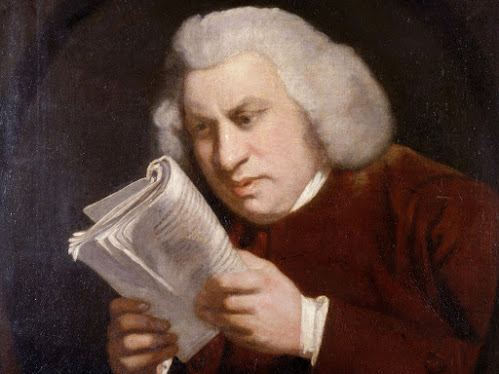
இங்கிலாந்தின் பிரபல அறிஞரான ஜான்ஸனிடம் ஒரு வம்புக்காரப் பெண்மணி வந்து பேசிக் கொண்டிருந்தார். தன்னை அவர் கவனிக்கவே இல்லை என்று அந்தப் பெண்மணிக்குச் சற்று ஆதங்கம்!
அவர் ஜான்ஸனிடம் வலியச் சென்று கேட்டார்:” என்ன டாக்டர்! நீங்கள் எப்போதுமே பெண்களை விட ஆண்களிடமே அதிகம் பேசிக் கொண்டிருக்கிறீர்கள்?
அதற்கு உடனடியாக ஜான்ஸன் பதில் சொன்னார்:” அம்மணி! நான் பெண்களுடன் பேசுவதை மிகவும் விரும்புகிறேன். அவர்களின் அழகு எனக்கு மிகவும் பிடிக்கும். அவர்களின் நளினத்தை நான் விரும்புகிறேன். அவர்களின் கிளர்ச்சியூட்டும் தன்மையும் எனக்குப் பிடிக்கும். கூடவே அவர்கள் மௌனமாக இருப்பதும் எனக்கு அதிகம் பிடிக்கும்!”
அவ்வளவு தான் அந்த அம்மணி அங்கிருந்து நடையைக் கட்டினார்!
*
இரண்டு மனைவிக்காரனுக்கு என்ன தண்டனை?
லார்டு ரஸ்ஸலிடம் ஒருவர் வந்து ஒரு கேள்வியைக் கேட்டார் இப்படி: “இரண்டு பெண்டாட்டிக்காரனுக்கு என்ன தண்டனை கடுமையானது?”
ஒரு கணம் கூட தாமதிக்காமல் ரஸ்ஸல் பதில் கூறினார் இப்படி: “இரண்டு மாமியார்கள்!”
*
கடவுளும் காமன்வெல்த்தும்!
ஆலிவர் க்ராம்வெல் முதன் முதலாக காமன்வெல்த் நாணயத்தை அச்சடித்தார். ஒரே பெருமிதம் அவருக்கு! வயதான ஒருவர் அதைப் பார்த்தார்.
நாணயத்தைத் திருப்பித் திருப்பிப் பார்த்தார். ஒரு பக்கத்தில் ‘கடவுள் நம்முடன் இருக்கிறார்’, என்று பொறிக்கப்பட்டிருந்தது. மறு பக்கத்தில் ‘காமன்வெல்த் ஆஃப் இங்கிலாந்து’ என்று பொறிக்கப்பட்டிருந்தது.
முதியவர் அதைப் பார்த்து விட்டுக் கூறினார் இப்படி: “ஓஹோ! கடவுளும் காமன்வெல்த்தும் வெவ்வேறு பக்கத்தில் இருப்பார்கள் என்பது இப்போது தான் புரிகிறது!”
*
எப்படி வண்ணக்கலவையை உருவாக்குகிறீர்கள்?
பிரபல ஓவியரான வில்லியம் ஆர்பனிடம் (Sir William Orpen) ஒருவர், “எப்படி உங்கள் வண்ணங்களை மிக்ஸ் செய்து வண்ணக் கலவையை உருவாக்குகிறீகள்?” என்று கேட்டார்.
உடனடியாக அவரிடமிருந்து வந்தது பதில் : “மூளையுடன்”!
*
மாமியாருக்கு மறு பெயர் என்ன?
நண்பர்கள் இருவர் ஒருவருக்கு ஒருவர் பேசிக் கொண்டிருந்த போது ‘உன் மாமியாரின் பெயர் என்ன’ என்று கேட்டதற்கு தன் மாமியாரின் பெயரைக் கூறிய முதல் நண்பர், ‘ஆமாம், எந்தப் பெயரைக் கேட்கிறீர்கள்? என்று சந்தேகமாகக் கேட்க இரண்டாமவர் கேட்டார்.
“ஓஹோ! அவருக்கு இரண்டு பெயர் உண்டா? அவருடைய இன்னொரு பெயர் என்ன?” அதற்கு முதல் நண்பர் கூறினார் :
பொம்பளை ஹிட்லர் (Woman Hitler)
அந்த நண்பர் ஒரு சமயம் தனது நாயை மிருகத்திற்கு வைத்தியம் செய்யும் மிருகவியல் வைத்தியரிம் சென்று திரும்பிக் கொண்டிருந்ததைக் கண்ட அவரது நண்பர் கேட்டார்: “என்ன விஷயம்? நாயுடன் வெடினரி டாக்டர் வீட்டிலிருந்து திரும்புகிறீர்கள்?”
அதற்கு நண்பர் பதில் சொன்னார்: “ இந்த எனது நாய் என் மாமியாரைக் கடித்து விட்டது. அதற்காகத் தான் சென்றேன்.”
“ஓஹோ! நாய்க்கான நல்ல தூக்க மாத்திரை உள்ளிட்டவற்றை வாங்கிக் கொண்டீர்களா?”
“ஊஹூம்! நாயின் பற்களைக் கொஞ்சம் கூர்மையாகத் தீட்டச் சொன்னேன். அவ்வளவு தான்!”
Pictures are taken from various sources for spreading knowledge.
this is a non- commercial blog. Thanks for your great pictures.
tamilandvedas.com, swamiindology.blogspot.com
I have been reading the Sanskrit Vedas through English books for over 50 years. Most of them by foreigners and a few by Marxist professors; very rarely one or two by genuine patriotic Hindus. When I lived in Madurai until 1986, I got very good books from the Victoria Edward Hall Library and Madurai University Library. Since January 1987 , I have been living in London where I have got two excellent libraries – The British Library and the University of London Library. Some local council libraries also had some very good books donated by Hindu scholars. But I have never tried to read the Vedas from A to Z. Now I have started reading the Rig Veda from First Mandala/Book. I started in April 2021 and I will be finishing the first Mandala very soon. Then I would have covered 191 hymns out of 1025 hymns. That means a long way to go.
The reason for writing now is to tell you the wonders I found so far.
Fables
I thought that the earliest fables are from the Upanishads dated around 8th Century BCE. Later we find many fables in Ramayana and Mahabharata. Buddha Jataka stories are polluted with Bodhisatva and moreover the originals are ‘stolen’ from the ancient Hindu folk lore. Abroad, we hear about Aesop fables rivalling with our Panchatantra and Hitopadesa.
But the origin for these fables, particularly animal fables lie in the oldest book in the world – The Rig Veda. Even before finishing the first book with 191 hymns, I read, quail caught by a wolf, but saved by the miraculous Twins Asvins. In two or three hymns, we see the eagle or falcon bringing the Soma plant. I have already written about the origin of Santa Claus Reindeer cart. It is actually in the Asvin Mantras ! Asvins carts are drawn by deer, swans and other birds etc. we also read about flying horses with a horn in the Rig Veda!
Signatures in songs
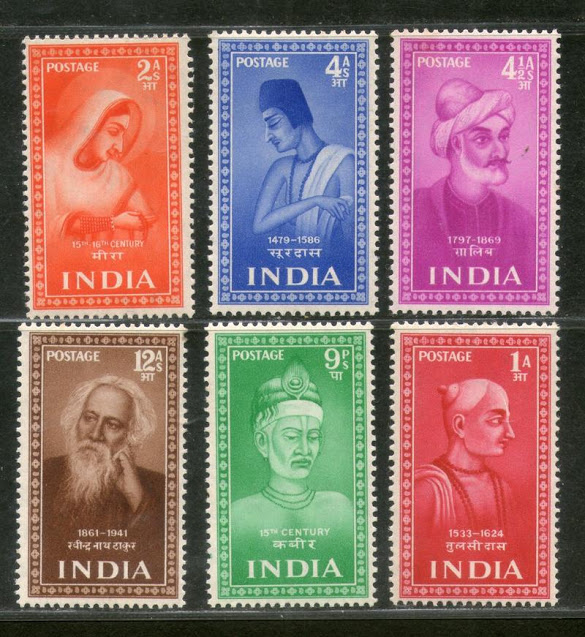
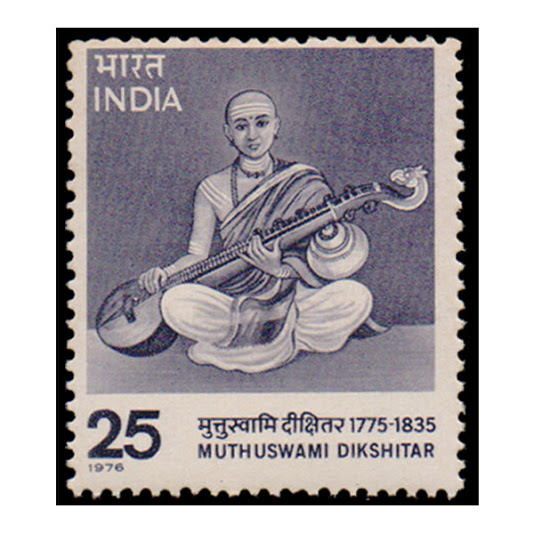
I used to wonder why the Tamil Hymn singer Tiru Gnana Sambandr used his name in every decad (Ten Poems) as a signature (Mudra) and why all others such as Purandaradasa, Thiyagaraja, Muthu swami Dikshitar, Bhakta Meera, Kabir and others followed him in placing their name in the last line. Sambandar, the Boy Wonder of Tamil Nadu, lived 1400 years ago. But the origin of such Mudras is in the Rig Veda. Agastya who has over 25 hymns in the First Book (Mandala) alone finish few of his compositions with Manharya, Son of Mana says this . Kutsa Angirasa finish his poems with a phrase or line invoking Aditi, Sindhu, Earth and Heaven.
In Meera Bhai’s compositions we see Meera ke Prabhu Girdhara Nagara, in Kabir poems ‘his name’, in Dikshitar’s ‘Gurukuha’ etc.
So, all these saints followed the rig Vedic rishis/seers. Even today the composers place a Mudra in the new compositions.
As I have mentioned elsewhere three greatest contributions of Vedic Hindus to the world civilization are 1. Decimal System, 2. Domestication of Cow and announcing it as Mother because the cow’s milk is the closest to Mother’s milk and Domestication of Horses and yoking them with wheeled chariots.
Pictures are taken from various sources for spreading knowledge.
this is a non- commercial blog. Thanks for your great pictures.
tamilandvedas.com, swamiindology.blogspot.com
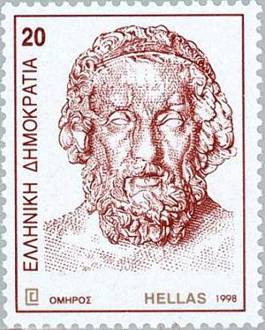
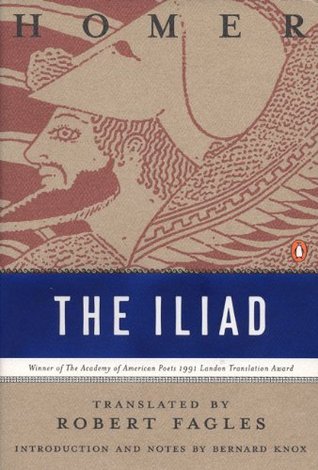
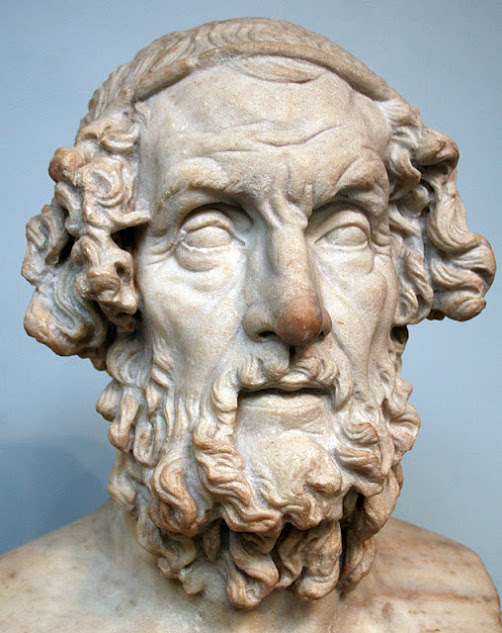
HOMER
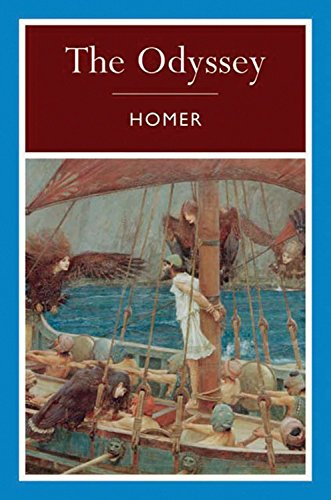
ஹோமர்- கிரேக்க நாட்டின் புகழ்பெற்ற புலவர். இலியட் (ILIAD) ஒடிஸி (ODYSSEY) ஆகிய இரண்டு காவியங்கள் இவரது படைப்புகள். ஆடிஸி என்றும் சொல்லுவார்கள். அமெரிக்காவிலும் பிரிட்டனிலும் இரண்டுவித உச்சரிப்புகள்.
எழுத்துகள் தோன்றுவதற்கு முன்னால் இவர் வாழ்ந்ததால் அவர் கைப்பட எழுதியிருக்க வாய்ப்பில்லை. அவர் சிந்தனையில் உதித்த கவிகள் கர்ண பரம்பரையாகி, செவிவழி மூலம் வந்திருக்க வேண்டும்.
அவருடைய படைப்புகளில் மிக நீண்டது இலியட். இது 24 புத்தகங்களை உடையது. அந்தக் காலத்தில் எல்லாரும் வட்டமாக அமர்ந்துகொண்டு ஒருவர் பாடியவுடன் மற்றவர் திரும்பப் பாடுவார்கள். இவ்வழியிலேயே ஹோமரின் காவியங்களும் பரவின.
ஹோமர்- இறந்த 300 ஆண்டுகளுக்குப் பின்னரே இரண்டு காவியங்களும் எழுத்து வடிவில் கொண்டு வரப்பட்டன.
TROY நகரம் வீழ்ச்சியடைந்த பின்னர் ஒடிஸியஸ் மேற்கொண்ட பயணங்களை “ஒடிஸி” கூறுகிறது.
கிரேக்கர்களுக்கும் ட்ரோஜன்களுக்கும் (TROJANS) இடையே நடந்த போரை “இலியட்” வருணிக்கிறது.
கிரேக்க நாட்டுக் கவிஞர்களில் ஹோமர்தான் மிகவும் பிரபலமானவர். ஆனால் அவரைப் பற்றிய முழுவிவரங்களும் கிடைக்கவில்லை. ஹோமரைப் பற்றி பல வரலாறுகள் இருக்கின்றன. அவை உண்மையா என்பதை அறியமுடியவில்லை.
இலியட்டும் ஒடிஸியும் இரண்டு ஆசிரியர்களால் படைக்கப் பட்டிருக்கலாம் என்ற கருத்தும் நிலவுகிறது.
துருக்கியிலுள்ள ஸ்மிர்னா (SMYRNA) என்ற இடத்தில் ஹோமர் பிறந்ததாகச் சிலரும் CHIOS தீவில் (ISLAND OF CHIOS) பிறந்ததாகச் சிலரும் கூறுகின்றனர்.
ஆனால் இவர் கியோஸ் தீவில் நீண்டகாலம் வழ்ந்ததும் இவர் கண் பார்வையற்றவர் என்பதும் உறுதியாகத் தெரிகிறது.
பழங்கால கிரேக்கத்தில் வாழ்ந்த சில பாடகர்கள், கவிஞர்கள் கண் பார்வையற்றவர்கள் என்பதும் குறிப்பிடத்தக்கது.
11 Nov 2019 — Blind Poet Homer of Greece. Compiled by London swaminathaan. swami_48@yahoo.com. Date: 11 NOVEMBER 2019. Time in London – 7-15 am. Post No. 7202. Pictures are taken from various sources; beware of copyright …
1 Jun 2016 — (for old articles go to tamilandvedas.com OR swamiindology.blogspot.com). Contact … இயற்றிய ஹோமரை கிரேக்கப் புலவர்கள் தெய்வ ஹோமர் என்று போற்றினர்).
Pictures are taken from various sources for spreading knowledge;
this is a non- commercial blog. Thanks for your great pictures.
tamilandvedas.com, swamiindology.blogspot.com
தொண்டை மண்டல சதகம் பாடல் 55
மனைவி பிணத்தை மூடி விட்டுப் புலவர் திருமணத்தை நடத்திய வடுகநாதர்!
ச.நாகராஜன்
வாயற்பதி வடுகநாத முதலியார் என்பவர் தொண்டைமண்டலத்தில் வாழ்ந்து வந்த பிரசித்தமான ஒரு வள்ளல். அவரது மனைவி மரணமடைய மிக்க துயர நிலையில் அவர் இருந்தார். அப்போது அங்கு ஒரு புலவர் வந்தார். அவருக்கு அன்று கல்யாணம். அதை நடத்தி வைக்க வேண்டியவர் வடுகநாத முதலியார். அவருக்கோ இப்படி ஒரு துயரநிலை. ஆனால் புலவரோ அவரைக் கட்டாயம் தன் திருமணத்தை நடத்தி வைக்க வேண்டும் என்று கூறியதோடு இன்னொரு விஷயத்தையும அவருக்கு ஞாபகப் படுத்தினார். அதாவது வடுகநாத முதலியாரது தந்தையாரின் சகோதரர் இறந்து விட்ட நிலையில் அன்று ஒரு வித்துவான் பசியோடு அவரது இல்லத்திற்கு வர அவர் தனது சகோதரனின் பிணத்தை மூடினார்; வந்த வித்துவானுக்கு அன்னமிட்டார். அப்படிப்பட்ட உத்தமருக்குப் பிள்ளையாக் நீ இருப்பாயாகில் என் திருமணத்தை வந்து நடத்து என்றார் அவர்.
அதை ஒரு பாடலாகவும் பாடி விட்டார் இப்படி:
முந்தவிளை யோன் மாள முத்தமிழோர்க் கன்னமிட்ட
வந்த வடுகன் மகனானால் வந்தென்
றலைக்கலியா ணத்துக்கே தான்பிணத்தை மூடி
யிலக்கணமாச் செய்குவைநீ யே
இந்தப் பாடலைக் கேட்ட வடுக நாதர் தன் மனைவியின் பிணத்தை மூடினார்;அந்தப் புலவருடன் நடந்தார். அவரது கல்யாணத்தை நன்கு நடத்தி வைத்தார்.
இப்படிப்பட்ட மேலானவர் வாழ்ந்தது தொண்டை மண்டலம் என்று தொண்டைமண்டல சதகம் 55 வது பாடலில் கூறுகிறது. பாடல் இதோ:-
நெடுகவிரித்துப் பிணமூடினோன்மக னீ யெனில்வா
கடுகவெனக்குமுன் முந்தவென்றேயோர் கவிதை சொல்லி
முடுகவழைப்ப மனையாள் பிணத்தினை மூடிச்சென்ற
வடுகனளித்த மகன்வாயிலான்றொண்டை மண்டலமே
இப்படி ஒரு சம்பவம் நடந்திருக்க முடியுமா என ஐயம் கொள்ளவே வேண்டாம். சமீப காலத்தில் சர்தார் வல்லப் பாய் படேல் வாழ்க்கையில் நடந்த ஒரு சம்பவத்தை நாம் நன்கு அறிவோம்.
அவர் இளைஞராக இருந்த போது அவரது மனைவிக்கு கான்சர் நோய் வர அவர் தனது மனைவியை பம்பாய்க்கு அழைத்துச் சென்று ஹர்கிஷன் தாஸ் மருத்துவ மனையில் அனுமதித்து விட்டு போர்ஸாத்துக்கு (Borsad) திரும்பி வந்தார். அப்போது அவர் ஒரு ப்ளீடர் (Pleader). கடமை அழைக்க கோர்ட்டுக்குச் சென்றவர் தனது வாதத்தைத் தொடங்கினார். அப்போது அவருக்கு ஒரு தந்தி வந்தது. அதைப் படித்து விட்டு அதைத் தன் சட்டைப் பையில் மடித்து வைந்துக் கொண்ட அவர் வாதத்தைத் தொடர்ந்தார். அந்த தந்தியில் அவர் மனைவி இறந்து விட்ட செய்தி வந்தது.
வாதம் முடிந்த பின்னர் அவர் தந்தியின் வாசகத்தை அனைவரிடமும் கூற அனைவரும் அதிர்ந்து விட்டனர்.
எரிமலை மீது ஐஸ்கீரீம் சாப்பிடுபவர் என்று சொல்வது உண்டு. மௌலானா சௌகத் அலி அவரை ‘எ வொல்கொனா இன் ஐஸ்” (A volcano in ice)- ஐஸில் இருக்கும் எரிமலை – என்று சொன்னார்.
ஆக தொண்டைமண்டல வடுகநாதர் போன்றோர் மிக அதிசயமாக உலகில் தோன்றும் மேன்மக்களே.
இதை தொண்டைமண்டல சதகம் கூறிப் பெருமைப் படுவது நியாயம் தானே!
***
tags- தொண்டைமண்டல சதகம், வடுகநாதர், புலவர் திருமணம்
Pictures are taken from various sources for spreading knowledge.
this is a non- commercial blog. Thanks for your great pictures.
tamilandvedas.com, swamiindology.blogspot.com
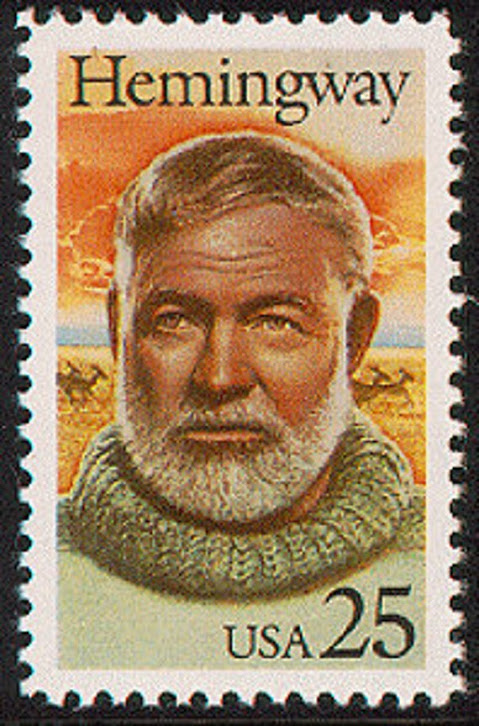
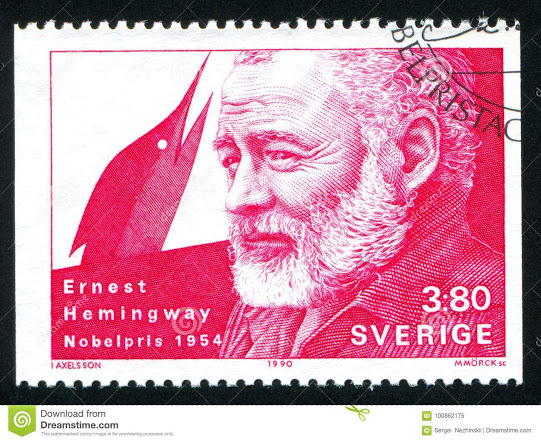
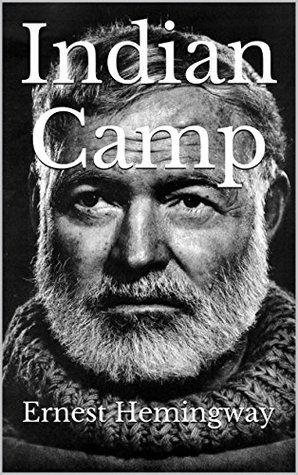
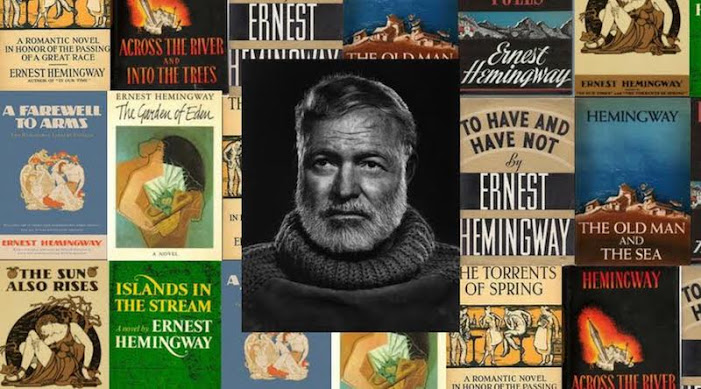
HEMINGWAY
(1898 – 1963)
எர்னஸ்ட் ஹெமிங்
வே (ERNEST MILLER HEMINGWAY) அமெரிக்க சிறுகதை எழுத்தாளர் – நாவலாசிரியர். இவரது கதாபாதிரங்கள் துணிச்சல்மிக்கவர்கள் – உறுதிபடைத்தவர்கள் அவர்களது உரையாடல்களின் வாயிலாக ஹெமிங்வே தனது எழுத்துத் திறனை வெளிபடுத்தியுள்ளார்.
இல்லினாய்ஸ் மாகாணத்தில் OAK PARK-இல் பிறந்தார். இவரது தந்தை ஒரு டாக்டர். தனது மகனையும் ஒரு டாக்டராக்க வேண்டும் என்பது அவரது ஆசை,
ஆனால் ஹெமிங்வேயுக்கோ செய்தியாளர் ஆக வேண்டும் என்று ஆசை. 16 வயதினிலெயே பள்ளியை விட்டுச்சென்றார். ஒரு பத்திரிகை அலுவலகத்தில் சேர்ந்தார்.
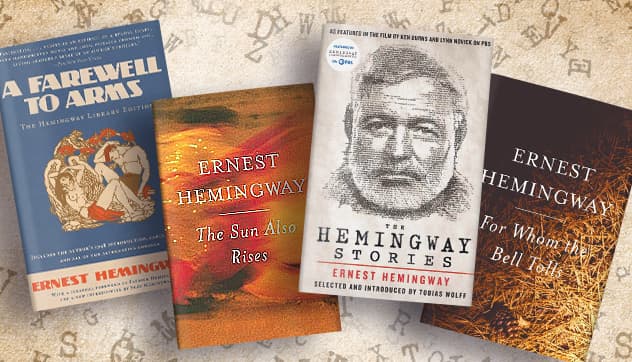
முதல் உலகப்போர் வந்தவுடன் படையில் சேர்ந்து இதாலியர்களுடன் —– கடுமையாகக் காயமடைந்தார். அவருக்கு CROIX DE GUERRE விருது அளிக்கப்பட்டது. இந்த அனுபவத்தை மையமாக வைத்து A FAREWELL TO ARMS என்ற நாவலை எழுதினார். முதல் உலகப்போருக்குப் பின்னர் பாரிஸ் மாநகரம் சென்றார். அங்கு (EZRA POUND) எஸ்ரா பவுண்ட் (JAMES JOYCE) ஜேம்ஸ் ஜாய்ஸ் (GERTRUDE STEIN) ஜெர்ட்ரூட் ஸ்டெய்ன் ஆகிய இலக்கிய உலகப் பெரும்புள்ளிகளைக் கண்டு கருத்துப் பரிமாற்றம் செய்து கொண்டார்.
பின்னர் அமெரிக்காவிலும் கியூபாவிலும் தங்கினார். கியூபாவில் தங்கிய காலத்தில் DEATH IN THE AFTERNOON என்ற நூலை எழுதினார். முரட்டுக் காளைகளை அடக்கும் விளையாட்டின் பெயரில் நடக்கும் கொடுமைகளை இந்த நூல் சித்தரிக்கிறது.
இவருக்கு வேட்டையாடுவதிலும் ஆர்வம் உண்டு. இதற்காக ஆப்பிரிக்கா சென்ற ஹெமிங்வே வேட்டையாடிய அனுபவங்களை THE GREEN HILLS OF AFRICA என்ற நூலில் வடித்தார். ஆப்பிரிக்காவில் இரண்டு விமான விபத்துகளிலிருந்து அதிசயமாக உயிர் தப்பினார்.
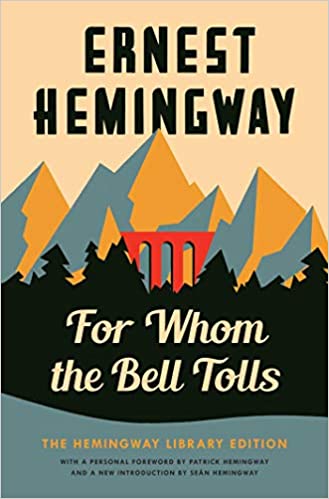
1936ஆம் ஆண்டில் ஸ்பானிய உள்நாட்டுப் போர் (SPANISH CIVIL WAR) பற்றிய செய்திகளை திரட்டுவதற்காக ஸ்பெயின் நாட்டிற்குச் சென்றார். அவருடைய மிகவும் புகழ் பெற்ற FOR WHOM THE BELL TOLLS என்ற நாவல் இந்த அனுபவத்தின் அடிப்படையில் எழுதப்பட்டது.
ஸ்பானியப் போர் முடிந்த பின்னர் அமெரிக்காவுக்குத் திரும்பியவர், ஏராளமான சிறுகதைகளை எழுதி குவித்தார். அமெரிக்காவின் தலைசிறந்த எழுத்தாளர் வரிசையில் இவரும் ஒருவர்.
1952ஆம் ஆண்டில் THE OLD MAN AND THE SEA என்ற நூலை எழுதினார். 1954ஆம் ஆண்டில் இலக்கியத்திற்கான நோபல் பரிசைப் பெற்றார்.
ஆனால் இறுதிநாட்களில் இவருக்கு எழுதமுடியவில்லை. மனம் தளர்ந்து நின்றார். 1962இல் ஒரு துப்பாக்கிச் சூட்டு விபத்தில் சிக்கி உயிரிழந்தார்.
Pictures are taken from various sources for spreading knowledge.
this is a non- commercial blog. Thanks for your great pictures.
tamilandvedas.com, swamiindology.blogspot.com
Let me continue with remaining mantras and finish the hymn RV 1-112
Mantra 22
Asvins are praised as the helpers of heroes who fight for their cattle. Here we get a picture of cattle thieves, the Dasyus. Dasyus are thieves according to Kalidasa and Manu. In every society there are thieves. Sangam Tamil literature call the robbers as Maravars. Kallars were branded as criminals by the British. Kallar is synonymous with thieves in Tamil though it is a caste name. But foreign gang instead of translating Dasyus as thieves put a capital D for dasyus and made it synonymous with the Dravidians or natives. Cattle thieving is a ritual to attack neighbours. All the Tamil kings followed this ritual and it is in the history of Chera, Choza, Pandya kings of Sangam Tamil poems. The ritual is called AANIRAI KAVARTHAL in Tamil – seizing the cattle. It is in Mahabharata as well. After the incognito period, Pandavas and Kauravas clashed after the AANIRAI KAVARTHAL in the epic Mahabharata.
The 20 plus clowns under the gang leader Max Muller poured poison on Vedic Hindus by branding every conflict as Aryan – Dravidian fight. They never branded any group in any fight like this in any other part of the world. That is giving racial tones. None of the gang members criticised anything in their own Bible. In short they were pukka anti Hindus and employed by the British or Oxford University to demolish India and Hinduism in which they failed miserably. Their appointments letters clearly showed their ‘duties and tasks’. The gang’s biggest crime is putting capital A for aryas and capital D for dasyus. When the Rig Veda hymns coupled Simyus with Dasyus, the gang blinked without any explanation.
Who were the Simyus; still they are looking for a scapegoat!!
Shrikant G.Talageri says Simyus are Sarmatians ( Avesta= Sairimas);Sirmiyos (ancient Albanians). He says that they belong to north western periphery of Iran.
Simyus – RV 7-18-5; 1-100-18
But Griffith located them near RIVER PARUSNI/ RAVI in Punjab .
Sudas destroyed them .
My own feeling is they are the baddies in the Vedic Kingdom. The names sound like other Vedic groups Druhyu, Anu, Puru.
xxx
Mantra 23
This Mantra mentioned five more names. Kutsa son of Aarjuni. Here we get one more Arjuna . We already know two Arjunas; one,the companion of Krishna and another Kaartha Veerya Arjuna of Rama period. So we must always remember that Hindus also had the same names in different periods. Indra was wrongly translated as one person in the Vedas by the foreign gang. Kanchi Paramacharya in his scholarly talks pointed out that Indra is not one person.
My view is that it is a title. Whoever was the king at that period was called Indra. In some places it meant natural forces. Also meant God. In Tamil also God and King have the same words (Ko, Irai)
We have Indra Danush for rainbow.
We have Gaja Indra (Elephant King), Kaga Indra (Bird King), ,Naga Indra (snake king) Raja Indra (King of Kings) etc.
When we retranslate the Rig Veda again, we have to use civilised, cultured, literate person for wherever the Max Muller gang used aryas with capital A and dasyus as thieves or criminals wherever the anti Hindu white skinned gang used dasyus with capital D.
In Sangam Tamil literature we come across ARYA in ten places and in the Rig Veda 35 places in the middle of thousands of words. In Sangam literature we see no Racial tone. It meant a person speaking Sanskrit language or living in North where Sacred language of the Vedas is used for communication. Even Himalayan Seers were called as Arya in Tamil Sangam literature. All the commentators gave the meaning without any racial tone.
In addition to Kutsa we come across TURVIITI, DABHIITI, DHAVASANTI AND PURUSANTI . The first three are helped by Indra and others are by Asvins.
Since the poet /seer mix the names with Indra, what he means is ‘divine power’ helped all these people.
About these people we have references in other hymns. They are seers or kings.
xxx
Mantra 24
Here Asvins are requested to help in daytime and night-time. But the foreign gag interpreted it as a help requested in a gambling (luckless) game here we have to go for Sayana’s explanation (day and night) because it fits in very well in the poem. We have such requests in all the Kavacham hymns of Tamil and Sanskrit literature.
We have famous KAVACHAMS/armour poems such as KANTHA SASHTI KAVACHAM and VINAYAKA KAVACHAM in Tamil.
This mantra says clearly, give us protection day and night.
And the prayer ends with
This prayer of ours may Varuna grant, and Mitra and Aditi and Sindhu, and Earth and Heaven.
This line is the end line in his poems (of Kutsa Angiras)
xxx
My comments
We have seen over 60 seers, gods and unknown people in this one hymn!
1400 year old Tamil Hymns (Tevaram) finish with the name of the author (Sambandar for example). Later all music composers like Purandaradasa, Thiygaraja, Muthuswami Dikshitar, Meera bhai, Kabir used their names or certain phrases (E.g. Gurukuha, Giridhaara Nagara) as their mudra/signature. We see the origin for this Mudra in the Rig Veda.
The Kavacham genre of hymns also has its origin in the Rig Veda.
In other words, all the styles and genres in Hindu hymns have their origin in the Rig Veda. It is amazing to see the continuity.
Here is the original hymn and Griffith’s translation :–















 Tamil and Vedas