Pictures are taken from various sources for spreading knowledge.
this is a non- commercial blog. Thanks for your great pictures.
tamilandvedas.com, swamiindology.blogspot.com
காலம் வருமுன்னே காலன் வரமாட்டான்! என்ற தலைப்பில் இரண்டாவது கட்டுரை 11807 என்ற கட்டுரை எண்ணாக 15-3-23 அன்று வெளியிடப்பட்டது.
காலம் வருமுன்னே காலன் வரமாட்டான்! என்ற தலைப்பில் மூன்றாவது கட்டுரை 11897 என்ற கட்டுரை எண்ணாக 3-4-23 அன்று வெளியிடப்பட்டது.
காலம் வருமுன்னே காலன் வரமாட்டான்! – 4
ச.நாகராஜன்
மார்ச் இரண்டாம் தேதி, வருடம் 2023. வியாழக்கிழமை.
உத்தரபிரதேசத்தில் பதான் மாவட்டத்தில் 20 அடி ஆழம் உள்ள ஒரு கிணற்றில் விழுந்து விட்ட ஒரு நாளே ஆன குழந்தை ஒன்று மீட்டு எடுக்கப்பட்டு ஒரு வாரம் கழிந்த நிலை.
புதிதாக ஒரு சம்பவம் நடைபெற்றது. பிறந்து இரண்டே நாள் ஆன ஒரு பெண் குழந்தை பரெய்லி மாவட்டத்தில் கடாவா கிராமத்தில் (Bareilly District, Khataua village) ஒரு குளத்திலிருந்து மீட்டு எடுக்கப்பட்டது.
குளத்தில் தூக்கி வீசி எறியப்பட்ட போதும் கூட அது உயிருடன் இருந்தது தான் ஆச்சரியத்திலும் ஆச்சரியம்.
குளத்தின் ஆழம் சுமார் 15 அடி.
பின்னர் எப்படி அது உயிருடன் இருந்தது?!
அந்தக் குழந்தையைத் தாங்கியது குளத்தில் இருந்த நீலோற்பல மலர்க்கூட்டம்.
அதனது தலையை நீலோற்பல மலர்க் கூட்டம் (Hyacinth) தாங்கி இருந்தது.
குழந்தையைப் பார்த்த கிராமவாசி ஒருவர் அலறியவாறு உள்ளூர் போலீஸிடம் இதைத் தெரிவித்தார்.
கிராமத்தின் முன்னாள் தலைவரான வகீல் அஹ்மத் குளக்கரையோரம் வழக்கம் போலச் சென்று கொண்டிருந்த போது தான் இந்தக் குழந்தையைப் பார்த்து அலறினார். அவர் குழந்தையை எடுத்தவுடன் செய்தி தெரிந்த கிராமவாசிகள் கூட்டம் கூட்டமாக குளத்திற்கு விரைந்தனர்.
மீட்புக் குழுவும் குளத்திற்கு விரைந்தது.
குழந்தையை பத்திரமாக மீட்டெடுத்த போலீஸார் அதை உடனே நவாப்கஞ்ச் (Nawabganj) மாவட்ட மருத்துவமனைக்குக் கொண்டு சென்று பதிவு செய்தனர். குழந்தை பரிசோதனை செய்யப்பட்டது. நலமாக இருப்பது உறுதி செய்யப்பட்டது. குழந்தைக்கு ஒரு வித காயமும் இல்லை!
குழந்தையை நீலோற்பல மலர்க் கூட்டம் தாங்கி இருந்த காட்சி வீடியோவில் படமாக எடுக்கப்பட அது வைரல் ஆகியது.
அடிஷனல் எஸ்.பி. (ரூரல்) ராஜ்குமார் அகர்வால், “ அந்தப் பெண் குழந்தை அதிர்ஷ்டவசமாக நீலோற்பல மலரில் விழுந்திருந்தது. அதுவே குழந்தையை நீரில் மூழ்கி உயிரிழக்க விடாமல் செய்தது” என்று கூறினார்.
குழந்தை சைல்ட் வெல்ஃபேர் கமிட்டியிடம் ஒப்படைக்கப்பட்டது.
பின்னர் பரெயிலி நகரில் உள்ள குழந்தைகள் காப்பகத்திற்கு எடுத்துச் செல்லப்பட்டது.
“இன்னும் 72 மணி நேரம் காத்திருப்போம். அதற்குள் குழந்தையின் பெற்றோர் வரவில்லை எனில், விதிப்படி ஒரு புகாரைப் பதிவு செய்வோம்” என்று கூறினர் போலீஸார்.
சைல்ட் வெல்ஃபேர் கமிட்டி தலைவரான தினேஷ் சந்திரா குழந்தைக்குத் தாங்கள் ஒரு பெயரைச் சூட்டி இருப்பதாகத் தெரிவித்தார்.
பெயர் : கங்கா!
கங்கையே! காலன் வரும் முன்னே காலன் வர மாட்டான் என்பது எவ்வளவு உறுதியான ஒரு விஷயம்!
1. Nyagrodhaḥ: Ficus Indica or Ficus bengalensis (That which remains above all and grows downward. That is, He is the source of everything that is manifest.)
1. Udumbaraḥ: Ficus glomerata (One who as the Supreme cause is ‘above the sky’, that is, superior to all).
1. Aśvatthaḥ: Ficus religiosa (That which does not last even for the next day.)
Hinduism is the only religion in the world where flora and fauna on earth are part of their day to day worship. They can’t think about God without flowers or leaves or plant twigs. Tulsi and Bilva (Vilva) are found in all Vishnu and Shiva temples. Whenever Hindus use one flower or plant leaf or twig, it means there is some medicine in it.
patraṁ puṣhpaṁ phalaṁ toyaṁ yo me bhaktyā prayachchhati tadahaṁ bhaktyupahṛitam aśhnāmi prayatātmanaḥ
BG 9.26: If one offers to Me with devotion a leaf, a flower, a fruit, or even water, I delightfully partake of that item offered with love by My devotee in pure consciousness.
Hindus are great botanists that they selected three plants from the same genus of same family in botany and named them after Vishnu. In the Vishnu Sahsranama of Mahabharata ,we see the plants of Ficus genus of family Moraceae. Leaves and flowers are part of their worship.
Of the three Ficus plants, the story of Ficus glomerata is very interesting. It is called Aththi in Tamil or Udumbara or cluster fig (Ficus glomerata or Ficus racemosa).
We have the magical properties of this tree praised in the Atharva Veda (3000 BCE) and later Satapata Brahmana (1000 BCE)
During the days of Atharva Veda they used it as an amulet. Hindus used its sticks to kindle ( Yaga, Yagna) sacrificial fire. Sacrificial posts, ladles were also made from its wood.
Harichandra, Hindu King , Embodiment of Truth, used it for his throne.
Atharvana Veda 19-31 reports its magical properties in 14 mantras. It is used as a charm to get wealth, cows, grains, victory, and general prosperity.
Later prose work in Sanskrit, Satapatha Brahmana ,reports how Indra created the three important plants of Ficus genus, namely Fig, Banyan and Pipal trees in addition to Rice from his body parts. These came after he drank magical Soma herbal juice. This indicates the magical herbal properties of Soma Juice and the importance of Ficus plants.
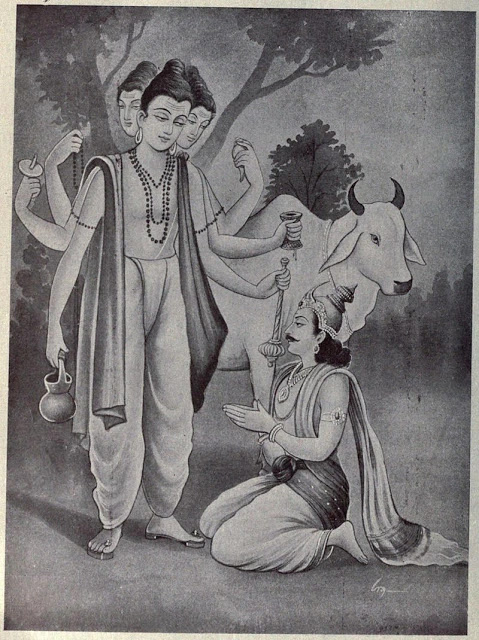
The story doesn’t stop there. Buddha used one of these three Ficus plants, Ficus religiosa,( pipal, Peepul) tree to attain wisdom. The same genus plant, Ficus glomerata (Fig Tree), helped Lord Dattatreya and his disciples to attain wisdom.
Here is the story of Fig Tree :
It is in Guru Charita, a 15th century work in Marathi , later translated into Sanskrit
Swami Narasimha Sarasvathi was the disciple of Lord Dattatreya, who is considered the Avatara of Tri Murtis- Brahma, Vishnu and Shiva.
Gangadhar Saraswati wrote Guru charitra in Marathi first time in 15th century. Then Vasudevananda Saraswati translated it into Sanskrit. It gives the story of Sri Narasimha Sarasvathi (1378- 1458). He is considered the second avatara/incarnation of Dattatreya.
In 20th chapter the glory of Audumbara was described thus.
Dattatreya
“When Lord Vishnu manifested himself as Narasimha in Narasimha Avatara to protect Prahlada and for destroying Hiranyakasyapa (Hiranyakashyapu), he had to make use of his nails (claws) to kill him. He tore open the belly of Hiranyakashyapa with his claws. In the stomach of Hiranyakashyapa, there was the Kalaloota poison. The nails of Narasimha were drenched with the poison when he tore the stomach and entrails of the demon. As a result, Narasimha’s nails were seething with great heat and pain. Goddess Lakshmi, seeing the suffering of Her Lord, plucked some fruits of the Audumbera Tree which she happened to find nearby. The Lord stuck his nails into the fruit deep into it’s pulp. The Lord’s pain vanished instantly by this. Lord Vishnu was immensely pleased and blessed the AudumberaTree and said it would from then onwards be as powerful on earth as the Kalpa Vriksha tree in the heaven. He said that whoever worship the Audumbara Tree, would get all desires and wishes fulfilled. Thus, the Audumbara Tree had become a wish fulfilling Tree, by Vishnu’s grace.
Narasimha swami did meditation for 12 years under the tree. The tree is considered the seat of Lord Dattareya. Now in the temple of Narasimha swami in Narasimhawadi, a village in Maharashtra, only his Padukas ( Shoes in wood), are worshipped under the sacred Udumbara/ Fig tree.
(Nrusinhawadi commonly known as Narsobawadi or Narsobachi Wadi is a small town in Shirol Tahasil in Kolhapur district, Maharashtra. Narsobawadi gets its name from the presence of ‘Shri Nrusinha Saraswati’, the Avatar of Lord Dattatreya. It is at the junction of River Krishna and Pancha Ganga).
The Datta cult devotees never cut the fig trees. They view it with great reverence. Those who got to Narasmihawadi temple recite Guru Charitra for a week or more following all fasting and Vrata rules. They believe that all their wishes will be fulfilled.
I believe Hindus built lot of cults or stories around plants to save plants of medicinal values. Every plant worshipped by Hindus has a great medicinal value.
Even their proverbs have old wisdom about the plants.
Beat your Body with Kadamba wood (Udambaik Kadambaal Adi) is a Tamil proverb. The meaning is Kadamba wood is good for making cots and beds. My grandma died on the Kadamba Cot at her ripe old age without any health problem.
Another proverb is about women who long for issues for a long time. If there is a fertility problem, elders used to advise Hindu women to go around Ficus religiosa tree (Peepal, Peepul, Pipal). In Tamil they used to say After going around the Pipal Tree she put her hands in the abdomen (to see whether she is pregnant) (Arasa Maraththai Surrivittu Adi Vayitrai Thottup Paarththaalaam) . The fact is you have to do such rounds everyday around the tree to attain it. It means good exercise and good inhalation of oxygen. Ficus trees give out large amount of Oxygen. This will help or expedite one becoming pregnant. In Tamil Nadu, all Ganesh statues are placed under the Ficus genus trees.
Even in Maharashtra and border Karnataka, women go around Fig trees to become pregnant.
An old book says, “It is much worshipped and women desirous of getting sons go round it a thousand times every morning. Its dry wood is used for producing sacrificial fire.”
These stories help the humanity to save the flora and fauna of earth.
உலகில் வேறு எந்த சமய மக்களையும்விட இந்து சமயத்தினரின் வாழ்வே தாவர , பிராணிகளின் உலகத்துடன் பின்னிப் பிணைந்திருக்கிறது . தமிழர்கள் மரங்களை வழிபடுவது ஏன்? என்ற எனது நூலில் இது தொடர்பான என்னுடைய கட்டுரைகளைத் தொகுத்து அளித்தேன் .
துளசி, வில்வம் முதலிய தாவரங்களை இந்துக்கள் வழிபடுவது எல்லோருக்கும் தெரிந்ததே. இவை மருத்துவ குணங்கள் உடையவை அரச மரத்தைச் சுற்றிப்பார்த்து அடிவயிற்றில் கைவைத்தாளாம் என்று பிள்ளைப் பேற்றுக்காக ஏங்கும் பெண்களைப்பற்றிச் சொல்வதெல்லாம் விஞ்ஞான உண்மையே என்பதையும் சொன்னேன். குழந்தை இல்லாதவர்கள் அரச மரத்தைச் சுற்றி, அங்கே வீற்றிருக்கும் பிள்ளையாரையோ அல்லது வேறு தெய்வத்தையோ வழிபடும்போது, அந்தப் பெண்மணி நல்ல ஆக்சிஜனை சுவாசிப்பதோடு உடற்பயிற்சியும் செய்வதால் ஆரோக்கியம் பெருகி குழந்தை பிறப்பது வேகப்படுகிறது- விரைவாகிறது. அரசமர இலைகள் வெளிவிடும் காற்றின் – ஆக்சிஜனின் அளவும் அதிகம் . எங்கெங்கோ ஞானத்தைத் தேடி அலைந்த புத்த பிரானுக்கு இறுதியில் அரச மரத்துக்கடியில் ஞானம் கிடைத்ததும் இதனாலன்றோ! இன்று இலங்கை வரை அந்த அரச மரத்தை எடுத்துச் சென்று வழிபடுகிறார்கள் அல்லவா?!.
இவை தவிர இந்தியா முழுதும் பல்வேறு மரம், செடி, கொடிகளை இறைவனுடன் இணைத்து வழிபடும் விஷயங்களை மேலும் ஆராய்வோம் இன்று தாவர இயல் விஞ்ஞானிகள் FICUS பைகஸ் என்னும் ஒரே பிரிவில் வைத்துள்ள ஆல மரம், அரச மரம், அத்தி மரம் மூன்றையும் அன்றே விஷ்ணு சஹஸ்ரநாமத்தில் விஷ்ணுவின் திருநாமங்களாக வைத்து பெருமைப்படுத்தினார்கள் இந்துக்கள். பல ஆயிரம் ஆண்டுகளுக்கு முன்னரே அவர்களுடைய தாவரவியல் அறிவு அந்த அளவுக்கு வளர்ந்து இருந்தது.
அந்த மூன்றில் அத்தி மரம் (Fig Tree) பற்றிய புதிய செய்தி இதோ:
உடும்பரா என்பது இதன் ஸம்ஸ்க்ருதப் பெயர்.
பைகஸ் க்ளோமெரெட்டா (Ficus glomerata, Ficus racemose) என்பது தாவர வியல் பெயர் (Botanical name)
இதன் பழங்களை இன்று வரை நாம் சத்துணவாக உண்கிறோம்.
இதை திரிமூர்த்தியின் வடிவமான தத்தாத்ரேயரின் இருப்பிடமாக மக்கள் வழிபடுகின்றனர் . குழந்தை இல்லாதோர் இந்த மரத்தைப் பலமுறை சுற்றி வணங்குகின்றனர்.
இதை அவுதும்பரா, உமரரோ என்றும் வட இந்திய மொழிகளில் அழைப்பர் .
தத்தாத்ரேயரின் அவதாரமாகக் கருதப்படும் ஸ்ரீ நரசிம்ம சரஸ்வதி சுவாமி (1378- 1458 )நரசிங்கவாடி (நர்ஸோபவாடி Narsobawadi) ) மஹாராஷ்டிரா மாநிலத்தில் உள்ளது . அங்கு அவரது கோவிலில் உருவங்கள் கிடையாது. ஆனால் அவரது பாதுகைகள் மட்டும் அத்தி மரத்துக்கடியில் வைக்கப்பட்டுள்ளன . அவைகளை தத்த பக்தர்கள் வணஙகி குரு சரித்திர என்ற நூலை வாசிப்பார்கள் . இதனால் அவர்கள் எண்ணிய பலன்கள் கிடைக்கும். இந்த குரு சரித்திரத்தில் அத்தி மரத்தின் பெருமை உள்ளது .
நரசிம்ம வாடி கிருஷ்ணா நதி- பஞ்ச கங்கா நதிகளின் சங்கமத்தில் உள்ளது. அங்கு நரசிம்ம சரஸ்வதி 12 ஆண்டுக்காலம் தவம் செய்தார்.
கங்காதர சரஸ்வதி என்பவர் பதினைந்தாம் நூற்றாண்டில் குரு சரித்திர என்ற நூலை மராட்டிய மொழியில் இயற்றினார். அதை பின்னர் வாசுதேவானந்த சரஸ்வதி சம்ஸ்க்ருதத்தில் மொழிபெயர்த்தார். அந்த நூலின் இருபதாவது அத்தியாயத்தில்தான் அத்தி மர மஹிமை உள்ளது . எப்படி அரசமரத்துக்கடியில் புத்தர் ஞானம் பெற்றாரோ அதே போல அதே குடும்பத்தைத் (Family- Moraceae, Genus- Ficus) சேர்ந்த அத்தி மரத்தின் கீழ் தத்தாத்ரேயரும் அவரது சீடர்களும் ஞானம் பெற்றனர்.
xxx
இதோ அந்தக் கதை :
பிரஹலாதனைக் காப்பாற்றுவதற்காக விஷ்ணு, நரசிம்ம அவதாரத்தை எடுத்தார். ஹிரண்யகசிபு என்னும் அசுரனை சிங்க விரல்களால் கிழித்தார். பின்னர் அந்த விரல்கள், நகங்களில் பெரும் வலி துவங்கியது. அப்போது லெட்சுமி வந்து அருகிலுள்ள அத்திப் பழங்களில் நகங்களை நுழைக்கச் சொன்னார். அதனால் அவர் நக வலி அகன்றது. உடனே அத்தி மரத்துக்கு ஒரு வரம் தந்தார் . உன்னை வழிபடுவோர் சகல நன்மைகளையும் பெறுவார்களாகுக என்று.
இந்தக் கதை மராட்டிய மொழி, பின்னர் அதன் வடமொழி பெயர்ப்பு குரு சரித்திர நூல்களில் உளது.
இதனால் தத்தாத்ரேயரை வழிபடும் கர்நாடக, மகாராஷ்டிர பக்தர்களுக்கு அத்தி மரத்தின் மீது மதிப்பும் மரியாதையும் பய பக்தியும் உண்டு. அதை வெட்ட மாட்டார்கள்.
அத்தி மரத்தின் ,மருத்துவப் பயன்களை உலகிற்கு அறிவிக்கவே தத்தாத்ரேயர், நரசிம்ம சரஸ்வதி சுவாமிகளின் அவதாராம் தோன்றியது என்றாலும் மிகையாகாது.
Xxx
வேதத்தில் அத்தி மர தாயத்து
இந்துக்கள் யாக, யக்ஞங்களில் இதன் குச்சிகளைப் போட்டு வழிபட்டனர்.
வேத காலம் முதலே இந்த அவுதும்பர /அத்தி மரம் பிரபலமாகிவிட்டது . அதர்வண வேதத்தில் இதன் மரத்திலான தாயத்துக்களின் பெருமை பேசப்படுகிறது அதர்வண வேதம் 19-31 சூக்தத்தின் பெயர் ஒளதும்பர மணி. இதிலுள்ள 14 மந்திரங்களும் இந்த தாயத்தை அணிந்தவர்களுக்கு, தனம் , தானியம் , பசுமாடுகள், வீரம், வெற்றி கிடைக்கும் என்கிறது .
பிற் கால புராணங்களும் ஹரிச்சந்திரன் முதலிய ராஜாக்கள் அத்தி மர சிம்மாசனத்தில் அமர்ந்து உலகப் புகழ் பெற்ற செய்தி வருகிறது. இந்த மரத்தின் மஹிமை தொடர்ந்து வருவதை அதற்குப் பின்னர் வந்த நூல்களும் இயம்புகின்றன
3000 ஆண்டுகளுக்கு முந்தைய சதபத பிரமாணம் என்னும் நூலிலும் இது பற்றிய வேறு ஒரு கதை உள்ளது . இந்திரன் சோம பானம் என்னும் மூலிகை திரவத்தை அருந்திய பின்னர் அவனுடைய உடலின் ஒவ்வொரு பகுதியும் ஒரு தாவரமாக மாறியதைப் போற்றுகிறது. அவனது உடலின் ஒவ்வொரு பகுதியிலிருந்தும் அரச மரம், ஆல மரம், சதையிலிருந்து அத்திமரம், அரிசி முதலியன தோன்றியதாகப் பகர்கிறது.
இதன் காரணமாகத்தான் மஹாபாரதத்தில் வரும் விஷ்ணு ஸஹஸ்ரநாமத்திலும் 3 மரங்களும் விஷ்ணுவின் பெயர்களாக வருகின்றன . இன்றுவரை அந்த துதியை பல லட்சம் பேர் தினமும் சொல்லும்போது அத்தி, ஆல, அரச மரங்கள் போற்றுதலுக்கு உள்ளாகின்றன
.-subham—
Tags அத்தி மரம், கதை, தத்தாத்ரேயர், நரசிம்ம சரஸ்வதி, குரு சரித்திரம் , மர வழிபாடு, ஒளதும்பர மணி, தாயத்து, அதர்வண வேதம்.
Pictures are taken from various sources for spreading knowledge.
this is a non- commercial blog. Thanks for your great pictures.
tamilandvedas.com, swamiindology.blogspot.com
ராமாயண வழிகாட்டி!
சீதையைப் பற்றிய வால்மீகி முனிவரின் ப்ரதிக்ஞை!
ச.நாகராஜன்
ஆதி காவ்யமான ராமாயணத்தை இயற்றிய வால்மீகி முனிவர் தான் இயற்றிய காவியத்தில் தானே ஒரு முக்கிய கதாபாத்திரமாகத் திகழ்வது எந்த காவியத்திலும் காண முடியாத அபூர்வமான உத்தி.
அவரே சீதையின் கற்பு பற்றி கூறுவதோடு, லவகுசர்கள் ஶ்ரீ ராம- சீதா தம்பதியினரின் புதல்வர்களே என அறுதியிட்டு உறுதி கூறுகிறார்.
சுவையான காவியத்தில் சுவாரசியமான உத்திகள் இடம் பெறுகின்றன.
ராமரின் யாகசாலையில் வந்த லவகுசர்கள் ராமாயணத்தை வால்மீகி இயற்றியபடி அருமையாகப் பாடத் தொடங்கினர்.
கேட்ட அனைவரும் விக்கித்துப் போயினர்.
ராமர் உடனே உணர்ந்து கொண்டார்- இந்தக் காவியத்தை அமைத்த வால்மீகி மாமுனிவர் லவகுசர்களை இங்கு அனுப்பி இதைப் பாட வைத்திருக்கிறார் என்று.
உடனே தன் தூதர்களை அனுப்பி வால்மீகி மஹரிஷியை தன் யாகசாலைக்கு வருமாறும் சீதையின் அற்புத கற்பின் மஹிமையை உணர்த்துமாறும் வேண்டுகிறார்.
தூதர்களிடம் ஶ்ரீ ராமர் கூறுகிறார்:
“இங்கிருந்து நீங்கள் பகவானது சந்நிதிக்கும் போக வேண்டும். எனது பின் வரும் விண்ணப்பதை நீங்கள் தெரியப் படுத்துங்கள். ‘அவளைப் போல் கற்புடையவள் வேறொருத்தி இல்லாதவளாக இருக்கும் பக்ஷத்தில் மனம், வாக்கு, காயம் இவைகளால் ஏற்படும் எப்படிப்பட்டதாகிய பாவத்திற்கும் இடமாகாதவளாய் இருக்கும் பக்ஷத்திலும் முனிவர் பெருமானை கேட்டு அனுமதி பெற்றுக் கொண்டு இப்படி தோஷமற்றவளாக இருப்பதை இவ்விடத்தில் நிரூபிக்க வேண்டும்.
மத்வசோ ப்ரூத கச்சத்வமிதோ பகவதோந்திகம் |
யதி சுத்தசமாசாரா யதி வா வீதகல்மஷா ||
கரோத்விஹாத்மன: சுத்திமனுமான்ய மஹாமுனிம் ||
“எனது சபையின் நடுவில் ஜனகரின் திருமகளாகிய மைதிலீ உள்ளது உள்ளபடியே இருக்கும் தீர்மானத்தைப் பெற வேண்டிய காரணமாய் சபதத்தை நாளை காலையிலேயே செய்யக் கடவள்.
பிரமாணம் செய்யும் விஷயத்தில் முனிவரது திருவுள்ளத்தையும் எவருக்கும் ஹிதமே செய்யும் மனம் உடையவளாகிய சீதையினது அபிப்ராயத்தையும் அறிந்து அவ்விடமிருந்து சீக்கிரமாய் திரும்பி வந்து எனக்கு நீங்கள் தெரியப் படுத்த வேண்டும்.”
சந்தம் முனேச்ஸ விஞ்ஞாஉஅ சீதாபாச்ஸ மனோகதம் |
ப்ரத்யம் தாதுகாமாயாஸ்தத: சம்ஸத்க மே லகு ||
ஸ்வ ப்ரபாதே து சபதம் மைதிலீ ஜனகாத்மஜா |
கரோது பரிஷன்மத்யே ஷோதநார்த்தே மமைவ ச ||
ராமரின் இந்த மொழியைக் கேட்ட தூதர்கள் வால்மீகி முநிவரிடம் சென்று இதைத் தெரியப்படுத்தினார்கள்.
உடனே முனிவர் இந்த பதிலை விடுத்தார்:
“உங்களுக்கு மெச்சுதலே கிடைக்கும். அங்ஙனமே ஆகட்டும். ஸ்திரீயாகிய எவளுக்கும் கணவன் ஒருவனே போற்ற வேண்டிய தெய்வம் அன்றோ! சீதை ஶ்ரீ ராகவர் எதைச் செய்தால் மனத் திருப்தி அடைவாரோ அதையே செய்வாள்.
ஏவம் பவது பத்ரம் வோ யயா துஷ்யதி ராகவ: |
ததா கரிஷ்யதே சீதா தைவதம் ஹி பதி: ஸ்த்ரீயா: ||
வால்மீகி முனிவரின் அற்புதமான ப்ரதிக்ஞை சீதையின் கற்புத்தன்மையை உலகிற்கு பறை சாற்றியது.
Little Girl Puja/ worship is called Kanyaa Poojaa. Nava means Nine and Ratri means Night.
Nine Night/s Festival before Deepavali (Diwali) is famous throughout India. That falls in Bhadrapada month corresponding to September/ October in English calendar. Instead of Bhadrapada it may be even Asvina, because outside Tamil Nadu Hindus calculate a month from New moon day called Amaavaasai. Tamil calendar is solar calendar. Each month begins when the sun enters the particular zodiac sign.
Let us look at Four Navaratris covering Four Seasons
1.Aashaada Navaraatri; starting after the New moon
day of the month Aashaada
xxx-
2.Saaradhaa Navaraatri- starting after the New moon
day of the month Bhaadrapada
xxx
3.Shyaamalaa Navaraatri- starting after the New moon
day of the month Tishya or Pausa (Thai in Tamil)
xxx
4.Vasantha Navaratri- starting after the New moon
day of the month Falguna or Chaitra
xxx
Of the four Nine Nights Festivals, Saradha and Vasantha Navaratris are famous and celebrated until this day.
Here is a description of Kanchi Shankaracharya Sri Chandrasekarendra Sarasvati’s (1894-1994) Navaratri celebration in 1957.
“Sankaracharya of Kanchi Kamakoti Peetam has been performing Navaraatri Poojaa at the premises of the Madras Sanskrit College, Mylapore, since September 24 (1957) and it concluded this afternoon (3 October) with the worship connected with Vijaya Dasami. His Holiness broke the Mouna Vrata (Silence), which he has been observing for the past nine days, with his talk on Sri Sankara Bhashya.
Kanya Puja formed part of the daily worship. Puja was offered to one Kanya (little girl), aged one year, on the first day, to two kanyas, aged one year and two years each on second day, to three kanyas, aged one, two, three years each on the third day and so on.
On the Saraswathi Puja day, in addition to Kanya Puja, Brahmachari puja and Suvasini Puja were also performed.
Brahmachari= Brahmachaari; Nava ratri= Nava raatri.)
At the conclusion of Vijaya Dasami Puja, abishekam with sanctified waters was performed to His Holiness Jagadguru and His Holiness Sri Jayendra Saraswathi Swamigal.
Xxx
From the above report we come to know the Mouna Vrata (silence),and Kanya Puja part of Navaratri.
Women and Sakthi worshippers observe fasting, silence, Puja/worship during the Nine days. During day time they recite Lalithaa Sahasranaama Hymn.
-xxx
This Navaratri, falls before Deepavali and it has taken different dimensions in different states. The common theme is the destruction of evil forces by the goddess Durga.
The demon is known as Buffalo demon (Mahisha) and the goddess who destroyed him is known as Mahisa Asura Mardhani.
In West Bengal and Bangladesh, it is called Durga Puja culminating in the Tenth Day- Vijaya Dasami- Victorious Tenth Day.
In Gujarat the nine day Garba dance worship is performed.
In Tamil Nadu, all the temples have different Alankaras (decorations) the same Goddess. Most of the houses have Doll Shows known as Kolu or Golu. Women visit other houses and exchange Turmeric and Kunkum (vermillion powder). They eat Boiled Spicy Pulses called Sundal as Prasaad.
In Mysuru, big Dasara (Dusserah) festival is celebrated.
Mysuru itself is derived from Mahisasura killing
In Delhi and other North Indian towns Ram Lila (raam leelaa) is celebrated and the effigies of demons Raavana, Kumbakarna and Meganaatha were burnt.
All over India, all Devi Temples do special pujas for nine days.
Xxx
Devi Bhagavatha’s third and 27th Chapters give more details of these Pujas (Worship). Following is taken from Wisdomlib.org
Number Sixteen
As ordained in the Vedas, the Nine nights’ worship is to be made in the seasons of spring and autumn. These two seasons are called Kāladaṃṣtrās (the tusks of seasons). Diseases and deaths occur in these seasons in excess, and so it is ordained that this fast and worship should be conducted in the months of Meḍam (Meṣa) and Tulām.
Vyāsa has ordered that navarātri worship should be conducted as follows. The things necessary for the worship and oblations should be collected on the new moon day. Only clarified butter could be eaten on that day. An open temple should be erected with pillars and flag-posts in an open flat place which is pure. It will be good if the shed has a circumference of sixteen cubits. There should be sixteen pillars. The shed should be floored with the mixture of cowdung and white clay. In the middle of the shed there must be a dais having a height of one cubit and a circumference of four cubits. This is the place for the seat. The shed and the dais should be decorated.
The throne placed on the dais must be covered with a white silk and Devī (goddess) should be consecrated on it. A calm Brahmin should read the Vedas and at that time the worship of the goddess should begin. This worship will continue for nine days. Another ritual of this ‘navarātripūjā’ is the worship of virgins. (See under Kumārīpūjā)
xxx
Virgin Puja
Navaratri ot the holy nine nights is a period of festivity observed by the Hindus for nine days or rather nights after sunset in temples in the month of Purattasi corresponding to the English month September-October, commencing on the first day in the bright fortnight of the month every year. The object or aim with which it is observed is said to be to propitiate the Goddess symbolising every possible kind of energy in the universe, with a view to obtain perpetual happiness and prosperity.
A noteworthy feature in the observance of the Navaratri Vratha is that virgins, ranging from the age of two to ten, are especially noticed with gifts of saffron, vermilion flowers, sandal paste, fruits, etc., after the Gauripuja. The reason for this is obvious. Nine Saktis or forces of Devi are recognised. These are personified and given the names of (1) Kumari, (2) Trimurti, (3) Kalyani, (4) Rohini, (5) Kalika, (6) Chandika, (7) Sambavi, (8) Durga and (9) Subhadra.
The Navaratri festival is also known as the Dasara festival. On the ninth and the last day of this period, the goddess Saraswati is worshipped. The worship goes by the name Saraswathi Puja. It is interesting to note that this puja is performed in honour of the element Vayu (air). The goddess is installed in a pot called ‘gadam’.
Xxxx
5. In all the cases, the Kumārīs, born of the Brāhmin families, can be taken; when victory is desired, the Kumārīs of the Kṣattriya families are preferred; when profit is wanted, the Vaiśya Kumārīs and, when general welfare is wanted, the Śūdra Kumārīs are to be taken.
6-7. O king! In the Navarātri Pūjā, the Brāhmins should select for worship the Brāhmin Kumārīs; Kṣattriyas, Brāhmin or Kṣattriya; the Vaiśya worshippers can select for worship Brāhmin, Kṣattriya, or Vaiśya Kumārīs. And the Śūdra worshippers can select, for worship, any of the four classes. But artists and artisans should select for worship the Kumārīs from their own families and tribes respectively.Chapter 27 of Devi Bhagavata
Xxx
Kumārīpūjā (कुमारीपूजा).—It is a special item in Navarātripūjā. According to the definition ‘Kumārikā tu sā proktā dvivarṣā yā bhavediha,’ Kumārī is a two-year old female child. To worship such a child is Kumarīpūjā, and it should be conducted accompanied by sumptuous feasts and presentation of clothes etc. There are no hard and fast rules as to how many Kumārīs should be worshipped and as to the manner and method of the worship. The same Kumārī may be worshipped during all the days of the Pūjā, or every day one more girl may be worshipped like this:—one girl on the first day, two on the second day and so on. Or it may be in the order 4, 6, 8 etc or 4, 8, 12, 16 etc. Even if the daily number be nine it is in order. There is no rule that Kumārīs alone should be worshipped; any one of the navakanyakās would do. A girl two years old is called Kumārī, three years old Trimūrti; four years old Kalyāṇī; five years old Rohiṇī; six years old Kālī; Seven years old Caṇḍikā; eight years old Śāmbhavī; nine years old Durgā and ten years old Subhadrā. These girls are called Navakanyakās. (Devī Bhāgavata, 3rd Skandha).
Xxx
Lord Rama did Navaratri Puja
49. In former days, Śrī Rāma Candra suffered very much owing to his being deprived of his kingdom; and, then on account of his wife being stolen away. Subsequently he performed this Navarātra vow in Kiskindhyā, his heart being heavily laden with grief.
50. Though troubled very much, on account of the bereavement of Sītā, still Rāma Candra observed the Vow of Navarātra and worshipped the Goddess according to the prescribed rules and rites.
51-52. As a fruit of this worship he was able to bridge the great ocean and kill the giant Kumbha Karṇa, Meghanāda, the Rāvaṇa’s son, and Rāvaṇa, the king of Lanka; and subsequently he was able to recover his Sītā. He installed Vibhīṣaṇa on the throne of Lanka (Ceylon) and at last returned to Ayodhyā and reigned there without any enemies.
53. O best of the Vaiśyas! Rāma Candra, of incomparable prowess, was able to obtain happiness in this world on account of the influence of this Navarātra ceremony.
Lord Rama shifted the importance from Vasanta Navratri to Saradha Navaratri, because he became victorious in the Rama- Ravana battle after worshipping Durga.
xxxx
Vasantha Navaratri (Spring Season= Vasantha)
Falguna or Chaitra month in Hindu Calendar
The Vasant or Spring Navratri is widely observed in Himachal Pradesh, Uttarakhand (Uttaranchal), Haryana, Punjab , Gujarat and Jammu and Kashmir. Most Hindu devotees in this part of India undertake Navratri Vrat or fasting. It coincides with Ram Navami.
There is a long story about it in the Devi Bhagavata. To cut it short, Goddess destroyed King Yudhajit of Ujjain, the father of Queen Lilavati, and King Virasena of Kalinga, He installed his grand son Satrujit as the King of Ayodhya. But Goddess helped the genuine prince Sudrasana who married Sasikala to win back the kingdom by killing Yudhajit.
Vasant Navratri nine days are celebrated :
Day 1.Ghatsthapana – Navratri.
Day 2. Sindhara Dooj, Dwitiya.
Day 3. Varadvinayak Chaturthi.
Day 4. Sri Laxmi Panchami Vrat, Naag Vrat Pujan.
Day 5. Panchami.
Day 6. Skand Shashthi, Yamuna Jayanti.
Day 7. Mahasaptami Vrat, Chaiti Chath, Vijaya Saptami .
Day 8. Sri Durga Mahaashtami, Annapurna Ashtami.
Day 9. Vasant Navratri ends – Ram Navratri Day.
Now all the Sankaracharya Mutts and the Sakthi worshippers observe this Navaratri with the same fervour.
Devi Bhagavata says the three days Saptami, Ashtami and Navami (7th, 8th , 9th day) are more important. Even if one is not able to do Nine Night worship, all must observe these three days.
இந்து மத நூல்களில் நான்கு நவராத்ரி விழாக்கள் குறிப்பிடப்படுகின்றன . அவைகளில் வசந்த நவராத்திரியும் பெரிய நவராத்ரியான சாரதா நவராத்திரியும் மட்டுமே இன்று பிரசித்தமாக உள்ளன
1.ஆஷாட நவராத்ரி – ஆஷாட மாதம் அமாவாசைக்குப் பிறகு
xxx
2.சாரதா நவராத்ரி — புரட்டாசி மாதம் அமாவாசைக்குப் பிறகு
xxx
3.சியாமளா நவராத்ரி – தை மாதம் அமாவாசைக்குப் பிறகு
xxx
4.வஸந்த நவராத்ரி – பங்குனி மாதம் அமாவாசைக்குப் பிறகு
Xxx
தமிழர்கள் சொல்லும் மாதங்களுக்கும் பிற மாநில மக்கள் சொல்லும் மாதங்களுக்கும் இடையே ஒரு மாதம் (பெயர் அளவில்) வித்தியாசம் இருக்கும். ஏனெனில் அமாவாசை அன்றே அடுத்த மாதம் துவங்கி விடுவதாக வடக்கேயுள்ளவர்கள் கருதுகிறார்கள்.
நவ என்றால் ஒன்பது; ராத்திரி என்றால் இரவு.
9 நாட்களில் இரவில் தேவி பூஜை செய்வதோடு பகல் முழுதும் விரதம் இருப்பதும் வழக்கம். அதாவது நோன்பின்போது கடைப்பிடிக்கும் எல்லா விதிகளையும் பெண்களும், சக்தி வழிபாடு செய்யும் சாக்தர்களும் கடைப்பிடிப்பார்கள். தேவியின் துதிகளை குறிப்பாக லலிதா சஹஸ்ர நாமடத்தைப் பாராயணம் செய்வார்கள்.
காஞ்சி, சிருங்கேரி போன்ற சங்கராசார்ய மடங்களில் பெரிய அளவில் பூஜைகள் நடைபெறும்.
நான்கு நவராத்ரிக்கள் இருந்த போதிலும் தீபாவளிக்கு முன்னர் வரும் புரட்டாசி மாத சாரதா நவராத்ரிதான்கொலு பொம்மை அலங்காரத்துடன் பெரிய விழாவாக கொண்டாடப்படுகிறது. தென்னிந்தியர்கள் வாழும் இடங்களில் எல்லாம் கொலு பொம்மைக் காட்சிகளைக் காணலாம். மைசூரில் இதன் இறுதிநாள் — அதாவது பத்தாவது நாள் – தசரவாகவும் வங்காளத்தில் மிகப்பெரிய துர்கா பூஜாவாகவும் கடைப் பிடிக்கப்படுகிறது.
பத்தாவது நாளின் மற்றோர் பெயர் விஜய தசமி. வெற்றித் திருநாள்.
ஒன்பதாவது நாளை ஆயுத பூஜை அல்லது சரஸ்வதி பூஜை என்ற பெயரில் கொண்டாடுவார்கள்
XXX
விஜய தசமி, ஸரஸ்வதி பூஜை ஆகியவற்றைத் தனியாகக் காண்போம்.
முதலில் நவராத்ரி பூஜைகளைக் காண்போம் .
1957-ம் ஆண்டில் காஞ்சி மஹா சுவாமிகள் (1894-1994) சென்னை ஸம்ஸ்க்ருதக் கல்லூரியில் கொண்டாடிய நவராத்ரி நமக்கு சில சுவையான செய்திகளைத் தருகிறது; செப்டம்பர் 24, 1957ல் துவங்கிய நவராத்ரி அக்டோபர் 3 ஆம் தேதி விஜய தசமியுடன் நிறைவு பெற்றது. சுவாமிகள் ஒன்பது நாட்களும் பேசாமல் மவுன விரதம் அனுஷ்டித்து விஜயதசமி நாளன்று அருளுரை ஆற்றினார்.
ஒன்பது நாட்கள் இரவிலும் ஏராளமான பக்தர்கள் கூடி நவராத்ரி பூஜையைக் கண்டுகளித்து சுவாமிகளின் தரிசனத்தையும் பெற்றனர் பூஜை நேரத்தில் மேடையில் தோன்றி தரிசனம் கொடுத்ததோடு பகல் நேரத்திலும் திடீரென்று வெளியே வந்து பக்கதர்கள் கூட்டத்திற்கு அருகில் நின்று அருள் பார்வை செலுத்துவார் . இதனால் எந்நேரமும் பக்தர் கூட்டம் இருந்தது. ஒன்பது நாட்களும் கூட்டம் அதிகரித்துக் கொண்டு போகவே பந்தலைப் பெரிதாக்கிக் கொண்டே போனார்கள்
காலையில் நடக்கும் வழக்கமான பூஜைகளும் மதியம் வரை நீடித்தது. அடுத்த பீடாதிபதியாக நியமிக்கப்பட்ட ஸ்ரீ ஜெயேந்திர சரஸ்வதி சுவாமிகளும் உடன் இருந்தார். வழிபாட்டின் ஒரு பகுதியாக
கன்யா பூஜையும் நடந்தது.
முதல் நாள் – ஒரு வயதுக் குழந்தைக்கு
இரண்டாம் நாள் – ஒரு வயதுக் குழந்தைக்கும் , 2 வயதுக் குழந்தைக்கும்
மூன்றாம் நாள் – ஒரு வயதுக் குழந்தைக்கும் , 2 வயதுக் குழந்தைக்கும் , 3 வயதுக் குழந்தைக்கும்
இப்படி ஒன்பது நாட்களும் கூடிக்கொண்டே போனது.
சரஸ்வதி பூஜை அன்று, கன்யா பூஜையோடு பிரம்மச்சாரி பூஜை, சுவாசினி பூஜைகளும் நடத்தப்பட்டன
விஜய தசமியன்று இரண்டு சங்கராசார்யார்களுக்கும் புனித நீர் கொண்டு அபிஷேகம் செய்விக்கப்பட்டது.
(இந்தச் செய்தி மூலம் நவராத்திரியின் சில அம்சங்கள் நமக்குத் தெரிகின்றன )
Xxxx
குமாரி பூஜையின் சிறப்பு பற்றி தேவி பாகவதத்தின் மூன்றாவது , 27 ஆவது ஸ்கந்தத்தில் (அத்தியாயத்தில்) விரிவாகச் சொல்லப்பட்டுள்ளது.
நவராத்ரி என்பது துர்கா தேவியின் வழிபாடு. துர்க்கையை ஒன்பது வித ரூபங்களில் வழிபடுவதே இதன் கருத்து
பொது இடங்களில் 16 தூண்களுடன் மண்டபம் கட்டி தேவியை நடுவில் வைத்து வழிபட வேண்டும். அங்க ஹீனம் இல்லாத சின்னப் பெண்களை தேவியாக வழிபடவேண்டும் . ஒரே குமாரியையும் இப்படி வழிபடலாம் அல்லது ஒவ்வொரு நாளும் ஒவ்வொரு பெண்ணையாவது அதிகரித்துக் கொண்டே போகலாம் என்றும் தேவி பாகவதம் இயம்புகிறது
நவராத்ரி பூஜையால் வறுமையை அகற்றிய கதைகளும் தேவீ பாகவதத்தில் உள்ளது .
மொத்தக் கருத்து அசுரர் சக்தியை உலகிலிருந்து அழிப்பதாகும் . எருமை அசுரன் எனப்படும் மகிஷாசுரனை தேவி, அழித்த நாளே வெற்றித் திருநாள் – விஜய தசமி
இந்தப் பண்டிகை ஒவ்வொரு மாநிலத்திலும் வெவ்வேறு உருவில் வளர்ந்தது வினோதமானது.
குஜராத்தில் ஒரு பெரிய மண்டபம் அல்லது பந்தலில் தேவியை வைத்து அவளை சுற்றி கர்பா நடனம் ஆடுவது தேசீயத் விழாவாக வளர்ந்துவிட்டது. மேலை நாடுகளில் வாழும் குஜராத்திகள் இந்த நவராத்ரி கர்பா நடனத்தை டிக்கெட் கட்டணம் வைத்து நடத்துகின்றனர். புனிதத் தன்மையைக் காப்பதற்காக இந்துக்களை மட்டுமே, நடனத்தைக் காண அனுமதிக்கின்றனர்.
வங்காளத்திலும் வங்காளிகள் வாழும் உலகின் ஏனைய பகுதிகளிலும் துர்கா பூஜை தேசீயத் திருநாள் ஆகிவிட்டது.
மகிஷாசுரனை வதம் செய்ததால் மைசூரு என்று பெயர்பெற்ற கர்நாடக மாநிலத்தில் தசரா விழா தேசீய விழாவாக மாறிவிட்டது.
தெய்வீகம் பொங்கும் தமிழ் நாட்டின் கோவில்களிலும் இந்துக்களின் வீடுகளிலும் கொலு பொம்மைக் காட்சியாக இது உருவெடுத்துள்ளது. வித விதமான சுண்டல் என்னும் சத்துணவு, நாள் தோறும் வித விதமான பாட்டுக் கச்சேரிகள், வீடு தோறும் சுமங்கலிப் பெண்களும் கன்னிப் பெண்களும் சென்று குங்குமம், மஞ்சள் பெறுவது, கோவில்களுக்கு அணி அணியாகப் படையெடுப்பது என்று பல வகைகளில் பரிணமித்து இருக்கிறது. எல்லா கோவில்களிலும் அம்மனுக்கு வேறு வேறு அலங்காரம் செய்வது, விளக்குகள் மூலம் கோவிலை ஜெகஜ் ஜோதியாக மாற்றுவது போன்றவையும் குறிப்பிடத் தக்க அம்சங்கள்.
நவராத்ரி காலத்தில் அலங்கரிக்கப்படாத , பூஜிக்காப்படாத தேவி கோவில்களைக் காண முடியாது. இமயம் முதல் குமரி வரை ஏதெனும் ஒருவகையில் கொண்டாடப்படுகிறது.
பெரிய சங்கர மடங்களில் தேவிக்கு நவாவரண பூஜையும் நடக்கிறது.
நவ ஆவரணம் என்பது தேவியை ஒன்பது மதில் கோட்டையில் உருவகித்து வழிபடும் பூஜை . தேவியானவள் நடுவில் மலை உச்சியில் , அதாவது மஹா மேருவில் வீற்றிருப்பாள்
Xxx
ராம் லீலா
ராமனும் கூட வனவாசத்தின் போது நவராத்ரி விரதம் அனுஷ்டித்து பூஜை செய்ததாக புராணங்கள் செப்பும் .வடக்கில், ராம் லீலா என்ற பண்டிகையாக இது உருவெடுத்துள்ளது. விஜய தசமி நாளன்று ராவணன், கும்பகர்ணன் , மேகநாதன் ஆகிய மூன்று அரக்கர்களின் உருவ பொம்மைகளை எரிப்பது டில்லி முதலிய பெரிய நகரங்களில் நடைபெறுகிறது
நவராத்திரியின் ஒன்பது நாட்களிலும் வழிபட முடியாதோர் குறிப்பாக சப்தமி, அஷ்டமி, நவமி (7th, 8th,9th) நாட்களில் வழிபட வேண்டும் என்றும் தேவீ பாகவதம் கூறும்
நவராத்ரி என்பது கர்பா , துர்கா பூஜை , தசரா , ராம லீலா , கொலு பொம்மைக் காட்சி என்று நாடு முழுதும் பேருரு எடுத்துள்ளது.
Xxx
வசந்த நவராத்ரி
வசந்த காலத்தில் நடைபெற்ற நவராத்ரி இப்போது கோவில்களிலும் மடங்களிலும் மட்டுமே பூஜைகளுடன் நின்று விட்டது. ஆயினும் இப்போதும் பெண்கள் விரதம் அனுஷ்டிக்கின்றனர்
ஹிமாச்சல பிரதேசம், உத்தரகண்ட் , ஹரியானா, பஞ்சாப், ஜம்மு-காஷ்மீர் இந்துக்கள் வசந்த நவராத்ரியைக் கொண்டாடுகின்றனர் . குறிப்பாக விரதம் காரணமாக உணவுக் கட்டுப்பாடுகளைப் பின்பற்றுகின்றனர் .
துர்கா பூஜை செய்து ராணவனை, ராமர், கொன்றதால் புரட்டாசி மாத நவராத்ரி பெரிதாகி, வசந்த நவராத்ரி புகழ் இழந்துவிட்டது என்று கூறுவோருமுளர்.
வசந்த நவராத்ரி பற்றி தேவி பாகவதத்தில் நீண்ட கதை உள்ளது. யுதாஜித் என்பவன் பேராசைகொன்டு ஆட்சியைப் பிடிக்க முயன்றபோது தேவியானவள் நியாயமாக பதவி கிடைக்கவேண்டிய சுதர்சனனுக்கும் அவனை மணந்த சசிகலாவுக்கும் அவளது தந்தைக்கும் உதவிய கதை அது. யுதாஜித் என்ற மன்னனை தேவி அழித்து விடுகிறாள்.
உத்தரகாண்டத்தில் 45வது ஸர்க்கத்தில் வரும் ஶ்ரீ ராமரின் பிரதிக்ஞை அனைவரின் வாயையும் அடைத்து விடச் செய்யும் ஒரு பயங்கரமான பிரதிக்ஞையாகும்.
இது சீதா தேவியை ராஜ்யத்தின் எல்லையில் கொண்டுவிடுமாறு லக்ஷ்மணருக்கு அவர் அறிவுறுத்திய பின் செய்யும் பிரதிக்ஞையாகும்.
எதற்காக சீதையை ராஜ்யத்தின் எல்லையில் கொண்டு விட வேண்டும்?
ஏனெனில் லோகாபவாதம் என்பது ஶ்ரீ ராமரால் சகித்துக் கொள்ள முடியாத ஒன்று.
“சீதை அக்கினியில் புகுந்து தனது தூய்மையை நிரூபித்தவள். அவளை தேவர்களும் ஏனையோரும் போற்றிப் புகழ்ந்தனர். எனக்கும் சீதை கற்புக்கரசி, தூய்மையானவள் என்பது தெரியும்.
என்றாலும் கூட அபவாதத்தால் வரும் கேடு எனக்கு தெரிந்திருக்கின்றமையால் கேடுக்கு நான் பாத்திரமாகிவிட்டேன் என்றால் நான் உயிரை என்றாலும் கூட உங்களையும் கூட ஒழித்து விடுவேன். ஜனகரின் புதல்வி விஷயத்தில் யோசிப்பதற்கு என்ன இருக்கிறது?” என்று கூறிய ஶ்ரீ ராமர் லக்ஷ்மணரை நோக்கி, “மஹாத்மா வால்மீகி முனிவரது சுவர்க்கம் போன்ற ஆசிரமம் கங்கை நதியின் அப்புறத்தில் உள்ளது. சீதையை ஜன சஞ்சாரமில்லாத அந்த பிரதேசத்தில் விட்டு விட்டு வா” என்கிறார்.
இதற்கு அனைவருமே ஆக்ஷேபணை கூறுவர் என்பதை நன்கு அறிந்திருந்த ராமர் இந்த இடத்தில் தான் தனது கோரமான பிரதிக்ஞை ஒன்றைச் செய்கிறார்.
24 ஸ்லோகங்கள் உள்ள 45வது ஸர்க்கத்தில் 20, 21 மற்றும் 22வது ஸ்லோகங்களில் இந்த பிரதிக்ஞையைக் காணலாம்.
ராமர் தீர்க்கமாகச் சொல்லும் வசனம் இது:
அப்ரீதிர்ஹி பராமஹ்யம் த்வயைதத்ப்ரதிவாரிதே |
ஷபிதா ஹி மயா யூயம் புஜாப்யாம் ஜீவிதேன ச ||
என்னால் உன் மேலும் புஜங்கள் மேலும் உயிர் மேலும் நீங்கள் ஆணையிட்டுச் சொல்லப்பட்டீர்கள். இப்பொழுது மறுத்து எதையும் மொழியும் பக்ஷத்தில் அது எனக்கே அளவு கடந்த ப்ரதிகூலம் செய்வதாகும்.
யே மாம் வாக்யாந்தரே ப்ரூயுரனுநேதும் கதஞ்சன |
அஹிதா நாம தே நித்யம் மதபீஷ்டவிதாதநாத் ||
இந்த ஆக்கினை விஷயத்தில் என்னை எவர்களாவது எப்படியாவது நல்ல வார்த்தையைச் சொல்லி சமாதானப்படுத்த மன்றாடத் தலைப்படுகிறார்களோ அவர்கள் என் மனோரதத்திற்கு இடையூறு செய்வதால் அவர்கள் சாஸ்வதமான பகைவர்களே!
மாநயந்து பவந்தோ மாம் யதி மச்சாஸநே ஸ்திதா: |
இதோத்ய நீயதாம் சீதா குருஷ்வ வசனம் மம் ||
நீங்கள் எனது ஆக்கினையில் பக்தியுடையவர்கள் என்கின்ற பக்ஷத்தில் என்னைப் பெருமைப் படுத்துங்கள்; சீதை இப்போதே இங்கிருந்து அழைத்துச் செல்லப்படட்டும். எனது நியமனத்தைச் செய்து முடி.”
அனைவரும் வாய் மூடி மௌனியாகி விட்டனர் இதைக் கேட்டு.
லக்ஷ்மணருக்கு வேறு வழியில்லை. சீதையை அழைத்துக் கொண்டு சென்று ஜனசஞ்சாரமற்ற இடத்தில் விட்டு விடுகிறார்.
வால்மீகி ராமாயணத்தில் வரும் பிரதிக்ஞைகளில் இந்த ஶ்ரீ ராமரது ப்ரதிக்ஞை முக்கியமான ஒன்றாகும்.
ஒரு அரசனுக்கு மக்களிடையே கெட்ட பெயர் ஏற்படவே கூடாது.
“அபகீர்த்தியானது இகழப் படுகின்றது. கீர்த்தி தேவர்களாலும் புகழ்ந்து கொண்டாடப்படுகிறது. உலகத்தில் சகல நல்ல மஹாத்மாக்களுடைய ப்ரவிருத்தி புகழ் பெறுவதற்கேயாம்” என்ற ராமரது வார்த்தைகள் பொன் மொழிகளே.
Every year Hindus celebrate a festival called Akshaya Trithiyai in April- May season. Akshaya means Undiminishing, Never exhausting. Trithiyai means Third Day. Hindu months have two Thrithiyai days. They count from New moon day upto 14 and then From Full moon day up to 14th day and so there are two Trithiyai.(In Tamil ‘i’ is added with Trtiya)
The third day (Trithiya) after the New moon day in the Hindu month Vaisaka (in Tamil Vaikaasi) comes this Festival of ‘Undiminishing , Never Exhausting Third Day’. But this falls in Chaitra (Chiththirai in Tamil) this year, because outside Tamil Nadu a Hindu month starts on New moon day. This year we have it on April 22, 2023.
xxxx
What is the significance of this festival?
Every Hindu festival teaches you a new lesson. This festival is about Investment. The story goes like this:
Durvasa was a notorious Hindu saint; He was the embodiment of anger. Even today Hindus use his name as a phrase. All short tempered people are called Durvasas. During Mahabharata days, Durvasa visited Pandavas’ hut in the forest. Just then Draupadi, Pandavas’ wife, finished her lunch session and washed her utensils. Durvasa appeared suddenly and said to her, “Hi , I am joining you for lunch with my battalion of disciples. But we will finish our bath in the holy river and back soon. Please get ready”.
Draupadi was nonplussed; she always gets the help of Lord Krishna in such situations. Krishna came and asked for the washed vessel. There was one left over rice particle in it. He said ‘This is more than enough’. He multiplied it to many thousand through his magical power and there was enough rice for Durvasa’s battalion. They were very happy and gave her good boons and left after the feast. The vessel is known as Akshaya Patra (Inexhaustible vessel).
So Hindus are very familiar with Akshaya. Anyone who has lost a big money in business, can survive even with one penny or one paisa or one cent. That is the lesson of this Akshaya Patra story.
Hindus also buy gold on this Akshaya Thrithiyai day with the hope of multiplying it. Farmers in Gujarat and Orissa also start cultivation on this day with the hope of multiplying their harvest. This has been in Hindu Panchaangaas (almanacs) from South to North; so it is an all India festival with different dimensions in different areas.
xxx
Jains also celebrate it
For Jains, it is a significant day because their First Theerthankara (Saint No.1 out of 24 saints) finished his penance on that day.
Hindus believe that was the first day of Krita or Treta Yuga .
Rishi Veda Vyasa was known to have started writing the holy epic Mahabharata on this auspicious day too.
It was the birth day of Parasu Rama, the Sixth Avatar (incarnation) of Lord Vishnu. Parasurama and Balarama were two great agriculturists of Hindu race. Both of them went all over India and taught agriculture to all primitive people. Parasurama even reclaimed saline lands in Kerala and started cultivation. Now Keralites call their land ‘God Given Land’. Krishna’s brother Balarama also refused to side with Krishna in the Great War and instead, went all over India spreading agriculture. Both figures are sculpted with agricultural equipment’s on their shoulders.
Xxx
Gold and Akshaya Trithiya
Of late , Hindu women make it a Golden day, by buying lot of gold jewellery on this day. So the jewellery shops do roaring business, particularly in South India (see the attached news items).
xxx
Departed souls are honoured!
Another significance of the festival is honouring the departed souls.
Special fasts and feasts of the month Vaishakh begin with Akshaya Tritiya. On this day oblations are offered to deceased parents. A pot full of water, a fan and a pair of shoes are given to a priest so that they may reach heaven for the use of the dead parents.
In the Vrat- Raj a story is told to the effect: That once upon a time there lived a poor bania ( Sanskrit word Vanik is corrupted as bania/businessman). On this day he performed tarpana or the ceremony of giving offerings to the Brahmanas in the name of dead father, with the result that he was at the next birth born a very rich Kshatriya and performed many Yagnas or sacrifices. His lavish feeding Brahmins, instead of reducing, tended to increase his wealth by leaps and bounds. He enjoyed life, passed his days happily, and ultimately attained salvation. If this day falls on a Wednesday while moon is in Rohini, the day becomes specially sacred.
Gauri in the Swing which has been worshipped in the month of Chaitra has to be finally worshipped and removed to family altar. All women, both married and un married take part in Puja and distribute sweets, fruits and germinating grains
(this part is taken from a book published in 1919.)
xxx
This festival teaches Hindus
A small investment in life becomes a big asset later.
Cultivation in the right season gives you good harvest.
Departed souls must be remembered and honoured.
Great agriculturists like Parasurama must be remembered and thanked.
xxx
Here is a news item from The Economic Times dated 3rd May 2022
Akshaya Tritiya gold sales surpassed the pre-Covid-19 level by 25-30% to 27.5-28 tonnes this year, according to industry executives, as shops were open for the first time on this occasion after two years.
In the pre-Covid 2019, total gold sales of 22 tonnes were recorded on Akshaya Tritiya, a day in the Hindu calendar when it is considered auspicious to buy gold and gold jewellery.
xxx
Ushering Boundless Abundance
Celebrated by Hindus all over the world, Akshaya Tritiya is a one-day festival believed to provide limitless blessings of prosperity, health and happiness. In a nation as vibrant and diverse as India, with its many cultures, customs, traditions and festivals, it’s not surprising that a day is dedicated to making good beginnings. There are numerous legends that mark the beginning of this sacred festival, and many Hindus observe the day with the same pomp and enthusiasm it has been celebrated with for centuries.
–subham—
Tags- Gold Sales, Akshaya, Tritya, Thrithyai, Patra, Draupadi, Durvasa, Hindu festival
இந்துக்களின் முக்கியப் பண்டிகைகளில் ஒன்று அழிவேயில்லாத மூன்றாம் நாள் ஆகும். இந்த 2023-ஆம் ஆண்டு, இது ஏப்ரல் மாதம் 22-ம் தேதி வருகிறது.
அக்ஷய என்றால் அழிவே இல்லாத, குறையாத என்று பொருள். திருதியை என்றால் மூன்றாம் நாள் என்று பொருள். மாதத்துக்கு இரண்டு முறை திருதியை வரும்.தமிழில் அட்சய திருதியை என்றும் எழுதுவார்கள். இது தமிழ் நாட்டுப் பஞ்சாங்கங்களில் இருப்பதால் , இதைத் தமிழர்களும் காலா காலமாகக் கொண்டாடிவருவதை அறியலாம்.
பொதுவாக வைகாசி மாதம் அமாவாசைக்கு அடுத்த மூன்றாம் நாள் கொண்டாடுவார்கள். ஆனால் தமிழ் நாட்டுக்கு வெளியே அமாவாசை அன்றே அடுத்த தமிழ் மாதம் துவங்குவதாக ஒரு கணக்கு இருப்பதால் இது சித்திரை மாதமும் வரும்.
மஹாபாரதக் கதையில் வரும் திரவுபதியின் அக்ஷய பாத்திரக் கதையை அறியாதார் எவருமிலர்.
கோபமே உருவான துர்வாச முனிவர், இதோ சாப்பிட வருகிறேன் என்று நடுக்காட்டில் வனவாசம் செய்யும் திரவுபதியிடம் சொல்லிவிட்டு, சீடர்களுடன் குளிக்கச் சென்றார். திரவுபதி அம்மையார் அப்போதுதான் எல்லோருக்கும் பரிமாறி சாப்பிட்டு முடித்துவிட்டு சட்டியைக் கவிழ்த்து வைத்திருந்தார்..
அடே , கிருஷ்ணா, எபோதும் நீதானே உதவுவாய்; நான் என்ன செய்ய? ஐயா திரும்பி வருவதற்குள் நான் எப்படிச் சமைப்பேன்? என்ன செய்வேன்? என்று பதறத் துவங்கினாள் .
தங்கச்சி, அந்த சட்டியை இப்படிக் கொண்டுவா – என்றான் கண்ணன். இதோ ஒரு பருக்கை ஒட்டிக்கொண்டு இருக்கிறதல்லவா? இதன் பெயர்தான் இன்வெஸ்ட்மென்ட் Investment ; அதாவது முதலீடு. இதோ பார் மாஜிக் magic.
ஓம் சூம் மந்திரக்காளி என்றான்.
வாராத செல்வம் வருவிப்பாணை, தீராத நோயைத் தீர்விப்பானை என்று அப்பர் பெருமான் சிவனைப் பாடினார் வைத்தீச்வரன் கோவிலில். அது போல வாராத செல்வம் வந்தது அட்சய பாத்திரத்தில்.
இந்தக் கதையில் பெரிய தத்துவம் இருக்கிறது. ஒரு துளியை பெரு வெள்ளம் ஆக்கலாம். வியாபாரத்தில் நஷ்டம் அடைவோர் கவலைப்படவேண்டியதில்லை. ஒரு சோற்றுப் பருக்கை எப்படி பலருக்கு அன்னம் இட்டதோ, அது போல ஒரு பைசா, ஒரு பென்னி, ஒரு சென்ட் நாணயத்தை முதலீடாக வைத்து பிரம்மாண்டமான செல்வத்தை உருவாக்கலாம். இறை அருளும், முயற்சசியும் இருந்தால் போதும்.
இதனால்தான் பெண்களும் கொஞ்சம் தங்கத்தை வாங்கி அன்று இறைவன் காலடியில் வைக்கின்றனர். அது பெருகிப் பல்கி ஆல மரம் ஆகும். ஆல மரத்துக்கே அட்சய வடம் என்று ஒரு பெயரும் உண்டு.
xxx
Jain Festival
வட நாட்டில் சமண மதத்தைப் பின்பற்றுவோருக்கும் இது முக்கிய பண்டிகை நாள். முதலாவது தீர்த்தங்கரர் ரிஷப தேவர் , தனது தவத்தை முடித்துக்கொண்ட நாள் அது.
ஒரிஸ்ஸாவில் கார்ப்பருவம் பயிரிடும் துவக்க விழா நாள் அட்சய திருதியை.
வட இந்தியாவில் இது பயிரிடும் காலம். ஒரிஸ்ஸாவைப் போலவே குஜராத்திலும் விவசாயிகள் நிலத்தை உழுது பயிரிடத் துவங்குவார்கள்.
xxxx
Parasu Rama’s Birth Day
பரசுராமர், விஷ்ணுவின் பத்து அவதாரங்களில் ஒருவர். அவரும் பலராமனும் இந்தியா முழுதும் விவசாயத்தைப் பரப்பினார்கள். கேரள த்தில் உப்பு நிறைந்த கடற்பகுதியை விவசாயம் நடக்கும் சாகுபடி பூமியாக பரசுராமர் (Reclamation of salty lands) மாற்றினார். இதனால் கேரளத்தைக் கடவுள் தந்த பூமி என்பர். அத்தகைய பெரியோன் ஆன பரசுராமரின் பிறந்த நாள் அட்சய திருதியைதான்
கிருத யுகம் அல்லது த்ரேதா யுகம் இந்த நாளில்தான் துவங்கியது என்றும் சொல்லுவார்கள் .
xxx
முன்னோர்களுக்கு வழிபாடு Worship of the Departed Souls
வட இந்தியாவில் இது பற்றி ஒரு கதையும் உண்டு .பனியா என்பது வணிக என்ற ஸம்ஸ்க்ருதச் சொல்லின் மருவு. ஒரு ஏழை பனியா இருந்தான். அவன் இறந்து போன தகப்பனுக்கு, அட்சய திருதியை நாளில் தர்ப்பணம் கொடுத்தான் அடுத்த ஜென்மத்தில் பெரிய அரசனாகப் பிறந்து தான தர்மங்கள், யாக யக்ஞங்கள் செய்தும் அவனுடைய செல்வம் பெருகிக்கொண்டே இருந்தது .
புதன் கிழமை அல்லது ரோகிணி நடசத்திர நாளில் இந்தப் பண்டிகை வந்தால் மேலும் விசேஷமாம்
இப்போதும் இந்த நாளில், இறந்தோரின் நினைவாக பிராமண புரோகிதர்களுக்கு விசிறியும் காலணியும் தானம் செய்யும் வழக்கம் நாட்டின் சில பகுதிகளில் இருக்கிறது .
இவ்வாறு ஏராளமான நல்ல விஷயங்களை இந்தப் பண்டிகை நினைவு படுத்துவதால் இது சிறப்பு மிக்கதே.
ஒரு சின்ன முதலீடும் பெருகும் என்பதை திரவுபதியின் கதை காட்டுகிறது ; இறந்து போன நம் உறவினர் பெயரில் தானம் செய்யவேண்டும்; கொஞ்சம் தங்கமாவது முதலீடு செய்ய வேண்டும்; விவசாயம் செய்து வாழ வேண்டும் போன்ற அரிய பெரிய கருத்துக்களை நினைவு படுத்துவது அக்ஷய திருதியை . ஆகையால் நாமும் கொண்டாடுவோம் .
–subham —
Tags- ரிஷப தேவர் , அட்சய திருதியை, அக்ஷய , அட்சய பாத்திரம், பரசுராமர், தங்கம், முதலீடு, முன்னோர் வழிபாடு
உடலுக்குள் ஒரு மீட்டருக்கு மூன்று கோடி வோல்ட் அளவு மின்னல்!
இந்த என் ஏ டி ஹெச் – NADH பேரணுக்கள் மேலும் உருமாற்றப்படுகின்றன. உங்கள் உடலுக்குள் உள்ள மாதிரி உயிரணு (செல்) ஒன்றில் நூறாயிரக்கணக்கில் சிறு உயிரணுக்கள் உள்ளன. இவை மைட்டோகாண்ரியா (mitochondria) என்று அழைக்கப்படுகின்றன. இந்த அமைப்புகள் ஒரு கட்டற்ற மிதப்பாக உள்ள பாக்டீரியத்திலிருந்து வழி வழியாக வந்ததாக நம்பப்படுகிறது. இந்த பாக்டீரியம் நமது முன்னோர்களால் வெகு காலத்திற்கு முன்பு உட்கொள்ளப்பட்டு இசைந்து சேர்ந்துள்ளது.
ஒரு மைட்டோகாண்ரியா ஒரு சுருண்ட எல்லையில் பல மடிப்புகளுடன் உள் மற்றும் வெளி அறையாகப் பிரிக்கப்பட்டுள்ளது. இது ஒரு மிகப்பெரும் வெளிப் பரப்பை ஏற்படுத்துகிறது. இந்த சவ்விலிருந்து, முயல்கள் புதரிலிருந்து தலையை நீட்டி எட்டிப்பார்ப்பது போல, புரோட்டீன்கள் வெளியே வருகின்றன. இந்த புரோட்டீன்கள் ஒரு என் ஏ டி ஹெச் – NADHஐ கைப்பற்றுகிறது. பின்னர் தமது எலக்ட்ரான்களை உள் அறையின் வழியே இழுக்கிறது. அங்கு ஆக்ஸிஜன் பேரணுக்களுக்குள்ளே வந்து தங்குகிறது. (ஆக்ஸிஜன் இருக்கும் போது எலக்ட்ரான்கள் சேமிப்பாக பின்னால் இருக்கும், இயக்கம் நின்று விடும்). ஒவ்வொரு எலக்ட்ரானின் இயக்கமும் உரித்தான நேரப்படி அமைக்கப்படுவதோடு ஹைட்ரோனியம் அயனி உருவத்தில் (hydronium ion) புரோட்டானை உருவாக்குமாறு ஏற்பாடு செய்யப்பட்டுள்ளது. இது நேர்மறை மின்னேற்றமாக (positive charge) எதிர் திசையில் செல்லுமாறு செய்யப்படுகிறது. ஒவ்வொரு எலக்ட்ரானையும் புரோட்டீன் உள்ளே தள்ளும் அந்தக் கணத்தில், அது புரோட்டானை கக்கவும் செய்கிறது. அதை உள் அறையிலிருந்து வெளியே தள்ளுகிறது. இந்த பிதுக்கல் முறையானது சவ்வின் எல்லா இடங்களிலும் நடைபெறுகிறது. இதன் விளைவு, ஏராளமான நேர்மறையான மின்னேற்றம் செய்யப்பட்ட புரோட்டான்கள் வெளியே சேர்கின்றன, அத்துடன், எதிர்மறையாக மின்னேற்றம் செய்யப்பட்ட எலக்ட்ரான்களை உள்ளே ஒரு சுவர் மூலம் பிரிக்கின்றன. ஒரு மின் தளம் உருவாகிறது. சொல்லப் போனால், ஒவ்வொரு மைட்டோகாண்ரியானும் ஒரு பாட்டரியாக (battery) மாறி மின்னிறக்கம் செய்யத் (discharge) தயாராகக் காத்திருக்க ஆரம்பிக்கிறது.
“இந்த மின்னிறக்கம் வியக்க வைக்கும் ஒரு அற்புதம்” என்று டிரான்ஸ்பார்மரில் (“Transformer.”) லேன் (Lane) எழுதுகிறார். இந்த நடைமுறையினால் உருவாக்கப்பட்ட மின் தளமானது ஒரு மீட்டருக்கு மூன்று கோடி வோல்ட்டுகள் என்ற சக்தியைக் கொண்டுள்ளது. இது சவ்வில் உள்ள ஒவ்வொரு சதுர நானோமீட்டரின் மீதும் மின்னல் தாக்குவதற்குச் சமமாக உள்ளது!
எந்த ஒரு கணத்திலும், உங்களது ஒவ்வொரு உயிரணுவில், மேகங்கள் சூழ்கின்றன, ஆற்றல் படபடவென இருக்கிறது. என்றாலும் கூட வளர்சிதை மாற்றத்தின் முழு பைத்தியக்காரத்தனமான மாறாட்டத்தைக் குறைவாகவே மதிப்பிட்டுச் சொல்கிறது. இது அந்த புரோட்டான்களுக்கு நிகழ்வது காட்டுத்தனமான ஒன்று. மின்சாரத்தினால் இழுக்கப்பட்டு, அவை எலக்ட்ரான்கள் இருக்கும்மைட்டோகாண்ரியானின் உள்ளே திரும்புவதற்கு நம்பிக்கையே இல்லாமல் விரும்புகிறது. என்றபோதிலும் அவற்றிற்கான ஒரே திரும்பும் வழியானது சிறிய மஷ்ரூம் வடிவிலான சவ்வுக் குழாயை அமுக்குவதேயாகும். இந்த குழாய்கள் நிஜமாகப் பார்த்தால் சிறிய சுழல் சக்கரங்களே – டர்பன்களே – என்று விஞ்ஞானிகள் 1962இல் கண்டுபிடித்தனர். எலக்ட்ரான் மைக்ரோஸ்கோப்பின் வழியே நுணுக்கமான விவரமாகப் பார்த்தபோது, அவை நீர்ச் சக்கரங்களை ஒத்திருந்தன; புரோட்டான்கள் அவற்றை, தான் கடக்கும் போது சுற்றி விடுகின்றன.
கரடிகள் மற்றும் புதிதாகப் பிறந்த குழந்தைகளிடம், சுழல் சக்கரங்கள் வெப்பத்தை உருவாக்குகின்றன, அது கொழுப்பில் சேமிக்கப்படுகிறது. என்றாலும், மிகச் சாதாரணமாக ஒவ்வொரு சக்கர சுழற்சியும் அடினொசின் ட்ரிபாஸ்பேட் பேரணு எனப்படும் ஏடிபி (ATP)ஐ நமது உயிரணுக்களின் நாணயமான, ஆற்றலை இணைக்கிறது.
அதன் அமைப்பில் உள்ள வடுவின் மூலம் ATPயானது தனது ஆற்றலைக் கொடுக்க மிகவும் விரும்புகிறது. ஆனால் அப்படிச் செய்வதற்கு சில மதிப்புவாய்ந்த கட்டுப்பாடு செய்யக்கூடிய பேரணுக்களில் வேகப் புடைப்புகள், ஒரு பூட்டில் முடுக்கி விடப்பட்ட ஸ்பிரிங் போல, தடையை ஏற்படுத்துகிறது. ஏடிபியின் உருவாக்கம் குழப்பத்தின் நிலையை உருவாக்குவதாக ஆகிறது. நமது உணவில் ஆற்றலானது விதிக்கட்டுப்பாடு இன்றி மனம் போன படி சேமிக்கப்படுகிறது. ஆனால் ஏடிபியின் ஒவ்வொரு பேரணுவிற்கும் ஒரு நிலையான ஆற்றல் தரப்படுகிறது. இது ஒரு பேரணுவின் பற்சக்கரத்தின் பௌதிக இயக்கத்தினால் உருவாக்கப்படுகிறது. ஏடிபி ஒவ்வொரு விதத்திலான உயிரணுவிலும் பயன்படுத்தப்படுகிறது. அது அங்கு இயக்க சக்தியாகவோ அல்லது இரசாயன அல்லது மின் சக்தியாகவோ மாற்றப்படுகிறது.
ம்யோசின் (myosin) என்று அழைக்கப்படும் ஒரு புரோட்டீனானது ஒரு மைக்ரோபைபரின் (microfibre) மீது ஏறும் போது, மிகவும் அழுத்தத்துடன் நசுக்கப்படும் போது, நமது தசைகள் சுருங்குகின்றன. ஃபைபரின் வழியிலான ஒவ்வொரு படியும் ஒரு ஏடிபியை விலை யாகக் கொண்டுள்ளது.
நமது சிறுநீரகங்களில் ஏடிபியானது சிறுநீரில் அயனிகளை (ion) திரும்பப் பெறும் வகையில், ஒரு இரசாயன பம்பைச் சக்தியூட்டி இயக்குகிறது. நமது மூளையில் ஏடிபி தனது மின்னூட்டத்தினால் நியூரான்களை அளிக்கிறது. நமது மிடோசோண்ட்ரியாவில் உள்ள இடி மேகங்கள் நன்கு அடைக்கப்பட்டு சீலிடப்பட்டு ஏற்றப்படுகின்றன, பின்னர் அடைப்பை அகற்றி திறக்கப்படுகின்றன.
– தொடரும்
xxxxxxxx
These NADH molecules will be further transformed. Inside a typical cell in your body are hundreds of thousands of mini-cells called mitochondria—structures believed to have descended from a free-floating bacterium that was ingested by one of our ancestors long ago and coöpted. A mitochondrion is divided into an internal and external chamber by a convoluted border with many folds, which create a huge surface area. Proteins protrude from this membrane like rabbits poking their heads through a hedge. These proteins capture an NADH, then pull its electrons through to the inner chamber, where they finally come to rest in molecules of oxygen. (When oxygen isn’t present, the electrons back up, and the work comes to a halt.) The movement of each electron is timed and arranged just so to cause a proton in the form of a hydronium ion, which is positively charged, to head in the opposite direction. At the moment that the protein pulls each electron inward, it also disgorges the proton, pushing it from the internal chamber to the external one. This extrusion happens everywhere across the membrane. The result is that many positively charged protons build up outside, separated by a wall from the negatively charged electrons held inside. An electrical field comes into being. Quite literally, each mitochondrion becomes a battery, waiting to discharge.
“This charge is awesome,” Lane writes in “Transformer.” The electrical field generated by the process, he explains, has a strength of around thirty million volts per metre—“equivalent to a bolt of lightning across every square nanometre of membrane.” At any moment, in each of your cells, the clouds are gathering, crackling with potential. And yet even this understates the absolute craziness of metabolism; it is wild what happens to those protons. Pulled by the electrical current, they desperately want to get back to the inside of the mitochondrion, where the electrons are. Their only way back, however, is to squeeze through tiny mushroom-shaped conduits that litter the membrane. In 1962, scientists discovered that these conduits are actually little turbines. Seen in minute detail through electron microscopes, they resemble waterwheels; the protons turn them as they pass.
In hibernating bears and newborn humans, the turbines generate heat, which is stored in fat. More commonly, though, each turn of the wheel assembles a molecule of adenosine triphosphate, or ATP—the energy currency of our cells. By dint of its structure, ATP is extremely willing to give up its energy, but it is prevented from doing so by a few precisely controllable molecular speed bumps—like a loaded-up spring held fast with a lock. The generation of ATP amounts to the generation of order out of chaos. In our food, energy is stored in an arbitrary way. But each molecule of ATP is endowed with a standard amount of energy, created by the physical motion of a molecular gear. ATP is used in every kind of cell, where it’s converted into kinetic, chemical, or electrical energy. Our muscles contract when a protein called myosin climbs along a microfiber, crunching it more tightly—each step along the fibre costs one ATP. In our kidneys, ATP powers a chemical pump that recovers ions from our urine. In our brains, ATP endows neurons with their electrical charge. The thunderclouds in our mitochondria are bottled up, shipped, and uncorked.




 Tamil and Vedas