Pictures are taken from various sources for spreading knowledge;
this is a non- commercial blog. Thanks for your great pictures.
tamilandvedas.com, swamiindology.blogspot.com
கச்சியப்பரைத் தந்தப் பல்லக்கில் ஏற்றி நகர் வலம் வந்தவர் யார்?
ச.நாகராஜன்
தொண்டை மண்டல சதகம் தொண்டை நாட்டின் ஏராளமான சிறப்புக்களை நூறு பாடல்களில் தரும் அற்புத நூல். காஞ்சிபுரத்தில் கச்சியப்ப சிவாசாரியார் தாம் இயற்றிய கந்த புராணத்தை அரங்கேற்றினார்.
திகடச் சக்கரம் என்று முருகனே அடி எடுத்துக் கொடுக்க கச்சியப்பர் இதை இயற்றி அருளினார்.
இது பற்றிய கட்டுரையை ஏற்கனவே பிரசுரித்திருப்பதால் அதை மீண்டும் இங்கு தரவில்லை (கட்டுரை எண் 10200 வெளியிட்ட தேதி 12-10-2021 மற்றும் கட்டுரை எண் 10205 வெளியிட்ட தேதி 13-10-2021 பார்க்கவும்)
தொண்டை மண்டலச் சிறப்பைச் சொல்ல வந்த சொக்கநாதப் புலவர் கச்சியப்பர் கந்தபுராணத்தை அரங்கேற்றியது தொண்டை மண்டலத்தில் தான் என்று கூறிச் சிறப்பிக்கிறார்.
கச்சியப்பர் கந்தனின் மஹிமையைக் கூறும் புராணத்தை இயற்றியதால் இருபத்துநான்கு கோட்டத்து வாழ் வேளாளர்களும் மனம் மிக மகிழ்ந்தனர். கச்சியப்பர் ஒரு வருடம் இந்தப் புராணச் செய்யுள்களை விவரித்துத் தினமும் கூறி வந்தார். 24 நான்கு கோட்டத்தைச் சேர்ந்த வேளாளர்களும் இறுதி நாளன்று அவரை ஒரு தந்தப் பல்லக்கில் ஏற்றி திருமுறையையும் வைத்து தாமே சுமந்து நகர் வலம் வந்தனர். பின்னர் அதைக் கோவிலில் முறையாக பூஜை செய்து அரங்கேற்றினர்.
இந்தப் பெருமையை புலவர் 27ஆம் பாடலில் தருகிறார் இப்படி:-
வந்தப் புராண மரங்கேற்றினார் தொண்டை மண்டலமே (பாடல் 27)
பாடலின் பொருள் :- கந்தனின் சரித்திரமாகிய கந்தப்புராணத்தைப் பன்னீராயிரம் செய்யுள்களால் செய்தவர் கச்சியப்ப சிவாசாரியர். அந்தப் புராணத் திருமுறையோடு தந்தப் பல்லக்கின் மீது அவரை ஏற்றி தாமே சுமந்து நகர் வலம் வந்து, குமர கோட்டத்தில் அரங்கேற்றுவித்தவர் தொண்டை மண்லத்தைச் சேர்ந்த இருபத்து நான்கு கோட்டத்தும் காஞ்சீபுரத்தும் வாழ்ந்த வேளாளரே தாம்!
கடவுள் வாழ்த்து, நூல் பெயர், அவையடக்கம், சிறப்புப் பாயிரம் ஆகிய நூலுக்குரிய அம்சங்களைப் பெற்றுள்ள கந்த புராணமானது உற்பத்தி காண்டம், அசுர காண்டம், மகேந்திர காண்டம், யுத்த காண்டம், தேவ காண்டம், தக்ஷ காண்டம் ஆகிய ஆறு காண்டங்கள் (‘குற்றமில்லாத அருட்குரவராகிய கச்சியப்ப சிவாசாரியர் சகாத்தம் எழுநூற்றில்”) கச்சியப்ப சிவாசாரியரால் கச்சி குமரகோட்டத்தில் அரங்கேற்றப்பட்டது. இதில் மொத்தம் 10346 பாடல்கள் உள்ளன.
Pictures are taken from various sources for spreading knowledge.
this is a non- commercial blog. Thanks for your great pictures.
tamilandvedas.com, swamiindology.blogspot.com
HUNDREDS OF PROTEST LETTERS HAVE GONE TO THE VICE CHANCELLOR AND THE ORGANISER OF THE SO-CALLED ANTI CASTE CONFERENCE IN THE WOLVERHAMPTON UNIVERSITY. IT IS ONE SIDED AND ANTI HINDU AND ANTI THEISTS. THE UNIVERSITY IS NEAR BIRMINGHAM IN BRITAIN.
HERE ARE A FEW LETTERS THAT WERE SENT TO THE UNIVERSITY IN THE PAST ONE WEEK. IF THEY ARE GENUINELY DEMOCRATIC AND ACADEMIC, THEY MUST GIVE CHANCE TO SPEAKERS WHO OPPOSE THE ONE-SIDED CONFERENCE. ALL OF US KNEW THAT CASTE POLITICS IS VERY MUCH ALIVE IN INDIA AND E VE R NAICKER AND AMBEDKAR HAVE FAILED. MORE AND MORE CASTES WANT THEM TO BE INCLUDED IN THE RESERVATION QUOTA THOUGH THEY ARE VERY RICH.
LETTER FROM B.KANNAN, DELHI
Sub: The proposed online “ Anti-caste Thought : Theory, Politics and Culture Conference by your esteemed University A Dissenting Note
Dear Madam Meena Dhanda,
Vanakkam/Namaskaram/ Pranam
Hope you are brimming with enthusiasm, high expectations to welcome & hear the “Periyarist”-Rationalistic thoughts on Caste in South Indian perspective.
As such, the proposed two day (one sided) online conference titled “ Anti-caste Thought : Theory, Politics and Culture” to be held on October 29th and 30th 2021, sponsored by your esteemed institution Wolverhampton University,is highly unwarranted and undesirable. I am of the view that yourself & the Institution you represent are misinformed and misguided to host such a session.
Meanwhile, i introduce myself as a retired employee of TATA STEEL,Jamshedpur,aged 80 years, now residing in New Delhi with my family, originally hailing from Tamil nadu. I humbly state that i am a freelance writer in Tamil, English since my college days.
Coming to the subject, the main purpose behind “THE ANTI-CASTE THOUGHT” is to project vehemently ANTI HINDU/HINDUISM and most importantly brow-beating the BRAHMIN COMMUNITY for all caste differences. There might be few instances that occurred here and there, for that one can’t blame the community as a whole. If a mango tasted by you is found rotten, it is unbecoming of you to neglect its whole lot! This aspect has been taken conveniently by the “PERIYARISTS”to promote their vested interests. The same so-called “NAICKER REFORMISTS” pay no heed to the alarming plight of Scheduled Caste people who are asked to do menial jobs in Ministers, Bureaucrats houses as well as in their homes too!
My pertinent question is whether the conference will highlight the existing caste differences found everywhere in Christianity and Islam? It is there in South India. The converted Dalits and people of other religion have no say in entering other Churches. So is the case with SHIA, SUNNY Islamic faiths. In the itinerary i found no mention to that effect. When there is a mention about Dr.Ambedkar and Buddhism why the other two major religions are conveniently left-out? it seems, the conference is targeting only Hinduism and its practices and especially the Brahmin sect.
Likewise, the great Vaishnavite Acharya Sri Ramanujar’s name nowhere to be seen.1000 years back he did yeoman service to uplift the downtrodden people which is no match to this opportunistic “Periyarism” groups. Is it because he was a reformist from upper-caste?
E.V.Ramasamy Naicker is 100% Brahmin hater. He used to suffix his (sur)family name Naicker along with his name Ramasamy . He insisted that 3% of the Brahmins are to be wiped out even if they have to sacrifice 3% non brahmins in this cause The Evangelists extend a helping hand indirectly for this cause.
He was against India’s Independence and begged British not to leave the country. He has written that Tamil is a Barbaric language, denounced Tiruvalluvars TIRUKURAL in bad taste. He also propagated that there is no GOD and those who worship Hindu GODs is a foolhardy. Do the Periyarists apply this statement to Christians, Muslims, Jains etc.? He and his blind followers abuse in various ways the Hindu Deities alone. Even nowadays they try to torn Brahmins’ Holy Thread without knowing other inner divisions of Hindus like Chettiar,Vanniars do wear The Holy Thread!
Naicker was a male chauvinist to the core. He ridiculed the modesty of all women. Once he observed that because ladies belonged to a particular caste began to wear upper garment, the price of cloth shouted up-brilliant rationalist discovery! He also advocated the filthy idea of father marrying his own daughter or mother his own son. He married Maniyammai, a young girl fostered by him, showing it was a revolutionary idea! A close friend of him, Sri Sami Chitambaranar who wrote his biography observed that in youthful days he used to spend time with whores on moonlit hours on river banks with friends, enjoying the food brought by wife!. Not only this, he would ask his friends even to cajole wife when she would go out to shop/Temple!! This was his way of empowering women’s cause! Yes, Naicker’s bad acts weigh heavily more than his some good actions.
The proposed conference is projecting one-sided, biased views of E.V.Ramasamy Naicker on “ Anti-caste Thought : Theory, Politics and Culture One can easily infer from this, the symposium must have ulterior motives to disrespect Hindus/Hinduism and the Brahmins that form the common denominator at last!
The proposed conference will cause your esteemed University an irreparable damage to its name. So I request you to think twice before jumping into the ring as a face-saving measure.
Before concluding this dissenting note, i would like to draw your attention to the following analogy that compares very well with Periyarism and his blind followers.
This is a real life “conditioned Experiment” carried out by a group of animal (veterinary) scientists on 5 monkeys enticing with ripe bananas.
A group of scientists placed 5 monkeys in a room and in the middle kept a ladder with plastic bananas on the top.
Every time a monkey went up the ladder out of curiosity, the scientists splashed ice-cold water on them. Shivering
the rest 4 monkeys beat the one on the ladder and brought it down.
This procedure continued till all the 5 monkeys received their cold shower, went down exhausted. Thereafter none of them dared to go up the ladder regardless of temptation.
Scientists now decided to substitute one of the monkeys, stopped water-splashing. As soon as the new one started to climb the ladder to get the fruit the other monkeys beat it up repeatedly not allowing to go up. Perplexed it gave up wondering what this all about.
After a while a second monkey was replaced, the same treatment was meted out to it by others including the previous one substituted. This cycle was repeated till all the old lot of monkeys were changed. What others did the new one followed suit, blindly carried out the same without knowing the reason. No cold shower, lot of beating yet no banana, they were all exhausted.
At the end, if it was possible for us to ask the monkeys, ‘why they beat up all those who attempted to climb the ladder’, be sure the answer would be, “I DON”T KNOW-THAT’S HOW THINGS ARE DONE AROUND HERE!”
The fifth monkey was at a loss to understand why others pulled him from the ladder. the four monkeys didn’t know why they beat and pulled down the fifth one!
Likewise, some 100 years back there lived Tamil people shouting in high pitch “DRAVIDAM”. But today the so-called revolutionaries vehemently support “dravidam” without knowing/understanding what they are talking about! They are no different from the behaviour of the “conditioned” monkeys!!
You are welcome to clarify and take cognisance of my dissenting note.
Thanking you and with regards,
B.KANNAN New Delhi, India 28-10-2021
XXX
LETTER FROM FAMOUS TAMIL WRITER P A KRISHNAN, DELHI
Dear Vice Chancellor,
This is with reference to a conference to be held in your university. The title of the conference is “Anti-caste thought: Theory, practice and culture’. Here is the link:
The purpose of this conference is to project one Periyar E V Ramasamy as a champion of anti-caste movement. Periyar Ramasamy was a toady of British Imperialism. He loathed everything Gandhi stood for and he hated the very idea of a united India. In addition, his views on a section of the Hindus were unabashedly Nazi and racist.
Here is a link to a series of articles on him in the prestigious Indian magazine ‘The Wire.
“The Jews are only interested in themselves, and nobody else. They somehow contrive to have the rulers in their pocket, participate in governance and conspire to torture and suck the lives out of other citizens in order that they live (in comfort).” These blatantly anti-semitic lines were penned on March 20, 1938, when Hitler’s flag was flying high. If you had read them in isolation and if you were familiar with the history of the Nazis, it is likely that you would think they must have been fished out of some sordid pro-Nazi tabloid.
These are the next lines: “Are they not comparable to the Brahmins who too have no responsibility but have the rulers in their pocket, have entered the ruling dispensation and been lording over (all of us)?”
This is Periyar E.V. Ramasamy writing in his magazine Kudiyarasu, and he is being unusually mild here.
This is another quote of his dated on 31 August 1959:
Who do you hate? The Brahmin or Brahminism? What is Brahminism?’ – for questions such as these, my reply is Brahminism came from Brahmins and hence it is the Brahmins who should be annihilated. It is like asking whether you hate thievery or the thief. It is because one is a thief, one indulges in thievery. When someone says he hates thievery, it means he hates the thief, too, doesn’t it? Thus, [my stand is] Brahminism grew out of the Brahmin and I am striving to annihilate the root.”
There are several such passages from his writings and there are videos of his speeches where he was advocating mass-murder of Brahmins. Such is the character of the person on whom your esteemed university is holding a conference. I have absolutely no problem with that, but the speakers included in the conference are all apologists of this hateful Nazi and they have never once said that he was wrong in advocating the total annihilation of Tamil Brahmins who number about two million.
Thus, if your university is for upholding academic integrity, it should ask the sponsors of the conference either to cancel the conference or to include persons who will speak about the racist, Nazi facet of Periyar E V Ramasamy.
Thank you,
Yours Faithfully,
P A Krishnan
XXXX
LETTER FROM LONDON SWAMINATHAN
WORLD HINDU MAHA SANGAM, LONDON
World Hindu Maha Sangam, UK Branch, registers its protest against the conference organised by your Wolverhampton University under the title “ Anti-caste Thought : Theory, Politics and Culture” to be held on October 29th and 30th 2021 for the following reasons:
The conference is going to project E V Ramasami Naicker aka Periyar as a hero in spite of his immoral background. He married his own FOSTER DAUGHTER which split his movement and the present ruling party of Tamil Nadu (state in India) DMK is one of its splinter groups.
His so-called anti caste stand was against only one caste ‘Brahmins’. He instigated violence against that community.
His so-called anti caste speeches did not make any difference. Every year more and more castes are included in the Backward list at their own request. They are millionaires but claim all the benefits as backward castes.
He was Anti Mahatma Gandhi. He criticised him severely.
He was anti Jews and supported Hitler
He was anti India and passed resolution asking the British to continue their rule in India.
He called Tamil a barbarian language.
He showed dis respect to Tamil’s holy book Tirukkural.
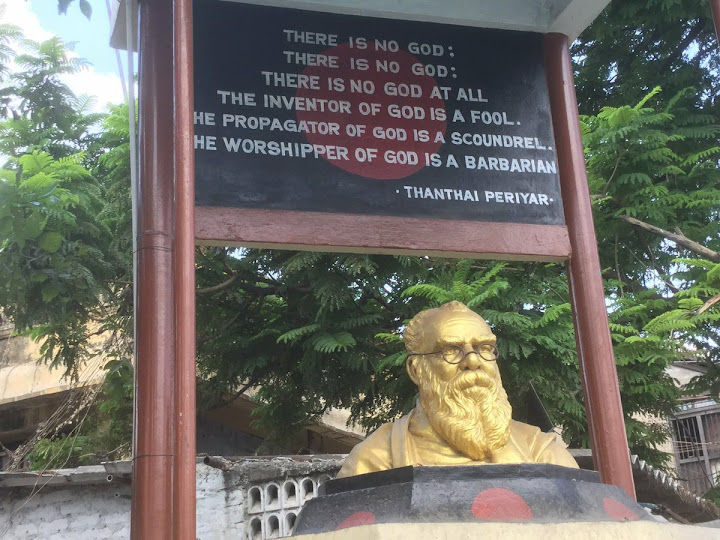
He called Theists ‘Scoundrels’.
His statues in front of Hindu temples carries obscene statements about God and its worshippers. It is an insult to all Christians, Muslims, Jews, Buddhists and Hindus.
This conference will tarnish your university’s image and do irreparable damage.
So we request you to cancel the conference or postpone it so that opposition views are given due representation on a future date.
As a university in a democratic country, we expect you to give chance to your students to hear both the views so that your students get a balanced picture.
Hope you act immediately to take a right decision.
Request to cancel the proposed online “ Anti-caste Thought : Theory, Politics and Culture Conference by your esteemed University
Dear Madam Meena Dhanda,
Greetings to you.
1. The proposed two day online conference titled “ Anti-caste Thought : Theory, Politics and Culture” to be held on October 29th and 30th 2021, sponsored by your esteemed institution Wolverhamption University, is highly deplorable and unwanted. The reasons are sited out in this letter. If you are misinformed, this is right time to take corrective action.
2. I introduce myself as a writer. I have written 5000 articles (4750 in Tamil language and 250 in English) in about 46 magazines for the past 51 years. I have published 27 printed books. My 61 digital books are also well received by the general public throughout the world.
3.The caste difference never existed in India. I have shown this in my articles numbering about 300 with literature evidence/proof, quoting original lines from Sangam Tamil literature till date that there was no such difference at all. The difference was artificially created by Mogul invaders and later by British to have their own advantage and to promote their vested interests.
4. Every religion has got ‘caste’ difference. Christianity which boasts of itself that it has no caste difference, has differences too. The converted Christians are allowed to enter only in some allotted churches and they are prohibited to enter into other churches in the coastal area of Tamilnadu. The converted Christians are having umpteen no of caste differences. They have divisions such as Catholics, Protestants, Fatima etc etc. also. The Islam also has such differences and they have Rauthar, Shia,Sunny, Ahmadia etc. They can’t enter into other mosques other than the allotted mosques for them. Especially in Islam no woman is allowed to enter into the any of the mosque.
Why you have not highlighted the above points in any of the topics, one wonders!
As such, it seems, the conference is targeting only Hinduism and its practices and especially Brahmins.
5. E.V.Ramasamy Naicker (periyar) is 100% Brahmin hatred. He carried his caste name Naicker always with his name Ramasamy . He insisted that 3% of the Brahmins are to be wiped out even if they have to sacrifice 3% non brahmins in this cause so that the remaining 97% non brahmins will survive in this battle. This means that he induced people to kill 3% of Brahmins, physically. He is so inhuman.
He was against India’s Independence and begged British not to leave the country. He was all against the Father of Nation Mahatma Gandhiji. He was so notorious and makes one feel Hitler is good. His 3500 pages writings (lectures and articles) are all available. He has written that Tamil is a Barbaric language. He also propagated that there is no GOD and who worship GOD is a rascal.
E.V.Ramasamy Naicker was against all women. He insisted that the womb of every woman should be cut/removed and they must be allowed to live (to have sex) with all. He also wanted father to marry his own daughter or mother his own son. He married one Maniyammai, a young girl, who was very very younger to him by age. He consulted Rajaji, the veteran freedom fighter of India, as to how a father could marry his daughter!
The proposed conference is projecting E.V.Ramasamy Naicker. And hence the proposed conference must have, we suspect, ulterior motives. The speakers are all, it seems one sided. Why this biased conference? Is it to misuse/use the funds to degrade Hinduism and to spread hatred?
6. The proposed conference will cause your esteemed University an irrepairable damage. So I request you to withdraw your proposal and cancel the forthcoming conference.
If not we will be forced to put E.V.Ramasamy Naicker,Robert De Nobile etc in their right perspectives quoting their own writings. So far, people like me, kept quiet, considering that we should not throw stones on mud which will spread hatred against hatred.
But we may have to reconsider our stand because conference like yours may cause millions and millions of people die/suffer as was done by Hitler during 1939-1945. We will publish their original writings with date and source.
You are welcome to clarify on any of the above points.
Cancelling the conference will avoid an embarrassment to you because every article will start with your University’s name as the cause of such article/s.
Pictures are taken from various sources for spreading knowledge.
this is a non- commercial blog. Thanks for your great pictures.
tamilandvedas.com, swamiindology.blogspot.com
xxx
ஒரே சொல் பல இடங்களில் வந்திருந்தாலும் ஒரு இடம் அல்லது சில இடங்களே இங்கே கொடுக்கப்பட்டுள்ளன. முதல் எண் பகவத் கீதையின் அத்தியாய எண் ; இரண்டாவது எண் ஸ்லோக எண்
XXXXX
அவாப்யதே 12-5 அடையப்படுகின்றது
அவாப்ஸ்யத 3-11 அடைவீர்கள்
அவாப்ஸ்யஸி 2-33 அடைவாய்
அவி கம்பேந 10-7 அசைவற்ற
அவி கார்ய: 2-25 மாற்றமுடியாதது
அவி க்ஞ்னேயம் 13-15 அறிதற்கு முடியாதது
அவித்வாம்ச: 3-25 பாமரர்கள்
அவிதி பூர்வகம் 9-23 அறியாமையால்
அவி நஸ்யந்தம் 13-27 அழியாமல் உள்ளவன்
அவி நாசி 2-17 அழிவற்றது
அவி நாசினம் 2-21 அழிவற்றதாகவும்
அவ்யக்த நிதனானி 2-28 தோன்றாமையே முடிவையும் உடைய
அவ்யக்த மூர்த்தினா 9-4 புலப்படாத
அவ்யக்த சம்ஞகே 8-18 அவ்யக்தம் என்று சொல்லப்படும் தோன்றா நிலையில்
அவ்யக்தம் 7-24 மாறுபாடில்லாதது
அவ்யக்த: 2-25 புலன்களுக்கு எட்டாதது
அவ்யக்தாத் 12-5 அவ்யக்தத்திலிருந்து
((அவ்யயம் என்பது கண்ணுக்கு எட்டாத, தோற்றத்திற்கு அப்பாற்பட்ட, நிர்குணப் பிரம்மம்))
அவ்யக்தாதினி 2-28 தோன்றாமை முதலாயும்
அவ்யக்த அசக்த சேதஸாம் 12-5 அவ்யக்தப் பொருளில் நாட்டங்கொண்ட
Pictures are taken from various sources for spreading knowledge.
this is a non- commercial blog. Thanks for your great pictures.
tamilandvedas.com, swamiindology.blogspot.com
என் பெயர் சந்தானம் சுவாமிநாதன்; இப்போது எழுதும் பெயர் லண்டன் சுவாமிநாதன் ; ஆரம்பமே கோளாறு ; அதிலும் கடவுள் நன் மை செய்தான் என்றே சொல்ல வேண்டும். அப்ளிகேஷன் Passport Application நிரப்பி பழக்கமில்லை. நாகப்பட்டிணம் அருகிலுள்ள கீழ்வளூரில் கந்த சக்ஷ்டி அன்று பிறந்ததால் பக்கத்திலுள்ள அறுபடை வீடான சுவாமிமலை சுவாமிநாதனின் பெயரை அம்மாவும் அப்பாவும் வைத்தார்கள். ஆகவே என் பெயர் சுவாமிநாதன். முதலில் சுவாமிநாதன் என்று எழுதி பின்னர் குடும்பப் பெயரான சந்தானம் (என் தந்தையின் பெயர் ) என்று நிரப்பியிருக்க வேண்டும் .
பிபிசி BBC WORLD SERVICE என்னை 1987-ல் லண்டனுக்கு தமிழோசை ஒலிபரப்பாளராக அழைத்து வந்த பின்னர் எல்லோரும் என்னை சந்தானம் என்று அழைக்கத் துவங்கினர். எனக்கு சொல்லவும் முடியவில்லை, மெள்ளவும் முடியவில்லை. திருடனுக்குத் தேள் கொட்டிய கதை ஆயிற்று. என்னை ‘சுவாமி’ என்று அழையுங்கள்; உங்களுக்கு ஈஸி easy யாக இருக்கும் என்றேன். வெள்ளக்காரப் பயல்களுக்கு ரொம்ப சந்தோஷம் ; அவர்களுக்கு எளிதில் நுழையும் பெயர்கள் — குரு , யோகா , சுவாமி, கறி , தோஸா முதலியன .
எனக்கு சிறு வயது முதலே காடுகள், பறவைகள் என்றால் கொள்ளை ஆசை. இப்போது வயது 73. ஆயினும் 60 ஆண்டுகளுக்கு முன்னர் தபால்தலைகளை சேகரிக்கத் துவங்கிய நான் இன்றும் சேகரித்துக் கொண்டு இருக்கிறேன். 1961-ல் இந்திய காட்டிலாகா வெளியிட்ட நூற்றாண்டு விழா தபால் தலையையும் அதைத் தொடர்ந்து வெயிட்ட வனவிலங்கு தபால் தலைகளையும், தூக்கம் வரும் வரை ரசித்து, ரசித்துப் பார்ப்பேன் .
ஆகையால் ரிக் வேதத்தில் வந்த அரண்யானி (10-146) கவிதையையும் ரசித்து, ருசித்துப் படித்தேன். அதுவும் உலகிலேயே பழைய புஸ்தகமான, கவிதைத் தொகுப்பான ஒரு நூலில் 6000 ஆண்டுகளுக்கு முன்னர் தேவ முனி என்பவர் எழுதிய கவிதை என்றவுடன் மெய் சிலிர்த்தது.
ரிக் வேதம் கி.மு 4000 அல்லது அதற்கு முந்தியது என்பது ஜெர்மானிய அறிஞர் ஹெர்மன் ஜாகோபியும் இந்திய சுதந்திரப் போராட்ட வீரர் பால கங்காதர திலகரும் கண்ட உண்மை. முதலில் கி.மு 1200 என்று உளறிய மாக்ஸ்முல்லரை பேராசிரியர் வில்சன் போன்றோர் சொல்லால் அடித்த அடியில், அவரும் “ஐயையோ , நான் அதற்குக் கீழாக யாரும் கொண்டுவரமுடியாது என்றுதான் சொன்னேன். ரிக் வேதம் கி.மு 1500 அல்லது அதற்கும் முன்னதாக இருக்க வேண்டும். யாராலும் காலத்தைக் கணிக்க முடியாது” என்று சொல்லி ‘ஜகா’ வாங்கினார்.
அப்பேற்பட்ட ரிக் வேதத்தில் வந்த கவிதை போல அந்தக் காலத்தில் எவரும் எழுதவில்லை. இயற்கை பற்றிய கவிதைகள் ரிக் வேதத்தில் ஏராளம். அதர்வ வேதத்தில் உள்ள பூமி சூக்தம் அதைவிடப் பிரமாதம்.
சுமார் 50 ஆண்டுகளாக ‘வேதத்தைப் பற்றி’ப் படித்து வந்தேன். அது சரி, ரிக் வேதத்தை, முடி முதல் அடி வரை, வேகமாகப் படித்து விடுவோம் என்று சொல்லி 28-4-2021ல் துவங்கினேன். தினமும் ஒரு மணி நேரம் படித்தேன் . ஆறு மாதத்தில் முடித்தேன் (24-10-21). ‘படித்தேன்’ என்றே சொல்ல வேண்டும். ‘கற்கக் கசடற’ என்று வள்ளுவன் சொன்ன வாசகம் பொருந்தாது. அப்படி “வெறுமனே படித்த பொழுது” புஸ்தகம் முழுதும் பென்ஸிலால் என் கருத்துக்களைக் குறித்தேன். கட்டுரை எழுதுவதற்கான அதிசய விஷயங்களை பின் பக்கம் குறித்தேன்.
இது போல, இதற்கு முன் 40 ஆண்டுகளாக, கம்பராமாயணம், பன்னிரு திருமுறைகள், திவ்வியப் பிரபந்தம் , (திருமந்திரம், திருவாசகம் ) பதினெண் கீழ்க்கணக்கு நூல்கள், சங்க இலக்கியத்தின் 18 மேல்கணக்கு நூல்கள் அனைத்தையும் படித்தேன் .அவ்வளவிலும் நான் படித்த தேதியும் பென்ஸில் கிறுக்கல்களும் இருக்கும் .
இப்படி ரிக் வேதத்தின் 10,552 மந்திரங்களையும் ஜம்புநாதனின் தமிழ் மொழி பெயர்ப்பில் தமிழிலும் அதற்கான ஆங்கில மூலமான கிரிப்பித்தின் (RALPH T H GRIFFITH ஆங்கில மொழி பெயர்ப்பையும் சேர்த்துப் ‘படித்தேன்’; நினைவிற் கொள்க ; ‘கற்கவில்லை’ ; ஏனெனில் வேதம் என்பது பசிபிக் சமுத்திரம். அதை யாரவது கற்றதாகச் சொன்னால் (TURN BACK AND LAUGH) அவருக்கு முதுகைக் காட்டிக்கொண்டு வாய்விட்டுச் சிரியுங்கள்.
ரிக் வேதத்தை மொழி பெயர்த்த 30 வெள்ளைக்காரப் பயல்களும் திரு திரு வென திருடன் முழி முழிக்கிறார்கள்; ‘எங்களுக்குப் புரியவில்லை’ என்று ALTERNATE PAGE ஒரு பக்கம் விட்டு, ஒரு பக்கத்தில் எழுதியும் விட்டார்கள்; புரிந்தது போல நடித்த மார்க்சீய வா (ந்)திகள் மட்டும் “தான் பிடித்த முயலுக்கு மூன்றே கால்” என்று எழுதியுள்ளன ( ‘ன’ = அஃறிணைக் குறிப்பு)
அரண்யானி என்ற வன தேவதை, பற்றி தெரிந்து ரசிக்க கானகம் பற்றி கொஞ்சம் தெரிந்திருக்க வேண்டும். எங்கள் வீட்டில் எல்லோரும் புஸ்தகப் பைத்தியங்கள். என் தந்தை வெ சந்தானம் எங்களுக்கு வீடு, வாசல், நில, புலன்,சொத்து, பாங்கு பாலன்ஸ் BANK BALANCE எதையும் வைக்கவில்லை ; கடனும் வைக்கவில்லை. 6000 புஸ்தகங்களை காத்ரேஜ் Godrej பீரோவில் வைத்துச் சென்றார். வீட்டிற்கு வருவோர் ‘என்ன ஸார் , இது காத்ரேஜ் பீரோவில் எல்லோரும் பணம் நகை, நட்டு வைப்பார்கள்; நீங்கள்……………. “ இதற்கெல்லாம் என் அப்பாவின் புன்னகைதான் பதில் ; சொற்கள் எதுவும் வராது .
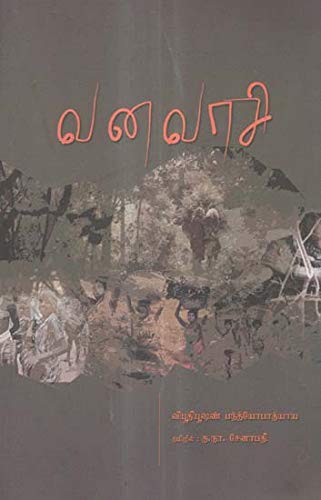
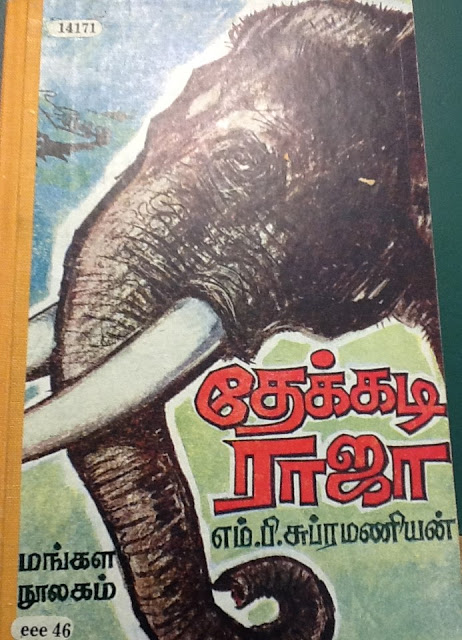
அவற்றில் நாங்கள் ரசித்துப் படித்த புஸ்தககங்கள் வங்காளி மொழியில் விபூதி பூஷண வந்த்யோபாத்யாய எழுதிய ‘ஆரண்யக்’ என்ற புஸ்தகம் (தமிழில் த.நா. சேனாபதியின் அற்புதமான மொழி பெயர்ப்பில் வனவாசி என்று பெயர்), எம்.பி. சுப்ரமண்யம் எழுதிய ‘தேக்கடி ராஜா’, கென்னத் ஆண்டர்சன் எழுதிய ‘சிவனப்பள்ளியின் கருஞ் சிறுத்தை’ .
இவைகளைப் பற்றி அண்ணன் தம்பிகள் மணிக்கணக்கில் விவாதிப்போம். இறுதியாக எங்கள் அம்மா சாப்பாட்டுக் கடைக்கு இறுதி மணி அடித்து எச்சரிக்கும் வரை பேசிக்கொண்டே இருப்போம்.
இதில் எங்களுக்கு EXTRA INTEREST ‘எக்ஸ்டரா’ ஆர்வம் ஊட்டியவர் ஜியாவுதீன் என்னும் தமிழ் எழுத்தாளர் ஆவார். அவர் தேக்கடி- பெரியாறு அணைப்பகுதியில் காட்டிலாகா அதிகாரி; மாதத்துக்கு ஒரு முறையாவது என் தந்தையைக் கண்டு தினமணி சுடர் வார இதழில் பிரசுரிக்க கதையோ கவிதையோ தருவார். அப்போது மணிக்கணக்கில் பல கானக விஷயங்களை சொல்லுவார் . அவரை யானை விரட்டிய கதை, ஒரு ஊழியரை மலைப்பாம்பு சுற்றி வளைத்தவுடன் இவர்கள் கானக மக்களைக் கொண்டு அவரை விடுவித்த கதை, உடம்பு முழுதும் அட்டை Leehes ஒட்டிக்கொண்டு ரத்தத்தை உரிஞ்சும் கதை எல்லாம் சொல்லுவார். என் அப்பாவுக்கு புலித்தோல், மான் தோல் கொண்டு வந்ததாவும் நினைவு. அதை வைத்துக்கொண்டு அவர் ஜபம் செய்ததைப் பார்த்து இருக்கிறேன். என் அப்பாவுக்கு பசி வந்தால் பத்தும் பறந்து போகும். கோபத்தில் சீறுவார் .யாரோ ஒருவர் சொன்னார் ; புலித் தோலில் அமர்ந்து ஜபம் செய்தால் கோபம் அதிகமாகும் என்று ! பின்னர் மான் தோலை பயன்படுத்தி ஜபம் செய்வார். பிராமண பிரம்மச்சாரி பூணுலில் மான் தோல் இருக்கும்.
ஒருபுறம் காட்டின் வருணனை ‘வா வா’ என்று அழைத்தாலும் இரவு நேர கானக ஒலிகள், ‘சிரிக்கும் கழுதைப்புலி’ பற்றி அவர் கூறியது ஆகியன அசச்சுறுத்தும்; இருந்த போதிலும் எங்களை காட்டுக்கு அழைத்தார். அதற்குப் பல ஆண்டுகளுக்குப் பின்னர் நான் தேக்கடி சென்ற போதும் தொலைவில்தான் யானைக் கூட்டத்தைப் பார்க்க முடிந்தது. இது போல சென்னை அருகில் உள்ள வேடந்தாங்கல் பறவைகள் சரணாலயத்துக்கும் சீஸன் இல்லாதபோது போனதால் கொஞ்சம் பறவைகளைத்தான் பார்க்க முடிந்தது. இந்த ஆர்வத்தை எல்லாம் பயன்படுததி பி. எஸ் சி தாவரவியல் B Sc BOTANY படித்து தாகத்தைத் தீர்த்துக் கொண்டேன். வீட்டில் முருங்கைக் காய் சாம்பார் வைத்தால் ‘மொரிங்கா ஆப்லங்கேட்டா’ போடு என்பேன். சாமிக்கு செம்பருத்தி வாங்கினால் ‘ஹைபிஸ்கஸ் ரோசா சைனன்சிஸ்’ என்பேன். வெண்டைக்காய் கறி என்றால் ‘ஹைபிஸ்கஸ் எஸ்குலாண்ட்ஸ்’ என்பேன்.
Xxx
அரண்யானி
ஒரு வழியாக சப்ஜெக்டுக்குSUBJECT வருகிறேன். ரிக் வேத பத்தாவது மண்டலத்தில் 146 ஆவது துதியாக உள்ள அரண்யானி கவிதையை ரசிக்க ஒரு முறையாவது காட்டுக்குப் போயிருக்க வேண்டும் நான் BOTANY பாட்டனி மாணவர் என்ற முறையில் பல காடுகளுக்குச் சென்றுள்ளேன். கல்லூரிப் பேராசிரியர்கள் எங்களை பஸ்ஸில் குற்றாலம், தேன் அருவிக் காடுகள், கர்நாடக ஆகும்பே காடுகள், ஏற்காடு முதலிய இடங்களுக்கு அழைத்துச் சென்று தாவரங்களை சேகரிக்க உதவினார்கள் இது தவிர நான் மதுரைக்கு மிக அருகிலுள்ள அழகர் கோவில் மலைகள் , கொடைக்கானல், கோவை அருகிலுள்ள உதக மண்டலம் ஆகியவற்றுக்கு பலமுறை சென்றுள்ளேன்.
‘கானகம்’ பற்றி ஜம்புநாதன் மொழிபெயர்த்ததன் சுருக்கத்தை சொல்லுகிறேன். பின்னர் இதை ஆங்கிலத்தில் இயற்கையை பற்றி எழுதிய வோர்ட்ஸ் வொர்த் WILLIAM WORDWORTH கவிதைகளுடன் ஒப்பிடுவோம்
XXXX
ரிஷி தேவ முனி – இரம்மத புதல்வன் அரண்யானியை நோக்கிக் கூறுவது :–
1.அரண்யானியே ! காட்சியிலிருந்து மறைபவள் போலத் தோன்றும் அரண்யானியே , நீ ஏன் கிராமத்தை நாடுவதில்லை ? உன்னை அச்சம் அணுகுவதில்லையா?
2. கிறீச்சென்று சப்திக்கும் விருஷாவரத்துக்கு சிச்சிகம் பதில் அளிக்கும்கால் தாளங்களைப் போல சுருதி தோன்றி அரண்யானி போற்றப்படுகிறாள்.
3. அங்கு பசுக்கள் மேயுங்கால் காடு , மனையைப் போலத் தோன்றுகிறது . மாலையிலே அரண் யானி, சகடங்களை இனி வேண்டாம் என்று நீக்கிவிட்டவள் போல் தோன்றுகிறாள்.
4.வனத்தின் தேவியே ! இங்கு ஒருவன் தன் பசுவை அழைக்கிறான்; வேறு ஒருவன் மரத்தை வெட்டுகிறான். மாலையிலே வனத்தில் வசிப்பவன் , பறவைகளுடைய , மிருகங்களுடைய சப்தத்தைக் கேட்டு , ஏதோ திருடர்களுடைய குரல் என்று நினைத்து பயந்து மனக் கலக்கம் அடைகிறான்
5. வனம் எவனையும் துன்புறுத்தாது . ஆனால் வேறு எதுவோ, எவனோ அவனை எதிர்க்கலாம் அங்கு வசிப்பவன் விருப்பம் போல் இனிய பழத்தை உண்டு அங்கே சுற்றுகிறான்.
6.நான் கஸ்தூரி மணமுள்ளவளும் , சுகந்தமாயிருப்பவளும் , பல பழம் முதலியவை ஏந்துபவளும் பயிரிடப்படாதவளும் , மிருகங்களின் தாயுமான அரண்யானியைப் போற்றுகிறேன் .
xxx
இது பழைய கால செய்யுள் நடை; விளக்கினால்தான் மஹிமை புரியும்; அடுத்த கட்டுரையில் விளக்குகிறேன்
இதோ சம்ஸ்க்ருதத்தில் அந்தக் கவிதை
10.146.01 (Mandala. Sukta. Rik)
अर॑ण्या॒न्यर॑ण्यान्य॒सौ या प्रेव॒ नश्य॑सि ।
क॒था ग्रामं॒ न पृ॑च्छसि॒ न त्वा॒ भीरि॑व विंदती३ँ ॥
Pictures are taken from various sources for spreading knowledge.
this is a non- commercial blog. Thanks for your great pictures.
tamilandvedas.com, swamiindology.blogspot.com
The beauty of Hinduism lies in its four stages of life-
brahmaacharya/student life,
grahasthasrama/married life,
VAANAPRASTHA/FOREST LIFE and
sanyasa/ascetic life.
Nowhere in the world you find forest life! Other three stages are there in many cultures. True to its strictures we see Kunti, Pandu, Madri, Gandhari and Dhritarashtra went to forest and died there in forest fire. All the five Pandava brothers walked through the Himalayan forests and died. We see beautiful descriptions of forests in Panchatantra Fables, Nalopaakhyaana and Yakshaprasna and Vana Parva in Mahabaharata. Valmiki, who himself was a forest dweller, describes forests in simple and beautiful Sanskrit. Rama and Sita lived in the forests for 14 years. Sita devi spent her later life also in the forests.
The high Himalayas and the tall trees with beautiful waterfalls and rivers inspired the seers/Rishis to write Upanishads. Kalidasa in his Kumarasambhava describes the Himalayas in the first ten slokas. All these happened several thousand years before others sang about the forests. We see William Wordsworth and Oscar Wilde singing the beauty of forests in English.
xxx
Now let us compare the Rig Vedic poem with them:-
Rig Vedic (10-146) Rishi Deva Muni is singing about the beauty of the forests. Hindus give feminine names to all that is beautiful. Hindus give feminine names to all that is good. If you translate the names of Hindu girls into your language you would know that.
Here the poet describes her as Goddess, Lady and Queen of the Forest. ‘Women Zindabad’ has always been the policy of the Hindus. The poet wonders how come she is not afraid of the darkness during night. Every other person who goes to forest during daytime rushes home before sunset. He asks her (Miss Aranyaani) why you don’t come back home like other villagers.
The word ‘Aaranya’ is very important for Hindus. Unlike any other cultures in the world, Hindus have SEVEN holy forests, holy rivers, holy mountains, holy cities etc. that is the reason we see Number Seven more in Harappan Civilization. Tamils have several towns named after Aarayam/ forest such as Vedaaranyam. Another word for forest is Vana which we saw in ‘VAANA’PRASTHA. Many towns in Tamil Nadu have this name as well (My hometown Madurai is called Kadamba vanam).
In the second Mantra, the poet describes the forest sounds. Those who went to the forests only can understand it. As a student of botany, I went for plant collection with my college students and professors to thick tropical forests in Kodaikanal, Yercaud, Kutraalam and Aagumbe (in Karnataka). We have Alagar koil forest near Madurai with semi tropical condition.
As soon as you enter the forests you will hear the buzzing noise of the little insects. It is the Sruti (drone or bourdon) of the forest for its singers. In every Hindu concert we see a woman with Tambura/Tanpura creating drone or bourdon. Amidst this continuous Sruti, we hear birds singing in their own tunes. Other animal sounds are heard more during night time. When we travel through the Ghat Road (Hill Roads) in Kodaikanal also, we hear this forest drone. Hindu literature describes the ‘animal orchestra’ inside forest in minute details.
And in the third and fourth Mantras, poet describes the sounds and what you imagine when you hear them. You imagine someone is screaming, someone whistling to bring back his cattle, someone cutting the trees. Actually, all these happen in the fringes of the forest. But deep inside the shady forest, you think that is what happening. But, they are the sounds from the streams, cataracts, animals, monkeys and squirrels.
Except R T H Griffith, I don’t think, others have lived in the forests. Griffith was in Nilgris while he translated or commented on the Vedas. So foreign translators could not do full justification in their translations.
In the next Mantra, poet describes the grace and kindness of the forest queen. She never harms anyone wantonly. She is mother who gives food to everyone free. But there are murderous enemies like robbers and tigers. Even today we read about animal attacks in the villages surrounded by forests.
Hindu religious scriptures are full of attacks of crocodiles, snakes and pythons on human beings. Tamil poems, which are 2000-year-old, describe the attacks by tiger, elephant, crocodile, pythons and robbers. They described the elephant fights inside the forest and pythons devouring elephants. Unless the Tamil poets have seen such things, they would not have used them as similes in Sangam Poems.
The last mantra (sixth) is the most beautiful one. It says the Forest Queen with motherly attitude gives food to everyone. She grows food without tilling. She has sweet scent without artificial perfumes. She is ruling the forest like a Queen without anyone anointing her. Self made, born Queen! She has herbs to heal all your mental and physical sickness.
I made these comments with my background knowledge in forests and the knowledge in other hymns on Earth, Herbs and Forest Fires in the four Vedas.
Now I want to draw your attention on only four stanzas of Wordsworth:-
“She has a world of ready wealth,
Our minds and hearts to bless—
Spontaneous wisdom breathed by health,
Truth breathed by cheerfulness.
One impulse from a vernal wood
May teach you more of man,
Of moral evil and of good,
Than all the sages can.—Tables Turned Poem
Xxx
The waves beside them danced; but they
Out-did the sparkling waves in glee:
A poet could not but be gay,
In such a jocund company:
I gazed—and gazed—but little thought
What wealth the show to me had brought:
For oft, when on my couch I lie
In vacant or in pensive mood,
They flash upon that inward eye
Which is the bliss of solitude;
And then my heart with pleasure fills,
And dances with the daffodils.—Daffodils Poem
xxx
Please continue if you want to read the full poems…….
जीवन्तो बहुमन्यन्ते मृताः प्रक्ष्यन्ति कं पुनस् ॥ १६ ॥
ஜோதிடர் ஒருவரிடம் ஒருவர் தன் வாழ்நாளைப் பற்றி ஜோதிடம் கேட்டால், அவர் நீண்ட நாள் வாழ்வார் என்று சொல்ல வேண்டும். அவர் நீண்ட நாள் வாழ்ந்தால் ஜோதிடரைப் பற்றி உயர்வாக நினைப்பார். அவர் செத்து விட்டாலோ கேள்வி கேட்க அவர் உயிருடன் இருந்தால் தானே! (பாடல் 16)
भैषज्यं तु यथाकामं पथ्यं तु कठिनं वदेत् ।
आरोग्यं वैद्यमाहात्म्यादन्यथात्वमपथ्यतस् ॥ २५ ॥
ஒரு மருத்துவர் தனது இஷ்டம் போல தனது நோயாளிக்கு மருந்து கொடுக்கலாம். ஆனால் உணவை எப்படி உட்கொள்ள வேண்டும் எதையெல்லாம் சாப்பிடலாம், எதையெல்லாம் சாப்பிடக் கூடாது என்ற கடுமையான நிபந்தனைகளையும் கூடவே சொல்லி விட வேண்டும். நோயாளி ஒரு வேளை குணமாகி விட்டால் அதற்கான புகழை மருத்துவரின் திறமையே காரணம் என்று சொல்லிப் பெற முடியும். ஒருவேளை நோயாளி குணமடையாவிட்டால் அவர் தான் சொன்னபடி பத்தியமாக இருக்க வில்லை என்று சொல்லித் தப்பித்துக் கொள்ளலாம்! (பாடல் 25)
लिप्समानेषु वैद्येषु चिरादासाद्य रोगिणम् ।
दायादाः संप्ररोहन्ति दैवज्ञा मान्त्रिका अपि ॥ २९ ॥
ஒரு மருத்துவர் தொடர்ந்து தன்னிடம் சிகிச்சை பெறும் நீடித்த நோயுடைய ஒருவரிடமிருந்து பணம் பெற நினைக்கும் போது அவர் இன்னும் இரண்டு பேரை நோயாளியிடமிருந்து பண வசூல் செய்வதைப் பார்ப்பார். ஒருவர் ஜோதிடர். இன்னொருவர் மந்திரவாதி! (பாடல் 29)
स्तुतं स्तुवन्ति कवयो न स्वतो गुणदर्शिनस् ।
कीतः कश्चिदलिर्नाम कियती तत्र वर्णना ॥ ३५ ॥
ஒரு கவிஞர் தனது சொந்த கவித்வம் இல்லாமல், பல விஷயங்களைப் பற்றி தனக்கு முன்னால் இருந்த கவிஞர்களால் வர்ணிக்கப்பட்டவற்றையே வர்ணிப்பார். தேனீ என்ற ஒரு பூச்சி வகை இருக்கிறதல்லவா! அதைப் பற்றித் தான் எவ்வளவு பிரம்மாண்டமான விவரங்களைப் பார்க்க முடிகிறது! (பாடல் 35)
இந்தக் கலியுகத்தில் வாழ்வை நீட்டிக்கும் ஐந்து பிராண சக்திகள் – மனைவி, மனைவியின் சகோதரி, மனைவியின் சகோதரர், அவளது பெற்றோர் ஆவர் (பாடல் 41)
ज्ञातेयं ज्ञानहीनत्वं पिशुनत्वं दरिद्रता ।
मिलन्ति यदि चत्वारि तद्दिशेऽपि नमो नमस् ॥ ९७ ॥
உறவினர்கள், ஞானஹீனர்கள், வம்பு பேசுபவர்கள், தரித்திர நிலையில் உள்ளவர்கள், ஆகிய இந்த நால்வரின் கூட்டு இருக்கும் திசைக்கே நமஸ்காரம் நமஸ்காரம். (பாடல் 97)
அடுத்து நவரஸங்களையும் கொண்ட மஹாகாவியம் சிவலீலார்ணவத்திலிருந்து ஓரிரு துளிகளைப் பார்ப்போம்.
சிவபிரானின் அருள் திரு விளையாடல்களைக் கூற வந்த இவருக்கு ஸ்காந்த புராணத்தில் வரும் ஹாலாஸ்ய மாஹாத்மியம் ஆதாரமாக உள்ளது. 22 காண்டங்கள் கொண்டது இந்த நூல். முதல் 11 காண்டங்களில் 999 செய்யுள்களையும் அடுத்த 11 காண்டங்களில் இன்னொரு 999 செய்யுள்களையும் ஆக இரண்டாயிரத்திற்கு இரண்டு செய்யுள்கள் குறைவாக 1998 அரும் செய்யுள்களைக் கொண்டுள்ளது இந்த அற்புத காவியம்.
முக்கியமாக சாந்த ரஸத்தையே பிரதானமாகக் கொண்டுள்ள இந்த நூலில் சப்தாலங்காரம், அனுப்ராஸம், உவமை, யமகம், ரூபகம், சிலேடை உள்ளிட்ட ஏராளமான யாப்பிலக்கணச் சிறப்புக்கள் உள்ளன.
தக்ஷிண ஜாஹ்னவீ - தென் கங்கை - எனக் கூறப்படும் தாமிரவர்ணியின் சிறப்பைக் கூறும் போது எப்படி கங்கையில் நீராடுபவர்கள் முக்தா என்ற வீடு பேற்று நிலையை அடைகிறார்களோ அதே போல தாம்ரவர்ணியை அடைந்தவர்களும் முக்தா - முத்துக்களாகி- விடுவதால் இதுவும் முக்தாவைத் தருகிறது என்கிறார்.
கடகம் என்ற சம்ஸ்கிருதச் சொல்லுக்கு நண்டு என்ற பொருளும் நகர் என்ற பொருளும் உண்டு. பஞ்சத்தில் இருந்த ராஜேந்திர பாண்டியனின் நகரை சூரியன் கடகராசியில் புகுந்த போது, சோழ மன்னன் முற்றுகையிட்டான் என்கிறார். கடகம் என்ற சொல்லை கடக ராசி என்றும் பாண்டியனது நகர் என்றும் இரு பொருள் படக் கூறுகிறார். இப்படி ஏராளமான நயங்கள் இவரது காவியத்தில் உள்ளன.
இவரது நூல்களைப் படிப்போர்க்கு இவர் சகுன சாஸ்திரம், ஜோதிடம், வானவியல், வாஸ்து சாஸ்திரம், ஆயுர்வேதம், நடனம், இசை உள்ளிட்ட அனைத்துக் கலைகள், ரத்ன சாஸ்திரம், நீரியல் (Hydrology), யுத்தக் கலை, அரசியல் ராஜதந்திரம் சமையல் கலை எனப்படும் பாக சாஸ்திரம், வேத, புராண, இதிஹாஸ ஞானம் உள்ளிட்டவற்றில் இவர் பெரும் வல்லுநர் என்பது உடனே புரிந்து விடும்.
நீலகண்ட தீக்ஷிதரின் நூல்கள் பெருமளவில் பாரத மக்களைச் சென்றடையவில்லை என்றே கூற வேண்டும். இவற்றின் சிறப்புக்களை வெகுஜன அளவில் கொண்டு சேர்ப்பதை ஒவ்வொருவரும் தனது கடமையாகக் கொண்டால் இவரது ஆழ்ந்த ஞானத்தால் நமது தேசம் இன்னும் மேலே உயரும் என்பதில் ஐயமில்லை.
Pictures are taken from various sources for spreading knowledge.
this is a non- commercial blog. Thanks for your great pictures.
tamilandvedas.com, swamiindology.blogspot.com
xxx
ஒரே சொல் பல இடங்களில் வந்திருந்தாலும் ஒரு இடம் அல்லது சில இடங்களே இங்கே கொடுக்கப்பட்டுள்ளன. முதல் எண் பகவத் கீதையின் அத்தியாய எண் ; இரண்டாவது எண் ஸ்லோக எண்
XXXXX
அயோகத: 5-6 (அ யோகதஹ)- யோகத்தாலன்றி ; யோகம் இல்லாத
அரதி : (அரதிஹி) 13-10 விரும்பாமை, வெறுப்பு
அரோக த்வேஷத: 18-23 விருப்பு, வெறுப்பு இல்லாமை
அரிசூதன – 2-4 கிருஷ்ணனின் பெயர்; பகைவரை ஒழிப்போன்
அர்ச்சிதும் 7-21 வழிபடுவதற்கு ,பூஜிப்பதற்கு
அர்ஜுன : 1-47 பாண்டவர்களில் மூன்றாமவன்
அர்த்தகாமான் 2-5 செல்வத்துக்கு ஆசைப்படுவோன்; பொருளையும் இன்பத்தையும் விரும்பும்
அர்த்த வ்யபாஸ்ரய: 3-18 பயனைக் கருதி நாடத்தக்கது; எந்த ஒரு பொருளிலும் பற்று வைத்தல்
அர்த்த சஞ்சயான் 16-12 செல்வத்தைக் குவிக்க
அர்த்த : 2-46 உபயோகம்
அர்த்தார்த்தி 7-16 செல்வத்தில் நாட்டமுடைய
அர்த்தே 1-33 பொருட்டு
அர்ப்பணம் 4-24 அர்ப்பணமாக கொடுத்தல்
london swaminathan sanskrit certificate
அர்ப்பித மனோபுத்தி: 8-7 மனத்தையும் புத்தியையும் என்னிடம் அர்ப்பணம் செய்து
அர்யமா 10-29 நீத்தார் தேவதை; பித்ருக்கள் தலைவர்
அர்ஹதி 2-17 அருகதை, தகுதி உடைய
அர்ஹஸி 2-25 உரியவன்
அர்ஹா : (அர்ஹாஹா ) 1-37 தகுதி உடையவர்கள்
அலசஹ 18-28 சோம்பேறி
ஆலோலுப் த்வம் 16-2 பிறர்பொருள் நயவாமை
அல்ப புத்தய : 16-9 சின்ன புத்தி உடையவர்கள்
அல்ப மேதஸாம் 7-23 அல்ப மதியுடைய; அதிக ஞானம் இல்லாத
அல்பம் 18-22 சின்ன, சிறுமை , அற்பத்தனமான
அவகச்ச 10-41 அறி , தெரிந்து கொள்
அவ ஜானந்தி 9-11 புறக்கணி , அவமதிக்கிறார்கள்
அவஞாதம் 17-22 , அவமானப்படுத்தி, அவமதிப்புடன்
அதிஷ்டதி 14-23 நிலைபெயராது நிற்றல்
அவதிஷ்டதே 6-18 ஊன்றி நிற்கிறதோ
அவத்ய : 2-30 கொல்லப்பட முடியாது; மரணமில்லாதவன்
அவனிபால சங்கை: (சங்கைஹி) – 11-26 உலகாளும் அரசர்கள் குழு
Pictures are taken from various sources for spreading knowledge.
this is a non- commercial blog. Thanks for your great pictures.
tamilandvedas.com, swamiindology.blogspot.com
(Partly Autobiography of London Swaminathan)
RIG VEDA is the oldest anthology in the world, oldest religious scripture in the world. Though I have been reading ‘about’ it for 60 years, I ‘read’ it fully in 2021. I started ‘reading’ it on 28-4-2021 and finished it on 24-10-21. It took me nearly six months to ‘read’ it in Tamil (M R Jambunathan’s Translation). It contains over 1020 hymns and 10,552 mantras. Even the people who have ‘translated’ them added ‘we don’t understand, it is obscure, the meaning is not clear, probably it mans, perhaps the seer says. I only read it; not studied it or fully understood it. But it makes very interesting reading. I read it only one hour every day scribbling with pencil all through the pages.
I would tell all my friends to read it at least once. Please start with Asvins or Viswedevas; full of miracles and full of history. Reading is easy; for studying it or understanding it you need Hindu mindset. You need to be a Hindu in spirit, not necessary religiously Hindu. Above all you must believe what Hindus believed at least 6000 years ago. That is the date given to the Rig Veda by Herman Jacobi and Bala Gangadhara Tilak. Max Muller gave it any date over 1500 BCE. Prof. Wilson and others dated it around 2000 BCE.
It has ten books. As you reach the final book (No.10), it becomes more interesting. A lot of subjects are discussed there. From Big Bang Theory to birds and animals in the forest. THE RV ends with a beautiful Nationaal Anthem for the UNO (united nations organisation)
xxx
BEAUTIFUL FOREST (RV 10-146 Aranyani)
As a nature lover, I have been reading books on Nature for the past 50 years. I started collecting stamps from very early age. Now at the age of 73, still I collect stamps. I was fascinated by the forest stamp issued in India in 1961. I used to look at it for hours along with the wild life stamps issued by India immediately after that in 1963.
All our brothers used to read Vanavasi/Aranyak by Bibhutibhushan Bandhyopadhyay, Thekkadi Raja by M.P.Subhrahmanyan, Blackpanther of Sivanipalli by Kenneth Anderson etc and discuss them for hours and hours.
Then came Ziaudeen or Jiyawodeen into our life . He was a Forest Ranger in Thekkadi area and used to come to see my father V Santanam, News Editor, Dinamani, Madurai, to give his poems or stories to be published in Dinamani Sudar Weekly Supplement. He used to tell us all the adventures he did in the Periyar Dam area; we would listen to him for hours with open mouth in amazement. He used to tell how he escaped from a chasing elephant, how they saved a person from the python that tightened its grip on him, the leeches that stuck to his body sucking blood etc. In spite of this scary things, he encouraged us to visit him in the forest.
Unfortunately when I went to Thekkadi on my own several years after this I could only see some elephants at a distance, nothing else. To do RSS propaganda, I went to Kambam, from there to Kumuli and Thekkadi. When I visited Vedanthangal bird Sanctuary near Chennai, I could see only a few hundred birds, because I went there out of season. All due to over enthusiasm.
Malgudi Days of R K Narayan (in India) and BBC documentaries (in UK from 1987) also made me to stick to TV like a leech.
So the stamps and books on Nature hooked me to forests and plants. This made me to take Botany as major subject in my B.Sc course in Madurai University.
Then came the poems of William Wordsworth Daffodils and The Tables Turned. I memorised them and recited them so many times. When I recited it in my dream, my family listened to it and laughed and gave me the nick name ‘Daffodils’! I knew only about it when I woke up in the morning.
xxx
Now to Rig Veda Forest Poem (RV 10-146 Aranyani)
With this background, I read the poem on Aranyani in the Rig Veda a few days back.
Here is the poem:- Ode to Forest Goddess
1. GODDESS of wild and forest who seemest to vanish from the sight.
How is it that thou seekest not the village? Art thou not afraid?
2. What time the grasshopper replies and swells the shrill cicala’s voice,
Seeming to sound with tinkling bells, the Lady of the Wood exults.
3. And, yonder, cattle seem to graze, what seems a dwelling-place appears:
Or else at eve the Lady of the Forest seems to free the wains.
4. Here one is calling to his cow, another there hath felled a tree:
At eve the dweller in the wood fancies that somebody hath screamed.
5. The Goddess never slays, unless some murderous enemy approach.
Man eats of savoury fruit and then takes, even as he wills, his rest.
6. Now have I praised the Forest Queen, sweet-scented, redolent of balm,
The Mother of all sylvan things, who tills not but hath stores of food.
I will compare it with Daffodils, The Tables Turned- both by William Wordsworth and a few other poms on Forest by Oscar Wilde and others in the next part. This is not the only poem on Nature in the RV. The whole world knows the humorous poem on Frogs. A lot of poems on Forest Fire and Dawn (Lady Usha) re there for Nature lovers.
xxx
Same Poem in Sanskrit……………………….
10.146.01 (Mandala. Sukta. Rik)
अर॑ण्या॒न्यर॑ण्यान्य॒सौ या प्रेव॒ नश्य॑सि ।
क॒था ग्रामं॒ न पृ॑च्छसि॒ न त्वा॒ भीरि॑व विंदती३ँ ॥
Pictures are taken from various sources for spreading knowledge;
this is a non- commercial blog. Thanks for your great pictures.
tamilandvedas.com, swamiindology.blogspot.com
ஸ்ரீ நீலகண்ட தக்ஷிதர் – 2
தீக்ஷிதர் கண்களை இழந்த நிலையில் தேவியை அற்புத ஸ்லோகங்களால் துதி செய்ய ஆரம்பித்தார். “தேவியே! உனது கருணையால் உனது பாதாரவிந்தங்களைக் காண்பித்தாலும் அதை எந்தக் கண்களால் பார்ப்பேன்” என்று பாடி உருகினார். எல்லையற்ற கருணை கொண்ட தேவி உடனே அவருக்குப் பார்வையைத் தர உலகமே இந்த அற்புதத்தால் வியந்தது. மன்னரும் அவரது தவ வலிமையை முற்றிலுமாக உணர்ந்து கொண்டார்.
அவர் பாடிய இந்த அற்புத நூலே ஆனந்தஸாகரஸ்தவம் என்னும் நூலாகும். இதில் அனைத்தையும் விட்டு விட்டு தன்னை தேவியிடம் ஒப்படைத்து விட்டு சரணாகதி அடைகிறார் அவர்.
மன்னர் சேவை போதும் என்ற முடிவுக்கு வந்த அவர் திருநெல்வேலியிலிருந்து வடகிழக்கே 15 கிலோமீட்டர் தொலைவில் தாமிரபரணிக் கரையில் அமைந்துள்ள பாலாமடை என்ற ஊருக்கு வந்து அங்கேயே தங்கலானார். மன்னர் திருமலை நாயக்கர் இந்த கிராமத்தையும் சுற்றியுள்ள நிலங்களையும அவருக்கு மானியமாக அளித்தார். அரசு ஆவணங்களில் இந்த ஊருக்கு நீலகண்ட சமுத்திரம் என்ற பெயர் இருக்கிறது.(See Archaelogical Survey of India Annual Report 1976-77 Epigraphy Sl.No. 243 to 244).
இந்த கிராமத்தில் தனது இறுதிக்காலத்தைக் கழித்த போது சந்நியாச ஆஸ்ரமத்தை மேற்கொண்ட அவர் ஒரு மார்கழி மாத சுக்ல அஷ்டமியில் ஜீவ சமாதி அடைந்தார். இவரது சமாதியின் மேல் தீக்ஷிதரே காசியில் இருந்து எடுத்து வந்த ஸ்ரீ காசி விஸ்வநாதரும் காசி விசாலாட்சியும் பிரதிஷ்டை செய்யப்பட்டுள்ளது. சிருங்கேரி ஜகத்குரு ஸ்ரீ சந்த்ரசேகர பாரதீ மஹா ஸ்வாமிகள் திருநெல்வேலிப் பக்கம் விஜயம் செய்யும் போது பாலாமடை சமாதிக்கு வருகை புரிவதை ஒரு நியதியாகக் கொண்டிருந்தார்.
ஸ்ரீ தீக்ஷிதரின் நினைவைப் போற்றும் வகையில் ஸ்ரீ நீலகண்ட தீக்ஷிதர் அறக்கட்டளை ஒன்று நிறுவப்பட்டுள்ளது. அறக்கட்டளையின் சார்பில் ஜென்ம தினம், நினைவு தினம் கொண்டாடப்படல், அவரது நூல்களை வெளியிடுதல் உள்ளிட்ட பணிகள் நடைபெற்று வருகின்றன. அங்கு நித்ய பூஜையும் நடைபெற்று வருகிறது.
இவரது பாடல்களில் சொல் நயம், பொருள் நயம், கற்பனை நயம், நையாண்டி, அறிவியல் நோக்கில் விளக்கம், ஆழ்ந்த தெய்வ பக்தி, தனது சொந்த அனுபவங்களின் தொகுப்பு, மகான்களின் பெருமை உள்ளிட்ட ஏராளமானவற்றை உணர்ந்து ரஸிக்கலாம். நீலகண்ட தீக்ஷிதர் இயற்றியதாக 18 நூல்கள் உள்ளன. மஹாகாவியம் என்ற வகையில் சிவலீலார்ணவா, கங்காவதரணம், முகுந்தவிலாஸம் ஆகிய மூன்று நூல்களும், நாடகம் என்ற துறையில் நளசரித்ரமும் சம்பு நூல் வரிசையில் நீலகண்ட விஜய சம்பு என்ற நூலும், கவிதை நூல்களில் அன்யாபதேச சதகம், கலிவிடம்பனம், சபாரஞ்ஜன சதகம், சிவோக்தகர்ஷ மஞ்சரி, சிவதத்வ ரஹஸ்யம், ஆனந்தஸாகரஸ்தவம், சண்டிரஹஸ்யம், ரகுவீரஸ்தவம், குருதத்வமாலிகா, வைராக்ய சதகம், சாந்தி விலாஸம் ஆகிய பத்து நூல்களும், சமய சம்பந்தமான நூல்களுள் சௌபாக்ய சந்த்ராதபா என்ற நூலும் பாஷ்ய நூல்களுள் கையடரின் மஹாபாஷ்யப்ரதீபத்திற்கான ப்ரகாஸா என்ற நூலும் ஆக இப்படி 18 நூல்கள் அவரால் இயற்றப்பட்டவையாகும். இவரது நூல்களின் பெருமையை ஒரு சிறு உரைக்குள் அடக்கி விட முடியாது. எனினும் ஓரிரு துளிகளை மட்டும் இங்கு பார்த்து ரஸிப்போம்.
பாடல்களில் நையாண்டிப் பாடல்கள் தனி ரகம். அதைப் பாட தனித் திறமை வேண்டும். கூடவே தைரியமும் வேண்டும்.
ஜனநாயக நாட்டில் கருத்துச் சுதந்திரமும் பேச்சு சுதந்திரமும் அபரிமிதமாக இருக்கும் போது இப்படிப்பட்ட பாடல்களை இயற்றுவது சுலபமான விஷயம்.
ஆனால் பழைய கால மன்னர் ஆட்சியில் நீலகண்ட தீக்ஷிதர் இப்படிப்பட்ட கவிதைகளைக் கொண்ட அற்புதமான கலி விடம்பனா என்ற நூலை இயற்றியுள்ளார். நூறு பாடல்களைக் கொண்ட இதில் நையாண்டிக்குப் பஞ்சமே இல்லை. கலியுகத்தில் நடக்கும் கூத்துக்களை நையாண்டி செய்யும் அவரது பாக்கள் இன்றைய நிலைக்கு அப்படியே பொருந்துவது மிகவும் வியப்பூட்டும் ஒரு உண்மை! இதில் நூறு பாக்கள் உள்ளன.
கலிவிடம்பனாவில் 76வது பாடலாக அமைந்துள்ள பாடல் இது.
பணக்கார பிரபுவிடம் ஒரு ஏழை பிச்சைக்காரன் யாசகத்திற்கு வருகிறான். அவன் முகத்தைப் பார்க்கிறார் கவிஞர். அவன் முகத்தில் ஒரே கவலை தெரிகிறது. அவன் கவலை அவருக்குப் புரிகிறது. யாசகம் கேட்கிறோமே, பிரபு என்ன தருவான், எவ்வளவு தருவான், தருவானா என்றெல்லாம் அவனுக்குக் கவலை. அது புரிகிறது கவிஞருக்கு.
ஆனால் பணக்காரனைப் பார்த்தால் அவன் முகத்திலும் கவலை. அவனுக்கு என்ன கவலை? கவிஞர் வியக்கிறார். பின்னர் புரிந்து கொள்கிறார். கலியுகத்தின் அவலத்தை நினைத்து ஒரு பாடலைப் பாடுகிறார். பாடல் இது தான்:-
கிம் வக்ஷ்யதீதி தனிகோ யாவதுத்விஜதே மன: |
கிம் ப்ரக்ஷ்யதீதி லுப்தோ(அ)பி தாவதுத்விஜதே தத: ||
(தனிகன் – பணக்காரன்)பிச்சை கேட்க வந்தவன் என்ன கேட்கப் போகிறானோ என்று பணக்காரனுக்குக் கவலை; அவன் என்ன சொல்லப் போகிறானோ என்று கேட்க வந்தவனுக்கும் கவலை!
Pictures are taken from various sources for spreading knowledge.
this is a non- commercial blog. Thanks for your great pictures.
tamilandvedas.com, swamiindology.blogspot.com
xxx
ஒரே சொல் பல இடங்களில் வந்திருந்தாலும் ஒரு இடம் அல்லது சில இடங்களே இங்கே கொடுக்கப்பட்டுள்ளன. முதல் எண் பகவத் கீதையின் அத்தியாய எண் ; இரண்டாவது எண் ஸ்லோக எண்
XXXXX
அமானித்வம் 13-7 தற்பெருமையின்மை ,அடக்கம், பணிவு
அமித விக்ரம: 11-40 எல்லையில்லாத/ அளவிலாத துணிவு
அமீ 11-21 இவைகள்
அமுத்ர 6-40 மறுமையில் , இனிமேல்
அமூடா : 15-5 புத்திசாலிகள், அஞ்ஞானம் ஒழிந்தவர்கள்
அம்ருதத்வாய 2-15 மரணமிலா பெருநிலை அடைய
அம்ருதஸ்ய 14-27 அழிக்க முடியாத
அம்ருதம் 9-19 இறவாத நிலை , சாகாமை
அம்ருத உத்பவம் 10-27 அமிர்தத்திலிருந்து தோன்றும்
அம்ருதோபமம் 18-37 அம்ருதத்துக்கு ஒப்பான
அமேத்யம் 17-10 யாகத்திற்கு ஒவ்வாத, ஏற்றதல்லாத
அம்புவேகா: 11-28 விரைந்ததோடும்
அம்பஸா 5-10 தண்ணீரில் உள்ள
அம்பஸி 2-67 தண்ணீர் மீது
அ யஜஸ்ய 4-31 யாகம் செய்யாத
அ யதி : 6-37 முயற்சியில்லாத , உற்சாகமில்லாத
அயதாவத் 18-31 உள்ளபடி இல்லாத , தவறாக
அயனேஷு 1-11 படைப் பிரிவில்
அயச : 10-5 புகழின்மை , அபகீர்த்தி
அயம் 2-19 இந்த ஆத்மா
அயுக்தஸ்ய – 2-66 நிலையற்ற , ஒருமுக மனதில்லாத,
அயுக்த: 5-12 கர்ம யோகம் செய்யாத
22 words are added here in Bhagavad Gita Word Index











 Tamil and Vedas