GLORY OF SRI PRABHUPADA-4 (Post No.8413)

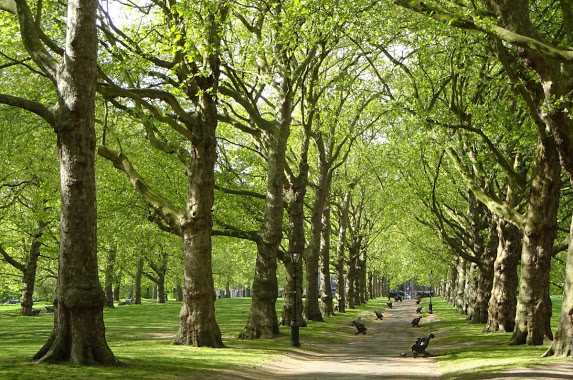
2015 RATHA YATRA PICTURES FROM LONDON

WRITTEN BY R. NANJAPPA                        

Post No. 8413

Date uploaded in London – – – 28 July 2020   

Contact – swami_48@yahoo.com

Pictures are taken from various sources for spreading knowledge; this is a non- commercial blog. Thanks for your great pictures.

BY R. Nanjappa

AN ASSESSMENT

Prabhupada represented a specific tradition within the Hindu matrix. He carried the message of Chaitanya Mahaprabhu to the West, and fulfilled his prophecy, made 500 years ago, that the name of Krishna would be celebrated in all countries of the world.  He established a firm basis for worship of Krishna not merely as one of the Avatars, but as the fountain source of all Avatars. This is not a mean achievement. He did not start something on his own, but based himself entirely on Bhagavad Gita and Srimad Bhagavatam as interpreted by his Acharyas.

Prabhupada criticised not only the modern civilization, but also the other philosophical systems of India, especially Mayavada and impersonalism. To those belonging to other traditions, this would appear to be an excess. But he was being true to his line.

The conflict among the various schools of Indian philosophy will never end, and it cannot be settled by logic. So we need not be disturbed by Prabhupada’s exuberance in representing his system. The point is, he offered his system and it has attracted and satisfied millions all over the world. 

2019 LONDON RATHA YATRA

 Prabhupada did establish one fact clearly. That is, the Bhagavad Gita is the supreme scripture of the Vedic tradition and it is amplified by Srimad Bhagavatam. The Gita establishes that Brahman came as Paramatma and Bhagavan. That Bhagavan is Krishna. Bhagavan has clearly spoken of “ananya bhakti” as the ultimate word (paramam vacha) in spiritual matters. This bhakti is to a Person- Bhagavan- and not to an ideal or concept. Prabhupada established this fact with force and clarity. This is unexceptionable.

By himself translating and encouraging others to do so, Prabhupada has left an enormous corpus of authentic philosophical and theistic literature of his tradition. These are brought out in excellent printed volumes. No other tradition in India has done this- none of the established Mutts has done this. This is a service worthy of emulation. This is perhaps the lasting contribution of Prabhupada. Printing and publishing authentic literature is more important than building temples. Not everyone can or may visit temples, but books can enter every home.

Prabhupada faced the world outside India on his own terms. He did not try to please or placate the West. He did not compromise. He did not flatter the West, but told their deficiencies face to face. But he did it without malice, with genuine compassion and concern for their welfare.  He has carried one strain of Hindu religion across the world. He has made Gaudiya Vaishnavism an international force. He thus put an end to Indian exclusivism, Indians turning to themselves.

Many countries in the world today celebrate Rath Yatra, while Indians themselves do not do it in most places! Most Hindu youths are brought up without any religious study or instruction in a systematic manner- while every person initiated into the Hare Krishna movement is instructed and trained. Many scholars have emerged from their ranks and enriched their tradition with outstanding contributions. And many of them are so advanced in sadhana as to become fit for initiating others. Even after witnessing this, our orthodox Mutts have done nothing much in a systematic way. It was only Swami Chinmayananda who could attract the youth with the message of the Upanishads and Gita in the 70s and 80s, packaging it in attractive modules. That was a wave, but it abated after him. Prabhupada has provided a valid model for all Hindus to follow.

Prabhupada’s role lasted just twelve years. He gave tremendous push to Hare Krishna chanting, construction of temples and centres, publication and distribution of books, initiation of new members and their training, farming and educational activities. Such constructive, concrete achievement on such a massive scale is unmatched by anyone in modern India.

Prabhupada struggled in India before he went to America. He correctly assessed that if he made an impact in the West, India would automatically imitate! This is indeed what happened!  The ISKCON centres at Mumbai, Vrindavan and Mayapur were raised mainly with contributions from book sales abroad!

Prabhupada towers above all our traditional acharyas. Whether it was Sankara, Ramanuja or Madhva, they spoke to a Hindu audience within India which was aware of the traditions. Their appeal was, and still continues to be, mainly to the elite. They did not talk to the masses or mlecchas. 

Prabhupada went to the land of mlecchas and spoke to them of Krishna. He presented the teaching without complications. He presented the teaching so they could follow- chanting, puja, prasad and holy discussion. He made Krishna a world celebrity- Krishna is  now known in every country! Krishna is celebrated in every country!

2019 PICTURES

DANGERS OF CHARISMA 

Prabhupada acquired tremendous  charisma. Though he did not project himself, he became extremely popular. He was venerated by his devotees for his religious fervour, sincerity, scholarship, fidelity to tradition, total dedication to Krishna,  and the standards of personal purity that he maintained. This was bound to create problems after his demise. As in any organisation with vast resources and global reach, personality and ego clashes were bound to happen. There are differing voices within the movement. But these are not unusual in any field, and need not unduly disturb us. No movement can carry on in the old spirit after the demise of its charismatic founder leader. That is why Gandhiji wanted that the Indian National Congress should be disbanded after Independence, but the Gandhicaps did not care.

Two features may be noted here.

1. Prabhupada went to America at a critical time, when it faced youth unrest. The youth there faced crises on many fronts. His message of Krishna Consciousness was timely, practical and filled a felt need, a psychological void. This is the hand of history. The world has changed on this account forever. It is ” a revolution to change the entire course of human history” as Prabhupada claimed.

2. Some people have attempted hypnotic regression and past life reading of some of the early entrants to the Hare Krishna movement in the West. They came to the conclusion that many of these had in fact been associated with India and its religion in past lives! If this is true, it is revealing:  It is a matter of tremendous importance. There may be many such souls taking birth abroad and they need to hear about authentic Hindu traditions. This is one more reason why Hinduism should spread abroad, but it should be of a genuine, authentic tradition, not a modern compromising outfit. The proponent should be a sincere, genuine representative of a valid tradition, and not a mere advocate of “show-bottle spiritualism” as Prabhupada called it.

Prabhupada’s life and work is a bright chapter in the history of modern Hinduism. Hinduism can survive and flourish only when it expands, breaks out beyond its self-imposed constraints and limitations. This is the practical message of Prabhupada, in a world  which has become a global village.

Prabhupada’s achievement is the wonder of complete dedication to a transcendental ideal, without deviation, as described in Bhagavad Gita: 

व्यवसायात्मिका बुद्धिरेकेह कुरुनन्दन।
बहुशाखा ह्यनन्ताश्च बुद्धयोऽव्यवसायिनाम्।। 2.41  

Vyavasaayaatmika buddhi: eka kurunandana

bahushaakha: anantaa: cha buddhaya: avyavasaayinaam

O Scion of Kurus, in this there is but a single one-pointed determination.

The purposes of the undecided are innumerable and many-branching.

Prabhupada was the exclusive advocate of Krishna Consciousness- ambassador of Krishna to the whole world. He has laid the foundations of world-wide Krishna Rajya!

All Glory to Srila Baktivedanta Swami Prabhupada!

Note:

Though group chanting and singing of Divine names has been in vogue in India, it did not assume the form and dimensions of a mass movement before Prabhupada. I will relate some developments here.

Sri Bodhendra, (1610-1692) 59th Pontiff (1638-1692) of Kanchi Sankara Mutt, initiated the Nama Sankirtana movement in the Tamil speaking areas. It caught on especially in the Tanjore area. He had got the idea of the greatness of Nama Siddhanta  from his own guru-the previous pontiff, on his visit to Kashi. The guru had seen the damages wrought by Muslim invasions in the North and the near impossibility of resorting to Vedic karma. He found an ideal solution in Nama Siddhanta and asked Bodhendra to visit Puri Jagannath on his way to Kanchi and collect an important manuscript on Nama Siddhanta. On his guru’s orders, he came to Puri Jagannath  and studied a manuscript- Bhagavan  Nama Kaumudi- written by one Lakshmidhara Kavi, on the greatness of Nama Siddhanta.. On his return, Bodhendra wrote some books on Bhakti, among them two manuals on  Nama Bhakti and its relevance for the times as the most effective religious sadhana. These are “Bhagavan Namamruta Rasodayam” and “Bhagavan Namamruta Rasayanam”. Of these, the former is an elaborate treatise on the nature and importance of singing/chanting the names of Bhagavan as the most effective and self-sufficient Sadhana for this Kali age. It is an all-inclusive exercise, which can be adopted without any caste, gender or other restrictions. It confers all the benefits of the orthodox Vedic practices, which are not suitable for this Kali age.  This he establishes authoritatively on the basis of our scriptures. He categorically declared:

Kali kalmasha chittaanaam, papa dravya jivinam

vidhi karma vihinaanaam gatir Govinda kirtanam.

In this Kali Age, people’s mind and intellect are polluted. They earn livelihood by engaging in sacrilegious acts. They perform karma without observing proper rules. Singing the names of Govinda is the only remedy for them.

Sri Bodhendra spread the Nama Sankirtana movement, visiting village after village and initiating people in Nama Japa. The movement caught on and acquired the status of Sampradaya bhajan. It flourished in the old Tanjore area  It did not focus exclusively on  Krishna/Vishnu and made no distinction between Vishnu and  Shiva for devotional purposes. It is quite likely that this owes its origin to the Sankirtana movement initiated by Chaitanya Mahaprabhu in the previous century, with Puri as an important center. But the Mutt itself did not adopt it as the main course, and it did not become a mass movement. It is confined to a few pockets and mainly to the Brahmin community.

We can now appreciate how momentous is the achievement of Prabhupada in having elevated Krishna Sankirtan as an international phenomenon, embracing even the mlechchas!

Some recent Books:

– Swami in a Strange Land: by Joshua M.Green. Indian edition by Jaico, 2018

– My Memories of Srila Prabhupada: by Bhakti Vikas Swami, 2012

– Love, Medicine and Music: by Roger Siegel,Tulsi Books, 2013

– Chasing Rhinos With The Swami-vol.1&2: by Shyamasundar Das

– Prabhupada- Messenger of The Supreme Lord by Satsvarupa Dasa Goswami, 2014

– Our Family Business by Vaisesika Dasa, 2016

– Bhagavan Nama Rasodayam: Sanskrit original with Tamil commentary : by Krishnapremi;

Bhagavan Nama Publications, Chennai-33, 2003.

For a fascinating and detailed study of the philosophy and practices of Krishna devotion according to Vaishnava traditions, please see:

Bhakti Yoga- Tales and Teachings from the Bhagavata Purana by Edwin F.Bryant, Macmillan, 2018.

Concluded

TAG- SRI PRABHUPADA-4

பரிதிமாற்கலைஞரின் தனிப்பாசுரத் தொகை! (Post 8414)

WRITTEN BY S NAGARAJAN                     

Post No. 8414

Date uploaded in London – – –28 July 2020   

Contact – swami_48@yahoo.com

Pictures are taken from various sources for spreading knowledge; this is a non- commercial blog. Thanks for your great pictures.

ச.நாகராஜன்

தமிழ் மொழி வரலாறை எழுதிய வி.கோ.சூரிய நாராயண சாஸ்திரியார் தமிழறிஞர்களுள் குறிப்பிடத் தகுந்தவர்.

அவர் வி.கோ.சூரியநாராயண சாஸ்திரியார் என்ற தன் பெயரை பரிதிமாற்கலைஞர் என்று மாற்றிக் கொண்டவர்.

கலாவதி, ரூபாவதி, தமிழ்மொழியின் வரலாறு, மான விஜயம், பாவலர் விருந்து, தனிப்பாசுரத் தொகை, நாடகவியல், மதிவாணன், தமிழிப் புலவர் சரித்திரம், தமிழ் வியாசங்கள்,  மணியசிவனார் சரித்திரம், சித்திரகவி விளக்கம் உள்ளிட்ட பல நூல்களை இயற்றியவர்.

தனிப்பாசுரத் தொகை என்பது இவரது அரிய புதிய முயற்சியாக அமைந்த ஒன்று.

ஆங்கிலத்தில் 14 அடிகள் கொண்ட ஸானெட் (Sonnet) என்ற கவிதை அமைப்பைத் தமிழில் அறிமுகப்படுத்தும் விதமாக அவ்வப்பொழுது ஒவ்வொரு பொருளைக் குறித்து இவர் 14 அடிகளில் எழுதிய கவிதைகளை ஞானபோதினி என்னும் மாத இதழில் பரிதிமாற் கலைஞன் என்ற பெயரில் வெளியிட்டு வந்தார்.

ஸானெட் என்பது இத்தாலியப் புலவர்கள் பாடிய ஸானெட்டோ (Sonnetto) என்னும் பாடல் அமைப்பைப் பின்பற்றி ஆங்கிலப் புலவர்கள் பாடிய பாடல்களாகும்.

ஒரு கருத்தை எடுத்துக் கொண்டு அதை தோற்றுவாய், வளர்ச்சி, முடிவு என மூவகைப் பகுதிகளாகப் பிரித்துப் பாடுவது ஸானெடி.

பரிதிமாற்கலைஞர் தாம் பாடிய பாடல்களில் 43ஐத் தொகுத்து 1-8-1901 இல் நூலுக்கு முகவுரையும் எழுதி தனிப்பாசுரத் தொகை என்ற பெயரில் வெளியிட்டார்.

1933இல் வெளியான மூன்றாம் பதிப்பில் இன்னும் இரு பாடல்கள் சேர்க்கப்பட்டன.

இந்தத் தனிப் பாடல்களைப் படித்து மகிழ்ந்த ஜி. யு. போப் (G.U. Pope) இதை ஆங்கிலத்தில் பொருள் மாறாமல் மொழிபெயர்த்தார்.

11, ஜூலை, 1901 தேதியிட்டு ஒரு பாராட்டு முகவுரையையும் அளித்தார்.

நூலில் இடம் பெறும் கவிதைத் தலைப்புகள் வருமாறு:-

  1. கடவுள் 2) அறிவு 3) வாய்மை 4) அன்பு 5) காதல் 6) இசை 7) கல்வி 8) நூல் 9) குரு 10) மாணவன் 11) மனன் 12) உடல் 13) மனிதன் 14) மாதர் 15) அழகு 16) வரைவு 17) கணவன் 18) மனைவி 19) கற்பு 20) இல்லறம் 21) தொழில் 22) நிலன் 23) கடல் 24) பரிதி 25) மதி 26) விண்மீன் 27) மலை 28) யாறு 29) வளி 30) முகில் 31) காலை 32) இரவு 33) துயில் 34) பொழில் 35) மலர் 36) புள் 37) காமம் 38) வரைவின் மகளிர் 39) வெகுளி 40) மயக்கம் 41) திருவள்ளுவர் 42) போர் 43) எறும்பு
  2.  

அழகு என்ற தலைப்பில் பரிதிமாற் கலைஞர் இயற்றியுள்ள கவிதை இது:-

அழகி னியலினை யநுபவித் தறியார்

பழகினர் போன்று பலபடப் பகர்ந்தனர்;

வண்ணமே வனப்பென வகுத்தனர்; அதான்று;

வடிவே யெழிலென வரைந்தனர்; அதான்று;நற்

குணனே கவினெனக் கூறினர், அதான்று;

பயனுடைப் பண்பெனப் பரிந்தனர்; அதான்று;மற்

றின்னும் பலவா யியம்பினர்; அவையல.

என்னே! அழகி னியலம் மம்ம!!

எல்லா நலனு மினிமையிற் கலந்து

கண்டவர் மனத்தைக் கணத்தினிற் பிணித்துத்

தன்வயப் படுக்குந் தன்மைத் தன்றோ?

அறத்தி னீங்கிய வழகு முண்டுகொல்?

மறத்தொடு படுமேன் மாண்பன்

றின்பஞ் செய்யு மியல்பா தலினே

அழகு பற்றி ஆராய்கிறார் கவிஞர். இதைப் பலரும் பலவிதமாகக் கூறுகின்றனர்.சிலர் நிறம் (வண்ணம்) என்கின்றனர்; அது இல்லை!

சிலர் அழகு (வனப்பு) என்கின்றனர்; அது இல்லை! நல்ல குணம் என்றனர். அது இல்லை. மற்றவர்க்கு நன்மை செய்யும் பண்பு என்று பகர்ந்தனர்; அது இல்லை.

எல்லா நலனும் இனிமையுடன் கலந்து காண்பவர் மனதைக் கணத்தினில் கட்டிப் போட்டுத் தன் வயத்தில் இழுக்கும் தன்மையே அழகு. அதுவும் அறத்தினுடன் சேர்ந்ததே அழகு!மறத்தொடு பொருந்துமாயின் அது அழகு அல்ல!

ஏனெனில் அழகு அறத்தைப் போல இன்பம் செய்வதே இயல்பு.

இது போல அனைத்துப் பாடல்களும் ஒவ்வொரு பொருளைப் பற்றியும் இனிய தமிழ்ச் சொற்களால் புதிய கருத்தை புதிய பாணியில் கூறுகிறது தனிப்பாசுரத் தொகை.

43 பாடல்களும் கவிதை நுகர்வோருக்கு நல் விருந்து!

பரிதிமாற் கலைஞரின் நூல்கள் நாட்டுடமையாக்கப்பட்டு விட்டதால்

 அவரது அனைத்து நூல்களையும் தமிழ் மக்கள் படிக்கக் கூடிய நல் வாய்ப்பு ஏற்பட்டுள்ளது.

கீழ்க்கண்ட இணையதளத்தில் அவரது நூலைப் படிக்கலாம்:-

TAG– பரிதிமாற் கலைஞர்

INDEX 23 எஸ்.நாகராஜன் கட்டுரை இன்டெக்ஸ் -23 (Post No.8412)

WRITTEN BY S NAGARAJAN                     

Post No. 8412

Date uploaded in London – – –27 July 2020   

Contact – swami_48@yahoo.com

Pictures are taken from various sources for spreading knowledge; this is a non- commercial blog. Thanks for your great pictures.

அன்புடையீர்

வணக்கம். www.tamilandvedas.com இல்  ஜூன் 2011 துவங்கி கட்டுரைகள் பதிவு செய்யப்பட்டு ள்ளன.

எனது கட்டுரைகள் ஏப்ரல் 2012இல் துவங்கி பதிவாகி வந்துள்ளன.

இந்தக் குறிப்பேடு வழிகாட்டியில் ஏப்ரல் 2012 முதல் ஜூன் 2020 முடிய 2050 கட்டுரைகளின் விவரங்களைக் காணலாம். ஜூலை 2020 முதல் அந்தந்த மாதக் கட்டுரைகள் பற்றிய குறிப்புகள் மாதம் முடிந்தவுடன் வெளியாகும்.

நன்றி.

இந்தப் பட்டியலை பிரிண்ட் செய்து வைத்துக் கொண்டால் உங்களுக்குத் பிடித்த கட்டுரைகளை நேரம் கிடைத்தபோது படிக்கலாம்

கட்டுரைகளை பிளாக்கில் பெறுவது எப்படி?

பிளாக்கிற்குப் போய் தேடுவதை விட கூகுளில் (google) தேடுவது எளிது. கட்டுரையின் தலைப்பை காப்பி copy  செய்து கூகுளில் பேஸ்ட் paste செய்யுங்கள் . அதன் பிறகு ஆங்கிலத்தில் from tamilandvedas.com  என்று எழுதி க்ளிக் (click) செய்யுங்கள்.

 from swamiindologly.blogspot.com

என்று எழுதியும் பெறலாம்.

எடுத்துக்காட்டு:

கர்ம பலன்கள் – சித்திரகுப்தன் கரன்ஸி! from tamilandvedas.com

கர்ம பலன்கள் – சித்திரகுப்தன் கரன்ஸி!      from swamiindology.blogspot.com

நீங்கள் சிறு பிழை விட்டாலும் நீங்கள் எதிர்பார்த்தது கிடைக்காமல் வேறு விஷயம் வரும். அதில் நேரத்தை வீணடிக்காமல் மீண்டும் ஒரு முறை சரியாக எழுதி முயற்சி செய்யுங்கள். இரண்டு பிளாக்குகளில் ஒன்றில் கிடைத்து விடும்

கட்டுரை பெறுவதில் ஏதேனும் சிக்கல் இருந்தால் எங்களைத் தொடர்பு கொள்ளுங்கள் .

January 2013

–    –    ஆன்மீக வாழ்க்கை மூளையில் ஏற்படுத்தும் அதிசய மாற்றங்கள்!

          (ஞான ஆலயம் ஜனவரி 13 இதழ் கட்டுரை)

–    –    சம்ஸ்கிருத செல்வம் – 1 சிவனுக்கு இணை இல்லை!

–    –    சம்ஸ்கிருத செல்வம் – 2 யார் மிகக் கீழானவன்?

–    –    சம்ஸ்கிருத செல்வம் – 3 நல்லவர்களை யாருடன் தான்

          ஒப்பிடுவது?

–    –    ராமாயண வழிகாட்டி – 1

–    –    சம்ஸ்கிருத செல்வம் – 4 பணக்காரனுக்கும் கவலை, யாசகனுக்கும்

          கவலை!

–    –    ராமாயண வழிகாட்டி – 2 பொறுமையே அழகு!

–    –    சம்ஸ்கிருத செல்வம் – 5 புலவரின் வேதனை! சிவன் இப்படிச்

          செய்யாமல் விட்டு விட்டானே!

February 2013

–    –    ராமாயண வழிகாட்டி – 3 கழிந்த இரவு மீண்டும் வராது!

–    –    சம்ஸ்கிருத செல்வம் – 6 சிதையும் சிந்தையும்!

–    –    சம்ஸ்கிருத செல்வம் – 7 தாயார், தந்தையர் யார் யார்?

–    –    ராமாயண வழிகாட்டி – 4 சமுத்திரத்தில் சேரும் இரு கட்டைகள்!

–    –    வாழ்க்கை எனக்கு போதித்தது என்ன? காஞ்சி பரமாசார்யர்!

          (பார்த்ததில் ரசித்தது, படித்ததில் பிடித்தது! – 14)

–    –    சம்ஸ்கிருத செல்வம் – 8 மூர்க்கனை எப்படிக் கண்டுபிடிப்பது?

–    –    உ.வே.சாமிநாதையரின் என் சரித்திரம் – 1 (பார்த்ததில் ரசித்தது,

          படித்ததில் பிடித்தது! – 15)

–    –    உ.வே.சாமிநாதையரின் என் சரித்திரம் – 2 (பார்த்ததில் ரசித்தது,

          படித்ததில் பிடித்தது! – 16)

–    –    ராமாயண வழிகாட்டி – 5 உற்சாகமே உயிர்!

–    –    உ.வே.சாமிநாதையரின் என் சரித்திரம் – 3 (பார்த்ததில் ரசித்தது,

          படித்ததில் பிடித்தது! – 17)

–    –    ராமாயண வழிகாட்டி – 6 ராமர் போற்றிய மஹாத்மா!

March 2013

–    –    ராமாயண வழிகாட்டி – 7 ஒன்றை அறியும் விஷயத்தில் 6

          பிரமாணங்கள்!

–    –    ராமாயண வழிகாட்டி – 8 உற்சாகமே பலம்

–    –    ராமாயண வழிகாட்டி – 9 உயிரைக் காப்பாற்றிக் கொள், ஆனந்தம்

          உன்னை வந்து அடையும்!

–    –    ராமாயண வழிகாட்டி – 10 சரணாகதி – ராமன் சொன்ன புறாக்

          கதை!

–    –    சம்ஸ்கிருத செல்வம் – 9 கவிஞருக்குத் துன்பம் தரும் ஏழு

          விஷயங்கள்!

–    –    சம்ஸ்கிருத செல்வம் – 10 அனைத்தும் பெற ஆறு கேள்விகள்!

–    –    சம்ஸ்கிருத செல்வம் – 11 காக்க, காக்க, ரகசியம் காக்க!

April 2013

–    –    ராமாயண வழிகாட்டி – 11 அனுமனிடம் சீதை சொன்ன கரடிக்

           கதை!

–    –    சம்ஸ்கிருத செல்வம் – 12 மண் தின்ற வாயைக் காட்டிய மாயக்

          கண்ணன்!

–    –    சம்ஸ்கிருத செல்வம் – 13 வீணான அக்ஷரமோ வேரோ கிடையாது!

          வீணான மனிதனும் இல்லை!

–    –    ராமாயண வழிகாட்டி – 12 சினம் காக்க!

–    –    சம்ஸ்கிருத செல்வம் – 14 சரஸ்வதி இருக்குமிடத்தில் லக்ஷ்மி ஏன்

          வருவதில்லை? ரகசியம் இதோ!

May 2013

  –    –    They all Laughed – Book Review

  –    –    சம்ஸ்கிருத செல்வம் – 15 எந்த வேலையைத் தேர்ந்தெடுப்பது?

  –    –    Maximum Brain Power by Shlomo Breznitz – Book Review

June 2013

NIL

July 2013

  –    –    பகவான் ரமணரைச் சந்தித்த பாக்கியவான்கள் (ஞான ஆலயம்  

            மே 2013 இதழ் கட்டுரை)

  –    –    அறிவியல் விஞ்ஞானிகள் வியக்கும் அஸ்திரங்கள்! (மக்கள்

            கோஷம் பத்திரிகையில் வெளி வந்த கட்டுரை)   

  –    –    ராஜாஜி ரமணரை தரிசித்ததுண்டா?

  –    –    இசை தரும் நோயற்ற வாழ்வு – 1 (பாக்யா 7-9-12 அ.து. 81)

  –    –    இசை தரும் நோயற்ற வாழ்வு – 2 (பாக்யா 14-9-12 அ.து. 82)

to be continued………………………………………………………..

tags–  INDEX 23 ,எஸ்.நாகராஜன் ,கட்டுரை ,இன்டெக்ஸ் -23,

5 தங்க (ம்) பழமொழிகள் கண்டு பிடியுங்கள் (Post No.8411)

WRITTEN BY LONDON SWAMINATHAN

Post No. 8411

Date uploaded in London – 27 July 2020   

Contact – swami_48@yahoo.com

Pictures are taken from various sources for spreading knowledge; this is a non- commercial blog.

Thanks for your great pictures.

ஒரே சொல் மீண்டும் மீண்டும் வந்தால் ஓரிரு இடங்களில் மட்டுமே கட்டத்தில் இருக்கும். கொண்டு கூட்டி பொருள் கொள்க .

விடை கீழே உள்ளது . சில நேரங்களில் படங்களைப் பார்த்தாலும் விடை காண உதவலாம்.

ANSWER

1.மின்னுவதெல்லாம் பொன்னல்ல

2.தங்கச்சூரிக் கத்தி என்று அறுத்துக்கொள்ளலாமா

3.தங்க முடி சூட்டினாலும் தன்  குணம் விடார் கயவர் 

4.தங்கம் தரையிலே தவிடு பானையிலே

5.தங்கத்தூள் அகப்பட்டாலும் செங்கற் றூள் அகப்படாது

Source book :–

பயன்படுத்திய நூல்- கழகப் பழமொழி அகர  வரிசை, கழக வெளியீடு

Tags- ,  பழமொழிகள், தங்கம்

—subham—
WORLD FAMOUS PANINI COMMITTED 10,000 MISTAKES! (Post No.8410)

WRITTEN BY LONDON SWAMINATHAN

Post No. 8410

Date uploaded in London – 27 July 2020   

Contact – swami_48@yahoo.com

Pictures are taken from various sources for spreading knowledge; this is a non- commercial blog. Thanks for your great pictures.

tamilandvedas.com, swamiindology.blogspot.com

Theodor Goldstucker was a Jew and a great Sanskrit scholar . Well known Sanskrit scholar Max Muller and Goldstucker were both Germans. Max Muller proposed many absurd theories and contradicted himself even in writing. He was torn to pieces by Goldstucker. To support his argument Goldstucker gave some interesting information. One of them is about 10,000 mistakes of Panini (Paanini), the greatest grammarian the world has ever seen. Panini is the Father of Linguistics. Though 68 Sanskrit grammarians lived before him, he was considered the first and foremost grammarian. We have his book Ashtadhyayi in full (Ashta=Eight, Adhyaaya=Chapter).

Theodor  Goldstucker 1821 to 1872

Max Muller –  1823 to 1900

Max Muller said that both Panini and Katyayana were contemporaries and Panini lived in 4th century BCE. Further down his book, ‘The History of Sanskrit Literature’,  Max Muller contradicted himself.

Here is what Goldstucker wrote in his book- ‘PANINI: His Place in Sanskrit Literature’—

“Now if we take a summary view of the labours of Katyayana (Kaatyaayana), we find that of the 3993 or  3992 Sutras (Suutra) of Panini , more than 1500 offered him the opportunity of showing his superior skill; that his criticism called forth more than 4000 Vartikas (Vaartika) , which at the lowest estimate , contain 10,000 special cases comprised in his remarks.

(Vartikas  are the notes made by Katyaayana on Panini’s sutra/rules; though we did not get Katyayana’s book, Patanjali, the greatest commentator, gives his views on the Vartikas and that is how we learn about Vartikas)

Having arrived at this point let us ask – How could India resound with the fame of a work which was so imperfect as to contain at lest 10,000 inaccuracies, omissions, and mistakes? Suppose that there existed in our days a work of 4000 paragraphs , every second or third of which not merely  called for emendation, an addition and corrections , in formal respects , but which, on the whole, compelled us to draw the conclusions that there were twice and half times  as any blunders in it as it contained matter to be relied upon, — is it possible to assume that such a work could create a reputation for its author except one which no sensible man would be desirous of ? if we assumed such a possibility , it could only be on the supposition that such an author originated the subject he brought before the public , and, as an inventor, had a special claim to indulgence and fame; or, on the supposition of public ignorance and individual immorality.

But there is evidence to show that Panini was not the first Hindu grammarian who wrote nor even the inventor of the technical system which has caused so much uneasiness to would be philologers. It is certain, too, that grammar was not, in ancient India, an esoteric study of the few; and there is no proof of any kind that Panini had influenced or hired a number of scribes to puff his grammar and fame. We must needs, therefore, resort to another explanation., if we want to reconcile the fact of the Vartikas with the fact of Panini’s reputation, which was so great that supernatural agency was considered as having assisted him in his work.

This explanation, I hold, can only be derived from the circumstance that Panini and Katyayana belonged to different periods of Hindu antiquity —  periods separated by such a pace of time as was sufficient to allow—

1.Grammatical forms which were current in the time of Panini to become obsolete or even incorrect.

2.Words to assume meanings which they did not possess at the period when he lived;

3.Words and meanings of words used by him to become antiquated; and

4.A literature unknown to him to arise.

It is on this supposition alone that it seems possible to realise Panini’s influence and celebrity; of course, on the supposition too,  that in his time he gave so accurate, so complete, and so learned a record of the language he spoke , that his contemporaries, and the next ages which succeeded him , could look with admiration on the rules he uttered , as if they were founded on revelations from above. If he had bungled along , as he must appear to have done , had he been a contemporary of Katyayana ,– not he, but the author of the Vartikas, would have been the inspired Rshi and the reputed father of the Vyakarana (grammar)”.

Goldstucker gives lot of examples to support his above four conclusions. His beautiful illustration of the word ‘Nirvaana’ is an example; he shows how the Upanishadic word ‘Nirvaana’ changed its meaning completely during Buddha’s days.

xxxx

My Comments:

In Sanskrit, we have thousands of grammar books because it is the oldest language in the world; because it has the largest body of literature. Even before Iliad and Odyssey of Homer appeared, even before the Old Testament of the Bible appeared, vast literature , the size of Pacific Ocean appeared in Sanskrit. So, changes are inevitable.

Secondly, Panini continuously quotes how the language of his day (Bhasa) changed from the Vedic Hymns (Chandas) which shows he was closer to Vedic age than Katyayana.

Thirdly , even the other ancient language of India– Tamil also has seen changes from  Tolkappiar’s days until now. And Tamil is at least 1500 years younger to Sanskrit. Sanskrit Vedic Gods are in Bogazkoy inscription (1400 BCE) and Egyptian Dasaratha letters, whereas we have Tamil inscription in Brahmi characters with Prakrit words from first century BCE only.

Those who study grammar and comment on it must know both Tamil and Sanskrit; the comparison would give them a clearer picture; and such scholars are rare. Dr P S Subrahmanya Sastri (1890-1978) and Kanchi Paramacharya Swamikal (1894- 1994) were great scholars who could speak about the grammar in both these languages. When one compares these two languages, one must remember the age of their literature as well. Tamil literature came after the Sanskrit, Greek, Latin, Chinese, Hebrew and Persian literature. Sanskrit literature came before all these literatures. Sanskrit is the only language which is not named after any race or community; and Sanskrit is the oldest language which is used until today, in temples, in naming children, in naming satellites, in naming missiles and planes, in swearing oaths in Parliament and in courts and above all singing in the White House in Washington and  United Nations Organisation in New York. Kanchi Paraamachaya’s ‘Maitrim Bhajata’ song reverberated throughout the world in M S Subbulakshmi’s voice from the UNO in New York.

–subham–

tags- 10,000 mistakes, Panini, Goldstucker

GLORY OF SRI PRABHUPADA- 3 (Post No.8409)

Pictures from Hare Krishna  Ratha Yatra in London in 2018.

WRITTEN BY R. NANJAPPA                        

Post No. 8409

Date uploaded in London – – – 27 July 2020   

Contact – swami_48@yahoo.com

Pictures are taken from various sources for spreading knowledge; this is a non- commercial blog. Thanks for your great pictures.

By R. Nanjappa

5.EMPHASIS ON SCRIPTURE- ITS AUTHENTIC TRANSLATION

Prabhupada underscored the importance of both theology (religion) and philosophy, and so the foundational scriptures. It was necessary to study and understand them properly. For this, there was a need for authentic translation, by persons who come in the line of Disciplic succession- i.e the Parampara.

He himself took the initiative in translating the Bhagavad Gita, Bhagavatam and Chaitanya Charitamrita which were basic to the Gaudiya Vaishnava tradition. With all his other activities, he devoted time for regular translation work, even on his sick bed.

 His translation of Bhagavad Gita – titled Bhagavad Gita As It Is- is the largest selling translation in the world. In 1976, he gave a print order for 1 million copies. The required paper had to be transported in 95  railway box cars, running to a length of 2 kms! 

 His initiated disciples were asked to undertake serious systematic study of their scriptures. Today, we have excellent translations and commentaries on them by many Western scholars of their tradition. Such work has not been done by any traditional Mutt in India so far in respect of their canonical works. Only the Gita Press, Gorakhpur- an independent organization – has undertaken large scale publication of Hindu scriptures. Before Prabhupada, they alone concentrated on the publication and popularisation of the Gita.

 Books- forms of Literary Kirtana!

Prabhupada gave utmost importance to the printing and distribution of his books.He considered it as a form of Sankirtana-literary kirtana. He said that these books should rain on people, as bombs rain on cities during the war. So far, ISKCON has distributed 516 million Vaishnava-Hindu religious books worldwide, translated into many world languages. In this regard, Prabhupada is perhaps the world’s largest Best Selling author! [All this is voluntary work, without official support or backing.]

The critical importance of authentic books was brought home in dramatic circumstances.. ISKCON movement caught on among American youngsters fast. Even University campuses had Krishna enthusiasts. Many scholars appreciated the ISKCON literature.  The local Jewish and Christian groups and other elements were alarmed by this trend. In order to discredit ISKCON and its leaders, they instituted a court case against them, charging that ISKCON was an undesirable cult, indulging in brainwashing and other undesirable techniques to attract and retain the youngsters. An ISKCON member was arrested, and  subjected to brutal measures by the police. The charges created quite a sensation drawing tremendous media attention.  In the final stages of hearing in the New York Supreme Court, the representative of ISKCON submitted to the Court that a movement must be judged by its authentic literature and requested the court to peruse their literature. He submitted 84 volumes of translated Sanskrit scriptures- 70 of them works of Prabhupada, with commentaries. On 17 March 1977 the Judge declared:

“The Hare Krishna movement is a bona fide religion with roots in India that go back thousands of years…”

This was a great victory for Prabhupada and his movement. His American disciples worked hard to marshal and present all the facts.

 Neglect of Scriptural studies in India

In India, so-called religious people generally do not study their theology or philosophy systematically. They are unfamiliar with the canonical works of their tradition and cannot present or defend their faith intelligently. They do not relate to modern developments. Even in the case of Vaishnavism, one can compare the state of literature before and after Prabhupada. Gaudiya Vaishnavism, and especially the bhakti strain did not get much serious attention from academic or educated circles before Prabhupada appeared on the scene. It did not attract mass attention. Certainly, no Vaishnava danced in public in the name of Krishna!

 Though Bhagavad Gita had many English translations, most of them did not treat Krishna as an actual  historic personality. Even Mahatma Gandhi considered the Mahabharata war an allegory. Modern academic commentators studiously avoid theistic interpretation, and make it sound like a secular management manual. Dr. S.Radhakrishnan did write about Krishna as a definite historic figure. But in the body of his translation, he did not mean Krishna as a Personality when he interpreted “I” or “Me”- words 

 that Bhagavan uses. [See his comments on 9.34  for example. He talks of “the unborn, beginningless, Eternal who speaks through Krishna” – an impersonality. (In contrast, in  chapter 12, verses 2,6 & 7, Bhagavan clearly says that those who worship Him as a Person are the best of Yogis, and He saves them from  mortal samsara.) It was Prabhupada who declared boldly to the whole world that when Bhagavan says “I”, it means Krishna as a Personality (and no vague Advaitic Impersonality). And Krishna is the Supreme Personality of Godhead- a phrase that Prabhupada coined. There is no room for doubt or scope for compromise.

Thus Prabhupada did not merely propagate blind faith, but promoted scientific understanding of their faith among the followers.

In fact, Prabhupada stressed that Vedic knowledge could withstand scientific scrutiny and hence could be established on scientific basis. He even initiated Bhaktivedanta Institute for such scientific studies.

No orthodox Mutt in India has brought out an authentic translation and commentary of their canonical scriptures in a systematic manner, with rigorous standards of scholarship, and superb editing and publishing.

6. SIMPLIFICATION OF LIFE

Prabhupada stressed that modern life has become complicated in the name of progress. Man has forgotten the chief aim of life which is God realization- getting free of the Samsara- the cycle of birth and death. Modern life caters to the body and to gratify its sensations. Man thus misses the purpose of human birth. Prabhupada is the only modern Indian Guru who declared this boldly on the world stage, without mincing words or entering into philosophical blah-blah. He said that Krishna Consciousness was the only antidote to this materialism. ISKCON stood for a simpler and more natural way of life, as stated in the aims of its organization.

He said that the traditional agrarian life provided the ideal background for a life filled with Krishna consciousness- economy based on agriculture providing good natural food, with the economy propelled by the power of the cow and its products. This would provide the setting for a community based on simple living and high thinking. ISKCON has set up such communities or eco-villages for its members, which also educate their children according to ISKCON principles in the Gurukula way. All these communities are also dedicated to intensive study of their scriptures and Vaishnava literature.

Thus Prabhupada showed how to link Krishna Consciousness with the practical, economic and educational aspects of life. No other Indian orthodox Mutt has done this, even after Prabhupada’s example.

                                                       ***                           to be continued

tags – Sri Prabhupada-3

ஆதிசங்கரர் அருளிய நூல்கள் – 7 – கனகதாரா ஸ்தோத்ரம்! (இரண்டாம் பகுதி) (Post No.8408)

WRITTEN BY S NAGARAJAN                     

Post No. 8408

Date uploaded in London – – –27 July 2020   

Contact – swami_48@yahoo.com

Pictures are taken from various sources for spreading knowledge; this is a non- commercial blog. Thanks for your great pictures.

ஆதிசங்கரர் அருளிய நூல்கள் – 7 – கனகதாரா ஸ்தோத்ரம்! (இரண்டாம் பகுதி)

ச.நாகராஜன்

பொருளைப் பொன் என்றே சொல்வது வழக்கம். ‘பொன்னும் பொருளும்’ என்றே சேர்த்துச் சொல்கிறோம். ரூபாயே gold standard – படிதானே (பொன்னின் கையிருப்பை வைத்துத்தானே) இருந்திருக்கிறது? ‘த்ரவிணம்’ என்றால் பொதுவாக ‘பொருள்’ என்பதோடு ‘பொன்’ என்றும் அர்த்தம் உண்டு. ஸ்வர்ணம், ஹேமம், ஹிரண்யம், கனகம் என்பவை போல த்ரவிணம் என்றும் தங்கத்துக்கு ஒரு பேர். “த்ரவிண (அம்பு)தாரா” என்று இங்கே ஆசார்யாள் வாக்கில் வந்திருப்பதுதான் ஸ்தோத்ரத்தின் பேரில் “கனகதாரா” என்று இருக்கிறது!

“உன் கடாக்ஷமேகம் அருட்காற்றோடு கூடி வந்து த்ரவிணதாரையைப் பொழியட்டும்!” என்றால் யாருக்கு? ஸ்தோத்ரம் பண்ணும் பால சங்கரருக்கா? அவருக்கு எதற்கு? பெரிய செல்வக் குடும்பத்தில் வந்தவரல்லவா அவர்? அதுவுமன்னியில் ப்ரஹ்மசரியாக குருகுலவாஸம் பண்ணிக் கொண்டிருப்பவர் பணமே வைத்துக்கொள்ளப்படாதே!

அவருக்கில்லை. வேறே யாருக்கு? அதைச் சொல்கிறார்: “அஸ்மின் அகிஞ்சன விஹங்க சிசௌ விஷண்ணே“. அப்படியென்றால், ‘மனஸ் சோர்ந்து வாடிப் போயிருக்கிற இந்த ஏழையான பறவைக் குஞ்சுக்கு’ என்று அர்த்தம்.

மநுஷ்யர்களுக்கு என்றே சொல்லவில்லை! பக்ஷிக்கு, அதிலும் வளராமல் குஞ்சாகவுள்ள பக்ஷிக்கு என்கிறார்! ‘விஷண்ணே’ – வாடிச் சோர்ந்துபோன; ‘அஸ்மின்’ -இந்த (கிட்டத்தில் இருக்கும் ப்ராம்மண ஸ்த்ரீயைக் காட்டிச் சொல்வதால் ‘இந்த’ என்கிறார்) ; ‘அகிஞ்சன’ – கொஞ்சங் கூட உடைமை இல்லாத. ‘கிஞ்சன’, ‘கிஞ்சித்’ என்றால் ‘கொஞ்சம்போற’. ‘கிஞ்சன’தான் ‘கொஞ்ச’மாச்சோ என்னவோ? ‘அகிஞ்சன’ என்றால் அந்தக் கொஞ்சங்கூட இல்லாத முழு தரித்ரமாக என்று அர்த்தம். ‘விஹங்கம்’ என்றால் பக்ஷி, ‘விஹங்க சிசு’ என்றால் குஞ்சாக உள்ள பக்ஷி. ‘விஹங்க சிசௌ’: பக்ஷிக் குஞ்சினிடத்தில். “பக்ஷிக் குஞ்சினிடத்தில் உன் கடாக்ஷ மேகத்தால் பொருள் மழையைக் கொட்டுவாயாக.”

ப்ராஹ்மண பத்னியை உத்தேசித்துத்தான் சொல்கிறாரென்பது ஸ்பஷ்டம். ஆனால் ஏன் அப்படிச் சொல்லாமல் பக்ஷிக் குஞ்சு என்றார்?

அந்தச் சின்ன வயஸிலேயே அவருக்கு இருந்த கவி உணர்ச்சியால்தான் அப்படிச் சொன்னார்! ஆசார்யாளின் க்ரந்தங்களைப் பார்க்கப் பார்க்க நமக்கு ஆச்சர்யமாயிருக்கும் – எத்தனை விஷயம் தெரிந்து வைத்துக்கொண்டிருக்கும் மஹாபுத்திமானாக அவர் இருந்திருக்கிறாரென்று மட்டுமில்லை; கவி என்ற ரீதியிலேயே எப்படியெல்லாம் வார்த்தைகளைக் கோத்திருக்கிறார், எப்படி அலங்காரங்களை (உபமானம் முதலான அணிகளை)க் கையாண்டிருக்கிறார், வார்த்தை விநோதங்கள் என்னவெல்லாம் பண்ணியிருக்கிறார், கவிகள் தங்களுக்குள் ஒரு ‘ட்ரெடிஷ’னாக – மரபாக – பின்பற்றும் கருத்துக்களையெல்லாம் தாமும் எப்படிப் பின்பற்றியிருக்கிறாரென்று ஆச்சர்யமாயிருக்கும். நிர்குண ப்ரஹ்மம் என்று கல்பனா ரஹிதமாக, வெட்ட வெளியாயிருப்பதைப் பிடித்துக் கொண்டிருந்தாலும் நூதன கல்பனைகளைத் தம்முடைய நூல்களில் கொட்டிக் கவி திலகமாக இருந்திருக்கிறார்!

குழந்தையாய் அவர் அநுக்ரஹித்த இந்த முதல் ஸ்தோத்ரத்திலேயே இப்படிப் பல இருப்பதில், poetic tradition ஒன்றின்படியே பக்ஷிக் குஞ்சு என்று “விஹங்க சிசு” என்று, சொல்லியிருக்கிறார்.

நம்முடைய கவி மரபிலே சகோரம், சாதகம் என்று இரண்டு பக்ஷிகளைச் சொல்வார்கள். இப்போது நாம் லோகத்தில் பார்க்க முடியாத இரண்டு விசித்ரமான பக்ஷிகள்! ‘சகோரம்’ என்பது சந்த்ரிகையை (நிலவொளியை) மாத்ரமே ஆஹாரம் பண்ணும் பக்ஷி. வேறே எதுவும் சாப்பிடாது.

‘ஸெளந்தர்ய லஹரி’யில் அம்பாளின் மந்தஹாஸ காந்தியை வர்ணிக்கும்போது2 சகோரத்தைச் சொல்கிறார். ‘மதி வதனம்’ என்பது வழக்கமல்லவா? அம்பாளுடைய மதி வதனத்திலிருந்து சந்த்ரிகையாக அவளுடைய சிரிப்பொளி வீசுகிறது. அந்த சந்த்ரிகையை சகோர பக்ஷி பானம் பண்ணிற்று. சொல்லி முடியாத தித்திப்பாக இருந்தது. இப்படியிருந்தால் திகட்டிவிடுமல்லவா? தித்திப்பில் அதன் அலகு மரத்தே போய்விட்டதாம்! திகட்டாமலிருக்க அப்பப்போ ஒரு வாய் புளிக் கஞ்சி குடிக்கலாமே என்று பார்த்ததாம். ஆகாசத்திலே சந்த்ரனிலிருந்து நிலா அடித்துக் கொண்டிருந்தது. அதை அந்தச் சகோரம் ருசி பார்த்ததாம். அம்பாளுடைய முக சந்திரனிலிருந்து பெருகும் மந்தஸ்மித நிலாவின் தித்திப்பு ஏறிய அதன் அலகுக்கு ஆகாசத்துச் சந்த்ரனின் நிலா (அதற்குத் தேவைப்பட்ட) புளிக்கஞ்சி மாதிரியே இருந்ததாம்! மரத்துப்போன உணர்ச்சியும் போயிற்றாம்! அதற்கப்புறம் தான் சகோர பக்ஷி நிலாவைக் குடிப்பது என்று ஏற்பட்டது என்று விநோதக் கல்பனையாகப் பாடியிருக்கிறார்.

வாஸ்தவத்தில் சந்த்ரிகையில் அம்ருதமே நிறைந்திருக்கிறது. அந்த அம்ருதத்தையும் புளிக் கஞ்சியாக்கிவிடும் அப்பேர்ப்பட்ட மாதுர்யத்தோடு அம்பிகையின் மந்தஹாஸ காந்தி இருக்கிறது என்று அங்கே சொல்லியிருக்கிறார். “கரஞ்ஜிக தியா” – ‘கஞ்சி என்ற எண்ணத்தால்’ (நிலாவைச் சகோரம் குடிக்கலாயிற்று) என்கிறார். மலையாளத்தில்தான் கஞ்சி குடிப்பது ஸகல ஜாதியாருக்கும் வழக்கமாயிருக்கிறது. ‘மலையாளம் கஞ்சி’ என்றே இருக்கிறது.

‘ஸெளந்தர்ய லஹரி’ ரொம்ப வருஷத்துக்கு அப்புறம் ஜகதாசார்யாளாகக் கீர்த்தி பெற்ற பிறகு பண்ணினது. அதில் சகோரத்தைச் சொன்னவர் பால்யத்தில் மஹாலக்ஷ்மியைப் பாடினபோது சாதகத்தைச் சொல்லியிருக்கிறார். ‘விஹங்க சிசு’ என்பது சாதக பக்ஷியின் குஞ்சைத்தான்.

சாதகத்தைப் பற்றி, என்ன விசித்ரமென்றால், அதற்குத் தொண்டையிலே த்வாரம் இருக்கும். இப்படியிருந்தால் எப்படி சாப்பிடுவது? அலகினால் எதைச் சாப்பிட்டாலும் அது தொண்டை ஓட்டை வழியாக வெளியில் வந்து விடுமல்லவா? நாம் கையை வளைத்து வாயில் ஆஹாரம் போட்டுக் கொள்கிறதுபோல அது அலகை வளைத்து ஓட்டைக்குள் ஆஹாரத்தைப் போட்டுக்கொள்ளவும் முடியாது. அதனால், இந்தப் பக்ஷிக்கு ஆஹாரம் என்னவென்றால் ஆகாசத்திலிருந்தே நேரே அந்தக் கண்ட த்வாரத்துக்குள்ளேயே விழுந்து வயிற்றுக்குள் போய்விடக் கூடிய மழைத் துளிதான். மழை இல்லாவிட்டால் அது பசியில் வாடவேண்டியதுதான். ‘மழைக்காக ஏங்கும் சாதகம் போல்’ என்று அதனால்தான் சொல்வது.

லக்ஷ்மி த்ரவிண தாரையை வர்ஷிக்கவேண்டும் என்று சொன்னவுடன் பால ஆசார்யாளின் கலியுள்ளத்துக்கு, ‘மழை தாரையைத் தவிர வேறே ஆஹாரமே இல்லாத சாதக பக்ஷி இருக்கிறதே! அதைத்தான் இவளுடைய த்ரவிண வர்ஷத்திற்காக ஏங்கி வாடிக்கொண்டிருக்கிற இந்த ப்ராஹ்மண குடும்பத்திற்கு ரூபமாகச் சொல்ல வேண்டும்’ என்று தோன்றி, அப்படியே பாடிவிட்டார். வாயால் சாப்பிடுவது கர்மாவை அநுபவிக்கிறமாதிரி, கர்மா ப்ரதிகூலமாயிருப்பதால், வாயால் முழுங்கினது தொண்டை ஓட்டையால் ஒழுகி விடுகிற மாதிரி, இவர்களுக்கு ஸம்பத்து சேராமல் நழுவிப் போய்விடும். கர்மாவைப் பார்க்காமல் அம்பாள் க்ருபை பண்ணும்போது, நேரே தொண்டை ஓட்டைக்குள்ளேயே ஆஹாரத்தைப் போட்டு உள்ளே விடுவதுபோல, ஸம்பத்து நழுவாமல் சேர்ந்துவிடும்.

பக்ஷி என்று மட்டும் சொல்லாமல் சிசுவான பக்ஷி என்று, குஞ்சு என்று சொன்னார். குழந்தைக்குத்தான் பசி தாங்கவே தாங்காது. பசித்தால் அது ‘வீல்’, ‘வீல்’ என்று கத்துகிற மாதிரி நாம் கத்துகிறோமோ? அதோடு, ஒரு சின்னக் குழந்தை கஷ்டப்படுகிறது என்றால் எந்தக் கல் மனஸும் இறங்கும். லக்ஷ்மியோ ‘தாயார்’ என்றே சொல்லப்படுபவள். அதனால் குழந்தை, விஹங்க சிசு என்று சொல்லிவிட்டால் அவள் நிச்சயம் மனஸுருகி அருளுவாளென்று அப்படிச் சொன்னார்.

குழந்தையாயிருந்த ஆசார்யாள் அந்த ப்ராஹ்மண ஸ்த்ரீயைக் குழந்தையாகப் பார்த்து அவள் behalf-ல் வேண்டினார். அவளுக்கு, அவளுடைய பதிக்கு (பதி, பத்னி என்று பேதமே இல்லாமல் பாப-புண்யங்கள் இரண்டு பேருக்கும் சேர்ந்துதான்) கர்மா கெட்டதாயிருப்பதால் அநுக்ரஹிப்பதற்கில்லையென்று லக்ஷ்மி சொன்னாளள்ளவா? அதனால் அவள் சார்பில் வாதாடினார் : ‘துஷ்கர்ம – கர்மம் சிராயதூரம் அபநீய நயநாம்புவாஹ: த்ரவிணாம்புதாராம் தத்யாத்’. “துஷ்க(ka)ர்ம-(gha)ர்மம்” – கெட்ட கர்மாவான கோடை காலம். கர்மம் என்றால் நல்ல வேனிற்காலம். “அப்படி இவர்களுடைய துஷ்கர்மம்தான் தரித்ரமாக வறுத்தெடுக்கிறது என்கிறாய்! அதனால் ஒன்றும் நிவர்த்தி கிடையாதா? கெட்ட கர்மாவின் ‘நேச்சர்’ கொளுத்தி எடுப்பது என்றால் உன்னுடைய கடாக்ஷத்தின் ‘நேச்சர்’ குளுகுளு என்று மழைமேகம் போல இருப்பதாயிற்றே! அது எங்கேயோ, இது எங்கேயோ இருக்கிறதென்பாயானால் அதை இங்கே அடித்துக் கொண்டு வரத்தான் தயை என்ற காற்று இருக்கிறதே! அந்த க்ருபா வேகத்தைவிட ஒன்று உண்டா? லோகம் தபிக்கும் போது கொட்டும் கோடை மழை மாதிரி, இந்தச் சாதகக் குஞ்சு தவிக்கிற இப்போது அருளைக் கொட்டு. சாதகக் குஞ்சு ஆஹாரத்துக்கு மட்டுமே தவிப்பது. இந்த தம்பதியோ பொருளில்லாமால் ஆஹாரம், வஸ்த்ரம், வீடு எல்லாவற்றுக்குமே தவிக்கிறார்கள். வீடு என்று பொக்கையும் போறையுமாக இடிந்து விழுகிற மாதிரி ஏதோ இருப்பது தான். இந்தக் குழந்தையை வறுத்தெடுக்கும் வெயிலான ஜன்மாந்தர பாபத்தை உன் குளிர்ந்த கடாக்ஷமானது, “அபநீய” – நிவர்த்தி பண்ணி, “சிராய” – எத்தனையோ காலமாகச் சுமந்து வந்த பாபத்தை எங்கே போச்சு என்று தெரியாமல் நிரந்தரமாக, “தூரம் அபநீய” – ரொம்ப தூரத்துக்கு விரட்டி, ‘த்ரவிணாம்புதாராம் தத்யாத்’ – த்ரவ்ய மழையைக் கொடுக்கட்டும்” என்றார்.

தாரித்ரிய நிவ்ருத்தி என்று லோக வாழ்க்கைக்கான ஸமாசாரத்தை வேண்டுகிறாற்போல வேண்டும்போதே கர்ம நிவ்ருத்தி, பாப நிவ்ருத்தி என்பதான ஆத்ம ஸம்பந்தமான வேண்டுதலையும் கலந்து கொடுத்துவிட்டார்!

பணம், படிப்பு, எல்லாம் அதற்குத்தான் (ஆத்ம விஷயமாகக் கொண்டு விடுவதற்குத்தான்). காமம் உள்பட எல்லாமே அதற்குத்தான் ஸ்ருஷ்டியில் வைத்திருக்கிறது. ஸ்ருஷ்டியில் யாரும் சிரஞ்ஜீவியாக இருக்கமுடியாது — பகவானே ரொம்ப அபூர்வமாக அப்படி வைத்த ரொம்பக் கொஞ்சம் பேரைத் தவிர, பாக்கிப் பேர் செத்துத்தான் போகணமென்று ஸ்ருஷ்டி நியதி. ஆனால் செத்துப் போகும் போது கர்மா பாக்கி தீர்ந்து nil balance-ஆக இருப்பதில்லையே! அப்படியிருந்தால்தானே ஸ்ருஷ்டியிலிருந்து விடுபட்டுப் பரமாத்மாவுடன் சேரலாம்! ஆனால் அப்படியில்லையே! இந்த மாதிரி இருக்கும்போது அந்த ஆவிக்கு இன்னொரு சான்ஸ், அதுவும் தப்பினால் அப்புறமும் பல சான்ஸ்கள் என்று ஜன்மா ஜன்மாவாகக் கொடுத்துத்தானே அவற்றிலாவது கர்மாவைக் கழித்துக்கொள்ள வாய்ப்புக்கள் தரவேண்டியிருக்கிறது? இப்படி ஒரு ஜீவன் ஜன்மாக்கள் எடுக்கணுமென்றால் அதற்காக ஒரு அப்பா, அம்மாவுக்குக் காமம் இருந்தால்தானே முடியும்? அதாவது, காமம் என்று வைத்திருப்பதும் இன்னொரு ஜீவன் கடைத்தேறச் ‘சான்ஸ்’ கொடுக்கும் நல்ல உத்தேசத்தில்தான் என்று தெரிகிறது. இப்படித்தான் பணத்தால், சாப்பாட்டால், வீட்டால், வைத்தியத்தால் சரீர ரக்ஷணை செய்துகொள்வதும், படிப்பால் அறிவு அபிவ்ருத்தி செய்துகொள்வதுங்கூட ஒவ்வொரு ஸ்டேஜ் வரை ஆத்ம விஷயமாகப் போவதற்கே உதவி செய்யத்தான். என்ன அளவில், எந்த, ஸ்டேஜ் வரையில் என்று தெரியாமல் நாம் ‘மிஸ்-யூஸ்’ பண்ணிக் கொள்வதில்தான் ஒரே அனர்த்தமாகிறது. “அர்த்தம் அனர்த்தம்” என்று ஆசார்யாளே “பஜ கோவிந்த”த்தில் இதைச் சொல்கிறார். அது “மூட மதி”க்கு ‘அட்ரஸ்’ பண்ணியது (“பஜ கோவிந்தம், மூட மதே”!) என்பதையும் ஞாபகத்தில் வைத்துக்கொள்ளவேண்டும்! புத்திசாலியாயிருந்தால் லௌகிகம் என்று இருக்கிறவைகளைக் கொண்டே, அவற்றைத் தக்க அளவில் தக்க காலம் வரை ‘யூஸ்’ பண்ணிக்கொண்டே, ஆத்மிகத்துக்குப் போய்ச் சேரலாம்.

நம் சாஸ்த்ரங்கள் எல்லாம் அப்படி வழிகாட்டுபவைதான். ஆசார்ய க்ரந்தங்கள் எல்லாமும் அப்படித்தான். பணம் கேட்டு லக்ஷ்மி ஸ்துதி பாடினாலும், வ்யாதி போகணுமென்று ஸுப்ரஹ்மண்ய ஸ்வாமிக்கு “புஜங்கம்” பாடினாலும் ஆத்ம லக்ஷ்யத்தை அவர் மறக்கவே மாட்டார். அதற்காகவேதான் இவற்றைக் கேட்பது. அன்னம் போடும் அன்னபூர்ணேச்வரியிடம் “பிக்ஷாம் தேஹி!” என்று போய் நிற்கிறபோதும் “ஞான வைராக்ய ஸித்த்யர்த்தம்” என்றுதான் முடிப்பார்.

‘அகிஞ்சன’ என்று பணத்தில் ஏழ்மையைச் சொல்லும் போதும் ‘கர்ம-கர்மம்’ என்று அதையும் ஆத்ம ஸம்பந்தமான கர்மத்தோடு சேர்த்துக் காட்டி, ஏழ்மை நிவ்ருத்தி மாத்ரமல்ல வேண்டியது, கர்ம நிவ்ருத்தியும்தான் என்று புரியவைத்திருக்கிறார்.

இந்த ஸ்தோத்தரத்தில் ஒரு பாடப்படி 18 ஸ்லோகம், இன்னொன்றின்படி 20-21 ச்லோகம் என்று இருந்தாலும் இந்த ஒரு ஸ்லோகத்தில்தான் செல்வத்துக்கு அதிதேவதையான லக்ஷ்மியிடம் பொருட் செல்வம் வேண்டுவது. அடுத்த ஸ்லோகத்தில்3 வேண்டுமானால், “இஷ்டாம் புஷ்டிம் க்ருஷீஷ்ட மம” என்று தாம் விரும்பிக் கேட்கிற (தமக்காக அல்ல, அந்த ப்ராம்மண தம்பதியை முன்னிட்டுக் கேட்கிற) செழிப்பைத் தரட்டும் என்று சொல்லும்போதும் தனத்துக்கான ப்ரார்த்தனையை hint செய்திருப்பதாக வைத்துக்கொள்ளலாம். மற்றபடி ஸ்தோத்ரம் முழுக்கப் பெருமாளும் தாயாரும் எப்படிச் சேர்ந்து சேர்ந்து அநுக்ரஹ மூர்த்திகளாக இருக்கிறார்கள், (அவர் கார்மேகம் போல வ்யாபித்து இருக்கும்போது, மேகத்துக்கு நடுவில் மின்னுகிற மின்னலைப்போல் இவள் எப்படி அவருடைய வக்ஷஸ்தலத்தில் ஸ்வர்ண காந்தியுடன் ப்ரகாசிக்கிறாள்4 – என்பது போன்ற விஷயங்கள்), ஸர்வ சக்தியான பராசக்தியின் ஒரு ரூபமாகவே இருக்கப்பட்ட லக்ஷ்மி இன்னும் என்னென்ன மூர்த்திகளாக இருக்கிறாள், லக்ஷ்மீ ரூபத்தில் அவளுடைய வர்ணனை என்ன, பெருமை என்ன – என்றிப்படியான ஸமாசாரங்கள்தான் இருக்கின்றனவே தவிர திரவியத்திற்கான ப்ரார்த்தனை இல்லை.

இப்படி அநேக விஷயங்களை, கவிதை அழகுகளை, பக்தி பாவங்களைத் தெரிவித்து ச்லோகங்கள் சொல்லிக்கொணடு போகும்போது ஒரு ச்லோகத்தில்தான், எதற்காக ப்ரார்த்திக்க ஆரம்பித்தாரோ அந்த விஷயத்தைச் சொல்லியிருக்கிறார். ‘லோக மாதாவிடம் போய் ரொம்ப ஒன்றும் முறையிட வேண்டியதில்லை. துளிப்போறக் காட்டி விட்டாலே போதும்’ என்கிற ரீதியில் பாடியிருக்கிறார். அதிலேயே முறையீட்டை ஸாரமாக வடித்துக் கொடுத்து விட்டார்! ‘ரொம்ப தீனமாக, பக்ஷிக் குஞ்சு மாதிரி ஸ்வயமாக ஒன்றும் பண்ணிக்கொள்ளத் தெரியாமலிருக்கும் இந்த அம்பாளுக்கு அருள் மழையைக் கொட்டு’ என்று சொல்ல வந்ததையும்கூட, ‘அம்மாள்’ என்று சொல்லாமலே வ்யங்கியமாகத் தெரிவித்திருப்பது ரஸமானது.

Bottom of Form

(இதில் இரண்டு விஷயம் தெரிவிக்கணும். குழந்தையாக ஆசார்யாள் பாடிய இந்த முதல் ஸ்தோத்ரத்திலேயே பிற்காலத்தில் அவர் பெரிதாக ‘டெவலப்’ பண்ணிய இரண்டு கொள்கைகளுக்கு வித்து இருக்கிறது. ஒன்று – அவர் கர்மாவை பக்தியில் சேர்த்தது. ‘கர்மா தானே பலன் தரவில்லை. ஈச்வரன்தான் பல தாதா. அவனுக்கே ஸகல கர்ம பலனையும் அர்ப்பணம் பண்ணிவிடு. அப்போதுதான் இந்தச் சின்னப் பலன் போய் சித்த சுத்தி என்ற ஆத்மாத்மார்த்தமான பெரிய பலன் கிடைக்கும்’ என்றது. இது கர்ம மார்க்கக்காரர்களைப் பக்தி மார்க்கத்தில் சேர்ப்பதற்கு சொன்னது. இன்னொன்று – பக்தி மார்க்கக்காரர்களிடம், ‘என்னுது, உன்னது’ என்று தெய்வ பேதம் பார்க்காமல், ஏதோ ஒன்றிடம் தான் உனக்கு இயல்பாக பக்தி சுரக்கிறதென்பதால் அதையே நீ இஷ்டமூர்த்தி என்று பக்தி பண்ணினாலும் மற்றவற்றைத் தாழ்த்தியாக நினைக்காமல், எல்லாம் ஏக பரமாத்மாவின் ரூப பேதங்களே என்ற உணர்ச்சியை ஏற்படுத்திக்கொள்’ என்று சொன்னது. முதலில் இப்படி ஸ்வாமிகளுக்குள் பேதமில்லை, எல்லா ஸ்வாமியும் ஒரே பரமாத்மாதான் என்று ஆரம்பித்தால்தான் அப்புறம் எல்லா ஆஸாமியுங்கூட அதுதான் என்ற ஞானத்துக்குப் போக முடியும். அதாவது, இது பக்தி மார்க்கக்காரர்களை ஞான மார்க்கத்தில் சேர்ப்பதற்காகச் சொன்னது. இந்த இரண்டு அபிப்ராயங்களையும் கனகதாரா ஸ்தோத்ரத்தில் பார்க்கிறோம்.

சாதகக் குஞ்சைச் சொல்லி ஸம்பத்து தாரை வேண்டியதற்கு அடுத்த ஸ்லோகத்தில்

இஷ்டா விசிஷ்ட மதயோபி யயா தயார்த்ர
த்ருஷ்ட்யா த்ரிவிஷ்டபபதம் ஸுலபம் லபந்தே

என்று சொல்லுமிடத்தில் இஷ்டிகள் என்பதான யஜ்ஞ கர்மாக்களிலேயே உயர்ந்த அபிப்ராயத்தை வைத்து, அவற்றை ஸ்வர்க்க பலனை விரும்பிச் செய்கிறவர்களும் மஹாலக்ஷ்மியின் கருணாகடாக்ஷத்தால்தான் அந்தப் பலனை ஸுலபமாக அடைகிறார்களென்று சொல்கிறார். அவர்களுக்கு அப்படித் தெரியாமல் தங்கள் கர்மாவே பலன் தருகிறதென்று நினைத்தாலும், லக்ஷ்மி என்று ரூபம் கொடுத்துச் சொல்கிற பகவத் சக்திதான் அதை வாஸ்தவத்தில் பண்ணுவிக்கிறதென்று ஆசார்யாள் சொல்வது இங்கே ஸ்பஷ்டமாகத் தெரிகிறது.

ஸகல தெய்வமும் ஏக பரமாத்மாவின் ரூப பேதங்களே என்று அவர் தெரிவிப்பது இதற்கு அடுத்த ஸ்லோகத்தில்:

கீர்தேவதேதி கருடத்வஜஸுந்தரீதி

சாகம்பரீதி சசி சேகரவல்லபேதி |

ஸ்ருஷ்டிஸ்திதிப்ரலயகேலிஷு ஸம்ஸ்திதாயை

தஸ்யை நமஸ்த்ரிபுவநைககுரோஸ்தருண்யை ||

ஒரே பரமாத்மா த்ரிமூர்த்திகளாகி ஸ்ருஷ்டி-ஸ்திதி-ஸம்ஹாரம் (ப்ரளயம்) என்று விளையாட்டுப் பண்ணும்போது (“கேலிஷு”) அவர்களுக்குள்ளே பத்னி ரூபத்தில் ஒவ்வொரு சக்தியாக இருப்பது மஹாலக்ஷ்மியே தானென்று சொல்கிறார். அப்படியுள்ள சக்திகளின் பெயர்களை கீர்தேவதை, கருட த்வஜ ஸுந்தரி, சாகம்பரி, சசிசேகர வல்லபா என்கிறார். மூன்று மூர்த்திகளுக்கு நாலு சக்திகளைச் சொல்லியிருக்கிறது! ஏன்?

ப்ரம்மா, விஷ்ணு, சிவன் என்கிறபடி முதலில் ப்ரம்ம பத்னி-‘கீர்தேவதை’ என்னும் வாக்தேவியான ஸரஸ்வதி; அடுத்தாற்போல் கருடக் கொடியுடைய மஹாவிஷ்ணுவின் ரூப லாவண்யம் மிக்க பத்னியான ‘கருட த்வஜ ஸுந்தரி’ (ஸ்தோத்ரத்தின் நேர் மூர்த்தியான லக்ஷ்மி); அப்புறம் ருத்ர பத்னிகளாக மட்டும் இரண்டு பேர் ‘சாகம்பரி’ என்றும் ‘சசி சேகர வல்லபா’ என்றும் இருக்கிறது!

சாகம்பரி யாரென்று தேவீ புராணங்களில் இருக்கிறது1. ஒரு பஞ்ச காலத்தில் அம்பாள் தன்னுடைய தேஹத்திலிருந்தே கறிகாய்கள், கீரை வகைகள் எல்லாவற்றையும் முளைக்கப் பண்ணி ஜனங்கள் பறித்துச் சாப்பிடுமாறு க்ருபை பண்ணினாள். அப்போது அவளுக்கு ஏற்பட்ட பேர்தான் சாகம்பரி, இவளும் சிவனுடைய சக்தியே.

“ஸ்ருஷ்டி-ஸ்திதி-ப்ரளய” என்று சொல்லியுபடி (ப்ரளயமான) ஸம்ஹாரத்துக்கு உதவி பண்ணாமல் ஸ்திதிக்கு உதவி செய்வதாக அல்லவா இவள் ஜனங்களுக்கு ஆஹாரத்தைக் கொடுத்து ரக்ஷித்திருக்கிறாள்? த்ரிமூர்த்திகளுக்கு த்ரிசக்திகள் என்றில்லாமல் நாலாவதாக ஒன்றை ஏன் இப்படிச் சொல்லணும்?

பொருத்தமாகத்தான் சொல்லியிருக்கிறார். ஜனங்களின் மனப்பான்மை ஆசார்யாளுக்கு நன்றாகத் தெரியும். தனலக்ஷ்மி, தான்ய லக்ஷ்மி அஷ்ட லக்ஷ்மிகளை சொன்னாலும், ஜனங்கள் ‘லக்ஷ்மி’ என்றால் தனத்தைத்தான் நினைப்பார்களென்று அவருக்குத் தெரியும். ஆனால் ரூபாயைச் சாப்பிட முடியுமா? ஆனபடியால் சாப்பாடு போடுகிற அம்மாவாகத் லக்ஷ்மியைக் குறிப்பிட்டுச் சொல்லாமல் விடக்கூடாது என்று அவருக்கு இருந்தது. அதனால்தான் சாகம்பரியைச் சொன்னார். அப்புறம் ப்ரளயத்திற்கு ஸ்வாமியான ருத்ரனின் சக்தியாக ‘சசி சேகர வல்லபா’ என்றார். அப்படியென்றால் சந்திரனைத் தலையில் வைத்துக்கொண்டிருப்பவரின் ப்ரிய பத்னி. ஸம்ஹார மூர்த்தியே மஹேச்வரனாக மாயா நாடகம் பண்ணும் போதும், ஸதா சிவனாக மோக்ஷாநுக்ரஹம் பண்ணும்போதும்கூட சசி சேகரராகத்தான் இருக்கிறார். அதனால் ‘சசி சேகர வல்லபா’ என்னும்போது ப்ரளய சக்தி, திரோதான2 சக்தி, அநுக்ரஹ சக்தி எல்லாமும் அவளேதான் என்று வைத்துக்கொள்ளாலாம். இவளேதான் ப்ரம்ம சக்தி, விஷ்ணு சக்தி ஆகியவர்களும் என்று ஆரம்பத்தில் சொல்லிவிட்டதால் பஞ்ச க்ருத்யங்களுக்கும் மூலமான பரப்ரஹ்ம சக்தி ஒன்றுதான் இத்தனை மூர்த்தியுமாகியிருக்கிறது என்ற அத்வைதம் வந்துவிடுகிறது.

லக்ஷ்மிதான் ஸரஸ்வதி, பார்வதி ஆகிய எல்லாரும் என்று இங்கே சொல்லிவிட்ட பிறகு சிவ-விஷ்ணுக்களை மட்டும் வித்யாஸம் மாதிரி விட்டுவிடலாமா? அதனால்தான் முடிக்கிற இடத்தில் ‘த்ரிபுவநைக குரோஸ் தருணி’ என்று சொன்னது. ‘த்ரிபுவநங்களுக்கும் குருவாக இருக்கப்பட்டவர் மஹாவிஷ்ணு. அவருடைய ப்ரிய பத்னியான சக்தி லக்ஷ்மி’ என்று அர்த்தம். தக்ஷிணாமூர்த்தியின் மூலகுரு ஸ்வரூபத்திலிருந்து அவதாரம் பண்ணினவர் மஹா விஷ்ணுவை குருவாகச் சொல்லும்போது சிவ-விஷ்ணு அபேதமும் வந்துவிடுகிறது. குருவின் சக்தி என்று லக்ஷ்மியை சொல்லும்போது அவள் ஏதோ பணம், கிணம் கொடுப்பவள் மட்டுமில்லை, ஞான சக்தியாகவுமிருக்கிறவள் என்று காட்டியதாகிறது.

நம் குரு பரம்பரை நாரயணனிலிருந்துதானே ஆரம்பிக்கிறது? அதனால் ‘த்ரி புவந குரு’ என்றார். அஷ்டோத்தரங்களைப் பார்க்கும்போது சிவாஷ்டோத்தரம் மாதிரி க்ருஷ்ணாஷ்டோத்தரம், ராமாஷ்டோத்தரம் ஆகியவற்றிலும் “ஜகத்குருவே நம:” என்று வருகிறது.

குரு என்று – த்ரிபுவன குரு என்று – இங்கே ஆசார்யாள் சொல்லும்போது ஞானோபதேசம் பண்ணுபவர் என்றில்லாமல் மூவுலகத்திற்கும் பிதாவாக இருப்பவரென்றும் அர்த்தம் செய்யலாம். தாயார், தாயார் என்று லக்ஷ்மியைச் சொல்வதால் மூவுலகத் தகப்பனாரின் பத்னி என்று சொன்னதாகவும் கொள்ளலாம்.

லக்ஷ்மி அஷ்டோத்தரத்தில் “ப்ரஹ்ம-விஷ்ணு-சிவாத்மிகாயை நம:” என்று கடைசி நாமாவுக்கு இரண்டு நாமா முன்னால் வருவதன் தாத்பர்யத்தையே இந்த ச்லோகத்தில் சொல்லியிருக்கிறார்.

இதற்கு அடுத்த ஸ்லோகம்

ச்ருத்யை நமோ()ஸ்து சுபகர்மபலப்ரஸூத்யை

ரத்யை நமோ()ஸ்து ரமணீகுணார்ணவாயை |

சக்த்யை நமோ()ஸ்து சதபத்ரநிகேதநாயை

புஷ்ட்யை நமோஸ்து புருஷோத்தமவல்லபாயை ||

ச்ருதிதான் ஆசார்யாளுக்கு மூச்சு. அவைதிகம், அரைகுறை வைதிகம் ஆகியவற்றை விரட்டி, சுத்தமான ச்ருதி மார்க்கத்தையே ஸ்தாபனம் செய்ய வந்தவரல்லவா? “ச்ருதி-ஸ்ம்ருதி-புராணாநாம் ஆலயம்” என்றே அல்லவா அவரை ஸ்தோத்ரிப்பது? அப்படிப்பட்ட ச்ருதி வடிவமாக, வேத ஸ்வரூபிணியாகத் தாயாரைச் சொல்லாமல் தாம் பண்ணிய முதல் ஸாஹித்யத்தை முடிப்பாரா? “ச்ருத்யை நமோஸ்து” என்று ஆரம்பிக்கிறார். ஞானாவதாரமானாலும் வைதிக கர்மாநுஷ்டானத்திற்கு அதற்குரிய இடத்தைப் பெற்றுக் கொடுப்பதில் பாடுபட்டவரல்லவா? அதனால் (லக்ஷ்மியை) ச்ருதி ஸ்வரூபமாகச் சொன்னவுடன், அதில் சொல்லியிருக்கும் சுபமான கர்மாநுஷ்டானங்களின் பலனைப் பிறப்பிக்கிறவள் அவள்தான் என்கிறார்: “சுப கர்ம பல ப்ரஸூத்யை”. இங்கேயும் மீமாம்ஸகர்களுக்கு பதில் இருக்கிறது!

நல்ல குணங்களெல்லாம் ஸமுத்ரம் மாதிரி நிறைந்த இன்பங்களின் உருவமாகத் தாயார் இருப்பதை “ரத்யை நமோஸ்து, ரமணீய குணார்ணவாயை” என்று சொல்கிறார்.

எல்லாவற்றுக்கும் அடிப்படையாக நமக்கு ச்ருதி வேண்டும். நாம் செய்யும் கர்மங்கள் ச்ருதி ப்ரயுக்தமாக இருக்கவேண்டும். அப்போதுதான் அவை சுப கர்மாவாக இருக்கும். அப்படிப்பட்ட கர்மாவினாலேயே இன்பங்களை உலக இன்பங்களோ, ஆத்மாத்தமான இன்பங்களோ, எதுவானாலும் பெறவேண்டும்.

குணம்-கர்மம் என்று இரண்டு. ஒன்றுக்கொன்று ஸம்பந்தப்பட்டவை. “குண-கர்மங்களாலேயே நான்கு வர்ணங்களை (ஜாதிகளை) ஸ்ருஷ்டித்திருக்கிறேன்” என்று கீதையில் (பகவான்) சொல்கிறார்3. குணப்படியே கர்மா போகும். அதை சாஸ்த்ரத்தில் வகுத்துக் கொடுத்துள்ளபடி செய்து ஈச்வரார்ப்பணம் செய்தால் அந்த சுப கர்ம விசேஷத்தால் எப்படிப்பட்ட குணமானாலும் அது பக்வமாக ஆகும். முதலில் ‘சுப கர்ம பலனைத் தருபவள்’ என்று சொல்லி, அடுத்தாற்போல ‘நல்ல குணங்களுக்கு ஸமுத்ரமாயிருப்பவள்’ என்று ஒன்றோடொன்று பிணைத்துச் சொல்லியிருக்கிறார்.

அப்புறம், சக்திதானே எல்லாவற்றுக்கும் தேவை? அதுவும் அவள்தானென்று சொல்லி நமஸ்காரம் தெரிவிக்கிறார்: “சக்த்யை நமோஸ்து”. ‘சத பத்ர நிகேதனா’ என்றால் கமலாஸனை, தாமரைப் பூவுக்குள் உட்கார்ந்திருப்பவள். ‘சத பத்ரம்’ என்றால் நூறு இதழ் (கொண்ட தாமரை) என்று கணக்காக நினைக்க வேண்டாம். சதம் என்பது எந்தப் பெரிய நம்பரையும் குறிப்பது. ஸஹஸ்ர தள பத்மம் என்றும் சொல்வதுண்டு. நம் சிரஸில் பராசக்தி ஸஹஸ்ர தள பத்மத்தில்தான் பரசிவத்தோடு கலந்தவளாக இருக்கிறாள் என்று குண்டலிநீ யோகத்தில் இருக்கிறது. இங்கே ஆசார்யாளும் பத்மவாஸினியாக லக்ஷ்மியைச் சொல்லும்போது “சக்தி”-“சக்த்யை நமோஸ்து:”- என்றே சொல்கிறார்!

“புஷ்ட்யை நமோஸ்து”. போஷிப்பினால் ஏற்படும் நிறைவே புஷ்டி. பரிபாலன மூர்த்தியின் பத்னியாக, உலகத்துக் குழந்தைகளுக்கெல்லாம் தாயாராகப் போஷித்து வளர்ப்பவள் அவள்தான்.

ரதி (இன்பம்) , சக்தி, புஷ்டி எல்லாவற்றையும் தரும் மந்த்ரங்கள் ச்ருதியில்தான் அடங்கியிருக்கின்றன. அதனால் முதலில் அதைச் சொல்லி அப்புறம் இவற்றைச் சொன்னார். நம்முடைய திறமை (சக்தி) , நிறைவு (புஷ்டி) , ஆனந்த அநுபோகங்கள் (ரதி) ஆகிய எல்லாம் வேத வழியில் ஏற்பட்டதாக இருக்க வேண்டுமென்று, (இப்படிச்) சொன்னார்.

‘ஒவ்வொரு ப்ராணிக்குள்ளேயும் ஆனந்த ஸ்வரூபமாக இருப்பது நீதான்! ஒவ்வொரு ப்ராணிக்குள்ளேயும் சக்தி ஸ்வரூபமாக இருக்கிறது நீதான்! நிறைவு என்கிறதாக இருக்கிறதும் நீதான்!’ என்று சொல்லி, ஒவ்வொன்றுக்கும் ‘நமோஸ்து, நமோஸ்து’ என்று நமஸ்காரம் தெரிவிக்கிறார்.

முடிவாக மஹாவிஷ்ணுவுக்கே உரிய அஸாதாரண நாமாவான புருஷோத்தமன்4 என்பதைச் சொல்லி அவனுடைய சக்தியாக அவள் இருப்பதை “புருஷோத்தம வல்லபாயை” என்கிறார்.

பிற்காலத்தில் பெரிய ஸித்தாந்தமாக டெவலப் செய்த கருத்துக்களையும் உள்ளே வைத்து குழந்தையாசார்யாள் இப்படி பாடி முடித்தார்.)

பாடி முடித்ததுதான் தாமஸம்! மஹாலக்ஷ்மி அந்தக் குடிசையைச் சுற்றிப் பாழாயிருந்த அத்ருதி முழுக்க ஸ்வர்ணத்தாலான நெல்லிக் கனிகளாகவே ஒரு முஹூர்த்த காலம் வர்ஷித்துவிட்டாள்! பளபளவென்று வர்ஷித்து விட்டாள்!

அவதாரக் குழந்தைக்குப் போட்ட ஒரு அழுகல் நெல்லி பழம் அனந்த கோடி மடங்கு தங்கப் பழங்களாகத் திரும்பின!

முதலில் ப்ராம்மண ஸ்த்ரீ கண்ணீர் தாரையைக் கொட்டினாள். அதைப் பார்த்து ஆசார்யாளின் வாக்கிலிருந்து ஸ்தோத்ர தாரை கொட்டிற்று. அதைக் கேட்டு லக்ஷ்மி கனகதாரையைக் கொட்டி விட்டாள்.

அந்த ஸ்தோத்ரத்துக்குக் கனகதாரா ஸ்தோத்ரம் என்றே பேர் ஏற்பட்டது. ‘(கனகதாரா) ஸ்தவம்’ என்றும் சொல்வார்கள். ஸ்தவம் என்றாலும் ஸ்தோத்ரந்தான்.

ஆசார்யாள் மனஸால் நினைத்தாலே போதும், லக்ஷ்மி அதன்படிப் பண்ணியிருப்பாள். ஆனாலும் அவர் வாக்கினால் இப்படி ஒரு ஸ்துதி வந்து, தான் கேட்டு ஸந்தோஷப்படணும், — தான் ஸந்தோஷப்படுவது மாத்ரமில்லை, ஜனங்களெல்லாம் ஸந்தோஷப் படணும்; அதைப் பாராயணம் பண்ணி அவர்களும் பொருள் கஷ்டம் நீங்கி, கர்மக் கஷ்டமும் நீங்கி ஸுபிக்ஷமாக இருக்கணும் — என்றே திவ்ய லீலையாக நடத்தினாள். “த்ரவிணாம்புதாராம் தத்யாத்” என்று சொன்னவுடனேகூட அவள் கனகதாரையைக் கொட்டிவிடாமல், அப்புறமும் அநேக ச்லோகங்கள் அழகு அழகாக அவர் செய்த பிற்பாடே அநுக்ரஹம் பண்ணினாள்.

நாமும் இந்த ஸ்தோத்ரதைச் சொல்லி தாரித்ரிய நிவ்ருத்தியும், “கர்ம ர்மம்” என்று சொன்ன பாப தாபத்திலிருந்து நிவ்ருத்தியும் பெறுவோம்! ப்ராம்மண தம்பதியை சாக்காகக் காட்டி நம் எல்லாருக்குமென்றே ஆசார்யாள் இந்த ஸ்தோத்ரத்தை அநுக்ரஹம் பண்ணியிருக்கிறார்.

ஐஹிகமாக (இக வாழ்க்கையில்) ஒரு பலனைத் தருகிற ஸ்தோத்ரம் என்றால் அது ‘பாபுல’ராகத்தானிக்கும். அப்படி ஆசார்ய க்ரந்தங்களில் ‘கனகதாரா ஸ்தவம்’ ப்ரஸித்தமாக இருக்கிறது. ஆனாலும் இஹத்தோடு பரத்தையும் அதில் ஆசார்யாள் குழைத்துத்தான் கொடுத்திருக்கிறார். இதே போல, ரோக நிவாரணம் தருகிறதென்பதால் ‘ஸுப்ரஹ்மண்ய புஜங்க’மும், ஸகல கார்ய ஸித்திக்குமானது என்பதால் ‘ஸெளந்தர்ய லஹரி’யும் famous-ஆக இருக்கின்றன. அவையெல்லாமும் அதோடுகூட, ஆத்மாவைக் கடைத்தேற்றுவதாகவும் இருப்பவை. ஆச்சர்யமென்னவென்றால், ஒரே வைராக்யமாக உபதேசம் பண்ணும் “பஜ கோவிந்தம்” தான் எல்லாவற்றைக் காட்டிலும் ப்ரஸித்தி பெற்றிருப்பதாகும்! மற்றதெல்லாம் ஆசார்யாள் நமக்காகச் கொஞ்சம் விட்டுக் கொடுத்தும் பண்ணியவை. “பஜ கோவிந்தம்” தான் அவர் மனஸை அப்படியே பூர்ணமாக ப்ரதிபலிப்பது. அந்த மனஸின் மஹிமைதான் அந்த ஸ்தோத்ரத்திற்கு ஏற்பட்டிருக்கும் ப்ரஸித்தி!

பவுன் மழையாகக் கொட்டிற்று. ஆசார்யாள் அதில் ஒரு மணிகூடத் தொடாமல் அந்த ப்ராம்மண தம்பதிக்கென்றே அநுக்ரஹித்துவிட்டுப் போய்விட்டார்.

பொன்மழை பெற்ற வீடு காலடிக்குக் கொஞ்ச தூரத்திலுள்ள ஒரு கிராமத்தில் இருந்திருக்கிறது. அழுகல் பழத்தைப் போட்டுத் தங்கப் பழங்களாகப் பெற்றவர்கள் வாழ்ந்த அந்த இடத்தை இப்போது ‘பழம் தோட்டம்’ என்றே சொல்கிறார்கள். அங்கே ‘ஸ்வர்ணத்துமனை’ என்றே ஒரு குடும்பம் இருக்கிறது. அதைச் சேர்ந்தவர்கள் கனகதாரை பெற்ற தம்பதியின் வம்சத்தில் வந்தவர்களென்று நம்பிக்கை இருக்கிறது.

அடிக்குறிப்பு :-

எட்டாவது (சில பதிப்புகளின்படி ஒன்பதாவது) ச்லோகம்.

2 63-வது ச்லோகம்

3 “இஷ்டா விசிஷ்ட” எனத் தொடங்குவது.

4 காலாம்புதாலி லலிதோரஸி கைடபாரே:
தாராதரே ஸ்புரதி யா தடிதங்கநேவ (ஆறாவது ச்லோகம்)

                                           ****                                  முற்றும்

tags- கனகதாரா ஸ்தோத்ரம்-2


INDEX 22 எஸ்.நாகராஜன் கட்டுரை இன்டெக்ஸ் -22 (Post No.8407)

WRITTEN BY S NAGARAJAN                     

Post No. 8407

Date uploaded in London – – –26 July 2020   

Contact – swami_48@yahoo.com

Pictures are taken from various sources for spreading knowledge; this is a non- commercial blog. Thanks for your great pictures.

அன்புடையீர்

வணக்கம். www.tamilandvedas.com இல்  ஜூன் 2011 துவங்கி கட்டுரைகள் பதிவு செய்யப்பட்டு ள்ளன.

எனது கட்டுரைகள் ஏப்ரல் 2012இல் துவங்கி பதிவாகி வந்துள்ளன.

இந்தக் குறிப்பேடு வழிகாட்டியில் ஏப்ரல் 2012 முதல் ஜூன் 2020 முடிய 2050 கட்டுரைகளின் விவரங்களைக் காணலாம். ஜூலை 2020 முதல் அந்தந்த மாதக் கட்டுரைகள் பற்றிய குறிப்புகள் மாதம் முடிந்தவுடன் வெளியாகும்.

நன்றி.

இந்தப் பட்டியலை பிரிண்ட் செய்து வைத்துக் கொண்டால் உங்களுக்குத் பிடித்த கட்டுரைகளை நேரம் கிடைத்தபோது படிக்கலாம்

கட்டுரைகளை பிளாக்கில் பெறுவது எப்படி?

பிளாக்கிற்குப் போய் தேடுவதை விட கூகுளில் (google) தேடுவது எளிது. கட்டுரையின் தலைப்பை காப்பி copy  செய்து கூகுளில் பேஸ்ட் paste செய்யுங்கள் . அதன் பிறகு ஆங்கிலத்தில் from tamilandvedas.com  என்று எழுதி க்ளிக் (click) செய்யுங்கள்.

 from swamiindologly.blogspot.com

என்று எழுதியும் பெறலாம்.

எடுத்துக்காட்டு:

கர்ம பலன்கள் – சித்திரகுப்தன் கரன்ஸி! from tamilandvedas.com

கர்ம பலன்கள் – சித்திரகுப்தன் கரன்ஸி!      from swamiindology.blogspot.com

நீங்கள் சிறு பிழை விட்டாலும் நீங்கள் எதிர்பார்த்தது கிடைக்காமல் வேறு விஷயம் வரும். அதில் நேரத்தை வீணடிக்காமல் மீண்டும் ஒரு முறை சரியாக எழுதி முயற்சி செய்யுங்கள். இரண்டு பிளாக்குகளில் ஒன்றில் கிடைத்து விடும்

கட்டுரை பெறுவதில் ஏதேனும் சிக்கல் இருந்தால் எங்களைத் தொடர்பு கொள்ளுங்கள் .

BABAR

April 2012

–    –   தாவரங்களின் அறிவு – 1 – அறிவியல் அதிசயங்கள்!

–    –   தாவரங்களின் அறிவு – 2 – அறிவியல் அதிசயங்கள்!

–    –   தாவரங்களின் அறிவு – 3 – அறிவியல் அதிசயங்கள்!

–    –   தாவரங்களின் அறிவு – 4 – அறிவியல் அதிசயங்கள்!

–    –   ஓம் பற்றிய விஞ்ஞான ஆராய்ச்சி தரும் புது உண்மைகள் (ஞான

         ஆலயம் கட்டுரை)

–    –   நமக்கில்லை, இனி குறைவான ஆயுள் எல்லை! ஹெல்த்கேர் ஏப்ரல்

         2012 இதழ் கட்டுரை)

May 2012

–    –   அதிசய மேதை சுப்பராய சாஸ்திரி – 1

–    –   பல்லாயிரம் கோவில்களைக் காத்த ஜோதிடம்!

–    –   அதிசய மேதை சுப்பராய சாஸ்திரி – 2

–    –   ஜோதிட தபால்தலைகளை வாங்க போட்டாபோட்டி!

–    –   விஞ்ஞானிகள் வியக்கும் அக்னி ஹோத்ரம்!

–    –   நாஸா வியக்கும் சம்ஸ்கிருத மொழி!

–    –   ஷ்ரோடிங்கரின் பூனை விளக்கும் பிரம்ம ரகசியம்!

–    –   பெண்களின் 64 கலைகள்!

June 2012

–    –   மெய்ஞானமும் விஞ்ஞானமும் கூறும் புனர்ஜென்ம உண்மைகள் – 1

–    –   மெய்ஞானமும் விஞ்ஞானமும் கூறும் புனர்ஜென்ம உண்மைகள் – 2

–    –   மெய்ஞானமும் விஞ்ஞானமும் கூறும் புனர்ஜென்ம உண்மைகள் – 3

–    –   மெய்ஞானமும் விஞ்ஞானமும் கூறும் புனர்ஜென்ம உண்மைகள் – 4

–    –   27 Hindu Stars (nakshatras) and Western Names!

–    –   அப்பர் தேவாரத்தில் பழமொழிகள்!

–    –   நட்சத்திர ரகசியம் அஸ்வினி ரகசியம் – 1

SHAH-JAHAN

July 2012

–    –    அஸ்வினி ரகசியம் – 1

–    –    அஸ்வினி ரகசியம் – 2

–    –    நட்சத்திர அதிசயங்கள் – கார்த்திகை மைந்தா, கந்தா சரணம்!

–    –    நிலவைக் கவர்ந்த ரோஹிணி – 1

–    –    நிலவைக் கவர்ந்த ரோஹிணி – 2

–    –    பகவத் கீதையின் ஒரு பதம்! (ஞான ஆலயம் கட்டுரை)

August 2012

–    –    சப்த ரிஷி மண்டல ரகசியங்கள்!

–    –    Great Secret from Mahabharata! (ezine article)

–    –    அதிசயிக்க வைக்கும் கர்ம பலன் ரகசியம் – 1 (ஞான ஆலயம்

          ஆகஸ்ட் 2012 கட்டுரை)

–    –    வானத்தில் ராமாயணக் காட்சி!

–    –    அதிசய நட்சத்திரம் ஸ்வாதி!

September 2012

–    –    வானில் நாம் காணும் அர்ஜுனனும் திரௌபதியும்!

–    –    வான மண்டலத்தைப் பிரிக்கும் விசாகம் – 1

–    –    வானில் ஒரு மாபெரும் மஹாபாரதப் போர்!

–    –    வான மண்டலத்தைப் பிரிக்கும் விசாகம் -2        

–    –    ரேவதி ரஹஸ்யம்!

–    –    அதிசயமான அகஸ்திய நட்சத்திரம்!

AURANGZIB

October 2012

–    –    கபில் சுவெலபில் மொழி பெயர்த்த தமிழ் தாத்தாவின் ‘என்

          சரித்திரம்’

–    –    ஏ.கே. செட்டியார் வெளியிட்ட மகாமேரு யாத்திரை – 1

–    –    ஏ.கே. செட்டியார் வெளியிட்ட மகாமேரு யாத்திரை – 2

–    –    உலக விஞ்ஞானிகளை வியக்க வைக்கும் தமிழனின் பஞ்சாங்கம்!

–    –    ஜோதிடத்தின் பிதா பிருகு மஹரிஷி (ஸ்ரீ ஜோஸியம் கட்டுரை)

November 2012

–    –    ஜோதிடக்கலை மஹரிஷி நாரதர்!

–    –    தமிழ் முனிவர் அகஸ்தியர்!

–    –    ஏழு லட்சம் கதைகளையும் ஜோதிட மகரந்தத்தையும் எழுதிய

          குணாத்யர்!

–    –    அதிசய ஜோதிட மேதை வராஹமிஹிரர் – 1

–    –    அதிசய ஜோதிட மேதை வராஹமிஹிரர் – 2

–    –    பல தீபிகா அருளிய மந்த்ரேஸ்வர்!

–    –    பார்த்ததில் ரசித்தது, படித்ததில் பிடித்தது – வீட்டுக்கு வந்த

          அன்னியன்!

–    –    ஜாதகாலங்காரம் தந்த குஜராத் ஜோதிடர் கணேசர்!

December 2012

–    –    ஜோதிட மேதை பாஸ்கராசார்யர்!

–    –    ஜோதிட மேதை காளிதாஸ்!

–    –    பல்கலை வித்தகன் அதிசய மன்னன் போஜராஜன்!

–    –    மாமன்னன் வல்லாளன் எழுதிய அற்புத நூல்!

–    –    நேபாள ஜோதிடர் – புது பத்ததியை வகுத்த ஸ்ரீபதி!

–    –    அறிவியல் நிரூபிக்கும் அழிவற்ற ஆன்மா! (ஞான ஆலயம்

          கட்டுரை)

–    –    அஸ்ட் ராலஜிகல் மாகஸைன் சூர்யநாராயண ராவ்!

to be continued……………………………………………….

AKBAR AND OTHER THREE MOGUL EMPERORS

tags – INDEX 22 ,எஸ்.நாகராஜன் ,கட்டுரை இன்டெக்ஸ் -22,

TAMIL GRAMMARIAN TOLKAPPIAR – A GREAT SANSKRIT SCHOLAR (Post No.8406)

TAMIL GRAMMARIAN TOLKAPPIAR – A GREAT SANSKRIT SCHOLAR (Post No.8406)

Compiled  BY LONDON SWAMINATHAN

Post No. 8406

Date uploaded in London – 26 July 2020   

Contact – swami_48@yahoo.com

Pictures are taken from various sources for spreading knowledge; this is a non- commercial blog. Thanks for your great pictures.

tamilandvedas.com, swamiindology.blogspot.com

Tolkappiam is the oldest Tamil book according to most of the Tamil scholars. It is dated between first century BCE and first century CE. At least 2000 years old. Its author is Tolkappiar. But his real name is Truna Duma Agni Maha Rishi according to the most famous Tamil commentator Nacchinarkiniyar.  Madurai Nacchinarkiniyar is well respected for his commentaries on most of the ancient Tamil books.

Tolkappiar even mastered Vedic Pratisakyas (pronuncialtion Guide for Vedas) and Panini’s Ashtadhyayi. Dr P S Subrahmanya Sastri (1890-1978)  gives  interesting information in his book “History of Grammatical Theories in Tamil and their relation to the Grammatical Literature in Sanskrit” (first published in 1934.)

What is Praatisaakhya?

Praatisaakhya is related to Siksa /phonetics and the study of sabda sastra of the various Vedic recensions, it examines Vedic sounds .

Xxx

The possibility of Tolkappiyanar having had for his model the works noted below for the sections noted against each —

First and second sections of Eluttatikaram dealing with the initial and final vowels and consonants and the medial consonants in Tamil words . similar sections in Praatisaaakhyas in general and  Rig Veda Pratisakhya in particular

Third section in Eluttatikaram dealing with the place of production of k, n, c, n, t, n , p ,m etc. similar sections in pratisakhyas in particular

Itaiyiyal in Collatikaram – it is compared with first chapter in Yaska’s Nirukta

Uriyiyal in Collatikaram – similar to second and third chapters of Yaska’s Nirukta

Xxxx

Similarity between Eluttatikaram of Tolkappiam dealing with the origin of speech sounds and certain verses in Panini

Siksa

Xxx

Ayta eluthu is Asrita or Visarga

Ayta letter – ஃ (three dots)

Visarga in Sanskrit — : (two dots)

Dr P S S says,

“ I am glad to find recently that  M J Vinson has written in 1916 that AYTAM is related to the Visarga of which it is, without doubt , only an adaptation, though he seems to be confronted with the difficulty from the statement of Tamil grammarians on the authority of Nannul that its origin is in the head and is pronounced with the mouth fully open. This clearly shows that the Tamil Panditswith whom he came in contact with had ignored Tolkappiam. If they had thought of that work , they would have certainly told the learned professor that its origin depends upon the sounds in whose company it appears (Tol.Elu.101) and then he might easily have inferred that , since it follows a vowel  and is followed by a voiceless explosive consonant, it could not be a complete open sound. Besides if he had noted that Aytam was represented by Visarga in earlier days , it would have strengthened his inference to a considerable extent.

(Pandit M Raghava Aiyangar says that it is related to Visarga ; see Tolkappiyarum Pulliyeluttum, page 153, Centamil Vol.25)

He (Vinson) derives the word Aytam from the Sanskrit word AAYUDHA and also states that he did not know any example of Aytam outside the grammars.; the former point is disproved by the opinion of late R Swaminatha Aiyar noted below. As for the latter many examples are found in Sangam works

Cf. Paஃruli manalinum (Puram), Iஃxhtiyam iranta paricil (Puram 145), Eஃkuru viluppun (Puram 233), Yaankaஃtuntena (Puram 319)

Similarly the Rev. Dr G U Pope is of the opinion that ‘it may be an imitation of Sanskrit Visarga and it is used in the poetry only’. but now it is used in prose also. For instance the word aஃtu, iஃtu are used if they are followed by words commencing with a vowel , as aஃtu inke illai etc.

The late Mr R.Swaminatha Aiyar  said in one of his lectures delivered in 1925 under the auspices of the Teachers Guild, Madras, that there is coincidence between  the term Caarpeluttu applied to Aytam in Tamil grammar and the term Parasritau applied to Jihwamuliya and Upadhmaniya in Paniniya Siksa, and hence thw word  Aytam is the tamilised form of Asrita.”

PSS adds,

“Another point deserves to be noted as regards the origin of Aytam, it is not found in Telugu and Canarese (Kannada), nor in pure Malayalam words. Even in Tamil it is not indispensable letter since it can be replaced by its succeeding letter”.

Tolkappianar says that aytam is one of the secondary sounds and appears in the middle of words after a short vowel and before a voiceless consonant followed by a vowel (Tol. Elu.38) and also its place of production is determined by that of the consonant in whose company it is. It is classed by him neither as a vowel nr as a consonant. This is perhaps due to Panini not having classed ‘jihvaamuuiiya’ or ‘upadhmaaniiya’ as a vowel or a consonant.

My comments :

Ayta letter is perhaps Tolkappiar’s invention or his Guru’s (Agastya). It is peculiar to Tamil. No other ancient language except Sanskrit has something similar to this. Scholars in comparative linguistics also maintain silence about this letter!!

tags — Aytam, Tolkappiar, Visarga, Pratisakhya

—subham—

கரும்பு பற்றி மேலும் சில பழமொழிகள் – கண்டுபிடியுங்கள் ! (Post No.8405)

WRITTEN BY LONDON SWAMINATHAN

Post No. 8405

Date uploaded in London – 26 July 2020   

Contact – swami_48@yahoo.com

Pictures are taken from various sources for spreading knowledge; this is a non- commercial blog. Thanks for your great pictures.

tamilandvedas.com, swamiindology.blogspot.com

இந்தக் கட்டத்துக்குள் 5 பழமொழிகள் உள . இவற்றில் இரண்டு மே மாதம்  வெளியாயின. இப்போது மேலும் மூன்று சேர்க்கப்பட்டுள்ளன. ஐந்து பழமொழிகளையும் தேடுங்கள் ; ஒரே சொல் பல பழமொழிகளில் வந்தால் கட்டத்துக்குள் மேலும் காணப்படாது . விடை கீழே தரப்பட்டுள்ளது.

ASWERS

1.கரும்பு  தின்னக் கூலியா ?

2.கரும்புக்கட்டுக்கு எறும்பு தானே வரும்

3.கரும்பு கோணலானால் கட்டியும் பாகுமாம் , மனது கோணலானால் என்ன செய்யலாம்?

4.கரும்பும் எள்ளும் கசக்கினால்தான் பலன்

5.கரும்புக் கட்டாலே கழுதையை அடித்தால் கரும்பு ருசி கழுதைக்குத் தெரியுமா?

கரும்பு, பழமொழிகள்

–subham–