சுமேரியாவை இந்திரன் தாக்கியது ஏன்?

interpreter

Indus Valley Interpreter in Akkadian Cylinder Seal

கட்டுரை மன்னன் :– லண்டன் சுவாமிநாதன்
ஆராய்ச்சிக் கட்டுரை எண்- 1338; தேதி அக்டோபர் 10, 2014.

உலகின் மிகப் பழமையான சமய நூலான ரிக்வேதத்தில் பத்து மண்டலங்கள் உள்ளன. இதில் எட்டாவது மண்டலத்தில் பல புரியாத, புதிர்கள், மர்மமான விஷயங்கள் இருந்தன. இப்போது மேற்காசியாவில் உள்ள சுமேரிய பாபிலோனிய நாகரீகங்கள் பற்றி மேலும் மேலும் தகவல் கிடைக்கவே ஒவ்வொரு புதிராக விடுவிக்கப்படுகின்றது. எட்டாவது மண்டலத்தில் நிறைய வரலாற்றுச் செய்திகள் இருக்கின்றன. அவைகள் —அசுரர்கள் பற்றியவை. அசுரர்கள் என்போர் — வேத காலத்தில் பிரிந்து சென்ற இந்துக்கள் தான்.

ரிக்வேதத்தில் மிகவும் விரிவாகப் பேசப்படும் யுத்தம்—தச ராக்ஞ யுத்தம்—அதாவது பத்து ராஜா போர் — இந்தப் போருக்குப் பின்னர் பல இந்துக்கள் மேற்கே ஈரானிலும் இராக்கிலும் குடியேறினர். வேதங்களைப் படித்த ஜொராஸ்தர் என்பார் தனியாக ஒரு கோஷ்டியைக் கூட்டிக்கொண்டு ஈரானுக்குப் போய் பார்ஸி மதத்தை ஸ்தாபித்தார். அவர் நிறுவிய மதம் வேத கால யாக யக்ஞங்களைப் பின்பற்றினாலும் வேதம் யாரை தேவர் என்று சொல்கிறதோ அதை அவர்கள் அசுரர் என்பர் — அதாவது கோஷ்டிப் பூசல் — ( திராவிட கழகம் உடைந்து நமது காலத்திலேயே பல ‘’மு.க.’’ க்கள் உண்டானது போல)

இது ஒரு புறமிருக்க — சில மன்னர்களின் பெயர்கள் ரிக் வேதத்திலும் பார்ஸி மதப் புத்தகமான சென் ட் அவஸ்தாவிலும் ஒன்றாக இருப்பதை பலரும் கவனித்தனர். சுமேரியாவில் பயன்படுத்தப்படும் ‘’மாண’’ என்ற எடை ரிக் வேதக் கவிதையிலும் உள்ளது. இதைக் கண்ட மாக்ஸ்முல்லர் கூட, இந்த ஒப்பீடு சரி என்றால், வேதத்தின் இந்தப் பகுதி மிகப் பழமையானதாகத் தான் இருக்கும் என்றார். இப்போது அந்தப் பகுதி எல்லாம் கி.மு.2000 ஐ ஒட்டியது என்பது ‘’நிரூபணம் ஆகிவிட்டது.’’

talageri good

Vedic Hindus Migratory Route from Talagei’s book The Rig Veda- A Historical Analysis.

உலகம் முழுதும் சுமேரிய, எகிப்திய, சீன, எபிரேய (ஹீப்ரு) வரலாற்று நூல்களில் வரும் மன்னர்களுக்கு எல்லா என்சைக்ளோ பீடியாக்களிலும் (கலைக் களஞ்சியம்) தேதி — ஆண்டு குறித்து விட்டனர். இந்தியாவில் மட்டும் 150 ஆண்டுகளுக்கு முன் எழுதப்பட்ட பழைய வரலாற்றை மாணவர்கள் படித்துக் கொண்டிருக்கிறார்கள்!!!!!!!!

புதிய வரலாற்றின்படி பார்த்தால் எது கி.மு.2000 என்று வருகிறதோ அதுதான் ரிக்வேதத்தின் கடைசி பகுதி. இதை வைத்து ஸ்ரீஈகாந்த் தலகரி போன்றோர் இதற்கும் 2000 ஆண்டுகளுக்கு முந்தையது ரிக் வேதத்தின் பழைய பகுதி என்று காட்டுகின்றனர். சுருங்கச் சொன்னால் வேதத்தின் பல பகுதிகள் கி.மு 4000–ஐ ஒட்டி எழுந்தது எனலாம். இற்றைக்கு 6000 ஆண்டுகளுக்கு முன்னர்!!!

பாரசீக மொழி ஆய்வாளர்களும் ரிக்வேதத்தின் எட்டாவது மண்டல காலமும் சென் ட் அவஸ்தாவின் காலமும் நெருங்கியவை என்று காட்டுகின்றனர். இரானிய சம்பிரதாயமும் ‘’ட்ராய்’’ நகர யுத்தத்துக்கு 600 ஆண்டுகளுக்கு முன் ஜொராஸ்தர் (கி.மு1800) வாழ்ந்தார் என்பர். காஞ்சி பரமாசார்ய ஸ்வாமிகள் 1932 ஆம் ஆண்டு சென்னைப் பிரசங்கங்களில் சௌராஷ்டிர (குஜராத்) பகுதியில் இருந்து சென்றவரே ஜொராஸ்தர் என்கிறார் — சௌராஷ்டிர = ஜொராஸ்ட்ர.

துவாரகாபுரியில் கடலடியில் கிடைத்த பொருட்கள் 5000 ஆண்டுகளுக்கு முன் என்பதால் க்ருஷ்ணரின் ஆட்சிக்குப் பின்னர் துவாரகை மூழ்கியது என்ற புராணச் செய்தியும் உண்மையாகி விட்டது. ‘’இந்துக் கடவுளரின் கடற்படைத் தாக்குதல்கள்’’ — என்ற எனது பழைய கட்டுரையில் கிருஷ்ணர், காலதேயர் (சால்டியர்), நீவாட கவசர்கள் (கடற் கொள்ளை யர்கள்) மீது கடற்படைத் தாகுதல் நடத்தி வெற்றி கொண்டதையும் காட்டியுள்ளேன். இதே போல முருகப் பெருமான், சேரன் செங்குட்டுவன் ஆகியோர் தென் பகுதியில் கடற்படைத் தாக்குதல் நடத்தி கடம்பறுத்த தையும், கடல் நடுவில் இருந்த மாமரம் அழித்ததையும் (சூரபன்மன்), யவனர்களை மொட்டை அடித்து தலையில் எண்ணை பூசியதையும் காட்டியுள்ளேன் — (மாமரம் ,கடம்பமரம் என்பன அவர்களது சின்னங்கள்=காவல் மரங்கள்)

talageri rivers

இவை எல்லாம் காட்டுவது யாதெனில் இந்தியாவின் மகத்தான கடற்படை எகிப்துவரை சென்று ஆட்சி அமைத்ததாகும். மேற்காசியாவில் உள்ள மிட்டன்னிய (சிரியா) ஆட்சியாளர் அனைவரின் பெயரும் தூய சம்ஸ்கிருதத்தில் இருப்பதை உலக அறிஞர்கள் அனைவரும் ஒப்புக்கொண்டு விட்டனர். காசைட்டுகள், ஹிட்டைட்டுகள் ஆகியோர் சம்ஸ்கிருத மொழிக் குடும்பத்தைச் சேர்ந்தவர்கள் என்பதையும் உலகம் ஒப்புக்கொண்டுவிட்டது. எகிப்தைத் தாக்கிய ஹிக்சோஸ் என்பவர் யக்ஷர்கள் என்றும் பலர் கருதுவர். ஆனால் உறுதி செய்யப்படவில்லை.

இதுவரை கிடைத்த சான்றுகள் அனைத்தும் கி.மு 2000 முதல் கி.மு 1800 வரை பெரிய குடியேற்றம், படை எடுப்பு இருந்ததைக் காட்டுகின்றன. சுமேரியாவில் பல மொழிகள் பேசப்பட்டதையும் உலகம் அறியும். மெலுஹா (சிந்து சமவெளி) என்னும் இடத்தில் இருந்து வந்த மொழிபெயர்ப்பாளரின் உருவம் அக்கடிய மன்னன் படத்துடன் உள்ள சிலிண்டர் முத்திரை கிடைத்து இருக்கிறது. அது கி.மு 2500-ஐச் சேர்ந்த்து —( நரம் சின்= நரச் சந்திர என்ற மன்னன் உடையது — சின் என்பது சந்திர என்ற சொல் ஆகும் — நாம் ராமச் சந்திர, ஹரிச் சந்திர என்பது போல)

சுமேர் பகுதியில் 3000 கடவுள் பெயர்கள் இருப்பதை முன்னரே ஒரு கட்டுரையில் காட்டிவிட்டேன். ஏன் இவ்வளவு கடவுள் பெயர்கள்? ஏன் இவ்வளவு மொழிகள், ஏன் இவ்வளவு மொழி பெயர்ப்பாளர்கள்? ஏன் இவ்வளவு மொழி பெயர்ப்புகள்? அதுவும் கி. மு.3000-த்தில்? ஏன் என்றால் அது உலக மக்களின் படை எடுப்புத்தளமாக விளங்கியது. சம்ஸ்கிருத நூல்களில் எகிப்துக்கும் ‘’மிஸ்ர தேசம்’’ என்று பெயர்—அதாவது கலப்பட பூமி—ஆக தூய இரத்தம் உடைய ஒரே இடம் பாரத பூமி – மற்ற எல்லா இடங்களும் ‘’கலப்படங்கள்’’ என்பது 4000 வருஷத்துக்கு முன்னிருந்த நிலை! அதாவது கி.மு. 2000.

ரகசிய எட்டாம் மண்டலம் தரும் விசித்திர தகவல்கள்
RV. 8-5-37
புரோகிதருக்கு காசு என்ற மன்னன் (இரானியர்) 100 ஒட்டகங்களையும், 10,000 பசுக்களையும் தானம் கொடுத்தான்.
((ஆர். வி. என்ற ஆங்கில எழுத்து ரிக் வேதம் என்பதன் சுருக்கம்))
RV 8-64-6
பரசு, திரிந்திர (ஈரானிய பாரசீக=பரச=பெர்சிய) ஆகியோர் ஒரு லட்சம் பரிசு தந்தனர்.
RV 8-12-9
சூரிய கிரணங்கள் எரிப்பது போல இந்திரன் அர்சசானாவை (ஈரானிய எர்ஷான்) அழித்தான்
RV 8-32-2
அர்சசானா (ஈரானிய எர்ஷான்), ஸ்ரீபிந்து, அஹி சுஷ்வ ஆகியோரைக் கொன்றான்.
RV 8-46-32
பலபூதனும், தார்க்ஷனும் புரோகிதருக்கு 100 ஒட்டகங்கள் தானம் கொடுத்தார்கள்.

இதில் ஒட்டகம் என்பது குறிப்பிடத் தக்கது. இந்திய மொழிகள் அனைத்திலும் சம்ஸ்கிருதப் பெயர்தான் (உஷ்ட்ர=ஒட்டை=ஒட்டகம்) பயன்படுத்தப்படுகிறது. இது ராஜஸ்தானுக்கு அப்பால் பாலைவனங்களில் வசிப்பது. ஈரானியர்களும் பிராமணர்களை மதித்து தானம் கொடுத்தது அவர்களும் நம்மவரே என்பதற்குச் சான்று பகரும். சங்கத் தமில் இலக்கியத்தில் ஒட்டகம் ஒரே ஒரு இடத்தில் மட்டும் குறிப்பிடப்படுகிறது!
earliestcivilsation map

சேர, சோழ, பாண்டிய மன்னர்கள் – தொடர்ந்து 1500 ஆண்டுகளுக்கு—ஒருவரை ஒருவர் தாக்கி அழித்து — அரண்மனைகளைத் தரைமட்டமாக்கி—பெண்களின் முடியைக் கத்தரித்து—கயிறு திரித்து வெற்றி பெற்ற மன்னரின் தேரை இழுத்து வந்ததையும்—இரத்த ஆறு ஓடியதையும்—சங்க இலக்கியத்தில் படிக்கிறோம். ஆனால் அவர்கள் தூய தமிழர்கள். அது போலவே இந்திரனால் தாக்கப்பட்ட ஆட்களும் நம்மவரே! நமது காலத்திலேயே இலங்கைத் தமிழர் குழுக்கள் ஒருவரை ஒருவர் குண்டு வைத்து தகத்து அழித்ததையும் கண்டோம்.- ஆனால் எல்லோரும் தமிழர்களே!!

மேலும் இந்திரன் என்பது ராஜா=மன்னன் என்று பொருள்படுமேயன்றி ஒரு தனி நபரைக் குறிப்பது அல்ல.

சுமேரியா மீது தாக்குதல்

தெற்கு மெசபொடோமியாவில் லார்சா என்னும் நகரம் இருக்கிறது. இங்கிருந்து ஆண்ட மன்னர்களில் ஒருவர் எமிசம் (கி.மு2004). இவருடைய பெயர் ரிக் வேத எட்டாம் மண்டலத்தில் எமுசா என்று உள்ளது. இது சம்ஸ்கிருத சப்தமில்லாத ஒரு விநோதப் பெயர். அவரை இந்திரன் கொன்றான் (8-76 முதல் 78 வரை). இதைப் பாடிய ரிஷி குருசுதி தனக்கு ‘’மாண’’ அளவு தங்கம் வேண்டும் என்று பாடுகிறார். ‘’மாண’’ என்பது அரை பவுண்டு (சுமார் முப்பது சவரன்) – என்று நூல்கள் சொல்லும்.

தைத்ரீய சம்ஹிதையில் வரும் ஒரு குறிப்பும் இதை உறுதிப்படுத்துகிறது:
‘’நீ போக முடியாத இடங்களில் எல்லாம் போய் வெல்லுவேன் என்று சொன்னாய். அசுரன் வனமோசா, ஏழு மலைகளுக்கு அப்பால் அசுரர்களுக்குக் காவலாக நிற்கிறான். அவனை அழித்து தேவர் விரும்பும் செல்வத்தைக் கொண்டுவா. அந்தப் பன்றியைக் கொல்’’.

இந்தப் பிரார்த்தனையைத் தொடர்ந்து ‘’இந்திரன் ஒரு தர்ப்பைக் கட்டின் முடிச்சைப் பிடித்து மலைகளைப் பிளந்து அவனைக் கொன்றான்’’.

ஆக எமுஷா என்பவனிடம் நிறைய செல்வம் இருந்தது தெரிகிறது. அவன் அசுர மன்னன் என்பதும் தெரிகிறது. அசீரியாவை (அசுர பூமி) ஆண்ட பல மன்னர்களின் பெயரில் அசுர என்ற சொல் இருப்பதையும் கவனிக்க வேண்டும். விஷ்ணுவின் வராக அவதார கதையும் இதனுடன் தொடர்புடையதாக இருக்கலாம்.

((சிறு வயதில் அம்புலி மாமாவிலும் வேறு பல இடங்களிலும் ஏழு மலை தாண்டி, ஏழு கடல் தாண்டி ஒரு குகையில்……………………. என்று கதைகள் படித்தோம். அவை எல்லாம் வேத கால வசனங்கள் என்பதைக் குறிப்பிடலும் பொருத்தம்))
peryplus_first_century_AD_1000px

எட்டாவது மண்டலத்தில் வரும் பல பெயர்கள் வேதத்தில் இருப்பதைப் போல அவஸ்தா நூலிலும் உள்ளன:

சுஷ்ரவ = ஹுஷ்ரவ
இஷ்டஸ்வ (1-122) = விஸ்டஸ்ப
இந்த்ரோத (8-68) = பாபிலோனிய மன்னன் இந்தாது
ஹுஷ்ரஸ்வவுடன் வேத கால மன்னன் திவோதச அதிதிக்வ உடன்பாடு செய்து கொண்டதையும் வேதம் பகரும் (1-53-9)

((சுதாச, திவோதாச என்னும் வேத கால மன்னர்களின் பெயரில் தாச என்ற பின்னொட்டு இருப்பதைக் கவனித்தல் நலம் — தாச, தஸ்யூ என்பவர்கள் திராவிடர்கள் என்று வெள்ளைக்காரன் கட்டிவிட்ட பொய் மூட்டைகள் எல்லாம் இதன் மூலம் அவிழ்ந்து உதிர்ந்து விழுந்து அழியும். அவர்களுக்கு உதவியவர்கள் விஸ்வாமித்ரர், வசிஷ்டர் என்ற இரண்டு மிகப்பெரிய ரிஷிக்கள் ஆவர். புரானங்களிலும் கூட அசுர குரு சுக்ராசார்யார் என்றும் அவர் ஒரு பிராமணர் என்றும் படிக்கிறோம் சங்கத் தமிழ் இலக்கியமும் கூட குரு, சுக்ரன் ஆகிய இருவரையும் இரண்டு அந்தணர்கள் என்று புகலுவதையும் மனதிற் கொள்க. புகல்=பகர்=சொல்))

மெகஸ்தனீஸ் சொல்லும் அதிசயச் செய்தி!!!
2300 ஆண்டுகளுக்கு முன் இந்தியாவுக்கு வந்த மெகஸ்தனீஸ் என்ற கிரேக்க தூதர் ஒரு முக்கிய செய்தியைச் சொல்கிறரார்:-

உலகநாடுகளில் ஒரு ஒப்பற்ற இடத்தை வகிப்பவர்கள் இந்தியர்கள். அவர்கள் பதி எழு அறியாப் பழங்குடியினர். தந்தை பாக்கஸ் முதல் மஹா அலெக்சாண்டர் வரை அவர்கள் இதுவரை 154 மன்னர்களைக் கண்டுவிட்டனர். அவர்கள் ஆண்ட காலம் 6451 ஆண்டுகள் 3 மாதங்கள்.
(மெகஸ்தனீஸ் எழுதிய இண்டிகா நமக்குக் கிடைக்காத போதிலும் பிளினி, அர்ரியன் மேற்கோள்கள் மூலம் இவற்றை நாம் அறிகிறோம். இதை அப்படியே நாம் எடுத்துக் கொண்டால் மகத சாம்ராஜ்யத்தின் முதல் மன்னன் 2300+6451= 8751 ஆண்டுகளுக்கு முன் இருந்திருப்பான். அதாவது சுமேரிய, எகிப்திய நாகரீகங்கள் நமக்கு கொசுப் போல. நாம் இயமலை!!! — ஆயினும் அறிஞர் பெரு மக்கள் ஒரு மன்னருக்கு 20 ஆட்சி ஆண்டு சராசரி என்று நிர்ணயித்து இருப்பதால் மெகஸ்தனீசுக்கு 3000 ஆண்டுகளுக்கு முன்னர் என்பதே பொருத்தம். அதாவது இற்றைக்கு 5300 (2300+3000 = 5300) ஆண்டுகளுக்கு முன்— கலியுக துவக்கம் போதுதான் புதிய ஆட்சி மலர்ந்தது என்பது மகத சாம்ராஜ்யத்துக்குப் பொருந்தும் (மெகஸ்தனீஸ் நமக்கு 2300 ஆண்டுகளுக்கு முன் வாழ்ந்தவர்))

கிரேக்க ஆசிரியர்கள் பாக்கஸ், ஹெர்குலீஸ் என்றெலாம் நம்மவருக்கு பெயர் சூட்டுவதிலும் ஒரு தாத்பர்யம்—சூட்சுமம்—இருக்கிறது. அவர்களும் நம்மையே அவர்களுடைஅய மூதாதையர்களாகக் கருதுகின்றனர்!!!!!
silkroads2000BCE

இறுதியாக ஒரு எச்சரிக்கை:
வெள்ளைகாரர்கள் செய்த அதே தவறை நாமும் செய்து விடக்கூடாது. இந்திரன் என்ற சொல்லைக் கண்டவுடன் அவனுக்கு காலம் நிர்ணயித்து விடக்கூடாது. இது மன்னன், ராஜ என்ற பொதுப் பெயர்.

இரண்டாவது எச்சரிக்கை:
தசரதன், எமுஷா என்று பெயரைப் பார்த்தவுடன இவன் அவனேதான்— என்று முடிவு செய்துவிடக்குடாது. ராமாயண தசரதன், சிரியாவை ஆண்ட தசரதன் (கி.மு1400), அசோகனுடைய பேரன் தசரதன், எனது நண்பர் விருதுநகர் தசரத நாடார் ஆகிய பல தசரதன்கள் உண்டு. ராமசெஸ் என்ற பெயரில் மட்டும் எகிப்தில் 11 மன்னர்கள் உண்டு. அலெக்சாண்டர் என்ற பெயரில் நமது தாத்தா காலம் வரை பல மன்னர்கள் இருந்திருக்கிறார்கள். ஆக ரிக் வேதத்தின் எட்டாம் மண்டலத்தின் காலம் கி.மு. 2000 ஐ ஒட்டி என்று முடிவு கட்டிவிட வேண்டாம். ஒரே பெயரில் பல மன்னர்கள் இருப்பது தெரியவந்தால் இதுவும் மாறலாம்!!!

சுபம்.

Did Indra attack Ur in Sumeria?

interpreter

Indus Valley interpreter in an Akkadian cylinder seal dated 2500 BCE.

Research paper written by London Swaminathan
Research article No.1337; Dated 9th October 2014.

The Eighth Mandala of the Rig Veda is the most interesting and mysterious of all the Mandalas. It is full of historical data. It is all about foreign lands, particularly Iran and Sumeria. Scholars who consider Rig Veda as a historical document of Vedic Hindus are puzzled with the details in the Mandala (Section). The more we know about Mesopotamia (Iraq), the more we understand the Eighth Mandala.

Scholars who have studied this Mandala have identified the following historical data in this Mandala:
RV 8-5-37
Avestan (Iran) Kasu gives 100 camels and 10,000 cows to the priest
RV 8-64-6
Parshu (Persian Parsa) and Tirindra (Tiridates) give 100 000 gifts
RV 8-12-9
Like rays of sun, Indra consumes Arshasana (Iranian Ersan)
RV 8-32-2
Indra killed Sri Binda, Anarshani (Iranian Ersan), Ahishuva (Dragon or Snake Shuva).
RV 8-46-32
Balbutha and Taruksha have made a gift of 100 camels to the sage

Talk of camels and the Iranian names show that the Vedic Hindus started migrating to Iran at that period. But we must note that wherever the sages went they received the gifts. In short they were respected and they did Hindu Yagas.

earliestcivilsation map

After the Dasrajna Yuddha (Ten Kings War) mentioned in the Rig Veda there was a big migration of Vedic Indians towards Mesopotamia. They were called Asuras. Most of the Assyrian (Asura land) kings have this ASUR in their names as prefix or suffix. The group that went towards the West was led by Zarathustra/ Zoroaster. He called Vedic gods Asuras in revenge. Scholars have also noticed that the grammar and language of Zend Avesta coincided with the late period of Rig Veda. This means the Vedic Hindus were well settled in the Ganges and Indus plains when this group went towards the west.

Sage Savya Angirasa mentions Sushravas in the hymns (RV 1-53-9 and 10). He says that Divodasa Atitigva entered into an alliance with the youthful Sushravas. He is identified with Hushrava of Avesta (Iran).

Sage Kakshivan Ausija mentions Ishtashwa in RV 1-122 who is identified with Vistaspa of Avesta (Iran). Now we know from Mesopotamian and Avestan records that they lived around 2000 BCE.

Indrota (Indatu) of RV 8-68 is identified with Indatu of the Babylonian cuneiforms. He became the king of Babylon around 2000 BCE.

talageri good
Vedi Hindu Migration to West Asia (from Talegeri Book The Rig Veda)

Emusha of RV 8-76 to 78 is identified with Emissun of Larsa near UR. The sage of 8-78-2, Kurusuti prays, for a MANA of gold. Max Muller admitted that if the MANA here indeed be the Sumerian MANA (measurement), the text would be very ancient. Mana is a half pound gold.

From this hymn we come to know that Indra slayed Emusha. The name itself is a strange Non Vedic name. He was the king of Sumerian Emissum who ruled Larsa around 2000 BCE.

Tattriya Samhita also confirms this:
“I slay in inaccessible places…… (sacrifice). It said, “thou sayst that those can slay in inaccessible places – if this be so, the boar Vamamosha (Emusha) guards for Asuras, behind seven mountains, the wealth which the gods must obtain; prove title by slaying the boar.Indra by sezing the tuft of a dharba grass, pierced the mountains and slew him”.

Thus it was a historical battle in which Emusha of Sumeria was killed by Indra. Larsa is very near Uruk (Ur). This battle took place around 2004 BCE.
talageri rivers

So Indians carried out lot of attacks in West Asia. Actually Asuras were also a splinter group of the Vedic Hindus. They revolted against the group that won the Ten Kings war. It was led by Sudasa with the support of Vasishta. All Dasa names are Vedic Hindus!!!

The mention of “seven mountains” led to the phrase in Indian stories, “beyond seven mountains and seven seas, there is a cave” etc. As children we have read such stories in Chandamama magazine. It is a Vedic phrase!!

From this we know that our forces travelled a long distance to attack the enemies. I have already explained in my post NAVAL ATTACKS OF HINDU GODS that how Lord Krishna eliminated the Chaldean forces (Kaladeyas) and the sea pirates (Nivata kavachas). The naval battles are described in detail in Mahabharata, Harivamsa and Bhagavatha Purana. These battles took place around 3100 BCE. The submarine discoveries under the sea near Dwaraka proved that it was a port 5000 years ago. Lord Muruga and Seran Senguttuvan also eliminated sea pirates and Yavanas according to Skanda Purana and Tamil epic Silappadikaram.

Naram Sin who ruled Akkadian empire (Mesopotamia/ Iraq) around 2250 BCE had an interpreter from Meluha (Indus Valley). Sumeria had several languages around 2500 BCE. Kassites and Hittites were people of Indian origin. All the names of Mitannian kings around 1400 BCE are in Sanskrit. They ruled Syria. Hyksos who attacked Egypt around 1700 BCE were Yakshas from India or Sri Lanka.

Modern research shows the role of Vedic Hindus in West Asia. Scholars admit that Sumeria was a melting pot of many language speakers and cultures from the very beginning. I have already written a post about 3000 Gods of Mesopotamia (Iraq). Egyptians and Sumerians say that they came from outside where as Megasthenes who visited India 2300 years ago says that Indians claim that they have been ruling for 154 generations when I came here. It shows Hindus were the sons of the soil where as Egyptians and Sumerians were migrants from India. Sanskrit scriptures called Egypt ‘Misra Desa’ meaning Land of Mixed people. So the purity of blood was maintained only in India and not in other places.

One may wonder why so many languages existed around 3000 BCE in Sumeria. Only Hindu scriptures have the answer.

Contact swami_48@yahoo.com

Wrestling in Ancient India

kamsa wretlers
Krishna and Balarama are fighting with wrestlers

Research Paper written by London Swaminathan
Post No.1328; Dated 4th October 2014.

Wrestling is one of the sports played and practised in India from time immemorial. We have references to wrestling in the Vedas and the Hindu epics. Where did it originate? We have beautiful pictures of wrestling in Egypt and Greece. The Egyptian pictures are 4500 years old and the Greek pictures are 2500 years old. Unfortunately India did not have anything that old for obvious reasons:

1.Tamil and Sanskrit literature say that the kings took great pride in melting the enemy kings’ ornaments, coins, crowns, pedestals, foot stools etc and put them under the kings’ feet.
2.Indians wrote everything on tree barks and palm leaves which didn’t last for more than few centuries.
3.People followed their kings in melting everything and making new ornaments.
4.Above all, the climatic condition of India was dead against preserving anything.

krishna-and-balarama-wrestling1

Taking all these into account, I came to the conclusion that wrestling originated in India around 3100 BCE but left proof only in literature. The proof is in the Vedas, Ramayana, Mahabharata and Sangam Tamil literature. We have a graphic description of the fight between Kichaka and Bhima in Mahabharata. Bhima had fight with several people according to Mahabharat. One may wonder whether these were actual wrestling fought according to the rules or barbaric attacks. I will say that they were organised fights. But one must accept the date of Mahabaharata war. Hindus believe that it came to an end around 36 years before the Kaliyuga began in 3100 BCE. Big seminars and workshops addressed by eminent scholars said that the war was fought around 1500 BCE. There is a big gap between the traditional date and the date suggested by the scholars. But we have Dwandwa Yuddha (One to one; face to face) fights in Ramayana which happened before Mahabharata. Vedas have reference to Mushtika wrestlers.

Kamsa sent trained wrestlers Chanura, Palamba and Mushtika to kill Krishna and Balarama. They were all killed by the Yadava brothers. The description was very clear about how they were thrown off the ground. Balarama held their feet, swung them over his head and threw them and one of the wrestler’s body was hanging on the tree.

Beni_Hassan3
Beni Hasan Murals in Egypt showing wrestling practice

Kichaka was troubling Draupadi who worked as a servant maid during the incognito period. She could not tolerate him and devised a plan with her brother Bhima who worked as a cook in the same place. She enticed him in to a trap where Bhima was waiting. A big fight followed and Kichaka was killed.
We have very clear references to organised wrestling in Sangam Tamil literature which was at least 2000 years old. It says that those wrestlers came from the North.
We have traditional stories about Brahmin wrestlers (Jyeshti Mallas) of Gujarat, regular wrestling schools in Maharashtra towns in the olden days.

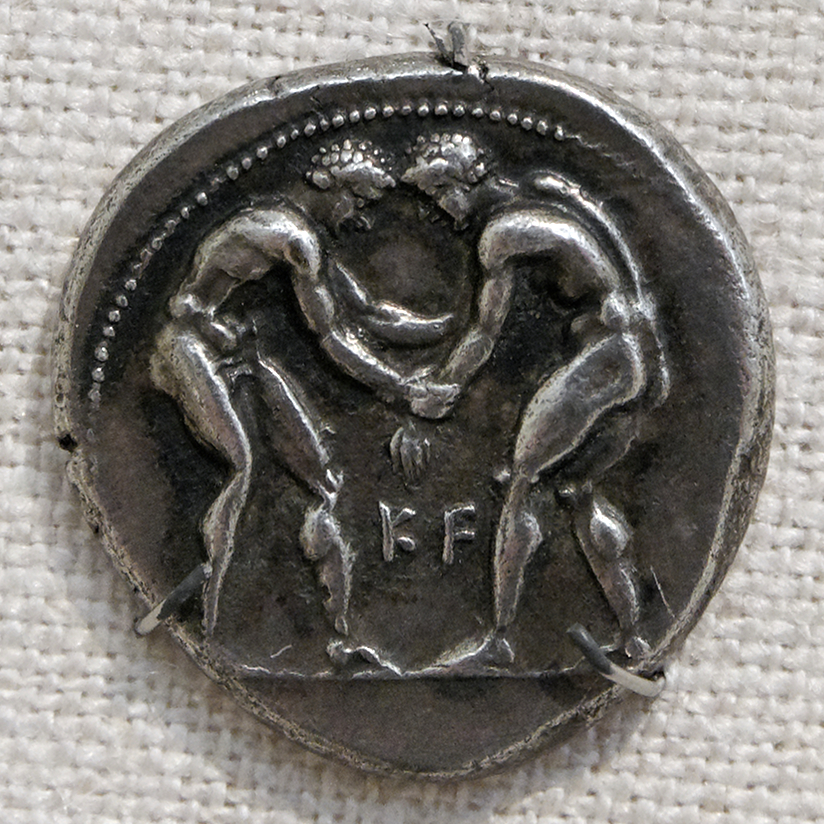
Silver_stater_obverse_Aspendos_374 BCE
Greek Coin of Fourth Century BCE

In The Vedas

Musti-han and Musti-hatya in the Rig Veda and Atharva Veda denote respectively the hand to hand fighter. But these are mentioned in the context of wars (RV 5-58-4, 6-26-2 and AV5-22-4). One of the wrestlers killed by Balarama was Mushtika!

Tamil Wrestlers

References to Tamil wrestlers are available from Sangam literature belonging to 1st century CE to 3rd century CE. Pura Nanuru verse 80 by Sathanthaiyar described a fight between Killi and Amur Mallan. Killi broke the wrestler’s leg like an elephant breaking a bamboo tree under its foot.

Banan was a famous North Indian wrestler. He had another North Indian wrestler friend by name Khatti. Both of them came to Tamil Nadu and challenged the wrestlers. Chieftain Kanaiyan had another wrestler by name Aryan Porunan. He also came from North India. This clearly shows that all the famous North Indian wrestlers were visiting Tamil Nadu or serving Tamil chieftains. A wrestling match was organised between Arya Porunan and Banan and it ended with the death of Arya Porunan. His body was cut into two parts according to the famous Tamil poet Paranar (Akananuru 386).

???????????????
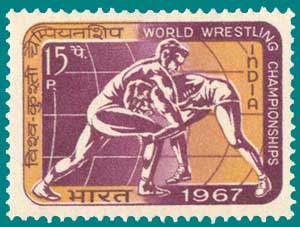
Stamp on Indian Wrestling

Because of this glorious victory both Banan and Khatti were encouraged to challenge every one. They went to Uraiyur, the capital of Choza Kingdom to challenge Thithan Veliyan. Even before they entered Uraiyur, they heard big drum beats celebrating the victories of Thithan Veliyan. They got scared and ran away. These anecdotes were described in great detail by Paranar in several verses. There are many more references to sword fight and wrestling.

We have references to wrestling as a sports competition in Paripatal 12-72 and Aka Nanuru 386.

Literature belonging to later periods such as Perunkatai (52-3115) and Silappadikaram 16-198; 16-73) described the sceneries of wrestling matches. The match was announced by beating the drums. King, women and others gathered to see the match. Tamil epic Silappadikaram described one bout looking like a fight between two elephants.

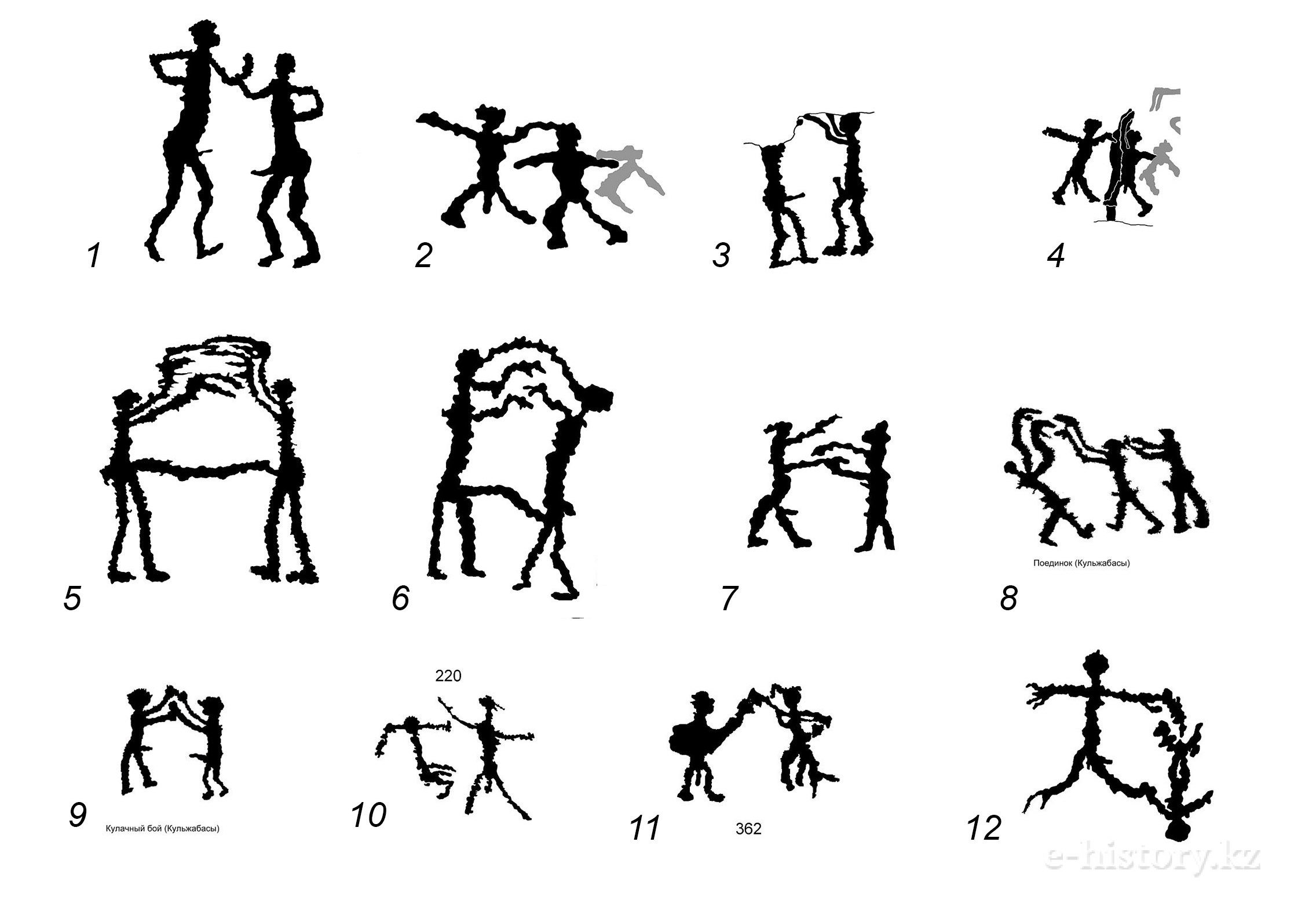
kushti2
Kushti on Kazakastan rocks 1000 to 1200 BCE

Many wrestling schools in India are named after the legendary hero Bhima. Kushti, Pailwan, Malla are some of the words used from Kashmir to Kanyakumari.

contact swami_48@yahoo.com

Yellow clad Krishna and Blue Clad Balarama!

-Balarama_kolkatta8
Balarama in Kolkatta Museum

Research Paper written by London Swaminathan
Post No.1323; Dated 2nd October 2014.

Our forefathers were very clever and honest. They did not have anything to hide. They called a spade a spade. Whenever there was scope for criticism, they did not hesitate to do it just because it is your own relative is involved. Life history of Balarama is the best example to elucidate this point. His life was very colourful and controversial. Let us look at some interesting facts about Balarama, who was Krishna’s elder brother.

Puranas describe Balarama wearing a blue clothe and Krishna a yellow clothe: Neelambaradhari, Peetambaradhari.

Puranas describe Balarama as a Madhu priya (fond of wine) and Krishna as a Maadhu Priya (interested in women such as Gopis).

Hindus were very colour conscious. I have demonstrated this fact elsewhere in my articles. They allocated five different colours for Lord Shiva’s five faces and Mayas and Buddhists followed the Hindus in allocating colours to four directions.

Balarama had a white complexion and Krishna had a black complexion!
Both were brothers but had divergent views on current issues! They were very affectionate. Though openly fought for different things, they never lost the brotherly affection.

Both of them were worshiped from Kashmir to Kanyakumari together as Avatars (incarnation) of Vishnu.

Two thousand year old Sangam Tamil literature praises both of them together (Puram Verse 56 by Nakkirar). They followed Kalidasa (Megaduta 61) in this. Kalidasa lived in first century BCE which I have proved using the Sangam Tamil verses.

bala big
Balarama in British Museum, London

Sangam age Tamils describe Balarama as a Palmyra Flag bearer and Krishna as an Eagle Flag bearer.
Ancient Tamil Nadu had temple for Krishna and Balarama together, but in course of time Balarama worship was dropped.

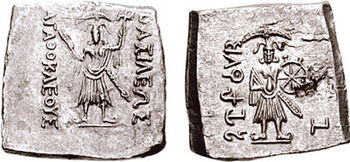
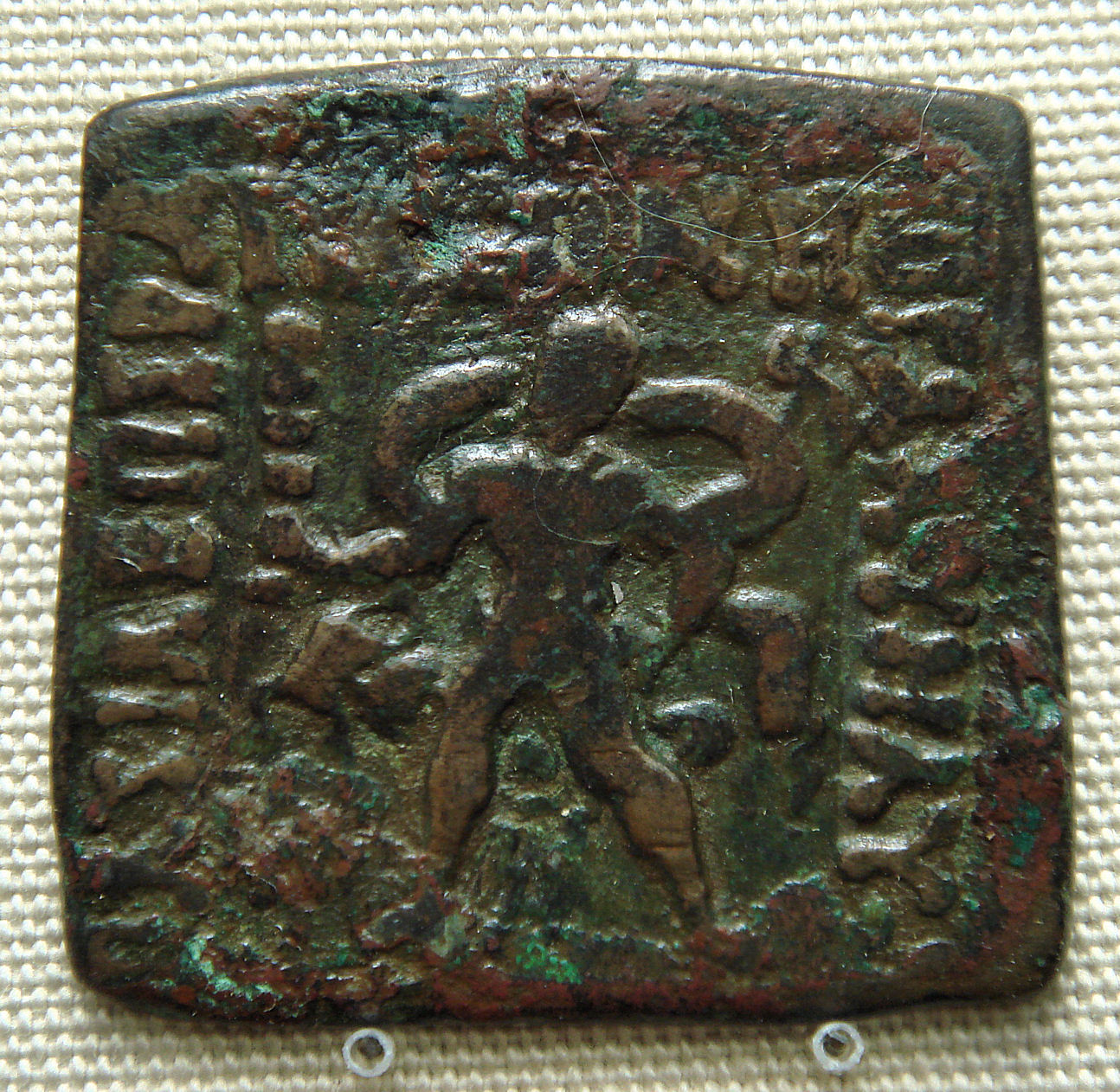
Balarama image is beautifully portrayed on coins along with Krishna .
Krishna supported Pandava side in the Great Indian War Mahabharata war; but Balarama was neutral.
When Krishna abducted Rukmini Balarama supported, but when Arjuna abducted Subhadra he objected.

Balarama taught mace fight to both Duryodhana and Bhima. But when Bhima hit Duryodhana below the belt violating the rules, Balarama was furious; but Krishna calmed him.
What a contrast among brothers!!!

This proved that our scriptures were 100 % honest in reporting everything. Moreover the authors like Vyasa, Valmiki and Sukar were very good observers. They did not miss anything good or bad!

Mahabharata gives an interesting story about Balarama and his brother Krishna. It says Vishnu took two hairs , a white and a black one and left them in Devaki’s womb which became Balarama and Krishna. When Balarama was born he was taken to Gokula to preserve his life from Kamsa, the tyrant king. He was raised by Nanda as a child of Rohini. Balarama killed several demons. He carried his plough always. He killed Rukmin in a drunken brawl.

baladevakrishna
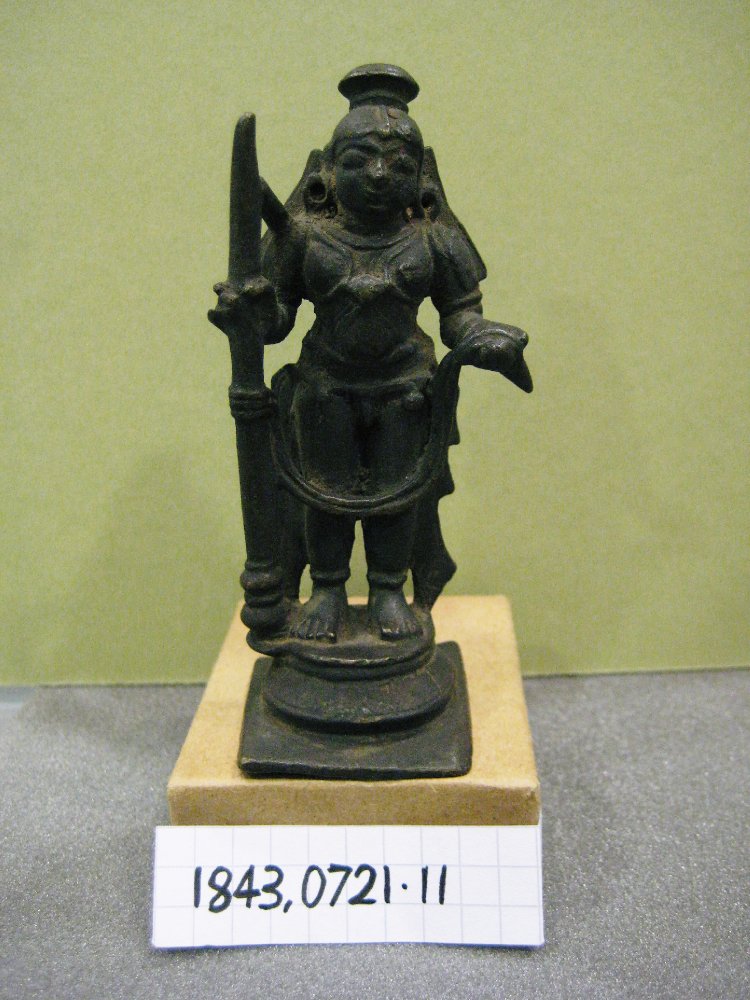
Indo Greek Coin of Balarama and Krishna

He used his ploughshare as a magic wand twice. When he was intoxicated with drinks, he called River Yamuna river to come to him. When it did not come he had used his ploughshare to drag the river towards him and used this water. So he was called Kalindiharshana or mardhana. He killed Romaharshana out of anger, though he repented. When Krishna’s son Samba was imprisoned by Duryodhana , Balarama forced him to release Samba and his lady love. He threatened that he would use his ploughshare.
Balarama was a great wrestler and he killed Dhenukasura, Mushtika and Dwivida

Death_of_Bala_Rama
Blarama’s death

Facts about Balarama :

Wife’s name: Revathi (Daughter of King Raivata)
Person who raised him : Rohini (foster mother)
Father and Moher : Vasudeva and Devaki
Younger Brother: Krishna
Weapon he was holding Halayuda/ploughshare and Musala/pestle
Flag : Palmyra (Taldwaja)
Sons: Nisatha and Ulmuka

Krishna_meets_parents
Krishna and Balarama meet parents

Favourite drink: Madhu (wine)
Favourite pastime: Pilgrimage (went on a tour during war)
Killed: Dhenuka, Mushtika, Pralamba, Dwivida, Romaharshana and Rukmin.
Love marriages he opposed or supported: Krishna – Rukmini, Arjuna—Subhadra and Samba – Laxmana (Duryodhana’s daughter)

Avatara of Adisesha: Balarama is described as one of the ten incarnations of Vishnu. Some people believed that he was Adi Sesha came to help Krishna.
Worship Record: From Kautilya’s Arthasastra period:3rd Century BCE

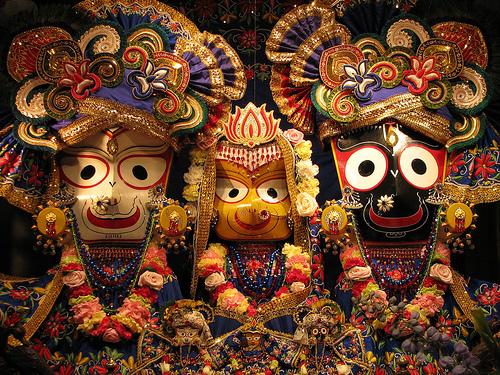
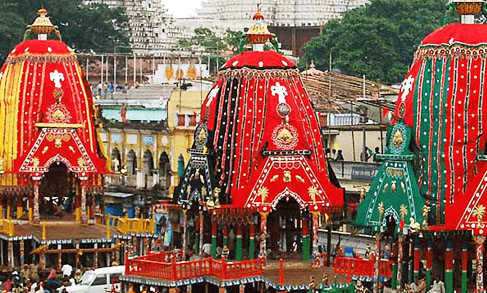
Puri Chariot Festival: Of the three chariots of Puri , the chariot of Balabhadra is called ‘Taladhvaja’ – has 16 wheels and is 22 cubits in height. Baladeva’s cart is blue, with a palm tree insignia, and four black horses. The protecting deity is Sesa.

Temples: in Odisah and Tamil Nadu (In Tamil Nadu the statues are not there anymore; proof comes from Alwar Hymns)

Oldest Agricultural Engineer!
My research shows that he was a great agriculturist. He spread agriculture everywhere. That is the reason he held a ploughshare always. Since he was interested in drinking he had Palmyra on his flag. His name Kalindikarshana, Yamuna bhid show that he dug out canals from Yamuna for irrigation. He was a great wrestler that is why he had the prefix Bala in his name. The white colour may be due to albinism.

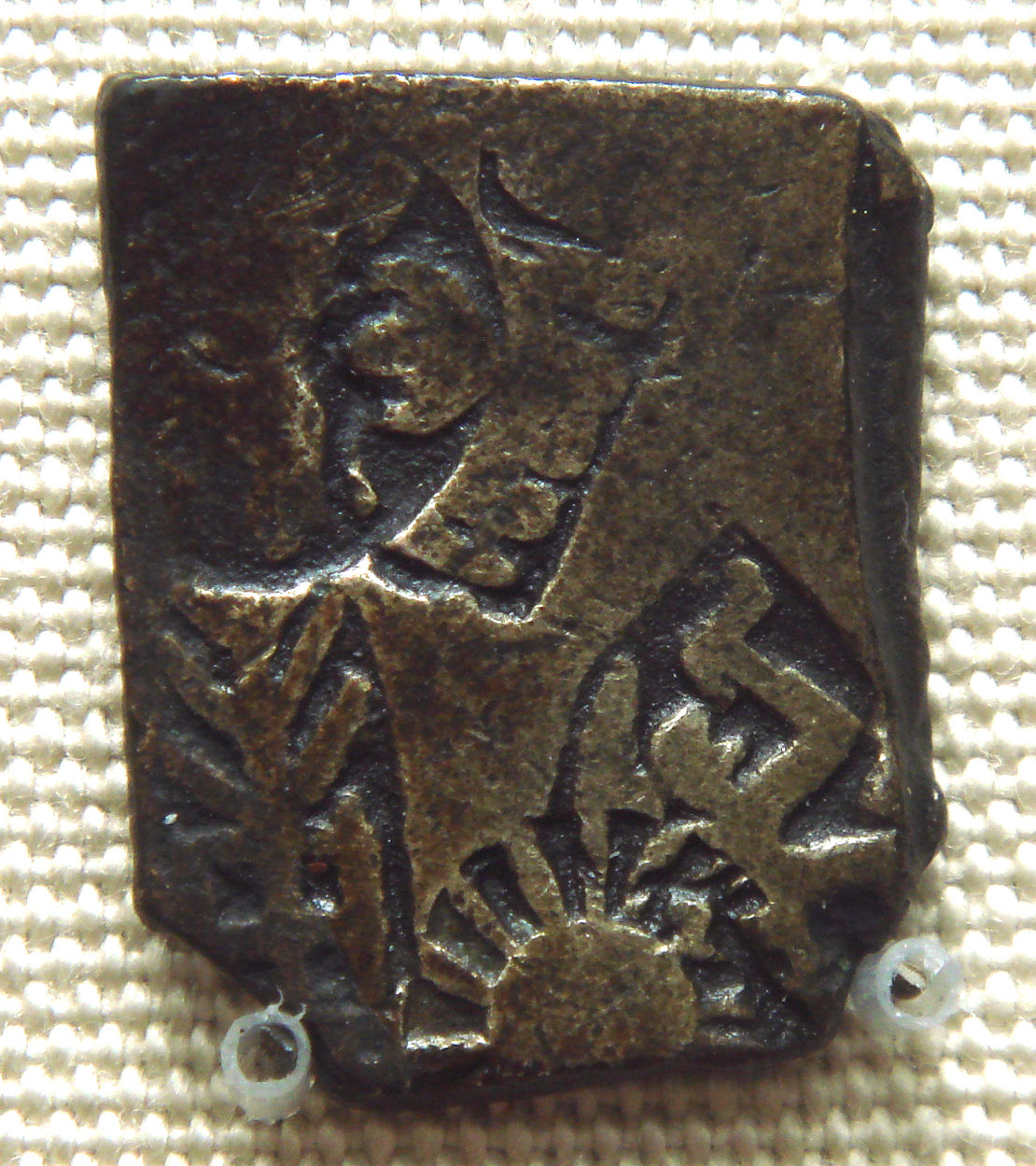
MauryanBalaramaCoin3rd-2ndCenturyCE
Mauryan Balarama Coin ,3rd Century BCE

15 Names of Balarama
Amarakosa, the oldest thesaurus, gives 15 names for Balarama!
Balabhadra = Strong
Pralambagna = killer of Pralamba
Baladeva= strong
Achyutagraja= elder to Krishna
Revathiramana = one who loves Revati & loved by Revati
(Bala) Rama-=strong and attractive
Kamapalah= who gets what he wanted
Halayudhah= ploughshare bearer

Balabhadra_Subhadra_Jagannath
Balabhadra, Subhadra, Jaganatha, Puri

Neelambarah= wearing blue clothes
Rohineyah= Rohini raised him
Talaangah= Palmyra Flag bearer
Musalihali= pestle holder
Sankarshana= who had two mothers or who attracts his Yadava clan
Kshirapani= ploughshare bearer
Kalindhibedanh= one who diverted River Yamuna
His other names: Halabhrit=Plughbearer, Langali+ ploushare holder, Guptas chara= who goes secretly, Mahupriya or Priya madhu= wine loving, Yamuna bid, Kalindi karshana = breaker or dragger of Yamuna, Musali=pestle holder.

BalaramaMauesCoin1stCenturyBCE
First century BCE coin

My previous Post:
Rama, Balarama and Parasurama in Ancient Tamil Literature (posted on First June 2014)

Contact swami_48@yahoo.com

rath-yatra-and-appliqua

Balarama chariot along with other chariots in Puri, Odissa

84,000 Letters to Emperor Asoka!

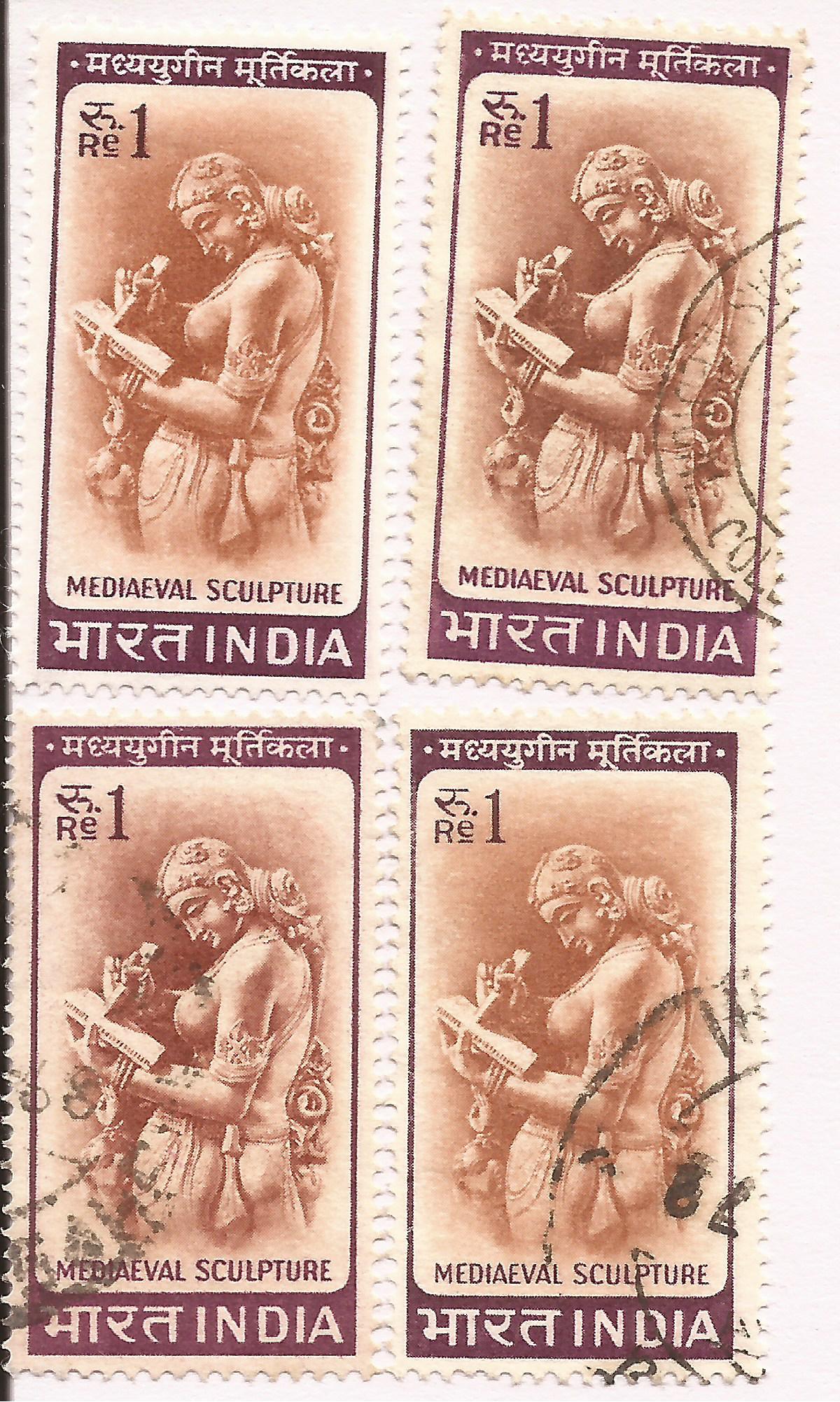
letter writing4
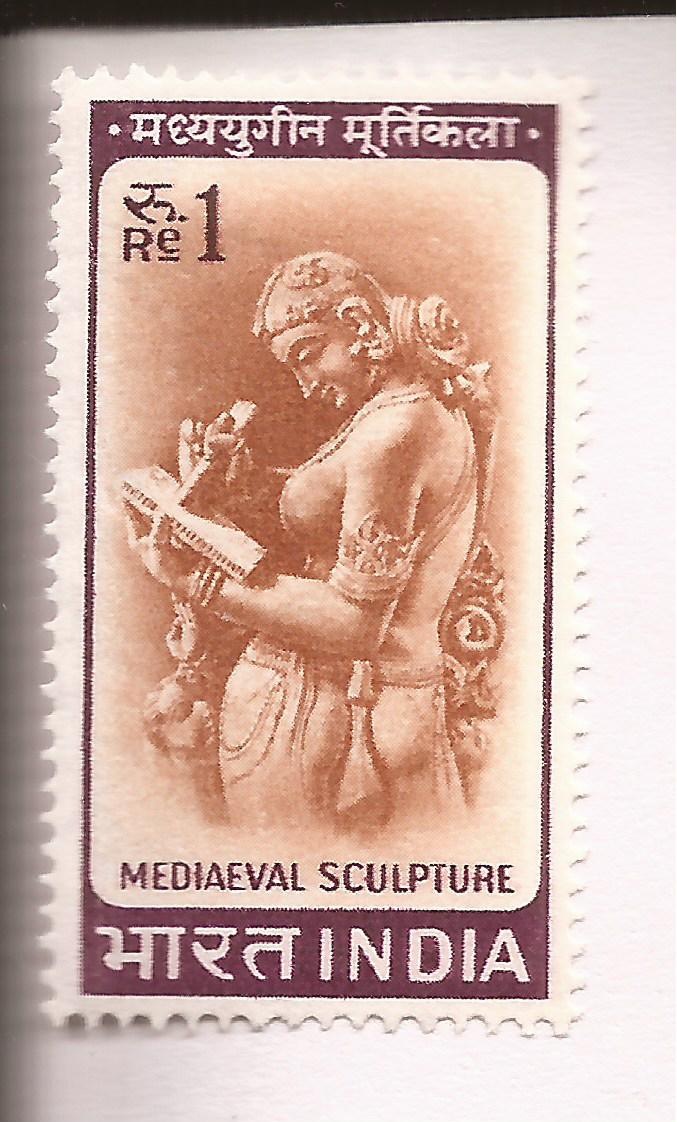
Indian Postage Stamp with a woman writing a letter!

Research Paper written by London Swaminathan
Post No. 1312; Dated 26th September 2014.

This is part of my series of articles on Mahavamsa.

This article gives more proof for the Art of Letter Writing in Ancient India from the Sri Lankan Chronicle Mahavamsa.

Scholars in the past have debated whether Indians knew writing and if at all they knew writing when they started to write. We knew that the writing existed during the Indus valley civilization. But we did not know what they wrote. Still it remains undeciphered. Then there was a big gap. Just before Asokan’s time (Third Century BCE) we see writing again. During Asoka’s time we had inscriptions from Karnataka to Afghanistan. And in Sri Lanka also we have had writing on inscriptions around that time.

The fact of the matter is Asoka was the first one to write on stone. Even before Asoka ,we had been writing, but only on perishable materials such as palm leaves and tree barks. Unfortunately all those perished and disappeared. Mahabharata itself is a proof for writing. We have heard the story of Ganesh writing Mahabharat just to help Vyasa. We have similar stories in Ramayana where we read about Ram’s name on arrows and rocks. But historians and archaeologists don’t take into account these stories from epics and mythology.
If the writing was understood by people from Afghanistan to Kandy in Sri Lanka, then writing should have existed several centuries before Asoka. This is a logical conclusion. If people could not understand the script, Asoka would not have embarked on a huge mission.

letter writing

We know about the love letter written by Rukmini to Lord Krishna before 3100 BCE. We have ample references to letter writing from Kalidasa’s time. Tamil epic Silappadikaram also mentioned letter writing in several places. I have given all these references in the following two articles posted here in this blog:
Love Letters from Ancient India – posted on 21st April 2012
Techniques of Secret Writing in India –posted on 19th March 2013

Letter Writing in Mahavamsa
Sri Lankan chronicle Mahavamsa mentioned letter writing in at least in six places. In one of them it says that Asoka received letters from 84,000 centres on the same day. Even if we ignore the number 84,000, we knew for sure he received letters from lot of centres on the same day. This proves improved communication between people and the administration and a well established Postal system. More over the letter writing existed at his time. His stupas were in Kancheepuram in Tamil Nadu as well. Let us look into the details:

Chapter 5:Asoka received letters from 84,000 centres
“On every side from the 84000 cities came letters on one day with the news “The Viharas are completed”. Then he proclaimed that there will be a festival in seven days time” — Mahavamsa
About 84,000 cities I would like to add something interesting from 2000 year old Sangam Tamil Literature. The most famous Tamil poet Kabila says in one of his verses that the chieftain of Parambu Hills, Pari, was ruling over 300 towns. So it is no wonder that Asoka had control over 84,000 towns. I wouldn’t think it as an exaggeration.

letter-writing
10th Century of Letter Writing in Kolkatta Museum

Chapter 8: Vijaya’s Letter
Vijaya who was banished by his father and the general public for his atrocities in Bengal, settled in Sri Lanka. He married a local Yakshini girl and then a Tamil princess from Pandya Kingdom of Madurai. Since Yakshini wife was forced to leave the palace with her children and the Tamil princess had no issues, he wrote a letter to his brother Sumitta. He requested him to come down and rule Sri Lanka.Then more people from Bengal came in to Sri Lanka and continued the royal line, according to Mahavamsa. Vijaya wrote his letter in fifth century BCE.

Chapter 10:
In chapter 10 also we have a reference to letter writing. When Pandukabhayan defeated all his uncles who were against him, the king wrote to him that he should not cross the Ganges (all rivers in Sri Lanka are called Ganga) but he can retain the lands he had won on the other side of the river.

Chapter 22: Love Letter and Murder

In chapter 22, we come across an interesting love letter and murder. King Kakavanatissa had a wife by name Vihara Devi. There is a story behind this strange name. In Kalyanai region of Sri Lanka there was a king by name Tissa. His younger brother Ayya-Utika loved the queen. When his brother came to know about it he became furious. But before he took any action, Ayya Utika escaped to a forest where from he sent a love letter through a man disguised as a Buddha Bikshu. He entered the palace with the Thera and dined with the king. While the royal couple were leaving the dining hall, this disguised Bikshu threw the love letter in front of the queen. When the king heard the rustle of the paper, he turned back. When he came to know what happened he killed the genuine Thera and the disguised Bikshu together without thinking.
After he threw the bodies in to sea, there was a Tsunami and the sea invaded the land. The king put his daughter Devi in a golden vessel and floated it in the sea just to pacify the sea god. When the vessel reached the shore near Lanka Vihara, the king Kakavanna tissa noticed the princess and married her. That is how she got the epithet “Vihara Devi”. We come to know sending love letters through disguised ascetics existed in those days.

Chapter 23
A gigantic strong man, but very idle, earned the wrath of his brothers. So his mother sent him to the king. He wanted to check his strength and capacity and so sent him to a Brahmin friend by name Kundali who lived in far away town. He sent a letter to Kundali asking him to send him some goods. The idle man succeeds in his mission and gets a big job.

Chapter 33
In Chapter 33, we come across a rebel Brahmin fighting against the king. At that time Seven Tamils from Tamil Nadu lands in the area and joined him in the fight. They send a written message to the king to surrender. But the king followed the Divide and Rule policy. He persuaded the Brahmin to support him saying that the land belonged to him. Here we see written threat.
Maha vamsa covers a period between 543BCE to 361CE. We have seen letter writing from the earliest Vijaya period to Common Era.

My conclusion is that Indians from Kashmir to Kandy were literate and they used letter writing to send the messages of love, threats and administrative matters even in the Sixth Century BCE!
Contact swami_48@yahoo.com

Eagle/Garuda in India, Rome and Sri Lanka

eagle

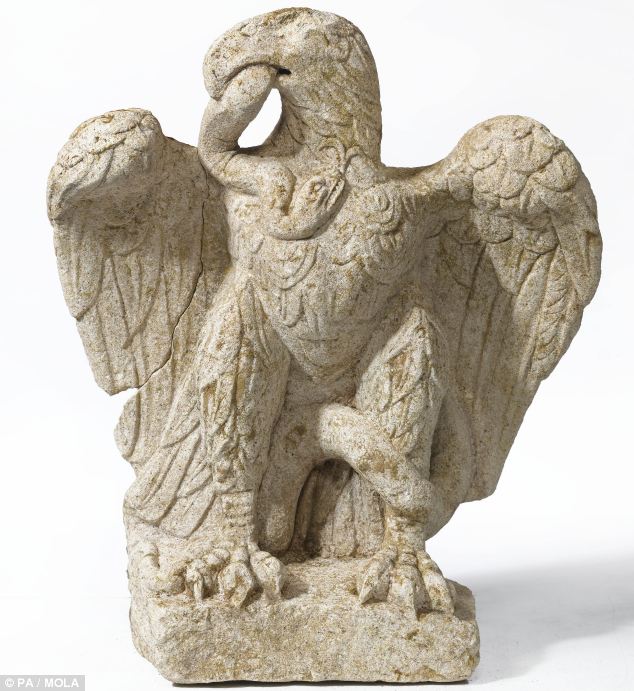
It was discovered near the Aldgate Tube station in London.

Research paper written by London Swaminathan
Post No.1310; Dated 25th September 2014.

I wrote three articles about Eagle/ falcon (Garuda in Sanskrit) sometime ago:

“Hindu Eagle Mystery Deepens” — posted on 16th Feb. 2013
Gods and Birds, posted on 3rd Feb. 2013
“Double Headed Eagle: Sumerian –Indian connection”– posted on18 December 2011.

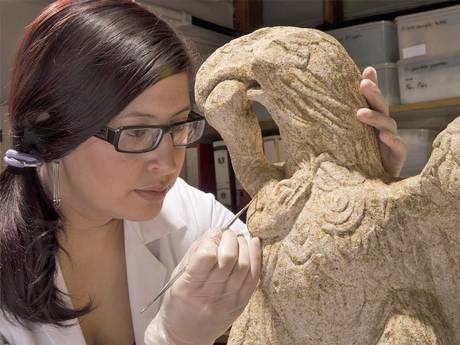
Now there are more interesting things about the eagle in History. Last year the same time, a remarkable discovery was made in London. A Roman eagle with a snake in its mouth was dug out very near the Tower of London. The amazing thing about the sand stone sculpture is that it is intact as if it was made yesterday. Actually it was made 1900 years ago and buried with a wealthy Roman general or businessman of Londinium (London’s original name). From 1st century to fourth century of Common Era, Britain was under the rule of Romans.

pg-28-eagle-2-mola

Let us look at the interesting things about this remarkable find:
I have already written that the fight between the Snake People and the Eagle people is depicted all over the world from Egyptian to Mayan civilizations. Actually this Garuda- Naga fight has started in Mahabharata times. Flags and emblems of many countries have this Garuda/Naga logo.
This Garuda emblem is mentioned in the Sri Lankan chronicle Mahavamsam as well.

In Sri Lankan Mahavamsam (chapter 19), when Sangamitra, daughter of Emperor Asoka, was travelling in a ship with the Pipal tree (Ficus religiosa), the Nagas (people with snake totem) objected to it. Then Sangamitra ‘assumed’ the form of Garuda and threatened the Nagas. Immediately they made peace with her and accompanied the ship up to the Naga Country (northern part of Sri Lanka). Here we can read between the lines. When Nagas objected, she showed the Garuda devouring Naga emblem to threaten them. The message given by her was “I will take severe action against the Nagas like in the olden days”.

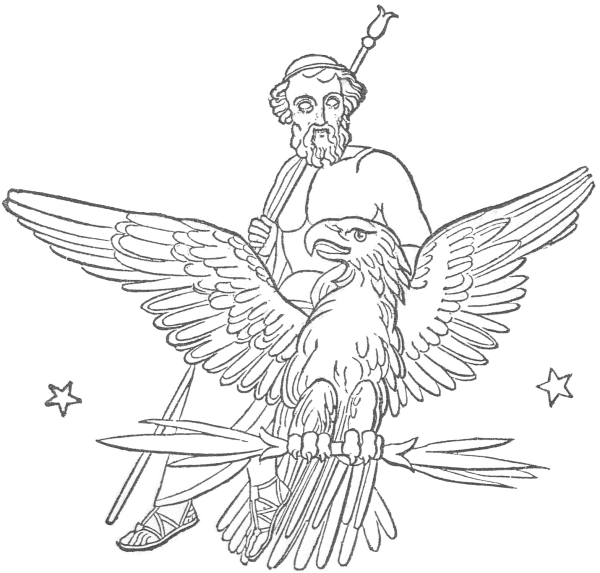
Zeus (Jupiter) on eagle
Zeus riding on an eagle
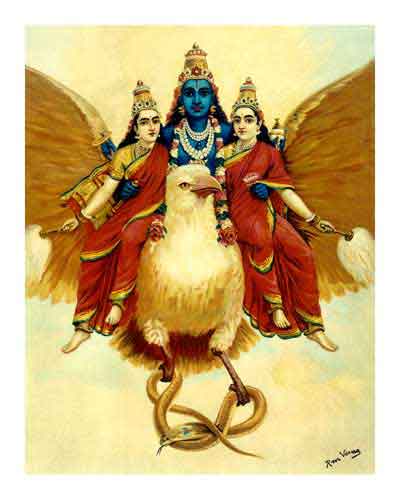
raviLord-Garuda

Ravi Varma picture of Vishnu riding eagle

((What happened in the olden days is explained in detail in the Mahabharata. The clash started when Arjuna and Krishna started burning Naga forest called Khandava Vana (Gond wana Land) and then the enmity continued until a Naga hid himself in a fruit basket and killed Pariksheet. Then Janamaejaya started killing all the Nagas (Sarpa Yaga) and at last Saint Astika made a peace treaty between them. Even today Brahmins recite this story in a mantra every day in the Sandhya Vandhanam))

In Greece Zeus is shown riding an eagle like Vishnu. In Egypt also Naga/eagle logo is shown in some of the seals.

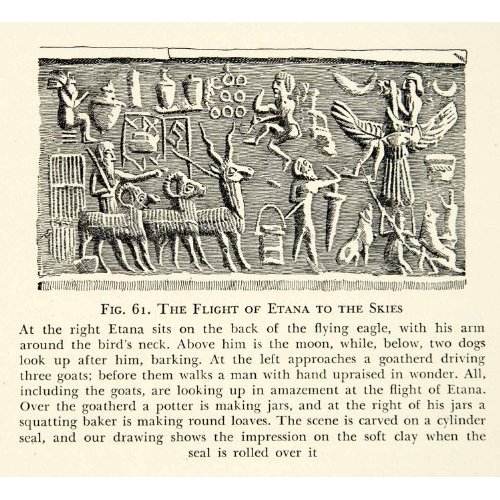
Etana
Etana in Babylonia riding on eagle on his way to heaven to get medicinal herb(Soma !)

Roman and Hindu similarities
Rome has eagle as its emblem. But why did they bury a big statue 65 cms tall in a London mausoleum (grave). ‘Daily Mail’ of London explained it in a box item along with the news:–

a) The eagle signifies ‘good’ in Roman art.
b) It is also the symbol of Jupiter, the most popular Roman god at that time.
c) The fact that eagle is eating a snake shows that it has triumphed over death or evil.
d) In Roman art eagles are often shown carrying the souls of Roman emperors to the gods making the mortals divine. This is the reason for placing it in a mausoleum, said Michael Marshall, Roman Finds expert.

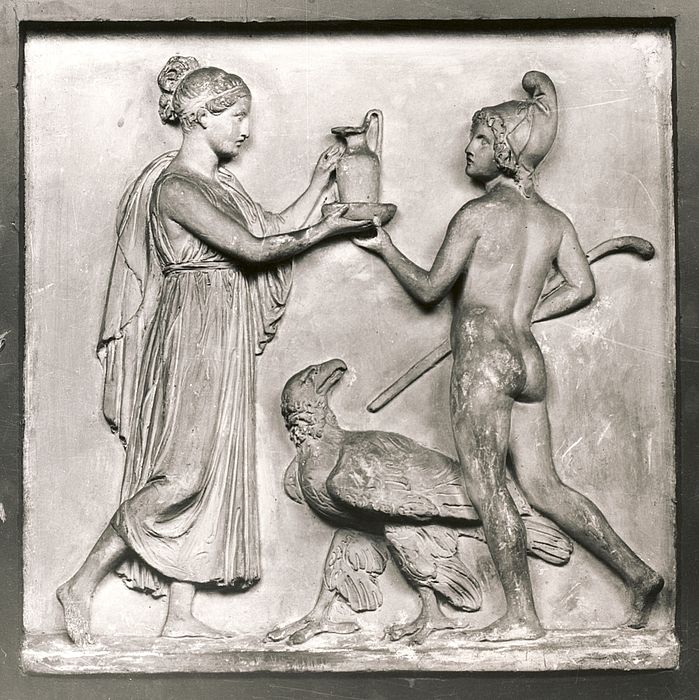
hebe-and-ganymede-by-bertel-
Ganymede taken to heaven by eagle (Zeus)

All these points correspond with Hindu mythology. Hindus recite Garuda Purana (Eagle Myth) on the last day of mourning period. They have the same belief of Garuda’s role in the transit of soul. Sumerians also believed that Etana was taken to heaven by an eagle. Greeks also believed that Zeus was riding an eagle like Hindu God Vishnu. Like Sangamitra (In Mahavamsa) threatened the Nagas with eagle emblem, we have similar stories in the Vedas. Ahi, the snake demon was killed by Indra who is comparable to Jupiter of Romans and Zeus of Greeks (I have explained this in detail in my previous articles on Indra).
In short, last year’s London find explains the belief that existed 2000 years ago throughout the world.
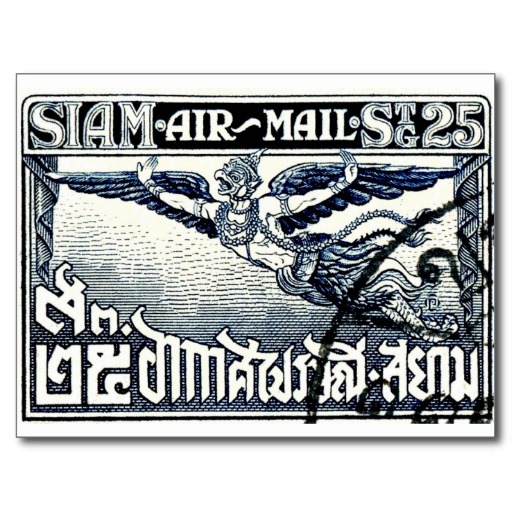
siam garuda

Thailand airmail stamp of Garuda; Indonesian airlines is also Garuda Airlines!

இந்தியாவுக்கு இராவணன் எப்படி வந்தான்? கப்பலா? விமானமா?

tamluk

கட்டுரை மன்னன் :– லண்டன் சுவாமிநாதன்
ஆராய்ச்சிக் கட்டுரை எண்:-1303; தேதி: 22 செப்டம்பர் 2014

மஹாவம்ச ஆய்வுக் கட்டுரை வரிசையில் இது ஒன்பதாவது கட்டுரை.

இராவணன் ஆண்ட இலங்கை இப்போதைய ஸ்ரீலங்கா இல்லை என்றும் அது கோதாவரி முகத்வாரத்தில் இருந்த நதியிடைத் தீவு என்றும் , அக்காலத்தில் பறக்கும் புஷ்பக விமானம் இருந்ததற்கு தடயம், சாட்சியம் இல்லை என்றும் வெளிநாட்டு அறிஞர்களும், மார்கசீய வரலாற்று அறிஞர்களும் கதைத்த ஒரு காலம் உண்டு. ராமாயணம், மஹாபாரதம் ஆகியனவற்றை “வர்க்கப் போராட்ட வருணனைகள்” என்று அவர்கள் நகைத்த காலமும் உண்டு. இவர்களுக்கு தமிழ் இலக்கிய அறிவு போதாமையே இது போன்ற அரைகுறை ஆய்வுகளுக்குக் காரணம்.

சிலப்பதிகார தமிழ் காவியத்தில் கடல் சூழ் இலங்கைக் கயவாகு வேந்தன் (கஜபாகு) என்று இளங்கோ அடிகள் குறிப்பிட்டத்தில் இருந்து கடல் ச்சூழ்ந்த இலன்கையே நாம் அறிந்த இலங்கை, ஆற்றிடை திட்டு அல்ல என்பது விளங்கும். அது மட்டுமல்ல ஏழாம் நூற்றாண்டில் வாழ்ந்த ஆழ்வார்களும் நாயன்மார்களும் இப்போதைய ஸ்ரீல்ங்காவை ராமனோடும் ராவணனோடும் தொடர்பு படுத்திப் பாடியுள்ளனர். எனினும் இவை எல்லாம் பழங்கதைகள். இப்போது உலகமே ஒப்புக்கொண்ட உண்மை- இன்றைய ஸ்ரீலங்காதான் அன்றைய ராமாயண இலங்கை.

தொல்முதுகோடி என்று தனுஷ்கோடி பற்றிய குறிப்பும் சங்க இலக்கியத்தில் உண்டு. ராமசேது என்னும் கடற்பாலம் இருந்ததற்கான தடயங்களை ‘நாஸா’ என்னும் அமெரிக்க விண்வெளி ஆராய்ச்சி நிலையமும் படம் மூலம் நிரூபித்துள்ளது.

ஒன்றுவிட்ட சகோதரனான குபேரனிடமிருந்து ராவணன் புஷ்பக விமானத்தைப் பறித்தான். இது எண்ணத்தால் — பெட்ரோலால் அல்ல — பறக்கச் செய்யும் விமானம். இதுபற்றி நியூ சைன் டி ஸ்ட் பத்திரிக்கையில் வந்த ஒரு விஞ்ஞான கட்டுரையை நான் எழுதி இருக்கிறேன். அதில் முழு விவரம் காண்க.

patna

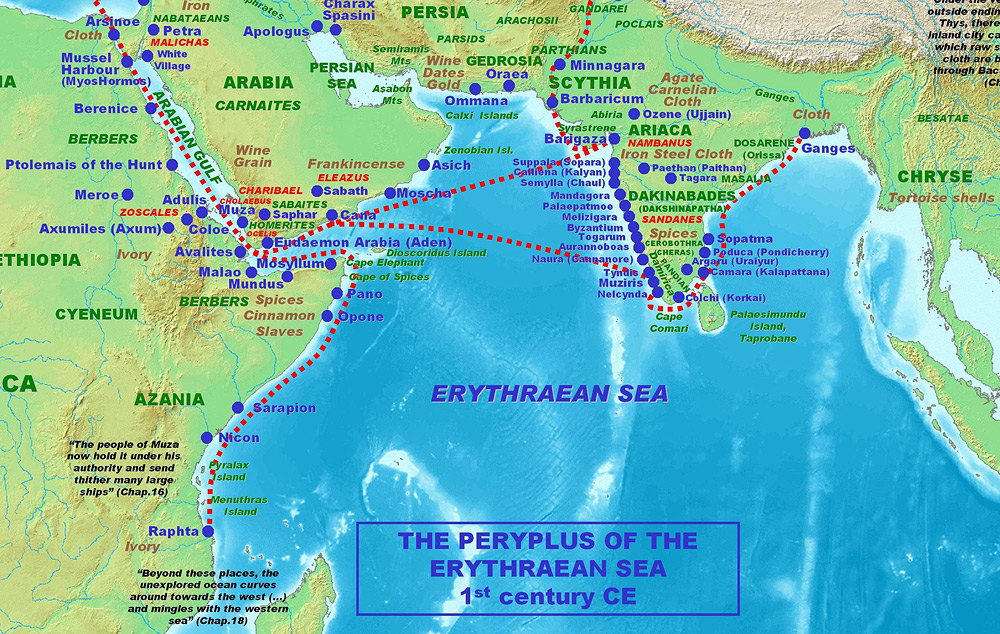
புஷ்பக விமானத்தை நம்ப மறுக்கும் அறிவியல் புத்தி ஜீவிகளுக்கு மஹாவம்சம் சில அரிய பயணக் குறிப்புகளைப் படைக்கிறது.

இந்தியர்களுக்குப் பருவக் காற்றின் ரகசியம் தெரியும். இந்த ரகசியம் கரிகால் சோழனுக்கும் தெரிந்திருந்ததால் அவன் கடலுக்கு அப்பால் உள்ள தீவுகளை வெல்ல முடிந்தது.

நளியிரு முந் நீர் நாவாய் ஓட்டி
வளிதொழில் ஆண்ட உரவோன் மருக!
களியியல் யானைக் கரிகால் வளவ
— – புறநானூறு, பாடல் 66, வெண்ணிக் குயத்தியார் பாடியது.

வளவனே! உனது முன்னோர்கள் காற்று இயக்கும் திசையை அறிந்தே அதற்கான பொறிமுறைகளைப் பொருத்தி கப்பல் செல்லுமாறு செய்த அறிவாற்றல் உடையவர்கள். மத யானை மிகுந்த படைகளை உடைய கரிகால் வளவ! – என்று உரைகாரர்கள் இதற்குப் பொருள் எழுதியுள்ளனர்.

அவன் வழியில் “ஞாலம் நடுங்கவரும் கப்பல்களுடன்” சென்று ராஜராஜ சோழனும் மாயிருடிங்கம் (பிலிப்பைன்ஸ்), மாபூப்பாளம் (போர்னியோ) மாநக்கவாரம் (நிகோபர் தீவு முதல் இந்தோ நேஷியா வரை)— முதலிய பல தீவுகளை வென்றான்.

இலங்கை – வட இந்திய கடற்பயணத்துக்கு ஒரே வாரம் போதும் என்கிறது மஹாவம்சம் (அத்தியாயம் 11):

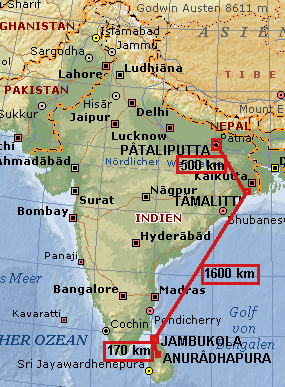
தேவானாம் ப்ரிய திஸ்ஸன் (கடவுளருக்கு பிரியமானான்) என்ற இலங்கை மன்னன், அதே பெயருள்ள அசோகச் சக்ரவர்த்திக்குப் பரிசுப் பொருட்களுடன் தூதர் குழு ஒன்றை அனுப்புகிறான். அவர்கள் இலங்கையில் உள்ள ஜம்புகோளத்தில் கப்பல் ஏறி ஏழு தினங்களில் தாம்ரலிப்தியை அடைகின்றனர். இது மேற்குவங்கத்தில் மிதுனபுரி அருகே உள்ளது. 51 சக்தி பீடங்களில் ஒன்று. இன்று தாம்லுக் என்ற சிறிய ஊராக இருக்கிறது. எப்படி பூம்புகார், குமரிக்கோடு, தனுஷ்கோடி, துவாரகா முதலிய ஊர்களை சுனாமிப் பேரலைகள் விழுங்கினவோ அப்படியே இந்த ஊர் துறைமுகத்தையும் கடல் விழுங்கிவிட்டது.

ship

இலங்கைக்கு புத்தர் வாழ்ந்த காலத்தில் வந்த வங்காளதேச அரசன் விஜயனும் இங்கேயிருந்துதான வந்தான். முதலில் யக்ஷிணி (குபேர) வம்சப் பெண்ணைக் கல்யாணம் செய்துகொண்டுவிட்டு பின்னர் பாண்டியநாட்டுத் தமிழ் பெண்ணைக் கல்யாணம் முடித்தான. துரதிருஷ்டவசமாக குழந்தைகள் பிறக்கவில்லை!

தாம்ரலிப்திக்குச் சென்ற இலங்கைக் குழு அடுத்த ஏழே நாட்களில் பீஹார் மாநிலத்தில் உள்ள பாட்னா (பாடலிபுத்ரம்) நகரை அடைந்துவிட்டது. மாமன்னன் அசோகன் இலங்கைத் தூதுக்குழுவுக்கு ஐந்து மாதங்களுக்கு ராஜ உபசாரம் செய்கிறான். பின்னர் அசோகன் அனுப்பிய நிறைய பரிசுப் பொருள்களுடன் அந்தக்குழு இலங்கைக்குத் திரும்புகிறது. இதற்கு 12 நாட்கள் ஆயின.

ஏன் ஐந்து மாதம் இலங்கைக் குழு அங்கே தங்கியது? பருவக் காற்றின் போக்கை அறிந்த நம்மூர் மாலுமிகள் இந்த குறிப்பிட்ட காலத்தில் புறப்பட்டால் இதனை நாட்களில் சென்றுவிடலாம் என்பதை அறிந்து வைத்திருந்தனர். ஆகையால் போனவுடன் திரும்பிவர இயலாது. கொஞ்சம் காலம் தங்கிவிட்டு காற்று எதிர்த் திசையில் வீசும் போது திரும்பவேண்டும்.

tamluk board

அத்தியாயம் 18-ல் அசோகன் அனுப்பிய போதி மரம், ஒரு பெரிய குழுவுடன் இலங்கைக்கு வந்த செய்தி கூறப்படுகிறது. அதை வாங்குவதற்காச் சென்றவர், ஐப்பசி மாதம் சுக்லபக்ஷம் த்விதியை திதியில் (வளர்பிறை இரண்டா நாள்) ஜம்புகோளத்தில் புறப்பட்ட அதே நாளன்று புஷ்பபுரத்துக்குப் (பாட்னா) போய்ச்சேர்ந்தார் என்னும் மஹாவம்ச கூற்றை நம்புவது கடினம். ஒருவேளை அதே சுக்ல பக்ஷ த்விதீயை — ஆனால் வேறு ஒரு மாதமாக — ஆக இருக்கலாம். மஹா வம்ச ஒரிஜினலைப் பிற்காலத்தில் எழுதியோர் விட்ட தவறாக இருக்கலாம் இது என்பது என் கருத்து. அல்லது இதை மந்திர –தந்திர –அற்புத– அதிசய வகைச் செய்திகளில் சேர்த்துக் கொள்ளலாம்.

அத்தியாயம் 19-ல், சாலை மார்கம் பற்றிய ஒரு குறிப்பு இருக்கிறது. பாட்னாவில் கங்கை நதியில் போதிமரத்தை ஏற்றிவிட்ட, அசோகன், விந்தியமலையைக் கடந்து ஒரே வாரத்தில் மேற்கு வங்க மாநிலத்தில் உள்ள தாம்ரலிப்திக்கு வந்துவிடுகிறான். இதிலிருந்து அக்காலத்தில் விந்திய மலை வழியாக நல்ல சாலை மார்க்கம் இருந்தது புலப்படும். இது அகத்தியர் அமைத்த பாதை. அதைப் புரணங்கள், “அகஸ்தியர் விந்திய மலையை கர்வ பங்கம்” செய்தார் என்று புகலும்/ புகழும்!

peryplus_first_century_AD_1000px

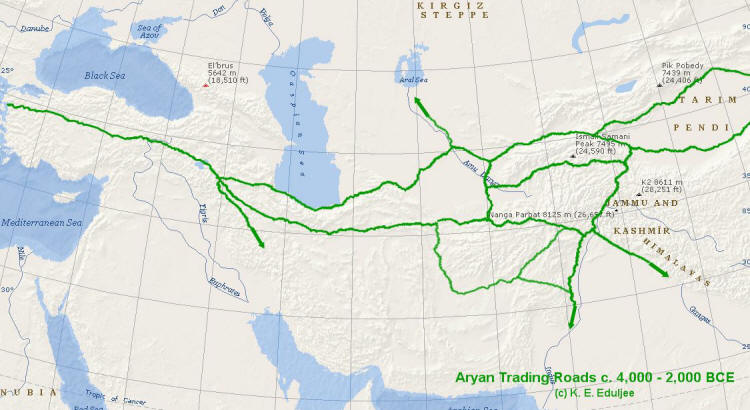
ஆக மேற்கூறிய குறிப்புகளைக் காண்கையில் அக்காலத்தில் கப்பல் வழி, சாலை வழிப் போக்குவரத்து மிக நன்றாக இருந்தது என்பது தெள்ளிதின் விளங்கும். வெள்ளைகாரன் வந்த பின்னால்தான் இந்த நாட்டில் போக்குவரத்து வசதிகள் அதிகரித்தன என்று கூறுவோரின் வாயை அடைக்க இதுவே போதும். வால்மீகியும் பரதன் — ஈரான்- ஆப்கனிஸ்தான் எல்லையில் இருந்து வந்த வழியை விரிவாகக் கொடுத்துள்ளதை ராமாயணத்தில் படித்து அறிக!!

புஷ்பக விமானத்தை நம்பாதோரும் இந்தக் குறிப்புகளை ஏற்கத்தான் வேண்டும். ஆக கைலாச மலையை ராவணன் அசைத்தான் – சிவபெருமானிடம் நல்ல அடி வாங்கினான் என்று ஞான சமபந்தப் பெருமான பதிகத்துக்கு பதிகம் பாடுவதும் உண்மையே.

அரபு நாட்டு ஷேக்குகள், அவர்கள் நாட்டில் தடை செய்யப்பட்ட, அட்டூழியங்களையும் பாப காரியங்களையும் பண்ணுவதற்கு பம்பாய்க்கும், ஹைதராபத்துக்கும் வந்து செல்லுவது போல அக்காலத்தில் ராவணனும் அவன தங்கை சூர்ப்பநகையும் சமூக விரோதச் செயல்களில் இறங்க மத்திய இந்தியாவில் இருந்த தண்டகாரண்யம், இமயமலையில் உள்ள கைலாசம் ஆகியவற்றைப் பயன்படுத்தினர். ராவணனால் விரட்டப்பட்ட குபேரன், இமயமலை திபெத் பகுதியில் குடியேறினான். அக்கலத்திலும் இந்தியா அகதிகளை ஏற்றுக் கொண்டதற்கு இதுவும் ஒரு சான்று.

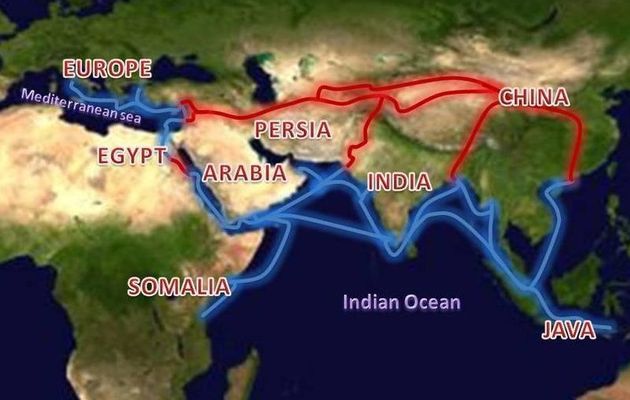
Silk_Route_China_

பருவக்காற்றைக் கண்டுபிடித்தவன் தமிழனா? கிரேக்கனா? என்ற எனது பழைய கட்டுரையில் இது பற்றி விரிவாக எழுதியுள்ளேன். பருவக்காற்று ரகசியத்தை ஒரு இந்திய அசடு (மண்டு), எகிப்தில் அலெக்சாண்டிரியா நகரில் உள்ள ஒரு மாலுமியிடம் உளறிவீட்டான். அதன் பின்னர் போர்ச்சுகீசியர், பிரெஞ்சுக்காரர், பிரிட்டிஷ்காரர் முதலிய ஐரோப்பியர்கள் இந்தியாவைச் சூறையாட வழிவகை ஏற்பட்டது. — ((காண்க: தமிழ் இலக்கியத்தில் அதிசயச் செய்திகள், ச.சுவாமிநாதன், நாகப்பா பப்ளிகேஷன்ஸ், சென்னை-14, ஆண்டு 2009; இதே புத்தகத்தை நிலாசாரல்.காம் ஈ-புத்தகமாகவும் வெளியிட்டுள்ளது)) —

contact swami_48@yahoo.com

கிருஷ்ணன் ரதத்தில் நான்கு குதிரைகள் ஏன்?

benhur2
Four Horse Chariot in Benhur Film

எழுதியவர் கட்டுரை மன்னன் : லண்டன் சுவாமிநாதன்
ஆரய்ச்சிக் கட்டுரை எண்.1302; தேதி 21 செப்டம்பர் 2014

கீதையை உபதேசித்த கண்ண பிரானின் ரதத்தில் அர்ஜுனன் நிற்க, அந்த ரதத்தை நான்கு குதிரைகள் இழுப்பதைப் படத்தில் காணலாம். ஏன் நான்கு குதிரைகள் என்று ஆராய்ந்து பார்த்ததில் உலகம் முழுதும் இப்படி நான்கு குதிரைகள் இருபதைக் காண முடிந்தது. இந்த வழக்கத்தை உலகிற்குக் கற்பித்தவர்களும் நம்மவரே என்ற முடிவுக்கு வர இயலும்.

உலகின் மிகப் பழைய நூல் ரிக் வேதம். பால கங்கதர திலகர், ஜெர்மன் அறிஞர் ஜாகோபி போன்றோர் ரிக் வேதத்தில் உள்ள வான சாத்திரக் குறிப்புகளைக் கொண்டு அதன் காலம் கி.மு.6000 என்றனர். மாக்ஸ் முல்லர் என்ற ஜெர்மன் அறிஞர் கி.மு. 1200 க்குப் பின்னர் யாரும் இதைக் கொண்டு செல்லமுடியாது. அதற்கு முன்னர் கொண்டு செல்லலாம் என்று கூறிவிட்டார். இப்போது அமெரிக்க பலகலைக் கழக அறிஞர்கள் இதை கி.மு.1700 என்று கணக்குப் போட்டுள்ளனர். இப்பேற்பட்ட அரிய பெரிய பழைய நூலில்தான் குதிரை பற்றி அதிகமான விஷயங்கள் உள்ளன. இது இலக்கியத்தில் கிடைத்த தடயங்கள்.

இதைவிட முக்கியமான தொல்பொருட்துறைத் தடயங்களும் கிடைத்து இருக்கின்றன. துருக்கி — சிரியா பகுதியில் மிட்டனியன் (மித்ரனீய) என்ற வம்சத்தினர் ஆட்சி செய்தனர். இவர்களுடைய பெயர்கள் தசரதன், பிரதர்தனன், பரவர்த்தனன் என்பதால் ஆராய்ச்சியாளர்களும் இவர்களை வேதகால இந்துக்கள் என்பதை ஒப்புக்கொள்வர். துருக்கியில் பொகஸ்கோய் என்னும் இடத்தில் களிமண் பலகைக் கல்வெட்டில் மித்ரன், வருணன், இந்திரன் முதலிய வேத கால தெய்வங்கள் சாட்சியாக ஒரு உடன்படிக்கை செய்துகொண்டதும் தெரிந்தது. அவர்கள் காலத்தில் இருந்த கிக்குலி என்பான குதிரைப் பயிற்சி நூல் ஒன்றை எழுதியதும் கிடைத்துவிட்டது. அதில் சம்ஸ்கிருத எண்கள், சம்ஸ்கிருத மொழிக்கு கி.மு.1380க்கு முந்திய தொல்பொருத் துறைச்சான்றும் கிடைத்துவிட்டது. உலகில் இப்போது புழங்கும் மொழிகளில் இதுதான் மிகப் பழைய சான்று. இந்தியாவில் உள்ள எவரும் சம்ஸ்கிருதக் கலப்பு இல்லாமல் பேசவே முடியாது என்பதும் உலகறிந்த உண்மை.
persiansungod
Persian Sun Chariot

தமிழை சம்ஸ்கிருதக் கலப்பிலாமல் பேசமுடியாது என்பதும் 2500 ஆண்டுகளாக ஒப்புக் கொள்ளப்பட்ட உண்மை. சம்ஸ்கிருதச் சொற்களை நீக்கினால் தொல்காப்பியம் திருக்குறள், 2400 சங்கத் தமிழ் பாடல்கள் அனைத்தும் கறையான் அரித்த காகிதம் போல ஓட்டை விழுந்ததாகும் அல்லது ‘’வைரஸ் பாதித்த சாப்ட்வேர்’’ ஆகிவிடும்.

இத்தகைய சம்ஸ்கிருதச் சொற்கள் எகிப்து நாட்டிற்குள்ளும் கி.மு.1480ல் புகுந்துவிட்டதை ஆன் ஹைலண்ட் என்ற குதிரை ஆராய்ச்சியாளர் (Ann Hyland has given full details about Kikkuli’s manual in her book “The Horse in the ancient World “;page 22) கண்டுபிடித்து ஒரு ஆங்கில நூல் எழுதினார். அதில் மர்யன்னு ‘maryannu’ (Vedic Sanskrit word) என்ற சம்ஸ்கிருதச் சொல் எகிப்திய மொழி வழக்கப்படி “ம் –அர்- ய- ன” என்று கி.மு 1470ல் ‘’பபைரஸ் அன்ஸ்டாசி 1’’-ல் எழுதப்பட்டிருக்கிறது என்கிறார். கிக்குலி இதை மர்யான்னு என்று எழுதி இருக்கிறார். சம்ஸ்கிருதச் சொல் வேறு ஒரு மொழியில் புகும்போது இப்படி மாறுவது இயற்கை என்பதை தமிழர்கள் நன்கு அறிவர். தற்சமம், தற்பவம் என்ற இலக்கண விதிகளில் காண்க.

ஆன் ஹைலண்ட் என்ற இந்தப் பெண்மணியின் குதிரை ஆராய்ச்சி பல புதிய உண்மைகளைக் கட்டுகிறது. சம்ஸ்கிருதச் சொற்களைக் கொண்ட குதிரைப் பயிற்சி நூல் எகிப்து நாட்டில் இற்றைக்கு 3500 ஆண்டுகளுக்கு முன்னரே ஒலித்துக் கொண்டிருக்கிறது. அதே நேரத்தில் கங்கைச் சம்வெளியிலும் சம்ஸ்கிருத முழக்கம் கேட்டுக் கொண்டிருக்கிறது. உலகத்தில் அக்காலத்தில் இந்தப் பரந்த அளவுக்கு வேறு எந்த மொழியும் ஒலிக்கவில்லை என்பதை தொல்பொருத் துறைத் தடயங்களும் இலக்கியக் குறிப்புகளும் தெள்ளிதின் எடுத்துக் காட்டுகின்றன. ஆகவே உலகின் முதல் குதிரை வீரர்கள் இந்துக்களே!!

quardiga big
Most Expensive Greek Coin in the world

அது சரி, புத்திசாலியான எவனும் சம பாரத்துக்காக (பாலன்ஸ்) நான்கு குதிரைகள் பூட்டலாமே என்று நமக்கும் தோன்றும். ஆனால் இந்த நான்கு குதிரைகளுக்கும் பெயர் சூட்டி வர்ணம் பூசியதும் நாம்தான. உலகின் மிகப் புகழ்பெற்ற நிகண்டு –சம்ஸ்கிருத நிகண்டான– அமரகோஷம் ஆகும். இதைப் பார்த்தே ஆங்கிலத்தில் ‘’ரோஜெட் திசாரஸ்’’ தயாரிக்க வேண்டும் என்ற எண்ணம் அவருக்கு ஏற்பட்டதாம். இதில் ஒரு பொருட் குறித்த பல சொற்களை அழகாக அடுக்கித் தருகிறார்.

சம்ஸ்கிருதம் கற்கச் செல்லும் குடுமி வைத்த பார்ப்பனச் சிறுவர்கள் முதலில் மனப்பாடம் செய்வது இதைத்தான். கேரளத்தில் எல்லா ஜாதியினரும் இதைக் கற்பர். அதில் இந்த நான்கு குதிரைகளின் பெயர்கள் கிருஷ்ண பரமாத்மாவின் குதிரைகள் என்று சொல்லப்பட்டுள்ளன. பாகவத புராணம், பத்ம புராணம் ஆகியனவும் இவற்றைத் திருப்பிச் சொல்லும். பத்ம புராணம். குதிரைகளின் நிறம் என்ன என்பதையும் பகரும். இவைகளின் காலம் குப்தர் காலம், அதாவது கி.பி. நாலாம் நூற்றாண்டு.

சில பகவத் கீதை உபதேச (கீதோபதேச) படங்களில் ஐந்து குதிரைகள் பூட்டப்பட்ட ரதத்தைக் கண்பீர்கள். இது குதிரை மூலமாக ஆன்ம உண்மையை போதிக்கும் உபநிஷத ஸ்லோகத்தை அடிப்படையாகக் கொண்டது. மனிதனின் ஐம்புலன்களும் ஐந்து குதிரைகள் என்றும் மனிதனின் தேகமே ரதம் என்றும் புத்தி அல்லது ஆன்மா அதைச் செலுத்தும் சாரதி என்றும் அந்த ஸ்லோகம் வருணிக்கிறது. ஆனால் கீதோபதேசக் குதிரைகளுடன் தொடர்புடையன அல்ல.

நான்கு குதிரைகள் பெயர் என்ன?
சைப்ய, சுக்ரீவ, மேக புஷ்ப, பலஹாக

நான்கு குதிரைகள் நிறம் என்ன?
சைப்ய = கிளிப் பச்சை
சுக்ரீவ = தங்க நிறம்
மேக புஷ்ப= மேக வர்ணம்
பலஹாக = தூய வெண்மை

தமிழன் ஓட்டிய நான்கு குதிரை தேர்
பெரும்பாணாற்றுபபடையில் புலவர் உருத்திரங்கண்ணனார் ( திருவாளர் ருத்ராக்ஷன் ) காஞ்சி மாநகரை ஆண்ட தொண்டைமான் இளந்திரையன் பற்றிப் பாடுகிறார். அங்கும் நான்கு குதிரைகள் பூட்டிய ரதம் பற்றியே பாடுகிறார் (வரிகள் 487-489)

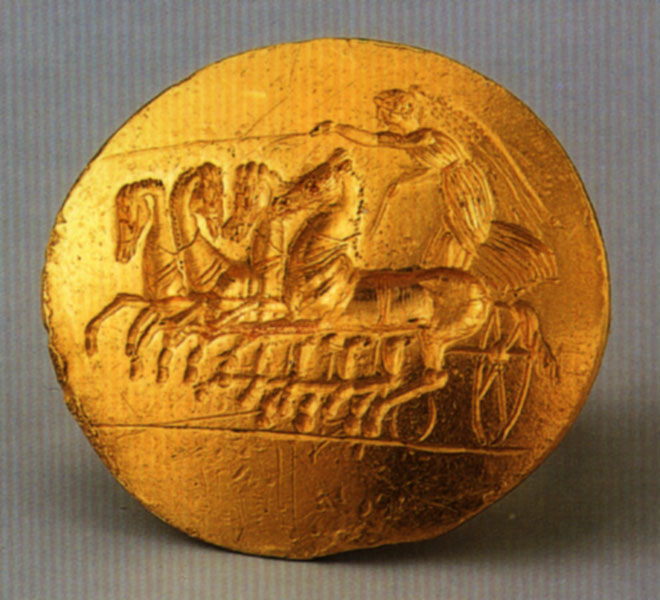
nikeRing400 bce
Greek Gold ring with Nike in the British Museum

இந்த நான்கு குதிரைகள் படம் கிரேக்க நாட்டில் பானைகள், மோதிரங்கள், சிலைகளில் காணப்படும். இவை 2500 ஆண்டுகள் பழமையானவை. லண்டன் மாநகர பிரிட்டிஷ் மியூசியத்தில் உள்ள ஒரு கிரேக்க தங்க மோதிரத்தில் ‘நைகி’ என்னும் கிரேக்க வெற்றி தேவதை நான்கு குதிரைகள் ரதத்தை ஓட்டுவதைக் காணலாம். கிரேக்க நாட்டில் 2100 ஆண்டுகளுக்கு முன் வெளியிட்ட நான்கு குதிரைப் படம் பொறித்த ஒரு வெள்ளிக்காசு இரண்டு மில்லியன் பவுண்டுகளுக்கு ஏலம் போனது.

நான்கு குதிரை ரதங்களை ரோமானியர்களும் பயன்படுத்தி குவாட்ரிகா எனப் பெயர் சூட்டினர். இப்பொழுது உலகின் இகப் புகழ் பெற்ற கட்டிடங்களின் மீது நான்கு குதிரை ரத சிற்பங்களைக் காணலாம். அவை எல்லாம் 200 ஆண்டுகளாகத் தோன்றியவை. கலியுகம் கி.மு. 3100ல் தோன்றியதை பார்த்திவசேகரபுரம் கோ கருநந்தடக்கன் கல்வெட்டும் கூட ஒப்புக்கொள்கிறது. அப்படியானால் எஜமானன் அர்ஜுனனுக்கு கிருஷ்ணன் டிரைவராக இருந்து ஓட்டிய தேரின் காலம் இற்றைக்கு 5100 ஆண்டுகளுக்கும் முந்தியது அன்றோ! எகிப்துக்கும் மேற்காசிய நாடுகளுக்கும் குதிரை பயிற்சி கொடுத்தவர் நாம் அன்றோ!

அது சரி, குதிரை என்பது இந்திய விலங்கு அல்லவே. வேத கால இந்துக்கள் ‘’ஸ்டெப்பி’’ புல்வெளியில் குதிரைகளைப் பிடித்து வந்து சைபீரீயா பனிப் பிரதேசத்தில் இருந்து இந்தியாவில் நுழைந்தனர் என்பதற்கு இதுவும் சான்றாக அமையாதோ? என்று சில ஆரிய திராவிட இன வெறிக் கொள்கையினர் சந்தோசப்படலாம். அது தவறு!

இன்று ‘கால்கேட் டூத் பேஸ்ட்’ பயன்படுத்தும் “டமிழ”னைப் பார்த்து, ஆஹா, நீ வெள்ளைக்காரன் மகன் தானே! பார்! கால்கேட் டூத் பேஸ்ட் உன் கையில் இருக்கிறது, இது என்ன தமிழ் பண்பாடா?’ என்று நகைப்பதை ஒக்கும் அது. குதிரை, இரும்பு (அஸ்வ, அயஸ்) என்னும் எனது ஆய்வுக்கட்டுரைகளில் மேல் விவரம் காண்க. குதிரைக்கும் இரும்புக்கும் காலம் கற்பித்த்வன் வெள்ளைக் காரன். அவனே புதிய புதிய தடயங்களைக் கண்டு, பழைய கொள்கைகளை மாற்றி எழுதி வருகிறான்.
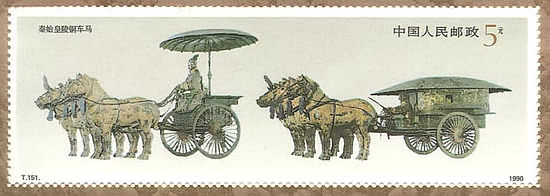
stamps-009h
Chinese bronze from a 2300 old mausoleum

அவன் கூற்றுப்படி தமிழர்களும் மத்தியதரைக் கடல் பகுதியில் இருந்து நுழைந்தவர்கள்! மனித இனமே ஆப்பிரிக்காவில் இருந்து சென்றவன்!! இதை எல்லாம் உண்மை என்று ஒப்புக் கொண்டாலும் குதிரை படம் வரலாற்றுக்கு முந்தைய குகைகளின் ஓவியங்களில் இருக்கிறது இவை அனைத்தும் ஐந்து ஆறு லட்சம் ஆண்டுகள் பழமையுடையவை.

மேலும் குதிரையும் கழுதையும் சொந்தக்காரர்கள்! கழுதை பிடித்தவனுக்கு குதிரை பிடிக்கத் தெரியாதா? சுமேரில் கூட கழுதை உண்டு குதிரை இல்லை. ஆகையால் அரைவேக்காட்டு ஆராய்ச்சியாளர்களின் கட்டுரைகளைப் படித்துவிட்டுக் குழம்பிப் போகாமல் “எப்பொருள் யார் யார் வாய்க் கேட்பினும் அப்பொருள் மெய்ப்பொருள் காண்பது அறிவு” என்னும் வள்ளுவனின் வாய்மொழிச் சொல் வழியில் செல்க!

arjuna_krishna_chariot-front
Krishna’s Chariot
contact swami_48@yahoo.com

How did Ravana travel from Sri Lanka to India?

Silk_Route_China_

Research paper written by London Swaminathan
Research post No. 1301; Dated 20th September 2014.

Marxist historians used to describe the wars in Ramayana and Mahabharata as ‘class wars’. For them Lanka of Ramayana was a small island in Godavari river. Foreign “scholars” also subscribed to this view. They never believed that one can travel from some location in Sri Lanka to Dandakaranya in central India or Kailash in the Himalayas. After Ravana drove out his half brother Yaksha Kubera from Sri Lanka, Kubera took refuge in Kailash/Tibet area in the Himalayas. Ravana even went to Kailash and ‘shook it’. When he was trapped by Shiva, he had to beg for his release. These episodes demonstrate that people were travelling from Kandy to Kashmir without any difficulty.

Foreign “scholars” and Marxist historians did not know Tamil and so they did not know that the Tamil Saivite and Vaishnavite saints were very clear in locating Lanka in present Sri Lanka. Even before the Vaishnavite saints sang about Sri Lanka of Ravana, Tamil epic Silappadikaram of second century CE, mentioned Gajabahu from ‘sea clad’ Sri Lanka. So it is not river clad ‘lanka’ of Godavari.

peryplus_first_century_AD_1000px

Before Agastya laid a road route to Tamil Nadu through the Vindhyas, all the North Indians were using the coastal route to come to Rameswar. They used boats wherever necessary. Yakshas were occupying Sri Lanka before Vijayan was banished from Bengal to Sri Lanka for his misdeeds. This happened in the fifth century BCE. Mahavamsa, the chronicle of Sri Lanka, says that Vijaya first married a Yaksha girl and then only he married a Tamil princess from Pandyan kingdom of Tamil Nadu. So Ramayana and other Puranas were right about Kubera, Yaksha and Ravana. Mahavamsa says that Buddha and his predecessors visited Sri Lanka. It is possible because Buddha had a very long life and he died when he was 84 years old.

tamluk board

How did Ravana travel?
Some amazing travel information is reported in Mahavamsa. That gives us some idea about how Buddha and Ravana travelled. Indians were expert navigators which is confirmed by Sangam Tamil literature and Hindu Puranas ( I have already explained ‘Agastya drank ocean’ — is an idiom to say that Agastya crossed the Indian ocean to establish Hindu empire in South East Asia. I have already written about Sri Mara, a Pandya who ruled Viet Nam in the second century CE).

Hindus knew the secret of monsoon. They knew if they leave at a particular time of the year the wind will take them to their destination without spending a single penny. They knew when to come back as well. It is demonstrated in Kalidasa’s Megaduta and throughout Sangam Tamil literature. One babbler gave this secret of monsoon to a person (Hippalous) in Alexandria (in Egypt) and then westerners came for business and then for ruling the country.

tamluk

Mahavamsa says (Chapter 11) that Devanampiriya’s ambassadors reached Tamralipti (Tamluk) in West Bengal within seven days and they spent seven more days to go to Pataliputra to meet Emperor Asoka. In short, it took one week for sea travel and another week for land travel to Patna (Pataliputram) in Bihar. On their return journey, it took twelve days from Tamralipti to Sri Lankan harbour at Jambukola.

Devanampriya’s ambassadors stayed with Asoka for five months. The reason was they were waiting for the favourable wind. If they leave at a particular time the return journey would be easy. When we read this, we can guess how Ravana and Surpanaka came to Dandakaranaya for involving in anti social activities. It was their hobby! Like wealthy people visiting hill centres during summer, they went there to simply spend time. This is like the Arabian wealthy people or sheiks coming to Bombay to do certain things which are banned in their countries! Ravana might have sent Surpanakha deliberately to avoid her misdeeds at home.

Ravana had a thought powered air plane. He took it forcefully from Kubera. Those who could not believe that Ravana used his plane to come to Dandakaranaya, still can accept his sea travel.

patna

In chapter 18 of Mahavamsa , another travel information says that one person has reached Patna (Pataliputra) in one day. It may be classified as a miracle. But the traffic between Patna and Sri Lanka was very hectic in those days. Asoka’s daughter and son also travelled to Sri Lanka from India by ship. Traffic between Sri Lankan coast and Malayam Hills in Tamil Nadu was heavy. We often hear about Sri Lankans coming to Malaya hills and going back with a big army. Thousands of Buddhist Bhikshus were visiting Sri Lanka during all the important festivals.

(This article is part of my series on Mahavamsa)

Contact swami_48@yahoo.com

ship
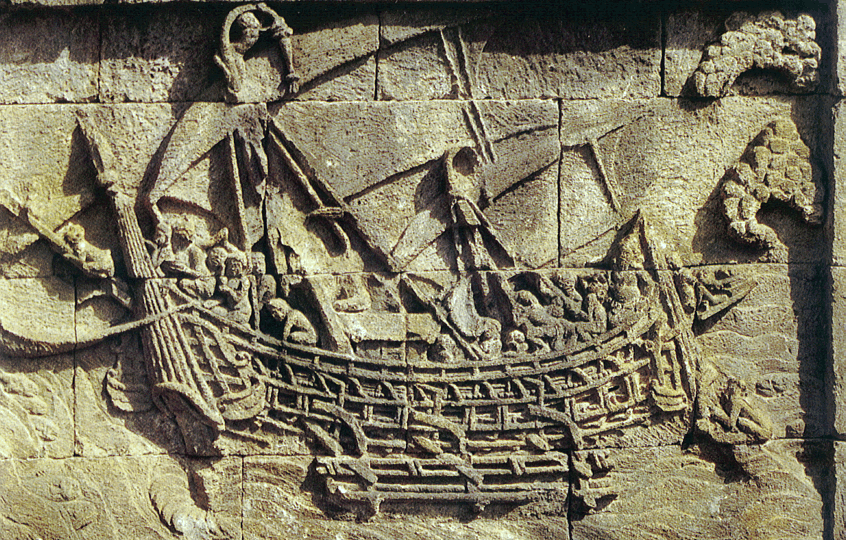
Picture of Ancient Indian ship in sculpture.

Pictures are taken from various websites; thanks.

இராக்கில் 3000 கடவுள்: இந்துக்கள் போல சிலைக்கு ‘கண் திறக்கும்’ அதிசயம்!

adad01on bull

Adad on Rishaba Vahana (bull) like Lord Shiva

கட்டுரை மன்னன் :– லண்டன் சுவாமிநாதன்
ஆராய்ச்சிக் கட்டுரை எண்:- 1300; தேதி: 20 செப்டம்பர் 2014

இராக் என்று இப்பொழுது நாம் அழைக்கும் நாட்டில் உலகின் மிகப் பழமையான நாகரீகங்களில் ஒன்றான சுமேரிய பாபிலோனிய நாகரீகங்கள் இருந்தன. டைக்ரீஸ், யூப்ரடீஸ் என்ற இரு நதிகளுக்கு இடைப்பட்ட பிரதேசம் என்னும் பொருளில் இதை மெசபொடோமியா என்று அழைப்பர். இதைப் பற்றி பிரிட்டிஷ் மியூசியம் வெளியிட்ட அகராதியை Dictionary of the Ancient Near East published by the British Museum நான் ஆழப் படித்திருக்கிறேன். எந்த ஒரு தலைப்பை எடுத்தாலும் இந்து கலாசாரத்துடன் பல ஒற்றுமைகளைக் காணமுடியும். இவைகளைப் பற்றி துலாபாரம், தகனம், இரு தலைப் பறவை, இந்திரன் வழிபாடு. லபிஸ் லசூலி ஏற்றுமதி முதலிய 20 கட்டுரைகள் எழுதி இருக்கிறேன்.
கடவுள் என்ற தலைப்பில் இந்த அகராதி தரும் விஷயங்கள் இந்து மதத்துடன் உள்ள அற்புத ஒற்றுமைகளைக் காட்டுகிறது. அவர்களும் கடவுளுக்கு 3000 பெயர்கள் வைத்திருந்தனர்!!

முதலில் சிலைகளுக்கு “கண் திறத்தல்” என்னும் அற்புத ஒற்றுமையைக் கண்போம். இந்துக் கோவில்களுக்குச் சிலை வடிக்கும் சிற்பிகள் அந்த சிலையின் கண்களைத் திறப்பதை மிகவும் முக்கியமானதாகக் கருதி அதற்கு விஷேச புனிதத்துவம் கொடுப்பர். இதை “நயனோன்மீலனம்” என்னும் வடமொழிச் சொற்களால் விவரிப்பர். சிலையின் கண்களைச் செதுக்கிவிட்டால் அதற்கு உயிரும் புனிதத்துவமும் வந்துவிடும். அதற்குப்பின் அது வெறும் கல் அல்ல—புனிதக் கடவுள்!! பின்னர் அதை ஜலத்திலும், தானியத்திலும் வைத்து மேலும் சக்தி ஏற்றுவர். அதற்குப் பின்னர், அதில் எண்ணை தடவ எல்லாப் பொதுமக்களையும் ஜாதி, குல வேறுபாடு இன்றி அனுமதிப்பர். இதே போல பாபிலோனியாவிலும் ஒரு சடங்கு உண்டு.

inanna  triumphant

Inanna like Hindu Goddess

பாபிலோனியாவில் சிலை வடித்த பின்னர் செய்யும் சடங்கிற்கு ‘வாய் திறத்தல், வாய் கழுவுதல்’ என்று பெயர். இதைச் செய்தவுடன் அந்தச் சிலைக்கு தெய்வீக சக்தி ஏற்பட்டுவிடும் என்று பாபிலோனியர் நம்பினர். அவர்கள் இந்துக்களாக இருக்கலாம். அல்லது நம்மிடம் இதைக் கற்றிருக்கலாம். நான் இப்படிச் சொல்வதற்குக் காரணம் உலகின் மிகப் பழைய சமய நூலான ரிக் வேதம் இந்துக்களுடையது. அதை கி.மு 6000 ஆண்டைச் சேர்ந்தது என்று சுதந்திரப் போராட்ட வீரர் பாலகங்காதர திலகரும் ஜெர்மன் அறிஞர் ஜாகோபியும் கூறுகின்றனர். அண்மையில் ஆராய்ச்சிக் கட்டுரைகளை எழுதிவரும் அமெரிக்கர்கள் அது கி.மு 1700-ஐச் சேர்ந்தது என்பர். எவ்வகையிலும் பாரினில் இதுபோல் பிரிதொரு நூல் இல்லை.

‘வாய் திறத்தலும்’, ‘கண் திறத்தலும்’ ஒன்றே. சில மொழிகளில் சில சொற்கள் இல்லாததால் வேறு உறுப்புகளைப் பயன்படுத்தி அதே கருத்தை வெளியிடுவர். ‘’தமிழுக்கு முகம் இல்லை, சம்ஸ்கிருதத்துக்கு வாய் இல்லை’’ — என்று ஆன்றோர்கள் பகடி செய்வர். தமிழில் முகம் என்று சொல்ல முடியாததால் வடமொழிச் சொல்லான முகத்தையே பயன் படுத்துவர். சம்ஸ்கிருதத்தில் வாய் என்று சொல்ல முடியாததால் ‘’முகத்தால் பேசினான்’’ – முகேன வதந்தி — என்பர். நான் தமிழ் ஒரு ‘’இதயமற்ற மொழி’’ என்று சொல்லுவதுண்டு. தமிழில் இருதயம் என்பதற்குச் சொல் இல்லததால், ‘’ஹ்ருதயம்’’ என்ற வடசொல்லையே பயன் படுத்துகிறோம். ‘ஹார்ட்’, ‘இதயம்’ ஆகியன எல்லாம் சம்ஸ்கிருதத்தில் இருந்து பிறந்தவை!

ashtart on lion
Ashtart on like Hindu goddess Durga on lion

ஆக வாய் திறத்தல் என்று பாபிலோனியர் (சுமேரியர், மெசபொடோமியர்) சொல்வதெல்லாம் கண் திறக்கும் ‘’நயனோன்மீலனம்’’ என்னும் சடங்கேயாம் என்று அறிக.

கடவுள் பற்றி பாபிலோனியர், சுமேரியர் சொல்வதும் நம்மைப் போன்றதே. கடவுளைப் பல் பெயர் இட்டு அழைக்கலாம், பல உருவம் கொடுக்கலாம், ஆண், பெண் என்ற பல வடிவில் வணங்கலாம், அவருக்கு உருவம் கொடுத்து சிலை வைக்கலாம், கடவுளில் பெரியவர், சின்னவர், பரிவார தேவதைகள் வைத்து வணங்கலாம். கடவுள் மேலுகத்திலும் , கீழ் உலகத்திலும் இருப்பார், அவர்களுக்கு வெவ்வேறு விஷேசப் பணிகள் உண்டு — இப்படி அவர்கள் கூறூவது எல்லாம் இந்து மதத்திலும் உண்டு. அவர்கள் மொத்தத்தில் இதுவரை 3000 பெயர்களைக் கண்டு பிடித்ததாக பிரிட்டிஷ் மியூசியம் வெளியிட்ட அகராதி கூறும் நாமோ ஒவ்வொரு சாமிக்கும் 1000 – சஹஸ்ர நாமம் — பெயர்கள் வைத்துள்ளோம்!!

இவ்வளவு பெயர்கள் இருந்தாலும் ‘’கடவுள் ஒருவரே, அதை அறிஞர்கள் பலவேறாக அழைப்பர்’’ — என்ற மாபெரும் உண்மையையும் உலகின் மிகப் பழைய நூலான ரிக் வேதத்திலேயே செப்பியும் விட்டோம் (காண்க: ரிக் வேதம் (RV 1-164-46) – ‘’ஏகம் சத், விப்ரா: பஹூதா வதந்தி’’ = ‘’உண்மை ஒன்றே; அறிஞர்கள் அதைப் பல்வாறாக அழைப்பர்’’.

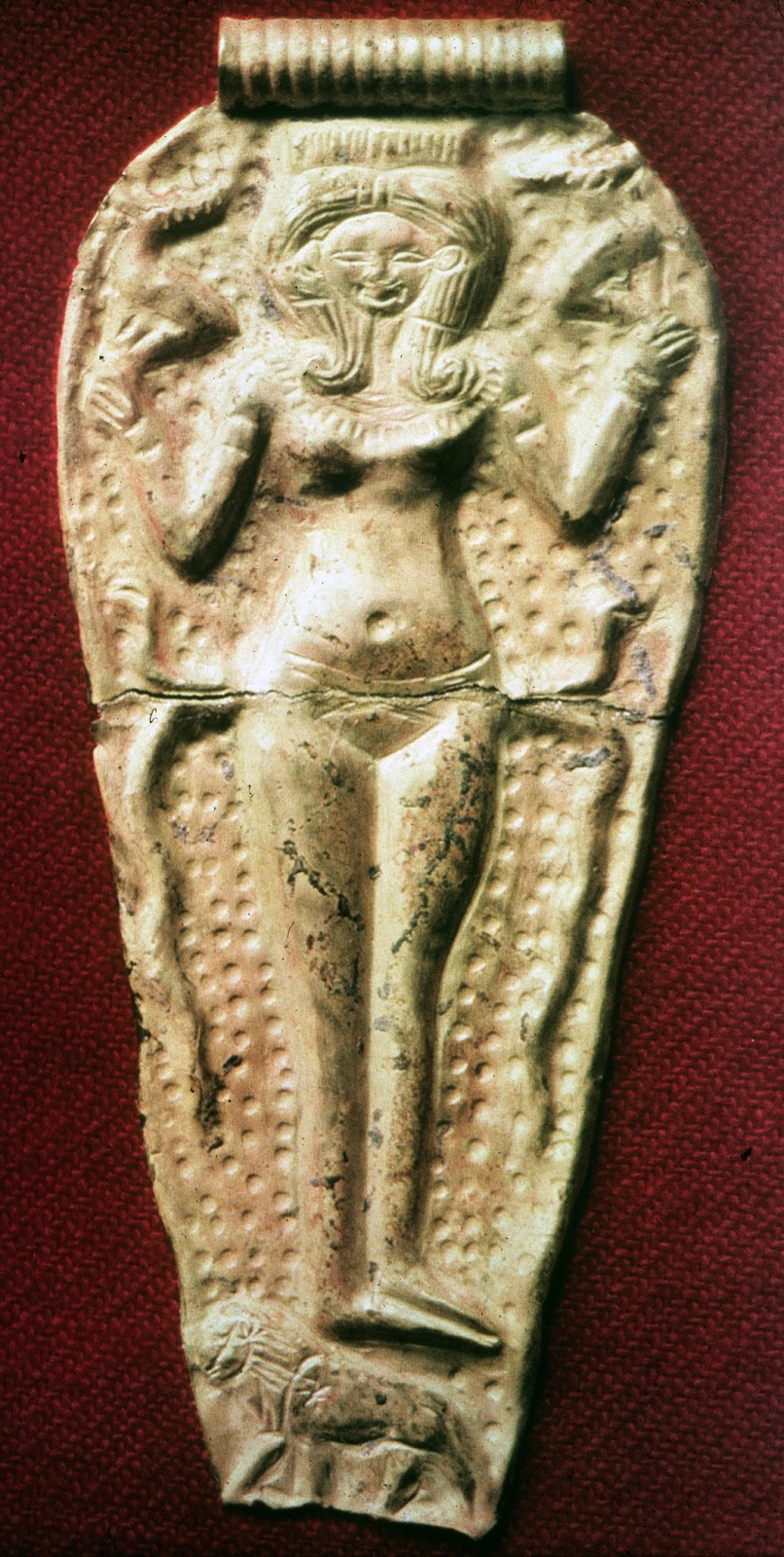
448px-Burney_Relief_Babylon_-1800-1750
Lilith of Hebrew mythology with owls like Lakshmi

ஏன் மனிதன் பல கடவுளரை உருவாக்கினான்?
சக்தி என்று ஒரு பெண் தெய்வத்தை அழைப்போம். ஒரு பையன் வந்து, அப்பா, நான் பரீட்சையில் நல்ல மார்க் எடுக்க வேண்டும் என்று கேட்டால் அதை சரஸ்வதியாக வணங்கு என்போம். ஒருவர் பணம் வேண்டும் என்றால் லெட்சுமி என்னும் வடிவில் தியானம் செய் என்போம். மற்றொருவர் கோர்ட் வழக்கில் வெற்றி பெற்வேண்டும் என்றால் துர்க்கை என்று வழிபடு என்போம். இப்படியாக தெய்வங்களின் எண்ணிக்கை பெருகும். இன்னும் சில தெய்வங்கள் நடிகர் நடிகையர் மூலம் திடீரெனப் பிரபலமாகும். மூகாம்பிகை, ஐயப்பன், ராகவேந்திரர் முதலியோர் வழிபாடு பிரபலமானதைக் குறிப்பிடலாம். 100 ஆண்டுகளுக்கு முன் ஐயப்பன் கோவிலுக்குப் போனோர் தொகையை விரல் விட்டு எண்ணிவிடலாம். இன்று இரண்டு கோடிப் பேர் செல்கின்றனர். இப்படிக் காலத்துக்கு காலம் கடவுளர் பெருமை ஏறி இறங்கினாலும் கடவுள் ஒருவனே, அவனை எல்லா வகையிலும் வழிபட முடியும் என்ற மாபெரும் உண்மையை, கை நாட்டு வைக்கும் கிழவியும் கூட அறிவாள்.

வேறு கலாசாரங்களில் வெவ்வேறு இன மக்கள் ஒன்றுகூடும் இடங்களில் பல் தெய்வங்கள் இணைந்துவிடும். ஆனால் பல பெயர்கள் மட்டும் மக்கள் மனதில் தங்கிவிடும். மேலை நாட்டில் முதல் முதலில் நாகரீகத்தைப் பரப்பிய கிரேக்கர்களின் தெய்வங்களுக்கு இணையாக ரோமானியர்கள் ஒவ்வொரு தெய்வத்தின் பெயரைப் புகலுவர் மற்றும் புகழுவர்.

yazidi_symbol
Yasidi tribe has peacock as sacred symbol like Tamiol Skanda/ Muruga

இதே போல இந்தியாவில் இருந்து வேத கால நாகரீகத்தை மேற்கு ஆசியா, ஐரோப்பா முழுதும் எடுத்துச் சென்ற ‘ஹிட்டைட்ஸ்’, ‘காசைட்ஸ்’, ‘மிட்டனியன்ஸ்’ — நமது தெய்வங்களை அவர்களுடைய பழைய தெய்வங் களுடன் இணைத்தனர். இராக் மலைப் பகுதியில் வாழும் ‘யசீதி’ இனம் முதல் பல்வேறு இடங்களில் இந்துமதத்தின் எச்ச சொச்சங்களையும் மிச்சம் மீதிகளையும் காண்கிறோம். காஞ்சி பரமாசார்ய சுவாமிகள் 1932 ஆம் ஆண்டு சென்னைப் பிரசங்கத்தில் “உலகம் முழுதும் சநாதன தர்மமே இருந்தது, அதன் தடயங்கள்தான் இவை — நாம் மதத்தைப் பரப்ப எடுத்துச் செல்லவில்லை, முன்னரே இருந்தவை” — என்று கூறுவதையும் கவனத்திற் கொள்ளல் வேண்டும்.

Please read my earlier posts on Sumer- India link
Hindu Vestiges in Iraq ( Posted on 12th August 2014)
Indus Valley to Egypt: Lapis lazuli Export (posted 0n 6th Sept.2014)

Why did Sumer and Egypt worship Indra? (Posted 14th Sept.2014)
Double Headed Eagle: Indian—Sumerian Connection (18th December 2011)
Birds for Finding Direction: Sumeria to Tamil Nadu via Indus Valley (Posted 8th April 2013)
Cremation: Sumerian – Hindu Similarities (Posted on 14th May 2014)
Sanskrit Words in Sumerian: Sumukan Mystery (Posted on 12th May 2014)
A Hindu Story in Sumerian Civilization (Posted on 11th May 2014)
Mysterious Fish Gods around the World (Posted 27-10-2012)
Tulabharam: Indian – Sumerian Connection (Posted on 2nd January 2012)
Serpent Queen: Sabarimalai to Indus Valley
Hindu Vahanas around the World

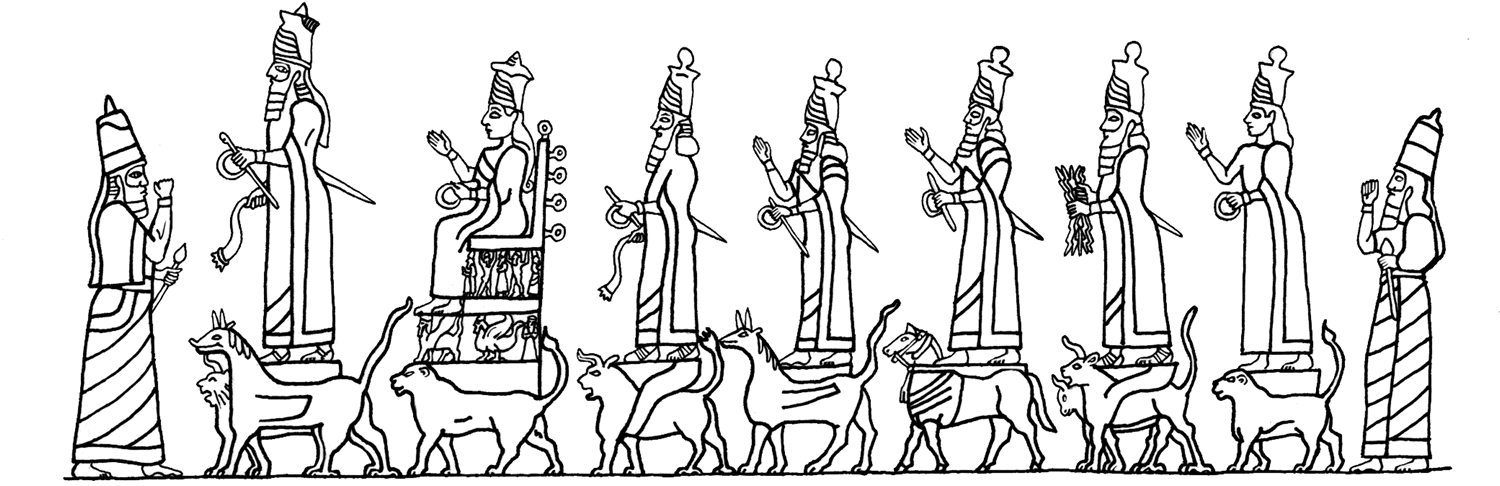
procession-lg
Seven gods on Seven vahanas in Iraq

Hindu Vahanas in Iraq (Posted on 21st October 2012)
330 Million Gods (முப்பத்து முக்கோடி தேவர்கள்)
இந்தக் கட்டுரைகளில் பலவற்றைத் தமிழிலும் தந்துள்ளேன்

(Most of these articles are published in Tamil as well around the same dates)
Contact swami_48@yahoo.com
tammuz01
Tammuz in Mesopotamia