Spontaneous Combustion Miracle in Mahavamsa!

shc

Research paper written by London Swaminathan
Post No.1294; Dated 17th Sept. 2014.
This is my Sixth Research Article in the Mahavamsa series.

I have already listed the miracles in Mahavamsa. But I did not deal with the Miracles of Buddha in that article. There are lot of miracles in Buddha’s life like in the life stories of Krishna and Jesus. So I am not dealing with them here. But one remarkable miracle is recorded in the Mahavamsa. It comes under the category of Spontaneous Human Combustion (SHC).

What is spontaneous Human combustion (SHC)?

A human body bursts into flames without any rhyme or reason or external contact with fire. Only people who believe in miracles and paranormal things believe that this can happen. But scientists who came across such things as late as in 1992, struggle hard to explain with all the scientific terms they know: methane in the body, fat in the body struck by lightning, wick effect etc. Nothing is satisfactorily explained so far. Moreover they did not know what is recorded in the Hindu scriptures. But what puzzled firemen and forensic experts is that the whole body including the bones except legs burnt to ashes! Why didn’t the legs burn? How come the bones burnt which is not even possible in Electric crematoriums where the temperature is 1000 degrees C? These are the puzzles. Hindus collect bones after the cremation even in London after cremating the body in the electric crematorium!

SHC2

Stranger than this was the burning of the body without damaging the clothes! But these were not recorded properly, so scientists ignored them. Hindus strongly believe in SHC, because they have lot of anecdotes in their scriptures. They never thought that they are fire accidents or concocted stories.

Saivite saint Tiru Jnana Sambandhar and Vaishnavite woman saint Andal burst into flames and merged with God. But atheists explained them as unfortunate fire accidents!!!

Ramalinga Swamikal burst into flames and merged with Jyothy, his disciples believe.
Tiruppanalvar and Nandanar merged into Jyoti/fire.

Gopal Naik sang Deepak Raga and burst into flames in front of Moghul emperor Akbar.
Tamil woman Kannaki burnt Madurai by throwing her breast.

Pattinathar and Adi Shankara lighted their mothers’ funeral pyre by looking at them!

In Mahavamsa we come across an anecdote where Kasyapa goes round the Buddha’s body three times and it spontaneously lit the funeral pyre! (See Chapter 30 of Mahavamsa).

More interesting is the SHC reported in fifth chapter. A monk bursts into flames. Buddhists call this Tejo jhanavasena. The explanation for this term is that a meditating monk concentrates all his thoughts on the concept of fire (tejo) and the effect is a fire arises in his body which consumes him.

shac4
The story is as follows:
Once a person went into a forest and fell in love with a wood nymph called Kunti. She gave birth to two children and they grew up and attained supernatural powers after practising Buddhism. One of them was bitten by a poisonous insect. Immediately the younger one asked him what would relive him of pain. The elder one asked for ghee to get rid of the poison in his body. Enough ghee was not available. The elder one decided to go into Nirvana. He sat lifted up in the air. Suddenly he burst into flames and the bones only remained after he burnt his flesh. The king collected his bones and did the funeral rites. After finding the Thera’s sickness, he built many hospitals for the Bhikshus.

Hindus have already heard such stories and so they are not surprised. But it is a very rare phenomenon. In the 5000 year old Hindu history we come across a handful of SHC cases only!

shc bbc

Please read my earlier articles:
The Mysterious Death of Great Hindu Saints (Posted Nov.15, 2011)
Strange Facts about V I P Deaths (27th April 2012)
Contact swami_48@yahoo.com

தமிழ்ப் புலவர் மாயமாய் மறைந்தது எப்படி?

yaha1

ஆராய்ச்சிக் கட்டுரை : லண்டன் சுவாமிநாதன்
கட்டுரை எண்:— 1219; தேதி 7 ஆகஸ்ட் 2014

சங்க இலக்கிய நூலான பதிற்றுப் பத்தில் ஒரு அதிசய நிகழ்ச்சி பதிவு செய்யப்பட்டுள்ளது. இந்த அதிசயத்தை சிலப்பதிகாரத்தில் இளங்கோவும் இரண்டு இடங்களில் சொல்லிச் சொல்லி வியப்படைகிறார்.

யவனர்களைப் பிடித்து, கைகளைப் பின்புறம் கட்டி, (மொட்டை அடித்து) தலையில் நெய்யை ஊற்றி அவமானப் படுத்தியவன் இமயம் வரை சென்று விற்கொடி நாட்டிய இமயவரம்பன் நெடுஞ்சேரலாதன். அவனுடைய தம்பி பல்யானை செல்கெழுகுட்டுவன். இவன் மீது கவிபாடியவர் பாலைக் கௌதமனார். அவன் 25 ஆண்டுகள் அரசாட்சி செய்தான்.

பல்யானை செல்கெழுகுட்டுவன் பற்றிப் பதிற்றுப் பத்து சொல்கிறது:

ati rudra
Sri Sathya Sai Baba performing Ati Rudra Maha Yajna

அரபிக்கடல் முதல் வங்காள விரிகுடா வரை வரிசையாக யானைகளை நிறுத்தி வைத்து இரு கடல் நீரையும் ஒரு பகலில் நீராடியவன். அகப்பா என்னும் கோட்டையைப் பிடித்து ஒரே பகலில் தீயிட்டுக் கொளுத்தியவன். அயிரை மலையில் உள்ள துர்க்கையை அனுதினமும் வழிபட்டவன். அவனுடைய புரோகிதர் நெடும்பாரதாயனார் என்பவர் வானப் ப்ரஸ்தம் செய்யக் காட்டுக்குச் சென்றார். உடனே இவனும் அரச பதவியை விட்டு காட்டுக்குத் தவம் செய்யப் போய்விட்டான்.

இதை எல்லாம் விடப் பெரிய அதிசயம்!!! பாலைக் கவுதமனார் என்ற பிராமணப் புலவன், அவர் மீது கவி பாடினான் —(காண்க பதிற்றுப்பத்து—மூன்றாம் பத்து). —–புலவரே! உமக்கு என்ன வேண்டும், கேளும், கொடுக்கிறேன் ——– (நீர் வேண்டியது கொண்மின்) ——– என்றான் மன்னர் மன்னன்.

பிராமணப் புலவன் பாலைக் கௌதமன் சொன்னான்: “யானும்என் பார்ப்பனியும் சுவர்க்கம் புகல் வேண்டும்”

மன்னன் அசந்தே போனான். உடனே பார்ப்பாரிற் பெரியோரைக் கேட்டு ஒன்பது பெரு வேள்வி வேட்பிக்கப் பத்தாம் பெருவெள்வியிற் பார்ப்பானையும் பார்ப்பனியையும் காணாராயினர் ——- என்று பதிற்றுப் பத்து பதிகம் பகரும்.
elijahchariot
Elijah going by Fire Chariot

அதாவது பெரிய பிராமண அறிஞர்களைக் கலந்தாலோசித்து பத்து யாக யக்ஞங்களுக்கு மன்னன் ஏற்பாடு செய்தான். ஒன்பது வேள்வி முடிந்தது. பத்தாவது வேள்வியில் பார்ப்பனப் புலவன் கௌத்தமன், அவனுடைய மனைவியுடன் மாயமாய் மறைந்து விட்டான். 2000 ஆண்டுக்கு முன் எழுந்த சங்க இலக்கியம் தரும் தகவல் இது.

( ஒரே பகலில் நான்கு கடல்களின் நீரைக் கொண்டு குளிப்பது தமிழ் மன்னர்களுக்குப் பிடித்த விளையாட்டு —- இது சாத்தியமா?——– இது பற்றி முன்னரே நீண்ட ஆராய்ச்சிக் கட்டுரை எழுதி இருக்கிறேன். மாயா இன மக்கள் எப்படி ஓடி, ஓடி செய்தி பரப்பினர், மாரத்தன் வீரன் எப்படி 26 மைல் ஓடிவந்து செய்தி சொன்னான், வீரபாண்டிய கட்டபொம்மன் எப்படி திருச்செந்துரில் தீவாரதனை ஆனவுடன் சாப்பிட்டான் என்பனவற்றை ஏற்கனவே விளக்கி இருக்கிறேன். வானப் பிரஸ்தம் என்பது இந்துக்களின் மூன்றாவது கட்ட வாழ்க்கை என்பதையும் வேறு ஒரு கட்டுரையில் விளக்கி இருக்கிறேன். கண்டு மகிழ்க!)

பாலை கௌதமனார் பாடிய மூன்றாம் பத்து:

இமையவரம்பன் தம்பி அமைவர
உம்பற்காட்டை தன்கோல் நிறீ இ
அகப்பா எறிந்து பகல் தீ வேட்டு
மதியுறழ் மரபின் முதியரைத் தழீ இக்
கண்ணகன் வைப்பின் மண்வகுத்து ஈத்துக்
கருங்களிற்று யானைப் புணர் நிரை நீட்டி
இருகடல் நீரும் ஒரு பகல் ஆடி
அயிரை பரை இ ஆற்றல் சால் முன்போடு
ஒடுங்கா நல்லிசை உயர்ந்த கேள்வி
நெடும் பாரதாயனார் முந்துறக் காடு போந்த
–பதிற்றுப் பத்து பதிகம்

சிலப்பதிகாரச் செய்தி

பிற்காலத்தில் யாரும் இதை பொய் என்றோ இடைச் செருகல் என்றோ சொல்லிவிடக் கூடாது என்பதற்காக இளங்கோவும் இதை கட்டுரைக் காதையிலும் நடுகற் காதையிலும் பாடிவைத்தார்:

நான்மறையாளன் செய்யுட்கொண்டு
மேல்நிலை உலகம் விடுத்தோன் ஆயினும்
(—வரிகள் 137-137, நடுகற் காதை)

வண்டமிழ் மறையோர்க்கு வானுறை கொடுத்த
திண்டிறல் நெடுவேற் சேரலன் காண்கு
(—வரிகள் 63-64, கட்டுரைக் காதை)

elijah
Elijah fed by Ravens!

கோவலனும் கண்ணகியும் விசேஷ விண்கலத்தில் சுவர்க்கம் சென்றதையும் சிலப்பதிகாரம் கூறும். ராமன், விமானி இல்லாத விசேஷ விமானத்தில் இலங்கையில் இருந்து உத்தரப் பிரதேசம் வந்தது எப்படி என்பதற்கான விஞ்ஞானப் பத்திரிக்கைச் செய்தி ஆதாரத்தை முன்னரே எழுதி இருக்கிறேன். அதே போல விமானி இல்லாத விமானம், பெரியோர்களை அழைத்துச் செல்ல, சுவர்க்கத்தில் இருந்து வரும் செய்தியை புற நானூற்றுப் புலவன் முதுகண்ணன் சாத்தனார் பாடிய பாட்டில் இருந்து நாம் அறிகிறோம் (புற. 27).

இதே போல பைபிளிலும் ஒரு கதை உண்டு.

பைபிளில் விமானம்
பைபிளில் வரும் ஒரு கதை: எலிஜா என்பார் ஒரு தீர்க்கதரிசி. அவர் விக்கிரக ஆராதனையை எதிர்த்தும் ஜெஹோவாவை ஆதரித்தும் பிரசாரம் செய்தவர். அவருக்கு வறட்சிக் காலத்தில், அண்டங் காக்கைகள் உணவு கொண்டு வந்தன. திரவுபதி வைத்திருந்த அட்சய பாத்திரம் போல, ஒரு விதவைப் பெண்ணிடம் இருந்த பாத்திரத்தில் இருந்து ரொட்டிக்கான பொருட்களை வரவழைத்தார். அவளுடைய இறந்துபட்ட குழந்தையை அப்பர், பெருமான, திருஞான சம்பந்தர் ஆகியோர் குழந்தைகளை உயிர்ப்பித்துத் தந்தது போல உயிர்ப்பிக்கிறார். அவருக்கு சொர்கத்துக்குப் போவதற்கு தீ கக்கும் ஒரு ரதம் வருகிறது. அதை இழுக்கும் குதிரைகளும் ஜோதி ரூபத்தில் இருந்தன. அவர் ஒரு சூறாவளியால் தூக்கப்பட்டு அந்த ரதத்தில் சென்று மறைந்தார்.

elijah ascent to heaven
Place where Elijah ascended in Jordan

ஆக, யாகத் தீயில் மாயமாய் மறைந்த பார்ப்பனன், பார்ப்பனி, ஜோதி ரதத்தில் மறைந்த எலிஜா ஆகியோர் கதைகள் சுவையான பல விஷயங்களைத் தருகின்றன. இன்றுவரை அவைகளை உண்மையே என்று நம்புவோர் இருப்பதையும் காண்கிறோம்.

வாழ்க வண்டமிழ் மறையோர் = தமிழ் பிராமணர்கள்!!

–சுபம்–

How did Tamil Poet and Biblical Prophet Elijah go to Heaven?

yaha1

Research paper written by London Swaminathan
Post No. 1218; Dated 6th August 2014.

Sangam Tamil poet Palai Kautamanar went to heaven with human body. Chera king Palyanai Selkezukuttuvan helped the poet in this venture. The king was the younger brother of Imayavarampan Neduncheralathan. The Third Ten section of the Patitrpattu (Ten Ten Book) gives the interesting story.
Kautamanar is the Tamilized form of Sanskrit name Gauthama.

The legend goes that Palai Kautamanar, a Brahmana poet, performed ten Fire sacrifices (Yagas, Yajnas, Havans) and in the course of the tenth, the Brahmana and his wife disappeared by going to heaven. In its accomplishment Chera king Selkezukuttuvan helped him.

Tamil epic Silappadikaram referred to this episode in two places (Katturai Katai, Natunar Katai).

Sangam book Pathitru Pattu says Selkezukuttuvan ruled for 25 years. He made a bridge of elephants between the east and west coast of peninsular India just to get water from both the seas for bathing. Ancient kings did such things to show that the entire country was under their rule. The second purpose was to appreciate the holiness of both the seas.

ati rudra
Image of Atirudra Mahayajna conducted by Sathya Sai Baba.

He was a great devotee of Goddess Durga of Ayirai Hills. When he heard that his priest Nedum Bharathan went to forest for ‘Vanaprastha’, he also followed him. The third stage of a Hindu’s life is Vanaprastha, going to forest to spend life in meditation and prayer.

When he asked his royal poet Kautamanar (Gauthama) what he wanted after he sang the decad in his praise, he told that he wanted to go to heaven with his wife in human form. Then the king consulted the learned in the scriptures and did proper fire sacrifice for this purpose. After the ninth round of the Yagas, the tenth and final round came. Suddenly the poet and his wife disappeared!!

We have several references to people going to heaven in special air planes that were sent from the heaven. In the Tamil epic Silappadikaram, the dead husband Kovalan came to take her beloved Kannaki to heaven in a heavenly vehicle. Rama of Valmiki Ramayana also flew in a pilotless plane (Please read my scientific explanation in How did Rama fly his Pushpaka Vimana/ Air Plane?)

Sangam Tamil book Purananuru (verse 27 by Mudukannan Sathanar) says that there were pilotless planes for great people praised by the poets. Such air planes will take them straight to heaven. We know how the great Rishi Viswamitra tried to send Trishanku straight to heaven with human body. Viswamitra’s fire sacrifice helped him to ascend to heaven, but he was denied entry. When he came back Viswamitra took it as a personal defeat and stopped him halfway through in the sky. He was hanging in the heaven and he was made the constellation Crux or Sothern Cross.

elijahchariot
Elijah’s Fire Chariot

Jewish Prophet Elijah

Jewish Prophet Elijah (900 BC) fought against idol (Bal) worship. His story is in the Jewish and Christian Bibles. Nothing much about his origin is known. But he is attributed with several miracles in the Bible:

Elijah was fed by ravens during a big drought.

Elijah went to a widow and made her cup an Akshaya Patra (inexhaustible vessel).

Elijah brought the dead son of the widow alive (It is similar to the stories of Saivite Saints Appar and Sambandhar who brought alive the dead children of a few Devotees/bhaktas)
Elijah had a competition with the worshippers of idol. His bull was burnt completely, but the enemies could not produce fire (It is similar to the clash between the Jains and Saivites during Sambandhar period)
Elijah brought rains like Rishyasrnga Rishi of Valmiki Ramayana

elijah

One day God sent a Chariot of Fire with Horses of Fire. Elijah went to the heaven in that chariot by whirlwind (This is similar to several stories in Hindu mythology and the Palai Gauthama in Sangam Tamil literature).

Source for Elijah’s story: Bible ( 1Kings 17-19; 2 Kings 2)
Source for Tamil poet Gauthama : Pathitru Pattu (3rd Ten and Silappadikaram)

But we must remember a big difference between Palai Gauthaman and Elijah, the former was a believer of idol worship and the latter was an opponent of idol worship.

elijah ascent to heaven
Elijah’s ascent to heaven in Jordan.

Contact swami_48@yahoo.com
Pictures are taken from various websites;thanks.

புளியமரத்தை ஒடித்துவிட்டு ஓடிப்போன பேய் !

Brahmarakshas begs to a vaishnavite saint
Brahmarakshas begs to a Vaishnavite saint

எழுதியவர்—லண்டன் சுவாமிநாதன்
கட்டுரை எண்— 1001 தேதி—-25 ஏப்ரல் 2014

தமிழ்நாட்டில் ஸ்ரீ சேங்காலிபுரம் அனந்தராம தீட்சிதரைத் தெரியாதோர் யாரும் இல்லை. அவருடைய ராமாயண, மஹாபாரத உபன்யாசங்களைக் கேட்க ஆயிரக்கணக்கானோர் அணிவகுத்துச் செல்வர். அவர் குருவாயூ ரப்பனை உபாசித்து தன்னுடைய பெருநோயைப் போக்கிக் கொண்டவர். வாழ்நாள் முழுதும் தர்மப் பிரசாரத்தில் ஈடுபட்ட அவரும் அவரது குடும்பத்தினரும் மந்திர சாஸ்திரங்களில் வல்லவர்கள். ஸ்ரீ குருவாயுரப்பன் மீதான வாதபுரநாதஷ்டகம், நாராயணீயம், மஹிஷாசுரமர்த்தனி ஸ்லோகம் ஆகியன அவர் மூலம் தமிநாட்டில் பரவின. தனக்கென்று ஒரு புதிய உபந்யாச பாணியை வகுத்துகொண்டு சம்ஸ்கிருதக் கவிதைகளை அக்ஷரசுத்தமாகச் சொன்னவர்.

( சஹஸ்ரசண்டி என்ற பெரிய யாகத்தை நடத்துவதற்காக 1962-ஆM ஆண்டில் மதுரையில் புதுக்கோட்டை ஸ்ரீ சாந்தானந்த சுவாமிகள், நிதி எழுப்பும் நிகழ்ச்சிகளை ஏற்பாடு செய்தார். அதற்காக 45 நாட்கள் மதுரை மீனாட்சி கோவில் ஆடிவீதியில் ஸ்ரீ சேங்காலிபுரம் அனந்தராம தீட்சிதர் உபந்யாசம் ஏற்பாடு செய்யப்பட்டிருந்தது. அப்போது எங்கள் குடும்பத்தினர் அதில் மிகவும் ஈடுபட்டதால் அவரை தந்தையுடன் சென்று தனியாகச் சந்திக்கும் பாக்கியமும் கிடைத்தது. அப்போது பள்ளி மாணவர்களாக இருந்த நாங்கள் மதுரை ஆடிவீதியில் சமய நூல் விற்பனை செய்து யாகத்துக்கு நிதி எழுப்பினோம்)

அவர் தனது முன்னோர்களின் தவ வலிமை பற்றி எழுதுகையில் இரண்டு பிரம்மராக்ஷஸ் ( அமானுஷ்ய ஆவிகள்) பற்றிய கதைகளையும் எழுதியுள்ளார். இதோ அவரது எழுத்துக்களிலேயே இரண்டு பேய்க் கதைகளையும் படியுங்கள்:—-

“ஸ்ரீ முத்தண்ணாவாளின் இளைய சகோதரரைச் சின்ன முத்தண்ணா என்று அழைப்பார்கள். அவர் தமது தமையனாரான பெரிய முத்தண்ணாவாளை தெய்வமென்றே கருதுவார்கள். எங்காவது வெளியூர் சென்றாலும் பெரியவரை நமஸ்கரித்து அனுக்ரஹம் பெற்றுத்தான் புறப்படுவார்கள். அவ்விதம் ஒரு சமயம் ஸ்ரீ சின்ன முத்தண்ணாவாள் செதலப்பதி என்ற பந்து (உறவினர்) கிராமத்திற்குச் சென்றிருந்தார். அங்கிருந்து இரவில் முடிகொண்டான் என்ற ஊருல்குப் போகும்படி நேர்ந்தது அந்தப் பாதை முழுவதும் மிகுந்த மரங்கள் நிறைந்திருக்கும். அதிலும் மத்தியில் ஒரு பெரிய ஆலமரம் மிக அடர்ந்து பரவி வளர்ந்திருக்கிறது. அவ்விடத்தில்தான் திருடர்கள் மறைந்து நின்று வருகிறவர்களிடமிருந்து பொருள்களைப் பறிப்பது வழக்கமாம்.

statue of B rakshas
Statue of Brahmarakshas in Kerala.

அதே பாதையில் ஸ்ரீ சின்ன முத்தண்ணாவாள் போய்க்கொண்டிருந்தார். அந்த பயங்கரமான ஆலமரத்தைத் தாண்டியதும் ஓர் பலத்தகுரல் கேட்டது. அதாவது, “ஓ, சுப்பராம தீக்ஷிதரே! தாங்கள் நன்றாக வேதத்தைப் பதம் சொல்வீராமே!” என்றது. இதைக்கேட்ட ஸ்ரீ சின்ன முத்தண்ணாவாள் என்ற சுப்பராம தீக்ஷிதர் காலடிச் சத்தம் கேட்காமல் சமீபத்தில் குரல் பலமாக இருப்பதையும் எண்ணி ஆலோசித்து இது ‘ப்ரும்மரக்ஷஸ்’ என்று அறிந்தார். “பிறகு நான் அறிந்தவரை சுமாராகச் சொல்லுவேன்”, என்றார். உடனே அது , வேதத்தில் சம்ஹிதை என்ற பாகத்தில் , இரண்டாவது காண்டத்தை ஆரம்பித்துச் சொல்லிற்று. இவரும் அதோடு சர்ச்சையாக சொல்லிக் கொண்டே நடந்து சென்றார். அதுவும் தொடர்ந்து சொல்லிக்கொண்டே சென்றது.(சர்ச்சை என்றால் ஒருவர் ஒரு பதம் அடுத்தவர் அதற்கு மேல்பதம் , இவ்வாறு இருவர் மாறி மாறிச் சொல்வதே ஆகும்). முடிகொண்டான் சமீபம் சென்று கொண்டிருந்தனர்.

அதுசமயம் அங்கு சற்று தூரத்தில் ஒருவர் வீட்டிற்குள் தூங்குகிறவனை, மணி நான்கு ஆகிவிட்டது. சீக்கிரம் வண்டி பூட்ட வேண்டும் எழுந்து வா” என்று அழைத்துக் கொண்டிருந்தார். ஆதற்குள் நூற்றுக்கண்ககான பஞ்சாதி ஆகியும் பொழுது விடியாததை அறிந்து, ஸ்ரீ முத்தண்ணாவாள் அகாலத்தில் நாம் வந்துவிட்டோம் என்று உணர்ந்தார். முன்பு அழைத்துக் கொண்டிருந்த வீட்டுக்குச் சமீபம் வந்ததும் , அந்த ப்ரும்மரக்ஷஸ், “என்னைக் கைவிட்டு விடாதீர்கள்” என்று உரக்க அழுது, எனக்கு நல்ல கதி கிடைக்கும் என்று தாங்கள் அனுக்ரஹிக்க வேண்டும் என்றது. பிறகு அவர்கள் பகவானை பிரார்த்தனை செய்யுங்கள், கிடைத்துவிடும்” என்றார்களாம். அதுவும் நகர்ந்து விட்டது.

இவர்களும் அந்த வீட்டண்டை சென்றதும், அங்கிருந்தவர் இவர்களைக் கண்டு வியந்து, “சற்று தூரத்தில் அழுகை கேட்கிறதே, யார் அழுவது? என்ன விசேஷம்? என்று கேட்டார். அதற்கு ஸ்ரீ சின்ன முத்தண்ணாவாள் நடந்த விவரங்களைக் கூறி, “ஸ்ரீ பெரிய முத்தண்ணாவாள் அனுக்ரஹத்தால் சிறிதும் பிசகு இலாமல் வேதம் கூறினேன். இல்லாவிடில் ஏதேனும் பெரிய கஷ்டம் ஏற்பட்டிருக்கும்” என்று கூறினார்கள். இதைக்கேட்டு அங்குள்ள எல்லோரும் மிகவும் ஆச்சர்யமடைந்தார்கள்.
பிறகு இவர்கள் ஊருக்கு வந்து ஸ்ரீ பெரிய முத்தண்ணாவாளை நமஸ்கரித்து நடந்தவைகளைக் கூறி, “ தங்கள் அனுக்ரஹத்தால் எக்கு ஓர் கஷ்டமும் ஏற்படாம க்ஷேமமாக வந்து சேர்ந்தேன்” எனக் கண்ணீர் வடித்துக் கூறினார். அவர்களும் ஸ்ரீ சின்ன முத்தண்ணாவாளைத் தூக்கிக் கட்டித்தழுவி ஸமாதானம் செய்த், “ ஸ்ரீ பகவானை நம்பினவர்களுக்கு ஒரு குறையும் வராது என்று கூறினார். அதிலிருந்து ஸ்ரீசின்ன முத்தண்ணாவாள் வெளியூர் போக வேண்டியிருந்தால் நான்கு சிஷ்யர்களை கூட அனுப்புவார்கள்.
ஆதாரம்:–பக்கம் 109, ஸ்ரீ ஜெயமங்கள் ஸ்தோத்திரம் எட்டாம் பாகம்

brahma2

இரண்டாவது கதை: மந்திர சக்தி !

சேங்காலிபுரம் என்ற ஊரில், ஒரு பெரிய கிருஹஸ்தரும், ஆஸ்திகரும், தனவந்தருமான ஒருவருடைய பத்னிக்கு ப்ரும்மரக்ஷஸ் பிடித்திருந்தது. அது வீட்டிலுள்ள யாவருக்கும் துன்பமளித்தது. பல மந்திரவாதிகலைக் கொண்டு அந்த பிரும்மரக்ஷஸை விரட்ட முற்பட்டார்கள். ஆயினும் ஒன்றும் பூர்ணமான பயனளிக்கவில்லை. பிறகு கடைசியாக ஓர் பெரிய மந்திரவாதியைக் கொண்டு பல மஹன்யாச ஜப ஹோமங்கள் இரண்டு மூன்று தினங்கள் செய்தார்கள். கடைசி தினத்தன்று அம்மந்திரவாதி அந்த பிரும்மரக்ஷஸை அழைத்து, “ நீ போகப் போகிறாயா?இல்லையா? உனக்கு ஏதேனும் பலி வேண்டுமா? நீ சீக்கிரம் போகாவிடில் இன்னும் கடுமையாய் ஜபம் செய்து உனக்கு மிகுந்த துன்பத்தை தரப்போகிறேன்”, என்றார். அதுவரை பேசாதிருந்த பிரும்மரக்ஷஸ், “ நான் இவ்வூரில் இருக்கும் பெரிய முத்தண்ணா என்கிற ஸ்ரீ வைத்தியநாத தீக்ஷிதர் இங்கு வந்து அவர் வாக்கினால் எனக்கு நல்ல கதி கிடைக்கும் என்று கூறினால், சீக்கிரமே இவ்விடத்தை விட்டுப் போய்விடுகிறேன்” என்று கூறியது.

அதைக்கேட்ட வீட்டிலுள்ள யாவரும், ஸ்ரீ பெரிய முத்தண்ணாவாளிடம் வந்து “தங்களால்தான் எங்களுக்கு க்ஷேமம் ஏற்படவேண்டும். தங்களைத் தவிர வேறு கதி எங்களுக்கு இல்லை” என்று நமஸ்கரித்து வருந்தி னார்கள். பிறர் துன்பப்படுவதை சகியாத ஸ்ரீ பெரிய முத்தண்ணா வாளும், இம்மாதிரி கார்யங்களில் ஈடுபட மனமில்லது இர்ந்தும், கருணையால் அவர் வீட்டிற்குச் சென்று, அந்த பிரும்மரக்ஷசை, “ ஏன் ஒரு குடும்பத்தை துக்கப்படும்படி செய்யவேண்டும்?” என்று கேட்டார். அதற்கு பிரும்மரக்ஷஸ் தங்கள் வாக்கினால் எனக்கு நல்ல கதி கிடைக்கும் என்று கூறினால், சீக்கிரமே இவ்விடத்தை விட்டுச்செல்கிறேன்” என்றது.

ஸ்ரீ முத்தண்ணாவாள், உனக்கு பகவான் நல்ல கதி கொடுப்பார் என்றார். உடன் பிரும்மரக்ஷஸ், “தாங்கள் இவ்விதம் கூறியதே போதும். நான் பாவம் நீங்கி, நல்ல லோகம் சென்று விடுவேன். சீக்கிரமே இவ்விடத்தை விட்டுப் போய்விடுகிறேன்” என்றது. அது ஸமயம் அங்கிருந்த மந்திரவாதி முதலியோர்கள், “நீ செல்வது எங்களுக்கு எவ்விதம் தெரியும்?” என்று கேட்டார்கள். அது நான் போகும்போது கொல்லையில் இருக்கும் பெரிய புளியமரத்தின் கிளையை முறித்துச் செல்வேன்” என்றது. இவர்கள் எதிர்பார்த்திருந்தார்கள். அவ்விதமே படபவென்று, நடு இரவில் சத்தம் கேட்டதைக் கேட்டு கொல்லையில் ஓடிப்போய் பார்த்தார்கள். பெரிய புளியமரத்தின் பெரிய கிளை காரணமின்றி முறிவதைக் கண்டு வியந்தார்கள்.

பிரும்மரக்ஷஸ் விட்ட ஸ்த்ரீ, பிறகு யாதும் துன்பமில்லாமல் சௌக்கியமாக இருந்தாள். அவர்கள் குடும்பம் முழுவதும், மந்திரவாதியும் ஸ்ரீ பெரிய முத்தண்ணாவாளின் அனுக்ரஹத்தையும் பெருமையையும் எப்பொழுதும் கூறி ஆனந்தமடைந்தார்கள்.
பக்கம் 113, ஜெயமங்கள ஸ்தோத்திரம் எட்டாம் பாகம்

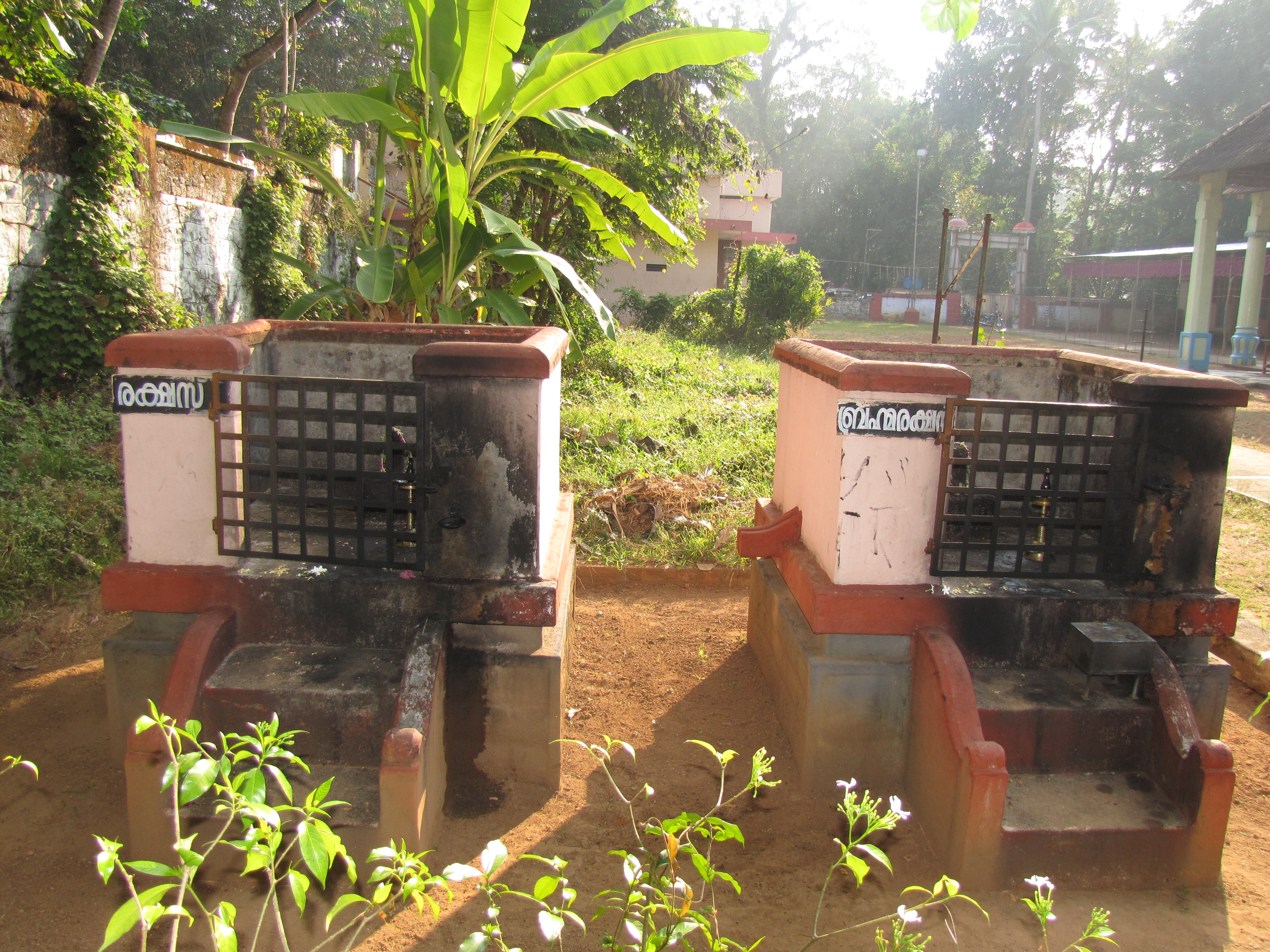
Rakshas_&_Brahmarakshas_idol_in_Veroor_Sri_Dharmashastha_Temple
Rakshas and Brahmarakshas temple in Veroor, Kerala

பிரும்மரக்ஷஸ் என்றால் என்ன?

பிரும்மரக்ஷஸ் என்றால் பிராமணப் பேய்.
பிரம்மரக்ஷஸ் என்பது பேயாக மாறிய பிராமணன் ஆகும். கொடிய பாவம் செய்தாலோ கற்ற வித்தையை யாருக்கும் கற்பிக்காமல் இருந்தாலோ இறந்த பின்னர் பிராமணர்கள் பிரம்மரக்ஷஸாக மாறி மரத்தில் தலை கீழாகத் தொங்கிக் கொண்டிருப்பார்கள். அவர்கள் கற்ற விஷயங்கள் அப்படியே நினைவில் இருக்கும் . வருவோர் போவோரிடம் கேள்விகள் கேட்டு சரியான பதில் சொல்லாவிடில் விழுங்கிவிடுமவர் என்ற நம்பிக்கையும் உண்டு. பஞ்சதந்திரக் கதைகள், வேதாளமும் விக்ரமாதித்தனும் போன்ற கதைகளில் பிரம்மரக்ஷஸ் வருகிறது. கேரளத்திலும் கர்நாடகத்திலும் பிரம்மரக்ஷஸ் வழிபாடு உண்டு. கேரளத்தில் ஊருக்கு ஊர் பிரம்மரக்ஷஸ் கதைகள் சொல்லுவார்கள்.

பேயை விரட்டும் இரண்டு சக்தி வாய்ந்த மந்திரங்கள்:
தமிழில் கந்த சஷ்டி கவசம்
ஹிந்தியில் அனுமான் சாலீசா.

நான் எழுதிய முந்தைய பேய்க் கட்டுரைகள்:–

1.Ghost that killed 72 people (posted on 23 December 2012)
2.Ghost in Indus Seals
3.Tamil Poetess Encounter with a Ghost (19-12-2013)

4.தமிழ்நாட்டை உலுக்கிய பேய் (டிசம்பர் 23/ 2012 கட்டுரை)
5.தமிழில் பூதம், பேய், பிசாசு (ஆகஸ்ட் 12/ 2013 கட்டுரை)
6.அவ்வையாரை மிரட்டிய பேய் ( டிசம்பர் 19, 2013)
7.தமிழ் பூதமும் கிரேக்க பூதமும் (ஏப்ரல் 15, 2012)
8.டெல்பி ஆருடமும் குறிசொல்வோரும் (ஆகஸ்ட் 12, 2013)
9. சங்கத் தமிழ் இலக்கயத்தில் யக்ஷிணி, அணங்குகள்

contact swami_4 @yahoo.com

Departed Souls: Sringeri Shankaracharya’s Q & A

chandrasekara bharati & Abinava Bharati

Sringeri Acharyas: Sri Chandrasekara Bharati and Sri Abhinava Bharati swamijis

A disciple trained under the methods of modern education wanted to have some doubts cleared by His Holiness Sri Sachidanandasiva Abinava Narasimha Bharati Svaminah (33rd Jagadguru of Sringeri).

Disciple: According to our religion, the nature of next birth which one gets depends on his actions good or bad.
His Holiness: Certainly.

D : If so, he need not be born again as a human being but may be born as a bird or a beast.

HH: It is no doubt so.

D: If he is born as a bird or beast or even as a human being, how can any funeral oblations now offered to him by his son ever reach or benefit him?

HH: it is quite true that we do not know in what embodiment or in which world or in which state he is at present. But certainly God the omniscient is aware of all these details and can convey to him these oblations in a form that may be useful to him.

D: How can the oblations be changed into any other form when we actually see them before us on the ground quite unchanged or are eaten away by the Brahmanas who are propitiated on that occasion?

HH:- Take the ordinary example of a post office. If we want to send a money order to a relation at a distant place, we pay the money into the hands of the proper official. The money remains intact with him or is spent away by him for another purpose and yet we believe that the money will reach our relation. It will be paid to him not in the same form but in the form available in the office of delivery and, if the place happens to be a foreign country, it will be paid to him not in the coins familiar to us but in the currency of that country.

If man can arrange transit of money from one place to another, cannot the omniscient God provide for the transit of the oblations to any place in the universe and give them over to the proper recipient? Just as the postal department has got a large number of officials of several grades to attend carefully to this transit, so has God a galaxy of officials called Vasus, Rudras and Adityas to see that the oblations are transmitted properly.

Pinda_Daan_-kolkatta

D: If so, will it not suffice if I sincerely offer the oblations? Why need there be the various regulations as regards the wearing of the sacred thread, the posture of sitting, the direction to which we have to face, the persons to be chosen as the recipients, the specification of the Gotras and names of the departed souls, the Mantras to be pronounced, and so on?

HH: it is not proper to offer logical explanations for the Shastras. It may be useful, however, to point out analogies. Suppose the post office is a spacious building where several clerks are working. If you want to remit money, do you simply place it anywhere there you like and walk out or hand over the money to any of the clerks there?

Unless you pay it into the hands of the particular clerk who is authorised to deal with money orders and get a receipt from him, the postal department will not be responsible. Even for paying the money to that clerk, you have to await his office hours, fill up all the details in the prescribed money order form and then only he will receive it. If you find him ugly and shabbily dressed and are reluctant to part with your money into his untidy hands and prefer to hand it over to a handsome neat and well dressed person in the vicinity, the money will never reach its destination.

pitrapaksha1

Similarly the Shastras prescribe the times and places when and where oblations have to be made and also the persons into whose hands they must be placed if we are particular that those oblations should reach their proper destination. A secular feast ever so sumptuous, “in honour of a departed soul” will never inure for the benefit of a departed person. Just as we have faith in the Government and the post offices, we must have faith in God and in the efficacy of oblations. It is because of the faith (Sraddha), the ceremonies are called ‘Sraddhas’.

D: A man may have been the father of one particular person in a particular birth and may have been the father of a different persons in different births. Even in the same birth, he may have had several sons residing at places far apart from one another. How will those various offerings made by them reach him?

HH: Where is the difficulty here? Does not the same person receive remittances by money orders from several places and at several times?

D: If no Sraddha is performed, the loser is the departed soul. Why then is it insisted upon as a duty of the son or other relation?

HH: We can never repay the parents for the loving care with which they have brought us up. It is sheer sin not to be grateful to them. Ingratitude is a sin for which there is no expiation. Further when an act is prescribed by the Shastras, we must know that that it is necessarily for our benefit and that any omission on our part is sinful.

D: Anyhow the number of restrictions seem to be unnecessarily large.

HH: It will seem so long as we lack full faith in the Shastras. If we want a favour from another, we have to subject ourselves to very many restrictions as regards time ,place, dress, mode of approach , method of address and so on. If we march directly into his presence and ask him to do something for us, he will not be inclined at all to oblige us and we tamely submit to his whims and fancies.
The Pitru Devatas are certainly of a far higher order of beings and yet we chafe at and resent and even ridicule the rules prescribing the manner of approaching and propiating them. This is due to a lack of faith. In every act we do, the mind,the tongue and the body have to function in unison if we want it to be useful. Regulation therefore of thoughts, words and deeds is a necessary condition of any useful act. The same principle applies to all religious rites and particularly so to all rites which require special Sraddha (faith).

MA10RAMNAD-HOLY-DIP_159632g

D: Regulation may be necessary but why these particular restrictions prescribed in the Shastras?
HH: you forget the nature of the Shastras. It is not for us to substitute any other restrictions of our own making. Just as a soldier’s duty is to obey and not to question the propriety of any particular order or do anything in lieu of that order, so are we bound by the Shastras, the commands of the supreme commander of the universe, namely, God. We must have intense faith in His goodness and infallibility and carry out, as best as we can, His divine commands implicitly without any slightest doubt about their propriety.

( From ‘Golden Sayings’,1969 publication by Sri Jnanantha Grantha Prakasana Samiti, Thenkarai, Madurai District.)

Compiled by london swaminathan ;contact swami_48@yahoo.com

தமிழில் பூதம்! பேய்!! பிசாசு!!!

ghost


சங்கத் தமிழ் இலக்கியத்தில் பூதம், பேய், பிசாசுகள் பற்றி நிறையவே செய்திகள் உள்ளன. ஆராய்ச்சிக் கட்டுரை எழுதி டாக்டர் பட்டம் வாங்கும் அளவுக்கு இருக்கின்றன. 2000 ஆண்டுகளுக்கு முன் ஒரு சமுதாயம் எப்படி இருக்க முடியுமோ அப்படித்தான் தமிழ் சமுதாயமும் இருந்ததது. கிரேக்க நாட்டு தத்துவ ஞானி சாக்ரடீஸ் கூட, மரண தண்டணை நிறை வேறுவதற்கு முன்னால் மறக்காமல் தனது மதக் காணிக்கையைச் செலுத்தும்படி உயிர்த் தோழனிடம் வேண்டிக்கொண்டார். ஒரு கோழி அடித்துக் கும்பிட அனுப்பினார் ஆருயிர்த் தோழனை!! சாக்ரடீஸ் பெயரில் அதிக அன்பு பூண்ட நமது பகுத்தறிவுகளும் திராவிடங்களும் கவனிக்க வேண்டிய விஷயம் இது!


((இலக்கியத் திருடர்களுக்கு அன்பான வேண்டுகோள். பெருமளவு நேரத்தைச் செலவிட்டு செய்திகளைச் சேகரித்து எனது ஆரய்ச்சியையும் சேர்த்து வெளியிடும் கட்டுரைகளை வேறு இடத்தில் பயன் படுத்துவோர் எனது பெயரையும் சேர்த்துப் போட்டால் தமிழ் மொழி வளரும். தமிழ்த்தாய் உங்களை நெஞ்சார வாழ்த்துவாள்.))


**1.பேய்க்குப் பலியிடுதல்—

’பெருங் களிற்று யானையொடு அருங்கலம் தராஅர்

மெய்பனி கூரா அணங்கெனப் பராவலின்

பலிகொண்டு பெயரும் பாசம் போலத்’’–(பதிற்று.71-23);

பொருள்: தனக்கிடும் பலியினை ஏற்றுக்கொண்டு பலியிட்டவரின் உயிரைக் கவராது செல்லும் பேய் போல, நீயும் நினக்கிடும் திறையைப் பெற்றுக்கொண்டு பகைவரின் உயிரைக் கவராது செல்கிறாய். (பாசம்=பேய்)


**2.சுடுகாட்டில் கண்ணுக்குத் தெரியாத பேய்கள் உலவியதாக நம்பினர்:

வாய்வன் காக்கையும் கூகையும் கூடிப்

பேஎய் ஆயமொடு பெட்டாங்கு வழங்கும் காடு (புறம்.238)

நரிகளும் பேயொடு சேர்ந்து பிணங்களை உண்டன: (புறம்.373)

பிணம் தின்னும் பேய்கள்: (புறம்.369) பதிற்று.67


ghost 2

**3.போர்க்களத்தின் நடுவே சில பேய்கள் ஆட, அதனைக் காணும் பொருட்டுப் பல பேய்கள் ஆங்கே நிறைந்திருக்கும்– பதிற்று.35


**4. பேய் மகள்— (சிறுபாண்.196-197)

எரிமறிந் தன்ன நாவி னிலங்கெயிற்றுக், கருமறிக்காதிற் கவையடிப் பேய்மக, ணிணனுண்டு சிரித்த தோற்றம் போலப், பிணனுகைத்துச் சிவந்த பேருகிர்ப் பணைத்தா, ளண்ணல் யானை

பொருள்: மேல் நோக்கி எரிகின்ற நெருப்புச் சாய்ந்தாலொத்த நாவினையும், வெள்யாட்டுமறிகளை அணிந்த காதினையும், கவைத்த அடியினுமுடைய பேய்மகள்


**5.பேய் மகளிர்— (மதுரை.25-28, 162-163)

பலியை பேய் ஏற்றல்— மதுரை.க்க்காஞ்சி & மணி. 7-84

னிணம்வாய்ப்பெய்த பேய்மளி

ரிணையொலியிமிழ் துணங்கைச்சீர்ப்

பொருள்: பிணங்களையுடைய கொம்புகளையுடையனவாய்ப் பட்ட ஆனையினுடைய திரளின் நிணத்தைத்தின்ற பேய்மகளிருடைய துணங்கை

பொருள் : வரிகள் 161-163: சான்றோர் இருந்த பெரிய அம்பலங்களில் இரட்டையான அடிகளையும் கடிய பார்வைகளையும் உடைய பேயாகிய மகளிர் உலவியாட.


**6. இறந்த வீரரின் குருதியைத் தலையில் தடவித் தலைவாரும் பேய்: புறம்.62

‘’பொருது ஆண்டு ஒழிந்த மைந்தர் புண் தொட்டு,

குருதிச் செங்கைக் கூந்தல் தீட்டி,

நிறம்கிளர் உருவின் பேஎய்ப் பெண்டிர்’’


**7. பேய்கள் சவாரி: பேய் மகள் கழுதூர்தல்— பதிற்று.13-15— கழுது என்னும் வகைப்பேய் மீது இன்னொரு பெண் பேய் சவாரி செய்யும்—பேயின் தலை முடி பிளவு பட்டிருக்கும்—தலை விரித்தாடும் பேய்கள்

கவைத் தலை பேய்மகள் கழுதூர்ந்து இயங்க

ஊரிய நெருஞ்சி நீறாடு பறந்தலை


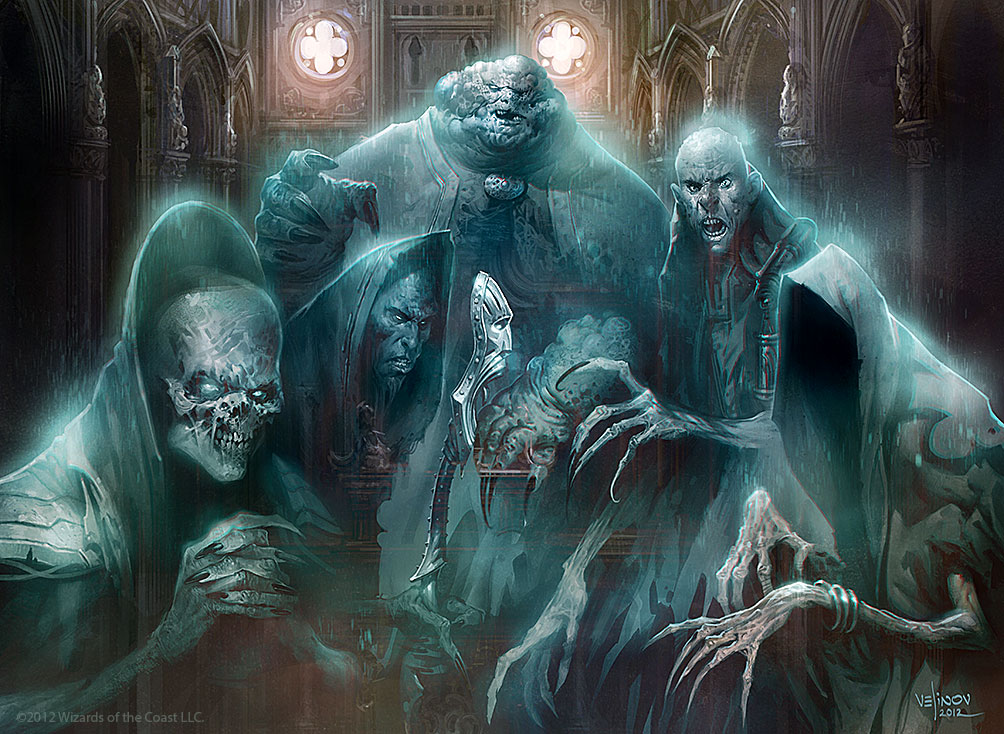
ghost_council_of_orzhova_by_velinov-d5moyq4

**8.கொல்லன் பட்டறையில்/தெருவில் ஊசி விற்றது போல என்று தமிழில் ஒரு பழமொழி உண்டு (To carry coals to Newcastle). இதற்கு இணையாக பெருங்காட்டுக் கொற்றிக்குப் பேய் நொடித்தாங்கு என்று ஒரு பழமொழியும் உண்டு. அதாவது எல்லாம் தெரிந்த காட்டில் இருக்கும் தெய்வமான கொற்றவைக்கு பேய் என்ன சொல்லிக் கொடுக்க முடியும்? இந்த பேய் பற்றிய பழமொழியை கலித்தொகையில் காணலாம்.

பெருங்காட்டுக் கொற்றிக்குப் பேய் நொடித்தாங்கு (கலி.86-8)

**9. சங்க இலக்கிய கலைக்களஞ்சியம் புறநானூறு. பழந்தமிழர் வாழ்வைப் படம் பிடித்துக் காட்டும் நூல். இதில் பேய் பற்றி 62-4, 238-4, 356-3, 359-4, 369-15, 370-25, 371-26 பாடல்களில் வருகிறது.


**10.சங்க இலக்கிய காலத்துக்குப் பின் வந்த மணிமேகலையில் ஆறு வகை உயிரினங்களில் ஒன்றாக பேயும் கூறப்படுகிறது.


**11. நற்றிணையில் பேய்கள்: போரில் பெரும் புண்ணுற்று இறவாது கிடப்போரை நரி முதலியன தீண்டாவண்ணம் பேய் காத்து நிற்றலாகிய  புறப்பொருட் கருத்தும் நற்றிணை உவமையில் வைதுக் கூறப்பட்டுள்ளது.

நள்ளிரவில் பேய்கள் உலாவும் என்ற தமிழர் நம்பிக்கையை பாடல்கள்  319, 255 ல் படிக்கலாம்:

கழுதுகால் கிளர ஊர்மடிந்தற்றே (255)

அணங்கு கால் கிளறும் (319)

கழுது, அணங்கு=பேய்


**12.நள்ளிரவில் பேய்கூடத் தூங்கும் என்ற கருத்து பிற்காகால இலக்கியமான திருவிளையாடல் புராணத்திலும் நளவெண்பாவில் வருகிறது.

அணங்கு என்பதை பேய் என்பதைவிட மரம், நீர்நிலைகள், மலை ஆகியவற்றில் உறையும் பெண் தேவதை (யக்ஷி) என்றே சொல்லவேண்டும்.


**13.Ghost , Ghoul என்ற ஆங்கிலச் சொற்கள் தமிழ் சொற்களுக்கு மிகவும் நெருங்கியவை. கூளி= ஆங்கிலம் Ghoul , கழுது= ஆங்கிலம் Ghost


**13. ஐயவி என்னும் வெண் கடுகை புகைத்தால் பேய் முதலிய தீய சக்திகள் நெருங்கா என்ற கருத்து நாடு முழுதும் இருந்ததை அறிகிறோம் ( ஐயவி புகைத்தல் புறம் 98-15, 281-4, 296-2,342-9.இந்தக் கருத்து நாட்டின் வடபகுதியிலும் நிலவியது.


**14.என் அம்மா சொன்ன பேய்: சிறு வயதில் என் அம்மா என் எழுத்தைப் பார்த்துவிட்டு, ‘’ இப்படி பேச்சக்காலும் பேச்சக்கையுமா எழுதாத. வாத்தியார் மார்க் போடமாட்டார் என்று சொல்லுவார். இதற்கு எனக்கு அர்த்தம் தெரியாது. காரைக்கால் அம்மையார் (பேயார்) பதிகங்களைப் படித்த பின்னர்தான், அவர் பேய் பற்றி வருணித்தவைகலைப் படித்தபின்னர் தான், இதற்கு அர்த்தம் புரிந்தது.

பேய்ச்சியின் கால் போலும், பேய்ச்சியின் கை போலும், கோரமாக எழுதாதே, அழகாக எழுது என்பதே உதன் பொருள்.


**15.கலிங்கத்துப் பரணி, கந்தசஷ்டிக் கவசத்திலும் பேய்கள் பற்றிய செய்திகள் உள்ளன. அவற்றின் விளக்க உரையில் காண்க.

ghosts1

**16.இறந்த உறவினரின் ஆவிகள் தன்னைப் பின் தொடர்ந்து வந்ததாகவும் ஒரு முறை கோவிலில் கடுமையான பிரார்த்தனை செய்தபின்னர் அவை வரவே இல்லை என்றும் சுவாமி விவேகநந்தர் அவரது சம்பாஷணைகள் புத்தகத்தில் கூறியுள்ளார்.


**17.பரணர் பாடிய பேய்கள்:

பரணர் என்னும் சங்கப் புலவர் பாடிய பாடல்களில், ‘’பேய்கள் பிணம் தின்னும்’’, ‘’நடு இரவில் இயங்கும்’’, ‘’பலி கொடுத்தால் பணி செய்யும்’’, ‘’பேய்மகள் பற்றிய பிணம்’’ ‘,’கழுது வழங்கு யாமம்’’, ‘’ஊட்டரு மரபின் அஞ்சுவரு பேய்’’ என்ற கருத்துக்கள் வருவதையும் காண்க.

பரணர் சொல்லும் மிஞிலி கதையிலும் பேய் வருகிறது. ஆய் எயினனுக்கும் மிஞிலிக்கும் மோதல் மூண்டது. எயினனோடு நடக்கும் போரில் எனக்கு வெற்றி தேடித் தருவையின் நினக்கு பெரும்பலி தருவேன் எனப் பாழி நகர்ப் பேயைப் பரவிப் போர்க்களம் புகுந்தான். மிஞிலி  வென்றான் என்ற செய்தியைப் பரணர் பாடுகிறார்.


திருக்குறளில் பேய்கள்

திருக்குறளிலும் பேய்கள் உண்டு. ஏற்கனவே திருவள்ளுவரும் ராமகிருஷ்ண பரமஹம்சரும் சொன்ன ‘பேய் காத்த செல்வம்’ கதையை எழுதியுள்ளேன்.


அருஞ்செவ்வி இன்னாமுகத்தான் பெருஞ்செல்வம்

பேஎய்கண் டன்னது உடைத்து (565)


உலகத்தார் உண்டென்பது இல்லென்பான் வையத்து

அலகையா வைக்கப்படும் (650)

அலகை=பேய்


Please read the following articles in English or Tamil: நான் முன்னர் எழுதி வெளியிட்ட பேய்க் கட்டுரைகளையும் படிக்கவும்:

1.வள்ளுவர் சொன்ன பேய்க்கதை 2). தமிழ்நாட்டை உலுக்கிய பேய்  3.காரைக்கால் அம்மையாருடன் 60 வினாடி பேட்டி 4.Indus Seals: Gods or Ghosts? 5..சிந்து சமவெளியில் பேய் முத்திரை 6. Tamil Ghost that killed 72 people 7.தமிழ் பூதமும் கிரேக்க பூதமும் 8.டெல்பி ஆரூடமும் குறிசொல்வோரும்


உதவிய நூல்கள்: 1.பரணர்—கா.கோவிந்தன் 2.தமிழர் நாகரீகமும் பண்பாடும் –ஆ.தட்சிணாமூர்த்தி 3.தமிழ் சொற்றொடர் அகராதி —வீ.ஜே.செல்வராசு 4.சங்க இலக்கியம் 5.திருக்குறள்

swami_48@yahoo.com

மாண்டவர் மீண்டுவந்த 3 அதிசய நிகழ்ச்சிகள்

Ramayana

மாண்டவர் மீண்டுவந்த 3 அதிசய நிகழ்ச்சிகள்

உலகப் புகழ் பெற்ற இதிஹாசங்களான ராமாயணத்திலும் மஹா பாரதத்திலும், நெஞ்சை அள்ளும் தமிழ் காப்பியமான சிலப்பதிகாரத்திலும் மூன்று அற்புத நிகழ்ச்சிகள் உள்ளன. வால்மீகி, வியாசர், இளங்கோ ஆகிய மூவரும் பொய் சொல்லவோ, மிகைப் படுத்திக் கூறவோ இல்லை. இந்த நிகழ்ச்சிகள் வரும் இடங்களையும் அவை விவரிக்கப்பட்ட முறையையும் பார்கையில் எவரும் நம்புவார்கள்.

இறந்த பின் நாம் எங்கே போகிறோம்? எவ்வளவு காலத்துக்குப் பின் மீண்டும் பிறப்போம்? இறந்தவர்கள் பலருக்குக் கனவில் வருகிறார்கள். சிலர் நீண்ட காலத்துக்கு முன் இறந்த மஹான்களைப் பார்த்ததாகக் கூறுகிறார்கள். ராகவேந்திரர் போன்றோர் 600 ஆண்டுக் காலம் அங்கே சமாதியில் இருந்து அருள் புரிவதாகப் படிக்கிறோம். இப்படி மாண்டவர்கள் மீண்டும் வர முடியுமா? அதற்கு 2000, 3000 ஆண்டுப் பழமையான இலக்கியங்களில் சான்று உண்டா என்று பார்க்கையில் ‘’உண்டு’’ என்றே சொல்லவேண்டும்.

இந்தக் கட்டுரையாளர் வாழ்விலும் இப்படி ஒரு உண்மைச் சம்பவம் நடந்தது. எங்களுக்கு எல்லாம் மந்திர உபதேசம் செய்த ஆயக்குடி சுவாமிஜி கிருஷ்ணா அவர்கள், மதுரையில் ஒரு வீட்டில் கணபதி ஹோமம் செய்து முடித்த பின்னர், திடீரென்று ஒரு திசையை நோக்கி எல்லோரையும் கீழே விழுந்து நமஸ்காரம் செய்யச் சொன்னார். வெற்றிடத்தை நோக்கி ஏன் நமஸ்காரம் செய்யச் சொல்கிறார் என்ற கேள்வியை யாரும் கேட்பதற்கு முன் அவரே விளக்கமும் கொடுத்தார். அந்த வீட்டில் ஒரு மஹான் இருந்ததாகவும், அவர் இன்று நடந்த பூஜையைப் பார்க்க வந்ததாகவும் கூறினார். பிறகு அந்த வீட்டுச் சொந்தக் காரர் சுவாமிஜியை மாடிக்கு அழைத்துச் சென்று அவர்களுடைய கொள்ளுத் தாத்தாவின்  படத்தைக் காட்டி அவர் ஒரு பெரிய மஹான் என்று கேள்விப்பட்டதாகச் சொன்னார்.. மஹா கணபதி பற்றி யார் சந்தேஹம் கேட்டாலும் காஞ்சிப் பெரியவரே இவரிடம்தான் அனுப்புவார்.

ராமாயணத்தில் ஒரு காட்சி

(வால்மீகி ராமாயணம், யுத்த காண்டம், அத்தியாயம் 121)

ராமரைப் பார்க்க தசரதர் இந்திரலோகத்திலிருந்து வருகிறார். அவருடைய விமான ரதம் வானில் அந்தரத்தில் நிற்கிறது. அன்போடு ராமரையும் லெட்சுமணரையும் அழைத்து மடியில் உகாரவைத்து அரவணைத்துக் கொள்கிறார். பின்னர் சீதை உள்ளிட்ட மூவருக்கும் ஆசிகள் வழங்கிவிட்டு சீதையிடம் ராமர் மீது கோபம் கொள்ளவேண்டாம் என்றும் அவன் செய்ததெல்லாம் (அக்னிப் பரீட்சை) மக்களின் முன்னிலையில் சீதை உத்தமி என்று காட்டவே என்றும் விளக்குகிறார்.

தசரதர் போவதற்கு முன் ராமர் ஒரு அற்புதமான வேண்டுகோள் விடுக்கிறார். தந்தையே, நீங்கள் கோபத்தில் கைகேயி ‘’என் மனைவி இல்லை என்றும் பரதன் என் பிள்ளை இல்லை’’ என்றும் தலைக்கு முழுக்குப் போட்டுவிட்டு உயிரை விட்டீர்கள். இன்று முதல் மீண்டும் அவர்களை உங்கள் மனைவி, மகன் என்ற நிலைக்கு உயர்த்த வேண்டுகிறேன் என்றவுடன் தசரதரும் அவ்வாறே அருள் புரிந்தார். அத்தியாயத்துக்கு அத்தியாயம், ராமன் உலக மஹா உத்தமன், மனிதருள் மாணிக்கம் என்று காட்டுகிறது ராமாயணம். இதனால் தான் ராமாயணம் காலத்தால் அழியாத காவியமாகத் திகழ்கிறது.

மஹா பாரதத்தில் ஒரு காட்சி

போரில் இறந்தவர்கள் எங்கே போகிறார்கள் என்று ‘ஸ்த்ரீ பர்வ’த்தில் திருதராஷ்டிரனும் யுதிஷ்டிரனும் (தர்மர்) விவாதிக்கிறார்கள். இதற்கு தர்மர் கொடுத்த விளக்கம் கவனிக்கப் படவேண்டியது. போரில் முழு மனதுடன் வீரராக உயிர் இழந்தோர் இந்திர லோகத்துக்கும், அரைகுறை மனதுடன் போரிட்டோர் கந்தர்வலோகத்துக்கும் போகிறார்கள். உயிர்ப் பிச்சை கேட்டவர்களும் புறமுதுகு காட்டியவர்களும் யக்ஷர்களாகிறார்கள் என்று யுதிஷ்டிரர் கூறுகிறார்.

சங்கத் தமிழ் நூலான புறநானூறு மற்றும் பகவத் கீதை முதலியன போரில் இறப்பவர்கள் சொர்க்கலோகத்தை அடைகிறார்கள் என்று திட்டவட்டமாக கூறுகின்றன. இதை ‘’புறநானூற்றில் பகவத் கீதை-பகுதி 1, பகுதி 2’’ மற்றும் ‘’வீரத் தாயும் வீரமாதாவும்’’ என்ற கட்டுரைகளில் முன்பே விளக்கி இருக்கிறேன்.

மஹாபாரதத்தை ஜனமேஜயன் சபையில் வாசித்தபோது போரில் இறந்த பீஷ்மர், துரோணர், அபிமன்யு, துர்யோதணன் ஆகியோர் மீண்டும் வந்ததை ஜனமேஜயனே நம்பவில்லை. இடை மறித்து அப்படியானால் என் தந்தை பரீட்சித்தையும் இப்போது காட்ட முடியுமா? என்று கேட்கிறார். உடனே வியாச மஹரிஷி , பரீட்சித்து மன்னரையும் உயிரோடு காட்டுகிறார்.

கங்கை நதியில் ஒரு அதிசயக் காட்சி (ஆஸ்ரம வாசிக பர்வம்)

காந்தாரி, குந்தி, திருதராஷ்டிரன் ஆகியோர் போரில் மடிந்த தனது மகன்களையும் உறவினர்கலையும் பார்க்க துடியாய்த் துடிக்கிறார்கள். வியாச மஹரிஷி இந்தத் துடிப்பை அறிந்து ஒரு நாள் எல்லோரையும் கங்கை நதிக்கு வரச் சொல்கிறார். ஊர் மக்கள், அரச குடும்பத்தினர், மா முனிவர்கள் எல்லோரும் அதிசயத்தைக் காண பெரும் கூட்டமாகக் கூடவே, வியாசர் ஒவ்வொருவர் பெயராகச் சொல்லி அழைக்கிறார். துரோணர், பீஷ்மர் தலைமையில் மிகப் பெரிய போர் வீரர் கூட்டம் பெரும் சப்தத்துடன் கங்கை நதியில் இருந்து எழுந்து வருகின்றனர். ஆயிரக் கணக்கில் யுத்தத்தில் இறந்த வீரர் அனைவரும் நதிக்கு மேலே காட்சி தருகின்றனர். எல்லோரும் மகிழ்ச்சியோடு காணப்பட்டனர். இரவு முழுவதும் குடும்பத்தோடு சேர்ந்து சந்தோஷமாக உரையாடுகின்றனர். பழைய பகைமை எல்லாம் மாயமாய் மறைந்தோடிவிட்டன.

இந்த உரையாடல் முடிவதற்குள், வியாசர் ஒரு அறிவிப்பை வெளியிடுகிறார். யார் யாருக்கெல்லாம் விருப்பம் இருக்கிறதோ அவர்கள் எல்லோரும் இறந்தவர்கள் திரும்பிச் செல்லும்போது அவர்களுடன் போகலாம் என்று அறிவிக்கிறார். உடனே பல க்ஷத்ரிய குலப் பெண்கள், முன்னர் இறந்த தங்களுடைய கணவர்களோடு சேர்ந்து மேல் உலகம் சென்றனர். மாண்டவர்களின் உருவங்கள் கங்கை நதிக்குள் சென்று மறையும் போது உறவினர்களும் அவர்களுடன் சென்றதாக மஹா பாரதம் கூறுகிறது. இது எல்லாம் போர் முடிந்து 15 ஆண்டுகளுக்குப் பின் நடந்தது.

இந்த நிகழ்ச்சிகள் நமக்குப் புலப்படுத்துவது சில உண்மைகள்: 1.இறந்த பின்னர் பழைய பகைமை மறைந்துவிடும். 2.இறந்தவர்கள் மகிழ்ச்சியான ஒரு உலகத்தில் வசிக்கிறர்கள். 3.வியாசர் போன்ற மந்திர பலம் உடைய மஹரிஷிகள், இறந்தவர்களோடு தொடர்பு கொள்ளமுடியும், அவர்களை பூமிக்கு திரும்ப அழைக்கவும் முடியும். 4.திதி கொடுக்கும் போது இறந்தவர்கள் வந்து பிண்டத்தை வாங்கிக்கொள்வது எல்லாம் உண்மையே என்பதற்கு இது ஒரு சான்று.

தமிழில் சிலப்பதிகார அதிசயம்

தமிழ் காவியமான சிலப்பதிகாரத்தில் கோவலன் கொலையுண்ட 14ஆம் நாளில் ஒரு அதிசயம் நடந்தது. கண்ணகி கேரள தேசத்திலுள்ள திருச் செங்குன்றத்தில் ஒரு வேங்கை மரத்தின்  கீழே நின்று கண்ணிர் விடுத்தாள். அப்போது விண்ணோரும் வியக்கும் வண்ணம் கோவலன் ஒரு விமானத்தில் வந்து கண்ணகியை மேல் உலகத்துக்கு அழைத்துச் செல்கிறான். இதை கண்ட கானக மக்கள் வியந்து போற்றுகின்றனர். அத்தோடு நில்லாமல் இந்த அற்புதக் காட்சியை சேர மன்னனிடம் வியப்போடு விளக்கினர்.

சேர மன்னன் செங்குட்டுவன், இதைக் கேட்டு அகம் மகிழ்ந்து, உளம் குளிர்ந்து அந்தப் பத்தினித் தெய்வத்துக்கு இன்றே கோவில் கட்ட ஏற்பாடு செய் என்று மந்திரிகளுக்கு உத்தரவு இடுகிறான். புனித இமய மலையில் கல் எடுத்து புனித கங்கையில் அதைக் நீராட்டி அந்தக் கல்லில் கண்ணகி சிலை வடிக்க இமயம் நோக்கிச் செல்கிறான். பின்னர் அவன் எடுத்த சிலைக்கு புனித நீராட்டுகையில் ‘கடல் சூழ் இலங்கைக் கயவாகு வேந்தன்’ உள்பட பல நாட்டு மன்னர்களும் வருகை தந்து சிறப்பிகிறார்கள் என்று சிலப்பதிகாரம் கூறும் (குன்றக் குரவை காதை, சிலப்பதிகாரம்)

*******

Miracles by the Departed Souls

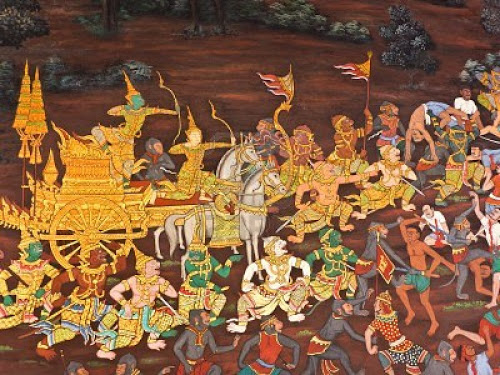
Picture of Ramayana Painting in Thailand

Miracles by the Departed Souls 

Ramayana and Mahabharata are two great Hindu epics. They are treasure houses of Hindu Wisdom. The more you read them, the more meanings you get.  The deeper you go, you come up with new interpretations. If you want to compare those incidents and anecdotes with Big bang theory or Theory of Evolution, Quasars or Quantum Physics, Theory of Relativity or highest philosophy it gives scope for all those things.


What happens to us after death? Where do we go from here if you believe in rebirth? Is there any place where you spend your time before rebirth?– are few of the questions that come to our minds. Some people claim that they see the departed souls in their dreams and some others say that they saw great people who have died long ago. Can the departed souls come back to earth in the same form after some time?


(It is true that great saints visit earth now and then. I myself had one such experience. When Swamiji Krishna of Ayakkudi, Tenkasi was doing Ganapathy Homa in one of the houses in Madurai, he suddenly asked everyone to prostrate in one particular direction showing a vacant space up above, near the roof. Later he told that one of the great souls who lived in the house came to bless everyone. Later the owners of the house took Swamiji upstairs and showed the picture of their great grandfather.  He was a saint who died at least 50 or 60 years ago).

Two incidents in the Ramayana and Mahabharata give some interesting information about these things. Dasaratha came back in flesh and blood to earth and embraced Rama and Lakshmana long back after his death. In the Mahabharata Duryodhana, Bheeshma, Abimanyu and others came back to earth 15 years after their death in the battle and took some of the living people with them to the heaven! Read about these interesting things in more details below:

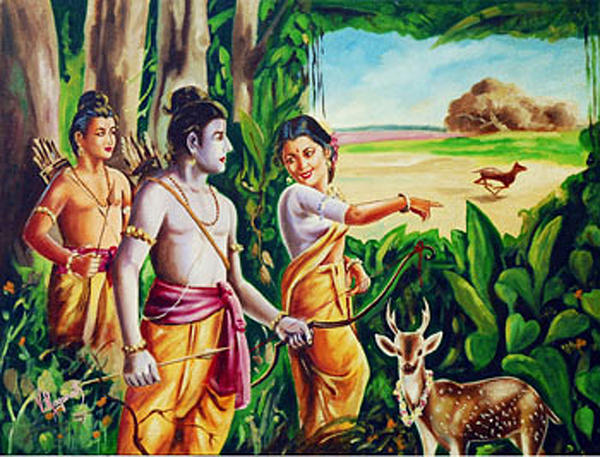
Picture of Ramayana characters

Dasaratha appears to Rama (chapter 121,Yudda Kanda, Valmiki Ramayana)

Dasaratha stood in his chariot. He came back from Indraloka. Rama and Lakshmana bowed before him who was standing in his aerial car in the sky. Dasaratha took Rama and Lakshmana and embraced them. They mutually praised each other. Dasaratha even told Sita not to mistake him for sending her to Agni pareeksha (Fire Test). After addressing all the three he ascended to Indraloka in his chariot. Mounted on his aerial car, full of majesty, his body blazing with effulgence, Dasaratha returned to the abode of the Sovereign of the Gods.

Before Dasaratha left, Rama requested him to forgive Kaikeyi and Bharatha and accept them as his wife and son. Dasaratha told Kaikeyi before dying that she was not his wife anymore and Bharatha was not his son.

Picture of Kuru Family Tree

Mahabharata Miracle

When Mahabharata was recited in the assembly of King Janamejaya he also did not believe that the dead came back to earth. He asked whether he could see his dad Pariksheet, immediately Vyasa brought him to earth.

Mahabharata gives more information about different levels of living places for the departed. In the Sthree Parva of the epic, there is a discussion about the people who died in the war. When Dhritarashtra asked about them, Yudhishtra told him those who fought valiantly and whole heartedly, they all went to Indraloka. Those who fought unwillingly, went to Gandarvaloka and  those who fought and backed out or killed when begged for life, they all went to the place of Yakshas.


Bhagavad Gita and Tamil Sangam Anthology ‘Purananuru’ say in clear cut terms that those who are killed in war go to heaven.

Please read my Tamil articles on ‘Gita in Pura Nanuru’ Part 1 (புறனானுற்றில் பகவத் கீதை-பகுதி 1, பகுதி-2, வீரத்தாயும் வீர மாதாவும்).

Reappearance of those who died in the great Bharata war is narrated in chapter3 of Asramavasika Parva in Mahabharata. I summarise only the important points:

  1. At the request of Gandhari, Dhritarashtra and Kunthi, the great Rishi of miraculous powers Vyasa did this. He asked everyone to assemble on the banks of Ganges.
  2. When Vyasa called the names of the dead people, they all came out of Ganges water and appeared just above the water. The Pandava and Kaurava armies rose up with big uproar. Bheeshma and Drona came out first. Thousands of dead people appeared with them. Dhritarashtra’s sons, Pandava’s sons, army commanders from both the sides, all appeared in front of the assembled Rishis, general public and the royal families on the banks of River Ganga.
  3. Dhritarashtra and Gandhari got divine vision by the grace of Vyasa. All of them spoke with the dead throughout night. Everyone was happy. There was no enmity.
  4. Women who have lost their husbands and sons were happy to see them back alive. Vyasa told the Kshatriya ladies, they can accompany their husbands if they wanted to. Several women came forward and went to heaven with their husbands. They entered the Ganges water along with their husbands.
  5. All of them disappeared in the water. Then Vyasa told Dhritarashtra that his sons are ever happy like he saw them today.
  6. Three years after this incident Dhritarashtra, Gandhari, Kunthi – all died in a forest fire. In fact, they refused to move away from forest fire and sacrificed their lives voluntarily.

This narration proves that people live after their death in various planes till the time of their rebirth comes. They are happy and there is only love in the heaven and no hatred even between born enemies. Only great Rishis (seers) like Vyasa can bring the dead back to earth for a short period. In the Ramayana we heard about physical touch and embrace. Here no such embracing was reported. There was always a distance between the dead and the alive. Mahabharata has more on this topic of the departed souls in different places. Anyone interested can do a deeper study.

Ramayana

Departed Souls in Tamil Epic Silappadikaram

Tamil epic Silappadikaram also has one such story. Kovalan, the hero of the epic was sentenced to death by the Pandya king under the false accusation of stealing the queen’s anklet. Fourteen days after this execution, his wife Kannaki was standing under a tree and Kovalan came back to earth in an aerial car and took Kannaki to heaven. The tribal women in the hill watched this in awe. They praised her as goddess and reported the incident to the Chera King Senguttuvan. The story of what women had seen under the Venkai tree at the top of the hill Tiruchenkunru astonished all who heard it. The wonder struck king decided to erect a s temple for Kannaki and marched all the way to Himalayas with an army and brought back a holy stone from the Himalayas. He bathed the stone in the Ganges and made it holier. This episode shows that 2000 years ago the values and beliefs were same throughout India.

Contact swami_48@yahoo.com


Ghost that killed 72 Tamil People!

( Tamil version of this article has been posted already. Pictures are from various websites. Thanks: swami )

There are many ghost stories in ancient Indian literature. The most famous one is the Vetal and Vikramaditya. There are stories of Shiva Bhutas, the fore runner of Aladdin and the Magic Lamp stories. I have already written about them and showed those foreign stories are carbon copies of Tamil and Sanskrit stories. Sangam Tamil literature has got innumerable references to ghosts and ghouls, demons and devils.


Not many people know the Tamil Nili or Neeli ghost story that made a lasting impact in Tamil life. Tamils have proverbs and literary references about this ghost. This is a story that shook the ancient Tamil Nadu. Neeli in her second birth took revenge upon 72 people and killed all of them. If there is a Guinness Book of Records entry for a ghost killing large number of people then Neeli will get the first and foremost entry.


Hundred years ago, A Singaravelu Mudaliyar, who published the first Encyclopaedia of Tamil literature under the title Abithana Chintamani in Tamil, narrated the story of Pazaiyanur Neeli.

Tamils have a proverb “Don’t shed Neeli tears” equivalent to Don’t shed Crocodile tears. Neeli has a reference in a poem of Viveka Chintamani. The author famous for his anti women tirade says in one of the verses that we can even trust Neeli, but not the women who throws her charms on anyone.

The story of Neeli spans over her two births. A merchant of Tamil country travelled to the holiest city of Hindus, Varanasi (also known as Benares and Kasi). There he received the hospitality of a Brahmin. His daughter was Navanjani. The guest fell in love with her and married her. He never told them that he was already married in Tamil Nadu. The newly married travelled towards Tamil Nadu with Navanjani’s brother. As they reached Tiru Alankadu in Tamil Nadu, the merchant sent his brother in law to fetch some water and killed her new wife in the meantime. When her brother returned with water he saw the gory scene and hanged himself.

Now the story continues in her second birth:

The merchant was reborn as Darsana Chetty and Neeli and her brother were born as abnormal children. Darsana Chetty was forewarned by astrologers that he may be revenged by a ghost. So he received a magic sword which will protect him. The abnormal children Neeli and her brother killed the cattle in the night and left them with blood stained wounds. Parents of the abnormal children tied the ghostly children to an acacia tree and abandoned them. People from Palaiyanur came and cut the tree for wood when Neeli went for a revenge. Her brother who occupied the tree was left ‘homeless’ and later killed by another man at the instigation of a temple priest.

Neeli went in the guise of a woman with a child. The story goes that the child was created by her from the broken branch of a tree. She made a big scene in front of the village council which consists 70 elders from the Velala caste. She told the council that Darsana Chetty was her husband and the child in her hand was born to him. She pleaded to them to reunite her with her ‘husband’. He tried his best to tell the council that this woman was a fraud. But her cries and tears moved the council and they reached a compromise that he must live with her and the child.


Neeli tried one more trick now. Knowing the power of the magic sword she told the council that there was no need for a sword when there was a child with her. Village council also agreed with her. He told him that his life would be in danger without the sword. Village council promised him that all the 70 will sacrifice their lives in the fire if anything happened to him. The final piece of the gig saw puzzle fell into its place. Neeli killed Darsana Chetty in the night. Next day Neeli herself went in the guise of Darsana Chetty’s mother to the council and asked all of them to sacrifice their lives as promised. Out of the 70 elders, 69 immolated themselves. Neeli was very happy to take revenge upon those who cut the tree and took her brother’s life.

So far she killed 69+1. The story did not stop there. She went after the person who escaped from the council. He went to him in the guise of his daughter and trapped him. He became the 71st victim. Neeli knowing that he finished her job killed the child in her hand by crushing it under her feet. This was the Murder most foul. This story of death of 72 people+ Neeli and her brother made her notorious as Pazaiyanur Neeli. Now the village has got a ‘temple’ for her in the village.


Had it happened in a place like England it would have become a big tourist spot for Halloween day fans.

Silappadikaram, the most famous Tamil epic has another Neeli, which has no connection to Pazaiyanur Neeli.

Please read earlier Ghost Stories posted by me in the past:

1. Most feared Numbers 666 and 13

2. Aladdin’s Magic Lamp and Tamil saints

3. கடலில் தோன்றிய மர்மத் தீ

4. Mysterious Messengers for Ajanta, Angkor Wat and Sringeri

5. Largest Story Collection in the World

6. தமிழ் பூதமும் கிரேக்க பூதமும்

7. டெல்பி ஆரூடமும் குறிசொல்வோரும்

8. பெரியோர்கள் மரணம் பற்றிய உண்மைகள்

9. Mysterious disappearance of Great Hindu saints

10. Time Travel by Two Tamil Saints

10. Do Hindus believe in E.T.s and Alien Worlds?

Contact : swami_48@yahoo.com or swaminathan.santanam@gmail.com
தமிழ்நாட்டை உலுக்கிய பேய்!


படியினப் பொழுதே வதைத்திடும் பச்சை நாவியை நம்பலாம்

பழி நமக்கென வழி மறித்திடும் பழைய நீலியை நம்பலாம்

கொடுமதக்குவ டெனவளர்த்திடு குஞ்சரத்தையும் நம்பலாம்

………………

(விவேக சிந்தாமணி—பாடல் 30)

பெண்களை நம்பாதே என்ற பாடலில் முதலில் “உடனே கொல்லும் விஷத்தை நம்பலாம், பழியைக் கருதாத ஒரு வணிகனை வழிமறித்துக் கொலை செய்த பழையனூர் நீலியை நம்பலாம், கொடிய மும்மதங்களை உடைய மலை போன்று வளர்ந்த யானையையும் நம்பலாம்…………….. என்று சொல்லிக்கொண்டே போய்  “நடை குலுக்கி முகம் மினுக்கி நகை நகைத்திடு மாதரை நம்பொணாது மெய் நம்பொணாது மெய் நம்பொணாது மெய் காணுமே” என்று முடிகிறது கவிதை.

யார் இந்த பழையனூர் நீலி?

தமிழ்நாட்டை உலுக்கிய பயங்கரப் பேய் நீலி. புறநானூறு முதலிய 18 சங்க இலக்கிய நூல்களில் ஏராளமான பேய்க் கதைகள் வருகின்றன. ஆயினும் நீலி என்ற பேய்தான் தமிழர்கள் மனதில் பெரும் அச்சத்தை ஏற்படுத்திய பேய். பல நூற்றாண்டுகளாகப் பலரும் பாடல்களில் உவமையாகக் கூறும் அதி பயங்கர தமிழ்ப் பேய்.

சிங்காரவேலு முதலியார் பழைய தமிழில் தொகுத்தளித்த அபிதான சிந்தாமணி (என்சைக்ளோபீடியா/ கலைக் களஞ்சியம்) கூறும் கதையை முதலில் பார்ப்போம்:

1.“இவள் முற்பிறப்பில் நவஞ்ஜயென்னும் பார்ப்பனி. தன் கணவனையும் குமாரனையும் ஒருவன் கொலை செய்ததால் பழிக்குப்பழி வாங்க  திருவாலங்காட்டில் புரிசைக்கிழாருக்குப் புத்திரியாகப் பிறந்து  அவன் பேயென்று  நீக்க அலைந்து திரிந்து  தரிசன செட்டியாகப் பிறந்திருக்கும்  தன் கணவனைக் கண்டு களித்து  அவனைப் பலவாறு மயக்கி  பழையனூர் வெள்ளாளரிடம் முறையிட்டு அவர்கள் 70 பேரையும் அவன் உயிர்க்கு பிணையாக இருக்க உடன்படுத்தினள். அவர்கள் அவ்வாறு பிணை இருப்பதாக செட்டிக்குக் கூறி  அவளுடன் இருக்கும்படி உடன்படுத்தினர். இவள் அவனிடம் இருந்த மந்திர வாளை நீங்கச் செய்து  அவனுடனிருந்து அவனைக் கொலைபுரிந்து  மீண்டும் செட்டியின் தாய் போல வந்து  வேளாளர்  69 பேரையும்  தீயில் முழுகச் செய்வித்து  மிகுந்த ஒருவன் போயிருந்த கழனியிடம்  அவன் மகள் போலச் சென்று நடந்த செய்தி கூறிப் பழி வாங்கினள்.  வேல மரத்தில் இருந்த அண்ணன் இறந்ததற்கு  ஊரார் வெட்டிய வேல மரம் காரணமாதலால்  ஊரார் எழுபது பெயரையும் பழிவாங்கினள்.”

2. சங்கமன் என்ற வைசியன் மனைவி. கோவலன் கொலையுண்டிருக்க முற்பிறப்பில் அவனைச் சபித்தவள் (சிலப்பதிகாரம்)

இது நூற்றாண்டுக்கு முந்தைய தமிழ் நடை. சுருக்கமான கதை இதோ:

திரு ஆலங்காட்டுக்குப் பக்கத்தில் பழையனூர் இருக்கிறது. அங்கே நீலிக்கு ஒரு கோவிலும் உண்டு. தமிழில் நீலிக் கண்ணீர் வடிக்காதே என்ற பழமொழியும் இருக்கிறது. நீலியின் கதை தெரியாதோருக்கு இது என்ன என்று தெரியாது. நீலி கதை இரண்டு ஜன்மங்களில் நடந்த கதை.

நவக்ஞானி என்ற பார்ப்பனி காசியில் தந்தையுடன் வசித்துவந்தார். அவருடைய தந்தை காஞ்சீபுரத்தில் இருந்து வந்த ஒரு வணிகரை விருந்துக்கு அழைத்தார். அவர் ஏற்கனவே திருமணமாகியும் கூட விருந்து கொடுத்தவரின் மகளான நவக்ஞானியை மணம் புரிந்தார். ஊருக்குத் திரும்பிய அவர் வீட்டுக்கு வரும் முன்னரே ஆலங்காட்டில் நவக்ஞானியக் கொலை செய்து விடுகிறார். அவளுடைய மறு அவதாரம்தான் நீலி. அந்தப் பெண்ணுடன் வந்த அண்ணன் தூக்குப் போட்டு இறக்கிறான்.


மறு பிறப்பில் நீலியாகப் பிறந்த பெண்ணும் அண்ணனும் பேயாகத் திரிந்து ஆடு மாடுகளை வதம் செய்கின்றனர். அவ்விருவரையும் பெற்றெடுத்தோர் ஒரு வேல மரத்தில் கட்டி விட்டுவிட்டுப் போய்விடுகிறார்கள் நீலி, தன் கணவர் தரிசன செட்டியாகப் பிறந்ததை அறிந்து பழிவாங்கக் காத்திருந்தாள். தரிசன செட்டிக்கு எப்படியோ உயிருக்கு ஆபத்து ஏற்படும் என்பது தெரிந்தது. மந்திர தந்திரம் அறிந்தோரிடம் இருந்து தன்னைப் பாதுகாக்க ஒரு மந்திர வாளை பெற்றுக் கொண்டார்.

இது இப்படி இருக்க நீலியின் அண்ணன் தங்கியிருந்த வேல மரத்தை பழையனூர் வணிகர்கள் கலப்பை செய்ய வெட்டிச் சென்றுவிட்டனர். அந்தப் பேய்க்கிருந்த வீடும் போய்விட்டது. அதுவும் பழிவாங்கக் காத்திருந்தது. இதற்கிடையில் அதன் தொல்லை தாங்காதபடி ஒருவர் அந்த பேய்க்கு முடிவுகட்டுகிறார்.

நீலியின் ஆத்திரம் தரிசன செட்டி மீது மட்டும் இல்லாமல், வேளாளர் மீதும் பாய்ந்தது. உரிய தருணத்துக்காக காதிருந்தாள். நீலி வேறு ஒரு தந்திரம் செய்தாள். ஒரு மரக் கிளையை ஒடித்து அதைக் குழந்தையாக ஆக்கி ஊர் ஜனங்கள் அனைவரையும் கூட்டி தரிசன செட்டி தன் கணவர் என்றும் அவர் பெற்ற குழந்தைதான் இது என்றும் கதறி அனுதாபத்தைப் பெற்றாள். (இதுதான் நீலிக் கண்ணீர் !!) ஊர் ஜனங்களின் கெட்ட காலம்– 70 வேளாளர்கள் பஞ்சாயத்து கூடி அவளுடன் செல்ல உத்தரவிட்டனர். பெண்ணுடனும் குழந்தையுடனும் இரவில் தங்கும் போது வாளுக்கு வேலை இல்லை என்று கூறி அதை விட்டுப் போகச் சென்றனர். தரிசன செட்டிக்கு பயம் வந்தது. எவ்வளவோ மன்றாடியும் வாளை விட்டுத் தூங்கவேண்டிய தருணம் வந்தது. இதற்குக் காரணம் 70 பேரும் “உங்கள் உயிருக்கு ஏதேனும் ஆபத்து நேர்ந்தால் நாங்கள் 70 பேரும் தீக்குளித்து உயிர்விடுவோம்” என்று சூளுரைத்ததுதான்.

நீலிப்பேயின் ஆற்றலை அறியாத அப்பாவிகள் அவர்கள். அன்றிரவு தரிசன செட்டியைத் தீர்த்துக்கட்டியது நீலிப் பேய். மறு நாள் சத்தியத்துக்குக் கட்டுப் பட்ட 69 பேர் தீக்குளித்து உயிர் நீத்தனர். இதுதான் பாரதத்தின் பெருமை. உண்மைக்கும் சொன்ன சொல்லுக்கும் அவ்வளவு மதிப்பிருந்த காலம் அது.ஒருவர் மட்டும் ஒளிந்து கொண்டார். விடடுவாளா நீலி? அவன் ஒளிந்திருந்த கழனிக்குப் போய், அவன் மகள் போல நடித்து அவனையும் ஏமாற்றிக் கொன்றாள்.

சிலப்பதிகாரம், மணிமேகலை ஆகிய இரட்டைக் காப்பியங்களில் ஒரு நீலி வருகிறாள். அவள் முற்பிறப்பில் கோவலனைச் சபித்ததால்தான் கோவலன் கொலை உண்டான் என்பது சிலப்பதிகாரத்தின் பூர்வ கதை.

நீலி கொன்றது 70+1 பேர் மட்டும் அல்ல. புளியங் கொப்பை ஒடித்து குழந்தை ஆக்கினாள் அல்லவா? அதையும் காலுக்கடியில் போட்டு மிதித்துக் கொன்றதாக பழையனூர் கதைகள் கூறுகின்றன.. அந்த இடங்கள் இன்னும் பழையனூரில் இருக்கின்றன. இதே இடம் எங்கள் இங்கிலாந்தாக இருந்திருந்தால் பேய் நகரம் என்று பெரிய டூரிஸ்ட் ஸ்பாட்டாக/ சுற்றுலாத் தலமாக ஆகி இருக்கும். இங்கிலாந்தில் ஆண்டு தோறும் பேய் தினமான ஹாலோவீன் தினத்தில் பேய் வீடு சுற்றுலா நடத்துகிறார்கள். பேய்கள் நடமாடும் பிரபல பத்து இடங்களுக்கு நிறைய பேர் தைரியமாகப் போவார்கள். ஆனால் பழையனூர் நீலியைப் பற்றிக் கேட்டால் அவர்களும் நடுங்குவார்கள் என்பதில் ஐயம் இல்லை.

Please read earlier Ghost Stories posted by me in the past:

1. Most feared Numbers 666 and 13

2. Aladdin’s Magic Lamp and Tamil saints

3. கடலில் தோன்றிய மர்மத் தீ

4. Mysterious Messengers for Ajanta, Angkor Wat and Sringeri

5. Largest Story Collection in the World

5.தமிழ் பூதமும் கிரேக்க பூதமும்

6.டெல்பி ஆரூடமும் குறிசொல்லுவோரும்

7.பெரியோர்கள் மரணம் பற்றிய உண்மைகள்

8. Mysterious disappearance of Great Hindu saints

9. Time Travel by Two Tamil Saints

10. Do Hindus believe in E.T.s and Alien Worlds?


contact :swami_48@yahoo.com or swaminathan.santanam@gmail.com