Swami Vivekananda on Krishna and Gopis

beauiful krishna radha

Sri Krishna with Radha

Compiled by London Swaminathan
Post No. 895 Dated 8th March 2014

Swami Vivekananda says,
“Krishna can never be understood until you have studied the Gita, for he was the embodiment of his own teaching. Every one of these incarnations came as a living illustration of what they came to preach. Krishna, the preacher of the Gita, was all his life the embodiment of that Song Celestial; he was the great illustration of non-attachment. He gives up his throne and never cares for it. He, the leader of India, at whose word kings come down from their thrones, never wants to be a king. He is the simple Krishna, ever the same Krishna who played with the Gopis”.

“ Ah, the most marvellous passage of his life, the most difficult to understand, and which none ought to attempt until he has become perfectly chaste and pure, that most marvellous expansion of love, allegorised and expressed in that beautiful play in Vrindaban , which none can understand but he who has become mad with love, drunk deep of the cup of love! Who can understand the throes of love of the Gopis – the very ideal of love, love that wants nothing, love that does not even care for anything in this world, or the world to come?”

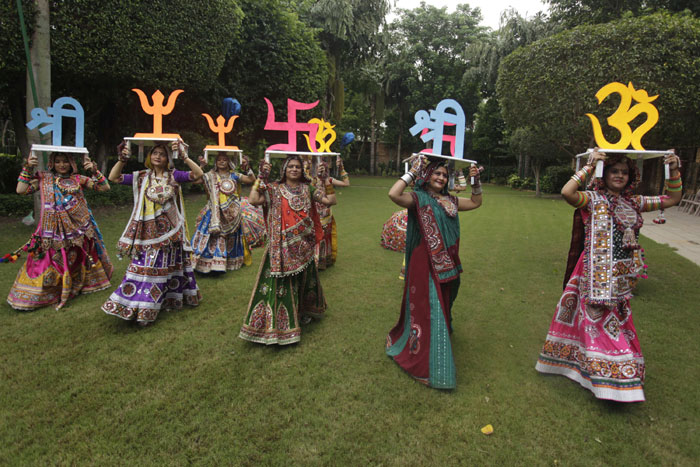
B_Id_425983_Dancers
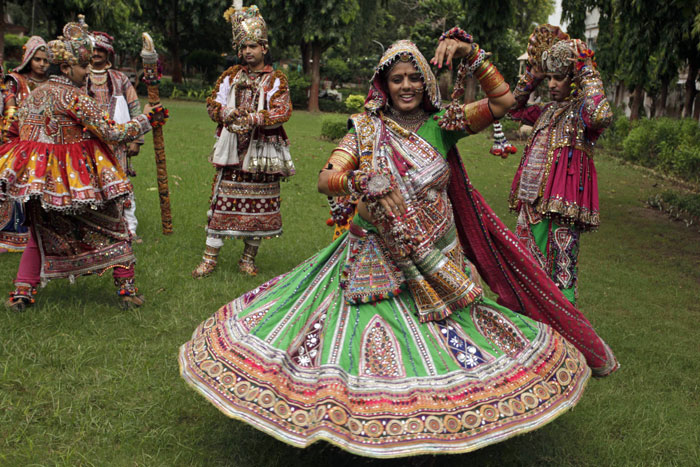
Garba Dance

“They hated every adjective that was applied to Krishna; they did not care to know that he was the Lord of Creation, they did not care to know that he was almighty, they did not care to know that he was omnipotent, and so forth. The only thing they understood was that he was infinite Love, that was all. The Gopis understood Krishna only as the Krishna of Vrindaban. He, the leader of the hosts, the King of Kings, to them was the shepherd and the shepherd forever.”

“ I do not want wealth, nor many people, nor do I want learning; no, not even do I want to go to heaven. Let me born again and again, but Lord, grant me this, that I may have love for Thee, and that for love’s sake”.

“A great land mark in the history of religion is here , the ideal of love for love’s sake, work for work’s sake, duty for duty’s sake and it is for the first time fell from the greatest of Incarnations, Krishna, and for the first time in the history of humanity, upon the soil of India. The religions of fear and of temptations were gone forever, and in spite of the fear of hell, and temptation of enjoyment in heaven, came the grandest of the ideals, love for love’s sake, work for work’s sake, duty for duty’s sake”.

Let me repeat, Impure Fools!

“And what a love! I have told you just now that it is very difficult to understand the love of the Gopis. There are about wanting fools, even in the midst of us, who cannot understand the marvellous significance of that most marvellous of all episodes. There are, let me repeat impure fools, even born of our blood, who try to shrink from that as if something impure. To them I have only to say, first, make yourselves pure; and you must remember that he who tells the history of the love of the Gopis is none else but Shuka deva. The historian who records this marvellous love of the Gopis is one who was born pure, the eternally pure Shuka, the son of Vyasa. So long as there is selfishness in the heart, so long is love of god impossible; it is nothing but shop keeping. I give you something, O Lord, you give me something in return. And says the Lord – if you do not do this, I will take good care of you when you die. I will roast you all the rest of your lives, perhaps, and so on. So long such ideas are in the brain, how can one understand the mad throes of the Gopis’ love?”

“O for one, one kiss of those lips! One who has been kissed by Thee, his thirst for Thee increases for ever, all sorrows vanish, and he forgets love for everything else but for Thee and Thee alone”. Ay , forget first the love for gold, and name and fame, and for this little trumpery world of ours. Then, only then, you will understand the love of the Gopis, too holy to be attempted without giving up everything, too sacred to be understood until the soul has become perfectly pure. People with the ideas of sex, and of money, and of fame, bubbling every minute in the heart, daring to criticise and understand the love of the Gopis! That is the very essence of the Krishna Incarnation. Even the Gita, the great philosophy itself, does not compare with the madness of enjoyment, the drunkenness of love, where disciples and teachers and teachings and books and all these things have become one, even the ideas of fear, and God, and heaven. Everything has been thrown away. What remains is the madness of love. It is forgetfulness of everything, and the lover sees nothing in the world except that Krishna and Krishna alone, when the face of every being becomes a Krishna, when his own soul has become tinged with the Krishna colour. That was the great Krishna!”

“Do not waste your time upon little details. Take up the framework, the essence of the life”.
Source: Selections from The Complete Works of Swami Vivekananda, Advaita Ashrama, Calcutta 700 014, Year of publication 1990.

B_Id_425986_Dancers_

Reference to Gopis in Tamil Literature

One of the earliest references to Gopis bathing in the River Yamuna and Krishna bending the trees so that the shepherd girls can get leaves to hide their bodies come from 2000 year old Sangam Tamil Literature. The reference is in verse 59 by Madurai Marudan Ilanagan in Akananauru.

Ramakrishna Paramahamsa on the Gopis

How wonderful was the intensity of their Love! At the very sight of the Tamala tree, they were seized with the madness of Love. This was also the case with Gauranga. Looking at a forest before him, he thought that it was brundhavan. Oh! If one is favoured with but a particle of this ecstatic love! What devotion! This devotion the Gopis had, not only full to the brim but over flowing in super abundance.
Once Radha, to prove her chastity, carried on her head a pitcher filled with water. The picture had a thousand holes, but not a drop of water spilled. People began to praise her, saying, “ Such a chaste woman the world will never see again!” Then Radha said to them: Why do you praise me? Say, Glory unto Krishna! Hail Krishna! I am only his handmaid”.

Contact swami_48@yahoo.com

400 Types of Yagas (Fire Ceremonies)

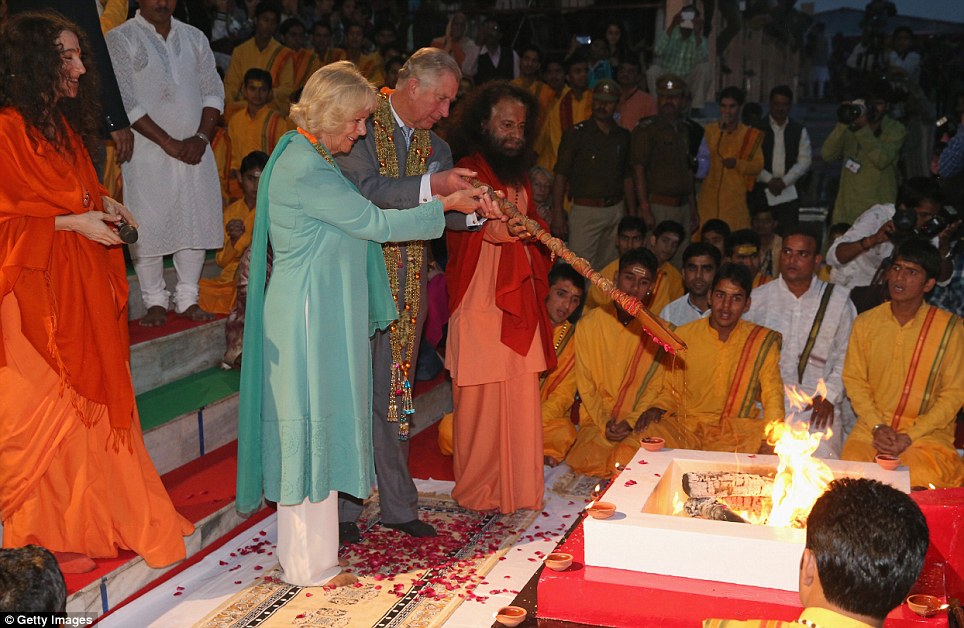
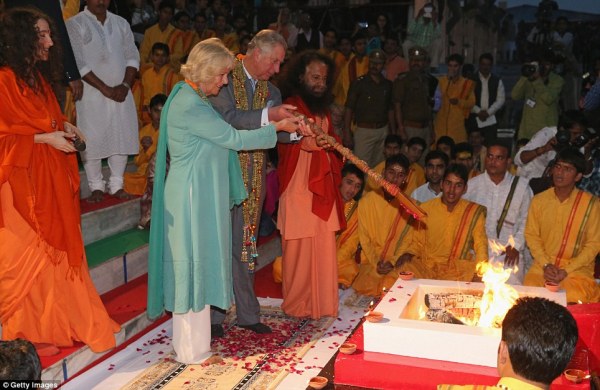
charles yaga

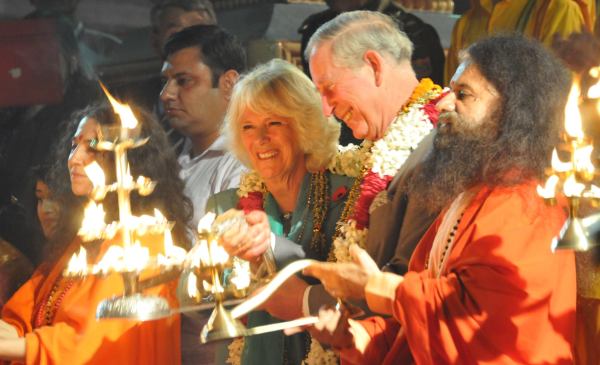
Prince Charles and Camilla Parker with Swami Chidananda Saraswati at Rishikesh taking part in a Yajna.

“The Brahmin spoiled himself and spoiled others. By abandoning his Dharma he became a bad example to others. Now, after he had divested himself of his dharma, there was nothing to give him distinction, to mark him out from others” — Kanchi Paramacharya Pujya Sri ChandraSekarendra Sarasvati.

By London Swaminathan
Post No. 891 dated 6th March 2014

Kanchi Paramacharya Sri Chandrasekarendra Saraswati Swamikal mentioned in one of his lectures that there are 400 different types of Yagas (Fire Altar Ceremonies) and Yajnas.

Following are excerpts from his talks on different occasions:

“What is a Yajna?

It is the performance of a religious duty involving Agni, the sacrificial fire, with the chanting of mantras. The word itself is derived from the root “Yaj” meaning “to worship”, to evince devotion. The performance of yajna is to please Paramatman (god) and various duties. Yajna is also called ‘Yaga’.

Three fold purpose

The Vedic sacrifices have a threefold purpose. (1) The first is to earn the blessings of the deities so that we as well as all other creatures may be happy in this world. (2) The second is to ensure that, after our death, we will happily live in the world of the celestials. (£) The third purpose is the most important and it is achieved by performing sacrifices, as taught by the Gita, without any expectation of reward. Here we desire neither happiness in this world nor residence in paradise. We perform sacrifices only because it is our duty to invoke the blessings of the gods for the welfare of the world.
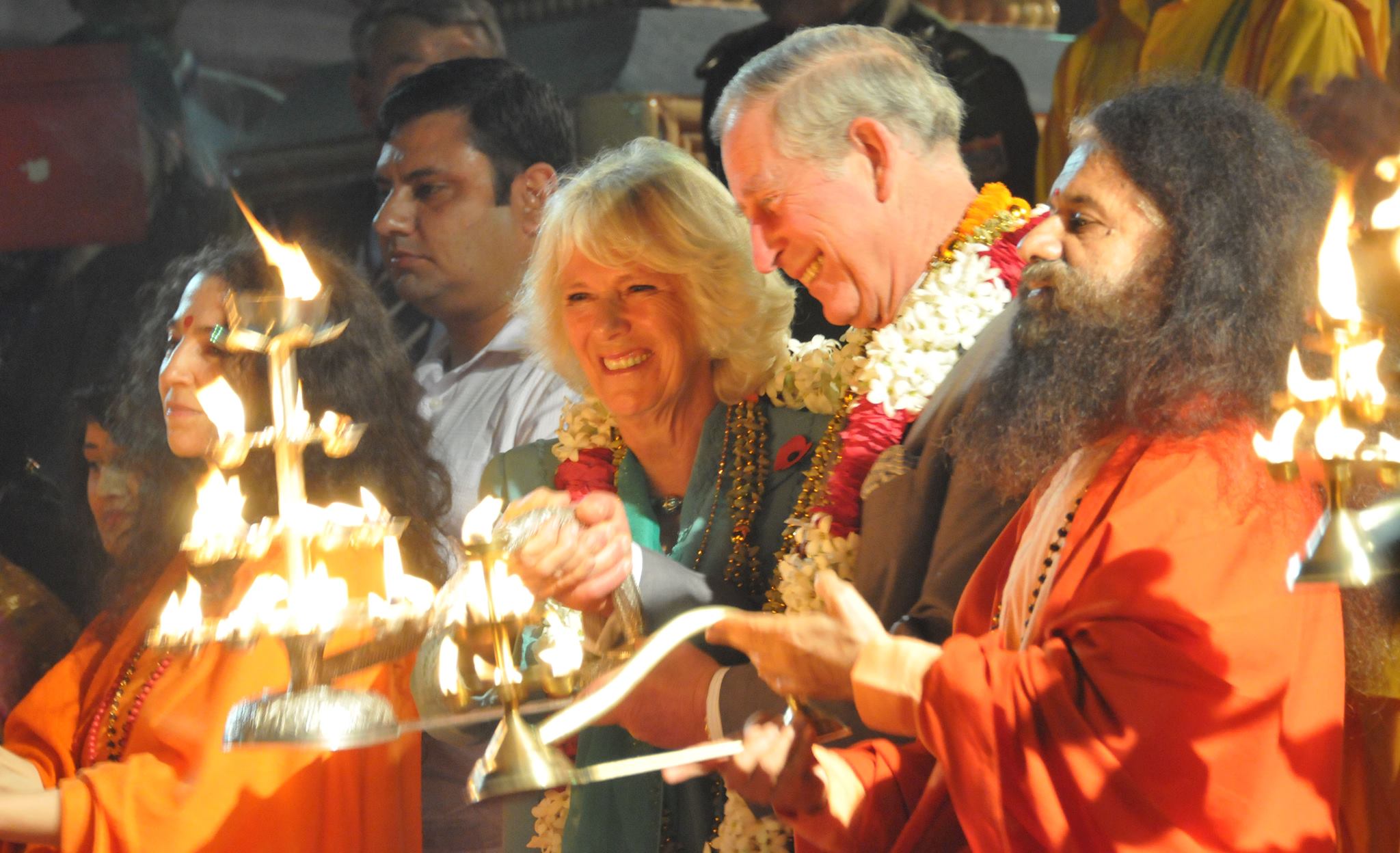
chalres arti

Lord Krishna says,

“Keep performing sacrifices. You will attain all good fortunes. May these sacrifices of yours be the cow that grants you all you desire (Kamadhenu)”

“One is enjoined to perform 21 sacrifices. These are of three types: Paka yajna, Havir yajna and Soma yajna. In each category there are seven divisions. In all the seven Pakayajnas as well as in the first five Haviryajnas there is no animal sacrifice. It is only from the sixth Haviryajna onwards (niruda pasubandha) that animals are sacrificed.

To tell the truth, there is no sacrifice, in which a large number of animals are killed. For Vajapeya, which is the highest type of Yajna performed by the Brahmins, only twenty three animals are mentioned. For Asvamedha (horse sacrifice), the biggest of the sacrifices conducted by imperial rulers, one hundred animals are mentioned.

There are three types of sacrifices mentioned in the Atharva Veda-:
Santikam for peace, Paustikam for strength and Abhicarikam to bring injury to enemies. There are sacrifices which come independently under the Atharvaveda. According to Valmiki Ramayana Indrajit performed the Nikumbhila mentioned in this Veda.

Thevaram sung at Omampuliyur temple has good information about Yagas.
Aupasana: Aupasana begins with marriage and it is performed every day until one becomes a sanyasin or until one’s death.

Though members of the fourth Varna/caste do not wear the sacred thread they have the marriage ‘samskara’, along with it, Aupasana. Aupasana is one of the rights of this caste and it is to be conducted every day with the recitation of certain verses.

Samidhadhana : SAMIDHADHANA is performed by the student/bachelor twice a day offering sticks of Palasa tree in the fire. The rite is not continued after marriage.

Now I am adding my comments:- swami
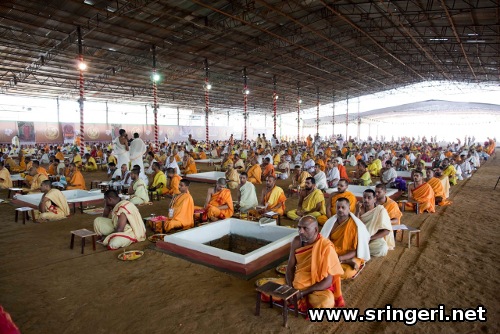
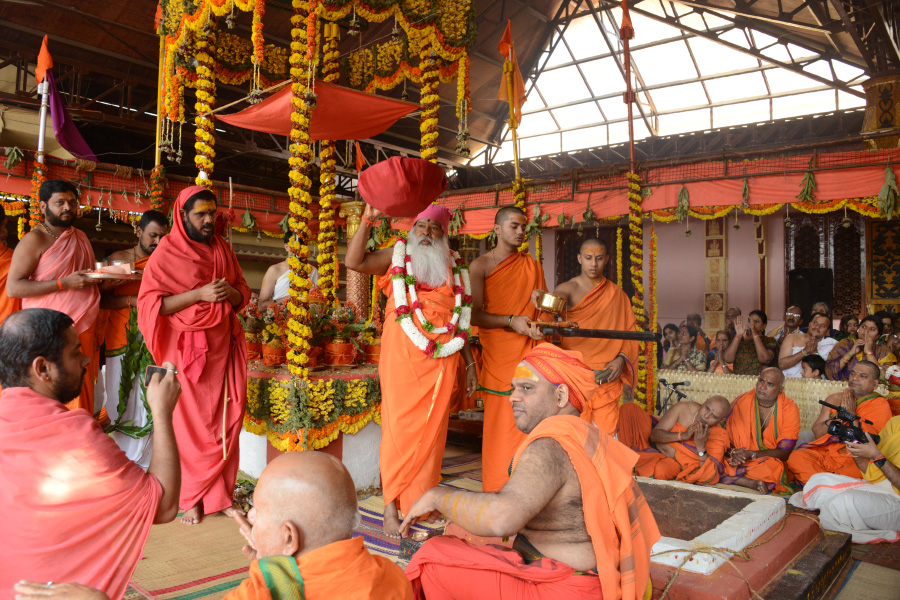
Thousand Priests at Yagashala

1000 priests at a Yagashala.

400 types of Yagas

I have tried to list as many Yagas as possible by looking at various sources:
1.Maha Ganapathy Homam: To get the blessings of Lord Ganesh it is performed in the beginning of all Hindu ceremonies and new ventures. Lord Ganesh is the god for success and wisdom. He will give troubles for those who ignore s him. He is always remembered in every new endeavour, whether it is secular or religious.

2.Sudarsana Homam: It is performed to get rid of evil spirits and troubles from enemies.
3.Navagraha Homam: It is performed to pacify the Nine Planets and avoid the evil effects of planets. This is also done in all the new buildings and new houses.

4.Ayush Homam: This is performed on every birth day of a family member for healthy and long life. The first birth anniversary of every child is celebrated with Ayush Homam and lot of people are fed on that day.
5.Agnihotra: Done by the married people. During the Bhopal Poison gas tragedy nearly 3000 people died. But two people who performed Agnihotra escaped from the evil effects of poisonous gas. It was widely reported in the news papers.

6.Kushmanda homam : This homa is a Prayaschitha Homa performed to get rid of the sins done by a person. Prayaschita means atonement.

7.Samidhadhanam: Every Brahmin bachelor is supposed to do it every day with peepal or palasa sticks and ghee in the fire. It is a very short ceremony with positive mantras. They praise the Gods as the greatest, brightest, most intelligent, strongest, boldest etc and pray for the same qualities.

8.Aupasanam: Done by the married people every day in the morning and the evening. They start doing it after the birth of the first baby.
9.Mahamrutyunjaya homam : This is performed by repeating the Mrtyunjaya (Conquering death) mantra from the Rudram of Yajur Veda. A very short mantra repeated by Hindus very often. (Beginning Om Trayamabakam Yajaa mahe…..)

10.Lagu Mrutyunjaya homam: another type of the above one.
11.Vasthu homam: It is done during the construction of new houses or buildings
12. Purushasukta homam: Done with the recitation of Purushasukta from the Rik Veda.

13.Sri Sukta homam: Sri Suktam is a Vedic hymn in praise of Goddess.
14.Bhagavadgita homam :
15.Punyahavachanam:
16.Agnimukam:
17.Jayadhihomam:
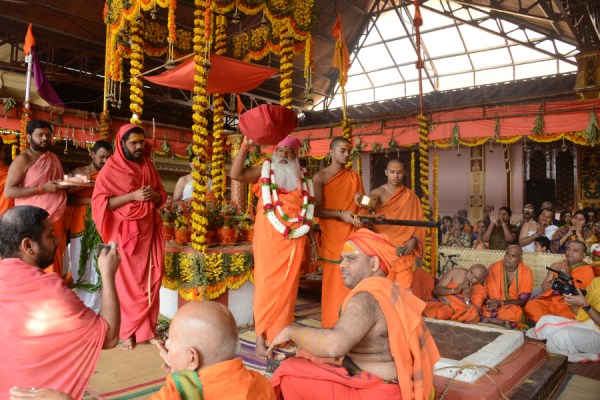
pratishtha-yagashala-purnahuti
Picture of Sri Ganapati Sachidananda in a Yagashala.

18Vichinnagni sandhanam:
19.Sri vidya navavarana homam:
20.Agnistoma :
21.Jyotistoma:
22.Mahavrata yaga:

23.Gasava yagam:
34.Ukthya yagam :
25.Avahanthihomam

Homa Vidhanam by Anna, (Sri Ramkrishna Mutt publication, 16, Ramakrishna Matam Road, Mylapore, Chennai 600004) gives instructions to do the most popular homams.

26.Rudram Homam
27.Rudra Ekadasani
28.Maha Rudram
29.Ati Rudram
Rudra Ekadasi: When Rudram is recited 121 times (11 priests recite it 11 times) it is Rudra Ekadasi.
When Rudram is recited 1331 times (11X11X11) it is Maha Rudram
When Rudram is recited 14641 times (11X 11X11X11) it is Ati Rudram
Sri Sathya Sai Baba performed Ati Rudram in Chennai and Puttaparthi. It was the biggest Homam done in modern times.
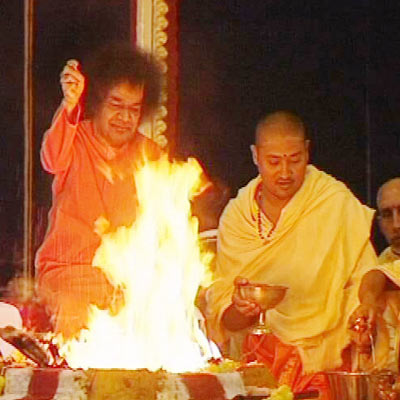
rudra baba

Sri Sathaya Sai Baba organised the biggest Ati Rudra in Chennai and Puttaparthi

30.Atirathram: Atirathram is very popular because of its performance every year in Kerala. Foreigners showed a great interest in it and recorded everything for the benefit of future generations. It was held at Panjal village in Thrissur district. The “Athiratram ritual literally means “building of the fire place and performed overnight” and usually held to propagate universal peace and harmony. It was documented about 40 years ago by US based Indologist Frits Stall (Emeritus Professor of Philosophy and South Asian Studies at the University of California at Berkley). He is no more. He recorded everything for the benefit of the posterity in 1975.

31.Aswamedham: Kshatriya rulers (kings) only did this in ancient India. A horse will be sent to different countries as the representative of the king. Whoever challenges it will have to go to war with the king. If they are defeated or pay tributes to the emperor they will be left untouched.

32.Purushamedham : It is the sacrifice of a man. But in the later times, they did it only with the dummies made up of flour, without sacrificing a man. Every ancient culture had some sort of sacrifice like this.

33.Rajasuyam: Kings do it to re establish their sovereignty. During the epic period Yudhistra/Dharma did it. During Sangam age, a Choza king did it.
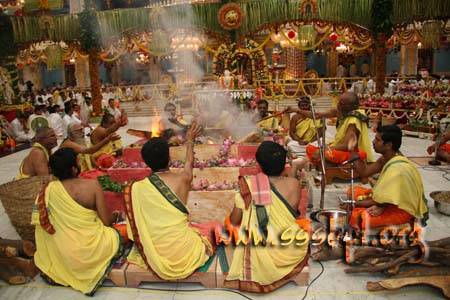
Homam in front of Sayeeshwara

34.Vajapeyam: See Kanchi Shankaracharya’s talk given above.
35.Somayagam : Details are given already.
36.Puthrakameshti yagam : Done by Dasaratha to get issues.
Puthra Kameshti Yajna is described in the Ramayana. Childless couples performed it to get children.

Yagas: More done in Rajasthan

I am adding the following from the book Vedic Culture and its Continuity (Article by Taditions of Vedic Sacrifice in Rajasthan by Dr.Vibha Upadhyaya, Department of History, University of Rajasthan, Jaipur)
No other state of India has yielded so many Yajnasthambas as Rajasthan. King Bhagavata did Asvamedh sacrifice according to Gosundi Inscription (150-100 BC).

1 day Praayaaniiya sacrifice
2 day Chaturvimsa sacrifice
3 day Abhiplava sacrifice
21 day Prishthya sacrifice
27 day Navaraatra sacrifice
36 day Pratiloma Prishthya sacrifice
48 day Ayu sacrifice
49 day Gau sacrifice
50 day Dasaraatra sacrifice
60 day Mahavrata sacrifice
61 day Udaayaniiya sacrifice

According to Katyayan seven soma sacrifices are Agnishtoma, Atyagnishtoma, Ukthya, Sodasin, Vaajapeya, Atiraatra, Aaptoyaama.
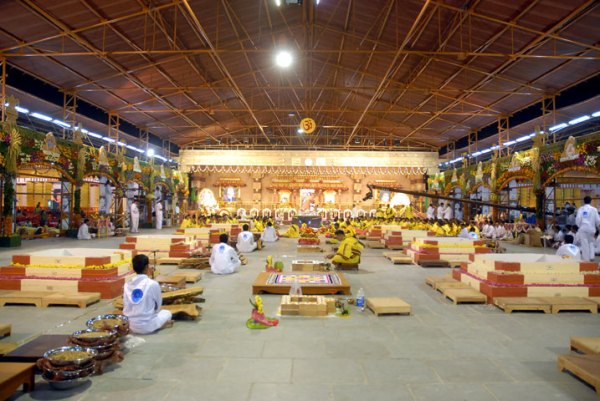
chennai_04

More information from other sources:

From other Hindu literatures we come to know about the following:
Agnishtoma is so called because Agni is praised or the last chant is addressed to Agni. It is performed on New moon or Full moon day.

Atyagnishtoma is obtained by adding the sodasin cup and an additional victim to Indra to Agnishtoma sacrifice.

Vaajapeya sacrifice is performed to achieve over lordship (aadhipatya) or prosperity or Svarajya. No 17 is predominant in this sacrifice.

Sahasra dakshina Triraatra: 1000 cows are given to Brahmins as donation (Dhaanam. Taitriya Samhita gives a detailed description of this sacrifice. This is a combination of Agnishtoma, Ukthya and Atiraatra.
Asvi Tri raatra: Is called so because on the second day a horse was immolated.
Aaptoyaama sacrifice is performed the whole day and extended through the next night. According to Asvalayan, those who desire good breed of cattle should perform it. Over 1000 cows are given to the performer with a chariot plated with silver to which female mules are yoked.

Atiraatra is mentioned in Rig Veda. This Soma sacrifice is finished after the day and night passed.
In Sodasin an additional victim viz. a ram is sacrificed for Indra. In Ukthya a goat is sacrificed.

Agnihotra is performed every day. When poisonous gas leaked from a factory and killed 1000 people, only the family who performed Agnihotra escaped.
Long sacrificial session for Agnihotra is also described in the Sutras.
Pundarica Sacrifice: Pundarica is another name of Vishnu. Vnaparva of Mahabharata (30-117) says It is a great Yajna like Asvamedha and Rajasuya.
Sarvamedha Yajna.

Purushamedha Yajna: Yajur Veda (VS 30-31) gives details about this Yagna. It means human sacrifice. But in reality no human being was sacrificed. It was only done symbolically. Satapata Brahmana of Yajur Veda adds,
Then a voice said to him, ‘Purusha, do not consummate (these human victims): if thou wert to consummate them, man (purusha) would eat man.’ Accordingly, as soon as fire had been carried round them, he set them free, and offered oblations to the same divinities.

Human sacrifice is practised all over the world. We have references in the Bible. Tamils sacrificed their heads in front of Kali or Durga just before wars ( I have already written about it with pictures). Kabalikas sacrificed human beings. When Adi Shankara was taken for sacrifice, one of his disciples tore the Kabalika and saved Adi Shankara.

Prof.Asko Parpola adds: Only symbolical figures were sacrificed in the fire.
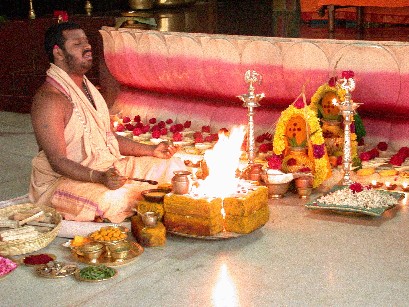
yagam1
Picture of Narayani Amma in a Yajna

Asvamedha Yajna: A horse was slain along with 200+ different animals, birds, insects, plants etc. The king established his sovereignty over the land which the horse travelled. Anyone who challenged the horse had to fight with the king who performs this Yagna.

Coins issued for Sacrifice: Samudra Gupta of 4th century AD issued gold coins with Yupa and Asva (Sacrificial post and horse). Pandya king Mudukudumi Peruvazuthi also issued coins after Asvamedha.Terracota seals with Yupa sthamba with railings are recovered from Sambhar.

Raja Sawai Jaising performed Sarvamedha, Purushamedha, Asvamedha Yajna and Vaajapeya according to ‘Isvar Vilasa Maha Kavyam’ by Krishnabhatta Kavi. This is published in 1958.
12 year long Satras were done inside the Naimisaranya forest. Puranas were composed during theses 12 year long satras.

Yagas spreading over 100 Nights

Srautha Sutras say that some yagas were conducted from one night to 100 nights (Sata Ratra Kratu), according to R Anantakrishna Sastry in his book Maha Meru Yatra (Ariyanayakipuram, Tirunelveli District, 1936).
Purananuru verse 166 in Sangam Tamil literature gives detailed information about 21 types of Yagas. The commentators add much information on this verse. It was in praise of Punchathur Brahmin Vishnu Dasan of Kaundinya Gotra.

At Pudukottai in Tamil Nadu, Sahasra Chandi, Satha Chandi yajnas were organised by Swami Shanthanantha.
Sri Singaravelu Mudaliyar of A.Abidhana Chintamani (Tamil Encyclopaedia) gives some new information on Yagas. He gives a long list of thirty yagas. ( I have given it in full in my Tamil article)
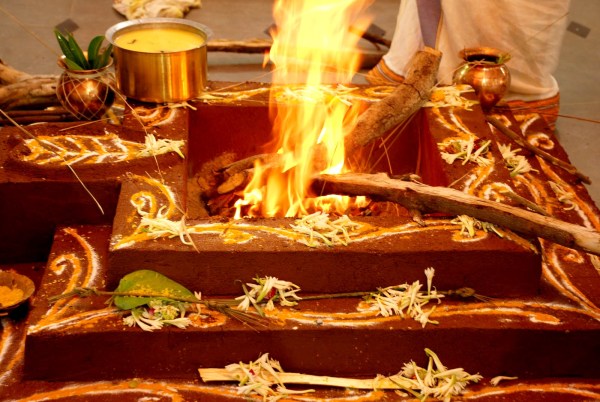
puranapanda_srinivas._1_
For more information contact swami_48@yahoo.com
(Source: Hindu Dharma: The Universal Way of Life, Bharatiya Vidya Bhavan,Mumbai, year of publication 2000, Rs 600)
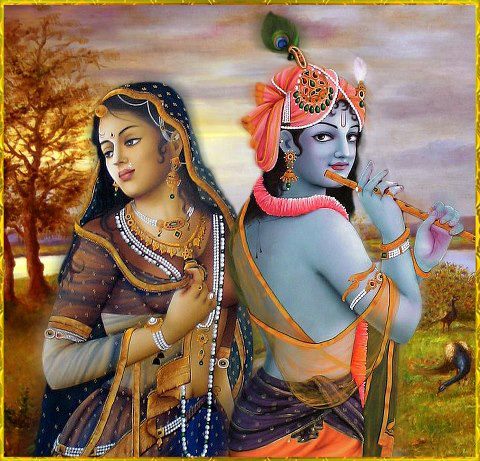
Hindu Saint’s ‘Upadesa’ to a Muslim devotee

Karur

Jagadguru Sringeri Sri Shankaracharaya doing abishek at the samadhi of great saint Sadashiva Brahmendra

Sadasiva Brahmendra – A Siddha who did Miracles!
Compiled by London Swaminathan
Post No.884 Date:3rd March 2014

“Waving a reluctant farewell to a crowd of Madras students and friends, Mr Wright and I set out on our travels. On the way we stopped before a little shrine sacred to the memory of Sadasiva Brahman, in whose 18th century life story miracles cluster thickly. A larger Sadasiva shrine in Nerur, erected by raja of Pudukkottai, is a pilgrimage spot that has witnessed many divine healings. The successive rulers of Pudukkottai have treasured as sacred the religious instructions that Sadasiva wrote in 1750 for the guidance of the reigning prince.

Many quaint stories of Sadasiva, a lovable and fully illumined master, are still current among South Indian villagers. Immersed one day in Samadhi on a bank of the Kaveri River, Sadasiva was seen to be carried away by a sudden flood. Weeks later he was found buried deep beneath a mound of earth near Kodumudi in Coimbatore district. As the villagers’ shovels struck his body, the saint rose and walked briskly away.
Sadasiva became a muni (non speaking saint) after his guru had rebuked him for worsting in dialectical argument an elderly Vedanta scholar. “When will you, O youth, learn to hold your tongue?” the guru had remarked

“With your blessings, even from this moment”.

Sadasiva ‘s guru was Swami Paramasivendra Saraswati, author of Daharaviya Prakasika and a profound commentary on Uttara Gita. Certain worldly men, affronted because the god intoxicated Sadasiva often to be dancing “without decorum” on the streets, carried their complaints to his learned guru. “Sir, they declared, “Sadasiva is no better than a mad man”.

But Paramasivendra smiled joyfully. “Oh”, he exclaimed, “if only others had such madness!”.
Sadasiva’s life was marked by many strange and beautiful manifestations of the Intervening Hand. Much seeming injustice there is in this world; but god’s devotees can testify to countless instances of His immediate righteousness. One night Sadasiva, in Samadhi, halted near the granary of a rich householder. Three servants, on the lookout for thieves, raised their sticks to strike on the saint. Lo! Their arms were immobilized. Like statues, their arms aloft, the trio stood in unique tableau until the departure of Sadasiva at dawn.

On another occasion the great master was roughly pressed into service by a passing foreman whose labourers were carrying fuel. The silent saint humbly bore his burden to required destination and there placed his load on top of a huge file. The whole heap of fuel at once burst into flames.

sadasiva-brahmendra-color-lstamp

Naked saint

Sadasiva , like Trilinga Swami, wore no cloth. One morning the nude yogi absentmindedly entered the tent of a Muslim chieftain. Two ladies screamed in alarm; the warrior dealt a savage sword thrust at Sadasiva, whose arm was severed. The master departed unconcernedly. Overcome by awe and remorse, the Muslim picked up the arm from the floor and followed Sadasiva. The yogi quietly inserted the arm into his bleeding stump. When the chieftain humbly asked for some spiritual instructions, Sadasiva wrote with his finger in the sands:
“Do not do what you want, and then you may do what you like”.

The Muslim was uplifted to a purified state of mind and understood the paradoxical advice to be a guide to soul freedom through mastery of the ego. So great was the spiritual impact of those few words that warrior became a worthy disciple; his former haunts knew him no more.

nerur 3

Teletransportation

The village children once expressed a desire in Sadasiva ‘s presence to see Madura religious festival, 150 miles away. The yogi indicated to the little ones that they should touch his body. Lo! Instantly the whole group was transported to Madura. The children wandered happily among the thousands of pilgrims. In a few hours the yogi brought his small charges home by his simple mode of transportation. Astonished patients listened to vivid tales about procession of images in Madura, and noted that several children were carrying bags of Madura sweets.

An incredulous youth derided the saint and the story. On the occasion of the next religious festival in Srirangam, the boy approached Sadasiva.

“Master” he said scornfully, “why don’t you take me to the festival in Srirangam, even as you took the other children to Madura?”

Sadasiva complied; the boy immediately found himself among the distant city throng. But alas where was the saint when the youth wanted to leave? The weary boy reached his home by the prosaic method of foot locomotion”.

From page 389 of Autobiography of a Yogi by Paramahmansa Yogananda

nerur 2

His compositions are very popular and they have been used in famous films like Sankarabaranam.
Old Tamil Encyclopaedia Abidhana Chintamani has given his life story in detail.

I am adding the following information from Wikipedia:–
Songs:
He also wrote several Carnatic compositions to spread the advaita philosophy among common people. His compositions are quite popular and can be heard frequently in Carnatic music concerts. Some of these are

1. Ananda Purna Bodhoham Sachchidananda – Shankarabharanam
2. Ananda Purna Bodhoham Satatam – Madhyamavati
3. Bhajare Gopalam – Hindolam
4. Bhajare Raghuviram – Kalyani
5. Bhajare Yadunatham – Peelu
6. Brahmaivaham – Nadanamakriya
7. Bruhi Mukundethi – Gowla, Navaroju, Kurinji, Senchurutti
8. Chetah Sreeramam – Dwijavanthi, Surati
9. Chinta Nasti Kila – Navroj
10. Gayathi Vanamali – Gavathi, Yamuna Kalyani
11. Khelathi Brahmande – Sindhubhairavi
12. Khelathi Mama Hrudaye – Atana
13. Kridathi Vanamali – Sindhubhairavi
14. Krishna Paahi – Madhyamavati
15. Manasa Sanchara Re -Sama
16. Nahi Re Nahi Re – Gavathi
17. Pibare Rama Rasam – Ahir Bhairav
18. Poorna Bodhoham – Kalyani
19. Prativaram Varam – Todi
20. Sarvam Bramha Mayam – Mishra Sivaranjani
21. Smaravaram – Jog
22. Sthiratha Nahi Nahire – Amruthavarshini
23. Tatvat Jeevitham – Keeravani
24. Tunga Tarange Gange – Hamsadhwani

He is the author of several Sanskrit works. The following works have been printed/ published.
1. Brahmasutravrutti or brahma tatva prakashika
2. Yoga Sudhakara which is a commentary on the Yoga Sutras of Patanjali.
3. Siddhanta kalpavalli
4. Advaitarasamanjari
5. Atmanusandhanam
6. Atmavidhya vilasa
7. Shivamanasapooja
8. Dakshinamurthy Dhyanam
9. Swapnoditam
10. Navamanimala
11. Swapnoditam
12. Navavarnaratnamala
13. Swanubhutiprakashitak
14. Manoniyamanam
15. Paramahamsacharya
16. Shivayoga Dipika

The following works are ascribed to Sri Brahmendral but no printed version is available.
1. Upanishadvyakhyanam
2. Kesaravalli
3. Suta Samhita
4. Bhagavatasara
5. Saparyaparyayastavah
6. Atmanatmaviveka prakashika

Character of Sadasiva Bramhendra is portrayed in the Tamil movie Mahashakti Mariamman
Tamil writer Balakumaran has written a novel Thozhan based on the life of Sri Sadasiva Brahmendra.

Contact swami_48@yahoo.cm
Pictures are taken from different sites;thanks.

Saint who ate with a dog!

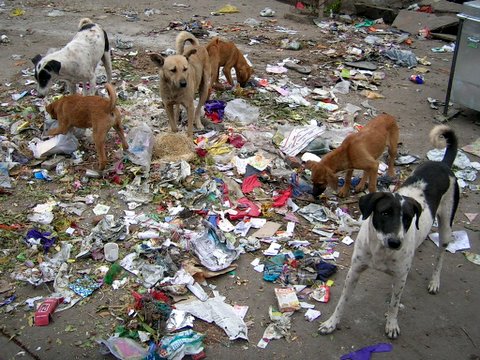
street-dogs

Compiled by London Swaminathan

Post No 872 Date: 27th February 2014

From “Sayings of Sri Ramakrishna”, Sri Ramakrishna Math, Mylapore, Chennai. This book is available in several languages including Tamil.

“Once a god intoxicated Sadhu (saint) came to Rani Rasmani’s Kali temple. One day he did not get any food; and even though feeling hungry, he did not ask anybody for it; but seeing the dog eating the remnants of food thrown away in a corner after a feast, he went there and embracing the dog said, “Brother, how is it that you eat alone without giving me a share?” So saying, he began to eat along with the dog. Having finished his meal in this strange company, the sage entered the temple of Mother Kali and prayed with such earnestness of devotion as it sent a thrill through the temple. When after finishing his prayers, he was going away, the Master (Sri Ramakrishna Paramahamsa) asked his nephew Hriday, to follow that man, and talk with him.

When Hriday followed him for some distance, the sage turned around and said, “Why do you follow me?” Hriday replied, “Sir, give me some instruction”. The sage said, “When the water of this dirty ditch and the Holy Ganges yonder appear as one in your sight, and when the sound of the flageolet (musical instrument) and the noise of the crowd will have no distinction to your ear, then you will reach the state of true Knowledge. A Siddha roams in various disguises – as a child, as an unclean spirit, or even as a mad man”.-
——–Sri Ramakrishna

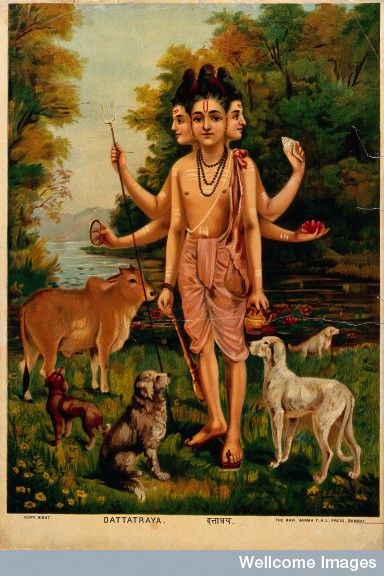
V0045119 Dattatreya with his four dogs and cow. Chromolithograph

Picture of Dattareya

Janaka was challenged by a Woman Saint

“Once a Sanyasini (a nun) came to the royal court of Janaka. To her the king bowed, without looking at her face. Seeing this the Sanyasini said, “How strange it is, O Janaka, that you have still so much fear of woman!” when one attains to full Jnana (wisdom), one’s nature becomes like that of a little child,— one sees no distinction between male and female.

The state of Paramahamsa (a perfect man) is just like that of a child. Like a child of five years, he feels no difference between man and woman. Yet, to set an example to the world, he should be on his guard against the other sex.
—– Sri Ramakrishna Paramahamsa

Holy man was beaten

“Once a holy man, while passing through a crowded street, accidentally trod upon the toe of a wicked person. The latter, furious with rage, mercilessly beat the Sadhu until he fell down unconscious. With much concern and care, his disciples tried various measures to revive him. When they saw that he was regaining consciousness a little, one of them asked, “Sir, do you recognise who is now serving you?”
The Sadhu replied, “Assuredly he who beat me”. A true Sadhu finds no distinction between a friend and a foe.
—– Sri Ramakrishna Paramahamsa

Jesus was a “Siddha”

“When the Jews nailed Jesus to the cross, how was it that he could, in spite of so much pain and suffering, pray that they should be forgiven?

When an ordinary coconut is pierced through shell, the nail enters the kernel of the nut. But in the case of the dry nut the kernel becomes separate from the shell; and when the shell is pierced, the kernel is not touched. Jesus was like the dry nut; his inner soul was separate from his physical shell. Consequently the sufferings of the body did not affect him. Though the nails were driven through and through, he could pray with calm and tranquillity for the good of his enemies.
—– Sri Ramakrishna Paramahamsa

Swami_48@yahoo.com

(Sub headings are mine;Pictures are taken from different sources; swami)

Why do Hindus Worship Shiva Linga? Kanchi Paramacharya’s Talk

lord-shiva-linga-big-temple-br (1)

Compiled by London Swaminathan
Post No. 870 dated 26th February 2014

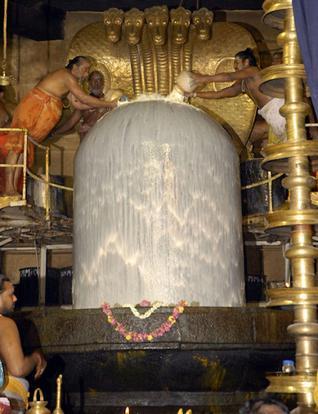
“ God is Omnipresent and All-pervasive. By the very nature of these qualities, He cannot have any form. He is, therefore, formless (Arupa). But in order to bless us, He assumes innumerable forms (Rupa). The Linga form in which we worship Isvara is symbolic of both His formlessness and form. It is symbolic of form because it has a particular shape; It is symbolic of formlessness because it has neither head nor limbs. The very conception of a Linga denotes something which has neither beginning nor end; the literal meaning of Linga is symbol.

Banalinga, part of Panchayatana Puja, is egg shaped. It serves to remind us Isvara(God) has neither beginning nor end. The shape of the sky is another example. Looking at the horizon we feel that the sky and the earth meet at a particular point. We may circle the earth and return to the point from which we started, without coming to the point where the sky and the earth meet. If we go into the significance of the symbol of Linga, we will realise that it is intended to bring the Unknown within our mental comprehension.

SAMSUNG DIGIMAX A503
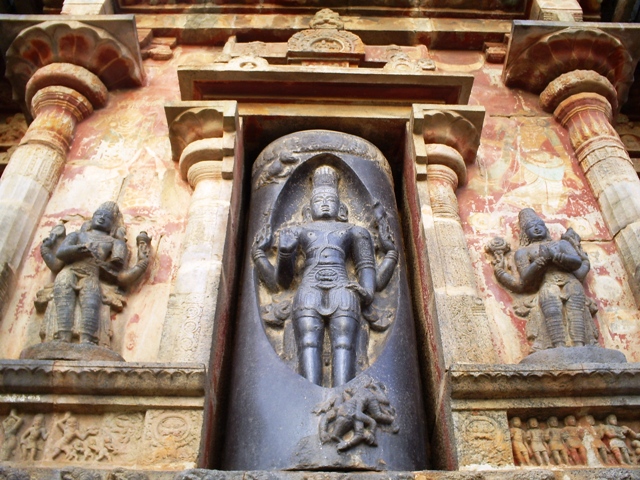
Lingodbhava Moorthi

Isvara assumes various forms in pursuance of His Divine Leela. The prime manifestation with a form of the formless Isvara, is known as the Lingodbhava Moorthi, and He made his appearance in that form exactly at midnight on Sivaratri. That is why all devotees keep vigil during the night of Sivaratri, and worship Isvara at midnight. If we go to any important Siva temple, we will find a niche, in the outer wall of the sanctum sanctorum, exactly behind the spot where the deity is installed. In that niche we can find a representation of the Lingodbhava Moorthi—a form emerging out of a linga. We can see neither the top half of the head nor the bottom half of the legs of that form. All the other attributes of Siva, like the axe, the deer etc. will be found sculptured. We will find also depicted a swan in flight at the top of the linga, and a boar burrowing the earth at the bottom.

According to tradition, Brahma took the form of a swan to find the crown of Siva’s head and failed. Similarly Vishnu took the form of a varaha/ boar and burrowed deep into the bowels of the earth to locate the feet of Siva and failed.

Thus in Lingodbhava Moorthi, we find the unique combination of Brahma, Vishnu and Siva, impressing in our minds the Advaitic tatva that God is One, Full and All Pervasive. Both the Arupa and Rupa aspects of Isvara are thus depicted.

(Significance of Sivaratri, Talk delivered by Kanchi Shankaracharya Sri Chandra Sekarendra Sarasvati on 16th February 1958 in Madras.)

Source: Pages 105- 107 of Acharya’s Call, Madras Discourses 1957- 1960, B G Paul & Co., Madras 1, 1968 publication.

Hindu Gods in Japan

Interview between Paramacharya and Hajme Nakamura, Professor of Philosophy, University of Tokyo
His Holiness: Is Shiva Linga found anywhere in Japan
Professor Hajme Nakamura: No. there is neither Shiva Linga nor images of Vishnu. But there is Ganapathi, Saraswathi, Indra, Brahma and even Varuna. But also there is a crocodile, which is regarded as the vehicle (Vahana) of the Ganges. The meaning of the Japanese names of
Ganapathi = Arya deva
Saraswathi = Goddess of eloquence
Indra = Chakra deva
Varuna = God of water

Lingodbhava Murthy - Shiva Inside Linga

Picture of Linodbhava

Shiva 50% + Vishnu 50%

“We Hindus regard both Siva and Vishnu as the same and this is evident from the fact that in the ecstasy of our devotion, when we are alone or in groups, we exclaim Haro-Hara and Govinda Govinda which names come to our lips spontaneously.

The holy days of Sivaratri and Janmashtami, are divided from each other by exactly 180 days, and this seems to indicate that god in his aspect as Siva protects us during one half of the year and his aspect as Vishnu , in the other half.

The traditional practice of boys and girls collecting oil for their vigil on Sivaratri and Janmashtami nights , singing in chorus a song which means Sivaratri and Sri Jayanthi/Janmashtami are the same, is another pointer to the identity of these two manifestations of the divine.”
(Paramacharya has pointed out in another talk that only two stars out of 27 stars has the honorific prefix “Thiru=Sri” in Tamil. They are Arudra and Onam. Both of them are associated with Shiva and Vishnu respectively. Big celebrations are held in Siva and Vishnu temples on those days. (Arudra= Thiruvathirai; Onam= Thiruvonam )

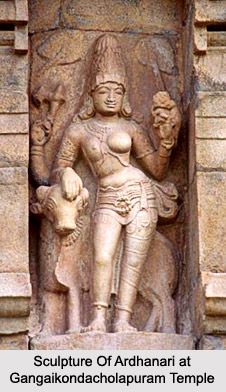
ardhanaree
Picture of Ardhanaree

Ignorance of Western Scholars

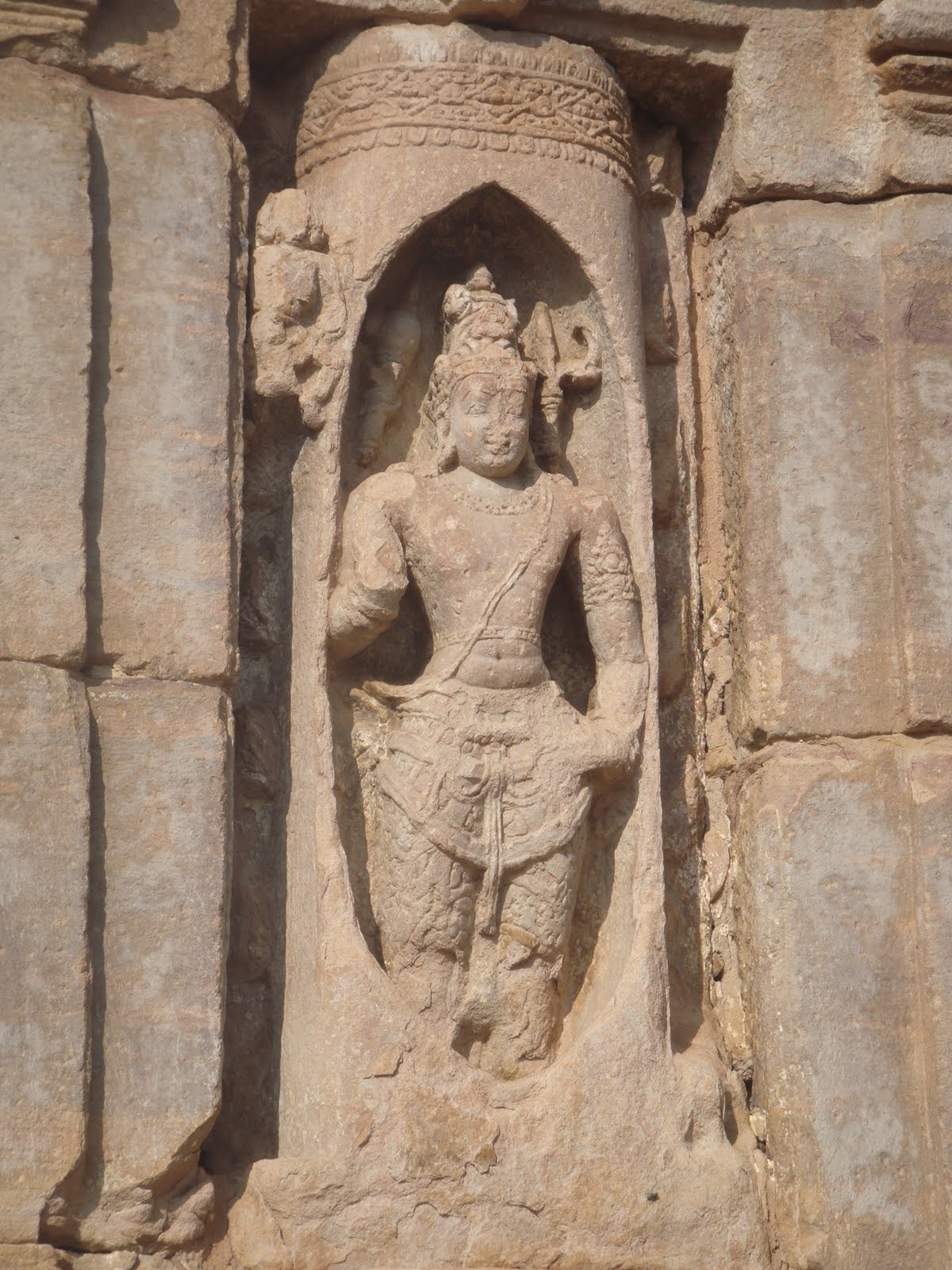
“Some Western scholars in their ignorance have dubbed Hindu religion as polytheistic. The uniqueness of our religion lies in the fact that under whichever name a devotee worships his Ishtadevata – that manifestation of god which appeals to him most – he considers him as the all pervading Paramatma. In fact, the culmination of all conceptions of the Supreme Being is in monism. That is Advaita Vedanta. Isvara, Narayana and Parasakti are all different aspects of one Supreme Being. This is visibly illustrated in the divine forms of Ardhanareeswara and Sankara – Narayana.

Such manifestations of the divine are installed in many South Indian temples, such as Ardhanareeswara (Half Siva, Half Sakti) in Tiruchengodu, SankaraNarayanan (Half Siva and Half Vishnu) koil in Tirunelveli district and Harihara in Mysore. Siva and Vishnu are also found together in the temple at Tiruparkadal near Kaveripakkam.

Source: Volume 2 of Acharya’s Call, Madras Discourses 1957- 1960, B G Paul & Co., Madras 1, 1968 publication.
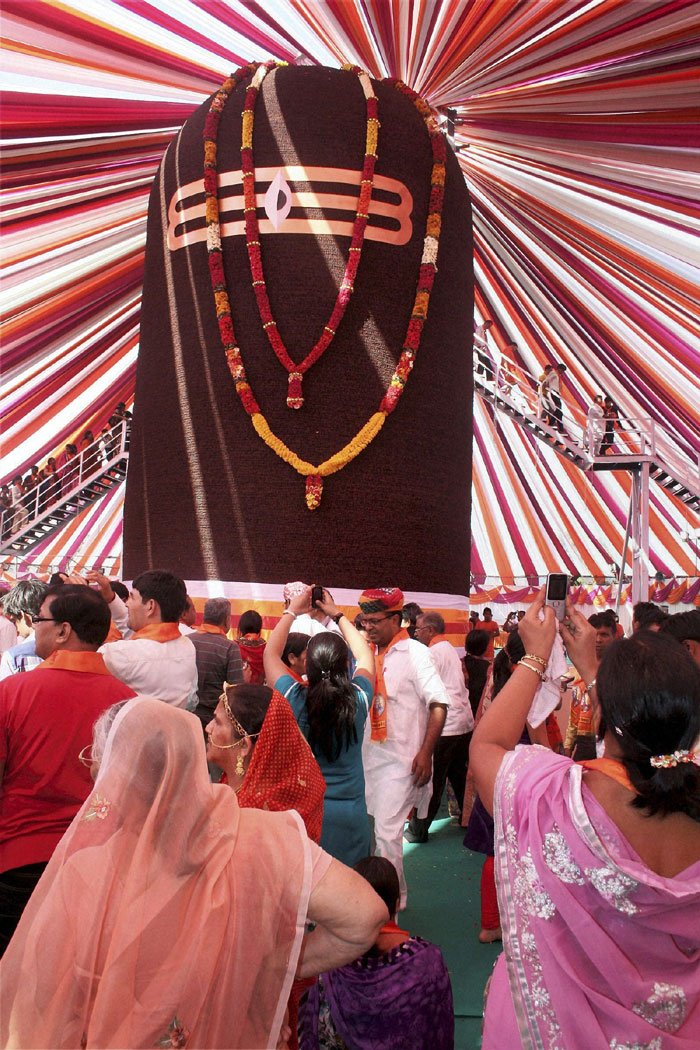
2 million Rudraksha seeds in Surat.

Linga made up of two million Rudraksha seeds from Surat,Gujarat.

Contact swami_48@yahoo.com
Pictures are taken from various websites;thanks.

Socrates’ Meeting with a Hindu Saint

big socrates

Compiled by London Swaminathan

Post No. 858 Date 22nd February 2014

My compilation below mentions several Greek scholars. Who are they?

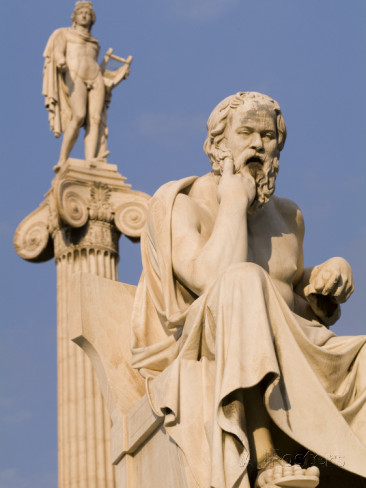
Socrates (499- 399 BC) Greek Philosopher
Plato (427-347 BC) Philosopher and Student of Socrates
Glaucon (445- 400 BC) Plato’s older brother & Philosopher
Xenophon(430- 354 BC) Greek Historian
Eusubius (263-339 AD) Roman historian
Aristoxenus (Around 335 BC) Greek Philosopher

Socrates and superstition

Xenophon says that Socrates was frequently seen sacrificing at home and on the public altars of the city (memorabilia 1-1-2)
According to Plato, the last words of Socrates were: ‘Crito, I owe a cock to Asclepius; will you remember to pay the debt?’ (Plato 118)
Source: Dr S Radhakrishnan’s Introduction to The Dhammapada.

Socrates Meeting with a Hindu Saint

A passage in Eusebius relates an encounter between Socrates and a Hindu Sage. The passage runs: Aristoxenus, the musician tells the following story about the Indians. One of these men met Socrates at Athens, and asked him what was the scope of his philosophy. ‘An inquiry into the human phenomena’ replied Socrates. At this the Indian burst out laughing. ‘How can a man inquire into the human phenomena’, he said, when he is ignorant of divine ones?”

The Greek ideal, echoed in western philosophies, is:”Man know thyself!”. A Hindu would say, “Man Know thyself”. The dictum Descartes: ‘I think therefore I am”, is not philosophically valid. The reasoning faculties cannot shed light on man’s ultimate Being. The human mind, like transitory world that it cognizes, is in perpetual flux and can yield no finalities in tellectual satisfaction is not the highest goal. The seeker of god is the real lover of Vidya, unchangeable truth; all else is avidya, relative knowledge.

Source: Page 367, Autobiography of a Yogi by Paramahansa Yogananda

Socrates was a Vegetarian!

The quote, “As long as there are slaughterhouses, there will be battlefields” penned by Leo Tolstoy, is reinforced by another great mind in human history. Socrates was a vegetarian who taught that virtue was based on knowledge. He was indicted for impiety, as well as the corruption of youth and was condemned to death. He refused to flee and died by drinking hemlock in 399 BC.

This excerpt from Plato’s “Republic”, who was a pupil of Socrates and one of the only 2 sources we can look to for his actual teachings, is in line with Tolstoy’s argument. It is simple dialogue between Socrates and Gloucon:

Socrates: Would this habit of eating animals not require that we slaughter animals that we knew as individuals, and in whose eyes we could gaze and see ourselves reflected, only a few hours before our meal?
Glaucon: This habit would require that of us.
Socrates: Wouldn’t this [knowledge of our role in turning a being into a thing] hinder us in achieving happiness?
Glaucon: It could so hinder us in our quest for happiness.
Socrates: And, if we pursue this way of living, will we not have need to visit the doctor more often?
Glaucon: We would have such need.

Socrates: If we pursue our habit of eating animals, and if our neighbor follows a similar path, will we not have need to go to war against our neighbor to secure greater pasturage, because ours will not be enough to sustain us, and our neighbor will have a similar need to wage war on us for the same reason?
Glaucon: We would be so compelled.
Socrates: Would not these facts prevent us from achieving happiness, and therefore the conditions necessary to the building of a just society, if we pursue a desire to eat animals?
Glaucon: Yes, they would so prevent us.

Source : AELLA Website for vegetarianism

soc.apollo

I have already published seven articles in this blog emphasizing the strong connection between India and Greece. The articles are about Alexander’s encounter with naked Hindu saints, Delphi oracles and Tamil fortune tellers, Drinking poison: Shiva Socrates and Valluvar, Know thyself in Pyramids, Tirumular and Socrates, Greek – Tamil connection, Imaginary 60 second interview with Socrates etc.

Swami_48@yahoo.com

Pictures are taken from different sources. Thanks.

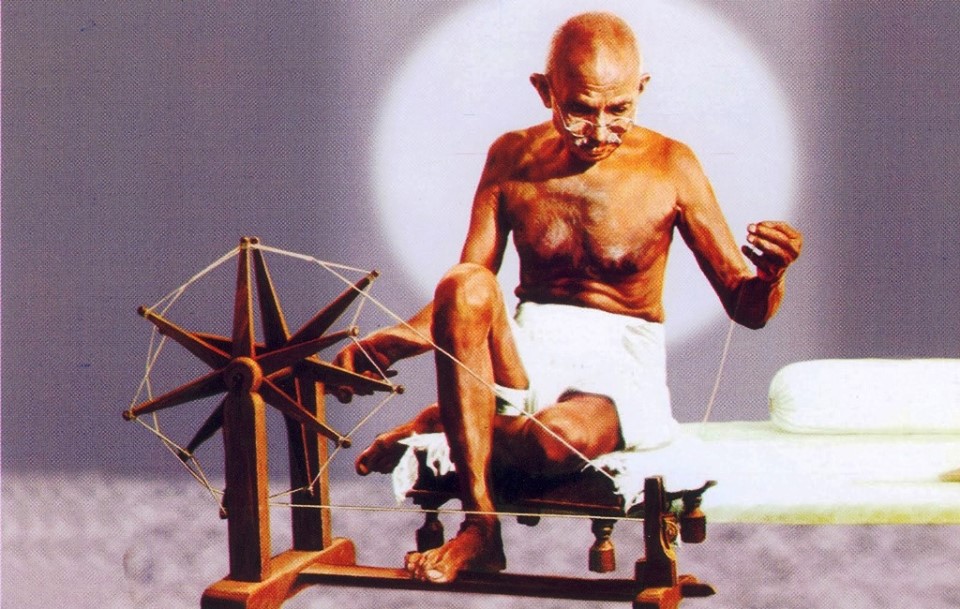
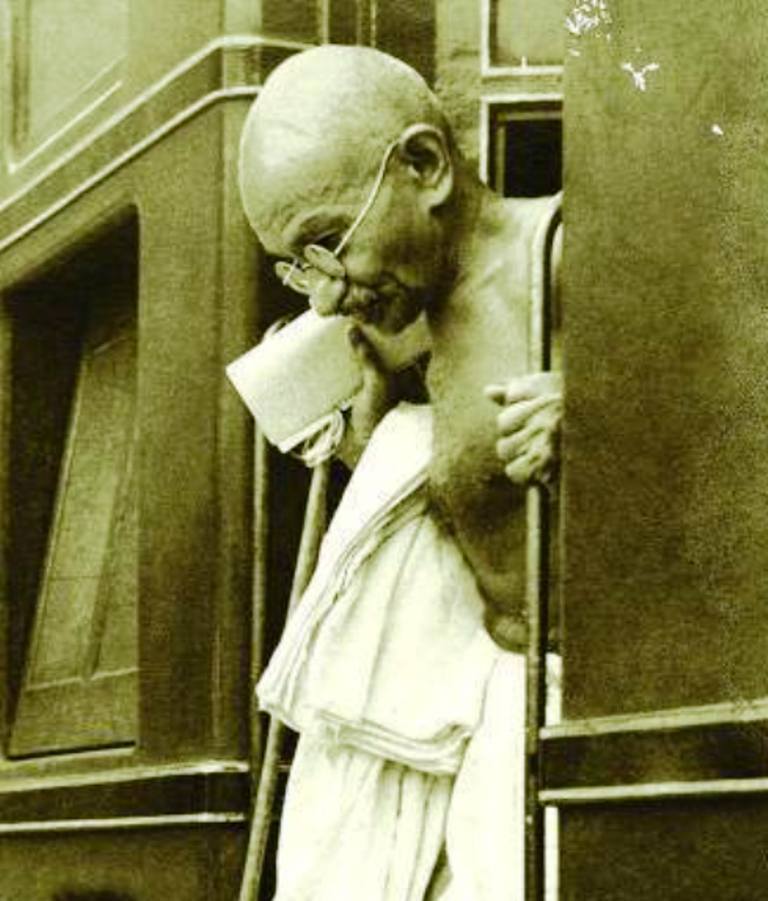
Three Questions to Gandhiji

gandhi rattai

Compiled by london swaminathan
Post No. 856 Date 21st February 2014

Dr S Radhakrishnan, Philosopher and Ex President of India, sent three questions to a group of people in the 1930s. Mohandas Karamchand Gandhi (Mahatma Gandhi) sent the following reply:

M.K. Gandhi
I have been asked by Sri S .Radhakrishnan to answer the following three questions:

(1) What is your religion?

(2) How are you led to it?

(3) What is its bearing on social life?

1.My religion is Hinduism which, for me, is Religion of humanity and includes the best of all the religions known to me.

2.I take it that the present tense in the second question is purposely used instead of the past. I am being led to my religion through Truth and Non Violence i.e. love in the broadest sense. I often describe my religion as Religion of Truth. Of late instead of saying God is Truth I have been saying Truth is God, in order more fully to define my religion. I used, at one time, to know by heart the thousand names of God which a booklet in Hinduism gives in verse form and which perhaps tens of thousands recite every morning. But nowadays nothing so completely describes my God as Truth. Denial of God we have known. Denial of Truth we have not known. The most ignorant among mankind have some truth in them. We are all sparks of Truth. The sum total of these sparks is indescribable, as-yet-unknown- Truth, which is God. I am being daily led nearer to It by constant prayer.

gandhi train

3.The bearing of this religion on social life is, or has to be, seen in one’s daily social contact. To be true to such religion one has to lose oneself in continuous and continuing service of all life. Realisation of Truth is impossible without complete merging of oneself in, and identification with, this limitless ocean of life. Hence, for me, there is no escape from social service, there is no happiness on earth, beyond or apart from it. Social service here must be taken to include every department of life in this scheme there is nothing low, nothing high. For , all is one, though we seem to be many.
Source: Contemporary Indian Philosophy, Edited by Radhakrishnan and J H Muirhead, George Allen & Unwin Ltd, Museum Street, London, 1936

( The Thousand Names of God mentioned by Gandhiji is Vishnu Sahasranamam: swami_48@yahoo.com )

Lord Rama Vs Kama

ram with dwaja

By London Swaminathan
Post No. 854 Date:20th February 2014

Prasnottara Ratna Malika Hymn of Adi Shankara is unique in many respects. First of all it is in Question and Answer format. Secondly, he raises several questions on secular subjects and answers them. On religious topics also he discusses very interesting subjects. One of the questions in verse number 32 (out of 67 verses) is

Q:-Who is braver than even Rama? (Ramad api ka: sura:?)
A:-One who does not waver even when hit by the arrows of Cupid.
(Rama: King of Ayodhya, Hero of Ramayana; Kama: God of Love, Cupid.)

He is indirectly saying that it would be very difficult to be A ‘Rama’. And it is an indirect praise for Rama for being true to every word in the scripture.

The reason he raised this question is, there is a saying in Indian languages ‘No Kama Where Rama is’. Rama is praised as Eka Patni Vratan (Vow to marry only one woman and stick to her come what may). When the great Tamil poet adapted Valmiki Ramayana he added one verse in Tamil, where Rama says “In this birth I wouldn’t even think about a second woman ( In Tamil: Intha Ippravikku Iru Matharaii sinthaiyalum Thoten).

Swami Vivekananda also touched this point in one of his lectures:
“What is the teaching of the Great Ones? — “Where there is Rama, there is no Kama; where there is Kama, there Rama is not. Night and Day can never exist together.” The voice of the ancient sages proclaims to us, “If you desire to attain God, you will have to renounce Kâma-Kânchana (lust and possession). The Samsâra is unreal, hollow, and void of substance. Unless you give it up, you can never reach God, try however you may. If you cannot do that, own that you are weak, but by no means lower the Ideal. Do not cover the corrupting corpse with leaves of gold!” So according to them, if you want to gain spirituality, to attain God, the first thing that you have to do is to give up this playing “hide-and-seek with your ideas”, this dishonesty, this “theft within the chamber of thought”.

From The Complete Works of Swami Vivekananda, Volume 3 ‘WHAT HAVE I LEARNT?’(Delivered at Dacca, 30th March, 1901)
rama travel

In India, kings can marry any number of women. Even Rama’s father Dasaratha had many wives. Krishna, another incarnation of Vishnu, had many wives. But Rama, a king, was unique in marrying only one woman Sita Devi.

In another talk, swami Vivekananda says,

“Rama, the ancient idol of the heroic ages, the embodiment of truth, morality, the ideal son, the ideal husband, the ideal father and above all the ideal king, this Rama has been presented before us by the great sage Valmiki. No language can be purer, none chaste, none more beautiful and at the same time simpler, than the language in which the poet has depicted the life of Rama. And what to speak of Sita? There may have been several Ramas perhaps, but never more than one Sita. She is the very type of Indian women”.

Saints like Tulsidas and Thyagaraja have sung the greatness of Rama.

When a blind disciple approached Lahiri Mahasaya, he touched the disciple’s forehead asked him to pray to Rama.

“Keep your mind concentrated there and frequently chant the name of Rama for seven days. The splendour of the sun shall have a special dawn for you.”He got the vision in a week’s time.

Source: An Autobiography of a Yogi by Paramahansa Yogananda.

Even Valmiki, a hunter, was turned into a poet and saint by reciting Rama’s name. Swami Vivekananda pointed out that Rama, Krishna and the Buddha were all Kshatriyas (Warrior caste) and worshipped by all.

Those who recite the name of Rama will get out of the bad influence of Kama ( Lust and Desire). So there is a custom in India to write the name of Rama several hundred times every day in a note book. Hindus write ‘SRI RAMAJAYAM’ in the note books, on walls and in the wedding invitations.

Rama stood for universal brotherhood. The person (Guhan) who took Rama across the Ganges in his boat would be regarded as an untouchable. But he proclaimed him as another brother! He was an ideal king because he did not control the areas he won. He gave them back to its legitimate owners Angada and Vibhishana.

ram ka nam

So Shankara is indirectly praising Rama and the implied meaning is no one can be braver than Rama. If one beats the Cupid, one can be elevated equal to Rama. In India people who control the five senses are called Mahavir ( E.g.Jain Saint Mahavira and Anjaneya). In other cultures people who killed more were called Mahavira (Great Hero).

Pictures are taken from different sources. Thanks.

Contact swami_48@yahoo.com

Da……………Da……………Da Story

Indiagatelightening

Thunder/Lightning over New Delhi

By London Swaminathan
Post No 852 Date: 19th February 2014

“Da… Da….Da: The Thunder Said”- is the most popular story in the Upanishads. Most of you know it already. In our own times, Kanchi Paramacharya popularised it through his Sanskrit song Maithreem Bhajatha. Famous singer M S Subbulakshmi sang it in the United Nations in 1966. It echoed through every county in the world including India.

Before Kanchi Paramacharya (1894—1994), TS Eliot (1888—1965), the American poet, publisher and playwright made it known to the Western world in his famous poem ‘The Wasteland’. This long poem is regarded as one of the most important poems of the 20th Century.

But 3000 years before Kanchi Shankaracharya and T S Eliot, the Vedic seers of the Brihad Aranyaka (Big Forest) Upanishad wrote this episode. It explains beautifully well the nature of humans and demons in addition to the angels (Devas). Even before Homer wrote Iliad and Odyssey, even before other cultures had any philosophical book, even before the Buddha, Mahavira, Confucius and Lao Tzu, Jesus may be even Moses, appeared in the world, Hindus wrote the Upanishads.

The Da…Da….Da……episode found in the fifth chapter of the Brihdaranyaka Upanishad is very simple: Gods, humans and demons had their education under Prajapathi. At the end of their learning, they asked him to give a farewell message. Then the thunder said Da.. Da.. Da… Prajapathiy asked them whether they understood the message. All the three groups nodded their heads saying ‘Yes, Master, We understood it very well’.
Devas (angels) took Da for Damyata (self control). According to Hindu mythology Devaloka is a place for pleasures. So their conscience told them that they should have more self control.

Da meant Datta (Give, Donate) for humans. Human beings were miserly. They have to share the wealth. Even before Karl Marx and Engels spread the word, Hindus got it from the thunder!
Da meant Dayatva (practise compassion) for the demons. They were mercilessly cruel. So they needed compassion.

The amazing thing about this episode is even before 3000 years Hindus were experts in human psychology. More over this story exploded the Aryan—Dravidian myth. We clearly see the Asuras, Devas and Men took lessons from the same teacher Prajapathi. They were his sons!

Hindus were far advanced in literature and the quantity they produced 3000 years ago was incredibly voluminous. This highly quantitative and qualitative production showed that India was more ancient than most of the ancient countries. The literary production of a country shows its advancement in the civilisation. Greece and other countries followed India in its literary production. More over riddles and puzzles found in the Vedas show the knowledge and wisdom of the ancient society. If there was one country in the world that could compete with India, that was Greece. Greek writers said that they met Indian sages at various points in their history.

Now let us look at Kanchi Paramacharya’s Sanskrit poem to see how he spread this message to the world:

Maithreem Bhajatha , Akhila Hruth Jethreem,
Atmavateva paraan api pashyatha
Yuddham thyajatha , Spardhaam Tyajata , thyajatha Pareshwa akrama aakramanam
Jananee Prthivee Kaamadughaastey
JanakO Deva: Sakala Dayaalu
Daamyata Datta Dayathvam Janathaa
Sreyo Bhooyaath Sakala Janaanaam

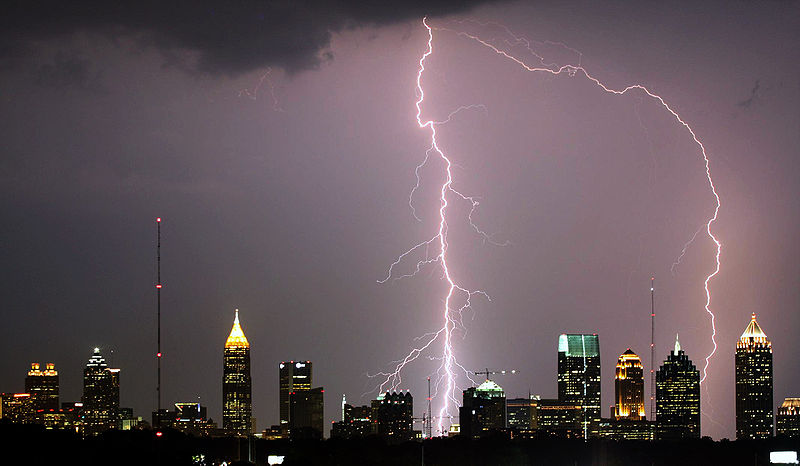
Atlanta_Lightning_
English Tanslation of Maithreem Bhajatha Akila Hrith Jeththreem –

Picture from Atlanta,USA

Serve with Friendship and Humility, which will conquer the Hearts of Everyone.

Look upon others similar to yourself.

Renounce War

Renounce unnecessary Competition for Power

Give up Aggression on others’ properties which is wrong

Mother Earth is wide enough and ready to give us all we desire like a Kaamadenu (Wish fulfilling Divine Cow)

God, Our Father, is very Compassionate to All

Daamyata – So, Restrain yourself

Datta – So, Donate your wealth to others

Dayathvam – So, Be Kind to others

Oh People of the World

Sreyo Bhooyaath Sakala Janaanaam –
May All People of this World be Happy and Prosperous.

Sreyo Bhooyaath Sakala Janaanaam –
May All People of this World be Happy and Prosperous.

Sreyo Bhooyaath Sakala Janaanaam – May All People of this World be Happy and Prosperous.

My humble opinion is that this song should be made ‘World Anthem’ or the ‘National Anthem of India’.

T S Eliot’s The Wasteland

TS Eliot mentions the DA DA DA Upanishad parable in the final stanzas of his poem ‘The Wasteland’, where he links the Eastern Traditions with the Western Traditions:

“I sat upon the shore
Fishing, with the arid plain behind me
Shill I at least set my lands in order?
London Bridge is falling down falling down falling down
Poi s’ascose nel foco che gli affina
Quando fiam uti chelidon – 0 swallow swallow
La Prince d’Aquitaine a la tour abolie
These fragments I have shored against my ruins
Why then Ile fit you. Hieronymo’s mad againe
Datta. Dayadhvam. Damyata.
Shantih Shantih Shantih”.

thunder-and-lightning

Let us salute Kanchi Sri Shankaracharya, T S Eliot and the Vedic seers for this beautiful mono syllabic parable Da… Da…da.

Da…………….Da……………Da…………… Modern day men need all the three ‘Da’s.

Contact swami_48@yahoo.com

த……….த……….த……….:- தேசிய கீதம் ஆக்கலாமே!

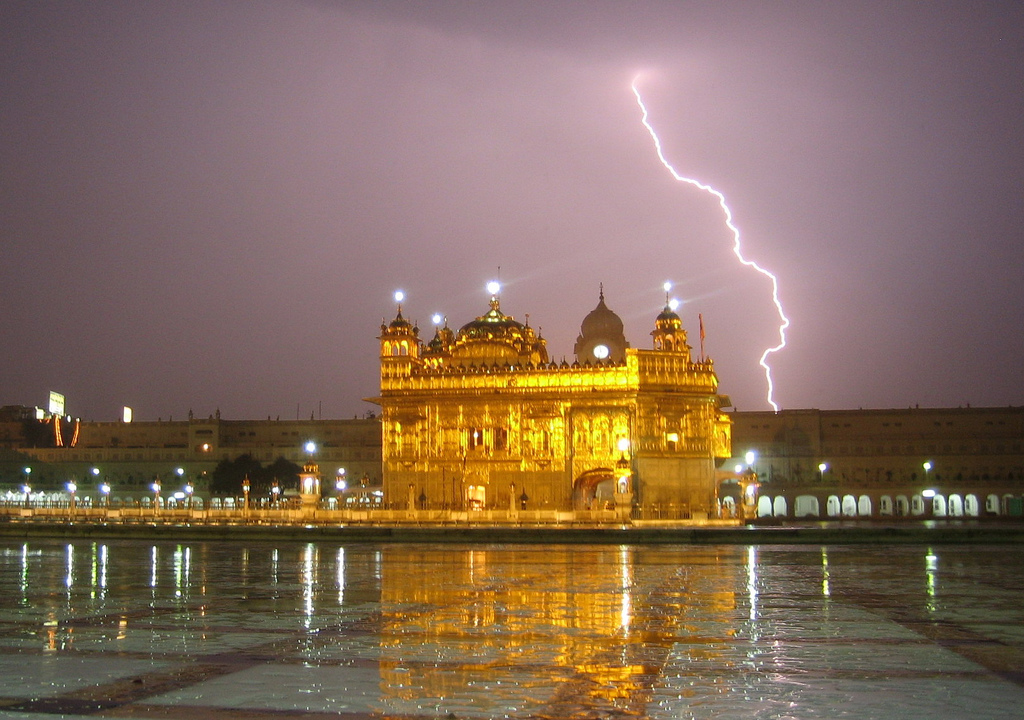
golden-temple-lightning
Thunder and lightning over Amritsar

த………………….த…………………..த…………………….:-தேசிய கீதம் ஆக்கலாமே!

எழுதியவர் லண்டன் சுவாமிநாதன்

கட்டுரை எண் 850 தேதி 19 பிப்ரவரி 2014

Translation of my Post posted in English on 19th February 2014 in this blog.

த…..த…..த….. என்ற மூன்று எழுத்துக்களை (சொற்களை) பிரபலமாக்கியோர் மூவர். ஒருவர் நமது காலத்தில் வாழ்ந்து, நமக்கு எல்லாம் அருள் புரிந்து சிவமயமாகிவிட்டவர்-காஞ்சி பரமாசார்ய சுவாமிகள் (1894-1994). மற்றொருவர் ஆங்கில இலக்கிய பாடம் படிக்கும் எல்லோருக்கும் தெரிந்த அமெரிக்க ஆங்கில மொழிக் கவிஞர்– நாடக ஆசிரியர் டி.எஸ்.எலியட் (1888—1965). மூன்றாவது மனிதர் , 3000 ஆண்டுகளுக்கு முன் இந்தியாவில் வாழ்ந்த ஒரு ரிஷி. பிருஹத் ஆரண்யக (பிருஹத்= பெரிய, ஆரண்யக= காடு) உபநிஷத்தில் த….த…த…..கதையை முதலில் நமக்குச் சொன்னவர். அதாவது வேத கால ரிஷிகள்.

முதலில் நமது காலத்தில் வாழ்ந்து மறைந்த காஞ்சிப் பெரியவர் எழுதிய சம்ஸ்கிருதப்பாடலும் அதன் மொழி பெயர்ப்பும். இதை 1966 ஆம் ஆண்டில் ஐக்கிய நாடுகள் சபையில் பாடுவதற்காக அவர் எம்.எஸ்.சுப்புலெட்சுமிக்கு எழுதிக் கொடுத்தார்:

மைத்ரீம் பஜத, அகில ஹ்ருஜ்-ஜேத்ரீம்!
ஆத்மவதேவ பராநபி பச்யத!
யுத்தம் த்யஜத! ஸ்பர்தாம் த்யஜத!
த்யஜத பரேஷ்வக்ரமம்-ஆக்ரமணம்!
ஜநநீ ப்ருதிவீ காமதுகாஸ்தே,
ஜநகோ தேவ: ஸகல தயாளு:!
தாம்யத! தத்த! தயத்வம் ஜநதா:!

ச்ரேயோ பூயாத் ஸகல ஜநாநாம்!

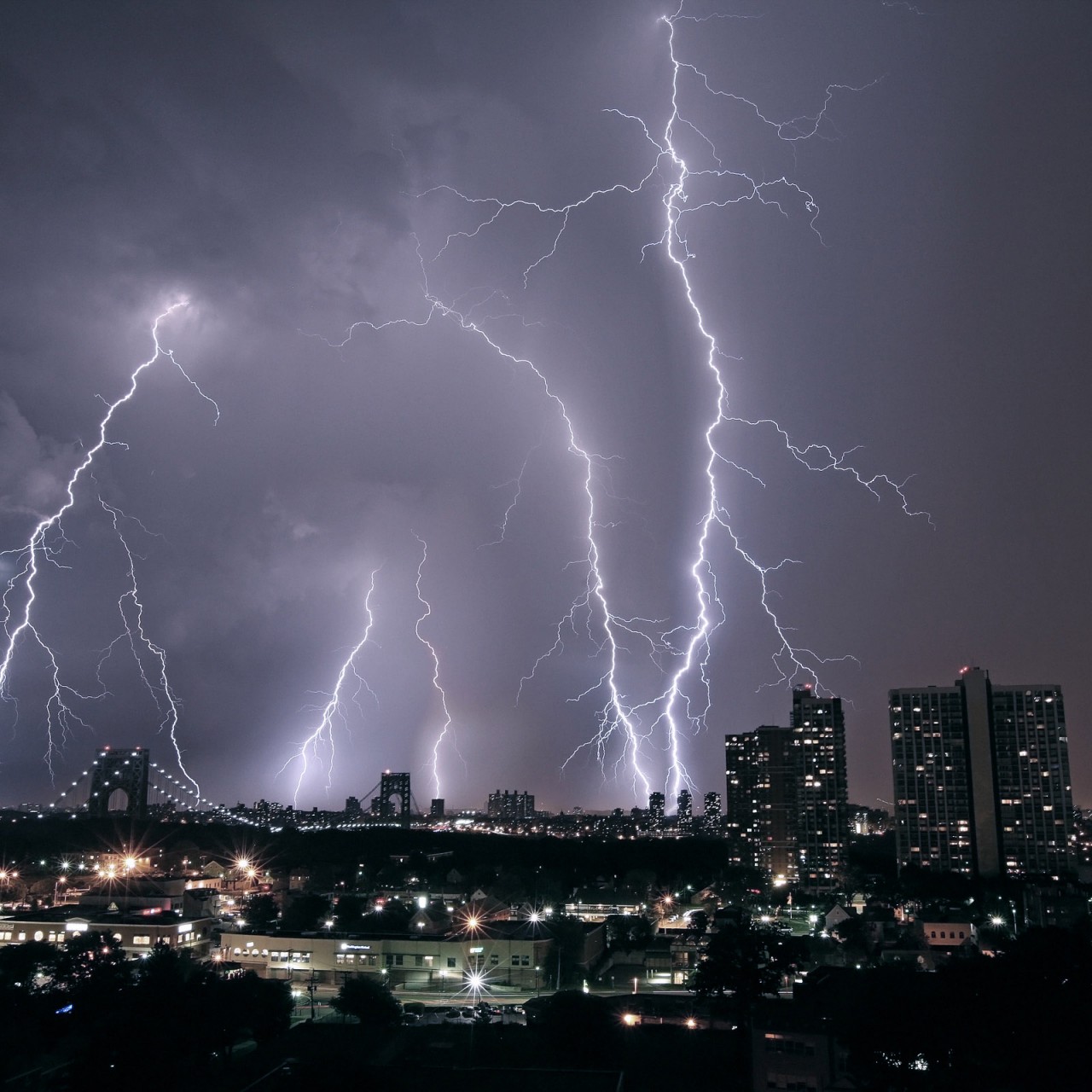
Lightning,New-York-
Thunder and lightning over New York

இந்த கீதத்தின் தமிழாக்கம்:

அனைத்துளம் வெல்லும் அன்பு பயில்க!
அன்னியர் தமையும் தன்னிகர் காண்க!
போரினை விடுக! போட்டியை விடுக!
பிறனதைப் பறிக்கும் பிழை புரிந்தற்க!
அருள்வாள் புவித்தாய், காமதேநுவாய்!
அப்பன் ஈசனோ அகிலதயாபரன்!
அடக்கம் – கொடை – அருள் பயிலுக, மக்காள்!

உலகினரெல்லாம் உயர்நலம் உறுக!
உலகினரெல்லாம் உயர்நலம் உறுக! – என்பதுதான்.

கதை என்ன?

இப்பாடலில் வரும் தாம்யத – தத்த – தயத்வம் என்ற சொற்றொடர் ப்ருஹதாரண்யக உபநிஷத்தில் வருவதாகும். அது குறித்த கதை: ஒரு சமயம் தேவர்கள், மானுடர்கள், அசுரர்கள் ஆகிய மூன்று இனத்தாரும் ப்ரஜாபதி (ப்ரஹ்மா) யிடம் உபதேசம் வேண்டினர். அவர் தமது உபதேசத்தை த-த-த என்ற இடியின் ஒலியாகக் கூறி அருளினார். ‘த ‘ என்பதை தேவர்கள், ‘தாம்யத’ எனப் பொருள் கொண்டனர். அப்பதத்துக்குப் ‘புலன்களைக் கட்டுப்படுத்துங்கள்’ என்று அர்த்தம். தேவர்கள் புலனின்பம் துய்ப்பதிலேயே ஈடுபட்டவர்கள். ஆதலால் தங்களுக்கு இந்த உபதேசம் எனக் கொண்டனர்.
மானுடரோ ‘த’ என்பதை ‘தத்த’ எனப் பொருள் கொண்டனர். ‘தத்த’ என்பதற்கு ஈகை உடையவர் ஆக இருங்கள் என அர்த்தம். மானுடர்களுக்கு ஈகை குணம் மிகவும் குறைவாக இருப்பதாலேயே இப்படி உபதேசம். அசுரர்கள் ‘த’ என்பதை ‘தயத்வம்’ – அதாவது, தயையுடன் இருங்கள் – எனப்பொருள் கொண்டனர்.

ஆதிசங்கரர் இதற்கு உரை எழுதுகையில், மானுடரிலேயே தெய்விக குணமும், அசுர குணமும் உடையவர்கள் இருப்பதால் இம்மூன்று உபதேசங்களுமே மானுடர்களுக்கானவை எனத் தெளிவு செய்துள்ளார். –நன்றி கல்கி

இந்தப் பாடல் வெளியானபோது ஒலிப் பதிவோடு, எம்.எஸ். அவர்கள் காஞ்சி சுவாமிகளைச் சந்தித்து ஆசிபெறச் சென்றார். உனது கியாதி (புகழ்) சூரிய சந்திரர் உள்ள வரை இருக்கும் என்று எம்.எஸ்.ஸை ஆசிர்வதித்தார். அர்த்தம் புரிகிறதா? சம்ஸ்கிருதமும் காஞ்சி சுவாமிகளின் பெருமையும் எக்காலத்தும் அழியாது.

சூரிய சந்திரர் உள்ள வரை இருக்கும்!

அமெரிக்க கவிஞர் டி.எஸ்.எலியட்டுக்கு இந்துமதத்தில் பேரார்வம் உண்டு. அவர் கீழை—மேலை நாட்டு கருத்தொற்றுமை காணும் முகத்தான் அவரது நீண்ட தத்துவக் கவிதையான தி வேஸ்ட்லாண்டின் இறுதிப் பகுதியில் இந்த தாம்யத, தத்த, தயத்வ என்ற சம்ஸ்கிருதச் சொற்களை அப்படியே சேர்த்து சாந்தி, சாந்தி, சாந்தி, என்று சொல்லி கவிதையை முடிக்கிறார்.
எனது ஆங்கிலக் கட்டுரையில் முழு விவரம் காண்க.

ஒரு சிறிய ஆராய்ச்சி

1. பெரிய காட்டு உபநிஷத்தில் உள்ள இந்தக் கதை மனிதனின் உளவியலை நன்கு ஆராயும் ஒரு கதை. காரல் மார்க்சும் எங்கல்சும் கம்யூனிஸ தத்துவத்தைப் பரப்புவதற்கு 3000 ஆண்டுகளுக்கு முன்னரே மனிதன் பகுத்துண்டு வாழ வேண்டும் என்று கூறும் கதை இது. ஒவ்வொரு மனிதன் இடத்திலும் உள்ள தீய குணங்களை அகற்ற மூன்று த—க்களும் அவசியம்தான்.

2. இந்தக் கதையை விளக்கும் காஞ்சி சுவாமிகளின் கவிதை அற்புதமான ஒரு கவிதை. அதை இந்தியாவின் தேசிய கீதமாகவோ அல்லது ஐ.நா.சபை மூலம் உலக கீதமாக அறிவிக்க வேண்டும்.

3. இந்தக் கதை ஆரிய திராவிட வாதத்துக்கு 3000 ஆண்டுகளுக்கு முன்னரே ஆப்பு வைத்து விட்டது. மனிதர்கள், அசுரர்கள், தேவர்கள் ஆகிய மூன்று பிரிவினரையும் பிரஜாபதி (பிரம்மாவின் ) குழந்தைகளாகவும் மாணவர்களாகவும் வருணிக்கிறது பிருஹத் ஆரண்யக உபநிஷத். அது மட்டுமல்ல. மூவரும் ஒரே ஸ்கூலில்தான் படித்து இருக்கிறார்கள்! ஆக வெள்ளைக்காரன் எழுதியதெல்லாம் பொய் என்பது தெளிவாகிறது. அசுரர்களும், தேவர்களும், மனிதர்களும் ஒரு தாய் வயிற்றுப் புதல்வர்கள். ஆனால் செய்தொழிலால் வேறுபட்டு நின்றனர். நம் மனதுக்குள்ளேயே இந்த மூன்று குணங்களும் மறைதிருப்பதை விளக்கி நமக்கு தன்னடக்கம்/ புலனடக்கம், தானம் செய்யும் மனப்பாங்கு, கருணை மூன்றும் வேண்டும் என்கிறது.

4. இதில் இன்னும் ஒரு முக்கிய விஷயம்– தமிழ், கிரேக்கம் ,லத்தீன் மொழிக்காரர்களுக்கு எழுதவும், இலக்கியம் படைக்கத் தெரியாமலும் காலத்தில் எழுந்தவை உபநிஷதங்கள். புத்தர், மஹாவீரர், கன்பூசியஸ், லாவோட்சு, சொராஸ்தர், ஏசு கிறிஸ்து, ஒரு வேளை மோசசும், பிறப்பதற்கு முன்னால் எழுந்தவை உபநிடதங்கள். இவ்வளவு உயரிய சிந்தனை மலர வேண்டுமானால் அவர்கள் உலக மகா அறிவாளிகளாக இருந்திருக்க வேண்டும். ஹோமர் என்னும் கவி கிரேக்க நாட்டில் முதல் நூலான இலியட்டையும் ஆடிசியையும் எழுதும் முன்னர் வேதகாலரிஷிகள் எழுதிக் குவித்துவிட்டனர்.

5. அளவிடற்கரிய அற்புதமான இலக்கியங்களை வைத்தே ஒரு நாட்டின் அறிவு முதிர்ச்சியையும் அனுபவ முதிர்ச்சியையும் அளந்துவிடலாம். அந்த வகையில் பார்க்கப்போனால் உலகில்—பழங்கால உலகில்— ஒரே நாகரீக நாடு இந்தியாதான். கல் கட்டிடங்கள் எகிப்தில் உருவாகி இருக்கலாம்—ஆனால் கல்வி என்னும் கட்டிடங்கள் இமயமலை அடிவார குருகுலங்களில்தான் முதலில் உருவாகின. அதற்கு தெள்ளிய எடுத்துக் காட்டு பெருங்க்காட்டு (பிருஹத் ஆரண்யக) உபநிஷதம்!!!

பன்னரும் உபநிடத நூல் எங்கள் நூலே
பார் மீது ஏதொரு நூல் இது போலே— என்று சும்மாவப் பாடிவைத்தான பாரதி!

contact swami_48@yahoo.com