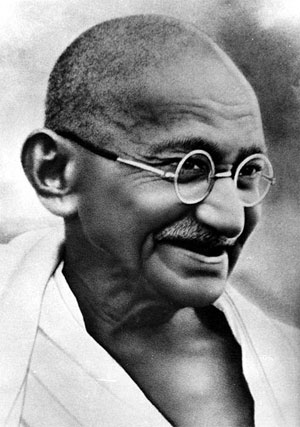
Mahatma Gandhi is just a vague name to most Indians today. According to 2011 census, 52% of the population is less than 25 years of age. Fully 78% is less than 45. Gandhiji having died 70 years ago, there is very little that most Indians know of Gandhiji. No doubt politicians and newspapers take Gandhi’s name when convenient; his picture is on our currency notes. But these hardly stand for what Gandhiji said or did. And very few read what Gandhiji himself wrote. The memory of real Gandhi was effectively buried in the Nehru era. Nehru did not follow a single idea of Gandhiji, despite his cap.
Those who have learnt a bit of our freedom struggle through the government controlled education system would associate our Independence with Gandhiji. This is not fully correct, and represents great injustice to other leaders, about whose life and work very little is said. This also represents an exaggerated assessment of Gandhiji’s role and its effectiveness. However, there is no denying that Gandhiji played a very important part.
GANDHIJI AND SATYAGRAHA
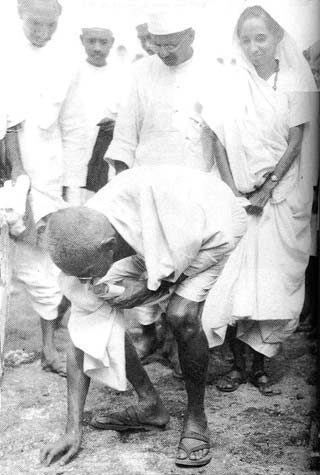
Gandhiji’s name is essentially associated with Satyagraha, Non-Cooperation , Civil Disobedience or Passive Resistance. These were his chief direct instruments in the struggle. He also worked on an 18 point Constructive Programme which included Khadi, revival of village industries, prohibition, etc. It is remarkable that even while opposing the British, Gandhiji engaged the people in constructive activities. He directed their energies positively towards national reconstruction. In this way, he taught Indians how to recover and exercise their true Independence or Swaraj. After Independence, some of the items have become redundant, while some others have been neglected/discarded by the govt and the public. Jawaharlal Nehru, the first Prime Minister of India, chosen by Gandhiji himself, did not implement even a single programme of Gandhiji. What has finally stuck to Gandhiji is his association with Non-Cooperation or Satyagraha, and Ahimsa.
There are mainly two views about these techniques. One is that they were invented by Gandhiji. The other is that he borrowed them from Thoreau, Ruskin, Tolstoy etc. Both these views are wrong.
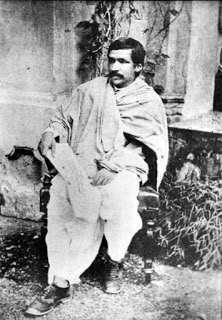
Sri Aurobindo in 1907
Passive Resistance and Boycott were the means devised by Sri Aurobindo during the struggle against Bengal partition of 1905, before Gandhiji came to Indian politics. These were so successful in rousing the Bengalees that the British got afraid of the revolutionary Bengali spirit, and eventually shifted the capital out of Calcutta! Bengali Nationalists were eminently successful in their efforts. The British would not take a Bengali in the Armed Forces for fear of their revolutionary spirit!
Civil Disobedience in Indian Tradition Gandhiji himself was aware that non-cooperation with the rulers had been a standard Indian traditional method of protest. He wrote in his 1909 book ‘Hind Swaraj”:
In India the nation at large has generally used passive resistance in all departments of life. We cease to cooperate with our rulers when they displease us.
It is amazing that Gandhiji had been aware of an ancient Indian tradition. We have some accounts in Puranas of kings having been replaced, but these may be dismissed as mythology. Unfortunately, Indians write even history in mythological terms. The Mahabarata contains an explicit statement:
The people should gird themselves up and kill a cruel king who does not protect his subjects, who extracts taxes and simply robs them of their wealth, who gives no lead. Such a king is Kali (evil and strife) incarnate. The king who after declaring, ‘I shall protect you’, does not protect his subjects should be killed (by the people) after forming a confederacy, like a dog that is afflicted with madness. (Shanti Parva, 92.19)
Indians are generally considered to be meek and docile. But they could show dissent and protest when needed. Curiously, James Mill, Scottish historian and economist, seems to have been aware of this. Giving evidence before a House of Commons Committee (1831-32), he said that in the seventeenth and eighteenth century, “in the ordinary state of things in India, the princes stood in awe of their subjects”. Thus, public expression of dissent and displeasure against the rulers seems to have been a tradition in India. Gandhiji was aware of this.
PROTEST AGAINST HOUSE TAX,1811
Dharampal has been able to dig into the archives and unearth such a show of public dissent and civil disobedience and non-cooperation in the British era. This was in 1811 in certain parts of North India. This was in connection with a tax imposed on houses and shops by the British in terms of a new law.
[Regulation XV of 1810.]
The government in London had started taking direct interest in Indian affairs from 1784, (in order to maximise their gain), using the company as its instrument in India to serve its ends. Thus it directed the company in terms of this regulation to levy a tax on houses and shops in several cities and principal towns of Bengal, Behar, Orissa and Benares. [There had been a tax already in Calcutta.] The purpose was to secure an ‘improvement in public resources’. The collectors were to get 5% commission on the tax collections. The assessments and collections were to commence in 1811. Spontaneous protests erupted in Benares, Sarun, Bhagalpur, Patna, Moorshedabad.
The protests took the form of:
-closing of all shops and activities, so that even dead bodies were not attended -continuous assembly of people in the thousands -close links made by artisans and craftsmen and their guilds and associations -a total close down of boatmen in Benares
– people assembling taking an oath “never to disperse” till they achieved their aim -despatching emissaries to all villages, asking each family to send one person to the assembly – individuals of every class contributing their mite -religious orders exerting their influence – display of protesting posters
– inability of the police to prevent the assemblage of people -walking out of homes and shops, leaving villages -violators were turned out of caste- declared ‘outcastes’.
செரோடோனின் என்பது மூளைக்கு மிகத் தேவையான ஒரு இரசாயனப் பொருள். ஏனெனில் அது தான் மன உறுதியை அதிகரிக்க வைக்கிறது; மன நிறைவு அடைவதை தாமதமாக்குகிறது; கவன சக்தியைக் கூட்டுகிறது.
ஏராளமான மருந்துகளையும் துணைஉணவுப் பொருள்களையும் நீங்கள் எடுத்துக் கொண்ட போதிலும் கூட உங்கள் மூளையானது சுயமாகவே செரோடோனினை உற்பத்தி செய்யும் வல்லமை படைத்தது. ஒருவேளை, ஏதோ ஒரு காரணத்தினால் செரோடோனின் அளவு உங்களுக்கு மிகவும் குறைந்து விட்டால் ஒரு காரியத்தை முடிப்பதில் உங்களுக்குக் கஷ்டம் ஏற்படும்; சுறுசுறுப்பாகச் செயல்பட முடியாது. உங்கள் மனத் துடிப்பை கட்டுப்பாட்டுக்குள் கொண்டு வர முடியாது.
செரோடோனினை கீழ்க்கண்ட மூன்று விதங்களில் உங்கள் மூளை உருவாக்க முடியும்:
சூரிய ஒளி : இது யுவி எனப்படும் அல்ட்ரா வயலட் ஒளியைக் கொண்டுள்ளது. அது தோலினால் கிரகிக்கப்படும் போது விடமின் D ஐ உருவாக்குகிறது. உடனே செரோடோனின் உற்பத்தியாகிறது.
மசாஜ் : கர்ப்பிணிகளைக் கொண்டு நடந்த ஒரு ஆய்வில் வாரத்திற்கு இரு முறை மசாஜை செய்து கொண்ட பெண்மணிகள் செரோடோனின் அளவை 30 சதவிகிதம் அதிகம் கொண்டுள்ளது தெரிய வந்தது.
உடல்பயிற்சி : எண்டார்பின் அளவைக் கூட்ட உடல்பயிற்சி இன்றியமையாதது என்பதோடு செரோடோனினை அது கூட்டுகிறது.
தங்கள் உடல் எடையைக் குறைக்க எவரும் “சிந்திக்கலாம்: எடையைக் குறைக்கலாம்!
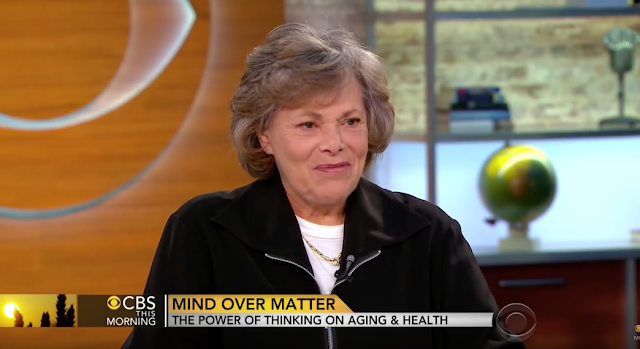
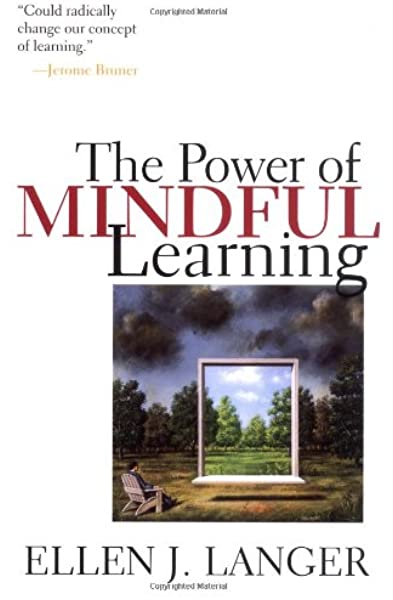
ஹார்வேர்ட் உளவியல்பிரிவில் ஒரு சிறிய சோதனை நடத்தப்பட்டது. ஆய்வாளர்கள் லேங்கர் என்ற உளவியலாளர் தலைமையில் சோதனையைச் செய்தனர். அவர்கள் ஹோட்டலில் பருமனாக இருந்த பல பேரை சோதனை ஆய்வுக்கு அழைத்தனர். உடல்பயிற்சியைச் செய்த போதும் கூட அவர்களில் 67 சதவிகிதத்தினர் தங்களால் சுறுசுறுப்பாக வேலை செய்யமுடியவில்லை என்று ஹோட்டல் பணியாளர்கள் கூறினர்.
லேங்கர் பணியாளர்கள் தங்கள் மனதில் அப்படி ஒரு எண்ணத்தை விதைத்துக் கொண்டதாலேயே அவர்களால் சுறுசுறுப்பாகப் பணியாற்ற முடியவில்லை என்று எடுத்துரைத்தார்.
தான் சொன்னதை நிரூபிக்க அவர் எல்லா பணியாளர்களையும் அழைத்தார். அவர்களை இரு குழுக்களாகப் பிரித்தார்.
முதல் குழுவினரிடம் அவர்களது உடல் அளவை எடுத்தார். அவர்கள் பரிந்துரைக்கப்பட்ட உடல்பயிற்சிகளை விட மிக அதிகமாகச் செய்வதை எடுத்துக் காட்டினார்.
அடுத்த குழுவினரிடம் ஒரு வித தகவலும் தரப்படவில்லை.
ஒரு மாதம் கழிந்தது. லேங்கர் அனைவரையும் மதிப்பீடு செய்ய அழைத்தார். லேங்கர் பேசி தகவல் தந்த முதல் குழுவினர் தங்களது உடல் எடை குறையக் கண்டனர்; இரத்த அழுத்தம் சீராக இருந்தது; வெயிஸ்ட் டு ஹிப் விகிதம் எனப்படும் இடைக்கும் இடுப்பிற்கும் உள்ள விகித அளவு குறைந்திருந்தது!
தகவல் தராத இரண்டாம் குழுவினருக்கு இந்த முன்னேற்றம் ஏற்படவில்லை!
லேங்கர் மனதில் சிந்தனையால் ஏற்பட்ட ஒரு சிறு மாற்றமே முதல் குழுவினரின் முன்னேற்றத்திற்கு காரணம் என்று சுட்டிக் காட்டி – ‘மைண்ட்செட்’ – சீரான மனப் பக்குவம் தேவை என்றார்.
பாஸிடிவ் எண்ணங்களும் தியானமும் வாழ்வில் ஆயுளைக் கூட்டுகிறது!
1989ஆம் ஆண்டு ஸ்டான்போர்டு பல்கலைக் கழகத்தைச் சேர்ந்த டாக்டர் டேவிட் ஸ்பைஜெல் (Dr. David Spiegel) மார்பகப் புற்றுநோய் கொண்ட 86 பெண்மணிகளை ஒரு ஆய்வுக்காக அழைத்தார். அவர்கள் அனைவரும் நோய் முற்றிய நிலையில் இருந்தனர். அவர்களை டேவிட் இரு குழுக்களாகப் பிரித்தார்.
ஒரு குழுவினருக்கு அவர்களுக்கு டாக்டர்களால் பரிந்துரைக்கப்பட்ட மருந்துகள் மட்டும் கொடுக்கப்பட்டது.
இன்னொரு குழுவினருக்கு மருத்துவ சிகிச்சையைத் தவிர அவர்களுக்கு உதவும் வகையில் வாராந்திர கூட்டங்கள் நடத்தப்பட்டன. இந்தக் கூட்டங்களில் நோயாளிகள் தங்கள் உணர்வுகளை வெளிப்படுத்த வாய்ப்புகள் அளிக்கப்பட்டன. அவர்கள் தங்கள் தங்கள் உணர்ச்சிகளைக் கொட்டித் தீர்த்தனர்; அங்கு வந்த இதரர்களோடு நன்கு அளவளாவினர்; ஒரு பாஸிடிவான சூழ்நிலை அங்கு ஏற்பட்டது. அது அவர்களது நோயை நன்கு எதிர்கொள்ள வழியை வகுத்தது.
ஆய்வின் முடிவில் இப்படிக் கூட்டங்களுக்கு வருகை புரிந்தோர் மற்றவர்களை இரு மடங்குக் காலம் கூட நன்கு வாழ்ந்தது தெரிய வந்தது!
இதே போல 1999ஆம் ஆண்டு கான்ஸர் நோயாளிகள் மீது நடத்தப்பட்ட ஒரு ஆய்வு ஒருவிதமான ஆதரவும் இன்றி ஊக்கம் தர யாரும் இல்லாதவர்கள் உயிரோடு இருப்பதற்கான குறைந்த வாய்ப்புகளே இருப்பதை உறுதி செய்தது.
டேவிட் செய்ட்லர் என்பவர் ப்ளாடரில் கான்ஸர் வந்ததால் அவஸ்தைப்பட்ட நோயாளி. இரண்டு வாரங்களில் அறுவைச் சிகிச்சை செய்தே ஆகவேண்டும் என்று அவரிடம் கூறப்பட்டது. செய்ட்லர் அதைத் தவிர்த்து தியானம் செய்ய ஆரம்பித்தார். தியானப் பயிற்சிகளை தீவிரமாக மேற்கொண்டார். குறிப்பாக ஆரோக்கியமான ப்ளாடர் இருப்பதாகத் தொடர்ந்து தியானித்து வந்தார்.
இரண்டு வாரங்கள் கழித்து அறுவைச் சிகிச்சை செய்வதற்கு முன் எடுக்கப்படும் சோதனையில் டாக்டர் கான்ஸருக்கான எந்த விதமான அறிகுறியும் இல்லை என்பதைக் கண்டு ஆச்சரியப்பட்டார். சந்தேகமடைந்த அவர் இன்னும் நான்கு வெவ்வேறு இடங்களில் சோதனைகளை நடத்தச் சொல்லி அவருக்கு கான்ஸர் இல்லை என்பதை உறுதிப் படுத்தினார். செய்ட்லர் ‘தி கிங்ஸ் ஸ்பீச்’ என்ற புத்தகத்தை எழுதிய எழுத்தாளர் ஆவார்.
ப்லசீபோ விளைவு! (The Placebo Effect)
ப்லசீபோ என்பது போலி மாத்திரைகளைக் குறிக்கும் ஒரு சொல். இப்படிப்பட்ட மாத்திரைகளைக் கொடுத்து உளவியல் ரீதியாக நோயாளியின் மனத்தை ஊக்கப்படுத்திப் பயத்தைப் போக்கி நோயைக் குணப்படுத்துவது ஒரு பாரம்பரியமான பழக்கம்.
ஆய்வுகளின் முடிவின் படி இப்படிப்பட்ட மாத்திரைகள் நிஜமான மாத்திரைகளை விட அதிகப் பயன் அளிப்பதைப் பார்த்து மருத்துவர்களே வியந்துள்ளனர் என்பது தெரிய வருகிறது. இதனால் மருந்து தயாரிக்கும் கம்பெனிகளே பயப்பட்டு எங்கே தங்கள் மாத்திரைகளின் விற்பனை பாதிக்கப்படுமோ என்ற அளவிற்கு பயந்து விட்டனராம்.
Prozac என்பது மனத்தளர்ச்சி, ஏமாற்றம், சோர்வு ஆகியவற்றைப் போக்குவதற்காக நோயாளிகளுக்குக் கொடுக்கப்படும் ஒரு மருந்து. ஆனால் போலி மாத்திரைகள் இதை விட நன்றாக செயல்படுவதால் இதைத் தயாரிப்பவர்கள் வியந்து போய் ப்லசிபோவைத் தவிர்ப்பது எப்படி, தங்கள் மார்க்கெட்டைத் தக்க வைப்பது எப்படி என்பது பற்றிய தீவிர ஆய்வை மேற்கொண்டுள்ளனராம்.
இப்படி மனதின் அபூர்வ சக்தியைப் பல ஆய்வுகளும் உறுதிப்படுத்துவதைப் பார்க்கும் போது மனதை ஒருமுகப்படுத்தி அதை நாம் ஆக்கபூர்வமான வழியில் பயன்படுத்திக் கொள்ள வேண்டும் என்பது உறுதியாகிறது அல்லவா!
Pictures are taken from various sources for spreading knowledge; this is a non- commercial blog. Thanks for your great pictures.
tamilandvedas.com, swamiindology.blogspot.com
செப்டம்பர் 2020 ‘நற்சிந்தனை’ காலண்டர்
நல்ல நல்ல பிள்ளைகளை நம்பி, இந்த நாடே இருக்குது தம்பி;
சத் புத்திரர்கள்/ நல்ல குழந்தைகள் பற்றி 30 பொன்மொழிகள் செப்டம்பர் (சார்வரி 2020) காலண்டரை அலங்கரிக்கின்றன. 2014-ம் ஆண்டு முதல் இதுவரை 5000 க்கும் மேலான தமிழ், சம்ஸ்கிருத , இந்து மத மேற்கோள்கள் இந்திய நூல்களில் இருந்து தரப்பட்டுள்ளன. பொருள் வாரியாக மேற்கோள்கள் தரப்பட்டுள்ளதால் மாணவர்கள், பேச்சாளர்கள் , கட்டுரை எழுதுவோருக்கு மிகவும் பயன்படும். விரைவில் புத்தக வடிவிலும் வெளிவரும் .
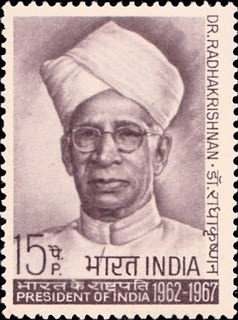
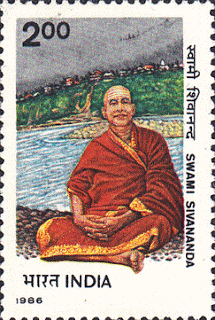
பண்டிகை நாட்கள் – செப்டம்பர் 5- ஆசிரியர் தினம்/டாக்டர் ராதாகிருஷ்ணன் பிறந்த நாள் ; சுவாமி சிவானந்தா பிறந்த தினம் ;
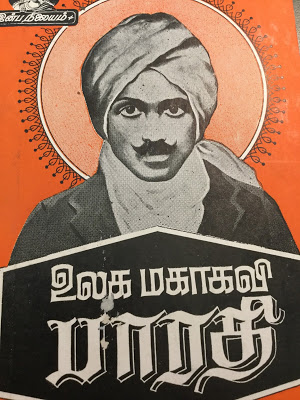
11- பாரதியார் நினைவு தினம் ; 16-விஸ்வகர்ம பூஜை 17 – மஹாளய அமாவாசை ;
பவுர்ணமி -1; அமாவாசை -17; ஏகாதசி விரதம் – 13, 27
முகூர்த்த தினங்கள் – 4, 14, 16
Xxxxxx
செப்டம்பர் 1 செவ்வாய்க்கிழமை
நல்ல குழந்தைகளைப் பெற்றால் ஏழு பிறப்பும் தீயவை தீண்டா–குறள் 62 –
மநு 21 தலைமுறைகளை தீயவை தீண்டா என்கிறார் .
xxx
செப்டம்பர் 2 புதன் கிழமை
ஆணை அடித்து வளர்க்க , பெண்ணைப் போற்றி வளர்க்க – தமிழ்ப் பழமொழி
xxx
செப்டம்பர் 3 வியாழக்கிழமை
உங்கள் குழந்தைகள் நீங்கள் செய்த கர்ம வினைப்படி வந்து பிறப்பர், தீதும் நன்றும் பிறர் தர வாரா –குறள் 63
XXX
செப்டம்பர் 4 வெள்ளிக்கிழமை
குழந்தைகள் பிஞ்சுக் கரங்களால் அளாவிய கூழ் , தேவ லோக அமிர்தத்தைவிட இனியது.–குறள் 64
XXX
செப்டம்பர் 5 சனிக்கிழமை
TEACHERS DAY
‘புத்’ என்னும் நகரத்தில் விழாதபடி தாய் தந்தையரைக் காப்பதால் மகனுக்கு புத்ர (தமிழில் புதல்வன்) என்ற பெயர் வந்தது – மநு நீதி நூல் , 9-138
xxx
செப்டம்பர் 6 ஞாயிற்றுக்கிழமை
(தொல்காப்பியம் , மநு ஸ்மிருதி சொல்லும்) எட்டு வகைத் திருமணங்களில் முதல் 4 வகித்த திருமணம் மூலம் பிறக்கும் குழந்தைகள் தேஜஸுடன் விளங்குவர்; கற்றோரால் மதி க்கப்படுவர் – மநு 3-39
xxxx
செப்டம்பர் 7 திங்கட் கிழமை
பிரம்ம விவாஹம் மூலம் பிறந்த மகன் நல்லது செய்தால் முந்தைய 10 தலைமுறைகளையும், தனக்குப் பிந்தைய பத்து தலை முறைகளையும் (நரகத்தில் விழாமல் ) கடைத்தேற்றுவான்; அவன் 21ஆவது ஆளாக சுவர்க்கம் புகுவான்.மநு 3-37
XXX
செப்டம்பர் 8 செவ்வாய்க்கிழமை
சாண் பிள்ளையானாலும் ஆண்பிள்ளை இருக்க வேண்டும்- தமிழ்ப் பழமொழி
xxx
செப்டம்பர் 9 புதன் கிழமை
குழந்தைகளை அணைத்தால் உடலுக்கு இன்பம்; மழலையைக் கேட்டால் காதுக்கு இன்பம்- குறள் 65
xxxx
செப்டம்பர் 10 வியாழக்கிழமை
மழலையைக் கேட்டு அனுபவிக்காதவர்கள் புல்லாங்குழலும் வீணை வாத்யமும் இனியது என்பர்– குறள் 66.
XXX
செப்டம்பர் 11 வெள்ளிக்கிழமை
தந்தையின் கடமை – மகனைக் கல்வி கேள்விகளில் சிறந்தவனாக்குதல் – குறள் 67
BHARATI ANNIVERSARY DAY
xxxx
செப்டம்பர் 12 சனிக்கிழமை
தந்தையை விட மகன் அறிவு பெறுவது, குடும்பத்துக்கு மட்டுமின்றி மன்னுயிர்க்கெல்லாம் இனிது- குறள் 68.
XXX
செப்டம்பர் 13 ஞாயிற்றுக்கிழமை
தந்தைக்கு மகன் செய்யும் உதவி- இவனைப் பெற இவன் தந்தை என்ன தவம் சசெய் தாரோ என்று வியக்க வைப்பதாகும் —
xxx
செப்டம்பர் 14 திங்கட் கிழமை
மக்கட்பேறுதான் இல்வாழ்வானின் செல்வங்களில் பெரிய பேறு – குறள் 61
XXX
செப்டம்பர் 15 செவ்வாய்க்கிழமை
மகனுக்குப் பிறந்த மகனுக்கும், மகளுக்குப் பிறந்த மகனுக்கும் எந்த வித்தியாசமும் இல்லை . மகள் வயிற்றுப பிள் ளையும் மூதாதையர்களைகே காப்பாயேற்றுவா;ன் — மனு 9-139
xxx
செப்டம்பர் 16 புதன் கிழமை
நல்ல நல்ல பிள்ளைகளை நம்பி, இந்த நாடே இருக்குது தம்பி
சின்னஞ்சிறு கைகளை நம்பி, ஒரு சரித்திரம் இருக்குது தம்பி.
–பெற்றா ல் தான் பிள்ளையா திரைப்படப் பாடல்
xxxx
செப்டம்பர் 17 வியாழக்கிழமை
ஆத்மா புத்ரஹ , ஸகா பார்யா – ஸம்ஸ்க்ருத பழமொழி
தானே மகன் உருவத்தில் வருகிறான்; மனைவி அதற்குத் துணை செய்கிறாள்
Pictures are taken from various sources for spreading knowledge; this is a non- commercial blog. Thanks for your great pictures.
tamilandvedas.com, swamiindology.blogspot.com
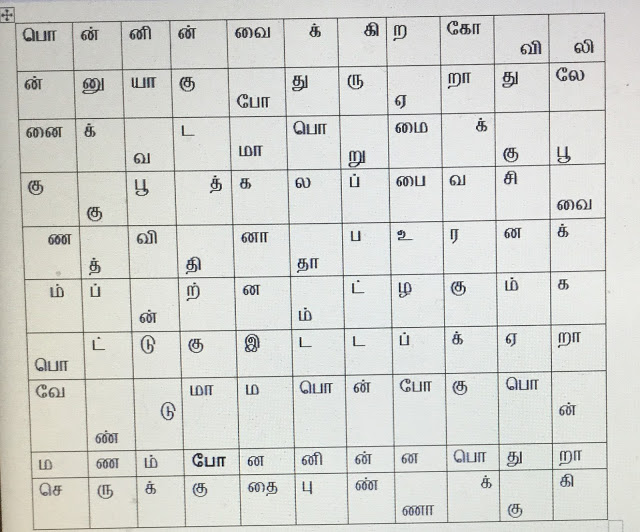
குறுக்கு வழியில் வாழ்வு தேடிடும்……. குறுக்கு வழியில் வாழ்வு தேடிடும் குருட்டு உலகமடாஇது கொள்ளை அடிப்பதில் வல்லமை காட்டும் திருட்டு உலகமடா தம்பி தெரிந்து நடந்து கொள்ளடா தம்பி தெரிந்து நடந்து கொள்ளடா (ப.கோ.க.சு)
ஒருஜோக்!
கேள்வி -ஆசைக்கும் பேராசைக்கும் உள்ள வித்யாசம் என்ன??? பதில். -பணக்காரனாக வேண்டும் என்பது – ஆசை நாமே நோட்டு அடித்து பணக்காரனாக வேண்டும் என்பது – பேராசை!!!
என்னிடம் வரும் எல்லோரும் கேட்பது எப்போது நான் எப்போ கோடீஸ்வரன்ஆவேன்????
சில கிரக ஸ்தானங்களில், சில பார்வைகளில் சிலருக்கு பண வரவு இருக்கும்.பணவரவு என்பது ஒரு “relative term”
உதாரணமாக ஒரு பிச்சைகாரனுக்கு ரூ 100/- கிடைத்தால் இன்னும் 5 நாட்களுக்கு கவலை இல்லை கடவுள் கண் திறந்தி ருக்கிறார்.இன்று எனக்கு “தன யோகம்”என சந்தோஷப்படுவான்.
இதே மாதம் ரூ 15,000/- சம்பாதிப்பவருக்கு பாக்கெட் மணி!!! மாதம் ரூ 50,000/- சம்பதிப்பவருக்கு ஹோட்டலில் சாப்பிட்ட பின் கொடுக்கும் டிப்ஸ்….. ரொம்ப பணக்கார்ரருக்கு இது 10 பைசா நாணயம்( இப்போது புழக்கத்தில் இல்லை)பிச்சை காரனுக்கு 50 பைசா போட்டால்.நீ பிச்சைகாரனா, அல்லது நான் பிச்சைகாரனா என்பது போல் பார்ப்பானே ஒரு பார்வை…
ஆகையால் வரும் மனிதனின் வருமானத்திற்கு தகுந்த மாதிரி “தன யோகத்தை “அட்ஜஸ்ட் செய்ய வேண்டியிருக்கிறது!!!!
வருகிற ஆட்களோ சாதாரண குறைத்து கேட்கிற ஆசாமிகள் இல்லை.அவருடைய வருமானம் பிடித்தம் போக 30 k தான் இருக்கும்…….ஆனால்
வந்தவுடன் கேட்பதோ நான் எப்ப கோடீஸ்வரன் ஆவேன்???? இவரகளை எல்லாம் கோன் பனேகா குரோர் பதியில்உட்கார வைத்தால் 4 வது கேள்வியிலேயே 3 options( life line)ம் இழந்து தலை தெறிக்க ஓடி விடுவார்கள்!!!! நான் அந்த மாதிரியெல்லாம் கேட்கவும் முடியாது , கேட்கவும் தெரியாது….அதெல்லாம் தெரிந்தால் நான் கடையை விரித்துகொண்டு இங்கு ஏன் உட்கார்திருக்கிறேன்???? சும்மா கதை அளக்காதீர்கள் கத்து குட்டி சார்….
நான் எப்போ கோடீஸ்வரன் ஆவேன்???? முசப் பிடிக்கற நாய் மூஞ்சியப்பார்த்தா தெரியாது?.? உனக்கெல்லாம் லட்சம் கிடைப்பதே கஷ்டம் இதுல கோடி வேணுமா உனக்கு???எந்திரிய்யா என்று சொல்லத்தான் ஆசை.
அந்த வெற்றிலை பாக்குடனே வைச்சிருக்கிற பச்சை நோட்டு தடுக்கறதே???? சரி ஜாதகத்தை எடு லகனாதிபதியும், 9-ம் அதிபதியும் கூடினாலும் ஒன்றுக்கொன்று வீடு மாற்றிக் கொண்டாலும் தர்ம யோகம் இருக்கிறதா??? இல்லை….
கும்பத்தில் சூரியன் இருந்து சிம்ம ராசியைப் பார்த்தால் லாவண்ய யோகமாம் அதாவது திடீர் பணக்கார்ர் ஆவார் இருக்கிறதா ???? இல்லை…..
மேஷம்,அல்லது ரிஷபம் அல்லது கடகம் இவற்றில். ஏதேனும் ஓரு இடத்தில் ராகு இருந்துகுருவும் சுக்கிரனும் எங்கிருந்தாவது ராகுவைப் பார்க்கிறததா?..
இல்லை சரிபுதனும், சுக்கிரனும், சேர்ந்து மீனத்திலாவது கன்னியிலாவது (மகா லட்சமியோகம்)இருக்கிறதா??? இல்லை
9-ம் இடத்தில் கிரகம் உச்சம் பெற்று 5 க்குடையவனுடன் கூடினால் மிகுந்த செல்வத்திற்கு அதிபதியாவான்( பதும யோகம்) இருக்கிறதா???? பதில் இல்லை
9-ம் இடத்தில் சுபர் இருக்க 9-ம்இடத்து அதிபதி சந்திரனுக்கு 9-ல் இருக்க செல்வம் பெருகிக் கொண்டே போகுமாம் (தன யோகம்)
லகனாதிபதி 2க்குடைய தனாதிபதி,9.க்குடைய பாகயாதிபதி 11க்குடைய லாபாதிபதி இந்த நால்வரும் கேந்திரத்த்திலேயாவது திரி கோணத்திலேயாவதுஇருக்கிறார்களா??? இல்லை அய்யா இல்லை
மெதுவாக எழுந்தார் அப்போ நான் போய் வருகிறேன்….. இருங்கள மிச்சம் இருக்கும் 11 காம்பிநேஷன்களையும் பார்த்து விடுவோமே…..
இல்லை அவசர ஜோலி இருக்கிறது வருகிறேன் என்று தட்டை கையில எடுத்தார் பச்சை நோட்டை எடுத்து விட்டு பாக்கெட்டில்
வைத்துக் கொண்டு மஞ்சள் நோட்டை வைத்து என்னிடம் கொடுத்தார். பின்னால் யார்மூலமாகவோ கேள்விப்பட்டேன் “இ வனல்லாம் ஒரு ஜோஸ்யனா??? நான் நினைத்ததை சொல்ல முடியவில்லை”
நான்வேறு “நல்ல “ஜோஸ்யனைப பார்த்துக் கொள்கிறேன்!!!
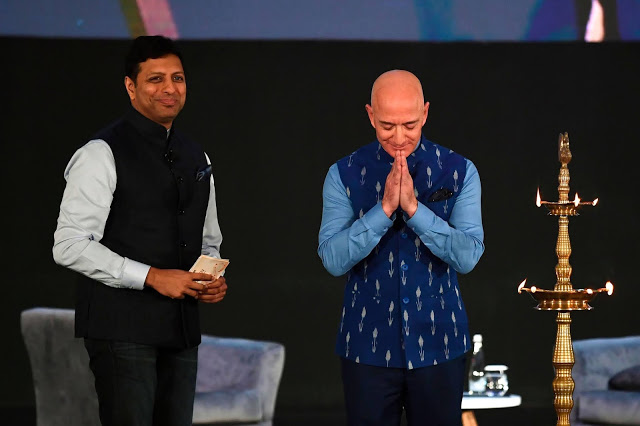
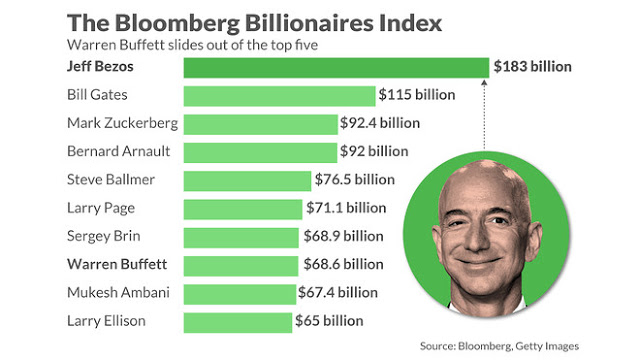
BEZOS AND BILL GATES
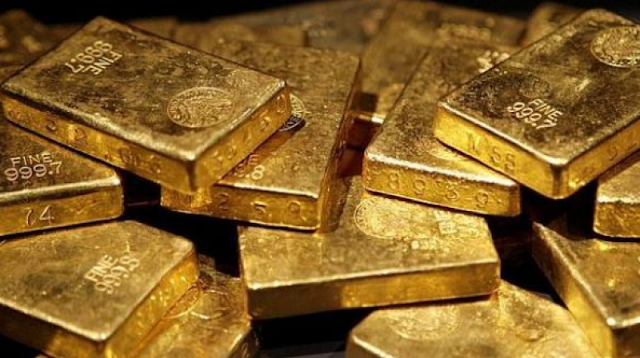
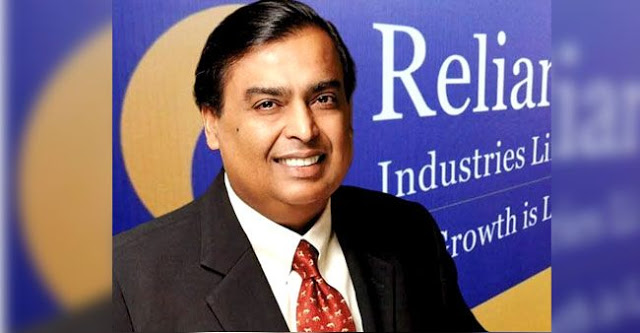
BILLIONAIRE AMBANI
இவர் கோடீஸ்வரன் நினைத்துக் கொண்டு வந்தால் நான் இவரை கோடீஸ்வரன் ஆகிவிடுவாய் எனச்சொல்ல வேண்டுமாம். அந்த மாதிரி இவர் “கட்டம் “இல்லையே???
நான் நினைத்துக் கொண்டேன் அப்படி கோடீஸ்வர ஜாதகமாய் இருந்தால் இவர் என்னிடம்வருகிறார்??? B M W காரையல்லவோ அனுப்பிருப்பார்!!!
ஜோஸ்யம் பார்க்க அனைவரும் தான்நினைத்ததை அப்படியே சொல்ல வேண்டும். அவர்கள் தன் தகுதியை ஆண்டவன் இப்படித்தான் நிர்ணயித்திருக்கிறான் என்று நினைப்பதே
இல்லை ஜோஸ்யன் தப்பு வேறு “நல்ல “ஜோஸ்யனை பார்ப்போம் என நினைக்கிறார்களே தவிர தன் (ஜாதகத்தின் )மொத்த தகுதியே இவ்வளவு தான்என உணருவதில்லை.ஆனால் போனவுடன்,நீ கோடீஸ்வரன் நீ தான் , அடுத்த மந்திரி நீதான் எனப்பொய்யையே விரும்புகிறார்கள்
ஏமாற ஆட்கள் இருக்கும் வரை ஏமாற்றுபவர்கள் இருக்கத்தான் செய்வார்கள் குறுக்கு வழியில் வாழ்வு தேடிடும் குருட்டு உலகமடா தம்பி தெரிந்து நடந்து கொள்ளடா தம்பி தெரிந்து நடந்து கொள்ளடா!!!!
TAGS– குறுக்கு வழி, கோடீஸ்வர ஜாதகம், கோடீஸ்வரன் ,ஜோஸ்யன்
Pictures are taken from various sources for spreading knowledge; this is a non- commercial blog. Thanks for your great pictures.
BOOKS INDIANS SHOULD READ 30
Chapter -11 Part 3
THE COLLECTED WORKS OF DHARAMPAL-6 Indian Science and Technology-2
OTHER AREAS
The other areas in which Indian technology attracted serious attention were: – making of “Madrass Mortar” which was very strong, and worked well under water. – process of making paper -process of making ice ( when this was not known in Europe) -waterproofing the bottom of ships – making of wootz steel.
INDIAN STEEL
Perhaps no where were the British floored so well as in the matter of steel. Superiority of Indian iron and steel was easily proven and admitted. Yet, Indians operated on small scale, with small units spread out in the country. J.M.Heath, founder of the Indian Iron and Steel Co admitted that Indian processes seemed to combine both the methods then known in Europe; yet he had the arrogance to say that probably Indians did not have a theoretical knowledge! It was estimated that in mid-19th century, there were about 10,000 iron and steel furnaces operating in different parts of the country. Just imagine all these worked without any theoretical knowledge!
The administrators in London categorically said in 1814 that nothing should be done in India to improve matters.
AREAS NOT COVERED With all this coverage, the papers presented in the volume do not cover Textiles, armaments, horticultural techniques, animal breeding, design and construction of sea faring vessels. India was well known in these fields. The French writer Sovyns provides 40 sketches of boats and other vessels in use in North India in 1790 in his book (4 volumes, 1802-1812 ) and says: “The English, attentive to everything which relates to naval architecture, have borrowed from the Hindoos many improvements which they have adapted with success to their own shipping.”
TOTAL COLLAPSE
Indian science and technology, like our polity, economy, education collapsed due to the deliberate colonial policy. In accordance with mercantilist and colonial policy, they were only engaged in taking wealth out of India by all means. First agriculture and then industries declined. Incomes declined. Livelihoods were snuffed out; poverty stalked, famines struck. Services provided for by local communities out of their own revenues disappeared when the local bodies lost their independence and revenue. The economic breakdown of India between 1750 and 1900 was total. No society could survive such an onslaught.
It is the supreme irony of our times that while the sinister nature of British imperialism and its destructive effects are being increasingly realised by the serious student, the general educational system in India totally neglects India’s own achievements and is still persisting with colonial lies and concoctions.
The Muslim invasions were outwardly brutal, but the British rule was even more brutal.
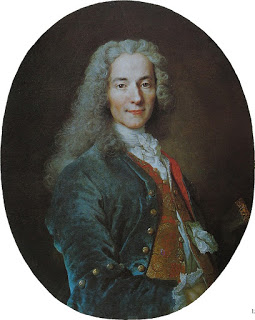
French savant Voltaire considered India “famous for its laws and sciences.” He deplored the way the Europeans were “amassing immense fortunes”. He remarked: ” If the Indians had remained unknown to the Tartars and to us, they would have been the happiest people in the world.”
Dharampal’s volume is a splendid compilation of the thriving state of our science and technology in the eighteenth century, before the British game of destruction intensified.
“The British conquest of India was an invasion and destruction of a high civilization by a trading company utterly without scruple or principle, careless of art and greedy of gain, over-running with fire and sword a country temporarily disordered and helpless, bribing and murdering, annexing and stealing, and beginning that career of illegal and ‘legal’ plunder which has now gone on ruthlessly for one hundred and seventy- three years.”
– Will Durant in 1930s
Note :
1. Dharampal’s volume contains 17 archival papers which deserve serious study, by all Indian students of science. 2. A comprehensive account of the state of technology in India, China and the West from 1500 is provided in Claude Alvares: Decolonising History (Other India Press, Mapusa, Goa, 1997)
3. How the British destroyed Textile and other industries is dealt with in The Economic History of India by Romesh Chander Dutt.
4. The excellent agricultural practices of Indians can be gathered from An Agricultural Testament by Albert Howard.
5. An exhibition was held in London in March-April, 2018 on Ayurveda and Indian medicine. It was in London Wellcome Centre, near Easton Square underground.It displayed Sanskrit manuscripts, pictures, and also ancient Indian surgical instruments. There were other features. Admission was free. It gave the world an idea of what India and Indians achieved in medicine and surgery. But it was not covered by the media or newspapers in India!
Pictures are taken from various sources for spreading knowledge; this is a non- commercial blog. Thanks for your great pictures.
by ச.நாகராஜன்
மனதின் அபூர்வமான எல்லையற்ற அளக்கமுடியாத சக்தி பற்றிய ஏராளமான கட்டுரைகள் உள்ளன. அதிகாரபூர்வமான ஆய்வுகளின் அடிப்படையிலான பிரமிக்க வைக்கும் உண்மைகள் வெளியாகிக் கொண்டே இருக்கின்றன.
சில சமீபத்திய ஆய்வுகளின் முடிவுகளை இங்கு காணலாம்.
உருவகக் காட்சி உங்களுக்கு நற்பயனைத் தரும்!
உருவகக் காட்சி என்ன நன்மையைத் தரும் என்பதை நீங்களே அனுபவத்தில் உணரலாம். செலவில்லாத அபாரமான வழி இது.
மனதில் அகக்காட்சிகளை, ஒலியுடனும், இதர உணர்வுகளுடனும் நீங்களே உருவாக்கி அனுபவிக்கலாம்.
உளவியலாளர் ஆலன் ரிச்சர்ட்ஸன் ஆஸ்திரேலியாவைச் சேர்ந்தவர். அவர் ஒரு சின்ன சோதனை மூலம் உருவகக் காட்சியின் பயனை நிரூபித்திருக்கிறார்.
பேஸ்கட் பால் விளையாடும் வீரர்களை அழைத்த அவர் அவர்களை மூன்று குழுக்களாகப் பிரித்தார். இப்படிப் பிரித்ததன் நோக்கம் உருவகக்காட்சி எப்படி வீரர்களை வெற்றிக்கு இட்டுச் செல்கிறது என்பதை பரிசோதித்துப் பார்க்கத் தான்!
மூன்று குழுக்களுக்கு அவர் தந்த திட்டம் இது:
முதல் குழு ஒவ்வொரு நாளும் பேஸ்கட் பால் விளையாட்டை 20 நிமிடங்கள் பயிற்சி செய்தது.
இரண்டாம் குழு பந்தை தூக்கி எறிவதை அகக்காட்சியில் கற்பனை செய்து பார்த்து வந்தது. ஆனால் மேற்படி பயிற்சியில் சேரவில்லை.
மூன்றாவது குழு உருவக்காட்சி பயிற்சியையும் செய்யவில்லை; பந்து தூக்கி எறிவது போல மனதில் கற்பனை செய்து பார்க்கவும் இல்லை.
சோதனையின் முடிவுகள் பிரமிக்க வைத்தன!
முதல் குழுவின் விளையாடும் திறன் அபாரமாகக் கூடியது.
நிஜமாக தினமும் பயிற்சி செய்தவர்களைப் போலவே அவர்கள் விளையாடும்போது துல்லியமாக கூடையில் பந்தைப் போட்டனர்.
மூன்றாவது குழுவோ மிக மோசமாக இதரர்களை விடப் பின் தங்கியது!
புன்னகை நல்ல மனநிலையை ஏற்படுத்தும்!
ஃபேஷியல் ஃபீட்பேக் ஹைபாதிஸஸ் (Facial Feedback Hypothesis) என்று அறிவியல் ரீதியாக அழைக்கப்படும் முகபாவனையின் விளைவுக் கொள்கை பற்றி அறிவியல் விஞ்ஞானிகள் பல காலமாக ஆய்வு செய்து வந்துள்ளனர். புன்னகை செய்தல், நேராக நிமிர்ந்து உட்காருதல், ஓய்வாக இருத்தல் ஆகியவை உடன்மறை – பாஸிடிவ்- உணர்வுகளை ஏற்படுத்துகின்றன!
இது பற்றி ஆயிரத்தி தொள்ளாயிரத்தி எண்பதுகளில் ஒரு அறிவியல் ஆய்வு மேற்கொள்ளப்பட்டது, தங்கள் ஆய்வின் நோக்கம் செயல் முறை பற்றி ஆய்வாளர்கள் எதையும் யாருக்கும் சொல்லவில்லை. அது ஆய்வைப் பாதிக்கும் என்பதால் பேசாமல் இருந்தனர்.
சோதனையில் பங்கேற்போர் மூன்று குழுக்களாகப் பிரிக்கப்பட்டனர். அனைவருக்கும் ஆளுக்கு ஒரு பென்சில் தரப்பட்டது.
முதல் குழுவினரிடம் பென்சிலை வாயில் கிடைமட்டமாக பற்களுக்கு இடையில் வைக்கச் சொல்லப்பட்டது. இது உடல் ரீதியாக அவர்களை புன்னகைக்க வைத்தது.
இரண்டாவது குழுவினரிடம் பென்சிலை கிடைமட்டமாக உதடுகளைப் பயன்படுத்தி பிடிக்கச் சொல்லப்பட்டது. அது புன்னகையை வலியக் கொண்டு வரவில்லை. ஆனால் மாறாக ஒரு சிடுசிடுப்பாக இருக்கும் நிலையைத் தான் ஏற்படுத்தியது.
மூன்றாவது குழுவினரிடம் பென்சிலை தங்கள் கையில் பிடித்தால் போதும் என்று சொல்லப்பட்டது.
இப்போது ஆய்வில் பங்கேற்ற அனைவரிடமும் பல கார்ட்டூன் படங்கள் காண்பிக்கப்பட்டன; அவற்றை எவ்வளவு வேடிக்கையான கார்ட்டூன்கள் என மதிப்பீடு செய்யுமாறு சொல்லப்பட்டது.
முதல் குழு – புன்னகைக் குழு – இரண்டாவது (சிடுசிடுப்பு குழு) குழுவை விட கார்ட்டூன்கள் அதிக வேடிக்கையுள்ள கார்ட்டூன்கள் என மதிப்பீட்டைத் தந்தது. மூன்றாவது குழு இந்த இரண்டு குழுக்களுக்கும் இடையிலான மதிப்பீட்டு எண்களைத் தந்தது!
சிந்தனையை நிர்வகித்தால் மன அழுத்தம் குறையும்!
மூளையைப் பற்றிய ஒரு அபூர்வமான உண்மை ஒன்று உண்டு – அதற்கு நிஜமான ஒரு பயமுறுத்தலுக்கும் கற்பனையில் நாம் காணும் பயமுறுத்தலுக்கும் வித்தியாசப்படுத்தத் தெரியாது!
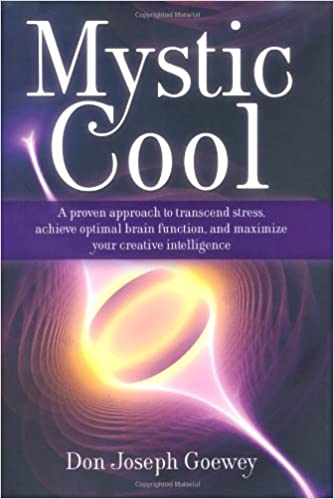
டான் ஜோஸப் கோவே என்ற ஆய்வாளர் மிஸ்டிக் கூல் (Don Joseph Goeway – Mystic Cool) என்ற புத்தகத்தை எழுதியுள்ளார். மன அழுத்தத்தை நிச்சயமாகப் போக்கும் வழி ஒன்றை அவர் கூறுகிறார். அத்துடன் மூளை ஆற்றலை தேவையான அளவு பயன்படுத்த முடியும் என்றும் படைப்பாற்றல் திறனை எவ்வளவு முடியுமோ அவ்வளவு அதிகப்படுத்த முடியும் என்றும் அவர் அடித்துக் கூறுகிறார்.
ஸ்டான்போர்டில் உள்ள உளவியல் பிரிவில் அவர் குழந்தைகளை இழந்த பல பெற்றோர்களைச் சந்தித்து அவர்களுக்கு ஆறுதல் கூறியிருக்கிறார்; ஆயுள் தண்டனை பெற்ற சிறைக்கைதிகளுக்கு உதவியுள்ளார்ல் போஸ்னியா போரில் அகதிகளாக்கப்பட்டோருக்கு அந்த போர் தந்த உளவியல் ரீதியான பிரச்சினைகளிலிருந்து மீள உதவியுள்ளார்.
அவரது பணி இதற்கு முன்பு ஒருபோதும் நடந்திராத ஒன்று. அவர் பயம் தரும் எண்ணங்களை அறவே அகற்ற எளிமையான, உடனடியாகப் பின்பற்றக் கூடிய வழிகளை உருவாக்கியுள்ளார். அதை அவர் ‘க்ளியர் பட்டன்’ என்று பெயரிட்டிருக்கிறார். மூளையில் பயம் இருக்கும் பகுதியிலிருந்து அகற்றுவது தான் அவர் வழி!
அந்த வழி இது தான்:-
உங்கள் இடது உள்ளங்கையில் ஒரு பட்டன் இருப்பதாக கற்பனை செய்து கொள்ளுங்கள். இந்த பட்டனை அமுக்கும்போது அது மூளைக்கு ஒரு சிக்னலை அனுப்பி பயம் தரும் எண்ணங்களை நிறுத்தி விடுவதாக கற்பனை செய்து கொள்ளுங்கள். வலது கையினால் பட்டனை அழுத்தி நீங்கள் சுவாசிப்பதை நன்கு கவனியுங்கள்.
ஒவ்வொரு பட்டனுக்கும் ஒவ்வொரு வண்ணத்தை கற்பனை செய்யுங்கள். மூன்று முறை இப்படி சுவாசத்தை விடுங்கள்.
சுவாசத்தை வெளிவிடும் சமயம் மிக ஓய்வாக இருங்கள்.
(அடுத்த கட்டுரையுடன் நிறைவுறும்)
tags- புன்னகை, மனதின் , அபூர்வமான சக்தி! – 1,உருவகக் காட்சி
















 Tamil and Vedas