Pictures are taken from various sources for spreading knowledge; this is a non- commercial blog. Thanks for your great pictures.
tamilandvedas.com, swamiindology.blogspot.com
BELIEVE IT OR NOT !!! 5,000 HINDU QUOTATIONS IN MY BLOG!
I STARTED COMPILING TAMIL AND SANSKRIT QUOTATIONS FROM HINDU SCRIPTURES; I BEGAN PUBLISHING IT HERE EVERY MONTH UNDER ‘GOOD THOUGHTS CALENDAR’ FROM 2014. NOW THERE ARE 0VER 2500 TAMIL AND 2500 ENGLISH QUOTATIONS POSTED SUBJECT WISE. GO TO EVERY MONTH’S CALENDAR AND YOU WILL GET 30 OR 31 TAMIL AND 31 ENGLISH QUOTATIONS. IF YOU ARE A SPEAKER OR A WRITER OR A STUDENT, THIS CATEGORY WISE QUOTATIONS WILL BE VERY USEFUL TO YOU. WE WILL PUBLISH IT IN BOOK FORM SOON .
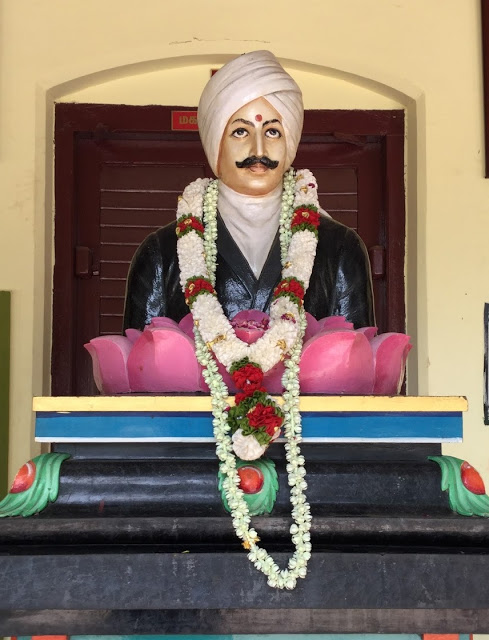
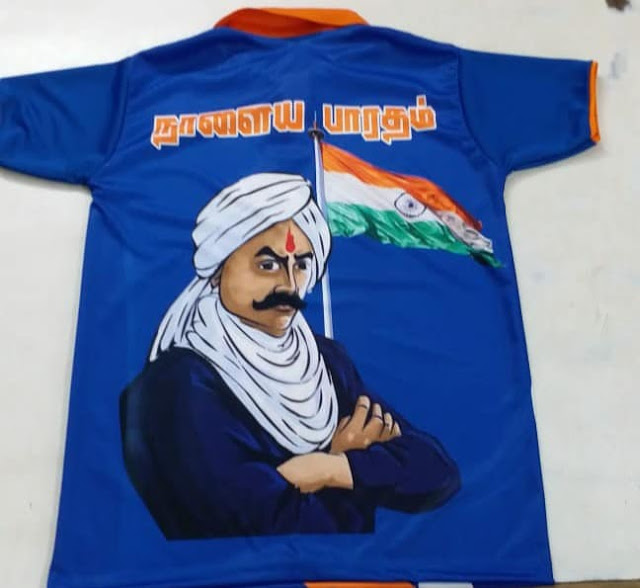
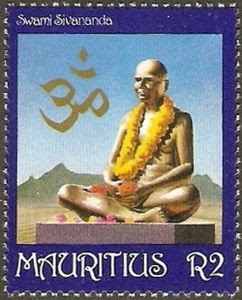
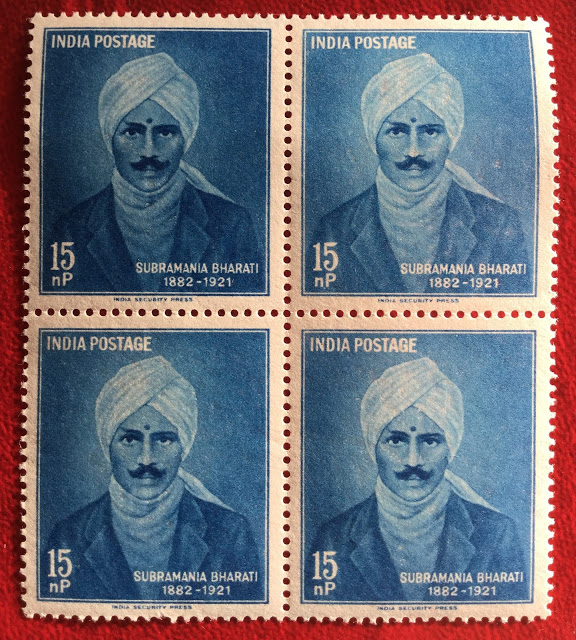
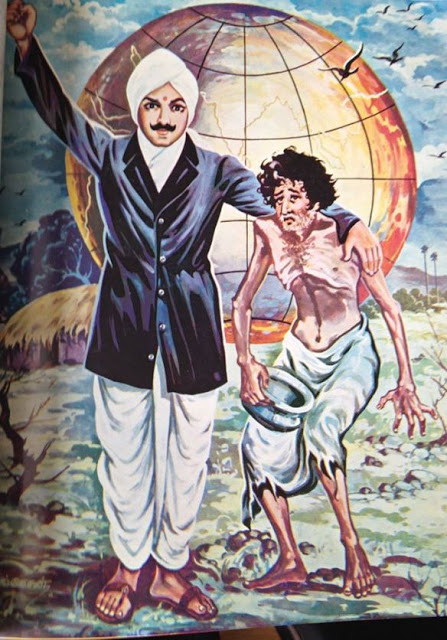
FESTIVAL DAYS – SEP.5-TEACHERS DAY; 11-POET BHARATI’S DEATH ANNIVERSARY; 8- SWAMI SIVANADA’S BIRTH DAY; 16-VISHVAKARMA PUJA; 17-MAHALAYA AMAVASYAI (TARPANA TO DEPARTED SOULS)
FULL MOON DAY/PURNIMA- SEP.1; NEW MOON DAY/AMAVASYAI- 17; EKADASI FASTING DAYS – 13, 27
MUHURTHA DAYS/AUSPICIOUS DAYS – 4,14,16
MOUNT KAILASH
SEPTEMBER 1 TUESDAY
The son is one’s own self, the wife, one’s companion
atmaa putrah sakhaa bharyaa- Sanskrit saying
Xxx
SEPTEMBER 2 WEDNESDAY
A son is called ‘putra’ because he ‘trayate’/saves his father from the hell called ‘put’– Manu 9-138
Xxx
SEPTEMBER 3 THURSDAY
The sons born from the first four types of marriages , in order beginning with Brahma marriage, are filled with the splendour of the Vedas and are esteemed by educated men -Manu 3-39
Xxx
SEPTEMBER 4 FRIDAY
The duty of the son to his father to make others exclaim, ‘what penance has he done to be blessed with such a worthy son’- Tirukkural 70
Xxx
SEPTEMBER 5 SATURDAY
Those with only one son constantly fear the end of their family line- Bharata Manjari
Xxx
SEPTEMBER 6 SUNDAY
Who doesn’t like a son who is good and earns good money?
Kasmai na rochate putro yo dhanaarjanakrdugni?- Sanskrit saying
Xxx
SEPTEMBER 7 MONDAY
A mother’s joy at hearing her son acclaimed as full of virtue and refinement is greater than her joy at the time of his birth – Tirukkural 69
Xx x
SEPTEMBER 8 TUESDAY
A ten year old Brahmin priest/son and a hundred year old ruler should be regarded as father and son and of the two of them the priest/son is the father –
Manu— 2-135
Xxx
SEPTEMBER 9 WEDNESDAY
The wisdom of one’s children will be a blessing to the world at large rather than to the parents- Tirukkural
68
Xxx
SEPTEMBER 10 THURSDAY
Which wise man forsakes his son, though depraved?
Valmiki Ramayana 2-64-64
Xxx
SEPTEMBER 11 FRIDAY
Filial love is difficult to forsake- Katha Sarit Sagara
Xxx
SEPTEMBER 12 SATURDAY
If a son born to a woman who has had a Brahma marriage does good deeds, he frees from guilt ten of the
ancestors who came before him, ten later descendants, and himself as the twenty first–Manu 3-37
Xxx
SEPTEMBER 13 SUNDAY
No evil will befall a man in all the seven births he may have if he begets children of irreproachable character- Tirukkural 62
Xxx
SEPTEMBER 14 MONDAY
Among the blessings one should have there is none so great as having sensible children- Tirukkural 61
Xxx
SEPTEMBER 15 TUESDAY
Who will not love his son, however vile he be, like his own body? -Bharata Manjari
Xxx
SEPTEMBER 16 WEDNESDAY
The sons of the aristocrats are not conversant with the ups and downs of life- Avimaraka
Xxx
SEPTEMBER 17 THURSDAY
Children are said to be one’s possession, for what they have acquired becomes the wealth of the parents as well –Tirukkural- 63
Xxx
SEPTEMBER 18 FRIDAY
The scion of noble race will usher blessings in this world and the other – Raghu vamsa1-69
Santatih suddhavamsyaa hi paratreha ca sarmane
Xxx
SEPTEMBER 19 SATURDAY
The food into which the children s little hands have been dipped will be far sweeter to the parent than nectar – Tirukkural 64
Xxx
SEPTEMBER 20 SUNDAY
None as dear as a son- Valmiki Ramayana 2-74-24
‘Naasti putrasamah priyah’
Xxx
SEPTEMBER 21 MONDAY
How can one do away with a son, though virtues he may have none? -Valmiki Ramayana 2-33-11
Xxx
SEPTEMBER 22 TUESDAY
The touch of children is delightful to the body and their voice is pleasing to the ear – Tirukkural 65
Xxx
SEPTEMBER 23 WEDNESDAY
Sweet is the music of flute and lute to those who know not the melody of their little one’s prattle Tirukkural -66
Xxx
SEPTEMBER 24 THURSDAY
The embodied find none dearer than their children- Bharat Manjari
Xxx
SEPTEMBER 25 FRIDAY
How can one abandon ones own son to protect anothers’?- Ramayana Manjari
Xxx
SEPTEMBER 26 SATURDAY
Children alone shower supreme love/happiness and not others- Bharat Manjari
Xxx
SEPTEMBER 27 SUNDAY
An ignorant son is a foe- Chanakya Niti 9-12
Putrah satrurapanditah
Xxx
SEPTEMBER 28 MONDAY
The true son is he who pleases his father with virtuous deeds -Niti Sataka 59
Xxxx
SEPTEMBER 29 TUESDAY
What a father expected to do his son is to make him fit to hold the foremost place among the learned- Tirukkural 67
Xxx
SEPTEMBER 30 WEDNESDAY
Hearts of fathers chime for their sons – Madhyama vyayoga
Xxx
–SUBHAM-
TAGS– QUOTES ON SONS, CHILDREN, SEPTEMBER 2020, CALENDAR
கண்டவுடன் காதல் இப்படித்தான்….ஏனென்றால் மிக அழகானவர்கள்
நீங்கள்!!! உங்களுக்கு பலர் வலை வரிப்பார்கள் . ஆனால் நீங்கள் யாருக்கும் வசப்படாத துலாம் ராசிக்காரர்களை மை போட்டு இழுப்பது போல் இழுத்து கவர்ச்சிகரமாய் பணிய வைத்திடும் புத்திசாலிகள்!!!
மிதுனராசி பெண்கள் உங்கள் கண்களில காந்தம் வைத்திருக்கிறார் ஆண்டவன்!!! நீங்க சரி சமமாக எல்லோரையும் கருதினாலும்
கன்னி ராசிக்காரர்களைக் கண்டால் “டமால்” . பிறகென்ன
அவரை இரவு பகலாக படுத்தி விடுவீர்கள்!,,,
கடகராசி பெண்கள் அமைதி பூங்காவாக இருந்து படக் கென்று
ஒரு ஆளை பிடித்து விடும் குணம் உண்டு. அப்படியே யாரவது
ஒருவரை திருமணம் செய்து கொண்டாலோ, அவர்களுடன்
சுமுகமாக வாழ்க்கை!!! உங்களைப் போல் தயாள குணம்
வேறு யாருக்கும் கிடையாது ….கிடைக்காது!!!
சிம்ம ராசி பெண்கள் துலாம் மீன ராசி ஆட்களெல்லாம்
உங்களுக்கு தண்ணி பட்ட பாடு….இஷ்டப்பட்டவரை உயர்ந்த
நோக்கம் உள்ளவரை விரட்டி, மிகவும் கஷ்டப்பட்டு
“டாப் மோஸ்ட்” இடத்துக்குக் கொண்டு வந்து விடுவீர்கள்.
துலாம் ராசி ஆண் என்றல் நீங்கள் அவருக்கு அடிமை.
மீன ராசி ஆண் ஆனால் அவர் உங்களுக்கு அடிமை!,
கன்னி ராசி பெண்கள் உங்கள் விருப்பமே தனி மாதிரி.
வாழ்கை சரியாகவே அமையாமல் ஏதோ ஒரு ஆளை பிடித்து
திருமணம் பண்ணுவீர்கள் ஆனால் ரிஷப ராசி ஆண்களோ, மீன
ராசி ஆண்களோ உங்களுக்கு கிடைத்து விட்டால் உங்களை
போல பாக்கிசாலி உலகத்திலேயே கிடையாது.
துலாம் ராசி பெண்கள் தங்கத்தை உரசிப்பார்த்து வாங்கற
“க்ரூப்” நீங்க….குருட்டுத்தனமா மகர ராசிக்காரர்கள் மட்டும் கிடைத்தால் பேரம் பேசாமல் வாழ்கையை ஓட்டுவீர்கள். மற்ற ஆட்கள் யாராவது கணவனாக வந்து சிக்கினான்,
அவ்வளவுதான் நீங்க ராணி அவர் வாட்ச் மேன்!!!
விருச்சிக ராசி பெண்கள் கடகம் கன்னி ராசி ஆண்களைக கண்டால்
கையும் ஓடாது காலும் ஓடாது …… மற்ற ராசிக்காரர் சிக்கினால்
அவர்களுக்கு கையும் இருக்காது காலும் இருக்காது….அப்படி
வேலை வாங்கி விடுவார்கள் இந்த தேள் கொடுக்கு” பொண்ணுங்க
தனுசு ராசி பெண்களுக்கு ஏற்ற ஜோடி மீன ராசி ஆண்கள்
தான்……ஓருவரோடு ஈஷிக் கொள்வதும் பேசிக் கொள்வதும்
மற்றவர் பார்த்து பொறாமைப் படும் அளவுக்கு இருக்கும்
மற்றவர் கணவராக வந்தால் ஐயோ பாவம் ஏதோ வண்டி ஓடும்!
மகர ராசி பெண்களுக்கு மேஷம், கும்ப ராசி ஆண்களைக்
கண்டால் பக்கத்தில் யார் இருக்கிறார்கள், என்ன பேசக்கூடாது
என்றெல்லாம் தெரியாது. மனம் விட்டு குடும்ப நணபர்களோடு
பேசுவது போல் இருப்பார்கள். மற்ற ராசி ஆண்களென்றால்
கேட்ட கேள்விக்கு பதில்…………………….வாழ்க்கையும்
questions and answers மாதிரி இருக்கும்
கும்ப ராசி பெண்கள் வெரி ஸ்லோ ஆண்கள் “சிக்னல்”
கொடுத்தாக் கூட கண்டுக்க மாட்றீங்கறீங்க??? சரி மீன ராசி ஆம்புளைங்க வராங்க புடிச்சுக்கங்க உங்கள தெய்வம் மாதிரி
Pictures are taken from various sources for spreading knowledge; this is a non- commercial blog. Thanks for your great pictures.
BOOKS INDIANS SHOULD READ 29
Chapter -11 Part 2
THE COLLECTED WORKS OF DHARAMPAL-6 Indian Science and Technology-2
TECHNOLOGY It is obvious to a serious student of Indian economic history that India did have a solid technological base ; otherwise, they could not have risen to be a major contributor to world economy along with China. This may however sound odd to the general reader. First, this is not what they have been taught. Second, the word ‘technology’ conjures up images which are so different from what used to be. The farm tractor is a product of technology; so is the drill plough. The automobile is a product of technology; so is the bullock cart. It too is constructed on sound lines, adhering to scientific principles. Yet how many “educated” people today would associate the bullock cart or the plough with any idea of technology? The automobile pollutes, the cart does not. The tractor impoverishes the soil, the plough does not.Yet the modern mind associates technology with products and processes which are essentially destructive of the environment. It obviously cannot imagine or recognise a benign form or face of technology! Technology need not be monstrous in scale, or destructive in effect.
The Europeans of the 18th century felt challenged by Indian science: it had developed along different lines, and reached greater heights. This was difficult for a colonial power to swallow. So they tried to decry Indian science. In the matter of technology, however, they could see the results and use them! They did, but in ways injurious to Indian interests. We shall see some of these areas.
Inoculation against Smallpox It may come as a surprise to many that a system of inoculation against Smallpox was widely practised in India. It had attracted the attention of foreigners as early as 1731. It was said that it had been first practised 150 years earlier. There are two papers dealing with it in Dharampal’s collection. Yet, the British stopped the practice in Bengal around 1800. It was said that there were two sources of opposition to the practice. One was on principle, and it came from the Europeans and Christian theologians. The other source was from “indigence”. Dharampal explains its origin. In the Indian system, services of many persons like teachers, doctors etc had been provided for from public funds at local levels. With the centralisation that came with British rule, local administration and their financial autonomy collapsed; the earlier beneficiaries were thrown on their own. Hence they could no more continue the services in circumstances that were agreeable to the foreigner. Yet it continued in parts at least till 1870.
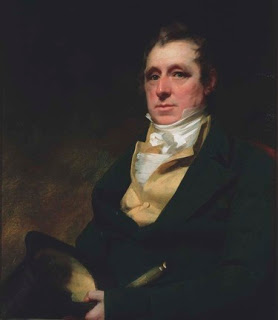
J.Z. Holwell, FRS who has given an account of Indian system of inoculation also says that Indians seemed to have had a theory of bacterial infection.
International researchers have since pointed out that the practice of Inoculation in India was very old. Kurt Pollak said in his 1968 book: “Preventive inoculation against the smallpox, which was practised in China from the eleventh century, apparently came from India,”
SURGERY
Indians’ practice of surgery, and their excellence in it had been widely noted. And their skill at plastic surgery was appreciated. Dr.H.Scott reported on the matter to the Royal Society London in 1792.
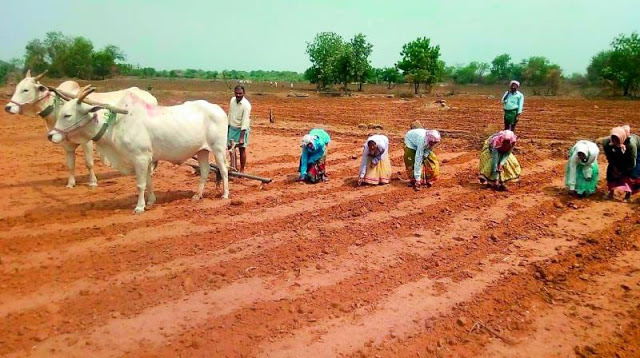
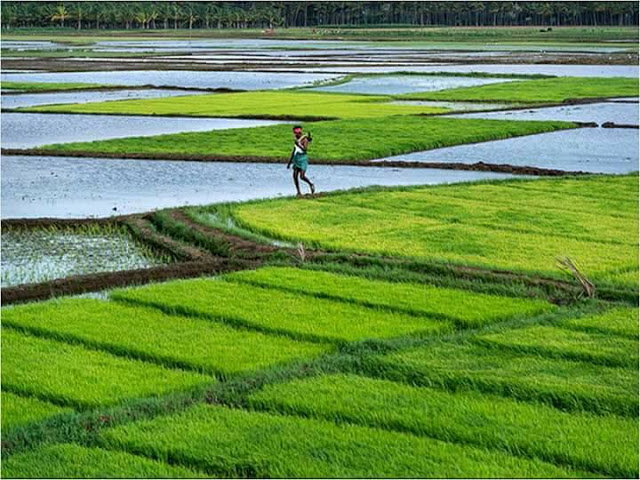
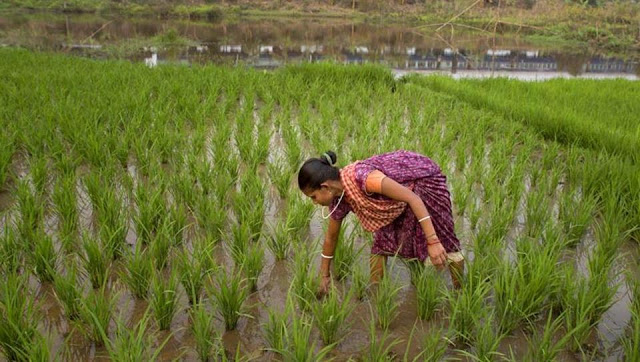
AGRICULTURE Many aspects of Indian agriculture were noted and attracted appreciation. Alexander Walker noted: “the practice of watering and irrigation is not peculiar to the husbandry of India, but it has been carried there to a greater extent, and more laborious ingenuity displayed in it than in any other country.”
[Nearly half a century later, Sir Arthur Cotton studied the ancient Kallanai in Tamil Nadu, and constructed one like that near by. This inspired him to construct the barrages on Godavari and Krishna. The point is, he was inspired by ancient Indian models. He was also impressed by the network of tanks for irrigation purposes in Tanjore area. Indians’ achievement in developing river irrigation had been noted by Adam Smith too.]
Practices such as -crop rotation -manuring – sowing by means of the drill plough -use of a wide variety of other implements were noted. Their subsequent decline was due to poverty forced on the people by savage taxation. It has been recorded that in the fertile Tanjore area, farming in one third of the best agricultural lands was given up as the taxation was equal to or even exceeded the gross produce. *** chapter 11 to be continued
கால் விரல்கள், பெண்களுக்கு மார்பகங்கள், கை, புஜங்கள் துடிக்குமாம்.
இதற்கு மருத்துவத்துறையில் “மயோகிமியா“”(“MYOKYMIA”) என்று சொல்லுவார்கள்
காரணங்கள் பல — தூக்கமின்மை,சோர்வு ,நரம்பு தளர்ச்சி, போதை வஸ்துக்களை உபயோகிப்பது, அடிக்கடி காப்பி சாப்பிடுவது…….அடிக்கடி துடித்தால் தகுந்த மருத்துவரை நாடி, ஆலோசனை பெறலாம்,
எப்போதாவது துடித்தால் என்னிடம் வாருங்கள் இதோ பதில்!!!
என்னன்ன அங்கம் துடித்தால் என்னன்ன பலன்…….
இது அபிதான சிந்தாமணி என்ற நூலிலிருந்து தொகுத்தது.
முதலில் தலையிலிருந்து ஆரம்பிப்போம்.
தலை உச்சி துடித்தால் சங்கடங்கள் நீங்கும்.
தலையின வலது பக்கம் துடித தால்-பயம் வரும்.
இனிமேல் துடித்ததால் என்று அடிக்கடி எழுதப்போவதில்லை
அங்கத்தின் பெயரை எழுதினாலே அது துடித்தால் என்று
அர்த்தம் கொள்ளுங்கள்.ஓ கே… மேலே போகலாமா????
வலது நெற்றி- பிணி நீங்கும்
வலது புருவம்- பெருமை சேரும்
இடது புருவம்- கெட்ட வார்த்தைகள் கேட்க நேரும்
இரண்டு புருவங்களும் சேர்ந்து துடித்தால்-பெருமை சேரும்
வலது மேல் இமை-வழக்குகள் விலகும்
இடது மேல் இமை- துன்பங்கள் வந்து பின் போகும்
இரு மேலிமைகளும்-புகழ், செல்வம் சேரும்
வலது கீழ் இமை- நண்பருக்கு கேடு
இடது கீழ் இமை-நோய் விலகும்
இடக்கண் முழுவதும்- செல்வம் சேரும்
வலக்கண் முழுவதும்-நோய் விலகும்
வலது மூக்கு- செல்வம் சேரும்
இடது மூக்கு – செல்வம்சேரும்
மேல் உதடு- நல்ல காரியம் நடக்கும்
கீழ் உதடு- விதம்விதமான தின் பண்டங்கள் கிடைக்கும்
வலது பிடரி- நன்மை
இடது பிடரி- பெருமை கிடைக்கும்
கழுத்து……மரணச் செய்தி கிடைக்கும்
இனி மேல் கழுத்துக்குக் கீழ் வருவோமா????
வலது புஜம்- வழக்குகளில் வெற்றி
இடது புஜம் – தூரத்து செய்தி வரும்
இடது புஜத்துடன் இடது மார்பும் சேர்ந்து-மரணச்செய்தி வரும்
வலது கை- தோஷம் நீங்கும்
வலது முழங்கை-தெய்வ அருள் கிட்டும்
இடது முழங்கை- பணம் கிடைக்கும்
வலது உள்ளங்கை-பாதிப்பு
இடது உள்ளங்கை -லாபம்
வலது புறங்கை-வம்பு வழக்கு
இடது புறங்கை-துன்பம்
இனிமேல் விரல்களுக்கு வருவோமா……
நடு விரல்- நல்ல செய்தி
மோதிர விரல் – பெருமை
சிறு விரல் – மரணச் செய்தி
வலது கை அடிப்பாகம்- எடுத்த காரியம் முடியும்
இடது கை அடிப்பாகம்-காரிய தாமதம்
இடக்கை பெரு விரல்-நல்ல முடிவு
இடக்கை சுட்டு விரல்-ராஜ அனுகூலம்
இடக்கை நடு விரல்- பெருமை
இடக்கை மோதிர விரல் – நல்லது நடக்கும்
இடக்கை சிறு விரல்-நீண்ட ஆயுள்
இனிமேல் நமது மார்புக்கு வருவோமா????
நெஞ்சு— வியாதி வரப்போகிறது
வலது முலை – சாவு செய்தி
இடது முலை- சுகவாழ்க்கை
முதுகு தொப்புள்- கவலை
இடது விலா- வீடிழப்பு
முதுகு முழுவதும் – நோய்நீங்காது
வலது முதுகு- நோய் வந்து நீங்கும்
இடது முதுகு-குடி இருக்கும் வீட்டைகாலி செய்ய வைக்கும்
Indian Science and Technology-2 Arithmetic and Algebra
Two of the papers included in Dharampal’s collection deal with Indians’ knowledge of Algebra. This is something that baffled the Britishers. They found that Indians possessed knowledge of systems and formulae by which they made astronomical calculations, such as predicting eclipses, and even the building of the observatory at Benares, which would not have been possible without sound knowledge of Algebra.
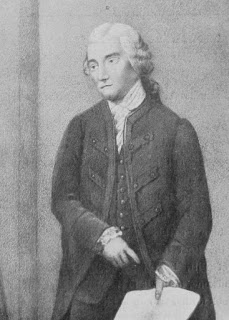
[ “Astronomy is a subject that requires a larger stock of mathematical knowledge than is usually imagined, and therefore on the renewal of learning previous to the building of the Observatory at Benares…there must have been some proficiency made in the sciences.” Reuben Burrow, 1783]
They found this knowledge to be superior to that possessed by the Arabs and the Greeks. They knew also that the Arabs were not original discoverers but only scholars; they knew that the Hindus had nothing to gain by learning from the Greeks. Yet they were unwilling to concede the superiority of the Indians unreservedly.
The above quotation from Burrow is from an unpublished paper he sent to Governor General Warren Hastings. He published a paper in 1790 stating that Hindus had known the Binomial Theorem. He said that he was engaged in translating “Lilavati” and ‘Beej Ganeta’ “or the Arithmetic and Algebra of the Hindoos” and that it was obvious to him that “there must have been treatises existing where Algebra was carried much farther: because many of their rules in Astronomy are approximations deduced from infinite series.” He said on the basis of what he saw that “they had elements not long ago, and apparently more extensive than those of Euclid is obvious from some of their works….there are indications of an Astronomy superior to that of the Soorya Siddhant, and such popular treatises”.
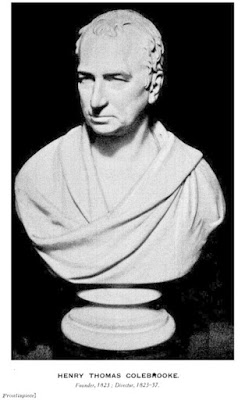
H.T.Colebrook provided a long introduction on Hindu Algebra in his book published in 1817. This was based on the previous discussions on the subject among scholars. He said that this “science in a more advanced state subsisted among the Hindus prior to the earliest disclosure of it by the Arabians to modern Europe.” It was however too much for him to admit the superiority of the Hindus, attained on their own. So he hinted that the Hindus must have learnt something from the Greeks. This presumption was immediately dismissed by the reviewer of the book in the Edinburgh Review of November, 1817. He said: ” the Greeks had nothing to give on the subject which was worth the while of the Indians to receive.”
The difficulty of the Europeans arose both from their notions of Eurocentric superiority, and the fact that Indians were not communicative, and treatises they possessed were fragments, and no one knew (or would disclose) where the other parts might be. Obviously, with the decline of local rulers and their prosperity and patronage, scholars and scholarship suffered. The unwillingness on the part of Indians to communicate might also be reflective of the arrogance of the Britishers. We see from the instance of M.Le Gentil that Indian teachers were indeed willing to teach foreigners who approached in the right spirit. [This was indeed the case later with Sir John Woodroffe who learned Tantra from an authentic Indian practitioner.] The papers provided by Dharampal are sufficiently interesting for the general reader, and must provide serious material to advanced students for further study , research and reflection. However, it is doubtful that many Indian students of mathematics today, who mainly learn by wrote would be able to follow the discussions.
Pictures are taken from various sources for spreading knowledge; this is a non- commercial blog. Thanks for your great pictures.
சுந்தர மூர்த்தி நாயனாருக்கு சிவபிரான் பொன் கொடுத்த வரலாறு!
ச.நாகராஜன்
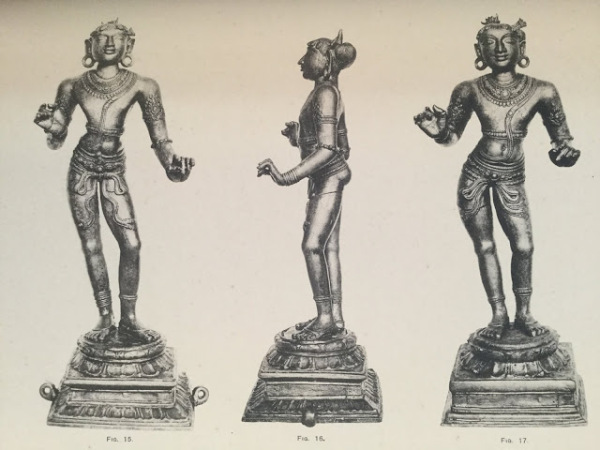
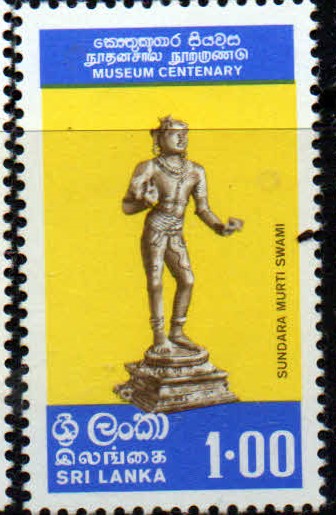
சுந்தர மூர்த்தி நாயனார் சிவபிரானைத் தோழனாக நினைத்து வழிபட்ட ஒரு அபூர்வமான சிவ பக்தர்.
இவர் வாழ்வில் நடந்த திருவிளையாடல்கள் ஏராளம்! அனைத்தும் ஆச்சரியமூட்டுபவை.
ஒரு விளையாடல் இதோ:
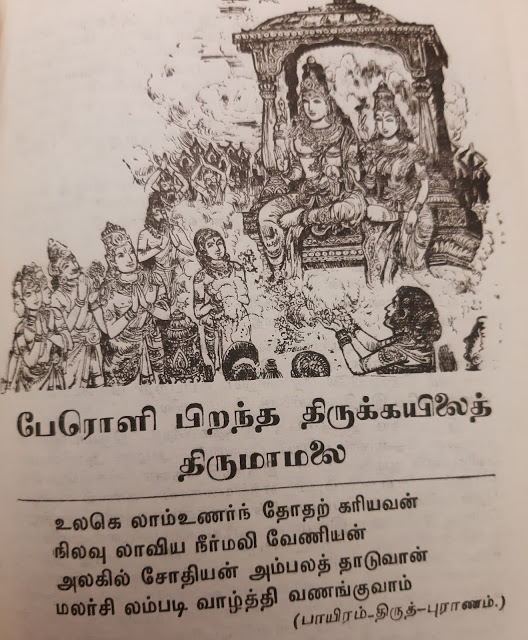
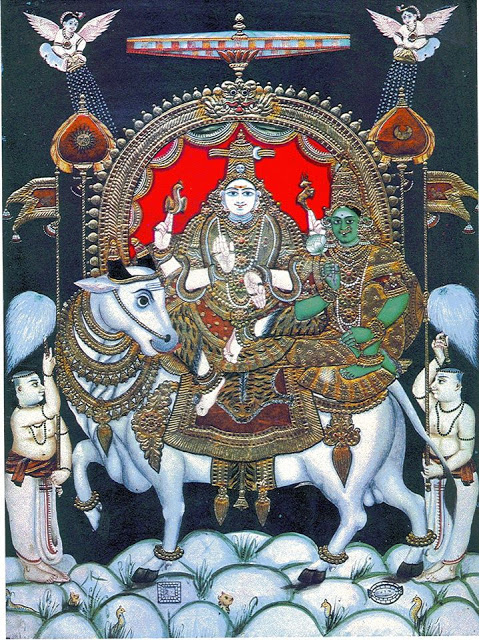
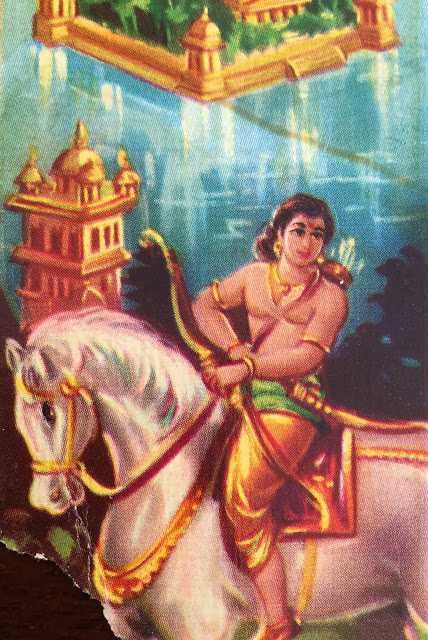
பேரூர் உள்ளிட்ட மேல் கொங்கு நாட்டுத் தல வழிபாட்டை மேற்கொண்டார் சுந்தரமூர்த்தி நாயனார். அவருக்குப் பொன் கொடுக்கத் திருவுளம் கொண்டார் சிவபிரான் – விக்ருதேசுரர்! ஒரு முதிய அந்தணர் வேடம் பூண்டார் விக்ருதேசுரர்! மூத்த பிள்ளையார் முதலிய திருக்குமாரர்கள் பின் தொடர்ந்து வர, தினந்தோறும் உள்ளார்ந்த அன்புடன் தன்னைப் பூஜித்து வரும் ஒரு கிழமையுற்ற ஆய்மகளிடம் அவர் சென்றார். இந்தக் குழந்தைகளை ஈடாக வைத்துக் கொண்டு பொன் தர வேண்டுமென்று வேண்டினார் அவர். அதற்கு இசைந்த அந்தக் கிழ மாது அந்த முதிய அந்தணர் குறிப்பிட்ட அளவுக்குப் பொன் கொடுத்து உதவினாள். அதைப் பெற்றுக் கொண்ட அந்தணர் தன் முன்
திருப்பதிகம் பாடிய சுந்தர மூர்த்தி நாயனாருக்கு அந்தப் பொன்னைக் கொடுத்தருளினார்.
இந்த நிகழ்வு வெங்கால நாட்டில் நிகழ்ந்தது.
இதை திருவெஞ்சமாக் கூடற்புராணம் பாடிச் சிறப்பிக்கிறது.
இந்த அருமையான நிகழ்ச்சியைப் போற்றிப் பதிவு செய்கிறது கொங்கு மண்டல சதகம் தனது பத்தாம் பாடலில்!
கிழவே தியவடி வாகி விருத்தையைக் கிட்டியெந்தன்
அழகாகு மக்க ளடகு கொண் டம்பொ னருடியென்றேற்
றெழுகாத லாற்றமிழ் பாடிய சுந்தரற் கீந்தவொரு
மழுவேந் தியவிகிர் தேசுரன் வாழ்கொங்கு மண்டலமே
பொருள் :-
சுந்தர மூர்த்தி நாயனார்க்குப் பொன் கொடுக்க வேண்டும் என்று அருளுள்ளம் கொண்டு, மூத்த பிள்ளையார் உள்ளிட்ட திருக்குமாரர்களை ஈடு வைத்துப் பொன் பெற்று அதை ஈந்த விகிர்தேஸ்வரர் விளங்குவதும் கொங்கு மண்டலமே தான்!








 Tamil and Vedas