Pictures are taken from various sources for spreading knowledge; this is a non- commercial blog. Thanks for your great pictures.
tamilandvedas.com, swamiindology.blogspot.com
Tolkappiam is the oldest Tamil book according to most of the Tamil scholars. It is dated between first century BCE and first century CE. At least 2000 years old. Its author is Tolkappiar. But his real name is Truna Duma Agni Maha Rishi according to the most famous Tamil commentator Nacchinarkiniyar. Madurai Nacchinarkiniyar is well respected for his commentaries on most of the ancient Tamil books.
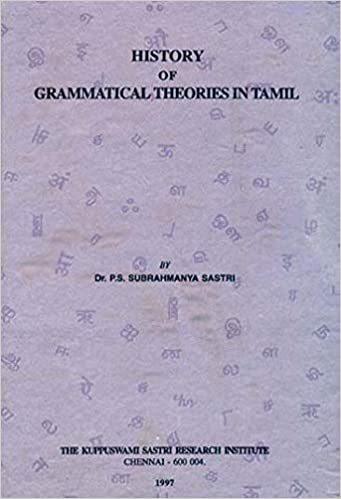
Tolkappiar even mastered Vedic Pratisakyas (pronuncialtion Guide for Vedas) and Panini’s Ashtadhyayi. Dr P S Subrahmanya Sastri (1890-1978) gives interesting information in his book “History of Grammatical Theories in Tamil and their relation to the Grammatical Literature in Sanskrit” (first published in 1934.)
What is Praatisaakhya?
Praatisaakhya is related to Siksa /phonetics and the study of sabda sastra of the various Vedic recensions, it examines Vedic sounds .
Xxx
The possibility of Tolkappiyanar having had for his model the works noted below for the sections noted against each —
First and second sections of Eluttatikaram dealing with the initial and final vowels and consonants and the medial consonants in Tamil words . similar sections in Praatisaaakhyas in general and Rig Veda Pratisakhya in particular
Third section in Eluttatikaram dealing with the place of production of k, n, c, n, t, n , p ,m etc. similar sections in pratisakhyas in particular
Itaiyiyal in Collatikaram – it is compared with first chapter in Yaska’s Nirukta
Uriyiyal in Collatikaram – similar to second and third chapters of Yaska’s Nirukta
Xxxx
Similarity between Eluttatikaram of Tolkappiam dealing with the origin of speech sounds and certain verses in Panini
Siksa
Xxx
ஃ
Ayta eluthu is Asrita or Visarga
Ayta letter – ஃ (three dots)
Visarga in Sanskrit — : (two dots)
Dr P S S says,
“ I am glad to find recently that M J Vinson has written in 1916 that AYTAM is related to the Visarga of which it is, without doubt , only an adaptation, though he seems to be confronted with the difficulty from the statement of Tamil grammarians on the authority of Nannul that its origin is in the head and is pronounced with the mouth fully open. This clearly shows that the Tamil Panditswith whom he came in contact with had ignored Tolkappiam. If they had thought of that work , they would have certainly told the learned professor that its origin depends upon the sounds in whose company it appears (Tol.Elu.101) and then he might easily have inferred that , since it follows a vowel and is followed by a voiceless explosive consonant, it could not be a complete open sound. Besides if he had noted that Aytam was represented by Visarga in earlier days , it would have strengthened his inference to a considerable extent.
(Pandit M Raghava Aiyangar says that it is related to Visarga ; see Tolkappiyarum Pulliyeluttum, page 153, Centamil Vol.25)
He (Vinson) derives the word Aytam from the Sanskrit word AAYUDHA and also states that he did not know any example of Aytam outside the grammars.; the former point is disproved by the opinion of late R Swaminatha Aiyar noted below. As for the latter many examples are found in Sangam works
Similarly the Rev. Dr G U Pope is of the opinion that ‘it may be an imitation of Sanskrit Visarga and it is used in the poetry only’. but now it is used in prose also. For instance the word aஃtu, iஃtu are used if they are followed by words commencing with a vowel , as aஃtu inke illai etc.
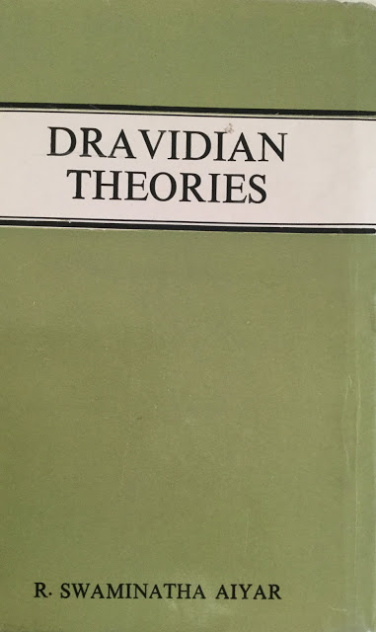
The late Mr R.Swaminatha Aiyar said in one of his lectures delivered in 1925 under the auspices of the Teachers Guild, Madras, that there is coincidence between the term Caarpeluttu applied to Aytam in Tamil grammar and the term Parasritau applied to Jihwamuliya and Upadhmaniya in Paniniya Siksa, and hence thw word Aytam is the tamilised form of Asrita.”
PSS adds,
“Another point deserves to be noted as regards the origin of Aytam, it is not found in Telugu and Canarese (Kannada), nor in pure Malayalam words. Even in Tamil it is not indispensable letter since it can be replaced by its succeeding letter”.
Tolkappianar says that aytam is one of the secondary sounds and appears in the middle of words after a short vowel and before a voiceless consonant followed by a vowel (Tol. Elu.38) and also its place of production is determined by that of the consonant in whose company it is. It is classed by him neither as a vowel nr as a consonant. This is perhaps due to Panini not having classed ‘jihvaamuuiiya’ or ‘upadhmaaniiya’ as a vowel or a consonant.
My comments :
Ayta letter is perhaps Tolkappiar’s invention or his Guru’s (Agastya). It is peculiar to Tamil. No other ancient language except Sanskrit has something similar to this. Scholars in comparative linguistics also maintain silence about this letter!!
Pictures are taken from various sources for spreading knowledge; this is a non- commercial blog. Thanks for your great pictures.
GAUDIYA VAISHNAVISM : Chaitanya Mahaprabhu
Here it will be useful to understand a bit of Gaudiya Vaishnavism.
– It started in the 15th Century with Chaitanya Mahaprabhu in Bengal- (Gauda desa)-Orissa.
– Though they claim lineage from the tradition of Madhvacharya, they follow a new system of philosophy. Against the standard divisions of Indian philosophy into Advaita (Sankara), Dvaita ( Madhva) and Visishtadvaita, (Ramanuja) Gaudiyas follow their own system called Achintya Bhedabhedam. It holds that while Brahman is One, it has also become the many in the world, without losing its Oneness. [ oneness in difference] The world is also real. This is something which the mind cannot comprehend (hence achintya)
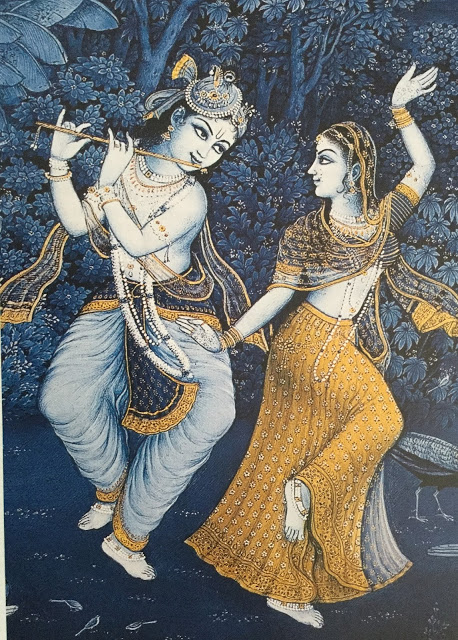
– Theologically also, they differ from other Vaishnavas. For them, Lord Krishna is the Supreme Personality of Godhead ( Bhagavan) – not Narayana or Vishnu.[This is based on the statement : “Krishnas tu Bhagavan Swayam”- Srimad Bhagavatam:1.3.28]. All other Avatars- including Narayana and Vishnu- are expressions of Krishna.
Lord Krishna is Brahman, Paramatma and Bhagavan. [Bhagavatam: 1.2.11]
– Radha is the Bliss aspect of Krishna- Hladini Shakti- and hence inseparable from Krishna.
-While Chaitanya Mahaprabhu did not write anything except just 8 verses,(Sikshashtakam), he instructed and authorised the other Goswamis- , Rupa, Sanatana and Jiva- to develop their theology and philosophy. And they have done a splendid job, followed by others after them.
– Bhakti is the Supreme path and also the Goal. It is not just a path to Liberation, but above Liberation.
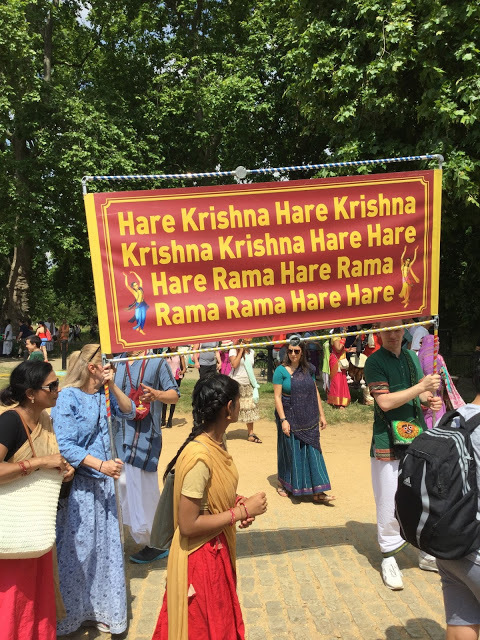
– Their Maha Mantra is:
Hare Krishna Hare Krishna Krishna Krishna Hare Hare Hare
Hare Rama Hare Rama Rama Rama Hare Hare
– In the Kali Age, group chanting- Sankirtan – of the Maha mantra and other glories of Krishna is the only way to spiritual liberation. Other methods and practices are not effective..
– It is these Goswamis along with three others who stayed in Vrindavana and identified and restored all the sacred spots connected with Krishna in the Vraja bhumi.
Srila Prabhupada represented this tradition truthfully and forcefully without any deviations.
2. INITIATED WESTERNERS
Unlike the other Indian swamis and gurus who go abroad, (and against orthodox tradition) Prabhupada did not hesitate to formally initiate Westerners into the Gaudiya tradition- without starting anything new in his own name. Perhaps such a thing has not happened in the history of Hinduism in the last 2000 years. (The Greeks who came with and after Alexander and remained in India had been absorbed as Hindus)
Prabhupada always glorified his tradition and previous authorities and did not claim any credit on his own.
Way To Krishna Consciousness
He simplified matters for initiation and only stressed the essentials. He had a magic formula:
3X4 = Krishna Consciousness.
He stressed 3 fundamental disciplines in his followers, each consisting of four sets of understanding/activity.:
Prabhupada openly and forcefully pointed out that:
Eating
Sleeping
Mating
Defence
– these four activities are common to all animals. What distinguishes man is to rise above this, animal level. Krishna Consciousness is the way.
Krishna Consciousness is fostered by:
– avoiding meat eating
-avoiding intoxicating drinks or drugs
– avoiding gambling
– avoiding illicit sex ( sex only within marriage and for puposes of procreation)
He insisted on his followers strictly following these four observances.
To promote/imbibe Krishna Consciousness, one should:
– Chant the Maha Mantra the required number of times daily
– Worship the Deity in the prescribed way
– Eat only Prasadam, which is Krishna’s mercy, not just consecrated food
– Engage in holy discussions about Krishna and his pastimes, and study of spiritual literature.
It speaks of the tremendous courage and conviction of Prabhupada to make such open assertions in America which was the mighty fort of rank materialism. He told people boldly, without mincing words, that man was not merely the body, but a spirit soul. He told them that they were immersed in materialism, which only glorified the body, confining them to the animal level. But this left them dissatisfied and frustrated.
In the America of the 60s there was extreme unrest among youngsters. They were dissatisfied with life in the mainstream, dry academic studies, they were against the Vietnam war. They were experimenting with drugs, booze, free-sex and many things in the name of meditation. They were experimenting with music. There were such movements as Hippies. Prabhupada talked boldly against their civilization. He accepted youngsters coming from all such backgrounds, even Hippies into his fold. And he spoke to them directly about Krishna Consciousness! He called his community “Happies”.
In all this, Prabhupada was motivated by genuine compassion, he had no hatred. He sincerely wanted to help them rise above mere material preoccupations and taste genuine happiness based on transcendental truth. He offered Krishna Consciousness as the source of real happiness.
3. DISCIPLIC SUCCESSION
Prabhupada understood that the dissatisfaction of these youngsters was basically a yearning for genuine spirituality, which they did not understand. Prabhupada’s message -Chanting in Kirtan clothed in melodious, uncommon music had instant appeal, and it made these young people chant and dance in ecstasy. But Prabhupada was also eager to teach them proper Vaishnava forms and theology. He said that the remedy for the disease of material dissatisfaction was not more of the same material offerings, but a higher transcendental consciousness. He offered Krishna Consciousness as the solution.
One point repeatedly stressed by Prabhupada was that a sincere aspirant for true spiritual life must take proper instruction or initiation from a qualified teacher who belonged to a valid line of approved teachers- a traditional parampara. This he called ‘disciplic succession’. He would proudly tell that his own Chaitanya parampara was such an authentic tradition, which carried on the original teaching of Krishna through Narada, Vyasa, Sukha and others without dilution or alteration. Such a teacher not only represented theoretical knowledge but the accumulated wisdom of centuries of continuous practice and carried a certain authority. Only such teachers were bonafide.
This idea of disciplic succession is important especially in these times when new organizations and groups are springing up everywhere and new interpretations are thrust on old scriptures. Most academic writers on religious subjects lack genuine sympathy or interest in the subject and do not practice any discipline. They lack direct experience. A traditional teacher practices some discipline according to their system and is thus endowed with some authority. We can see the difference even in mundane matters- as between one who merely lectures on law, and one who actually practices in court. Prabhupada was actually addressing youngsters in Americawhich was infested by so many new movements in the 60s. It so happened that almost all those movements have fizzled out. Hare Krishna has survived, spread and flourished!
4 CRITICISED MODERN CIVILIZATION
Prabhupada did not mince words. He was a consistent, trenchant and uncompromising critic of modern civilization. He boldly called modern civilization demonic.It was totally devoted to the glorification and gratification of the body, but it failed even in that. It was pursuing sensation in the name of happiness, but ended in frustration. It had neglected the spirit. He pointed out that it had reduced human beings to the level of “hogs and dogs”. It had uprooted human values, destroyed family traditions and finally posed a threat to the future of humanity and its very survival.
Stance against materialist science
He severely criticised scientists for their materialist views. Noting that they have reduced the human body to a few constituent elements and chemicals, he challenged them to produce one human body with these chemicals on their own. He boldly declared that Life came from Life! He criticised the Darwinian theory of evolution and challenged them to account for consciousness in terms of their theory. He did not hesitate to call such scientists who promoted materialism, rascals and their system , rascaldom!
While he did not engage in criticism of other religions, he did not shirk from debate. His one question to Christians was: why did they engage in killing innocent animals and maintained slaughter houses when the Bible said “Thou Shalt Not Kill?” No one Christian representative was able to answer this question.
Pictures are taken from various sources for spreading knowledge; this is a non- commercial blog. Thanks for your great pictures.
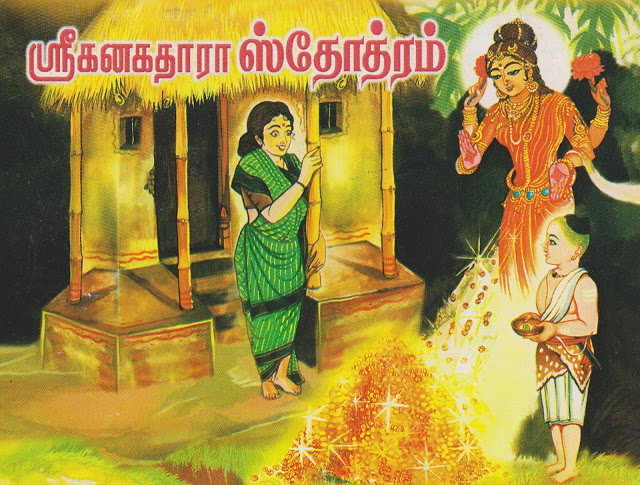
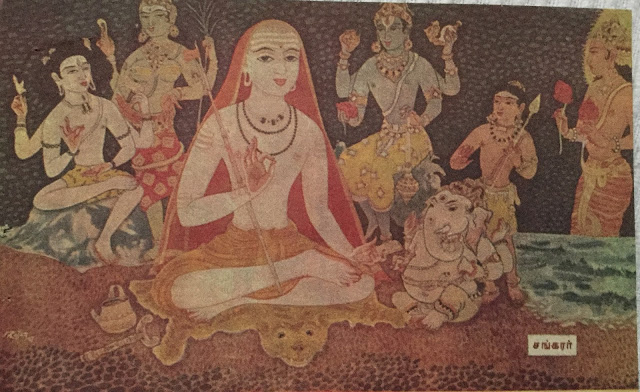
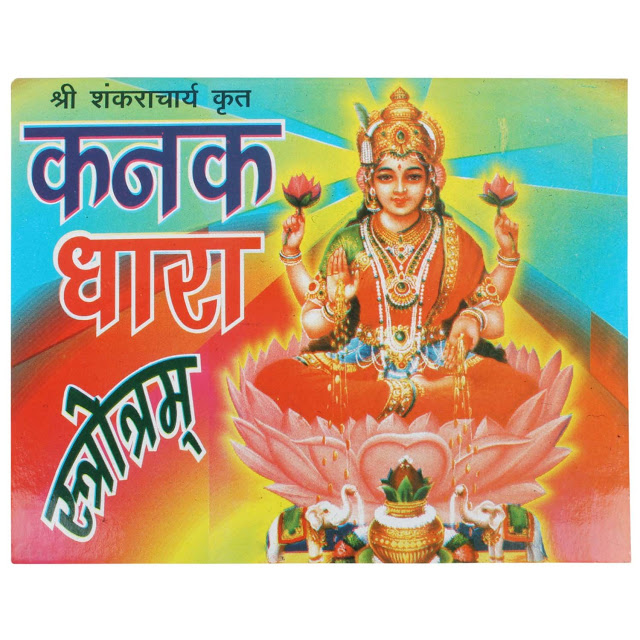
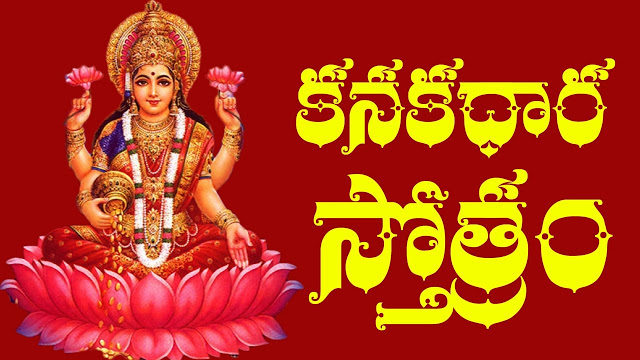
ஆதி சங்கரர் அருளிய கனகதாரா ஸ்தோத்ரம் உள்ளத்தை உருக வைக்கும் ஒரு சம்பவத்தால் எழுந்த ஸ்தோத்ரம்.
ஒரு முறை பிக்ஷை எடுக்கச் சென்ற சமயம் ஒரு அந்தணர் வீட்டில் பிக்ஷை கேட்டார். அந்த ஏழ்மையான பிராமணர் வீட்டில் அவருக்கு பிக்ஷை அளிக்க ஒன்றும் இல்லை. வீட்டில் இருந்த பிராமணரின் மனைவி தன்னிடம் இருந்த ஒரு நெல்லிக்கனியை சங்கரருக்கு மனமுவந்து அளித்தாள்.
அந்தக் குடும்பத்தின் ஏழ்மை நிலையை நினைத்து உருகிய சங்கரரின் அருள் உள்ளம் உடனடியாக கவி மழையென கனகதாரா ஸ்தோத்ரத்தை அருளியது.
மொட்டுக்களால் அழகிய தமாலமரத்தை பெண் வண்டு சுற்றித்தவழ்வது போல் ரோமாஞ்சனமெய்திய ஸ்ரீஹரியின் மார்பில் தவழும் மங்கல தேவதையான லக்ஷ்மி தேவியின் கடைக்கண் அழகு – அது அனைவருக்கும் ஐச்வர்யத்தை நல்குவது – எனக்கு மங்களம் தருவதாகுக !
2. முக்தாமுஹ:விதததீவதனேமுராரே:
ப்ரேமத்ரபாப்ரணிஹிதாநிகதாகதாநி|
மாலாத்ருசோ:மதுகரீவமஹோத்பலேயா
ஸாமேஸ்ரீயம்திசதுஸாகரஸம்பவாயா:||
மலர்ந்து பரந்த உத்பல புஷ்பத்தில் தேன் வண்டு போல் முராரியான நாராயணனுடைய முகத்தில் ப்ரேமையுடனும், வெட்கத்துடனும் மெல்ல மெல்லப் போவதும் வருவதுமான லக்ஷ்மி தேவியின் கடைக்கண்தொடர் எனக்கு ஐச்வர்யத்தை கொடுக்கட்டும்.
3. விச்வாமரேந்த்ரபதவிப்ரமதானதக்ஷம்
ஆனந்தஹேதுரதிகம்முரவித்விஷோபி|
ஈஷந்நிஷீததுமயிக்ஷணமீக்ஷணார்தம்
இந்தீவரோதரஸஹோதரமிந்திராயா:||
எல்லா தேவர்களுக்கும் தலைமையான – இந்த பதவியை – கொடுக்க வல்லதும், ஸ்ரீமந் நாராயணனுக்கும் அது மகிழ்ச்சியைக் கொடுப்பதும், நீல ஆம்பல பூ போன்றதுமான லக்ஷ்மி தேவியின் அரைக்கண் பார்வை என்னிடம் நொடியாகிலும் நிலை பெறட்டுமே!
4. ஆமீலிதாக்ஷமதிகம்யமுதாமுகுந்தம்
ஆனந்தகந்தமநிமேஷமனங்கதந்த்ரம்||
ஆகேரஸ்திதகநீநிகபக்ஷநேத்ரம்
பூத்யைபவேத்மமபுஜங்கசயாங்கநாயா:||
சற்றே மூடிய கண்களையுடயை முகுந்தனை மகிழ்ச்சியுடன் அடைந்து – (ஆனந்தத்தின் மூலகாரணமாயும் மறைவில்லாததுமான காம சாஸ்திரமயமாகியவர் அவர்) சற்று சாய்வாக நிற்கும் கருவிழியும், இமையும் கொண்ட லக்ஷ்மி தேவியின் கண் எனக்கு ஐச்வர்யத்தை பயக்கட்டும்.
5. பாஹ்வந்தரேமதுஜித:ச்ரிதகௌஸ்துபேயா
ஹாராவலீவஹரிநீலமயீவிபாதி|
காமப்ரதாபகவதோபிகடாக்ஷமாலா
கல்யாணமாவஹதுமேகமலாலயாயா:||
மஹாவிஷ்ணுவின் கௌஸ்துபம் கொண்ட மார்பில் இந்திர நீல மணி ஹாரம் போல் விளங்குவதும், பகவானுக்கே காமத்தை கொடுப்பதுமான லக்ஷ்மி தேவியின் கடைக்கண் தொடர் எனக்கு மங்களத்தை உண்டாக்கட்டும்.
6. காலாம்புதாலிலலிதோரஸிகைடபாரே:
தாராதரேஸ்புரதியாதடிதங்கனேவ|
மாது:ஸம்ஸ்தஜகதாம்மஹனீயமூர்த்தி:
பத்ரானிமேதிசதுபார்கவந்தனாயா:||
கைடபனை வதைத்த மஹாவிஷ்ணுவின் கரூநீல மேகம் போன்ற சீரிய மார்பில், மேகத்தின் மேல் விளங்கும் மின்னல் கொடி போல் பிரகாசிக்கின்றதே ஜகன் மாதாவின் மேன்மை தங்கிய வடிவம், அது எனக்கு மங்களங்களைக் கொடுக்கட்டும்.
7. ப்ராப்தம்பதம்ப்ரதமத:கலுயத்ப்ரபாவாத்
மாங்கல்யபாஜிமதுமாதினிமன்மதேந|
மய்யாபதேத்ததிஹமந்தரமீக்ஷணார்தம்
மந்தாலஸம்சமகராலயகன்காயா:||
பாற்கடலின் மகளான மஹாலக்ஷ்மியின் மேலான கடைக்கண் என்மேல் சிக்கெனப் பதியட்டும். அதன் வலிமையாலன்றோ மன்மதன், முதலில் மதுவரக்கனை வீழ்த்திய மஹாவிஷ்ணுவினிடத்தில் இடம் பெற்றான்.
8. தத்யாத்தயானுபவனோத்ரவிணாம்புதாராம்
அஸ்மின்அகிஞ்சனவிஹங்கசிசௌவிஷண்ணே|
துஷ்கர்மகர்மமபநீயசிராயதூரம்
நாராயணப்ரணயினீநயனாம்புவாஹ:||
ஸ்ரீ நாராயணரின் ப்ரியையான லக்ஷ்மியின் கடாக்ஷம் என்ற கார்மேகம் தயவு என்ற காற்றுத் துணையுடன், வெகு நாள் செய்த பாபமாகிய கோடையை நீக்கி பணமாகிய நீர்மழையை இந்த ஏழை சாதகக்குஞ்சின் மேல் பொழியட்டும்.
9. இஷ்டாவிசிஷ்டமதயோபியயாதயார்த்ர –
த்ருஷ்ட்யாத்ரிவிஷ்டபபதம்ஸுலபம்லபந்தே|
த்ருஷ்டி: ப்ரஹ்ருஷ்டகமலோகரதீப்திரிஷ்டாம்
புஷ்டீம்க்ருஷீஷ்டமமபுஷ்கரவிஷ்டராயா:||
சாதாரண புத்திமான்களும் தயைததும்பும் எந்தக்கண் பார்வையால் மூவுலகத்தலைமைப் பதவியை கூட சுலபமாக பெறுகின்றனரோ, அந்த மலர்ந்த தாமரை மலரையத்த பார்வை- தாமரைமலரில் வீற்றிருக்கும் மஹாலக்ஷ்மியின் பார்வை – என் விருப்பத்தை நிறைவேற்றட்டும்.
10. கீர்தேவதேதிகருடத்வஜஸுந்தரீதி
சாகம்பரீதிசசிசேகரவல்லபேதி|
சிருஷ்டிஸ்திதிப்ரலயகேலிஷ§ஸம்ஸ்திதாயை
தஸ்யைநம:த்ரிபுவணேகுரோஸ்தருண்யை ||
மூன்று உலகங்களுக்கும் ஒரே நாயகரான பரமேச்வரனுக்கு உலகை ஆக்கவும், நிலைபெறச் செய்யவும் அழிக்கவும் ஆன விளையாட்டில் உடனிருக்கும் பத்நியாக ஸரஸ்வதீ எனவும், சாகம்பரீ எனவும், சந்திரசேகரரின்பிரியை எனவும் விளிக்கப்பட அவ்வன்னைக்கு நமஸ்காரம்.
11. ஸ்ரீ§த்யைநமோஸ்துசுபகர்மபலப்ரஸ¨த்யை
ரத்யைநமோஸ்துரமணீயகுணர்ணவாயை||
சக்த்யைநமோஸ்துசதபத்ரநிகேதநாயை
புஷ்ட்யைநமோஸ்துபுருஷோத்தமவல்லபாயை||
நாம் செய்த நற்செயல்களின் பயனைக் கொடுக்கும் சுருதி என்றறியப்படுபவளுக்கும், இணிய குணங்களுக்கு கடல் போன்றிருக்கும் ரதிக்கும், தாமரையை இருப்பிடமாஸகக் கொண்ட சக்திக்கும், புருஷோத்தமன் ப்ரியையான புஷ்டிக்கும் நமஸ்காரம், நமஸ்காரம், நமஸ்காரம்.
12. நமோஸ்துநாலீகநிபானனாயை
நமோஸ்துதுக்தோததிஜன்மபூம்யை|
நமோஸ்துஸோமாம்ருதஸோதராயை
நமோஸ்துநாராயணவல்லபாயை||
தாமரை மலரொத்த முகமுடையவளும், பாற்கடலை பிறந்த இடமாகக் கொண்டவளும், சந்திரன், அமிர்தம் இவற்றின் சகோதரியாகவும் இருக்கிற ஸ்ரீ நாராயணரின் ப்ரியையான லக்ஷ்மி தேவிக்கு நமஸ்காரம், நமஸ்காரம்.
எந்த அம்பிகையின் வழிபாடு, வழிபடுபவனுக்கு எல்லா வித செல்வங்களையும் நல்குமோ, அந்தவிஷ்ணு பத்னியை முக்கரணங்களாலும் சேவிக்கிறேன்.
15. ஸரஸிஜநிலயேஸரோஜஹஸ்தே
தவலதமாம்சுககந்தமால்யசோபே|
பகவதிஹரிவல்லபேமனோஜ்ஞே
த்ரிபுவனபூதிகரிப்ரஸீதமஹ்யம்||
தாமரைமலரில் வீற்றிருப்பவளே! கையில் தாமரையை கொண்டவளே!மிக வெண்மையான துகில், சந்தனம் மாலை இவற்றால் அழகியவளே!இனியவளே, மதிப்பிற்குரிய ஹரிப்ரியே!மூவலகிற்கும் ஐச்வர்யம் நல்குபவளே எனக்கு மனமுவந்து அருள்வாயாக!
16. திக்ஹஸ்திபி:கனககும்பமுகாவஸ்ருஷ்ட
ஸ்வர்வாஹினீவிமலசாருஜலுப்லுதாங்கீம்|
ப்ராதர்நமாமிஜகதாம்ஜனனீமசேஷ
லோகாதிநாதக்ருஹீணீமம்ருதாப்திபுத்ரீம்||
திக்கஜங்கள், தங்கக்குடங்களின் வழியே பெருகச்செய்த ஆகாசகங்கை நீரால் நனைந்த உடலையுடையவளும், உலகனைத்திற்கும் தாய் ஆனவளும், உலக நாயகரான விஷ்ணு ப்ரியையானவளும், பாற்கடல் பெண்ணுமாகிய லக்ஷ்மி தேவியை வணங்குகிறேன்.
17. கமலேகமலாக்ஷவல்லபேத்வம்
கருணாபூரதரங்கிதைரபாங்கை😐
அவலோகயமாமகிஞ்சனானாம்
ப்ரதமம்பாத்ரமக்ருத்ரிமம்தயாயா:||
மஹாலக்ஷ்மி! மஹாவிஷ்ணுவின் பிரியே! நீ கருணை ததும்பும் கடாக்ஷங்களால், மிக ஏழையானவர்களுக்கு இரக்கம் காட்டவேண்டிய முதல் நபரான என் மேல் பார்த்தருள்வாயாக !
18. ஸ்துவந்தயேஸ்துதிபிரமூபிரன்வஹம்
த்ரயீமயீம்த்ரிபுவனமாதரம்ரமாம்!
குணாதிகாகுருதரபாக்யபாஜினோ (பாஜனா🙂
பவந்திதேபுவிபுதபாவிதாசாய:||
மூன்று வேதங்களே உருவான த்ரிலோகமாதாவும் லக்ஷ்மிதேவியை இந்தஸ் ஸ்தோரங்களால் தினந்தோறும் ஸ்தோத்ரம் செய்பவர் குணம் மிக்கவராயும், மிகப்பெரிய பேறு பெற்றவராயும், அறிஞர் போற்றும் கருத்து கொண்டவராயும் ஆவர்.
கனகதாரா ஸ்தோத்திரம் முற்றிற்று
கனகதாரா ஸ்தோத்திரம் மற்றும் அதன் மேற்கண்ட உரை காஞ்சி காமகோடி பீட தளத்தில் காணலாம். காமகோடி தளத்திற்கு நமது நன்றி உரித்தாகுக!
கனகதாரா ஸ்தோத்திரம் பற்றி உள்ளது உள்ளபடி அதன் ரகசியத்தைச் சொல்ல வல்லவர் காஞ்சி பெரியவாள் தான் என்பதில் எள்ளளவும் ஐயமில்லை.
அவரது உரையை அப்படியே தருவது தான் கனகதாரா ஸ்தோத்திரம் பற்றி அறிந்து கொள்வதற்கான ஒரே வழி. இன்று கனகதாரா ஸ்தோத்திரம் அருளிய ஊர் எது, அது இப்போது எங்கு இருக்கிறது என்பதை அவரை விடத் தெளிவாக வேறு யார் சொல்ல முடியும்?
அவருக்கு நமஸ்காரம். தெய்வத்தின் குரல் தொகுத்த திரு ரா.கணபதி, மற்றும் அதை வெளியிட்டோருக்கும் நன்றி தெரிவித்து அந்த உரையைக் கீழே தருகிறேன். தெய்வத்தின் குரல் ஐந்து தொகுதிகளும் வீட்டில் இருக்க வேண்டிய ஒரு பொக்கிஷம்!
பொன்மழை பொழிவித்தது; லௌகிகத்திலேயே ஆத்மிகமும் : தெய்வத்தின் குரல் (ஐந்தாம் பகுதி)
…… அந்த மாதிரி ஒரு நாள் காலம்பற – அன்றைக்கு த்வாதசி என்று சொல்வார்கள் – ஒரு வீட்டுக்குப்போய், முறைப்படி, “பவதி! பிக்ஷாம் தேஹி!” என்று கேட்டார்.
அது பரம தாரித்ரிய தசையிலிருந்த ஒரு ப்ராம்மணனின் வீடு. அவனுக்கு அநுக்ரஹம் பண்ணவே பால ப்ரஹ்மசாரி அங்கே போனார் போலிருக்கிறது! பிக்ஷை என்று சாக்காகப் போய், பெரிய அநுக்ரஹ பிக்ஷை போடுவதற்காக!
மலையாளத்தில் எல்லாரும் ஸுபிக்ஷமாயிருந்தார்கள். ‘அத்ருதி’க்குள்ளேயே குடித்தனத்துக்கு வேண்டிய ஆஹார ஸாமான்கள் கிடைத்துவிடும் என்றெல்லாம் சொன்னால்கூட, கர்மா என்று ஒன்று இருக்கோல்லியோ? அப்படியிருந்தால் கல்பக வ்ருக்ஷத்திற்குக் கீழேயே இருந்தால்கூட தரித்ரம்தான் பிடுங்கித் தின்னும்! ஜன்மாந்தர கர்மாவினால் இந்த ப்ராம்மணன் ரொம்பவும் ஏழ்மை நிலையிலிருந்தான். வீட்டுக்கு அத்ருதி இருந்ததேயொழிய அதற்குள் மரமா, செடியா எதுவும் பயிராகாமல் பொட்டலாயிருந்தது!
உஞ்சவ்ருத்திக்கு (வீடு வீடாக அரிசி தானத்துக்கு) அந்த ப்ராம்மணன் போவான். ஸாதாரணமாக உஞ்சவ்ருத்தி ப்ராம்மணன் வந்தால் போடாமலிருக்க மாட்டார்கள். ஆனாலும் கர்மா ப்ரதிகூலமாக இருந்தால் எங்கேயும் பழி வாங்காமல் விடாது – இவன் போகிற வேளை அஸந்தர்ப்பமாயிருந்து காலிப் பாத்ரமாகவே திரும்ப வேண்டி வரும். எப்படியோ அந்த தம்பதி உயிரைக் கையில் பிடித்துக் கொண்டு இருந்து வந்தார்கள்.
ஆசார்யாள் பிக்ஷைக்குப் போயிருந்த அன்றைக்கு வீட்டுக்கார ப்ராம்மணன் வீட்டிலில்லை. அவனுடைய ஸம்ஸாரம் மட்டுமே இருந்தாள்.
பிக்ஷை போடுவதற்கு அந்த வீட்டில் எதுவுமில்லை. ஆசார்யாளைப் பார்த்த மாத்திரத்தில், “அடடா, எப்படிப்பட்ட தேஜஸ்வியான ப்ரஹ்மசாரி! இவருக்கு பிக்ஷை போட்டால் ஸகல புண்யமும் உண்டாகும்!” என்று நினைத்தாள். ஆனால் போடத்தான் மணி அரிசி இல்லை. அவள் நல்ல உள்ளம் படைத்தவள். ‘இருக்கிறவர்களை’ விட ‘இல்லாதவர்’களுக்கே கொடுக்கிற எண்ணம் இருப்பதுண்டு. இவளுக்கு அப்படி இருந்தது. ‘அபர ஸூர்யனாக நிற்கிற குழந்தைக்குக் கொடுக்கிறதற்கு இல்லையே! இப்படியரு தெய்வக் குழந்தை நம் ஆத்து வாசலில் வந்து நிற்கிறபோது ‘இல்லை போ!’ன்னு சொல்லுவாளா?’ என்று மிகவும் வேதனைப் பட்டாள். என்னவாவது கிடைக்குமா என்று தேடித் தேடிப் பார்த்தாள்.
ஒரு புரையில் அழுகிப்போன நெல்லிக்காய் ஒன்று அகப்பட்டது. அந்தப் ப்ராம்மணன் பரம ஸாது. தோப்பில், கீப்பில் உதிர்ந்து கிடக்கிறதுகளில்கூட நல்லதாக உள்ளதை எடுத்தால், “ஏண்டா, எடுத்தே?” என்று யார் சண்டைக்கு வருவார்களோ என்று இந்த அழுகலைப் பொறுக்கிக் கொண்டு வந்து வைத்திருந்தான். அதுவும் அவளுக்குத் தெரியாது. இப்போது தேடியதில் அகப்பட்டது. த்வாதசியன்று போஜனத்தில் நெல்லி அவச்யம் சேர்க்கவேண்டும். அதற்காக அவன் ‘சேமித்து’ வைத்திருந்த நெல்லி!
“போயும் போயும் இதையா தெய்வக் குழந்தைக்குப் போடுவது?” என்று மனஸு குமுறி வேதனைப்பட்டாள். ஆனாலும் “பவதி பிக்ஷாம் தேஹி!” கேட்டுவிட்ட ப்ரஹ்மசாரியை வெறுமே அனுப்பப்படாதே என்பதால் வாசலுக்குப் போனாள். அங்கே மஹா தேஜஸ்வியாக நிற்கிற பால சங்கரரைப் பார்த்துச் சொல்லி முடியாத வெட்கத்தோடும் அழுகையோடும் திரும்ப உள்ளே வந்தாள். வந்த பிறகு, ஐயோ, தெய்வக் குழந்தைக்கு ஒன்றும் போடாமலிருப்பதா?” என்று நினைத்து வாசலுக்குப் போனாள். இப்படி வாசலுக்கும் உள்ளுக்குமாகத் தவித்துத் தடமாடி விட்டு, கடைசியில், ‘அழுகலோ, மட்டமோ? நம்மிடம் இருப்பதைத் தானே நாம் கொடுக்க முடியும்?’ என்று ஒரு மாதிரி மனஸைத் தேற்றிக்கொண்டு அழுகல் நெல்லிக்கனியை ஆசார்யாளுக்குப் போட்டாள். தாரை தாரையாகக் கண்ணால் ஜலத்தைக் கொட்டிக் கொண்டு போட்டாள்.
பொருளில் தரித்ரமாயிருந்தாலும் அவளுடைய மனஸு எத்தனை பெரியது, அது ஆகாசம் மாதிரி விரித்து அதிலிருந்து தன்னிடம் எத்தனை அன்பு பொங்குகிறது என்பதை ஆசார்யாள் கண்டுகொண்டார். அவர் மனசு அவளுக்காக உருகிற்று.
உடனே அவளுக்காக மஹாலக்ஷ்மியை ப்ரார்த்தித்து ஸ்தோத்ரம் பாடினார். அதுதான் “கனக தாரா ஸ்தவம்” என்பது. அந்தப் பேர் ஏற்பட்டதற்குக் காரணம் பின்னால் தெரியும்.
ஆசார்யாளின் வாக்கிலிருந்து வந்த முதல் ஸ்துதி இதுதான்.
அந்த ப்ராம்மண குடும்பத்தின் தாரித்யத்தைப் போக்கி, ஸம்பத்தை அநுக்ரஹிப்பதற்காக லக்ஷ்மியை ஸ்துதித்தார்.
ஆகாசத்திலிருந்து அசரீரி வாக்குக் கேட்டது. “இந்த தம்பதி பூர்வ ஜன்மத்தில் பாவம் செய்தவர்கள். அதற்கு தண்டனைதான் தாரித்ரியம். பாவம் தொலைகிற காலம் வருகிற வரையில் இவர்களுக்கு ஸம்பத்தைத் தருவதற்கில்லை” என்று லக்ஷ்மி அசரீரியாகச் சொன்னாள்.
உடனே ஆசார்யாள், “இவர்கள் இப்போதிருப்பதைவிட ஜாஸ்தியாக வேண்டுமானாலும் ஜன்ம ஜன்மாந்தரங்களாகப் பாவம் பண்ணியிருக்கட்டும்! அப்படியிருந்தால் கூட, இத்தனை அன்போடு அகத்திலிருந்த ஒரே பக்ஷ்யமான நெல்லிக்கனியை இவள் எனக்குப் போட்டிருக்கிறாளே, இந்த அன்பும் த்யாகமும் எத்தனை புண்யமானவை? சாப்பாட்டுக்கே இல்லாதவள் எனக்கு பிக்ஷை போட்ட பலன் எத்தனை பாபத்தையும் சாப்பிட்டுவிடுமே! அதோடு, எத்தனை கர்மாவானாலும் நான் ப்ரார்த்தித்ததால் போய்விடாதா?” என்று கேட்டார்.
“அம்மா மஹாலக்ஷ்மி! இவளுக்கு இருக்கிற மாதிரி உனக்கும் அன்பு நிறைய உண்டாச்சே! அதனால், ரொம்பக் கண்டிப்போடு ந்யாயம் மட்டும் வழங்காமல், அன்பைக் காட்டி அநுக்ரஹம் பண்ணு!” என்று ப்ரார்த்தித்தார். “இவர்களுடைய துஷ்கர்மம் கடும் கோடைக்கால வெய்யிலாக ஸம்பத்து ப்ராப்தியை வற்றடிப்பதாகவே இருக்கட்டும். ஆனால் எந்தக் கோடையையும் தணிவிக்கக்கூடியதாக ஒரு பெரிய காற்று மழைமேகத்தைக் கொண்டு வந்து விடலாமோ இல்லியோ? (மலையாளத்தில் ‘எடவப் பாதி’ என்பதாக வைகாசி மாஸ மத்தியில் நல்ல வெய்யில் நாளிலேயே தென்மேற்கிலிருந்து காற்றடித்து நல்ல மேகங்களைக் கொண்டு வந்து மான்ஸூன் கொட்ட ஆரம்பித்து விடும்!) இவர்களுடைய துஷ்கர்ம வெய்யிலைப் போக்க உன்னிடமுள்ள தயை என்ற காற்றினல் ஸம்பத்து மேகத்தை அடித்துக்கொண்டு வந்து கொட்டிவிடேன்!…. உன்னுடைய கடாக்ஷமாகிய கார்மேகத்தை தயை என்ற காற்றினால இவர்கள் பக்கம் திருப்பிவிட்டுப் பொருள் என்ற மழையைப் பொழியேன்!” என்று சொன்னார்.
ஏழை ப்ராம்மண ஸ்த்ரீக்காக அவர் லக்ஷ்மியிடம் முறையிட்டதற்கு “கனகதாரா ஸ்தவ”த்திலேயே internal evidence இருக்கிறது:
தத்யாத்தயாநுபவநோத்ரவிணாம்புதாராம்
அஸ்மிந்அகிஞ்சநவிஹங்கசிசௌவிஷண்ணே|
துஷ்கர்மகர்மம்அபநீயசிராயதூரம்
நாராயண–ப்ரணயிநீநயநாம்புவாஹ: ||1
பெருமாளிடம் நிறைந்த ப்ரேமையை வைத்திருக்கும் தாயாரானதால் “நாராயண ப்ரணயினீ !” என்று கூப்பிட்டுச் சொல்கிறார். கூப்பிடுவது நாலாம் வரியில். எடுத்தவுடன் “தத்யாத்” – “கொடுத்து விடட்டும்!” என்று அவளுடைய அருட்காற்று அடித்து மழையாக ஸம்பத்துத் தர வேண்டியதைப் பளிச்சென்று தெரிவித்து விடுகிறார்.
“தயாநுபவனோ” – தயையாகிய காற்றோடு கூடிய; “நயனாம்புவாஹ:” – நேத்ரமாகிய மேகம். அதாவது கடாக்ஷம். லக்ஷ்மீ கடாக்ஷம் ஏற்பட்டுவிட்டால் அமோகமாக ஸம்பத்துப் பொழிந்து விடும். கர்மா பாதகமாயிருக்கும்போது அந்தக் கடாக்ஷம் எந்தப் பக்கமோ பார்த்துக் கொண்டிருக்கும். கருவிழி, மை இட்டுக் கொண்டிருப்பது இரண்டும் சேர்ந்து கறுப்பிலேயே பளபளவென்று ஜ்வலிப்பது அந்தக் கடாக்ஷம். அதனால் கார்மேகமாகச் சொல்வது வழக்கம். அந்த மேகம் எந்தப் பக்கமோ இருக்கிறது – ரொம்ப தூரத்தில். அதனாலென்ன? எங்கேயோ அந்தமான் தாண்டியிருக்கிற மழைமேகத்தை மான்ஸுன் காற்று நம் ஊருக்கு அடித்துக் கொண்டு வருகிறதா, இல்லையா? அப்படியொரு பெரிய காற்றாகத் தாயாருடைய தயை இருக்கிறதே! தயைக் காற்று கடாக்ஷமேகத்தை அடித்துக் கொண்டுவந்து இந்த துஷ்கர்மக்காரர்களிடமுந்தான் கொட்டட்டுமே! இம்மாதிரி தகுதி இல்லாதவர்களுக்கும் நல்லது செய்யத்தானே தயை, தயை என்று ஒன்று அவளிடம் இருக்கிறது? தகுதியுள்ளவர்களுக்குத் தகுதிக்காகவே செய்துவிட வேண்டியதுதான். ‘தயை’ காட்ட வேண்டியதில்லை. லௌகிகத்திலுங்கூட தகுதிப்படி நமக்குக் கிடைக்கவேண்டியதைக் கேட்கும் போது ‘தயவு காட்டுங்கள்!’ என்று சொல்வதில்லையே! ‘அவன் தயவு இவனுக்கு வேண்டியிருக்கிறது’ என்றால் இவனுடைய தகுதியைப் பார்க்காமலே அவன் உபகாரம் பண்ணுவானென்று அர்த்தம். வெய்யிலில் வறண்டு போன பூமிக்கு “தகுதி” என்ன இருக்கிறதென்று பார்த்தா மான்ஸூன் காற்று அங்கே மேகத்தைக் கொண்டுவந்து சேர்க்கிறது?
“தயைக் காற்றோடுகூடி உன் கடாக்ஷ மேகமானது த்ரவிணாம்புதாராம்தத்யாத். ‘த்ரவிணம்’ என்றால் செல்வம். ‘அம்புதாரா’: ‘அம்பு’, ‘அப்பு’ இரண்டும் ஒன்றுதான் – ஜலம் என்று அர்த்தம். “அம்புதாரா” – ஜலம் தாரையாக வர்ஷிப்பது, அதாவது மழை. “உன் கடாக்ஷமேகம் கருணைக் காற்றினால் கொண்டுவரப்பட்டுப் பொருள் தாரையை வர்ஷிக்கட்டும்!”
Pictures are taken from various sources for spreading knowledge; this is a non- commercial blog. Thanks for your great pictures.
நமது பிளாக்கில் எஸ்.நாகராஜன் எழுதிய கட்டுரைகளின் பட்டியலை March 2015 முதல் வெளியிடுகிறேன். இது அகர வரிசைப்படி இல்லாவிடினும் இண்டெக்ஸ் INDEX போன்றதே.
இந்தப் பட்டியலை பிரிண்ட் செய்து வைத்துக் கொண்டால் உங்களுக்குத் பிடித்த கட்டுரைகளை நேரம் கிடைத்தபோது படிக்கலாம்
கட்டுரைகளை பிளாக்கில் பெறுவது எப்படி?
பிளாக்கிற்குப் போய் தேடுவதை விட கூகுளில் (google) தேடுவது எளிது. கட்டுரையின் தலைப்பை காப்பிcopy செய்து கூகுளில் பேஸ்ட் paste செய்யுங்கள் அதன் பிறகு ஆங்கிலத்தில் from tamilandvedas.com என்று எழுதி க்ளிக் (click) செய்யுங்கள்.
from swamiindologly.blogspot.com
என்று எழுதியும் பெறலாம்.
எடுத்துக்காட்டு:
கர்ம பலன்கள் – சித்திரகுப்தன் கரன்ஸி! from tamilandvedas.com
கர்ம பலன்கள் – சித்திரகுப்தன் கரன்ஸி! from swamiindology.blogspot.com
நீங்கள் சிறு பிழை விட்டாலும் நீங்கள் எதிர்பார்த்தது கிடைக்காமல் வேறு விஷயம் வரும். அதில் நேரத்தை வீணடிக்காமல் மீண்டும் ஒரு முறை சரியாக எழுதி முயற்சி செய்யுங்கள். இரண்டு பிளாக்குகளில் ஒன்றில் கிடைத்து விடும்
கட்டுரை பெறுவதில் ஏதேனும் சிக்கல் இருந்தால் எங்களைத் தொடர்பு கொள்ளுங்கள் .
October 2016
1-10-16 3206 இஸ்லாமியர்களுக்கும் கிறிஸ்தவர்களுக்கும் இடையே
நடக்கப் போகும் கோரமான மூன்றாம் உலக மகா யுத்தம் – 4
2-10-16 3209 தீவிரவாதிகளின் புகலிடம் பாகிஸ்தான் -1
2-10-16 3211 மஹாத்மா காந்தி வாழி!
3-10-16 3212 ஒரு பைத்தியக்காரனின் (சஸ்பென்ஸ்) கதை!
4-10-16 3217 தீவிரவாதிகளின் புகலிடம் பாகிஸ்தான் -2
5 -10-16 3220 அதிசய புத்த துறவி ஸூ யுன் – 13
6 -10-16 3223 மனம் மட்டுமே என்னும் தத்துவம் (புத்த போதனை)
8-10-16 3229 ‘மணி’யான உபந்யாசம்!
9 -10-16 3233 உயிரின் மர்மம் துலங்க ஒரு விண்வெளிப் பயணம்!
(பாக்யா 30-9-16 அ.து. 295 கட்டுரை)
10 -10-16 3237 மௌனத்தில் எத்தனை வகை?
11-10-16 3240 ஆர் எஸ் எஸ் – நான்யபந்தா வித்யதே!
12-10-16 3243 நான் வெட்டிய கடைசி உருளைக் கிழங்கு (பாக்யா
7-10-16 கட்டுரை)
13-10-16 3246 திருக்குறளில் மறுபிறப்புத் தத்துவம் – 1
14-10-16 3249 ஆரோக்கியமாக நீடித்து வாழ எட்டு எளிய வழிகள் !
(ஹெல்த்கேர் அக்டோபர் 2016 கட்டுரை)
15-10-16 3252 விண்வெளி பேனா பற்றிய ஜோக்கும், உண்மையும்!
(பாக்யா 7-10-16 அ.து. 296 கட்டுரை)
16-10-16 3256 தலாக்கிற்குத் தலாக் தலாக் தலாக்!
17-10-16 3260 வள்ளுவரும் வானவரும்!
18-10-16 3263 புத்த தரிசனம் – வலைவாசம் – (பாக்யா 14-10-16 கட்டுரை)
19-10-16 3266 திருக்குறளில் மறுபிறப்புத் தத்துவம் – 2
20-10-16 3269 இந்த ஆண்டு இக்நோபல் பரிசு பெற்ற மேதைகள் -1
Pictures are taken from various sources for spreading knowledge; this is a non- commercial blog. Thanks for your great pictures.
tamilandvedas.com, swamiindology.blogspot.com
உடலுக்கு கால்சியம் ஏன் தேவை?
இதுவரை 25 மூலகங்களின் கதைகளைப் பார்த்தோம் . இன்று கால்சியம் என்னும் மூலகம் (ELEMENT) பற்றிக் காண்போம்.
கால்சியம் (Calcium) பற்றிய ஒரு சுவையான கதையை முதலில் சொல்கிறேன்.ஆங்கில மொழியில் ஒருவர் பிரபலமாகிவிட்டால், அவர் பற்றி அதிகமான செய்திகள் அடிபடும். உடனே அவரை He is in the limelight ‘ஹீ இஸ் இன் த தி லைம் லைட்’ என்பர். பெண்ணாக இருந்தால் ஷீ இஸ் இன் த தி லைம் லைட்’ She is in the limelight . இந்த மரபு சொற்றொடருக்கு , கால்சியம்தான் காரணம் . இந்த லைம் லைட்(LIME MIGHT) டைக் கண்டுபிடித்தவர் ஒரு பிரிட்டானியர். அவர் பெயர் தாமஸ் ட்ரம்மண்ட்(Thomas Drummond) . சர்வேயர் பணிபுரிவோர் நீண்ட தூரத்துக்கு ஒளிவீசும் விளக்கு இருந்தால் நல்ல வேலை செய்யலாமே என்று ஆதங்கப்பட்டனர். எரியும் ஹைட்ரஜன் வாயுவை கால்சியம் ஆக்சைட் (லைம் LIME) உள்ள பரப்பின் மீது பாய்ச்சினால் பிரகாசமான ஒளி கிடைக்கும் என்று தாமஸ் கண்டுபிடித்தார். மேலும் அதை லென்ஸ் அல்லது கண்ணாடி மூலம் பிரதி பலித்தால் அது 60 மைல் தொலைவு வரை ஒளிவீசச் செய்யாலாம் என்றும் அறிந்தார். உடனே கப்பலுக்கு திசை காட்டும் கலங்கரை விளக்குகளில் (Light House) இதைப் பயன் படுத்தினர். நாடக மேடைகளில் நடிக்கும் முக்கிய கதாபாத்திரங்களின் மீது ஒளி வீசுவதற்கு தியேட்டர் மானேஜர்களும் இதைப் பயன்படுத்தினர். ஒருவர் முகத்தில் கால்சியம் (லைம்) ஒளி பிராகாசிப்பதை அரசியல் வாழ்விலும் , பிற துறைகளிலும் பிரகாசிப்போருக்கும் ‘சொல் அளவில்’ பயன்டுத்தினர். இவ்வாறாக இந்த ரசாயன விஷயம் ஆங்கில அகராதிக்குள்ளும் நுழைந்தது!
***
கால்சியம் உடலுக்கு மிகவும் தேவையான சத்து ஆகும். நமது உடலில் உள்ள எலும்புகள் இந்த மூலகத்தால் ஆனது உயிரினங்களில் சில வகை பாக்டிரீயா தவிர எல்லாவற்றிலும் கால்சியம் இருக்கிறது; கடலில் வாழும் சங்கு,சோழி முதலிய பூச்சிகள் (MARINE ANIMALS) கால்சியம் கார்பனேட்டால் ஆனவை. நிலத்தில் வாழும் பிராணிகளின் பற்களும் எலும்புகளும் கால்சியம் பாஸ்பேட்டால் ஆனவை. சில தாவரங்களில் காணப்படும் கால்சியம் ஆக்ஸலேட் (CALCIUM OXALATE) விஷத் தான்மையுடையது இதனால் பிராணிகள் அதைச் சாப்பிடாது . இவ்வாறு அவை தங்களைப் பாதுகாத்துக் கொள்கின்றன.
கர்ப்பிணிப் பெண்களை கால்சியம் உள்ள பால், தயிர் முதலியவற்றை சாப்பிட ஊக்குவிப்பர். இது வளரும் குழந்தைகளுக்கு நல்ல பற்களும் உறுதியான எலும்புகளும் உருவாக உதவும். உண்மையில் கால்சியம் எல்லோருக்கும் தேவைதான்; பெண்களுக்கு அதிகம் தேவை . எலும்புகள் பலம் இழந்தால் எளிதில் முறிவுபடும்; உடையும் . இதை ஆஸ்டியோ போரோசிஸ் (OSTEOPOROSIS) என்பர். இந்த நோயைத் தடுக்க உணவில் கால்சியம் இருக்க வேண்டும்
***
milk
கால்சியம் உள்ள பண்டங்கள் எவை ?
பால் , சீஸ் (CHEESE) எனப்படும் பாலாடைக்கட்டி, பாதாம் பருப்பு, முட்டை, ப்ராக்கோலி , வெங்காயம் , கீரை வகைகள் முட்டைக்கோசு முதலியவற்றில் கால்சியம் சத்து உள்ளது. இதை உடல் பயன்படுத்துவதற்கு வைட்டமின் டி (VITAMIN D) தேவைப்படும். அதை சூரிய ஒளி , வெண்ணெய் , மீன் எண்ணெய் , முட்டை மூலம் பெறலாம்.
ஒரு மனிதனுக்கு ஒவ்வொரு நாளும் சராசரியாக 1000 மில்லிகிராம் கால்சியம் தேவை. வயதானோர், சிறுவர்கள், கர்ப்பிணிப் பெண்களுக்கு 1500 மில்லிகிராம் வரை தேவை 100 கிராம் பால் பொருட்களில் 200 மில்லிகிராம் கால்சியம் இருப்பதால் எளிதில் பெறலாம்.
***
எலும்புகளுக்கும் உயிர் உண்டு !
நம்மில் பலருக்கும் எலும்புகளுக்கு உயிர் உண்டு என்பது தெரியாது. அவை ஏதோ கற்கள் போன்ற சடப் பொருட்கள் என்று நினைப்போம். உண்மையில் அவைகளும் வளர்கின்றன . ஆஸ்டியோ க்ளாஸ்ட்ஸ் , ஆஸ்டியோ பிளாஸ்ட்ஸ் என்ற செல்கள் மூலம் உடைந்து வளருகின்றன. தேவைப்படும் அளவுக்கு உடலில் கால்சியம் இல்லாதபோது எலும்புகள் அதைக் கொடுக்கும். இதனால் எலும்புகள் பலம் இழக்கும் . இதைத் தவிர்க்கவே கால்சிய சத்துள்ள உணவுகளைச் சாப்பிடவேண்டும்
கால்சியம் என்பது சுண்ணாம்பு சத்து ஆகும் [ ஆனால் இது ஒரு உலோகத்திலிருந்து வருகிறது.
எலும்புக்கு மட்டும்தான் கால்சியம் தேவையா ?
உடலிலுள்ள உலோகங்களை எடைவரியாகப் பார்த்தால் கால்சியம் என்னும் உலோகம்தான் முதலிடம் பெறும் . சராசரி மனிதனின் உடலில் 1200 கிராம் கால்சியம் இருக்கிறது. உடலில் தண்ணீர் அதிகம் இருந்தாலும் அது மூலகம் இல்லை .
1200 கிராமில் 1190 கிராம் எலும்பு. மீதி 10 கிராம் மகத்தான பணிகளைச் செய்கிறது–
1.மெம்ப்ரேன் (MEMBRANE) என்னும் ஜவ்வு பகுதியைக் கட்டுப் படுத்துகிறது ;அதுதான் செல்களை இணைக்கும் சிமென்ட்.
2. தசைகள் சுருங்கி விரியவும், நரம்புகள் மூலம் உணர்ச்சிகளை அனுப்பவும் தேவைப்படுகிறது
3.இரத்தத்தில் பி.எச் (PH) அளவை நிலையாக வைத்து இரத்தம் உறைய உதவுகிறது. ஒருவர் காயப்பட்டால் ரத்தம் வெளியேறாமல் தடுக்க இது தேவை.
4. செல்கள் வளர்ச்ச்சியையும் ஒழுங்குபடுத்துகிறது
5. ஹார்மோன்கள் சுரப்பதை ஊக்குவிக்கிறது .
***
கால்சியம் எங்கே கிடைக்கிறது?
பூமியின் மேற்பரப்பில் அதிகம் காணப்படும் உலோகம் கால்சியம்தான் .
முன்காலத்தில் வாழ்ந்து மடிந்த கடல் வாழ் உயிரினங்கள் உலகம் முழுதும் இருக்கின்றன. இவை கால்சியம் கார்பனேட் உப்பால் ஆனவை. உலகில் 20 லட்சம் சதுர கிலோ மீட்டர் பரப்புக்கு பவளம் (CORAL REEFS) உள்ளது. இது அத்தனையும் கால்சியம். இது தவிர 50 கோடி டன் கால்சியம் இயற்கைச் சுழற்சி காரணமாக கடலில் இருந்து போய், மழை மூலம் வெளியேறி, மீண்டும் கடலை அடைகிறது. இதை கால்சியம் சுழற்சி (CALCIUM CYCLE) என்பர்.
இயற்கை அதிசயம் (NATURAL WONDERS) என்று கருதப்படும் பல குகைகளில் இது மழை நீர் வழியாகச் சொட்டிச் சொட்டி ஸ்டாலக்சைட், ஸ்டாலக்மைட் (STALAGCITES, STALAGMITES) உருவங்களை உருவாக்குகின்றன.
***
மருத்துவத்தில் கால்சியம் உப்புகள்
பழங்காலம் முதற்கொண்டே மனித இனம் கால்சியம் உப்புக்களைப் பயன்படுத்திவருகிறது.
அஜீரணம் ஏற்பட்டால் அதைக் குணப்படுத்த கால்சியம் கார்பனேட் கொடுப்பார்கள்.
உடலில் கால்சியம் பற்றாக்குறை ஏற்பட்டால் அதை ஈடுசெய்ய கால்சியம் லாக்டேட் கொடுப்பார்கள்.
சிறுநீர் வெளியேற உதவும் திரவங்கள், சலைன் ட்ரிப் (SALINE DRIP) ஆகியவற்றில் சிறிதளவு கால்சியம் குளோரைட் இருக்கும்.
எலும்பு முறிவின்போது கட்டப்படும் பிளாஸ்டரில் கால்சியம் சல்பேட் இருக்கிறது.
35 முதல் 40 வயதுக்குப் பின்னர் எலும்பு வளர்ச்சி நின்று விடும். அதோடு ஆண்டுதோறும் ஒரு சதவிகித தேய்மானமும் ஏற்படுகிறது . இந்த இழப்பை ஈடு கட்ட ஹார்மோன் ரீப்லேஸ்மென்ட் தெரபி (HRT) , ப்ளுரைட் தெரபி என்று பல சிகிச்சைகள் உள . ஆயினும் கால்சியம் மிக்க உணவும் கால்சியம் மாத்திரையும் நல்ல பலன் தருகின்றன.
மருத்துவர்களைக் கலந்தாலோசித்தே மாத்திரைகளை எடுக்கவேண்டும். கால்சியம் மிக்க உணவுகளுக்கு கட்டுப்பாடில்லை . உடலில் வேறு நோவுகள் இருந்தாலோ, வேறு மாத்திரை வகைகளை சாப்பிட்டாலோ டாக்டர்களின் ஆலோசனை மிகவும் இன்றியமையாதது
***
Natural Wonders in Caves
பொருளாதாரப்ப பயன்பாடுகள்
டோலமைட், ஜிப்சம் (DOLOMITE, GYPSUM) ஆகிய இரண்டு கால்சியம் உப்புக்களும் அதிகம் பயன்படுகின்றன.
சிமெண்ட், காரை செய்ய ஜிப்ஸம் பயன்படும்.
பல வகையான உலோகங்களை பிரித்தெடுக்கவும் பயன்படுகிறது .
அன்ஹைட்ரைட் (ANHYDRITE) என்ற உப்பு கந்தக அமிலம் தயாரிக்க உதவுகிறது.
தண்ணீரை சுத்தப்படுத்தவும் உபயோகிக்கிறார்கள் .
எலும்பு முறிவின்போது கட்டுப்பாட்டை பிளாஸ்டர் ஆப் பாரிஸ் (PLASTER OF PARIS) தயாரிக்கவும் தேவைப்படுகிறது.
ஜிப்சத்தின் படிக வகைக்கு ‘அலபாஸ்டர்(ALABASTER)’ என்று பெயர். இதை வைத்து சிற்பங்கள் செய்வார்கள் .
சிமெண்ட் இல்லாமல் கட்டிடங்கள் இல்லை; கட்டிடங்கள் இல்லாமல் உலகம் இல்லை. ஆகவே உடலுக்கும் உலகத்துக்கும் பலம் தருவது கால்சியமே!.
ரசாயனத் தகவல்கள்
குறியீடு சி ஏ Ca
அணு எண் 20
உ ருகு நிலை – 839 டிகிரி C
கொதி நிலை – 1484 டிகிரி C
இது வெள்ளி போன்ற (silvery metal) வர்ணமுடைய உலோகம்.
கார (alkali) வகையில் சேர்த்தி; ஐசடோப்புகள் உண்டு ; ஆயினும் கதிரியக்கம் இல்லை.
Pictures are taken from various sources for spreading knowledge; this is a non- commercial blog. Thanks for your great pictures.
By R. Nanjappa
Hinduism in Retreat
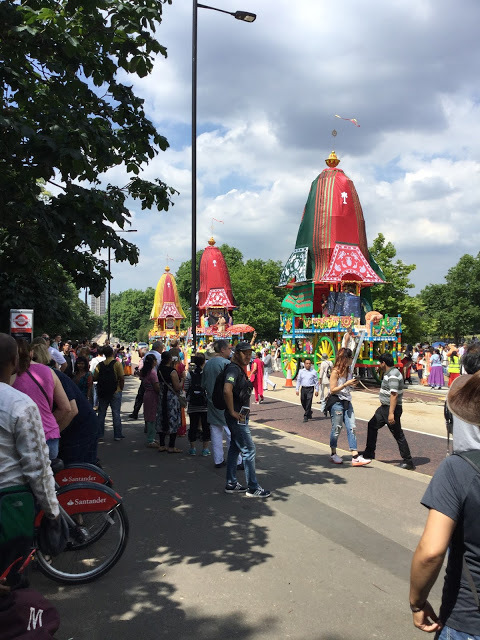
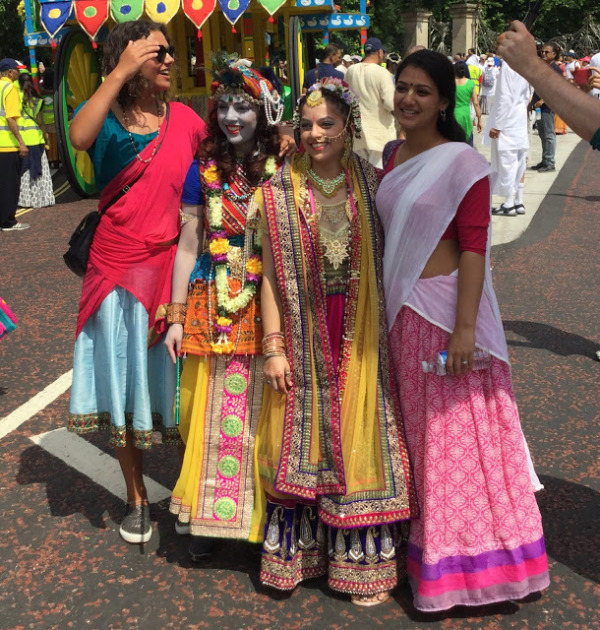
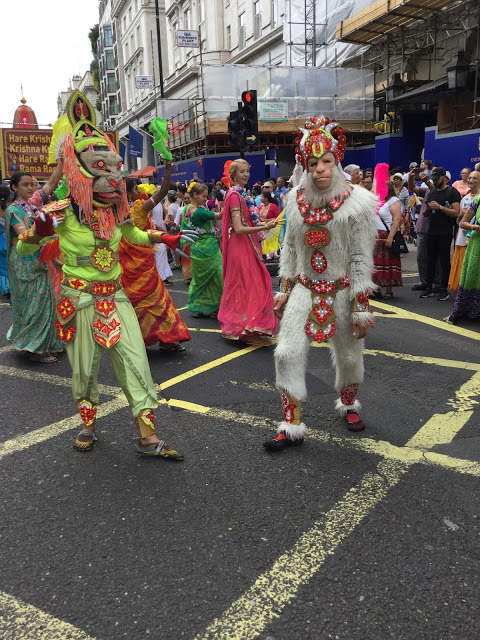
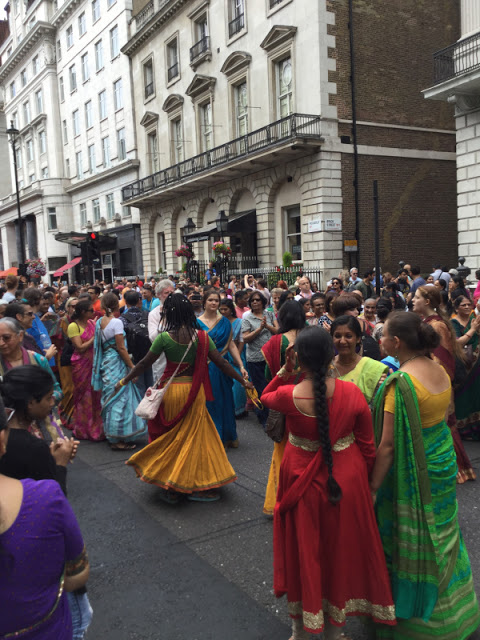
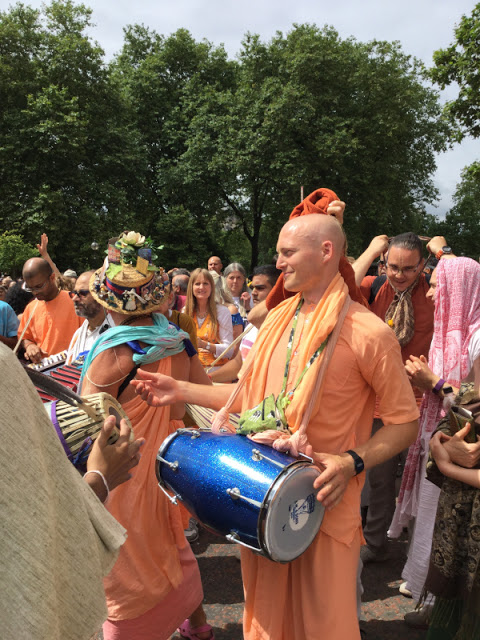
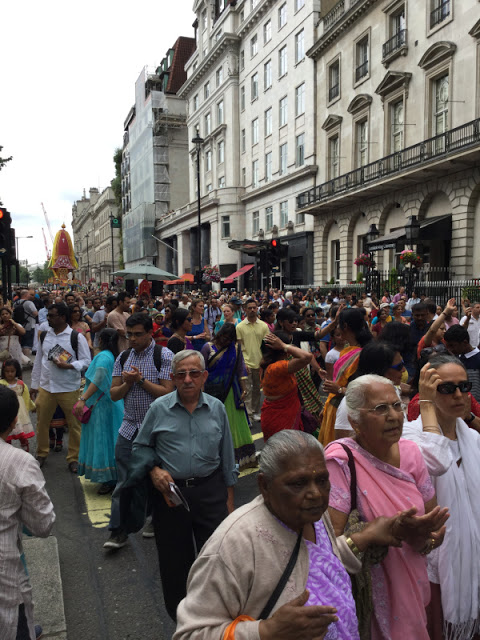
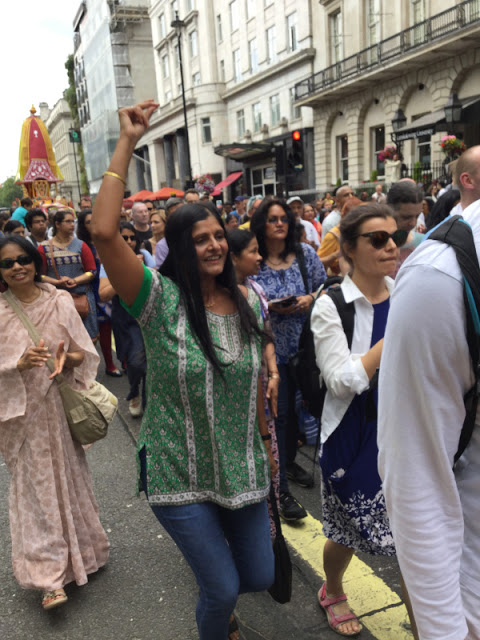
Ratha Yatra in London; year 2016 pictures
The religion of the Vedas (miscalled Hinduism) has been on the retreat ever since the Muslim invasions began and Muslim rule was established in some areas. The spirit of spontaneous exuberance and native creativity gradually disappeared and the religion shrank into a shell, and was reduced to mere outer rituals, and repetition of old forms. Muslim rulers banned public celebration of religious events, attacked and destroyed old temples, banned the contruction of new temples, and did not permit renovation of old temples. There was a brief respite in the South due to the Vijaynagar empire. We read in the life of Chaitanya Mahaprabhu (1486-1533) that the Muslim Nawabs in Bengal were antagonistic to public performance of bhajans and Hindu religious processions. The same situation was observed in Maratha areas at the time of Samarth Ramadas (1608-1681). Chaitanya Mahaprabhu stood up to them and had his public Sankirtan parties. Samartha Ramadas outwitted the Muslim rulers by organising congregational religious worship in Bhajan sabhas ( and not temples) where he installed Hanuman deity for worship. But there was apprehension, an overall feeling of unease and lack of freedom. Many of the regular observances shrank during this period. We can now appreciate why Shivaji Maharaj talked of “Swaraj”.
The Bhakti movement initiated by many medieval saint-singers did not halt the Muslim expansion, but saved the common people. Unfortunately, such Bhakti elements were not absorbed by the orthodox Mutts and incorporated into their routines.
The British did not directly or outwardly interfere with our religious practices. But they used the Christian Missionaries and the educational system to undermine the faith of the Hindus in their religion.and to break their social cohesion. Attack on the religion and philosophies of Hindus was vicious- as we observe in the time of Sri Ramakrishna and Vivekananda. But the British brought Hindu temples (not the Churches or Mosques) under government control. Dr.S.Radhakrishnan has written how he encountered adverse criticism of Hinduism by Christians in the Christian College where he studied.
Anti-Hindu Secularism
After Independence, the Government under Nehru called itself secular but was highly prejudiced against Hinduism. When Somnath temple, which had been subject to repeated attacks and pillage and plunder by Mahmud of Ghazni was proposed to be renovated, Nehru was against it, calling it ‘Hindu revivalism’. Gandhi agreed to the renovation, but said that they should not take money from the government! Due to the efforts of Sardar Patel and K.M.Munshi Somnath was renovated. President Babu Rajendra Prasad was to inaugurate it. But Nehru wrote that Prasad should not go, as he was President of a secular government. But Rajendra Prasad did go. (However, his secularism did not prevent Nehru from giving grants for Buddhists at Sanchi and Sarnath subsequently) The so-called secular outfit under Nehru was thus anti-Hindu from the beginning.. It freely interfered with Hindu religious beliefs and practices through legislation, while keeping away from other religions. The Nehru dispensation created a general atmosphere of anti-Hindu sentiment in the country, which has pervaded the bureaucracy and the educational system. He called the new big industrial projects temples of new India, but Hindu temples continue to be under government occupation and control. Most Hindu organizations have silently and spinelessly reconciled to this situation, in fear or expectation of favour. Every new Hindu organization or movement that appeared in the recent past has given the impression of not being really Hindu in spirit, having compromised on many points.
Swami Vivekananda broke the curse of inclusiveness. Characteristically, he did not begin in India, but in the USA which was emerging as the new world power. He used the occasion and platform of the World Parliament of Religions in Chicago in 1893 to boldly proclaim the greatness of Hindu religion. But he refrained from projecting his Guru Sri Ramakrishna, and any theistic aspect of our religion. Instead he carefully cultivated the elite and talked of Vedanta and Yoga. He did not address the commoner.
Many Indian Swamis and Gurus went to America since then and they all spoke of Vedanta and Yoga, but each gave his own twist. They tried to please the West, attempting to bring even Christ under the Vedantic umbrella! (One Swami interpreted the Sermon On The Mount in terms of Vedanta). It was all theoretical, though some of the meditation techniques like that of Mahesh Yogi (TM) caught on and stood scientific investigation with credit. Their overall attitude was one of playing a game to please the West and secure their appreciation.
ENTER SRILA PRABHUPADA
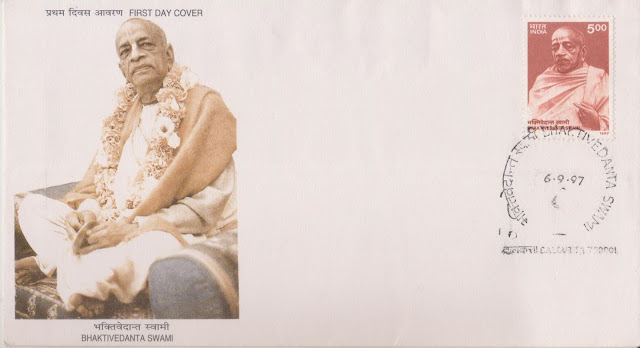
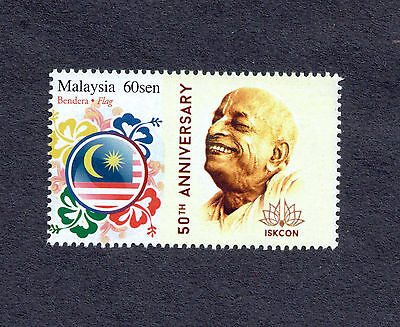
In such circumstances, the entry of Srila A.C Bhaktivedanta Swami Prabhupada into the US in 1965, on a visa for two months, is remarkably different. It was a small event at the time, but created a tsunami later! It injected a new dimension to life in the West and permanently changed history in twelve short years..
Prabhupada was a Gaudiya Vaishnava of the Chaitanya sampradaya. It is officially known as “Brahma Madhva Gaudiya sampradaya.” His Guru, Bhaktisiddhanta Thakur had, in 1922, implanted in him the urge to preach the message of Chaitanya Mahaprabhu in the West. He waited for 40 years and prepared himself. His businesses failed, but he progressed in his sadhana. He did not get support from his immediate family, nor did he get financial assistance from other sources.. He struggled in Jhansi, Delhi and Vrindavan to gather support for his work of spreading the message of Chaitanya . He started a magazine- “Back to Godhead” and walked the streets to sell copies, but finally started translating the Bhagavatam. He completed the translation of the First Canto in three volumes and published them with difficulty, with donations from well wishers. [When he used to visit the printers to oversee the printing, he would not have had his breakfast: he had either no money or saved it for paper!] He wrote to our leaders- Gandhi, one month before his death; Nehru, Rajendra Prasad and others but none replied. He met PM Lal Bahadur Shastri and presented him his Bhagavata. He met President Radhakrishnan and had some verbal exchange with him! But the President gave a letter of recommendation, which helped him to obtain his passport and visa.
He was 69. (b. I September, 1896) He had no money or contacts. Sumati Morarji of Scindia Steam Navigation gave him a complimentary ticket on a Cargo vessel (though she had doubts about his mission, due to his advanced age.) He had with him 200 sets of his Bhagavatam book. He boarded the ship on 13 August, 1965 at Calcutta, endured a sea voyage of 35 days and two heart attacks, and landed in New York on 19 September. He had just Rs. 40 on his person (equal to 7 dollars then, which remained intact, since it could not be exchanged.) The journey had started during the monsoon, when the seas were very rough, but beyond the initial few days in the Arabian sea, the voyage happened to be very pleasant across the Atlantic. It was considered very unusual by the experienced Captain, as it was usually the season of hurricanes.. . This made the captain realise that this swami was not ordinary cargo! Prabhupada credited it to Krishna’s mercy.
After spending a few weeks with local sponsors, he came to New York. He found accommodation in the Bowery (Lower East Side) section of downtown New York, one of the less pleasant and derelict areas of the city in the 60s.. He found a disused store front and opened his temple of Krishna there. He attracted the notice of some educated youngsters who were disenchanted with the American mainstream. He conducted Kirtan and spoke (preached) if people came. He registered his International Society for Krishna Consciousness ( ISKCON) in 1966 . A temple was opened in San Francisco, then in Los Angeles and other places. He was attracting educated and talented youngsters, though they were dropouts from the mainstream. ISKCON spread to other countries. He traveled across the world 14 times in twelve years, before he passed away on 14 November, 1977. By that time he had established more than 108 Krishna temples worldwide. Today ISKCON has 650 centres and temples all over the world – of them 135 in Europe and 56 in the US..
PRABHUPADA IS SPECIAL
In the annals of Indian swamis and gurus who frequent the West and peddle Indian wisdom, Prabhupada is special- very special. He is unlike any other in the history of India. Let us see some specific points.
CONTRAST WITH VIVEKANANDA
1. His contrast with Vivekananda is striking.
Prabhupada was not a general scholar or orator like Vivekananda. He was more than twice the age of Vivekananda when he went to America. He did not move with the elite. He did not talk about any vague Vedanta or philosophy in general terms. He did not try to please anyone. From the first day, he spoke only of Krishna and Krishna Consciousness without mincing words. He was an Acharya- practising what he preached and believed. He performed Deity (Murti) Puja, chanted, sang Kirtan, distributed Prasadam, preached Krishna Consciousness when occasion arose.. He did not talk in general terms about Indian philosophy. He spoke of Vedic wisdom, of Gaudiya Vaishnava tradition, of disciplic succession, of Krishna as the Supreme Personality of Godhead ( Bhagavan).
In short, he did everything Vivekananda had not attempted to do!
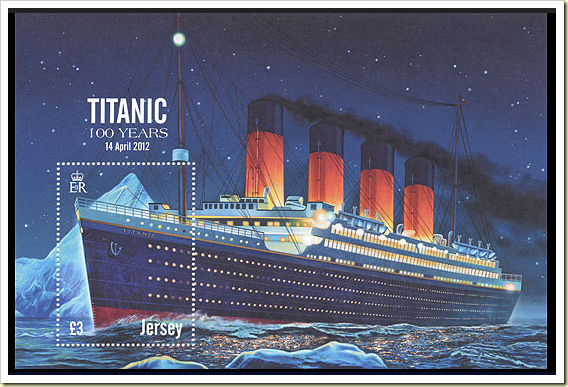
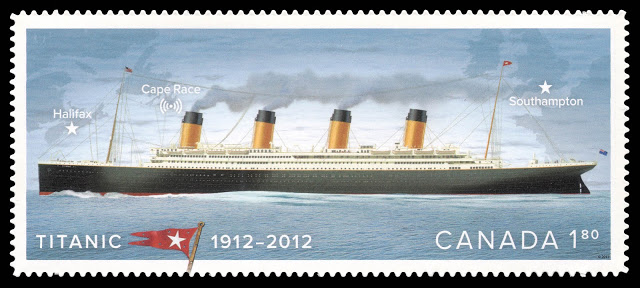
மிக பிரம்மாண்டமான டைட்டானிக் கப்பல் தனது முதல் கடல் பயணத்தை மேற்கொண்டது. இங்கிலாந்தில் உள்ள சவுதாம்டனிலிருந்து நியூயார்க் நோக்கிய நெடும் பயணம்; உல்லாசப் பயணம் அது!
ஆனால் துரதிர்ஷ்டவசமாக 1912ஆம் ஆண்டு ஏப்ரல் 14-15 தேதிகளில் அது கடலில் மூழ்கியது. 1500 பயணிகள் கடலில் மூழ்கி இறந்தனர். இந்த விபத்தை மையமாக வைத்து ஏராளமான திரைப்படங்கள் வந்து விட்டன.
இது எதனால் மூழ்கியது என்ற நீண்ட நெடும் சர்ச்சையும் ஆராய்ச்சியும் இன்றளவும் தொடர்கிறது.
அந்தக் கப்பல் விபத்தில் சிக்காமல் பிழைத்தவரின் ஒரு உண்மை சம்பவம் இது:
ஸ்காட்லாந்தில் க்ளார்க் குடும்பத்திற்கு ஒரே ஒரு கனவு தான்! க்ளார்க்கும் க்ளார்க்கின் மனைவியும் தங்கள் ஒன்பது குழந்தைகளுடன் அமெரிக்கா சென்று செட்டில் ஆகி விட வேண்டும் என்று நினைத்தனர், அவர்களின் ஒரே கனவு அது தான்! கப்பல் பயணத்திற்காக ஆகும் செலவிற்காக வெகு சிரமப்பட்டு பணத்தை அவர்கள் சேமிக்கலாயினர். வருடங்கள் பல ஓடின. தேவையான பணமும் ஒரு வழியாகச் சேர்ந்தது. பாஸ்போர்ட் ரெடி. அமெரிக்கா செல்லும் கப்பலில் அனைவருக்கும் டிக்கட் ரிஸர்வும் செய்தாகி விட்டது.
குடும்பத்தினருக்கு ஒரே உற்சாகம்; பரபரப்பு. எப்போது கப்பலில் ஏறப் போகிறோம் என்ற தவிதவிப்புடன் அவர்கள் இருந்தனர். புதிய நாடு, புதிய இடம், புதிய வாழ்க்கை … நிறைய கனவுகள்!
கப்பல் கிளம்ப இன்னும் ஏழே தினங்கள் மட்டுமே இருந்தன. துரதிர்ஷ்டவசமாக க்ளார்க்கின் ஒரு மகனை நாய் ஒன்று கடித்து விட்டது. டாக்டர் நாய்க்கடிக்குத் தையல் போட்டார்; அத்துடன் வீட்டு வாசலில் ஒரு மஞ்சள் அட்டையையும் தொங்க விட்டார். ‘இது நாய் கடித்த பையன் உள்ள வீடு, ஜாக்கிரதை” என்று அர்த்தம் அதற்கு!
யாருக்கும் ரேபிஸ் நோய் வந்து விடக்கூடாது என்று குடும்பத்தினருக்கு 14 நாள் தனிமை அடைப்பை – க்வாரண்டைனை அவர் அறிவித்தார்.
குடும்பத்தின் கனவு பொடிப்பொடியாக நொறுங்கிப் போனது. எவ்வளவு வருடங்கள் காத்திருந்தனர், ஒரு கணத்தில் அனைத்தும் கலைந்து போனது. க்ளார்க் மனமுடைந்து போனார். தன் இளைய குழந்தையின் மீது அடங்காத கோபம் கொண்டார்.
கப்பல் கிளம்பும் நாளன்று அது கிளம்புவதைப் பார்க்க க்ளார்க் துறைமுகம் சென்றார். என்ன ஒரு ஆர்ப்பாட்டம், கப்பல் கிளம்பியது. அங்கேயே அவர் கண்ணீர் சிந்தினார். தன் மகனைச் சபித்தார்; இறைவனிடம் முறையிட்டு நொந்து போனார்.
ஐந்து நாட்கள் கழிந்தன. திடீரென்று ஒரு நியூஸ். அமெரிக்காவிற்குப் பயணப்பட்ட பிரம்மாண்டமான அந்தக் கப்பல் கடலில் மூழ்கியது என்று வந்தது பரபரப்புச் செய்தி!
ஆயிரத்திற்கும் மேலானோர் கடலில் மூழ்கி மாண்டனர் என்ற செய்தி பரவி நாடே பரபரத்தது!
அந்தக் கப்பலின் பெயர் டைட்டானிக்! அதில் தான் அமெரிக்கா செல்ல க்ளார்க் தன் குடும்பத்தினர் அனைவருக்கும் ரிஸர்வ் செய்திருந்தார்.
சின்னப்பையனுக்கு நாய் கடித்ததால் அவர் ஸ்காட்லாந்திலேயே இருக்க வேண்டி வந்தது.
நியூஸைக் கேள்விப்பட்ட க்ளார்க் ஓடோடி வந்து தன் குழந்தையை அள்ளி அணைத்து ஆனந்தக் கண்ணீர் விட்டார். அவர்கள் வாழ்க்கையின் புதிய அத்தியாயம் ஆரம்பித்தது போல குடும்பத்தினர் அனைவருமே மகிழ்ந்தனர்.
விதியா, மதியா எது எப்போதும் வெல்லும்?
‘மற்றொன்று சூழினும் தான் முந்துறும்’ விதி சில சமயம் விபத்தையும் கூட வேண்டத்தக்கதாக்கி விடுகிறது!
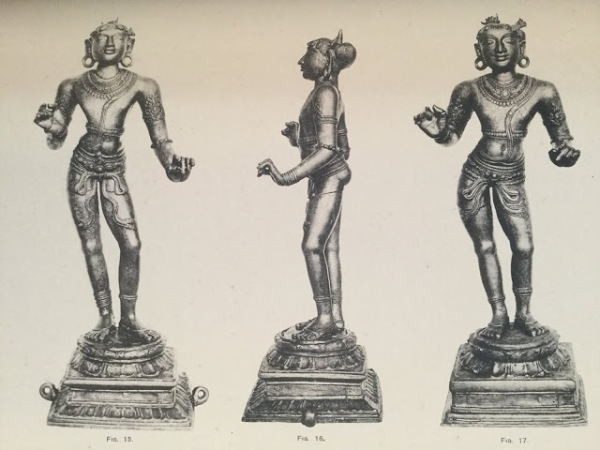
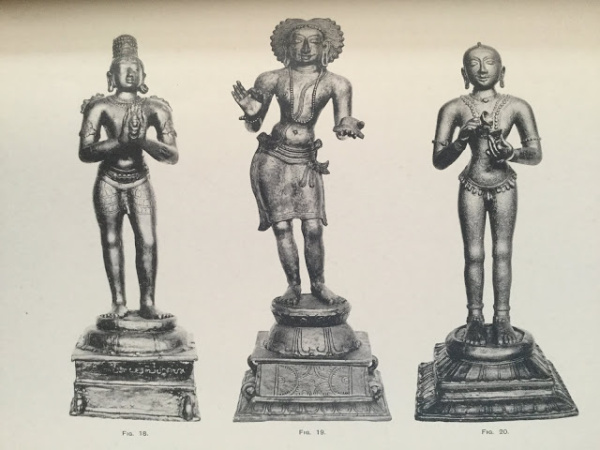
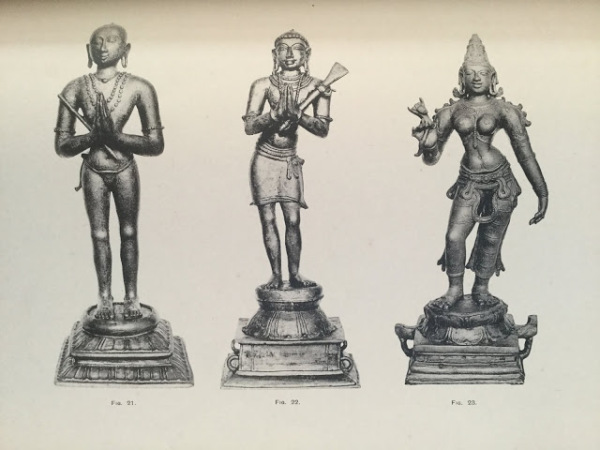
SAIVAITE SAINT SUNDARAMURTHY SWAMIKAL IN COLOMBO MUSEUM
WRITTEN BY S NAGARAJAN
Post No. 8397
Date uploaded in London – – –24 July 2020
Contact – swami_48@yahoo.com
Pictures are taken from various sources for spreading knowledge; this is a non- commercial blog. Thanks for your great pictures.
நமது பிளாக்கில் எஸ்.நாகராஜன் எழுதிய கட்டுரைகளின் பட்டியலை March 2015 முதல் வெளியிடுகிறேன். இது அகர வரிசைப்படி இல்லாவிடினும் இண்டெக்ஸ் INDEX போன்றதே.
இந்தப் பட்டியலை பிரிண்ட் செய்து வைத்துக் கொண்டால் உங்களுக்குத் பிடித்த கட்டுரைகளை நேரம் கிடைத்தபோது படிக்கலாம்
கட்டுரைகளை பிளாக்கில் பெறுவது எப்படி?
பிளாக்கிற்குப் போய் தேடுவதை விட கூகுளில் (google) தேடுவது எளிது. கட்டுரையின் தலைப்பை காப்பிcopy செய்து கூகுளில் பேஸ்ட் paste செய்யுங்கள் அதன் பிறகு ஆங்கிலத்தில் from tamilandvedas.com என்று எழுதி க்ளிக் (click) செய்யுங்கள்.
from swamiindologly.blogspot.com
என்று எழுதியும் பெறலாம்.
எடுத்துக்காட்டு:
கர்ம பலன்கள் – சித்திரகுப்தன் கரன்ஸி! from tamilandvedas.com
கர்ம பலன்கள் – சித்திரகுப்தன் கரன்ஸி! from swamiindology.blogspot.com
நீங்கள் சிறு பிழை விட்டாலும் நீங்கள் எதிர்பார்த்தது கிடைக்காமல் வேறு விஷயம் வரும். அதில் நேரத்தை வீணடிக்காமல் மீண்டும் ஒரு முறை சரியாக எழுதி முயற்சி செய்யுங்கள். இரண்டு பிளாக்குகளில் ஒன்றில் கிடைத்து விடும்
கட்டுரை பெறுவதில் ஏதேனும் சிக்கல் இருந்தால் எங்களைத் தொடர்பு கொள்ளுங்கள் .
SAIVAITE SAINT MANIKKAVASAGAR IN CENTRE
July 2016
10-7-16 2957 சீனாவின் விண்கலம் விழப் போகும் அபாயம்!
11-7-16 2960 உலகின் அதிசய நூல் யோக வாசிஷ்டம் – 6 (பழைய கால














 Tamil and Vedas