Pictures are taken from various sources for spreading knowledge; this is a non- commercial blog. Thanks for your great pictures.
நுண்ணறிவை முழு ஆற்றலுடன் தரும் வேத கல்வி!
ச.நாகராஜன்
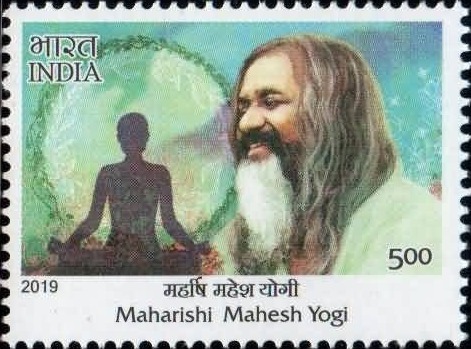
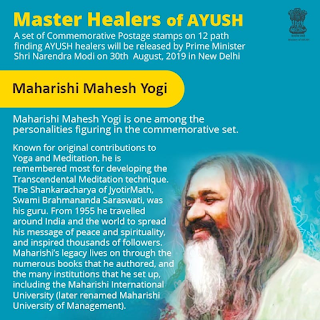
மஹரிஷி மஹேஷ் யோகி இன்றைய கல்வி முறையையும் வேதத்தின் அடிப்படையிலான கல்வி முறையையும் ஆழ்ந்து ஆராய்ந்த மாபெரும் யோகி.
இன்றைய கல்வி முறையின் மூலமாக மூளை ஆற்றலின் ஒரு பகுதி மட்டுமே வளர்ச்சியுறுகிறது என்பதை ஆணித்தரமாகக் கூறிய அவர் வேத அடிப்படையிலான கல்வியானது மூளை ஆற்றலை முழுவதுமாக வளர்க்கும் என்று அறுதியிட்டு உறுதியாகக் கூறினார்.
மூளை ஆற்றலை வளர்க்க அதன் 40 குணாதிசயங்களையும் தரும் அபூர்வமான வேத கல்வியே வேண்டும் என்று கூறியதோடு அந்த 40 குணாதிசயங்கள் என்ன என்பதையும் பட்டியலிட்டுக் காட்டினார்.
அதன் அடிப்படையிலான வேத நிறுவனத்தையும் நிறுவினார்.
இதை அறிவியல் பூர்வமாக ஆராயத் துடித்த விஞ்ஞானிகள் அளப்பரும் சக்தியை மஹரிஷி மஹேஷ் யோகி கூறும் வழிமுறையிலான யோகம், தியானம், கல்வி முறை தருகிறது என்பதைக் கண்டனர்; அறிவியல் ஆய்வுகள் மூலமாகவும் நிரூபித்தனர்.
நுண்ணறிவின் 40 அம்சங்கள் எவை எவை என்பதை அவர் சுட்டிக் காட்டியவாறே இங்கு பார்ப்போம்.
ஆற்றல் தரும் ஆழ்ந்த மௌனம் – (holistic) Dynamic Silence – Rk Veda
பாயும் விழிப்புணர்வு – Flowing wakefulness –flowing qulaity of intelligence – Sama Veda
அர்ப்பணித்தலும் உருவாக்கலும் – Offering and Creating –Yajur Veda
துடிதுடிப்போடு கூடிய முழுமை – Reverberating WHOLENESS –reverberating quality in every point of HOLISTIC intelligence
வெளிப்படுத்துதல் – Expressing – Shiksha
மாற்றுதல் – transforming – Kalpa
விரித்தல் – Expanding – Vyakran
சுய பரிந்துரை – Self-referral – Nirukt
அளத்தலும் அளவை நிர்ணயித்தலும் – Measuring and quantifying – Chhand
அனைத்தும் உணர்தல் – All knowing – Jyotish
இனப்படுத்தலும் முடிவெடுத்தலும் – Distinguishing and Deciding – Nyaya
குறிப்பிட்டுச் சொல்லல் – Specifying – Vaisheshik
விவரித்தல் – Enumerating – Samkhya
ஒன்றிணைத்தல் – Unifying – Yoga
பகுப்பாய்வு செய்தல் – Analysing – Karma Mimamsa
முழுமையாக வாழ்தல் – Lively Absolute – (Living WHOLENESS – I-ness or being) – Vedant
ஒருங்கிணைத்தல் மற்றும் லயப்படுத்தல் – Integrating and Harmonizing – Ghandarva Veda
வெல்ல முடியாமை மற்றும் முன்னேற்றம் – Invincible and Progressing – Dhanur Veda
புராதனம், என்றுமுள்ளது – Ancient and Eternal – Purana
ஞாபகசக்தி – Memory – Smiriti
எங்கும் பரவிய முழுமை – All pervading WHOLENESS – Rk Veda Pratishakhya
அமைதிப்படுத்தல், பகிர்தல், பரப்புதல் – Silencing, Sharing, and Spreading – Shukl – Yajur Veda Pratishakhya
மறைந்திருப்பதை வெளிக்கொணரல் – Unfolding – Atharva Veda Pratishakhya
கரைத்தல் – Dissolving – Atharva Veda Pratishakhya (Chaturadhyaya)
எங்கும் நிறைதல் – Omnipresent – Krishn – Yajur veda Pratishakhya (Taittiriya)
பகுதிகளை உருவழித்தல் ஆனால் முழுமையை உருவாக்கல் – Unmanifesting the parts but manifesing the whole – Sama Veda Pratishakhya (Pushpa Sutram)
எப்படிப்பட்ட ஒரு ஞான வெள்ளம் ஹிந்து மதத்தில் தொன்று தொட்டு இருந்து வருகிறது என்பதையும் அதை எப்படி மஹேஷ் யோகி வெளிப்படுத்துகிறார் என்பதையும் பார்த்துப் பிரமிக்கிறொம்!
இந்த வேத கல்வி அல்லவா மனித குலம் முழுமைக்கும் வேண்டும் என்பதையும் உணர்கிறோம்.
Pictures are taken from various sources for spreading knowledge; this is a non- commercial blog. Thanks for your great pictures.
tamilandvedas.com, swamiindology.blogspot.com
ஒரே சொல் மீண்டும் மீண்டும் வந்தால் ஓரிரு இடங்களில் மட்டுமே கட்டத்தில் இருக்கும். கொண்டு கூட்டி பொருள் கொள்க . விடை கீழே உள்ளது . சில நேரங்களில் படங்களைப் பார்த்தாலும் விடை காண உதவலாம்.
I AM BINNING ALL THE OLD NEWS PAPER CUTTINGS ; HERE ARE SOME MAATER WHICH WILL BE OF INTEREST TO MANY, PARTICULARLY, FUTURE RESARCHERS.
பழைய நியூஸ் பேப்பர் கட்டிங்குகளைத் தூக்கிப் போட்டுக்கொண்டு இருக்கிறேன். சில அதிசயச் செய்திகள் எதிர்கால ஆராய்ச் சியாளர்களுக்கு பயன்படலாம்.
உலகிலேயே அதிகமான துப்பாக்கி வியாபாரிகள் அமெரிக்காவில்தான் உள்ளனர். ஒரு பலசரக்குக் கடையைக் கண்டுபிடிப்பதைவிட துப்பாக்கிக் கடையை கண்டு பிடிப்பது எளிதாம் . பத்து வருடங்களுக்கு முன் எடுக்கப்பட்ட கணக்குப்படி 1,30,000 துப்பாக்கி வியாபாரிகள் உளர்.
XXXX
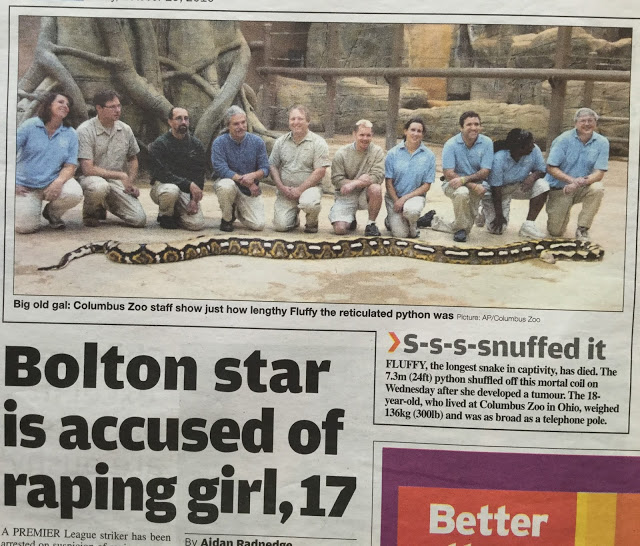
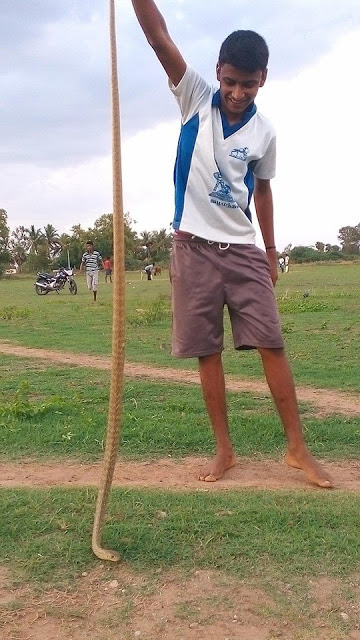
அமெரிக்காவில் ஒஹையோவில் கொலம்பஸ் மிருகக் காட்ச்சி சாலையில் இருந்த மலைப்பாம்பு இறந்து விட்டது . அதன் நீ ளம் 24 அடி. வயது 18. எடை 136 கிலோ. பர்மா நாட்டு மலைப் பாம்பு..
XXXX
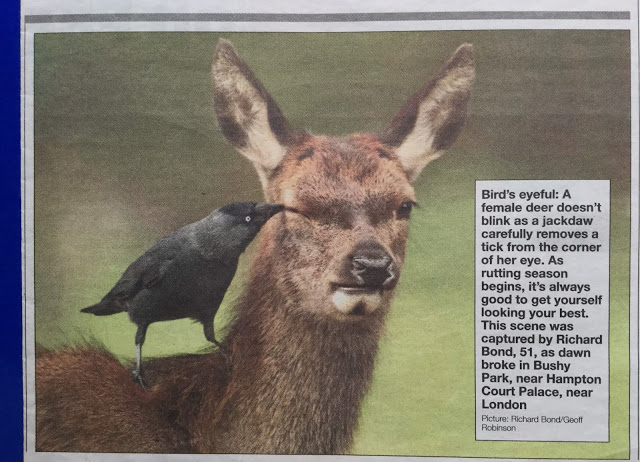
மிருகங்களுக்கும் பறவைகளுக்கும் இடையே ஒரு வினோதமான உறவு உண்டு. மிருகங்களின் கண் , பல், தோல் முதலியவற்றில் கிருமிகள், பூச்சிகள் ஆகியன வாழும். அவை அந்த விலங்குகளுக்குப் பெரிய தொல்லை. ஆனால் பறவைகளுக்கோ அவை உணவு. ஆகையால் அவைகளை எடுக்க வரும்போது அந்த விலங்குகள் பறவைகளை அன்புடன் வரவேற்கும். முதலை வாய்க்குள் கூட பறவைகள் புகுந்து சுத்தம் செய்யும். ஆனால் ஒரு தீ ங்கும் ஏற்படாது. இதோ லண் ட னில் ஒரு மானின் கண்களில் உள்ள பூச்சிகளை பறவை எடுப்பதைப் பாருங்கள் .
Xxxx
பாசி மழை
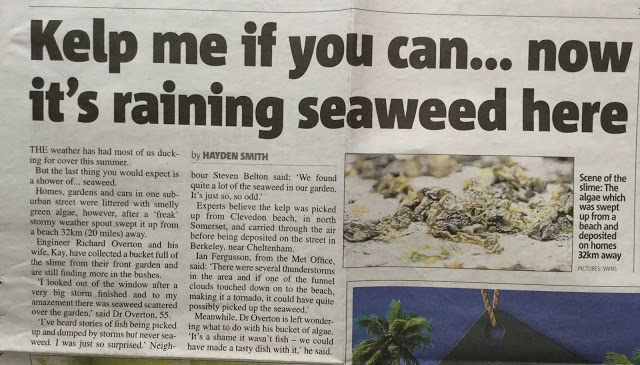
பாச மழை (அன்பு), பாச வலை (தமிழ் சினிமா), தவளை மழை , மீன் மழை , ரத்த நிறத்தில் மழை , முதலியன பற்றிக் கேள்விப்பட்டிருப்பீர்கள். ஆ னால் கடல் பாசி மழை போல வானத்திலிருந்து வருவதும், விழுவதும் அபூர்வமே. இங்கிலாந்தில் பெர்க்லி என்னும் நகரில் இப்படி பாசி மலை பெய்தது. எல்லோருக்கும் வியப்பு. 32 கிலோ மீட்டர் தொலைவில் வடக்கு சாமர்செட் பகுதியிலுள்ள கிளிவ்டன் கடற்கரையில் இருந்த பாசிகளை வாயுதேவன் சுமந்து வந்து தெரு முழுக்க வீசி மகிழ்ந்தான்.
விசித்திரமான பருவ நிலை இது போல பல விந்தைகளைச் செய்யும்.யாரோ உங்களுடைய எதிரிகள் இப்படி விஷமம் செய்வதாக நினைத்து ஆத்திரப்பட்டு விடாதீர்கள்.
xxxx
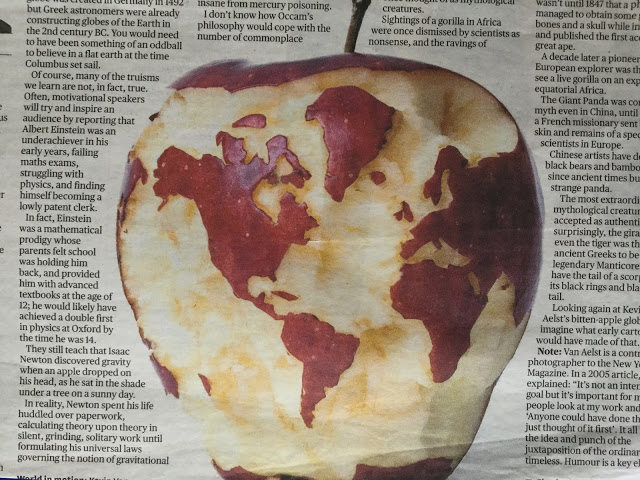
மண் உண்ட கண்ணன் கதை நம் எல்லோருக்கும் தெரியும்; யசோதை, அவன் வாயைத் திறக்கச் சொன்னவுடன் மண்ணுக்குப் பதிலாக உலகத்தையே கண்டாள். நீங்களும் உலகத்தையே சாப்பிட இதோ ஒரு ட்ரிக். ஒரு ஆப்பிளை எடுத்து, அதன் மீது உலக மேப் தெரியும்படி அழகாகக் கடியுங்கள் ‘ஆப்பிளே உலகம் உலகமே ஆப்பிள்’ என்ற வடிவம் வந்தபின்னர் , இதோ பார், ஒரு நிமிடத்தில் உலகையே விழுங்குகிறேன் பார் என்று கர்ஜியுங்கள். பின்னர் இதோ பார், என்று காட்டிவிட்டு உலக ஆப்பிளைக் கடித்துக் கடித்துச் சாப்பிடுங்கள் . பயங்கர ‘கை தட்டல்’ ஒலி
Pictures are taken from various sources for spreading knowledge; this is a non- commercial blog. Thanks for your great pictures.
tamilandvedas.com, swamiindology.blogspot.com
INTERESTING TREATMENT FOR SICKNESS- RASGOLLAS AND RICE DISH
“Two Rasgollas a day
Keeps doctor away “
—said Chief Minister of West Bengal once.
Do you have Rheumatism? We will treat you with cooked rice, say Ayurvedic doctors in Kerala.
Interesting medical information from my old (Organiser) paper cutting!!
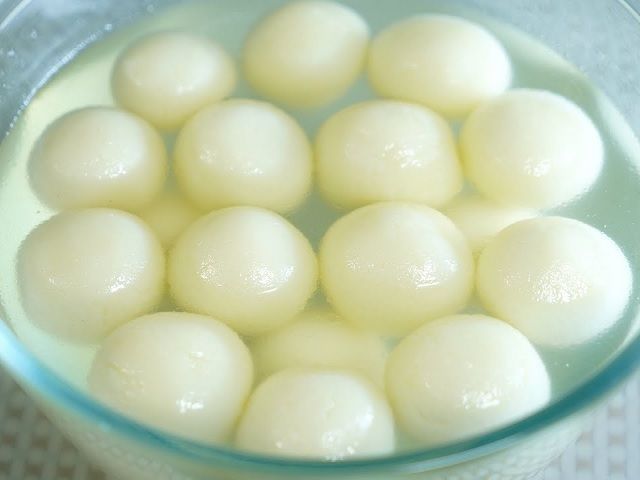
West Bengal’s second Chief Minister Dr B C Roy was a renowned physician too and even during the long years in office he used to regularly see patients at his residence in Kolkata. One gentleman who had a sickly son, managed to get an opportunity to consult Dr Roy one day . The doctor had just one look at that boy and immediately prescribed “Two Rosogollas ( a sweet) every morning” as the medicine.
The gentleman was aghast. He spoke about this ‘prescription’ to the contact man about the ‘cavalier attitude’ of Dr Roy. Upon which , Dr Roy made it known to the anguished father that the only malady his son suffered from was the lack of protein and rosogollas made from casein , would provide his son with adequate protein and make him healthy.
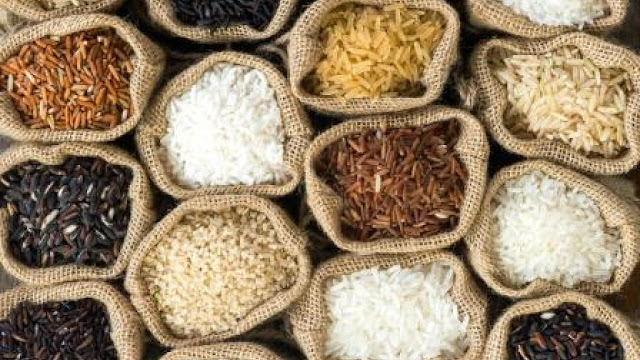
While rasagollas may be prescribed by doctors in rice eating Bengal as a potent medicine against protein deficiency, Ayurvedic doctors in another rice eating state, Kerala, would often prescribe rice as the medicine for various ailments. However, not every variety of rice has medicinal properties, otherwise no one in Kerala would have ever suffered from any ailment.
Njavara (Navara) rice is used as the medicine . The medicinal and nutraceutical potential of the ancient rice strain Sastika (Shashtika in Sanskrit) and Njavara
(Navara) in Malayalam was known since the period of Susrutha and Charaka. Both these Ayurvedic medical experts lived 2500 years ago.
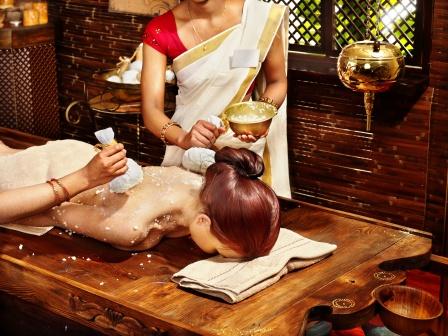
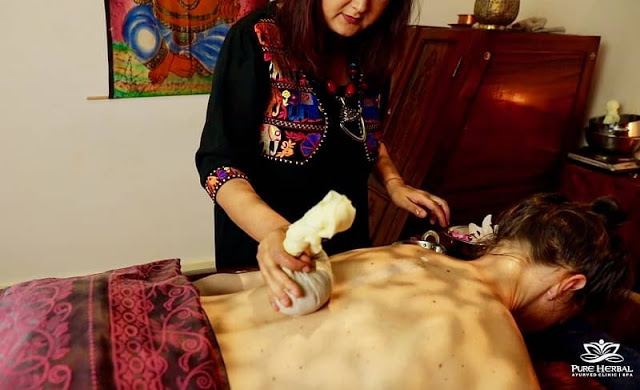
Nirvara and Shastika are mentioned in Yajurveda and Panini’s Ashtadhyayi. So Hindus have been using them for over 3000 years. Shastika means a paddy crop that is harvested in sixty days from sowing. Ayurvedic physicians have been using it until today. They make ‘Njavarakizi’ (cooked rice in small cloth pockets or bundles) and treat the rheumatic patients. The massage given that way is a rejuvenating and restoring therapy for patients with neural disorders .
Shastika anna lepa – pasting of Njavara grains cooked in milk on the whole body- is also practised. Njavara grains have been traditionally recommended to the emaciated and debilitated and Malayalees consume it as Karkidaka Kanji or Marunnu Kanji- a porridge prepared with this special kind of rice and some medicinal herbs.
(Karidaka is the name of a month; Marunthu means medicine; it is used during monsoon season in Kerala)
At least 50 rice varieties with medicinal properties have been used in different parts of India .
How old is rice as a food grain?
Archaeological findings from advanced Mesolithic or Pre Neolithic (about 8000 years ago) reveal the use of such wild rice varieties.
Some of the varieties used in different parts of India are given below:-
Shastika , Nivara or Njavara (in Malayalam) nirvara or Senthinai or Kar arisi (In Tamil)—used for Rheumatism and Neural disorders
Aalcha in Chattisgarh area used for curing Pimples
Baissor – treatment for chronic Headache and Epilepsy
Gathuhan, Karhani, Kalimooch varieties used respectively for treating Rheumatism, Paralysis and Skin Disorders
In Jeypore area of Orissa, tribal people use Mehar, Sariphul in treatment for various ailments
In Uttara Kannada district of Karnataka, Atikaya variety as health tonic and Kari Bhatta to treat skin infections.
Though Agripedia website gives a list of about 250 varieties of paddy , it is understood that there are 2000 varieties in Asia. Because of modern craze for new high yielding quick varieties, many of the old medicinal varieties are disappearing. Government and individuals must take steps to preserve the old and good varieties. Wild rice Nivara was used by our Rishis and Munis in the forest according to Sanskrit Kavyas.
(Organiser Weekly has published a report on second International Rice Conference held in 2006. I have collected details from the report and included my inputs in the above article)
tags – Njavarakizi, rice treatment, Rasgolla, Dr B C Roy, Ayurveda, Rheumatism, shastika
Life poses the problem of living: How to? Man does not exactly know.
There are philosophies which propound that this world is all there is and to obtain material comforts is what is life all about. We have our Charavakas and the Westerners their Epicureans. In the modern day, there has been the Existential idea, which tells you to live any which way you can.
But serious thinkers in all societies up to “modern” times have been advising us that there is a greater reality behind this world and life here is but a preparation for it. Ultimately, this is the basic idea in all religions. No religion -East or West- stops with this world. There is no religion which advocates unlimited or unrestrained immersion in this world in the name of “enjoyment”.
Classical Hinduism provided a graded system, through its Varnasrama arrangement. Life in the world was regulated, ultimately leading to contemplation on the meaning and purpose of life- by gradual detachment and renunciation at the appropriate stage. But renunciation was not held as the ideal for every one, at all times, just as unrestrained enjoyment was not.
Our religion taught everyone that behind all the varied celebrations and enjoyments, there was the inevitable hand of icy death, often disease, old age and other afflictions.
Bhagavad Gita is no advocate of pessimism but it too tells us about the nature of the world:
dukkhalayam asaasvatam 8.15
mrutyu samsara vartmani 9.3
anityam asukhna loke 9.33
mrutyu samsara sagarat 12.7
janma mrutyu jara vyadhi dukkha doshanu darsanam 13.8
Janma mrutyu jara dukkham 14.20
The Gita also tells us what to do.The primary purpose and function of religion is therefore to make man aware of the purpose of life and make him live accordingly.
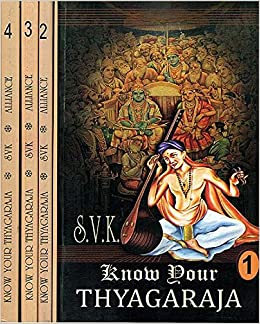
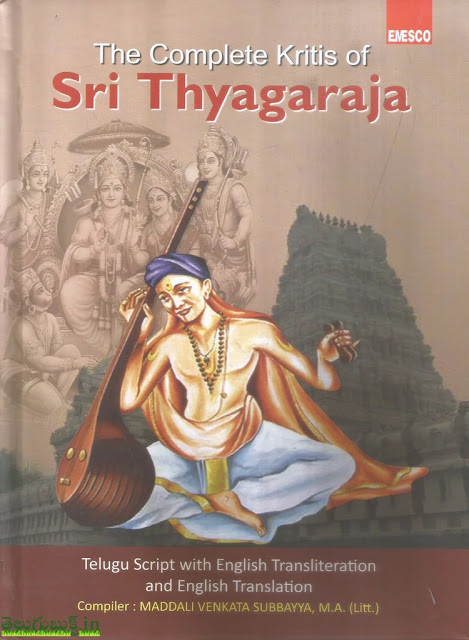
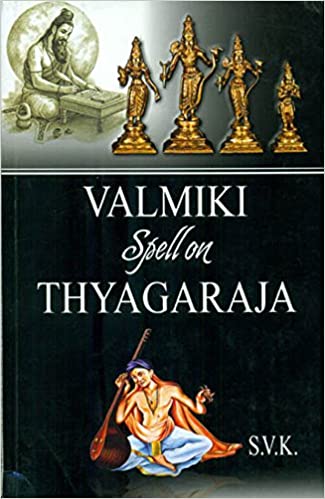
Veda and Upanishads are vibrant with the exuberance of life and there is no trace of pessimism in them. One is advised to live without forgetting the basic purpose of life- the purusharthas. Later day philosophers made a business of making life appear like a villain. Popular religion responded by inventing all systems of sops, to make man forget his purpose and “enjoy life”. Saints appear at this stage to remind us of the true facts of life. Tyagaraja belongs to this line.
Life is likened to an ocean- it is usual to speak of ‘samsara sagaram’ or bhava sagaram. It is also called a disease-bhava rogam. It is also like the forest. One should know how to go about it.
Ocean of Life
Teerani bhava neeradi yaaradi
sairimpa neraka
bhaya mandaga bankaja patra
neeruvida malladaka……. Enduku dayaradura
One is unable to bear the troubles of this ocean of life and struggle like drops of water on the lotus leaf.
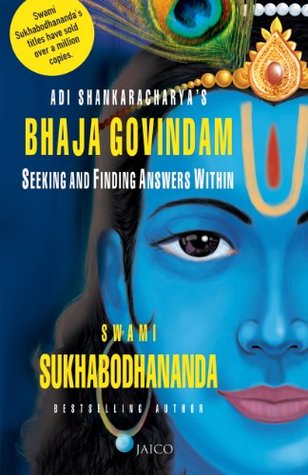
Drops of water on the lotus leaf- this is an image made familiar to us by Acharya Sankara in his ‘Bhaja Govindam’:
Nalini dala gata jalam ati taralam
Tatvajjivita matisaya chapalam
Viddhi vyaadhabhimana grastam
Lokam soka hatam cha samastam. 3
The drops of water on the lotus leaf are always unsteady/ subject to constant movement. In the same way, life is also unsteady in surprising ways.Know this that life is seized by disease and egoism and is dominated by suffering.
Life dominated by suffering- this is the starting point of Buddha’s teaching.
O Manasa poddu poyyeni
Niddura gonnallu
vishaya buddula cheta gonnallu
Podduna lachi tritapamulanu narula
bogadi bogadi konnnallu
Patti eddu reeti kannataavuna bhujiyinchi
yemi teliyaka gonnallu
Mudduga doche bhava sagara muna
munigi taeluchu gonnallu
Paddu malina pamara janulato verri
paluku laadusu gonnallu
Mudamuna dana tanayaakaaramula joochi
madamu cheta gonnallu
Andu chedarinayanta chokarnavagatudai
jaali jendutayu gonnallu
Edadi pacha joochi taalaleka
taanilanu tiruguata gonnallu
Mudimadi tappina vrudada tanamuna
mundu venuka teliyakane gonnallu
Yaagaadi karmamulanu seyavalenani
yalasata cheta gonnallu
Andu raga lobha mulato naparadhamulu chesi
rajasamunu gonnallu
Baaguga nama kirtanamulu seyute
bhagyamanaka gonnallu…..
Sri Ramuni tatvamu deliyagane gonnallu
Poddu poyyeni manasa
O mind! Time will run away very fast!
Some time is spent is sleep and in enjoying pleasures.
Some time is spent in facing the three kinds of taapaas and in praising people, soon as we wake up in the morning.
Some time is spent is working like the farm bullock, eating anywhere, and lying down without awareness of the surroundings.
Some time is spent immersed in this samsara, which is like the ocean, which appears beautiful.
Some time is spent is exchanging pleasant nonsense with people who do not know anything.
Some time is spent in boasting about one’s house, wealth, children,etc.
Some time is spent in sorrow, when these things go away.
Some time is spent in sheer jealousy, watching the prosperity of others.
Some time is spent in just bafflement, when one gets old, not knowing what lies ahead.
Some time is spent in getting busy with performance of yajnas and such other rituals.
Some time is spent in the aftermath of rajoguna developed out of the desire for such rituals, and the attendant stinginess, etc.
Some time is spent without knowing the good fortune caused by engaging in singing the kirtan of Bhagavan’s names.
Some time is spent without knowing the truth behind Rama.
O mind, Time will pass away like this!
How well Tyagaraja Swami has captured the life of an average householder! He only means that we are engaged in earning and spending, caring for the body and will get baffled when old age comes, without awareness of God! About the same time as Tyagaraja, the great English poet Wordsworth wrote:
The world is too much with us; Late and soon,
Getting and spending, we lay waste our powers;-
Little we see in Nature that is ours;
We have given our hearts away, a sordid boon.
Life like a dolls’ house
Dhana tanaya kalatraadulu
tamadani bhddheeyani …
Mommarindlu gaani nera
nammmuku bhavamunu yanu
Nemmadi leni janana maranammula
dolaginche ninu…………. (Nammakane)
You remove the idea that wealth, children, women are mine.
You warn me that this samsara is like a dolls’ house and so don’t rely on it!
You cause the removal of birth and death.
Tyagaraja implies here that the phenomenon of birth and death is at the centre of the problem of samsara, and that is removed only by resorting to divine grace. Jnana vairagya heenamulu heenamai natti bhava kananamuna tirgu manavulu (Samsarulaite)
People are wandering in the forest of samsara which is devoid of jnana and vairagya.
This is a serious point. The world does not display the general characteristics of Wisdom and Discrimination. Just look around. So many foods are known to be unhealthy, but people do not avoid it. Smoking and drinking are scientifically proven to be bad, but even doctors indulge in them! So much corruption is there in govt and even educational institutions! It is said that more than 50% of Indian engineering graduates are unemployable! Teaches cannot teach, students cannot read and write, temple priests cannot say the mantras properly. Who can say society is ruled by wisdom and discrimination! But it is always for individuals to adopt these virtues and save themselves. Tyagaraja goes on to say,what if people are like this if they believe in Rama! This echoes the sentiment of the Gita.(9.30)
Drishtiki saram bagulalana sadanarbhaga senamita dhanadulanu (Dudukugala) Women, house, children, servants , extensive wealth- all this is sweet only in appearance.
Life as a Forest
Samsara kanana (Rara nanneluko) The forest that is samsara Bhavasagaramunu needaleka bhayamuna (Nee daya galgude) People get frightened unable to swim the ocean of samsara. Bhavaroga (Paahi parama dayalo) The disease that is samsara Ennarani deha letti Ee samsaraa gahana mandu pannugajorulareeti barulanu veginchunu Ennallu tirigedi (Ennallu tirigedi)
Taking countless janmas, in this samsara that is like a forest, driving away other people as if they were thieves- how long to roam about like this?
It is not clear whether this kriti has any personal reference. Tyagaraja is complaining here of the difficulty in obtaining everything from salt to camphor by begging-through Unchavritti, and the things he has to do to please others, about the food on the morrow, the inability to concentrate on Puja in such circumstances,etc. Tyagaraja lived up to 80 and lived by Unchavritti. We know he did not live in comfort. This kriti is very moving. And it illustrates the other side- not only is excess wealth a bane of samsara, poverty is,too! There is no glorification of poverty in Tyagaraja- but only a sense of renunciation.
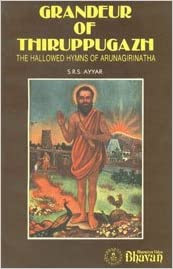
Arunagirinatha is emphatic on how bad poverty is for spiritual life. In Kandaranubhuti (19), he sings that one loses good appearance, mental poise, good qualities, the traditions of one’s family and lineage- all due to onset of poverty.
வடிவும் தனமும் மனமும் குணமும்
குடியும் குலமும் குடிபோகியவா
அடி அந்தமிலா அயில்வேலரசே
மிடியென்றொரு பாவி வெளிப்படினே.
What is necessary for spiritual life for normal people is simplicity and voluntary restraint, not stark poverty ( though there are some people who extol poverty.)
How did you take this Avatara? What is the reason for it? Is it to save people from the disease of samsara? Bhava kananamuna jarinche balugaasi (Evaraina)
People suffer in this samsara that is like a forest.
Saaraheena samsaram (Rama ninnu) This samsara that is without substance Bhavarogamu (Etulaina) The disease that is samsara Bhavapaasa (Eevaraku) The bondage that is samsara Mitimeraleni prakrutilona dalikine (O Rajivaksha) Getting caught in this samsara which seems to be shoreless. Taara tanayula udara Pooranamu seyu koraku Dooradesamulanu sancharamujesi Saaraminnainaleka vesaari Eesamsara paaraavaaramandu galugu Bhalamidaariyani telisi (Ninnenera)
For the sake of supporting wife and children, they wander in distant countries. But they do not reap much benefit. They get tired. Thus they get immersed in this ocean of samsara. I have understood what is the end result of all this. It is the order now for every youngster to aspire to go and work abroad. They do earn well, when converted to rupee terms but most Indians are not paid equal to local people anywhere in the world. And they manage to save only by frugal living- ie by not adopting the living standards of the locals . I am not aware whether any sociologist has seen through this phenomenon and studied its long-term effects. Right now, it is the trend, and Tyagaraja wrote more than a hundred and fifty years ago.
Bhavavaranamruga (dayajuchuda) Samsara that is like an elephant ( in masth) Paraloka bhayamu lekane Bhavapaasa baddhulaiyeru (Paraloka) Lacking any fear of the afterlife, people will get entangled by the bonds of samsara. Karivarija srfingaaraaraama sibigadulella manage kalgenani They get entangled, boasting that they are happy about owning elephants, horses, fancy parks and gardens,palanquins,etc Konna kanthalanu kona biddalanu Vannne cheeralanu vaana gudiselenu Tinnaka gani daivalokamani
Tannu kollalo Tyagarajanuta
They look happily at the women they have got for a price; at the children who are crooked (uncontrollable); at many-coloured dresses, constructed houses- they think they are in a divine land and thus get caught in the net of (their own) mental distraction and further entangled in samsara.
This is a tremendous piece of prescience. For the last two hundred years, this is what modern civilisation has been doing all over the world: it has projected an artificial atmosphere of our own creation as the reality and every true value has been distorted or discounted or dismissed out of reckoning.. People have become increasingly disconnected from any sense of intrinsic value beyond the market place. We have all become more and more worldly. There is lot of serious writing on this by very thoughtful people. But even poets of the Romantic school warned us about this phenomenon. Even if direct reference to God and religion is left out, the resulting damage to Nature itself is considered irreversible. People live not only as if there is no Paralokam, but they consume as if there is no tomorrow. And at the current rate , there may not be many!
The world is not only too much with us. We do not even know what to make of it!
This is where the Sadguru is bringing us to our senses.
Pictures are taken from various sources for spreading knowledge; this is a non- commercial blog. Thanks for your great pictures.
tamilandvedas.com, swamiindology.blogspot.com
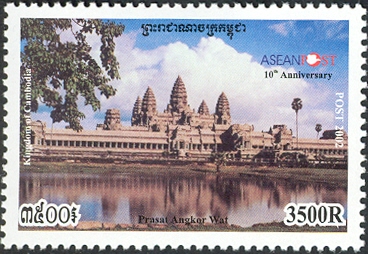
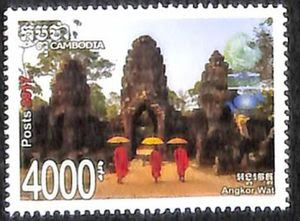
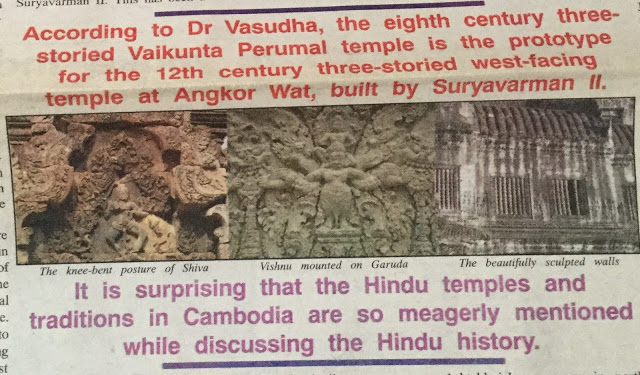
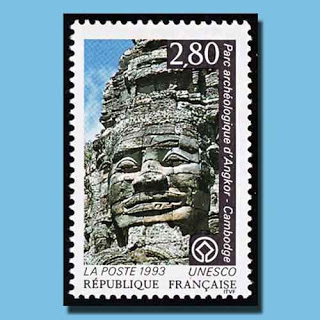
கம்போடியாவிலுள்ள உலகப் புகழ்பெற்ற அங்கோர்வாட் கோவிலை அறியாதோர் எவருமிலர். நானும் எவ்வளவோ புஸ்தகங்களைப் படித்துவிட்டேன். நமது ‘பிளாக்’கில் கட்டுரைகளும் உள . ஆயினும் பழைய பேப்பர் கட்டிங் (News Paper Cuttings) குகளைத் தூக்கிப் போடுகையில் 2006-ம் ஆண்டு ஜனவரி 22ம் தேதி Organiser Weekly இதழில் வைதேகி நாதன் எழுதிய கட்டுரையில் உள்ள சில அதிசய விஷயங்களைப் பற்றி மாட்டும் குறிப்பிடுகிறேன் .
அமெரிக்காவில் ப்ளோரிடா பல்கலைக் கழகத்தில் சமயத் துறையில் பேராசிரியராகப் பணியாற்றும் டாக்டர் வசுதா நாராயணன் (Dr Vasudha Narayanan) காஞ்சீபுரம் கோவில்களையும் கம்போடியா கோவில்களையும் ஒப்பிட்டு எழுதிய நூலின் மதிப்புரை போனறது அக்கட்டுரை.
இதோ அதிசயச் செய்திகள்:–
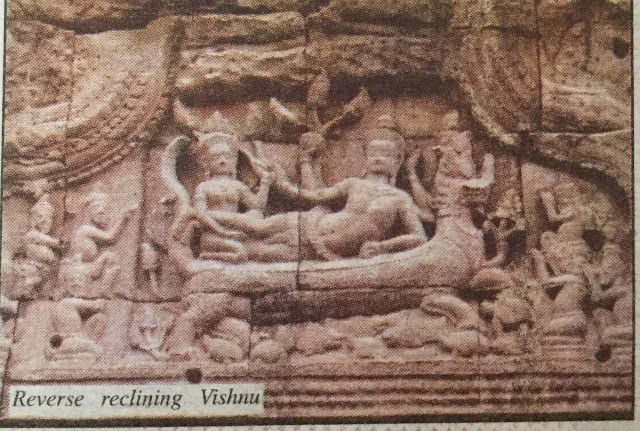
1.கலிங்க தேசம் (ஒரிஸ்ஸா), தமிழ் நாடு ஆகிய இரண்டும் கம்போடியாவுக்கு பல சிற்பிகளை அனுப்பியது போலும். காஞ்சியிலுள்ள மூன்று வைஷ்ணவக் கோவில்கள் கம்போடியாவின் அங்கோர்வாட்டுக்கு முன்மாதிரியாகத் நிகழ்ந்துள்ளன. விஷ்ணு ‘தலை மாற்றி சயனிக்கும்’ கோலம் இரண்டு இடங்களிலும் உள்ளன. அதாவது பெரும்பாலும் படுத்து இருக்கும் கோ லத்திலுள்ள (சயன) விஷ்ணுவின் தலை இடது புறத்திலும் பாதங்கள் வலது புறத்திலும் இருக்கும். ஆனால் காஞ்சியிலும் கம்போடியாவிலும் வலது புறத்தில் தலை வைத்துப் படுக்கும் படியாக அமைந்துள்ளது. இந்தியாவில் மேற்கு நோக்கி இருக்கும் கோவில்கள் மிகவும் குறைவு. இதிலும் இரண்டுக்கும் ஒற்றுமை இருக்கிறது. அதாவது மேற்கு நோக்கி அமைந்துள்ள அங்கோர்வாட் கோவில், காஞ்சியிலுள்ள வைகுண்டப் பெருமாள் கோவில் போல அமைக்கப்பட்டுள்ளது.
காஞ்சியிலுள்ள வைகுண்டப் பெருமாள் கோவில் மூன்று அடுக்குகளைக் கொண்டது. இது போலவே அங்கோர் வாட் கோவில் அமைக்கப்பட்டுள்ளது .இது 12ம் நூற்றாண்டைச் சேர்ந்தது. காஞ்சிக் கோவில் எட்டாம் நூற்றாண்டைச் சேர்ந்தது.
2.வைகுண்டப் பெருமாள் கோவில், திரு வெஃகா கோவில், அஷ்டபுஜகரம் கோவில் ஆகியவற்றுடன் நெருங்கிய தொடர்புடையது கம்போடியா கோவில்கள். அஷ்ட புஜம் அதாவது எட்டு கைகளுடனுள்ள பெருமாள் இரண்டு இடங்களிலும் உள .
பெரிய அதிசயம்
தமிழ் நாட்டிலுள்ள பல கோவில்களில் குறிப்பிட்ட நாளன்று சூரிய ஒளி கோவிலுக்குள் நுழைவதையும், கர்ப்பக் கிரஹத்திலுள்ள சிலை மீது சூரிய ஒளி பட்டு சூர்ய தேவனே வழிபடுவதையும் பார்க்கிறோம். அங்கோர்வாட்டிலும் சூர்யன், வசந்த காலத்தில் அடியெடுத்து வைக்கும் நாளன்று அங்கோர்வாட்டின் நடுப்பகுதியில் சூரியன் உதயமாவதைக் காணலாம். கோவில் மேற்கு நோக்கி இருப்பதால் நடு கோபுரத்தில் பின்பக்கம் சூரியன் உதயமாகும். இதைவிட அதிசயம் பீஷ்மர் சிலை மீது சூர்ய ஒளி விழும் நாளாகும். மஹாபாரத யுத்தத்தில் அம்புகளால் வீழ்த்தப்பட்ட பீஷ்ம பிதாமஹர், அம்புப் படுக்கையில் சயனித்து, ஏறத்தாழ இரண்டு மாதங்களுக்குப் பின்னர், தான் நிர்ணயித்த உத்தராயண புண்ய காலத்தில் உயிர் துறக்கிறார் . அந்த குறிப்பிட்ட உத்தராயண புண்ய காலத்தில் சூரிய ஒளி பீஷ்மரின் சிற்பம் மீது விழும்!!!
3. மூன்றாவது அதிசயம் கங்கை நதி சிவன் தலையில் இருந்து விழுந்து, விஷ்ணுவின் பாதங்களைக் கழுவி சமவெளியில் பாய்வதாக புராணங்கள் செப்பும். அதே போல சியம் ரீப் (Seam Reap) ஆற்றில் அமைக்கப்பட்டிருந்தது. ஆனால் போரினால் சீரழிந்த கம்போடியாவில் பாதுகாப்பற்றுக் கிடந்த சிலையின் உடல் பக்கத்தை மட்டும் அறுத்து எடுத்து மேலை நாட்டு மியூசியங்களுக்கு விற்று விட்டனர் சிலைத் திருடர்கள்.
ஹரிஹரன் (சிவன்+ விஷ்ணு) முதலிய உருவங்கள் இந்தியாவிலும் காம்போடியாவிலும் உண்டு.
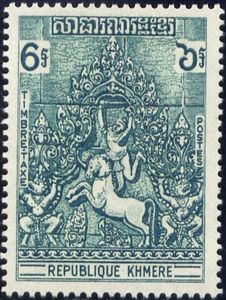
4.ஹைதாராபாத் சாலார் ஜங் மியூசியத்தில் விஷ்ணுவை சுமக்கும் கருடன் சிலை மிகவும் அழகானது (Salarjung Museum in Hyderabad). இது போன்ற உருவங்கள் கம்போடியாவில் உள்ளன. மிக அழகான ஹரிஹரன் சிலை, தலை இல்லாமல் நாம்பென் மியூசியத்தில் நிற்கிறது; அதன் அருகில் ஒரு சின்ன போர்டு வைத்துள்ளனர். “இந்தச் சிலையின் தலை பாரிஸ் நகரிலுள்ள கெய்மே (Musee Guimet) மியூசியத்தில் இருக்கிறது” என்று அதில் எழுதப்பட்டுள்ளது.
5. கடல் கடைந்து அமிர்தம் எடுத்த காட்சி கம்போடியர்களுக்கு மிகவும் பிடித்த காட்சி . பல ஹோட்டல்களிலும் பொது இடங்களிலும் காணலாம். அங்கோர் வட்டில் இந்தக் காட்சி பிரம்மாண்டமான அளவில் செதுக்கி வைக்கப்பட்டுள்ளது (49 மீட்டர்).
கம்போடியாவில் நூற்றுக் கணக்கான கோவில்கள் இருக்கின்றன. போரினாலும் காலத்தின் கோலத்தாலும்
அழிந்தது போக எஞ்சியத்தைக் காணும்போதே நமக்கு பிரமிப்பு ஏற்படுகிறது!!
Pictures are taken from various sources for spreading knowledge; this is a non- commercial blog. Thanks for your great pictures.
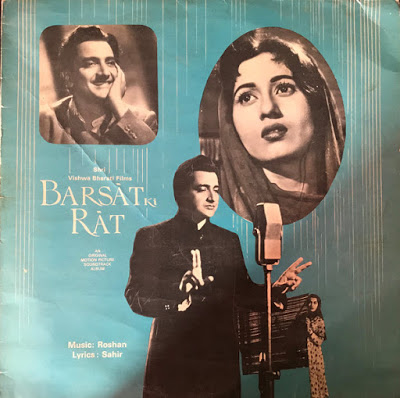
ஹிந்தி படப் பாடல்கள் – 62 – இரு மணிகள் – மழைக்காலப் பாடல்கள்
R. Nanjappa
இந்தியா பருவ மழையை நம்பியிருக்கும் நாடு. GDP அது இது என்று நமது அரசியல் வாதிகளும் பொருளாதாரவாதிகளும் அளப்பார்கள்- பருவமழை வர ஒருவாரம் தாமதமானால் தலையில் கைவைத்து உட்கார்ந்துவிடுவார்கள்! அப்படி வந்தாலும் போதாது- பருவம் முழுவதும் நன்றாக நாட்டின் எல்லாப் பகுதிகளிலும் பெய்யவேண்டும்! இது எந்த அரசியல் வாதியின் கையிலும் இல்லை! வான் நின்றுலகம் வழங்கி வருவதல்லவா! நமது திரைப்படங்களில் மழைபற்றிப் பல நல்ல பாடல்கள் இருக்கின்றன. படம் ஆதலால் கதையுடன் இணைந்தே வரும்.அப்படி இரு பாடல்களைப் பார்க்கலாம்.
கர்ஜத் பர்ஸத் ஸாவன் ஆயோ ரே
गरजत बरसत सावन आयो रे, गरजत बरसत सावन आयो रे लायो न संग में, हमरे बिछड़े बलमवा सखी का करूं हाय, गरजत बरसत सावन आयो रे गरजत बरसत सावन आयो रे सावन आयो, सावन आयो रे गरजत बरसत सावन. रिमझिम-रिमझिम मेहा बरसे रिमझिम-रिमझिम मेहा – बरसे – बरसे रिमझिम-रिमझिम मेहा बरसे तड़पे जियरवा मीन समान पड़ गई फीकी लाल चुनरिया पिया नहीं आए गरजत बरसत सावन आयो रे
पल पल छिन छिन पवन झकोरे पल पल छिन छिन पवन झकोरे पल पल छिन छिन पवन झकोरे लागे तन पर तीर समान – तीर समान सखी लागे तन पर तीर समान नैनन जले सौ भीगी सजरिया अगन लगाए गरजत बरसत सावन आयो रे लायो ना संग में, हमरे बिछड़े बलमवा
கர்ஜத் பர்ஸத் ஸாவன் ஆயோ ரே கர்ஜத் பர்ஸத் ஸாவன் ஆயோ ரேலாயோ ந ஸங்க் மே ஹமரே பிசடே பலம்வாஸகீ கா கரூன் ஹாய், கர்ஜத் பர்ஸத் ஸாவன் ஆயோ ரேரிம்ஜிம்-ரிம் ஜிம் மேஹா பர்ஸேதட்பே ஜியரவா மீன் ஸமான்பட்கயீ ஃபீகீ லால் சுனரியாபியா நஹீ ஆயேகர்ஜத் பர்ஸத் ஸாவன் ஆயோ ரேபல் பல் சின் சின் பவன் ஜகோரேலாகே தன் பர் தீர் ஸமான், தீர் ஸமான்ஸகீ லாகே தன் பர் தீர் ஸமான்நைனன் ஜலே சௌ பீகி சஜரியாஅகன் லகாயேகர்ஜத் பர்ஸத் ஸாவன் ஆயோரே..
இங்கு வரிக்கு வரி அர்த்தம் பார்க்கவேண்டாம்.பொதுவாகத் தெரிந்துகொண்டால் போதும். கார்கால மேகங்கள் கர்ஜித்து வருகின்றன, மழையைப் பொழிகின்றன ஆனால் அன்பரை உடன் அழைத்து வரவில்லை, ஸகியே என்ன செய்வேன் என்று வருந்துகிறாள். மேகங்கள் தாரைதாரையாக மழை வர்ஷிக்கின்றன. குளிர்ந்த காற்று வீசுகிறது ஆனால் அது அம்புபோல் உடலில் பாய்கிறது, மனம் நிம்மதி இழந்து மீன்போல் அலைந்து தவிக்கிறது, இந்த மேகம் அன்பரை அழைத்துவர வில்லை, என்ன செய்வேன் என்கிறாள்! உருதுக் கவிஞர் இங்கு கிராமப்புர ஹிந்தியிலேயே எழுதிவிட்டார்
Song: Garjat barsat sawan Film: Barsat Ki Raat 1960 Lyrics: Sahir Ludhianvi Music: Roshan Singers: Suman Kalyanpur & Kamal Barot Raag: Gaud Malhar YouTube link: https://www.youtube.com/watch?v=r2LAdBwgCe4.. This contains portions from a song from the 1951 film Malhar, in the same Raga composed by Roshan himself. https://www.youtube.com/watch?v=62TjjoPCyG8
இந்தப் பாடல் கௌட மல்ஹார் ராகத்தில் அமைந்த பாடல்களில் சிறந்ததாகக் கருதப்படுகிறது. மழை அவசியமென்றாலும் நாம் மழையை எப்படி எதிர்கொள்கிறோம்? துளி தூரல் என்றால் ஓடி ஓளிந்துகொள்கிறோம், குடையைத் தேடுகிறாம்! குஜராத்தில் மழைக்காலத்தில் முதல் மழையில் எல்லோரும் வேண்டுமென்றே நின்று நனைவார்கள்! பம்பாயில் மழைக்காலத்தில் நனைந்து போவது சகஜம். இங்கு தெற்கில் மழை என்றால் ஒடி ஒதுங்குகிறார்கள். இங்கே ஒரு பாட்டில் மழையை எப்படி அனுபவிப்பது என்று ஹீரோ காட்டுகிறார்!
டம் டம் டிகா டிகா
डम डम डिगा डिगा मौसम भीगा भीगा बिन पिए मैं तो गिरा…मैं तो गिरा हाय अल्लाह, सूरत आपकी सुभान अल्लाह
तेरी अदा वाह-वाह क्या बात है अँखियाँ झुकी झुकी, बातें रुकी रुकी देखो कोई आज लुट गया हाय अल्लाह..
सनम हम माना गरीब हैं धंधा खोटा सही बन्दा छोटा सही दिल ये खजाना है प्यार का हाय अल्लाह
तेरी कसम तू मेरी जान है मुखड़ा भोला भोला, छुपके डाका डाला जाने तू कैसा मेहमान है हाय अल्लाह … # டம் டம் டிகா டிகா, மௌசம் பீகா பீகாபின் பீயே மைதோ கிரா மைதோ கிரா ஹை அல்லாஹ்சூரத் ஆப் கீ ஸுபான் அல்லாஹ்!ஹாய் அல்லா!டம் டம் என்று மேளத்தின் சப்தம் (அல்லது மேகத்தின் சப்தம்)மழைக்காலம் வந்துவிட்டது!இதோ, குடிக்காமலேயே நான் கீழே விழுந்துவிட்டேன்!ஆண்டவனே! உன் முகம் கொள்ளை அழகு!தேரீ அதா வாஹ் வாஹ் க்யா பாத் ஹைஅகியா(ன்) ஜுகீ ஜுகீ, பாதே(ன்) ருகீ ருகீதேகோ கோயீ ஆஜ் லுட் கயாஹாய் அல்லாஹ்…
உன்னுடைய நடை,உடையை பாவனையை எப்படிப் புகழ்வது!தாழ்ந்த பார்வை, தயங்கிய பேச்சுபார், இன்று யாரோ உன்னிடம் மனதைப் பறிகொடுத்து விட்டார்கள்!ஆண்டவனே!ஸனம் ஹம் மானா கரீப் ஹைதந்தா கோடா ஸஹீ, பந்தா சோடா ஸஹீதில் யே கஃஜானா ஹை ப்யார் காஹாய் அல்லாஹ்நான் ஏழை என்பது தான் தெரியுமே!பிழைப்புக்கு வழியில்லை, சிறிய ஆள் தான்ஆனால் மனது அன்பால் நிறைந்திருக்கிறதுஆண்டவனே!தேரீ கஸம் தூ மேரீ ஜான் ஹைமுக்டா போலா பாலா, சுப்கே டாகா டாலாஜானே தூ கைஸா மேஹ்மான் ஹைஹாய் அல்லாஹ்…உண்மையாகச் சொல்கிறேன், நீயே என் உயிர்!முகம் எளிமையாக இருக்கிறது, ஆனால் பேசாமல் மனதைப் பறித்துவிட்டாய்நீ எப்படிப்பட்ட விருந்தாளியோ, தெரியவில்லையே!ஆண்டவனே!
இது படத்தில் கதையை ஒட்டி வரும் பாடல். வீடியோவைப் பார்த்தால்தான் புரிந்துகொள்ள முடியும். விவசாயத்தையே நம்பி இருக்கும் ஒரு நாட்டில் மழை எவ்வளவு முக்கியமானது! இதை வேறு இரு பாட்டிலும் நன்கு சித்தரித்திருக்கிறார்கள்: 1. Do Bigha Zamin .Song: Haryala Sawan Dol bhajata aaya Music: Salil Chowdhury YouTube link; https://www.youtube.com/watch?v=bcKm9OXY0bY 2. Do Ankhen Barah Hath:Song: Umad Ghumad kar Aayire ghata Music: Vasant Desai YouTube link: https://www.youtube.com/watch?v=qtUnvEtFcZA இத்தகைய நல்ல மழைப் பாடல்களைக் கேட்பதே நாம் மாரி மாட்டு நன்றி
Pictures are taken from various sources for spreading knowledge; this is a non- commercial blog. Thanks for your great pictures.
ச.நாகராஜன்
ரெப் லிவிங்ஸ்டன்!
அமெரிக்காவைச் சேர்ந்த ஒரு பெண்மணி ரெப் லிவிங்ஸ்டன். அவர் Bibilomancy Oracle ப்ராஜெக்ட் என்று ஒன்றை 2012இல் ஆரம்பித்தார்.
காலம் காலமாக இருந்து வரும் உண்மைகள் நம்மை வழி நடத்தும் என்பது அவரது முடிந்த முடிபு.
ஒரு கேள்வியைக் கேளுங்கள். ஒரு புத்தகத்தை எடுங்கள். தற்செயலாக அதில் நீங்கள் தேர்ந்தெடுக்கும் பக்கத்தில் உங்கள் கேள்விக்கான பதில் ஒரு செய்தி வடிவத்தில் இருக்கும்.
விக்கிபீடியாவின் படி 1753ஆம் ஆண்டில் பைபிளோமேன்ஸி கடைப்பிடிக்கப்பட்டிருக்கிறது; அதற்கான ஆவணம் இருக்கிறது.
இன்னொரு நடைமுறை ஸ்டிசோமேன்ஸி (Stitchomancy). இதன்படி ஏதேனும் ஒரு புத்தகத்தில் உள்ள பல வரிகளைத் தேர்ந்தெடுத்துப் பதிலைக் காண்பது ஒரு பழக்கம்.
பலிக்குமா, பலிக்காதா என்பது அவரவர் நம்பிக்கையைப் பொறுத்து அமைகிறது.
ரெப் லிவிங்ஸ்டன் எந்தக் கேள்விக்கும் தனக்குச் சரியான பதில் கிடைக்கிறது என்கிறார்.
அவரிடம் இது பற்றி அவருக்குத் தெரிந்த ஒரு சம்பவத்தைக் கூறுமாறு கேட்ட போது அவர் ஆங்கிலக் கவிஞர் ராபர்ட் ப்ரௌனிங் வாழ்க்கையில் நிகழ்ந்த ஒரு சம்பவத்தைக் கூறினார்.
இந்தச் சம்பவம் விக்கிபீடியாவிலும் உள்ளது.
ராபர்ட் ப்ரௌனிங்கின் அனுபவம்!
எலிஸபத் பேரட்டுடனான அவரது தொடர்பு பற்றி அவர் இப்படிக் கயிறு சார்த்திப் பார்த்திருக்கிறார் – அதாவது தற்செயல் தேர்வாக ஒரு பக்கத்தை எடுத்துப் பார்த்திருக்கிறார். அவர் எடுத்த புத்தகம் – Cerutti’s Italian Grammar!
இது அவருக்குப் பெரும் ஏமாற்றத்தைத் தந்தது. என்றாலும் கூட யதேச்சையாக ஒரு பக்கத்தைத் திறந்தார். அதில் வந்த வரி அவரைப் பெரிதும் கவர்ந்தது: if we love in the other world as we do in this, I shall love thee to eternity’ (which was a translation exercise).”
“இந்த உலகில் நாம் ஒருவரை ஒருவர் காதலிப்பது போல அடுத்த உலகிலும் நேசித்தால், நான் உன்னை ஊழிஊழி காலம் வரை காதலிப்பேன்” (இது ஒரு மொழிபெயர்ப்பு பயிற்சிக்காக அந்த இலக்கணப் புத்தகத்தில் வந்த வரி)
பின்னால் எலிஸபத் பேரட், எலிஸபத் பேரட் ப்ரௌனிங்காக மாறிய சரித்திரம் அனைவரும் அறிந்தது தான்.
(Reb Livingston : -My favorite bibliomancy example is this from Wikipedia: “English poet Robert Browning used this method to ask about the fate of his enchantment to Elizabeth Barret (later known as Elizabeth Barret Browning). He was at first disappointed to choose the book “Cerutti’s Italian Grammar”, but on randomly opening it his eyes fell on the following sentence: ‘if we love in the other world as we do in this, I shall love thee to eternity’ (which was a translation exercise).”)
ஆக இது போன்ற ஏராளமான நிகழ்வுகள் உலகெங்கும் பதிவு செய்யப்பட்டிருக்கின்றன.
உலகில் எவ்வளவோ நம்ப முடியாத புதிர்கள்; ஆச்சரியங்கள்!
அவற்றில் இதுவும் ஒன்று!
*
சரி, இந்தப் பழக்கத்தைக் கிண்டல் செய்து வந்துள்ள ஒரு ஜோக்கையும் இங்கு பார்த்து விடுவோமா?!
Bibliomancy is the practice of opening the pages of the Bible at random and deriving solace or a solution for a nagging problem.
Once, a person too nervous and shaking, opened and on the first occasion came across Matthew 27:5 – “(Judas) went away and hanged himself”.
He turned again and has eyes fell upon Luke – 10:17 “go and do likewise”.
Much dispirited he tremulously turned another page and was totally unnerved to find “What you are about to do, do quickly”. (John-13:27)
Pictures are taken from various sources for spreading knowledge; this is a non- commercial blog. Thanks for your great pictures.
tamilandvedas.com, swamiindology.blogspot.com
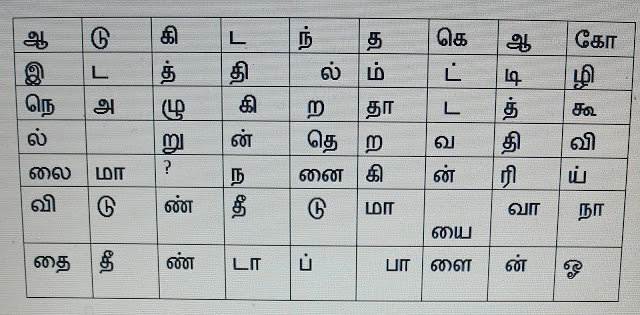
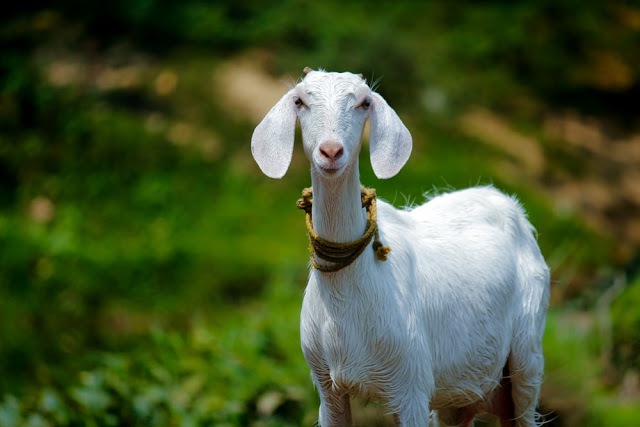
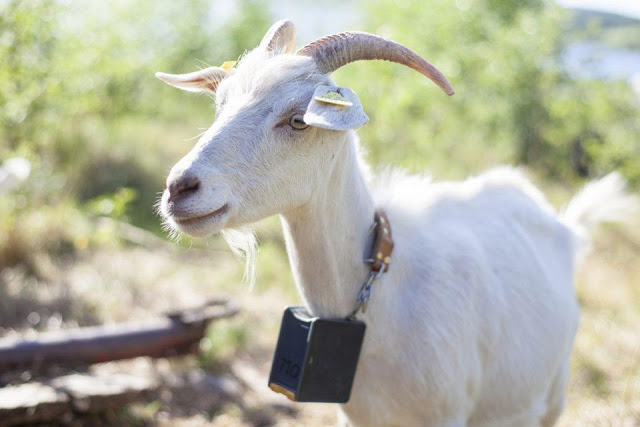
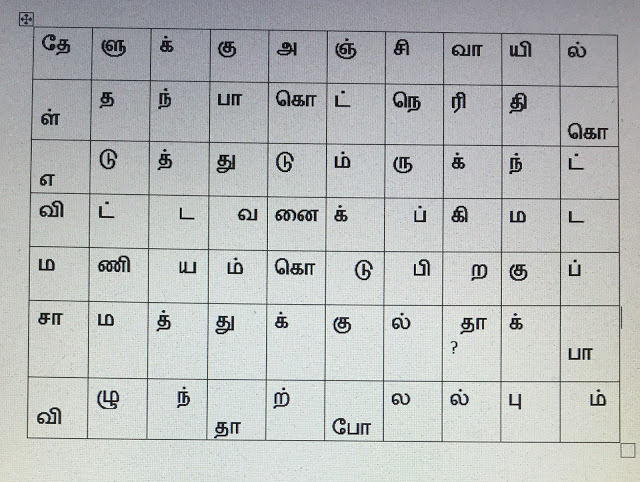
ஒரே சொல் மீண்டும் மீண்டும் வந்தால் ஓரிரு இடங்களில் மட்டுமே கட்டத்தில் இருக்கும். கொண்டு கூட்டி பொருள் கொள்க . விடை கீழே உள்ளது . சில நேரங்களில் படங்களைப் பார்த்தாலும் விடை காண உதவலாம்.
விடை
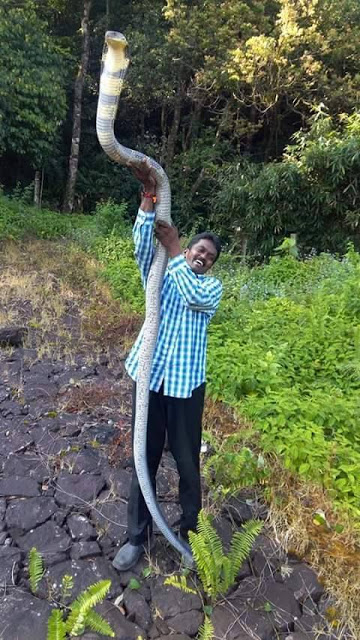
1.தே ளு க்கு அஞ்சி பாந்தள் /பாம்பு வாயில் விழுந்தாற்போல

















 Tamil and Vedas