Pictures are taken from various sources for spreading knowledge; this is a non- commercial blog. Thanks for your great pictures.
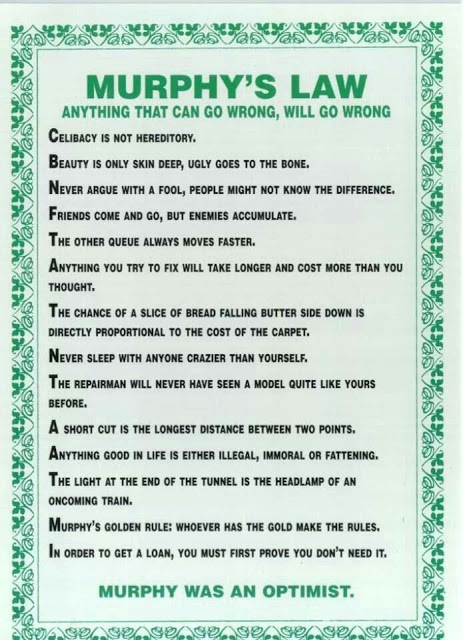
மர்பி லா (law) பற்றிய இரு கட்டுரைகளைத் தொடர்ந்து இடம் பெறும் மூன்றாவது கட்டுரை இது! நாமே மர்பி லாக்கள் போன்ற பல விதிகளை நம் இலக்கியத்திலிருந்து உருவாக்கிக் கொள்ளலாம், இல்லையா, இதோ, பாருங்கள் ..
தோன்றி அழிவது வாழ்க்கை – இதில் துன்பத்தோடின்பம் வெறுமை என்றோதும் மூன்றில் எது வருமேனும் – களி மூழ்கி நடத்தல் பரசிவ முக்தி!
இது போல சங்கப் புலவர்கள், தேவார ‘லா’க்கள், ஆழ்வார்களின் அற்புத ‘லா’க்கள், அருணகிரிநாதர் போன்ற எண்ணற்றோரின் சூத்திரங்களை எடுத்துத் தனியே தொகுத்தால் மர்பி லாவும் மற்ற விதிகளும் அவற்றிற்கு முன் எம்மாத்திரம், சொல்லுங்கள்!
Tags –மர்பி, வள்ளுவர் Rule, ஔவையார் Law, பாரதியார் Formula
Pictures are taken from various sources for spreading knowledge; this is a non- commercial blog. Thanks for your great pictures.
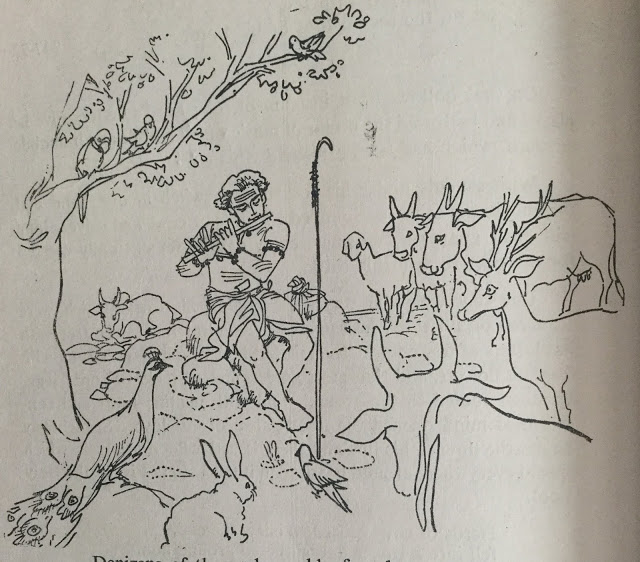
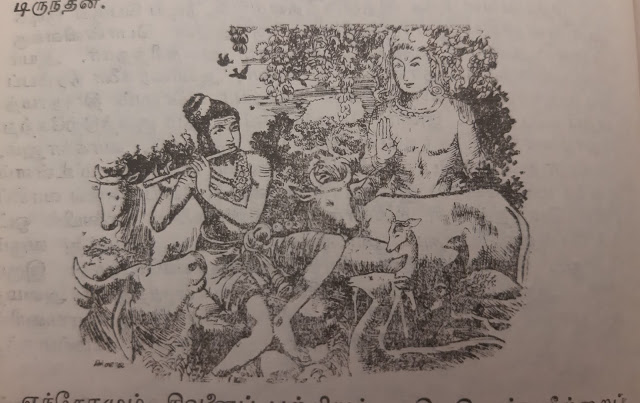
Music plays an important part in the life of many saints. Hinduism has the highest number of saints who used the path of music to reach the feet of the god. Tamil poet cum saint Sekkizar who composed poems on 63 great Saivite saints of Tamil Nadu gives us detailed life stories of these saints. When we read about animal miracles we remember two of these Saivite saints , known as Nayanmars. Cheraman Perumal Nayanar , King of Kerala was well versed in animal language. The other one is Aanaya nayanar. Though his intention was not to talk to animals, they understood his devotion towards lord Shiva and flocked around him when he played on flute. That way he may be compared to Saint Francis of Assisi who was canonised after his death by Pope Gregory.
St. Francis of Assisi lived 1000 years ago in the Italian town of Assisi. He used to attract animals through language of love. He even instructed wolves not to attack town people. Aanaya Nayanar also lived 1000 years ago in Maza Nadu, now known as Tiruchirappalli district in Tamil Nadu.
St Francis, though born in a wealthy merchant family lived a life of austerity. But Aanaya Nayanar was already born in a poor cowherd’s family and led the life as a cowherd. He lived in a village called Tirumangalam.
He was not learned but he knew the Panchakshara – the great Five Letters of Lord Siva – na ma si va ya . he played it on the flute .The Mantra Panchakshara is in Sanskrit. But music is a universal language. From God to animals all understand. Thus he was more learned than the most learned people of his area.
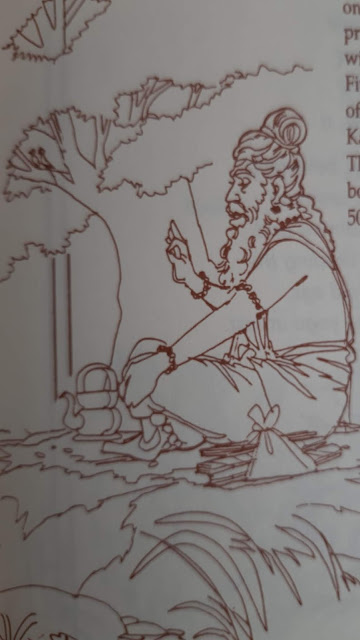
One day he was sitting under a Kondrai Tree, a favourite flower of Lord Siva and started playing on the heavenly instrument. Then what happened?
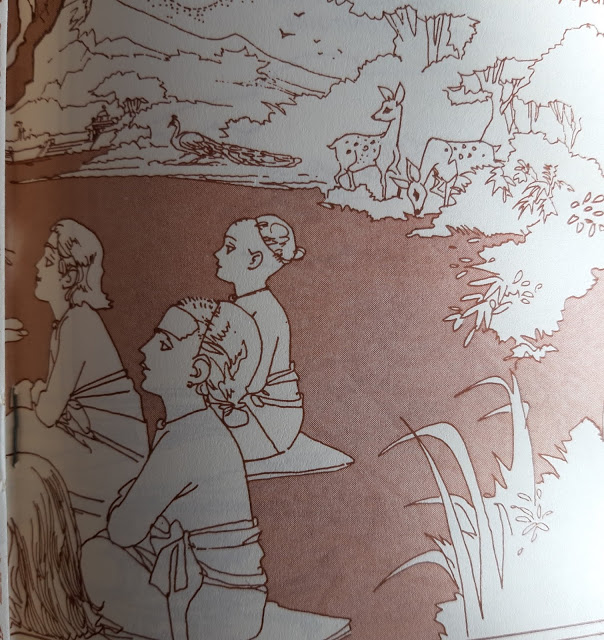
The music captivated all the cows and calves.
Even the birds sat on the trees and silently heard the enrapturing music of the flute.
The peacocks danced in joy, keeping time with the music.
Hearing the music other animals stood motionless.
The music captivated the hearts of the deer, snakes, elephants ,tigers etc.
The snake and the peacock, the tiger and the elephant shed their enmity and lived together happily.
The waves in the sea called to hear the music of Aanayanar.
Even the celestials – Vidhyadharas, Kinnaras and Devas came in their celestial cars to listen to him
The lord was immensely pleased with Anaya Nayanars devotion .
He came with Goddess Parvati and took him to Kailash.
***
G Vanmikanathan in his English translation of Periapuranam verses describes the scene in the following verses,
Herds of cows ceased to chew the cud,
Fell in to a trance and gathered around him
Calves with ring frothed mouths
Ceased to suckle at the teets of their mothers
Bands of bulls with spreading horns, deers and other forest fauna
All with hairs on their hides atingle
Gathered around.
Dancing flocks of peacocks ceased their strutting
and gathered around him
Coveys of birds, their hearts filled with the music
Which entered through their ears,
Roosted around him with roosted senses,
The hefty herdsmen
Working in the neighbourhood
gathered round him.
Denizens of the underworld of snakes
Debouched through underground passages
Mountain dwelling maids
Many many massed around
Mazed in their minds,
Vinjayars, Saranars, Kinnarars, Amarars,
Heaven dwellers of undiminishing luminance
All in daze, in the beautiful sky above
In their chariots in the clouds crowded they.
As the tormentors and the tormented
Enjoyed with the same emotions,
The snake of mouth full of pearly teeth
Swooned and fell on the peacock;
The lion of unflagging ferocity
And the massive elephant sat together
Beside the jaws of the tiger,
The delicate mouthed deer bedded
The blowing breeze forebode to blow
Trees their blossom laden branches
Ceased to sway
Falls of water failed to fall down the fells
Wild rivers from virgin forest
Ceased to roar as they rushed along;
Banks of bulging clouds
Their sailing stalled
With held their waters
Thunder ceased to thunder in the vast sky
The Seven oceans ceased to swell.
The music of the fluting
Of the hollow reed
Filling the world and capturing the heavens
Rose in volume vast enough
To reach the holy ears
Of the out of reach of deceitful devotion Sire
Who dances in the Golden Hall
On graciously hearing
the music of the flute of Aanayanar
The Creator of Music, the Lord
With an eye on the forehead
Accompanied by the willowy Dame of austerities
Whose heart was compassion incarnate
Mounted the bull
And appeared on the aerial highway
With his matted locks, the Nursery of the Moon,trailing behind him.
This is how Sekkilar described in Tamil.
Aanayanar was taken to the abode of Lord Siva.
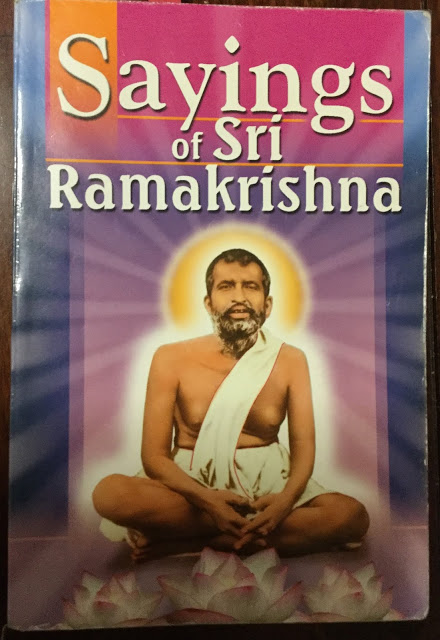
We are reminded of what Sri Ramakrishna Paramahamsa says about jeevan muktas:–
When they see the ocean of bliss they immediately jump into it and try to find the bottom of the ocean. But before they dive a few feet they dissolve into it like a salt doll in the water. Very few people come back to the world and cry loudly saying that they have found a very big treasure and appeal to the devotees to share it. Here Aanayanar simply dissolved in the ocean of bliss.
***
Periapuranam
Periapuranam gives the life history of 63 Tamil Saivite saints. One of the 63 poets is Seraman Perumal Nayanar also known as Kazarirrarivar. He also knew animal language like Asvapati.
Periyapuranam verse 3760 says: “He was enabled to reign as king at the same time follow the path of loving worship. He was given the power of understanding the communication of all living creatures”
We must notice one thing here: Scriptures don’t attribute this rare talent to everyone. Only few of the ancient people had this knowledge. Christian saint St Francis of Assisi was an embodiment of love. Even fishes kissed his fingers. King Solomon also understood animal language.
Najmuddin Kubra was a Sufi Muslim saint who founded the Greater Brother order. His pictures show that he was always surrounded by birds. Sufi saints were said to have spoken to birds and animals. Ancient Hindu saints spoke to animals in the natural language. Probably Asvapati, Kazarrarivar and Vikramaditya used their thought power to communicate with them. Stories of Vikramaditya have several incidents of listening to birds’ talk.
****
ST. FRANCIS OF ASSISI
FROM MY POST ON 2ND FEBRUARY 2014
Miracles of a Christian Saint: St Francis of Assisi “St. Francis was born at Assisi in Italy in 1182. After a care free youth, he turned his back on inherited wealth and committed himself to God. Like many early saints, he lived a very simple life of poverty, and in so doing, gained a reputation of being the friend of animals. He established the rule of St Francis, which exists today as the Order of St. Francis, or the Franciscans. He died in 1226, aged 44”.
Voltaire on St Francis: “A savage mad man who ran around naked, spoke to animals, gave religious instruction to a wolf and built himself a wife out of snow”, said Voltaire (1649- 1778)
St. Francis was able to control a wolf that troubled the people of a town in Italy. He spoke to the wolf and struck a deal with it. Half way through his sermons he went to the birds and spoke to them.
On the last day of his existence, the sky larks came to him to sing. He cured leprosy patients. In his presence the animals behaved. When he went to the lakes and ponds fishes kissed him.
Catholic Christians are like Hindus in their beliefs, particularly about miracles. Hindus believe that saints can exert great influence on animals and other natural forces.
A Tamil saint of Tiruvannamalai, Sri Seshadri Swamikal, brought hundreds of birds of different kinds, just to amuse one of his devotees. Tamil and Telugu films portray snakes that obey the divine commands.
Poem Attributed to St Francis: Lord, make me an instrument of your peace.
Where there is hatred, let me sow love.
Where there is injury, pardon.
Where there is doubt, faith.
Where there is despair, hope.
Where there is darkness, light.
Where there is sadness, joy.
O Divine Master, Grant that I may not so much seek to be consoled, as to console;
To be understood, as to understand;
To be loved, as to love.
For it is in giving that we receive.
It is in pardoning that we are pardoned,
And it is in dying that we are born to Eternal Life.
Amen
****
Please read my earlier articles: 1.Mysterious Tamil Bird Man (posted 19 April 2012) 2. Mysterious Messengers for Ajanta, Angkor Wat, Sringeri (posted 3 Oct. 2011) 3.Animal Einsteins Part 1 and Part 2 4. When Animals worship God, Why not Men? 5.Can Birds Predict Your Future?
tags – Aanaya Nayanar, Flute, St Francis of Assisi,
Pictures are taken from various sources for spreading knowledge; this is a non- commercial blog. Thanks for your great pictures.
Academic circles make a distinction between religion and spirituality, though in the ancient days, no such distinction prevailed. In the West today many people describe themselves as ‘spiritual but not religious’.(SBNR). They mean that they do have some belief in an Ultimate Power in the universe, but do not subscribe to any theological belief or practice, any church or organised system of worship or dogma. They believe in a personal, internal experience, and not membership in an organised group. It is called ‘spirituality without religiosity’ It is estimated that in the US alone, such people constitute about 24% of the population.
Secularism: anti-Christian in origin
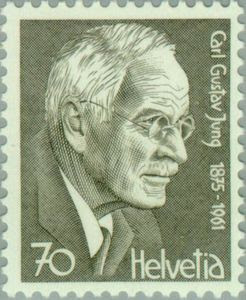
Such a situation has arisen in the West as a result of historic circumstances, when science disproved many of the articles of faith of organised Christianity, such as creation in 4004 BC, creation in 7 days, the earth-centred universe, etc. The movement in fact started with Renaissance when Europe discovered ancient Greek literature and philosophy; then Enlightenment took over, emphasising reason and individualism as against submission to tradition and authority; this was followed by the rise of modern science, leading to separation of Church and State, Secularisation of society, including education, separation of even philosophy from religion, etc. In the circumstances, people who think about life and its problems seriously, feel the inadequacies of ‘modernism’ in all aspects. Psychologist Carl Jung said:
I have treated many hundreds of patients. Among those in the second half of life – that is to say, over 35 – there has not been one whose problem in the last resort was not that of finding a religious outlook on life.
People take to new religions, or cults like New Age, Paganism, etc. Even Darwinism, Feminism, Freudian psychoanalysis etc have been turned into cuts Those who describe themselves as ‘spiritual but not religious’ are usually those who like to experience some form of spiritual reality in their lives, beyond holding mere belief.
Religion and Spirituality: Hindu view
This may look like a new arrangement. But if we study Hinduism, we realise that it always contained a provision for the common people to practice religion at a popular level, but with a way to take up the pure spiritual quest, ( the quest after Liberation or Spiritual Enlightenment) after adequate preparation and with proper guidance. Categorisation of the 4 purusharthas provides for the pursuit of the normal worldly life ( artha and kama) based on dharma which prepares the base for the pursuit of Moksha which is the ultimate purpose of life. The organisation of the 4 asramas likewise provides a base: the brahmacharin equips himself with the necessary knowledge, takes up family life to pursue artha and kama, and thus also discharge his responsibility in society, then cultivates detachment by separating himself from active worldly life through vanaprasta ( without disturbing society) and at the last stage renounces worldly life totally through sanyasa, to take up spiritual pursuits exclusively.. A person with intense desire for spiritual life might take up sanyasa directly after the student stage, bypassing householder stage. The organisation of society on the basis of varna provided a secure means of livelihood for everyone without competition; it made for contentment if not always for opulence and ostentation. ( In fact, what was the scope for any show of public opulence when the economy was not monetised , and there was no consumer culture?) The learning and training required for any trade or craft or profession was acquired in-house, literally. Only those who decided to dedicate themselves fully for a religious or spiritual life had to take up serious studies in other disciplines.
Ideal or Reality?
It may appear that this is an idealistic picture. But till the Muslim rule, this was what prevailed; it continued in a truncated form even under the Muslim rule. But it was totally mauled during the British rule, aided by the education system they introduced, abetted by missionary propaganda. The trend of modernity everywhere has now converged towards wholesale secularisation of life, with materialistic fulfilment and sensory satisfaction as the main aim of life.
West had more time to adjust
England, and Europe in general, had about 5 centuries to face and adjust to this gradually; in India the movement towards modernity has been both sharp, and rather sudden, backed by unpredictable , uncontrolled and unregulated global forces. In the West , thoughtful people have seen through the emptiness of modernity and have embraced spirituality voluntarily. But in India, the lure of modernity is very powerful, and it is simply equated with Westernization of life. The huge masses, freed from traditional restraints and limitations, are taking to it with great eagerness and intensity: the attractions are too strong to resist. Most Indians do not have an idea how such things originated and how the West dealt with it. So the mistakes of the West, and the associated pain and suffering, are repeated here too! As George Santayana said, those who do not know history are condemned to repeat it! Being more populous than most countries, India is also likely to suffer more intensely.
This has come to India within the last century, especially after Independence, in its most intense and often very subtle forms. This state is actively promoted by the new electronic media, with its strong visual and sensory appeal, and psychological impact on the younger generation which is the majority in India now.
Muslim and British Rule
During the Muslim rule, the saints who appeared preserved our religion and helped the common people, by simplifying matters. But the basic structure of life was still largely in tact, as the Muslims did not control the whole of India.. We have remarkable proof of this by way of British documents themselves. By 1750, when the British started consolidating their hold, India was a very prosperous country, with a flourishing economy, contributing nearly 30% of world GDP. Life was centered mainly on the villages which functioned like little independent republics.Industry and trade flourished, ( not just agriculture) along with public education.The British documented all this meticulously through their district collectors. But the British intention was not to preserve or promote this. They studied it well so they could destroy it the more thoroughly. They destroyed it wholesale: self-sufficient village communities were systematically destroyed, the local power structures were altered, economic systems were replaced; a new class of ‘book (English) educated’ people arose to create the great middle classes. Hindus not only lost their independence, they lost their basic identity. Hindu “society” was being destroyed.
Swaraj- its meaning
During the initial stages of the freedom movement, our leaders were aware of these factors,and spoke of “Swaraj” and gave it a meaning beyond the purely political intent or content.. Sri Aurobindo articulated it particularly well. Gandhi also said in the initial stages that the real problem was modern civilisation and in the only book he wrote in his life titled ” Hind Swaraj”, in 1909, he explained his position well. But as the movement progressed, the aims were diluted and India too became a secular parliamentary democracy, like the West. But secularism came to acquire a special meaning in India , in official circles: In the West, it means that the govt does not owe allegiance to any religion or church and does not favour any religion over others; in India it means that the non-Hindu religions get preference and protection, claiming minority status!
What this means is that Hinduism is hit particularly hard; Hindus face serious issues in their own homeland! All other religions are spread throughout the world, in many countries; 95% of Hindus live only in India. But here life is becoming increasingly secularised ( in the sense of violating Hindu values in the public space, and pandering to religions that have non-Indian origin) and spiritual effort is becoming particularly difficult. Securing a means of livelihood has become the main question, faced by each generation anew; education is the means to it and it has become secularised. Thus spiritual outlook and even the religious idea has become an extra baggage. consequently, even questions of ethics and morality are by passed. Outwardly, there is all the show of festivals, visits to temples and holy places, our share of modern gurus and organisations. But look deeper, they are all commercialised, and genuine spiritual education and practice are becoming scarce and difficult to practise, as institutional support has collapsed.
Sri Ramakrishna and Ramana Maharshi
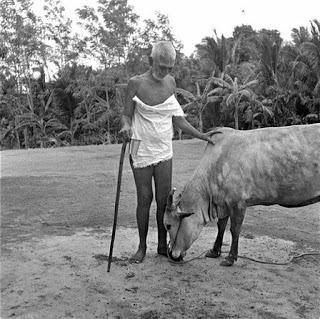
Sri Ramakrishna clearly saw this trend. He was accosted by the intelligent young Bengalis infatuated with English education and ideas, whom he called “Englishmen”. He interacted with them freely, and explained our religion, making it clear that God-realization was the only purpose of life, and showed how it was still valid and how it could still be practiced. He showed a very practical way for the modern times, yet based on the Indian genius. He attracted such young men as his direct disciples. After him, the movement in his name developed on a queer social service based model, on the lines of the Christian churches and acquired the status of a cult. After him Ramana Maharshi pointed out a new, direct way of taking up the spiritual quest, without any ritual , in the conditions of modern life, no matter what one’s religion was. He too has been confined only to a small section of the people, though he has followers world-wide.
TYAGARAJA: THE FORERUNNER
Sri Tyagaraja preceded even Sri Ramakrishna. He noted that Kali age was upon us, making spiritual quest difficult, since even the true aim or purpose of life was obscured. In the circumstances, he prescribed a way of life based on pure devotion. He particularly avoided any discussion of theoretical philosophy; he did not advocate any theology.
His only solution was: Liberation is the aim of life; God’s grace is essential to attain it; devotion is the most effective way to seek it; uttering God’s name is the way to practice it. What he did in essence is to show people a way to lead a truly spiritual life, without bothering about the niceties of religious issues.
In this respect, he is a forerunner of both Sri Ramakrishna and Ramana Maharshi. Both of them, like him, were focused on the essential spiritual quest, and not on the religious questions, though we generally do not distinguish between the two terms. [ It may be noted that having Narada as his Guru, Tyagaraja advocated bhakti ; Sri Ramakrishna specifically stated that bhakti as prescribed by Narada is the best way for our times.]
Unfortunately, our traditional peethas do not deal with these questions in an enlightened manner. Nor do they prescribe any way to deal with these modern problems. They behave as if we are still in the Satya yuga.
Gita and SBNR
In this context, the message of the Gita is very relevant. It embodies the very SBNR approach! Scholars discuss the ‘philosophy’ of the Gita, but the Gita itself does not preach or advocate philosophy! It does not discuss any theoretical question, or stop with any theoretical solution. ‘ Surrender to God and be saved‘ is its ultimate message. In this respect, Sri Krishna should be considered the Adi Guru of the SBNR movement!
What will “Kalki” Avatar do?
In this context, I recall a story used to be narrated by late great Sengalipuram Anantarama Dikshitar in his Bhagavatam discourses. Talking about the ten Avatars, he used to say Sri Krishna is the most relevant avatar for us. He used to explain it thus: when a riot takes place in a locality, the local rowdy elements usually take the field; soda bottles, cycle chains, sticks, rods,,etc are freely used; there is arson and looting, and much wanton violence and destruction. But when the siren of police jeep is heard, and before the jeep arrives, they all disperse and disappear into the lanes and by lanes. The police take stock of the damage, question a few people, but the main culprits have gone. In the same way, the Kalki Avatar will come at the end of the Kali yuga, when most of the damage has occurred! It is only Krishna who has shown people how to lead a spiritual life in the Kali Yuga as he came at the end of Dwapara yuga and actually the beginning of Kali is reckoned with his leaving the earth! The Gita is therefore the scripture of the age and it advocates absolute devotion as the main spiritual discipline for the age.
Seen thus, Sri Tyagaraja, Sri Ramakrishna and Sri Ramana Maharshi all continue with the method advocated by Krishna! In a sense Krishna is their Adi Guru too!
Sri Tyagaraja is the one who articulated the modern approach to the spiritual question in the light of Hindu tradition.
The Lamp burns!
Religious life requires settled social conditions and proper political order. Broad-based religious society provides the basis for earnest spiritual effort. This is like a pyramid: the religious base is broad, but only a few take up the ultimate spiritual quest . Religion, with all its faults, provides the basis and support. When we say the lamp burns, it is not the whole lamp which burns. It is only the tip of the wick- but we need the whole lamp, the wick, the oil, for the tip to burn! Likewise, great spiritual teachers have appeared only in religious societies. The modern tendency to portray religion and spirituality as opposing entities is therefore not sensible.
Importance of political order
. An appropriate socio-political structure is necessary for both religion and spirituality to flourish. This is not well appreciated. The Hindus ensured this in the name of Dharma-which covered all spheres of life and their activities. The King in Hindu conception was not a tyrant, but a servant and protector of Dharma- that is why he was called a “Kshatriya”.. In his treatise Tirukkural, Tamil poet saint Tiruvalluvar reflects this essential Hindu attitude:
The yield of the cows will decrease, and the Brahmins will forget their sciences, if the King falters in his reign.
The term ‘King’ stands in the modern context for the ruling order, and Brahmins represent the religious/spiritual instinct, order and traditions. With the advent of the Muslims and the ascent of the British, the political and social order that was the foundation of Hinduism started collapsing. Sri Tyagaraja lived at those times and witnessed those changes. He therefore advocated steps which were independent of external factors. The same approach was adopted by both Sri Ramakrishna and Ramana subsequently. In thus showing a new path amidst socio-political changes, Sri Tyagaraja qualifies as the Sadguru of the age.
Note:
1.There are many books dealing with these issues, in their historical context.Those interested may see:
Richard Tarnas: The Passion of the Western Mind, Ballantine Books, New York, 1993.
English Literature in Context: Edited by Paul Poplawski, Cambridge University Press, 2008
Sri Aurobindo: Speeches. And his various writings.
M.K.Gandhi: Hind Swaraj.
Fritjof Capra: Turning Point
Maurice Berman: Reenchantment of the World, Bantam New Age Books.
Arthur Osborne: The Question of Progress: lectures at Madras University 1965 and The Rhythm of History, 1959
2. The British documents on the socio-economic situation in India by mid-18th century are still available in original in the British Museum and other libraries in England. Sri Dharampal, a follower of Gandhi, actually sat in these libraries for many years and took down the contents of many of these documents in long hand, when there were no photocopying facilities. The 5 volumes of his Collected Writings ( Published by Other India Press, Mapusa, Goa) are an invaluable source to learn of the actual prosperous state of affairs in India at that time, before the British deliberately destroyed it. This destruction was taking place during the time of Tyagaraja!
Pictures are taken from various sources for spreading knowledge; this is a non- commercial blog. Thanks for your great pictures.
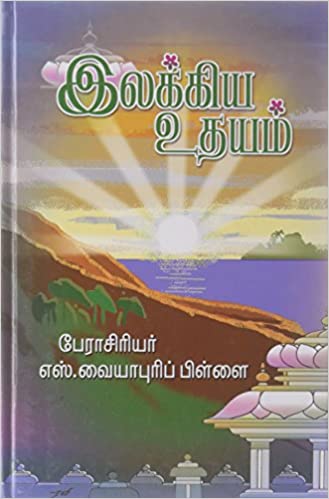
சென்னை, திருவிதாங்கூர் பல்கலைக் கழகங்களில் பேராசிரியர் பதவி வகித்த எஸ். வையாபுரிப் பிள்ளை , ‘இலக்கிய உதயம்’ என்னும் அவருடைய புஸ்தகத்தில் வேத மந்திரங்களின் அழகை எடுத்துக் காட்ட சில கவிதைகளை செய்யுள் வடிவில் தந்துள்ளார். முதல் பகுதியை நேற்று முன்தினம் கொடுத்தேன். இன்று இரண்டாம் பகுதியை வழங்குகிறேன் –
ரிக் வேதத்தில் தமிழர் விஷயங்கள்
உலகிலேயே பழமையான புஸ்தகம் ரிக்வேதம்; உலகிலேயே மிகப்பெரிய பழங்கால புஸ்தகம் ரிக்வேதம் . சங்க இலக்கியத்தின் 18 நூல்கள் எவ்வளவு பெரிதோ அவ்வளவு பெரியது ரிக் வேதம் . இரண்டிலும் 450 புலவர்களுக்கு மேல், பெயர்கள் உள்ளன.சங்க இலக்கியத்தின் 18 புஸ்தகங்களிலும் சுமார் 30,000 வரிகள் உள்ளன. ரிக்வேதத்தில் 10, 580 மந்திரங்கள் உள்ளன. இவை 2 அல்லது அதற்கு மேலான வரிகளைக் கொண்டவை. 10, 580 மந்திரங்களையும் 1028 சூக்தங்களுக்குள் அடக்கலாம். ஒவ்வொரு சூக்தமும் ஒரு பாடல். ரிக் வேதத்தில் 1,53, 826 சொற்கள் உள .நிற்க.
***
வேதத்தில் உலகத் தோற்றம்
எங்கிருந் துலகு தோன்றிற்று?
இயற்றியதாமோ ? அன்றோ?
மங்கலில் தேவரெல்லாம்
படைப்பினின் வந்தாரன்றோ ?
துங்க வானிருந்து நோக்கும்
தொல்பெருந் தெய்வந் தானும்
இங்குறு தோற்றந் தன்னை
அறியுமோ ? இயம்புவீரே
–ரிக் வேதம் 10-129-6
Whence this creation has arisen – perhaps it formed itself, or perhaps it did not – the One who looks down on it, in the highest heaven, only He knows or perhaps even He does not know.
ரிக் வேதத்தில் நிறைய புதிர்க் கவிதைகள் இருக்கின்றன . இதை தொல்காப்பியர் ‘பிசி’ என்பார் ; ஆங்கிலத்தில் PUZZLE ‘பசில்’ என்பர் இதோ ஓர் உதாரணம் —
எழுவர் கூடி ஓராழி
யிரதத் தில்வார் பூட்டிடுவர்,
எழுநற் பெயர்கள் கொண்டிடும் ஓர்
இவுளி அதனை ஈர்ந்திடுமே ;
அழிவிலாழி யொருநாளும்
அடங்கி நிற்பதன்று ; அதனைத்
தழுவியேற்றே அனைத்துயிரும்
தாங்கும் அச்சு மரமூ ன்றே
ரிக் 1-146-2
2 Seven to the one-wheeled chariot yoke the Courser; bearing seven names the single Courser draws it. Three-naved the wheel is, sound and undecaying, whereon are resting all these worlds of being.
RV 1-146-2
***
குடும்ப ஒற்றுமை ஓங்குக FAMILY CONCORD
அதர்வண வேத மந்திரம்
ஒன்றாய் உள்ளம்; கருத்தொன்றாய்
உறவே படைத்தேன் ; பகை யொழித்தேன் ;
கன்றும் பசுவும் போல் நீங்கள்
கலந்து களித்து வாழ்ந்திடுக !
தந்தை சொல்லே மந்திர மாய்த்
தாயின் கருத்தே தன் கருத்தாய்
மைந்தன் வாழ்க ! மனைவியரும்
மதுர மொழிகள் வழங்கிடுக !
அண்ணன் , தம்பி பகை தவிர்க !
அக்காள் தங்கை அங்ஙனமே !
எண்ணும் நோக்கும் ஒன்றாக
இனிய மொழிகள் வழங்கிடுக !
–அதர்வண வேதம் 3-30
LOVE ONE ANOTHER
Freedom from hate I bring to you, concord and unanimity. Love one another as the cow loves the calf that she has borne –AV 3-30-1
LOYALTY
One minded with his mother, let the son be loyal to his father. Let the wife, calm and gentle, speak words sweet as honey to her lord – AV 3-30-2
HATRED
No brother hates his brother, no sister to sister be unkind; Unanimous with one content, you speak in friendliness.
–AV 3-30-3
****
அக நானுறு பாடல் 122 எதிரொலி
சங்கத் தமிழ் – அதர்வ வேதம் பற்றி வையாபுரி சொல்லுவதை தனி கட்டுரையாக முன்னரே தந்து விட்டேன்
அன்னை துஞ்சுக; தந்தை துஞ்சுக; நாய் துஞ்சுக;
வீட்டிலுள்ள முதியோர்கள் துஞ்சுக;
அவளது சுற்றம் துஞ்சுக ;
அவற்றைச் சுற்றியுள்ள மக்கள் அனைவரும் துஞ்சுக
–அதர்வண வேதம் 4-5
KANDAM 4, SUKTAM 107 , MANTRA 6
Sleep mother, let the father sleep, sleep dog, and master of the home
Let all her kinsmen sleep, sleep all the people who are round about
SOURCE—
ILAKKIYA UTHAYAM, S VAIYAPURI PILLAI, THAMIL PUTHAKALAYAM, CHENNAI, 1952
ATHARVA VEDA , RALPH T.H.GRIFFITH TRANSLATION, ALAIKAL VELIYEETAKAM, CHENNAI; 2006
tags — ரிக் வேதக் கவிதைகள் -2, குடும்ப ஒற்றுமை, அதர்வண வேதம்,
Pictures are taken from various sources for spreading knowledge; this is a non- commercial blog. Thanks for your great pictures.
ஹிந்தி படப் பாடல்கள் – 41 – வாழ்க்கைத் துணை நலம்!
R. Nanjappa
வாழ்க்கைத்துணைநலம்!
Marriages are made in heaven- திருமணங்கள் சொர்க்கத்தில் நிச்சயிக்கப் படுகின்றன என்பார்கள். நமது படங்களில் இதைப்பற்றிப் பல பாடல்கள் வந்திருக்கின்றன. ஆதரித்தும் பாடியிருக்கிறார்கள், கிண்டலடித்தும் பாடியிருக்கிறார்கள். இரு பாடல்களைப் பார்ப்போம்.
ஷாதீஷாதீ!
Shaadi shaadi shaadi Shaadi shaadi shaadi
Ai aiyo Qismat ki baat hai Maalik ke haath hai Qismat ki baat hai Maalik ke haath hai Qismat ki baat maalik ke haath Jivan ka saath hai Shaadi shaadi shaadi
Sunata hai sabaki jag ka wo data Shaadi karaane mein us ka kya jata Are bhai us ka kya jaata Duniya mein dekho Qadam qadam par koi na koi Koi na koi baaraat hai Qismat ki baat hai Qismat ki baat maalik ke haath Jivan ka saath hai
Shaadi shaadi shaadi
Haay gori gori kaali kaali Patali kamar waali Illi billi khaali pili Pyaari pyaari aankho waali
Shaadi shaadi shaadi
Maalik ne chaha to apani bhi hogi Jaisi bhi hogi achhi hi hogi Are bhai achchhi hi hogi Maalik ne chaahaa to apani bhi hogi
Jaisi bhi hogi achhi hi hogi
Bimala ya kamala Amala ya ramala Bholi ho bhaali Yaa nakaharewaali Bim boli bimbalaboli Igalaapaa pori Gaanv ki gori natakhat chhori Haath mein kagan kaan mein baali Karamo ka khel jivan ka saath Maalik ke haath hai
Shaadi shaadi shaadi
Haan qismat ki baat maalik ke haath Jivan ka saath
Shaadi shaadi shaadi
கல்யாணம்கல்யாணம்கல்யாணம்
ஆ. ஐயய்யோ!
இதுவிதியின்விளையாட்டு! கடவுளின்கைவண்ணம்
வாழ்க்கைமுழுதும்துணை!
கல்யாணம்..!
இந்தஉலகின்எஜமானர்– அந்தக்கடவுள்!
அவர்அனைவர்விருப்பத்தையும்காதில்கேட்கிறார்!
கல்யாணமும்செய்து வைக்கிறார்–
ஆமாம், அவருக்குஎன்னபோகிறது!
உலகத்தில்பார்!
எல்லாஇடத்திலும்சதாஏதோஒருகல்யாணஊர்வலம்!
விதியின்விளையாட்டு! கடவுளின்கைவண்ணம்!
வாழ்க்கைமுழுதும்துணை!
ஹாய்! வெள்ளையோகருப்போ,
குச்சியோகுண்டோ,
இல்லிபில்லிஅழகியகண்ணி–
யாரோஒருத்திவந்துசேருவாள்–
கல்யாணம்!
கடவுள்சித்தம்எனக்கும்நடக்கும்!
எப்படிநடந்தாலும்நல்லதாகவேநடக்கும்!
ஆமாம், நல்லதாகவேநடக்கும்!
விமலா, கமலா ,அமலா, ரமலா–
அசடோகுறும்போ–கிராமமோ– திமிரோ–
கையில்வளையல், காதில்ஜிமிக்கி–
இப்படியாரோவந்துசேருவாள்!
இதுகர்மத்தின்விளையாட்டு–வாழ்க்கைத்துணை!
ஆம்இதுவிதியின்விளையாட்டு, கடவுளின்கைவண்ணம்
வாழ்க்கைத்துணை—கல்யாணம்!
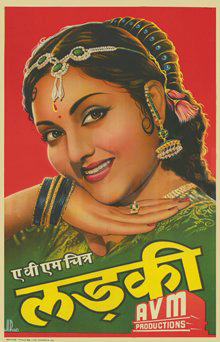
Song: Kismat ki baat hai Film: Ladki 1953 Lyrics: Rajinder Krishan
இது தமிழில் வந்த ‘பெண்”படத்தில் சந்திரபாபு பாடிய பாடலின் ஹிந்தி வடிவம்.
“உல்லாசமாகவே உலகத்தில் வாழவே” என்று அது தொடங்கும். இங்கு கவி ராஜேந்த்ர கிரிஷண் வேறு பாணியில் எழுதியிருக்கிறார்! கிஸ்மத் கீ பாத், மாலிக் கே ஹாத், கர்மோ கா கேல்-என்று சொல்லி “சொர்க்கத்தில் நிச்சயிக்கப்படுகின்றன” என்ற கருத்தை வலியுறுத்திவிட்டார்!
ஹிந்திப் படத்திற்கு தனிராம் இசை-ஆனால் இது தமிழ்ப்பாடலின் மெட்டிலேயே இருக்கிறது. இந்த மெட்டமைத்தவர் ஆர். சுதர்சனம்!
கிஷோர்குமாரின் இளவயதுக் குரல்!
ஒரு விஷயம்! இது “அறம் விழுந்த” பாட்டோ, மெட்டோ தெரியவில்லை! தமிழில் பாடிய சந்திரபாபுவுக்கும் மண வாழ்க்கை நன்கு அமையவில்லை, ஹிந்தியில் பாடிய கிஷோர் குமாருக்கும் நன்கு அமையவில்லை! வாழ்க்கை முழுதும் ஒரு துணை நிலைக்கவில்லை!
மற்றொரு பாடல்
ஹம்தும்ஜிஸேகஹ்தாஹைஷாதீ!
O Peter O brother Harry O Valla O Mister Berry Mr. Iyer, are you there?
hum tum jise kehta hai shaadi you know hai poora barbaadi jo tum lalchaaoge peechhe pachhtaaoge mind you mind you jaayegi azaadi
jab marzi aao jab marzi jaao daalo kahin pe bhi deraa sadkon pe gaao seeti bajaao kar do kahin bhi saveraa waah waah waah waah
hum tum jise kehta hai shaadi
jis ghar mein hum rakh den kadam hoti hai kya khatirdaari shaadi jo ki chhutti hui soorat na dekhegi kunwaari oh no no no
hum tum jise kehta hai shaadi
rangeeniyaan ye mastiyaan sab kuchh hai yaaron ke dum se kismat ki baat khushiyaan hain saath duniya kyun jalti hai hum se waah waah waah waah hum tum jise kehta hai shaadi you know hai poora barbaadi jo tum lalchaaoge peechhe pachhtaaoge mind you mind you jaayegi azaadi
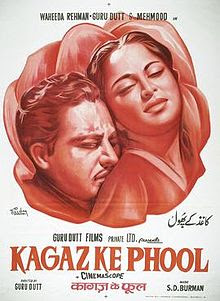
Song: Hum tum jise kehtae hai shadi Film:Kagaz ke phool 1959 Lyrics: Shailendra
Music: S.D.Burman Singer: Mohammad Rafi
This is not a great song as a stand alone, but fits well in the picture.
இப்படத்தில் இந்த ஒரு பாட்டு மட்டும் ஷைலேந்த்ரா எழுதினார். ஆங்கிலச் சொற்களைப் போட்டிருப்பதால், ஹிந்தி வடிவம் இங்கு தரவில்லை. இது திருமணத்தைக் கிண்டலடிப்பது. திருமணத்திற்கு முன் பல
இளைஞர்கள் இப்படித்தான் பேசித் திரிவார்கள்!
இந்தப் பாட்டில் இரண்டு விஷயங்கள் கவனிக்கவேண்டும். ரஃபியின் குரலில் இருக்கும் இனிமை! இதை பர்மன் இசையில் ரஃபி பாடும் அனேகப் பாடல்களில்.பார்க்கலாம். கிண்டல் பாட்டாக இருந்தாலும் ரஃபியின் தொனியில் ஏளனம் இல்லை- Sings in all seriousness! It adds to the worth of the song. This song is pure entertainment.
இரண்டாவது விஷயம். ரஃபியின் குரல் ஜானி வாக்கருக்கு எவ்வளவு நன்றாகப் பொருந்துகிறது என்பது! இந்தப் பாட்டை வீடியோவில் நன்றாக ரசிக்க முடியும்! விரசமில்லாமல் நடிக்கும் காமெடி நடிகர் ஜானி வாக்கர். இவருக்கு பல ஹிட் பாடல்களை ரஃபி பாடியிருக்கிறார்!
இங்கு ஒரு ஆங்கிலக் கவிதையைப் பார்ப்போம்.
Heart, are you great enough For a love that never tires? O’ heart, are you great enough for love? I have heard of thorns and briers, Over the meadow and stiles, Over the world to the end of it Flash for a million miles.
Pictures are taken from various sources for spreading knowledge; this is a non- commercial blog. Thanks for your great pictures.
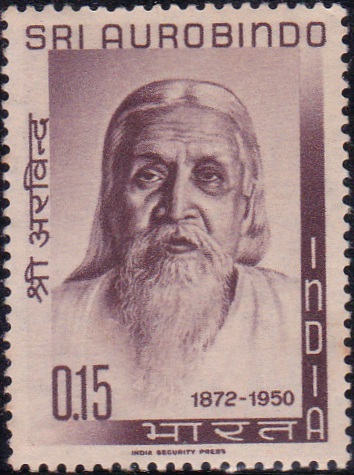
Following are quotations culled out from his various articles and published in Sri Aurobindo’s Vedic Glossary, Sri Aurobindo Ashram, Pondicherry, 1962
1.The Veda is anterior to intellectual age and the method of the Veda is not therefore intellectual.
2.Rishi is not an author but a Seer.
3.Veda does not expound any dogma or religion it is a record of spiritual experiences couched in symbolic language. This is borne by the fact that the language remains same throughout the Veda.
4.The personality of the poet differs in different riks but the Rishis did not aim at poetic expression. For them expression was the means not the aim.
5.What do the riks represent?
The Vedic hymns may indicate the close of a great period of intuitive knowledge; or they may be a selection from some previous collection.
6.The Rig Veda is one in all its parts . Veda cannot be interpreted by separate passages or hymns. If it is to have any coherent
or consistent meaning, we must interpret it as a whole.
7.Why the symbolic meaning of the Veda was lost ?
Firstly, because the initial intensity of the search for the truth was gone; a period of relaxation may have intervened.
Secondly, because the Vedic Rishis were deliberately ambiguous. It was therefore difficult to rediscover their meaning.
The Brahmanas try to preserve the external ritualism of the Veda, while the Upanishads try to restate the internal meaning.
Xxx
AUROBINDO’S QUOTES ON UPANISHADS
1.The Upanishads indicate a revival and not a revolt. Upanishads use the Veda as a help in their spiritual experience and they did not care for the words or the verbal sense of the Veda.
2.The Upanishads taught the uselessness of mere ritual and also the emptiness of mere forms; thus the influence of the Veda was undermined.
3.The Upanishads expressed their thoughts in quite a different language and style. They founded the Vedanta philosophy.
4.At last the Upanishads became the fountainhead of knowledge and the Veda came to be regarded as the book of ritual.
5.The rise of Buddhism in India gave the final blow to ritualism. The Veda then remained with the scholar and such suffered most by losing completely the whole of its central meaning.
The Veda in-fact was never meant for the mere scholar.
tags — Aurobindo, quotes on Vedas, Quotations on Upanishads
Pictures are taken from various sources for spreading knowledge; this is a non- commercial blog. Thanks for your great pictures.
Role of Saints and Sages in Living Religion
Saints play an important role in any religion. They live the great truths and thus demonstrate that religion has to be lived, not just believed in. They also show that it is practicable. It is they who bring the great truths to the attention of the common man, away from the sources which become the preserves of some groups in course of time.
Saints come in many guises. Some are Sages, anchorites fixed to a spot where people get to learn about them and flock to them. Others wander about, like fakirs, teaching and singing, mixing with people. In medieval India, when the country faced Mohammedan threat and orthodoxy broke down, and confined itself within narrow ritualistic walls, it was these saints who went from place to place, talking to the people in their language and teaching them simple ways to spiritual life, shorn of all complications and technicalities, without resort to confusing philosophy and conflicting theology .
It is the fashion in the modern day to write as if the saints were rebels, going away from the mainstream or inventing new, divergent ways. This is pure bunkum. Read the life of saints carefully. A genuine saint never contradicts the scriptures. They point out the hypocrisy that parades in the name of religion, ( this happens in every religion in course of time) they simplify matters and highlight those features and practices which suit the emerging times. Such simplification is not contradiction or repudiation. It is such timely changes that make Hinduism a living force. But the true saints are not ‘reformers’ in the modern secular sense. It is necessary to remember that every cult figure is not necessarily a saint.
Changing Ages: Yuga Dharma
Hinduism has a concept of Yuga dharma; the predominant form of religious discipline and practice has to change with the times. Dhyana was prescribed in Krita yuga, Yajna was for Treta yuga, Archana was for the Dwapara. But the scriptures say that these are not possible in this Dark age called Kali. Man cannot concentrate long, as required in dhyana. Dravya, dana, other means required for yajna lack purity now. Materials used for puja too lack purity: look at how polluted our sacred rivers are, how dirty our temples, how greedy and ill-trained our priests. Even the water used for abisheka is polluted, the milk is reconstituted chemical, the honey is adulterated. All these things are beyond our control, beyond even govt. control! Our ancient Rishis thought about these things, and in their compassion prescribed simple means like uttering the Name of God as the discipline of the age. For, it is possible for man to keep his heart and mind clean, even in the most polluted places. So they said, think of God with a pure heart, utter his names with love, this is sufficient. This is all in our ancient scriptures, not uttered by a later thinker or reformer like Kabir, as some modern writers would have us believe.
The Gita Prescription
The Gita warns us about blind adherence to Vedic karma. Karma is useful and essential, as it imposes some discipline to tame our impulses and prevent us from going wayward on the basis of wild desires. But the kind of elaborate yajna karmas undertaken with a desire for the so called ‘higher’ worlds is a sure means to drag us down further, repeatedly. The Gita says:
Te tam bhuktva swargalokam vishalam ksheene punye martyalokam vishanti Yevam trayi dharmam anuprapanna gatagatam kamakama labhante. 9.21 Having enjoyed the vast svarga world, they enter the mortal world (again) once the merits are exhausted. Thus, following the injunctions of the three Vedas, desiring desires, they (repeatedly) come and go.
Ananyaschintaynato mam ye janah: paryupasate Tesham nityabhi yuktanam Yoga kshemam vahamyaham. 9.22 Those who worship Me without any other thought, (or without thinking of Me as separate)- to such people who are thus devoted to me, I supply what they lack and preserve what they have. Yanti deva vratan devan pitruun yanti pitruvrata: Bhutani yanti bhutejya yanti madhyajino api mam. 9.25 Votaries of devas go to devas; devotees of pitrus go to the pitrus; worshippers of bhutas go to the bhutas.
My devotees come to Me.
And it is not difficult to worship God. We do not require the paraphernalia needed for yajna or the worship of bhutas or pitrus. Patram pushpam phalam toyam Yo me bhaktya prayachchati Tad aham bhaktyupahrutam Asnami prayatatmana: 9.26 Whoever with devotion offers Me a leaf, a flower, a fruit or water- that I accept: the devout gift of pure heart.
South and North
Bhagavan has made matters so simple. But our pundits would only be satisfied with complicated arrangements. If you travel through India, you will notice one thing: religious worship in the South is ritual bound, even in temples where the priest controls the procedures and mantras ( (subject to govt dictats, as Hindu temples are govt. controlled). But in the North, you see people gathering in temples and singing Aarti songs in groups, where the rituals are minimum! After all, the South gave us Acharyas who fought on philosophy; the North gave us all the Avatars who save us directly!
Gita and Vishnu Sahasranama
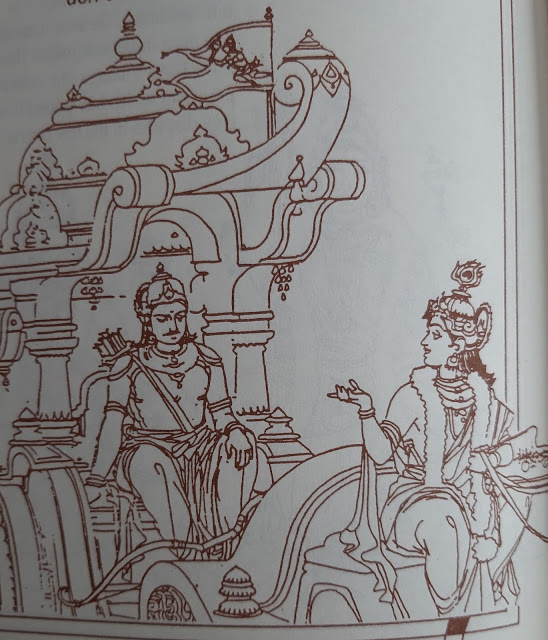
We saw that the Gita arose when Arjuna raised doubts about Dharma. This was before the Mahabharata war. But after the war, after Yudhisthira is crowned the king, he develops doubt about dharma! Was it proper on his part to have fought such a terrible war involving massive slaughter, all for the sake of his kingship? He becomes restless. Krishna directs him to Bhishma, lying on his bed of arrows, to seek instruction on dharma, as Bhishma is an expert in the matter. Bhishma tells him about all the dharmas. But Yudishthira’s head reels “after listening to all the dharmas without remainder- srutva dharman aseshena”. He pointedly asks Bhishma: Tell me one dharma which is decidedly superior!. He raises six pointed questions:
Which one God or Deity is to be worshipped as decided by the sastras?
What is the one object to be attained by people who have taken (human) birth?
Which Deity is to be worshipped with Stotras?
Which Deity is fit to be worshipped through archana for people to attain their welfare?
Which dharma is the supreme one, as decided by you?
By which japa can a man get freedom from this cycle of birth and death?
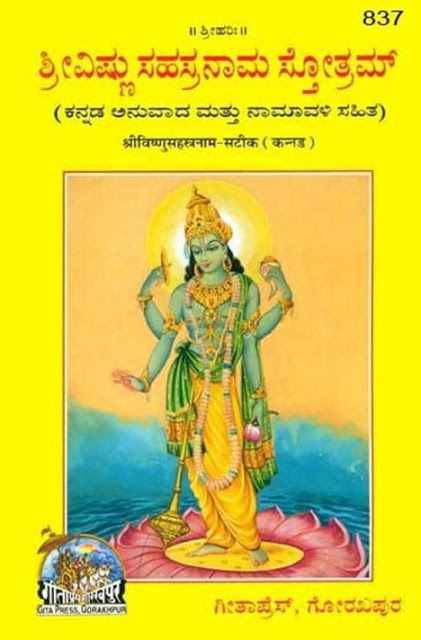
In reply, Bhishma reveals to him Vishnu Sahasranama- the thousand Names of Vishnu, as meeting all his requirements!
“Yeshame sarva dharmanam dhrmo adhikatamo mata:
This is the best of all dharmas- that is what I have decided”, declares Bhishma.
The Gita and the Vishnu Sahasranama are thus integrally connected. The Gita was preached before the War began, the Sahsranama ,after the War ended. Both deal with dharma. Both advocate devotion, surrender as the best means for liberation. The 11th chapter of the Gita reveals the Vishavarupa of Bhagavan; the Sahasranama reveals an easy method to remember and honour that Bhagavan. We need not necessarily associate the name Vishnu with the cult called Vaishnavism! “Vishnu” only means that which pervades everything in the universe, and does not mean any fixed form.The most common shloka on Ganapati starts: “Shuklam bharataram Vishnum”!
Name in the Veda
In fact Veda proclaims:
Sarvani rupani vichitya dhira:
Namani krutva abhivadan yadaste
After a (fruitless ) search for His forms, the earnest devotee lives by holding on to His Names.
This is explained later in the Vishnupurana:
Dhyayan krutae, yajan yajnais
Traetayam dwapare-archayet
Yadapnoti, tadapnoti
Kalau sankeertya Keshavam
Whatever one may obtain by dhyana in Kritayuga, by yajnas in Treta yuga, by archana in Dwapara yuga- that one can get by singing the praises of the Lord, Keshava in the Kali yuga.
Why is Name superior?
In his bashya on Vishnu Sahasranama, Acharya Sankara has given us a rare insight . After listening to all dharmas, Yudhishthira asks Bhishma for that one superior dharma. In what way is it to be considered superior? Why is Dharmaputra not satisfied with the other dharmas? For the expression, “adhikatamo”, Sankara gives the explanation that it is superior because Nama Sankeertan does not involve himsa, dravyantaram, purushantaram, desa,kala, prakara etc. niyama ( ie limitation in some way ); it is without any sort of dosha; it leads to both bhoga and moksha; it is not opposed to Vedic injunctions, it can be followed by all varnas. Nama does not depend on anything else for its performance or effectiveness and with easy effort, confers great benefit.
Why is Name not resorted to?
If Nama Kirtan is such an easy way, why do people not adopt it wholesale? Why are they still attached to various other, more difficult, strenuous and less effective ways? Saints say that this is due to the ‘ruchi’ and strength of ‘vasanas’ acquired through many births! After all, we do have people who prefer stale and bland food! Bhagavan says in the Gita that it is at the end of many births that a great one gets an idea about the greatness of Bhagavan: ” bahunam janmanam ante jnanavan mam prapadyate Vasudeva: saravamiti sa mahatma sudurlabha:”. The Bhagavatam clearly lays down that karmas are to be continued only till one takes to the path of devotion:
Taavat karmani kurvita
na nirvidyeta yavata
Mad katha sravanadau
va sraddha yavan na jayate.
Karmas are to be continued till one gets vairagya and acquires sraddha for bhagavata dharma like listening to the glories of the Lord. ( That is to say, the fruit of all karmas is to become a devotee!)
Tyagaraja as Nama Advocate
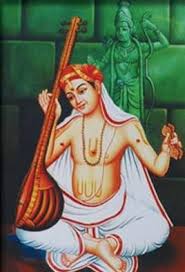
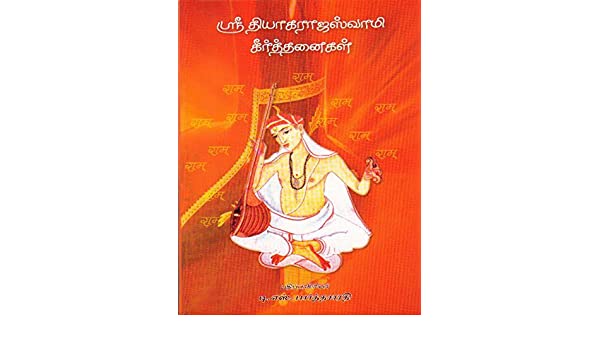
Tyagaraja lived a life devoted to Nama Kirtan. He practiced other forms of devotion too, but his legacy to posterity is the kirtanas. Rama, you are the only treasure of my entire clan- “Neevera kula danamu Santatamu, neevera jeevanamu”, sang Tyagaraja. His kirtanas have become our valued treasure. He shows that we do not even need flowers to worship Rama- the namas themselves constitute the flowers!
Name itself is the flower!
Nama kusuma mula che bujinche nara janmame janmamu manasa. Sriman manasa kanaka pitha muna chelaga jesikoni vara Shiva Rama…..nama kusumamula Nada swaramane vara navaratnapu vedikapai sakala lila vinoduni paramatmunu Sri Ramuni padamulanu Tyagaraja hrud bhushanuni….nama kusumamula O my mind! Installing ( Sri Ramachandra murti) in the splendoured golden seat that is the heart, performing well archanas with the flowers of the names of Rama and Shiva- only such a birth is the real human birth!
The platform is adorned by the nine gems like Nada and Swara! There one has to invoke the presence of the blessed feet of Rama, who performs many lilas and who adorns the heart of Tyagaraja! One who so worships is the one really born ( his is the only true janma).
Here Tyagaraja shows how truly Nama sankirtana does not need any external aid! God is invoked in the heart. His very names constitute the flowers! Good music itself becomes the decoration and adoration. Differences in the forms the Lord takes do not matter- whether Rama or Shiva, it is all His Name! If after getting this human birth, one cannot do even this, what is that birth worth? Elsewhere too he talks of namasmarana as the best flowers:
Harinama smaranambulu virulaura Raghunatha (Paripalaya…) The Harinama smarana that I perform are the good flowers.
Elsewhere, Sri Tyagaraja says:
Nee namamuche na madi nirmalamainadi (Jnanamosaga rada)
By doing kirtana of your name, my mind has become pure.
Name as the Sword
Tyagaraja wants to join Rama’s retinue, but he wants to have only Rama nama as his sword, and the status of a devotee as his patent bow: Rama bhaktudane mudra billayu Rama namame vara katga …. Banturiti The patent bow that is ‘Ramabhakta’ and the excellent sword that is Rama nama! About the ‘sukham’ attained by Rama nama, Tyagaraja sings in a separate kriti. Melu melu Rama nama sukha mee daralo manasa Phala lochana Valmikaadi bhaala nila jaadulu saakshika
O my mind! It is the sukha (attained by repeating) of Rama nama that is the best in this world. I declare this, invoking Lord Shiva with his third eye, Munis like Valmiki, Parvati, Hanuman, as my witnesses! In fact, Tyagaraja describes Rama Nama as fully based on the Veda, as it is dealt with in Upanishads. ( Rama Rahasya, Purva Tapini, and Uttara Tapini Upanishads as also Kali Santaranopanishad) He says: Veda varna niyamamu namamuto ( Evarikai) and Veda saramau namadheyamunu (Talachintane) Tyagaraja has in fact sung nearly 100 kirtanas on the divya namas.
Real Nadopasana
Once some people interested in music were discussing the merits of music as upasana in the presence of Sri Ramana Maharshi. They mentioned Tyagaraja as an example of Nadopasaka. Sri Ramana asked them whether ” Tyagaraja sang what he got or got what he did by his singing”? ( Petradaip paadinaara alladu paadip petraara?பெற்றதைப் பாடினாரா, அல்லது பாடிப் பெற்றாரா ) It is clear that Tyagaraja was a recipient of Divine grace and his music was an expression of that experience. Behind his blessings were his intense devotion through Nama japa, puja etc. People talk of Nadopasana as if it merely involves musical practice. It is of course a different subject. Note: It is difficult to get a direct, full translation of Sankara bashya on Vishnu Sahasranama in English or Tamil, though all extant translations and commentaries are based on it. I believe a full Hindi translation is available from the Gita Press, Gorakhpur. See the expositions of Anna Subrahmanya Iyer. and the Lifco publication. But the best book (in Tamil) on the subject is by Sri S.V. Radhakrishna Sastri, quoting extensive upanishadic sources, published by Agasthiar Book Depot, Trichy.
For a modern interpretation in English, one may refer to the book by Eknath Easwaran.
The extracts from the Gita here are based on the translation of Swami Swarupananda, first published more than a 100 years ago! (Advaita Ashrama)
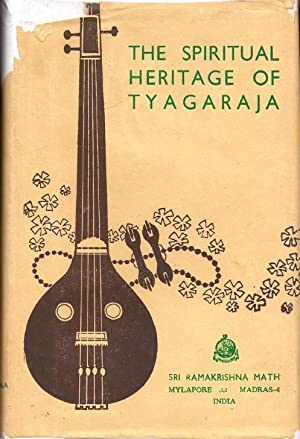
On the importance of Nama Kirtan and Nama Siddhantha, the most valuable resources are the two excellent books of Bhagavannama Bodhendra: Sri Bhagavannamamrita Rasodayam and Sri Bhagavannama Rasayanam; Tamil translation by Sri Krisha Premi, and Angarai Rangaswami Sastrigal (1942), respectively, both published by Sri Bhagavan Nama publications, Chennai-33. For the text of Sri Tyagaraja Kirtanas, I follow the edition by T.S. Parthasarathy, 1976 reprint. Those interested in Devanagari version may see: The Spiritual Heritage of Tyagaraja, by Sri C.. Ramanujachari. RK Math Chennai publication.
Pictures are taken from various sources for spreading knowledge; this is a non- commercial blog. Thanks for your great pictures.
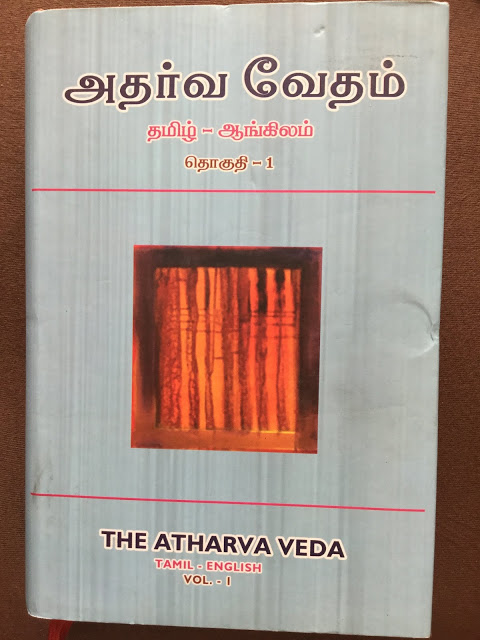
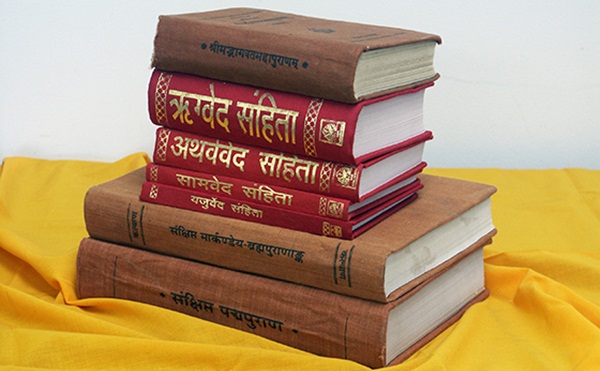
நால் வேதம் , நான் மறை என்றே 4 வேதங்களை தமிழ் இலக்கியம் முழுதும் குறிப்பிடும். ஆனால் சம்ஸ்கிருத நூல்கள் ‘த்ரயீ வேத’ என்றும் ‘சதுர் வேத’ என்றும் 3, 4 ஆகிய இரண்டு எண்களாலும் குறிப்பிடும். காரணம் என்னவெனில் அதர்வண வேதம், பெரும்பாலும் மக்களின் நம்பிக்கைகள், பழக்க வழக்கங்கள், மந்திர தந்திரங்கள் நிறைந்தது. ஏனைய மூன்றும் பெரும்பாலும் இறைவனை துதிபாடுதல் ,வேள்விகள் இயற்றல் பற்றியன. ஆயினும் அதர்வண வேதம் தமிழ் வழ க்குகளை ஆராய பயன்படும் என்பது பேராசிரியர் வையாபுரிப் பிள்ளையின் கருத்து . அரவிந்தரும் வேதத்தின் மூலக்கூறுகள் தமிழுடன் தொடர்புடையது என்று சொல்லி ‘அப்பா’ என்ற சொல்லின் மூலத்தைக் காட்டுகிறார்.
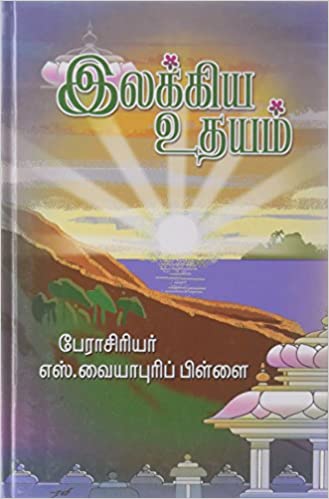
பேராசிரியர் வையாபுரிப்பிள்ளை சென்னை மற்றும் திருவிதாங்கூர் பல்கலைக் கழகங்களில் பெரும் பதவி வகித்தவர். அரவிந்த மகரிஷியோ , சிறையில் ஏற்பட்ட ஒரு கனவுக்குப் பின்னர் — கிருஷ்ண தரிசனத்துக்குப் பின்னர் — தீவிரவாத சுதந்திர போரிலிருந்து ஆன்மிகம் – மொழி ஆராய்ச்சியில் திரும்பியவர். இந்த ஆராய்ச்சிக்கு தமிழ்நாடுதான் கரணம் என்றும் எழுதியுள்ளார்.இதோ அவர்களது அபூர்வ ஆராய்ச்சிகள் :–
மடலேறுதல்
மடலேறுதல் , காதலன் – காதலி சந்திப்பு முதலியன தமிழ் மொழியின் அகத்துறைப் பாடல்களில் மட்டுமே இருப்பதாகப் பலரும் கருதுவர். ஆனால் இதன் மூலக்கூறுகள், தோற்றம் வேதத்தில் இருக்கிறது என்கிறார் சென்னைப் பல்கலைக்கழகப் பேராசிரியர் எஸ். வையாபுரி ப்பிள்ளை . மாபெரும் தமிழ் அரிஞரா ன வையாபுரிப்பிள்ளை 1956ம் ஆண்டு இறப்பதற்குள் ஏராளாமான புஸ்தகங்களை எழுதினார். அவற்றுள் ‘இலக்கிய உதயம்’ என்னும் புஸ்தகம் தமிழ்- சம்ஸ்க்ருத உறவை, தமிழ் – பாலி மொழி பவுத்த நூல்கள் உறவை ஆங்காங்கே எடுத்துக் காட்டும் .
அவர் சொல்லும் சில சுவையான விஷயங்களைக் காண்போம்-
மடலேறுதல்/ மடலூர்தல் என்றால் என்ன?
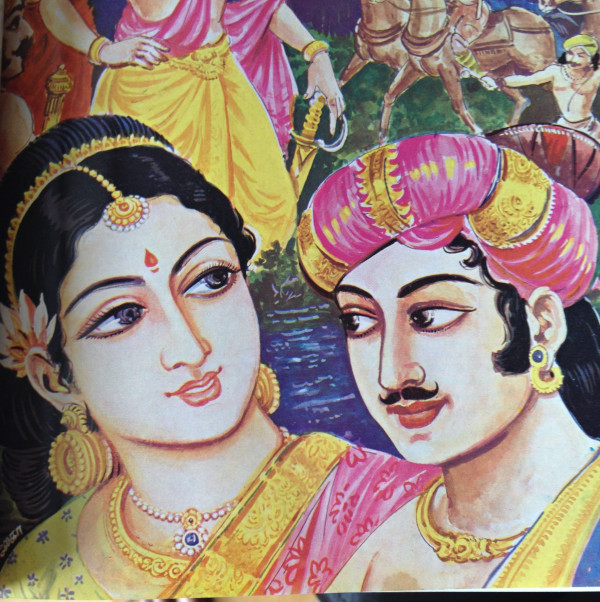
காதலியின் உருவத்தை ஒரு துணியில் வரைந்து , பனை மடலால் குதிரை வடிவு செய்து , அதில் ஏறி , எருக்கமாலை அணிந்து , ஊரார் பழி சொல்லும்படி தெருவில் ஊர்வலம் செல்வான். இது பல பாடல்களில் உள்ளது. இதோ குறுந்தொகைப் பாடல்-
மாவென மடலும் ஊர்ப; பூ வெனக்
குவிமுகிழ் எருக்கங் கண்ணியுஞ் சூடுப;
மறுகின் ஆற்கவும் படுப;
பிறிதும் ஆகுப காமம் காழ்க்கொளினே
–குறுந்தொகை 17, பரணர்
கிழி , இந்தச் செய்யுளில் வராவிடினும் மாணிக்க வாசகரின் திருக்கோவையாரில் தெளிவாக உளது
கழிக்கின்ற என்னையும் நின்ற நின் கார்மயில் தன்னையும் யான்
கிழி யொன்ற நாடி எழுதி கைக்கொண்டு
— என்று வருகிறது . தன்னுடைய உருவத்தை எழுதாமல் காதலன், தனது ஊர், தனது பெயர் ஆகியவற்றை மட்டும் எழுதுவான் என்பர் உரைகாரர்கள்.
இதே கருத்து அதர்வ வேதத்தில் இருக்கிறது. இதுபற்றி முதலில் விண்டர்நிட்ஸ் (Winternitz) எழுதியதைப் பாருங்கள் —
ஒருவனது பிரதியுருவத்தின் மூலமாக அவனைத் துன்புறுத்தவோ அவன் மீது அதிகாரம் செலுத்தவோ கூடும் என்ற நம்பிக்கை உலகமெங்கும் உள்ளது. புராதன இந்தியாவிலும் அது காணப்படுகிறது. ஒருவன் ஒரு பெண்ணினுடைய காதலைப் பெறவேண்டும் என்று இச்சித்தால் , அவள் உருவத்தைக் களிமண்ணால் செய்து , சணல் நாரினால் அமைத்த நாணொடு கூடிய வில்லைத் தாங்கி , அதன் அம்பின் நுனியில் முள்ளைச் செருகி , ஆந்தையின் சிறகை அம்புச் சிறகு ஆக்கி , கருங்கலினால் அம்பின் தண்டினை அமைத்துக் கொள்வான் ; உருவத்தின் இருதய ஸ்தானத்தை இவ்வம்பினால் குத்திக் குத்தி துளையொன்று உண்டுபண்ணுவான். இது காதற் கடவுளாகிய காமனுடைய அம்பினால் தனது காதற்குரிய பெண்ணின் இதயத்தைத் துளைப்பதற்கு அறிகுறியாகும் . இங்கனம் துளைக்கும்போது அதர்வ வேத மந்திரம் (3-25) சொல்லுவான்.
இதோ அந்த சம்ஸ்கிருத மந்திரத்தின் தமிழாக்கம்:–
“கலக்குறுத்துவன் உன்னைக் கலங்கச் செய்க; உன் படுக்கையில் நீ அமைதியற்றுக் கிடக்க . மனது அச்சுறுத்தும் அம்பினால் உன் இதயத்தை நான் துளைக்கிறேன்
ஆகவே சிறகாகவும் , காதலே நுனியாகவும் , நெறி தப்பாத விருப்பமே தண்டாகவும் உடையது அந்த அம்பு. அந்த அம்பினால் காமன் உன் இதயத்தை துளைப்பான் .
ஈரலை உலர்த்தி , எதிர்ப்பட்டவற்றை எரித்து , சிறகினால் பறந்து செல்லுகிறது; குறி தவறாத அந்த காமனது அம்பினால் நான் உன் இதயத்தை துளைக்கிறேன் .
கனல் விட்டெரியும் காதலால் தஹிக்கப்பட்டு , வாய் உலர்ந்து நீ என்னிடம் வருக. உனது கர்வத்தை தூரத்தே அகற்றி, மனம் இசைந்து, இனிய வார்த்தை பேசி என்னிடத்தே ஈடுபட்டு , என்னுடையவளாகத் தனியே வருக .
உன்னுடைய தாய் இடத்திலிருந்தும் , தந்தை இடத்திலிருந்தும் தோட்டியால் உன்னை வெருட்டி ஓட்டுகிறேன் . அப்பொழுது நீ என் அதிகாரத்துக்குள் ஆவாய் , என் விருப்பத்துக்கு இணங்குவாய்.
மித்திர வருணர்களே ! நீங்கள் அவளுடைய சிந்தனையை எல்லாம் அவளிடத்திலிருந்து ஓட்டி விடுங்கள் .
பின்னர் அவளை உள்ளம் இழக்கச் செய்து , என் அதிகாரத்தின் கீழே அவளை வைத்துவிடுங்கள்” .
இந்த வசிய நெறி தமிழத்தில் பெண்பாலர்க்கு கூடாது என்று விலக்கப்பட்டுள்ளது .
கடலன்ன காமம் உழந்தும் மடலேறாப்
பெண்ணிற் பெருந்த்தக்கது இல் — குறள் 1137
என்று திருவள்ளுவர் சொல்கிறார். ஆனால் , வடநாட்டில் பெண் பாலருக்கும் சம உரிமை வழங்கப்பட்டது அவர்களும் வசிய நெறியில் ஈடுபட்டார்கள்.
(தமயந்தி, வசந்த சேனா போன்ற பல கதைகளில் ஆண்களின் காதலன் ஓவியத்தை எழுதிவைத்து பெண்கள் ஏங்கிய கதைகள் வருகின்றன) .
பெரிய திருமடலில் வரும் வாசகத்திலும் தமிழ்ப் பெண்களுக்கு இது உரியது அல்ல என்ற கருத்து தொனிக்கிறது .
மன்னும் வழிமுறையே நிற்றும் நாம் மானோக்கின்
அண்ணா நடையார் அலரெசா ஆடவர் மேல்
மன்னும் மடலூரார் என்பதோர் வாசகமும்
தென்னுரையில் கேட்டறிவதுண்டு அதனை யாம் தெளியோம்
மன்னும் வடநெறியே வேண்டினோம்;
—8-40 திருமங்கை ஆழ்வார்
இந்த வட நெறி அதர்வ வேதத்தில்தான் கூறப்பட்டுள்ளது
அதர்வ வேத – அகநானூறு ஒற்றுமை
இம்மடற் குறிப்பேயன்றி வேறு சிலவும் அதர்வ வேத – அக நானுறு ஒற்றுமையைக் காட்டும்.
அகநானுற்றில் ‘இரும்பிழி மகா அர் ‘ என்று தொடங்கும் 122-ம் செய்யுளில் இரவுக்குறி வாய்க்காமைக்கான காரணங்களாக ஊர் துஞ்சாமை, அன்னை துஞ்சாமை, காவலர் துஞ்சாமை,, நாய் துஞ்சாமை, முதலியன கூறப்பட்டுள்ளன . இவ்வனைவரும் துஞ்சுக ; அதாவது உறங்குக என்று தலைவி மந்திர உச்சாடனம் செய்வதாக அதர்வ வேதம் 4-5 தெரிவிக்கிறது.
அன்னை துஞ்சுக; தந்தை துஞ்சுக; நாய் துஞ்சுக;
வீட்டிலுள்ள முதியோர்கள் துஞ்சுக;
அவளது சுற்றம் துஞ்சுக ;
அவற்றைச் சுற்றியுள்ள மக்கள் அனைவரும் துஞ்சுக
இவை ஒரு காதலன் தன அன்பிற்குரிய காதலியைக் களவிலே சந்திக்க உச்சாடனம் செய்யும் வாக்கியங்கள் ஆகும். இதனால் இவ்வதர்வ வேதம் தமிழ் நாட்டு இலக்கிய மரபுகள் சிலவற்றை உணர்வதற்குப் பயன்படுவதாகலாம் .
இரவுக்குறி – இரவில் சந்திக்கும் இடம், காலம்
எனது கருத்து
மேலேயும் வையாபுரிப் பிள்ளை சொல்லாத எனது கருத்துக்களை அடைப்புக் குறிக்குள் கொடுத்துள்ளேன் இமயம் முதல் குமரி வரை, ஆப்கானிஸ்தான் முதல் அஸ்ஸாம் வரை- உலகிலேயே பிரமாண்டமான நாடாக இந்திய இருந்தது. அதுவும் குறைந்தது 3500 ஆண்டுகளுக்கு முன்னர். ஆயினும் ஒரே சிந்தனைப் போக்கு , குறிப்பாக விருந்தோம்பல், செய்நன்றி மறவாமை, பாவ புண்ணியம், கர்ம வினை, மறு பிறப்பு, சுவர்க்கம்- நரகம் , இயற்கையின் மீது பய பக்தி, அன்பு, மரியாதை முதலிய ஏராளமாந விஷயங்களில் கருத்தொற்றுமையைக் காண முடிகிறது .
தீவிரவாத தேசபக்த அணியில் இருந்த அரவிந்தர் என்ற வங்காளியை வேத ஆராய்ச்சியிலும், சொல் ஆராய்ச்சியிலும் திருப்பியதே தமிழ் மொழியும், தமிழ் நாடும்தான் என்று அவரே கூறுகிறார். அது மட்டுமல்ல . தமிழும் சம்ஸ்கிருதமும் ஒரே மூலக்கூறுகளை , தோற்றுவாயை உடையது — சொல்லிலும் சிந்தனையிலும் — என்றும் சொல்லி விட்டு, நிறைய உதாரணங்களைக் கொடுக்கிறார். ‘ஆப’ என்னும் சொல் சம்ஸ்கிருதத்தில் தண்ணீர் என்று பொருள்படும். தினமும் பிராமணர்கள் இதை சந்தியாவந்தன மந்திரத்தில் பயன்படுத்துவர். பிராமண ‘அம்மா’மார்கள் குழந்தையை ‘அக்கம்’ சாப்பிடு என்று சொல்லி தண்ணீரைக் கொடுப்பர். இது ஆக்வா (Aqua) என்று லத்தின் மொழியில் உளது ;அரவிந்தர் இதற்கெல்லாம் ஒரு படி மேலே சென்று ஆப – அபத்ய (குழந்தை) – அப்பா ஆகிய மூன்று சொற்களும் ஒரே அடிப்படை உடையன என்று காட்டுகிறார்.
அப்பா= அபத்ய / குழந்தை தருபவர்.
இவ்வித சொற்பிறப்பியல் ஆராய்ச்சி, மநு நிதி நூலிலும் வருகிறது . மனைவிக்கு ‘ஜாயா’ என்ற பெயர் இருப்பதன் காரணத்தை விளக்குகையில் கணவனின் மாற்று உருவத்தை பெற்றுத் தருவதால் மனைவிக்கு ‘ஜாயா’ என்ற பெயர் வந்தது என்பார். தாய்மார்கள் தன் குழந்தையை கணவனின் ம று உருவமாக கருதுவர் . இந்தக் கருத்து வேதத்தில் கல்யாண மந்திரத்திலும் வருகிறது அதாவது கணவரே – மனைவியின் குழந்தை போலத்தான்.
அரவிந்தர் மற்றும் வையாபுரிப் பிள்ளை சொல்லுவது போல வேதத்தை ஆராய்ந்தால் இன்னும் மேலும் பல அபூர்வ ஒற்றுமைகளை வெளிச்சத்திற்குக் கொண்டுவரலாம்.
tags– மடலேறுதல், மடலூர்தல், அதர்வ வேதம் , அகநானூறு, வையாபுரிப் பிள்ளை





















 Tamil and Vedas