Pictures are taken from various sources for spreading knowledge; this is a non- commercial blog. Thanks for your great pictures.
Some years ago, while Baron Rothschild and a noble man friend were taking a pleasure trip along the Rhine a young lad on the boat noticed the end of a silk handkerchief sticking out of Rothchild’s pocket. With visions of the fabulous value of a Rothschild handkerchief he took the end of the handkerchief and gently tugged at it
At this point the noble man turned to the baron and whispered,
Baron, that boy beside you is taking your hand kerchief.
Leave him alone, said the Baron.
“We all had to start small.”
xxxx
Collection anecdote
MONEY IS NOT EVERYTHING
A meeting of bank directors included J Edward Simmons and Russel Sage. In the course of a general conversation Mr Simmons remarked,
Money is not everything— is it Mr Sage?
No, replied Mr Sage thoughtfully, the work of collecting it is very important.
Xxxx
Battle anecdotes
A confederate soldier was seen by General Lee, who met him retiring from the front with what Lee considered unbecoming haste. Lee said to him,
Why don’t you go back to the front? That is the place where a soldier should be when a battle is going on.
The reply was,
General, I have been there, and I give you my word of honour it is not a place where any self- respecting man would care to be.
Xxx
WHO IS BETTER?
When General O Kelly was introduced to Louis XVI soon after the Battle of Fontenay, his majesty observed that Clare’s regiment behaved very well in the engagement.
Sure, said the General, they behaved very well . It is true— many of them were wounded, buy my regiment behaved better for we were all killed.
மேலும்இவர்கள்காதல்என்றுசொல்லும்இடங்களிலும்காட்டும்காட்சிகளிலும்ஒருநெறிமுறைஇல்லை, வரம்புஇல்லை. யார்யாருடன்ஓடிப்போனாலும்காதல் தான்! ‘கண்டவுடன்காதலே‘ என்றுபாடுவார்கள்! It is a free for all!
But we need not confine ourselves to these distortions. We take Love as a serious subject, ordained by divine providence, not a frivolous preoccupation . It has many facets and manifestations. Man-woman love is one, just one out of the many. And that too mostly reigns in marriage.
இதையே வள்ளுவர் இல்லறம் எனச் சிறப்பித்தார். காமத்துப் பாலிலும், களவியலுக்கு 70 குறள்கள் தந்த வள்ளுவர், கற்பியலுக்கு 150 குறள்கள் தந்திருக்கிறார்.. What a sense of proportion!
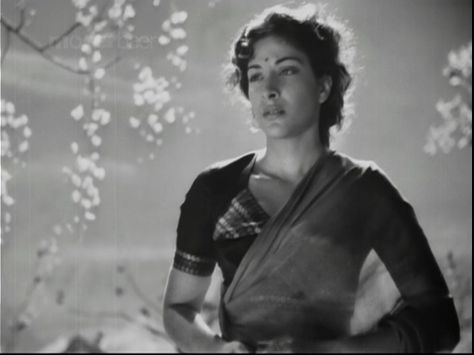
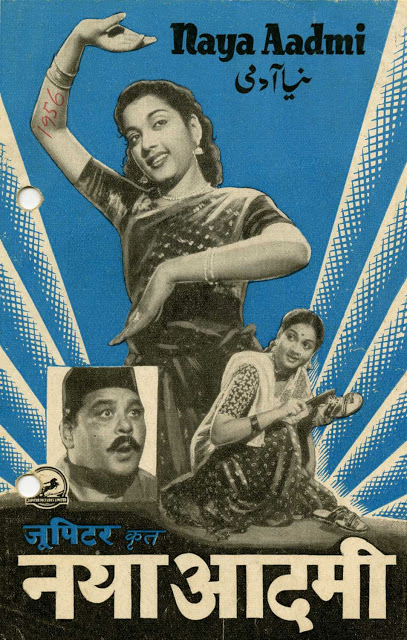
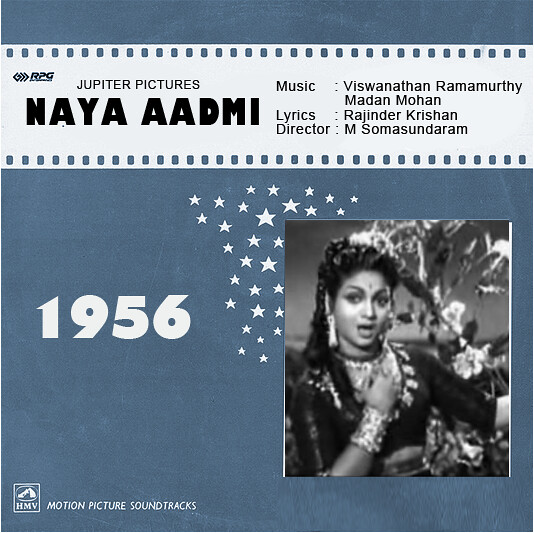
Song: Laut gaya gham ka zamana Film.Naya Admi 1956 Lyricist: Rajinder Krishan
Music: Vishvanathan-Ramamurthi Singers: Hemant Kumar & Lata Mangeshkar
Oh, what an extraordinary melody, what beautiful yet simple lyrics!
Note how the lyrics and the tune blend, how the voices blend! Here too. some passages are rendered by both singers with different pitches, at the same time!
ae sabaa unse keh zaraa kyun hamen beqaraar kar diyaa dil hamaara jaan se pyaara jaao ji tum pe ye nikhar kar diyaa ae sabaa unse keh zaraa kyun hamen beqaraar kar diyaa ae sabaa
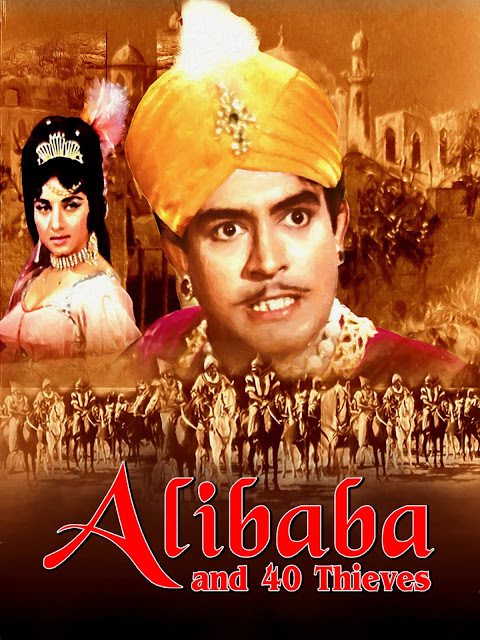
Song: Ay saba unse heh zara Film: Alibaba Aur 40 Chor 1954 Lyricist; Raja Mehdi Ali Khan
Muaic: S.N.Tripathi, Chitragupta Singers: Mohammad Rafi & Asha Bhonsle
இதற்கு இசையமைத்தது யார் என்பதில் சந்தேகம் நிலவுகிறது. எஸ்.என் திரிபாடி-சித்ரகுப்தா இருவர் பெயரும் சொல்லப்படுகிறது. சித்ரகுப்தா திரிபாடிக்கு அசிஸ்டென்ட் ஆக இருந்தவர்-பின்னர் தனியே இயங்கினார். திரிபாடி நல்ல இசைஞர். இங்கும் சில வரிகளில் இருவரையும் இழைந்து பாடவைத்திருக்கிறார்.
தலத்முஹம்மதுகுரலும்ஷம்ஷாத்பேகம்குரலும்முற்றிலும்வித்தியாசமானவை. தலத்குரல். very soft and mellifluous. ஷம்ஷாத்குரல்high pitched and somewhat shrillஇருக்கும்.இரண்டும்சேர்ந்துஇங்கேஜாலம்செய்கின்றன. சொக்கிப்போகிறோம்.. இதிலும்இருவர்குரலும்சிலஇடங்களில்சேர்ந்தேஒலிக்கிறது
Pictures are taken from various sources for spreading knowledge; this is a non- commercial blog. Thanks for your great pictures.
பாக்யா 1-4-2020 இதழில் அறிவியல் துளிகள் தொடரில் வெளியாகியுள்ள பத்தாம் ஆண்டு மூன்றாம் கட்டுரை – அத்தியாயம் 445
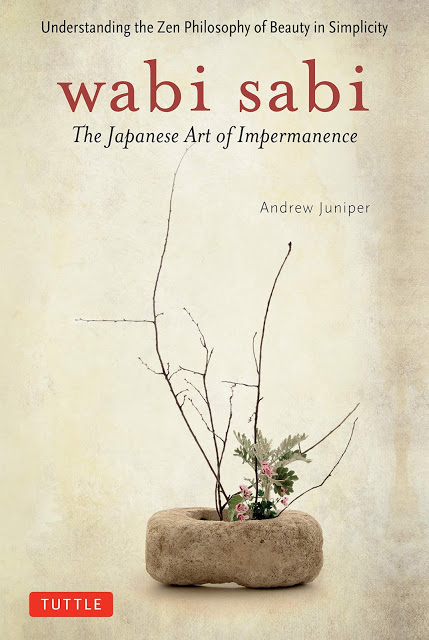
வாபி சாபி – வாழ்க்கைக்கு அவசியமான ஒன்றைக் கற்றுக் கொள்வோம்!
ச.நாகராஜன்
சிக்கலான மனித வாழ்க்கை ஏராளமான குறைகளையும் கொண்டது என்றால் அது பொய்யல்ல!
விவரம் தெரிந்த நாளிலிருந்து எங்கு நோக்கினாலும், ‘இன்னும் நேர்த்தியாக இரு; இது போதாது இதை விட இன்னும் அதிக நேர்த்தி தேவை – ‘Be Perfect’ – என்று நமக்குச் சொல்லப்படுகிறது. உடை உடுத்துவதிலிருந்து, வேலை பார்ப்பது, வீட்டை அலங்கரிப்பது, சுத்தப்படுத்துவது என்று எதை எடுத்தாலும் நமக்குச் சொல்லப்படுவது – இன்னும் அதிக நேர்த்தி தேவை என்பது தான்!
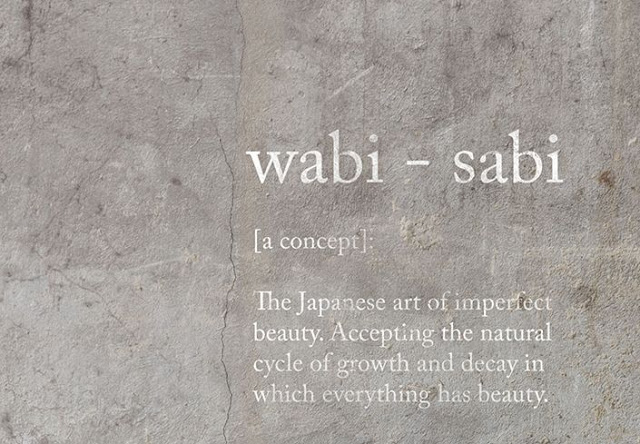
இந்தச் சூழ்நிலையில் தான் ஜப்பானிய வாழ்க்கைக் கலைகளில் ஒன்றான வாபி சாபி (Wabi Sabi) நமக்கு ஆறுதல் அளிக்கிறது.
வாபி சாபி என்பது ஜப்பானிய வார்த்தைகள். இதற்கான அர்த்தம் ‘குறையுள்ள அழகு’ என்பது தான்!
சிக்கலான விஷயங்களை உள்ளது உள்ளபடி ஏற்றுக் கொள்வது, அதே நேரத்தில் அதில் இருக்கும் எளிமையை மதிக்கக் கற்றுக் கொள்வது! -இது தான் வாபி சாபி!
வாபி சாபியைப் பற்றிச் சரியாகத் தெரிந்து கொள்ள ஜென் கதை ஒன்று உண்டு.
ஜென் ஆலயம் ஒன்றில் இளம் பிட்சு ஒருவர் அதிலிருந்த தோட்டத்தைப் பராமரிக்கும் பணியை ஏற்றுக் கொண்டிருந்தார். இயல்பாகவே அவருக்கு மலர்ச் செடிகள், மலர்கள், மரங்கள், புதர்கள் இவற்றில் மிகுந்த ஈடுபாடு உண்டு. ஆகவே அவருக்கு அந்தப் பணியைத் தலைமை பிட்சு தந்திருந்தார்.
அந்த ஆலயத்தின் அருகே இன்னொரு சிறிய ஆலயம் உண்டு. அதில் இருந்தவரோ வயதான துறவி; அனைவராலும் மதிக்கப்பட்டவர்.
ஒரு நாள் பிட்சு சில விசேஷ விருந்தினர்களை எதிர்பார்த்துக் கொண்டிருந்தார். ஆகவே தோட்டத்தை அழகுபடுத்துவதில் விசேஷ கவனத்தைச் செலுத்தினார். காய்ந்து போய் உதிர்ந்து விழுந்த சருகுகளை அகற்றுவது, புதர்களை வெட்டி ஒழுங்கு படுத்துவது, மலர்ச் செடிகளை கத்திரியால் வெட்டி வரிசைப் படுத்துவது என மிக்க நேர்த்தியுடன் செயல்பட்டு தோட்டத்தை பிரமாதமாக ஆக்கினார். நெடுநேரம் அவர் இந்தப் பணியில் ஈடுபட்டிருந்ததை அடுத்த ஆலயத்தில் இருந்த வயதான துறவி மதில் வழியே எட்டிப் பார்த்துக் கொண்டிருந்தார்.
தனது வேலையைத் திறம்படச் செய்து மிக்க திருப்தி கொண்ட பிட்சு எட்டிப் பார்த்துக் கொண்டிருந்த வயதான துறவியைப் பார்த்து, “ஐயனே! எப்படி இருக்கிறது பாருங்கள், மிக்க அழகுடன் நேர்த்தியாக ஆகி விட்டது இல்லையா, இந்தத் தோட்டம்” என்று வினவினார்.
வயதான துறவி, “ஆம், ஆனால் ஏதோ ஒரு குறை இருப்பது போலத் தோன்றுகிறது. இந்த மதில் சுவர் மீது ஏறி என்னை உன் பக்கத்தில் கொண்டு விடு” என்றார்.
பிட்சு அப்படியே செய்தார். வயதான துறவி தோட்டத்தின் நடுவில் இருந்த ஒரு பெரிய மரத்தின் அருகே வந்தார். அதன் அடிமரத்தைப் பிடித்து தனது முழு பலத்தையும் உபயோகித்து மரத்தை ஆட்டினார்.
பெரிய மரத்திலிருந்து ஏராளமான இலைகள் ஆங்காங்கே கீழே உதிர்ந்தன.
“ஆஹா! இப்போது சரியாகி விட்டது, என்னை பழைய படி அந்தப் பக்கம் கொண்டு போ” என்றார்.
இது தான் வாபி சாபியின் விளக்கம்.
இன்றைய வாழ்க்கை முறையில் செல் போனில் ஆரம்பித்து ஸ்மார்ட் கார் வரை எதிலும் ஒரு நவீனம், மேம்பாடு, மிகுந்த நேர்த்தி என எதிர்பார்க்கிறோம். சீரற்ற தன்மையும் இயற்கையின் ஒரு அங்கம் தான் என்பதையும் மறந்து கொண்டு வருகிறோம்.
இப்படி நமது வாழ்க்கையை நேர்த்தியாக அமைக்க முயன்று முயன்று சிக்கல்களையும் அதிருப்தியையும் நாமே ஏற்படுத்திக் கொள்வதை விட்டு விட்டு வாழ்க்கையை அதில் உள்ள சில குறைகளுடன் உள்ளது உள்ளபடி ஏற்க வழி காட்டுவதே வாபி சாபி.
அழகாக இருந்த தோட்டத்தில் உதிர்ந்த இலைகளை உதிர விட்டு வயதான துறவி இளம் பிட்சுக்கு வாழும் வழியை உணர்த்தினார். இயல்பாக உள்ள குறைகளை உங்கள் வாழ்க்கையில் அதன் ஒரு அங்கமாக ஏற்றுக் கொண்டு அமைதியாக வாழுங்கள் என்கிறது வாபி சாபி.
இது 15ஆம் நூற்றாண்டில். ஜப்பானில் ஆரம்பித்தது
முராடோ ஜுகோ (Murato Juko – 1423-1502) என்பவர் தான் இதைக் கண்டுபிடித்தவர்.
ஜப்பானில் அன்று முதல் இன்று வரை தேநீர் சடங்கு ஒன்று உண்டு.
அதாவது தேநீரை – டீயை- தயாரிப்பதை ஒரு பெரும் கலையாக அவர்கள் மதித்தனர். நல்ல ஒருவரே தேநீரைச் சரியாகக் கலக்க முடியும் என்பது ஜப்பானியரின் நம்பிக்கை.
அந்தத் தேநீரைக் கலக்கும் ஜாடி மிக்க விலை மதிப்புடையதாகவும் அலங்காரம் கொண்டதாகவும் இருக்கும். அதில் சிறு கீறல் இருந்தாலும அவர்கள் பொறுத்துக் கொள்ள மாட்டார்கள். ஆடம்பரத்தைக் காட்டும் ஒரு விழாவாக தேநீர் விருந்து ஆகி விட்டிருந்தது.
இதை மாற்றினார் முராடோ ஜூகோ. அவரது லெட்டர் ஆஃப் தி ஹார்ட் – இதயத்தின் கடிதம் வரலாற்றில் மிகவும் புகழ் பெற்ற கடிதம். இதை கொகொரோ நோ ஃப்யூமி என்று ஜப்பானிய மொழியில் சொல்வர். அந்தக் காலத்தில் சீனாவிலிருந்து வரவழைக்கப்பட்ட பீங்கான் பாத்திரங்களுக்கு மவுசு அதிகம். இதை மாற்றி பளபளப்பில்லாத ஆடம்பரம் இல்லாத ஜப்பானிய பீங்கான் கிண்ணங்களில் தேநீரை ஊற்றித் தருவதை அறிமுகப்படுத்தினார் அவர்.
தேநீர் சடங்கில் நான்கு விஷயங்களை அவர் அறிமுகப்படுத்தினார். 1) கின் – எளிமையான ஒரு பெரிய மதிப்பு 2) கெய் – உணவுக்கும் பானத்திற்கும் ஒரு
மரியாதை 3) செய் – உடலிலும் மனதிலும் ஒரு தூய்மை 4) ஜகு – புத்த மதக் கொள்கையின் படி ஒரு பேரமைதி, ஆசைகளிலிருந்து விடுதலை.
இந்த நான்கின் அடிப்படையில் தேநீர் சடங்கையே ஆன்மீக முன்னேற்றத்திற்கான வழியாக மாற்றினார் அவர்.
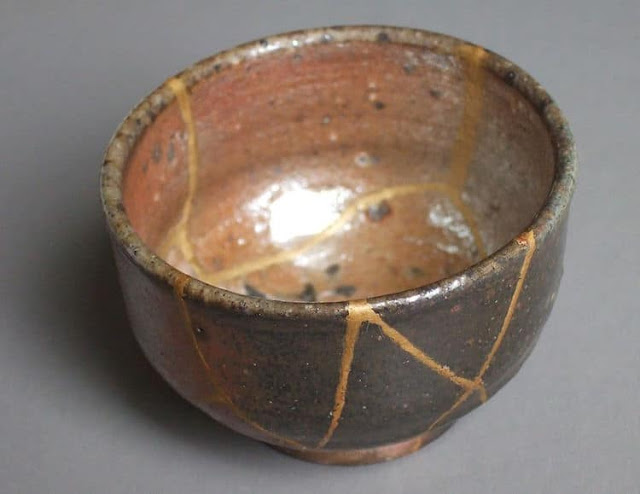
பழமைக்கு மரியாதை தரும் விதமாக பழைய கீறல் விழுந்த ஜாடியை தேநீர் சடங்கில் வைத்து அதை அலங்காரப் பொருள்களில் ஒன்றாக மாற்றினார் முராடோ ஜூகோ.
இப்படி ஆரம்பித்த வாபி சாபி பெரும் தத்துவமாக ஆகியது; விரிந்தது.
இதைக் கடைப்பிடிக்க ஆரம்பிப்பவர்களுக்கு ஏழு குணாதிசியங்கள் மீது பற்று வரும். 1) கன்ஸோ – எளிமை 2) ஃப்யூகின்செய் – சீரற்றதன்மையை ஏற்பது 3) ஷிபுமி – குறைத்து மதிப்பிடுவதில் உள்ள அழகு 4) ஷிஜென் – பாசாங்கு இல்லாத இயற்கைத் தன்மை 5) யூஜென் – நுட்பமான நளினம் 6) டட்சுஜோகு – சுதந்திரத் தன்மை 7)செய்ஜாகு – நிலையான அமைதி
இந்த தேநீர் சடங்கை முராடோ ஜூகோவின் சீடரான சென் நோ ரிக்யூ (Sen no Rikyu0 எளிமைப்படுத்தி, இரண்டு முரட்டுப் பாய்கள், குறைபாடுள்ள இரண்டு கோப்பைகள், அதை வைக்க ஒரு குடிசை என்று ஒரு முறையை ஏற்படுத்தினார். அவரது புகழ் எங்கும் பரவவே, ஆடம்பரபிரியர்களான உயர் வர்க்க பிரபுக்களின் அதிருப்தியை சம்பாதித்துக் கொண்டார். அதுவே அவரது ஹரஹிரி எனப்படும் ஜப்பானிய முறையிலான ‘கௌரவ தற்கொலைக்கான’ காரணமாக அமைந்தது. அவர் மறைந்த பிறகு வாபி சாபி இன்னும் அதிக வேகத்துடன் பரவ ஆரம்பித்தது.
காலம் வென்ற ஞான உபதேசமாக அமைந்த வாபி சாபி இன்றைய படுவேகமான நாகரிக வாழ்க்கைக்குத் தேவைப்படும் ஒன்றாக இருப்பதை மேலை நாட்டினர் உணர்ந்தனர். பரபரப்பூட்டும் உலோகாயத வாழ்க்கையின் சிக்கல்களைத் தீர்க்க, இப்போது அதைக் கடைப்பிடிக்க ஆரம்பித்துள்ளனர்.
வாபி சாபி இன்று இடம் பெறாத துறை இல்லை. அலங்காரம், வடிவமைப்பு, கவிதை இயற்றல், மட்கலம் உள்ளிட்ட பொருள்கள் மற்றும் அழகுச் சின்னங்கள் தயாரிப்பு என அனைத்திலும் இன்று வாபி சாபி கொள்கை இடம் பெறுகிறது.
வாழ்க்கையை அப்படியே ஏற்றுக் கொண்டு அமைதியுடன் முன்னேற அறிவு பூர்வமான ஒரு உத்தி வாபி – சாபி!
அறிவியல் அறிஞர் வாழ்வில் .. ..
ஜோஸப் ப்ரமா (Joseph Bramah – பிறப்பு 13-4-1748 இறப்பு 9-12-1814) இங்கிலாந்தைச் சேர்ந்த பிரபல விஞ்ஞானி. ஹைட்ராலிக் பிரஸ், ப்ளேனிங் மெஷின், பேப்பர் தயாரிக்கும் மெஷின், வங்கி நோட்டுகளைத் தானே அச்சடிக்கும் மெஷின் என 18 அரிய கண்டுபிடிப்புகளை இவர் கண்டுபிடித்துள்ளார். ஆனால் இவரது கண்டுபிடிப்புகளில் இவருக்கு பெயர் வாங்கித் தந்தது திருடர்கள் யாராலும் திறக்க முடியாத இவரது பூட்டு தான்! 1784இல் இதற்கான காப்புரிமையையும் அவர் பெற்றார்.
இதைத் திறந்து காட்டுவோருக்கு 200 கினியா நாணயம் பரிசாகத் தருவதாக இவர் அறிவித்தார். கினியா என்பது கால் அவுன்ஸ் தங்கத்தைக் கொண்டது. 1663 முதல் 1814 வரை இங்கிலாந்தில் புழக்கத்தில் இருந்தது இது.
அறுபது ஆண்டுக் காலம் இந்த பூட்டை யாராலும் திறக்க முடியவில்லை. கடைசியில் ஒரு அமெரிக்க பூட்டு ரிப்பேர்காரர் ஒரு மாதம் முயன்று இதைத் திறந்து காண்பித்தார். அப்போது ப்ரமா உயிருடன் இல்லை. என்றாலும் கூட அவர் நிறுவிய அவரது பூட்டு கம்பெனி 200 கினியா பரிசுத் தொகையை அந்த அமெரிக்கருக்குத் தந்து கௌரவித்தது. ப்ரமாவின் வாக்கையும் காப்பாற்றியது!
Pictures are taken from various sources for spreading knowledge; this is a non- commercial blog. Thanks for your great pictures.
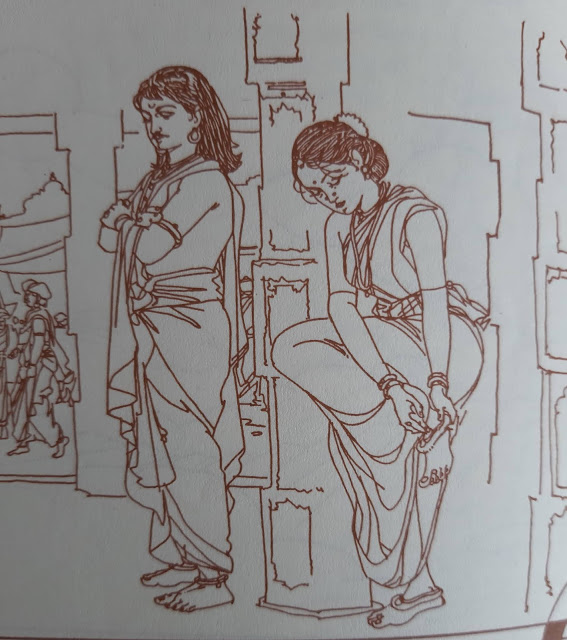
தள தள என்று மின்னும் உடம்பு. இப்போதுதான் கல்யாணம் ஆன மாதிரி முகத்தில் ஒரு ஜொலிப்பு. இதைப் பார்த்தவுடன் காதல் ஜோடிக்கு கொழுப்பு! புதியவளான ஒரு பரத்தையும் , அவளுடன் வந்த வெற்றுவேட்டு காமுகனும் கண்ணகி – கோவலன் ஜோடி மன்மத – ரதி ரூபத்தில் நிற்பதைக் கண்டு நக்கல் தொனியில், கிண்டல் பாணியில், கேலி செய்யும் தொனியில், கவுந்தி அடிகள் என்ற சமண மத பெண்துறவியைப் பார்த்து அம்மையாரே உங்கள் கூட நிற்கிறார்களே ஒரு அழகு சுந்தரியும் உலக மஹா ஆண் அழகனும் ; அவர்கள் யாரோ? என்று வினவினர். உண்மையில் கவுந்தி அடிகளின் அருகில் நின்றது பணக்கார குடும்பத்தில் பிறந்த கண்ணகியும் கோவலனும் ஆகும். பூம்புகார் நகரிலேயே மிகப்பெரிய பணக்கார குடும்பத்தைச் சேர்ந்தவர்கள் !
உலகையே ஒரு குடும்பமாகப் பார்ப்பது பாரத நாட்டுத் துறவிகளின் பிறவிக்குணம். ஆகையால் அந்த அர்த்தத்தில் சமண மத பெண் துறவி கவுந்தி அடிகளாரும் இவர்கள் என் குழந்தைகள் என்று பதில் கொடுத்தார். எதிரே நின்ற அந்த காதல் ஜோடிக்கு எக் காளச் சிரிப்பு பொத்துக் கொண்டுவந்தது.
அம்மையாரே, ஒரே குடும்பத்தில் பிறந்த இருவர் கணவன் மனைவி ஆனதை இப்பத்தான் கேக்கறோம் ; இப்பத்தான் பாக்கறோம் ; ஹா, ஹ்ஹா , ஹா, ஹா … என்று வயிறு புடைக்கச் சிரித்தனர் இதைக்கேட்டவுடன் கண்ணகி காதுகளைப் பொத்திக்கொண்டு, நடு நடுங்கி கணவன் பக்கம் சென்றாள் .
;
அம்மையாருக்கு கோபம் பொத்துக் கொண்டு வந்தது. உடனே,
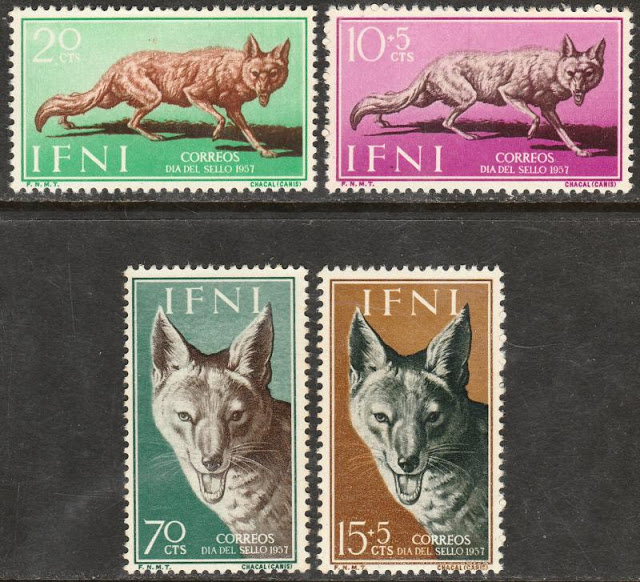
“பிடி, சாபம் ! நீங்கள் இருவரும் இந்தக் காட்டில் நரியாய் போகக்கடவது”–
கண்ணகியோ உலக மஹா உத்தமி. தென்னாட்டு அருந்ததி என்று இளங்கோ புகழும் கற்புக்கரசி. பேரழகி. மாதவியுடன் வாழப்போய் , திரும்பி வந்த கணவனுக்கும் வாழ்வளித்த கருணைக் கடல். அவளுக்கு கணவன்- மனைவி வாழ்வு எவ்வளவு முக்கியம் என்று தெரியும். ஆகவே கருணை கொப்புளிக்க கவுந்தி அதிகளிடம் மன்றாடினார்.
இவர்களுக்கு சாப விமோசனம் கொடுங்கள் என்று.
இந்துக்கள் சத்தியத்தை வழிபடுபவர்கள். ஆகையால் ஒரு சொல்லைச் சொல்லிவிட்டால் அதை மாற்ற மாட்டார்கள். கடவுளும் கூட சத்தியத்துக்குக் கட்டுப்பட்டவர். அதே கொள்கையை இளங்கோ அடிகள், கவுந்தி விஷயத்திலும் காட்டுகிறார்.
சாபத்தை கடவுளே வந்தாலும் திரும்பப்பெற முடியாது. ஆனால் சிறிது காலத்துக்குப் பின்னர் மாற்றலாம். ஆகையால் கண்ணகி கெஞ்சியதால் அவ்விரு தம்பதிகளும் ஓராண்டுக்குப் பின்னர் மனித உரு எய்துவர் என்று சாப விமோசனம் கொடுத்தார். இதன் பின்னர் நரிகள் காட்டுக்குள் ஓடின. கோவலன் கண்ணகி , கவுந்தி அம்மையார் மூவரும் அறம் மிகு உறையூருக்குள் நுழைந்தனர்.
இதோ இந்த சம்பவத்தை இளங்கோ அடிகள் வருணிக்கும் அழகைப் பாருங்கள்—
Pictures are taken from various sources for spreading knowledge; this is a non- commercial blog. Thanks for your great pictures.
Holy Kailash
HOLY GANGA AND HIMALAYAS IN TAMIL SANGAM LITERATURE
Tamil language has 18 old books called Sangam literature. Sangam is a Sanskrit word meaning association, assembly. In Tamil it was used for association of Tamil poets. But it did one additional task of preserving the quality of the language. It was like an academy and gave approval only to standard works . Oldest grammarian Tolkappiar in his book ‘TOLKAPPIAM’ banned Tamils from using words beginning with ‘SA’ and yet Tamils used the Sanskrit word Sangam for their academy. This academy existed from first century BCE for at least 400 years .
Ancient Tamils were very familiar with holy river Ganga and holy Himalayas. They never said a single word about Sindhu or holy Sarasvati river.
Even the praise about Holy Ganga and Holy Himalayas was copied from Kalidasa. I doubt all the poets who praised them actually went to the Himalayas which is 3000 miles away from Tamil Nadu . They were very much influenced by Kalidasa’s works. Sangam poets used 200 of Kalidasa’s 1500 similes and imageries. That showed that Kalidasa lived in 2nd century BCE which date is supported by Sanskrit and foreign scholars.
TAMILS AND INDUS VALLEY CIVILISATION
The surprising thing about Tamil Sangam works is that they have no knowledge of river Sarasvati or river Sindhu. It proved that Tamils have nothing to do with Indus- Sarasvati River basin civilization. They have mentioned only Yavanas of Rome because of their commercial contacts with them in the first few centuries of common era CE . They have also mentioned Yavanas of north western India . They may be Greeks or original Yavanas, i.e. one of the four types of Yavanas mentioned in Indian literature.
Tamils mentioned holy Ganges and holy Himalayas at least 15 times . Following are the important references-
Avur Mulankizar who shows his amazing knowledge about 21 types of Hindu Yagas and yajnas in Purananauru (Puram.) verse 166 depicts Himalayas. He describes the great height of the mountains saying that the clouds have to look up and climb over them. He wished a brahmin Srotria, Kaundinya Vishnu Dasan (Vinnan Thayan in Tamil) to live like the Himalayas. That is with eternal fame like the northern mountains. When he described the mountains he adds the words long mountain chain which shows his thorough knowledge of Kalidasa. The length of the Himalayan range is approximately 1500 miles. Kalidasa described it as the ‘measuring rod of the earth’!
A poet named Rudraksha – in Tamil Katiyalur Uruttiran Kannanar — depicted the Himalayas and the Ganga descending from it in his work Perumpanatruppadai – lines 429-431
Mamulanar must be one of the oldest poets in the Sangam period. He sings the praise of Nandas and Mauryas of 4th century BCE. In one of his poems in
Akananuru , verse 265, he picturises the sky high Himalayas. He states that it rises high like smoke , approaches the sky and there looks like flame covered with snow.
I believe that he really went to Himalayas and saw the golden mountain Kailash. The Himalayan range when covered with snow glows like shining gold in the sunlight .
The roar of thunder is generally said to be harsh. It is so fierce that it splits hills and even it shakes the Himalayas according to Kuruntokai verse 158 by Avvaiyar.
Poet Paranar’s beautiful poem about bird migration is in Natrinai poem 356. He sang about the migratory swans/geese that took fishes in the southern coast and going to Himalayas to feed its young ones. He compared it with hero’s heart that always longed for his sweet heart and always travel towards her.
Purananuru is the book among the 18 works of Sangam corpus , that has the oldest poems. And in particular the first 10 or 15 poems talk about the ancient Tamil kings. Tamil poets bless their patrons and kings to live a long and happy life for as many years as the drops of rain water poured on earth or the grains of sand on the sea shore or the river bed or bank or to live unperturbed and most reputed and unique life like the mountains, the Himalayas and the Potiya mountains .
Puram 166 of Avur mulankizar and Puram verse 2 Muranjiyur Mudinagarayar referred to the Himalayas thus. Muranjiyur Mudinagarayar is Mr. Nagaraja (Sanskrit name) .
He is unique because he mentioned about the feeding of Panadavas and Kauravas during Mahabharata war by the Chera king Uthiyan Cheralathan. He is the one who used all the descriptions of Kalidasa in four lines such as the brahmins in the Himalayas worshipping three types of fires by the side of deer at the foot hills of the Himalayas.
Though Sangam literature never mentioned Agastya by name this poet praised Potiya mountains in the south with the Himalayas in the north. All the Tamil literature talk about lord Shiva in the Himalaya sending Agastya to south who settled on the Potiya for ever. Two centuries before him, Kalidasa mentioned the Pandyas and Agastya for the first time in Indian literature (Raghuvamsa). This poem is unique which showed the influence of Kalidasa on Sangam poets.
**
Muthukudumi Peruvazuthi was one of the most ancient Pandya kings who has the epithet, ‘one who had many yaga salas’ . He lived before the great tsunami that devoured lot of Tamil lands. His river
Pahruli is praised by the poets and that river disappeared like the Vedic Sarasvati river after a tsunami. The poems mentioned the Himalayas as big northern rock and snow covered long mountain chain in Puram poems 6 and 17 by poets Karikizar and Krunkoliyur kizar .
**
Mudamosiyar of Uraiyur enicheri , author of puram verse 132, also repeated all that is said about the Himalayas such as deer grazing the Narantham grass taking rest by the side of the holy seers. Scenes described by Kalidasa.
**
Kumattur Kannanar who sang the glory of
Imayavaramban Neduncheralathan in Pathirupathu goes one step further in describing the Himalayas. He says that the deer are sleeping and dreaming about the Narantham grass which they ate in the morning and the waterfalls. He also described the Himalaya as the place of Aryas and the commentators interpreted Aryaas as the Holy seers. (Pathirupathu verse 11)
Xxxx
River Ganga (Ganges)
Nalvellaiyar , author of Natrinai verse 369 , says
“My love and feelings are uncontrollable like the Ganges floods that overflows the banks and smashes the dams in its course “; powerful description of the feelings of an amorous woman.
**
Mankudi Maruthan was the head of Tamil poets at the time of Pandya King Neduncheziyan. He sang the longest poem with 782 lines named ‘Madurai Kanchi’. He described the Ganges as wide as the sea (Line 696)
**
Poet Maha Chitra –in Tamil Perunchittiranar – used Ganges in a simile in Purananuru 161,
The description of the holy river and the Himalayas is most appropriate and highly realistic. The clouds rise from the sea, gather themselves, appear huge and dark like mountains in the sky , roar with thunder and pour in torrents; when such a rainy season is past and when the summer reigns supreme making the lakes and rivers everywhere dry , the Ganges flows full of water for the benefit of the whole of mankind, mostly in summer as it is then that the snow in the Himalayas melt and flow into Ganga. The poet describes it in comparison with the bountiful help rendered by the philanthropist and patron Kumanan.
**
The Ganges descending from the Himalayas is always overflowing its banks – Purananuru 161, Perumpanatruppadai 429-31
**
Later Tamil epics Silappadikaram and Manimegalai have more references to the Ganges river and Himalayan mountain ranges. The very fact that King Senguttuvan took a holy stone from the Himalayas and bathe it in the Holy river Ganga shows the sanctity of the river.
Source book
The Treatment of Nature in Sangam Literature, M Varadarajan, 1969
**
Two of the poems already quoted in the above passage are translated by P T Srinivasa Iyengar as follows:–
Puram 2 by Mudinagarayar/Nagarajah
“May you live without fear, your full length of years , like the Podiya hill and the gold peaked Himalayas on whose side the small headed stag and the large eyed hind sleep beneath the light of the Triple Fire at which Brahmins offer their evening libations”.
**
Pathitrupathu 11 by Kumattur Kannanar
“You quelled the valour of those who called themselves monarchs of the land between Kumari on the south and the famous Himalayas on the north , where the aryas / saints abound and the yak sleeps on the hills covered thick with the Oleander and dreams of the broad mountain streams and the Narantham grass.”
There are other references where vague terms such as Northern Big Rock and northern long chain of hills are used.
What a fantastic song! What a tremendousmessage the poet is bringing! Love is not light hearted affair. It is serious and straight. It is not a plaything.
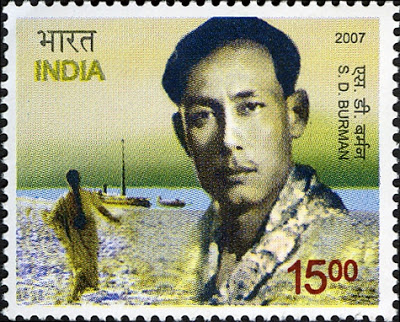
What a composition by Burmanda!
People said KIshore was not formally trained. They should listen to how he sings the passages ‘Haiya ho haiyaa” and ‘Ishq ki baaji”. This song is based on the Raag Gaud Sarang and Kishore sang it with such verve! And yet how modern it sounds! That is the genius of our old music directors. To repeat a Raga note by note-swara by swara- is not art. It is imitation. Creation is taking some notes and making a tune! Out of three notes, a star is born, as Browning said!
கிஷோர்குமாரின் ‘ஜீனியஸ்’ஸிற்கு எல்லையே இல்லை! மேற் கண்ட பாட்டிலிருந்து முற்றும் மாறுபட்ட ஒரு பாடலைக் கேளூங்கள்:
Ideal romantic song, polished expressions, and sung in a jovial spirit! S.D.Burman was 51 years old when he composed this youngish melody! Makes one feel young!
ஸாஹிர் லுதியான்வி பிரிந்தபின், மஜ்ரூஹ் பர்மன் படங்களுக்கு பாடல்கள் எழுதினார். சிலர் படங்களில் டூயட் எடுபடுவதில்லை என்று சொல்லி வந்தனர். மஜ்ரூஹ் ஒப்பவில்லை. ஆடத்தெரியாத ஆசாமி கூடம் பத்தாது என்று சொல்வதைப் போன்றது இது, பாட்டு நன்றாக இருந்தால் ரசிப்பார்கள் என்று சொன்னர். பல ஹிட் டூயட்களை எழுதினார்.1992 வரை எழுதினார். தீவிர கம்யூனிஸப் பற்றுள்ள இவர் புரட்சி அரசியலில் சம்பந்தப்பட்டதாகக் கருதப்பட்டு 2 ஆண்டுகள் சிறையில் இருந்தார். ரஷ்யாவிலும் சீனாவிலும் கம்யூனிஸம் போன போக்கைக் கண்டு வெறுப்படைந்தார், கவிதையிலேயே காலம் கழித்தார். சிறந்த உருதுக் கவிகளில் ஒருவராகக் கருதப்படுகிறார்.
Pictures are taken from various sources for spreading knowledge; this is a non- commercial blog. Thanks for your great pictures.
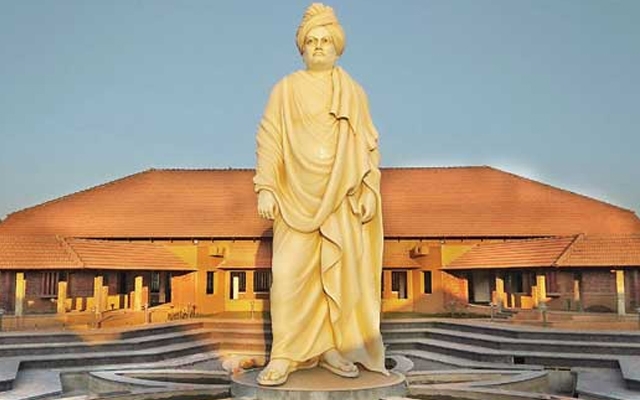
பெரிய மரங்கள் இருந்தால் சிறிய மரங்கள் வளராது : ஸ்வாமிஜி!
ச.நாகராஜன்
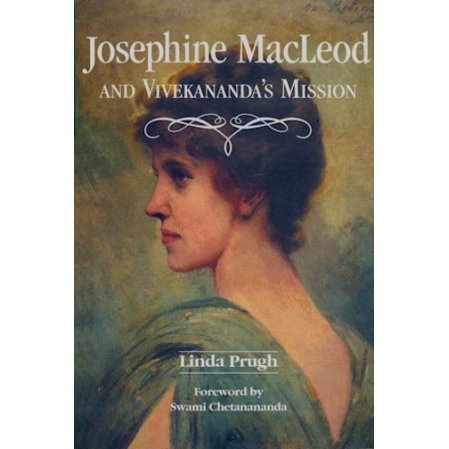
ஜோஸபைன் மக்லியாட் (Josephine MacLeod) ஸ்வாமி விவேகானந்தரின் அணுக்க சிஷ்யைகளுள் ஒருவர்.
1902ஆம் ஆண்டு, ஏப்ரல் மாதம்.
ஒரு நாள் ஸ்வாமி விவேகானந்தர் அவரைப் பார்த்துச் சொன்னார்;” எனக்கென்று இந்த உலகத்தில் ஒன்றும் கிடையாது; ஒரு பென்னி கூடக் கிடையாது. எனக்குக் கொடுத்த அனைத்தையும் நான் கொடுத்து விட்டேன்.”
ஜோஸபைன் ஸ்வாமிஜியைப் பார்த்துச் சொன்னார் ;” ஸ்வாமி! நீங்கள் உயிருடன் இருக்கும் வரை மாதம் ஒன்றுக்கு 50 டாலர் நான் தருகிறேன்”.
ஒரு நிமிடம் யோசித்த ஸ்வாமிஜி கேட்டார்: “அதில் நான் வாழ முடியுமா?”
ஜோஸபைன் “ “ஓ! நிச்சயமாக!! ஆனால் தாராளமாகச் செலவழிக்க முடியாது” அவர் ஸ்வாமிஜிக்கு உடனே 200 டாலர் தந்தார். ஆனால் நான்கு மாதத்திற்கான அந்தத் தொகை முடியும் முன்னரே ஜூலை மாதம் 4ஆம் தேதி ஸ்வாமிஜி சமாதி எய்தினார்.
பேலூர் மடத்தில் ஒரு நாள் சகோதரி நிவேதிதை விளையாட்டு வீரர்களுக்குப் பரிசுகளை வழங்கிக் கொண்டிருந்தார்.
மடத்தில் இருந்த ஸ்வாமிஜியின் படுக்கை அறையில் ஜன்னலுக்கு அருகில் ஜோஸபைன் நின்று அதைப் பார்த்துக் கொண்டிருந்தார்.
அப்போது ஸ்வாமிஜி ஜோஸபைனைப் பார்த்துச் சொன்னார்: “நான் நாற்பது வயதைப் பார்க்க மாட்டேன்.” (I shall never see forty)
அப்போது அவருக்கு வயது 39.
ஜோஸபைன் கூறினார்:” ஆனால், ஸ்வாமிஜி, புத்தர் தனது பெரும் பணியை 40இல் ஆரம்பித்து 80 முடிய இருந்து தானே செய்தார்.”
ஸ்வாமிஜி பதில் கூறினார் : “எனது செய்தியை நான் கூறி விட்டேன். நான் போக வேண்டும்.”
“ஏன் போக வேண்டும்?”
“பெரிய மரத்தின் நிழல் சிறிய மரங்களை வளர விடாது. அவர்களுக்கு வழி விட நான் போக வேண்டும்.” (The shadow of a big tree will not let the smaller trees grow up, I must go to make room.)
இதன் பின்னர் ஜோஸபைன் இமயமலை சென்றார். பின்னர் இங்கிலாந்திற்குச் சென்றார்.
ஜூலை 4ஆம் தேதி அவருக்கு ஸ்வாமிஜி நிர்வாண நிலையை அடைந்து விட்டதாக அவருக்குச் செய்தி பறந்தது.
அவர் திக்பிரமை பிடித்து பிரமித்து நின்று விட்டார். அவர் மனதில் ஏற்பட்ட ரணம் ஆறவில்லை.
மேட்டர்லிங்க் எழுதிய ஒரு வரியைப் படித்த பின்னர் தான் அவருக்குச் சற்றுத் தெளிவு ஏற்பட்டது : “ எந்த ஒருவராலும் நீங்கள் பெரிதும் செல்வாக்குக்கு உட்பட்டவராக இருந்தீர்கள் என்றால், அதை உங்கள் வாழ்க்கை மூலம் நிரூபியுங்கள்; அழுது அல்ல.”
உடனே ஜோஸபைன் அழுவதை நிறுத்தி விட்டார். 14 ஆண்டுகள் கழித்து இந்தியாவிற்கு அவர் வந்தார்.
முழு இந்தியாவும் ஸ்வாமிஜியின் செய்தியால் நிரம்பி வழிந்தது. 6 மடாலயங்கள், ஆயிரக்கணக்கான மையங்கள், நூற்றுக் கணக்கான சங்கங்கள்!
அங்கெல்லாம் அவரை அழைத்தனர்.
ஏனெனில் ஜோஸபைன் ஸ்வாமிஜியை தன் வாக்கில் உயிருடன் வைத்திருந்தார். அவரைப் பற்றிப் பேசினார்; அனைவருக்கும் உத்வேகம் ஊட்டினார்.
ஸ்வாமிஜியின் செல்வாக்குக்கு உட்பட்ட அவர் இறுதி வரை ஸ்வாமிஜியின் சொல்படி வாழ்ந்து காட்டினார்!
tags — ஜோஸபைன் மக்லியாட், Josephine Mac Leod , ஸ்வாமி விவேகானந்தர்
Pictures are taken from various sources for spreading knowledge; this is a non- commercial blog. Thanks for your great pictures.
திருச்சிக்கு அருகிலுள்ளது உறையூர். ஒரு காலத்தில் சோழரின் தலைநகராக விளங்கியது . இதற்கு மற்றோரு பெயர் கோழியூர் . புறநாநூற்றில் (பாடல் 212) கோப்பெருஞ்சோழனை பிசிராந்தையார் ‘கோழியோன்’ என்று பாடுகிறார்.
இதன் பின்னாலுள்ள கதையை வைத்து சிலப்பதிகாரத்தில் இளங்கோ அடிகள் ‘வார்த்தா ஜாலம்’ செய்கிறார். சம்ஸ்கிருதத்தில் ‘வாரணம்’ என்ற சொல்லுக்கு யானை, கோழி/சேவல் என்று இரு பொருள் உண்டு. இவைகளை இளங்கோ அடிகள் ‘முறச் சிறை வாரணம்’, ‘புறச் சிறை வாரணம்’ என்று வருணிக்கிறார். அதாவது முறம் போன்ற காதுகளுடைய யானையும் புறத்தே சிறகுகளுடைய கோழியும் போரிட்டதில் இறுதியில் கோழி வென்றது. இதன் காரணமாக உறையூருக்கு ‘கோழியூர்’ என்றும் அதைத் தலைநகராகக் கொண்டு அரசாண்ட சோழனுக்கு ‘கோழியோன்’ என்ற சிறப்பு அடை மொழிகளும் உண்டு. உறையூருக்குள் கோவலனும் கண்ணகியும் புகுந்ததைச் சொல்லும் போது, இதைப் போகிற போக்கில் இளங்கோ சொல்லுவதால் அ ந்தக் காலத்தில் இது எல்லோருக்கும் தெரிந்த விஷயமாக இருந்திருக்க வேண்டும். பிசிராந்தையாரின் குறிப்பைப் பார்க்கையில் இது 2000 ஆண்டுகளுக்கு முன்னர் நடந்தது என்பது தெளிவாகிறது .
“காவுந்தி ஐயையும் தேவியும் கணவனும்
முறம்செவி வாரணம் முன்சமம் முரு க்கிய
புறஞ்சிறை வாரணம் புக்கனர் புரிந்துன்”
–நாடுகாண் காதை , புகார்க் காண்டம் , சிலப்பதிகாரம்
இது குறித்து உரைகள் விளம்புவது யாதெனில்,
முற்காலத்தே ஒரு கோழி, யானையை எதிர்த்து போரில் புறங் கொடுத்தோடச் செய்தது . இன் நிகழ்ச்சியைக்கண்ட சோழ மன்னன் இந்நிலத்திற்கு ஒரு சிறப்புண்டென்று கருதி அவ்விடத்தே தன தலை நகரை அமைத்துக்கொண்டு அரசாட்சி செய்தனன். அந்த நகருக்கே ‘கோழி’ என்று பெயர் சூட்டினான் . அதனைக் காணும் அவாவோடு கண்ணகியும் கோவலனும் அவ்வூருக்குள் நுழைந்தனர் .
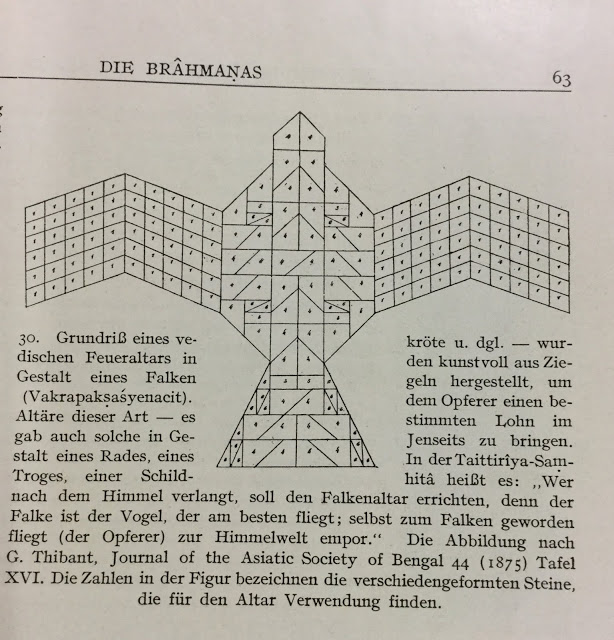
‘கோழியூர்’ என்பதற்கு உரைகாரர்கள் மற்றோரு விளக்கமும் தருவார்கள். அந்நகரம் அமைக்கும்போது கழுத்து போலவும் இரு புறம் சிறகுகள் இருப்பது போலவும் — பறவை வடிவில் — நகரம் அமைக்கப்பட்டதால் புறம் சிறை வாரணம் என்று இளங்கோ சொன்னதாக வியாக்கியானம் செய்வர் சிலர். இது அடியார்க்கு நல்லாரின் உரையில் உளது.
இவ்வாறு பல பிராணிகள் – ஊர்களை தொடர்புபடுத்தும் கதைகள் பாரத நாடு முழுதும் இருக்கின்றன. வேட்டை நாய்கள் முயல்களை விரட்டிச் சென்றபோது, திடீரென்று வேட்டை நாய்களை முயல்கள் வீரம் கொண்டு விரட்டத் துவங்கியதைக் கண்ட வீர பாண்டிய கட்டபொம்மன் அந்த இடத்தில் பாஞ்சாலங்குறிச்சி கோட்டையைக் கட்டினான். ‘புலியை விரட்டு’ என்று முனிவர் சொன்னவுடன் அதை விரட்டிக் கொன்ற மன்னரின் வம்சம் ‘ஹொய்சாள’ எனப்பட்டது. மயில் வளர்த்த சாதாரணக் குடிமகனை சாணக்கியன் என்ற பார்ப்பன ன், பிராமணத் துவேஷிகள் நிறைந்த நந் த வம்சத்தை அடியோடு ஒழித்ததால் மயில் வளர்த்த முராதேவியின் வம்சம் ‘மௌர்ய வம்சம்’ ஆயிற்று. கர்ப்ப நிலையில் தவித்த தவளைக்கு பாம்பு குடை பிடித்து பாதுகாப்பு கொடுத்ததைக் கண்ட ஆதிசங்கரர், அந்த சிருங்கேரியில் முதல் மடத்தை அமைத்தார் என்பர். இப்படி ஒவ்வொரு ஊரிலும் ஒரு கதை இருப்பது இந்துக்களின் இயற்கையோடு இயைந்த வாழ்வைக் காட்டுகிறது .
பருந்து வடிவில் அமைந்த யாக குண்டத்தில் கரிகாற் சோழன் யாகம் செய்ததை சங்க இலக்கியம் கூறும். பறவை வடிவில் படை வியூகம் அமைத்த செய்தி மஹாபாரதத்தில் வருகிறது.
tags – கோழி , கோழியூர், உறையூர் , வாரணம், சிலப்பதிகாரம், யானை , சண்டை , கோழியோன்
















 Tamil and Vedas