தமிழில் ரிக் வேதக் கவிதைகள் -2 (Post No.8003)

WRITTEN BY LONDON SWAMINATHAN

Post No.8003

Date uploaded in London – 19 May 2020   

Contact – swami_48@yahoo.com

Pictures are taken from various sources for spreading knowledge; this is a non- commercial blog. Thanks for your great pictures.

சென்னை, திருவிதாங்கூர்  பல்கலைக் கழகங்களில் பேராசிரியர் பதவி வகித்த எஸ். வையாபுரிப் பிள்ளை , ‘இலக்கிய உதயம்’ என்னும் அவருடைய புஸ்தகத்தில் வேத மந்திரங்களின் அழகை எடுத்துக் காட்ட சில கவிதைகளை செய்யுள் வடிவில் தந்துள்ளார். முதல் பகுதியை நேற்று முன்தினம் கொடுத்தேன். இன்று இரண்டாம் பகுதியை வழங்குகிறேன் –

ரிக் வேதத்தில்  தமிழர் விஷயங்கள்

உலகிலேயே பழமையான புஸ்தகம் ரிக்வேதம்; உலகிலேயே மிகப்பெரிய பழங்கால புஸ்தகம் ரிக்வேதம் . சங்க இலக்கியத்தின் 18 நூல்கள் எவ்வளவு பெரிதோ அவ்வளவு பெரியது ரிக்  வேதம் . இரண்டிலும் 450 புலவர்களுக்கு மேல், பெயர்கள் உள்ளன.சங்க இலக்கியத்தின் 18 புஸ்தகங்களிலும் சுமார் 30,000 வரிகள் உள்ளன. ரிக்வேதத்தில் 10, 580 மந்திரங்கள் உள்ளன. இவை 2 அல்லது அதற்கு மேலான வரிகளைக் கொண்டவை. 10, 580 மந்திரங்களையும் 1028 சூக்தங்களுக்குள் அடக்கலாம். ஒவ்வொரு சூக்தமும் ஒரு பாடல். ரிக் வேதத்தில் 1,53, 826 சொற்கள் உள .நிற்க.

***

வேதத்தில் உலகத் தோற்றம்

எங்கிருந்  துலகு தோன்றிற்று?

இயற்றியதாமோ ? அன்றோ?

மங்கலில் தேவரெல்லாம்

படைப்பினின் வந்தாரன்றோ ?

துங்க வானிருந்து நோக்கும்

தொல்பெருந் தெய்வந் தானும்

இங்குறு தோற்றந் தன்னை

அறியுமோ ?  இயம்புவீரே

–ரிக் வேதம் 10-129-6

Whence this creation has arisen
– perhaps it formed itself, or perhaps it did not –
the One who looks down on it,
in the highest heaven, only He knows
or perhaps even He does not know.

RV. 10-129-6

को अ॒द्धा वे॑द॒ क इ॒ह प्र वो॑च॒त्कुत॒ आजा॑ता॒ कुत॑ इ॒यं विसृ॑ष्टिः ।

अ॒र्वाग्दे॒वा अ॒स्य वि॒सर्ज॑ने॒नाथा॒ को वे॑द॒ यत॑ आब॒भूव॑ ॥ १०.१२९.०६

इ॒यं विसृ॑ष्टि॒र्यत॑ आब॒भूव॒ यदि॑ वा द॒धे यदि॑ वा॒ न ।

यो अ॒स्याध्य॑क्षः पर॒मे व्यो॑म॒न्सो अ॒ङ्ग वे॑द॒ यदि॑ वा॒ न वेद॑ ॥ १०.१२९.

****

கல்யாண மந்திரத்தில் 47 செய்யுள்கள் உள . இதோ ஒரு செய்யுள்

மணமக்கள் வாழ்க

பிரியாதீர் , ஈண்டொருங்கே உறைவீர் , மக்கள்

பேசுகின்ற ஆயுளெல்லாம் குறையாதே வாழ்வீர்

தெரியாதீர் துன்பென்றும் ; அரும்புதல்வர் பேரச்

செல்வரொடு  மகிழ்ந்து விளையாடி யின்பஞ்  செழிப்பீர்

10-85-45

HUSBAND IS 11TH SON OF WIFE!

45. O Bounteous Indra, make this bride blest in her sons and fortunate.

     Vouchsafe to her ten sons, and make her husband the eleventh man.

46. Over thy husband’s father and thy husband’s mother bear full sway.

     Over the sister of tHy lord, over his brothers rule supreme.

47. So may the Universal Gods, so may the Waters join our hearts.

     May Matarisvan, Dhatar, and Destri together bind us close.

RV 10-85

इ॒मां त्वमि॑न्द्र मीढ्वः सुपु॒त्रां सु॒भगां॑ कृणु ।

दशा॑स्यां पु॒त्राना धे॑हि॒ पति॑मेकाद॒शं कृ॑धि ॥ १०.०८५.४

***

புதிர்க் கவிதைகள்

ரிக் வேதத்தில் நிறைய புதிர்க் கவிதைகள் இருக்கின்றன  . இதை தொல்காப்பியர் ‘பிசி’ என்பார் ; ஆங்கிலத்தில் PUZZLE ‘பசில்’ என்பர் இதோ ஓர் உதாரணம் —

எழுவர் கூடி ஓராழி

யிரதத்  தில்வார் பூட்டிடுவர்,

எழுநற் பெயர்கள் கொண்டிடும் ஓர்

இவுளி அதனை ஈர்ந்திடுமே ;

அழிவிலாழி யொருநாளும்

அடங்கி நிற்பதன்று ; அதனைத்

தழுவியேற்றே அனைத்துயிரும்

தாங்கும் அச்சு மரமூ ன்றே

ரிக் 1-146-2


2 Seven to the one-wheeled chariot yoke the Courser; bearing seven names the single Courser draws it.
Three-naved the wheel is, sound and undecaying, whereon are resting all these worlds of being.

RV 1-146-2

***

குடும்ப ஒற்றுமை ஓங்குக FAMILY CONCORD

அதர்வண வேத மந்திரம்

ஒன்றாய் உள்ளம்; கருத்தொன்றாய்

உறவே படைத்தேன் ; பகை யொழித்தேன் ;

கன்றும் பசுவும் போல் நீங்கள்

கலந்து களித்து வாழ்ந்திடுக !

தந்தை சொல்லே மந்திர மாய்த்

தாயின் கருத்தே தன்  கருத்தாய்

மைந்தன் வாழ்க ! மனைவியரும்

மதுர மொழிகள் வழங்கிடுக !

அண்ணன் , தம்பி பகை தவிர்க !

அக்காள் தங்கை அங்ஙனமே !

எண்ணும் நோக்கும் ஒன்றாக

இனிய மொழிகள் வழங்கிடுக !

–அதர்வண வேதம் 3-30

LOVE ONE ANOTHER

Freedom from hate I bring to you, concord and unanimity. Love one another as the cow loves the calf that she has borne –AV 3-30-1

LOYALTY

One minded with his mother, let the son be loyal to his father. Let the wife, calm and gentle, speak words sweet as honey to her lord – AV 3-30-2

HATRED

No brother hates his brother, no sister to sister be unkind; Unanimous with one content, you speak in friendliness.

–AV 3-30-3

****

அக நானுறு பாடல் 122 எதிரொலி

சங்கத் தமிழ் – அதர்வ வேதம் பற்றி வையாபுரி சொல்லுவதை தனி கட்டுரையாக  முன்னரே தந்து விட்டேன்

அன்னை துஞ்சுக; தந்தை துஞ்சுக; நாய் துஞ்சுக;

வீட்டிலுள்ள முதியோர்கள்  துஞ்சுக;

அவளது சுற்றம் துஞ்சுக ;

அவற்றைச் சுற்றியுள்ள மக்கள் அனைவரும் துஞ்சுக

–அதர்வண வேதம் 4-5

KANDAM 4, SUKTAM 107 , MANTRA 6

Sleep mother, let the father sleep, sleep dog, and master of the home

Let all her kinsmen sleep, sleep all the people who are round about

SOURCE—

ILAKKIYA UTHAYAM, S VAIYAPURI PILLAI, THAMIL PUTHAKALAYAM, CHENNAI, 1952

ATHARVA VEDA , RALPH T.H.GRIFFITH TRANSLATION, ALAIKAL VELIYEETAKAM, CHENNAI;  2006

tags — ரிக் வேதக் கவிதைகள் -2,
குடும்ப ஒற்றுமை, அதர்வண வேதம்,

–subham–

ஹிந்தி படப் பாடல்கள் – 41 – வாழ்க்கைத் துணை நலம்! (Post No.8002)

WRITTEN BY R. NANJAPPA                        

Post No.8002

Date uploaded in London – – – 19 May 2020   

Contact – swami_48@yahoo.com

Pictures are taken from various sources for spreading knowledge; this is a non- commercial blog. Thanks for your great pictures.

ஹிந்தி படப் பாடல்கள் – 41 – வாழ்க்கைத் துணை நலம்!

R. Nanjappa

வாழ்க்கைத் துணை நலம்!

Marriages are made in heaven- திருமணங்கள் சொர்க்கத்தில் நிச்சயிக்கப் படுகின்றன என்பார்கள். நமது படங்களில் இதைப்பற்றிப் பல பாடல்கள் வந்திருக்கின்றன. ஆதரித்தும் பாடியிருக்கிறார்கள், கிண்டலடித்தும் பாடியிருக்கிறார்கள். இரு பாடல்களைப் பார்ப்போம்.

ஷாதீ  ஷாதீ!

Shaadi shaadi shaadi


Ai aiyo
Qismat ki baat hai Maalik ke haath hai
Qismat ki baat hai  Maalik ke haath hai
Qismat ki baat maalik ke haath
Jivan ka saath hai
Shaadi shaadi shaadi 

Sunata hai sabaki jag ka wo data
Shaadi karaane mein us ka kya jata
Are bhai us ka kya jaata
Duniya mein dekho
Qadam qadam par koi na koi
Koi na koi baaraat hai
Qismat ki baat hai
Qismat ki baat maalik ke haath
Jivan ka saath hai

Shaadi shaadi shaadi

Haay gori gori kaali kaali
Patali kamar waali
Illi billi khaali pili
Pyaari pyaari aankho waali

Shaadi shaadi shaadi

Maalik ne chaha to apani bhi hogi
Jaisi bhi hogi achhi hi hogi
Are bhai achchhi hi hogi
Maalik ne chaahaa to apani bhi hogi

Jaisi bhi hogi achhi hi hogi

Bimala ya kamala
Amala ya ramala
Bholi ho bhaali
Yaa nakaharewaali
Bim boli bimbalaboli
Igalaapaa pori
Gaanv ki gori natakhat chhori
Haath mein kagan kaan mein baali
Karamo ka khel jivan ka saath
Maalik ke haath hai

Shaadi shaadi shaadi

Haan qismat ki baat maalik ke haath
Jivan ka saath

Shaadi shaadi shaadi

கல்யாணம் கல்யாணம் கல்யாணம்

. ஐயய்யோ!

இது விதியின் விளையாட்டு! கடவுளின் கை வண்ணம்

வாழ்க்கை முழுதும் துணை!

கல்யாணம்..!

இந்த உலகின் எஜமானர்அந்தக் கடவுள்!

அவர் அனைவர் விருப்பத்தையும் காதில் கேட்கிறார்

கல்யாணமும் செய்து வைக்கிறார்

ஆமாம், அவருக்கு என்ன போகிறது!

உலகத்தில் பார்

எல்லா இடத்திலும் சதா ஏதோ ஒரு கல்யாண ஊர்வலம்!

விதியின் விளையாட்டு! கடவுளின் கைவண்ணம்!

வாழ்க்கை முழுதும் துணை!

ஹாய்! வெள்ளையோ கருப்போ,

குச்சியோ குண்டோ

இல்லி பில்லி அழகிய கண்ணி

யாரோ ஒருத்தி வந்து சேருவாள்

கல்யாணம்!

கடவுள் சித்தம் எனக்கும் நடக்கும்!

எப்படி நடந்தாலும் நல்லதாகவே நடக்கும்!

ஆமாம், நல்லதாகவே நடக்கும்!

விமலா, கமலா ,அமலா, ரமலா

அசடோ குறும்போகிராமமோதிமிரோ

கையில் வளையல், காதில் ஜிமிக்கி

இப்படி யாரோ வந்து சேருவாள்!

இது கர்மத்தின் விளையாட்டுவாழ்க்கைத் துணை!

ஆம் இது விதியின் விளையாட்டு, கடவுளின் கைவண்ணம்

வாழ்க்கைத்  துணைகல்யாணம்!

Song: Kismat ki baat hai  Film: Ladki 1953 Lyrics: Rajinder Krishan

Music: R.Sudarsanam (Dhaniram) Singer: Kishore Kumar

(இப்பாட்டின் சரியான ஹிந்தி வடிவம் கிடைக்கவில்லை)

இது தமிழில் வந்த ‘பெண்”படத்தில் சந்திரபாபு பாடிய பாடலின் ஹிந்தி வடிவம்.

“உல்லாசமாகவே உலகத்தில் வாழவே” என்று அது தொடங்கும். இங்கு கவி ராஜேந்த்ர கிரிஷண் வேறு பாணியில் எழுதியிருக்கிறார்! கிஸ்மத் கீ பாத், மாலிக் கே ஹாத், கர்மோ கா கேல்-என்று சொல்லி “சொர்க்கத்தில் நிச்சயிக்கப்படுகின்றன” என்ற கருத்தை வலியுறுத்திவிட்டார்!

ஹிந்திப் படத்திற்கு தனிராம் இசை-ஆனால் இது தமிழ்ப்பாடலின் மெட்டிலேயே இருக்கிறது. இந்த மெட்டமைத்தவர் ஆர். சுதர்சனம்!

கிஷோர்குமாரின் இளவயதுக் குரல்!

ஒரு விஷயம்! இது “அறம் விழுந்த” பாட்டோ, மெட்டோ தெரியவில்லை! தமிழில் பாடிய சந்திரபாபுவுக்கும் மண வாழ்க்கை நன்கு அமையவில்லை, ஹிந்தியில் பாடிய கிஷோர் குமாருக்கும் நன்கு அமையவில்லை! வாழ்க்கை முழுதும் ஒரு துணை நிலைக்கவில்லை!

மற்றொரு பாடல்

ஹம் தும் ஜிஸே கஹ்தா ஹை ஷாதீ!

O Peter O brother Harry
O Valla O Mister Berry
Mr. Iyer, are you there?

hum tum jise kehta hai shaadi
you know hai poora barbaadi
jo tum lalchaaoge  peechhe pachhtaaoge
mind you
mind you jaayegi azaadi

jab marzi aao jab marzi jaao
daalo kahin pe bhi deraa
sadkon pe gaao
seeti bajaao
kar do kahin bhi saveraa
waah waah waah waah

hum tum jise kehta hai shaadi

jis ghar mein hum
rakh den kadam
hoti hai kya khatirdaari
shaadi jo ki
chhutti hui
soorat na dekhegi kunwaari
oh no no no

hum tum jise kehta hai shaadi

rangeeniyaan
ye mastiyaan
sab kuchh hai yaaron ke dum se
kismat ki baat
khushiyaan hain saath
duniya kyun jalti hai hum se
waah waah waah waah
hum tum jise kehta hai shaadi
you know hai poora barbaadi
jo tum lalchaaoge
peechhe pachhtaaoge
mind you
mind you jaayegi azaadi

நானும் நீயும் எதைத் திருமணமென்று சொல்கிறோமோ

அது சுத்த தொல்லை பிடித்த சமாசாரம்  என்று தெரிந்து கொள்!

முதலில் சந்தோஷப்படுவாய், பின்னால் வருந்துவாய்

உன்னுடைய சுதந்திரம் போய்விடும், ஜாக்கிரதை!

இஷ்டம்போல் வா, இஷ்டம்போல் போ

எங்கு வேண்டுமென்றாலும் உன் கூடாரத்தைப் போடு

வீதியில் பாடு, இஷ்டம்போல் சீட்டியடி

எங்கு உறங்கி எங்கு வேண்டுமென்றாலும் எழுந்திரு!

ஆஹாஇந்த சுதந்திரம் வருமா?

இப்பொழுது எந்த வீட்டிற்குப் போனாலும்,

ஆஹா, என்ன வரவேற்பு!

கல்யாணமாகிவிட்டால், எல்லாம் போனது!

உன்னை எந்தப் பெண் ஏறெடுத்துப் பார்ப்பாள்?

, அந்த நிலை வேண்டாம்!

நானும் நீயும் திருமணம் என்று சொல்வது முழுதும் தொல்லை என்று தெரிந்துகொள்!

இப்போது சகாக்களுடன் எத்தனை குஷி!

அதிர்ஷ்டவசமாக எனக்குக் கிடைத்திருக்கிறது!

இதைக் கண்டு உலகம் ஏன் பொறாமைப் படுகிறது?

ஆஹா, இந்த சுதந்திரம் வருமா!

நானும் நீயும் எதை திருமணம் என்று சொல்கிறோமோ

அது முழுதும் தொல்லை பிடித்த விஷயம் என்று தெரிந்துகொள்!

முதலில் மகிழ்ச்சிபின்னர் வருத்தம்,

போய்விடும் உன் சுதந்திரம்!

Song: Hum tum jise kehtae hai shadi  Film:Kagaz ke phool 1959 Lyrics: Shailendra

Music: S.D.Burman  Singer: Mohammad Rafi

This is not a great song as a stand alone, but fits well in the picture. 

இப்படத்தில் இந்த ஒரு பாட்டு மட்டும் ஷைலேந்த்ரா எழுதினார். ஆங்கிலச் சொற்களைப் போட்டிருப்பதால், ஹிந்தி வடிவம் இங்கு தரவில்லை. இது திருமணத்தைக் கிண்டலடிப்பது. திருமணத்திற்கு முன் பல 

இளைஞர்கள் இப்படித்தான் பேசித் திரிவார்கள்!

இந்தப் பாட்டில் இரண்டு விஷயங்கள் கவனிக்கவேண்டும். ரஃபியின் குரலில் இருக்கும் இனிமை! இதை பர்மன் இசையில் ரஃபி பாடும் அனேகப் பாடல்களில்.பார்க்கலாம். கிண்டல் பாட்டாக இருந்தாலும் ரஃபியின் தொனியில் ஏளனம் இல்லை- Sings in all seriousness! It adds to the worth of the song. This song is pure entertainment.

இரண்டாவது விஷயம். ரஃபியின் குரல் ஜானி வாக்கருக்கு எவ்வளவு நன்றாகப் பொருந்துகிறது என்பது! இந்தப் பாட்டை வீடியோவில் நன்றாக ரசிக்க முடியும்! விரசமில்லாமல் நடிக்கும் காமெடி நடிகர் ஜானி வாக்கர். இவருக்கு பல ஹிட் பாடல்களை ரஃபி பாடியிருக்கிறார்! 

இங்கு ஒரு ஆங்கிலக்  கவிதையைப் பார்ப்போம்.

Heart, are you great enough
For a love that never tires?
O’ heart, are you great enough for love?
I have heard of thorns and briers,
Over the meadow and stiles,
Over the world to the end of it
Flash for a million miles
.  

                                           Alfred Lord Tennyson     –  Marriage Morning

tag–ஹிந்தி படப் பாடல்கள் – 41

மர்பி விதி போல உள்ள இன்னும் பல விதிகள்! (Post No.8001)

WRITTEN BY S NAGARAJAN                     

Post No.8001

Date uploaded in London – – – 19 May 2020   

Contact – swami_48@yahoo.com

Pictures are taken from various sources for spreading knowledge; this is a non- commercial blog. Thanks for your great pictures.

‘மர்பி லா தொடரில் இது இரண்டாவது கட்டுரை!

மர்பி விதி போல உள்ள இன்னும் பல விதிகள்!

ச.நாகராஜன்

மர்பி விதியைப் பார்த்து மகிழும் நம் முன்னே இது போல இன்னும் பல விதிகள் உள்ளன.

பட்டியல் மிக நீண்ட ஒன்று.

ஆளாளுக்கு ஒரு விதி சொன்னால் பட்டியல் நீளத் தானே செய்யும்.

சில விதிகளை இங்கு பார்த்து ரசிப்போம்.

Acton’s Law: Power tends to corrupt; absolute power corrupts absolutely.

Ade’s Law: Anybody can win — unless there happens to be a second entry.

Airplane Law: When the plane you are on is late, the plane you want to transfer to is on time.

Alan’s Law of Research: The theory is supported as long as the funds are.

Anderson’s Law: Any system or program, however complicated, if looked at in exactly the right way, will become even more complicated.

Anthony’s Law of Force: Don’t force it, get a larger hammer.

Boob’s Law: You always find something the last place you look..

Boren’s Laws of the Bureaucracy:

• 1. When in doubt, mumble.

• 2. When in trouble, delegate.

• 3. When in charge, ponder.

Boston’s Irreversible Law of Clutter: In any household, junk accumulates to fill the space available for its storage.

Committee Rules:

• 1. Never arrive on time, or you will be stamped a beginner.


• 2. Don’t say anything until the meeting is half over; this stamps you as being wise.


• 3. Be as vague as possible; this prevents irritating the others.


• 4. When in doubt, suggest that a subcommittee be appointed.


• 5. Be the first to move for adjournment; this will make you popular — it’s what everyone is waiting for.

First Law of Debate: Never argue with a fool. People might not know the difference.

Finagle’s Laws of Information:

• 1. The information you have is not what you want.


• 2. The information you want is not what you need.


• 3. The information you need is not what you can obtain.


• 4. The information you can obtain costs more than you want to pay.

Fortidge’s Law : The probability of a given event’s occurrence is inversely proportional to its desirablility.

Gumperson’s Equality : Objects can be found when not sought.

Ghrisholm’s Law : When things appear to go well, you have over-looked something.

Homet’s Five-Thump Rule : Experience gained is directly proportional to the amout of equipment ruined.

Cahn’s Axiom: When all else fails, follow instructions.

Welfer’s Law : Nothing is impossible for the person who does not have to do it.

Zymurgy’s Law : Once you open a can of worms, the only way you can recan it is to have a larger can.

Howe’s Law :  Every person has got a scheme which will not work.

The 90/70 Rule :  The first 10 per cent of the task takes 90 per cent of the time.  The remaining 90 per cent takes the remaining 10 per cent.

Slack’s Law :  The least you will settle for is the most you can expect to get.

tags — மர்பி விதி-2, இன்னும் பல விதிகள்

****

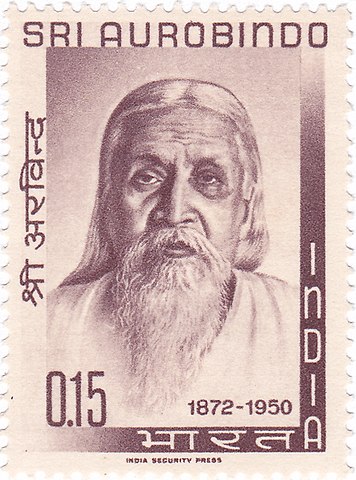
AUROBINDO’S QUOTATIONS ON THE VEDAS AND THE UPANISHADS (Post No.8000)

COMPILED BY LONDON SWAMINATHAN

Post No.8000

Date uploaded in London – 18 May 2020   

Contact – swami_48@yahoo.com

Pictures are taken from various sources for spreading knowledge; this is a non- commercial blog. Thanks for your great pictures.

Following are quotations culled out from his various articles and published in Sri Aurobindo’s Vedic Glossary, Sri Aurobindo Ashram, Pondicherry, 1962

1.The Veda is anterior to intellectual age and the method of the Veda is not therefore intellectual.

2.Rishi is not an author but a Seer.

3.Veda does not expound any dogma or religion it is a record of spiritual experiences couched in symbolic language. This is borne by the fact that the language remains same throughout the Veda.

4.The personality of the poet differs in different riks but the Rishis did not aim at poetic expression. For them expression was the means not the aim.

5.What do the riks represent?

The Vedic hymns may indicate the close of a great period of intuitive knowledge; or they may be a selection from some previous collection.

6.The Rig Veda is one in all its parts . Veda cannot be interpreted by separate passages or hymns. If it is to have any coherent

or consistent meaning, we must interpret it as a whole.

7.Why the symbolic meaning of the Veda was lost ?

Firstly, because the initial intensity of the search for the truth was gone; a period of relaxation may have intervened.

Secondly, because the Vedic Rishis were deliberately ambiguous. It was therefore difficult to rediscover their meaning.

The Brahmanas try to preserve the external ritualism of the Veda, while the Upanishads try to restate the internal meaning.

Xxx

AUROBINDO’S QUOTES ON UPANISHADS

1.The Upanishads indicate a revival and not a revolt. Upanishads use the Veda as a help in their spiritual experience and they did not care for the words or the verbal sense of the Veda.

2.The Upanishads taught the uselessness of mere ritual and also the emptiness of mere forms; thus the influence of the Veda was undermined.

3.The Upanishads expressed their thoughts in quite a different language and style. They founded the Vedanta philosophy.

4.At last the Upanishads became the fountainhead of knowledge and the Veda came to be regarded as the book of ritual.

5.The rise of Buddhism in India gave the final blow to ritualism. The Veda then remained with the scholar and such suffered most by losing completely the whole of its central meaning.

The Veda in-fact was never meant for the mere scholar.

tags — Aurobindo, quotes on Vedas, Quotations on Upanishads


Xxxx Subham xxxxx

பாம்பு பற்றிய 3 பழமொழிகளைக் கண்டு பிடியுங்கள் (Post No.7999)

WRITTEN BY LONDON SWAMINATHAN

Post No.7999

Date uploaded in London – 18 May 2020   

Contact – swami_48@yahoo.com

Pictures are taken from various sources for spreading knowledge; this is a non- commercial blog. Thanks for your great pictures.

பாம்பு  பற்றிய 3 பழமொழிகளைக் கண்டு பிடியுங்கள்

விடை கீழே கொடுக்கப்பட்டுள்ளது

பாம்பு  என்றால் படையும் நடுங்கும்

பாம்பின் கால் பாம்பறியும்

பாம்பு என்று தாண் டுவதா, பழுது என்று மிதிப்பதா?


tags –   பாம்பு,  பழமொழி

Sri Tyagaraja- 9; Gita, Vishnu Sahasranama, Nama Mahima (Post No.7998)


WRITTEN BY R. NANJAPPA                        

Post No.7998

Date uploaded in London – – – 18 May 2020   

Contact – swami_48@yahoo.com

Pictures are taken from various sources for spreading knowledge; this is a non- commercial blog. Thanks for your great pictures.

Role of Saints and Sages in Living Religion

Saints play an important role in any religion. They live the great truths and thus demonstrate that religion has to be lived, not just believed in. They also show that it is practicable. It is they who bring the great truths to the attention of the common man, away from the sources which become the preserves of some groups in course of time.

Saints come in many guises. Some are Sages, anchorites fixed to a spot where people get to learn about them and flock to them. Others wander about, like fakirs, teaching and singing, mixing with people. In medieval India, when the country faced Mohammedan threat  and orthodoxy broke down, and confined itself within narrow ritualistic walls, it was these saints who went from place to place, talking to the people in their language and teaching them simple ways to spiritual life, shorn of all complications and technicalities, without  resort to confusing philosophy and conflicting theology .

It is the fashion in the modern day to write as if the saints were rebels, going away from the mainstream or inventing new, divergent ways. This is pure bunkum. Read the life of saints carefully. A genuine saint never contradicts the scriptures. They point out the hypocrisy that parades in the name of religion, ( this happens in every religion  in course of time) they simplify matters and highlight those features and practices which suit the emerging times. Such simplification is not contradiction or repudiation. It is such timely changes that make Hinduism a living force. But the true saints are not ‘reformers’ in the modern secular sense. It is necessary to remember that every cult figure is not necessarily a saint.

Changing Ages: Yuga Dharma

Hinduism has a concept of Yuga dharma; the predominant form of religious discipline and practice has to change with the times. Dhyana was prescribed in Krita yuga, Yajna was for Treta yuga, Archana was for the Dwapara. But the scriptures say that these are not possible in this Dark age called Kali. Man cannot concentrate long, as required in dhyana. Dravya, dana, other means required for yajna lack purity now. Materials used for puja too lack purity: look at how polluted our sacred rivers are, how dirty our temples, how greedy and ill-trained our priests. Even the water used for abisheka is polluted, the milk is reconstituted chemical, the honey is adulterated. All these things are beyond our control, beyond even govt. control! Our ancient Rishis thought about these things, and in their compassion prescribed simple means like uttering  the Name of God as the discipline of the age. For, it is possible for man to keep his heart and mind clean, even in the most polluted places. So they said, think of God with a pure heart, utter his names with love, this is sufficient. This is all in our ancient scriptures, not uttered by a later thinker or reformer like Kabir, as some modern writers would have us believe. 

The Gita Prescription


The Gita warns us about blind adherence to Vedic karma. Karma is useful and essential, as it imposes some discipline to tame our impulses and prevent us from going wayward on the basis of wild desires. But the kind of elaborate yajna karmas undertaken with a desire for the so called ‘higher’ worlds is a sure means to drag us down further, repeatedly. The Gita says:


Te tam bhuktva swargalokam vishalam
ksheene punye martyalokam vishanti
Yevam trayi dharmam anuprapanna
gatagatam kamakama labhante.           9.21

Having enjoyed the vast svarga world, they enter the mortal world (again) once the merits are exhausted. Thus, following the injunctions of the three Vedas, desiring desires, they (repeatedly) come and go.
 

Ananyaschintaynato mam 
ye janah: paryupasate
Tesham nityabhi yuktanam
Yoga kshemam vahamyaham.               9.22

Those who worship Me without any other thought, (or without thinking of Me as separate)- to such people who are thus devoted to me, I supply what they lack and preserve what they have.


Yanti deva vratan devan
pitruun yanti pitruvrata:
Bhutani yanti bhutejya
yanti madhyajino api mam.                9.25

Votaries of devas go to devas; devotees of pitrus go to the pitrus; worshippers of bhutas go to the bhutas.

My devotees come to Me.

And it is not difficult to worship God. We do not require the paraphernalia needed for yajna or the worship of bhutas or pitrus.

Patram pushpam phalam toyam
Yo me bhaktya prayachchati
Tad aham bhaktyupahrutam 
Asnami prayatatmana:                        9.26

Whoever with devotion offers  Me a leaf, a flower, a fruit or water- that I accept: the devout gift of pure heart.

South and North

Bhagavan has made matters so simple. But our pundits would only be satisfied with complicated arrangements. If you travel through India, you will notice one thing: religious worship in the South is ritual bound, even in temples where the priest controls the procedures and mantras ( (subject to govt dictats, as Hindu temples are govt. controlled). But in the North, you see people gathering in temples and singing Aarti songs in groups, where the rituals are minimum! After all, the South gave us Acharyas who fought on philosophy; the North gave us all the Avatars who save us directly!

Gita and Vishnu Sahasranama


We saw that the Gita arose when Arjuna raised doubts about Dharma. This was before the Mahabharata war. But after the war, after Yudhisthira is crowned the king, he develops doubt about dharma! Was it proper on his part to have fought such a terrible war involving massive slaughter, all for the sake of his kingship? He becomes restless. Krishna directs him to Bhishma, lying on his bed of arrows, to seek instruction on dharma, as Bhishma is an expert in the matter. Bhishma tells him about all the dharmas. But Yudishthira’s head reels “after listening to all the dharmas without remainder- srutva dharman aseshena”. He pointedly asks Bhishma: Tell me one dharma which is decidedly superior!. He raises six pointed questions:

  • Which one God  or Deity is to be worshipped as decided by the sastras?
  • What is the one object to be attained by people who have taken (human) birth?
  • Which Deity is to be worshipped with Stotras?
  • Which Deity is fit to be worshipped through archana for people to attain their welfare?
  • Which dharma is the supreme one, as decided by you?
  • By which japa can a man get freedom from this cycle of birth and death?

In reply, Bhishma reveals to him Vishnu Sahasranama- the thousand Names of Vishnu, as meeting all his requirements!

“Yeshame sarva dharmanam dhrmo adhikatamo mata:

This is the best of all dharmas- that is what I have decided”, declares Bhishma. 

The Gita and the Vishnu Sahasranama are thus integrally connected. The Gita was preached before the War began, the Sahsranama ,after the War ended.  Both deal with dharma. Both advocate devotion, surrender as the best means for liberation. The 11th chapter of the Gita reveals  the Vishavarupa of Bhagavan; the Sahasranama reveals an easy method to remember and honour that Bhagavan. We need not  necessarily associate the name Vishnu with the cult called Vaishnavism! “Vishnu” only means that which pervades everything in the universe, and does not mean any fixed form.The most common shloka on Ganapati starts: “Shuklam bharataram Vishnum”! 

Name in the Veda

 In fact Veda proclaims:

Sarvani rupani vichitya dhira: 

Namani krutva abhivadan yadaste

After a (fruitless ) search for His forms, the earnest devotee lives by holding on to His Names.

This is explained later in the Vishnupurana:

Dhyayan krutae, yajan yajnais

Traetayam dwapare-archayet

Yadapnoti, tadapnoti

Kalau sankeertya Keshavam

Whatever one may obtain by dhyana in Kritayuga, by yajnas in Treta yuga, by archana in Dwapara yuga- that one can get by singing the praises of the Lord, Keshava in the Kali yuga.

Why  is Name superior?

In his bashya on Vishnu Sahasranama, Acharya Sankara has given us a rare insight . After listening to all dharmas, Yudhishthira asks Bhishma for that one superior dharma. In what way is it to be considered superior? Why is Dharmaputra not satisfied with the other dharmas? For the expression, “adhikatamo”, Sankara gives the explanation that it is superior because Nama Sankeertan does not involve himsa, dravyantaram, purushantaram, desa,kala, prakara etc. niyama ( ie limitation in some way ); it is without any sort of dosha; it leads to both bhoga and moksha; it is not opposed to Vedic injunctions, it can be followed by all varnas. Nama does not depend on anything else for its performance or effectiveness and with easy effort, confers great benefit.

Why is Name not resorted to?

If Nama Kirtan is such an easy way, why do people not adopt it wholesale? Why are they still attached to various other, more difficult, strenuous and less effective ways? Saints say that this is due to the ‘ruchi’ and strength of ‘vasanas’ acquired through many births! After all, we do have people who prefer stale and bland food! Bhagavan says in the Gita that it is at the end of many births that a great  one gets an idea about the greatness of Bhagavan: ” bahunam janmanam ante jnanavan mam prapadyate Vasudeva: saravamiti sa mahatma sudurlabha:”. The Bhagavatam clearly lays down that karmas are to be continued only till one takes to the path of devotion:

Taavat karmani kurvita 

na nirvidyeta yavata

Mad katha sravanadau 

va sraddha yavan na jayate.

Karmas are to be continued till one gets vairagya and acquires sraddha for bhagavata dharma like listening to the glories of the Lord. ( That is to say, the fruit of all karmas is to become a devotee!)

Tyagaraja as Nama Advocate

Tyagaraja lived a life devoted to Nama Kirtan. He practiced other forms of devotion too, but his legacy to posterity is the kirtanas. Rama, you are the only treasure of my entire clan- “Neevera kula danamu Santatamu, neevera jeevanamu”, sang Tyagaraja. His kirtanas have become our valued treasure. He shows that we do not even need flowers to worship Rama- the namas themselves constitute the flowers!

Name itself is the flower!

Nama kusuma mula che bujinche
nara janmame janmamu manasa.

Sriman manasa kanaka pitha muna

chelaga jesikoni vara Shiva Rama…..nama kusumamula

Nada swaramane vara navaratnapu

vedikapai sakala lila vinoduni
paramatmunu Sri Ramuni
padamulanu Tyagaraja hrud bhushanuni….nama kusumamula

O my mind! Installing ( Sri Ramachandra murti) in  the splendoured  golden seat that is the   heart, performing well archanas with the flowers of the names of Rama and Shiva- only such a birth is the real human birth!

The platform is adorned by the nine gems like Nada and Swara! There one has to invoke the presence of the blessed feet of Rama, who performs many lilas and who adorns the heart of Tyagaraja! One who so worships  is the one really born ( his is the only true janma).

Here Tyagaraja shows how truly Nama sankirtana does not need any external aid! God is invoked in the heart. His very names constitute the flowers! Good music itself becomes the decoration and adoration. Differences in the forms the Lord takes do not matter- whether Rama or Shiva, it is all His Name! If after getting this human birth, one cannot do even this, what is that birth worth? Elsewhere too he talks of namasmarana as the best flowers:


Harinama smaranambulu  virulaura Raghunatha (Paripalaya…)

The Harinama smarana that I perform are the good flowers.


Elsewhere, Sri Tyagaraja says:

Nee namamuche na madi nirmalamainadi
(Jnanamosaga rada)

By doing kirtana of your name, my mind has become pure.

Name as the Sword

Tyagaraja wants to join Rama’s retinue, but he wants to have only Rama nama as his sword, and the status of a devotee as his patent bow:

Rama bhaktudane mudra billayu
Rama namame vara katga   ….   Banturiti

The patent bow that is ‘Ramabhakta’ and the excellent sword that is Rama nama!


About the ‘sukham’ attained by Rama nama, Tyagaraja sings in a separate kriti.

Melu melu Rama nama sukha
mee daralo manasa 
Phala lochana Valmikaadi 
bhaala nila jaadulu saakshika

O my mind! It is the sukha (attained by repeating) of Rama nama that is the best in this world. I declare this, invoking Lord Shiva with his third eye, Munis like Valmiki, Parvati, Hanuman, as my witnesses!

In fact, Tyagaraja describes Rama Nama as fully based on the Veda, as it is dealt with in Upanishads. ( Rama Rahasya, Purva Tapini, and Uttara Tapini  Upanishads as also Kali Santaranopanishad)

He says:
Veda varna niyamamu namamuto  ( Evarikai) and 
Veda saramau namadheyamunu (Talachintane)

Tyagaraja has in fact sung nearly 100 kirtanas on the divya namas.
 

Real Nadopasana

Once some people interested in music were discussing the merits of music as upasana in the presence of Sri Ramana Maharshi. They mentioned Tyagaraja as an example of Nadopasaka. Sri Ramana asked them whether ” Tyagaraja sang what he got  or got what he did by his singing”? ( Petradaip paadinaara alladu paadip petraara?பெற்றதைப் பாடினாரா, அல்லது பாடிப் பெற்றாரா ) It is clear that Tyagaraja was a recipient of Divine grace and his music was an expression of that experience. Behind his blessings were his intense devotion through Nama japa, puja etc. People talk of Nadopasana as if it merely  involves musical practice.  It is of course a different subject.
Note:
It is difficult to get a direct, full translation of Sankara bashya on Vishnu Sahasranama in English or Tamil, though all extant translations and commentaries are based on it. I believe a full Hindi translation is available from the Gita Press, Gorakhpur. See the expositions of Anna Subrahmanya Iyer. and the Lifco publication. But the best book (in Tamil) on the subject is by Sri S.V. Radhakrishna Sastri, quoting extensive upanishadic sources, published by Agasthiar Book Depot, Trichy.

For a modern interpretation in English, one may refer to the book by Eknath Easwaran.

The extracts from the Gita here are based on the translation of Swami Swarupananda, first published more than a 100 years ago! (Advaita Ashrama)

On the importance of Nama Kirtan and Nama Siddhantha, the most valuable resources are the two excellent books of Bhagavannama Bodhendra: Sri Bhagavannamamrita Rasodayam and Sri Bhagavannama Rasayanam; Tamil translation by Sri Krisha Premi,  and Angarai Rangaswami Sastrigal (1942), respectively, both published by Sri Bhagavan Nama publications, Chennai-33.

For the text of Sri Tyagaraja Kirtanas, I follow the edition by T.S. Parthasarathy, 1976 reprint. Those interested in Devanagari version may see: The Spiritual Heritage of Tyagaraja, by  Sri C.. Ramanujachari. RK Math Chennai publication.

To be continued……………………………………………..
அதர்வ வேத – சங்கத் தமிழ் அபூர்வ ஒற்றுமை – வையாபுரிப் பிள்ளை தகவல்(Post .7997)

WRITTEN BY LONDON SWAMINATHAN

Post No.7997

Date uploaded in London – 18 May 2020   

Contact – swami_48@yahoo.com

Pictures are taken from various sources for spreading knowledge; this is a non- commercial blog. Thanks for your great pictures.

நால் வேதம் , நான் மறை என்றே 4 வேதங்களை தமிழ் இலக்கியம் முழுதும் குறிப்பிடும்.  ஆனால் சம்ஸ்கிருத நூல்கள் ‘த்ரயீ வேத’  என்றும் ‘சதுர் வேத’ என்றும் 3, 4 ஆகிய இரண்டு எண்களாலும் குறிப்பிடும். காரணம் என்வெனில் அதர்வண வேதம், பெரும்பாலும் மக்களின் நம்பிக்கைகள், பழக்க வழக்கங்கள், மந்திர தந்திரங்கள் நிறைந்தது. ஏனைய மூன்றும்  பெரும்பாலும் இறைவனை துதிபாடுதல் ,வேள்விகள் இயற்றல் பற்றியன. ஆயினும் அதர்வண வேதம் தமிழ் வழ க்குகளை ஆராய பயன்படும் என்பது பேராசிரியர் வையாபுரிப் பிள்ளையின் கருத்து . அரவிந்தரும் வேதத்தின் மூலக்கூறுகள் தமிழுடன் தொடர்புடையது என்று சொல்லி ‘அப்பா’ என்ற சொல்லின் மூலத்தைக் காட்டுகிறார்.

பேராசிரியர் வையாபுரிப்பிள்ளை சென்னை மற்றும் திருவிதாங்கூர்  பல்கலைக் கழகங்களில் பெரும் பதவி வகித்தவர். அரவிந்த மகரிஷியோ , சிறையில் ஏற்பட்ட ஒரு கனவுக்குப் பின்னர் — கிருஷ்ண தரிசனத்துக்குப் பின்னர் — தீவிரவாத சுதந்திர போரிலிருந்து ஆன்மிகம் – மொழி ஆராய்ச்சியில் திரும்பியவர். இந்த ஆராய்ச்சிக்கு தமிழ்நாடுதான் கரணம்  என்றும் எழுதியுள்ளார்.இதோ அவர்களது அபூர்வ ஆராய்ச்சிகள் :–

மடலேறுதல்

மடலேறுதல் , காதலன் – காதலி சந்திப்பு முதலியன தமிழ் மொழியின் அகத்துறைப் பாடல்களில் மட்டுமே இருப்பதாகப் பலரும் கருதுவர். ஆனால் இதன் மூலக்கூறுகள், தோற்றம் வேதத்தில் இருக்கிறது என்கிறார் சென்னைப் பல்கலைக்கழகப் பேராசிரியர் எஸ். வையாபுரி ப்பிள்ளை . மாபெரும் தமிழ் அரிஞரா ன  வையாபுரிப்பிள்ளை 1956ம் ஆண்டு இறப்பதற்குள் ஏராளாமான புஸ்தகங்களை எழுதினார். அவற்றுள் ‘இலக்கிய உதயம்’ என்னும் புஸ்தகம் தமிழ்- சம்ஸ்க்ருத உறவை, தமிழ் – பாலி மொழி பவுத்த நூல்கள் உறவை ஆங்காங்கே எடுத்துக் காட்டும் .

அவர் சொல்லும் சில சுவையான விஷயங்களைக் காண்போம்-

மடலேறுதல்/ மடலூர்தல் என்றால் என்ன?

காதலியின் உருவத்தை ஒரு துணியில் வரைந்து , பனை மடலால் குதிரை வடிவு செய்து , அதில் ஏறி , எருக்கமாலை அணிந்து , ஊரார் பழி சொல்லும்படி தெருவில் ஊர்வலம் செல்வான். இது பல பாடல்களில் உள்ளது. இதோ குறுந்தொகைப் பாடல்-

மாவென மடலும் ஊர்ப; பூ வெனக்

குவிமுகிழ் எருக்கங் கண்ணியுஞ் சூடுப;

மறுகின் ஆற்கவும் படுப;

பிறிதும் ஆகுப காமம் காழ்க்கொளினே

–குறுந்தொகை 17, பரணர்

கிழி , இந்தச் செய்யுளில் வராவிடினும் மாணிக்க வாசகரின் திருக்கோவையாரில் தெளிவாக உளது

கழிக்கின்ற என்னையும் நின்ற நின் கார்மயில் தன்னையும் யான்

கிழி யொன்ற  நாடி எழுதி  கைக்கொண்டு

— என்று வருகிறது . தன்னுடைய உருவத்தை எழுதாமல் காதலன், தனது ஊர், தனது பெயர் ஆகியவற்றை மட்டும் எழுதுவான் என்பர் உரைகாரர்கள்.

இதே கருத்து அதர்வ வேதத்தில் இருக்கிறது. இதுபற்றி முதலில் விண்டர்நிட்ஸ் (Winternitz) எழுதியதைப் பாருங்கள் —

ஒருவனது பிரதியுருவத்தின் மூலமாக அவனைத் துன்புறுத்தவோ அவன் மீது அதிகாரம் செலுத்தவோ கூடும் என்ற நம்பிக்கை உலகமெங்கும் உள்ளது. புராதன இந்தியாவிலும் அது காணப்படுகிறது. ஒருவன் ஒரு பெண்ணினுடைய காதலைப் பெறவேண்டும் என்று இச்சித்தால் , அவள் உருவத்தைக் களிமண்ணால் செய்து , சணல் நாரினால் அமைத்த நாணொடு கூடிய வில்லைத் தாங்கி , அதன் அம்பின் நுனியில் முள்ளைச் செருகி , ஆந்தையின் சிறகை அம்புச் சிறகு ஆக்கி , கருங்கலினால் அம்பின் தண்டினை அமைத்துக் கொள்வான் ; உருவத்தின் இருதய ஸ்தானத்தை இவ்வம்பினால் குத்திக் குத்தி துளையொன்று உண்டுபண்ணுவான். இது காதற் கடவுளாகிய காமனுடைய அம்பினால் தனது காதற்குரிய  பெண்ணின் இதயத்தைத் துளைப்பதற்கு அறிகுறியாகும் . இங்கனம் துளைக்கும்போது அதர்வ வேத மந்திரம் (3-25) சொல்லுவான்.

இதோ அந்த சம்ஸ்கிருத மந்திரத்தின் தமிழாக்கம்:–

“கலக்குறுத்துவன் உன்னைக் கலங்கச் செய்க; உன் படுக்கையில் நீ அமைதியற்றுக் கிடக்க . மனது அச்சுறுத்தும் அம்பினால் உன் இதயத்தை நான் துளைக்கிறேன்

ஆகவே சிறகாகவும் , காதலே நுனியாகவும் , நெறி தப்பாத விருப்பமே தண்டாகவும் உடையது அந்த அம்பு. அந்த அம்பினால் காமன்  உன் இதயத்தை துளைப்பான்  .

ஈரலை உலர்த்தி , எதிர்ப்பட்டவற்றை எரித்து , சிறகினால் பறந்து செல்லுகிறது; குறி தவறாத அந்த காமனது   அம்பினால் நான்  உன் இதயத்தை துளைக்கிறேன் .

கனல் விட்டெரியும் காதலால் தஹிக்கப்பட்டு , வாய் உலர்ந்து நீ என்னிடம் வருக. உனது கர்வத்தை தூரத்தே அகற்றி, மனம் இசைந்து, இனிய வார்த்தை பேசி என்னிடத்தே ஈடுபட்டு , என்னுடையவளாகத் தனியே வருக .

உன்னுடைய தாய் இடத்திலிருந்தும் , தந்தை இடத்திலிருந்தும் தோட்டியால் உன்னை வெருட்டி ஓட்டுகிறேன் . அப்பொழுது நீ என் அதிகாரத்துக்குள்  ஆவாய் , என் விருப்பத்துக்கு இணங்குவாய்.

மித்திர வருணர்களே ! நீங்கள் அவளுடைய சிந்தனையை எல்லாம் அவளிடத்திலிருந்து ஓட்டி விடுங்கள் .

பின்னர் அவளை உள்ளம் இழக்கச் செய்து , என் அதிகாரத்தின் கீழே அவளை வைத்துவிடுங்கள்” .

இந்த வசிய நெறி தமிழத்தில் பெண்பாலர்க்கு கூடாது என்று விலக்கப்பட்டுள்ளது .

கடலன்ன காமம் உழந்தும் மடலேறாப்

பெண்ணிற் பெருந்த்தக்கது இல் — குறள் 1137

என்று திருவள்ளுவர் சொல்கிறார். ஆனால் , வடநாட்டில் பெண் பாலருக்கும் சம உரிமை வழங்கப்பட்டது அவர்களும் வசிய நெறியில் ஈடுபட்டார்கள்.

(தமயந்தி, வசந்த சேனா போன்ற பல கதைகளில் ஆண்களின் காதலன் ஓவியத்தை எழுதிவைத்து பெண்கள் ஏங்கிய கதைகள் வருகின்றன) .

பெரிய திருமடலில் வரும் வாசகத்திலும் தமிழ்ப் பெண்களுக்கு இது உரியது  அல்ல என்ற கருத்து தொனிக்கிறது .

மன்னும் வழிமுறையே நிற்றும் நாம் மானோக்கின்

அண்ணா நடையார் அலரெசா ஆடவர் மேல்

மன்னும் மடலூரார் என்பதோர் வாசகமும்

தென்னுரையில் கேட்டறிவதுண்டு அதனை யாம் தெளியோம்

மன்னும் வடநெறியே வேண்டினோம்;

—8-40 திருமங்கை ஆழ்வார்

இந்த வட நெறி அதர்வ வேதத்தில்தான் கூறப்பட்டுள்ளது

அதர்வ வேத – அகநானூறு ஒற்றுமை

இம்மடற் குறிப்பேயன்றி வேறு சிலவும் அதர்வ வேத – அக  நானுறு ஒற்றுமையைக் காட்டும்.

அகநானுற்றில் ‘இரும்பிழி மகா அர் ‘ என்று தொடங்கும் 122-ம் செய்யுளில் இரவுக்குறி வாய்க்காமைக்கான காரணங்களாக ஊர் துஞ்சாமை, அன்னை  துஞ்சாமை, காவலர் துஞ்சாமை,, நாய் துஞ்சாமை, முதலியன கூறப்பட்டுள்ளன . இவ்வனைவரும் துஞ்சுக ; அதாவது உறங்குக என்று தலைவி மந்திர உச்சாடனம் செய்வதாக அதர்வ வேதம் 4-5 தெரிவிக்கிறது.

அன்னை துஞ்சுக; தந்தை துஞ்சுக; நாய் துஞ்சுக;

வீட்டிலுள்ள முதியோர்கள்  துஞ்சுக;

அவளது சுற்றம் துஞ்சுக ;

அவற்றைச் சுற்றியுள்ள மக்கள் அனைவரும் துஞ்சுக

இவை ஒரு காதலன் தன அன்பிற்குரிய காதலியைக் களவிலே சந்திக்க உச்சாடனம் செய்யும் வாக்கியங்கள்  ஆகும். இதனால் இவ்வதர்வ  வேதம் தமிழ் நாட்டு இலக்கிய மரபுகள் சிலவற்றை உணர்வதற்குப் பயன்படுவதாகலாம் .

இரவுக்குறி – இரவில் சந்திக்கும் இடம், காலம்

எனது கருத்து

மேலேயும் வையாபுரிப் பிள்ளை சொல்லாத எனது கருத்துக்களை அடைப்புக் குறிக்குள் கொடுத்துள்ளேன் இமயம் முதல் குமரி வரை, ஆப்கானிஸ்தான் முதல் அஸ்ஸாம் வரை- உலகிலேயே பிரமாண்டமான நாடாக இந்திய இருந்தது. அதுவும் குறைந்தது 3500 ஆண்டுகளுக்கு முன்னர். ஆயினும் ஒரே சிந்தனைப் போக்கு , குறிப்பாக விருந்தோம்பல், செய்நன்றி மறவாமை, பாவ புண்ணியம், கர்ம வினை, மறு பிறப்பு, சுவர்க்கம்- நரகம் , இயற்கையின் மீது பய பக்தி, அன்பு, மரியாதை முதலிய ஏராளமாந விஷயங்களில் கருத்தொற்றுமையைக் காண முடிகிறது .

தீவிரவாத தேசபக்த அணியில் இருந்த அரவிந்தர் என்ற வங்காளியை வேத ஆராய்ச்சியிலும், சொல் ஆராய்ச்சியிலும் திருப்பியதே தமிழ் மொழியும், தமிழ் நாடும்தான் என்று அவரே கூறுகிறார். அது மட்டுமல்ல . தமிழும் சம்ஸ்கிருதமும் ஒரே மூலக்கூறுகளை , தோற்றுவாயை உடையது — சொல்லிலும் சிந்தனையிலும் — என்றும் சொல்லி விட்டு, நிறைய உதாரணங்களைக் கொடுக்கிறார். ‘ஆப’ என்னும் சொல் சம்ஸ்கிருதத்தில் தண்ணீர் என்று பொருள்படும். தினமும் பிராமணர்கள் இதை சந்தியாவந்தன மந்திரத்தில் பயன்படுத்துவர். பிராமண ‘அம்மா’மார்கள் குழந்தையை ‘அக்கம்’ சாப்பிடு என்று சொல்லி தண்ணீரைக் கொடுப்பர். இது ஆக்வா (Aqua) என்று லத்தின் மொழியில் உளது ;அரவிந்தர் இதற்கெல்லாம் ஒரு படி மேலே சென்று ஆப – அபத்ய (குழந்தை) – அப்பா ஆகிய மூன்று சொற்களும் ஒரே அடிப்படை உடையன என்று காட்டுகிறார்.

அப்பா= அபத்ய / குழந்தை தருபவர்.

இவ்வித சொற்பிறப்பியல் ஆராய்ச்சி, மநு நிதி நூலிலும் வருகிறது . மனைவிக்கு ஜாயா’ என்ற பெயர் இருப்பதன் காரணத்தை விளக்குகையில் கணவனின் மாற்று உருவத்தை பெற்றுத் தருவதால் மனைவிக்கு ‘ஜாயா’ என்ற பெயர் வந்தது என்பார். தாய்மார்கள் தன் குழந்தையை கணவனின் ம று உருவமாக கருதுவர் . இந்தக் கருத்து வேதத்தில் கல்யாண மந்திரத்திலும் வருகிறது  அதாவது கணவரே – மனைவியின் குழந்தை போலத்தான்.

அரவிந்தர் மற்றும் வையாபுரிப் பிள்ளை சொல்லுவது போல வேதத்தை ஆராய்ந்தால் இன்னும் மேலும் பல அபூர்வ ஒற்றுமைகளை வெளிச்சத்திற்குக் கொண்டுவரலாம்.

tags– மடலேறுதல்,  மடலூர்தல், அதர்வ வேதம் , அகநானூறு, வையாபுரிப் பிள்ளை

Xxxxxxx SUBHAM xxxxxxx

ஹிந்தி படப் பாட்டுக்கள் – 40 – குழந்தைகளுக்குப் பாடுங்கள்! (Post No.7996)

WRITTEN BY R. NANJAPPA                        

Post No.7996

Date uploaded in London – – – 18 May 2020   

Contact – swami_48@yahoo.com

Pictures are taken from various sources for spreading knowledge; this is a non- commercial blog. Thanks for your great pictures.

 ஹிந்தி படப் பாட்டுக்கள் – 40 – குழந்தைகளுக்குப் பாடுங்கள்!                                   
R. Nanjappa  


குழந்தைகளுக்குப் பாடுங்கள்!   மங்கலம் என்ப மனைமாட்சி மற்றதன் நன்கலம் நன்மக்கட் பேறு  —குறள்   Love is fulfilled in marriage, and marriage finds perfection in children!   குழந்தைகளை வைத்து பல படங்கள் வந்திருக்கின்றன. பூட் பாலிஷ், அப் தில்லி தூர் நஹீ, ஹம் பஞ்சீ ஏக் டால் கே, ஜாக்ருதி போன்றவை குழந்தைகள் படமாகவே அறிமுகப்படுத்தப் பட்டன-ஆனல் வயது வந்தவர்களே அதிகம் பார்த்தார்கள்! குழந்தைப் பருவத்தில் தாலாட்டு நம் நாட்டில் மிகவும் சகஜமாக இருந்தது.

சாதாரணமாகவே பெண்கள் குழந்தைகளைப் பாடித்தூங்க வைப்பார்கள். பெரிதாக ராகம் என்று இருக்காது, ஏதோ சாதாரணப் பாட்டுதான்-இருந்தாலும் பாட்டில் ஒரு rhythm  இருக்கும். அது தூளியின் அசைவுடன் சேரும்! குழந்தைகளைத் தூங்க வைக்க அது போதும்! இதுவே பழக்கமாகிவிடும்! இப்படி வளரும் குழந்தைகளுக்கு இயற்கையாகவே இசையில் ஒரு பிடிப்பு வந்துவிடும்! இன்று பெண்கள் ‘அதிகம்’ படித்து வேலைக்கும் போகிறார்கள். குழந்தைகளைப் பார்த்துக்கொள்ள வீட்டில் ஆயா, பிறகு க்ரேஷே, என்று இப்படிக் கதை போகிறது! இன்றைய குழந்தைகள் பாவம், தாலாட்டை அறியார்கள்! குழந்தைகளுக்கான தாலாட்டுப் பாட்டுகள்  (லோரி ) நமது படங்களில் நிறையவே இருக்கின்றன. சில படங்களில் மிக நன்கு அமைந்தன. சிலவற்றை இங்கு பார்க்கலாம்,      


டிம் டிம் கர்தே தாரே  

टिम-टिम करते तारे ये कहते हैं सारे
सो जा तोहे स् प्नो मे    निंदिया पुकारे
टिम-टिम करते   
  सपनों के देश चन्दा मामा राजा
बुला रहा है बजाकर सुरों का बाजा
चोरी-चोरी खिड़की से करता है इशारे
टिम-टिम करते …
रंग-बिरंगी परियाँ तुझे झूला झुलाएँगी
बिल्ली-तोता-मैना की कहानी भी सुनाएँगी
अच्छे-अच्छे तुझे खिलौने देंगी प्यारे-प्यारे
टिम-टिम करते …
बादलों की पालकी पे तुझको बिठा के
चन्दा मामा सारा जग लाएगा घुमा के
लौट के आए शान से राजा द्वारे
टिम-टिम करते …


  டிம் டிம் கர்தே தாரே யே கஹதே ஹை ஸாரே ஸோஜா தோஹே  ஸப்னோ(ன்) மே நிந்தியா  புகாரே டிம் டிம் கர்தே தாரே   தாரகைகள் கண்சிமிட்டுகின்றன- கனவில் தூக்கம்  அழைக்கிறது, உறங்கு என்று சொல்கின்றன தாரகைகள் கண்சிமிட்டுகின்றன!  

சப்னோ(ன்) கே தேஷ் சந்தாமாமா ராஜா புலா ரஹாஹை பஜாகர் ஸுரோ(ன்) கா பாஜா சோரி சோரி கிட்கீ ஸே கர்தா ஹை இஷாரே டிம் டிம் கர்தே தாரே..   கனவு தேசத்தில் சந்தமாமா தான் ராஜா! சுரங்களை வாசித்து உன்னைக் கூப்பிடுகிறார் திருட்டுத் தனமாக ஜன்னலில் வந்து சைகை காட்டுகிறார்! தாரகைகள் கண்சிமிட்டுகின்றன……  

#ரங்க் பிரங்கி பரியா துஜே ஜூலா ஜுலாயேங்கி பில்லி தோதா மைனா கா கஹானீ பீ ஸுனாயேங்கீ அச்சே அச்சே துஜே கிலோனா தேகீ ப்யாரே ப்யாரே டிம் டிம் கர்தே தாரே.…  

அழகான தேவதைகள் உன்னை ஊஞ்சலில் வைத்து ஆட்டுவார்கள்! பூனை, கிளி, மைனா கதையெல்லாம் சொல்வார்கள்! நல்ல நல்ல பொம்மைகளெல்லாம் செல்லக்குட்டிக்குத் தருவார்கள்! தாரகைகள் கண்சிமிட்டுகின்றன….  

பாதலோ(ன்) கீ பால்கீ பர் துஜ் கோ பிடா கே சந்தா மாமா ஸாரா ஜக் லாயேகா குமா கே லௌட் கே ஆயே ஷான் ஸே ராஜா துவாரே டிம் டிம் கர்தே தாரே….   சந்தமாமா உன்னை மேக தொட்டிலில் உட்காரவைப்பார் உலகம் முழுதும் சுற்றிக் காட்டுவார் நல்ல ஒளியுடன் திரும்பி  அழைத்து வருவார் தாரகைகள் கண்சிமிட்டுகின்றன…  

Song: Tim Tim karte taare Film: Chirag Kahan Roshni Kahan 1959 Lyrics & Music: Ravi  Singer: Lata Mangeshkar.  


இது இசைஞர் ரவியே எழுதிய பாடல். இதில் குழந்தையாக வந்தது டெய்சி இரானி- அவ்வளவு சின்னக் குழந்தையல்ல! இந்தப் பாட்டு மிகப் பிரபலமானது. பின்னணி வாத்ய இசை அவ்வளவு பொருத்தமில்லை என்பது என் கருத்து. இதில் ஒரு வருத்தம். நடித்த மீனா குமாரிக்குக் குழந்தை பாக்கியம் கிட்டவில்லை.(அது ஒரு சோகக் கதை). பாடிய லதா மங்கேஷ்கருக்கும் குழந்தை இல்லை!    இன்னொரு தாலாட்டுப் பாட்டு-அதே ஆண்டில் வந்தது.  

நன்ஹி கலி ஸோனே சலீ   हवा धीरे आना
नींद भरे पंख लिये झूला झूला जाना
नन्ही कली सोने चली हवा धीरे आना
नींद भरे पंख लिये झूला झूला जाना
नन्ही कली सोने चली
चाँद किरन सी गुड़िया नाजों की है पली
आज अगर चाँदनिया आना मेरी गली
गुन गुन गुन गीत कोई हौले हौले गाना
नींद भरे पंख लिये झूला झूला जाना
रेशम की डोर अगर पैरों को उलझाए
घुंघरू का दाना कोई शोर मचा जाए
दाने मेरे जागे तो फिर निंदिया तू बहलाना
नींद भरे पंख लिये झूला झूला जाना
नन्ही कली सोने चली हवा धीरे आना 


ஹவா தீரே ஆனா… நீந்த் பரே பங்க் லியே ஜூலா ஜூலா ஜானா நன்ஹீ கலி ஸோனே சலீ ஹவா தீரே ஆனா நீந்த் பரே பங்க் லியே ஜூலா ஜூலா ஜானா நன் ஹீ கலீ ஸோனே சலீ…… .

காற்றே, மெல்ல வீசு! என் குட்டி மலர் உறங்கச் செல்கிறது காற்றே, நீ மெதுவாக வீசு!  உன் இறக்கைகளில் உறக்கத்தை தாங்கிவா! அதை தொட்டில் போல ஆட்டித் தூங்க வை! என் குட்டி மலர் உறங்கச் செல்கிறது! காற்றே நீ மெதுவாக வீசு!  


சாந்த் கிரன் ஸீ குடியா நாஃஜோ(ன்)கீ ஹை பலி ஆஜ் அகர்  சாந்த்னீயா ஆனா மேரீ கலீ குன் குன் குன் கீத் கோயீ ஹோலே ஹோலே கானா நீந்த் பரே பங்க் லியே ஜூலா ஜூலா ஜானா  

இந்த குழந்தை நிலவொளி போன்ற பொம்மை! மிக நாசூக்காக வளர்ந்தது! அன்பு நிலவொளியே! இன்று நீ என் இடத்திற்கு வந்தால் மெல்ல மெல்ல குழந்தைக்குப் பாடு! உறக்கம் நிறைந்த உன் இறக்கைகளில் குழந்தையை தொட்டில் போல ஆட்டு!  

ரேஷம் கீ டோர் அகர் பைரோ(ன்) கோ உல்ஜாயே குங்க்ரூ கா தானா கோயீ ஷோர் மசா ஜாயே தானே மேரே ஜாகே தோ ஃபிர் நிந்தியா தூ பஹ்லானா நீந்த் பரே பங்க் லியே ஜூலா ஜூலா ஜானா  

மெல்லிய பட்டு நூல் அவள் கால்களில் மாட்டிக்கொண்டால்- அவள் காலில் உள்ள சதங்கையின் மணி சப்தம் செய்தால்- அதனால் என் ராணி விழித்துக்கொண்டால்- உறக்கமே, நீ அவளுக்கு விளையாட்டு காட்டு! காற்றே மெல்ல வீசு- உறக்கம் தங்கும் உன் இறக்கைகளில் அவளை தொட்டில் போல ஆட்டு!  

Song:  Nanhi kali sone chali  Film: Sujata 1959 Lyrics: Majrooh Sultanpuri Music :S.D.Burman  Singer: Geeta Dutt.  

இந்தப் பாடலைப் பாருங்கள்- அசல் கவியின் முத்திரை பதிந்திருக்கிறது! குழந்தைக்கு அர்த்தம் தெரியவேண்டியது அவசியமில்லை யல்லவா! குழந்தைக்கு சங்கீதம், நமக்குத்தான் சாஹித்யம்! மஜ்ரூஹ் சுல்தான்புரி என்றால் சும்மாவா! கீதா தத் இதைப் பாடியதைப் பற்றி நாம் என்ன சொல்வது! எவ்வளவு உணர்ச்சிச் சித்திரமாகத் தீட்டியிருக்கிறார்! இதைப் பாடிய போது அவருக்கு மூன்று சிறு குழந்தைகள்! பின்னாட்களில் மிகவும் சிரமப்பட்டார்.


42 வயதிலேயே காலமானார். இந்தப் பாடலையும் முதலில் பார்த்த பாடலையும்  ஒப்பு நோக்குங்கள்! லதா மாதிரி கீதா பாடமுடியாது என்று பலர் சொல்கிறார்கள். இந்த கீதா மாதிரி ஆயிரம் லதாக்கள் பாடமுடியுமா? ஒவ்வொரு குரலில் ஒரு கவர்ச்சி இருக்கிறது. இதைச் சரியாக பயன்படுத்துவது இசைஞரின் திறமை! இந்தப் பாட்டில் மிளிர்வது குரல் வளம் தான்- பக்க வாத்யங்கள் மிகவும் குறைவே!  இந்தப் படம் வந்த சமயத்தில் பர்மனுக்கும் லதாவுக்கும் பேச்சு வார்த்தையில்லை. அதனால் தான் கீதாவுக்கு  வாய்ப்பு கிடைத்தது! இந்தப் பாட்டை வேறு எவரும் இப்படிப் பாடியிருக்க முடியாது! இதுவும் மிகவும் விரும்பப் பட்ட பாடல்! இப்பாடல்களைப் பாடி பல பேர் குழந்தைகளைத் தூங்கவைத்திருக்கிறார்கள் என்பது உண்மை அனுபவம்! இப்பாடல்களைப் பாடித் தங்களைத் தூங்க வைத்த அனுபவத்தையும் பலர் இன்று பகிர்ந்து கொள்கிறார்கள்! மெத்தப் படித்த நம் இன்றைய அம்மாமார்களும் இந்த செல்வத்தைக் குழந்தைகளுக்கு தாராளமாக வழங்கவேண்டும்!  குழந்தைகளைப் பாடித் தூங்க வைக்கும் வழக்கம் மீண்டும் வளரவேண்டும்! தாலாட்டு என்று தனிப்பாடல் அவசியமில்லை- எந்தப் பாட்டும் பாடலாம்! குழந்தைகளுப் பாடுவது lullaby உலகெங்கும் உள்ள பழக்கம். ஒர் ஆங்கிலப் பாடலைப் பார்ப்போம்.


EVENING
Hush, hush, little baby,
The sun’s in the west;
The lamb in the meadow
Has lain down to rest.
  The bough rocks the bird now,
The flower rocks the bee,
The wave rocks the lily,
The wind rocks the tree;
  And I rock the baby,
So softly to sleep…
It must not awaken
Till daisy-buds peep.  
                                     
……Annymous.                                                  

   
tag – ஹிந்தி படப் பாட்டுக்கள் – 40, குழந்தை
                                       
             ***

மர்பி விதி – Murphy’s Law! (Post No.7995)

 Dr John Paul Stapp

WRITTEN BY S NAGARAJAN                                    

Post No.7995

Date uploaded in London – – – 18 May 2020   

Contact – swami_48@yahoo.com

Pictures are taken from various sources for spreading knowledge; this is a non- commercial blog. Thanks for your great pictures.

மர்பி விதி தொடரில் உள்ள கட்டுரைகளில் இது முதலாவது கட்டுரை!

மர்பி விதி – Murphy’s Law!

ச.நாகராஜன்

எட்வர்ட் மர்பி (Edward A. Murphy) என்பவர் 1949இல் எட்வர்ட்ஸ் ஏர் ஃபோர்ஸ் பேஸில் (Edwards Air Force Bae in 1949 at North Base) பணியாற்றி வந்த ஒரு எஞ்சினியர்.

அவர் கண்டுபிடித்த விதி தான் மர்பி லா எனப்படுகிறது : If anything can go wrong, It will!

ஒரு நாள் அவரின் கீழ் பணி புரிந்த ஜூனியர் டெக்னீஷியன் ட்ரான்ஸ்ட்யூஸர் ஒன்று தவறாக இணைப்புக் கொடுக்கப்பட்டிருப்பதைப் பார்த்தார்.  அந்த தவறைப் பார்த்த மர்பி, “அதை எப்படியேனும் தவறாகச் செய்ய வேண்டுமானால் அவர் அந்த வழியைக் கண்டுபிடிப்பார்” (If there is anyway to do it wrong, he ‘ll find it.”) என்று கமெண்ட் செய்தார். டாக்டர் ஜான் பால் ஸ்டாப் (Dr John Paul Stapp) என்பவரும் அந்த ப்ராஜெக்டில் பணியாற்றி வந்தார்.

 Dr John Paul Stapp

மர்பியின் இந்த வார்த்தைகளை அவர் உடனே குறித்து வைத்துக் கொண்டார். எங்கும் தவறு நடப்பது சகஜம் தான் என்பதால் அவர் இதை வைத்து ஒரு  விதியை உருவாக்கினார். அதை மர்பி விதி என்று அழைத்தார்.

If anything can go wrong, it will என்ற மர்பி விதி உருவானது.

பின்னால் ஒரு பத்திரிகையாளர் கூட்டத்தில் நிருபர்கள் அவரை எப்படி விபத்துக்களைத் தவிர்க்கிறீர்கள் என்று கேட்ட போது அவர் தாங்கள் மர்பி விதியைக் கடைப்பிடிப்பதாகக் கூறினார். இந்த வார்த்தை உடனே பரவியது.

மர்பி விதி உலகெங்கும் பிரபலமானது.

மர்பி விதி அனைவருக்கும் பிடித்துப் போகவே இதன் பல் வேறு ரூபங்கள் உருவாக ஆரம்பித்தன.

ஒவ்வொரு துறைக்கும் ஒரு மர்பி விதி உருவாக ஆரம்பித்தது.

நூற்றுக் கணக்கில் மர்பி விதியும் அதன் உப விதிகளும் இன்று உலகில் பரவலாக பேசப்படுகின்றன.

சில விதிகளை இங்கே பார்க்கலாம்:

Nothing is as easy as it looks.


Everything takes longer than you think.

Anything that can go wrong will go wrong.

If there is a possibility of several things going wrong, the one that will cause the most damage will be the one to go wrong.

Corollary: If there is a worse time for something to go wrong, it will happen then.

If anything simply cannot go wrong, it will anyway.

If you perceive that there are four possible ways in which a procedure can go wrong, and circumvent these, then a fifth way, unprepared for, will promptly develop.

Left to themselves, things tend to go from bad to worse.


If everything seems to be going well, you have obviously overlooked something.


Nature always sides with the hidden flaw.


Mother nature is a bitch.


It is impossible to make anything foolproof because fools are so ingenious.


Whenever you set out to do something, something else must be done first.


Every solution breeds new problems.


Murphy’s Law of Research: Enough research will tend to support your theory.


Murphy’s Law of Copiers: The legibility of a copy is inversely proportional to its importance.

Murphy’s Law of the Open Road: When there is a very long road upon which there is a one- way bridge placed at random, and there are only two cars on that road, it follows that: (1) the two cars are going in opposite directions, and (2) they will always meet at the bridge.

Murphy’s Law of Thermodynamics: Things get worse under pressure.


The Murphy Philosophy: Smile . . . tomorrow will be worse.


Quantization Revision of Murphy’s Laws: Everything goes wrong all at once.

 Murphy’s Constant: Matter will be damaged in direct proportion to its value

 Murphy’s Corollaries

Left to themselves, things tend to go from bad to worse.


It is impossible to make anything foolproof because fools are so ingenious.

Law of the Perversity of Nature (Mrs. Murphy’s Corollary): You cannot successfully determine beforehand which side of the bread to butter.

Corollary (Jenning): The chance of the bread falling with the buttered side down is directly proportional to the cost of the carpet.

• If we lose much by having things go wrong, take all possible care.

• If we have nothing to lose by change, relax.


• If we have everything to gain by change, relax.


• If it doesn’t matter, it does not matter.

இப்படி மர்பி விதி போல பல விதிகள் உள்ளன. அடுத்து அவற்றையும் ஒரு பார்வை பார்த்து விடுவோம்.

tags — மர்பி விதி-1, Murphy ‘s Law

****

அரிசி பற்றிய இரண்டு பழமொழிகளைக் கண்டு பிடியுங்கள் (Post No.7994)

WRITTEN BY LONDON SWAMINATHAN

Post No.7994

Date uploaded in London – 17 May 2020   

Contact – swami_48@yahoo.com

Pictures are taken from various sources for spreading knowledge; this is a non- commercial blog. Thanks for your great pictures.

tamilandvedas.com, swamiindology.blogspot.com

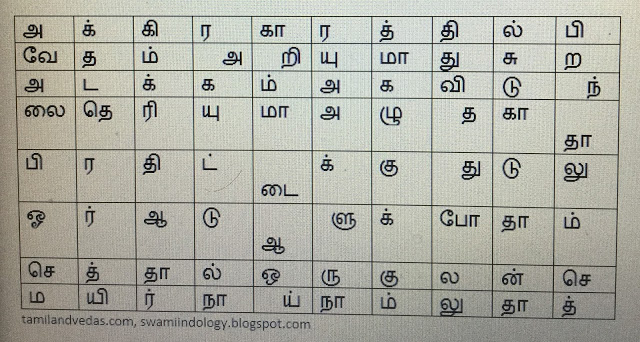
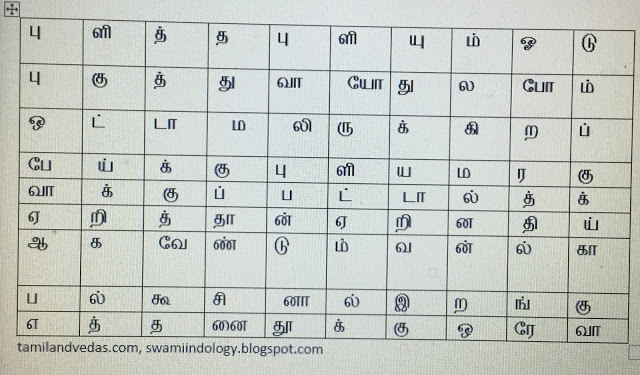
அரிசி பற்றிய இரண்டு பழமொழிகளைக் கண்டு பிடியுங்கள்

விடை கீழே கொடுக்கப்பட்டுள்ளது

அரிசி சிந்தி னால் அள்ளி விட  லாம், வார்  த்தை சிந்தினால் வார முடியுமா ?

அரிசி என்று அள்ளிப் பார்ப் பாருமில்லை, , உமி என்று ஊதி ப் பார்ப்பாருமில்லை.

tags — அரிசி , பழமொழி