Pictures are taken from various sources for spreading knowledge.
this is a non- commercial blog. Thanks for your great pictures.
tamilandvedas.com, swamiindology.blogspot.com
xxxx
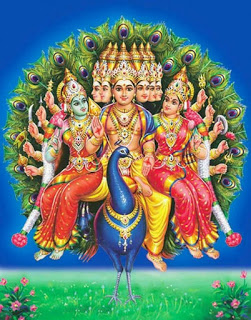
Kalidasa is the greatest poet of India. He lived 2100 years ago in North India. His seven great works survived until this day. No poet in the world excelled him until this day. He used over 1500 imageries, similes, metaphors and allegories in his books. Not even Shakespeare in his 37 plays and over 154 sonnets used such imageries. In fact, Shakespeare even copied him and created Miranda (The Tempest) in the model of Shakuntala. He copied the Vidushakas of Kalidasa and created Caliban (The Tempest).
Like all great Hindu poets Kalidasa left no personal details. Of all the historical Hindu dynasties, he used only Magadha dynasty’s name. it proved that he lived during or immediately after the Magadha rule. In his Raghuvamsa we see Raghu conquering all countries up to Iran. We know that Vikramaditya was the one who ruled such a vast empire. Kalidasa is associated with the great ruler Vikramaditya and even Chandragupta II took that title later.
Kalidasa’s work Kumara sambhava made a big impact on the Vaishnavite Gupta empire and they suddenly switched over to Saivite names such as Kumara Gupta and Skanda Gupta. Three Gupta Kings named themselves as Kumaragupta.
First Mystery
He lived in the first century BCE. Bhasa, another great playwright credited with 13 plays, lived before him. He used stories from Ramayana and Mahabharata for his dramas. Kalidasa took Lord Skanda (also known as Kumaara) for his work. This shows he lived before the Parama Bhagavathas, i.e. The Gupta kings. Gupta kings used title Parama Bhagavathas in their coins and inscriptions to say that they are followers of Vishnu.
But why did Kalidasa choose Lord Skanda/ Kartikeya/Kumara rejecting Vishnu and Siva? It is a mystery. The legend is that he was blessed by Kali. His very name suggested that he was blessed by Kali. But he never did any work on Kali. But in all his seven works he praised Brahma, Vishnu and Siva and said all are one and the same. In most of his works he used Siva in the initial Prayer song. All these show that he lived before Vaishnavite/ Parama Bhagvathas Gupta kings.
The reason for him choosing Lord Skanda may be the Yaudheya Kings who produced coins with the image of Lord Skanda.
Second Mystery
Why didn’t he finish Kumarasambhava, the birth of Lord Kumara/Skanda? What happened to him? Where did he go? Did he die suddenly? No clue is available in any Hindu literature. But Gupta inscriptions and sculptures show his great influence. Most famous art historian Sivaramamurti rightly pointed out that Kalidasa must have lived long before the Gupta rule, because sculptures and paintings follow what is written in literature not vice versa. This has been proved around the world.
Third Mystery
In Kumarasambhava Kavya, we see the role of Sapta Rishis- Seven Great Seers. Even today Brahmins worship Sapta Rishis three times a day in their Sandhyavandana, in the order Atri, Brhu, Kutsa, Vasishta, Gautama, Kashyapa and Angirasa. The surprising thing is that Panini used them in the same order 2700 years ago. But Kalidasa gave importance to the junior most Angiras in the list. He is the one who requests Himavan to give his daughter Uma to Lord Siva in marriage. Traditions of the Seven Rsis by John E. Mitchiner says saint Valmiki refers only to six seers and Mahabharata has two different lists. He added that Kalidasa and Varahamihira used the new list and so this new list must be in use between 300 BCE and 300 CE. But why did Kalidasa choose junior most or the last one (Angiras) to head the representation to Himavan? It remains as an unsolved mystery.
Another interesting point is 2000 year old Sangam Tamil literature mentioned Sapta Rishis in two poems saying Tamils worshipped them (Natrinai 231 and Pari.5-43)
***
UMA Mystery in Tamil Literature
One more mystery is there, but it is from Tamil literature.
Sangam Tamil literature, mostly secular, but refers to all Hindu Gods, both Vedic and post Vedic gods. Among the goddesses Lakshmi , Durga , and Kali are mentioned but with Tamil names only. Uma is the only Goddess name used with Sanskrit name UMA (in Tamilized form UMAI). It shows that Kalidasa’s Kumarasambhava has made a big impact on Tamils and so they copied Uma from his book.
And this is not the only place. Even the description of Muruga/Skanda has many similarities ( I have written about it in articles on Skanda/Muruga)
–subham—
Tags- three mysteries, Kalidasa plays, Uma mystery, in Sangam Literature
Pictures are taken from various sources for spreading knowledge.
this is a non- commercial blog. Thanks for your great pictures.
tamilandvedas.com, swamiindology.blogspot.com
xxxx
Madurai Meenaakshii Sundareswarar (Shiva ) temple is considered one of the wonders of the world. It is because it contains over 30,000 sculptures (stuccos) and paintings. The stone sculptures are carved with very great precision. A small mistake would have made the sculptor to restart the work again and work for many years. It had beautiful and tall towers during the visit of Tamil Miracle Boy Saint Tiru Gnana Sambandar around 600 CE. Sekkilzar of tenth century mentioned the tall towers in Peria Puranam; Sambandar mentioned just the towers. But the present structure has only one old tower built in 12th century by Sundara Pandya. Later Madurai Nayak Kings, particularly Tirumalai Nayak, and Nattukkotai Nagarathar Chettiyars added several towers and Mandapas/buildings.
The British took over the management of the temple when corruption was reported in the 18th century. There are several miracles of Goddess Meenakshi well documented in the temple records. Let us look at some miracles.
1
Peter Pandya alias Rous Peter
Rous Peter was the collector of Madurai between 1812 and 1828. He was a devotee of Madurai Goddess Meenakshi. He made lavish gifts to Madurai temple and Alagarkoil (Kalla Azakar) Vishnu temple. He was popularly called Peter Pandya. It is said that once he shot a wild elephant and it started attacking him. Immediately he prayed to Goddess Meenakshi and fired another shot which killed the elephant. This story appeared in print.
Another popular version is that one day he was sitting in his court hall and writing a judgement during rainy season. At that time a beautiful little girl appeared before him and asked him to come out of the building. Attracted by her charm he followed her , but she disappeared. As soon as he came out of the building, it collapsed. He realised that it was Goddess Herself came and saved his life twice. As a thanksgiving he donated some jewels to the temple, and they are still used on festival days.
2
Tirumalai Nayak (1623-1659)
Tirumalai Nayak renovated the temple completely during his reign. His wife constructed Ashtasakthi Mandapam. During his reign the beautiful Pudumandapam in front of the temple was built. He showed personal interest in the development of the temple. He revived the Sengol/ sceptre Festival. This meant he was only a servant of Goddess Meenakshi who gives her golden sceptre to him to rule Her country . Since Greek ambassador Megasthenes (3rd century BCE) mentioned the Pandya queen in his book Indica, this must have started 2300 years ago.
Rev. William Taylor has recorded Nayak’s personal involvement in the administration of the temple to weed out corruption. It reports a miracle. Goddess Meenakshi (Parvati, wife of Shiva) appeared in Nayak’s dream and told him there is no care for me. Very next day he called the temple administrator and told him quietly, “for the future we ourselves will piously undertake the anointing, the purveying of offering food (prasaadam) to God, the robing of the images with garlands and flowers, lighting of the sacred lamps and the whole of the daily duties throughout the temple”. He also donated lands yielding 12,000 pons (gold coins) every year for the administration of the temple.
Later, from the first day of the month Thai, Eswara year, on the Makara Sankaranthi Day, he handed charge over to one Paranetha Pandaram, the son of the hereditary female lamp-lighter of the temple. This is recorded in a translation by Rev William Taylor.
3
Early Miracle recorded in Temple Document
In 1365, Kumara Kampana Udayar, a prince of the Vijayanagara Empire, invaded Madurai in Tamil Nadu after conquering many kings on his way. He sounded the death knell of the Muslim Sultanate which ruled Madurai for half a century. Ibn Batuda, the African traveller, has recorded all the atrocities done to Hindus by the Muslim sultans. Though he was a Muslim he was disgusted by the sultans massacring Hindu women and Children; he has given a graphic account of incidents which he saw with his own eyes.
When Kumara Kampana entered Madurai with his wife Queen Ganga Devi (author of Madura Vijayam in Sanskrit) he saw a miracle. Nelson gives a graphic account of the reopening of the Meenakshi temple after the elimination of Sultans:
“Kampana Udayar was taken on an appointed day to witness the reopening of the Pagoda (temple) and on his entering and approaching the shrine for the purpose of looking upon the face of God. Lo! and behold! Everything was precisely in the same condition as when the temple was first shut 48 years ago. The lamp that was lighted on that day was still burning and the sandal wood powder, the garland of flowers and the ornaments usually placed before the idol on the morning of the festival day were found to be exactly as it is .
This is not Nelson’s words. This is written in the Temple Record book called Seethala Kurippedu in old Tamil. Nelson has given a brief translation. And such a record written in the temple never exaggerates nor tell lies.
4
Fourth Miracle
My father V Santanam, freedom fighter and News Editor, Dinamani, Madurai was part of the 1963 Kumbabishekam (consecration done every 12 years) of the Madurai Temple. Then Kumbaabishekams were done in 1974 and 2009. During the last Kumbabishekam there was a controversy about the Consecration Date. A section of the temple priests was not happy about the chosen date. But it was already announced publicly. There was a big embarrassment about changing the date. At last, all the parties concerned, agreed to leave it to Goddess Meenakshi to pass a final judgement. The modus operandi generally followed in such a dilemma, is to write YES and NO on paper bits and roll them out and put them in a pot. One from the audience of devotees is called at random, again by someone unconnected with this process, and asked to pick up ONE rolled paper bit. A little girl from the audience was called to pick up Yes or No paper bit on an auspicious day. To the surprise of all the girl picked YES paper bit. Then casually someone asked the girl her name, she said MY NAME IS MEENAAKSHI. Everyone was wonderstruck and had the hair stood on end (goosebumps, elation).
Miracles never stop. They do happen even today. My friend Siddhivinayakam on a casual telephone call from India told me how he named his baby daughter. When he was struggling with different names suggested by family members, he heard someone saying Meenakshi suddenly from unknown source. We call it Asariri, i.e. ‘not from human body’ or from an unseen person.
God Shiva and Goddess Meenakshi have been worshipped for at least 2300 years in Madurai temple. Now millions visit the temple every month.
–subham—
Tags- Madurai Temple, Goddess Meenakshi, Four miracles, Peter Pandya, Tirumalai Nayak, Kampana Udayar, Ganga Devi
Pictures are taken from various sources for spreading knowledge.
this is a non- commercial blog. Thanks for your great pictures.
tamilandvedas.com, swamiindology.blogspot.com
xxxx
Varaha Avatara in Udayagiri Caves, Gupta Period.
Kings of Gupta dynasty were great Hindus. Their rule is considered the Golden period of India. According to Chinese pilgrim and others, people slept leaving their house doors open. No theft, no robbery was reported; it was Rama Rajya. The kings called themselves Parama Bhagavatas, i.e. great followers of Lord Vishnu. But they donated liberally to all faiths. Their gold coins are in all museums of the world. British museum has displayed it at the entrance of the coin section.
Gupta inscriptions frequently depict and refer to various Hindu deities, particularly Vishnu and Lakshmi, alongside other gods and goddesses. The Gupta period saw a flourishing of Hindu art and iconography, solidifying the forms of many deities that are still recognized today. Vishnu is prominently featured, with inscriptions often associating Gupta rulers with him and emphasizing their role as his representatives on Earth.
Here’s a more detailed look:
• Vishnu:
Gupta rulers often identified themselves with Vishnu. For example, an inscription from Govindnagar, Mathura, refers to a pillar dedicated to Vishnu. Vishnu’s boar avatar, Varaha, is also depicted in the Udayagiri caves, showcasing his importance.
• Lakshmi:
The goddess Lakshmi, often associated with wealth and prosperity, is also frequently depicted in Gupta art and inscriptions. She is sometimes shown as Rajya-Lakshmi, associated with kingship and the coronation ritual, highlighting her role in legitimizing the ruler’s authority.
• Other Deities:
Besides Vishnu and Lakshmi, other deities found in Gupta inscriptions and art include:
• Karttikeya (Skanda Kumara, Mahasena): The god of war, often depicted with a peacock.
• Shiva: Depicted with his mount, Nandi, and associated with the Udayagiri caves.
• Brahma: The creator god, also found in the Udayagiri caves.
• Adityas, Agni, Vayu, Vasus, Rudras, Rishis: Various deities and sages from the Vedic tradition are also represented.
In the Gupta epigraphs, the exploits of a king equalled to those of Indra . it is seen in inscriptions of Samudra Gupta and Mathura stone inscription of Chandra Gupta. Tamils also called the king, Indra. Tolkappiam named Indra as King, Venthan in Tamil.
In the Kusana and Gupta sculptures, Varuna is represented as riding a crocodile and bearing a noose, pasa, of chastisement. He is also mentioned in the Mathura stone inscription. The Mathura pillar inscription of Chandragupta II is an important historical document from the Gupta period in ancient India. It records the installation of two Shiva Lingas by Udita Acharya in the “year 61 following the era of the Guptas”. This corresponds to approximately 380 CE, though some scholars like Harry Falk suggest a date of 388 CE. The inscription is found on a pillar in Mathura and is also known as the Lakulisa Mathura Pillar Inscription.
Neither Kalidasa nor Sangam Tamil poets mentioned the world Linga. But both have praised Linga shaped Kaliash. This shows Kalidasa lived before Sangam or Gupta age.
Kalidasa refers to the deity Surya having seven horses, all green in colour harnessed to his chariot—haridasva-Raghu 3-22.
Oldest Post- Vedic reference to Vishnu is in Panini’s Ashtadhyayi 4-3-98
An ambassador of the Indo Greek king Antialklidas named Heliodorus called himself bhagavata and erected a Garuda pillar in Besnagar in second century BCE.
Imperial Guptas called themselves Parama Bhagavatas according to Gadhwa stone inscription of Chandra Gupta II. Gupta coins also had the title paramabhagavatas.
This also shows Kalidasa lived long before the Guptas. A court poet always follows the state religion. But Kalidasa was associated with Vikramaditya of first century BCE and he praised Shiva sky high as Jagadguru in Kumarasambhavam and Parents of the Earth in Raghuvamsa.
A four armed Vishnu figure carved on a panel at Udayagiri is dated in the Gupta era 82, i.e. 400 CE.
Allahabad pillar inscription of Samudra Gupta mentioned Vishnugopa of Kanchi
****
Vishnu in Delhi Iron Pillar Inscription
The king in Delhi Iron Pillar is now generally identified with the Gupta King Chandragupta II. This identification is based on several points:
The script and the poetic style of the inscription, which point to a date in the late fourth or early fifth century CE: the Gupta period.
The inscription describes the king as a devotee of the God Vishnu, and records the erection of a dhvaja (“standard”, or pillar) of Vishnu, on a hill called Viṣṇupada (“hill of the footprint of Viṣṇu”). Other Gupta inscriptions also describe Chandragupta II as a Bhagavata (devotee of Vishnu). The names of the places mentioned in the inscription are also characteristic of the Gupta Era. For example, Dakṣiṇa Jalanidhi (the Indian Ocean) and Vaṅga (the Bengal region).
The short name ‘Candra’ is inscribed on the archer-type gold coins of Chandragupta II, while his full name and titles appear in a separate, circular legend on the coin.
A royal seal of Chandragupta’s wife Dhruvadevi contains the phrase Śrī Viṣṇupada-svāmī Nārāyaṇa (“Nārāyaṇa, the lord of the illustrious Viṣṇupada”).
***
Surya -Sun god
Kumara Gupta’s Mandasor stone inscription and Bandhuvarma mentioned the repairs to a sun temple.
Kalidasa mentioned Surya with the word Savita in Rtu Samhara. God Surya is in the Rig Veda where ten hymns are addressed to him . Adi Sankara made it as one of the six faiths (shan matha) of Hindus. It is called Sauram. Surya became Solar in European languages is a well-known fact.
The tradition preserved in the Bhavishya Purana that the first sun temple was built in Sindhu on the Chandrabhaga by Samba, , son of Krishna by Jambavati . she brought Maga priests from Sakadvipa. Varahamihira also mentioned that Maga- Sakadvipa Brahmanas should be appointed as priests in sun temples- Brhat Samhita 60-19.
Even today Sun cult is followed by millions of Brahmins in their daily ritual of Sandhyavandana and Surya Namaskar . And surya is associated with lord Vishnu in the Vedas.
Kalidasa refers to a temple containing an image of the Sun deity and mentions people returning from that shrine, at the feet of which, obviously the feet of the image, –paadamuulam—their attendance was required-Vik 5-4
A sun temple standing in Multan on the bank of the Chandrahaga river—chenab—was seen by Chinese pilgrim Huen Tsang. The same temple which was seen by Alberuni four hundred years later was destroyed by Aurangzeb in the 17th century. The temple built by Samba, Krishna’s son must have existed for thousands of years in Multan.
Gupta Kings and their Dates:
Gupta
(c. 240 – c. 280)
Ghatotkacha
(c. 280–319)
Chandragupta I
(c. 319–335)
Kacha
(c. 335)
Samudragupta
(c. 335–375)
(Ramagupta)
(c. 375)
Chandragupta II
(380–415)
Kumaragupta I
(415–455)
Skandagupta
(455–467)
Purugupta
(467–473)
Kumaragupta II
(473–476)
Budhagupta
(476–495)
Narasimhagupta
(495–530)
(Bhanugupta)
(c. 510)
Vainyagupta
(c. 507)
Kumaragupta III
(c. 530 – c. 540)
Vishnugupta
(540–550)
The Sanchi inscription of Chandragupta II is an epigraphic record documenting a donation to the Buddhist establishment at Sanchi in the reign of king Chandragupta II (circa CE 375–415). It is dated year 93 in the Gupta era.
Art historian C Sivaramamurty in his book EPIGRAPHICAL ECHOS OF KALIDASA gives a long list of inscriptions where influence of Kalidasa is very evident. He placed Kalidasa before the Gupta era, saying literature comes first and then paintings and sculptures follow it. Sangam Age poets also proved it correct by using 200++ imageries of Kalidasa in their poems.
–subham—
Tags- Gupta inscriptions, Hindu Gods, Delhi Iron Pillar, Allahabad, Mandasor, Mathura
THIS IS LIKE KUMBHAMELA ON THE MOVE; IT BEATS THE KERALA SABARIMALA AYYAPPA YATRA, PANDHARPUR HOLY YATRA IN MAHARASHTRA AND GIRI PRADAKSHINA IN TAMIL NADU AND ADHRA PRADESH
How Kanwar Yatra is helping with the consolidation of Hindu Society
The Kanwar Yatra is a significant annual pilgrimage in India, where millions of devotees, known as Kanwariyas, travel—often barefoot—to collect holy water from the Ganges River and offer it to Lord Shiva. The Kanwar Yatra is a pilgrimage undertaken by devotees of Lord Shiva, known as Kanwariyas, during the Hindu month of Shravan (July–August).
The Yatra is inspired by the legend of Samudra Manthan (churning of the ocean), where Lord Shiva drank the poison (halahala) to save the universe. To cool him down, devotees began offering Ganga water to Shiva lingams.
Another legend involves Ravana, the demon king of Lanka, who is said to have carried Ganga water in a kanwar to offer to Lord Shiva in Kailash.
Pilgrims carry kanwars—decorated slings made of bamboo—on their shoulders, with pots filled with holy water from the Ganges River, which they offer to Shiva temples, especially the Shiva lingam at places like Haridwar, Gaumukh, and Sultanganj.
This religious and social event has grown in scale and visibility over the years and plays a notable role in the consolidation of Hindu society. Here’s a detailed look at how it contributes to that process:
Cultural and Religious Consolidation
1. Shared Religious Identity – The Kanwar Yatra reinforces a collective Hindu identity by bringing together people from diverse regions, castes, and economic backgrounds under a common spiritual cause.
Example: A Kanwariya from Uttar Pradesh walking alongside one from Bihar or Delhi creates a sense of unity that transcends regional and linguistic differences.
2. Revival of Rituals and Traditions – The Yatra revives and sustains ancient Vedic traditions, especially those associated with Shaivism (worship of Lord Shiva), reinforcing cultural continuity.
Social Cohesion and Community Building
1. Volunteerism and Seva (Service) – Local communities often set up free food stalls (langars), medical camps, and resting places for Kanwariyas. This fosters a spirit of service and mutual support.
Example: In cities like Haridwar and Meerut, thousands of volunteers—many of them youth—participate in organizing logistics, which strengthens community bonds.
2. Intergenerational Participation – Families often participate together, passing down values and traditions to younger generations, which helps preserve cultural heritage.
Political and Organizational Mobilization
1. Grassroots Mobilization – The Yatra is often supported by local religious and cultural organizations, which use it as a platform to engage with the public and promote Hindu values.
Example: Organizations like the VHP (Vishwa Hindu Parishad) and local temple committees often provide logistical support, which helps them build networks and influence.
2. Symbol of Hindu Assertion In a pluralistic society, the Kanwar Yatra has become a visible assertion of Hindu identity in public spaces, especially in urban areas.
Digital and Media Amplification
1. Social Media and Cultural Narratives – The Yatra is widely shared on platforms like Instagram, YouTube, and Facebook, where videos of Kanwariyas dancing, chanting, and performing rituals go viral. This digital presence helps spread awareness and pride in Hindu traditions.
Example: Hashtags like #KanwarYatra and #HarHarMahadev trend during the season, creating a virtual community of devotees.
Challenges and Criticism While the Yatra plays a unifying role, it also faces criticism for traffic disruptions, noise, and occasional clashes. However, many state governments have taken steps to manage these issues through better planning and infrastructure. On the other hand, most of the criticism is spread by highly biased and anti-Hindu brigade, who are always at horns with the Hindus.
The Kanwar Yatra is more than a religious journey—it’s a cultural phenomenon that strengthens Hindu social fabric through shared faith, community service, and public expression of devotion. As it continues to evolve, it remains a powerful example of how religious traditions can foster unity and identity in a diverse society.
—SUBHAM—-
TAGS- KANWAR YATRA, HINDU POST, BENEFITS, HINDU CONSOLIDATION, PICTURES
The people of Kashmir revere Lal Ded under various names—Laleshwari, Lalyogeshwari, Lala, Lal, and Lalarifa. Scholars have long debated over the precise period of her birth. On analyzing these various views, the year 1335 AD appears to be the most plausible date for her birth.
It is likely that Lal Ded’s birth name was different. In Kashmiri, Lal means ‘belly,’ and Ded is an honorific term used for revered elderly women. It is said she often roamed half-naked, her large belly covering her private parts. Pt. Gopi Nath Raina, in his book Lal Vakya (1920) and The Word of Lalla Prophetss (1929), suggests her birth name was Padmavati.
It is also believed that during her lifetime, Lal Ded interacted with many prominent figures, such as the then prince Shihabuddin, saints like Syed Jalaluddin Bukhari, Syed Hussain Samanani, and Syed Ali Hamadani. These events are recorded around the Hijri years 748, 773, and 781 respectively, indicating that she was not only born before these years but was mature and enlightened by then.
Like her birth, Lal Ded’s death is also shrouded in uncertainty. It is only said that when she passed away, her body shone like pure gold. This event is believed to have occurred near Bijbehara, close to Anantnag (Islamabad). There is no reliable record regarding the final rites or cremation of her mortal remains. Legend has it that the saint-poet Sheikh Noor-ud-din Wali, born in 1376 CE, once suckled her mother’s breast after being reprimanded by Lal Ded, implying she lived at least till 1376 AD.
Lal Ded was born in Simpura village near Pampore, about nine miles from Srinagar, into a Brahmin farming family. According to the then prevalent customs, she was married in childhood to a reputed Brahmin family in Pampore. Her husband’s name is recorded as Sonpandit. Even from her young age, this proto-poetess harbored a rebellious spirit toward worldly bonds, which ultimately found expression in her deeply emotional and philosophical Vakhs (verses). She received her early education from her family guru, Shri Siddhamol, who introduced her to the secrets of religion, philosophy, knowledge, and yoga, thereby earning the reverential status of a Guru.
When Sonpandit noticed his wife growing increasingly detached, he requested Siddhamol to guide her towards worldly engagement. During a visit to her house, a profound discussion emerged among Sonpandit, Siddhamol, and Lal Ded. The topics were:
1. What is the greatest light?
2. What is the most sacred pilgrimage?
3. Who is the most important relative?
4. What is the most delightful thing in life?
Sonpandit answered: sunlight, the Ganges, a brother, and a wife.
Siddhamol offered: sight, knees (as the body’s journeying tool), pocket (symbolizing wealth), and health.Lal Ded responded: self-realization is the greatest light, curiosity is the holiest pilgrimage, God is the truest relative, and fear of God is the greatest delight.Both were stunned by the profundity of her response.
Even in childhood, Lal Ded displayed extraordinary traits. She often sat alone in deep thought, never drawn by the attractions of the world—so much so that her peers mocked her for her eccentricity (Kashmiri Zabaan aur Shayari, Vol. 2, p.113).
After marriage, she endured the bitterness and tyranny of her mother-in-law with great patience. Once, she went to fetch water. Her mother-in-law incited her son to spy on her. As Sonpandit approached with a stick, Lal Ded was returning with a water-pitcher on her shoulder. He struck the pitcher, which shattered, but the water remained suspended as if supported by a divine force. She used this water to fill utensils at home, and the leftover water she threw from the window created a pond that still exists, known as Lal Nag.
On another occasion, during a feast at her in-law’s house, her friends teased her that she would enjoy delicious food today. Lal Ded humbly replied, “Whether sweets or savory dishes are cooked, I am fated to eat stones.” Her cruel mother-in-law would place a stone beneath a layer of rice on her plate. This incident led to a local proverb in Kashmir: “Lali neelvath chali na janah”—“ Lal cannot change her fate of stones.”
By now, her spiritual insight had transcended the limitations of the physical world. She began wandering in search of inner truth, even discarding her clothes. She danced, sang, and roamed freely in bliss. She considered only those men to be real who feared God—and such men, she said, were rare. Hence, she felt no shame being naked before others. When she once spotted the great Sufi saint Syed Hamadani approaching, she tried to cover herself. Hamdani asked why she was ashamed now. Lal Ded replied, “O friend of God, until now, only women passed by. You are the first man with divine vision.”
On another occasion, she ran to a shopkeeper requesting clothes to cover herself, saying, “The saint who is coming recognizes me as I recognize him.” As Saint Hamadani arrived, she jumped into a nearby bakery’s tandoor. When the saint called out, “O Lalla, come out and see who is here,” she emerged clad in radiant, divine garments. This incident inspired a Kashmiri saying: “Aayi vaanas te gayi kandaras”—“She came to the grocer but went to the baker.”
Lal Ded had no children, a bond from which nature freed her. She herself said: .“Na pyaayas, na zaayas, na kheayam hend taney shonth”(Neither did I give birth nor partake in maternal food).
The hardships she faced in her household awakened in her a new vision of life. Her spiritual realizations blossomed into poetic expressions known as Vakhs, just like Kabir, who never used pen and paper. These verses were sung orally before being documented. Dr. Grierson, with the help of Pandit Mukund Ram Shastri, compiled 106 Vakhs, published in 1920 in Lalvakyaani by the Royal Asiatic Society, London. R.C. Temple further studied her sayings in The Word of Lalla, published by Cambridge University Press in 1924. Rajanak Bhaskaracharya translated 60 of her Vakhs into Sanskrit.
Many other scholars, such as Sarvanand Charagi, Anand Kaul Bamzai, Ramju Kalla, Jia Lal Kaul Jalali, Gopi Nath Raina, Prof. Jia Lal Kaul, R.K. Wanchoo, and Nand Lal Talib, have contributed significantly to preserving and translating her work. Sarvanand Charagi translated 100 Vakhs into Hindi under Kalam-e-Lalarifa, Anand Kaul Bamzai 75, and Ramju Kalla published 146 Vakhs in Amritvani. Renowned writer/translator Dr.Shiben Krishen Raina collected around 180 Vakhas and published them in a collection printed by Bhuvan Vani Trust Lucknow(1983)
Lal Ded’s Vakhs are mostly in free verse with rhythmic cadence. Her philosophical insights reflect influences of Shaivism, Vedanta, and Sufism. When she emerged, Islam had already entered Kashmir as a theological system. Amidst religious dogmatism and socio-political unrest, Lal Ded rose above sectarian divisions and voiced the universal truth in the language of the common people. Her mystic vision was deeply personal: “My guru whispered a secret—turn away from the outer and seek within. Since then, my soul has danced naked.”
She had attained a state beyond ego and duality. She saw no difference between self and other, between honor and insult. Her realization of the Self as Shiva was supreme:
“Let people insult or mock me—
I shall never harbor ill in my heart.
When my Shiva has showered grace,
Why should I fear what others think?”
Shaken by social contradictions, her inner being was stirred:
“I saw a wise man dying of hunger,
His body withered like autumn leaves.
I saw a fool beating for stealing food,
And my soul, disturbed, walked away.”
Her understanding of Advaita (non-dualism) matched that of Shankara. She found God not in temples or rituals but within herself:
“I searched for Him in the world—
Day and night, I wandered.
At last, I found Him in my own home—
And from that day, my true path began.”
She opposed religious hypocrisy and criticized both Hindus and Muslims who strayed from true piety. For Lal Ded, religion meant purity of heart.
“Your face is beautiful; your heart is like stone—
Where is the essence in that?
You read and write till your hands are sore—
But you have not removed the darkness within.”
Lal Ded’s poetry is a blend of philosophical depth, poetic beauty, and spiritual universality. Her expressions use metaphor, paradox, suggestion, and symbolic imagery rooted in everyday life. Most of her Vakhs evoke the tranquil Shanta rasa (aesthetic mood of peace).
Lal Ded’s language marks a milestone in Kashmiri literary history. Though some consider Shitikantha’s Mahanaya Prakash the first Kashmiri text, its language is far less Kashmiri than that of Lal Ded’s verses. Her language is Sanskrit-rooted but also contains Persian and Arabic elements. She used Sanskrit words in original or slightly modified forms: prakash, teerth, anugrah, karm, moorkh, manushya, shiv, .updesh., .geeta., .gyaan., etc. Persian-Arabic words include. sahib.,. dil., .jigar., .mushk., .gul., .bagh., .kalma., .shikar., etc.
There is no significant shrine, memorial, or temple dedicated to Lal Ded in Kashmir. Perhaps she transcended such earthly symbols. She came as a divine emissary and merged silently with the Infinite—beyond life and death:
“For me, birth and death are alike.
No one dies for me—
Nor shall I die for anyone.”.
Lal Ded ranks among the greatest spiritual luminaries of the world. She had attained enlightenment during her lifetime and entered the abode of God. For her, life held purpose and death lost its dread. She loved God wholeheartedly and found Him within herself.
Kashmir’s great Sufi saint Sheikh Noor-ud-din Wali, also known as Nund Rishi, offered the most fitting tribute to Lal Ded:
“That Lalla of Padmapore drank the nectar divine—
She was our incarnation.
O Lord! May I be blessed as she was!”
–SUBHAM–
TAGS- Lalleswari, Saint Lalla, Kashmir, Saivite, Hindu Post.
Pictures are taken from various sources for spreading knowledge.
this is a non- commercial blog. Thanks for your great pictures.
tamilandvedas.com, swamiindology.blogspot.com
xxxx
Part 3
174. அண்ணாமலையாருக்கு அறுபத்து நாலு பூசை, ஆண்டிகளுக்கு எழுபத்து நாலு பூசை . The forms of worship prescribed for Siva are sixty-four; whereas the seasons for feeding religious mendicants are seventy-four.
310. அரியும் சிவனும் ஒன்று, அல்ல என்கிறவன் வாயில் மண். Vishnu and Siva are one; let sand be put into the mouth of him who denies it.
388. அவனே இவனே என்பதைவிடச் சிவனே சிவனே என்கிறது நல்லது. It is better to cry Siva, Siva, than opprobriously to reproach others.
2409. காட்டுப் பூனைக்குச் சிவராத்திரி விரதமா? Does the wild cat observe the fast of Sivaratri?
1098. இவன் கல்லாது கற்றவன், உள்ளங்கையில் வைகுண்டம் காட்டுவான். He has attained the unattainable; he can show Vaikundam Paradise in the palm of his hand.
3218. சிதம்பரத்திலே பிறந்த பிள்ளைக்குத் திருவெம்பாவை கற்றுக் கொடுக்க வேண்டுமா? Is it necessary to teach venba-holy verses-to a child born and brought up at Chidambaram?
3219. சிதம்பர சக்கரத்தைப் போய் பார்ப்பதுபோல. As a demon looks at the circle of Chidambaram. This proverb refers most likely to magical diagrams generally.
3220. சித்தன் போக்குச் சிவன் போக்கு ஆண்டி போக்கு அதே போக்கு. The manner of Chittan is like the manner of Siva, the manner religious mendicant is like itself.
3233. சிவபூசை வேளையில் கரடி புகுந்தது போல். As a bear entered at the time of Siva puja.
3234. சிவபூசை வேளையிலே கரடியை விட்டு ஆட்டுகிறதா? Is a dancing bear produced at the time of Siva puja?
3235. சிவலிங்கத்தின் மேல் எலி. A rat, on Siva linga.
3761. தானே தான் குருக்கள் என்பார் தனங்கள் வாங்கச் சதாசிவன் பேர் பூசை செய்வார். To get money they call themselves gurus, and perform pujas in honour of Sadasiva.
3793. திங்களும் சனியும் தெற்கே நோக்க வேண்டும். Look south on Monday and Saturday if leaving home. The direction given in this proverb is intended to convey a caution to those setting out on a journey on Monday or Saturday. It is based on the belief contained in a stanza of which the following is a translation. Sangara, Siva, as the author of good, plants his trident on the earthin certain directions on particular days and at stated hours. On Monday and Saturday in the east for eight naligais*.On Thursday, in the south for twenty naligais. On Friday and Sunday in the west, twelve naligais. On Tuesday and Wednesday in the north, twelve naligais. * Indian hour of twenty-four minutes.
4036. நக்குகிற நாய்க்குச் செக்கு என்றும் சிவலிங்கம் என்றும் தெரியுமா? Does a dog addicted to licking, distinguish between an oil-press and a Siva linga ? The linga, the symbol of the Saiva worship, is anointed with oil.
4391. நௌவியிற்றானே தெய்வறிவைக் கல். Know God when you are young.
4437. பச்சிலையும் கிள்ளப்படுமோ பராபரமே! O God, is a tender plant also to be cut off !
4510. பத்தி இல்லாப் பூனை பரமண்டலத்துக்கு ஏறுமா? Will an ungodly cat ascend to heaven?
4553. பல முயற்சி செய்யினும் பகவன் மேல் சிந்தை வை. After making every effort, fix your mind on God.
4597. பறையன் பொங்கல் இட்டால் பகவானுக்கு ஏறாதோ? If a pariah boil rice as an offering to God, will it not be accepted?
4710. பானையிலே பதக்கு நெல் இருந்தால் மூலையிலே முக்குறுளி தெய்வம் கூத்தாடும். If there be a pathaku of rice in the pot, three kurunies of gods will dance in the corner.
4922. பெருமானைச் சேர்ந்தோர்க்குப் பிறப்பு இல்லை, பிச்சைச்சோற்றிற்கு எச்சில் இல்லை. Those who have attained union with God are not subject to future births, rice given in alms is not refused because it is refuse.
4923. பெருமான் நினைத்தால் வாழ்வு குறைவா, பிரமா நினைத்தால் ஆயுசு குறைவா? If God is pleased, will there be any lack of prosperity, if Brahma favour, will one’s life be short?
5049. பெளவப் பெருமை தெய்வச் செயலே. The greatness of the ocean shows the work of God.
5074. மஞ்சனமும் மலரும் கொண்டு துதிக்காவிட்டாலும் நெஞ்சகத்தில் நினைப்பதே போதகம். Though one may not worship god by bathing him, and scattering flowers on him, we are taught to keep him in mind.
5108. மதியும் உமது விதியும் உமது. Thy purpose and thy destiny. The settled judgment, and the decrees of God, are in harmony.
5190. மனதிற்கு மனதே சாட்சி, மற்றதற்குத் தெய்வம் சாட்சி. The heart is its own witness, God is the witness of the rest.
5393. மூப்பு ஏன் பிடிப்பது, மூதேவி வாசத்துக்கு அடையாளம். Why does, one grow old ? it is a sign that he is under the influence of the goddess of misfortune.
5395. மூர்க்கன் முகத்தில் மூதேவி குடி இருப்பாள். The goddess of misfortune dwells in the face of the stubborn.
5667. வலிய வந்த சீதேவியைக் காலால் உதைத்துத் தள்ளலாமா? Should the goddess of prosperity who came to you spontaneously, be kicked and turned out ?
5602. வறுமைக்கு மூதேவியும் செல்வத்திற்குச் சீதேவியும். Adversity is attended by the goddess of misfortune, prosperity by the goddess of fortune. 5669. வாழ்வாருக்குச் சீதேவி வாயிலே. The goddess of fortune is in the mouth of the prosperous.
5690. விஷம் தீர வைத்தியன் வேண்டும், பாவம் தீரத் தெய்வம் வேண்டும். A physician is necessary to counteract poison, and God, to remove sin.
5816. வீட்டு மூதேவியும் காட்டு மூதேவியும் கூடி உலாவுகிறது. The house-goddess of misfortune, and one of the wilds are walking together.
6038. வேறே வினை தேவை இல்லை, வினையாத்தாள் கோவிலுக்குப் போக வேண்டியதில்லை. There is no need of another evil, it is not necessary to go to the temple of the goddess of misfortune.
6060. வைசூரி வந்தவர்கள் அம்மா என்று கூப்பிட வேண்டும். Those who are attacked with small-pox must call it the goddess.
6107. வையத்தில் வாழ்வாங்கு வாழ்பவன் தெய்வத்துள் வைக்கப்படும். He who lives as he ought in this world, will be ranked with the gods.
6118. வையம் தோறும் தெய்வம் தொழு. Worship God through all the world.
****
DEITY IN TAMIL PROVERBS
871. ஆன தெய்வத்தை ஆறு கொண்டுபோகிறது அனுமந்தராயனுக்குத் தெப்பத்திருவிழாவா? After the river has carried away every imaginable deity, do you stay to celebrate an aquatic festival in honour of Hanuman? Said of one seeking the lesser aid when the greater has failed.
949. இடுகிற தெய்வம் எங்கும் இடும். A liberal deity will give every-where.
2101. கண்ணைக் கொடுத்த தெய்வம் மதியைக் கொடுத்தது. The deity that deprived him of sight gave him superior mental endowments.
2105. கண்ணைக் கெடுத்த தெய்வம் கோலைக் கொடுத்தது. The deity that destroyed the eyes gave a supporting staff.
2836. கெடுப்பாரைத் தெய்வம் கெடுக்கும். The deity will destroy those that injure others.
3016. கோயிற் பூனை தேவருக்கு அஞ்சுமா? Will the temple cat reverence the deity ?
3767. தான் ஒன்று நினைத்தால் தெய்வம் ஒன்று நினைக்கும். If he thinks one thing, Deity thinks another.
3808. திருடனுக்குத் தெய்வமே சாட்சி. The Deity is witness against the thief.
3826. திருவிளக்கு இட்டாரைத் தெய்வம் அறியும், நெய்வார்த்து உண்டாரை நெஞ்சு அறியும். The Deity knows those who place sacred lamps, and the mind knows who eats ghee and rice.
4161. நாம் ஒன்று நினைத்தால் தெய்வம் ஒன்று நினைக்கிறது. When we think of one thing, the deity designs another.
4162. நாய் அறியுமா ஒரு சந்திப் பானை ? Does a dog know which are sacred vessels?
The new Social Science books for Classes 6 to 8 are truly a delight. The Class 8 book is still not available on their site, but I have read Class 6 and 7 books and really loved them.
Here are some key takeaways
Read and enjoy!
Name of Bharat and Jambu Dweep
Books talk about ancient history of India from Rig Veda and Sapta Sindhu name
Chapter also gives reference of Vishnu Puran for the name Bharat.
Books talk about name of different parts of India came from Mahabharata and ancient history of India.
This part I actually didnt like which talks about origin of Indian civilization from Indus valley civilization 4000 years ago. I think Indian civilization is way older but right now its only established fact and we have to go by facts.
Veda
Book talks about Veda and Vedic Gods. Veda were composed 7000 years to 4000 years ago.
Upanishads
Books also talk about Upanishads and various stories mentioned in Upanishads.
There is a dedicated chapter related to cultural roots of India which talks about Hindu, Bodh and Jain culture.
There’s no mention of LGBTQ or the typical “my life, my rules” narrative. Instead, the book beautifully emphasizes the importance of the family system, even dedicating a separate chapter to it. Reading this chapter was truly a treat, especially with the lovely family photographs included.
What a subtle and thoughtful way to connect ancient Indian heritage with democracy- the chapter on democracy even begins with a quote from the Mahabharata.
Chapter of cities and states start from quote of The great Chanakya and not only in beginning but on many places the quotes of Chanakya and ancient Indian thinkers were given.
No oppressor oppressed Marxist propaganda
There is a chapter on Jati and Varna system and it beautifully talks about how caste system was evolved by paternal profession and how all these groups complimented each other and lived in harmony.
There are three dedicated chapters that talk about Indian Kings ruled from -300 BC to 1000 AD.
They cover almost all great Indian Kings who were always neglected in previous books.
This is truly the best chapter I found.
It beautifully explains the sacredness of the Indian land, emphasizing that India is not just a piece of land but a holy and revered place.
This chapter talks about sacred Teertha of India scattered all over in different parts of India.
This chapter also talks in detail about sacred Kumbha mela.
This chapter talks about how rivers and mountain of India are not just river and mountains, they are sacred places and origin of our culture.
Through out the chapter they presented beautiful shloka from Purans.
My followers know that I’ve always been a critic of the Modi govt when it comes to education, but I must admit, this change feels refreshing and beautiful. So far, I’ve read only Class 6 and 7 books, and I’m eagerly waiting for the Class 8 book, which covers the so-called “Dark Age” of India (the Mughal period).
As I get that book, I will share my review. I congratulate @EduMinOfIndia and @dpradhanbjp for these changes and request that this correction should not stop here and keep going.
(This article has been compiled from the tweet thread posted by @Starboy2079 on July 17, 2025, with minor edits to improve readability and conform to HinduPost style guide)
Pictures are taken from various sources for spreading knowledge.
this is a non- commercial blog. Thanks for your great pictures.
tamilandvedas.com, swamiindology.blogspot.com
xxxx
Hindus attribute the origin of two ancient languages of India to Lord Shiva. Both languages came from the sounds of kettle drum of Lord Shiva, they believe. Hindus are the only people who recited the 14 sutras that came from the lord. Every year, Brahmins repeat the 14 Maheswara (Shiva) Suutraani during their annual Upakarma Ceremony. On that day they change their sacred thread and restart the Vedic studies. No other language has this living tradition.
Paranjothi Munivar who lived 300 years ago said that Shiva created both these languages. Later Sivagnana Munivar and Bharatiyar repeated it. Hindu Puranas clearly say that Lord Shiva sent the seer Agastya to write a grammar for Tamil language. Tamil literature and later commentators also confirmed it.
Here is the first few lines from Bharatiya’s verse:
In the poem titled Mother Tamil,
Siva the supreme was my Father;
Sage Agastya took delight in me.
Grammar, complete and perfect
The Brahmin endowed me with- Bharatiyar
Linguistic scholars around the world acknowledge that Sanskrit grammar of Panini was the first grammar book in the world. Goldstucker dated it Seventh Century BCE.
And in the same way first thesaurus in the world was Amarakosa of Amarasimha. Vatsyayana, author of Sex book Kamasutra, even created a secret code word language. Sanskrit speakers have been using Aditya for number 12, Vasu for number 8, Rudra for number 11 etc. in their conversation.
Mario Pei, author of The Story of Language says,
“Many peoples believe their language or system of writing to be of divine origin. The name of the Sanskrit alphabet is Devanagari which means pertaining to the city of the gods. Hieroglyphic used by the ancient Egyptians or their formal documents, carved in stone, means sacred stone writing (the Egyptians also had the hieratic and demotic scripts , more generally used on papyrus). They believed that writing had been devised by Thoth, God of Wisdom, and the Egyptians name for writing was ndw-ntr, the speech of the Gods. The Assyrians had a legend to the effect that the cuneiform characters were given to man by the god Nebo, who held sway over human destiny. Cuneiform was produced by pressing wedges into wet clay tablets (the name means wedge shaped); it was used by Sumerians, Assyrians, Babylonians, Persians and other peoples of Mesopotamian region from about 4000 BCE to the time of Christ. The Mayas attributed writing to their most important deity Itzamna. The lost pre historic writing of Japan was styled kami no moji or divine characters”.
***
Techniques of Secret Writing
“ One of the earliest descriptions of encryption by substitution appears in the Kama Sutra, a text written in the fourth century AD by the Brahmin scholar Vatsyayana, but based on manuscripts dating back to fourth century BC. The Kama sutra recommends that women should study 64 arts, such as cooking dressing, massage and preparation of perfumes. The list also includes some less obvious arts, namely conjuring, chess, book binding and carpentry. Number 45 on the list is Mlechita-vikalpa, the art of secret writing, advocated in order to help women conceal the details of their liaisons. One of the recommended techniques is to pair letters of the alphabet at random, then substitute each letter in the original message with its partner. If we apply the principle to the Roman alphabet, we could pair letters as follows:
A D H I K M O R S U W Y Z
V X B G J C Q L N E F P T
Then, instead of MEET AT MIDNIGHT, the sender would write CU UZ VZ CGXSGIBZ. This form of secret writing is called a substitution cipher because each letter in the plaintext is substituted for a different letter, thus acting in a complimentary way to the transposition of cipher. In transposition each letter retains its identity but changes its position, where as in substitution each letter change its identity but retains its position.
—Subham—
Tags-Divine Origin , Sanskrit, Tamil , Ancient Languages, wrting system.
Established orthodox Mutts and Swamis like Sankaracharys are harping on the golden age in the past and urging people to stick to tradition. While the Mutts are patronised and the Acharyas worshipped, no one cares two hoots for tradition, except in the elementary externals. Now, even Hindu marriage and family as an institution are disintegrating. Ask any modern educated Hindu girl about “Stree dharma” and see the reaction. Wisely, even the Swamis do not talk about it in public. This is an example of how archaism is given as a solution and it does not work.
There are any number of Gurus and movements promising a new age. Yes, the promoters have ensured a new age for themselves!
HINDUISM AS A STAGNANT POOL ?
Traditional scholars do not view Hinduism as an evolving force. For them, everything is eternally fixed. But those who study with an open mind and historical sensitivity do understand that though the basic elements have been the same, their expression in practice has varied over time. This is the clear idea we get from the Gita. After all, the society or the people we see in the Ramayana and Mahabharata are not the same! Both were Vedic civilizations! If things can continue the same forever, where is the need for Avataras?
SAINTLY RESPONSE TO MUSLIM THREAT
When the Muslims invaded and captured large parts of India, our Vedic religion broke down. Our temples were broken down. Throughout North India, Saints appeared and promoted the religion of devotion to God. This had two main elements: replacement of Sanskrit by local dialects for religious purposes, and replacement of Vedic karma by acts of devotion. These saints were not irresponsible upstarts: they based themselves on our scriptures, but on different parts. The Bhakti movement that they promoted is solidly based on the Bhagavatam and the Gita. The Bhakti movement embraces a larger chunk of Hindu society than the merely karma-based Vedic variety!
TANJORE AS THE BASTION OF ORTHODOXY
Vedic Hinduism [ that part based on karma or rites ] got protection under Vijaynagar and Mahratta kings, but even then came to be confined to the Tanjore belt under the Serfojis. The region has gradually declined and ceased to be such a centre in the last century, though the descendants of those people still carry on the tradition in however truncated a manner. But they form a minuscule minority.
How are Hindus as a whole reacting to the current realities?
TRAGEDY OR OPPORTUNITY ?
This represents an enormous tragedy, or chance for tremendous transformation, depending upon how one looks at it! The 68th Pontiff of Kanchi Mutt is highly respected and he has spoken extensively on this subject. The crux of his argument has been that it was Brahmins who were responsible for the decay: they left villages, abandoned their traditional role, took to English education and work for salary, and left their dharma and the whole society followed them and our dharma is lost! It is as though Brahmins did all this with deliberate intent, with group consciousness! But the fundamental question is: Why did the Brahmins have to leave the villages? Why is the exodus, consisting of non-Brahmins, from the rural areas continuing even today?
It was because we had new rulers (English) under whom the traditional administration and economy changed drastically. Social reform was spreading, the Brahmins could neither rely on the patronage of rulers nor on the performance of the traditional arrangements. If we look back and trace the social history of the last 200 years, we clearly see how society was fundamentally changing! This was a phenomenon taking place in all old societies.[ Read Oliver Goldsmith’s poem “The Deserted Village” or the novels of Thomas Hardy to see how English society was getting affected by socio-economic changes.] The Brahmin alone cannot stem the tide of change or restore the old dharma.
Written by London Swaminathan Date: 28 June 2017 Time uploaded in London- 21-11 Post No. 4034
Pictures shown here are taken from various sources such as Facebook friends, Books, Google and newspapers; thanks.
Problems facing the Hindu society were discussed by the members of the Hindu Forum of Europe in its Annual General bod y meeting held in Lisbon (Portugal) on 23rd of June 2017. Sri Mahaprabhudasa, General Secretary, listed the burning issues facing the community:
1.Text Books on Hinduism in different countries give wrong information
2.Sufferings of Hindus in countries such as Bangladesh, Pakistan, Afghanistan etc
3.Hindu Forum Branches where it is not yet organised
4.Hinduism presented by different Hindu groups in public forums confuse everyone.
5.Earlier the Yoga presented by different groups was discussed ( I have already given it under “Yoga without Religion is dangerous”).
Sri Mahaprabhudasa pointed out that in any multi faith meeting, other religious speakers first tell their denomination he or she represents and then present their point of view from that angle. A catholic or a protestant clearly says : according to my faith…………… But Hindus from different groups or sects speak as if they represent the religion. It confuses our children and people belonging to other faiths.”
When I spoke on these points I dealt with only one issue in the above list, i.e. Hinduism presented by different groups:-
“The biggest strength of Hindusim is Diversity; the biggest weakness is also Diversity. We give complete freedom to follow our religion in different ways. But it is better to tell the people from which group they have come and then explain their point of view. Even in the earlier discussion we could not agree on a single method of Yogasana practice and each one supported a different method of Yoga and Asana. We need to tell the Hindu leaders to speak clearly in public forums.
Some of the members in private discussions told me the following points:
Texts books on Hinduisn gave lot of wrong information about Hinduism. Shiva Linga worship is misrepresented ( I pointed out that Kanchi Shankaracharya has spoken about it and explained that it represents God is formless. I have also written about it in my blog)
When the British Census was taken lot of people tod that they belong to this sect and that sect without saying that they are Hindus. Because of their ignorance and the ignorance of the census officers, they were not listed as Hindus. Since all those sects were not in the British census form they marked such Hindus as “other faiths”. As a result of which Hindu population was less than the actual figure. Now Hindu Forum of Britain is searching for a solution and one of them is to write Hindu -Swaminarayan, Hindu- hare Krishna sect etc. But it should be approved by both the government and the respective group. It is very important that Hindus unite on this issue and project them as one group.
My new comments on this:
Hinduism is presented in different colour capsules though the contents are the same. We all believe in rebirth, Karma theory, Symbol Aum and One god who can be worshipped in different ways and forms. But one cult or sect is criticising the other sect. This wont help any Hindu group in public forums.
Several years ago I met a young boy in a London hospital with worried face. I approached him and started the conversation deliberately so that I could help him. When I asked him for what health problem he had come to the hospital, he told me that he was hale and healthy and the reason he came to the hospital was for a job interview. I wished him all the best and continued the conversation. When I asked his name, the country of his origin, it was a Hindu name! Oh you are a Hindu like me, I said. He refuted me at once saying that he worships Lord Murugan (Hindu God Skanda). Smilingly I explained to him that my name also Murugan’s name and he is one of the main Hindu gods. But that young boy couldn’t digest it and he repeatedly told me that he was a Muruga worshipper and in Mauritius, where from he comes, only Muruga is worshipped as main god. I told him to go back to his parents for clarification on the matter I told him.
I knew the problem with youngsters like him. Hindus living in remote areas such as Fiji, Mauritius, Guyana, South Africa are generations away from the Hindu mainland. Their names are “Non hinduized” or “dehinduized”. Many of them were taken by the British and French from the lower strata of the society and treated them as slaves. They lost or forgot their culture completely. When they were struggling for their survival as human beings, religion is relegated to the back. They don’t have good religious teachers or preachers who can attract youths. Whatever they have now as religion is the major festivals with bizarre local stories. Books on Hinduism written by the French and the English give distorted pictures. Hindus have an enormous task of supporting, educating and elevating those people. This is an internal problem, internal threat. Someone has to write proper, uniform text books with reasonable, simple explanation for the festivals, Siva Linga worship and umpteen other issues. Though thousands of Hindu cults, groups, sects, sub sects, Sath Sang groups, Ashrams, Yoga centres, Babas, Swamijis and Mutts exist, not many are bothered about uniting them under one banner. Each one is promoting his or her own organisation.
Even in Face book I see several people put several quotations in the name of Bhagavad Gita. Like Einstein is quoted in several hundred quotes which he never said, Lord Krishna’s name is dragged into several statements. I react to such posts immediately saying that ‘could you please give me the chapter and sloka number.?’ Then they keep quiet. So, we must first create awareness amongst our own people.


.JPG)
.JPG)




 Tamil and Vedas