Written by London Swaminathan
Date: 25 October 2017
Time uploaded in London- 17-06
Post No. 4335
Pictures shown here are taken from various sources such as Facebook friends, Books, Google and newspapers; thanks.
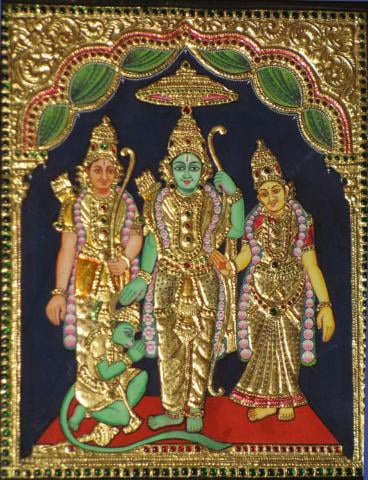
Rama’s speech on Fate is a good collection of sixteen slokas in Ayodhya Kanda of Valmiki Ramayana. I give below Srinivasa Sastri’s translation and then the actual slokas from Valmiki Ramayan.net
“All accumulations come to an end by depletion. Elevations end by crumbling and falling. Unions end by separation. Life ends by death.
As ripe fruits must inevitably fall to the ground , so must a man born inevitably perish.
Just as a building supported by strong pillar s decay in time and come s down, so do men pass away, victims of age and death.
The night, when it passes away, never returns. The Yamuna discharge s her waters into the great ocean but never turns back in her course.
Days and nights pass over heads of all the creatures on earth and soon consume their lives as the sun’s rays dry up the water in summer
Whether you stand still or move, your days diminish. Grieve then for yourselves. Why grieve for aught else?
Death travels with one; death rests with one. However far one goes, one cannot leave death behind but it returns too.
The skin is wrapt in folds and wrinkles. The hair s turn white. Age destroys a man. What can he do to avoid this?
At sunrise men rejoice thinking they may work and earn. At sunset they rejoice also thinking they can enjoy themselves. But they do not realise that their lives are shrinking.
As the season s come around, men fancy they are ever fresh and feel happy. But with each cycle of the season s our lives are shortened.
As logs of wood come together on the wide ocean, and having drifted together for a time, part from each other, so do wives, sons, kinsmen and possessions come together, and separate. This separation is unavoidable Two slokas together given.
No one on earth ever escapes the course of nature. So mourning for the dead cannot avail one when ones turn comes.
As a man falling in with a caravan on the move says to those there, ” I too will accompany you ” so is the journey of life, which has been already performed by our fathers and grandfathers. When one joins the journey, which knows no change, how can one complain?
Like a stream that never reverses its course, so one’s life ever lessens in duration. One must therefore strive for happiness, through righteousness, for it is well known that all men seek happiness.

FULL VERSION
सर्वे क्षय अन्ता निचयाः पतन अन्ताः समुग्च्छ्रयाः |
सम्योगा विप्रयोग अन्ता मरण अन्तम् च जीवितम् || २-१०५-१६
- sarve= all; nichayaaH= that is piled up; kSayaantaaH = is finally disbursed; samuchchhrayaaH = what rises; patanaantaaH = ends in a fall; samyogaaH = union; viprayogaantaaH = ends in separation; jiivitam = life; maraNaantam = ends in death.
“All that is piled up, is finally disbursed. What rises, ends in a fall. Unio ends in separation. Life ends in death.”
यथा फलानम् पक्वानाम् न अन्यत्र पतनाद् भयम् |
एवम् नरस्य जातस्य न अन्यत्र मरणाद् भयम् || २-१०५-१७
- pakvaanaam= ripe; yathaa= how; phalaanaam = fruit; na = does not fear; anyatra = for anything other; patanaat = than falling; evam = so also; narasya = a man; jaatasya = once born; na = does not; bhayam = fear; anyatra = for anything other; maraNaat = than his death.
“How a ripe fruit does not fear for anything other than its falling, so also a man once born, does not fear for anything other than his death.”
यथा अगारम् दृढ स्थूणम् जीर्णम् भूत्वा अवसीदति |
तथा अवसीदन्ति नरा जरा मृत्यु वशम् गताः || २-१०५-१८
- yathaa= how; dR^iDhasthuuNam= (even) a stron-pillared; agaaram = house; jiirNam bhuutvaa = gets worn out; avasiidati = and decays; tathaiva = so also; naraaH = human beings; siidanti = perish; jaraa mR^ityu vashamgataaH = having been subjected to the old age and death.
“As a house that is solidly contructed ultimately falls into decay, human being too is subject to age and death.”
अत्येति रजनी या तु सा न प्रतिनिवर्तते |
यात्येव यमुना पूर्णा समुद्रमुदकाकुलम् || २-१०५-१९
- rajanii= the night; yaa= which; atyeti = has passed; saa = that; na pratinivartate = does not return; puurNaa = and the bountiful; yamunaa = River Yamuna; yaatyeva = just marches on; samudram = towards the ocean; udakaakulam = which is (again) full of water.
“The night that has passed, does not return and the buntiful River Yamuna just marches on towards the all-sufficient abounding in water.”
अहो रात्राणि गग्च्छन्ति सर्वेषाम् प्राणिनाम् इह |
आयूम्षि क्षपयन्त्य् आशु ग्रीष्मे जलम् इव अंशवः || २-१०५-२०
- gachchhanti= the passing; ahoraatraaNi= days and nights; iha = in this world; aashu = quickly; kSapayanti = decrease;aayuumSi = the life-span; sarveSaam praaNinaam = of all living beings; griiSme iva = as in the summer; aamshavaH = the rays of the sun; (dry up); jalam = the water ( in a pool).
“The pasing days and nights in this world quickly decrease the life-span of all living being as in the summer, the rays of the sun dry up the water (in a pool).”
आत्मानम् अनुशोच त्वम् किम् अन्यम् अनुशोचसि |
आयुः ते हीयते यस्य स्थितस्य च गतस्य च || २-१०५-२१
- sthitasycha= even while you stay (at home); gatasya cha= or departed (to another place); yasya = which; te = your; aayuH = life-span; hiiyate = gets shortened; tvam = you; anushocha = grieve; aatmaanam = for yourself; kim = why; anushochasi = do you grieve for; anyam = another?;
“You grieve for yourself. Why do you grieve for another? Even while you stay at home, or departed to another place, your life-span gets shortened.”
सह एव मृत्युर् व्रजति सह मृत्युर् निषीदति |
गत्वा सुदीर्घम् अध्वानम् सह मृत्युर् निवर्तते || २-१०५-२२
- mR^ityuH= Death; vrajati= walks; sahaiva = just with us; niSiidati = (we) sit; saha mR^ityuH = along with death; gatvaa = and having travelled; sudiirgham = a very long; adhvaanam = distance; nivartate = (we) return; saha mR^ityuH = along with death.
“Death walks just with us (as we walk) and sits with us (as we sit). Having travelled a very long distance (with us), death returns along with us (as we return).”
गात्रेषु वलयः प्राप्ताः श्वेताः चैव शिरो रुहाः |
जरया पुरुषो जीर्णः किम् हि कृत्वा प्रभावयेत् || २-१०५-२३
- valayaH= (When) folds; praaptaaH= have appeared; gaatreSu = on limbs; shiroruhaashchaiva = and even hari; shvetaaH = have turned grey; kim hi = on what expedient; puruSaH = can a man; kR^itvaa = having got; jiirNaH = decayed; jarayaa = with age; prabhaavayet = come to the original splendour?
“When folds have appeared on limbs and hair have turned grey; on what expedient can a man having got decayed with age, come back to the original splendour?”
नन्दन्त्य् उदित आदित्ये नन्दन्त्य् अस्तम् इते रवौ |
आत्मनो न अवबुध्यन्ते मनुष्या जीवित क्षयम् || २-१०५-२४
- manuSyaaH= people; nandanti= are delighted; aaditye = when the sun; udite = has risen; nandati = and delighted; ravon = when the sun; astamite = has set; naavabudhyante = and are not able to know; aatmanaH = their; jiivitakSayam = loss in life-span.
“People are deligted when the sun has risen and also when the day ends. But they are not able to perceive the waning in their life-span.”
हृष्यन्त्य् ऋतु मुखम् दृष्ट्वा नवम् नवम् इह आगतम् |
ऋतूनाम् परिवर्तेन प्राणिनाम् प्राण सम्क्षयः || २-१०५-२५
- dR^iSTvaa= seeing; R^itumukham= the onset of the season; hR^iSyanti = people rejoice; aagatam = as though it has come; navam navam = fresh and new; parivartena = but the succession; R^ituunaam = of the seasolns; praaNa samkSayaH = devours the life; praaNinaam = of living beings.
“Seeing the onset of season, people rejoice, as though it has come something newly. But the succession of the seasons devours the life of being.”
यथा काष्ठम् च काष्ठम् च समेयाताम् महा अर्णवे |
समेत्य च व्यपेयाताम् कालम् आसाद्य कंचन || २-१०५-२६
एवम् भार्याः च पुत्राः च ज्नातयः च वसूनि च |
समेत्य व्यवधावन्ति ध्रुवो ह्य् एषाम् विना भवः || २-१०५-२७
26; 27. yathaa = how; mahaarNave = in a great ocean; kaaSThamcha = a drift-wood; kaaSThamcha = and another drift-wood;sameyaataam = meet; sametya = together; aasaadya = getting; kamchana = a certain; kaalam = time; vyapeyaataamcha = and separate; evam- in the same manner; bhaaryaashcha = wives; putraashcha = children; jJNaatayashcha = relatives; dhanaanicha = and riches; sametya = come toghether; vyapadhaavanti = and separate; eSaam = their; vinaabhavaH = parting; dhruvohi = is indeed inevitable.
“As pieces of drift-wood floating on the ocean coe toghether for a span, so wives, children, kinsmen wealth and property come together for a while and part with us. Their parting in deed inevitable.”
न अत्र कश्चिद् यथा भावम् प्राणी समभिवर्तते |
तेन तस्मिन् न सामर्थ्यम् प्रेतस्य अस्त्य् अनुशोचतः || २-१०५-२८
- atra= here; na kachchit praaNii= no being; samabhivartate = can escape; yathaabhaavam = its destiny (in the form of birth and death); tena = for that reason; saamarthyam = the power; tasmin = to avert his own death; naasti = does not ingrain; anushochataH= in a man mourning; pretasya = for a dead person.
“Here, no being can escape its destiny ( in the form of birth and death). For that reason, the power to avert his own death does not ingrain in a man mourning for a dead person.”
यथा हि सार्थम् गग्च्छन्तम् ब्रूयात् कश्चित् पथि स्थितः |
अहम् अप्य् आगमिष्यामि पृष्ठतो भवताम् इति || २-१०५-२९
एवम् पूर्वैर् गतो मार्गः पितृ पैतामहो ध्रुवः |
तम् आपन्नः कथम् शोचेद् यस्य न अस्ति व्यतिक्रमः || २-१०५-३०
29; 30. yathaa saartham = as a caravan; gachchhantam = is passing; pathi = on a raod; sthitaH = one stationed at the way-side; iti bruuyaat = thus says; ahamapi = I too; aagamiSyaami = will come; pR^iSThataH = behind; bhavataam = you; evam = in the same manner; behind; bhavataam = you; evam = in the same manner; dhruvaH = (we should) inevitably (follow); maargaH = the path; gataH= taken; pitR^ipaitaamahaH = by fathers; grand fathers; puurvaiH = and ancestors; katham = why;shochet = distress; aapannaH = by the man who obtained; tam = that path; yasya = for which; naasti = then is no; vyatikramaH = return?
“As a caravan is passing on a road, one stationed at the way-side says, I too will come behind you. In the same manner, we should inevitably follow the path taken by fathers and fire fathers. Why a man who obtained that path, for which there is no return, distress himself.
वयसः पतमानस्य स्रोतसो वा अनिवर्तिनः |
आत्मा सुखे नियोक्तव्यः सुख भाजः प्रजाः स्मृताः || २-१०५-३१
- vayasaH= (while) the age; patamaanasya= reshes on; anivartinaH = without return; srotasovaa = like a stream; aatmaa = one’s self; niyoktavyaH = should be emplyoed; sukhe = in a pursuit leading to blessedness; smR^itaaH = It is said; prajaaH = that beings; sukhabhaajaH = are meant to be happy.
“While the age reshes on, without any return like a flowing river, one’s self should be emplyoed in a pursuit leading to blessedness. It is said that beings are meant to be happy?”
धर्म आत्मा स शुभैः कृत्स्नैः क्रतुभिः च आप्त दक्षिणैः |
धूत पापो गतः स्वर्गम् पिता नः पृथिवी पतिः || २-१०५-३२
- saH= that; pR^ithiviipatiH= king; dasharathaH = Dasaratha; naH = our; dharmaatmaa = pious minded; pitaa = father;kR^itsnaiH = (performed) almost all; shubhaiH = auspicious; kratubhiH = sacrifices; aapta dakSiNaiH = and paid plentiful sacrificial fees (to the officiating priests and Brahmins); gataH = and went; svargam = to heaven.
“The king Dasaratha, our pious minded father performed almost all auspicious sacrifices and paid plentiful sacrificial fees (to the officiating priests and Brahmins) and went to heaven.”
–SUBHAM–



 Tamil and Vedas
You must be logged in to post a comment.