Compiled by London swaminathan
Date: 21 August 2016
Time uploaded in London: 6-25 AM
Post No.3078
Pictures are taken from various sources; thanks for the pictures.
There is a very interesting couplet in the Aranya (Vana) parvam of Mahabharata, the longest epic in the world.
Na ca bhaaryaa samam kincit vidhyate bhisajaam matam
Ausadham sarva dukkeshu satyametat bhraviimi te
–Aranya Parva
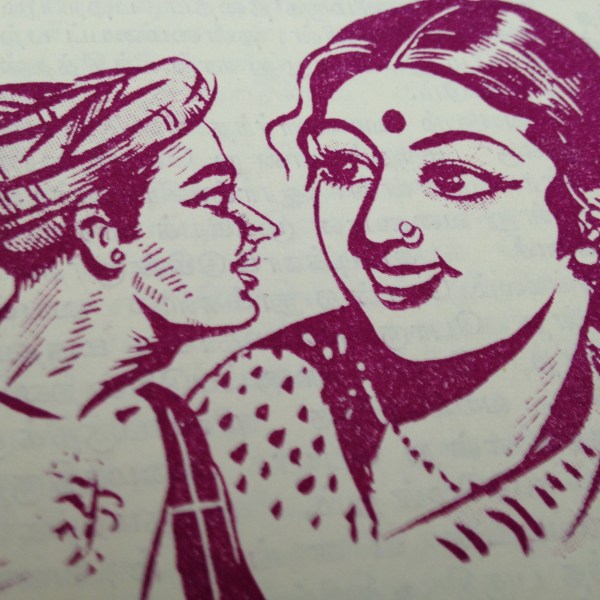
A rough translation of the couplet runs like this: Wife is a medicine for all the difficulties or sorrow; no one is equal to a wife in this, think medicine men. I am telling you the truth.
There is another interesting quotation about wife and mother in a couplet:-
Maatraa samo naasti sariira poshane
Bhaaryaa samo naasti sariira toshane
Vidhyaasamo naasti sariira bhushane
Chintaa samo naasti sariira soshane
A rough translation of this runs like this:
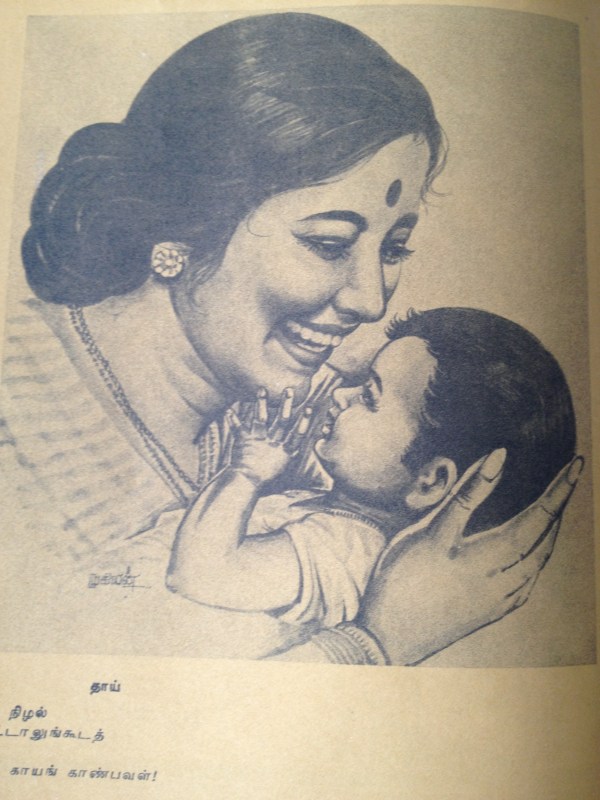
There is no one equal to your mother in nourishing you;
There is no one equal to your wife in making you happy;
Nothing is equal to education in honouring you (the qualifications you get);
Nothing is equal to worry in making you depressed.
(The above sloka may be a Subhaasitam)
Everyone must read Sanskrit originals!
I have given you lot of interesting quotations about women in my posts. I am thrilled by the quotations of Manu in particular where he praised the women sky high. No ancient literature in any language has so much praise for women as in Sanskrit. Some cunning foreigners quote one or two odd quotes from here and there to malign Hinduism. If they don’t like certain good things, they will call them ‘interpolations’. If it suits them they will translate ‘LITERALLY’ the passages they like. If you forget the literal meaning, you will see what the authors really mean. Since they knew no one in the world can read all the Hindu scriptures, they write whatever they want to write.
No one in the world has read all the Hindu scriptures. They are as vast as Pacific Ocean. No language in the world can come nearer to Sanskrit in its quantity or quality.
If you want to question anything in Hinduism, first you must have read that book in full. Second you have to weigh it with the books in other cultures of the same period.
Since Sanskrit is the oldest language in the world, you don’t have any book in the world to compare with the Rig Veda or the great epics. Greek literature came at least 600 years after Sanskrit. Tamil literature came 1300 years after Sanskrit. Though Hebrew and Chinese have some writings nearer to 1000 BCE they are only fragments. They are not ‘book’s like Rig Veda. Rig Veda is dated between 1400 BCE (Max Muller) and 6000 BCE (Jacobi and BG Tilak).
Please read Sanskrit books in its originals and compare them with other language books of the SAME period.
–subham–
 Tamil and Vedas
You must be logged in to post a comment.