Useless 7 and Hopeless 8 from a Tamil Work

Blacksea-bg-beach-dinev

Salt Water Not Useful

Viveka Chintamani is a Tamil poetical work by an anonymous author. The verses are didactic in nature. The language and style show that the verses are only a few centuries old. Some of the verses are out of date. It has got a few anti-women verses. But most of them are useful. It is the gist of age old Tamil wisdom. The beauty of Tamil language and style cannot be reflected in the English translation.

Useless 7
Son who does not help his father in difficult times, food inaccessible when one is hungry, water that does not quench one’s thirst, wife who is not prudent in spending, ruler who could not control his anger, student who doesn’t listen to his teacher and the holy waters that doesn’t washes one’s sins are the Useless seven.
The_Fox_and_the_Grapes

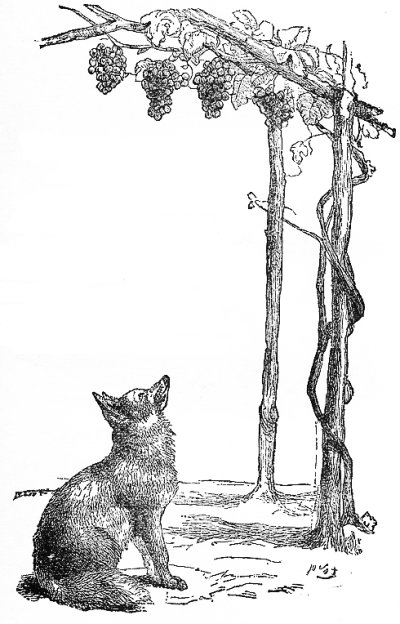
Food at inaccessible place!

Hopeless 8
Following eight won’t help when you are in trouble: step brother (who is not born to the same mother),step mother, wealth invested with another person, greediness, visiting brothels, book knowledge and living with another man’s wife— these eight are hopeless things.

Useless Body Parts
The Feet that never step into a temple, the Head that never bows to God, the Hands that never help others, the Ears that never hears good words, the eyes that never care for the tears of parents or guardians—these body parts are useless. What is the use of keeping them? They deserve burning.
partiality

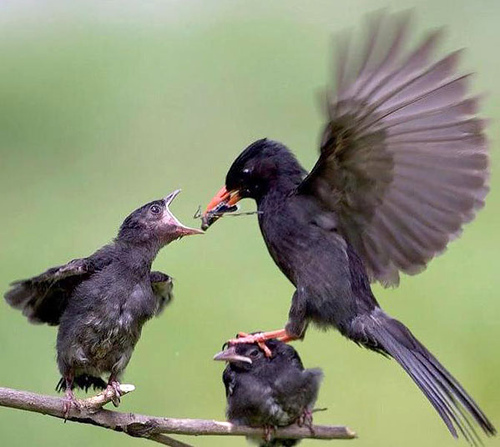
Step motherly treatment!

Don’t Trust the following
Uneducated people, short tempered leaders, ministers who do not give timely advice, Gods/angels that don’t help, Brahmins who are not well versed in the scriptures, pretending wives—never trust these people.

Rough translation from Tamil by London Swaminathan; contact swami_48@yahoo.com

angry king

Image of Angry King

13 Saints in Nature!

malar thamarai

By London Swaminathan

Hindu saints learn from everything. They learn good lessons from abstract and concrete things. They learn from birds and animals, from hills and rivers and insects and worms. This type of learning started in the Vedic days. I have already written about what the Devas, Demons and Humans learnt from the Da,Da,Da sound from the Thunder. It is a parable in the Upanishad. I have also written about the connection between Dattareya and William Wordsworth two years ago (Dattatreya episode is in Bhagavatham).

The motto is LET NATURE BE YOUR TEACHER.

Now I give below an interesting poem by an anonymous author. Sri Adi Shankara is the author of Viveka Chudamani in Sanskrit. He also gives lot of similes from Nature to elucidate Advaita. There is another book in Tamil titled ‘Viveka Chintamani’. We don’t know the author of Viveka Chintamani in Tamil. It is not a religious scripture; it is secular. It is modelled on the Bhartruhari Neeti Satakam. We read a lot of Anti Women verses in it. One song has become a famous Tamil film song: Selai kattiya maatharai nambaathe!= Don’t trust saree clad women!

Apart from the three or four anti women verses there are lots of words of wisdom in these verses. One such verse is about 13 Saints in Nature. The anonymous author had followed Bhagavatham (in Sanskrit) in it. Like Dattareya, he sees divinity in Nature. Immediately we are reminded of William Wordsworth’s poem “Up Up My Friend and quit your Books” where we come across his famous line “Let Nature Be Your Teacher”.
Now I quote the Tamil verse from Viveka Chintamani:

bees

“Those who have the virtues of the following thirteen can be regarded as the deities worshipped by the people”: (The author did not give any reason, but the commentators have given the virtues found in them:

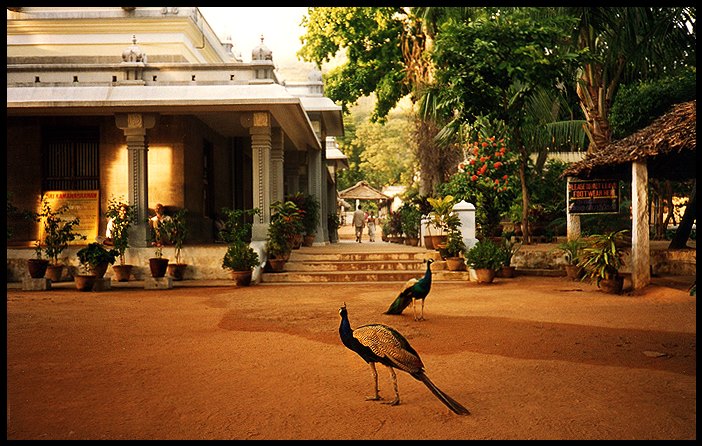
1.Peacock:- Avoid those who give you trouble and accept only good.
2.Cuckoo:- Be always sweet
3.Swan:- Take that is useful and leave out the useless (swans are said to have the power of separating milk from water).
4.Bee:- work for others without stopping.
5.Mirror: -Whatever you see, grasp them in full.
6.Pig:-Be a vegetarian
7.Snake:-Keeping a crown jewel (Nagaratnam); keep valuable and feel proud
8.Moon:- Giving cool light to everyone without expecting nothing; selfless service
9.Sun:- Giving energy to the people of the world to protect them
10.Ocean:- Boundless glory
11.Heron:- Be patient and achieve your goal
12.Sky:- Omnipresent; keeping all under it
13Lotus:-A Thing of beauty is joy for ever.

kokku
William Wordsworth echoes this in these lines:

“And hark! how blithe the throstle sings!
He, too, is no mean preacher:
Come forth into the light of things,
Let Nature be your teacher”

“One impulse from a vernal wood
May teach you more of man,
Of moral evil and of good,
Than all the sages can”.

Read my earlier posts :
1.The connection between William Wordsworth and Dattatreya (posted on 10 November 2011).
2.G for Ganga…..Gayatri….Gita….. Govinda…….. (For Upanishad parable about Da..Da…da)

tiruvannamalai

The Viveka Chintamani verse In Tamil:

மயில் குயில் செங்கால் அன்னம்
வண்டு கண்ணாடி பன்றி
அயில் எயிற்று அரவு திங்கள்
ஆதவன் ஆழி கொக்கோடு
உயரும் விண்கமலம் பன்மூன்று
உறுகுணம் உடையோர் தம்மை
இயலுறு புவியோர் போற்றும்
ஈசன் என்று எண்ணலாமே!

Contact swami_48@yahoo.com