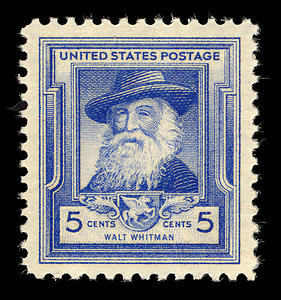
அமெரிக்கக் கவிஞர் வால்ட் விட்மன் (Post N.9737)

அமெரிக்கக் கவிஞர் வால்ட் விட்மன்  (Post N.9737)

WRITTEN BY LONDON SWAMINATHAN

Post No. 9737

Date uploaded in London – –18 JUNE   2021           

Contact – swami_48@yahoo.com

Pictures are taken from various sources for spreading knowledge.

this is a non- commercial blog. Thanks for your great pictures.

tamilandvedas.com, swamiindology.blogspot.com

if u want the article in word format, please write to us.

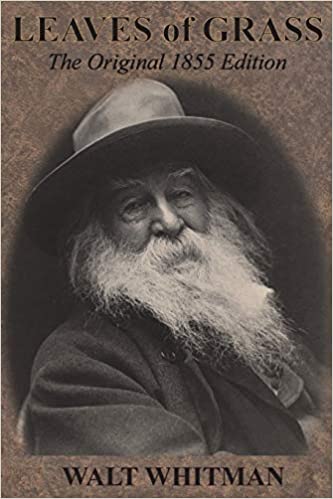
பத்தொன்பதாம் நூற்றாண்டின் மிகச் சிறந்த அமெரிக்கக் கவிஞர் வால்ட் விட்மன் (Walt Whitman) ஆவார் . அவர் எழுதிய லீவ்ஸ் ஆப் கிராஸ் (Leaves of Grass) என்னும் கவிதைத் தொகுப்பு உலக இலக்கியத்தில் சிறப்பிடம் பெற்றுத் திகழ்கிறது.

பிறந்த தேதி – 31-5-1819

இறந்த தேதி – 26-3-1892

வாழ்ந்த ஆண்டுகள் 72

Publications:–
1855 Leaves of Grass
1865 Drum Taps
1865-86 Sequel to Drum Taps
1871 Democratic Vistas
1875 Memoranda during the War
1882 Specimen Days and Collect

அமெரிக்காவில் லாங் ஐலண்டில் பிறந்தார். ப்ரூக்ளினில் வாழ்ந்தார்.அவருடைய தந்தை ஒரு மரத் தச்சர். விட்மன், கிராமப்புற பள்ளிகளில் பயின்றார். ஒரு அச்சக  ஊழியர் ஆக வாழ்க்கையைத் துவங்கினார். பெரும்பாலும் லாங் ஐலண்டில் இளமைப் பருவத்தைக் கழித்ததால் அந்த இயற்கைக் காட்சிகளைக் கண்டு மயங்கினார் இதனால் இவரது படைப்புகளில் இயற்கை கொஞ்சி விளையாடுவதைக் காணலாம்.

ஒரு கட்டத்தில் பத்திரிக்கையாளராக மாறி நியூயார்க்கில் பனி புரிந்தார். ஒரு முறை நியூ ஆர்லியன்ஸ் செல்ல நேரிட்டது. அப்போது தான் வெளி உலகத்தை அறிந்தார். அடக் கடவுளே! இந்த உலகம் இவ்வளவு பெரியதா, இவ்வளவு வித விதமான மனிதர்கள் இருக்கிறார்களா என்று ஒரே வியப்பு! வயதும் இளம் வயது . பின்னர் நியூயார்க் நகருக்குத் திரும்பி வந்தார். அந்த நகரத்திலும் புதியோர் வருகையால் பெரிய மாறுதல்கள்  ஏற்பட்டுக்கொண்டிருந்தன, புதியோரின் வருகையும், பல தேச மக்களின் வருகையும் அமெரிக்க மக்களின் சுதந்திர தாகமும் இவரைப் புதுக்கவிதைகள் எழுத ஊக்குவித்தன.

அவருடைய புதுக்கவிதைகளை வெளியிட எல்லோரும் மறுத்துவிட்டனர். பாலியல் விஷயங்களை அவர் பட்டவர்த்தனமாக எழுதியதும் எதுகை மோனை இல்லாமல் வசன கவிதை (Blank Verse) எழுதியதும் பதிப்பாளர்களைக் கவரவில்லை.

அவரே சொந்த செலவில் 36 வயதானபோது ‘லீவ்ஸ் ஆப் கிராஸ்’ கவிதைத் தொகுப்பினை வெளியிட்டார். அதில் இயற்கை, மனித சுதந்திரம், மனிதர்களின் சகோதரத்துவம் ஆகியவற்றைப் பிரதிபலித்தார்.

அமெரிக்க உள்நாட்டுப் போரின்போது அவர் நர்சாக (Nurse)  பணியாற்றினார்.போர்க் கால அனுபவங்களை கவிதைகளாக எழுதி ட்ரம் டேப்ஸ் (Drum Taps) என்ற பெயரில் வெளியிட்டார்.

ஆப்ரஹாம் லிங்கன் இறந்தவுடன்  வால்ட் விட்மன் எழுதிய கவிதை ‘O Captain ! My Captain!’ ஓ கேப்டன் மை கேப்டன் என்பது மிகவும் பிரபலம்  அடைந்தது. இதன் மூலமும் இவர் புகழ் அதிகரித்தது.

O Captain! My Captain!

BY WALT WHITMAN

O Captain! my Captain! our fearful trip is done,

The ship has weather’d every rack, the prize we sought is won,

The port is near, the bells I hear, the people all exulting,

While follow eyes the steady keel, the vessel grim and daring;

                         But O heart! heart! heart!

                            O the bleeding drops of red,

                               Where on the deck my Captain lies,

                                  Fallen cold and dead.

O Captain! my Captain! rise up and hear the bells;

Rise up—for you the flag is flung—for you the bugle trills,

For you bouquets and ribbon’d wreaths—for you the shores a-crowding,

For you they call, the swaying mass, their eager faces turning;

                         Here Captain! dear father!

                            This arm beneath your head!

                               It is some dream that on the deck,

                                 You’ve fallen cold and dead.

My Captain does not answer, his lips are pale and still,

My father does not feel my arm, he has no pulse nor will,

The ship is anchor’d safe and sound, its voyage closed and done,

From fearful trip the victor ship comes in with object won;

                         Exult O shores, and ring O bells!

                            But I with mournful tread,

                               Walk the deck my Captain lies,

                                  Fallen cold and dead.

xxxx
விட்மன் பற்றிய முந்தைய கட்டுரைகள் :–

அமெரிக்காவைக் கலக்கிய …

https://tamilandvedas.com › அமெ…

19 Nov 2017 — வால்ட் விட்மன் (Walt Whitman) என்ற புகழ்பெற்ற அமெரிக்க கவிஞர், … வால்ட் விட்மன் இறந்தபோது இங்கர்சால் ஆற்றிய இரங்கல் உரை​ …

அமெரிக்கா | Tamil and Vedas

https://tamilandvedas.com › tag › அ…

2 Jul 2019 — ((posted by swamiindology.blogspot.com AND tamilandvedas.com)) … உலகப் புகழ் பெற்ற அமெரிக்கக் கவிஞரான வால்ட் விட்மன் “அமெரிக்கா பாடுவதை நான் …

Walt Whitman | Tamil and Vedas

https://tamilandvedas.com › tag › walt-whitman

18 Nov 2017 — Compiled by London Swaminathan. Date: 18 NOVEMBER 2017. Time uploaded in London- 20-35. Post No. 4409. Pictures shown here are …

AMERICA’S GREAT POET WALT WHITMAN (Post No.5512 …

https://tamilandvedas.com › 2018/10/06 › americas-gre…

1.     

6 Oct 2018 — Tamil and Vedas. A blog exploring themes in Tamil and vedic literature. AMERICA’S GREAT POET WALT WHITMAN (Post No …

tags-  அமெரிக்கக் கவிஞர், வால்ட் விட்மன், Walt Whitman
Ingersoll believed in Baptism! (Post No.4409)

Compiled by London Swaminathan 


Date: 18 NOVEMBER 2017


Time uploaded in London- 20-35


Post No. 4409

Pictures shown here are taken from various sources such as Facebook friends, Books, Google and newspapers; thanks.


Robert G.Ingersoll (1833-1899), an agnostic and a great orator of America attracted huge audience in spite of the negative publicity from the press. People were ready to pay one dollar to listen to his lecture. In those days, it was a big amount! His lectures are used by atheists even today.

M D Conway, who had met him, gives some interesting details about Ingersoll in his book “My pilgrimage to the Wise Men of the East (New York, 1906).

“It was a stage in my pilgrimage to visit in his handsome mansion in New York a man who had for some time appeared to me the most striking figure in religious America. Many years before, a young relative of my wife, William Jencks, had sent me to London a book on The Gods apparently made up of occasional addresses by Ingersoll. He was then styled Colonel Ingersoll because of his services in the Union War, and he had also been a member of Congress.


In one of these lectures, he said “An honest god is the noblest work of man” which became a sort of Western proverb.

In 1881, being on a visit to Boston, my wife and I found ourselves in the Parker House with the Ingesolls and went over to Charlestown to hear him lecture. His subject was ‘The Mistakes of Moses’ and it was a memorable experience.


Every variety of power was in this orator- logic, poetry, humour and imagination, simplicity and dramatic art, moral earnestness and boundless sympathy. The effect on the people was indescribable. The large theatre was crowded from pit to dome. The people were carried from plaudits of his argument to loud laughter at his humorous sentences, and his flexible voice carried the sympathies of the assembly with it, at times moving them to tears to his pathos.


The perfect freedom of Ingersoll’s mind was often illustrated in his lecture: as for instance after having cited from the Bible some narrative of terrible cruelty ascribed to the command of Jehovah, he paused for nearly a minute, then lifting his hand and looking upward he said solemnly, “I trust that God, if there be a God, will take notice that I am down here on earth denouncing this libel on his character.”

The country was full of incidents and anecdotes relating to these marvellous lectures. Once when he was lecturing at San Francisco on a Snday evening in a crowded theatre, some man in the audience cried,

“Do you believe in Baptism?:

Ingersoll replied good naturedly,

“Yes, — especially with a soap!”


Long before his reputation as a free thinker was made he was noted in the West for his great ability in defending persons in danger of injustice. Ingersoll was a lawyer. On one occasion, he defenced a humble man charged with manslaughter, which had occurred in some broil. Ingersoll came into court and after listening to the prosecution arose and said, “On my way to this room I stopped at the house of a poor woman. She had been confined while her husband was in prison—the prisoner at the bar. The woman lay on her bed with the infant beside her, and with tears in her eyes she said to me, “Send me back my husband; he is a good husband, good father, an industrious man. Oh, send me back my husband!”. There was a moment’s silence after Ingersoll said this in his tender voice, and then one of the jury cried out, “By God, Bob, we will do it”. He was a very able lawyer and by his profession gained reputation and wealth; hiss religious iconoclasm was incidental. As he was always ready to answer, his audiences swelled until it was difficult to get a seat in the always crowded theatres.

Anti- Bible Tirades

Ingersoll said, I will give any respectable clergyman a thousand dollars if he will read to his congregation on a Sunday every word of a chapter I shall select from the bible.” This challenge was of course not accepted, and it was a blow all the more effective because of the orator’s always unblemished personal character and his charities.


There were several months during which an ailment of the throat prevented Ingersoll in from speaking in public. Curiosity and interest in the South led me to an assembly in Brooklyn to welcome a Southern revivalist – Rev Sam Jones – who said in his address, “The only way with infidels is to stop their talking; a touch on the throat of Ingersoll’—a burst of laughter from the preachers present ended the sentence.


I was somewhat amused by Mrs Farrel, who in her boundless devotion to her brother confided to me that she had remarked that “every public speaker who had defamed Robert (Ingersoll) had somehow come to a bad end.”


Walt Whitman

On Ingersoll’s last visit to Walt Whitman, — to whom he was bountiful – he said, “Walt, the mistake of your life was that you did not marry. There ought to be a woman here,” he added, looking around at the poor chaotic room. (Ingersoll’s address at the funeral of Walt Whitman was the grandest and most impressive utterance of that kind which I have ever heard.)

One very intimate in the family told me that whenever one of them applied for money, Ingesoll never asked how much or what it was for, but pointed to a drawer and said, “There it is; help yourself.”


I have gone far ahead of the year when I first talked with Ingersoll in his own home. My call had no purpose except to pay some homage to the ablest free thinker America has produced I remember nothing of our conversation except he surprised me by his thorough knowledge of Shakespeare.”


–Subham–