Adi Shankara & Mysterious Sundara Pandya !

adishankara drawing

Research Paper by London Swaminathan
Post No. 1210; Dated 2nd August 2014.

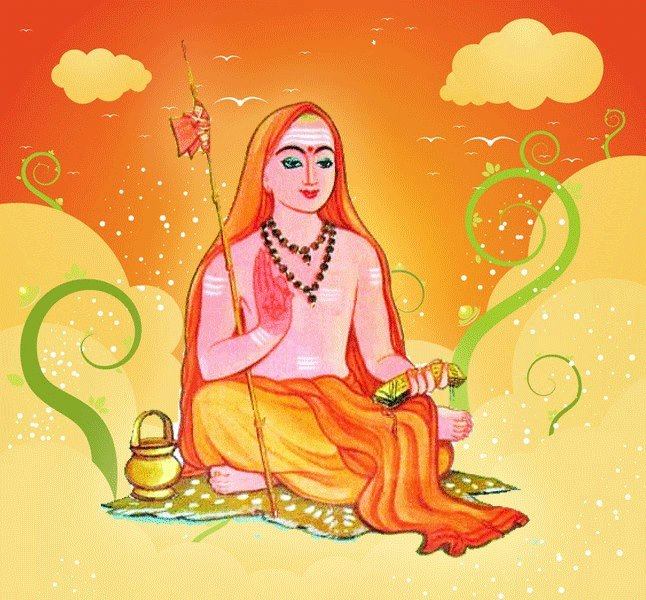
Age of Adi Shankara is shrouded in mystery. Most of the scholars have already concluded that he lived in the eighth century CE (788-820). There is no positive proof to support this date. The confusion in dating happened because of another Shankara who was a copy of Adi Shankara in all aspects. Abhinava Shankara, whose name roughly translated sounds like “Once Again A New Shankara”.

There have been lot of discussions on this topic and a lot have been written. Kanchi Paramacharya (1894—1994) had given a long explanation for dating him in fifth century BCE. I am not going to repeat his argument or the counter argument of people attached to Sringeri Mutt, who believes that Shankara lived around 788 CE.

My argument is based on Sangam Tamil literature and Sundara Pandya. I have written about it in Tamil and posted it in this blog on 21st March 2012.

1.Adi Shankara’s favourite simile is rope mistaken for a snake. He used this allusion umpteen times in all his works. No one has used this like him. Greek Philosopher and founder of scepticism Pyrroh 360-270 BCE used this simile. Famous historian K A Neelakanta Sastri has commented on it saying that it was unusual for a Greek philosopher to use it. I think that he copied it from Adi Shankara. The reason for my conclusion is that he accompanied Alexander the Great. All of us knew Alexander’s unquenchable thirst for Hindu Philosophy. Swami Vivekananda, Paramahamsa Yogananda and many scholars have dealt with this subject.

More over this simile is used by Uuttiyaar, a Sangam Age poet. He used this simile in Akananuru (verse 68).: “A thunderbolt struck the Asoka Tree mistaking the swing rope for a snake”. Another poet Kutavaayir Keerathanaar used a similar comparison in verse Akam.119. This is to show that it is a typical Indian analogy.

shankara with sloka

2. One of the great four Saivite saints is Appar alias Tirunavukkarasu, who lived in the middle of seventh century. He used the famous slogan “Jaya Jaya Sankara” in his Tamil Thevaram hymn followed by the word ADI. Though this Adi has nothing to do with Shankara, I honestly believe that the thought of Adi Shankara made him to say “Jaya Jaya Shankara”. In one another hymn he says that “Stotras sung by your devotees” (of Shiva). The very word “Stotras (Thoththirangal)” in a pure Tamil hymn came through his mouth because he knew the contribution of Shankara very well. Appar lived during the reign of Mahendra Pallava.

3. Another common belief is that Shankara rejuvenated Hinduism by eliminating 72 conflicting sects and establishing Shanmatha (Six Forms of Worship). He fought against Jainism and Buddhism is another popular belief. If he had lived in eighth century there was need for it because both the religions had very little following at that time. In the South, Saivite Nayanmars and Vaishnavite Alwars have already re-established Shaivam and Vsihnavam.

4. Maya (illusion) was used by Shankara umpteen times in his hymns. Ancient Sangam poets went to the extent of using this Sanskrit word boldly in their verses due to the impact of Adi Shankara. They used the word in the context of impermanence (instability) of the world like Adi Shankara (363, 366 Purananuru). Strangely names of the poets are in Sanskrit Gothamanar (Gauthama) and Siruventheraiayar (Manduka Rishi).

Sanskrit word Maya occurs in Puram 243, 363,366; Akam 226,256; Kali.2-3, 88-7, 90-1, 93-15, Narr.294; Pari. 3-70; Pathi.60-6.

Saivite saints Appar, Sambandhar, Manikkavasagar also mentioned Mayavatha. It may be due to Shankara’s propaganda.

shanakara face

History’s Mystery — Sundara Pandya

5. Last but not the least is Sundara Pandya, who was a great Sanskrit scholar who wrote about Advaita even before Adi Shankara. This is the strongest proof to show that Shankara lived long before the accepted date of 788 CE. The name sounds like a king of the Pandyan Kingdom. All the Sundara Pandyas known to history lived in 12th century CE of after. They had no connection to Shankara. The other Sundara Pandya was the husband of presiding deity of Madurai , Goddess Meenakshi. This queen was referred to by the Greek Ambassador Megasthenes as ‘Pandya queen’. Shankara’s Brahma Sutra commentary used Sundara Pandya’s verses.
PT Srinivasa Iyengar in his History of the Tamils gives the following information quoting various authorities:

a)Sundara Pandya was the person whose ‘varttika’ was quoted by Sankaracharya in his commentaries on Vedanta Sutra.
b) A book on ethics, called ‘Niti dvi sastika’, attributed to Sundaya pandya was discovered and printed.
c)As quotations from it occur in the Panchatantra and Janasrayi, it appears Acharya Sundara Pandya must have lived before sixth century.
d) Sundara Pandya being a well known name of several kings, there is a temptation to identify this Acharya with a king of Madurai. I cannot think of any Pandya king capable of writing such works. I think Sundara Pandya merely means Sundara of Pandya country.

PTS Iyengar is wrong in assuming that Pandya kings were not capable of writing Sanskrit works. Mukundamala was written by a Chera king/Alvar in Sanskrit. A North Indian King by name Bramadutt learnt Tamil from Sangam poet Kapila and wrote verses in Tamil 2000 years ago! Because it was a rare achievement we still talk about them. Mudukudumi Peruvazuthi, the mighty Pandya King, installed Yupa Pillars through his kingdom. He was a performer of great Yajnas including Asvamedha. Iyengar was ignorant of Pandya Copper Plates.

Prof. S Kuppuswami sastri identified Sundara Pandya with Kun Pandya (Nedumaran) of Sambandhar period. Three of his verses were cited by Shankara in his Brahmasutra Bhasya (Page 219 of Sanskrit -Tamil Contact)

abhinava vidya theertha
Sri Abhinava Vidya Theetha Swami of Sringeri Mutt

Dalawaipuram Copper Plates and Sinnamanur Copper plates of Pandya Kings praised Sundara Pandya as a great scholar. The wordings of the inscriptions give the impression that he lived long before the known kings. There is no mention of Sundara Pandya in the Sangam literature. But the inscriptions make it very clear that he was a king in the Pandya line. Sinnamanur plates say

“Imaam Kanchana Peedasyaam samethya kavayo Bhuvi
Aryaam Sundara Paandyasya snaapayanthivathimiva”,
Inanother Pandy copper plate
“Samastha Sastra Arnava Karnadharo yadudbhava Sundara Pandya nama”

Then the Rajasuya and Asvamedha Yagas performed by the Pandya kings were mentioned. So Sundara pandya must have lived in the first few centuries of BCE or CE. We know for sure the Sangam Age Pandyas and Chozas performing Asvamedha and Rajasuya Yajnas. From 570 CE, we have very clear record of Pandya kings and their activities. We don’t hear any big Yagas performed by them.

6.Shankara’s life is linked with Hala, Manukula Aditya, Purna Varman, Indra Varman (of Cambodia) in one way or other. If it is just one name one can reject it. Here the names mentioned were too many and those people lived long before the accepted date of Shankara 788 CE. Hala lived in first century AD in Andhra and another Hala in 4th century BCE. Manu kula Aditya was Manu Neethi Choza who lived around first century BCE. Even the age of Kumarila Bhatta connected with Shankara is debatable. Shankara’s fame would not have spread to far off Cambodia in such a short time if we are going to believe Adi Shankara’s disciple was Sivasoman (of Cambodia).
But Abhinava Shankara can be the Guru of Sivasoman.

kanchi for bath
Sri Kanchi Paramacharya of Kanchi Mutt.

UNKNOWN DRAVIDACHARYA
7. Dravidacharya of first century BCE was a great Advaita scholar. Shankara quoted him and praised him as ‘Agamavidh’, ‘Sampradhaya Vidh’ in his commentaries on Mandukya Upanishad and Brihad Aranyaka Upanishad. This shows that Tamil Nadu of first century BCE produced great Sanskrit scholars. Shankara quoted a story from Dravidacharya’s work:

A prince lost his way in the forest when he was a child. The hunters found him and raised him like a hunter. Several years after this incident the minister of the kingdom went for hunting and found this prince through his special body marks (moles etc). The minister told him “Na Tvam Vyadha, Amushya Rajna Putra” (You are not a hunter, you are a king’s son) and handed over him to the king. He became a king soon. Like this the soul realises it’s true form –Brahma Swarupa— then it enjoys bliss.

(The same story is presented differently in Vedic literature: A lion cub is raised like a sheep. When other lions attacked the flock of sheep, this cub was identified and taught to roar like a lion. Then it got its true form)

Ananda giri also quoted Dravidacharya in his work.

8. Another conflicting information is the number of Shankaracharyas in each of his five Mutts : Dwaraka Peeth 80, Kanchi 70,Puri over 140,Kudali 60, Sringeri 36. Why is it?
Shankara’s Guru was Gowdapatha and his book was translated in to Chinese in sixth century CE!

9.Later Saiva Siddhanta scriptures mention the five activities/tasks of Lord Shiva– creation, preservation, destruction, veiling and grace. But Adi Shankara and Tamil epic Silappadikaram mention only the first three. We may use this for drawing a boundary line in dating.

sringeri abishekam

Current Shankaracharya of Sri Sringeri Mutt

10.Dravidasisu reference: The reference to Dravida Sisu in Sowndarya Lahari of Shankara is not Tamil saint Sambandhar, but Shankara himself. Another possibility is that Abinava Shankara might have referred to Adi Shankara if we consider it as the work of Abhinava sankara. But in olden days the poets used to refer to themselves in their verses (Example: Manikkavasagar, Sambandhar)

11.There is a way to settle the controversy about the Age of Shankara or Kalidasa or Tamil saint Manikkavasagar. If we feed their works in to computers and analyse the word index, we may be able to decide their age through linguistics.

Contact swami_48@yahoo.com

சாமியார் வேடத்தில் உளவாளிகள்!

The Spy Who Loved Me

ஆராய்ச்சிக் கட்டுரை வரைபவர்: லண்டன் சுவாமிநாதன்
கட்டுரை எண்.:—1209; தேதி ஆகஸ்ட் 2, 2014.

இந்தியாவில் சாமியார் வேடத்தில் உளவாளிகள் இருப்பதை எல்லோரும் அறிவர். வெளி நாட்டுக்காரர்களில் உண்மையான பக்தர்களும் உண்டு. ஆனால் பலர் சமயத்தைப் பயன்படுத்தி எளிதாக உளவு வேலைகளில் ஈடுபடுவது வள்ளுவர் காலத்தில் இருந்து நடக்கிறது. வடமொழி நூல்களில் உலகப் பிரசித்தி பெற்ற அர்த்த சாஸ்திரமும் ஒன்று. அதை எழுதிய சாணக்கியன் என்ற பிராமணன், உளவுக் கலை பற்றி விரிவாக எழுதி இருப்பதை அறிஞர் உலகம் அறியும். ஆனால் மனு, வள்ளுவன், இளங்கோ, கம்பன் ஆகியோரும் பல சுவையான தகவல்களைத் தருவதை சிலரே அறிவர்.

சிலப்பதிகாரம் தரும் சுவையான தகவல்கள்

1.நான் வட இமயம் வரை என்று கண்ணகிக்கு சிலை செய்ய கல் எடுத்து வரப் போவதை கடிதம் வாயிலாக அறிவியுங்கள். அந்தக் கடிதத்தின் மீது வில், புலி, மீன் ஆகிய மூவேந்தர் முத்திரைகளைப் பொறியுங்கள் என்று வீர உரை ஆற்றுகிறான் செங்குட்டுவன். உடனே அழும்பில் வேல் எழுந்து மன்னர் மன்னா ! அதற்குத் தேவையே இல்லை. இந்த ஜம்பூத்வீப நாட்டின் எல்லா பகுதி உளவாளிகளும் நம் தலை நகர் வஞ்சியில் இருக்கின்றனர். நகர் எங்கும் முரசு அறைந்தால் போதும். நாடு முழுதும் செய்தி பறந்து விடும் என்கிறான்.

நாவலம் தண்பொழில் நண்ணார் ஒற்று நம்
காவல் வஞ்சிக் கடை முகம் பிரியா;
வம்பணி யானை வேந்தர் ஒற்றே
தஞ்செவிப் படுக்கும் தகைமைய அன்றோ?
அறைபறை என்றே அழும்பில்வேள் உரைப்ப
–(காட்சிக் காதை சிலப்பதிகாரம்)

இதிலிருந்து தெரிவதென்ன? அக்கலத்தில் உளவுத் துறை மிகவும் முன்னேறிய நிலையில் இருந்தது. இன்றும் கூட டில்லியில் உலக நாடுகளைச் சேர்ந்த உளவாளிகள் எல்லோரும் இருப்பதை அவ்வப்போது பத்திரிக்கைகளில் வரும் திடுக்கிடும் செய்திகள் தெரிவிக்கின்றன.
THE-SPY-WHO-LOVED-ME-POSTER

2.இரண்டாவது விஷயம் கீரந்தை என்னும் பிராமணன் கதையில் வருகிறது. அந்தப் பிராமணன் மனைவியைக் காப்பாற்றுவதற்காக பாண்டிய மன்னன் கையையே இழந்தான். பொற்கைப் பாண்டியன் கதை எல்லோரும் அறிந்ததே. மன்னரே மாறுவேடத்தில் நாட்டை உளவு பார்த்தது இக்கதையில் தெரிய வருகிறது–(கட்டுரை காதை, சிலப்பதிகாரம்)

ராமாயணம் தரும் சுவையான தகவல்கள்
3.வால்மீகி ராமாயணத்திலும் கம்ப ராமாயணத்திலும் ராவணன் அனுப்பிய சுகன், சாரன் என்ற இரண்டு உளவாளிகள் பற்றி விரிவான பகுதி உள்ளது. யுத்த காண்டத்தில் கம்பன் இதற்கு ஒரு பெரிய படலத்தையே ஒதுக்கி உளவுக் கலை பற்றி அலசுகிறான். அந்த இரண்டு உளவாளிகளும் குரங்கு வேடம் போட்டு நடித்த போதும் விபீசணன் அவர்களைக் கையும் களவுமாகப் பிடித்து ராமனிடம் ஒப்படைக்கிறான். ராமனோ அவர்களை மன்னித்து, படை பலம் பற்றிய முழு தகவல்களையும் அளித்து ராவணனிடம் போய்ச் சொல்லுங்கள் என்கிறான். இறுதி வெற்றி ராமனுக்கே என்பது அவனுக்குத் தெரியும்!
asceticdog

புறநானூறு தரும் சுவையான தகவல்கள்

4.சங்க இலக்கிய நூலான புற நானூற்றில் (பாடல் 47) சுவையான சம்பவம் வருகிறது. இளந்தத்தன் என்ற புலவன் நெடுங்கிள்ளியிடம் வந்தான். அவன் அதற்கு முன் நலங்கிள்ளியிடம் பாடிப் பரிசில் பெற்றவன். நலங்கிள்ளியோ அவனுடைய எதிரி. ஆகையால் இந்தப் புலவன் உளவு பார்க்க வந்தான் என்று சொல்லி நெடுங்கிள்ளி, மரண தண்டனை விதித்து விடுகிறான். உடனே புத்திசாலிப் புலவர் கோவூர் கிழார் வந்து உண்மையை எடுத்துரைத்துப் புலவன் உயிரைக் காப்பாற்றுகிறார். “பழுமரம் நாடி ஓடும் பறவைகளைப் போல உன் போன்றவரை நாடி வரும் அப்பாவிப் புலவன் இவன். மறு நாளைக்குக் கூடச் சேர்த்து வைக்காமல் உறவினர்களுக்குக் கொடுத்து மகிழும் ஜாதி புலவர் ஜாதி. இவன் உனக்குத் தீங்கு செய்வானா? இல்லவே இல்லை. இவனை விடுவி” என்கிறார் கோவூர்க் கிழார்.
பெற்றது மகிழ்ந்து சுற்றம் அருத்தி
ஓம்பாது உண்டு, கூம்பாது வீசி
வரிசைக்கு வருந்தும் இப்பரிசில் வாழ்க்கை
பிறர்க்குத் தீதறிந்தன்றோ? இன்றே.

6228-000541
வள்ளுவர் தரும் சுவையான தகவல்கள்

5.ஒற்றாடல் என்னும் 59 ஆம் அதிகாரத்தில் பத்தே குறள்களில் இருபதே வரிகளில் உளவுக்கலை விஷயங்களைச் சாறு பிழிந்து கொடுக்கிறான் வள்ளுவன். “புல்லட் பாயிண்ட்” வள்ளுவன் கூறுவது:–
1.துறவி வேடத்தில் நாட்டு எல்லைகளைக் கடந்து உளவு பார் –(குறள் 586)
துறந்தார் படிவத்தராகி இறந்தாராய்ந்து
என்செயினும் சோர்விலது ஒற்று
2.மூன்று ஒற்றர்களை நியமி; ஒருவருக்கு மற்றவர் பற்றித் தெரியக் கூடாது. மூவரும் ஒரே மாதிரி சொன்னால் அதை நம்பு —(குறள் 589)
3.எல்லோருக்கும் முன்னால் ஒற்றர்களைப் பாராட்டாதே. உன் குட்டு வெளிப்பட்டு விடும். ‘’எங்கப்பன் குதிருக்குள் இல்லை’’ என்ற கதை ஆகிவிடும்!! —(குறள் 590)
4.நன்றாக வேஷம் போட வேண்டும். யாராவது சந்தேகமாகப் பார்த்தாலும் சமாளிக்க வேண்டும். ரகசியம் வெளியாகக் கூடாது. அவன் தான் நல்ல ஒற்றன் —(குறள் 585)
5.அரசு அதிகாரிகள், அரசனின் சொந்தக்காரர்கள், வேற்று நாட்டுப் பகைவர் அத்தனை பேரையும் வேவு பார்க்க வேண்டும் –(குறள் 584)
இப்படி முத்து முத்தாக உதிர்க்கிறான் வள்ளுவன்.

220px-Noor_Inayat_Khan
Noor Inayat Khan was Moscow born Indian Muslim, worked as a British agent and executed by Hitler

மனு தரும் சுவையான தகவல்கள்

மனு ஸ்மிருதியில் ஏழாவது ஒன்பதாவது அத்தியாயங்களில் ஒற்றாடல் பற்றிய குறிப்புகள் வருகின்றன. மனு சொல்லும் விஷயங்கள்:
1.ஒவ்வொரு ஊரிலும் ஒரு அதிகாரியை நியமிக்க வேண்டும். அவர் ஒற்றர் மூலம் தகவல் திரட்ட வேண்டும்
2.அந்தப்புரத்திலும், ரகசிய ஒற்றர் விஷயத்திலும் நடப்பனவற்றை நாள்தோறும் ஆராய வேண்டும்.
3.சந்தியாகால பிரார்த்தனைக்குப் பின்னர் ஒற்றர்களை ரகசிய அறைக்கு அழைத்துச் சென்று ‘’ரிப்போர்ட்’’ வாங்க வேண்டும்.
4.அரசனுக்கு இரண்டு கண்கள் ஒற்ற்ர்கள்தான். தெரிந்த திருடர்கள், தெரியாத திருடர்கள் ஆகியவர்களைப் பிடிக்கும் கண்கள் இவை.
5.குற்றவாளிகளை குற்றம் செய்யுமாறு உளவாளிகள் மூலம் தூண்ட வேண்டும். அப்போது அவர்களை வகையாகப் பிடித்து விடலாம்.
6 தன் வலி, மாற்றான் வலி – இரண்டையும் அறிய ஒற்றர்களப் பயன்படுத்த வேண்டும்.

சுமார் 2500 ஆண்டுகளுக்கு முன் நம்மவர் எழுதியது இன்றும் சாலப் பொருந்தும். தூதர் விஷயத்திலும், உளவுக் கலை விஷயத்திலும் நாம்தான் உலகிற்கே முன்னோடி. சம்ஸ்கிருத இலக்கியத்திலும், சாணக்கியனின் அர்த்தசாஸ்திரத்திலும் உள்ளதைப் போல உலகில் வேறு எங்கேயும் இல்லை. அவர் நூல் எழுதி 2300 ஆண்டுகள் உருண்டோடிவிட்டன.
mata hari executed in 1917
Most famous woman spy executed in 1917 during First World War.

பல்கலைக்கழகங்களில் ஆராய்ச்சியாளர் போர்வைகளிலும் அறிஞர்கள் போர்வையிலும் உளவாளிகள் ஒளிந்திருப்பர். —-பத்திரிக்கையாளர்களில் பலர் உளவாளிகள்! —மடங்களில் நிறையவே உளவாளிகள் உண்டு. எளிதில் மற்றவர்களைப் பற்றியும், நாட்டைப் பற்றியும் அறியும் இடம் மத அமைப்புகள்தான்.— அரசியல் அலுவலகங்களில் உண்மையை உளறுபவர்கள் அதிகம் என்பதால் உளவாளிகளின் சொர்க்க பூமி அது.

பகலில் பக்கம் பார்த்துப் பேசு!! ராத்திரியில் அதுவும் பேசாதே !! என்று சும்மாவா சொன்னான் தமிழன்!!
–சுபம்–

Spies! Disguised as Ascetics!

The Spy Who Loved Me

Spies! Disguised as Ascetics!

Research paper written by London Swaminathan
Post No.1208; Dated 1st August 2014.

Very interesting information about spying is available from Sanskrit and Tamil literature. Most of us know that the Brahmin Kautilya (Chankaya) has dealt with spying in detail in his Arthasastra. But not many people know what Manu Smriti, Tirukkural, Tamil epic Silappadikaram and Sangam Tamil Literature say about spying. There are a few real life stories in Valmiki Ramayana and Sangam literature.

The most interesting detail comes from the great Tamil Poet Thiruvalluvar, whose Tirukkural is praised as Tamil Veda:

“Spies disguise themselves as ascetics to gather secrets; they do not betray secrets under any threat” (Kural 586)

How true it is even today!! Our Ashrams are infested with foreign spies. Religion is the easy way to gather secrets about the government and the general public. If a politician approaches a Sanyasi (ascetic), that means he or she is in big trouble! Ascetic’s devotees boast about what happened in the Ashram. The spies there as Junior ascetics send information to all his enemies and foreign countries. Beware of “Sanyasis” frequenting foreigners or foreign countries!!

In ancient India ascetics can travel anywhere in India without Visa or a permit. They can enter the royal courts at any time without waiting. But they never misused their powers. If any king delays them the king will be cursed!

The second easy route for spying is Universities and Educational institutions. In the guise of a researcher you can fool anyone!! In the guise of a scholar, you can have access to inaccessible places!!! Beware of “visiting scholars”.

The third route is party offices or meetings. We read about spying in the news papers every day.

THE-SPY-WHO-LOVED-ME-POSTER

Story 1 from Sangam Tamil Literature

Purananuru, which is 2000 year old, gives a very interesting story about spying! Ilandattan was a genuine poet. He visited the royal court of the Choza king Nedunkilli. Immediately he was arrested and the king passed death sentence on him! The only crime he committed was that the previous day he was in the court of another Choza named Nalankilli. Both are closely related but had big enmity between themselves like a snake and a mongoose. So Nedunkilli suspected him of spying for Nalankilli and was about to execute him.

In ancient India, poets have very good influence and authority over kings. They were next in rank to the ascetics. There was a wise Tamil poet by name Kovur Kizar who already saved young children from the slaughter house of a king. He came to the rescue of this poet. Earlier two young children were about to be beheaded by the elephant and Kovur Kizar persuaded the Choza king to release them unconditionally (Purananauru verse 46).

Kovur Kizar saved poet Ilam Duttan as well. He went to the king told him,
“Look ! these poor poets are like birds seeking fruit laden trees. They pass very hard routes just to praise philanthropists like you and get something for their stomach. The beauty is that they never save for tomorrow. Whatever they get they give it to their friends and relatives. They never harm anyone. They defeat any scholar by the war of words. People like you must support them and not oppose” (Purananuru verse).
Heeding to the advice of Kovur Kizar he released the poet immediately.

This episode throws some light on spying. They can come in the guise of a poet/scholar, like we have spies in universities today. The second thing is they get death sentence if they are caught. It is same even today. While I am writing this, here in my city London, there is a big case going about poisoning a spy to death. Many spies “die” in simple accidents in western countries.

mata hari executed in 1917
Most Famous Woman spy Mata Hari was executed in 1917 (World War 1)

Story 2 from Tamil epic Silappadikaram

There is another interesting story in the most famous Tamil Epic Silappadikaram. Two minor kings of North India ridiculed the Tamils. So the mighty Senguttuvan, wanted to teach them a lesson. Senguttuvan’s father caught the Yavanas (Greek or Romans or Arabians) and tied their hands at the back and poured oil on their heads. This is an ancient way of insulting enemies. In the Puranas, we read about King Sagara catching the Yavanas and shaving their heads off.

Senguttuvan ordered his commander in chief Alumpilvel to send the sealed letters to all the kings in the north. He made it clear that it was not an invasion, but a mission with a limited purpose, just to get a stone from the holy Himalayas, to bathe it in the holy Ganges, to make a statue for the holy woman Kannaki.

Immediately his commander told the king that there was no need to undergo such a trouble of putting the clay seal of Tiger, Fish and Bow (Cholza, Pandya, Chera emblems) on the letters and send them because his capital city Vanji has all the spies in the world. The minute something is tom-tommed in the capital the message will spread like wild fire though out India (Katchik Katai, Silappadikaram)

This episode reveals the fact that the capital city has spies of all the countries. We have spies in Delhi from all parts of the world!!

We taught the world about spying and ambassadors. No literature in the world has such detailed manuals on Embassies, Ambassadors and Spying like Sanskrit literature!!

220px-Noor_Inayat_Khan
Noor Inayat Khan, Muslim of Indian origin, born in Moscow, worked as a British agent, executed by Hitler (World War 2)

Story 3 from Tamil Epic Silappadikaram
I have given this story already in my earlier post “HOW DID A PANDYA KING GET A GOLDEN HAND?” posted on 22 October 2011.

An old Brahmin by name Keeranthai wanted to go on a pilgrimage. His wife got worried. He assured her nothing would go wrong in the Pandya kingdom. The king was listening to this conversation, who went in disguise to feel the pulse of his people. In other words he was spying on his own people just to ensure their safety and welfare. Later he paid special attention to that particular house and by mistake he knocked at the door one night. When the Brahmin street (Agraharam) reported the complaint next day he cut his hands off saying that he was the ‘’thief’’ who knocked at the door. Medical science had advanced to such an extent in those days that he was immediately operated upon and a new golden hand fixed. The reason for him knocking at the door of the Brahmin lady was that some noise he heard in the house. Actually it was her husband who came back late in the night from the pilgrimage!!

This episode shows that in ancient India, even kings went on spying in disguise.

asceticdog

Story No 4 from Tamil and Sanskrit Ramayanas

Valmiki Ramayana in Sanskrit and Kamba Ramayana in Tamil have a big chapter ( in Yuddha Kanda) on the spies sent by Ravana to estimate the strength of the monkey army of Lord Rama. They wore totem symbols like monkeys and pretended to be part of Rama’s army. But Vibhishana who came from Sri Lanka could easily identify the two spies Suka and Sara. They were caught red handed and presented before Rama. Rama deliberately gave them all the details of his army and pardoned them. Rama knew that they would report it back to Ravana.

Rama might have expected that it would unnerve Ravana and he would surrender and release Sita Devi. Alternately Rama did not bother about the spies because he knew the final result.
There are many more spy stories in Indian literature that would excel all the James Bond films.

spy next door

Manu on Spying
Manu Smrti gives rules on spying in chapters
7-122,153, 154, 223 and 9-256, 261, 298.

Manu says
1.King should appoint one officer for every city who must collect all the information through spies.
2.King should spend some time everyday to find out what is happening in the harem and the movements of his secret agents.
3.After performing Sandhya rituals he must get the reports of secret agents in the inner chamber.
4.Spies are king’s two eyes to find out the open and concealed thieves
5.Spies can be used to incite the criminals to commit crimes so that they can be booked easily.
6.King should use the spies to measure his own strength and his enemies strength.

Tamil Poet’s Sound Advice
Tiruvalluvar in his Tirukkural has got ten couplets on spying. The salient features of this chapter 59.DETECTIVES or ON INTELLIGENCE SERVICES are:

spying-really-help

1.The reports given by one spy must be tested and verified through another spy (couplet 588)
2.The spies must be sent one by one, apart. If three spies agree, the information shall be confirmed. They should not know one another (589).
3.The spy must not be rewarded publicly. That would expose the secret organisation (590).
In Western countries even their original identity is erased and new ID given. Very often they are located in a new area with a new name! They work for “some companies”.
4.Spies disguise themselves as ascetics to gather secrets; they do not betray secrets under any threat” (Kural 586)
5.He is a spy who can assume an unsuspecting disguise, be fearless of gaze, and capable of keeping a secret under all circumstances (585).

Tirvalluvar dealt with the need for spying, qualifications of a spy, his qualities and DOs and DONTs of spying in just 10 couplets! 20 lines!!
Brevity is the soul of wit!

6228-000541

Contact swami_48@yahoo.com

சங்க இலக்கியத்தில் யவனர் மர்மம்!

FR: Paintings

ஆராய்ச்சிக் கட்டுரை வரைபவர்: லண்டன் சுவாமிநாதன்
கட்டுரை எண்.:–1207; தேதி:- ஆகஸ்ட் 1, 2014.

சங்க இலக்கியத்திலும் பிற்காலத்தில் எழுந்த சிலப்பதிகாரத்திலும் யவனர்கள் பற்றிய சில குறிப்புகள் உள்ளன. இவை பெரும் புதிராக உள்ளன. யார் இந்த யவனர்? எப்போது இந்த சம்பவங்கள் நடந்தன என்று இன்று வரை கண்டு பிடிக்கப்படவில்லை!

1.இமயவரம்பன் நெடுஞ்சேரலாதன், யவனர்களைப் பிடித்து, பின்புறமாக கைகளைக் கட்டி தலையில் நெய்யை ஊற்றினாராம். இந்து சங்க இலக்கிய நூலான பதிற்றுப் பத்து தரும் தகவல்.

2.அவருடைய மகன் செங்குட்டுவன் யவனர்களை வென்று அவர் நாட்டை ஆண்டாராம்.இவை இரண்டு பற்றியும் வேறு எங்கும் தகவல் இல்லாததால் மர்மம் நீடிக்கிறது.

3. யவனர்களை வன்சொல் யவனர் என்று இளங்கோவும் பதிற்றுப்பத்து பாடிய பிராமணப் புலவர் குமட்டூர் கண்ணனாரும் கூறுவர்.

4. சோழர்களின் முன்னோனான முசுகுந்தன் , கறுப்பு யவனர்களுடன் சண்டை போட்டு வென்றான்.யார் இந்த கறுப்பு யவனன்?

5.வேதகால இலக்கியத்தில் (சதபத பிராமணம்) மிலேச்சர்களைப் பற்றி என்ன சொல்லி இருக்கிறதோ அதையே தமில் இலக்கியமும் மிலேச்சர் களான யவனர்களைப் பற்றிச் சொல்கின்றன.

சிலப்பதிகாரத்துக்கு உரை எழுதிய அடியார்க்கு நல்லார், யவனர்களை மிலேச்சர்கள் என்றும், துருக்கியர்கள் என்றும் சொல்கிறார்.

தமிழ் இலக்கியத்தில் பல இடங்களில் யவனர்கள் பெயர் அடிபடுகிறது.

அக.149-9; நெடு.101; புற.56-18; முல்லை. 61 + பதிற்றுப் பத்து பதிகம்

yavana in bharhut
Yavana in Barhut sculptures, 2nd Century BCE

சேர மன்னர்களுடன் மோதிய யவனர் யாவர்? அராபியர்களா, ரோமானியர்களா, கிரேக்கர்களா என்று தெரியவில்லை. இப்போது சோமாலியா கடற்கரையில் கடற்கொள்ளையர்கள் அட்டூழியம் செய்வது போலவே கிருஷ்ணர், துவாரகையை ஆண்ட காலத்திலும். சேரர்கள் மேலைக் கரையை ஆண்ட காலத்திலும், திருச்செந்தூர் அருகில் சூரபத்மனும் அட்டூழியம் செய்து வந்தனர். இவர்களை எல்லாம், முருகன், கிருஷ்ணன், செங்குட்டுவன் ஆகியோர் தோற்கடித்து தீர்த்துக்கட்டினர். இது பற்றி இந்துக் கடவுளரின் கடற்படைத் தாக்குதல்கள் என்ற தலைப்பில் இரண்டு ஆண்டுகளுக்கு முன் எழுதி இருக்கிறேன்.

யவனர்கள் யார்?
இமய வரம்பன் வென்ற யவனர்கள் பற்றியோ செங்குட்டுவன் யவனர் நாட்டை வெற்றி கொண்டது பற்றியோ வேறு எங்கும் தகவல் இல்லை. குமட்டூர் கண்ணனார் என்ற பிராமணரும், மாடலன் என்ற பிராமணரும் சொல்வதாக தமிழ் இலக்கியம் பகரும்.

மேற்கே இருந்து வந்த வெளி நாட்டினர் எல்லோரையும் இந்துக்கள் ‘யவனர்’ என்றனர். இந்தியப் பெரு நிலப் பரப்புக்கு வெளியே ஆண்டவர் அனைவரையும் ‘’மிலேச்சர்கள்’’ என்றனர்.

யவனர்களை மிலேச்சர்கள் என்று மஹாபாரதம், சிலப்பதிகார உரை எழுதிய அடியார்க்கு நல்லார் ஆகியோர் கூறுகின்றனர்.

இரண்டு சேர மன்னர் காலத்திலும் இதாலி நாட்டு ரோமானியரோடு நாம் வணிகம் செய்தோம். ஏராளமான ரோமானிய தங்க வெள்ளி நாணயங்கள் தமிழகம், கேரளம் எங்கும் கிடைத்திருக்கின்றன. கரு மிளகை கப்பல் கப்பலாக ஏற்றிக் கொண்டு தங்கக் கட்டிகள் கொடுத்துச் சென்றதை தமிழ் இலக்கியமும், பிளினி என்ற யாத்ரீகரும் எழுதியுள்ளனர். அந்த யவனர்கள் ரோமானியர்கள் என்பது தெளிவாகிறது.

paavaivilakku

கிருஷ்ணர் மற்றும் சோழர்களின் முன்னோனான முசுகுந்தன் ஆகியோர் மோதிய கறுப்பு யவனன் (கால யவனா) அராபியர் அல்லது சுமேரியர்களாக இருக்கலாம். அளிகி, விளிகி, தியாமத் (தேவமாத) என்ற அதர்வண வேதச் சொற்கள் சுமேரியாவில் உள்ளன.

யவனர்களை கிரேக்கர் என்றும் ரோமானியர் என்றும் ஆங்கிலத்தில் சிலப்பதிகாரத்தை மொழிபெயர்த்தோர் எழுதினர். உரைகாரர்களோ மிலேச்சர் என்றும் துருக்கர் என்றும் எழுதினர்.

எனது ஆய்வு உரை:
1.யவனர் என்பது பாரத எல்லைக்கு மேற்கே இருந்த அனைவரையும் குறித்தது. எகிப்தியர், யூதர், அராபியர், ரோமானியர், கிரேக்கர் என்பவர் அவர்கள்.

2.யவனர் என்ற ஸம்ஸ்கிருதச் சொல் ‘ஐயோனியன்’ என்ற கிரேக்க சொல்லில் இருந்து வந்தது. தமிழில் ய, ச என்ற எழுத்துகளோடு எந்த சொல்லும் துவங்கக் கூடாது என்பது தொல்காப்பிய விதி.

3. சேரர்கள் – யவனர் மோதல் மர்மம் நீடிக்கிறது. சேர மன்னர் ஆண்ட யவனர் நாடோ, கைகளைப் பின்னால் கட்டி தலையில் நெய் ஊற்றப்பட்ட யவனர்கள் யார் என்பதோ தெரியவில்லை.இதே போல புராணங்களும் சகர மன்னன், யவனர்களைப் பிடித்து மொட்டை அடிக்கச் செய்தான் என்று சொல்கின்றன!! யார் அந்த சகரர் கால யவனர்கள்?

greekantgrk
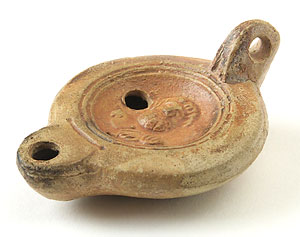
Greek Lamp

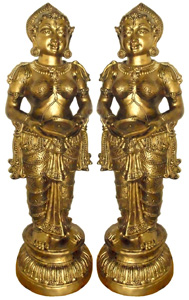
4.வன் சொல் யவனர்களை தமிழர்கள், மெய்க் காப்பாளர்களாகவும், விளக்கு ஏந்தும் காவற் பெண்களாகவும் பயன்படுத்தினர்.

5.இதாலிய யவனர் (ரோம் சாம்ராஜ்யம்) கொணர்ந்த தங்கக் கட்டிகளை வாங்கிக் கொண்டு தமிழர்கள் மிளகு மூட்டைகளை ஏற்றுமதி செய்தனர்.

6. கிருஷ்ணன், முசுகுந்தன் ஆகியோர் மோதிய கறுப்பு யவனர் யூதர்கள், எகிப்தியர்களாக இருக்கலாம்.

7. ரிக் வேதம் (5-29-10), சதபத பிராமணம் ஆகியன கொச்சை மொழி, மிலேச்ச பாஷை பற்றிச் சொன்னதை, சிந்துவெளியில் இருந்த திராவிடர்களைப் பற்றி சொன்னது என்று சில “அறிஞர்கள்’ அழகான கதை எட்டுக் கட்டினர். உண்மையில் வேற்று மொழி பேசும் எல்லோரையும் மற்றவர்கள் ‘’வன்சொல்’’ என்று கேலி செய்வது வழக்கம்.

தமிழர்களை தெலுங்கர்கள் அரவா (சத்தம்) என்று கேலி செய்வர். எபிரேய பைபிளில் அராபியர்களை ‘அரவா’ என்று அழைத்தனர். பார்லிமெண்ட் உறுப்பினர் சேட் கோவிந்த தாஸ், தமிழ் மொழியைக் கிண்டல் செய்யும் போது, ‘’ஒரு தகர டப்பாவில் கற்களைப் போட்டுக் குலுக்குங்கள்—அதுதான் தமிழ் மொழி’’ — என்று கிண்டல் செய்தார். கிரேக்கர்கள், மற்ற எல்லோரையும் காட்டுமிராண்டிகள் (பார்பாரிக்) என்றழைத்தனர். முஸ்லீம்கள் மற்ற எல்லோரையும் ‘’காபிர்கள்’’ என்றும், கிறிஸ்தவர்கள் மற்ற எல்லோரையும் ‘’பேகன்கள்’’ என்றும் மட்டம் தட்டியது போலாகும் இது. ஆகையால் சிந்து சமவெளி ஆய்வாளர்கள் சொன்னதை ஒதுக்கி விடுதல் நலம் பயக்கும்.

greek-lamp-a132411
Greek Lamps

8.அலெக்ஸாண்டருக்குப் பின்னர் வடமேற்கு இந்தியாவை ஆண்ட இந்தோ-கிரேக்க மன்னர் காலத்தில் தொடர்பு கொண்ட யவனர்கள் எல்லோரும், கிரேக்கர்கள்தான் என்பதில் ஐயப்பாடு இல்லை. வடமேற்கு இந்தியாவில் இருந்தவர்களை யவனத் தச்சர் என்றும் சிறந்த கட்டிடக் கலை நிபுணர்கள் என்றும் தமிழ், சம்ஸ்கிருத இலக்கியங்கள் புகழும்.

9. பிராமணர்கள் யாகம் செய்யும்போது எழுப்பிய யூபம் என்னும் நெடுந்தூணில் ரத்னக் கல்லுடன் ஒரு வண்ணப் பறவை அமர்ந்தது யவனர் கப்பலில் உள்ள விளக்கு போல இருந்தது என்று சங்க இலக்கியம் புகழும். தீவிபத்து நிகழ்த்தக் கூடிய அகல் விளக்குகளுக்குப் பதிலாக மூடிய கிரேக்க பாணி விளக்குகளை தமிழர்கள் பயன்படுத்தத் துவங்கிய பின் யவன விளக்கு புகழ் பெற்றது என்று நான் கருதுகிறேன்.

10. யவனர்களை அடியார்க்கு நல்லார், “மிலேச்சர்கள்” என்று சொல்லியது சரியே. தேசியகவி சுப்பிரமணிய பாரதியும் முஸ்லீம் மன்னர்களை ‘’வேத நூல் பழிக்கும் வெளித்திசை மிலேச்சர்’’ —- என்று வசை பாடுவதைக் காண்க. சுதந்திரப் போராட்டத் தலைவர்கள், வெள்ளைக் காரனையும் ‘’மிலேச்சன்’’ என்று இகழ்ந்ததையும் கருத்திற் கொள்க.

குதிரை விற்கும் அராபியர்களை சோனகர், யவனர் என்று பிற்கால இலக்கியங்கள் அழைத்தன.

cheran senguttuvan

Chera King Senguttuvan With Kannaki Statue.

11.பிற்காலப் புராணங்கள் வேத கால துர்வாசு என்ற மன்னனுடன் யவனர்களைத் தொடர்பு படுத்துகின்றன. யயாதியின் ஐந்து புதல்வர்களில் யதுவும் துர்வாசுவும் தேவயானிக்குப் பிறந்தவர்கள். மற்ற மூவரான புரு, த்ருஹ்யூ,அனு என்பவர் சர்மிஷ்டாவுக்குப் பிறந்தவர்கள். துர்வாசுவும், யாதவ குல மூலத்தோன்றலான யதுவும் தொலை தூர நாடுகளை ஆண்டதாக வேத சூக்தங்கள் தெளிவாகப் பகர்கின்றன.

காஞ்சிப் பெரியவர் சொன்னபடி, உலகம் முழுதும் இந்துமதமே இருந்தது என்பதும், யவனர்களும் நம்முடன் பிறந்த ஒரு தாய் வயிற்றுப் புதல்வர்கள் என்பதும் இதன் மூலம் உறுதியாகின்றன (காண்க– தெய்வத்தின் குரல்). மஹா பெரியவரே இன்னொரு இடத்தில் சௌராஷ்டிரர் என்பவர் குஜராத்தின் சௌரஷ்டிரப் பகுதியில் இருந்து ஈரான் தேசத்துக்குப் போய் ‘’ஜொராஸ்தர்’’ ஆன கதையையும் கூறி இருக்கிறார் (காண்க– தெய்வத்தின் குரல்).

12. மனுவும் தனது மனு ஸ்மிருதியில் திராவிடர்கள், யவனர்கள் எல்லோரும் வேத ஒழுக்கங்களில் இருந்து பிறண்ட க்ஷத்ரியர்கள் என்றே கூறுகிறார் (காண்க:– மனு ஸ்மிருதி ஸ்லோகம் 10—44)

13. தமிழ் கலைக்களஞ்சியமான ‘’அபிதான சிந்தாமணி’’ யவனர் பற்றிக் கூறுவது:
அ)அரேபியா நாட்டு மிலேச்சர்
ஆ)யயாதியின் மகனான துர்வாசு மரபினர். ஒழுக்கங் குன்றி இவ்விடம் சேர்ந்து இப்பெயர் பெற்றனர்
இதைத் தொடர்ந்து தமிழ் இலக்கியத்தில் உள்ள குறிப்புகளும் மிகச் சுருக்கமாகக் கொடுக்கப்பட்டு உள்ளன.

roman_lamp2

Roman lamp

யவனர் பற்றிய தமிழ் இலக்கியக் குறிப்புகள்:

1.இமிழ் கடல் வேலித் தமிழகம் விளங்கத்
தன்கோல் நிறீஇத் தகைசால் சிறப்பொடு
பேரிசை மரபின் ஆரியர் வணக்கி
நயனில் வன்சொல் யவனர்ப் பிணித்து
நெய்தலைப் பெய்து கைபிற்கொளீஇ
(பதிற்றுப் பத்து பதிகம், இரண்டாம் பத்து, குமட்டூர்க் கண்ணனார்)

2.வன்சொல் யவனர் வள நாடு ஆண்டு
பொன்படு நெடுவரை புகுந்தோன் ஆயினும்
(நடுநற்காதையில் மாடலன் சொன்னது, சிலப்பதிகாரம்)

3.கள்ளி அம் பேரியாற்று வெண்ணுரை கலங்க
யவனர் தந்த வினைமான் நன்கலம்
பொன்னொடு வந்து கறியொடு பெயரும்
(அகநானூறு, 149: எருக்காட்டுத் தாயங்கண்ணனார்)

4.யவனர் நன்கலம் தந்த தண்கழ் தேறல்
பொன்செய் புனைகலத்து ஏந்தி நாளும்
ஒண்தொடி மகளிர் மடுப்ப மகிழ் சிறந்து
(யவனர் கொணர்ந்த மதுபானம் பற்றி மதுரைக் கணக்காயனார் மகனார் நக்கீரனார் பாடியது; புற நானூறு பாடல் 56)

5.கேள்வி அந்தணர் அருங்கடன் இறுத்த
வேள்வித் தூணத்து அசைஇ யவனர்
ஓதிம விளக்கின் உயர்மிசைக் கொண்ட
வைகுறுமீனின் பையத் தோன்றும்
(கடியலூர் உருத்திரங் கண்ணனார் பாடிய பெரும் பாணாற்றுப் படை, வரி 316—319)

6.மெய்ப்பை புக்க வெருவரும் தோற்றத்து
வலிபுணர் யாக்கை வன்கண் யவனர்
புலித்தொடர் விட்ட புணை மான் நல் இல்
திருமணி விளக்கம் காட்டி
(நப்பூதனார் பாடிய முல்லைப் பாட்டு, வரி 61-64)

Please read my earlier articles:
MLECHA: Most Misunderstood Word (Posted on 3 September,2012)
AYAS and ASVA : Most Misunderstood Words (Posted on 3 September,2012)
“மிலேச்ச” என்றால் என்ன? (Posted on 6 September,2012)
பொன் (அயஸ்) என்றால் என்ன? (Posted on 6 September,2012)
—சுபம்—

Contact swami_48@yahoo.com