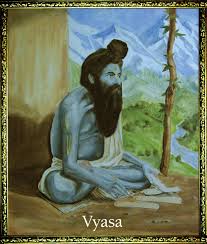
Vyasa deserves Nobel Peace Prize and Literature Prize!

VYASA top

Research paper written by London Swaminathan
Research article No.1455; Dated 3rd December 2014.

Vyasa, the black man, who was born to a fisher woman called Satyavati was very black in complexion. He was the ugliest and blackest character in the Mahabharata. But he was the purest and the greatest soul of his times. Two women Amba and Amablika, went to his bed room but refused to lie down with him because he was so ugly and black!

He was celebrated as equal to Vishnu and praised “Vysaaya Vishnu Ruupaaya, Vyasa Ruupaaya Vishnave”. He deserves two Nobel Prizes, one for Peace and another for Literature. Had there been a prize at his times, there was no one to compete with him. Neither Moses nor Homer was born. There was no literature worthy of the name in any part of the world in any language except Sanskrit in 3100 BCE. He lived just before the Kali Yuga began in 3100 BCE. Some western scholars believe that he lived around 1500 BCE and not around 3100 BCE. Even if we accept the date he was the oldest litterateur in the world!
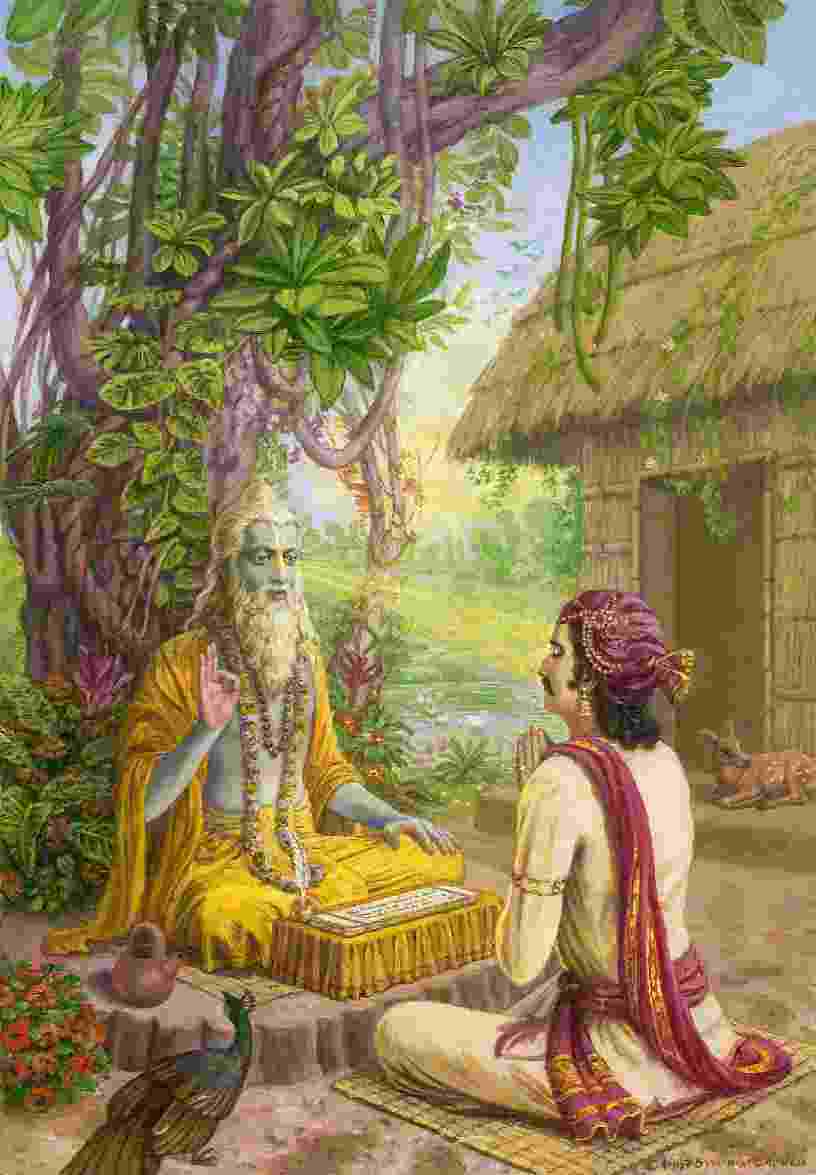
Shree-Vyasa-Ji4

But what it did he achieve to claim two Nobel Prizes?
Look at his literary achievements first:
1.He was so worried about the Vedas that existed at his time. When he lived the Vedas became very ancient and one person can’t master it. The Vedic literature was vast and the custom about the Vedas is unique in the world. It should not be written. One can only learn it from his Guru/teacher. So he divided them into four parts and called four most intelligent persons of his time and gave the responsibility to pass it on to future generations. The most wonderful thing happened.

Till this day that bulky literature has been passed from one generation to another by word of mouth. That shows that the Hindus are the oldest and the most intelligent people. Whether he lived 3500 years ago or 5100 years ago, it does not matter. What he did was right. Without him, we would not have the oldest record of human beings. Of course, we have Gilgamesh, which some people claim to be older than Vyasa’s Vedas. But they are primitive in nature without any higher thoughts. Vedas are full of high thoughts and pray for the welfare of all the human beings. Most of the mantras have “WE” instead of “I”.

vyasa3

What else did Vyasa achieve?
He compiled the longest epic in the world, Mahabharata. Till this day no body beat him. Two hundred thousand lines! One million worlds!! He threw a challenge in the very first chapter Adi Parva. What is in the world is already in it. So whatever you find in any other part is already “ tasted” by me and so they are called Vyasa’s spit, i.e Vyasa Ucchistam Jagath Sarvam. Nothing is new. Mahabharata is a veritable encyclopaedia. He collected all the materials that was available at his time and intricately woven them into the main plot of the Mahabharata. He must be the cleverest person at that time and that is why Hindus praise him as an “avatar of Vishnu”. No writer in the world has been elevated to that level!

vyasa02

What else did he do?
After seeing the great success in compiling the Vedas, weaving all the available moral stories in the Mahabharata, he saw one other bulky thing called Puranas, the Hindu mythology. They run to 800,000 couplets and 1.6 million lines. He took it as a challenge of his life time and compiled all the 18 Major Puranas and left others to his juniors. This was his third achievement. Even in the modern world no one can achieve such a thing with all the computers and one hundred office assistants. He compiled them and passed them successfully to his posterity. Generations to come will remember his literary achievements. Now you know why he deserved Nobel Prize for Literature.

Inspired by Vyasa, Adi Shankara also wrote hundreds of hymns in simple Sanskrit and wrote commentaries for innumerable scriptures including the Upanishads, Brahma Sutra and Vishnu Sahasranamam. So Vyasa has the credit of inspiring others. Inspired by these two sages, a Brahmin commentator by name Nachinarkiniyar wrote commentaries to most of the Sangam literature. Nobody could beat him in writing commentaries.
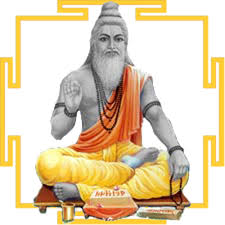
vyasa 1

Why Vyasa deserves Peace Prize?
Vyasa tried his level best to avoid the great Mahabharata war. But as a Tri Kala Jnani, one who can see the past, present and future, he knew the outcome. In spite of his advice to Dridharashtra and others it did not work. But his appeal for world peace is already in the Vedas and Mahabharata. He was so clever that he wanted to write a crispy message to the entire humanity. He knew what he compiled was the bulkiest literature in the world and no one could read it in one’s life time. So he wanted to convey his message. He wrote only four couplets and called them Bharata Savitri and included in the Mahabharat. He put the peace hymn as the last hymn of Rig Veda, indicating that this is the message he wanted to give to the world. And that is message of the Vedas as well. Read the verse for yourself and decide whether Vyasa deserved a Nobel Peace Prize:–

Meet together, Speak together
Let your minds be of one accord
As the Devas of old, being of one mind
Accepted their share of sacrifice

May your counsel be common, your assembly common
Common be the mind and the thoughts of these united
A common purpose do I lay before you
And worship with your common oblation.

Let your aims be common
And your hearts of one accord
And all of you be one mind
So you may live well together
–Rig-Veda, Tenth Mandala, 191 (last hymn)

After fighting two World Wars only, the world realised and wrote a charter for the United Nations similar to this!

(For Bharata Savitri verses, please go to Santanam Nagarajan’s post in this blog “Great Secret from Mahabharata” posted on 12th August 2012)

Long Live Vyasa!
contact swami_48@yahoo.com

பத்து கட்டளைகள்! பகவத் கீதையிலிருந்து!!

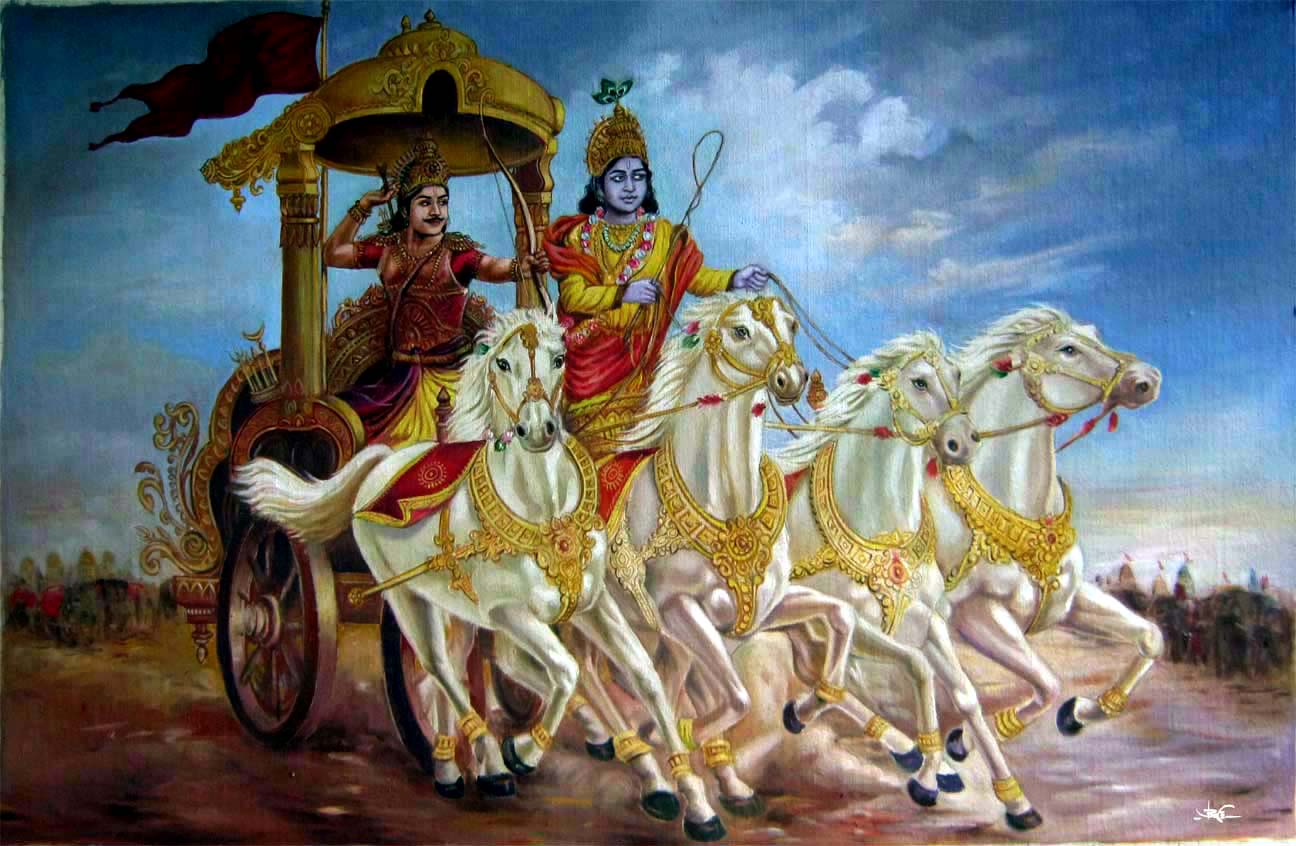
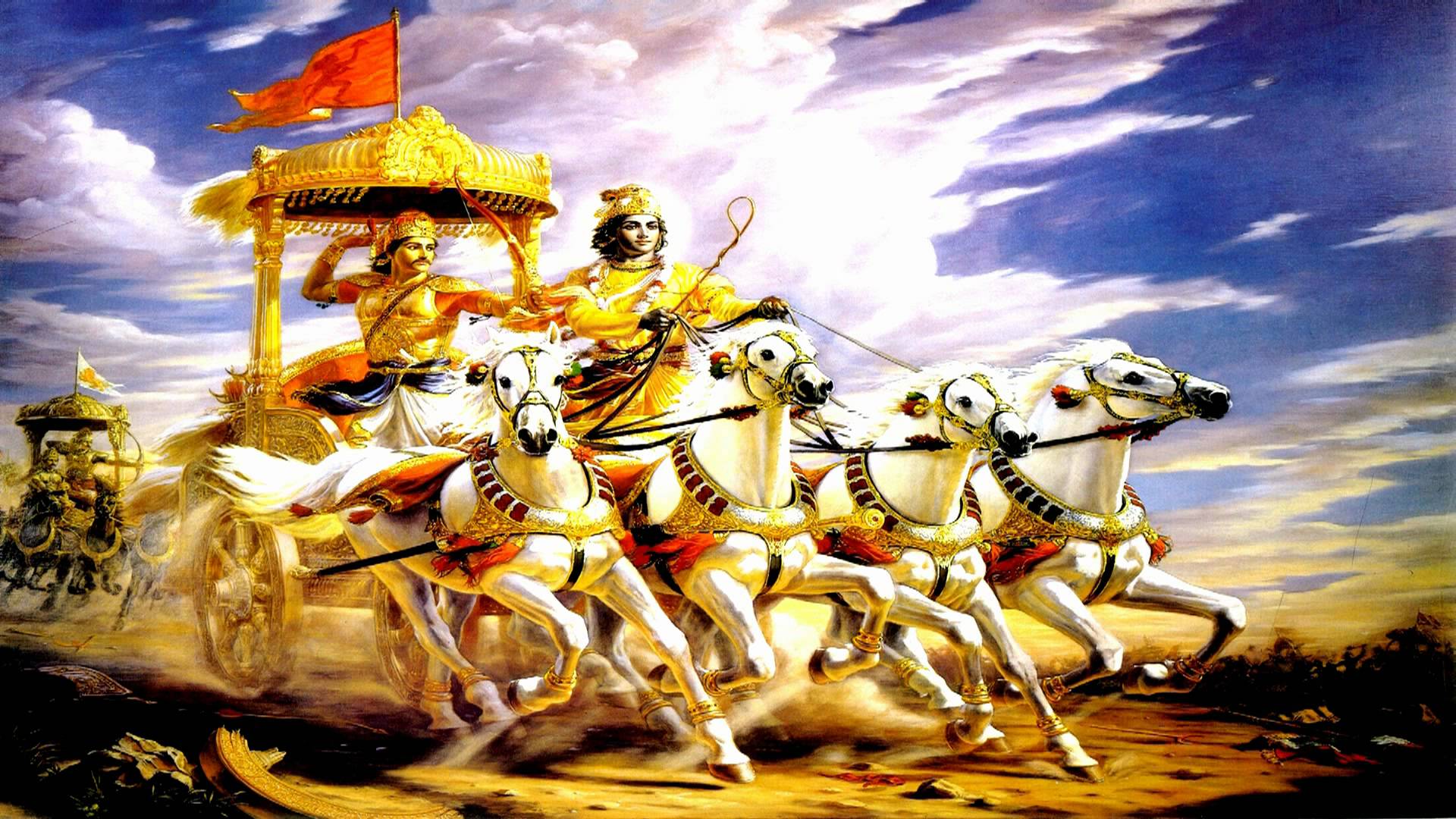
gita

கட்டுரையை எழுதியவர் :– லண்டன் சுவாமிநாதன்
ஆராய்ச்சிக் கட்டுரை எண்- 1454; தேதி 3 டிசம்பர், 2014.

பகவத் கீதையைப் படிக்க நேரமில்லையா? இதோ முக்கியமான பத்து கட்டளைகள். ஒரே நிமிடத்தில் படித்து முடிக்கலாம். நேரம் கிடைக்கும் போது சித்பவானந்த சுவாமிகள் எழுதிய பகவத் கீதை உரையை வாங்கி முழு அர்த்தத்தையும் தெரிந்து கொள்ளலாம்.

1.உத்தரேத் ஆத்மநாத்மானம் (அத்தியாயம் 6- ஸ்லோகம் 5)
உன்னையே நீ உயர்த்திக் கொள்

2.உத்திஷ்ட! யசோ லப! (11-33)
எழுந்திரு ! புகழ் அடை!

3.க்லைப்யம் மாஸ்ம கமஹ (2-3)
பேடித்தனத்தை அடையாதே

4.கர்மண்யேவ அதிகாரஸ்தே, மா பலேஷு கதாசன (2-47)
கடமையைச் செய்! பலனை எதிர்பாராதே (வேலை செய்வது உன் கடமை)

geethopadesam -2x3' oil-DPSC Bose

5.மாம் ஏகம் சரணம் வ்ரஜ, மா சுசஹ (18-66)
என்னையே சரண் அடைவாய்! கவலையைக் கை விடுக.

6.ந சாந்திம் ஆப்னோதி காமகாமி (2-70)
ஆசையை விடாதவனுக்கு அமைதி என்பதே இல்லை

7.சம்சய ஆத்மா விநஸ்யதி (4-40)
சந்தேகப் பேர்வழிகள் அழிவார்கள்

8.ஸ்ரத்தவான் லபதே ஞானம் (4-39)
நம்பிக்கை உடைவோர் ஞானத்தைப் பெறுவார்கள் ( நம்பினார் கெடுவதில்லை)

9.ஸ்ரேயான் ஸ்வ தர்மோ (18-47)
அவரவர் தொழிலே (தர்மமே) சிறந்தது

10.ந ஹி கல்யாண க்ருத் கஸ்சித் துர்கதிம் (6-40)
நல்லது செய்பவனுக்கு ஒரு போதும் கெடுதல் வராது.

Please read my previous articles on Bhagavad Gita
Contact swami_48@yahoo.com

gitopadesa

Tagore and Einstein

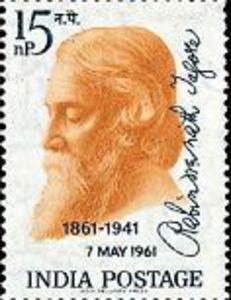
Rabindranath-Tagore

Written by Santhanam Nagarajan
Article No.1453; Dated 2nd December 2014.

Fate and Freewill – Part III

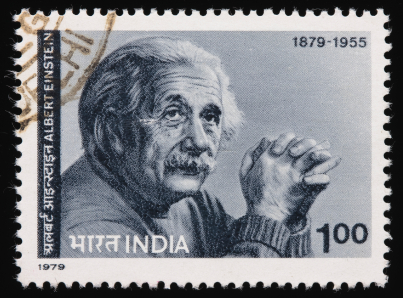
Albert Einstein who was awarded Nobel Prize went to India during his journey to the orient. He met the famous poet Rabindranath Tagore. Tagore was awarded Nobel Prize for his monumental work Gitanjali.

Both are Nobel laureates. One was a ‘literary giant’. The other was a ‘science genius’.

An interesting conversation started regarding chance and casualty.
The discussion was recorded fully. (Please refer My Views by Einstein)
We can go through the discussion carefully.

Tagore: I was discussing with Dr Mendal today the new mathematical discoveries which tell us that in the realm of infinitesimal atoms chance have its play: the drama of existence is not absolutely predestined in character.
albert-einstein

Einstein: The facts that make science tend towards this view do not say good-bye to casualty.
Tagore: May be not; but it appears that the idea of casualty is not in the elements, that some other force builds up with them an organized Universe.

Einstein: One tries to understand in the higher plane how the order is. The order is there, where the big elements combine and guide existence, but in the minute elements this order is not perceptible.

Tagore: Thus duality is in the depths of existence-the contradiction of free impulse and the directive will which works upon it and evolves an orderly scheme of things.

Einstein: Modern Physics would not say they are contradictory. Clouds look one from a
distance, but, if you see them near, they show themselves in disorderly drops of water.

Tagore: I find a parallel in human psychology. Our passions and desires are unruly, but our character subdues these elements into a harmonious whole. Does something similar to this happen in the physical world? Are the elements rebellions, dynamic with individual impulse? And is there a principle in the physical world which dominates them and puts them into an orderly organization?
tahore more

Einstein: Even the elements are not without statistical order; elements of radium will always maintain their specific order, now and ever onward, just as they have done all along. There is then, a statistical order in the elements.

Tagore: Otherwise the drama of existence would be too desultory. It is the constant harmony of chance under determination which makes it eternally new and living.

Einstein: I believe that whatever we do or live for has its casualty; it is good however that we can not look through it.

Tagore: There is in the human affairs an element of elasticity also – some freedom within a small range, which is for the expression of our personality. It is like the musical system in India, which is not so rigidly fixed as is the western music. Our composers give a certain definite outline, as system of melody and rhythmic arrangement and within a certain limit the player can improvise upon it. He must be one with the law of that particular melody, and then he can give spontaneous expression to his musical feeling within the prescribed regulation. We praise the composer for his genius in creating a foundation along with a superstructure of melodies, but we expect from the player his own skill in the creation of variations of melodic flourish and ornamentation. In creation we follow the central law of existence but if we do not cut ourselves adrift from it, we can have sufficient freedom within the limits of our personality for the fullest self-expression.

einstein usa

The discussion continues.

From this discussion, we could understand there is a predetermined factor everywhere.
But there is also a freedom to play with.
Let us further analyze fate and free will in the next article.

Swami_main
Fate and Free will – Part IV

Santhanam Nagarajan

First of all we must understand what is fate?

According to the Hindu scriptures there are three types of karmas
( which forms our fate).
They are

1) Prarabhda Karma
2) Sanchita Karma
3) Agami

Prarabhda Karma is that which we are presently undergoing and experiencing.
Sanchita Karma means all the past karma.
Agami refers to Karma that will follow in future.
Prarabhda is in between the Sanchita and Agami, and we are experiencing this Prarabhda karma on account of the previous Sanchita Karma meaning the past karmas.

Sri Sathya Sai Baba gives a small example to explain all these three karmas from our daily life. He says:

“We have got a store room in which we stock all our rice. We have already the old stock of rice in the store. So what we have stored in the room is called Sanchita. When we want to cook, we remove some rice from the store room for cooking today called Prarabhda. What we cook now and what we eat today will pass out our body, tomorrow. Sometimes what we eat may come out in the shape of a belch. Therefore we can not escape from Prarabhda, we must experience it in this life. In the store room, there is only one rice. When we bring it we will be able to convert it into many preparations. In this way, we can make the rice into food; we can make it in the form of ‘Puliyodhara’ (meaning rice mixed with tamarind to make a delicious dish). We can cook it in the form of ‘Chakkara pongal’ (meaning rice mixed with sugar to form a tasty dish). It can be made into ‘Daddhojana’ (meaning rice mixed with curd to form a delightful dish). We can make from it ‘idlis’ (rice cakes) and also ‘Dosas’ (one more variety of food) and so on, all of which the base which is always rice. You have to start any preparation with rice only. Even though there is Sanchita, if you try to behave in a Sathwic (meaning in a pious and good) way you will be able to change even Sanchita. You may say that in the rice store, there are big stones. They are the results of our bad actions. They are in the store mixed with the rice. Before we cook, do we not try to remove away the stones from the rice? So it is quite necessary that when we experience Sanchita we can overcome the bad effects to some extent or a great extent and make them clean, just as we make the rice clean.”

But can the Sanchita and Prarabhta karmas can be weaken or overcome by prayer?

“Yes”, says Sri Sathya Sai Baba giving a beautiful example which we can see in our next article.

Ten Commandments from the Bhagavad Gita

gitopadesa

Research paper written by London Swaminathan
Research article No.1452; Dated 2 December 2014.

1.Uddared Aatmanaatmaanam (Chap. 6, Sloka 5)
One should lift oneself by one’s own efforts

2.uttishta! yaso labha! (11-33)
Arise! Win Glory!

3.Klaibhyam Maa sma Gamah (2-3)
Yield not to Unmanliness

4.Karmanyeva Adhikaraste Maa Phalesu Kadacana (2-47)
Your right is to work only, but never to the fruit thereof.

5.Maamekam Saranam Vraja; Ma Sucah (18-66)
Take refuge in me alone; Worry not.

gita

6.Na Santim Aapnoti Kaamakaami (2-70)
No peace for he who hugs desires

7.Samsayaatmaa Vinasyati (4-40)
A man who is of a doubting nature perishes

8.Sraddhaavaan labhate jnaanam (4-39)
He who has faith gains wisdom

9.Sreyaan Svadharmo 18-47
Better is one’s own duty

10.Na hi Kalyaanakrut Kascit Durgatim (6-40)
For never does anyone who does Good tread the path of woe.

geethopadesam -2x3' oil-DPSC Bose

contact swami_48@yahoo.com
கொங்கர் உள்ளி, ஹோலி, சுமேரிய புருள்ளி விழாக்கள் ஒன்றா?

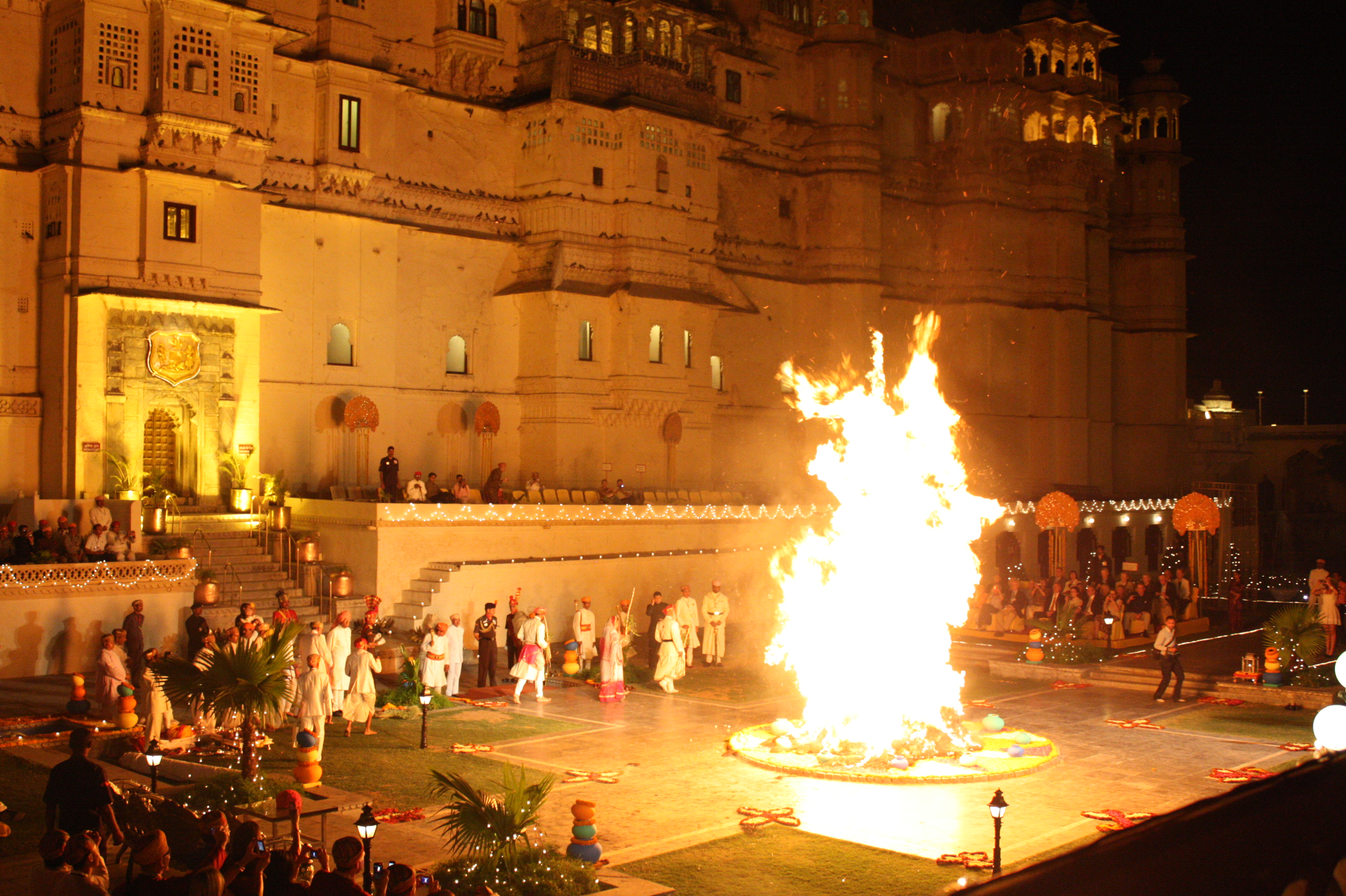
Holi at udaipur
Holi in Udaipur

கட்டுரையை எழுதியவர் :– லண்டன் சுவாமிநாதன்
ஆராய்ச்சிக் கட்டுரை எண்- 1451; தேதி 2 டிசம்பர், 2014.

சுமேரியாவில் ஹிட்டைட்ஸ் இனத்தினர் கொண்டாடிய வசந்த கால விழாவின் பெயர் புருள்ளி, இந்துக்கள் கொண்டாடும் வசந்த கால விழாவின் பெயர் ஹோலி, கொங்கர்கள் கொண்டாடும் விழாவின் பெயர் உள்ளி. பெயரில் மட்டுமின்றி குறைந்தது இரண்டு விழாக்களி லாவது வசந்த காலத்தின் பெயர் வருகிறது. இதில் ஹோலியைத் தவிர மற்ற இரண்டு விழாக்களின் விவரங்கள் மிக மிகக் குறைவாகவே கிடைத்திருக்கின்றன.


உள்ளி விழாவைப் பற்றி அகநானூறு 368-ல் மதுரை மருதன் இளநாகனார் பாடி இருக்கிறார்.

“வாழி தோழி! கொங்கர்
மணி அரை யாத்து மறுகின் ஆடும்
உள்ளி விழவின் அன்ன
அலர் ஆகின்று, அது பலர் வாய்ப்பட்டே” என்று பாடல் முடிகிறது.

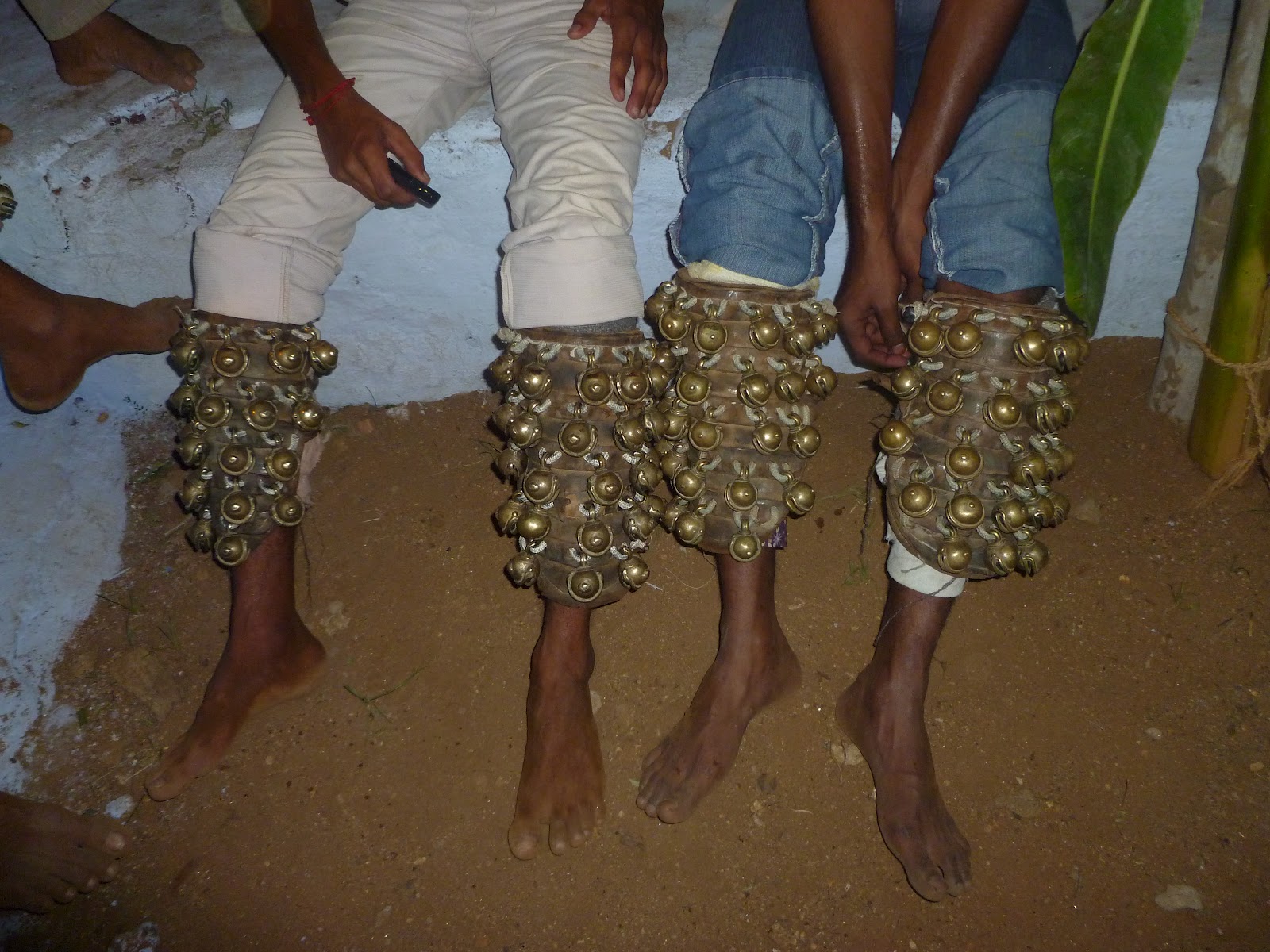
பொருள்: கொங்கு நாட்டு மக்கள், இடையில் மணியைக் கட்டிக்கொண்டு தெருவில் ஆடும் உள்ளி விழாவின் போது ஏற்படும் ஆரவாரம் போல பலர் வாயிலும் பேசப்பட்டு (காதல் விவகாரம்) வதந்தி (அலர்) பெரிதாகப் பரவிவிட்டது. இன்னும் சில பாடல்களில் இருந்து இது சேர நாடு முழுதும் கொண்டாடப்படதும் தெரிகிறது.

இது தவிர வேறு செய்திகள் கிடைக்கவில்லை.
holi-b-26-3-2013

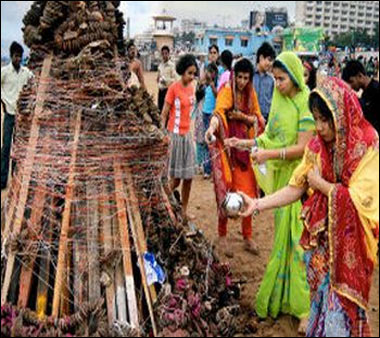
ஹோலி விழா, வசந்த காலத்தை வரவேற்கும் விழா ஆகும். வண்ணப் பொடிகளைத் தூவி வசந்தத்தின் வருகையைக் கொண்டாடுவர். ஹிரண்யகசிபுவின் சகோதரி ஹோலிகா எரியுண்ட தினம் அது என்பதால் அன்று சொக்கப்பனையில் அவள் உருவத்தை எரிப்பர். சிறுவன் பிரஹலாதனை ஏமாற்ற முயன்று அவள் ஏமாந்தாள் என்பது கதை.ஆகவே ஹோலி என்பது துஷ்ட சக்திகளை நல்ல சக்திகள் வென்ற நாளாகும்.

சுமேரிய விழா
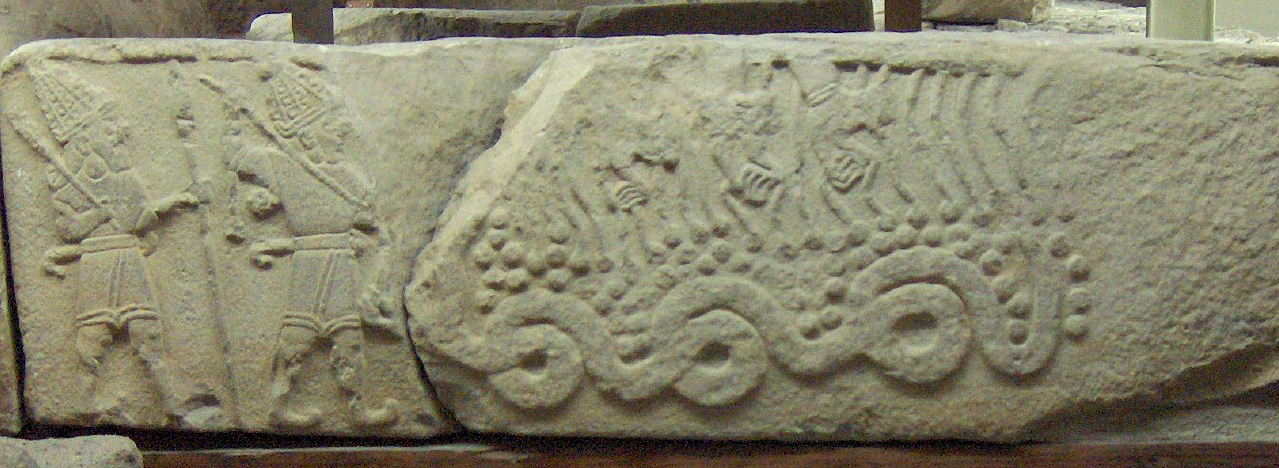
சுமேரியாவில் ஆண்ட ஹிட்டைட்ஸ் என்பார், சம்ஸ்கிருதம் தொடர்பான மொழியைப் பேசியவராவர். அவர்கள் பூருள்ளி என்னும் விழாவை வசந்த கால விழாவாகக் கொண்டாடினர். இல்லுயங்கா என்னும் தீய பாம்பைக் கொன்றதாகவும் கதை சொல்லுவர். அதாவது அந்த நாளன்று நாம் பாராயணம் செய்வது போல இல்லுயங்கா கொல்லப்பட்ட கதையைப் படிப்பர். மன்னன் இதில் முக்கியமாகக் கலந்து கொள்ள வேண்டும். ஆகையால் போர் செய்து கொண்டிருந்தாலும் அதை இடையில்நிறுத்திவிட்டு விழாவுக்கு வந்து விடுவார். இல்லுயுங்கா பற்றிய பாடல்களில் நமது புராணக் கதை போல விரிவான கதை இருக்கிறது.

Museum_of_Anatolian_Civilizations
Illyunka killed

இதே போல ரிக் வேதத்திலும் அஹீ, விருத்திரன் என்ற பாம்புகளைக் கொன்றதாகவும் சொல்லுவர். அவை எல்லாம் பாம்புகள் அல்ல, வறண்ட காலத்தை அப்படி ராட்சதன் போலவும் , பாம்பு போலவும் வருணிப்பர் என்று புராணச் செய்திகளை ஆராய்வோர் பகர்வர். அசுரனைக் கொல்வது, பாம்பைக் கொல்வது என்பதெல்லாம் ப்ழங்குடி மக்களின் மறை மொழி வாசகங்கள்!

உள்ளி, பூருள்ளி, ஹோலி – ஆகிய மூன்று பண்டிகைகளில் ஓரளவு ஒற்றுமை இருப்பதைக் காண்கையில் நமக்கு வியப்பாக இருக்கலாம்.

உல்லி
Kongar Ulli Festival

Pictures are used from other websites;thanks.

Holi, Ulli, Purulli: 3 Interesting Festivals in India and Sumer

Holi at udaipur
Holi in Udaipur

Research paper written by London Swaminathan
Research article No.1450; Dated 1st December 2014.

Holi celebrated in North India, Ulli celebrated in Coimbatore region of Tamil Nadu and Purulli celebrated in the Ancient Near East are similar in name and theme. They deserve a closer look and comparison.

One of the most popular festivals in India is Holi. It is a Hindu festival to celebrate the arrival of spring season. It also signifies the victory of good over evil. Holika, a demoness, sister of the demon king Hiranyakasipu was killed on that day. To commemorate this they burn the effigy of Holika or make a bonfire in the night. They throw colours on others to celebrate the arrival of spring season in March every year. Of late it has become a secular festival involving all communities.

Ulli festival was one of the rarely known Tamil festivals celebrated in ancient Chera Nadu, now known as Kerala. Now it is celebrated in Coimbatore region only. This area was called Kongu Nadu in the olden days. Sangam Tamil verse (Akananuru 368) refers o this festival. Kongars of Kongu Nadu tied bells around their waists and danced in the streets. Not much is known about this festival because of scarcity of material.

In the same way we know very little about the Sumerian Purulli festival. It was celebrated by Hittites who spoke a language related to Sanskrit. It was a spring festival like Hindu Holi, again to celebrate the victory of good over evil. Here they recited the myth of killing of the snake Illuyanka. It was considered a very important festival even the king interrupted his military campaign to participate in it. We have similar myths of Indra killing snakes like Ahi and Vrtra in the Rig Veda. That is also interpreted as celebrating the change of season. They welcomed the spring or rainy season after a period of drought.

holi-b-26-3-2013

Spring is celebrated all over the world and the usual excuse is killing some evil demon or a monster. This is actually the language of the ancient peoples to say that the bad season is over and let us welcome a good joyful, bright Spring.
The similarity in the names Holii, Ulli (Tamil) and Purulli (Sumer) sounds very interesting.

Brian E.Colless compared Purulli festival with Vrita killing Indra

Museum_of_Anatolian_Civilizations

MYTHOLOGY OF HATTI
Brian E. Colless
1. The Illuyanka Myth
The Battle with the Serpent

Thus speaks Kella, the anointed priest of the storm-god of Nerik.
The words for the Purulli festival of the storm-god of heaven, as follows:
May the land flourish and thrive, may the land be protected.
When it flourishes and thrives, they celebrate the Purulli festival.
When the storm-god and the serpent* fought together in Kishkilussha,
the serpent* defeated the storm-god. *illuyankash ‘snake’
The storm-god then summoned all the gods: Come, Inara is preparing a feast.
She prepared everything on a grand scale;
vessels of wine . . . (and other beverages), vessels filled to overflowing.
Then Inara went to Ziggaratta and met Hupashiya, a mortal.
Inara spoke thus to Hupashiya: There is something I want to do,
and I would like you to assist me.
Hupashiya said to Inara:
Certainly, if you let me lie down with you, I will do anything you wish.
And he lay with her.
Inara took Hupashiya to the place and hid him.
Inara dressed herself up and lured the serpent out of his hole, by saying:
Look, I am preparing a feast , come, eat and drink.
The serpent came up with his children, and they ate and drank;
they drank every vessel dry and were sated.
They were now unable to go back into the hole,
so Hupashiya came and bound the serpent with a cord.
The storm-god came and slew the serpent, and the gods were at his side.
Inara built a house on a rock in Tarukka and she installed Hupashiya in the house.
Inara instructed him: When I go out into the country, you must not look out of the window. If you do, you will see your wife and children.
After she had been away for twenty days,
the man opened the window, and saw his wife and children.
When Inara came home from the country, he began to whine: Let me go home.
Inara . . . * *(killed him? or simply sent him home?).
Inara returned to Kishkilussha, and placed . . . her house . . . in the hands of the king.
… celebrating anew the first Purulli festival, the hand of the king …
the watery abyss of Inara.
Mount Zaliyanu is first among all the gods.
When he has granted rain in Nerik, the herald brings bread from Nerik.
He had asked Zaliyanu for rain, and he brings the bread on that account (?). . . . .

உல்லி
Ulli festival, modern version from Kongu Nadu

NOTES
There are two versions of the battle between the storm-god and the serpent (or dragon, Hittite illuyankash). The first version is given above. Notice that the myth is connected with the ritual of the Purulli festival, and is concerned with producing rain. This is to be compared with the Sanskrit myth of the weather-god Indra vanquishing the dragon Vritra, an event celebrated in the annual Mahavrata ceremony.
Editions and Translations

Gary Beckman, The Anatolian Myth of Illuyanka, Journal of the Ancient Near Eastern Society 14 (1982) 11-25 (complete edition).
E. Laroche, Textes mythologiques hittites en transcription (1969) 5-12.

Pictures are taken from Wikipedia and other sites;thanks.

குறுந்தொகை அதிசயங்கள்

kannaki cooking

கட்டுரையை எழுதியவர் :– லண்டன் சுவாமிநாதன்
ஆராய்ச்சிக் கட்டுரை எண்- 1449; தேதி 1 டிசம்பர், 2014.

சங்கத் தமிழ் இலக்கியத்தில் பதினெட்டு மேல் கணக்கு நூல்கள் உண்டு எனவும் அதில் பத்துப் (10) பாட்டு+ எட்டு (8)த்தொகை அடக்கம் எனவும் கண்டோம். சங்க காலத்துக்குப் பின்னர் திருக்குறள் உள்ளிட்ட 18 கீழ்க்கணக்கு நூல்கள் தோன்றியதையும் அறிவோம். எட்டுத்தொகை நூலில் ஒன்றான பதிற்றுப்பத்து அதிசயங்களைக் கண்டோம். பின்னர் புறநானூற்று அதிசயங்களைக் கண்டோம். இன்று எட்டுத் தொகை நூலில் மேலும் ஒரு நூலான குறுந்தொகை என்னும் நூலின் அதிசயங்களைக் காண்போம்.
குறுந்தொகையில் குடும்ப உறவு தொடர்பான 400 அகத்துறைப் பாடல்கள் இருக்கின்றன. இவை குறுகிய அடிகளைக் கொண்ட சின்னச் சின்ன பாடல்கள்.

தமிழர்கள் என்னென்ன உணவு சாப்பிட்டார்கள் என்றால் நீண்ட பட்டியலையே தரலாம். பெரும்பாணாற்றுபடையில் எந்தெந்த ஜாதியினர் வீட்டுக்குப் போனால் என்னென்ன உணவு கிடைக்கும் என்று அழகாகப் பாடி வைத்துள்ளனர். ஆயினும் குறுந்தொகை உணவு பற்றி பலருக்கும் தெரிய வாய்ப்பில்லை.

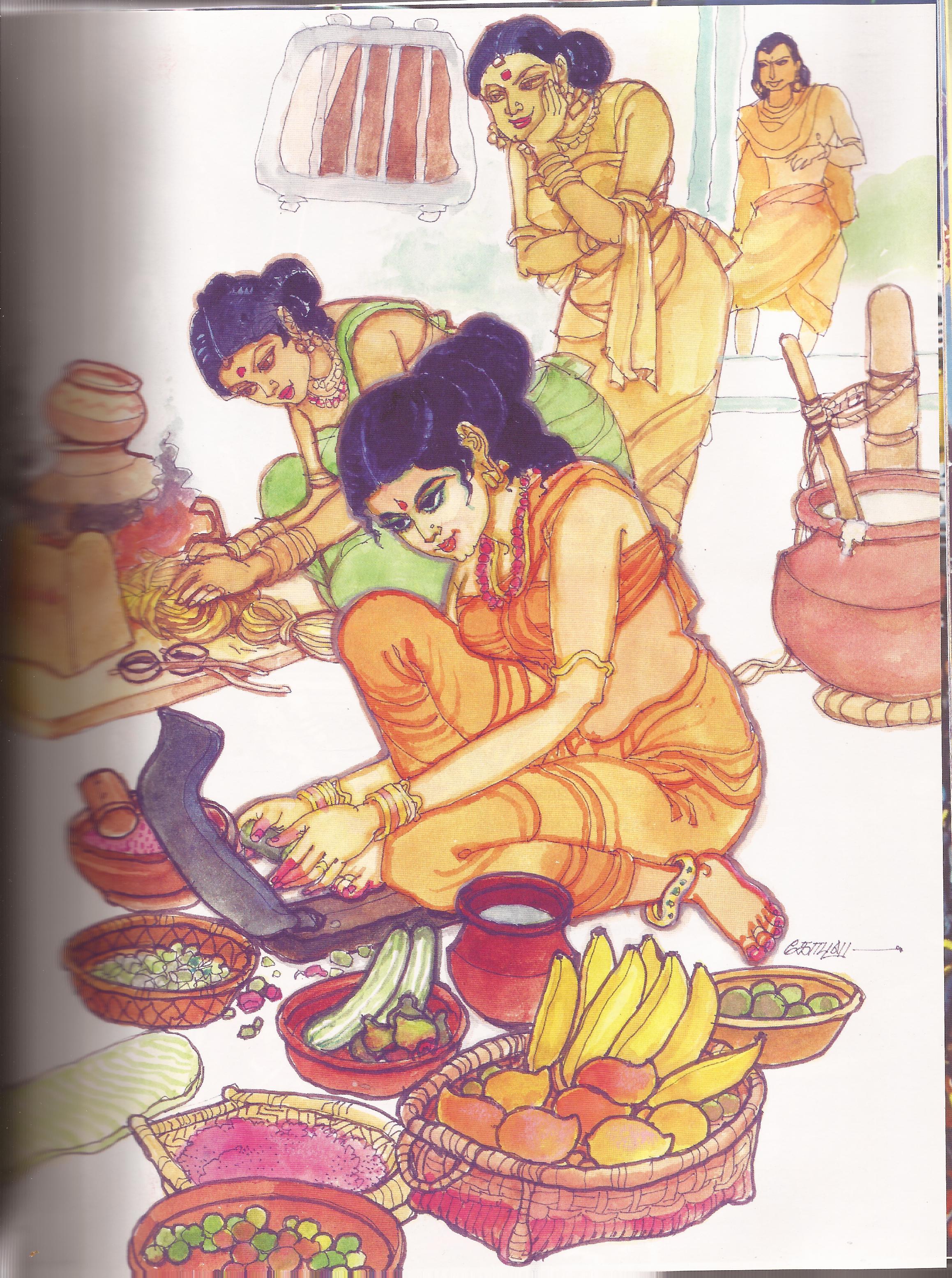
வற்றல் குழம்பும் தயிர் சாதமும்

ஒரு தோழி அவள் நண்பி நடத்தும் திருமண வாழ்வை அறிய அவள் வீட்டுக்குச் சாப்பிடச் சென்றாள்– பின்னர் திரும்பி வந்து அப்பெண்ணின் தாயிடம் சொன்னாள்,
“அடியே! உன் மகள் வீட்டுக்குச் சாப்பிடப் போனேன். நல்ல அருமையான தயிர் சாதமும் வற்றல் குழம்பும் சமைத்து வைத்திருந்தாள். நல்ல வாசனை! தாளித்துக் கொட்டியிருந்தாள். அடுப்பின் புகை தாளாமல் எல்லாவற்றையும் புடவையிலேயே துடைத்துக்கொண்டாள்; கணவனோ அதை ரசித்து, ருசித்து சுவைத்து சாப்பிட்டான். அவள் முகம் மலர்ந்தது:–
முளி தயிர் பிசைந்த காந்தள் மெல் விரல்
……………………………….
தான் துழந்து இட்ட தீம் புளிப் பாகர்
இனிது எனக் கணவன் உண்டலின் – (கூடலூர்க் கிழார், 167)

பாடல் 277ல் ஓரில் பிச்சையார் வேறு ஒரு உணவு பற்றிப் பாடுகிறார். அதோ ! நாய்கள் நுழைய முடியாத (அந்தணர்) தெருவில் நெய் கலந்து வெண்சோறு போடுவர். உன் செம்பில் வெந்நீரும் தருவர். அதைப் பெறும் துறவியாரே என் கணவர் எப்போது வருவார்? வாடைக் காலம் வந்துவிட்டதா? என்று ஒரு த்ரிகால ஞானியிடம் ஒரு பெண் வினவுகிறாள். துறவிகள் முக்காலம் உணரும் த்ரிகால ஞானிகள் என்று தொல்காப்பியம் செப்பும் (தொல்.புறத்.20). ஐயர்கள் வசிக்கும் தெருவில் நாய்களோ கோழிகளோ போகக் கூடாது என்று பெரும்பாணாற்றுப்படையும் செப்பும் (வரிகள் 298-301).

குரங்குகள் பற்றிய அதிசயச் செய்திகள் என்ற கட்டுரையில் ஒரு குரங்கு, கணவன் உயிர் இழந்ததால் தற்கொலை செய்து கொண்ட செய்தியை எழுதி இருந்தேன். அதுவும் பொறுப்புடன் தன் குட்டிகளை சுற்றத்தாரிடம் ஒப்புவித்துவிட்டு மலை முகட்டில் இருந்து விழ்ந்து இறந்தது. இது கணவனுடன் உடன் கட்டை ஏறும் ‘’சதி’’ போன்றது (பாடல் 69)

கார்க்கியர் என்று உபநிஷதத்தில் ஒருரிஷியின் பெயர் உண்டு. எப்படி புறநானூற்றில் வால்மீகி, மார்க்கண்டேயன் போன்ற பெயர்கள் உளதோ அதே போல குறுந்தொகையில் கார்ர்கியர் என்ற ரிஷி பெயரில் ஒரு புலவர் இருக்கிறார். சாண்டில்யன் , மஹாபாரத சல்லியன் பெயரிலும் புலவர்கள் இருக்கின்றனர். தமிழைக் கிண்டல் செய்து பின்னர் கபிலரிடம் தமிழ் கற்று ஒரு தமிழ்ப் பாட்டும் பாடிய வட நாட்டு ஆரிய அரசன் யாழ் பிரம்ம தத்தன் என்பவனும் குறுந்தொகைப் புலவனே!!
dhenupureeswar, chennai
Dhenupureeswar Temple, Chennai

சம்ஸ்கிருதச் சொற்கள்
குறுந்தொகையில் பல புலவர்கள் தயக்கமின்றி பல சம்ஸ்கிருதச் சொற்களைக் கையாளுவர். அவையாவன:–

அகில், அச்சிரம், அமயம், அமிழ்தம், அரசன், அவை, இமயம், ஆரியர், உலகம், ஏமம், கடிகை, கமண்டலம், கலாவம், காமம், காலம், குணன், குவளை, சகடம், சூலி, சேமம், தண்டு, தாது, தூது, தெய்வம், நகர், நீலம், நேமி, பக்கம், பணிலம், பருவம், பலி, பவழம், பிச்சை, மண்டிலம், மணி, மதம், மதி, மாலை, முகம், முத்து, முரசு, யாமம், வாசம் (உ.வே.சாமிநாத அய்யர் தந்த பட்டியல்)

தமிழ்ப் பெண்கள் மறு பிறப்பில் நம்பிக்கை உடையவர்கள். அடுத்த பிறப்பிலும் நீயே கணவனாக வரவேண்டும் என்று விரும்பினர் என்று அம்மூவனார் பாடுகிறார் (பாடல் 49)
இம்மை மாறி மறுமை ஆயினும்
நீ ஆகியர் எம் கணவனை

பழந்தமிழ் வழக்கங்கள்

பறையும் சங்கும் ஊதி திருமணம் செய்தல் (ஆண்டாள் பாடிய வாரணம் ஆயிரத்திலும் உண்டு), திருமணம் செய்த பின்னர் பெண்ணின் சிலம்பைக் கழித்தல், சுடுகாட்டைக் கண்டால் விலகிச் செல்லுதல், முதியோர் சென்று திருமணம் பேசுதல், பிறையைத் தொழுதல் ஆகியவற்றைக் குறுந்தொகை நமக்கு அளிக்கிறது.

dance,odisi

குறுந்தொகை அளிக்கும் தமிழ் பொன்மொழிகள்

பெரு நன்று ஆற்றின் பேணாரும் உளரே (பாடல் 115)
பெரிய நன்மையைச் செய்தால் போற்றாதோர் உண்டோ

நல் இசை வேட்ட நயனுடை நெஞ்சின்
கடப்பாட்டாளனுடைப் பொருள் போலத்
தங்குதற் குரியதன்று (143)
புகழையே விரும்பும் நல்ல மனிதனிடம் உள்ள பொருள் அவனிடம் தங்காது எல்லோருக்கும் பயன்படுவது போல

திறவோர் செய்வினை அறவது ஆகும் (247)
திறமையுள்ளோர் செய்யும் காரியம் அறத்துடன் பொருந்தியது — (தர்மம் உடையது)

சன்றோர் புகழும் முன்னர் நாணுப;
பழியாங்கு ஒல்பவோ காணுங்காலே (252)
பெரியார், தம்மைப் புகழ்வதற்கு முன்னரே வெட்கப்படுவர். அப்படிப்பட்டவர்கள் பழிச் சொல்லைக் கூறினால் பொறுத்துக் கொள்வரோ?

புலவர்களின் விநோதப் பெயர்கள்
சில புலவர்களின் பெயர் தெரியாத காரணத்தாலோ, அல்லது அவர்கள் பயன்படுத்தும் சிறப்பு சொற்றொடர் காரணமாகவோ அதையே அவர்களுக்குப் பெயராக வைத்துள்ளனர். இது போல ரிக்வேத முனிவர்கள் பெயரிலும் பல பெயர்கள் இருக்கின்றனர்!!

செம்புலப்பெயல் நீரார், கயமனார், அணிலாடு முன்றிலார், நெடு வெண் நிலவினார், மீன் எறி தூண்டிலார், விட்ட குதிரையார், ஓரேர் உழவனார், கூவன் மைந்தன், காலெறி கடிகையார், ஓரில் பிச்சையார், கல் பொரு சிறு நுரையார், கள்ளில் ஆத்திரையனார், குப்பைக் கோழியார், பதடி வைகலார், கவை மகன், கங்குல் வெள்ளத்தார், குறியிரையார். — இவர்களில் 13 பேரின் பெயர்கள் அவர்கள் பாடிய பாடல்களில் வரும் சொற்கள்!!

_HY29BONALU-2__1533282g
Bonalu festival

இன்னும் சில சுவையான செய்திகள் இதோ:–

பாடல் 61: சிறுவர் இழுத்துச் செல்லும் குதிரை வண்டி பொம்மை
பாடல் 156: பார்ப்பன மகனே! பார்ப்பன மகனே! என்று துவங்கும் பாடலில் வேதத்தை எழுதாக் கற்பு என்ற மிக அழகிய சொல்லால் வருணித்துவிட்டு கணவன் மனைவியைச் சேர்த்துவைக்கும் மந்திரம் ஏதேனும் வேதத்தில் உண்டா என்று கேட்கிறார் பாண்டியன் ஏனாதி நெடுங்கண்ணனார்.

பாடல் 300: கடல் சூழ் மண்டிலம் என்ற சொற்கள் இந்தப் பூமி உருண்டையானது என்பது தமிழர்களுக்குத் தெரியும் என்பதைக் காட்டும். கோப்பர்நிகசுக்கு முன்னரே இந்தியருக்குத் தெரிந்த சாதாரண விஷயம் இது.

பாடல் 135: வினையே ஆடவர்க்கு உயிரே; வாள் நுதல் மனை உறை மகளிர்க்கு ஆடவர் உயிர் = “தோழி! வேலைதான் ஆடவர்க்கு உயிர், மனைவியர்க்கு கணவன் தான் உயிர்!”
பாடல் 1: பெண்களுக்கு பூ கொடுக்கும் வழக்கம்

குறுந்தொகையில் வரும் கடவுளர்

பாடல் 1:முருகன்
பாடல் 362: முருகனுக்கு ஆட்டுக் குட்டி பலி
பாடல் 218: சூலி என்னும் துர்க்கையை வணங்குதல், தமிழ் பெண்கள் காப்பு நூல் அணியும் வழக்கம், சோதிடம் கேட்கும் வழக்கம்
பாடல் 267:யமன்
பாடல் 87:மரா மரக் கடவுள்
பாடல் 89, 100: கொல்லி மலைப் பாவை
பாடல் 372: சுனாமி, நில அதிர்ச்சி, கடல் எல்லை மாறுதல் (இவை பற்றி நற்றிணை, புறநானூறு, கலித்தொகை, பதிற்றுபத்திலும் உண்டு)
பாடல் 361: காதலன் வாழும் மலைப் பகுதியில் வெள்ளத்தில் அடித்து வந்த காந்தள் கிழங்கைக் கொஞ்சி அதை நட்டு வைத்துக் கணவன் போல எண்ணி மகிழ்தல்
பாடல் 151: இப்பாடலில் வரும் வங்கா என்ற பறவை மடகாஸ்கர் தீவிலும் உண்டு.
பாடல் 119: யானையைப் படாத படுத்தும் வெள்ளைப் பாம்பு (இது என்ன பாம்பு என்பது ஆய்வுக்குரியது)

400 பாடல்களிலும் நனி சுவை சொட்டும்; படித்து இன்புறுக!
–சுபம்–