அக்னி பகவான் பற்றிய அதிசய விஷயங்கள்!

bm_agni_goat_

Agni Statue in British Museum, London

கட்டுரை மன்னன் :– லண்டன் சுவாமிநாதன்
ஆராய்ச்சிக் கட்டுரை எண்- 1354; தேதி அக்டோபர் 18, 2014.

1.உலகின் முதல் அகராதியும் முதல் திசாரஸுமான Thesarus (ஒரு பொருள் குறித்த பல சொற்கள் வழங்கும் நிகண்டு) அமரகோசம், — அக்னி பகவானுக்கு 34 பெயர்களை அடுக்குகிறது. இதற்கு உரை எழுதிய உரைகாரர்கள் ஒரு கலைக் களஞ்சியம் கொள்ளும் அளவுக்கு அரிய தகவல்களை அளிக்கின்றனர்.

2.உலகின் மிகப் பழைய நூலும் மனித குல வரலாற்றின் – குறிப்பாக இந்தப் பூ உலகின் ஆதி குடிகளான இந்துக்களின் – குறிப்புப் புத்தகம் என்று கருதப்படும் ரிக் வேதத்தில் அக்னி பகவான்தான் அதிக துதிகளில் அடிபடுகிறார். தனியான துதிகள் என்றால் இந்திரனுக்கு முதல் பரிசு— தனியாகவும் வேறு பல துதிகளிலும் சேர்ந்து புகழப்படுபவர் யார் என்றால் அக்னி பகவானுக்கு முதல் பரிசு!

3.அக்னி பகவானுக்கும் எண் ஏழுக்கும் (Number Seven) ஏனோ ரகசிய தொடர்பு இருக்கிறது. அவருக்கு நாக்குகள் ஏழு— அவருடைய ரதத்தின் சக்க்ரங்கள் ஏழு—- அவருடைய பிள்ளைகள், பேரப்பிள்ளைகள், மனைவி ஸ்வாஹா தேவி என்பவர்கள் கூட்டுத் தொகை 49. அதாவது ஏழு X ஏழு.—(7X7=49) ரிக் வேதத்தில் பல துதிகளிலும் இவர் ஏழு அல்லது ஏழின் மடங்குகளில் போற்றப் படுகிறார். புது மணத் தம்பதிகள் அக்னியை வலம் வருகையில் ஏழு அடி (சப்த பதி Saptapadi) நடந்த பின் அது சட்டபூர்வ கல்யாணம் ஆகிவிடும்—- அக்னி பகவானுக்கு சப்த ஜிஹ்வா, சப்த அர்ச்சி என்ற பெயர்கள் உண்டு. இதன் பொருள்—ஏழு நாக்குடையோன், ஏழு கிரணம் உடையோன்.

agni, guimet
Agni with two heads in Guimet Museum, Paris

4.அக்னிக்கு அம்மாவும் அப்பாவும் இரண்டு குச்சிகள் அல்லது இரண்டு கட்டைகள். அதை இரண்டையும் உரசினால் அவர் பிறக்கிறார். அதாவது ஆதிகாலத்தில் யாகம் செய்யும் வேதப் பிராமணர்கள் அரணிக்கட்டை என்று ஒன்று வைத்திருப்பார்கள். அதில் தயிர் கடைவது போல ஒரு கட்டையின் குழியில் இன்னொரு கட்டையை வைத்துக் கடைவார்கள். தீப்பொறி எழும். இதில் ஒரு கட்டை பூமி என்றும் மற்றொன்று ஆகாயம் அல்லது சுவர்கம் என்றும் தத்துவ விளக்கம் கொடுப்பர்.

5.அக்னியை அப்பா, நண்பன், குரு, புரோகிதர் என்று பல வகைகளில் பாடும் வேதகால ரிஷி முனிவர்கள் அந்த அக்னியைக் கொண்டு நம் வீட்டிலும் விளக்கேற்றுகிறார்கள். நமது ஆன்மாவிலும் விளக்கு ஏற்றுகிறார்கள். சாதாரணக் கொள்ளிக் கட்டையைப் பாடுபவர்கள் பெரிய ஆன்ம ஞானத்தை தட்டி எழுப்பவும் பாடுகிறார்கள்.

6.வேதம் பயின்ற பிராமணர்கள் தினமும் அக்னியை வழிபடுவர். சந்தியா வந்தனம் செய்யும் பிராமணர்கள் ஒரு நாளைக்கு மூன்று முறை அக்னியை வழிபடுவர். ((அக்னி, வாயு, அர்க, வாகீச, வருண, இந்திர, விஸ்வே தேவா: என்ற மந்திரத்தைச் சொல்லுவர்.))

7.அக்னியின் சொரூபமே சுப்ரமண்யர் எனப்படும் முருகப் பெருமான். ஆகவே முருகனை வழிபடுவோர் எல்லோரும் ஒரு வகையில் அக்னியை ( யாகத் தீ எழுப்பாமல் ) — வழிபடுவதாகச் சொல்லலாம்.

8.முருகனை ஆறு கார்த்திகைப் பெண்கள் வளர்த்ததாகச் சொல்லுவர். அக்னியை பத்து பெண்கள் — அதாவது பிராமணர்களின் பத்து விரல்கள் — வளர்த்ததாகப் பாடுவர் வேத கால ரிஷி முனிவர்கள்— விரல் என்பதற்கு அங்குலி என்ற பெண்பாற் சொல் பயன்படுத்தப்படும்.

வேத காலக் கவிஞர்கள் பாடும் பாடல்களைப் படித்தால் பாபிலோனிய, எபிரேயப் பாடல்கள் எல்லாம் நாகரீகமற்ற ஆதிமனிதன் பாடல்கள் என்னும் முடிவுக்கு வர அதிக நேரம் பிடிக்காது. இவ்வளவுக்கும் அவை எல்லாம் வேதத்துக்குப் பின் எழுந்தவை. இப்போது மைகேல் விட்சல் போன்ற அமெரிக்க அறிஞர்கள்கூட இதற்கு கி.மு.1700 என்று முத்திரை குத்திவிட்டார்கள். இந்திய அறிஞர்கள் வேத காலத்தை கி.மு 6000 வரை கொண்டு செல்கின்றனர்.

9.ரிக் வேதத்தின் முதல் துதியும் கடைசி துதியும் அக்னி பகவான் மேல்தான் — அளவில், ரிக் வேதம் என்பது ஏறத்தாழ சங்க இலக்கியத்தின் 2400 பாடல்களுக்குச் சமமானது– ஆனால் முழுக்கவும் இறைவனைப் பற்றியது.

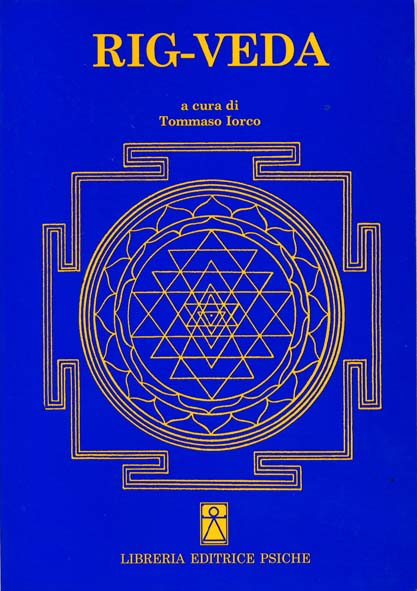
fritstal book

10.எப்படி ரிக் வேதத்தின் முதல் துதியும் கடைசி துதியும் அக்னி பகவான் பற்றி இருக்கிறதோ அப்படியே மனிதனின் வாழ்வும் நெருப்புடன் பின்னிப் பிணைந்தது. மனிதன் பிறந்த அன்று வீட்டில் ஒரு அக்னியை ஸ்தாபிப்பர். அதவது பிராமணர் வீடுகளில் ஒரு பானையில் உமிக் கரியில் நெருப்பு வைப்பர். இந்த நெருப்புதான் அவருக்கு வாழ்நாளின் இறுதி நாளன்று சிதைத் தீக்கும் பயன்படுத்தப்படும். பானைக்குள் உமியில் இருக்கும் நெருப்பு எப்போதும் அணையாது.

11.திருமணத்தின் போதும் அக்னி சாட்சியாகவே திருமணம் செய்ய வேண்டும். சிலப்பதிகாரத்தில் கண்ணகியின் திருமணக் காட்சியைப் படித்தவர்களுக்கு இது தெள்ளிதின் விளங்கும். புது மணத் தம்பதிகள் அக்னியை வலம் வர வேண்டும். ஏழு அடிகள் நடந்த பின்னர் திருமணம் சட்டப்படி நிறைவேறியதாக அர்த்தம்.

12. ஒவ்வொரு பெண்ணும் ஏற்கனவே அக்னி பகவானைக் கல்யாணம் செய்து கொண்டதாகவும் உண்மைத் திருமணத்தன்று அவளை புது மாப்பிள்ளைக்கு அக்னி கொடுத்துவிடுகிறான் என்றும் வேதம் பகரும். இதன் தாத்பர்யம் என்னவென்றால் எப்படி, அப்பன் முன்னிலையில் ஒரு பெண் அதிகார பூர்வமாக இன்னொரு ஆண்மகனுக்கு உரிமையாக்கப் படுகிறாளோ அப்படி அக்னியின் முன்னிலையில் அவளைக் கொடுக்கவேண்டும் என்பதாகும். முடியுடைய மூவேந்தர்கள் பலர் வேளிர் குல அழகிகளைக் கண் வைத்தபோது அவர்களுடைய அப்பன்மார்கள் முடியாது என்று சொன்னதை புற நானூறு அக நானூறு மூலம் அறிவோம். அதாவது பெண்களின் எதிர்காலம் அப்பாக்களாலும் அக்னியாலும் நிச்சயிக்கப்படும்.

agni
Agni with goat vahana

13. அக்னியின் மனைவி பெயர் ஸ்வாஹா தேவி. அதவது ஒவ்வொரு முறை யாகத்தீயில் பொருள்களைப் போடும் போதும் ‘’ஸ்வாஹா’’ என்ற மந்திரத்தைச் சொல்லிப் போடுவர். அதையே இப்படி அடையாளபூர்வமாக மனைவி என்று சொல்வர். இதே போல அவருக்கு மூன்று பிள்ளைகள்: பாவக, பவமான, சுசி. அவர்களுக்கு 45 பிள்ளைகள். அக்னியின் அப்பா, அம்மா காஸ்யபர், அதிதி ஆவர் — சில புராணங்களில் பிரம்மா இவரது தந்தை என்றும் சொல்வர்.

14.அக்னி பகவானுக்கு வாகனம் ஆடு; சில நேரங்களில் கிளியோ சிவப்பு நிறக் குதிரையோ ரதத்தை இழுத்துச் செல்வதாகவும் காட்டப் படும். இவரது சிற்பங்கள் இரண்டு தலைகளுடன் காட்டப்பட்டிருக்கும். இவருக்கு வேதத்தில் மிகவும் அடிக்கடி அடிபடும் பெயர் :–ஜாத வேதஸ் — அதாவது எல்லாம் அறிந்தவர்!!

15.ஒவ்வொரு பிராமணர் வீட்டிலும் கார்கபத்யம், தட்சினாக்கினீயம், ஆகவனீயம் என்று முத்தீ உண்டு. இதை சங்க இலக்கியத்தில் பல இடங்களில் வரும் ‘’முத்தீ அந்தணர்’’ என்ற குறிப்பால் உணரலாம். பிராமணச் சிறுவர்கள் ‘’சமிதாதானம்’’ என்று தினமும் ஓமத் தீ (ஹோம அக்னி) வளர்ப்பர். திருமணமானோர் ‘’ஔபாசனம்’’ என்று காலை மாலையில் அக்னியை வைத்து வழிபடுவர். இந்தப் பொற்காலம் பற்றி எல்லாம் இப்போது பல பிராமணர்களுக்கே தெரியாது !!

losangelese
Agni in Los Angelese Museum

16. அக்னியின் பெயர் மூலம் ‘’இக்னிஷன், இக்னைட்’’ Ignite, Ignition, Ignite rocks முதலிய பல ஆங்கிலச் சொற்கள் உருவாயின. அக்னியின் பெயரை ஒட்டி உக்னிஸ், ஒக்னிஸ், இக்னிஸ் (Ugnis, Ognis,Ignis) என்ற சொற்கள் ஐரோப்பிய மொழிகளில் உண்டு

17.அக்னி பற்றி நாம் இதுவரை அறிந்ததில் இரண்டு உண்மைகள் வெட்ட வெளிச்சத்துகு வந்துவிட்டன:

அ) பாரதமே இந்துக்களின் சொந்த பூமி. இவர்கள் வெளியில் இருந்து வந்திருந்தால் அங்கெல்லாம் அக்னி வழிபாட்டின் சுவடுகள் தென்பட்டிருக்கும் . ஆனால் அப்படி இல்லை. வெறும் சொற்கள் அளவே ஒற்றுமை— பாரசீகர் மட்டுமே தீயை வழிபடுபவர். அவர்களும் இந்தியாவில் இருந்து சென்றவர்கள். அவர்களுடைய மொழியும் ரிக்வேதத்துக்கு மிகவும் பிற்பட்டது. அவர்களைத் தவிர “தீ வழிபாடு” ஐரோப்பாவில் கிடையாது. நம்மவர்கள் அங்கு சென்று தங்கிய காலத்தில் செய்தது எல்லாம், பின்னர் குறைந்து போனது என்றே கருத வேண்டியுள்ளது.

நாமோ இன்றும் வழிபடுகிறோம். சத்ய சாய்பாபா போன்ற மாபெரும் தவ சீலர்கள் 14641 முறை நீண்ட ருத்ர மந்திரத்தைச் சொல்லி அக்னியில் ஆகுதி போடும் பிரம்மாண்டமான அதிருத்ர யக்ஞத்தை நமது காலத்திலேயே நடத்திக் காட்டினர். அமெரிக்க அறிஞர் பிரிட் ஸ்டால் கேரளத்துக்கு வந்து வேத கால யக்ஞத்தை செய்துகாட்டினார். சங்க இலக்கியத்தில் பருந்து வடிவத்தில் யாக குண்டம் கட்டிய கரிகால் சோழன் பற்றிய பாடல் வருகிறது. அதே வடிவத்தில் இந்த அமெரிக்க அறிஞர் கேரளத்தில் யாக குண்டம் அமைத்து யாகம் செய்தார்.

ஆ)இரண்டாவது உண்மை: வேதகால முனிவர்களின் அறிவுக்கு முன் பாபிலோனிய ஜில்காமேஷ் எல்லாம்—நர்சரி ரைம் Nursery Rhyme போன்றவை. வேதத்தில் காணப்படும் மிகப் பெரிய எண்களும் வார்த்தா ஜாலங்களும், சொற் சிலம்பங்களும், சங்கேத மொழிகளும், மறைகளும் அற்புதமானவை. அவர்கள் ‘’சொல் வலை வேட்டுவர்கள்’’. இதே காலத்தில் உலகில் எழுந்த மிகச் சில வேற்று மொழிக் கவிதைகள்- கற்றுக் குட்டி களின் கவிதைகள் என்றால் மிகை இல்லை.

homam chandru
Kancheepuram Chandru Kurukkal performing Havan in the United Kingdom

18. அக்னி பகவானுக்கு அக்னி, வைஸ்வானர, வன்னி, வீதிஹோத்ர, தனஞ்சய, க்ரூபீடயோனி, ஜ்வலன, தனூனபாத், ஜாதவேத, பர்ஹி, சுஷ்மா, க்ர்ஷ்ணவத்ம, சோசிகேச, உஷர்புத், ஆஸ்ரேயச (சேர்ந்தாரைக்கொல்லி), ப்ருஹத்பானு, கிருஷ்ணாகு, பாவக, அனல, ரோகிதாஸ்வ, வாயுசக, ஷிகாவன், ஆசு சுஷ்கனி, ஹிரன்யரேத, ஹுதபுக், தஹன, ஹவ்யவாஹன, சப்தார்ச்சி, தமுன, சுக்ர, சித்ரபானு, வைவாவசு, சுசி, ஆபபித்த ஆகிய பெயர்கள் அமரகோசத்தில் உள்ளன. அப்ஜஹஸ்த, தூமகேது, சாஹரத, சப்தஜிஹ்வ, தோமரதார என்ற பெயர்களும் புராணங்களில் உண்டு. இவற்றின் பொருள் வேண்டுவோர் எனது ஆங்கிலக் கட்டுரையில் காண்க.

19.இதில் க்ருபீடயோனி என்னும் பெயர் விஞ்ஞான விஷயங்களை உள்ளடக்கியது.— அக்னேர் ஆப: — என்று வடமொழியில் ஒரு வாசகம் உண்டு. அதாவது தீயில் இருந்து தண்ணீர் வந்தது. இதையே மாற்றியும் சொல்வர். தண்ணீரில் இருந்து தீ வந்தது. அவர்களுக்கு ஹைட்ரஜன், ஆக்சிஜன் பற்றித் தெரியும் போலத் தோன்றுகிறது. கடலில் தோன்றும் படவாக்னி (வடவை கனல்) பற்றி நான் ஏற்கனவே எழுதிய ஆராய்ச்சிக் கட்டுரையில் பல விஷயங்களைச் சொல்லிவிட்டேன்.

20.தமிழில் அக்னிக்கு “தீ, நெருப்பு, கனல், கங்கு” முதலிய பல சொற்கள் இருப்பதால் அது தனிப்பட எழுந்த, வளர்ந்த ஒரு மொழி என்றும் தெரிகிறது.

yaga mylai

21.அக்னியின் ஏழு நாக்குகளுக்கும் பெயர்கள் உண்டு: காளி, கராலா, மனோஜவா, சுதூம்ரவர்ணா, ஸ்புலிங்கினி, சுலோஹிதா, விஸ்வதாரா.

22.அக்னி பகவானின் சிவப்பு குதிரைக்குப் பெயர்—ரோஹிதஸ்வ. இதே போல வேறு பல தெய்வங்களின் குதிரைகள் பற்றியும் அமரகோசம் தகவல் தருகிறது:
அக்னி – சிவப்பு குதிரை
வருணன் — வெள்ளைக் குதிரை
குபேரன் = குமுத மலர் நிறமுடைய குதிரை
வாயு – பழுப்பு நிறக் குதிரை

பாரதியும் அக்னி பகவானும்

23.வேதங்களைப் படித்து ஊற்றுணர்ச்சி பெற்ற பாரதியார், அவரது பல பாடல்களில் வேத மந்திரக் கருத்துகளை அழகிய சொற்களில் வடித்திருக்கிறார். ‘’அக்கினிக் குஞ்சு’’, ‘’வேள்வித் தீ’’, ‘’தீ வளர்த்திடுவோம்’’ முதலிய பல பாடல்களில் வேத மந்திர மொழி பெயர்ப்புகளைக் காணலாம்.
அமிழ்தம், அமிழ்தம் என்று கூவுவோம் – நித்தம்
அனலைப் பணிந்து மலர் தூவுவோம்;
தமிழில் பழ மறையைப் பாடுவோம் – என்றும்
தலைமை பெருமை புகழ் கூடுவோம்

தெய்வக் கனல் விளைந்து காக்குமே – நம்மைச்
சேரும் இருள் அழியத் தாக்குமே

என்று பல இடங்களில் பாடி, — அக்னி என்பது நாம் நினைக்கும் வெறும் நெருப்பு அல்ல, — அது ஞானாக்னி என்று நமக்கு உணர்த்துகிறார். இதனால் அன்றோ வேதத்திலும் அதிகமான பாடல்களில் அக்னி போற்றப்படுகிறான்.

24.சாயனரும் கூட, தமது வேத பாஷ்யத்தில் வயிற்றுக்குள் இருக்கும் ஜடராக்னி, சூரியன், சந்திரன் ஆகிய எல்லாவறையும் அக்னி பற்றிய வேத மந்திரங்களுக்குப் பொருளாகக் கூறுவார்.

தீ பரவட்டும் !! ஞானத் தீ பரவட்டும்!!!

contact swami_48@yahoo.com

34 Names of Agni, Fire God!

agni staue in OZ

Research paper written by London Swaminathan
Research article No.1353; Dated 17th October 2014.

Agni is the god of sacrificial fire. Hindus worship him from the Vedic days till this day. All the household festivals and temple festivals begin with the worship of fire/Agni. Brahmins were worshipping him twice a day in the morning and evening and slowly it is disappearing now. But yet he is worshipped in the daily ritual- Sandhya Vandhana.

Agni is the son of Kasyapa and Aditi or Dyaus and Prithvi. Dyaus is heaven and Prithvi is earth. His Vahana/vehicle is a goat. He is the guardian deity of South East. Agni is shown riding a chariot drawn by red horses or parrots in later iconography.

His consort is Svaha and his son is Skanda. This is symbolic. All the offerings are put into fire with the mantra ‘Svaha’ and Agni is worshipped without fire in the form of Skanda or Muruga. So all the Subrahmanya (Skanda) worshippers are worshipers of Agni.

Agni is fire and also Priest, Father, Brother, Friend, Guest and finally the Light of lights, the Soul within our soul and the Deva who is identified with every other Deva or Devi and with the ultimate reality. The Vedic sage’s poetic mind most enthusiastically contemplates every one of these aspects of Agni.

As simple fire Agni is the child of two mothers (the two sticks that produce it by concussion ) and is lifted by Ten Young Virgins — the priest’s fingers ‘’anguli’’ and by another analogy he is the Banner/ketu of the people.

We also need to know the style of mystic expression to understand what significance the Vedic sage intends to convey by describing the domestic fire – Gargapatya Agni – as the ‘’Lord of the Household’’, the ‘’Husband of Wives’’, the ‘’Lover of Maidens’’ as the ‘’Household Friend ‘’(damunas) and the loved and the respected guest at home (athithir durone).

agni, guimet
Agni in Guimet Museum, France

We learn two important things from the worship of Agni:
1.Vedic poets’ imagination fly sky high when they praise Agni. They are great poets and they are great intellectuals. From ordinary light (Fire) they take us to the Supreme Light. When we compare this with other ancient poems such as Babylonian Gilgamesh, we can estimate their level of intelligence!!

2. Agni is not worshipped anywhere except India (Parsees in Iran went from India) and only the cognate words are in other languages. This shows that India is the original home of the Hindus and those who went outside spread it or observed it to some extent and it petered out in course of time. The original home of the Hindus still keeps it glowing. Sri Satya Sai Baba and other great saints of India performed Adi Rudra Yajnas (recitation of the long Rudra hymn 14641 times along with the fire offering) in our own time.

34 Names of Agni
Amarakosa, ancient Sanskrit thesaurus gives 34 names for the Vedic fire god Agni. English words such as ignite, ignition, igneous rocks came from this Sanskrit word Agni. The oldest religious book and the oldest record of the human beings, the Rig Veda, begin with a hymn to Agni and ends with a hymn to Agni. That is the beauty of the Veda. It shows the importance the Hindus give to Agni. Next to Indra, Agni has the highest number of hymns. His name is mentioned in other hymns as well. If we take them into account, he tops the list of all deities.

Fire god is the witness of all rituals in Hinduism. From birth to death all Hindu rituals include fire worship. They celebrate the first anniversary of the child with a Havan/Homa or fire sacrifice and end a person’s life journey by consuming the body to fire. Even the wedding is celebrated in front of fire or Agni. He is the witness for all good and bad things.

losangelese
Agni in Losanjalese Museum

The fire god Agni is extremely important in the Vedic religion. He is the messenger of the gods. He takes all the offerings poured into the fire to the gods. He is everywhere. He is in the sun and moon and as ‘jataragni’ in the stomach, says Sayana in his commentary. Jataragni is the metabolic activities in the body that produce heat. He is in the sea as Badava Agni. All the girls are possessed by him before the marriage. This means that all the girls must be married in front of him (sacrificial fire) as he gives them like a father gives his daughter to the bridegroom. The couple have to walk around the fire. It is called
Saptapadi.

Orthodox Hindus keep fire in a pot from the birth to death and use it for all occasions. The ‘aupasana’ pot contains paddy husk burning forever. It is never extinguished. When a baby is born it is lighted and the same fire is used to light the funeral pyre when the person dies at an old age.

Agni has got cognate words ignis in Latin ogni in Old Slavic and ugnis in Lithuanian . He is worshipped in the houses in three forms by the Brahmins and they are Garhapatya, Dhakshinagni and Ahavaneeyam.

Tamils have separate words for fire: Thii, Neruppu, Kanal. It proves Tamil is an independent language.

34 names of Agni in the Amarakosa and the commentaries on them give lot of interesting information:

bm_agni_goat_
Agni in British Museum, London

1.Agni
Meaning:– Going forward
2.Vaisvanara
Relative of the people; Relative of Visva Nara:
3.Vahni
Travels with wind
4.Vitihotra
Place where many Ahutis are offered
5.Dananjaya
Helps to earn wealth; also name of Arjuna and a snake
6.Krupeetayoni
Source of water; vice verse Water produces Agni
‘’Agner apa:’’
7.Jwalana:
Glittering, glowing

fritstal book

8.Jataveda:
He who knows all; Heat creates everything e.g. sun, body heat
9.Tanunapath
He never allows the body to fall; one who does not protect his own shape; becoming dry or one who eats ghee
10.Barhi:
Creeping, crawling
11.Sushma
One who shortens or dries everything
12.Krsnvartma
One who produces black smoke
13.Sochiskesa
One who has flame as his hair

14.Usharbuh
Bright in the morning; Brahmins make him bright in the morning.
15.Asrasya:
One who burns everything associated with him
16.Brhatbanu
One who creates light

agni

17.Krshanu:
emaciating
18.Pavaka:
One who purifies
19.Anala:
One of the Eight Vasus
20.Rohitasva
One who has a red horse
21.Vayusaka:
Friend of the wind
22.Shikavan
One who has flames of tuft

havan
23.Asusukshani:
Dries anything at once or shortens
24.Hiranyareta:
Golden shakti or veeryam
25.Hutabuk
Whatever offered is eaten by him
26.Dahana:
One who makes everyone feels hot

27.Havyavahana:
One who has wind as a vehicle
28.Saptarchi
One who has got seven flames.
Kali, Karala, Manojawa, Sulohita, Sudumravarna, Spulingini, Visvadara are his seven tongues/ flames.

homam chandru
Birmingham Chandru Kurukkal doing Homam/Havan

29.Damuna:
One who subdue, quietens
30.Sukra:
Colour of Sukra – Venus –Bright White
31.Chitrabanu
Colourful light
32.Vivavasu
Light is his wealth
33.Suchi;
One who purifies everything
34.Apapitta:
He is the embodiment of pitta in the water

colour of horses
Agni = red horse – rohitaswa
Varun = white horse
Kuberan = horse of Kumuda (water lily) flower colour
Vayu = babru/ brown colour horse
(Amarakosa commentary gives these details of colour horses)

homam2

Agni has got other names as well:
Abja hasta = lotus in hand
Dhuma-ketu = whose sign is smoke
Chhaga-ratha =ram rider
Sapta jihva = seven tongued
Tomara dhara = javelin bearer

Number Seven and Agni
Agni is associated with Number7 for some unknown reasons. He is called Saptaarchi and Saptajihva (Sapta is 7). His seven tongues have separate names (given above).in the Vishnu Purana he is called Abhimani, and the eldest son of Brahma. He had three sons by Swaha. Their names were Pavaka, Pavamana and Suchi. They had 45 sons- altogether 49 persons (7X7). Agni’s chariot had seven wheels representing seven winds. In the Rig Vedic hymns on Agni, we come across number 7 often.

yaga mylai

contact swami_48@yahoo.com

Pictures are used from face book and other sites;thanks.

புறநானூற்று அதிசயங்கள்

tamil puu parithal

கட்டுரை மன்னன் :– லண்டன் சுவாமிநாதன்
ஆராய்ச்சிக் கட்டுரை எண்- 1352; தேதி அக்டோபர் 17 2014.

சங்க இலக்கியம் எனப்படும் 18 நூல்கள் பத்துப் பாட்டு, எட்டுத் தொகை என்ற இரண்டு தொகுப்புகளாக உள்ளன. அதில் புறநானூறு என்னும் 400 பாடல்கள் கொண்ட நூல், எட்டுத்தொகையில் இடம்பெறும் ஒரு நூலாகும். தமிழ் மன்னர்கள், சிற்றரசர்கள், போர்கள், பழக்க வழக்கங்கள் ஆகியவற்றை இவற்றிலிருந்துதான் அதிகம் அறிகிறோம்.

கடவுள் வாழ்த்து உள்பட 400 பாடல்கள் என்று இப்போது உள்ளன. ஆனால் இது தவிர இன்னொரு பாடல் இருந்திருக்க வேண்டும் என்று சான்றோர் கருதுவர்.

இப்போதுள்ள பாடல் தொகுப்பிலும் 267 மற்றும் 268 என்ற இரண்டு பாடல்கள் கிடைக்கவில்லை. பழைய உரையும் முதல் 266 பாடல்களுக்கே கிடைத்திருக்கிறது. மீதி கிடைக்கவில்லை. பின்னர் வந்தவர்கள் உரை எழுதியுள்ளனர். அதற்கும் முந்திய ஒரு உரை இருந்ததாகத் தெரிகிறது. ஆனால் உரைகாரர் பெயர்கூடத் தெரியவில்லை.

இனி இது பற்றி சில சுவையான விஷயங்கள்:

1.இதுவும் திருக்குறள் போல அறம், பொருள், இன்பம் என்னும் முப்பிரிவுகளாகப் பிரித்திருக்கப்படலாம் என்று தமிழ் தாத்தா உ.வே. சாமிநாத அய்யர் கருதுகிறார். காரணம்? ஒரு இடத்தில் முதல் தொகுப்பு “அறநிலை” என்ற தலைப்புடன் உள்ளது. அவர் கருத்து சரியாகுமானால் இந்து மத நூல்களில் காணப்படும் தர்ம, அர்த்த, காம என்பன இதிலும் இருந்திருக்கிறது எனலாம். தொல்காப்பியத்தில் தர்மார்த்தகாமம்- இருப்பது அறம்,பொருள், இன்பம் என்ற சொற்றொடரால் தெரிகிறது. ஆக இமயம் முதல் குமரி வரை வாழ்க்கை மூல்யங்கள் எனப்படும் பண்பாட்டுக் கூறுகள் ஒன்றே!

2.பாரதம்பாடிய பெருந்தேவனார் (திரு.மஹாதேவன் = பெருந்தேவன்) அவரது பெயருக்கேற்ப கடவுள் வாழ்த்தில் சிவபெருமான் பற்றிப் பாடி இருக்கிறார். இதில் வரும் ‘’பதினெண்கணம்’’ கவனிக்கப்பட வேண்டிய சொல். வெள்ளைகாரர்கள் வந்து இந்தியர்களை ஆரியர், திராவிடர், முண்டா இன மக்கள் என்று மூன்று பிரிவுகளாகப் பிரிப்பதற்கு முன் நாம் 18 வகையாகப் பிரித்திருந்தோம். ஆனால் அவர்களுக்கும் நமக்கும் ஒரு வித்தியாசம். நாம் எல்லோரும் ஒருதாய் வயிற்றுப் பிள்ளைகள், இந்த மண்ணின் மைந்தர்கள் என்றோம். வெளிநாட்டுக்காரகளோ பிரிவினைக் கரடியைப் புகுத்தினர்.

விஷ்ணு சஹஸ்ரநாமம் போன்ற துதிகளில் கூட “சுர – நர- கக — கோ- போகி- கந்தர்வ—தைத்யை”—என்று வரும். முதல் கடவுள் வாழ்த்துப் பாடலுக்கு உரை எழுதியோர் கூறும் 18 கணங்கள் :— அமரர், சித்தர், அசுரர், தைத்தியர், கருடர், கின்னரர், நிருதர், கிம்புருடர், காந்தர்வர், யக்ஷர், விஞ்ஞையர், பூதர், பைசாசர், அந்தரர், முனிவர், உரகர், ஆகாசவாசிகள், போகபூமியர். இது சில உரைகளில் சிறிது மாறுபடும்.

2.இரண்டாவது அதிசயச் செய்தி: பஞ்சபூதங்கள் பற்றிச் சொல்லும் இரண்டாம் பாடலாகும். ஐம்பெரும்பூதம் என்ற சொற்றொடரும் பாரதப் பண்பாட்டிற்குச் சான்று பகரும்— நாம்தான் இதை உலகம் முழுதும் பரப்பினோம். மேலும் முதல் ஐந்து வரிகளும் அந்தாதி வடிவில் அமைந்துள்ளன. இதையே முதல் அந்தாதிப் பாட்டு எனக் கொள்ளலாம். இதற்குப் பின்னர் வந்த காரைக்கால் அம்மையார் பாடிய அந்தாதி, அபிராமி அந்தாதிகளை நாம் அறிவோம். அதற்கெல்லாம் அடிப்படை புறத்தின் இரண்டாவது பாடலே.

tamil-penkal

3.இரண்டாம் பாடலைப் பாடியவர் முடிநாகராயர் என்னும் புலவர் — மிகவும் முற்காலத்தைச் சேர்ந்தவர். அவரால் பாடப்பட்டவனும் நாம் அறிந்த சேரர்களில் மூத்தவன்:–உதியஞ் சேரலாதன். அவரே “பொதியமும் இமயமும்” ஒன்றே என்று பாடுகிறார். ஆக பாரதம் முழுதும் ஒன்றே என்பது இப்பாட்டிலும் 6, 17, 67-ஆம் பாடல்களிலும் வருவது மிகவும் அருமை. அது மட்டுமல்ல.

பொதியம் என்று ஏன் சொன்னார் என்றால் இமயத்தில் முத்தீ வளர்த்து அந்தணர்கள் வளர்க்கும் தீயில் மான்கள் தூங்கும் என்று சொல்பவர் இங்கும் அகத்தியர் அதைச் செய்கிறார் என்பதைக் குறிப்பால் உணர்த்துகிறார். அது மட்டுமல்ல. இவர் பாடிய வரிகள் காளிதாசனின் குமார சம்பவ காவியத்தில் காணப்படும் இமயமலை வருணனையும் உள்ளது!

4.பாடல் ஒன்பதில் அந்தக் கால தர்மயுத்த முறை காணப்படுகிறது. போர் செய்வோர் ஊருக்கு ஒதுக்குப் புறமான பொட்டல் வெளியில் காலை சூரிய உதயம் முதல் அஸ்தமனம் வரை அவரவர்க்குச் சமமான ஆட்களுடன் மட்டுமே மோதுவர்— பசுக்கள், பெண்கள், பார்ப்பனர், நோயாளிகள், தர்ப்பணம், திதி முதலியன செய்வதற்கான ஆண் பிள்ளைகளைப் பெறாதோர் எல்லாம் பாதுகாப்பான இடங்களுக்க்ப் போய்விடுங்கள் என்று பல்யாக சாலை முதுகுடுமிப் பெருவழுதி சொல்வதை இப்பாட்டில் காணலாம். பாடியவர் நெட்டிமையார்.

5.புறநானூற்றைத் தொகுத்து நூலாக்கியவர் பெரும்பாடுபட்டு ஒவ்வொரு தலைப்பிலும் தொகுத்திருக்க வேண்டும். வெள்ளி கிரகம்—மழை தொடர்பான பாடல்கள் எல்லாம் கடைசியில் கிட்டத்தட்ட அடுத்தடுத்து உள்ளன.

6. கோபப் பாடல்கள், இரங்கற் பாடல்கள் எல்லாம் நடுவில் உள்ளன. நிலையாமை பற்றிய பாடல்கள் கடைசியில் உள்ளன. போர்க்கள வீரம் பற்றிய பாடல்கள் எல்லாம் ஒரு சேர தொகுக்கப்பட்டுள்ளன. ஆக இதைத் தொகுத்தவர் வியாச முனிவர் போல அரும்பாடு பட்டு ‘வகை’ பிரித்திருக்க வேண்டும்.

7.இரண்டாயிரம் ஆண்டுகளுக்கு முன்னர் பாடிய (பாடல் 346) சிறுவெண்தேரையார் இந்த பூமியை ஆண்ட மன்னர்கள் “கடல் மணலைவிட அதிகம்” என்று கூறுவது மிகவும் ஆழமாக ஆராய வேண்டிய செய்தி. அந்தக் காலத்திலேயே அவ்வளவு மன்னர்கள் பிறந்து இறந்து இருப்பர் என்றால் தமிழ் இனம் எவ்வளவு பழமையானது என்பதும் புலப்படும். பாடல் 358-ல் இந்த பூமியை ஒரே நாளில் ஏழுபேர் ஆண்ட வியப்பான செய்தி இருக்கிறது. இதைப் பாடியவரின் பெயர் வான்மீகி!! ராமாயணம் இயற்றிய முனிவர் பெயர் தமிழ்நாட்டில் 2000 ஆண்டுகளுக்கு முன் இருப்பது வியப்பிலும் வியப்பு.

8.மாங்குடிக் கிழார் பாடிய 335-ஆம் பாடலில்
நான்கு சிறந்த மலர்கள் (குரவு, தளவு, முல்லை, குருந்தம்)
நான்கு சிறந்த குடிகள் (துடியன், பாணன், பறையன்,கடம்பன்),
நான்கு சிறந்த உணவுகள் (வரகு, தினை, கொள்ளு, அவரை)
என்று வகைபடுத்திவிட்டு இதைப்போல நடுகல் ஆகிவிட்ட வீரனை விடச் சிறந்த கடவுள் இல்லை என்கிறார். அந்த நடுகல்லுக்கு நெல்லும் பூவும் தூவி வழிபடும் செய்தியையும் அளிக்கிறார்.

queen

9.சங்க இலக்கியத்தில் சுமார் 20 நாகர்கள் பெயர்கள் இருக்கின்றன. புறநானூற்றில் வெண்ணாகன், மருதன் இளநாகன் முதலிய பல நாகர்கள் பாடல்களைப் பாடியுள்ளனர். இதேகாலத்தில் மகாவம்சம் என்ற இலங்கை வரலாறும் பல நாக மன்னர்கள் பெயரைக் குறிக்கின்றன. இதேகாலத்தில் வடக்கில் குப்தர்கால கல்வெட்டுகளும் பல நாக மன்னர்கள், தளபதிகள் பெயரைக் குறிக்கின்றன. யார் இவர்கள் என்று நீண்ட காலமாக விடை எழுப்பியும் முடிவான ஒரு ஆராய்ச்சி நடக்காதது ஒரு பெரும் குறையே!

10.அந்தக் காலத்தில் நாடு முழுதும் தூதர் (ambassador) பதவி, பார்ப்பனர்களுக்கு கொடுக்கப்பட்டது. அப்படிக் காட்டு வழியாகச் சென்ற ஒரு பார்ப்பனனை கள்ளர்கள் கொன்றுவிட்டு வருத்தப்படும் செய்தியும் மற்றொரு பார்ப்பனனின் (பாடல் 305) திறமையான சொல்லும் செயலும் புறநானூற்றில் உள்ளன. அவன் போய் மன்னனிடம் ஒரு சில சொற்களையே சொன்னான். உடனே அந்த மன்னன் பயந்துபோய் படை எடுப்பு முஸ்தீபுகளை நொடிப் பொழுதில் நீக்கிவிட்டான். இரவு என்று பாராதும் அரண்மனைக்குள் புகுந்தானாம் அந்தப் பார்ப்பனன்! மதுரை வேளாசான் பாடிய பாடல் இது.

11.புறம் 201-ல் இருங்கோவேளின் 49 தலைமுறை பற்றிக் கபிலர் கூறுவதில் இருந்து தமிழர்கள் அதற்கு ஆயிரம் (கி.மு1000) ஆண்டுகளுக்கு முன்னரே அப்பகுதியை ஆளத் தொடங்கியது தெரிகிறது. இதற்கு உரை எழுதிய நச்சினார்க்கினியர் பல அரிய தகவல்களைத் தருகிறார். தமிழ் இனத்தின் வயது என்ன? என்ற கட்டுரையில் முன்னரே கொடுத்துவிட்டேன்.

12.பாடல் 182 இந்திரர் அமிழ்தம் பற்றியும் — பாடல் 191 நரைமுடி வராமல் இருக்கும் மர்மம் பற்றியும் — பாடல் 192 உலகமே ஒரு குடும்பம் – யாதும் ஊரே யாவரும் கேளிர் – என்றும் கூறுவதை தமிழ் கூறு நல்லுலகம் அறியும் என்பதால் விரித்துரைக்கும் தேவை இல்லை.

13.பாரி பற்றி கபிலர் பாடிய 109-ம் பாடலில் Point 1- பாய்ண்ட் 1, Point 2 பாய்ண்ட் 2, Point 3 பாய்ண்ட் 3 என்று இந்தக் காலத்தில் பெரும் மேடைப் பேச்சாளர்கள் பேசுவது போலப் பேசி (ஒன்றே, இரண்டே, மூன்றே) மூவேந்தர்களுக்கு சவால் விடுகிறார் அடுத்த பாடலில் பாரியிடத்தில் 300 ஊர்கள் இருந்ததும் அத்தனையையும் பரிசிலர்க்குக் கொடுத்ததையும் கூறுகிறார். ஒரு சிறிய மன்னனிடம் 300 ஊர்கள் என்றால் சேர சோழ பாண்டிய மன்னர்களிடம் எவ்வளவு ஊர்கள் இருந்திருக்கும்?

kannaki cooking

14.புறம் 55, 56, 58 ஆகிய மூன்று பாடல்களில் இந்துமதக் கடவுளரின் கொடிகள், வாகனங்கள், பெயர்கள் ஆகியன வருவது அக்காலத்திலேயே தமிழர்கள் உருவ வழிபாடு செய்ததையும் ஆன்மீகம் கொடி கட்டிப் பறந்ததையும் காட்டும்.

புறநானூற்றில் வானவியல்,சூரிய கிரகணம், விமானி இல்லாமல் பறக்கும் விமானம் முதலிய பல செய்திகள் இருப்பதைத் தனியான கட்டுரைகளில் ஏற்கனவே கொடுத்துவிட்டேன். புறநானூற்றும் பொன்மொழிகளையும் தனியே தொகுத்து அளித்து இருக்கிறேன். தமிழர்கள் பற்றி அறிய புறநானூற்றையும், சிலப்பதிகாரத்தையும் படித்தால் போதும். ஒரு கலைக் களஞ்சியமே (என்சைக்ளோபீடியா) படித்த பலன் கிட்டும்.

வாழ்க தமிழ்! வளர்க புலவர் பெருமை!!

contact swami_48@yahoo.com
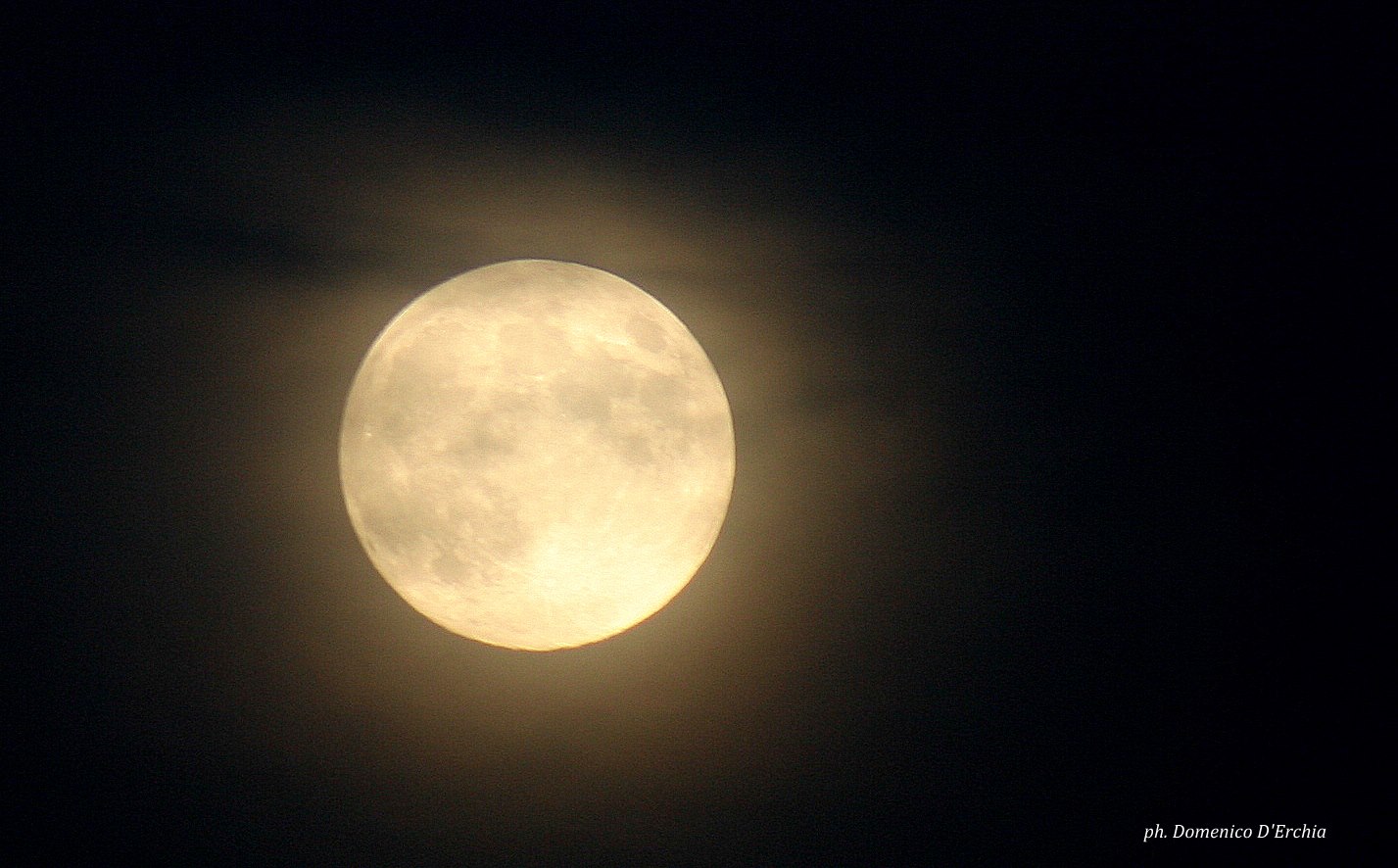
Fire Simile: From Rig Veda to Ramayana!

burning firewood

Research paper written by London Swaminathan
Research article No.1351; Dated 16th October 2014.

A beautiful simile about fire is used from the Rig Veda to Tamil Kamba Ramayana of 12th century CE. Fire is compared to anger by several Indian poets. Both destroy their “parents” and those who live with them! This shows that Indian thought process is similar from Kashmir to Kanyakumari – from Rig Vedic days to the middle ages or modern days.

Amarakosa, the Sanskrit Thesarus, gives 34 names for Agni, the God of Fire. One of them is Asrayasa: , which means it will destroy whoever it makes friendship with.

In the Veda:
In the tenth Mandala of the Rig Veda(RV 10-79-4), a poet sings about the God Agni:
“This holy law I tell you, earth and heaven ; the infant at his birth devours his parents.
No knowledge of the god have I, a mortal. Yea, Agni knoweth best, for he hath wisdom”.

Ralph T H Griffith in a foot note in his translation of the Rig Veda says,
“Agni born from the wood of the fire sticks seems as he creeps through the brushwood that he is burning to seek entrance again into his mother’s side. He then finds an old dry tree rooted in the earth and feeds on it as on food that has been specially prepared for him.

His parents: the two fire sticks from which he has been produced.

This is beautiful. Like fire sticks that produce fire, forests trees also produce fire when one tee rubs with another tree. Fire destroys both the trees (parents). Anger is also like this. Anger will destroy a person where it originated along with his relatives, supporters and patrons.

fire
In Tamil Literature
Maruthan Ilanagan , a Tamil poet in Purananuru verse 349, uses this simile. A king asks for the hand of a beautiful girl, but her father refuses to give her to him. The king became angry, wiping the sweat from his forehead with the help of his spear, started abusing him. And the poet comments that this angel/girl is going to destroy the town like a fire in a forest tree destroys the whole forest. Here the comparison is that the girl is going to destroy her parents like the fire that destroys its parent tree and the forest.

Great Tamil poet Tiruvalluvar also uses this simile:-

Anger not only destroys those whom it affects, like fire, but it will also burn
Those kindred souls, who step into help as a raft towards salvation – Kural 306

The idea here is that anger destroys not only the man who gets angry but those who go to his rescue. Shakespeare meant very much the same when he wrote ‘men in rage strike those that wish them best’

wildfires-

But Kamba Ramayanam paints the picture best in a verse in the Uttara Kanda comparing anger to the fire that starts in a bamboo cluster and destroys not only its birth place but all round –
Mungilir piranthu – Kamba.uttara- ilavinan 29

Books Used: — Rig Veda: Translation by R T H Griffith, Tirukkural commentary by Dr S.M .Diaz, Purananauru and Kambaramayanam in Tamil.

contact swami_48@yahoo.com

அற்புத உவமை- சேர்ந்தாரைக் கொல்லி: அக்னி பகவான்!

wildfires-

கட்டுரை மன்னன் :– லண்டன் சுவாமிநாதன்
ஆராய்ச்சிக் கட்டுரை எண்- 1350; தேதி அக்டோபர் 16, 2014.

காட்டுத் தீ பற்றிய ஒரு அற்புதமான உவமையை ரிக் வேதம் முதல் திருக்குறள், கம்பன் வரை பலரும் பயன் படுத்தும் அழகை, வேதத்திலும் புறநானூற்றிலும் திருக்குறளிலும், கம்பனிலும் காண முடியும். முதலில் வள்ளுவர் காட்டுத் தீ பற்றி என்ன சொல்கிறார் என்று பார்க்கலாம்:-

சினமென்னும் சேர்ந்தாரைக் கொல்லி இனமென்னும்
ஏமப் புனையைச் சுடும் – திருக்குறள் -306

சினமென்னும் தன்னைச் சேர்ந்தவரை அழிக்கும் நெருப்பு அவனை அழிப்பதுடன் அவனுக்குத் துணையாக நின்ற பாதுகாவலரையும் அழிக்கும்.

இதில் தீ என்பதற்கு அவர் பயன்படுத்தும் சொல் ‘’சேர்ந்தாரைக் கொல்லி’’. இது ஆஸ்ரயாச: என்ற வடமொழிச் சொல்லின் தமிழாக்கம். வடமொழி நூல்களில் பல்வேறு இடங்களில் காணப்படும் சொல் இது.

ரிக்வேதம்:–10-79-4

இது ரிக்வேதத்தில்தான் முதல் முதலில் வருகிறது. குறைந்தது 4000 ஆண்டுகளுக்கு முந்தையது ரிக்வேதம். பாலகங்காதர திலகர், வானவியல் ஆராய்ச்சி மூலம், 8000 ஆண்டுகளுக்கு முந்தையது என்றும் ஜெர்மன் அறிஞர் ஜாகோபி 6000 ஆண்டுகளுக்கு முந்தையது என்றும் காட்டியுள்ளனர்.

அக்னி பற்றிய பாடலில் வரும் வரிகள் (ரிக்வேதம்:10—79—4)

“இந்தப் புனித விதியை உனக்குச் சொல்கிறேன். பூமியும் வானமும்; –பிறந்த குழந்தை — தந்தை, தாயையே விழுங்கிவிட்டது.
இந்தக் கடவுள் பற்றி முழுதும் நான் அறியேன். நான் சாதரண மானுடன்– ஆனால் அக்னி பகவானுக்குத் தெரியும். அவர் எல்லாம் அறிந்தவர்.”

இதில் கவனிக்க வேண்டியது பிறந்த குழந்தை—தாய் தந்தையரையே விழுங்கிவிட்டது. அதாவது தீயானது பிறக்கும் இடம் — காடுகளில் இரண்டு மரங்கள் உராயும் போது — மரத்தில் பிறக்கும். அவைதான் தாய் தந்தையர்கள் – அப்படிப் பிறந்தவுடன் தன்னையும் அந்த மரங்களையும் எரித்து அழிப்பதையே தாய்,தந்தையரை விழுங்கிவிட்டது என்கிறார் ஒரு வேத கால ரிஷி. இதைத் தமிழ் நாட்டில் வாழ்ந்த கம்பன் வரை பலரும் பயன்படுத்துவது பாரத நாட்டின் சிந்தனையும் செயல்பாடும் ஒன்றே — உவமைகளில் கூட – ஒன்றே என்று காட்டுகிறது.
burning firewood

ஆஸ்ரயாச: = சேர்ந்தாரைக்கொல்லி

அமரகோசம் என்னும் புகழ்பெற்ற சம்ஸ்கிருத நிகண்டில் அக்னி பகவானுக்கு உள்ள 34 பெயர்களில் ஒன்று ஆஸ்ரயாச:. இதன் பொருள் சேர்ந்தாரைக் கொல்லி என்பதாகும். அதாவது தன்னுடன் சேர்ந்தாரையும் சேர்த்து அழிப்பது அக்னி. இதை 4000 ஆண்டுகளுக்கும் மேலாகப் பலரும் உவமையாகப் பயன்படுதுவது படித்துச் சுவைக்கத்தக்கது.

புறநானூற்றில் மருதன் இளநாகன்:–

நுதிவேல் கொண்டு நுதல்வியர் தொடையாக்
கடிய கூறும் வேந்தே; தந்தையும்
நெடிய அல்லது பணிந்து மொழியலனே;
இஃது இவர் படிவம் ஆயின், வைஎயிற்று,
அரிமதர்க் மழைக்கண், அம்மா அரிவை
மரம்படு சிறு தீப் போல
அணங்காயினள்,, தான் பிறந்த ஊர்க்கே.
—மருதன் இளநாகன் பாடல் 349 புறம்

பொருள்:–அரசனோ கோபக் கனல் பொங்கப் பேசுகிறான். நெற்றியில் வழியும் வேர்வையை கூரான ஈட்டியால் வழிக்கிறான். பெண்ணைப் பெற்ற அப்பனோ கொஞ்சமும் விட்டுக் கொடுப்பதாகத் தெரியவில்லை. இவளோ அழகி; கூரான பற்கள், குளிர்ந்த கண்கள், மா நிறம் —- காட்டில் ஒரு மரத்தில் தோன்றிய தீ, அந்த மரத்தை அழிப்பதோடு நிற்காமல் அந்தக் காட்டையே அழிப்பது போல இந்தப் பெண்ணால் ஊருக்கே கேடு வரப்போகிறது.

மரம்படு சிறு தீப்போல அணங்கு ஆயினள் – என்பது அழகான உவமை.

fire

கம்பராமாயணத்தில்
மூங்கிலிற் பிறந்து முழங்கு தீ மூங்கில்
முதலற முருக்குமாப் போலத்
தாங்கரும் சினத் தீ தன்னுள்ளே பிறந்து
தன்னுறு கிளையெல்லாம் தகிக்கும்;
ஆங்கதன் வெம்மை அறிந்தவர் கமையால்
அதனையுள் அடக்கவும் அடங்காது
ஓங்கிய கோபத்தீயினை ஒக்கும்
உட்பகை உலகில் வேறுண்டோ ?
உத்தரகாண்டம் – இலவிணன் -29

வள்ளுவனைப் போல, கம்பன் கோபத் தீயை, மரத் தீக்கு ஒப்பிடுகிறான். ஒருவன் அடையும் கோபம் அவனை மட்டும் அழிக்காது அவனைச் சார்ந்து நின்றாரையும் அவனுக்கு ஆதரவு கொடுத்தாரையும் சேர்ந்து அழித்துவிடும்.

உதவிய நூல்கள்:– திருக்குறள் ஆராய்ச்சிப் பதிப்பு, பதிப்பாசிரியர் கி.வா.ஜகந்நாதன், ரிக்வேதம்-ஆங்கில மொழிபெயர்ப்பு, ரால்ப் டி.எச்.கிரிப்பித், புறநானூறு-வர்த்தமானன் பதிப்பகம், அமரகோசம், கம்பராமாயணம்.

Mr.30! Indra and Chandra!! Rig Veda Mystery-5

moon_harvest_

Research paper written by London Swaminathan
Research article No.1349; Dated 15h October 2014.

Indra and Chandra are called Mr.Thirty in Indian and Sumerian cultures respectively. Chandra, the Sanskrit word for moon, is a male deity in Hindu scriptures and astrology. But in several other cultures moon is feminine deity.

Indra is called Tri dasa pati (Three Ten Lord= Lord of Three Tens) in Hindu scriptures because he is the head of the thirty three Vedic Gods. But yet this number is rounded to 30!

Tridasa pati is used in Carnatic musicians’ compositions and inscriptions (Sravanabelagola inscription, Thyagaraja Kriti) and Hindu mythology.

The thirty three Gods are 12 Dwadasa Aditya, 11 Ekadasa Rudra and 8 Ashta Vasu and Two Asvins.

It is a coincidence that Sumerians also rounded the number 27 or 29 and a half to 30!
Why moon is called No.30?

moon-phases-08-131008

It seems that in all the cultures of the Near East the moon was imagined a male deity. In Anatolia, the Hurrian moon God was Kushuh corresponding to earlier Hattic god Kashku and Luwian Arna. The name was usually written with the name of the Mesopotamian moon god Sin or the numeral 30 – representing the thirty days in a month.

In Ugarit the moon god was Yarih.

Only the Greeks and the Romans worshipped moon as goddess. They were called Selene and Diana respectively.
Moons other names in different cultures:–
Menuo, Man Nannan, Mani, Myesyats , Mene, Kushukh, Amins, Soma , Chandra, Full moon : Pournami or Purnima;
In Tamil , Thingal, Nilavu and Pirai

The moon was the first calendar of the ancient people, as it disappears and reappears every month. The word for month comes from moon and that in turn comes from indo- European root ‘’me’’ – measure –. The god Mani determined the waxing and waning of the moon. One of his titles was ‘year-counter’ and another was ‘time teller’. The Norse and Anglo- Saxons had two kinds of months, a proper lunar month of 29 and half days and a common law month of 28 days.

Like Hindus Baltic culture believed that there is a connection between moon and the plants. Like Hindus they also sowed seeds during the bright half of the month. Baltic people also prayed to the new moon for health during full moon like Hindus . Major Hindu festivals are held on full moon days. In fact all the 12 full moons in a year are big festival days in the Hindu temples.

A lot of rituals are linked with full moon around the world. People thought that there is a link between the menstruation and ovulation of women. They prayed to moon for children. Hindus do Puja (worship) with flowers on Full Moon days. Many of the Hindu gods and goddesses have crescent moon on their head.

In Hinduism the word Soma is used for both the moon and a miraculous herb. Hindus use Sasi (Sin in Sumerian) Chandran (Suen in Sumerian) . In Tamil Thingal is moon like the Canaanite Nikkal. Nannan is also a familiar name in Sangam Tamil literature.

Nanna was a Mesopotamian moon god worshiped from 3500 BCE. He was the tutelary god of Ur. His wife was Ningal (rhyming with Tamil Thingal).

copRigVeda

Rig Veda Mystery -5
I have already posted Rig Veda Mystery 1 to 4.
We have already seen Vedic number puzzle of four horns, three feet, two heads and seven hands (RV 4-58).
Here is another Rig Vedic number riddle about 33 gods:

Three times a hundred gods and thrice a thousand, and three times ten and nine have worshiped Agni.
For him spread sacred grass, with oil bedewed him and established him as Priest and Sacrifice-(RV 3-9).
Griffith who translated the above hymn says,

In the Vaisvadeva Nivid or hymn of invitation to the Visvedevas the number of Gods is said to be 3 times 11, then 33, then 303, then 3003. By adding together 33+ 303+ 3003 the number 3339 is obtained

My opinion is that the Vedic seers must be mathematics geniuses to use maths in worshiping Gods. They were great intellectuals to use Number symbolism 4000 years ago. When we compare this with the Sumerian poems of Gilgamesh, they sound like barbaric and primitive poems of low level intellect!! I am not making this sweeping statement on the basis of this one verse. Those who study the Vedas and the last hymn of the Rig Veda (10-191) will be surprised to find how advanced they were. Vedic seers sing the World Anthem for the welfare of the human beings (I have already written about this International Anthem of the World).

Contact swami_48@yahoo.com

இந்தியத் தமிழும் இலங்கைத் தமிழும்

yaz devi
Yaz Devi Train

கட்டுரை மன்னன் :– லண்டன் சுவாமிநாதன்
ஆராய்ச்சிக் கட்டுரை எண்- 1348; தேதி அக்டோபர் 15, 2014.

தமிழ் மொழி ஒரு விந்தையான மொழி. ஆயினும் பெரும்பாலும் இது சம்ஸ்கிருதம் போன்றது. இந்திய மொழிகள் அனைத்தும் உயிர் எழுத்துக்கள், மெய் எழுத்துக்களை வரிசைப் படுத்துவதிலும், வேற்றுமை உருபுகள் (எட்டு வேற்றுமைகள்), சந்தி இலக்கணத்திலும் பல ஒற்றுமைகளை உடையன. இவைகளில் வினைச் சொல் கடைசியாக வரும்— நான் வீட்டுக்குப் போனேன்— என்பதில் போனேன் என்பது கடைசியாக இருப்பது போல எல்லா இந்திய மொழிகளிலும் இருக்கும். கவிதைகளில் மட்டும் இது மாறும். ஆனால் உலகில் இந்த வரிசையைப் பின் பற்றாத நிறைய மொழிகள் உண்டு. இந்திய மொழிகளை எஸ். ஓ. வி சப்ஜெக்ட் – ஆப்ஜெக்ட் – வெர்ப் என்ற வகையில் சேர்ப்பர்.

சிறப்பு எழுத்துகள் (Special Letters)

தமிழில் மூன்று புள்ளி உடைய – ஃ — மற்றும் – ழ — ஆகிய இரண்டும் சிறப்பானவை. ஆய்த எழுத்து எனப்படும் ‘ ஃ ’ அக்கன்னா பற்றி நிறைய ஆராய்ச்சி செய்யலாம். இப்போதும், எப்போதும் அதிகம் பயன்படுத்தாத இந்த எழுத்து ஏன் வந்தது? இதன் பயன் என்ன? எப்போது வந்தது? என்பது தனி ஆராய்ச்சிக் கட்டுரைக்கு உரிய விஷயம். ஆய்த எழுத்தா, ஆயுத எழுத்தா,ஆயத்த எழுத்தா?

தமிழில் ங, ஞ, ஔ ஆகியன அதிகம் பயன்படுவதில்லை. இது பற்றி தனி கட்டுரை எழுதிவிட்டேன். அரிச் சுவடியில் இரண்டு மூன்று வரிகளை வெட்டி விடலாம்!!!

நாம் மிகவும் கஷ்டப்பட்டு இந்திய இலங்கை பிரயோகங்களைச் சேகரித்து வந்தேன் ( கதைத்தல், மணக்குது, இருங்கள்/உட்காருங்கள் நிற்கிறேன்/ இருக்கிறேன், கதிரை, குசினி அறை முதலியன ) பிறகு சென்னையி லிருந்து வெளியாகும் ‘’கிரியா’’ தமிழ் அகராதியில் அவைகளை இலங்கை வழக்கு என்று ஆங்காங்கே கொடுத்திருப்பதைப் பார்த்தவுடன் என் முயற்சியை விட்டுவிட்டேன். ஆனால் கிரியா அகராதியில் இல்லாத தமிழ் சொற்களை அவ்வப்போது குறித்து வைக்கிறேன்.
tamil boys

கிரியா (creA)அகராதியில் 1700 இலங்கைத் தமிழ் சொற்கள் உள்ளன(மொத்தச் சொற்கள் 21,000, இலங்கை வழக்கு மட்டும் 1700 சொற்கள்)

இலங்கையர்கள் கிரிக்கெட் என்பதை கிரிக்கெற் என்றும் லண்டனில் உள்ள பிரெண்ட் கவுன்சில் பெயரை பிரென்ற் என்றும் எழுதுவர். ‘ட்’ என்னும் ஒலியை ‘ற்’ என்று எழுதினாலும் உச்சரிப்பது சரியாகத்தான் இருக்கும் ஏன் இப்படிச் செய்கிறார்கள் என்று தெரியவில்லை.

வேத மந்திரத்தில் தவறு

இது பற்றி லண்டன் வாழ் தமிழ் சம்ஸ்கிருத/அறிஞர் திருச்சி கல்யாண சுந்தர குருக்களுடன் விவாதிப்பேன். அவர்களுக்கு இருதரப்பு அன்பர்களும் நண்பர்கள். அவர் இதைவிட பெரிய குண்டு ஒன்றைத் தூக்கிப் போட்டார். வேத ஒலிகள் ஆயிரக் கணக்கான ஆண்டுகளாக மாறவில்லை என்பது அவற்றின் தனிச் சிறப்பு. ஆனால் பஞ்சாபிலிருந்து வரும் பிராமணர்கள் வேதத்தில் ‘’ஷ’’ என்று வரும் இடங்களை அவர்கள் ‘’க’’ என்று மாற்றி உச்சரிக்கிறார்கள்! சஹஸ்ர சீர்ஷா ‘’புருஷ:’’ என்ற புருஷ சூக்த மந்திரத்தை அவர்கள் சஹஸ்ர சீர்ஷா ‘’புருக:’’ என்பர். இதை அவர் கூறியவுடன் எனக்கு வியப்பு மேலிட்டது. இந்து பஞ்சாபியருக்கு இது தவறு என்றும் புரிகிறது. ஆனால் ‘’தொட்டில் பழக்கம் சுடுகாடு மட்டும்’’ என்பதால் மாற்ற முடியாது.
800px-Tamil_girls_group

இலண்டனில் நான் தலைமை தாங்கிய சில கூட்டங்களில் தமிழைக் கொலை செய்பவர்கள் இந்தியத் தமிழர்களா? இலங்கைத் தமிழர்களா? என்ற சர்ச்சை எழுந்தது உண்டு. இது இன்றைய கூட்டத் தலைப்புக்குப் பொருந்தா விஷயம், தனியாகப் பட்டிமன்றம் நடத்தினால் நானே வந்து ஒரு கட்சியைப் பேசவோ தலைமை தாங்கவோ தயார் என்பேன். உடனே அமைதி திரும்பும்.

எனது மனைவி கூட இலங்கைத் தமிழர்களின் தமிழ் — மிகவும் அழகாக இருக்கிறது — என்பாள். வானொலியிலும் தொலைக் காட்சியிலும் அவ்வப்போது செய்தி வாசிப்பவர்களைக் கண்டு எடுக்கப்பட்ட முடிவு இது என்று எனக்குத் தெரியும். உடனே அவர்கள் பயன்படுத்தும் கதைத்தல், பாரதூரமான, மனுஷி, கதிரை, குசினி என்ற சம்ஸ்கிருத, போர்ச்சுகீசியச் சொற்களைக் காட்டி இவை தமிழ் அல்லவே என்பேன்.

தமிழில் ‘’ழ’’ ஒரு சிறப்பு எழுத்து. வேறு மொழியில் இல்லை என்று சொன்னாலும் பிரெஞ்சு மொழியில் உள்ள ‘’ரோலிங் ஆர்’’ (Rolling R sound) ஒலியையும் சீன மொழியில் உள்ள ஒரு எழுத்தையும் இதனுடன் ஒப்பிடுவர். இவ்விரு மொழிகள் பற்றியும் அதிகம் தெரியாததால் ஆய்வு செய்யவில்லை. காஞ்சி பரமாசார்ய ஸ்வாமிகள் மாபெரும் மொழியியல் அறிஞர். உண்மையில் அவருக்குத் தெரியாத விஷயமே இல்லை. ரிக் வேதத்தில் இந்த ஒலி இருப்பதைக் காட்டி இருக்கிறார் ( சாந்தோகா, பௌழியா).

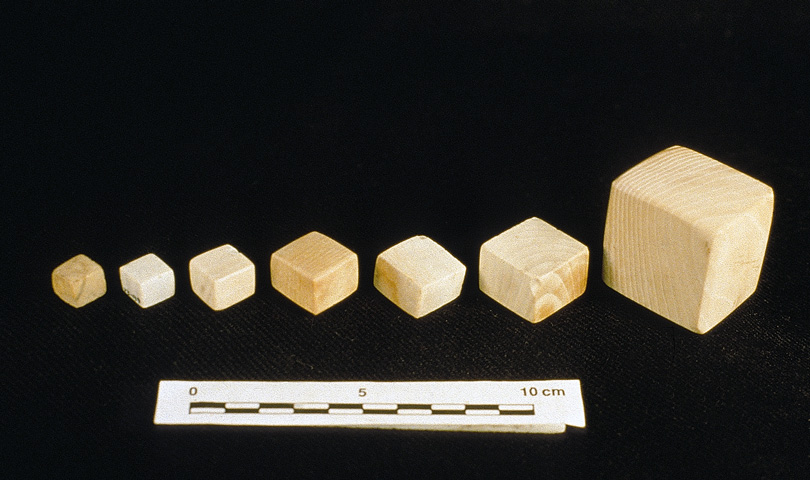
Indus_allahdino_weights
Indus Valley Weights

என்னுடைய கருத்து தமிழும் சம்ஸ்கிருதமும்தான் உலகிற்கே மூல மொழிகள். நாம் இரு கண்கள் போலப் போற்றும் இவ்விரு மொழிகளைக் கொண்டு உலகையே அளந்து விடலாம். இந்த மொழிகள் இரண்டையும் தெரியாமல் யாராவது இந்திய வரலாற்று ஆராய்ச்சியில் இறங்கினால் கால்டுவெல் பாதிரியார் உளறியது போல உளறி அகப்பட்டுக் கொள்வர் (கால்டுவெல் செய்த தவறுகள் என்ற எனது கட்டுரையில் மேல் விவரம் காண்க)

60, 70, 80, தொன்பது
தமிழில் எழுபது, எண்பதுக்குப் பிறகு ஏன் தொன்பது வரவில்லை,
எழுநூறு, எண்ணூறுக்குப் பின் ஏன் தொன்னூறு வராமல் தொள்ளாயிரம் வருகிறது என்று பலர் ஏற்கனவே ஆராய்ச்சி செய்துள்ளனர். ஆனால் ஆயிரம் வரிசை சொல்லும் போது மட்டும் ஏழாயிரம் எட்டாயிரத்துக்குப் பின் ஒன்பதாயிரம் என்று ஒழுங்காக வந்து விடும்.
இலண்டன் பல்கலைக் கழகத்தில் தமிழ் சொல்லிக் கொடுத்தபோது இவைகள் குறித்து எல்லாம், மாணவர்களை எச்சரிப்பேன்- தவறு செய்யாமல் இருப்பதற்காக!!

இதை சம்ஸ்கிருதத்திலும் காணலாம் ‘’ஊன’’ மாசிகம் முதலிய சொற்களால் மாதத்தைவிடக் ‘’குறைந்தது’’ (ஊன) போன்ற விஷயங்களை விளக்குவர். இந்த ஊனம்தான் ஒன் –பது (ஊன பத்து= 10—1=9) என்பர் சிலர்.

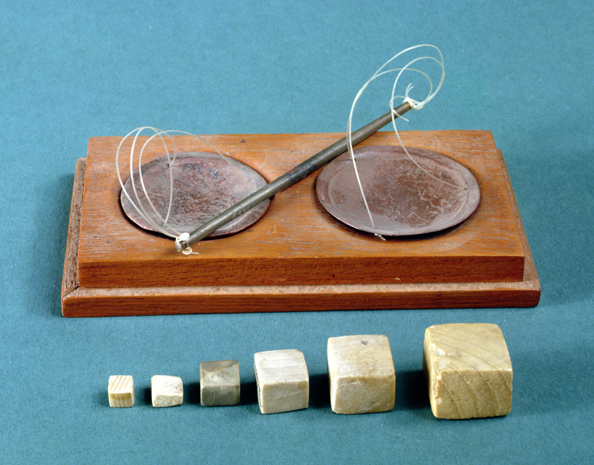
இன்னொரு சாரார் இந்தியாவில் எட்டு வரைதான் எண்கள் இருந்தன இதனால்தான் ‘’எண்’’ என்றால் = எட்டு என்பர். சம்ஸ்கிருதத்திலும் ‘’நவ’’ (9) என்றால் புதியது!!! ரிக் வேதத்தில் பிரமாண்டமான டெசிமல் சிஸ்ட (தசாம்ச முறை) எண்கள் இருந்தாலும் ஆதிகாலத்தில் எட்டின் மடங்கையே எடை விஷயத்திலும் எண்ணிக்கை விஷயத்திலும் இந்தியர்கள் பயன்படுத்தினர். இதற்கு சிந்து சமவெளி எடைக்கற்களும் (120, 240, 320) இந்தியாவின் பழைய நாணய முறைகளும் சான்று பகரும்.
i_scales

நான் சின்னப் பையனாக இருந்த போது காலணா காசுக்காக அம்மாவிடம் கெஞ்சுவேன். காலணாவுக்கு ஆறு மிட்டய் கிடைக்கும்!! நாலு காலணா= ஒரு அணா; 16 அணா = ஒரு ரூபாய். நாணயங்களும் நாலணா, எட்டு அணா என்றே வெளியிடப்படும். எல்லாம் நான்கின் எட்டின் மடங்கு!!! (மூன்று தம்பிடி=காலணா, ஒரு ரூபாய்= 64 கால் அணா நாணயங்கள் அல்லது 192 தம்பிடிகள்!!)

மதுரை வடக்குமாசிவீதி யாதவர் பள்ளிக் கூடத்தில் ஒண்ணாப்பு (ஒன்றாம் வகுப்பு படித்தேன்). பெரிய வகுப்பான ஐந்தாம் வகுப்பில் ஒரு மணி இருக்கும். பள்ளிக் கூடம் நாலரை மணிக்கு முடியும். அதற்கு முன்பு ராகம் போட்டு வாய்ப்பாடு சொல்வோம். அங்கும் கூட 16 ஆம் வாய்ப்பாடுதான் கடைசி வாய்ப்பாடு. ராகத்தோடு — (பூர்ணாஹுதி மந்திரம் போல) — உரத்த குரலில் 16 – 16 =256 என்று சொல்லி முடித்தவுடன் முடித்தவுடன் ஒரு பெரிய பையன் (லீடர்) பள்ளிக்கூட மணியை எடுத்துக்கொண்டு போய் அடிப்பான். எல்லோரும் ‘’ஓய்’’ என்று கத்திக் கொண்டு வெளியே ஓடுவொம். அங்கும் 16 (எட்டின் மடங்கு) தான் கடைசி.

மணக்குது, நாற்றம் அடிக்கிறது
மணக்குது:— இதை நாற்றம் அடிக்கிறது என்ற பொருளில் இலங்கைத் தமிழர்கள் பயன்படுத்துகின்றனர். ஆனால் தமிழ் நாட்டில் மணக்குது என்றால் சுகந்த மணம் வீசுகிறது என்று பொருள் —(நெய் மணக்குது, நெய் மணக்குது—சபரி மலையிலே என்ற பாட்டு பிரசித்தமானது)— . அந்தக் காலத்தில் நாற்றம் என்றால் துர் நாற்றம் என்பது அல்ல. ஆனால் இன்று நாம் துர்வாசனை என்ற பொருளில் பயன் படுத்துகிறோம். எல்லா மொழிகளிலும் காலப்போக்கில் இப்படி பொருள் மாறும். இது பெரிய விஷயமல்ல.

இலங்கைத் தமிழர்களும் நிறைய சம்ஸ்கிருதச் சொற்களைப் பயன்படுத்துகின்றனர். வீரகேசரி முதலிய பத்திரிக்கைகளில் இருந்து ஏதாவது ஒரு பக்கத்தை கிழித்து எடுத்துக்கொண்டு ‘’ஹைலைட்டர்’’(Highlighter Pen) பேனா வைத்து ஆராய்ச்சி செய்வேன். தமிழ்நாட்டு பத்திரிக்கைகள் போலத்தான் அவையும். இதே போலத்தான் பேச்சுத் தமிழும் இருக்கிறது. இதே போக்கை பழங்காலத் தமிழ் கல்வெட்டுகளிலும் காண்கிறோம்.

Sri Lanka Train to Jaffna

ஆக ஒட்டு மொத்தத்தில் எனது கருத்து சரியே. அந்தக் காலத்திலும் சரி, இந்தக் காலத்திலும் சரி, இனி வரும் எந்தக் காலத்திலும் சரி — சம்ஸ்கிருதக் கலப்பில்லாமல் யாரும் பேச முடியாது. இது இழுக்கு அல்ல. ஒரு மொழி வளர ஓரளவுக்கு மற்ற மொழிச் சொற்கள் தேவை. ஆனால் அந்த மொழித் தூய்மை கெடாத அளவுக்கு இதைச் செய்ய வேண்டும். இன்று எப்படி ஆங்கிலக் கலப்பிலாமல் நாம் பேச முடியாதோ அதைப் போலத்தான் சம்ஸ்கிருதமும்.

தமிழனின் ஆதங்கம்
தமிழர்களுக்கு ஒரு தாழ்வு மனப்பான்மை (Inferiority complex) உண்டு. சம்ஸ்கிருதத்துக்குப் பின்னர் தான் தமிழ் மொழி வந்தது, இலக்கியம் வந்தது என்று சொன்னால் அது தாழ்வு என்று நினைக்கின்றனர். எப்படியாவது தமது மொழியையும் கலாசாரத்தையும் உலகிலேயே பழையது Oldest, greatest) என்று காட்ட வேண்டும் என்பது அவர்கள் துடிப்பு. ஒரு மொழியின், மதத்தின், கலாசாரத்தின் பெருமைக்கு பழமை மட்டும் காரணமாகது. நேற்று வந்த ஆங்கில மொழியும் இஸ்லாம் மதமும் உலகெங்கும் பரவி நல்ல செல்வாக்கான நிலையில் இருப்பதைப் பார்த்தால் இது புரியும்.

அல்லூறு: மலேசியத் தமிழர்கள் சாக்கடை, ஜலதாரை என்பதற்கு அல்லூறு என்பர். இலண்டன் தமிழ் சங்கத்தில் சிங்கப்பூரில் இருந்து வந்த (காலங்சென்ற) திரு கணபதி அவர்கள் இந்தச் சொல்லைச் சொல்லி மகிழ்வார். இது பழந்தமிழ் சொல் என்றும் மலேசியர்கள் மட்டுமே பயன்படுத்துவர் என்றும் சொல்லுவார். நான் படித்தவரை இது சங்க இலக்கியத்தில் இல்லை. ஆனால் பிற்காலத் தமிழ் நூல்களில் இருக்கிறதா என்றும் தெரியாது. கிரியா அகராதியில் (2008 பதிப்பு) இல்லை. ஒருவேளை பழந்தமிழ் சொல்தான் என்று நிரூபிக்கப்பட்டாலும் ஒரு தமிழ் சொல்லை வைத்து நாம் எந்த முடிவுக்கும் வர முடியாது. மலையாள த்தில் இன்றும் கூட வழக்கொழிந்த நிறைய பழந்தமிழ் சொற்களைப் பயன்படுத்து கின்றனர்.

தமிழ் வாழ்க! சம்ஸ்கிருதமும் வாழ்க!!

Hundred Sanskrit Names from 1800 BCE to 1400 BCE!

buddhist reliquary
A container of buddhist relics with Sanskrit inscription

Research paper written by London Swaminathan
Research article No.1347; Dated 14th October 2014.

Dr Paul Thieme (1905-2001) who was one of the eminent Indologists gave a lecture in the auditorium of Archaeological Survey of India on March 31, 1972 on the nature of the Gods mentioned in the Hittile—Mitaani treaty dated 1380 BCE and the discovery of more than a hundred names of Sanskritic origin in the Nuzi (Iraq), Syrian and Mitanni (Syria/Turkey region) documents dating back to the eighteenth century BCE. All these are from outside India!!

I have already reported the names Azigi, Vizigi, Tiamath, Sumukan found in Athrva Veda are in Sumerian records. Even Manu mentioned about Sumukan as a king. But we have no other details. S B Roy and others are identified at least two kings in Mesopotamia who are found in the eighth Mandala of Rig Veda. The scholarly world knows the Amarna letters found in Egypt with Mitannian king Dasaratha’s name. The scholars have identified Hittitles and Kassites as Indo European language speakers. Horses and Chariots are found over a vast area of Asia and Africa (Egypt) around 1400 BCE.

If we take into account all the above factors and the Rig Vedic Hindus presence in the Gangetic plains around 1700 BCE (Michael Witzel’s dating) and Shrikant Talageri’s still earlier dating there would not be any doubts about the antiquity of Sanskrit language. Now we have pushed the date of Rig Veda to 2000 BCE or before that. Probably scholars will soon accept the date 6000 BCE proposed by the great freedom fighter Balagangadhara Tilak on astronomical evidence.

Cambodia
Sanskrit inscription in Cambodia

Let me give some Sanskrit names and words as found in those records:
Wasannasaya= of stadium (Skt.vasanasya)
Aratiyanni = part of cart (Skt.rathya+Hurrian ni)
Asuwannini = stable master (asva+ni)
Babrunnu = red brown (Babru+nu)
Baritannu = golden yellow (Bharita+nu)
Pinkarannu = red yellow or pale (Pingara/ Pingala+nu)
Urukmannu = jewel (rukma+nu)
((Note the Sumerian city name Uruk etc))
Zirannu = quick (Jira+nu)
Makanni = gift (magha+ni)
Maryannu = young warrior (marya+nu)
((Note the English word marya; also Hero= Veera))
Matunni = wiseman (Mati=wisdom)

NAMES OF KINGS OR PEOPLE
Sutarana = Sutarana or Sutraana
Parsasatar = Prasastra
Saussatar = susastra or sausastra
Artadama = Rta dama

( in Tamil also this rule is followed. When a word begins in L or R in Sanskrit Tamils add a vowel A or E or U before the word like Mitaani; Ramayana is written as Iramayanam and Loka is written Ulokam in Tamil following the ancient Tamil Grammar. Lakshmi will be ILetchumi or Ilakkumi in Tamil)

Tusrata = tus+ratha or Dasaratha
(Tamils also follow this rule. Unlike four Ka/Ga, Sa/Ja,Pa/Ba, Ta/Da in Sanskrit, Tamil has only one sound each. So when they want to write Sanskrit Damayanti, they write Tamayanti; When it is Harsa they have to write Karsa. In the past 500 years they have started using some special letters called Grantha lipi to bring out the Sanskrit sound. Still neither Sanskrit nor Tamil can write Harry Potter!!! They have to write Haari paattar or Héri paattar)

ling sanskrit

Mativaza =Mati+vaza
Artamna = rtamna
Bardasva = Vrdh-asva
Biryasura = Virya sura
Saimasura = siima sura
Sata vaza= satavaja
Biridasva = Brhad Ava (Big Horse)

Treaty between the Hittites and the Mitannians
Hittite king suppiluliuma and the Mitanni king Mativaza signed a treaty. The Vedic gods mentioned in the treaty are
Indara = Indra
Mitrasil = Mitra
Nasadianna = Nasatya, the Asvins
Uruvanassil =Varuna

(Tamils also write like Mitannians even today. They have to Tamilize the sounds like DRA and so they write Inthira and Miththira. The have to write Nasaththiya instead of Nasatya. They wrote Asvin as Asuvina 500 years ago Nowadays they use the gratha script to bring the Sanskrit sound S, Sh, Ja, Ksha. But using the Grantha script is still optional. In the literary books they write Shakespeare as SHEKSUPIYAR) .
Scholars who knew both Iranian and Sanskrit have confirmed these are of Sanskritic origin and not Iranian.
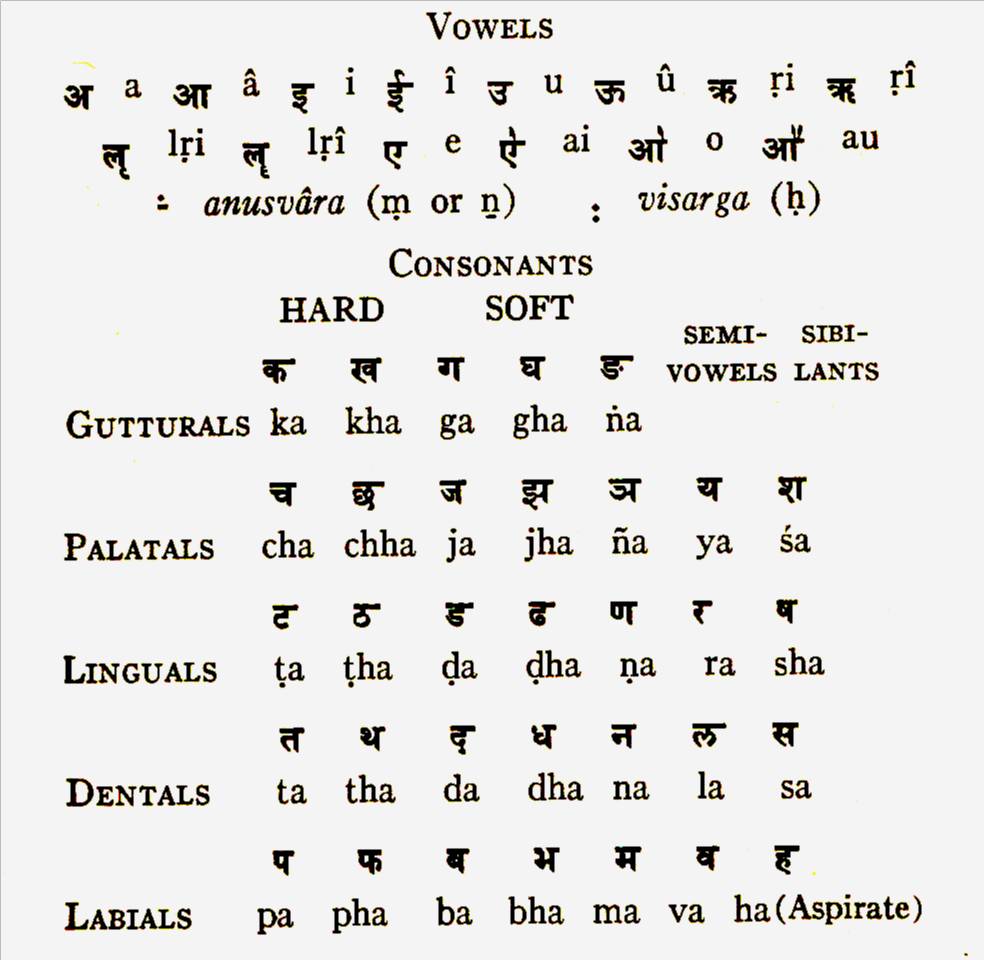
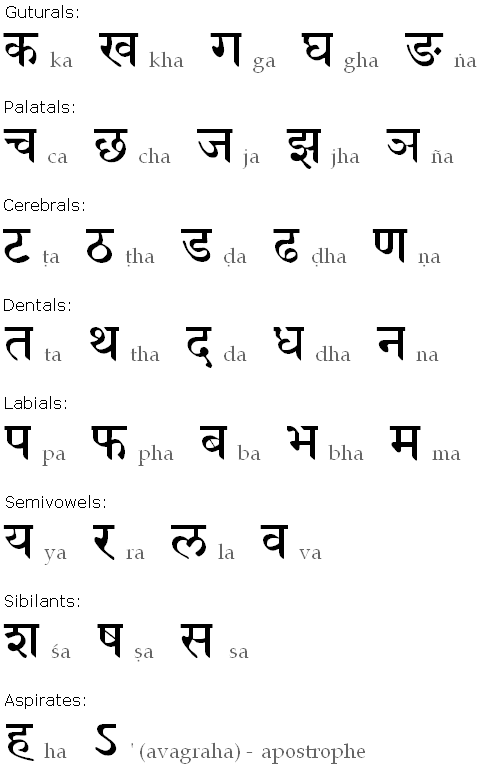
alphabet_consonants

Sanskrit Numbers in Kikkulis Horse Manual (1400 BCE)
Aikawartanna = one turn of the course (Skt. Eka vartana)
Tera wartanna= 3 / trevartana
Panzawartanna = 5/ panchavartana
Sattawartanna = 7 / saptavartana
Nawawartanna = 9 / navavartana

The list goes on and on. More research comparing the Sanskrit and Mesopotamian records may reveal more secrets. If the linguists understand how Tamil and Sanskrit coexist over for 2000 years in assimilating sounds, they don’t need to argue using the linguistic jargon. Certain sounds did not exist in ancient Tamil such as Sa. Sangam(association or academy) and Sangu (conch) are Sanskrit words. Only after the Sangam period they started using Sa. Like Greeks and Persians changing the Sindhu as Hindu, Tamils might have changed to Indhu. Sangavai might have become Angavai. We did not have enough proof from Pre Sangam days. Even now Sri Lankan Tamils use only R for T!

sanskrit_vwl

If it is Cricket game they will write only CrickeR and Brent council will be BrenR. If there can be so much difference within 30 miles distance from Indian Tamil area, how much one can expect in a vast area of Asia where we find Sanskrit records from Siberia to Sri Lanka and Indonesia to Egypt!!

contact swami_48@yahoo.com
“அன்புள்ள மாணவர்களே!”- விவேகாநந்தர் வேண்டுகோள்

vivek stamp

Compiled by London Swaminathan
Post No.1346; Dated 14th October 2014.

சுவாமி விவேகாநந்தர் 1891 ஆம் ஆண்டில் ரஜபுதனத்தில் பல்கலைக்கழக மாணவர்களிடையே ஆற்றிய உரையிலிருந்து ஒரு பகுதி:

“அன்புள்ள மானவர்களே!

“சம்ஸ்கிருத மொழியைப் படியுங்கள். அத்தோடு மேலை நாட்டு விஞ்ஞான பாடங்களையும் படியுங்கள். எதையும் துல்லியமாகக் கணக்கிடக் கற்றுக் கொள்ளுங்கள். நன்றாகப் படித்துப் பாடுபடுங்கள். அப்போதுதான் இந்திய வரலாற்றை அறிவியல் பூர்வ அடிப்படையில் அமைத்துக் கொடுக்கும் காலம் வரும். இப்போது இந்திய வரலாறு உருச் சிதைந்து போய் கிடக்கிறது.

“ஆங்கிலேயர்கள் எழுதிய இந்திய வரலாறுகள் நம் மனதில் பலவீனத்தை உண்டாக்கும், ஏனெனில் நாம் அடைந்த தோல்விகளைப் பற்றி மட்டுமே அவர்கள் எழுதுகிறார்கள்.
“வெளிநாட்டுக்காரர்கள் எப்படி நம் வரலாற்றை எழுதமுடியும்? அவர்களுக்கு நம்முடைய பழக்க வழக்கங்களோ சமய தத்துவ விஷயங்களோ தெரியாதபோது பாரபட்சமற்ற, நியாயமான வரலாற்றை எழுதமுடியுமா?

malaysian-postal-stamp-on-swami-vivekananda

“நாமே நமக்கு சுதந்திரமான ஒரு வழியை வகுத்துக்கொண்டு வரலாற்று ஆராய்ச்சியில் இறங்க வேண்டும். புராண, இதிஹாசங்களைப் படித்து அவற்றின் அடிப்படையில் அறிவியல் பூர்வமான, துல்லியமான வரலாற்றை எழுத வேண்டும். இதை உங்கள் வாழ்க்கையில் ஒரு சாதனமாகக் கொள்ளுங்கள். நீங்கள் எழுதுவது இந்தியாவின் மீது பாசமும் பரிவும் உள்ளதாகவும் ஆன்மநேயத்தைத் தட்டி எழுப்புவதாகவும் இருக்கட்டும்.

“இந்தியர்கள்தான் இந்திய வரலாற்றை எழுத வேண்டும்.

“மறைந்து கிடக்கும் அரிய பெரிய பொக்கிஷங்களை அழிவிலிருந்து மீட்டுத் தருவது உங்களின் தலையாய பணியாகட்டும். ஒரு குழந்தை காணாமல் போய்விட்டால் அதைக் கண்டுபிடிக்கும் வரை (ஒரு தாய்) அமைதியாக இருப்பார்களா? அதேபோல மக்களின் உள்ளத்தில் இந்தியாவின் மகத்தான பழம்பெருமையை நிலைநாட்டும் வரை உங்கள் பணியை நிறுத்த முடியுமா? அதுதான் நீங்கள் கற்கும் உண்மையான தேசிய கல்வி — அதை அடையும்போது தேசிய உணர்ச்சி விழித்தெழுவதைக் காண்பீர்கள்.

இந்தியாவின் உண்மை வரலாற்றைக் கண்டெடுக்கும் நாளில் இந்தியா உலகிற்கு ஆன்மீக விஷயத்தில் மட்டும் அல்ல, அறிவியலிலும் நுண்கலைகளிலும் இந்த உலகிற்கே குரு என்று பறைசாற்றப்படும்.

vivekananda stamps

ஆதார நூல்கள்:
From Life of Swami Vivekananda (Mayavati Edition, 1961;pages 213,214 Instructions given to a group of University students of Rajaputana in 1891)
Also Complete Works of Swami Vivekananda –Vol.5, page 534(Mayavati Edition, 1961).

Indian History: Vivekananda’s Advice!

vivekananda stamps

Compiled by London Swaminathan
Post No.1345; Dated 13th October 2014.

Swami Vivekananda has given a very good advice to Indian students regarding the study of History:

“Study Sanskrit, but along with it study western sciences as well. Learn accuracy, my boys, study and labour so that the time will come when you can put our history on a scientific basis. For now Indian history is disorganised.

“The histories of our country written by English writers cannot but be weakening to our minds, for, they talk only of our downfall.

“How can foreigners, who understand very little of our manners and customs, or of our religion and philosophy, write faithful and unbiased histories of India? Naturally many false notions and wrong inferences have found their way into them. Nevertheless they have shown us how to proceed making researches into our ancient history.

“Now it is for us to strike out an independent path of historical research for ourselves, to study the Vedas and Puranas and the ancient annals (Itihasa) of India, and from them make it your life’s ‘sadhana’ (disciplined endeavour) to write accurate, sympathetic and soul inspiring histories of the land. It is for Indians to write Indian history.

vivek stamp

“Therefore set yourselves to the task of rescuing our lost and hidden treasures from oblivion. Even as one’s child has been lost does not rest until one has found it, so do you never cease labour until you have received the glorious past of India in the consciousness of the people. That will be the true national education, and with its advancement a true national spirit will be awakened.

“When the real history of India will be unearthed, it will be proved that, as in matters of religion, so in fine arts and sciences, India is the Primal Guru of the whole world”

malaysian-postal-stamp-on-swami-vivekananda

From Life of Swami Vivekananda (Mayavati Edition, 1961;pages 213,214 Instructions given to a group of University students of Rajaputana in 1891)
Also Complete Works of Swami Vivekananda –Vol.5, page 534(Mayavati Edition, 1961)