Quotations from The Mahavamsa

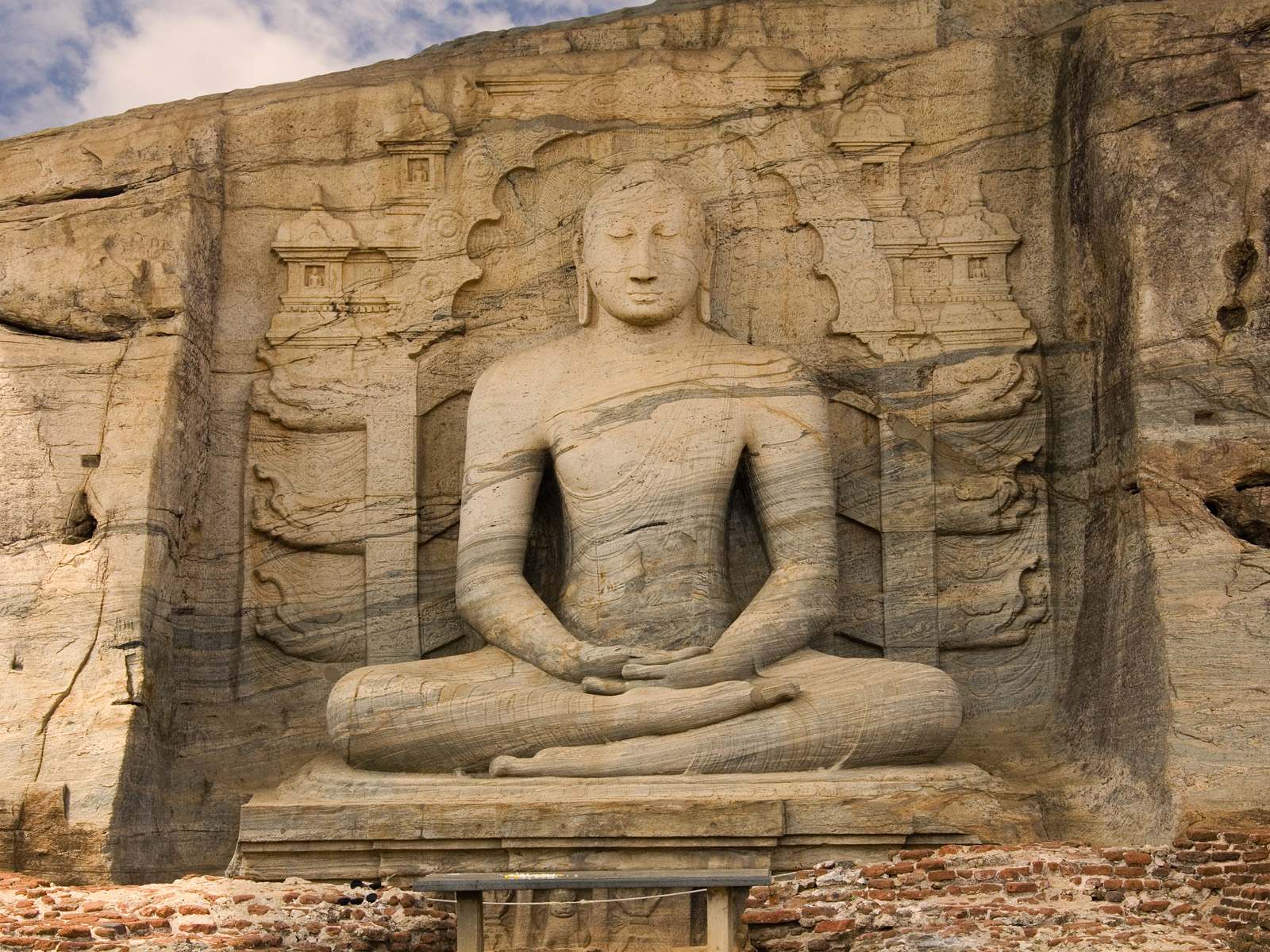
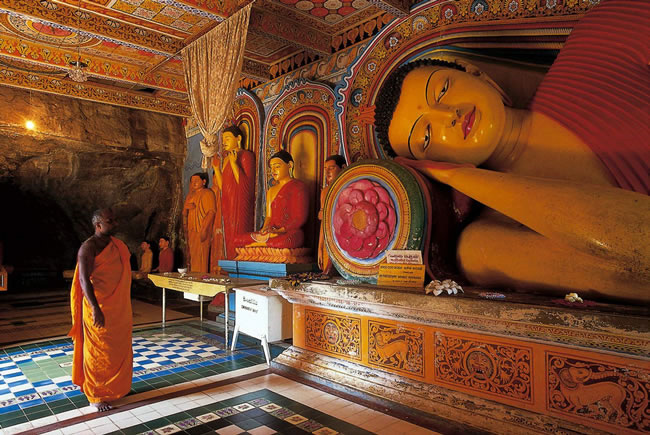
Buddhist statue, Polonnaruwa, Sri Lanka

Buddha in Polannaruva, Sri Lanka

Compiled by London Swaminathan
Post No.1304 ; Dated 22nd September 2014.

This article is part of my series on Mahavamsa.

What is Mahavamsa?
Mahavamsa is a book in Pali language narrating the history of Sri Lanka. It gives a continuous history from the date Vijayan from Bengal ( India ) landed in Sri Lanka. It covers the period between 543 BCE and 361 CE. Mahavamsa means Great Dynasty or Great Chronicle. This book contains good quotations at the end of each chapter. I am giving the quotable quotes below:

RENOUNCING
Theras, who have overcome darkness with the light of insight, those great shining lights in the conquest of the world’s darkness, have been extinguished by death. Therefore will the wise man renounce the joy of life—From the third chapter.

XXX
MORTALITY
When we think of the death of the sons of the Universal Teacher, who were gifted with perfect insight, who had attained all that is to attain, who had conferred blessings on the three forms of existence, then may we lay to heart the entire vanity of all that comes into being and vigilantly strive (after deliverance) — From the fourth chapter

XXX
BUDDHA’S RELICS

Thus by these relics of his body the Master of the World (Buddha), being already passed into nibbana (Nirvana), truly bestowed salvation and bliss in abundance on mankind –From seventeenth chapter.

XXX
IMPERMANENCE of LIFE
A man who, although he knows this overmastering, overwhelming, irresistible mortality, yet is not discontented with the world of existence and does not feel, in this discontent, resentment at wrong nor joy in virtue that is the strength of the fetters of his evil delusion ! Such a one is knowingly fooled.
—From the twentieth chapter.

sri-lanka-lrg-1-

XXX
MIRACULOUS POWER
Only because the king freed himself from the guilt of walking in the path of evil did this (monarch), though he had not put aside false beliefs, gain such miraculous power; how should not then an understanding man, renounce here the guilt of walking in the path of evil? — From the twenty-first chapter

XXX
REBIRTH
Only by works of merit living beings come to such rebirth as they desire; pondering thus the wise man will be ever filled with zeal in the heaping up of meritorious works – From the twenty-second chapter.

XXX
LIFE OF THE PIOUS
When a wise man, mindful of his salvation, hears of the marvels wrought by the pious life, he should surely, turning aside from the evil path, evermore find pleasure in the path of piety — From the twenty-third chapter

XXX
SL buddha

PEACE
Thus are pious men become accustomed to appease an enmity, though heaped up from many causes; what wise man, pondering this, shall not be of peace-loving mind toward others? From the twenty-fourth chapter

XXX
GREEDINESS
Should a man think on the hosts of human beings murdered for greed in countless myriads, and should he carefully keep in mind the evil (arising from that), and should he also very carefully keep in mind the mortality as being the murderer of all, then will he, in this way, shortly win freedom from suffering and a happy condition — From the twenty-fifth chapter

XXX
FIVE DANGERS
Treasures which, in truth, bear on them the blot of the five faults become, if they be acquired by people who are gifted with special wisdom, possessed of the five advantages; therefore let the wise man strive to have them thus — From the twenty-sixth chapter

Five dangers: Loss by Fire, Water, Living creatures, Confiscation or Brigandage(Highway Robbery).
Five Benefits: Popularity among men, High esteem among pious men, Fame, Fidelity in fulfilment of basic duties, Attainment of Heaven after death.

XXX

gal-vihara01

ALMS GIVING
The wise who consider how marvellously precious is the giving of alms, while the gathering together of treasures (for oneself) is worthless, give alms lavishly, with a mind freed from the fetters (of lust), mindful of the good of beings — From the twenty-seventh chapter

XXX

WORKS OF MERIT
Merit, that a man has thus heaped up with believing heart, careless of insupportable ills of the body, brings to pass hundreds of results which are a mine of happiness; therefore one must do works of merit with believing heart –From the twenty-eighth chapter

XXX
GENEROSITY
Every one whose heart is inclined to (faith in) the Three Gems, knowing that by a benefactor of mankind, whose heart is set on generous giving, the highest blessing is brought to pass for the world, strive toward the attainment of many virtues, as faith and so forth — From the twenty-ninth chapter

XXX
buda-nın-beşiktaşlı-olması_425405

HOMAGE TO BUDDHA
If the wise man who is adorned with the good gifts of faith, has done homage to the blessed (Buddha) the supremely venerable, the highest of the world, while he was yet living, and then to his relics, that were dispersed abroad by him who had in view the salvation of mankind – From the thirtieth chapter

XXX
PIOUS
Incomprehensible is the nature of the Buddha, and incomprehensible is the reward of those who have faith in the incomprehensible.
Thus do the pious themselves perform pure deeds of merit, in order to obtain the most glorious of all blessings; and they, with pure heart, make also others to perform them in order to win a following of eminent people of many kinds — From the thirty-first chapter

XXX
WORKS OF MERIT
He who, holding the good life to be the greatest (good), does works of merit, passes into heaven as into his own house; therefore will the wise man continually take delight in works of merit — From the thirty-second chapter

XXX
Discover-Sri-Lanka-9-Days-Buddhist-Tour

WISEMEN

Thus does the wise man labour, when he comes to rule, for the bliss of others and for his own bliss, but a man without understanding does not give the possessions which he has won, however great they are, blissful for both, being greedy of more possessions –From the thirty-third chapter

XXX

GOOD PEOPLE IN POWER

Thus men of good understanding, who have conquered pride and indolence, and have freed themselves from the attachment to lust, when they have attained to great power, without working harm to the people, delighting in deeds of merit, rejoicing in faith, do many and various pious works — From the thirty-fourth chapter

XXX
WEALTH SPOILS
The wise, doing many works of merit, gain with worthless riches that which is precious, but fools in their blindness, for the sake of pleasures, do much evil.
From the thirty-fifth chapter

XXX
SirLanka.Buddhism
POWER CORRUPTS
Reflecting that sovereignty, being the source of manifold works of merit, is at the same time the source of many an injustice, a man of pious heart will never enjoy it as if it were sweet food mixed with poison — From the thirty-sixth chapter

The last chapter 37 hasn’t got any quotation.

Contact swami_48@yahoo.com

MINOLTA DIGITAL CAMERA

இந்தியாவுக்கு இராவணன் எப்படி வந்தான்? கப்பலா? விமானமா?

tamluk

கட்டுரை மன்னன் :– லண்டன் சுவாமிநாதன்
ஆராய்ச்சிக் கட்டுரை எண்:-1303; தேதி: 22 செப்டம்பர் 2014

மஹாவம்ச ஆய்வுக் கட்டுரை வரிசையில் இது ஒன்பதாவது கட்டுரை.

இராவணன் ஆண்ட இலங்கை இப்போதைய ஸ்ரீலங்கா இல்லை என்றும் அது கோதாவரி முகத்வாரத்தில் இருந்த நதியிடைத் தீவு என்றும் , அக்காலத்தில் பறக்கும் புஷ்பக விமானம் இருந்ததற்கு தடயம், சாட்சியம் இல்லை என்றும் வெளிநாட்டு அறிஞர்களும், மார்கசீய வரலாற்று அறிஞர்களும் கதைத்த ஒரு காலம் உண்டு. ராமாயணம், மஹாபாரதம் ஆகியனவற்றை “வர்க்கப் போராட்ட வருணனைகள்” என்று அவர்கள் நகைத்த காலமும் உண்டு. இவர்களுக்கு தமிழ் இலக்கிய அறிவு போதாமையே இது போன்ற அரைகுறை ஆய்வுகளுக்குக் காரணம்.

சிலப்பதிகார தமிழ் காவியத்தில் கடல் சூழ் இலங்கைக் கயவாகு வேந்தன் (கஜபாகு) என்று இளங்கோ அடிகள் குறிப்பிட்டத்தில் இருந்து கடல் ச்சூழ்ந்த இலன்கையே நாம் அறிந்த இலங்கை, ஆற்றிடை திட்டு அல்ல என்பது விளங்கும். அது மட்டுமல்ல ஏழாம் நூற்றாண்டில் வாழ்ந்த ஆழ்வார்களும் நாயன்மார்களும் இப்போதைய ஸ்ரீல்ங்காவை ராமனோடும் ராவணனோடும் தொடர்பு படுத்திப் பாடியுள்ளனர். எனினும் இவை எல்லாம் பழங்கதைகள். இப்போது உலகமே ஒப்புக்கொண்ட உண்மை- இன்றைய ஸ்ரீலங்காதான் அன்றைய ராமாயண இலங்கை.

தொல்முதுகோடி என்று தனுஷ்கோடி பற்றிய குறிப்பும் சங்க இலக்கியத்தில் உண்டு. ராமசேது என்னும் கடற்பாலம் இருந்ததற்கான தடயங்களை ‘நாஸா’ என்னும் அமெரிக்க விண்வெளி ஆராய்ச்சி நிலையமும் படம் மூலம் நிரூபித்துள்ளது.

ஒன்றுவிட்ட சகோதரனான குபேரனிடமிருந்து ராவணன் புஷ்பக விமானத்தைப் பறித்தான். இது எண்ணத்தால் — பெட்ரோலால் அல்ல — பறக்கச் செய்யும் விமானம். இதுபற்றி நியூ சைன் டி ஸ்ட் பத்திரிக்கையில் வந்த ஒரு விஞ்ஞான கட்டுரையை நான் எழுதி இருக்கிறேன். அதில் முழு விவரம் காண்க.

patna

புஷ்பக விமானத்தை நம்ப மறுக்கும் அறிவியல் புத்தி ஜீவிகளுக்கு மஹாவம்சம் சில அரிய பயணக் குறிப்புகளைப் படைக்கிறது.

இந்தியர்களுக்குப் பருவக் காற்றின் ரகசியம் தெரியும். இந்த ரகசியம் கரிகால் சோழனுக்கும் தெரிந்திருந்ததால் அவன் கடலுக்கு அப்பால் உள்ள தீவுகளை வெல்ல முடிந்தது.

நளியிரு முந் நீர் நாவாய் ஓட்டி
வளிதொழில் ஆண்ட உரவோன் மருக!
களியியல் யானைக் கரிகால் வளவ
— – புறநானூறு, பாடல் 66, வெண்ணிக் குயத்தியார் பாடியது.

வளவனே! உனது முன்னோர்கள் காற்று இயக்கும் திசையை அறிந்தே அதற்கான பொறிமுறைகளைப் பொருத்தி கப்பல் செல்லுமாறு செய்த அறிவாற்றல் உடையவர்கள். மத யானை மிகுந்த படைகளை உடைய கரிகால் வளவ! – என்று உரைகாரர்கள் இதற்குப் பொருள் எழுதியுள்ளனர்.

அவன் வழியில் “ஞாலம் நடுங்கவரும் கப்பல்களுடன்” சென்று ராஜராஜ சோழனும் மாயிருடிங்கம் (பிலிப்பைன்ஸ்), மாபூப்பாளம் (போர்னியோ) மாநக்கவாரம் (நிகோபர் தீவு முதல் இந்தோ நேஷியா வரை)— முதலிய பல தீவுகளை வென்றான்.

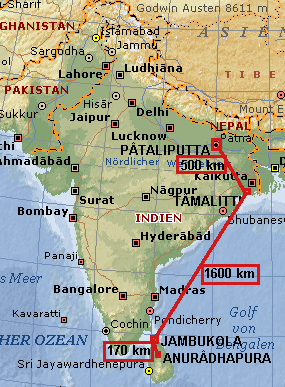
இலங்கை – வட இந்திய கடற்பயணத்துக்கு ஒரே வாரம் போதும் என்கிறது மஹாவம்சம் (அத்தியாயம் 11):

தேவானாம் ப்ரிய திஸ்ஸன் (கடவுளருக்கு பிரியமானான்) என்ற இலங்கை மன்னன், அதே பெயருள்ள அசோகச் சக்ரவர்த்திக்குப் பரிசுப் பொருட்களுடன் தூதர் குழு ஒன்றை அனுப்புகிறான். அவர்கள் இலங்கையில் உள்ள ஜம்புகோளத்தில் கப்பல் ஏறி ஏழு தினங்களில் தாம்ரலிப்தியை அடைகின்றனர். இது மேற்குவங்கத்தில் மிதுனபுரி அருகே உள்ளது. 51 சக்தி பீடங்களில் ஒன்று. இன்று தாம்லுக் என்ற சிறிய ஊராக இருக்கிறது. எப்படி பூம்புகார், குமரிக்கோடு, தனுஷ்கோடி, துவாரகா முதலிய ஊர்களை சுனாமிப் பேரலைகள் விழுங்கினவோ அப்படியே இந்த ஊர் துறைமுகத்தையும் கடல் விழுங்கிவிட்டது.

ship

இலங்கைக்கு புத்தர் வாழ்ந்த காலத்தில் வந்த வங்காளதேச அரசன் விஜயனும் இங்கேயிருந்துதான வந்தான். முதலில் யக்ஷிணி (குபேர) வம்சப் பெண்ணைக் கல்யாணம் செய்துகொண்டுவிட்டு பின்னர் பாண்டியநாட்டுத் தமிழ் பெண்ணைக் கல்யாணம் முடித்தான. துரதிருஷ்டவசமாக குழந்தைகள் பிறக்கவில்லை!

தாம்ரலிப்திக்குச் சென்ற இலங்கைக் குழு அடுத்த ஏழே நாட்களில் பீஹார் மாநிலத்தில் உள்ள பாட்னா (பாடலிபுத்ரம்) நகரை அடைந்துவிட்டது. மாமன்னன் அசோகன் இலங்கைத் தூதுக்குழுவுக்கு ஐந்து மாதங்களுக்கு ராஜ உபசாரம் செய்கிறான். பின்னர் அசோகன் அனுப்பிய நிறைய பரிசுப் பொருள்களுடன் அந்தக்குழு இலங்கைக்குத் திரும்புகிறது. இதற்கு 12 நாட்கள் ஆயின.

ஏன் ஐந்து மாதம் இலங்கைக் குழு அங்கே தங்கியது? பருவக் காற்றின் போக்கை அறிந்த நம்மூர் மாலுமிகள் இந்த குறிப்பிட்ட காலத்தில் புறப்பட்டால் இதனை நாட்களில் சென்றுவிடலாம் என்பதை அறிந்து வைத்திருந்தனர். ஆகையால் போனவுடன் திரும்பிவர இயலாது. கொஞ்சம் காலம் தங்கிவிட்டு காற்று எதிர்த் திசையில் வீசும் போது திரும்பவேண்டும்.

tamluk board

அத்தியாயம் 18-ல் அசோகன் அனுப்பிய போதி மரம், ஒரு பெரிய குழுவுடன் இலங்கைக்கு வந்த செய்தி கூறப்படுகிறது. அதை வாங்குவதற்காச் சென்றவர், ஐப்பசி மாதம் சுக்லபக்ஷம் த்விதியை திதியில் (வளர்பிறை இரண்டா நாள்) ஜம்புகோளத்தில் புறப்பட்ட அதே நாளன்று புஷ்பபுரத்துக்குப் (பாட்னா) போய்ச்சேர்ந்தார் என்னும் மஹாவம்ச கூற்றை நம்புவது கடினம். ஒருவேளை அதே சுக்ல பக்ஷ த்விதீயை — ஆனால் வேறு ஒரு மாதமாக — ஆக இருக்கலாம். மஹா வம்ச ஒரிஜினலைப் பிற்காலத்தில் எழுதியோர் விட்ட தவறாக இருக்கலாம் இது என்பது என் கருத்து. அல்லது இதை மந்திர –தந்திர –அற்புத– அதிசய வகைச் செய்திகளில் சேர்த்துக் கொள்ளலாம்.

அத்தியாயம் 19-ல், சாலை மார்கம் பற்றிய ஒரு குறிப்பு இருக்கிறது. பாட்னாவில் கங்கை நதியில் போதிமரத்தை ஏற்றிவிட்ட, அசோகன், விந்தியமலையைக் கடந்து ஒரே வாரத்தில் மேற்கு வங்க மாநிலத்தில் உள்ள தாம்ரலிப்திக்கு வந்துவிடுகிறான். இதிலிருந்து அக்காலத்தில் விந்திய மலை வழியாக நல்ல சாலை மார்க்கம் இருந்தது புலப்படும். இது அகத்தியர் அமைத்த பாதை. அதைப் புரணங்கள், “அகஸ்தியர் விந்திய மலையை கர்வ பங்கம்” செய்தார் என்று புகலும்/ புகழும்!

peryplus_first_century_AD_1000px

ஆக மேற்கூறிய குறிப்புகளைக் காண்கையில் அக்காலத்தில் கப்பல் வழி, சாலை வழிப் போக்குவரத்து மிக நன்றாக இருந்தது என்பது தெள்ளிதின் விளங்கும். வெள்ளைகாரன் வந்த பின்னால்தான் இந்த நாட்டில் போக்குவரத்து வசதிகள் அதிகரித்தன என்று கூறுவோரின் வாயை அடைக்க இதுவே போதும். வால்மீகியும் பரதன் — ஈரான்- ஆப்கனிஸ்தான் எல்லையில் இருந்து வந்த வழியை விரிவாகக் கொடுத்துள்ளதை ராமாயணத்தில் படித்து அறிக!!

புஷ்பக விமானத்தை நம்பாதோரும் இந்தக் குறிப்புகளை ஏற்கத்தான் வேண்டும். ஆக கைலாச மலையை ராவணன் அசைத்தான் – சிவபெருமானிடம் நல்ல அடி வாங்கினான் என்று ஞான சமபந்தப் பெருமான பதிகத்துக்கு பதிகம் பாடுவதும் உண்மையே.

அரபு நாட்டு ஷேக்குகள், அவர்கள் நாட்டில் தடை செய்யப்பட்ட, அட்டூழியங்களையும் பாப காரியங்களையும் பண்ணுவதற்கு பம்பாய்க்கும், ஹைதராபத்துக்கும் வந்து செல்லுவது போல அக்காலத்தில் ராவணனும் அவன தங்கை சூர்ப்பநகையும் சமூக விரோதச் செயல்களில் இறங்க மத்திய இந்தியாவில் இருந்த தண்டகாரண்யம், இமயமலையில் உள்ள கைலாசம் ஆகியவற்றைப் பயன்படுத்தினர். ராவணனால் விரட்டப்பட்ட குபேரன், இமயமலை திபெத் பகுதியில் குடியேறினான். அக்கலத்திலும் இந்தியா அகதிகளை ஏற்றுக் கொண்டதற்கு இதுவும் ஒரு சான்று.

Silk_Route_China_

பருவக்காற்றைக் கண்டுபிடித்தவன் தமிழனா? கிரேக்கனா? என்ற எனது பழைய கட்டுரையில் இது பற்றி விரிவாக எழுதியுள்ளேன். பருவக்காற்று ரகசியத்தை ஒரு இந்திய அசடு (மண்டு), எகிப்தில் அலெக்சாண்டிரியா நகரில் உள்ள ஒரு மாலுமியிடம் உளறிவீட்டான். அதன் பின்னர் போர்ச்சுகீசியர், பிரெஞ்சுக்காரர், பிரிட்டிஷ்காரர் முதலிய ஐரோப்பியர்கள் இந்தியாவைச் சூறையாட வழிவகை ஏற்பட்டது. — ((காண்க: தமிழ் இலக்கியத்தில் அதிசயச் செய்திகள், ச.சுவாமிநாதன், நாகப்பா பப்ளிகேஷன்ஸ், சென்னை-14, ஆண்டு 2009; இதே புத்தகத்தை நிலாசாரல்.காம் ஈ-புத்தகமாகவும் வெளியிட்டுள்ளது)) —

contact swami_48@yahoo.com

கிருஷ்ணன் ரதத்தில் நான்கு குதிரைகள் ஏன்?

benhur2
Four Horse Chariot in Benhur Film

எழுதியவர் கட்டுரை மன்னன் : லண்டன் சுவாமிநாதன்
ஆரய்ச்சிக் கட்டுரை எண்.1302; தேதி 21 செப்டம்பர் 2014

கீதையை உபதேசித்த கண்ண பிரானின் ரதத்தில் அர்ஜுனன் நிற்க, அந்த ரதத்தை நான்கு குதிரைகள் இழுப்பதைப் படத்தில் காணலாம். ஏன் நான்கு குதிரைகள் என்று ஆராய்ந்து பார்த்ததில் உலகம் முழுதும் இப்படி நான்கு குதிரைகள் இருபதைக் காண முடிந்தது. இந்த வழக்கத்தை உலகிற்குக் கற்பித்தவர்களும் நம்மவரே என்ற முடிவுக்கு வர இயலும்.

உலகின் மிகப் பழைய நூல் ரிக் வேதம். பால கங்கதர திலகர், ஜெர்மன் அறிஞர் ஜாகோபி போன்றோர் ரிக் வேதத்தில் உள்ள வான சாத்திரக் குறிப்புகளைக் கொண்டு அதன் காலம் கி.மு.6000 என்றனர். மாக்ஸ் முல்லர் என்ற ஜெர்மன் அறிஞர் கி.மு. 1200 க்குப் பின்னர் யாரும் இதைக் கொண்டு செல்லமுடியாது. அதற்கு முன்னர் கொண்டு செல்லலாம் என்று கூறிவிட்டார். இப்போது அமெரிக்க பலகலைக் கழக அறிஞர்கள் இதை கி.மு.1700 என்று கணக்குப் போட்டுள்ளனர். இப்பேற்பட்ட அரிய பெரிய பழைய நூலில்தான் குதிரை பற்றி அதிகமான விஷயங்கள் உள்ளன. இது இலக்கியத்தில் கிடைத்த தடயங்கள்.

இதைவிட முக்கியமான தொல்பொருட்துறைத் தடயங்களும் கிடைத்து இருக்கின்றன. துருக்கி — சிரியா பகுதியில் மிட்டனியன் (மித்ரனீய) என்ற வம்சத்தினர் ஆட்சி செய்தனர். இவர்களுடைய பெயர்கள் தசரதன், பிரதர்தனன், பரவர்த்தனன் என்பதால் ஆராய்ச்சியாளர்களும் இவர்களை வேதகால இந்துக்கள் என்பதை ஒப்புக்கொள்வர். துருக்கியில் பொகஸ்கோய் என்னும் இடத்தில் களிமண் பலகைக் கல்வெட்டில் மித்ரன், வருணன், இந்திரன் முதலிய வேத கால தெய்வங்கள் சாட்சியாக ஒரு உடன்படிக்கை செய்துகொண்டதும் தெரிந்தது. அவர்கள் காலத்தில் இருந்த கிக்குலி என்பான குதிரைப் பயிற்சி நூல் ஒன்றை எழுதியதும் கிடைத்துவிட்டது. அதில் சம்ஸ்கிருத எண்கள், சம்ஸ்கிருத மொழிக்கு கி.மு.1380க்கு முந்திய தொல்பொருத் துறைச்சான்றும் கிடைத்துவிட்டது. உலகில் இப்போது புழங்கும் மொழிகளில் இதுதான் மிகப் பழைய சான்று. இந்தியாவில் உள்ள எவரும் சம்ஸ்கிருதக் கலப்பு இல்லாமல் பேசவே முடியாது என்பதும் உலகறிந்த உண்மை.
persiansungod
Persian Sun Chariot

தமிழை சம்ஸ்கிருதக் கலப்பிலாமல் பேசமுடியாது என்பதும் 2500 ஆண்டுகளாக ஒப்புக் கொள்ளப்பட்ட உண்மை. சம்ஸ்கிருதச் சொற்களை நீக்கினால் தொல்காப்பியம் திருக்குறள், 2400 சங்கத் தமிழ் பாடல்கள் அனைத்தும் கறையான் அரித்த காகிதம் போல ஓட்டை விழுந்ததாகும் அல்லது ‘’வைரஸ் பாதித்த சாப்ட்வேர்’’ ஆகிவிடும்.

இத்தகைய சம்ஸ்கிருதச் சொற்கள் எகிப்து நாட்டிற்குள்ளும் கி.மு.1480ல் புகுந்துவிட்டதை ஆன் ஹைலண்ட் என்ற குதிரை ஆராய்ச்சியாளர் (Ann Hyland has given full details about Kikkuli’s manual in her book “The Horse in the ancient World “;page 22) கண்டுபிடித்து ஒரு ஆங்கில நூல் எழுதினார். அதில் மர்யன்னு ‘maryannu’ (Vedic Sanskrit word) என்ற சம்ஸ்கிருதச் சொல் எகிப்திய மொழி வழக்கப்படி “ம் –அர்- ய- ன” என்று கி.மு 1470ல் ‘’பபைரஸ் அன்ஸ்டாசி 1’’-ல் எழுதப்பட்டிருக்கிறது என்கிறார். கிக்குலி இதை மர்யான்னு என்று எழுதி இருக்கிறார். சம்ஸ்கிருதச் சொல் வேறு ஒரு மொழியில் புகும்போது இப்படி மாறுவது இயற்கை என்பதை தமிழர்கள் நன்கு அறிவர். தற்சமம், தற்பவம் என்ற இலக்கண விதிகளில் காண்க.

ஆன் ஹைலண்ட் என்ற இந்தப் பெண்மணியின் குதிரை ஆராய்ச்சி பல புதிய உண்மைகளைக் கட்டுகிறது. சம்ஸ்கிருதச் சொற்களைக் கொண்ட குதிரைப் பயிற்சி நூல் எகிப்து நாட்டில் இற்றைக்கு 3500 ஆண்டுகளுக்கு முன்னரே ஒலித்துக் கொண்டிருக்கிறது. அதே நேரத்தில் கங்கைச் சம்வெளியிலும் சம்ஸ்கிருத முழக்கம் கேட்டுக் கொண்டிருக்கிறது. உலகத்தில் அக்காலத்தில் இந்தப் பரந்த அளவுக்கு வேறு எந்த மொழியும் ஒலிக்கவில்லை என்பதை தொல்பொருத் துறைத் தடயங்களும் இலக்கியக் குறிப்புகளும் தெள்ளிதின் எடுத்துக் காட்டுகின்றன. ஆகவே உலகின் முதல் குதிரை வீரர்கள் இந்துக்களே!!

quardiga big
Most Expensive Greek Coin in the world

அது சரி, புத்திசாலியான எவனும் சம பாரத்துக்காக (பாலன்ஸ்) நான்கு குதிரைகள் பூட்டலாமே என்று நமக்கும் தோன்றும். ஆனால் இந்த நான்கு குதிரைகளுக்கும் பெயர் சூட்டி வர்ணம் பூசியதும் நாம்தான. உலகின் மிகப் புகழ்பெற்ற நிகண்டு –சம்ஸ்கிருத நிகண்டான– அமரகோஷம் ஆகும். இதைப் பார்த்தே ஆங்கிலத்தில் ‘’ரோஜெட் திசாரஸ்’’ தயாரிக்க வேண்டும் என்ற எண்ணம் அவருக்கு ஏற்பட்டதாம். இதில் ஒரு பொருட் குறித்த பல சொற்களை அழகாக அடுக்கித் தருகிறார்.

சம்ஸ்கிருதம் கற்கச் செல்லும் குடுமி வைத்த பார்ப்பனச் சிறுவர்கள் முதலில் மனப்பாடம் செய்வது இதைத்தான். கேரளத்தில் எல்லா ஜாதியினரும் இதைக் கற்பர். அதில் இந்த நான்கு குதிரைகளின் பெயர்கள் கிருஷ்ண பரமாத்மாவின் குதிரைகள் என்று சொல்லப்பட்டுள்ளன. பாகவத புராணம், பத்ம புராணம் ஆகியனவும் இவற்றைத் திருப்பிச் சொல்லும். பத்ம புராணம். குதிரைகளின் நிறம் என்ன என்பதையும் பகரும். இவைகளின் காலம் குப்தர் காலம், அதாவது கி.பி. நாலாம் நூற்றாண்டு.

சில பகவத் கீதை உபதேச (கீதோபதேச) படங்களில் ஐந்து குதிரைகள் பூட்டப்பட்ட ரதத்தைக் கண்பீர்கள். இது குதிரை மூலமாக ஆன்ம உண்மையை போதிக்கும் உபநிஷத ஸ்லோகத்தை அடிப்படையாகக் கொண்டது. மனிதனின் ஐம்புலன்களும் ஐந்து குதிரைகள் என்றும் மனிதனின் தேகமே ரதம் என்றும் புத்தி அல்லது ஆன்மா அதைச் செலுத்தும் சாரதி என்றும் அந்த ஸ்லோகம் வருணிக்கிறது. ஆனால் கீதோபதேசக் குதிரைகளுடன் தொடர்புடையன அல்ல.

நான்கு குதிரைகள் பெயர் என்ன?
சைப்ய, சுக்ரீவ, மேக புஷ்ப, பலஹாக

நான்கு குதிரைகள் நிறம் என்ன?
சைப்ய = கிளிப் பச்சை
சுக்ரீவ = தங்க நிறம்
மேக புஷ்ப= மேக வர்ணம்
பலஹாக = தூய வெண்மை

தமிழன் ஓட்டிய நான்கு குதிரை தேர்
பெரும்பாணாற்றுபபடையில் புலவர் உருத்திரங்கண்ணனார் ( திருவாளர் ருத்ராக்ஷன் ) காஞ்சி மாநகரை ஆண்ட தொண்டைமான் இளந்திரையன் பற்றிப் பாடுகிறார். அங்கும் நான்கு குதிரைகள் பூட்டிய ரதம் பற்றியே பாடுகிறார் (வரிகள் 487-489)

nikeRing400 bce
Greek Gold ring with Nike in the British Museum

இந்த நான்கு குதிரைகள் படம் கிரேக்க நாட்டில் பானைகள், மோதிரங்கள், சிலைகளில் காணப்படும். இவை 2500 ஆண்டுகள் பழமையானவை. லண்டன் மாநகர பிரிட்டிஷ் மியூசியத்தில் உள்ள ஒரு கிரேக்க தங்க மோதிரத்தில் ‘நைகி’ என்னும் கிரேக்க வெற்றி தேவதை நான்கு குதிரைகள் ரதத்தை ஓட்டுவதைக் காணலாம். கிரேக்க நாட்டில் 2100 ஆண்டுகளுக்கு முன் வெளியிட்ட நான்கு குதிரைப் படம் பொறித்த ஒரு வெள்ளிக்காசு இரண்டு மில்லியன் பவுண்டுகளுக்கு ஏலம் போனது.

நான்கு குதிரை ரதங்களை ரோமானியர்களும் பயன்படுத்தி குவாட்ரிகா எனப் பெயர் சூட்டினர். இப்பொழுது உலகின் இகப் புகழ் பெற்ற கட்டிடங்களின் மீது நான்கு குதிரை ரத சிற்பங்களைக் காணலாம். அவை எல்லாம் 200 ஆண்டுகளாகத் தோன்றியவை. கலியுகம் கி.மு. 3100ல் தோன்றியதை பார்த்திவசேகரபுரம் கோ கருநந்தடக்கன் கல்வெட்டும் கூட ஒப்புக்கொள்கிறது. அப்படியானால் எஜமானன் அர்ஜுனனுக்கு கிருஷ்ணன் டிரைவராக இருந்து ஓட்டிய தேரின் காலம் இற்றைக்கு 5100 ஆண்டுகளுக்கும் முந்தியது அன்றோ! எகிப்துக்கும் மேற்காசிய நாடுகளுக்கும் குதிரை பயிற்சி கொடுத்தவர் நாம் அன்றோ!

அது சரி, குதிரை என்பது இந்திய விலங்கு அல்லவே. வேத கால இந்துக்கள் ‘’ஸ்டெப்பி’’ புல்வெளியில் குதிரைகளைப் பிடித்து வந்து சைபீரீயா பனிப் பிரதேசத்தில் இருந்து இந்தியாவில் நுழைந்தனர் என்பதற்கு இதுவும் சான்றாக அமையாதோ? என்று சில ஆரிய திராவிட இன வெறிக் கொள்கையினர் சந்தோசப்படலாம். அது தவறு!

இன்று ‘கால்கேட் டூத் பேஸ்ட்’ பயன்படுத்தும் “டமிழ”னைப் பார்த்து, ஆஹா, நீ வெள்ளைக்காரன் மகன் தானே! பார்! கால்கேட் டூத் பேஸ்ட் உன் கையில் இருக்கிறது, இது என்ன தமிழ் பண்பாடா?’ என்று நகைப்பதை ஒக்கும் அது. குதிரை, இரும்பு (அஸ்வ, அயஸ்) என்னும் எனது ஆய்வுக்கட்டுரைகளில் மேல் விவரம் காண்க. குதிரைக்கும் இரும்புக்கும் காலம் கற்பித்த்வன் வெள்ளைக் காரன். அவனே புதிய புதிய தடயங்களைக் கண்டு, பழைய கொள்கைகளை மாற்றி எழுதி வருகிறான்.
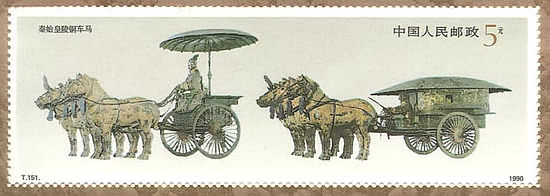
stamps-009h
Chinese bronze from a 2300 old mausoleum

அவன் கூற்றுப்படி தமிழர்களும் மத்தியதரைக் கடல் பகுதியில் இருந்து நுழைந்தவர்கள்! மனித இனமே ஆப்பிரிக்காவில் இருந்து சென்றவன்!! இதை எல்லாம் உண்மை என்று ஒப்புக் கொண்டாலும் குதிரை படம் வரலாற்றுக்கு முந்தைய குகைகளின் ஓவியங்களில் இருக்கிறது இவை அனைத்தும் ஐந்து ஆறு லட்சம் ஆண்டுகள் பழமையுடையவை.

மேலும் குதிரையும் கழுதையும் சொந்தக்காரர்கள்! கழுதை பிடித்தவனுக்கு குதிரை பிடிக்கத் தெரியாதா? சுமேரில் கூட கழுதை உண்டு குதிரை இல்லை. ஆகையால் அரைவேக்காட்டு ஆராய்ச்சியாளர்களின் கட்டுரைகளைப் படித்துவிட்டுக் குழம்பிப் போகாமல் “எப்பொருள் யார் யார் வாய்க் கேட்பினும் அப்பொருள் மெய்ப்பொருள் காண்பது அறிவு” என்னும் வள்ளுவனின் வாய்மொழிச் சொல் வழியில் செல்க!

arjuna_krishna_chariot-front
Krishna’s Chariot
contact swami_48@yahoo.com

How did Ravana travel from Sri Lanka to India?

Silk_Route_China_

Research paper written by London Swaminathan
Research post No. 1301; Dated 20th September 2014.

Marxist historians used to describe the wars in Ramayana and Mahabharata as ‘class wars’. For them Lanka of Ramayana was a small island in Godavari river. Foreign “scholars” also subscribed to this view. They never believed that one can travel from some location in Sri Lanka to Dandakaranya in central India or Kailash in the Himalayas. After Ravana drove out his half brother Yaksha Kubera from Sri Lanka, Kubera took refuge in Kailash/Tibet area in the Himalayas. Ravana even went to Kailash and ‘shook it’. When he was trapped by Shiva, he had to beg for his release. These episodes demonstrate that people were travelling from Kandy to Kashmir without any difficulty.

Foreign “scholars” and Marxist historians did not know Tamil and so they did not know that the Tamil Saivite and Vaishnavite saints were very clear in locating Lanka in present Sri Lanka. Even before the Vaishnavite saints sang about Sri Lanka of Ravana, Tamil epic Silappadikaram of second century CE, mentioned Gajabahu from ‘sea clad’ Sri Lanka. So it is not river clad ‘lanka’ of Godavari.

peryplus_first_century_AD_1000px

Before Agastya laid a road route to Tamil Nadu through the Vindhyas, all the North Indians were using the coastal route to come to Rameswar. They used boats wherever necessary. Yakshas were occupying Sri Lanka before Vijayan was banished from Bengal to Sri Lanka for his misdeeds. This happened in the fifth century BCE. Mahavamsa, the chronicle of Sri Lanka, says that Vijaya first married a Yaksha girl and then only he married a Tamil princess from Pandyan kingdom of Tamil Nadu. So Ramayana and other Puranas were right about Kubera, Yaksha and Ravana. Mahavamsa says that Buddha and his predecessors visited Sri Lanka. It is possible because Buddha had a very long life and he died when he was 84 years old.

tamluk board

How did Ravana travel?
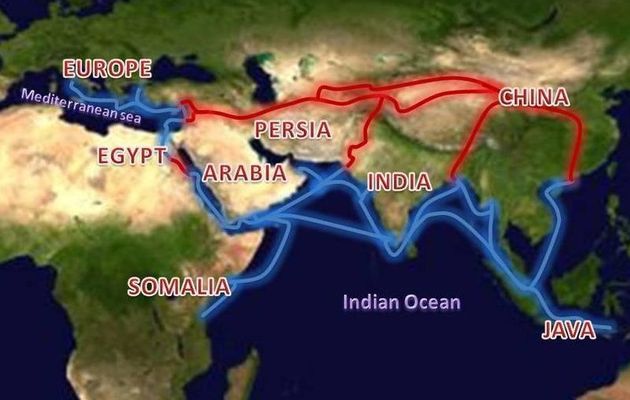
Some amazing travel information is reported in Mahavamsa. That gives us some idea about how Buddha and Ravana travelled. Indians were expert navigators which is confirmed by Sangam Tamil literature and Hindu Puranas ( I have already explained ‘Agastya drank ocean’ — is an idiom to say that Agastya crossed the Indian ocean to establish Hindu empire in South East Asia. I have already written about Sri Mara, a Pandya who ruled Viet Nam in the second century CE).

Hindus knew the secret of monsoon. They knew if they leave at a particular time of the year the wind will take them to their destination without spending a single penny. They knew when to come back as well. It is demonstrated in Kalidasa’s Megaduta and throughout Sangam Tamil literature. One babbler gave this secret of monsoon to a person (Hippalous) in Alexandria (in Egypt) and then westerners came for business and then for ruling the country.

tamluk

Mahavamsa says (Chapter 11) that Devanampiriya’s ambassadors reached Tamralipti (Tamluk) in West Bengal within seven days and they spent seven more days to go to Pataliputra to meet Emperor Asoka. In short, it took one week for sea travel and another week for land travel to Patna (Pataliputram) in Bihar. On their return journey, it took twelve days from Tamralipti to Sri Lankan harbour at Jambukola.

Devanampriya’s ambassadors stayed with Asoka for five months. The reason was they were waiting for the favourable wind. If they leave at a particular time the return journey would be easy. When we read this, we can guess how Ravana and Surpanaka came to Dandakaranaya for involving in anti social activities. It was their hobby! Like wealthy people visiting hill centres during summer, they went there to simply spend time. This is like the Arabian wealthy people or sheiks coming to Bombay to do certain things which are banned in their countries! Ravana might have sent Surpanakha deliberately to avoid her misdeeds at home.

Ravana had a thought powered air plane. He took it forcefully from Kubera. Those who could not believe that Ravana used his plane to come to Dandakaranaya, still can accept his sea travel.

patna

In chapter 18 of Mahavamsa , another travel information says that one person has reached Patna (Pataliputra) in one day. It may be classified as a miracle. But the traffic between Patna and Sri Lanka was very hectic in those days. Asoka’s daughter and son also travelled to Sri Lanka from India by ship. Traffic between Sri Lankan coast and Malayam Hills in Tamil Nadu was heavy. We often hear about Sri Lankans coming to Malaya hills and going back with a big army. Thousands of Buddhist Bhikshus were visiting Sri Lanka during all the important festivals.

(This article is part of my series on Mahavamsa)

Contact swami_48@yahoo.com

ship
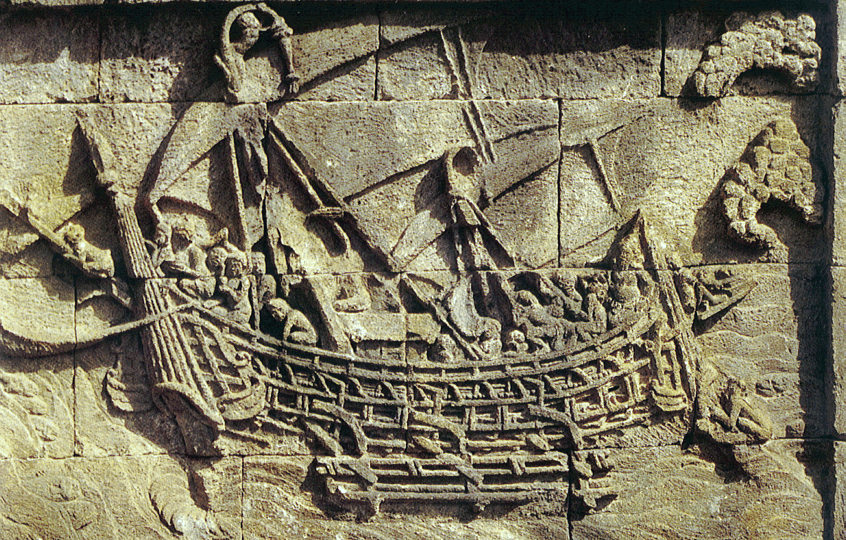
Picture of Ancient Indian ship in sculpture.

Pictures are taken from various websites; thanks.

இராக்கில் 3000 கடவுள்: இந்துக்கள் போல சிலைக்கு ‘கண் திறக்கும்’ அதிசயம்!

adad01on bull

Adad on Rishaba Vahana (bull) like Lord Shiva

கட்டுரை மன்னன் :– லண்டன் சுவாமிநாதன்
ஆராய்ச்சிக் கட்டுரை எண்:- 1300; தேதி: 20 செப்டம்பர் 2014

இராக் என்று இப்பொழுது நாம் அழைக்கும் நாட்டில் உலகின் மிகப் பழமையான நாகரீகங்களில் ஒன்றான சுமேரிய பாபிலோனிய நாகரீகங்கள் இருந்தன. டைக்ரீஸ், யூப்ரடீஸ் என்ற இரு நதிகளுக்கு இடைப்பட்ட பிரதேசம் என்னும் பொருளில் இதை மெசபொடோமியா என்று அழைப்பர். இதைப் பற்றி பிரிட்டிஷ் மியூசியம் வெளியிட்ட அகராதியை Dictionary of the Ancient Near East published by the British Museum நான் ஆழப் படித்திருக்கிறேன். எந்த ஒரு தலைப்பை எடுத்தாலும் இந்து கலாசாரத்துடன் பல ஒற்றுமைகளைக் காணமுடியும். இவைகளைப் பற்றி துலாபாரம், தகனம், இரு தலைப் பறவை, இந்திரன் வழிபாடு. லபிஸ் லசூலி ஏற்றுமதி முதலிய 20 கட்டுரைகள் எழுதி இருக்கிறேன்.
கடவுள் என்ற தலைப்பில் இந்த அகராதி தரும் விஷயங்கள் இந்து மதத்துடன் உள்ள அற்புத ஒற்றுமைகளைக் காட்டுகிறது. அவர்களும் கடவுளுக்கு 3000 பெயர்கள் வைத்திருந்தனர்!!

முதலில் சிலைகளுக்கு “கண் திறத்தல்” என்னும் அற்புத ஒற்றுமையைக் கண்போம். இந்துக் கோவில்களுக்குச் சிலை வடிக்கும் சிற்பிகள் அந்த சிலையின் கண்களைத் திறப்பதை மிகவும் முக்கியமானதாகக் கருதி அதற்கு விஷேச புனிதத்துவம் கொடுப்பர். இதை “நயனோன்மீலனம்” என்னும் வடமொழிச் சொற்களால் விவரிப்பர். சிலையின் கண்களைச் செதுக்கிவிட்டால் அதற்கு உயிரும் புனிதத்துவமும் வந்துவிடும். அதற்குப்பின் அது வெறும் கல் அல்ல—புனிதக் கடவுள்!! பின்னர் அதை ஜலத்திலும், தானியத்திலும் வைத்து மேலும் சக்தி ஏற்றுவர். அதற்குப் பின்னர், அதில் எண்ணை தடவ எல்லாப் பொதுமக்களையும் ஜாதி, குல வேறுபாடு இன்றி அனுமதிப்பர். இதே போல பாபிலோனியாவிலும் ஒரு சடங்கு உண்டு.

inanna  triumphant

Inanna like Hindu Goddess

பாபிலோனியாவில் சிலை வடித்த பின்னர் செய்யும் சடங்கிற்கு ‘வாய் திறத்தல், வாய் கழுவுதல்’ என்று பெயர். இதைச் செய்தவுடன் அந்தச் சிலைக்கு தெய்வீக சக்தி ஏற்பட்டுவிடும் என்று பாபிலோனியர் நம்பினர். அவர்கள் இந்துக்களாக இருக்கலாம். அல்லது நம்மிடம் இதைக் கற்றிருக்கலாம். நான் இப்படிச் சொல்வதற்குக் காரணம் உலகின் மிகப் பழைய சமய நூலான ரிக் வேதம் இந்துக்களுடையது. அதை கி.மு 6000 ஆண்டைச் சேர்ந்தது என்று சுதந்திரப் போராட்ட வீரர் பாலகங்காதர திலகரும் ஜெர்மன் அறிஞர் ஜாகோபியும் கூறுகின்றனர். அண்மையில் ஆராய்ச்சிக் கட்டுரைகளை எழுதிவரும் அமெரிக்கர்கள் அது கி.மு 1700-ஐச் சேர்ந்தது என்பர். எவ்வகையிலும் பாரினில் இதுபோல் பிரிதொரு நூல் இல்லை.

‘வாய் திறத்தலும்’, ‘கண் திறத்தலும்’ ஒன்றே. சில மொழிகளில் சில சொற்கள் இல்லாததால் வேறு உறுப்புகளைப் பயன்படுத்தி அதே கருத்தை வெளியிடுவர். ‘’தமிழுக்கு முகம் இல்லை, சம்ஸ்கிருதத்துக்கு வாய் இல்லை’’ — என்று ஆன்றோர்கள் பகடி செய்வர். தமிழில் முகம் என்று சொல்ல முடியாததால் வடமொழிச் சொல்லான முகத்தையே பயன் படுத்துவர். சம்ஸ்கிருதத்தில் வாய் என்று சொல்ல முடியாததால் ‘’முகத்தால் பேசினான்’’ – முகேன வதந்தி — என்பர். நான் தமிழ் ஒரு ‘’இதயமற்ற மொழி’’ என்று சொல்லுவதுண்டு. தமிழில் இருதயம் என்பதற்குச் சொல் இல்லததால், ‘’ஹ்ருதயம்’’ என்ற வடசொல்லையே பயன் படுத்துகிறோம். ‘ஹார்ட்’, ‘இதயம்’ ஆகியன எல்லாம் சம்ஸ்கிருதத்தில் இருந்து பிறந்தவை!

ashtart on lion
Ashtart on like Hindu goddess Durga on lion

ஆக வாய் திறத்தல் என்று பாபிலோனியர் (சுமேரியர், மெசபொடோமியர்) சொல்வதெல்லாம் கண் திறக்கும் ‘’நயனோன்மீலனம்’’ என்னும் சடங்கேயாம் என்று அறிக.

கடவுள் பற்றி பாபிலோனியர், சுமேரியர் சொல்வதும் நம்மைப் போன்றதே. கடவுளைப் பல் பெயர் இட்டு அழைக்கலாம், பல உருவம் கொடுக்கலாம், ஆண், பெண் என்ற பல வடிவில் வணங்கலாம், அவருக்கு உருவம் கொடுத்து சிலை வைக்கலாம், கடவுளில் பெரியவர், சின்னவர், பரிவார தேவதைகள் வைத்து வணங்கலாம். கடவுள் மேலுகத்திலும் , கீழ் உலகத்திலும் இருப்பார், அவர்களுக்கு வெவ்வேறு விஷேசப் பணிகள் உண்டு — இப்படி அவர்கள் கூறூவது எல்லாம் இந்து மதத்திலும் உண்டு. அவர்கள் மொத்தத்தில் இதுவரை 3000 பெயர்களைக் கண்டு பிடித்ததாக பிரிட்டிஷ் மியூசியம் வெளியிட்ட அகராதி கூறும் நாமோ ஒவ்வொரு சாமிக்கும் 1000 – சஹஸ்ர நாமம் — பெயர்கள் வைத்துள்ளோம்!!

இவ்வளவு பெயர்கள் இருந்தாலும் ‘’கடவுள் ஒருவரே, அதை அறிஞர்கள் பலவேறாக அழைப்பர்’’ — என்ற மாபெரும் உண்மையையும் உலகின் மிகப் பழைய நூலான ரிக் வேதத்திலேயே செப்பியும் விட்டோம் (காண்க: ரிக் வேதம் (RV 1-164-46) – ‘’ஏகம் சத், விப்ரா: பஹூதா வதந்தி’’ = ‘’உண்மை ஒன்றே; அறிஞர்கள் அதைப் பல்வாறாக அழைப்பர்’’.

448px-Burney_Relief_Babylon_-1800-1750
Lilith of Hebrew mythology with owls like Lakshmi

ஏன் மனிதன் பல கடவுளரை உருவாக்கினான்?
சக்தி என்று ஒரு பெண் தெய்வத்தை அழைப்போம். ஒரு பையன் வந்து, அப்பா, நான் பரீட்சையில் நல்ல மார்க் எடுக்க வேண்டும் என்று கேட்டால் அதை சரஸ்வதியாக வணங்கு என்போம். ஒருவர் பணம் வேண்டும் என்றால் லெட்சுமி என்னும் வடிவில் தியானம் செய் என்போம். மற்றொருவர் கோர்ட் வழக்கில் வெற்றி பெற்வேண்டும் என்றால் துர்க்கை என்று வழிபடு என்போம். இப்படியாக தெய்வங்களின் எண்ணிக்கை பெருகும். இன்னும் சில தெய்வங்கள் நடிகர் நடிகையர் மூலம் திடீரெனப் பிரபலமாகும். மூகாம்பிகை, ஐயப்பன், ராகவேந்திரர் முதலியோர் வழிபாடு பிரபலமானதைக் குறிப்பிடலாம். 100 ஆண்டுகளுக்கு முன் ஐயப்பன் கோவிலுக்குப் போனோர் தொகையை விரல் விட்டு எண்ணிவிடலாம். இன்று இரண்டு கோடிப் பேர் செல்கின்றனர். இப்படிக் காலத்துக்கு காலம் கடவுளர் பெருமை ஏறி இறங்கினாலும் கடவுள் ஒருவனே, அவனை எல்லா வகையிலும் வழிபட முடியும் என்ற மாபெரும் உண்மையை, கை நாட்டு வைக்கும் கிழவியும் கூட அறிவாள்.

வேறு கலாசாரங்களில் வெவ்வேறு இன மக்கள் ஒன்றுகூடும் இடங்களில் பல் தெய்வங்கள் இணைந்துவிடும். ஆனால் பல பெயர்கள் மட்டும் மக்கள் மனதில் தங்கிவிடும். மேலை நாட்டில் முதல் முதலில் நாகரீகத்தைப் பரப்பிய கிரேக்கர்களின் தெய்வங்களுக்கு இணையாக ரோமானியர்கள் ஒவ்வொரு தெய்வத்தின் பெயரைப் புகலுவர் மற்றும் புகழுவர்.

yazidi_symbol
Yasidi tribe has peacock as sacred symbol like Tamiol Skanda/ Muruga

இதே போல இந்தியாவில் இருந்து வேத கால நாகரீகத்தை மேற்கு ஆசியா, ஐரோப்பா முழுதும் எடுத்துச் சென்ற ‘ஹிட்டைட்ஸ்’, ‘காசைட்ஸ்’, ‘மிட்டனியன்ஸ்’ — நமது தெய்வங்களை அவர்களுடைய பழைய தெய்வங் களுடன் இணைத்தனர். இராக் மலைப் பகுதியில் வாழும் ‘யசீதி’ இனம் முதல் பல்வேறு இடங்களில் இந்துமதத்தின் எச்ச சொச்சங்களையும் மிச்சம் மீதிகளையும் காண்கிறோம். காஞ்சி பரமாசார்ய சுவாமிகள் 1932 ஆம் ஆண்டு சென்னைப் பிரசங்கத்தில் “உலகம் முழுதும் சநாதன தர்மமே இருந்தது, அதன் தடயங்கள்தான் இவை — நாம் மதத்தைப் பரப்ப எடுத்துச் செல்லவில்லை, முன்னரே இருந்தவை” — என்று கூறுவதையும் கவனத்திற் கொள்ளல் வேண்டும்.

Please read my earlier posts on Sumer- India link
Hindu Vestiges in Iraq ( Posted on 12th August 2014)
Indus Valley to Egypt: Lapis lazuli Export (posted 0n 6th Sept.2014)

Why did Sumer and Egypt worship Indra? (Posted 14th Sept.2014)
Double Headed Eagle: Indian—Sumerian Connection (18th December 2011)
Birds for Finding Direction: Sumeria to Tamil Nadu via Indus Valley (Posted 8th April 2013)
Cremation: Sumerian – Hindu Similarities (Posted on 14th May 2014)
Sanskrit Words in Sumerian: Sumukan Mystery (Posted on 12th May 2014)
A Hindu Story in Sumerian Civilization (Posted on 11th May 2014)
Mysterious Fish Gods around the World (Posted 27-10-2012)
Tulabharam: Indian – Sumerian Connection (Posted on 2nd January 2012)
Serpent Queen: Sabarimalai to Indus Valley
Hindu Vahanas around the World

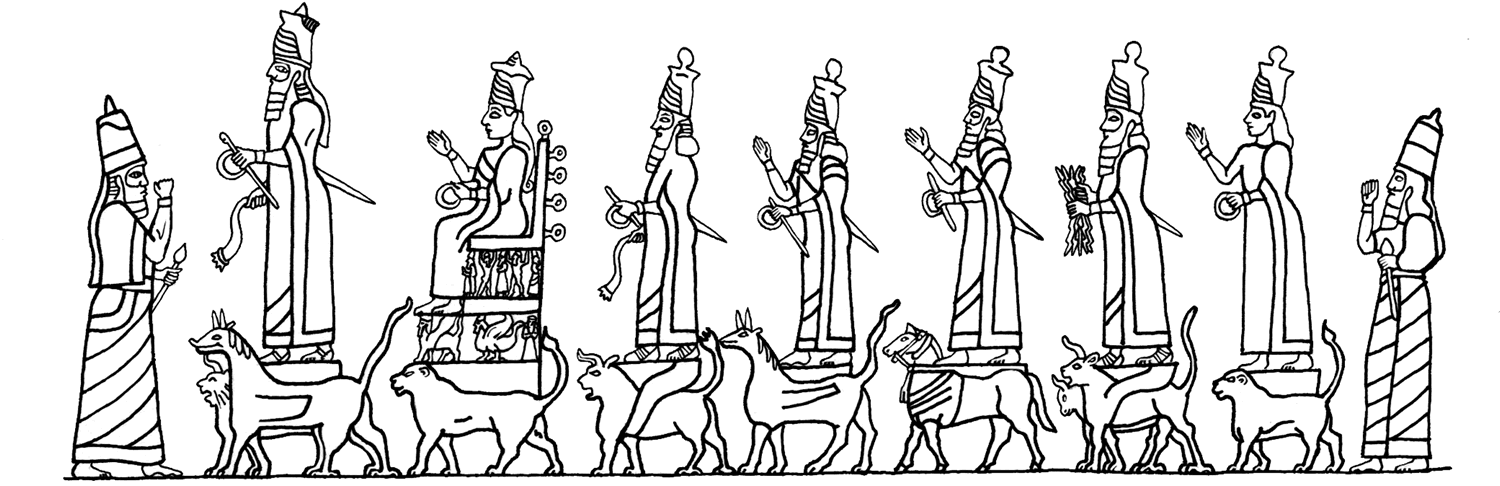
procession-lg
Seven gods on Seven vahanas in Iraq

Hindu Vahanas in Iraq (Posted on 21st October 2012)
330 Million Gods (முப்பத்து முக்கோடி தேவர்கள்)
இந்தக் கட்டுரைகளில் பலவற்றைத் தமிழிலும் தந்துள்ளேன்

(Most of these articles are published in Tamil as well around the same dates)
Contact swami_48@yahoo.com
tammuz01
Tammuz in Mesopotamia

Who invented Four Horse Chariot?

arjuna_krishna_chariot-front

Research paper written by London Swaminathan
Post No.1299 ; Dated 19th Sept. 2014.

This article explains how the chariot with four horses spread to different parts of the world from India. Hindus are the people who named all the four horses of Lord Krishna’s chariot!!!!
Krishna’s ‘Gitopadesa’ picture is a popular image portrayed on calendars, book wrappers, wall posters and curtains throughout India. Krishna is shown as driving a chariot with Arjuna on it and it is pulled by four white horses. Those who believe the Hindu calendar know that Krishna lived at the end of Dwapara Yuga and just before the end of Kaliyuga i.e 3100 BCE. Scholars who did not believe this say that the Bharata War was fought in the fifteenth century BCE.

I was surprised to see the same chariot with 4 horses in Persian Sun chariot, Greek’s gold Nike ring and the world’s most expensive Greek coin. The oldest Greek material is dated around fifth century BCE. We know that the Greek’s oldest book Iliad of Homer was written around 800 BCE. But the Rig-Veda, the oldest religious book in the world, mentions horses, horse races, chariot races and chariot parts in great detail in hundreds of places. This Veda is dated to 6000 BCE by BG Tilak and Jacobi. The lowest date 1200 BCE was given by Max Muller. When he dated it thus he made it very clear that it was not the date of the composition, but no one can date it later than this period. He gave valid reasons for it.

stamps-009h
2200 year old bronze from a grave.

Horse is the prominent animal mentioned in the Rig-Veda more than any other animal. Archaeological evidence is also in support of the earliest association of horse with the Vedic Hindus. Historians have recovered the horse manual written by Kikkuli with Sanskrit numbers. Kikkuli’s word ‘maryannu’ (Vedic Sanskrit word) was borrowed by Egyptians in 1470 BCE. This means Kikkuli’s horse training manual existed around 1500 BCE with Sanskrit words in Turkey Syria area ruled by the Mitannians . Ann Hyland has given full details about Kikkuli’s manual in her book “The Horse in the ancient World “(page 22).
So there is very clear evidence to show that the Vedic Hindus were the horse masters who took the art of horse races and chariots to different parts of the world.

nikeRing400 bce

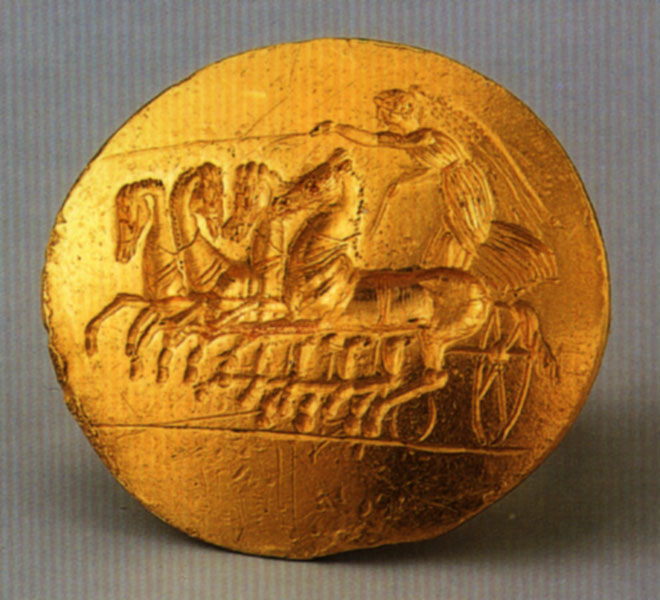
Picture : gold ring with Nike driving a four horse chariot 400 BCE, said to be Magna Graecia, British Museum, Thomas Burgon collection.

Four Horses of Lord Krishna
Now the question is why Krishna is shown driving a four horse chariot in the Mahabaharata war. One may argue that it was for maintaining the balance. Greek paintings, statues and potteries show chariots with four horses. Later this ‘Quadriga’ became popular in the Roman world. Four horses may be explained as four Vedas. But there is no literary evidence to support it. But Amarakosa, the oldest thesaurus in the world, gives the names of the horses. Bhagavatha Purana and other Puranas also repeat it. This shows that we are the inventors of this chariot. This chariot was donated by Agni, Fire God to Arjuna.
According to Amarakosa of Fourth century CE and Bhagavatha Purana of Gupta period, the names of the four horses are
Saibya
Sugriva
Meghapushpa
Balahaka
Padma Purana adds even the colours of these horses: Saibya – parrot green colour, Sugriva – Golden yellow, Meghapushpa – Cloud coloured and Balahaka – White.
These shows how serious were the Hindus about yoking four horses to chariots. Amara kosa and Bhagavatha which are at least 1600 years old could not have imagined it overnight.
British museum holds a big collection of golden objects from the Greek world. One of the rings show Greek Goddess Nike driving a chariot yoked with four horses. Nike is the Greek goddess of Victory. Romans called her Victoria. The Four horse chariot was called quadriga.

persiansungod
Persian (Iranian) Sun God

Sangam Tamil Literature
Two thousand year old Sangam Tamil literature also described the chariot yoked with four horses (lines 487-489 of Perumpanatruppadai). This is a book about Tondaman Ilanthiraiyan who ruled from Kancheepuram of Tamil Nadu. This is an evidence to show that from Kashmir to Kanyakumari people used Four Horse Chariots.
Though the Upanishads give an allegory of body as a chariot, the Self or intellect as the driver and the (five) senses as horses, it is not associated with Lord Krihsna in the Bhagavatha or Mahabharata.

quardiga big
£2 million worth Greek silver coin

Most Expensive Coin in the world

A Greek coin with a figure driving four horse chariot was sold for over 2 million pounds. This Drachma was stuck 2318 years ago. Only twelve coins exist in the world and half of them are in the museums. The silver coin is one inch in diameter, minted in Sicily.
In Persia (Iran) sun god is shown on a four horse chariot. In lot of pottery drawings and modern statues on famous buildings around the world we see big statues on such chariots.

benhur2
A scene from the film Benhur

Contact swami_48@yahoo.com

யோகிகள் தீப் பிழம்பாக மாறும் அதிசயம்!

shc bbc

கட்டுரை மன்னன் :– லண்டன் சுவாமிநாதன்
ஆராய்ச்சிக் கட்டுரை எண்:- 1298; தேதி: 19 செப்டம்பர் 2014

மகாவம்ச ஆராய்ச்சிக் கட்டுரை வரிசையில் இது எட்டாவது கட்டுரை.

மகாவம்சத்தில் தானாக மனிதன் தீப்பற்றி எரியும் ஒரு அதிசய நிகழ்வும் பதிவாகியுள்ளது இதை ஆங்கிலத்தில் Spontaneous Human Combustion (SHC) என்று அழைப்பர். இது அபூர்வமாகவே நிகழக்கூடியது. 5000 ஆண்டு இந்துமத வரலாற்றில் பத்து முதல் பதினைந்து சம்பவங்களே இருப்பதாகச் சொல்லலாம்.

திருஞான சம்பந்தர் தனது திருமணம் நடந்தபோது புது மனைவி மற்றும் திருநீலகண்ட யாழ்ப்பாணர் முதலிய நூற்றுக் கணக்காணோருடன் ஜோதியில் கலந்தார்.

ஆண்டாள் ஜோதியில் கலந்தார்.
திருப்பணாழ்வார் ஜோதியில் கலந்தார்.
நந்தனார் ஜோதியில் கலந்தார்.

என்றெல்லாம் படிக்கிறோம். நாத்தீகர்கள் இதைக் கண்டு நகைப்பதுண்டு. தீ விபத்துக்களை இப்படிச் சொல்லிவிட்டார்கள் அல்லது கீழ்ஜாதி நந்தனாரையும் திருப்பணாழ்வாரையும் தீயில் தள்ளிவிட்டு பிராமணர்கள் இப்படிக் கதை கட்டிவிட்டார்கள் என்று கதைப்பதும் உண்டு.

ராமலிங்க சுவாமிகள் ஜோதி வடிவில் கலந்ததையும் நம்பாதோர் உண்டு. கண்ணகி தன் ஒரு முலையைத் திருகி எரிந்து மதுரையை எரித்ததாக நெஞ்சை அள்ளும் சிலப்பதிகாரம் சொல்வதைக் கண்டு நகைப்போரும் உண்டு.

ஆதிசங்கரரும், பட்டினத்தாரும் தாயின் சிதைக்குப் பார்வையாலேயே தீ மூட்டினர் என்பதைச் சந்தேகிப்போரும் உண்டு. ஆனால் இந்துக்கள் இதை உண்மை என்றே நம்புவர். பல நூறு கோடி ஆட்களில் இப்படிச் செய்தவர் பத்துப் பேரே என்பதே இதை அபூர்வ சம்பவம் என்று காட்டும்.

இதே போல வடக்கிலும் சில சம்பங்கள் உண்டு. கோபால் நாயக் என்பவர் தீபக் என்னும் ராகத்தைப் பாடினால் மனிதர்கள் தீப்பற்றி எரிந்துபோவார்கள் என்கிறார். மொகலாய சக்ரவர்த்தி அக்பர், அப்படியானால் தண்ணீருக்குள் நின்று பாடுங்கள் என்கிறார். அப்படிப் பாடினாலும் தண்ணீரிலும் தீ தோன்றி நான் எரிந்துவிடுவேன் என்று சொன்னபோதிலும் மன்னனே சொல்கிறாரே என்று அவர் தீபக் ராகத்தை இசைத்தார். தீப்பிழம்பாக மாறி மாண்டு போனார் பாடகர்.

மகாவம்சத்தில் இத்தகைய இரண்டு நிகழ்ச்சிகள் உள்ளன. ஒன்று புத்தர் காலத்தில் நடந்தது. காஸ்யபர் என்ற மகாதேரர் புத்தரின் சடலத்தை மூன்று முறை சுற்றி வந்தவுடன் புத்தரின் சிதை தானாகவே எரிந்ததாக மகாவம்சம் பகரும். இது மகாவம்சம் 30-ஆவது அத்தியாயத்தில் வருகிறது.

மற்றொரு சம்பவம் மகாவம்சம் 5-ஆவது அத்தியாயத்தில் வருகிறது.
முன்னொரு காலத்தில் காட்டில் வாழும் ஒருவன் பாடலிபுத்ரம் அருகில் காட்டில் உள்ள குந்தி என்ற வனதேவதையைக் காதலித்தான். இருவரும் கூடியதன் விளைவாக அவள் தீசன், சுமிதன் என்ற இரண்டு பிள்ளைகளைப் பெற்றெடுத்தாள். இருவரும் மகாவருண தேரரிடம் தீட்சை பெற்று அரிய சக்திகளைப் பெற்றனர்.

shac4

ஒருமுறை மூத்தவரை ஒரு விஷப் பூச்சி கடிக்கவே அவர் வலியால் துடித்தார். இளையவர் உதவ முன்வந்தபோது நெய் கிடைத்தால் போதும் என்றும் ஆனால் அதை பிட்சைக்குச் செல்லும்பபொழுதுதான் வாங்கலாம் என்றும் நிபந்தனை போட்டுவிட்டார். இளையவர், பிட்சைக்குச் சென்றபோது கொஞ்சமும் நெய் கிடைக்கவில்லை. இதற்குள் வலி அதிகமாகி அவர் மரணத்தை நெருங்கினார். அப்போது அவர் உடல் காற்றில் மிதந்தது. அவர் தேஜோ கான வாசனத் தியானத்தில் ஆழ்ந்தார். உடம்பு ஜோதி வடிவமானது எலும்புகள் மட்டுமே எஞ்சின. மன்னன் செய்தி கேட்டு விரைந்து வந்தான். காற்றில் மிதந்த எலும்புகளை யானை மீது ஏறிச்சென்று சேகரித்து உரிய மரியாதைகளுடன் அடக்கம் செய்தான்.

இதைச் சொன்ன மகாவம்சம் தேஜோ கான வாஸனம் என்ன என்பதை உரையில் விளக்குகிறது:
தியானத்தில் ஈடுபடும் துறவி தனது சிந்தனை முழுவதையும் ‘’நெருப்பு’’ என்பதில் ஒருமுகப்படுத்துவது. இதனால் உடலுக்குள் அக்னி மூண்டு முழுவதும் எரித்து அழித்துவிடும்.

இதை நாம் வள்ளலார் கதையுடன் ஒப்பிடலாம். கண்ணகி, பட்டினத்தார், ஆதிசங்கரர் கதைகளுடனும் ஒப்பிடலாம். யோக சக்தியால் எதுவுமே சாத்தியம். விஞ்ஞானிகளுக்கு — இந்துக்கள் அளவுக்கு அறிவு முதிர்ச்சி ஏற்படவில்லை. ஆகையால் இத்தகைய விஷயங்களை ஏற்க மறுக்கின்றனர். மனோசக்தியின் வலிமையை விஞ்ஞானம் அறியும் நாளில் இதற்குப் புதிய விஞ்ஞான விளக்கமும் புதிய பெயரும் தருவர்!!!

பி.பி.சி திரைப்படம்
வெளிநாட்டிலும் இப்படிப்பட்ட பல நிகழ்ச்சிகள் பத்திரிக்கைகளில் வருகின்றன. 1992 ஆம் ஆண்டிலும் இப்படி நடந்தவுடன் இதுபற்றி ஆராய்ச்சி செய்து பி பி சி ஒரு டாகுமெ ன் டரி தயாரித்தது. அதில் விஞ்ஞானிகள் பல விளக்கம் கொடுத்தனர். எல்லாம் அரை குறையான விளக்கமே. கால்கள் மட்டும் எரியாமல் உடம் முழுவதும் எப்படி எரிய முடியும்? மின்சாரச் சுடுகாட்டில் 1000 டிகிரி சென் டி கிரேடிலும் எரியாத எலும்புகள் கால்களை மட்டும் விட்டுவிட்டு உடல் முழுதும் எப்படி எரிந்து சாம்பாலயின? இப்படிப் பல புதிர்கள்!!! சடலம் எரிந்தும் பக்கத்தில் உள்ள மேஜை நாற்காலிகள் தீப்பிடிக்கதது ஏன்?

shc

இத்தனை புதிர்களுக்கும் அவர்கள் சப்பைக்கட்டு பதில்கள் தந்தனர். மனித உடலில் கொழுப்பு அதிகம் இருந்தால் இப்படி நடக்கலாம், மீதேன் வாயு சேர்ந்தால் இப்படி நடக்கலாம், குடிகாரராக இருந்தால் இப்படி நடக்கலாம் என்று பல விளக்கங்கள். ஆனால் அமெரிக்காவில் ஒரு மாணவன் மாடிப்படியில் இருந்து இறங்கிவந்த ஜோரில் தீப்பிழம்பானான். அவன் உடைகள் புத்தம் புதிய உடைகளாகக் காட்சிதந்தன. கருகவே இல்லை அப்போது இவ்வளவு பதிவு செய்யும் வசதிகள் இல்லாததால் வேறு எந்த நிரூபணமும் இல்லாமல் செய்தி மட்டுமே பத்திரிகையில் வெளியானது

சித்தர்களின் அஷ்ட மஹா சக்திகளை நம்பும் இந்துக்களுக்கு இவைகள் எல்லாம் கொசுறு!

Please read my earlier articles:
The Mysterious Death of Great Hindu Saints (Posted Nov.15, 2011)
Strange Facts about V I P Deaths (27th April 2012)
Contact swami_48@yahoo.com
Source book : Mahavamsam in Tamil ; translated by S Sankaran, 1986, Rs.25

மகாவம்சத்தில் அதிசயத் தமிழ்க் காட்சிகள்!! – பகுதி 3

dahamsonda paitings

கட்டுரை மன்னன் :– லண்டன் சுவாமிநாதன்
ஆராய்ச்சிக் கட்டுரை எண்:-1297 தேதி: 19 செப்டம்பர் 2014

மகாவம்ச ஆராய்ச்சிக் கட்டுரை வரிசையில் இது ஏழாவது கட்டுரை.

(( இலங்கையில் தமிழ் செல்வாக்கைக் காட்டும் 20 விஷயங்களை முதல் இரண்டு பகுதிகளில் காண்க. ))

21.சோழ பிக்கு போர்க்கொடி
அத்தியாயம் 36-லும் 37-லும் சோழநாட்டு பிக்கு சங்கமித்ரன் இலங்கைக்கு வந்து பெரும் குழப்படி செய்ததைப் படிக்கிறோம். இலங்கையில் புத்தபிட்சுக்கள், அரசாங்கப் பணிகளில் குறுக்கிடுவது இரண்டு ஆயிரம் ஆண்டுகளாக நடைபெறுவதற்கு இதுவும் ஒரு எடுத்துக்காட்டு. அவர் அங்குள்ள பௌத்தர்களிடையே பெரும்பிளவை ஏற்படுத்தி பழம்பெரும் கட்டிடங்களான மஹாவிஹாரை, லோகபஸாதா ஆகியவற்றை இடிக்கச் செய்கிறார். இதனால் கோபம் அடைந்த ராணி, ஒரு ஆளை அனுப்பி அவரையும் அவருக்கு உதவி செய்த மந்திரியையும் கொன்றுவிடுகிறாள். மகாசேனன் (கி.பி..275—301) காலத்தில் இது நடந்தது. 37ஆம் அத்தியாயத்துடன் மஹாவம்சமும் முடிவடைகிறது.
இதனால் கி.பி. முதல் இரு நூற்றாண்டுகளில் பாண்டிய நாட்டின் மலயப் பகுதியும் சோழ நாட்டுக் கடற்கரைகளும் இலங்கை அரசியலில் எவ்வளவு தாக்கத்தை ஏற்படுத்தின என்பதை அறியமுடிகிறது

22.தமிழ் மன்னர்கள்: ஏலாரா/எல்லாளன் (கி.மு.205 –161)
அத்தியாயம் 21 முதல் 33 வரை சோழநாட்டில் இருந்து வந்த ஏலாரா என்ற உயர்குலத் தமிழன் பற்றியும் அவனை வெற்றி கொண்ட துட்டகாமினி என்பவனின் வரலாறு பற்றியும் இருக்கிறது. 44 ஆண்டுக்காலம் இலங்கையை நீதி நேர்மையுடன் ஆண்ட தமிழ்ப் பெருந்தகை ஏலாராவைப் பற்றி மஹாவம்சம் புகழ்கிறது. அவன் இறந்த பின்னரும் இலங்கை மன்னர்கள் அவ்விடத்தில் மரியாதை செலுத்தி வந்ததையும், துட்டகாமினி பிறப்பில் இருந்தே தமிழ் விரோதியாக இருந்ததையும் மஹாவம்சம் ஒளிவு மறைவு இன்றி உரைக்கிறது.
ஏலாரா ஆட்சி நமக்குத் தெரிவிக்கும் விஷயம் — 2200 ஆண்டுகளுக்கு முன் சோழர்கள் “ஞாலம் நடுங்கவரும் கப்பற்படை” வைத்திருந்தனர் என்பதாகும்.

“தமிழர்களுடன் சமாதானமாக வாழ்” — என்று சொன்ன தந்தைக்கு பெண்கள் அணியும் நகைகளை அனுப்பி, நீ ஒரு ஆண்மகன் அல்ல என்று தந்தையையே துட்டககாமினி இழிவு படுத்தியதையும் காணமுடிகிறது. துட்ட காமினி 32 தமிழ் மன்னர்களை வெற்றிகொண்டதாக மஹாவம்சம் கூறுகிறது. சந்தன், தித்தம்பன் என்ற சில பெயர்களையே மஹாவம்சம் நமக்கு அளிக்கிறது. இவர்கள் யார் என்பதை ஆராய்வதும் ஏலாரன் (மனுநீதிச் சோழன்) புகழை தனியாக ஆய்வு நூலாக வெளியிடுவதும் வரலாற்றில் புத்தொளி பரப்பும்.

துட்டகாமினியின் புகழ்பாட ஏறத்தாழ மஹாவம்சத்தின் மூன்றில் ஒருபகுதியை ஒதுக்கியிருப்பதையும் காணமுடிகிறது. மஹாவம்சம் இலங்கையின் வரலாற்றைக் கூறும் நூல் என்பதைவிட இலங்கையில் புத்தமதத்தின் வளர்ச்சியை வருணிக்கும் நூல் என்பதே பொருத்தமாக இருக்கும்!!

painting5

23. ஏழு தமிழ் மன்னர்கள் (கி.மு 104-ஐ ஒட்டிய காலம்)
அத்தியாயம் 33 (பத்து அரசர்கள்): வட்டகாமனி ஆட்சி செய்த காலத்தில் ரோஹணாவில் வசித்துவந்த தீசன் என்ற பிராமணன் ஆட்சிக்கு எதிராகப் புரட்சி செய்தான். அப்போது தமிழ்நாட்டிலிருந்து வந்து இறங்கிய ஏழுபேர் அவனுடன் சேர்ந்துகொண்டனர். “ஆட்சியை ஒப்படைத்துவிடு” — என்று செய்தியும் அனுப்பினர். ஆனால் கூரிய மதிபடைத்த வட்டகாமனி, தனியாக தீசனுக்குச் செய்தி அனுப்பி, இது உன் நாடு, முதலில் தமிழர்களை விரட்டு என்றான். அந்தப் பிராமணனும் உடனே தமிழர்களை எதிர்த்தான், ஆனால் தோற்றுப் போனான். ஏழு தமிழர்களில் ஒருவன் ராணி சோமதேவியைக் கல்யாணம் செய்துகொண்டு தன் நாட்டுக்குத் திரும்பிப் போனான். மற்றொருவன் புத்தரின் பிட்சா பாத்திரத்தை எடுத்துக்கொண்டு தமிழகம் சென்றான்.

(பிச்சை எடுக்கப் பயன்படுத்தும் பாத்திரம் பிக்ஷா பாத்திரம். பிச்சை என்பது ‘பிக்ஷா’ என்ற வடமொழிச் சொல்லில் இருந்து பிறந்த சொல். ஆதிகாலத்தில் வேதம் கற்கும் மாணவர்கள் வீடு வீடாகச் சென்று “பவதி பிக்ஷாம் தேஹி” என்று வேண்டுவர். மதுரையில் வேத பாடசாலை மாணவர்கள் எங்கள் வீட்டுக்கும் வந்து இப்படிக் குரல் கொடுத்தது இன்றும் என் காதுகளில் ரீங்காரம் செய்கிறது. உடனே எனது தாயார் அன்னத்தை அவர்கள் பாத்திரத்தில் போடுவார். அதை அவர்கள் குருநாதருடன் பகிர்ந்துகொள்வார்கள். வள்ளுவனும் “தென்புலத்தார் தெய்வம் விருந்து ஒக்கல் தான் என்று ஐம்புலத்தாறு ஓம்பல் தலை” — என்ற குறளில் விருந்தினர் பற்றிப் பேசுகிறார்).

ஏழு தமிழரில் ஐவர் மட்டும் தங்கி இலங்கையை ஆண்டனர். புலஹதன், பாஹியா, பணயமாரன், பிழையாமாறன், தாதிகன் என்ற ஐவரும் ஒருவரை ஒருவர் கொலை செய்துவிட்டு அடுத்தடுத்து ஆண்டனர். மொத்தம் ஆண்ட வருடங்கள் 14 ஆண்டு 7 மாதம்.

இந்தப் பெயர்களில் சில தமிழ்ப் பெயர்கள் போலத் தோன்றவில்லை. மாறன் என்ற பெயர் கொண்டவர்கள் பாண்டி நாட்டுக்காரர்கள். தமிழ் நாட்டுக் கல்வெட்டுகளில் பணய மாறன் என்ற பெயர் உண்டு. இவைகளைப் பற்றித் தமிழ் வரலாற்றில் ஒன்றையும் காணோம். இவை ஆராய்ச்சிக்குரிய விஷயங்கள்.

((“தமில் வாள்க்க” (தமிழ் வாழ்க) என்று கோஷம் போடுவதை நிறுத்திவிட்டு உருப்படியான ஆராய்ச்சிகளில் இறங்க வேண்டும். தமிழர்களை ஆஹா ஒஹோ என்று புகழ்வதோடு நிற்காமல் உண்மை நிலையையும் கண்டு உரைக்க வேண்டும். கி.மு.இரண்டாம் நூற்றாண்டில் காரவேலன் என்ற ஒரிஸ்ஸா மாநில (கலிங்க) சமண மன்னனிடம் தோற்றுப்போன பாண்டியன் யார்? ஆதிசங்கரர் குறிப்பிடும் சுந்தரபாண்டியன் யார்? என்பதை எல்லாம் ஆராய்வது நலம் பயக்கும். வெற்றியை வெற்றி என்றும் தோல்வியை தோல்வி என்றும் ஒப்புக்கொள்ளும் பக்குவமும் வேண்டும்!))

painting4

சந்தமுக சிவன் – தமிழா தேவி
சந்தமுக சிவன் என்ற அரசனின் மனைவி பெயர் தமிழாதேவி. சந்தமுகசிவனின் தந்தை பெயர் இளநாகன். சங்க இலக்கியத்தில் அதிகம் தமிழ்ப் பாடல்களை இயற்றியவரில் ஒருவர் பெயரும் இளநாகன். ஆகவே இந்தத் தமிழதேவி தமிழ்நாட்டுத் தொடர்புடைய பெண்ணே.

சிங்களவரும் தமிழரும் ரத்தத் தொடர்புடையவர்கள் என்பது சிவன் என்று முடியும் மன்னர்கள் பெயர்களில் இருந்தும் நாகன் என்று முடியும் மன்னர்கள் பெயர்களில் இருந்தும் தெளிவாகிறது. மேலும் ஆராயப்பட வேண்டிய விஷயம் இது.

24.மிளகு
துட்டகாமினி ஒரு முறை புத்த பிக்குகளை நினைக்காமல் மிளகு சாப்பிட்டதற்குப் பிராயச்சித்தமாக மாரீசவதை விஹாரத்தையும் சேதியத்தையும் அமைத்தார். மிளகு என்றவுடன் கேரள மிளகு ஏற்றுமதி நினைவுக்கு வரும். அக்காலத்தில் அது சேர நாடு என்னும் தமிழ்ப் பகுதியாக இருந்தது. மிளகு சாப்பிடும் வழக்கம் உண்டு என்பதையும் இது எடுத்துக்காட்டுகிறது

Kandy-Painting

25.சுனாமி/ கடல்கோள்
அத்தியாயம் 22-ல் ஒரு காதல் கதை வருகிறது. இது காகவனதீசன் மன்னன் காலத்தில் நடந்தது.
கல்யாணி என்னும் நகரில் தீசன் என்ற மன்னனின் மனைவிக்கு (ராணிக்கு) ஜய உதிகன் என்பவன் ஒரு காதல் கடிதத்தை புத்த பிக்கு போல வேடம் அணிந்த ஒருவர் மூலம் அனுப்புகிறான். அவன் ராஜா ராணி வரும் போது அதை ராணியின் முன்னால் போடுகிறான். சத்தம் கேட்டுத் திரும்பிய தீசன், ராணிக்கு வந்த காதல் கடித்ததைப் படித்துவிட்டுக் கோபம் அடைகிறான். கோபத்தில் உண்மையான தேரரையும், தேரர் வேடத்தில் இருந்த போலியையும் வெட்டி வீழ்த்துகிறான். இதனால் கடல் (அரசன்) கோபம் கொண்டு பொங்கி நாட்டுக்குள் புகுந்தது. இது கி.மு 200க்கு முன் நடந்தது.

இது போன்ற சுனாமி தாக்குதல் கதைகள் பல தமிழ் இலக்கியத்திலும் உண்டு. கடல்மேல் வேல் எறிந்து கடலின் சீற்றத்தை அடக்கிய பாண்டியன் கதைகளை திருவிளையாடல் புராணத்தில் (கடல் சுவற வேல் எறிந்த உக்ர பாண்டியன்) காணலாம். ராமனும் கடல் பொங்கியவுடன் வருண பகவானுக்கு எதிராக கடலில் அம்புவிட்டதை ராமாயணத்தில் படிக்கிறோம்.

உடனே கடலின் சீற்றத்தை அடக்குவதற்காக, தீசன் தன் மகளை ஒரு தங்கக் கலசத்தில் வைத்து அனுப்புகிறான். அது கரை ஒதுங்கியபோது காகவனதீசன் அவளைக் கண்டு கல்யாணம் செய்துகொள்கிறான். இதில் நமக்கு வேண்டிய விஷயம் கடல் பொங்கிய (சுனாமி) விஷயமாகும். இதன் காலத்தை ஆராய்தல், முதல் இரு தமிழ்ச் சங்கங்களை விழுங்கிய கடற்கோள்களின் (சுனாமி) காலத்தை அறிய உதவலாம். சிலப்பதிகாரத்தில் ஒரு கடற்கோள் பற்றி நாம் படிக்கிறோம்.

வடிவேல் எறிந்த வான் பகை பொறாது
பஃறுளி ஆற்றுடன் பன்மலை அடுக்கத்துக்
குமரிக்கோடும் கொடுங்கடல் கொள்ள
வடதிசைக் கங்கையும் இமயமும் கொண்டு
தென் திசை ஆண்ட தென்னவன் வாழி!
-காடுகாண் காதை, சிலப்பதிகாரம்

இதை ஒப்பிட்டால் வடிம்பலம்ப நின்ற பாண்டியன் மற்றும் முதல் இரு தமிழ்ச் சங்கங்களில் ஒன்றின் காலம் ஆகியன உறுதிப்படலாம். இலங்கை கடற்கோள் நடந்தது கி.மு.200–க்கு முன்.

SriLanka-3

26. வனதேவதை/உடும்பு
அதிகாரம் 28-இல் வரும் உடும்பு அதிசயம் பற்றி ஏற்கனவே மஹாவம்சத்தில் அற்புதச் செய்திகள் என்ற கட்டுரையில் எழுதிவிட்டேன்.
உலகப் புகழ்பெற்ற கம்போடியாவின் அங்கோர்வட் கோவிலைக் கண்டுபிடிக்க ஒரு பட்டுப்பூச்சிதான் காரணம். உலகப் புகழ்பெற்ற அஜந்தா குகைக் கோவிலைக் கண்டுபிடிக்க ஒரு ஆடு தான் காரணம். சிருங்கேரியில் முதல் மடத்தைச் சங்கராச்சார்யார் ஸ்தாபிக்க தவளைக்குக் குடைபிடித்த பாம்புதான் காரணம். பாஞ்சாலங் குறிச்சியில் கட்டபொம்மன் கோட்டை கட்ட முயலும் வேட்டை நாயும் தான் காரணம் என்பதை எல்லாம் விளக்கி நாங்கு ஆண்டுகளுக்கு முன்னரே கட்டுரை எழுதிவிட்டேன் — Mysterious Messengers for Ajanta, Angkor Wat and Sringeri (3-10-2011). இதே போல வனதேவதை உடும்பு வடிவில் வந்து இந்திரனும் விசுவகர்மாவும் அனுப்பிவைத்த செங்கற்களைக் காட்டியதாகவும் துட்டகாமினி அதைப் பயன்படுதியதாகவும் படிக்கிறோம். இதுபோல தமிழ் நாட்டுக் கோவில்களிலும் உடும்பு தொடர்புடைய கோவில்கள் உண்டு

27.கோவலன் யானை அடக்கியது/ நந்திமித்ரன் யானை அடக்கியது

புத்தர் பிரான், யானையை வசப்படுத்தியது யோக சக்தியால்;
உதயணன் யானையை அடக்கியது மந்திர சக்தியால்;
கோவலன் யானையை அடக்கியது புஜபலத்தால்:

இதே போல கந்துலன் என்னும் யானை கதை மஹாவம்சத்தில் வருகிறது அதிகாரம் 25-ல் கந்துலன் என்னும் யானையை பத்து யானை பலம் கொண்ட நந்தி மித்ரன் அடக்கிய சம்பவம் வருகிறது

கட்டுரைக்கு உதவிய நூல்: மகாவம்சம், தமிழாக்கம் எஸ்.சங்கரன், சமுதாயம் பப்ளிகேஷன்ஸ் பிரவேட் லிமிட்டெட், சென்னை-17, இரண்டாம் பதிப்பு 1986, விலை ரூ 25.

painting3

Pictures are taken from different websites;thanks.

3000 Gods in Mesopotamia! Similar to Hindus!!

adad01on bull

Adad on Bull like Shiva or Indra

Research paper written by London Swaminathan
Post No.1296;Dated 18th Sept. 2014.

There are some amazing similarities between the Hindus and Mesopotamians ( covering Sumer, Babylonia) in the number of Gods and sculptures. In my previous articles on Sumer, I have given a long list of similarities. Now I have found out something new!
Mesopotamia is modern Iraq.

Hindus are the people who have the highest number of Gods in the world! But the oldest religious book The Rig Veda made it very clear that One God is worshipped in these different forms: Ekam Sath Vipra: Bahuda Vadhanthi (Truth is one, sages call them by different names (RV 1-164-46). Sumerians and Babylonians also called their God with 3000 names!

Dictionary of the Ancient Near East published by the British Museum in London has beautifully summarised the Mesopotamian concept of god:-
“ The gods of the Ancient Near Eastern peoples, in historical times, were almost without exception anthropomorphic, male or female. They were imagined as of gigantic size and exuded a terrifying splendour, with super human powers, although the power of all the gods was by no means equal; some were relatively minor or of restricted influence. They shared the emotions and foibles of human kind. Generally speaking they were immortal, although there were certain gods about whom myths were recounted which involve their deaths or visits to the underworld. Although they lived in heaven or the underworld, an extension of their personality also inhabited the various cult statues erected to them by humankind”.
Every word of the above paragraph is true with the Hindu Gods. If we simply replace the words “Near eastern peoples” with the “Hindus”, it will still be correct.

inanna  triumphant
Inanna on lion like Devi

In every culture Gods are slowly “created to satisfy a number of people”. The number slowly increases, but those who created know that they are one and the same. At the highest level there is only one God. For the layman’s satisfaction new gods or new names with particular attributes are created.

The second reason for the increase in the number of Gods is different cultures have similar stories about their Gods. Then they slowly merge but retain their names. We have already seen in one of the posts how Indra is worshipped with different names in different cultures. Sumers and others in the Near East had names of 3000 deities!
ashtart on lion

Ashtart on lion like Durga

Second Amazing Similarity! “Nayanonmilanam”
One more amazing similarity about sanctifying the sculpted statue is “Opening the eye” ceremony in Hinduism. The sculptor who makes a statue of a god or goddess will chose an auspicious day and auspicious time to open the eyes of the statue. Once it is done it is not stone anymore. It is God incarnate. So much importance and so much sanctity are attached to the ceremony. It is called Nayanonmilanam in Sanskrit (Opening the Eyes of New Idols).

Babylonians also had a similar ceremony! It is called “Washing the Mouth of New Idols” and “Opening the Mouth of the New Idols”. It is one and the same! In certain languages the idioms change and in certain other languages the words for certain body parts do not exist. Sanskrit is a ‘Mouthless’ language and Tamil is a ‘Faceless’ language. That is in Tamil there is no word for ‘face’ and so they use Sanskrit word Mukam for face. Sanskrit has no word for mouth and so they use Mukam for mouth. Tamil is a ‘heartless’ language!! That is to say that there is no word for heart in Tamil and so Tamils use the Sanskrit word Hrudaya. English word Heart is also derived from Hrt of Sanskrit.

448px-Burney_Relief_Babylon_-1800-1750
Lilith of Hebrews is like Devi and Lakshmi with owl

So “opening the mouth washing the mouth” of Babylonian Gods are the same as Opening the Eye of Hindu Gods. After opening the eye of the statue, Hindu sculptors lower the idols into water for some time and then in the heap of grains for some time and then they ask all the general public to anoint the idol with special oil.

According to British Museum dictionary “Babylonians did this ritual in order to enable it to become imbued with the divine presence”. This is exactly Hindu Sthapathis (Temple sculptors ) say about the Hindu rituals!!

British museum dictionary adds “ The largest group of gods are the deities of the various city pantheons. Local deities were particularly important in the heterogeneous Hittite religion. There were also gods and goddesses representing natural forces, birth goddesses, groups of anonymous gods and minister deities who attend more important gods and goddesses. Some human rulers were also deified. More than 3000 names of deities have been recovered from Mesopotamia alone”.

yazidi_symbol
Yazidi peacock is like our Subramanya’s vahana

My comments on the above paragraph:
We also had various pantheons: Kula devatas, Ishta Devatas, Dushta Devatas, Parivara Devatas, Nagara Devatas and Guradian Deities. Major Gods like Brahma, Vishnu, Shiva and lots of minor gods are worshipped by the Hindus from time immemorial. We also deified human rulers Rama and Krishna as Avatars (incarnation). We also had Sahasranamam (1000 names) for each major god and goddesses. Hindus also worshipped gods in the form of natural forces.

British Museum Dictionary adds “ In art, Mesopotamian gods are generally sworn wearing the horned cap with up to seven super imposed sets of bull’s horns, described as a mark of divinity”.

Throughout the Rig Veda Indra is called a bull and the Bull seals are more in number in the Indus Valley than other seals. God is called a “Horned person” in Hindu Vedas. Vishnu Sahasranamam alone had three words for God as Horned one (Maha Srngan, Chatvari Srngan, Na Eka Srngan etc). I have explained them in my post “Vishnu seal in Indus Valley”.
procession-lg
Seven God processions on Vaganas in Iraq is like our Saptarishis

If we approach the Ancient Near East Gods in a chronological order we can see the development of number of Gods. Since Encyclopaedias give all the names together we get confused. In Hinduism, we see new gods get sudden prominence because one Swamiji said something about that particular God or an actor praised that God!

Tamil actor M G R made Goddess Mookambika worship popular. Another actor Rajinikant made Saint Ragavendra popular. In Bombay Siddhi Vinayak temple became more popular because of Bollywood actors and actresses. Sabarimala was visited by famous actors and singers and it attracts millions of people now. One hundred years ago not many people visited the temple. Hinduism is a growing religion, but the basic truths have not changed for at least 5000 years!!

In short, Hindu concept of God was propagated to the Near East by the Hittites, Kassites and Miamians. All these groups were practisers of Vedic Hinduism. Hittites are Khattis or Kshatrias, say Mr Kalyanaraman in his book Arya Tarangini. He has identified all these groups with the Vedic Hindus. Foreign scholars also admit all these groups spoke a language belonging to Indo-European group, in other words a language related to Vedic Sanskrit. I have already supplied the archaeological evidence from Turkey, Syria and Egypt.

Sometime ago I posted “Fish Gods Around the World” from which the following matter is lifted:
Apart from Matsya Avatar of Lord Vishnu, we hear about other Fish Gods such as Oannes, Dagon and Sindhi saint. Berossus (Vararuchi ?) was a scholar/priest who lived in Babylon in 3rd century BC. He wrote the history of Babylonia. He gave us the story of Oannes.

tammuz01
Tammuz from Mesopotamia (Iraq)

Oannes was a mythical being who taught mankind wisdom. He had the body of fish, but underneath the figure of a man. He taught arts, science and writing. Oannes came from the Uanna, another name for Adapa. Akkadian connects this word to Um Manu. I guess this name as Indian Law Giver Manu. Adapa was a sage according to Sumerian legends. Going by this version I will take it as Manu or a sage from India who taught them Manu Dharma.

(Oya in Sri Lanka, Oannes in Babylonia were all related to Thoya= Sanskrit word for water).
Berossus said that the half man-half fish (Matsyavatar of Lord Vishnu) creature was attended by other monsters called Apkallu. Apkallus are Sapta Rishis of India. The Sumerian legend says Seven Apkallus (sages) were created by Enki to establish culture and give civilization to mankind.

In Egypt, First King Narmer ( Nara Meru also knowns as Menes=Manu) was called Catfish Chisel. In other words he was also called a fish.

Please read my earlier posts on Sumer- India link

Hindu Vestiges in Iraq ( Posted on 12th August 2014)
Indus Valley to Egypt: Lapis lazuli Export (posted 0n 6th Sept.2014)
Why did Sumer and Egypt worship Indra? (Posted 14th Sept.2014)
Double Headed Eagle: Indian—Sumerian Connection (18th December 2011)
Birds for Finding Direction: Sumeria to Tamil Nadu via Indus Valley (Posted 8th April 2013)
Cremation: Sumerian – Hindu Similarities (Posted on 14th May 2014)
Sanskrit Words in Sumerian: Sumukan Mystery (Posted on 12th May 2014)
A Hindu Story in Sumerian Civilization (Posted on 11th May 2014)
Mysterious Fish Gods around the World (Posted 27-10-2012)
Tulabharam: Indian – Sumerian Connection (Posted on 2nd January 2012)
Serpent Queen: Sabarimalai to Indus Valley
Hindu Vahanas around the World
Hindu Vahanas in Iraq (Posted on 21st October 2012)

(Most of these articles are published in Tamil as well around the same dates)
Contact swami_48@yahoo.com

இலங்கைக்கு அசோகன் கங்கை நீர் அனுப்பியது ஏன்?

river map_srilanka

Ganges is everywhere in Sri Lanka!

கட்டுரை மன்னன் :– லண்டன் சுவாமிநாதன்
ஆராய்ச்சிக் கட்டுரை எண்:-1295; தேதி: 18 செப்டம்பர் 2014
This is already published in English.

மஹாவம்சத்தில் உள்ள பல வரலாற்று உண்மைகளையும் அதிசயங்களையும் 1995 முதல் ஆராய்ச்சி செய்துவந்தேன். சில நாட்களுக்கு முன் இந்தத் தொடரைத் துவங்கினேன். மஹாவம்ச ஆய்வுக் கட்டுரைத் தொகுப்பில் இது 6-ஆவது கட்டுரை.

சில மாதங்களுக்கு முன் சேரன் செங்குட்டுவனுக்கு காடு வாழ் குறவர், குறத்தியர் சமர்ப்பித்த பரிசுப் பொருட்களின் பட்டியலை சிலப்பதிகாரத்தில் இருந்து எழுதினேன். மறைந்து கிடக்கும் சில அரிய விஷயங்களை வெளிக் கொணர்வதற்காக பலரும் பாராட்டி எழுதினர். இதோ அசோகனின் ஆருயிர்த் தோழனும், இலங்கையின் புகழ்மிகு மாமன்னனுமான தேவனாம் பிரிய திஸ்ஸன் அனுப்பிய சில பரிசுப் பொருட்கள்:-

(( ஆதாரம் : மஹாவம்சம் அத்தியாயம் 11 ))

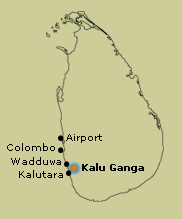
kaluganga

Gift list from Devanampriya
மூன்று அரிய ரத்தினங்கள்
அதிசய (ரத்தின) மூங்கில் தண்டுகள்
வலம்புரிச் சங்கு
எட்டுவித முத்துகள்

எட்டுவித முத்துக்கள் என்ன என்பதை மஹாவம்ச அற்புதச் செய்திகள் என்ற கட்டுரையில் சில நாட்களுக்கு முன் எழுதி விட்டேன். 99 சகோதர்களைக் கொலை செய்ததற்காக “சண்டாள அசோகன்” என்று அழைக்கப்பட்ட அசோகன் புத்த தர்மத்தைத் தழுவி நல்லவன் ஆனபின் “தர்ம அசோகன்” என்று அழைக்கப்பட்டதாக மஹாவம்சம் இயம்பும்.

தேவானாம் ப்ரியன் (தெய்வங்களுக்குப் பிரியமானவன்) என்ற அடை மொழியை இலங்கை, இந்திய மன்னர் இருவரும் வைத்துக்கொண்டனர். இந்தியாவில் அசோகன் கல்வெட்டுகளில் பெரும்பாலும் தேவானாம் ப்ரியன் என்ற பட்டப் பெயரே இருக்கிறது.

இலங்கையில் இருந்து வந்த அரிய ரத்தினங்களையும் ரத்தின மூங்கில் தண்டுகளையும் பார்த்த அசோகன் அசந்தே போய்விட்டான். இப்படிப்பட்ட அரிய பொருட்களை நான் கண்டதே இல்லையே என்று விமர்சிக்கிறான். உடனே இலங்கையின் மாமன்னனாக முடிசூட்டப் போகும் தேவானாம்ப்ரிய திஸ்ஸனுக்குப் பட்டாபிஷேகத்துக்குத் தேவையான பொருட் பட்டியலை அறிஞர் பெருமக்கள் ஆலோசனையுடன் தயாரிக்கிறான். அதில் முக்கியமான இரண்டு பொருட்கள்: கங்கை நீர், வலம்புரிச் சங்கு!! புத்த மதத்தினர் இந்துக்காளாகவே வாழ்ந்தனர்.

(வலம்புரிச் சங்கு பற்றி முன்னரே நான் ஒரு ஆய்வுகட்டுரை எழுதியுள்ளேன். அதில் சங்கின் மகிமையைக் கண்டுகொள்க)

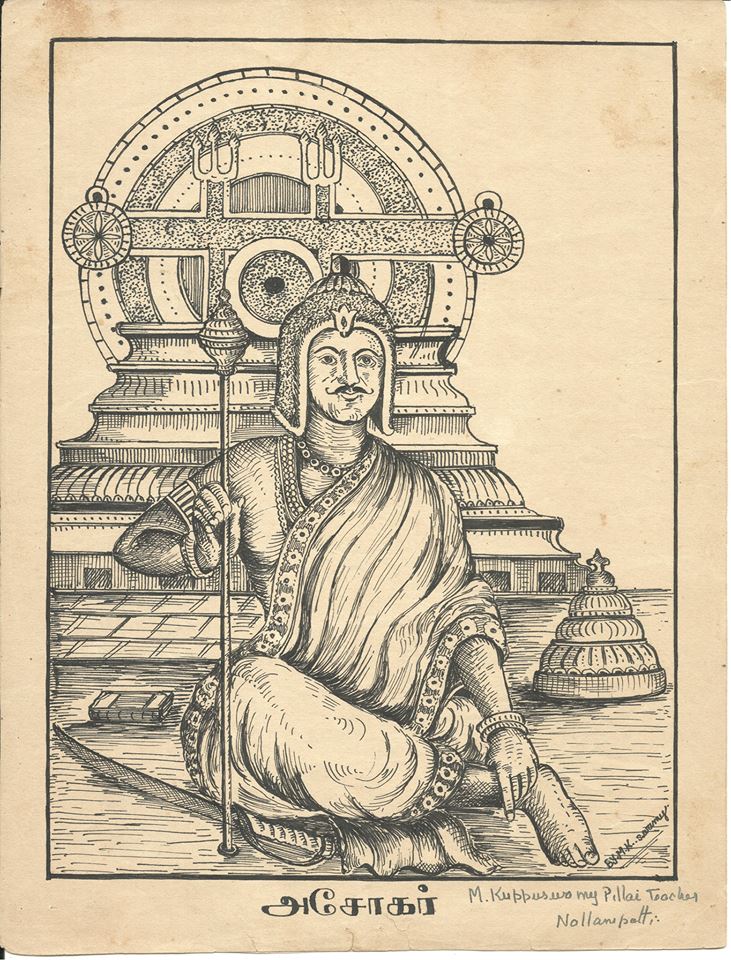
askokar, by thiru arul grand father, fb

இதோ அசோகன் அனுப்பிய பொருட்களின் பட்டியல்:

Gift list from Asoka
வெண் சாமரம், மகுடம், வாள் வெண்கொற்றக் குடை, பாதுகைகள், தலைப்பாகை, காதணிகள், கமண்டலம், ஆரங்கள், மஞ்சள் சந்தனக்கட்டைகள், சுத்தமே செய்யத் தேவை இல்லாத ஆடைகள், விலை உயர்ந்த அங்கி, நாகர் கொணர்ந்த தைலம், செம்மண், அனோதத் தடாக நீர், கங்கை நீர், வலம்புரிச் சங்கு, பொற்கலசங்கள், விலை உயர்ந்த மெத்தை.

இவை அனைத்தும் பட்டாபிஷேகத்துக்குத் தேவையானவை

பருவம் கொழிக்கும் எழில் மங்கை
உயர்ந்த மூலிகைகள்
6000 வண்டி நிறைய பறவைகள் கொணர்ந்த மலை அரிசி

இலங்கையில் கங்கை நதி

இந்தியர்கள் உலகம் முழுவதும் நாகரீகத்தை எடுத்துச் சென்றனர். இதனால் உலகம் முழுதும் எல்லா நதிகளின் பெயரும் தண் (ணீர்) என்ற தமிழ் சொல்லிலோ அல்லது கங்கை என்ற பெயரிலோ இருக்கும். தண்ணீருக்கு மட்டுமே சம்ஸ்கிருதத்தில் 280 சொற்கள் உண்டு. அதை எனது ஆங்கிலக் கட்டுரையில் காண்க.

இலங்கையில் எல்லா நதிகளையும் கங்கை என்றே அழைப்பர். “நதி” என்பதற்கு அவர்கள் பயன்படுத்தும் சொல்லே “கங்கை”!! உலகம் முழுதும் கங்கை உண்டு என்பதை முந்தைய ஆய்வுக்கட்டுரையில் தந்துள்ளேன். மீகாங் என்ற தென் கிழக்கு ஆசிய நாட்டு நதி “மா கங்கா” என்றும் ஆப்பிரிக்காவின் அடர்ந்த காட்டுக்குள் ஓடும் “காங்கோ” என்பது கங்கையின் மரூஉ என்றும் எகிப்தின் நைல் நதி நீல நிறத்தில் இருப்பதால் நைல் என்றும் லண்டனில் ஓடும் தேம்ஸ் நதி, வால்மீகி வாழ்ந்த தமஸா நதி போல மந்தமாகப் (தாமஸமாக) பாய்வதால் தேம்ஸ் என்று அழைக்கப்டுவதாக கின்னஸ் நூல் கூறி இருப்பதையும் விளக்கி இருக்கிறேன். ஐரோப்பாவில் டான்யூப் முதலிய நதிகள் “தண்”ணீர் என்ற வேச் சொல்லில் இருந்து பிறந்தவை என்பது அறிஞர்களும் ஒப்புக் கொண்ட உண்மை.

சுருக்கமாகச் சொல்ல வேண்டுமானால் உலகில் உள்ள எல்லா மொழிகளையும் தமிழ், சம்ஸ்கிருதம் என்ற இரண்டு மொழிகளில் அடக்கிவிடலாம் இரண்டும் பாரத மண்ணில் பிறந்தவை. இவ்விரு மொழிகளையும் சிவபெருமான் அளித்ததாக திருவிளையாடல் புராணம் பகரும். தென்கிழக்காசியா முழுதும் எல்லா மொழி எழுத்துக்களும் அசோகன் பயன் படுத்திய பிராமி லிபியில் இருந்து வந்தவையே. ஆனால் இவை எல்லாம் தமிழ்நாடு வழியாக பல்லவ கிரந்தம் என்னும் எழுத்தில் இருந்து சென்றவை. இப்போது நீங்கள் படித்துக் கொண்டிருக்கும் இந்தத் தமிழ் எழுத்துக்களும் பிராமி லிபியில் இருந்து வந்தவையே. பிராமி என்பது சரஸ்வதி தேவியின் பெயர். சிங்களம் முதல் பாஷா இந்தோநேஷியன் வரை எல்லாம் நாம் உலகிற்கு வழங்கிய கொடையே!

jai_silver_wterpot
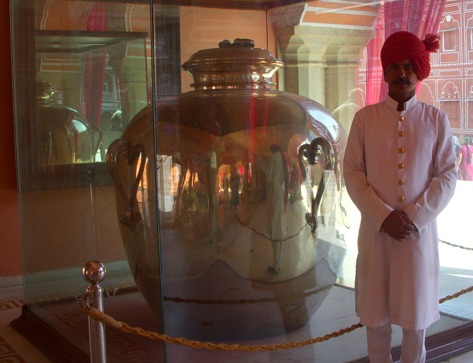
Jaipur Maharaja took Ganges water in six huge silver pots to England by ship

இங்கிலாந்துக்கு கப்பலில் கங்கை நீர்
கங்கை நீர் — நாகரீகம் தோன்றிய நாள் முதல் பிரசித்தமானது. இன்றும் லண்டனில் நாங்கள் பூஜையில் உபயோகிக்கிறோம். மதுரை மீனாட்சி கோவிலுக்கு ‘டன்’ கணக்கில் லாரிகளில் வருவதாக ம.க.சுந்தரேச பட்டர் என்னிடம் சொல்லுவார். ஜெய்ப்பூர் மகாராஜா கப்பலில் இங்கிலாந்துக்குச் சென்றபோது ஆறு பிரமாண்டமான வெள்ளிப் பானைகளில் கங்கை ஜலம் கொண்டு சென்றார். இன்றும் பூஜைகளில் எந்த நீரை வைத்தாலும் அதில் கங்கையை ஆவாஹனம் செய்யும் வழக்கம் உண்டு. தீபாவளிக்கு எங்கு குளித்தாலும் கங்கையில் குளித்த புனிதம் உண்டு என்பதால் ஒருவரை ஒருவர் பார்த்து “கங்கா ஸ்நானம் ஆயிற்றா?” என்பர். “அல்வா சாப்பிட்டாயா? லட்டு சாப்பிட்டாயா? பட்டாசு வெடித்தாயா?” என்பதெல்லாம் பின்னர் வரும் கேள்விகளே!

ganga jal
Ganges water seller in Rishikesh

கங்கா மதா கீ ஜெய்!!

கட்டுரைக்கு உதவிய நூல்: மகாவம்சம், தமிழாக்கம் எஸ்.சங்கரன், சமுதாயம் பப்ளிகேஷன்ஸ் பிரவேட் லிமிட்டெட், சென்னை-17, இரண்டாம் பதிப்பு 1986, விலை ரூ 25.