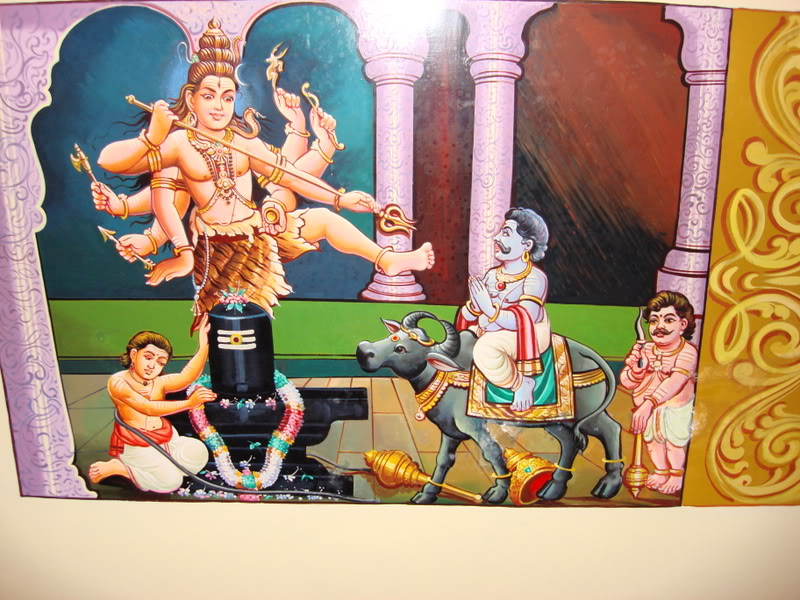
காலா! என் காலருகே வாடா! ஞானிகளின் ஞானத் திமிர்!!

shiva kicking yama,singapore

Painting at Singapore temple (from twcenter.net)

காலா! என் காலருகே வாடா! ஞானிகளின் ஞானத் திமிர்!!

கட்டுரையாளர் ; லண்டன் சுவாமிநாதன்
கட்டுரை எண்: 925 தேதி: 23 March 2014.

ஞானிகளுக்கு மரணம் என்பது உடைகளை மாற்றுவது போல.

“உலகப் பொய் வாழ்க்கையை உடலை ஓம்பற்க
பிறந்தன இறக்கும் இறந்தன பிறக்கும்
தோன்றின மறையும் மறைந்தன தோன்றும்”

என்கிறார் பட்டினத்தார்.”ஜாதஸ்ய ஹி த்ருவோ ம்ருத்யுர், த்ருவம் ஜன்ம ம்ருதஸ்ய ச” (2-27) என்று பகவான் கிருஷ்ணன் கூறியதன் விளக்கமே இது.

உலகில் எதையும் இரண்டாகப் பார்ப்பவர்களுக்குதான் பயம் என்பது உண்டு என்று ஞானிகள் பகர்வர். இதைப் படிப்பது எளிது. ஆனால் செயலில் கொண்டுவருவது எளிதல்ல. இந்து மதத்தின் எல்லா சடங்குகளும், ஒருவரை, இந்த திசையில் அழைத்துச் செல்லும்.

sculpture yama

Shiva kicking Yama to save Markandeya.

உலகிலேயே மிக வினோதமான பிரார்த்தனை இந்து மதத்தில் மட்டுமே இருக்கிறது! எல்லோரும் தன்னலம், குடும்ப நலம், நாட்டு நலத்துக்குப் பிரார்த்திப்பர். ஆனால் இந்துக்கள் மட்டும் இந்த மூன்று நலத்தோடு வேறு ஒன்றையும் சேர்த்துக் கொள்வர். எந்தக் காலத்திலும் எனக்கு ஜன்ம, ம்ருத்யு (பிறப்பு,இறப்பு) வர்க்கூடாது என்று. இதை பகவத் கீதை, விஷ்ணு சஹஸ்ரநாமம், ஆழ்வார் பாடல். தேவாரத் திருவாசகப் பாடல்கள் எல்லாவற்றிலும் காணலாம்.”இனி பிறவாமை வேண்டும், பிறந்தால் உன்னை மறவாமை வேண்டும்”– என்று பிரார்த்திப்பதில் எல்லோரும் முன்னிற்பர்.

ஆகையால் ஞானிகளுக்கு எமதர்மனை எள்ளி நகையாடும் பக்குவம் வந்துவிடுகிறது. இதைப் படிக்கும் நமக்கும் மரண பயம் நீங்கி விடுகிறது. நான் லண்டனில் ஒரு மருத்துவ மனையில் பகுதி நேர மொழி பெயர்ப்பாளராக வேலை பார்த்தேன். ஒரு விஷயத்தை வெள்ளைக்கார டாக்டர்கள் புரிந்துகொள்ள முடியாவே இல்லை.
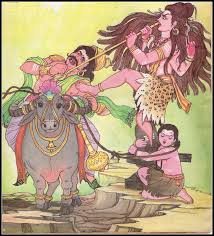
yama kicked

பிரிட்டன் போன்ற நாடுகளில் ஒருவர் இன்னும் சில மாதங்களில் இறந்து விடுவார்கள் என்று தெரிந்தால் அதைப் பட்டவர்த்தனமாகச் சொல்லிவிடுவர். ஆனால் மிகவும் பக்குவமாக, பீடிகை போட்டு, மெதுவாக, அழகாகச் சொல்லுவர். இப்படிப் பலருக்கு மரணச் செய்தி அறிவிக்கும் கட்டியங்காரனாக வேலை பார்ப்பது எனது வேலையின் ஒரு சிறு பகுதிதான். இப்படிப்பட்ட ஒரு கெட்ட செய்தியைக் கொடுத்தபிறகு அவர்கள் “தொச்சு” கொட்டிக்கொண்டு, அலட்சியமாக நான் “இப்பவே ரெடி, காடு வா என்கிறது, நாடு போ போ”– என்கிறது என்பர். இதை நான் அப்படியே மொழி பெயர்த்தால் வெளி நாட்டு டாக்டர்களுக்குப் புரியாது. கொஞ்சம் கலாசாரப் பின்னனி வசனங்களைப் பேசிவிட்டு விளக்குவேன். நோயாளிகளின் முகத்தில் பயங்கரமான அதிர்ச்சி (ஷாக்) வரும் என்று எதிர்பார்த்த டாக்டரின் முகத்தில் நான் ஷாக்கையும் வியப்பையும் ஒருங்கே காண்பேன்.

இதுதான் இந்து மதத்தின் மிகவும் வியப்பான பகுதி. வேதத்தில் உள்ள எல்லாப் பிரார்த்தனைகளும் நமக்கு ‘பாஸிட்டிவ்’ எண்ணங்களை உண்டாக்குவதோடு நமக்கு உள்ளே “ஷாக் அப்சார்பர்” களையும் பதித்துவிடும். ஆகையால் எந்தக் கஷ்டம் வந்தாலும் பொறுத்துக் கொள்ள முடிகிறது. இதை உலகம் முழுதும் நாம் பரப்பினால் தற்கொலைகள் குறைந்துவிடும். ‘சைக்கியாட்ரிஸ்ட்’, ‘சைகாலஜிஸ்ட்’ எல்லோருக்கும் வேலை மிக மிகக் குறைந்துவிடும்.

(‘சைக்கியாட்ரிஸ்ட்’ என்பவர் மன நோயை மருந்து மூலம் குணமாக்குபவர். ‘சைகாலஜிஸ்ட்’ என்பவர் மன நோயை ஆறுதல்–ஆலோசனை வழங்கல் மூலம் குணமாக்குபவர்.)
நமது ஞானிகளின் ஆவேசத்தைக் கீழ்கண்ட பாடல்களில் பாருங்கள்:

1.திருமூலர் என்ன சொல்கிறார்: ‘ஞான வாளால் எமனை வெட்டுவேன்!’
நமன்வரின் ஞானவாள் கொண்டே எறிவன்
சிவன்வரின் நான் உடன் போவது திண்ணம்
பவம்வரும் வல்வினை பண்டே அறுத்தேன்
தவம்வரும் சிந்தைக்குத் தான் எதிர் ஆரே (Tirumanthiram)

எமன் வந்தால் ஞான வாளால் அவனை வெற்றி கொள்வேன். சிவன் வந்தாலோ தயக்கமின்றி அவரோடு போவேன். பிறவிப் பிணி தொடர்வதற்கான காரணங்களை முன்னரே துண்டித்து விட்டேன். இனி தவ வலிமை பெற்றவர்களுக்கு எதிராக யாராவது நிற்கமுடியுமா? எனக்கு எதிரி எவரும் இல்லை.(Tirumanthiram)

2.பாரதியின் வீரம்! ‘’உன்னைப் புல் போல மிதிப்பேன்!’’

‘’காலா! உனை நான் சிறு புல் என மதிக்கிறேன்; என்றன்
காலருகே வாடா ! சற்றே உனை மிதிக்கிறேன்’’ — என்பார் பாரதி.

அவருக்கு எப்படி இவ்வளவு தைரியம் வந்தது? அதற்கு அவரே கூறும் பதில்:

“ஆன்ம ஒளிக்கடலில் மூழ்கித் திளைப்பவருக்கு
அச்சம் உண்டோடா? – மனமே!
தேன் மடை இங்கு திறந்தது கண்டு
தேக்கித் திரிவமடா.”—(பாரதி பாடல்)
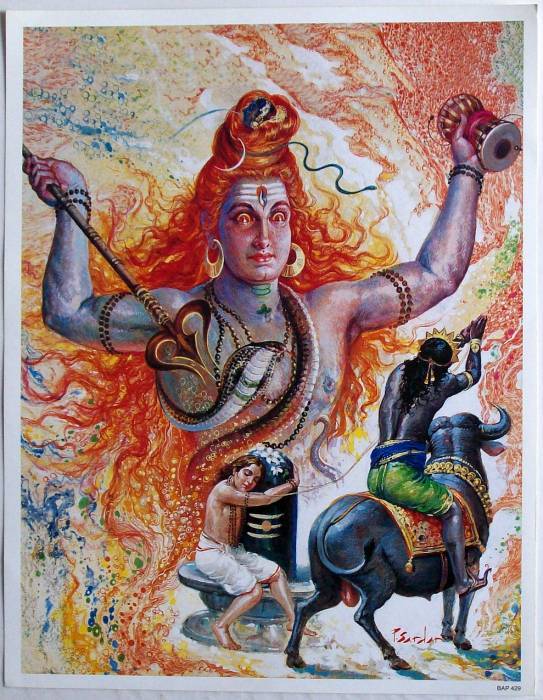
shiva killas yama

நம்மாழ்வார் திருவாய் மொழி
3.பாரதியாக்கு மிகவும் பிடித்த நம்மாழ்வாரும் நமன் எதிர்ப்பு அணியில் சேர்ந்து பாடுகிறார்:
பொலிக! பொலிக! பொலிக!
போயிற்று வல்லுயிர்ச் சாபம்;
நலியும் நரகமும் நைந்த;
நமனுக்கு இங்கு யாது ஒன்றும் இல்லை;
கலியும் கெடும்; கண்டுகொண்மின்;
கடல் வண்ணன் பூதங்கள் மண்மேல்
மையப் புகுந்து, இசை பாடி,
ஆடி, உழிதரக் கண்டோம் (திருவாய்மொழி)

3.அருணகிரிநாதர் பாடுவார்: ‘’முருகன் அருகில் இருக்க பயமா?’’

“நாள் என் செயும், வினைதான் என் செயும், எனை நாடிவந்த
கோள் என் செயும் , கொடுங்கூற்று என் செயும், குமரேசர் இரு
தாளும், சிலம்பும், சதங்கையும், தண்டையும், சண்முகமும்
தோளும்,கடம்பும் எனக்கு முன்னே வந்து தோன்றிடினே
(39, கந்தர் அலங்காரம்)

4.அப்பர் சூளுரை: ‘’சிந்தையில் சிவன் இருந்தால் பயமேது?’’

நாமார்க்கும் குடிஅல்லோம் நமனை அஞ்சோம்
நரகத்தில் இடர்ப்படோம் நடலை இல்லோம்
ஏமாப்போம் பிணி அறியோம் பணிவோம் அல்லோம்
இன்பமே எந்நாளும் துன்பம் இல்லை –(6-961)

5.பட்டினத்தார் பாடுகிறார்: ‘’நமனை வெல்ல மந்திரம்!’’

நாய்க்குண்டு தெண்டு, நமக்குண்டு பிச்சை, நமனை வெல்ல
வாய்க்குண்டு மந்திர பஞ்சாட்சரம், மதியாமல் வரும்
பேய்க்குண்டு நீறு, திகைப்புண்டு நின்ற பிறவிப்பிணி
நோய்க்குண்டு தேசிகன் தன் அருள், நோக்கங்கள் நோக்குதற்கே (43,பொது)

கையில் கம்பு இருந்தால் நாய் பற்றிய பயம் போய்விடும். பிச்சை கேட்டுக் கொஞ்சம் உணவு கிடைத்தால் போதும். சோறு பற்றிய கவலையே இல்லை. நமச்சிவாய என்ற மந்திரத்தை சொல்லுவோருக்கு எம பயம் இல்லை. திரு நீறு அணிவோருக்கு பேய் பயமில்லை. பிறவிப் பிணிக்கு கடவுளின் அருள் இருந்தால் போதும். இந்தப் பிறவிப் பிணியைத்தான் வள்ளுவன் திருக்குறளின் முதல் அதிகாரத்திலேயே செப்பிவிட்டான். இதுதான் இந்துக்களின் தனிச் சிறப்பு.

நசிகேதன் என்ற சிறுவனும், சாவித்திரி என்ற பத்தினிப் பெண்ணும் எமனுடன் வாதாடி வெற்றி பெற்றனர். மார்க்கண்டேயன் என்ற 16 வயதுச் சிறுவன் சிவ பக்தியால் — என்றும் 16 வயது — என்ற வரம் பெற்றான் என்பதையும் இத்தருணத்தே நினைத்தால், மரண பயம் நீங்கி, அப்பர் சொல்வது போல ‘’இன்பமே எந்நாளும் துன்பம் இல்லை” என்று நாமும் பாடி ஆடலாம்.

Please read my earlier post: முன்னர் எழுதிய கட்டுரையும் காண்க:
தமிழில் யமன்

contact swami_48@yahoo.com
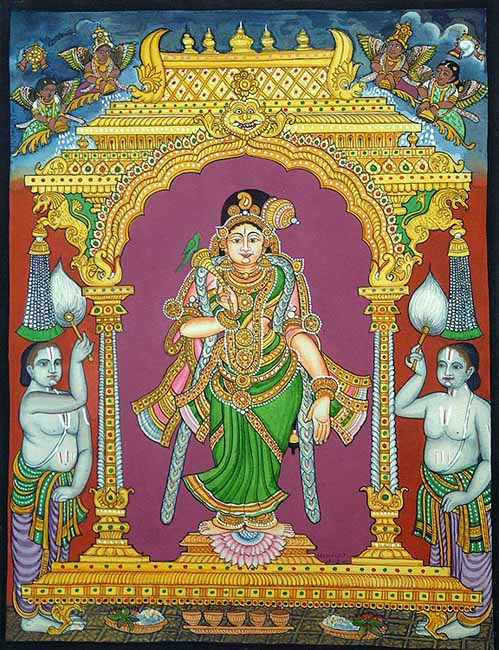
Andal by C.Subrahmanya Bharati

andal1

Andal by C.Subrahmanya Bharati
(The Vaishnava Poetess)

Compiled by London Swaminathan
Post No.924 Date: 22nd March 2014.

Preoccupied from the earliest times with divine knowledge and religious aspirations, the Indian mind has turned all forms of human life and emotion and all phenomena in to symbols and by means which the embodied soul may strive after and grasp the Supreme. Indian devotion has especially seized upon the most intimate human relations and made them stepping stones to super humans.

God the guru, God the master, God the friend, God the mother, God the child, God the self, each of these experiences – for to us these are more than mere ideas – it has carried to its extreme possibilities – it has carried to its extreme possibilities. But none of them has been pursued, embraced sung with a more exultant passion of intimation realisation than the yearning for God the Lover, God the Beloved. It would seem as if this passionate human symbol were the natural culminating point for the mounting flame of the soul’s devotion; for it is found wherever that devotion has entered in to the most secret shrine of the inner temple. We meet it in Islamic poetry; certain experiences of the Christian mystic repeat the forms an images with which we are familiar in the East, but usually with a timorousness, foreign to the Eastern temperament. For the devotee who has once had this intense experience it is that which admits the most profound and hidden mystery of the universe; for him the heart has the key of the last secret.

andal-birth

The work of a great Bengali poet has recently re-introduced this idea to the European mind, which has so much lost memory of its old religious traditions as to welcome and wonder at it as a novel form of mystic self expression. On the contrary, it is ancient enough, like all things natural and eternal in the human soul. In Bengal a whole period of national poetry has been dominated by this single strain and it has inspired a religion and a philosophy. And in Vaishnavism of the far south, in the songs of Tamil Alwars we find it again in another form giving a powerful and original turn to the images of our old classical poetry; for there it has been sung out by to the rapt heart of a woman to the heart of the universe.

The Tamil word Alwar means one who has drowned, lost himself, in the sea of the Divine Being. Among the canonised saints of Southern Vaishnavism ranks Vishnuchitha, a Yogin and a poet of Villiputtur in the land of the Pandyas. He is termed Peria Alwar, the Great Alwar. A tradition, which we need not believe, places him in the ninety eighth year of the Kali Yuga. But these Divine singers are ancient enough, since they precede the great saint and philosopher Ramanuja whose personality and teachings were the last flower of the long growing Vaishnava tradition. Since his time, southern Vaishnavism has been a fixed creed and a system rather than a creator of new spiritual greatness.

tiruppavai

The poetess Andal was the foster daughter of Vishnuchitha, found by him, it is said a new born child under the sacred Tulsi plant. We know little of Andal except what we can gather from a few legends, some of them richly beautiful and symbolic. Most of Vishnuchitha’s poems have the infancy and boyhood of Krishna for their subject. Andal, brought up in that atmosphere, cast in to the mould of her time what her foster father has sung in inspired hymns. Her own poetry – we may suppose that she passed early in to the Light towards which she yearned, for it is small in bulk – is entirely occupied with her passion for the Divine Being. It is said that she went through a symbolic marriage with Sri Ranganatha, Vishnu in his temple at Srirangam, and disappeared in to the image of her Lord. This tradition probably conceals some actual facts, for Andal’s marriage with the Lord is celebrated annually with considerable pomp and ceremony.

Written by Bharatiyar who died in 1921. Source: AGNI and other poems and translations & ESSAYS and other prose fragments, first published in 1937, Second Edition 1980.

Contact swami_48@yahoo.com

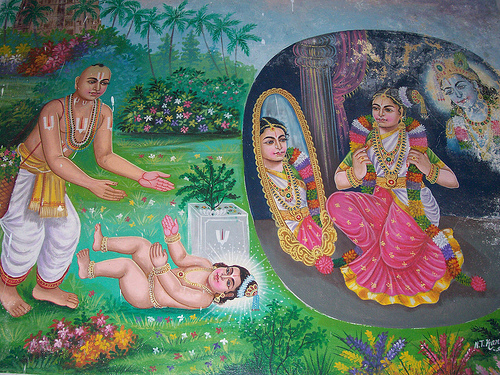
andal urvalam
Andal Temple at Sri Villiputtur, Tamil Nadu.

ஜகத்குரு போப் தரிசனம்–அரியநாயகிபுரம் ஐயரின் வடதுருவப் பயணம்-Part 2

கட்டுரை எண் 923 தேதி 22 மார்ச் 2014.

DSCF0671

Hercules Statue in the Vatican Museum. It was taken during my second trip to Rome in Italy in 2012.

அரியநாயகிபுரம் ஐயரின் வடதுருவப் பயணம்-Part 2
ஜகத்குரு போப் தரிசனம்

மகாமேரு யாத்திரை என்ற புத்தகம் 1936ல் அரியநாயகிபுரம் அனந்தகிருஷ்ண சாஸ்திரிகளால் வெளியிடப்பட்டது. முதல் பகுதியில் சில சுவையான விஷயங்களைக் கண்டோம். இந்த இரண்டாவது பகுதியில் ரோமாபுரி பற்றி அவர் எழுதியதைக் கீழே படியுங்கள்:

1.உடனே அந்தக் கப்பலில் ஏறி மெடிட்டரேனியன் கடல் வழியாக வடமேற்கில் 1118 மைல் தூரத்தில் இருக்கிற இடாலி தேசத்திலுள்ள் நேபில்ஸ் பட்டணம் வந்து இறங்கினேன். நேபில்ஸ் நகரைப்பற்ரிய பழமொழி ஒன்று உண்டு. அஃதாவது ‘மரணமடையு முன் மனிதன் நேபில்ஸ் பட்டணம் பார்க்க வேண்டும்’ என்பதாம்.. அந்தப் பட்டணத்திலிருந்து 18 மைல் தூரத்தில் வஸூவியஸ் என்ற எரிமலை ஒன்று இருக்கிறது.அந்த மலையில் எரிகிற அக்னியைப் பார்க்கலாம். அங்கே மேற்பார்வைக்கென்று அமர்த்தப்பட்டிருக்கும் போலீஸ்காரன் உடன் வந்து தீ எரிகிறதைக் காண்பிக்கிறான்.

2.அந்த எரிமலைக்கு மேற்கே 25 மைல் தூரத்திலிருந்த பாம்ப்பே பட்டணமானது எரிமலைப் பிரவாகத்தினால் கி.பி.79 ஆம் ஆண்டில் அழிந்து இப்போது சில நூற்றாண்டுகளுக்கு முன்னால் வெட்டி எடுக்கப்பட்டது. அங்கே 176 தெருக்கள் இருந்திருக்கின்றன. பட்டணத்தின் நடுவில் சூரியன் கோவில் ஒன்று உண்டு. அதற்கு ஜூபிடர் ஆலயம் என்று பெயர். ஜூபிடர் என்பது வேதத்தில் ‘தியௌப் பிதா’ என்ற சொல்லின் சிதைவாம். நம் ஆரியர்களுடைய புராதனமான நாகரீகத்தை கிரேக்கர் பின்பற்றினர். கிறிஸ்தவ மதம் பரவ ஆரம்பித்தவுடன் இந்த வைதீகப் பூஜைச் சடங்குகள் எல்லாம் மெள்ள மெள்ள மாறிவிட்டன. பாம்ப்பே கோயிலை நீங்கள் பார்த்தால் இதை மலையாளத்திலுள்ள ஒரு கோயிலென்று சொல்லுவீர்கள்.

3.பரதகண்டத்துக் கணித சாஸ்திர வித்வான்கள் அநேகர் ரோமாபுரிக்குப் போய்ச் சில காலம் அங்கே வசித்திருக்கிறர்கள். அவர்களில் சிலர், அந்த தேசத்து வித்வான்களைத் தங்கள் குருவாகக் கொண்டாடி, தக்கள் எழுதிய சம்ஸ்கிருத கிரந்தங்களில் ரோமகாசாரியர்களுக்கு நமஸ்காரம் சொல்லியிருக்கிறார்கள். சுமார் 1500 வருஷங்களுக்கு முன் வராகமிகிரர் என்பார் தாம் எழுதிய பிரகத் ஜாதகத்தில் 12 ராசிகளில் பாதிக்கு மேல் ரோம் பாஷைப் பெயரைக் கொடுத்துவிட்டார். மேஷத்துக்கு ‘க்ரிய’ என்றும், ரிஷபத்துக்கு ‘தாவுரி’ என்றும், ஸிம்ஹத்துக்கு ‘லேய’ என்றும் இம்மாதிரி பெரும்பாலான பெயர்களைக் கணித சாஸ்திரத்திலும் ஜோதிஷ சாஸ்திரத்திலும் நாம் காணலாம்.

DSCF0640
St Peter’s Basilica inside.

4. ஒன்பதாம் நூற்றாண்டில் வந்த பட்டோத்பலர் என்பவரும் தம் வியாக்கியான புஸ்தகங்களில் ‘இது ரோமகாசாரியர் அபிப்பிராயம்’, இது ‘ரோமக சித்தாந்தம்’ என்று அடிக்கடி எழுதியிருக்கிறார்.

5.ரோமாபுரி ஒரு அழகான பட்டணம். கிறிஸ்துவின் முக்கிய சிஷ்ய பரம்பரை மடாதிபதியினுடைய மூலஸ்தானமும் இதுவே. கிறிஸ்துவின் பிரதம சிஷ்யர் பெயர் ஸெயின் ட் பீடர். அவர் கையில் மோக்ஷ வாசற் கதவின் சாவியை குரு கொடுத்துவிட்டுப் போனதாக கிறிஸ்தவர்களிடையே ஒரு செய்தி வழங்கி வருகிறது. ஆகையால் ஸெயின் ட் பீடர் கோயிலிலும், அதை யடுத்திருக்கிற மடத்திலும் பரம்பரையாக வருகிற கிறிஸ்தவ குருக்கள் உடுத்துக்கொள்ளுகிற ஆடைகளிலும் தங்கத் திறவுகோலின் அடையாளம் இருப்பதை இப்பொழுதும் பார்க்கலாம். ஸெயின் ட் பீடர் கோயிலானது, பூலோகத்தில் உள்ள விலையுயர்ந்த உத்தமமான கட்டடங்களில் ஒன்றாகும்.

6.ஸ்ரீ கிறிஸ்து மஹாமுனிவரின் உருவச்சிலையும் அவரது 12 சிஷ்யர்களின் உருவச்சிலைகளும் உயர்ந்த வெள்ளைக் கற்களால் அமைக்கப்பட்டு மேற்கூறிய கோயிலில் ஸ்தாபிக்கப்பட்டிருக்கின்றன. அந்தக் கோயிலின் மத்திய பாகத்தில் ஸ்ரீ கிறிஸ்துவின் உருவச்சிலையும் அவர் மாதா மேரியின் உருவச்சிலையும் சில இடங்களில் ஸ்தாபிக்கப்பட்டிருக்கிறது. எப்பொழுதும் அணையாத் தீபத்துடன் வெகு விமரிசையாக பூஜயும் நடந்துவருகிறது.

7.தங்க வர்ணத்தினால் சித்திரங்கள் சுவர்களிலேயும் மேல்பாகங்களிலேயும் எழுதப்பட்டிருத்தலால் கோவிலுக்குள் நுழையும்போது மகிழ்ச்சி யுண்டாகிறது. பக்தர்கள் எப்பொழுதும் வந்து நமஸ்காரம் செய்து தமது தலைகளை ஸ்ரீ கிறிஸ்துவின் கால் கட்டைவிரலில் தொட்டுவிட்டு ஜபஞ் செய்து போகிறார்கள். சில பிம்பங்களுக்குப் பூஜை செய்கிற சில குருக்கள் உட்கார்ந்துகொண்டு ஒரு நீளப் பிரம்பினால் பக்தர்கள் தலையில் ‘உன் பாபம் போயிற்று’ என்று தட்டுவார்கள். சில பக்தர்கள் தினந்தோறும் செய்த எந்த ரகஸிய பாபங்களையும் குருவின் முன் ஒப்பித்து ஞான ஸ்நானத்துடன் மன்னிப்பு பெறுவார்கள்.

DSCF0787

Parthenon in Rome where Romans enjoyed fights between man and lion.

8. ஸெயின் ட் பீடர் கோயிலிலுக்கு அருகிலிருப்பது ஸ்ரீகுருவின் மடம். அதற்கு ‘வெடிகன்’ என்று பெயர். இப்பொழுது அதன் தலைவராகிய ஜகத்குருவானவர் சுமார் 70 வயதுள்ளவர்; சிறந்த தபசி. இவர் மிகவும் கௌரவம் வாய்ந்தவர்.. உலக மக்களில் சுமார் மூன்றில் ஒரு பங்கினராகிய கிறிஸ்தவர்களுக்கு இந்த மடாதிபதி பரம்பரைக் குருவாவார்; நிறைந்த ஸம்பத்துள்ளவர். ஆதலால் இவ்வுலகில் இவர் ஒரு முக்கிய ஸ்ரீமான் ஆவார். அவருடைய தரிசனம் எளிதில் கிடைப்பது இல்லை; தவிரவும் கிறிஸ்தவர்களே யன்றி அயலார் அவரைத் தரிசிப்பதாயினும் தூரத்திலிருந்து மண்டியிட்டுக் கும்பிடவேண்டுமென்பது வழக்கத்திலிருந்து வருகிறது.

9.மடாதிபதியான போப் குருவைத் தரிசிப்பது மிகவும் எளிதன்று முன்னரே குறிப்பிட்டுள்ளோம். வாரத்தில் குறிப்பிட்ட நாட்களில் ஒரு காலம் குறிப்பிடப்படும்; அப்போது ஜனங்கள் கூட்டம்கூட்டமாக மடத்துக்குப் போய்க் காத்திருப்பார்கள். தூரத்திலிருந்தே அவருடைய தரிசனம் பெறலாம்; வித்துவான்களுக்கும் ஸம்பன்னர்களுக்கும் மாத்திரம் சமீபத்தில் தரிசனம். ராஜாக்களும் பிரஸித்தி வாய்ந்தவர்களும் அவரைத் தொடும் பாக்கியம் பெறுவார்கள்; அஃதாவது அவர் கையில் போட்டிருக்கிற குரு பரம்பரையாக வந்த மோதிரத்தை அவர்கள் முத்தமிடுவார்கள். ஆனால் எல்லோரும் மண்டியிட்டு நமஸ்காரம் செய்யவெண்டும். அதற்கு இஷ்டமில்லாத வர்களுக்கு போப்பின் தரிசனம் கிடைக்காது. தவிர, காணிக்கையும் உண்டு. இந்த காணிக்கையினால்தான் இம்மடமானது அபரிமிதமான ஸம்பத்துடன் கூடி விளங்குகிறது.

10. அவர்கள் மடத்துப் புஸ்தக சாலையில் இருந்தசில இந்திய ஏட்டுச் சுவடிகளுக்கு ஒரு ஜாப்தா (லிஸ்டு) இலவசமாகத் தயாரித்து நான் கொடுத்தபடியினாலும், ரோம் யூனிவர்ஸிடி மாணவர்களுக்கு உபந்நியாசம் செய்ய என்னைக் கேட்டபடியினாலும், யூனிவர்ஸிடி அத்யக்ஷர் (சான்ஸலர்) நேரே போப்பினிடத்தில் இருக்கிற கார்டினல் அவர்களுக்கு என் வருகையை எழுதினதினாலும் எனக்கு போப்பின் தரிசனத்துக்கு அனுமதி கிடைத்தது. தவிர நான் இந்தியாவிலிருந்து சென்ற சாஸ்திரியாகவும், வைதீகனாவும் இருந்ததனால் மேலே கூறிய நிபந்தனைகள் யாதும் இல்லாமல் எளிதில் ‘த்ரோம்ரூம்’ என்ற அறையில் சென்று அவரைத் திசித்தேன். அவரும் உபசாரத்துடன் என் கைகளைத் தொட்டு இழுத்துக்கொண்டு சுமார் 10 நிமிஷங்கள் பேசினார்

DSCF0641

Globe inside the basilica

11. இந்தியாவிருந்து வந்த ஒரு ஏழை வைதிகப் பிராமணனை அவர் அவ்விதம் உபசரித்ததானது எல்லோருக்கும் வியப்பை யளித்தது. அவருடன் சிறிது நேரம் சம்பாஷித்ததிலிருந்து அவர் ஒரு உத்தமர் என்று உணரலானேன். ஆயிரக்கனக்கான பக்தர்கள் கீழே தரிசனத்துக்காக காத்துக் கொண்டிருந்தபடியால் விரைவில் விடைபெற்றுத் திரும்பிவிட்டேன். போப் குருவால் ஒரு இந்திய சாஸ்திரி சமமாக உபசரிக்கப்பட்டார் என்ற செய்தியை ராய்டர் தந்தி உத்தியோகஸ்தன் ஒருவன் ‘வெடிகன்’ ஆபீஸர் மூலமாகத் தெரிந்துகொண்டு எங்கும் பத்திரிக்கைகளுக்குத் தெரிவித்துவிட்டான்; அச்செய்தி ரோம் பத்திரிகைகளிலும் அன்று மாலையிலேயே வெளியாயிற்று. அதுமுதல் நான் வெளியே செல்லும் போதெல்லாம் ‘ இவர் கீழ்தேசத்து உபதேசகர்; போப்பின் உபசாரம் பெற்றவர்’, என்று ஜனங்கள் பேசிக்கொண்டார்கள். டிராம் உதலான இடங்களில் எண்ணைக் கண்டால் எழுந்து உபசாரம் செய்யலாயினார்.

தொடரும்……………………

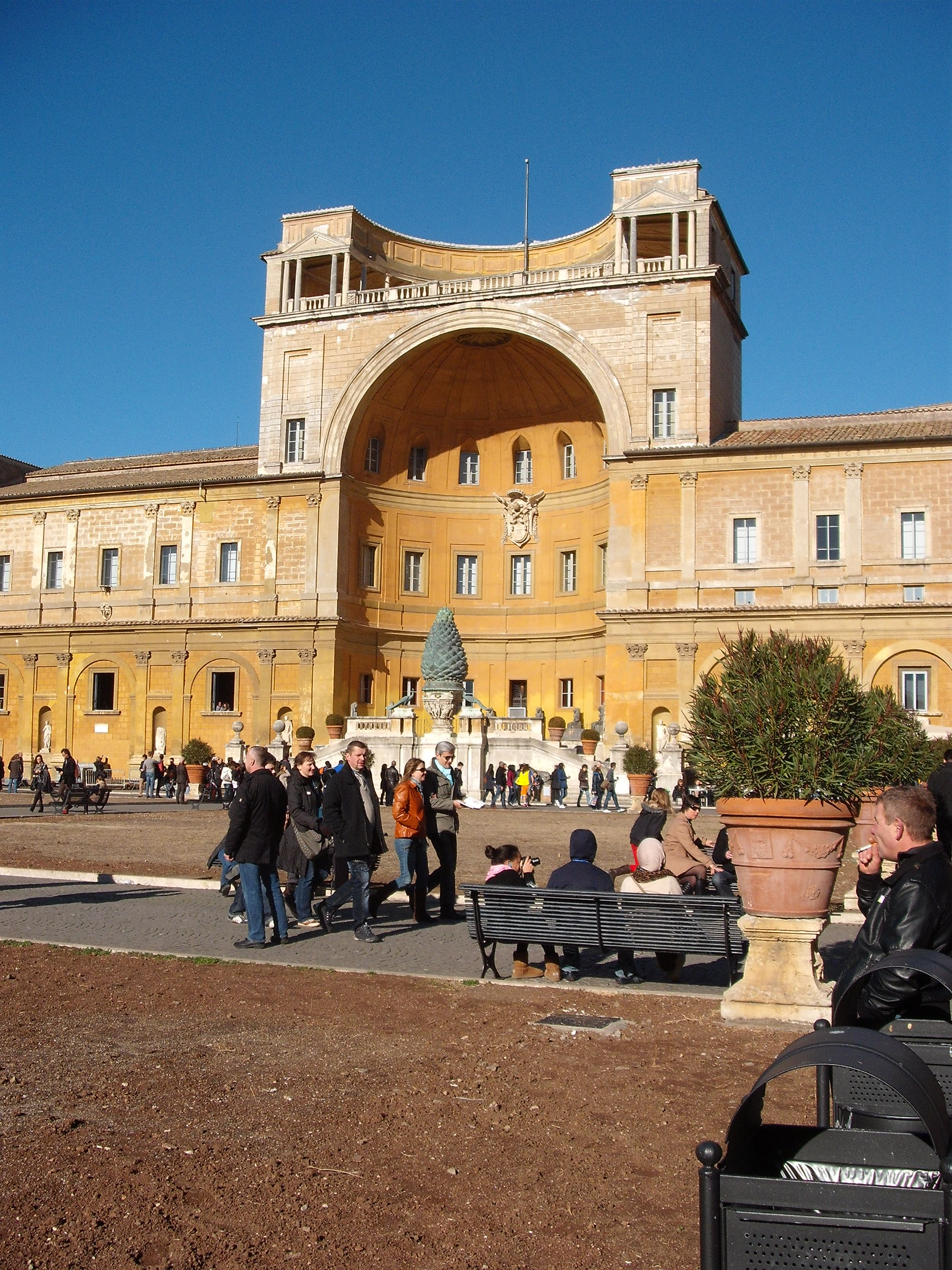
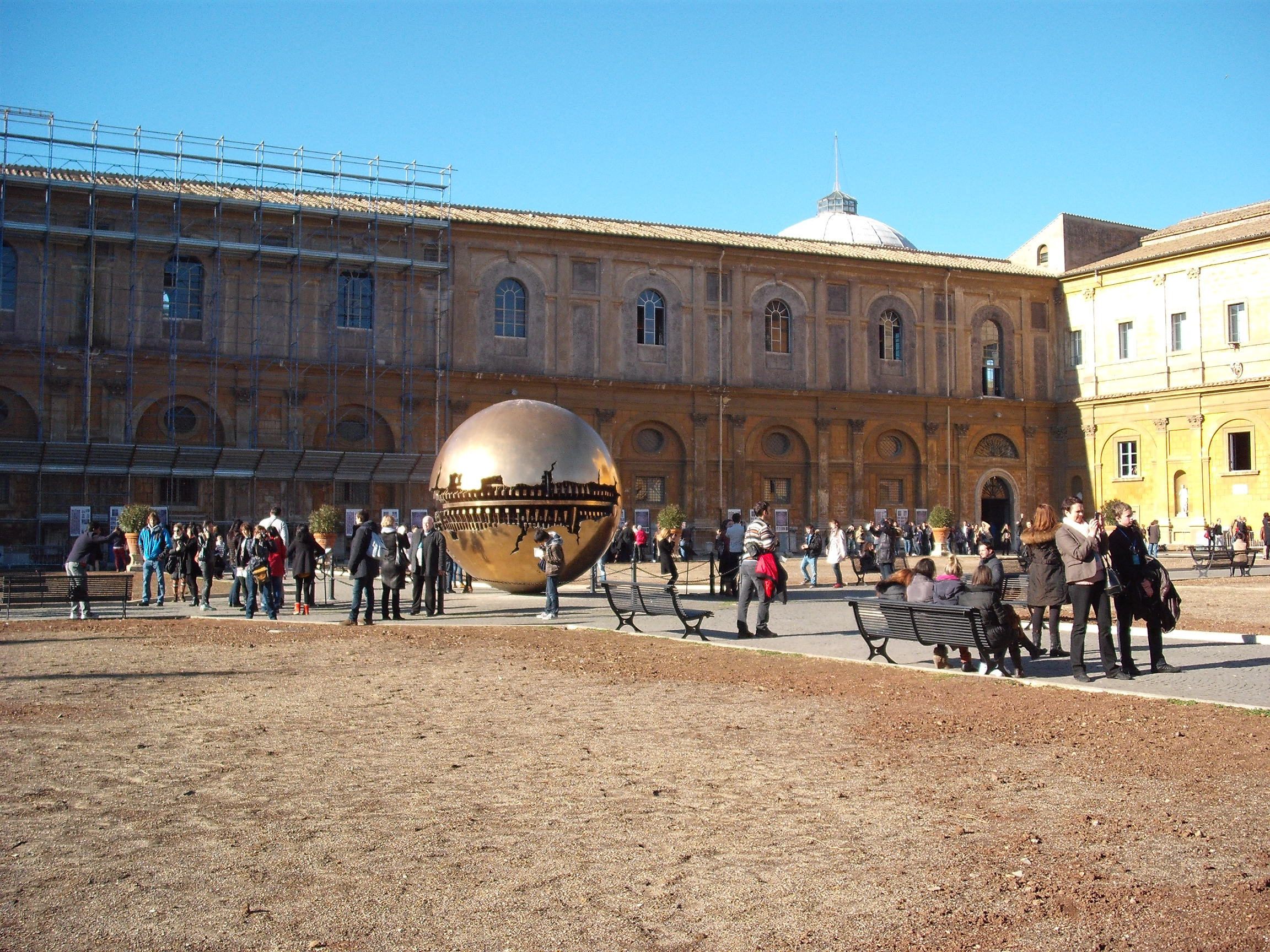
(இது எல்லாம் 1936ஆம் ஆண்டில் எழுதப்பட்டது என்பதை நினைவில் வைத்துக் கொண்டு படிக்க வேண்டும். நான் கூட 2007, 2012 ம் ஆண்டுகளில் இரு முறை ரோம், வாட்டிகன் சென்று வந்துவிட்டேன். இப்போது இது எல்லாம் நமது இமய மலை மாதிரி புனிதத்வத்தை இழந்து சுற்றுலாத் தலங்களாக ஆகிவிட்டன!!!:– சுவாமி)
contact swami_48@yahoo.com
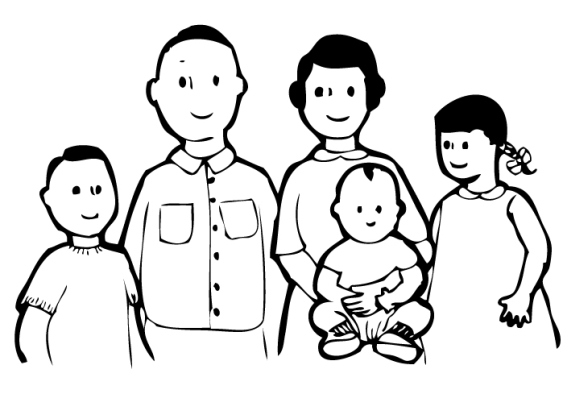
‘Kaa te Kaantaa ? Kaste Putraha?’ Who is Wife? Who is Son?

shadow family

By London Swaminathan
Post No 922 Date 21st March 2014.

Hindus have been taught the purpose of life from the very beginning. Dharma, Artha, Kama, Moksha are the four values and Brahmacharya, Grihastha, Vanaprastha and Sanyasa are the four stages of life. I believe that the following verses are in support of the Vanaprastha (Forest life) stage. We must leave all the attachments at one stage. We can’t keep on worrying about our family forever. We see how all our politicians are entangled in the power struggle for getting their family members big posts or big businesses. We also see our poor friends are abused by their family members as baby sitters or care takers for life. This is the attachment we must get rid of.

When Valmiki hunted animals and robbed the passersby, Narada asked him why he did it. He told him that it was to support his family. But he agreed with Narada on one point: it is sin to rob and kill people and animals. Immediately Narada asked him whether his family members would share the sins he committed. Valmiki, the hunter, told Narada that it was a thought provoking question and he would run home and find the answer. He came back very soon saying neither his wife nor his children were ready to share his sins. Narada taught him the Mantra ‘Rama’ to escape from the sins he committed for his family. That changed his life. He attained wisdom sooner than the Buddha. A sinner turned in to a saint! He got rid of the attachments with the magic word RAMA and became an enlightened soul.

Shadow of family holding hands in park

Adi Shankara advises us to come out of attachments in Bhaja Govindam:–

Kaa te kaantaa kaste putrah
Samsaaroyam ateeva vichitrah
Kasya tvam kah kuta aayaatah
Tattvam chintaya tadiha bhraatah (8)

Who is your wife? Who is your son? Supremely wonderful, indeed, is this empirical process! Of whom are you? Who are you? From where have you come? O brother, think of that Truth here.
Dr T M P Mahadevan comments on this sloka:

“Family relations and institution of the household have only a limited value. They have value in so far as they serve to liberate the individual from ego-centred existence. But when they have served their purpose, they must be left behind. Family is the home of trial and testing; it is not one’s destination. This does not mean that he should be cruel to them or hate them; nor even that he should be callous to their interests. What it means is that he should no longer regard them as his property, nor himself as their property”.

swasthi_family_img

Another verse from Bhaja Govindam runs like this:
Ka te kanta – dhana – gata – cinta
Vatula kim tava nasty niyanta
Trijagati sajjana – sangatir eka
Bhavati bhavarnava tarane nauka (13)

Why worry about wife, wealth etc, O, Crazy one; is there not for you the one who ordains? In the three worlds, it is only the association with good people that can serve as the boat that can carry one across the sea of birth.
Bhaja Govindam, verse 13, by Adi Shankara.

Lord Krishna in the Bhagavad Gita (13-9) says

Non- attachment, non-identification of the self with son, wife, home and the rest and constant even mindedness on the attainment of the desirable and the undesirable (is good)
Appar questions family attachments in a Thevaram Hymn:–

indian falily

One of the Four Great Tamil Saivite Saints, Appar alias Tirunavukkarasu, lived in the seventh century AD. His 4900 verses are part of the Thevaram anthology. Following verse is the echo of Adi Shankara’s Bhaja Govindam:

Who is father? Who indeed is mother? Who are our
Co- siblings? Who is wife? Who are sons? Who indeed
Are ourselves? How did we come into being?
How do we depart? This is sheer gramarye; At this
Feel not happy; O ye that think on these, listen to what
I say He sports in his crown the lovely crescent
And the bright serpent; He is our father; His holy name is
Namasivaya. They that chant this name
When they rise up, will abide in the empyrean. — 6-919,Thevaram

( N.B.I have already argued in one of my posts, that Adi Shankara lived before Christ and the later Abhinava Shankara was confused with Adi Shankara by the scholars. I have given enough proofs from Tamil literature to support my argument. The above verse also shows that he copied it from Adi Shankara. I am following Kanchi Paramacharya in dating Adi Shankara. My main evidence comes from the Rope/Snake analogy which was copied from Shankara by a Greek philosopher of First Century AD).

family 2

Pattinathar

Another Tamil saint Pattinathar also sang on the same theme:

1.Like the woodcutter felling a tree, if Time should
Fell the body, the woman that hugged it in the past
And the children also bewail vociferously;
They will come as far as the crematory;
Will they take a step beyond it,
Oh Lord, Kachi Ekampa? (verse2, Tiruvekampamalai)

2.Wife, children, happiness of domestic life
Stop at the doors, the kinsfolk, at the crematory;
What may the help on your way? (verse 12, General)

3.My mother – the one that bore me – called me a corpse
And forsook me; my wife around whose neck
I have strung the golden Taali lamented and said:
“Let it go away”. My sons who received all from me,
Made circumambulations at the crematory
And broke the ritual pot.
And there is none save Yours, oh Lord! (verse 28)

Tamil hymns were translated in to English by ‘Sekkizar Adippodi’
Dr T N Ramachandran of Thanjavur.

Tamil Film Song

Famous Tamil poet and lyricist Kannadasan wrote a song for the film ‘Pada Kanikkai ‘with Bhagavad Gita, Adi Shankara, Appar and Pattinathar in mind. He gave the gist of these hymns in his film song “All Relationship ends at home, it is your wife who comes up to the street corner, your son up to the crematorium and who comes with you until the end of your journey? In Tamil Veedu Varai Uravu, Veethi Varai Manaivi, Kaadu Varai Pillay, Kadaisi Varai Yaaro?

Contact swami_48@yahoo.com

வீடு வரை உறவு, கடைசி வரை யாரோ?

indian falily

கட்டுரையாளர்: லண்டன் சுவாமிநாதன்
கட்டுரை எண்:- 921 தேதி 21 மார்ச் 2014.

கவிஞர் கண்ணதாசன், இந்து மதக் கருத்துக்களில் ஊறித் திளைத்தவர். அவர் பிறந்த செட்டியார் ஜாதி, கோவில்களையும், கோவில்களைப் போற்றிய பெரியோர்களையும் இரண்டு கண்களாகக் கருதிப் பாதுகாத்த ஜாதி. தெய்வத் தமிழ் தழைத்தோங்க உடல், பொருள், ஆவியைக் கொடுத்த ஜாதி. பொருளை நாடிப் பிழைத்த ஜாதியானாலும் “செம் பொருளை” மறவாத ஜாதி. தர்ம ,அர்த்த, காம, மோக்ஷ என்ற நான்கு புருஷார்த்தங்களில் அர்தத்துக்கும் காமத்துக்கும் (பொருள் தேடல், இன்பம் நாடல்) வரையறையாக தர்மத்தையும் மோக்ஷத்தையும் (அறம், வீடு பேறு) வைத்துக் கொண்டு வாழ்ந்த ஜாதி. இது கண்ணதாசனின் ரத்தத்தில் ஓடியதால்— முதலில் வால்மீகி போல மற வாழ்க்கை நடத்தினாலும்– பின்னர் அற வாழ்வில் நுழைந்தார். அவருக்கு ஊற்றுணர்ச்சியாக விளங்கிய பெரியோர்கள் ஆதி சங்கரர், அப்பர்,, பட்டினத்தார் முதலியோர் என்பதை அவரது பாடலே காட்டும். இதோ ஒரு சான்று:

திரைப்படம்: பாதகாணிக்கை
இயற்றியவர்: கவிஞர் கண்ணதாசன்

ஆடிய ஆட்டம் என்ன? பேசிய வார்த்தை என்ன?
தேடிய செல்வம் என்ன? திரண்டதோர் சுற்றம் என்ன?
கூடு விட்டு ஆவி போனால் கூடவே வருவதென்ன?
வீடு வரை உறவு வீதி வரை மனைவி
காடு வரை பிள்ளை கடைசி வரை யாரோ?
வீடு வரை உறவு வீதி வரை மனைவி
காடு வரை பிள்ளை கடைசி வரை யாரோ?
ஆடும் வரை ஆட்டம் ஆயிரத்தில் நாட்டம்
கூடி வரும் கூட்டம் கொள்ளி வரை வருமா?

பட்டினத்தார் சொன்னது:

பழந்தமிழ்நாட்டின் ‘பில் கேட்ஸ்’, ‘லெட்சுமி மித்தல்’ — பட்டினத்தார். பத்தாம் நூற்றாண்டில் வாழ்ந்த அந்தப் பணக்காரருக்கு “காதற்ற ஊசி” மூலம் ஞானம் பிறந்தது. புத்தர் போதி (அரச) மரத்துக்கடியில் பல்லாண்டு தவம் செய்து ஞானோதயம் பெற்றார். பட்டினத்தாருக்கோ ‘பட்’டெனப் பிறந்தது பட்டறிவு! இதோ அவரது பாடல்:

கட்டி அணைத்திடும் பெண்டீரும் மக்களும் காலத்தச்சன்
வெட்டி முறிக்கும் மரம் போல் சரீரத்தை வீழ்த்திவிட்டால்
கொட்டி முழக்கி அழுவார் மயானம் குறுகிய அப்பால்
எட்டி அடி வைப்பரோ இறைவா கச்சி ஏகம்பனே (2, திருவேகம்பமாலை)

மனையாளும் மக்களும் வாழ்வும் தனமும் தன் வாயில் மட்டே
இனமான சுற்றம் மயானம் மட்டே, வழிக்கு ஏது துணை ?
தினையாமனவு எள் அளவாகினும் முன்பு செய்த தவம்
தனை ஆள என்றும் பரலோகம் சித்திக்கும் சத்தியமே (12,பொது)

பொருள்: முன்னர் செய்த தவம் தினை அளவோ எள் அளவோ இருந்தாலும் போதும். அது கூடவே வந்து பரலோகத்தில் நல்ல கதி கிடைக்க சத்தியமாக உதவும்.

இன்னொரு பாடலிலும்
என் பெற்ற தாயாரும் என்னைப் பிணம் என்று இகழ்ந்துவிட்டார்
பொன் பெற்ற மாதரும் போ என்று சொல்லிப் புலம்பிவிட்டார்
கொன்பெற்ற மைந்தரும் பின் வலம் வந்து குடம் உடைத்தார்
உன் பற்று ஒழிய ஒரு பற்றுமிலை உடையவனே (28,பொது)

பொருள்: என்னைப் பெற்ற தாயார் ,’மகனே, பிணமாப் போயிட்டியே’ – என்று அழுது, அத்தோடு நிறுத்திவிட்டாள். நான் கழுத்தில் பொன் தாலி மாட்டிய என் மனைவியோ, அழுது புலம்பி விட்டு, ‘சடலத்தைத் தூக்கிட்டுப் போங்க’ என்று சொல்லிவிட்டாள். என் சொத்துக்களை எல்லாம் எழுதி வாங்கிய என் மகன்கள், என் சடலத்தைச் சுற்றி வந்து பானையைப் ஓட்டு உடைத்துவிட்டுப் போய்விட்டாங்க. இறைவா உன்னைத் தவிர, வேறு யாரும் இல்லையப்பா!

இப்படிப் பட்டினத்தாரைப் பாட வைத்தவர் அப்பர் பெருமான். அவரும் குடும்பப் பற்றுகளை அறவே துறந்தவர்:

swasthi_family_img

அப்பர் எழுப்பும் கேள்விகள்

தந்தை யார்? தாய் யார்? உடன்பிறந்தார்,
தாரம், ஆர்? புத்திரர் ஆர் அதாம்தாம் ஆரே?
வந்த ஆறு எங்ங்அனே? போம் ஆறு ஏதோ?
மாயம் ஆம்; இதற்கு ஏதும் மகிழ் வேண்டா!
சிந்தையீர்! உமக்கு ஒன்று சொல்லக் கேண்மின்;
திகழ் மதியும் வாள் அரவும் திளைக்கும் சென்னி
எந்தையார் திரு நாமம் “நமச்சிவாய”
என்று எழுவார்க்கு இரு விசும்பில் இருக்கல் ஆமே.
——918, ஆறாம் திருமுறை

பொருள்: எளிய தமிழ். பொருளே தேவை இல்லை. சிந்திக்கும் திறம் படைத்த அறிவாளிகளே, ஒன்று மட்டும் சொல்கிறேன். நமச்சிவாய என்று சொல்லிக் கொண்டு தினமும் படுக்கையில் இருந்து எழுந்திருங்கள். மேற்கண்ட கேள்விகளுக்கு விடை கிடைப்பதோடு சுவர்க்கமும் கிடைக்கும்.

family 2

ஆதிசங்கரர் பாடியது
அப்பர் இப்படிப் பாடுவதற்கு ஊற்றுணர்ச்சி தந்தவர் ஆதி சங்கரர்; அவரது பஜ கோவிந்தம் அற்புதமான ஒரு துதி. ஒவ்வொரு பாடலுக்கும் ஒரு பெரிய புத்தகம் எழுதும் அளவுக்கு ஆழமான கருத்துக்கள்! அவர் பாடுகிறார்:

காதே காந்தா, கஸ்தே புத்ர:
சம்சாரோ அயம் அதீவ விசித்ர:
கஸ்ய த்வம், க: குத ஆயாத-
ஸ்தத்வம் சிந்தய ததிஹ ப்ராத:
———பாடல் 8, பஜ கோவிந்தம்

பொருள்: மனைவி யார்? மகன் யார்? என்ன அதிசயமான உறவுகள் இவை!! நீ யார்? எங்கிருந்து வந்தாய்? சகோதரனே, இந்த உண்மையைக் கொஞ்சம் சிந்தித்துப் பார்.

குடும்பத்தைத் தூக்கி எறிந்துவிட்டு, குடும்பப் பொறுப்புகளை எல்லாம் உதறிவிட்டு வெளியே வா என்று சொல்லவில்லை. இந்து மதம் ஒன்றுதான் உலகில் மனித வாழ்வை ,அழகாக ,நான்கு கூறு போட்டுக் கொடுத்திருக்கிறது. 1.பிரம்மசர்யம்: படிப்பு ஒன்றே உனக்கு லட்சியம் 2. க்ருஹஸ்த: கல்யாணம் செய்து இன்பத்தை அனுபவித்துக் குடும்பத்தை காப்பாற்று 3. வானப் பிரஸ்தம்: ஒரு கட்டத்தில் பற்றை எல்லாம் விட்டு விட்டு, தாமரை இலைத் தண்ணீர் போல இரு 4.சந்யாசம்: முற்றும் துற. பற்றுக, பற்றற்றான் பற்றை; (எதற்காக?) அப்பற்றைப் பற்றுக, பற்று விடற்கு (வள்ளுவன் குறள்)

(குறிப்பு: அப்பர் பெருமானுக்கு முன் வாழ்ந்தவர் ஆதி சங்கரர்– என்று போதுமான தமிழ் இலக்கியச் சான்றுகளோடு நான் எழுதிய கட்டுரை இதே பிளாக்—கில் உள்ளது. காஞ்சி பரமாச்சார்ய சுவாமிகள் சொல்லுவது போல ஆதி சங்கரர், கிறிஸ்துவுக்கு முந்தைய காலத்தில் வாழ்ந்தவர். மேலே உள்ள அப்பர் பாடலையும் பஜ கோவிந்தத்தையும் ஒப்பிட்டால் இது மேலும் தெளிவாகும். குறிப்பாக, சொற்றொடர்களைக் கவனிக்கவும்)

கீதையிலேயே உள்ளது
ஆதி சங்கரருக்கும் அனைத்து சாது சந்யாசிகளுக்கும் இக் கருத்தை வழங்கியவர் கண்ண பிரான் ஆவார். பகவத் கீதையிலேயே இகருத்து உள்ளது:–

அஸக்திர் அனபிஷ்வங்க: புத்ர தார க்ருஹாதிஷு
நித்யம் ச ஸமச்சித்தத்வம் இஷ்டானிஷ்டோபபத்திஷு (13—9)

பொருள்: மக்கள், மனைவி, மனை முதலியவற்றில் பற்றின்மை, அபிமானமின்மை, இஷ்டமுள்ளதும் இஷ்டமில்லாததும் வாய்த்தபோதும் கூட மன அமைதி (சமச்சித்தம்)———– (ஞானம் என்று கூறப்படும்).

ஆக கண்ணன் முதல் கண்ணதாசன் வரை கூறுவது ஒன்றே!

Contac swami_48@yahoo.com

Interesting Words in the Bhagavad Gita

aura

By London Swaminathan
Post No. 920 Dated 20th March 2014

There are many interesting words in Bhagavad Gita. Some people study it devotedly without understanding the meaning. Some people read it with the help of commentaries. Whatever you do it is useful in one way or other. But if you do word study in Bhagavad Gita and do your own research regarding those words you can retain them in memory. It will lead you towards better understanding. For instance if you look for these words in Marathi or Telugu or Hindi Bhakti literature you will definitely get some good cross references. I have done so with Tamil Bhakti literature just for some words.

1.Jnana Agni =Fire of Knowledge= fire of wisdom 4-19
“He whose undertakings are all devoid of desires and selfish puposes, and whose actions have been burn by the Fire of Knowledge, –him the wise call a sage”.(4-19)

2.Jnana Chakshu= Eye of Wisdom (15-10)
The deluded do not see Him who departs, stays and enjoys; but those who possess the Eye of Wisdom behold Him (15-10)

3.Jnana Tapasa = Austerity of Wisdom (4-10)
“Freed from attachment, fear and anger, absorbed in Me, taking refuge in Me, purified by the austerity of wisdom, many have attained to My Being”. (4-10)

4.Jnana Dipena= Lamp of Wisdom (10-11)
“Out of mere compassion for them, I, dwelling within their Self, destroy the darkness born out of ignorance by the luminous Lamp of Wisdom” (10-11)

boat-in-the-sea-hd-ya-381930

5.Jnana Plavena = Boat of Wisdom (4-36)
“Even if thou art the most sinful of all the sinners, yet thou shalt verily cross all sins by the Boat of Wisdom” (4-36)

Tamil saint Appar alias Tirunavukkarasu of seventh century AD also used a simile like this:

He is Narayanan; He is Brahma
He is in the four Vedas;
He is the perfect one
Who is like a ship on the great ocean of wisdom – 78, 6th Tirumurai

6.Jnana Yoga= Path of Knowledge (3-3)
“In this world there is a twofold path, as I said before, O Sinless one, — the Path of Knowledge of the Sankhyas and the path of action of the Yogis” (3-3)

7.Jnana Yajna= Wisdom Sacrifice (4-33, 9-15, 18-70)
“Superior is Wisdom –Sacrifice to the sacrifice with objects, O,Parantapa! All actions in their entirety, O,Arjuna, culminate in wisd0m” (4-33)
agni

Tamil devotional poets kept this beautiful Sanskrit word Jnana intact wherever they used divine knowledge or wisdom. They did not translate it in to Tamil. Like Dharma, it is an untranslatable word.

Bhuthathalvar, one of the 12 Vaishnavite saints used Lamp of Wisdom in his hymns. Tirumular, one of the 18 Tamil Siddhas (enlightened souls) used Sword of Wisdom. Sambandar ,one of the Four Great Saivite saints, used the word Flame of Wisdom in his Thevaram hymns. Bharati, the greatest of the modern Tamil poets, used the word Sword of Wisdom in his poems. There are hundreds of places where they used this Jnana with other words as similes or metaphors.
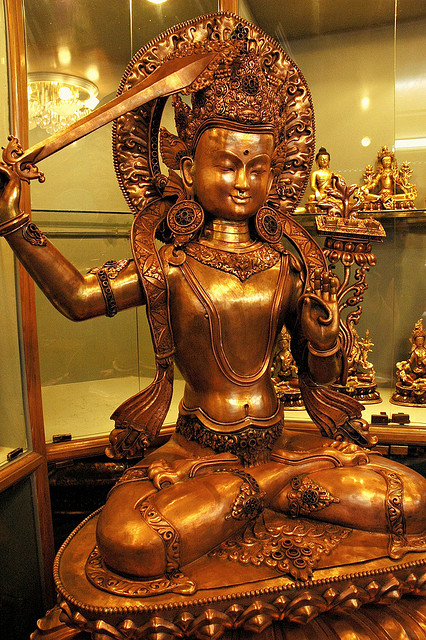
sword,Manjushri-

In the Tamil version of this article I have given the full verses.

Contact swami_48@yahoo.com

அரியநாயகிபுரம் ஐயரின் வடதுருவப் பயணம்-Part 1

TromsoMap

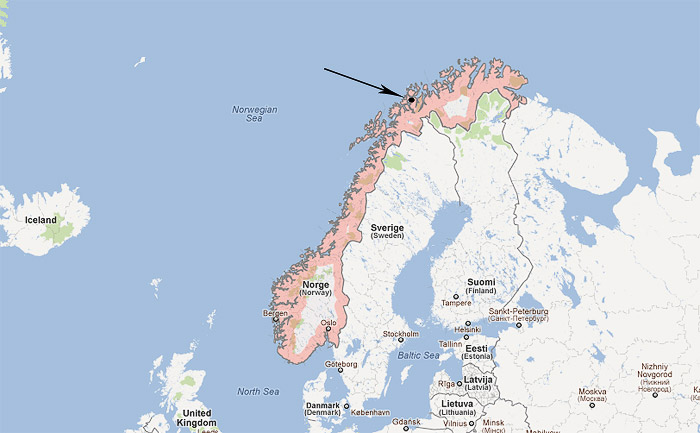
Arrow Mark shows the location of Tromso, noorthern most town of Norway.

( We have already published about this trip as abridged by AK Chettiyar. I am giving the portions that we have not covered so far since I have got the full book with me: swami)

மகாமேரு யாத்திரை
கட்டுரையாளர்: லண்டன் சுவாமிநாதன்
கட்டுரை எண். 919 தேதி 20 மார்ச் 2014

திருநெல்வேலி ஜில்லா தாம்பிரபர்ணீதீரம், அரியநாயகிபுரம் ஆர். அனந்தகிருஷ்ண சாஸ்திரிகள் எழுதிய ‘மகா மேரு யாத்திரை’ என்ற 1936 ஆம் ஆண்டுப் புத்தகம் பொள்ளாச்சியில் சாலை ஓரத்தில் பழைய புத்தகம் விற்பவரிடம் கிடைத்தது. எட்டு வருஷமாகப் படிக்காமல் பாலிதீன் பையில் போட்டு பாதுகாத்து வைத்த புத்தகத்தை இப்போதுதான் வாசித்தேன். இதோ சில சுவையான செய்திகளை மட்டும் தருகிறேன்.

அனந்தகிருஷ்ண சாஸ்திரிகள் எழுதியது பின்வருமாறு:
1.நான் மகாமேரு யாத்திரை சென்று வந்தவுடன், யாத்திரையைக் குறித்து ஒரு சிறு புஸ்தகம் ‘மிட்நைட் ஸன் இந் தி லாண்டு ஆப் அவர் போர் பாதர்ஸ்’ என்ற பெயருடன் இங்கிலீஷில் பிரசுரம் செய்தேன். நீலகிரியில் ஸ்ரீ ராமகிருஷ்ணாச்சிரமத்தில் ஸ்வாமி சித்பவானந்தரவர்களைச் சந்தித்தேன். அவர்கள் உத்தரவுப்படி ஸ்ரீ ராமகிருஷ்ண விஜயம் என்ற தமிழ் மாதப் பத்திரிகையில் எழுதினேன். பத்திரிகையைப் படித்தவர்கள் இன்னும் விவரமாக எழுதிப் புத்தகமாக வெளியிட வேண்டும் என்று கேட்டனர்.

2.யாத்திரை செய்யமுடியாவிட்டாலும் யாத்திரா ஸ்தலங்களைப் படித்த அறிவுக்கும் ஒரு புண்ணியம் உண்டு என்று நம் சாஸ்திரங்கள் சொல்லுகிற படியினால் திராவிட தேசத்தில் வசிக்கிற நம் ஆரியர்கள் இந்தச் சிறு தமிழ் புஸ்தகத்தைப் படித்து மகாமேரு யாத்திரைப் பலனை அடையவேண்டுமென்பது என் விருப்பமாகும்—ஜய மஹாதேவ, —— ஆர்.ஏ.சாஸ்திரி, 9-12-1935

3.வேதத்தில் கூறியபடி பூமிமுழுதும் ஆரியர்களுடையது. பிறகு மனு முதலான ஸ்மிருதிகளின்படி தொடர்ச்சி பூமியாயுள்ள ஆசியாக் கண்டம் முழுவதும் ஆரியர் வாசஸ்தானமாக இருந்தது, இப்பொழுது நாம் வசிக்கும் பரத கண்டம் மாத்திரம் ஆரிய வாசஸ்தானமாக குறிக்கப்பட்டிருக்கிறது. எனினும் வட இந்தியாவில் இருக்கும் ஆரியர் தென் இந்தியாவில் வஸிப்பவரை த்ரவிடர்களென்றும் ஆரியர் ரத்தக் கலப்புள்ளவர்களென்றும் பழிப்பதுண்டு. இவைகள் எல்லாம் காலக்கிரமத்தில் வந்த அசூயை ஆகும். மேதாதிதி முதலான சில பெரியோர்களின் சட்டப்படி எந்த இடத்தில் ஆரியர் தங்கள் ஆசாரத்துடன் வஸிக்கிறார்களோ அந்த இடத்திற்கு ஆரியாவர்த்தம் என்றும். எந்தப் பூமியில் மிலேச்சாச்சாரமிருக்கிறதோ அந்த இடத்திற்கு மிலேச்சதேசமென்றும் பூமிக்குத் தனியே தோஷமில்லை யென்றும் அதில் வாஸம் செய்யும் நல்லவர், கெட்டவர்களால் பூமிக்குச் சுத்தம் அசுத்தம் ஏற்படுகிறதென்றும் சிலர் கூறியிருக்கிறார்கள்.

4.முதிர்ந்த வயதில் வெகுகால சாத்தியமான ஒரு பெரிய யாத்திரையைச் செய்யவேண்டும். அதற்குப் பூ பிரஸ்தாரம்( பூமியைச் சுற்றுதல்: என்று பெயர். பூ பிரஸ்தாரம் என்றால் நம் பரதக்கண்ட மட்டுமன்று; பூமியையே சுற்றுதல் ஆகும். ரூ 3000ம் நான்கு மாத அவகாசமும் கிடைப்பின் பூப்பிரதக்ஷிணம் செய்யலாம். கூட ரூ 3000 இருந்தால் ஆகாயப் பிரதக்ஷிணமும் சிரமமின்றி செய்யமுடியும்.

sun midnight

Mid Night Sun

5.பூமி கோழிமுட்டை மாதிரி உருண்டையாக இருக்கிறதென்பது எல்லாருக்கும் தெரியுமே. வடக்குக் கடைசிக்கு மகாமேரு என்று பெயர். அந்த இடத்திற்கு காந்த முள் இழுப்பதை நீங்கள் பார்த்திருப்பீர்களே. அவ்விடத்திற்குப் போகமுடியாது. ஆகாய விமானத்தையாவது கப்பலையாவது காந்த சக்தி சமீபத்தில் வரவிடுவதில்லை. அப்படிப்பட்ட இடம் சுமார் 150 மைல் சுற்றளவுள்ளது. இதிலிருந்து சுமார் 400 மைல் தெற்கேயுள்ள இடங்களுக்கு ஆர்டிக் இடங்கள் என்று பெயர். அதாவது 66 டிகிரி முதல் 80 டிகிரி வரை. இவ்விடத்திற்கு நம் பெரியோர் உத்தரகுரு வென்று பெயர் வைத்திருந்தார்கள்.

6.இவ்விடத்தில் மே 14உ முதல் ஆகஸ்டு 30உ வரை சூரியன் உதயாஸ்தமனமில்லாமல் எப்பொழுதும் விளங்குகிறான். அப்படியே தக்ஷிணாயனத்தில் ( நவம்பர் மாதம் முதல் பிப்ரவரி மாதம் வரை ) சூரியனே காணப்படுவதில்லை

7. அந்தந்த ஸ்தானத்திற்குத் தகுந்தபடி நம் பூர்வீகர் மூன்று இரவு யாகம் முதல் நூறு இரவு சேர்ந்திருந்த காலம் வரை யாகஞ் செய்ததாக வேதங்களிற் சொல்லப்பட்டிருக்கிறது. சதராத்ரிக் கிரது செய்த இடத்தை நாம் இப்பொழுது ‘ட்றாம்சோ’ என்கிற இடமாகிய 72ஆவது டிக்ரியில் பார்க்கலாம். அவ்விடத்தில் சரியாக நூறு தினங்கள் ஒரே இரவாகச் சூரியனே இல்லாமல் இருக்கிறது. இதற்கு நேரே வடக்கில் மகாமேரு இருக்கிறது. அந்த இடத்திற்கு துருவஸ்தானமென்று பெயர்.
8.இந்த பூமியானது சமமாக ஆகாயத்தில் மிதக்கவில்லை. வட பக்கம் போகப் போகச் சிறிது உயர்ந்திருக்கிறது. ஆகையால் வடதிசைக்கு உத்தரம் என்று பெயர் வந்தது.( ‘உத்’ என்றால் ‘மேல்’ என்று பொருள்). தக்ஷிணம் கொஞ்சம் பள்ளமாகக் காணப்படுவதால் தென் மேருவை நரகம் என்றும், யமபட்டண மென்றும், பூமிக்குச் சிலகோடி மைலுக்குக் கீழே இருக்கிறதென்றும் சில புராணங்களிற் கூறப்பட்டிருக்கிறது. அப்படியே உத்தர மேருவை, தேவர்கள் வஸதிஸ்தானமென்றும் சூரியர் முதலானவர் புண்ணிய பூமியென்று பிரதஷிணம் செய்கிறார்களென்றும், ஸம்ஸாரத்தைத் தாண்ட இது காரணமாக இருப்பதினால் இந்த இடத்திற்கு உத்தரம் (தாண்டவைப்பது) என்றும் சொல்லப்படுகிறது.

9. இந்த ‘ட்றாம்சோ’ என்ற இடத்தில் மே மாதம் 14ஆம் தேதி இரவு 11-45க்கு மேற்குத் திசையில் சூரியன் உதித்து, நவம்பர் மாதத்தில் கிழக்கே அஸ்தமனமாகிறான். ஆகையால், முன் வேதத்தில் குறிப்பிட்ட வாக்கியமானது உண்மையாமன்றோ? வட தேசங்களில், ‘பாதி இரவு சூரியன்’ என்று சூரியனைச் சொல்வது வழக்கம். மே 14 ஆம் தேதி இரவு நான் அந்தப் பாதி இரவு சூரியன் உதிப்பதைப் பார்க்கலானேன். சுமார் 11 மணிக்கு நான் மேற்கே பார்த்துக் கொண்டிருக்கையில், மேல் கடலிலிருந்து ஒளிப் பிழம்பொன்று தோன்றுவது தெரிந்தது; உடனே கொஞ்சம் மேலே வந்து வடக்கே அது ஓடிவிட்டது.

10. அங்கு சூரியன் நம் தேசத்திற் போல ஆகாயத்தில் குறுக்கே போவதில்லை. ஆகாயத்தின் ஓரமாகவே செல்லுவான். ஆகையால் சாஸ்திரங்களில்’ ‘குயவன் பானை செய்கிற சக்கரம் போலச் சூரியன் சுற்றுகிறான்’ என்று வருணிக்கப்பட்டுள்ளது (குலால சக்கிர பிரமவத்: திலகர் எழுதிய ஆர்டிக் புஸ்தகம்). அப்படிச் சுற்றுவதனால் சூரியன் நிறம் சுவர்ணமயமாகவே யிருக்கும். நல்லவெண்மை நிறம் அன்று. ஆகையால் எப்பொழுதும் ‘மகாமேரு சூரியன்’ பொன் வர்ணமென்று வேதங்களில் புகழப்படுகிறான் (ஹிரண்மயன்). மேருப் பிரதேசத்தில் சூரியனுக்கு தாமிரம், அருணம், பப்ரு, சுமங்களம் என்ற நாலு வர்ணங்களுண்டென்று வர்ணிக்கப்படுகிறது (ருத்திராத்தியாயம்). ஏழுவர்ணம் சொல்லிய வேத வாக்கியங்களை, நம் தேசங்களில் சூரியனைக் கண்டு வர்ணித்ததாகக் கொள்ளவேண்டும். சூரியன் தங்க வர்ணம்; ஹிரண்மய மீசை; பொன் மயிர்; கால் முதல் தலைவரை ஸ்வர்ண தேஜஸ் என்று சொல்லிய வாக்கியங்கள் எல்லாம் மேருப் ப்ரதேச சூரியனைக் குறித்தவைகளாகும். இதை உத்தேசித்துத் தான் மகாமேரு ஸ்வர்ணபர்வதமென்று புராணங்களில் அலங்கரித்துச் சொல்லப்பட்டிருக்கிறது.

ஆதாரம்: மகாமேரு யாத்திரை (நடுநிசி சூரியன் நம் முன்னோர் வசித்த பூமியில்), ஆர்.அனந்தகிருஷ்ண சாஸ்திரியினால் யாத்திரை செய்து எழுதப்பட்டது, ஜனவரி 1936.

tromso_1571126i

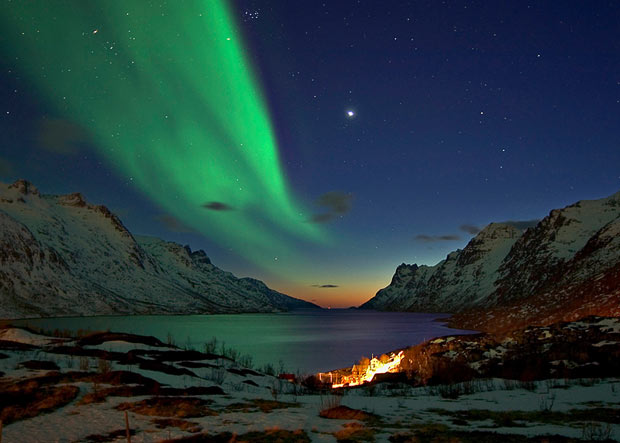
Northern Lights known as Aurora Borealis

என் குறிப்புகள் : 1935 ஆம் ஆண்டில் ஒரு திருநெல்வேலி பிராமணர் இப்படி நார்வே நாடு வரை போனது அதிசயம்தான். ஆசார அனுஷ்டானங்களையோ, நியம நிஷ்டைகளையோ விடாது போனது பற்றி அவர் கூறுவதை இரண்டாவது பகுதியில் தருகிறேன். இதைவிட அதிசயம், வேத கால ரிஷிகளுக்கு வட துருவம் பற்றி எப்படித் தெரிந்தது என்பதுதான். லோகமான்ய பால கங்காதர திலகரும் 1925 ஆம் ஆண்டிலேயே இது பற்றி எழுதி இருக்கிறார்.

இன்று நாள்ளிரவுச் சூரியனைப் பார்ப்பது சர்வ சாதாரணம். ஆண்டுதோறும் லட்சக் கணக்கான சுற்றுலாப் பயணிகள் நார்வே ஸ்வீடன் நாடுகளில் குவிகின்றனர். உண்மையான வட துருவத்துக்கும் இந்தியர்கள் சென்று வந்துவிட்டனர். அனந்த கிருஷ்ண சாஸ்திரிகள் போனது நார்வேயின் வடகோடிப் பகுதிதான். அவரது சாதனை அங்கு சென்றுவிட்டு 1936ஆம் ஆண்டிலேயே தமிழில் புத்தகம் எழுதியது ஆகும்!!
தொடரும்………….

contact swami_48@yahoo.com

Pictures are taken from different sites;thanks.

‘The Place of Woman’ by C.Subrahmanya Bharati

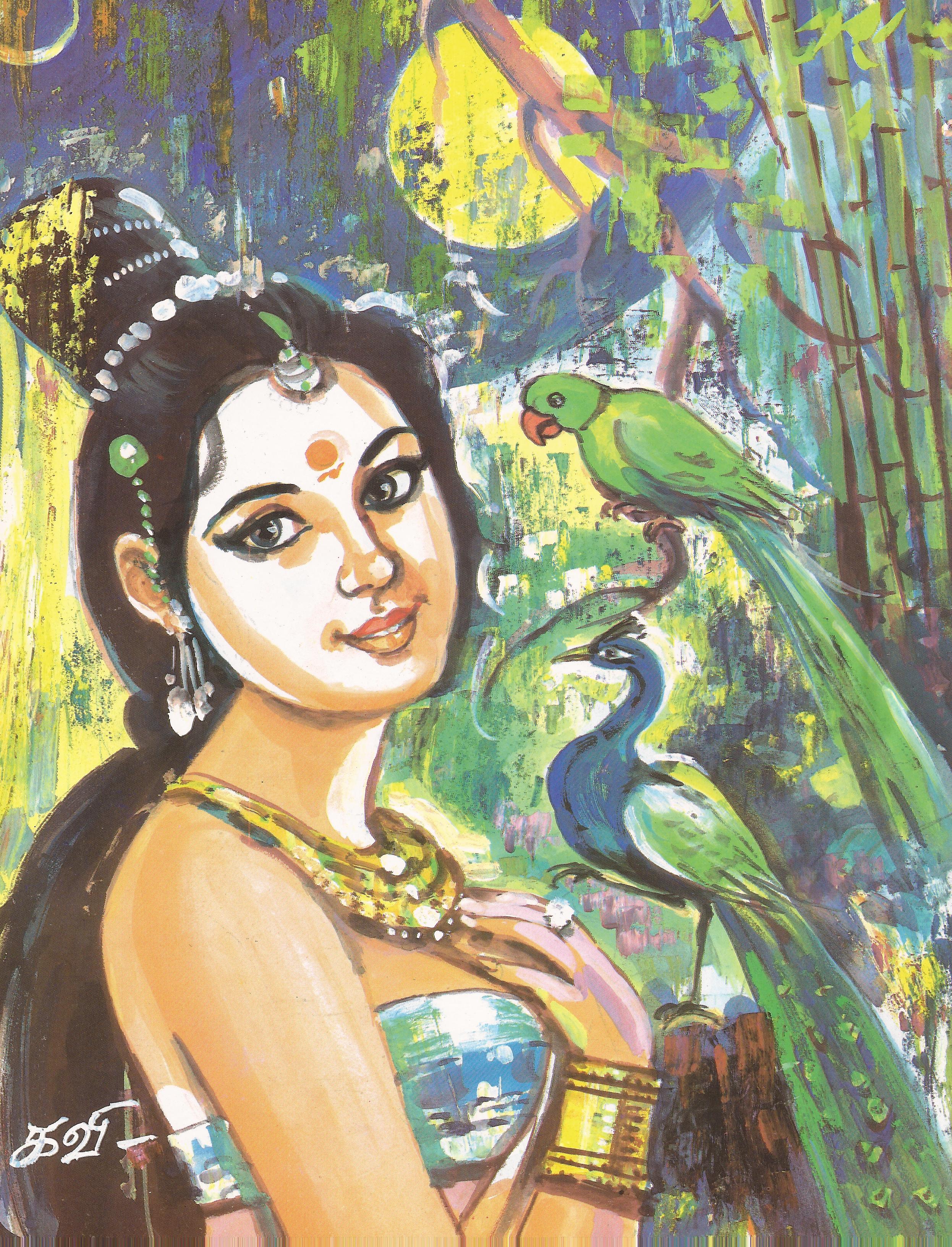
tamil pennum kiliyum

(The writer Bharatiyar (C.Subrahmanya Bharati) is the greatest of the modern Tamil poets. He died in 1921. He wrote articles in English in addition to his most famous Tamil poems. Following are his views on women:-swami)

Compiled by London swaminathan
Post No.918 dated 19th March 2014.

In the mystic symbolism of the Hindus, Shiva wears his divine consort, who is also his mother, as part of his body; Vishnu wears the Goddess of Wealth on his chest and the Four Faced Father of the Worlds holds the soul of Learning on his tongue. Christianity, in its earlier form of Roman Catholicism, attributed a partially (but not wholly) divine status to Mary, mother of God. But Protestantism has dethroned her from the position and rendered her merely human. Islam, some allege, — I hope it is wanton slander – denies a soul to woman.
XXX

Civilisation is the taming down of man by woman. Men, indeed, have till now been trying, with scant success to civilise one another by means of the sword and the bullet, the prison cell, the gibbet and the rack. But it has been the lot of woman to have no other weapon than fables, parables and symbols in her work of civilising man.

XXX

I don’t mean to say that man had not the major part in the making of spiritual symbols and creeds. But I do mean to say that everywhere those symbols and creeds are upheld and preserved more devoutly by woman than man. I have read a European free thinker pathetically complaining that it is woman’s firm adhesion to the church that has saved it and still maintains it as a potent force, notwithstanding the mighty strides of rationalistic science. And in India, we know, but for the adamantine stand made by our women, all our temples and images would have become mere powder and dust by this time before the terrific onslaughts of European Christianity and European Materialism.

The mere historic personalities of Rama and Krishna, Buddha and Christ – which, by the way, have been seriously doubted, everyone of them – do not. Even among the faithful, count for so much as the mythological or spiritual examples. A Krishna or a Buddha, who was once a great man or an incarnation or what you will, but who, since, has become as dead as Alexander the great, ought not to mean much for anyone. The object of men in adoring these is examples is that they also must try to live like those heroes. And it is towards this realisation that woman has been striving far more strenuously than man.

akananuru

XXX
Where woman comes, comes Art. And what is Art, if not the effort of humanity towards divinity?

‘‘Grihini Griham Uchyate’’
There is a saying in Sanskrit ‘‘Grihini Griham Uchyate’’ (Home is a synonym for wife.)*

Nor is it without significance that the country of spiritual liberation, India, should, at this hour of her mighty awakening, have adopted as her most potent spell, the words “Vande Mataram”, i.e. “I salute the mother”. That means that the first work of a regenerated india will be to place the Mother, i.e., womankind, on the pedestal of spiritual superiority. Others speak of their Fatherlands. To us the nation is represented by the word “Mata”.
XXX

But if woman has always been the civiliser and, therefore, the spiritual superior of man, why did ever get enslaved at all? For it is not only among Indians but also among the Europeans and the Chinese and the Japanese and the Hottentots as, indeed among all brutes and birds and insects, that the female has been content, till now, to occupy an enslaved, or if you please, a subordinate position to male. Why is this? I reply: it is because the female loved the male too well to think of slaying the latter. For it is the masculine habit – advocated by an Anglo _ Indian journal, only a few years back – to slay those who do not desire to be enslaved by you. At any rate, that is the principle on which all masculine governments have till now been based. Woman, I say, could not think of slaying you under any circumstances. She loved you too well for that. And therefore, she consented first to be your slave with a view in civilising you gradually and finding her superior eventually.
XXX

Nations are made of homes and so long as you do not have justice and equality fully practised at home, you cannot expect to see them practised in your public life. Because it is the home life that is the basis of public life. And a man who is a villain at home cannot find himself transformed in to a saint the moment he gets to the Councils or to “Courts of Justice”.

XXX
And the spirit of Hinduism, pre-eminently among the religions of the world, has ever been to help woman in rising to her true positions in human society. It has been a long and painful struggle. He progress has been tragically slow here, as elsewhere. But at this hour, when the sages of india have stepped forth to guide the soul of mankind, the ascent of woman to her proper place in society has become imminent and inevitable.

Source: AGNI and other Poems and Translations & Essays and Other Prose Fragments, C.Subrahmanya Bharati, Madras, Year 1980, First Edition 1937.

My comments:
*‘‘Grihini Griham Uchyate’’. In Tamil also, we have a similar word. Wife is called ‘Illaal’. Famous Tamil speaker Sri Kripananda Wariar used to tell us a joke about this word:– “ It is woman who gets all the respect at home. If I use the masculine form of this word ‘ILLAAN’, that will mean one who has nothing!”

Contact swami_48@yahoo.com

சம்பந்தர் பார்த்த ‘கராத்தே’ அடி!

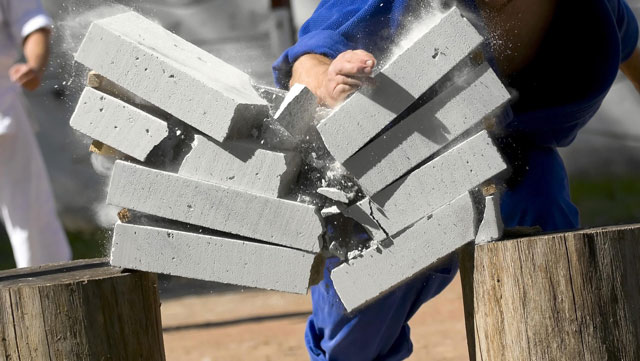
brick-breaking-factoid

கட்டுரையாளர் : லண்டன் சுவாமிநாதன்
கட்டுரை எண் 917 Dated 19th March 2014.

சிவபெருமானின் தோற்றத்தையும் அருளையும் தேவார மூவர்களான அப்பர், சுந்தரர், சம்பந்தர் வருணிப்பதை பாடல் தோறும் காணலாம். அத்தோடு சிவனடியார்களின் தோற்றம், குண நலன்களையும் காணலாம். இவை எல்லாம் சமய சம்பந்தம் உடையவை. ஆனால் இது தவிர இயற்கை வருணனை, சில கிராமீயக் காட்சிகள், உவமைகள் ஆகியன சமய சம்பந்தம் இல்லாதவை. அவைகளை ரசிப்பதற்காக தேவாரத்தை தனியாகப் படிக்கவேண்டும். இதோ சம்பந்தர் கண்ட ஒரு காட்சி:–

முடிகையி னாற்றொடு மோட்டுழவர்
முன்கைத் தருக்கைக் கரும்பின் கட்டிக்
கடி கையினால் எறி காட்டுப்பள்ளி
காதல்செய்தான் கரிதாய கண்டன்
பொடிஅணிமேனியினானையுள்கிப்
போதொடு நீர்சுமந்தேத்திமுன்னின்
றடிகையினாற்றொழ வல்லதொண்ட
ரருவினையைத்துரந்தாட் செய்வாரே (1-5-7)

Jaggery

திருக்காட்டுப்பள்ளி உழவர்கள் வலிமையுடையவர்கள்.வெல்லக் கட்டிகளை உடைக்க கத்தி, அரிவாள் என்று போக மாட்டார்கள். கையினால் ஒரே அடி.! வெல்லம் தூள் தூளாகி விடும். அது மட்டுமல்ல. அவர்கள் நாற்று பிடுங்கினால் அழகாக வேருக்குச் சேதம் இன்றி அவைகளை முடித்து வைப்பர். சிவனை வழிபட ஊரூராகச் சென்ற சம்பந்தர் அந்தந்த ஊருக்கே உரிய சிறப்புகளைப் பாராட்டத் தவறவில்லை. இதோ சம்பந்தர் கண்ட இன்னொரு காட்சி:

புலன் ஐந்தும் பொறிகலங்கி நெறிமயங்கி
அறிவழிந்திட்ட ஐம்மேல் உந்தி
அலமந்த போதாக அஞ்சேல் என்று
அருள் செய்வான் அமரும் கோயில்
வலம் வந்த மடவார்கள் நடம் ஆட
முழவு அதிர மழை என்று அஞ்சிச்
சில மந்தி அலமந்து மரம் ஏறி
முகில் பார்க்கும் திருவையாறே (முதல் திருமுறை)

tree monkeys

திருவையாற்றில் சம்பந்தரை வரவேற்க ஊரே விழாக்கோலம் பூண்டிருந்தது. மேளதாளங்களுடன் கோவிலைச் சுற்றி அவர் ஊர்வலமாக அழைத்துச் செல்லப்பட்டார். மேளதாளத்துக்கு இசைய நடன மங்கையர் ஆடி வந்தனர். அந்த மேளத்தைக் கேட்டவுடன் வானத்தில் இடி இட்க்கிறது மழைவரப் போகிறது என்று அஞ்சி குரங்குகள் எல்லாம் மரத்தில் ஏறிக்கொண்டு வானத்தை உற்று நோக்கியதாம்!! சம்பந்தர் நமக்கு எத்தனை செய்திகளைத் தருகிறார். 1300 ஆண்டுகளுக்கு முன் இன்னிசை விருந்தும் நடன விருந்தும் இருந்தன. சிவனடியாரை வரவேற்க ஊரே அலங்கரிக்கப்பட்டது. குரங்குகள் மிருதங்கம் முதலியவற்றின் ஓஸையை இடி முழக்கம் என்று எண்ணி பயந்தன. நம் முன் ஒரு அழகிய சித்திரத்தைக் கொண்டுவந்து நிறுத்திவிட்டார்.

Galibore-Monkey-

இராவணனுடைய இலங்கை ஒரு குன்றின் உச்சியில் இருந்தது போன்ற பல சுவையான செய்திகளையும் தருகிறார். அவைகளைத் தனியே காண்போம்.

contact swami_48@yahoo.com

monkey fear

பாதுகையின் மஹிமை!

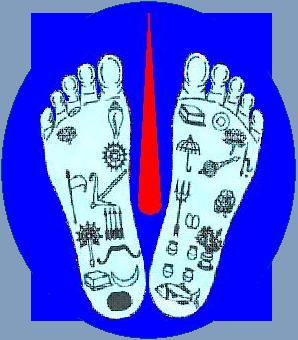
sangu chakra reka

Post No.916 dated 19th March 2014

ராமாயண வழிகாட்டி – அத்தியாயம் 20
ச.நாகராஜன்

உலகின் எந்த ஒரு இலக்கியத்திலும் இல்லாத ஒரு சம்பவத்தை ராமாயணம் எடுத்துக் கூறுகிறது. அண்ணனின் பாதுகையைத் தலையில் ஏந்தி எடுத்துச் சென்று அதற்குப் பட்டாபிஷேகம் செய்து அதை வைத்து நாடாளும் ஒரு அற்புதத் தம்பியை ராமாயணத்தில் மட்டுமே காண முடியும்.

பிதுர்வாக்ய பரிபாலனம் என்னும் பெரும் தர்மத்தை மேற்கொண்டு, “வனத்தில் 14 வருடம் வாசம் செய்வேன்.பின்பே அயோத்தி திரும்புவேன்” என்று உரைத்த ராமரிடம் அவரின் பாதுகையைத் தருமாறு வேண்டிக் கேட்டுக் கொள்கிறான் பரதன்.

அயோத்யா காண்டத்தில் நூற்றிப் பன்னிரண்டாவது ஸர்க்கம் உருக்கமான ஒரு காட்சியை நம் முன் காட்டுகிறது.

அதிரோஹார்ய பாதாப்யாம் பாதுகே ஹேமபூஷிதே I ஏதே ஹி சர்வலோகஸ்ய யோகக்ஷேமம் விதாஸ்யத: II
(நூற்றிப்பன்னிரண்டாவது ஸர்க்கம், 21வது ஸ்லோகம்)

ஆர்ய – ஸ்வாமியே! ஹேமபூஷிதே – பொன்னால் அலங்கரிக்கப்பெற்ற பாதுகே – பாதுகைகளில் பாதாப்யாம் – திருவடிகளால் அதிரோஹ – ஏறி அருள்வீராக! ஹி ஏதே – ஏனெனில் இவைகள் சர்வலோகஸ்ய – எல்லா உலகத்தின் யோகக்ஷேமம் – யோகக்ஷேமத்தை விதாஸ்யத: – வகிக்கப் போகின்றன

பாதுகைகளைப் பெற்றுக் கொண்ட பரதன் தானும் பதினான்கு வருடங்கள் ஜடையும் மரவுரியும் தரிக்கப் போவதாகவும் பழங்களையும் கிழங்குகளையுமே உணவாகக் கொண்டு இருக்கப் போவதாகவும் கூறுகிறான்
பதினான்காவது வருடம் முடிந்ததும் மறுதினத்தில் ராமரைக் காணாவிடில் ‘அக்னியில் புகுவேன்’ (ஹுதாஷனம் ப்ரவேக்ஷ்யாமி) என்றும் உறுதியாகக் கூறுகிறான். பாதுகைகள் அயோத்தியை ஆளும் அற்புதத்தைப் புரிந்து ராம பக்திக்கு இலக்கணமாகவும் திகழ்கிறான் பரதன்!
வைஷ்ணவ ஆசார்யரான வேதாந்த தேசிகன் (கி.பி.1269-1370) பாதுகா ஸஹஸ்ரம் என்ற அற்புதமான நூலை எழுதியுள்ளார்.

இந்த நூல் ஒரே இரவில் ஒரு ஜாமத்தில் இயற்றப்பட்டது. முதல் இரு ஜாமங்களில் யோகத்தில் ஆழ்ந்த வேதாந்த தேசிகர் மூன்றாம் ஜாமத்தில் 1008 அரிய ஸ்லோகங்களை யாத்து முடித்தார். பாதுகா ஸஹஸ்ரம் 32 பத்த்திகளைக் கொண்டுள்ளது. இதில் ப்ரஸ்தாவ பத்ததியில் இரண்டாவது ஸ்லோகத்தில் ஸ்ரீ ராம பாதுகையின் பெருமையை முதலில் உலகுக்குக் கொண்டு வந்த பரதனுக்கு என் முதல் நமஸ்காரம் என்று அருளியுள்ளார்.

பரதாய பரம் நமோஸ்து தஸ்மை பிரதம உதாஹரணாய பக்தி பாஜாம்I யத் உபக்ஞம் அசேஷத: ப்ருதிவ்யாம் பிரதிதோ ராகவ பாதுகா ப்ரபாவ:II

இந்த நூலில் அரிய சித்திர பந்தங்களைக் காண முடியும். கவிதையில் எத்தனை விதமான அரிய சுவைகள் உண்டோ அவை அனைத்தையும் தரும் இந்த அரிய பக்தி இலக்கியத்தை வைணவர்கள் தினசரி தங்கள் பாராயணத்தில் சொல்கின்றனர்.

வேதாந்த தேசிகனுக்கு முன்னோடியாக பாதுகையின் பிரபாவத்தை முதலில் கூறிய வால்மீகியின் ஸ்லோகங்கள் ஒப்பற்ற ஒரு தனி இடத்தைப் பிடிக்கின்றன!

Please read:
Why do Hindus worship Shoes? Posted here on 15th August 2012

Contact swami_48@yahoo.com