மொட்டையும் குடுமியும்

India Hindu Festival

எழுதியவர் லண்டன் சுவாமிநாதன்
கட்டுரை எண். 835 தேதி 12-02-14

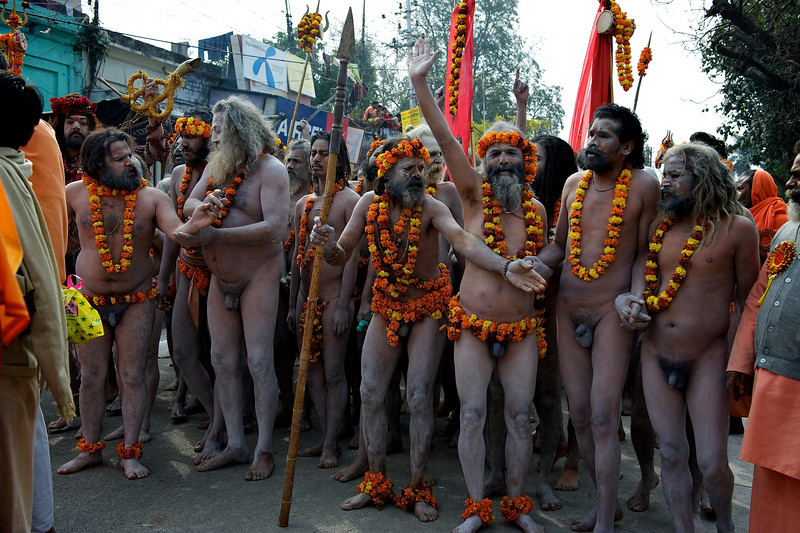
ஆதி காலத்தில் இந்து, புத்த, சமண மதத்தில் மிகுந்த ஈடுபாடுடையோர் வெளிச் சின்னங்கள் மூலம் அதைக் காட்டினர். காவி உடை, மஞ்சள் உடை, வெள்ளாடை இப்படி வெளிப்புறத்திலும் நெற்றியில் விபூதி, குங்குமம், சந்தனம், கோபி, நாமம் இப்படிப் பல சின்னங்களாலும் யார் என்பதைக் காட்டினர். இது போலவே தலை முடி விஷயத்திலும் பல பாணிகள் (ஸ்டைல்) நிலவின. முன் குடுமி, பின் குடுமி, மொட்டை (பௌத்தர்), மயிர் ஒவ்வொன்றாக பறித்து மொட்டையாகுதல் (சமணர்) என்று பல வகைகள் இருந்தன. முற்றிலும் உணர்ந்த ஞானிகள் இந்த வெளி வேஷத்தைப் பொருட்படுத்தாமல் தத்துவங்களில் மட்டுமே நம்பிக்கை வைத்தனர். ஏனெனில் காலப்போக்கில் இது எல்லாம் ஏமாற்றும் பேர்வழிகளுக்கு வசதியாகப் போயின.

வள்ளுவர், ஆதிசங்கரர், புத்தர், திருமூலர் ஆகிய எல்லோரும் இதில் ஒருமித்த கருத்து வைத்திருப்பது வியப்பளிக்கிறது.இவர்கள் ஒவ்வொருவரும் வெவ்வேறு காலகட்டங்களில், இந்தியாவின் வெவ்வேறு பகுதிகளில் வசித்தவர்கள்.

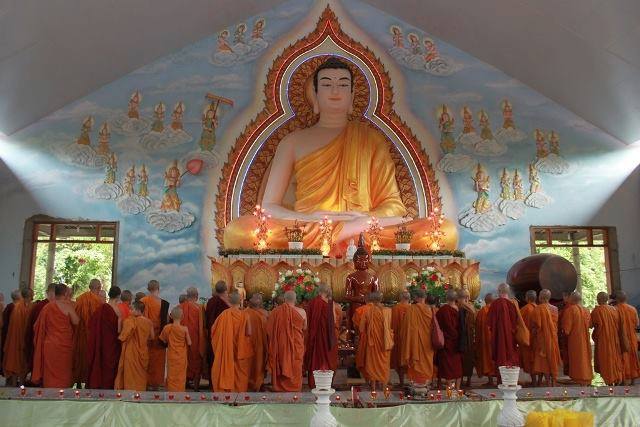
Young-Buddhist-Monks

1400 ஆண்டுகளுக்கு முன் தமிழகத்தை ஆண்ட மஹேந்திர பல்லவ மன்னன் சம்ஸ்கிருதத்தில் ஒரு நகைச்சுவை நாடகம் எழுதி இருக்கிறான். மத்தவிலாசப்ரஹசனம் என்ற அந்த நாடகத்தில் இந்து, புத்த, ஜைன (சமண) மத போலி சந்யாசிகளைக் கிண்டல் செய்துள்ளான். சங்க்ரரின் பஜகோவிந்தத்தில் சொல்லும் விஷயம், மஹேந்திர வர்மன் நேரில் கண்ட காட்சியுடன் இணைகிறது!

முடி விஷயத்தில் பல வகையான ‘ஸ்டைல்கள்’ வேத காலம் முதலே இருந்திருக்கின்றன. ஏதோ இந்தக் காலத்தில் ரவிவர்மா வரைந்த படங்களில்தான் சிவனுக்கு மீசை, விஷ்ணுவுக்கு மீசை இல்லை என்று நினைத்துவிட வேண்டாம். சிவபெருமானை வருணிக்கும் யஜூர் வேத ருத்ரம்/சமகத்தில் சிவனை மொட்டையன் என்றும் நீண்ட சடையன் என்றும் போற்றுகின்றனர்.

நீண்ட சடையன் (கபர்தீன்)
வ்யுப்தகேச (முண்டம்/ மழித்த) – ருத்ரம் (யஜூர் வேதம்)
வைத்தால் குடுமி சிரைத்தால் மொட்டை என்ற தமிழ்ப் பழமொழி இந்த ருத்ர மந்திரத்தில் இருந்துதான் வந்ததோ என்னவோ!

வள்ளுவர் கூறுகிறார்:

மழித்தலும் நீட்டலும் வேண்டா உலகம்
பழித்தது ஒழித்துவிடின் – (குறள் 280)

பொருள்: தவம் செய்வாருக்கு மொட்டை அடித்துக் கொள்வதும் சடை முடி வளர்த்தலும் தேவை இல்லை உலகத்தார் எதையெல்லாம் பழிக்கிறார்களோ அத்தகைய தீய வழக்கங்களை விட்டாலே போதும்.
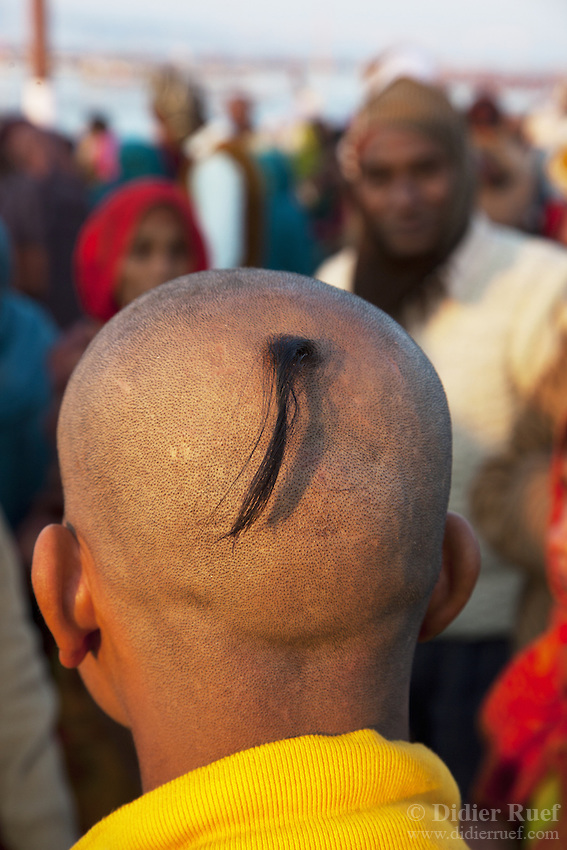
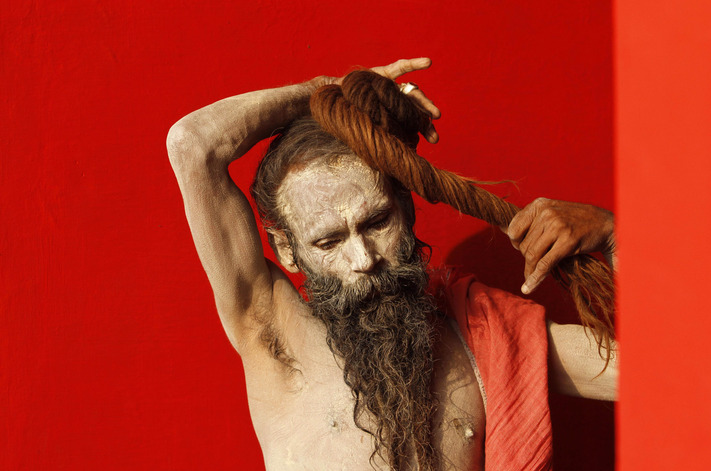
Maha Kumbh Mela. Man. Skull. Shaved. Worship.

சங்கரரும் சாடுகிறார்

தத்துவ வித்தகர் ஆதி சங்கரர் பஜ கோவிந்தம் என்ற அருமையான துதிப்பாடலில் இதை அழகாக வருணிக்கிறார். இந்தப் பாட்டை அவரது சீடர் தோடகர் பாடியதாகச் சொல்லுவர்.:

“ஜடிலோ முண்டி லுஞ்சித கேச :
காஷாயாம்(அ)ம்பர பஹுக்ருத வேஷ :
பஸ்யன் அபி ச ந பஸ்யதி மூட:
ஹ்யுதரநிமித்தம் பஹுக்ருத வேஷ :”
—பஜகோவிந்தம்

( : இவ்வாறு இரண்டு புள்ளி இருக்கும் இடத்தில் ஹ என்று உச்சரிக்கவும்.எ.கா. வேஷஹ, கேசஹ, மூடஹ).

பொருள்: ஒருவன் சடை முடியுடன் இருக்கிறான். மற்றொருவனோ மொட்டைத் தலையன். இன்னும் ஒருவன் ஒவ்வொரு முடியாகப் பிடுங்கிவிட்டான். இன்னொருவன் காவி உடையில் வலம் வருகிறான். இந்த மூடர்கள் கண் இருந்தும் குருடர்கள். இந்த வெளி வேஷம் எல்லாம் வயிற்றுப் பிழைப்புக்குத்தான்.
எவ்வளவு பெரிய உண்மையை எவ்வளவு அழகாகச் சொல்லிவிட்டார் தோடகர்.

tonsure Swastik_on_head
திருமூலரின் திருமந்திரம்

நூலும் சிகையும் நுவலில் பிரமமோ
நூலது கார்ப்பாசம் நுண்சிகை கேசமாம்
நூலது வேதாந்தம் நுண்சிகை ஞானமாம்
நூலது அந்தணர் காணும் நுவலிலே

பூணூலும் உச்சுக்குடுமியும் தரித்திருக்கும் எல்லா பிராமணர்களையும் பிரம்மத்தை அறிந்தவர்கள் என்று எண்ண முடியுமா? நூல் என்பது வெறும் பருத்தி நூல்தானே, சிகை என்பது வெறும் முடிதானே. உண்மையில் நூல் என்பது வேதாந்த நூலறிவு. நுண் சிகை ஞானம் என்பது இடகலை, பிங்கலை, சுழுமுனை ஆகிய 3 நாடிகளின் தன்மை அறிந்து, பிரம நாடி சிறக்க தலை உச்சியில் ஞானம் உண்டாவதே. இதுவே அந்தணர் கடைப்பிடிக்க வேண்டிய முறை—என்பார் திருமூலர்.
jain
Picture shows a Jain Monk

புத்தர் பேருரை

நீண்ட முடியும் சிகையும் வைத்திருப்பதாலோ, பிராமண குடும்பத்தில் பிறந்ததாலோ ஒருவன் பிராமணன் ஆகிவிடமாட்டான். எவனிடத்தில் சத்யமும் புனிதமும் இருக்கிறதோ அவனே பிராமணன். அவன் ஆனந்தக் கடலில் மிதப்பான் என்று தம்மபதத்தில் (393) புத்தபிரானும் கூறுகிறார்.

புத்தரும் தனது மதத்தினரின் வெளி வேஷங்களை அபோழுதே கண்டித்துள்ளார். அவரது மதம் எப்படித் தேய்ந்துபோகும் என்பதை அவர் பிரதம சீடரான ஆனந்தனுடன் நடத்திய சம்பாஷணையில் கூறினார். அவர் இறந்தவுடன் நடந்த மூன்று மஹா நாடுகளில் வாதப் பிரதிவாதங்கள் விண்ணைப் பிளந்தன. பெண்களைக் கட்டாயம் புத்த மதத்தில் சேர்க்கவேண்டும் என்று ஆனந்தன் மன்றாடியபோது, 1000 ஆண்டுகள் நிலைக்கக்கூடிய என்னுடைய மதம், பெண்களை (புத்த பிட்சுணிகளாக) அனுமதித்தால், 500 ஆண்டுகளே இருக்கும் என்றார் புத்த பிரான். இது பற்றிய விரிவான விளக்கத்தை எனது ஆங்கிலக் கட்டுரையில் காண்க: Two Interesting Conversations about Women, posted on 5th February 2014.

Contact swami_48@yahoo.com
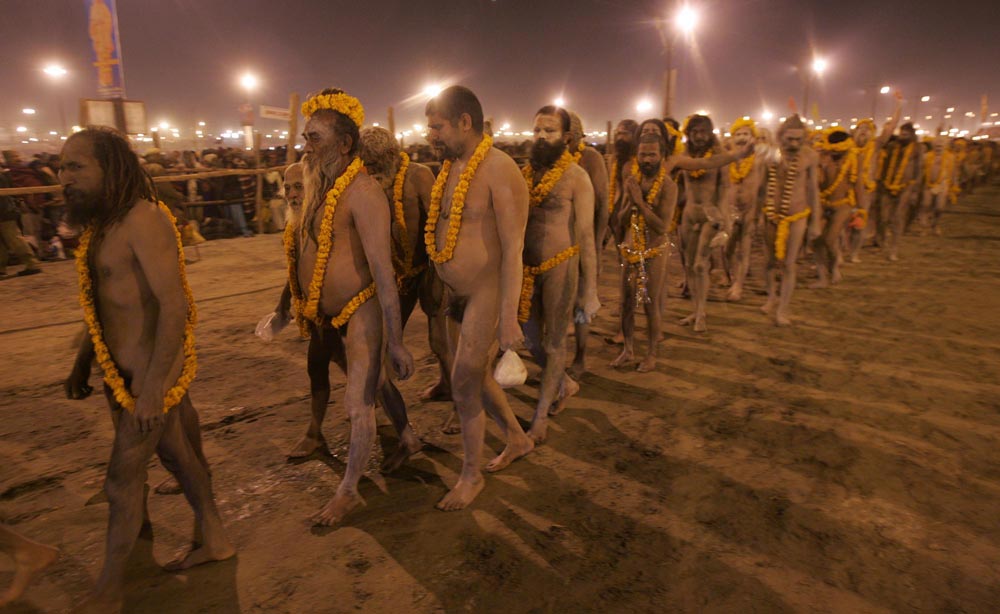
On Alexander and Naked Hindu Saints: Vivekananda & Yogananda

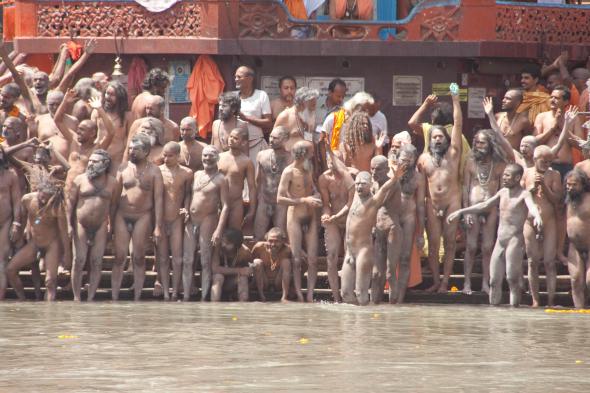
11942872-kumbh-mela-naga-baba

On Alexander and Naked Hindu Saints: Swami Vivekananda & Paramahamsa Yogananda

Compiled by London Swaminathan

Post No 834 Date:-11-02-2014

(Maha Kumbha Mela Pictures are taken from different websites;thanks)

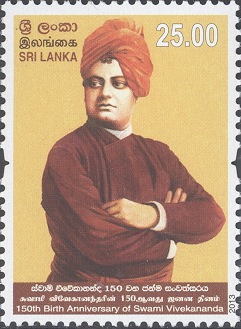
“Strength, strength is what the Upanishads speak to me from every page. This is the one great thing to remember, it has been the one great lesson I have been taught in my life.

“It is the only literature in the world where you find the word Abaya, fearless, used again and again. In no other scripture in the world is this adjective applied either to god or man. Abhih, fearless!
“And in my mind rises from the past the vision of the great emperor of the West, Alexander the Great, and I see, as it were in a picture, the great monarch standing on the bank of the Indus talking to one of the Sanyasins (ascetics) in the forest; the old man he was talking to, perhaps naked, sitting upon a block of stone, and the emperor, astonished at his wisdom, tempting him with gold and honour to come over to Greece. And this man smiles at his gold, and smiles at his temptations, and refuses; and then the emperor standing on his authority as an emperor says, “I will kill you if you do not come”, and the man bursts in to a laugh and says, “You never told such a falsehood in your life, as you tell just now. Who can kill me? Me you kill, Emperor of the material world! Never! For I am spirit unborn and un decaying; never was I born and never do I die; I am the infinite, the Omnipresent, the Omniscient; and you will kill me!, child that you are!”
That is strength, that is strength! And the more I read the Upanishads, my friends, my countrymen, the more I weep for you, for there in is the great practical application. Strength, strength for us. What we need is strength”.

(Page 222, Selections from The Complete Works of Swami Vivekananda, Advaita Ashrama, Calcutta, May 1990)

naked

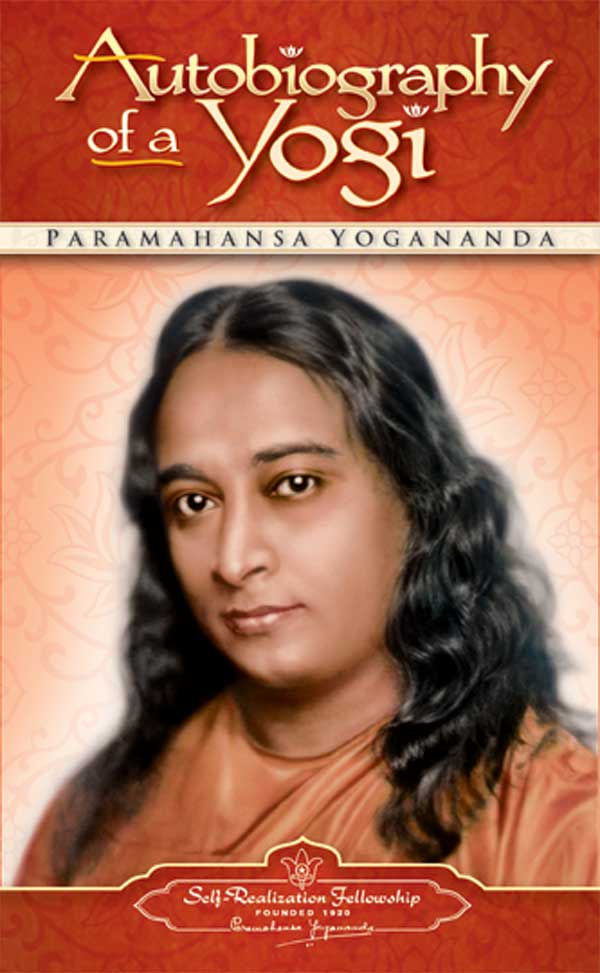
Yogananda’s ‘Autobiography of a Yogi’

Paramahamsa Yogananda in his book ‘Autobiography of a Yogi’ gives more interesting details (page 382 to 385):-

“Interesting stories were minutely recorded by Greek historians and others who accompanied or followed after Alexander in his expedition to India. The narratives of Arrian, Diodoros, Plutarch and Strabo the geographer have been translated by Dr J W Mc Crindle to throw a shaft of light on ancient India. The most admirable feature of Alexander’s unsuccessful invasion was the deep interest he displayed in Hindu philosophy and the yogis and holy men whom he encountered from time to time and whose society he eagerly sought.
Shortly after the Macedonian warrior had arrived in Taxila in Northern India, he sent Oneskritos (a disciple of the Hellenic school of Diogenes) to fetch a great Sanyasi of Taxila, Dandamis.
“Hail to thee, O, Teacher of Brahmins!” Oneskritos said after seeking out Dandamis in his forest retreat. “The son of mighty God Zeus, being Alexander who is the Sovereign Lord of all men, asks you to go to him. If you comply, he will reward you with great gifts; if you refuse, he will cut off your head!”
The yogi received calmly this fairly compulsive invitation, and “did not so much as lift up his head from his couch of leaves”

“I also am a son of Zeus, if Alexander be such”, he commented. I want nothing that Alexander’s, for I am content with what I have, while I see that he wanders with his men over sea and land for no advantage, and is never coming to an end of his wanderings.

“Go and tell Alexander that God of Supreme king is never the Author of insolent wrong, but is the Creator of light, of peace, of life of water, of the body of man and of souls; he receives all men when death sets them free, being then in no way subject to evil disease. He alone is the god of my homage, who abhors slaughter and instigates no wars.
****
kumbh (73 of 90)

“Should Alexander cut off my head, he cannot destroy my soul. My head, then silent, and my body, like a torn garment, shall remain on the earth, whence also they were taken. I, then, becoming spirit, shall ascend to my god”.

“Let Alexander then terrify with threats men who wish for health and who dread death. Against the Brahmins his weapons are powerless; we never love gold nor fear death. Go then and tell Alexander this: Dandamis has no need of aught that is yours, and therefore will not go to you; and if you want anything from Dandamis, come you to him”.

Oneskritos duly conveyed the message; Alexander listened with close attention, and felt a stronger desire than ever to see Dandamis, who, though old and naked, was the only antagonist in whom he the conqueror of many nations had met more than his match.

Alexander and Brahmin ascetics

Alexander invited to Taxila a number of Brahmin ascetics noted for their skill in answering philosophical questions with pithy wisdom. An account of the verbal skirmish is given by Plutarch; Alexander himself framed all the questions.

Which be the more numerous, the living or the dead?”
The living, for the dead are not.
Which breeds the larger animals, the sea or the land?
The land, for the sea is only a part of land.
Which is the cleverest of the beasts?
That one with which man is not yet acquainted.
(Man fears the unknown)
Which existed first, the day or the night?
The day was first by one day.
This reply caused Alexander to betray surprise; the Brahmin added: impossible questions require impossible answers.
How best may a man make himself beloved?
A man will be beloved if, possessed with great power; he still does not make himself feared.
How may a man become a god?
By doing that which it is impossible for a man to do.
Which is stronger, life or death?
Life, because it bears so many evils.

autobiography
vivek2

Alexander succeeded in taking out of India, as his teacher, a true yogi. This was Kalyana (Swami =Sphines), called Kalanos by the Greeks. The sage accompanied Alexander to Persia. On a stated day at Susa in Persia, Kalanos gave up his aged body by entering a funeral pyre in view of the whole Macedonian army. The historians recorded the astonishment of the soldiers as they observed that the yogi had no fear of pain or death; he never once moved from his position as he was consumed in the flames.
Before leaving for his cremation Kalanos had embraced many of his close companions but he refrained from bidding farewell to Alexander, to whom the Hindu sage had merely remarked,
“I shall see you later in Babylon”.

Alexander left Persia and, a year after, died in Babylon. The prophesy had been the Indian guru’s way of saying that he would be present with Alexander in life and death.

(A foot note the bottom of the page says Mc Crindles translations are available in Six volumes on Ancient India (Calcutta Chuckervertty, Chatterjee & co 15 College Square 1879, reissued 1927)

(Summary of this article has been given in Tamil on April 8, 2012 நிர்வாண சாமியார்களுடன் அலெக்ஸாண்டர்)

Contact swami_48@yahoo.com

27. வாழ்வையும் சாவையும் புரிந்து கொள்ளுங்கள்!

Buddha Borobudar (1)

Post 833 Date 11th February 2014

ஸ்வர்ண லோகம்

27. வாழ்வையும் சாவையும் புரிந்து கொள்ளுங்கள்!
ச.நாகராஜன்

தூய்மையே ஜென் வாழ்க்கை முறை!
தூய்மை. தூய்மை.தூய்மை. எதிலும் தூய்மை.எப்பொழுதும் தூய்மை. இதைத் தான் ஜென் கற்பிக்கிறது.வாழ்வு என்றால் என்ன, மரணம் என்றால் என்ன என்பதில் ஒரு தெளிவைக் காண்பிக்கிறது ஜென்.
ஜப்பானைச் சேர்ந்த ஜென் மாஸ்டரான டோஜென் ஜென்ஜி சீனாவில் படித்துக் கொண்டிருந்த சமயம் அவரை ஒரு குரு அணுகினார்.”ஏன் இந்த புத்தமத நூல்களை நீ படித்துக் கொண்டிருக்கிறாய்/” என்று கேட்டார்.

“எனது முன்னோர்கள் கடந்த காலத்தில் என்ன செய்தார்கள் என்பதை நான் கற்க விரும்புகிறேன்” என்று பதில் சொன்னார் டோஜென் ஜென்ஜி.

“எதற்காக அதைக் கற்க வேண்டும்?” என்று கேட்டார் அந்த குரு.
“ஏனெனில் மனித துன்பங்களிலிருந்து நான் விடுதலை பெற விரும்புவதால்” என்றார் டோஜென் ஜென்ஜி
“ஏன் விடுதலை பெற வேண்டும்?” என்று கேட்டார் குரு.
“எல்லா மனிதர்களும் துன்பம் அடைவதால் சுயபுரிதல் உள்ள அனைத்து ஜீவன்களுக்கும் நான் உதவ விரும்புகிறேன்” என்றார் டோஜென் ஜென்ஜி.
“எதற்காக?” என்று கேட்டார் குரு.

வெகு சீக்கிரமே நான் ஜப்பானுக்குத் திரும்பவிருக்கிறேன். அங்குள்ள என் கிராம மக்களுக்கு உதவ விரும்புகிறேன்” என்றார் டோஜென் ஜென்ஜி.
“எதற்காக?” என்று மீண்டும் கேட்டார் குரு.
டோஜென் ஜென்ஜி பதில் எதையும் இப்போது கூறவில்லை.

சொல்வதற்கு அவரிடம் ஒன்றும் இல்லை. இப்படி கேள்வி கேள்வியாகக் கேட்டு அவரால் பதில் சொல்ல முடியாத நிலைக்கு அவர் தள்ளப்பட்டார்.

மனித வாழ்க்கையின் தன்மையைச் சரியாக அவர் புரிந்து கொள்ள வேண்டுமென்ற எண்ணத்தினாலேயே இந்த கேள்வி மேல் கேள்வி கேட்கும் அணுகுமுறை குருவால் கையாளப்பட்டது. இறுதியில் வாழ்க்கையின் உள்ளார்ந்த அம்சத்தையே அது சுட்டிக் காட்டுகிறது.
அது தான் மரணம்!

எல்லோருமே ஆரோக்கியத்துடனும் மகிழ்ச்சியுடனுமே இருக்க விரும்புகிறார்கள். எதற்காக ஒருவர் சந்தோஷமாக இருக்க வேண்டும்? எதற்காக ஒருவர் ஆரோக்கியத்துடன் இருக்க வேண்டும்?

buddha india

ஆனால் கடைசியில் இறக்கும் போதோ யாரும் மகிழ்ச்சியுடனும் இல்லை, ஆரோக்கியத்துடனும் இல்லை. நிச்சயமாக இன்றோ அல்லது நாளையோ அல்லது நாளைக்குப் பிறகு இன்னொரு நாளோ இறக்கப் போகிறோம் என்பது எல்லோருக்கும் தெரியும். ஆகவே தான் வாழ்க்கை மிக அழகிய ஒன்றாக இருக்கிறது.
இதை நினைவில் கொள்ள வேண்டும் என்கிறார் பிரபல அமெரிக்க ஜென் மாஸ்டரான டைனின் கடகிரி.

ஜென் பயிற்சிகளின் மீதோ அல்லது புத்த மத தத்துவத்தின் மீதோ நம்பிக்கை கொள்வது என்பது ‘ அது ஏதோ ஒரு வழிமுறை; அதைப் பற்றி நாம் சிந்திக்கிறோம்’ என்பதில்லை. வாழ்க்கையின் அடி ஆழத்திலிருந்து அதை பயிற்சி செய்வது என்பதே நாம் உண்மையாகக் கொள்ள வேண்டிய நிலையாகும்!. எப்படி பயிற்சி செய்வது? அதைப் பழகிப் பழகி வாழ்ந்து காட்டுவதே!

உள்ளார்ந்த விருப்பம், மனதில் ஊறும் விழிப்புணர்ச்சி,முயற்சி,தியானம் (ஜஜென்),ஞானம்,கட்டுப்பாடு,நம்பிக்கை,தர்மத்தைக் கடைப்பிடிப்பது,அனைத்திலிருந்தும் விலகாமல் இருத்தல்,உறுதி பூண்டு வாழ்தல் ஆகிய இந்த முக்கியமான பத்து படிகளே நம்மை ஒரு புத்தராக ஆக்கும். இதில் ஐயமில்லை.

மனதில் உள்ளார்ந்த சபதத்தை மேற்கொண்டு புத்தராவோம்; அனைவரும் புத்தராக சேவை செய்வோம்!

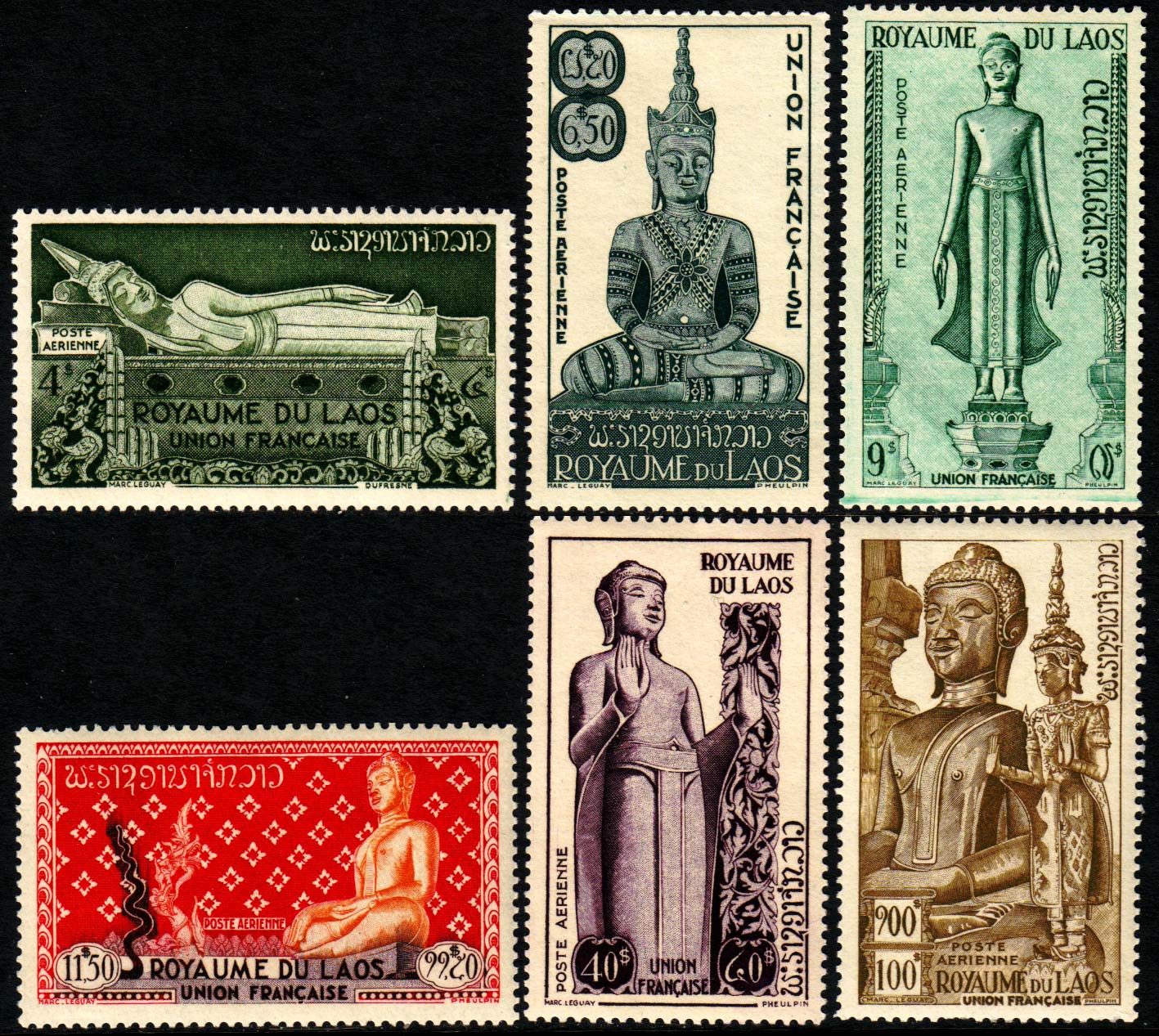
laos buddha

ஸ்வர்ண லோகம்

28. முடிவுரை

ச.நாகராஜன்

ஜென் வாழ்க்கை முறை என்பது புத்த மதம் உலகிற்கு அளித்த ஒரு கொடை.
ஜென் என்றால் என்ன என்பதை விளக்குவது கஷ்டம். சில சொற்களால் விளக்க முயன்றால் அது ஜென் அல்ல. வாழ்ந்து காட்டுவது தான் ஜென் வாழ்க்கை முறை. சொற்களுக்கு அப்பாற்பட்டது ஜென்.
தியானத்தின் மூலம் உள்ளுணர்வாக அனுபூதி மூலம் அனுபவிக்கப்படுவது ஜென்.

வீட்டைக் கோவில் போலச் சுத்தமாக வைத்துக் கொள்வது, உடலை ஒழுங்காகப் பராமரிப்பது, உள்ளத்தில் எப்போதும் சந்தோஷம் பொங்க இருப்பதுடன் அதை மற்றவர்களுக்கும் பாய்ச்சுவது – இவற்றில் ஜென் மிளிரும்.

சின்னச் சின்ன விஷயங்களிலும் விழிப்புணர்வோடு இருப்பது ஜென் எல்லாப் பொருள்களிலும் அதன் உபயோகத்தைக் காண்பது ஜென். எல்லோரிடமும் நல்ல அம்சங்களைக் காண்பது ஜென் – இப்படி விளக்கிக் கொண்டே போகலாம். இதற்கு ஒரு எல்லை இல்லை என்பதால் தான் விளக்க முடியாத வாழ்க்கை முறை ஜென் என்று கூறப்படுகிறது.

விளக்க முடியாத வாழ்க்கை முறை ஜென், வாழ்ந்து காட்ட வேண்டிய வாழ்க்கை முறை ஜென் என்பதை விளக்குவதற்காகவே இது வரை பல ஜென் மாஸ்டர்களைப் பற்றியும், அவர்களின் வாழ்க்கையில் நடந்த பல சுவையான நிகழ்ச்சிகளையும் பார்த்தோம். ஜென் மாஸ்டர்களின் பட்டியலுக்கு எல்லை இல்லை. அவர்களின் வாழ்க்கை நிகழ்வுகளுக்கோ முடிவே இல்லை. அவற்றில் ஒரு ஆர்வத்தைத் தூண்டவே புத்த மதத்தின் பெருமைகளை விளக்கும் இந்தத் தொடரில் ஜென் பற்றிய சில விஷயங்களை இது வரை பார்த்தோம்.

ஜென் மட்டுமே புத்த மதம் அல்ல. அறிஞர்களை ஈர்க்கும் புத்த மதம் சாமான்யர்களைப் பற்றிக் கவலைப்படுகிறது. நிர்வாண நிலை அனைவருக்கும் பொது என்று கூறி அனைவரும் புத்தரே என திடமாக அறிவிக்கிறது.

புத்தரைப் பற்றியும் அவர் வாழ்வில் நடந்த சம்பவங்களையும் அடுத்த பாகத்தில் காணலாம். புத்த மதத்தில் மிளிர்ந்த சூத்திரங்களின் உண்மைப் பொருளை விளங்கிக் கொள்ளலாம்.

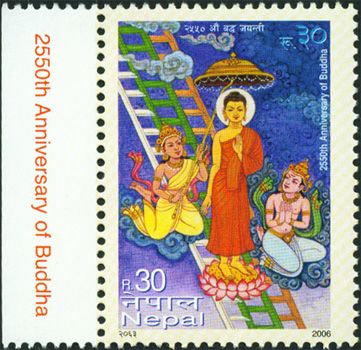
buddha nepal

முதல் பாகத்தைப் படித்து ஊக்கமூட்டிய நண்பர்களுக்கும் தொடரை வெளியிட்ட நிலாச்சாரல் இதழுக்கும் ஆசிரியர் திருமதி நிர்மலா ராஜு அவர்களுக்கும் நிலாச்சாரல் ஒருங்கிணைப்புக் குழுவில் பணியாற்றும் அன்பர்களுக்கும் என் மனமார்ந்த நன்றி.

அடுத்த பாகத்தில் மீண்டும் சந்திப்போம்

அன்பன்
ச.நாகராஜன்

மின்னஞ்சல் முகவரி: snagarajans@gmail.com

முற்றும்

This is the concluding part of my brother Santanam Nagarajan’s articles on Zen Buddhism:- london swaminathan.

‘Every town a Home town’: Famous Tamil Poem

tamil food

Every town a Home town: Famous Tamil Poem
(யாதும் ஊரே; யாவரும் கேளிர்;)

Post No 832 Dated 10th February 2014

Indians think in the same from the Himalayas to the Land’s end Kanyakumari.
I have found out that every great thought in the south or north is echoed in the other part. Great men think alike, they say. Great Indians think very much alike, we can say. Karma theory of oriental religions Hinduism ,Buddhism, Jainism and Sikhism is beautifully explained in the following Tamil poem.

The oft quoted Sangam Tamil verse from Purananuru (192) goes like this:

“Every town our home town; everyman a kinsman.
Good and evil do not come
From others
Pain and relief of pain
Come of themselves
Dying is nothing new.
We do not rejoice
That life is sweet
Nor in anger
Call it bitter
Our lives, however dear,
Follow their own course,
Rafts drifting
In the rapids of a great river
Sounding and dashing over the rocks
After a downpour
From skies slashed by lightning’s
We know this
From the vision
Of men who see
So,
We are not amazed by the great
And we do not scorn the little”
————————-Kaniyan punkundran (Pura Nanuru, verse 192)

Following comparisons will prove my point.
1.Every town our home town; Everyman a kinsman.
‘Earth is my mother; I am her son’, says Veda.
‘God is one; we are his children
World is a happy lake – says the Veda’ (Bharathyar song)

2.Dying is nothing new.
We do not rejoice
That life is sweet
Nor in anger
Call it bitter

Bhagavad Gita says (2-27)

For to the one that is born death is certain and certain is birth for the one that has died. Therefore for what is unavoidable, you should not grieve.

Gautama the Buddha consoled the mother who lost her only son while yet a child by asking her to go into the town and bring him a little mustard seeds from any house where no man has yet died. She went and found that there was no family where death had not entered. She discovered that it is the law of all things that they will pass away.

The Buddhist nun Patacara is represented as consoling many bereaved mothers in the following words:

“Weep not, for such is here the life of man
Unasked he came, unbidden went he hence
Lo! Ask thyself again whence came thy son
To bide on earth this little breathing space
By one way come and by another gone…..
So hither and so hence— why should ye weep?”

— Psalms of Sisters (E.T. by Mrs Rhys Davids (1909) quoted by Dr S Radhakrishnan in his Bhagavad Gita commentary.

Vyasa and Tamil Valluvan also said the same in the Mahabharata and Tirukkural, which I have given in detail in my earlier post: Most Amazing thing in the World!! (in Tamil உலகிலேயே எது பெரிய அதிசயம்? எது ஆச்சர்யம்?)

3.Good and evil do not come
From others
Pain and relief of pain
Come of themselves

Garuda Purana says
Sukhasya dukkhasya na kopi data
Paro dadatiti kubhuddir esa
Swayam krtam svena phalena yujyate
Sarira he nistara yat tvatya krtam

“No one gives joy or sorrow. That others give this is an erroneous conception. our own deeds bring to us their fruits. Body of mine, repay what you have done.”

4.Rafts drifting
In the rapids of a great river
Sounding and dashing over the rocks
After a downpour
From skies slashed by lightning’s
We know this
From the vision
Of men who see

Adi Shankara in his Viveka Cudamani (verse 550) says,
As a piece of wood is borne by the current to a high or low ground, so is his body carried on by the momentum of past actions to the varied experience of their fruits, as these present themselves in due course.

5.We are not amazed by the great
And we do not Scorn the little
Lord Krishna in Bhagavad Gita says,

Sages see with an equal eye, a learned and humble Brahmin, a cow, an elephant or even a dog or an outcaste.(5-18)

Full verse for Tamil Readers:

யாதும் ஊரே; யாவரும் கேளிர்;
தீதும் நன்றும் பிறர்தர வாரா;
நோதலும் தணிதலும் அவற்றோரன்ன;
சாதலும் புதுவதன்றே; வாழ்தல்
இனிது என மகிழ்ந்தன்றும் இலமே; முனிவின்
இன்னாது என்றலும் இலமே; ’மின்னொடு
வானம் தண் துளி தlலைஇ, ஆனாது
கல் பொருது இரங்கும் மல்லல் பேர் யாற்று
நீர் வழிப்படூஉம்’ புணை போல் ஆர் உயிர்
முறை வழிப்படூஉம்’ என்பது திறவோர்
காட்சியின் தெளிந்தனம் ஆகலின், மாட்சியின்
பெரியோரை வியத்தலும் இலமே;
சிறியோரை இகழ்தல் அதனினும் இலமே.
—-புறம்.192, கனியன் பூங்குன்றன் ( பொருண்மொழிக் காஞ்சித் துறை))

இந்து தர்மக் கோட்பாடுகளை விளக்கும் அருமையான பாட்டு இது.
இவை அத்தனையும் பகவத் கீதையில் உள்ள வரிகள்!!!

Contact swami_48@yahoo.com

This blog has more than 825 research articles on Indian Culture in English and Tamil.

விவேகாநந்தருக்குப் பிடித்த கீதை ஸ்லோகம்

gita2

லண்டன் சுவாமிநாதன்;
கட்டுரை எண் 831 தேதி 10-02-2014

“உலகில் பாவம் என்பது உண்டு என்றால் அதுதான் பயமும் பலஹீனமும். இந்த ஒரு ஸ்லோகத்தைப் படித்தால் கீதை முழுதும் படித்த பயன் எய்துகிறான். இந்த ஒரு ஸ்லோகத்தில் கீதையின் ரஹஸ்யம் ஆழ்ந்து உறைகின்றது.” —- சுவாமி விவேகாநந்தர்

“க்லைப்யம் மாஸ்ம கம: பார்த்த நைதத் த்வய்யுபபத்யதே
க்ஷுத்ரம் ஹ்ருதய தௌர்ப்பல்யந் த்யக்த்வோத்திஷ்ட பரந்தப:”
–பகவத் கீதை 2-3

பொருள்:- எதிரிகளை எரிப்பவனாகிய பார்த்தா ! பேடித்தனத்தை அடையாதே. இது உன்னிடத்தில் சிறிதும் பொருந்தாது. அற்பமான மனத் தளர்ச்சியை ஒழித்து விடு. எழுந்திரு !

இதையே ‘அச்சமே கீழ்களது ஆசாரம்’ (குறள் 1075) – என்று வள்ளுவன் இடித்துரைக்கிறான்.

ஈடிலாப் புகழினோய்! எழுகவோ எழுக!
பாரதியோ பொங்கு தமிழில் முழங்குகிறான்:

“உண்மையை அறியாய்; உறவையே கருதிப்
பெண்மை கொண்டு ஏதோ பிதற்றி நிற்கின்றாய்
வஞ்சகர், தீயர், மனிதரை வருத்துவோர்,
நெஞ்சகத் தருக்குடை நீசர்கள் — இன்னோர்
தம்மொடு பிறந்த சகோதரர் ஆயினும்,
வெம்மையோடு ஒறுத்தல் வீரர்தம் செயலாம்
ஆரிய! நீதி நீ அறிகிலை போலும்!
பூரியர் போல் மனம் புழுங்குறலாயினை
அரும்புகழ் தேய்ப்பதும் அனாரியத் தகைத்தும்
பெரும்பதத் தடையுமாம் பெண்மை எங்கு எய்தினை?
பேடிமை அகற்று! நின் பெருமையை மறந்திடேல்!
ஈடிலாப் புகழினோய்! எழுகவோ எழுக!
— பாரதியார் பாடல்

இன்னொரு பாடலில் பாரதி சொல்வான்:
வில்லினை எடடா! – கையில்
வில்லினை எடடா! – அந்தப்
புல்லியர் கூட்டத்தைப் பூழ்தி செய்திடடா!
வாடி நில்லாதே; — மனம்
வாடி நில்லாதே; — வெறும்
பேடியர் ஞானப் பிதற்றல் சொல்லாதே.
— பாரதியார் பாடல்

ஆன்மா அழியாதது என்ற உபதேசமும் கீதையின் இரண்டாவது அத்தியாயத்தில்தான் வருகிறது. அதையும் பாரதி விட்டுவிடவில்லை:-

ஆன்ம ஒளிக்கடல் மூழ்கித் திளைப்பவர்க்கு
அச்சம் உண்டோடா? –மனமே!
தேன் மடை இங்கு திறந்தது கண்டு
தேக்கித் திரிவமடா— பாரதியார் பாடல்

“ஆத்மா பலவீனம் உடையவனால் அடையமுடியாதது” (ந அயம் ஆத்மா பலஹீனேன லப்யதே) என்று உபநிஷதமும் கூறுகிறது.

ஸ்ரீமத் பகவத் கீதைக்கு உரை எழுதிய ஸ்ரீ அண்ணா அவர்கள் கீழ்கண்ட மேற்கோள்களைத் தருகிறார்:
உத்திஷ்ட – இது துக்கத்தில் ஆழ்ந்த ஜீவனைத் தட்டி எழுப்பும் மந்திரம்

உத்திஷ்டத, ஜாக்ரத, ப்ராப்யவரான் நிபோதத = எழுந்திரு! விழித்துக் கொள்! குறிக்கோளை அடையும் வரை ஓயாது செல்! (கடோபநிஷத்)

இனித்தான் எழுந்திராய் ஈதென்ன பேருறக்கம் – ஆண்டாள் திருப்பாவை

Contact swami_48@yahoo.com

Please read my earlier posts:
On Gita: 1.One Minute Bhagavad Gita 2. Bhagavad Gita through a Story
3.Bhagavad Gita in Tabular Columns 4. 45 commentaries on Bhagavad Gita 5. G for Ganga….. Gayatri…… Gita…. Govinda…
6.A to Z of Bhgavad Gita (Part 1 and Part 2) 7. Krishna’s Restaurant in Dwaraka: Hot Satwik Food Sold! 8. Krishna’s List of 26 Divine Qualities! (post 721 Dt.24/11/13) 9. கண்ணன் கூறும் 26 தெய்வீக குணங்கள் (Post 727, Nov.30, 2013)

On Bharati: 1.சொல்லில் உயர்வு தமிழ்ச் சொல்லே! 2.பாரதியின் பேராசை 3.பாரதியுடன் 60 வினாடி பேட்டி 4.பயமே இல்லாத பாரதி 5.பாரதி பாட்டில் பகவத் கீதை 6.பாரதி வாழ்க
7.பாரதி நினைவுகள் 8.பாரதி பாட்டில் பழமொழிகள்
(9) பேய்கள் பற்றி பாரதி & விவேகாநந்தர் (10) சிட்டுக் குருவி! சிட்டுக் குருவி! சேதி தெரியுமா? (11) வாழ்க்கையில் வெற்றி பெற பாரதி ‘அட்வைஸ்’ (741 posted Dec.10) 12) பாரதி தரிசனம்.

ஐந்து பெயர்களின் பெயரைக் கூறாதே! ஐந்து விதமாகப் பேசாதே!!

Number_5

ஐந்து பெயர்களின் பெயரைக் கூறாதே! ஐந்து விதமாகப் பேசாதே!!

சம்ஸ்கிருத செல்வம் — அத்தியாயம் 26

Post No 830 dated 9th February 2014.

பெரியோர்கள் பல்வேறு காரணங்களால் பல விஷயங்களை நமக்கு அறிவுறுத்துகிறார்கள். உலோகாயத நோக்கில் தங்கள் அனுபவத்தின் மூலம் அவர்கள் தரும் அறிவுரைகள் பல. நம்மால் அறிய முடியாத, ஆனால் அவர்களின் உள்ளுணர்வாலும் தவ ஆற்றலினாலும் உணர்ந்து அதன் காரணமாக வழங்கும் அறிவுரைகள் பல. காரணத்தை ஆராயமல் கீழ்ப்படிந்து அவற்றை ஏற்று நடந்தால் நமக்கு நல்லதே நடக்கும். காலப்போக்கில் உலோகாயத நோக்கில் நமது அனுபவத்தாலும், சாஸ்திர அறிவாலும் ஏன், உள்ளுணர்வினாலும் கூட அவர்கள் கூறும் அறிவுரைகள் மெய்யே என்பதை அறியலாம்.

இந்த வகையில் இரண்டு அறிவுரைகளைப் பார்க்கலாம்.

ஐந்து பெயர்களின் பெயரைச் சொல்லக் கூடாது. யார் யாரை?
1) ஆத்ம நாமம் – தன்னுடைய சொந்தப் பெயரைக் கூறக் கூடாது.
2) குரு நாமம் – தான் குருவாக வரித்தவரின் பெயரைக் கூறக் கூடாது.
3) க்ருபண நாமம் – கஞ்சனின் பெயரைக் கூறக் கூடாது.
4) ஜ்யேஷ்டாபத்ய நாமம் – மூத்த மகனின் பெயரைக் கூறக் கூடாது
5) களத்ர நாமம் – தனது மனைவியின் பெயரைக் கூறக் கூடாது.

இதனால் தானோ என்னவோ பாரம்பரியம் மிக்க குடும்பங்களில் மூத்த மகன் மற்றும் மனைவி ஆகியோருக்கு இன்னொரு செல்லப் பெயர் இருக்கும்.

இதை விளக்கும் பாடலைப் பார்ப்போம்:-

ஆத்மநாம குரோர்நாம நாமாதிக்ருபணஸ்ய ச I
ஸ்ரேய: காமோ ந க்ருஹ்ணியாத் ஜ்யேஷ்டாபத்ய களத்ரயோ: II

இனி பேச்சை எப்படிப் பேசக் கூடாது என்பதைப் பார்ப்போம்.

???????????

1) பருஷம் – கடும் சொற்களைக் கூறக் கூடாது
2) அதிமாத்ரம் – அதிகமாகப் பேசக் கூடாது
3) சூசகம் – பின்னால் புறம் கூறிப் பேசக் கூடாது
4) அன்ருதம் – பொய்யைப் பேசக் கூடாது
5) அகாலயுக்தம் – சமயத்திற்குப் பொருந்தாத பேச்சைப் பேசக் கூடாது.
6)
இதை விளக்கும் பாடலைப் பார்ப்போம்:

பருஷஸ்யாதிமாத்ரஸ்ய சூசகஸ்யாந்ருதஸ்ய ச I
வாக்யஸ்யாகாலயுக்தஸ்ய தாரயேத்தேகமுத்திதம் II

சரக சம்ஹிதையில் சூத்ர ஸ்தானத்தில் ஏழாம் அத்தியாயத்தில் 28வது ஸ்லோகமாக அமைகிறது இது.

பேசும் போது இந்தக் கருத்துக்களை உள்ளத்தில் இருத்திப் பேச ஆரம்பித்தால் வளம் ஓங்கும்! வாழ்க்கை செழிக்கும்!!

Compiled by Santanam Nagarajan; contact swami_48@yahoo.com

***************

26. மேலும் சில ஜென் கதைகள் – 4

buddha huge

ஸ்வர்ண லோகம்

26. மேலும் சில ஜென் கதைகள் – 4
ச.நாகராஜன்

Post No 829 dated 9th February 2014.

நீ அடுத்த பக்கத்தில் தான் இருக்கிறாய்!

புத்த மதத்தைச் சேர்ந்த ஒரு இளைஞன் தனது பயணத்தின் போது ஒரு நதிக்கரையை வந்து அடைந்தான். நதியோ பிரவாகமாகப் பொங்கி ஓடியது. திகைத்துப் போன அவன், எப்படி இந்த வெள்ளத்தைக் கடப்பது என்று சிந்திக்க ஆரம்பித்தான். சரி, இனி மேற்கொண்டு பயணம் செய்ய வேண்டாம் என்ற முடிவுக்கு அவன் வந்த போது எதிர்க் கரையைப் பார்த்தான். அங்கு ஒரு பெரிய ஆசார்யர் நின்று கொண்டிருந்தார். அவரைப் பார்த்து பெரும் குரலில்,”ஆசார்யரே! ஆற்றின் அடுத்த பக்கத்திற்கு நான் எப்படி வருவது என்பதை தயவுசெய்து சொல்ல முடியுமா?” என்று கேட்டான்.
ஒரு நிமிடம் யோசித்த ஆசார்யர் அவனை நோக்கி உரத்த குரலில்,”நீ அடுத்த பக்கத்தில் தான் இருக்கிறாய்!” என்று சொன்னார்.

ஒரு துளி தண்ணீர்

ஜிஸான் என்ற ஜென் மாஸ்டர் தனது சீடனை குளிப்பதற்காகத் தண்ணீர் கொண்டு வருமாறு பணித்தார். சீடனும் நீரைக் கொண்டு வந்தான். வெந்நீருடன் அதை இதமாக இருக்கும்படி கலந்தான். மீதம் இருந்த சிறிது குளிர்ந்த நீரை வெளியே கொட்டினான்.இதைப் பார்த்த மாஸ்டர்,”முட்டாள்! மீதமுள்ள நீரை நீ ஏன் செடிகளுக்கு ஊற்றக் கூடாது? இந்த ஆலயத்தில் இருக்கும் நீரில் ஒரு துளியைக் கூட எப்படி நீ வீணடிக்கலாம்?” என்று கேட்டார்.

அந்த க்ஷணமே சீடனுக்கு ஞானோதயம் ஏற்பட்டு விட்டது. அவன் தன் பெயரை டெகிசுயி என்று வைத்துக் கொண்டான்.டெகிசுயி என்றால் ஒரு துளி தண்ணீர் என்று அர்த்தம்!

மிகப் பெரிய போதனை!

மிகப் பெரிய ஜென் மாஸ்டர் ஒருவர் தனது சீடனை நோக்கி தனது போதனைகளிலேயே சிறந்த போதனை,” புத்தர் என்பது உன் சொந்த மனம் தான் என்பது தான்” என்றார். இந்த போதனையால் வெகுவாகக் கவரப்பட்ட சீடன் இதையே தியானம் செய்ய எண்ணி அவரிடம் அனுமதி பெற்று காட்டிற்குச் சென்றான். இருபது ஆண்டுகள் இதையே தியானம் செய்தான். ஒரு நாள் அந்தக் காட்டின் வழியே ஒரு துறவி செல்வதைக் கண்டு அவருடன் பேசலானான். அவரும் தனது மாஸ்டரின் கீழே போதனை பெற்றவர் தான் என்பதை அறிந்து மகிழ்ச்சி கொண்ட அவன்,” தயவு செய்து எனக்கு நமது மாஸ்டரின் மிகப் பெரியபோதனை எது என்று சொல்லுங்கள்” என்று வினவினான். அந்தத் துறவியின் கண்கள் மின்னின.”ஆஹா! மாஸ்டர் தனது அருமையான சிறந்த போதனையை எனக்குத் தந்துள்ளார். புத்தர் என்பது உன் சொந்த மனம் இல்லை என்பது தான் அது என்றார் அவர்!

புனிதமானவர்!

மிகப் பெரிய புனிதர் ஒருவர் மலை உச்சியில் உள்ள சிறிய குடிசை ஒன்றில் வசித்து வருவதாக பரபரப்பான செய்தி எங்கும் பரவியது.கிராமத்தில் உள்ள ஒருவன் அவரைத் தரிசிக்கக் கருதி கஷ்டமான பயணத்தை மேற்கொண்டு செங்குத்தான மலை மீது ஏறி குடிசையை அடைந்தான்.
குடிசையை அடைந்தவுடன் வாயிலில் ஒரு வயதான வேலைக்காரனைச் சந்தித்தான்.
அவனை நோக்கி,” நான் புனிதரைத் தரிசிக்க வேண்டும்” என்றான் அவன்.

புன்முறுவல் பூத்த வேலைக்காரன் அவனை உள்ளே அழைத்துச் சென்றான். சிறிய குடிசையில் நுழைந்தவுடன் எதிர்புறம் ஒரு வாசல் இருந்தது. அதன் வழியே அவனை வேலைக்காரன் இட்டுச் சென்றான். வேலைக்காரனை நோக்கிய அவன்,” நான் புனிதரைப் பார்க்க வேண்டுமே!” என்றான்.
“ நீ ஏற்கனவே அவரை இங்கு பார்த்து விட்டாய். வாழ்க்கையில் நீ சந்திக்கும் ஒவ்வொருவரையும், அவர் எவ்வளவு எளிமையாக, படாடோபம் இல்லாமல் இருந்தாலும் சரி, அவரைப் புனிதர் என்று பார்க்கக் கற்றுக் கொள். இதைப் பின்பற்றினால் நீ எந்த பிரச்சினைகளுக்காக இங்கு புனிதரை தரிசிக்க வந்தாயோ அவை தானே தீர்ந்து போகும்” என்றான் அந்த வயதான வேலைக்காரன்!

உன் பொக்கிஷத்தைத் திற!

டாஜு என்ற சீடர் சீனாவில் பாஸோ என்ற மாஸ்டரைச் சந்திக்கச் சென்றார். மாஸ்டர் டாஜுவை நோக்கி,” உனக்கு என்ன வேண்டும்?” என்று கேட்டார்.
“ஞானம்” என்று பதிலிறுத்தார் டாஜு.

“உன்னிடமே பொக்கிஷம் இருக்கிறதே! அதன் கதவைத் திற” என்றார் மாஸ்டர்.
“எனது பொக்கிஷம் எங்கே இருக்கிறது?” என்று கேட்டார் டாஜு.
“நீ கேட்பது தான் உனது பொக்கிஷம்” என்றார் பாஸோ.

டாஜு மகிழ்ச்சி அடைந்தார்.ஞானமும் பெற்றார். அன்றிலிருந்து அவர் தனது நண்பர்களிடம்,” உனது பொக்கிஷத்தைத் திற. அந்தப் பொக்கிஷத்தைப் பயன்படுத்து” என்று சொல்ல ஆரம்பித்தார்!

சின்ன உண்மை
ஜென் பொன்மொழிகள் :-
ஒருவர் நூறு வருடம் ஜீவித்திருக்கலாம், ஒரு நிமிடம் கூட நிஜமாக வாழாமலேயே! (People can live one hundred years without really living a minute)
புயல் வரப் போகிறது என்று வாழ்க்கை முழுவதையும் கழித்தால், நீ ஒருபோதும் சூரிய ஒளியை அனுபவிக்க மாட்டாய்! (If you spend your whole life waiting for the storm, you will never enjoy the sunshine)

-அடுத்த இதழில் முடியும்

Contact:- swami _ 48 @yahoo.com

Good Thoughts Calendar 2014 (March)

Please click here:
March Good Thoughts Calendar 2014

In January we presented you Quotes from The Bhagavad Gita

In February Quotes from Buddha’s The Dhammapada

and

In March we present you 31 Important Quotes from

Adi Shankara’s works.

சிந்தனைச் சிற்பிகள் காலண்டர் (மார்ச் 2014- ஸ்ரீ விஜய- 2014)

Please click here
மார்ச்-சிந்தனைச் சிற்பிகள் காலண்டர்

ஜனவரியில் வள்ளுவரின் குறள்
பிப்ரவரியில் மாணிக்கவாசகரின் திருவாசகம்
மார்ச்சில் திருமூலரின் திருமந்திரம்!

31 முக்கிய திருமந்திரப் பாடல்களைப் படித்து பயன்பெறுங்கள்.
எங்கு பயன்படுத்தினாலும் தொகுத்தவர் பெயரையோ
பிளாக்-கின் பெயரையோ கொடுத்து
தமிழன்பர்களை ஊக்குவியுங்கள்

How Western Educated ‘Bandicoot’ killed Indian ‘Rats’?

sringeri 2

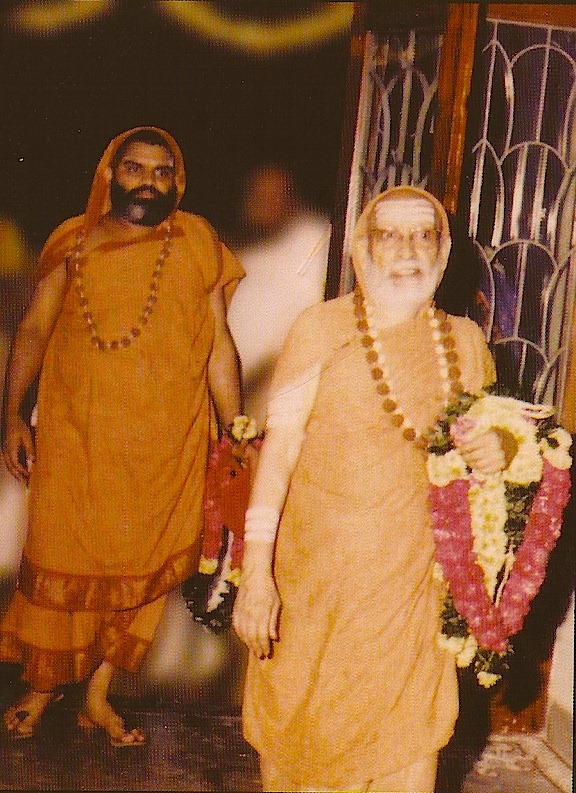
Current and Previous Shakaracharyas of Sringeri Sarada Mutt. This write up was by their predecessor.

How Western Educated ‘Bandicoot’ killed Indian ‘Rats’?
Compiled by London Swaminathan

Post No. 826 Date 7th February

“Hypnotised by Western education our intellectuals are tempted to gauge everything Eastern by the yardstick of the West”—D.B Thengadi

Following story is told by His Holiness Sachidananda Siva Abhinava Narasimha Bharati Svaminah (from the book ‘Golden Sayings’)

This tale brings out and explains the tendency of our own “educated” people to harass the others who are content to abide by the dictates of our ancient Shastras, by trying to preach, and frame new and novel “laws”, quite at variance with them:

“A rich man purchased a spacious garden site and built there on a stately mansion for his residence. But he found out the rats in the gardens by virtue of their anterior possession did not move away and on the advice of a friend, he brought home a fierce cat to scare them away. One or two unwary rats became its prey but others hid themselves in their holes and ventured out only the cat was not in sight.

The gentleman found that without any material reduction in the havoc wrought by the rats he had to put up with the depredation by the cat in the store of milk and butter. A happy idea came into his mind. He drove away the cat and after some effort he was able to catch hold of a bandicoot and imprison it in a cage. He left it there without water or food or food for some days and when it was famishing he threw into the cage a few slices of flesh from a dead rat. It smelt a slice, recognised it belonged to an animal of its own species and declined to eat it. But its hunger became so intense that it reconciled itself to the then circumstances and began to munch the slice.

The gentleman having gained his point chose to feed the bandicoot thereafter only with rats’ flesh. When it had become accustomed to this diet, he let it out and it immediately began to scent and ferret out all the rats’ hole in the locality. The rats who never expected an enemy in this big brother came out familiarly at its call only to be killed and eaten up. Thus the gentleman freed himself from the trouble by the rats and as by that time the bandicoot had forgotten its natural tendency to use its teeth on wooden doors or window frames, he lived happily thereafter”.
Contact swami_48@yahoo.com

There are over 825 articles on Indian Culture in this blog.

northbrown_bandicoot_99432

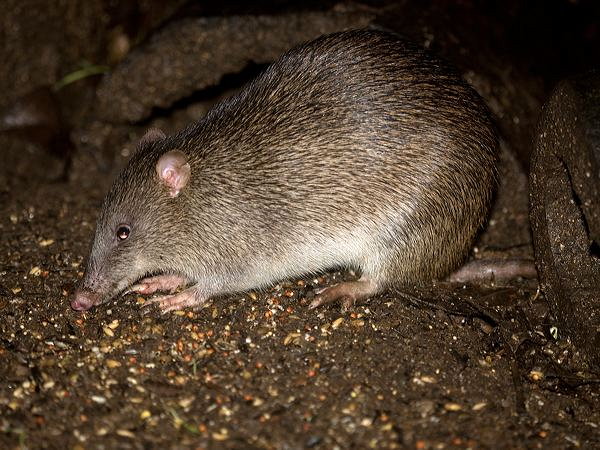
image of a bandicoot.