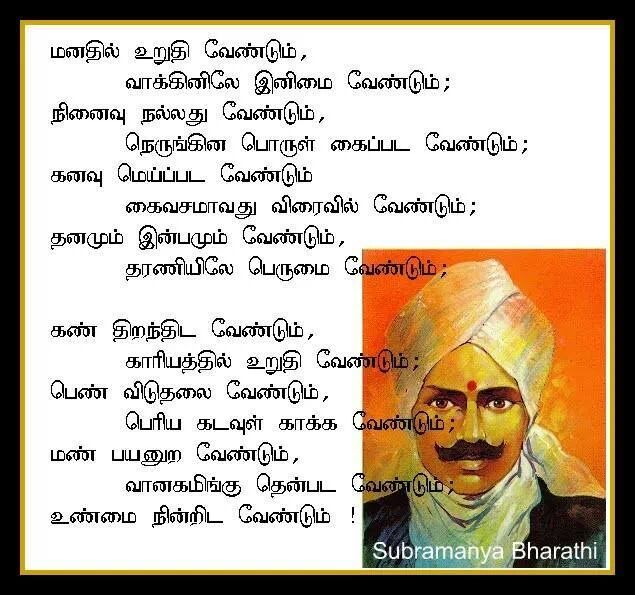
பாரதியார் பற்றி அமுதன் வானொலி உரை

bharati patal, picture,fb

Compiled by ச.நாகராஜன்

Date : 7 September  2015

Post No. 2132

Time uploaded in London: – காலை 8-50

மஹாகவி பாரதியார் பற்றிய நூல்கள்! – 6

ச.நாகராஜன்

பாரதியார் பிறந்த நாள்

அரவிந்த ஆசிரமம் அமுதன்

இது ஒரு புத்தகம் அல்ல. வானொலி உரை. அரவிந்த ஆசிரமத்தைச் சேர்ந்த அமுதன் அவர்களை புதுவை வானொலி நிலையத்தார் அழைத்து மஹாகவி பாரதியார் பற்றி உரை ஒன்றை நிகழ்த்துமாறு வேண்டினார்கள்.

பாரதியார் பிறந்த தினத்தன்று 11-12-1968ஆம் தேதி இது ஒலிபரப்பப்பட்டது.

அமுதன் அவர்கள் சிறுவயதிலேயே பாரதியாருக்கு அறிமுகமானவர். பின்னால் அரவிந்த ஆசிரமத்தில் மஹரிஷி அரவிந்தருடன் நெருங்கிப் பழகும் பாக்கியம் அவருக்குக் கிடைத்தது. அன்னை அவர்களின் அந்தரங்கக் காரியதரிசியாகவும் அவர் ஆனார்.

வைகறை என்ற இதழ் அரவிந்த ஆசிரமம் வெளியிடும் ஒரு அழகிய தமிழ் இதழ். பிப்ரவரி, ஏப்ரல்,ஆகஸ்டு, நவம்பர் மாதங்களில் வெளி வர ஆரம்பித்த இந்த இதழின் ஆசிரியப் பொறுப்பில் இருந்த அவர் அழகுற அருமையான தங்கம் நிகர் கட்டுரைகளைத் தேர்ந்தெடுத்து வெளியிட்டு வந்தார். இந்த வைகறையில் 1970ஆண்டு மலர் 1இல் இவரது வானொலி உரை முழு வடிவில் அப்படியே பிரசுரமானது.

பாரதி அன்பர்கள் அரவிந்தரின் தொடர்பினால் மஹாகவி எவ்வளவு மகிழ்ச்சியுற்றார், அரும் படைப்புகளைப் படைத்தார் என்பதை அறிவர். அந்த நெருங்கிய தொடர்பைப் பற்றியும் மஹாகவி பற்றியும் நன்கு விளக்கிக் கட்டுரைகளைப் படைத்தவர் அமுதன் அவர்கள்.

அமுதன் அவர்களின் வானொலி உரை

அவரது உரையின் பெரும் பகுதி, அரவிந்த ஆசிரமத்திற்கும் வைகறைக்கு நாம் செலுத்தும் உரிய நன்றியுடன், அவரது சொற்களிலேயே இதோ:-

“பாரதியார் புதுவையில் இருக்கும்போது அவருடன் நெருங்கிப் பழகினவர்களில் நானும் ஒருவன்; இந்த ஒரு காரணத்தினாலேயே நான் அவரை நன்கு தெரிந்து கொண்டு விட்டதாகவும் நான் ஏதோ ஏனையோர் இதுவரை சொல்லியிராத விவரங்களை சொல்லப் போவதாகவும் நினைக்கக் கூடாது. என்னை விட அவரை அறிந்து தெரிந்தவர்கள் இருக்கத்தான் வேண்டும். பாரதியாரைப் பற்றி எண்ணிறந்த கட்டுரைகள் வெளி வந்துள்ளன – பாரதியாரின் நாட்டுப்பற்று, பாரதியாரின் இலக்கியம், முக்கியமாக – அவர் கவிதை, பாரதியாரின் புதுவை வாழ்க்கை முதலிய.

சுருங்கச் சொல்லின் இவை எல்லாவற்றையும் விட அவர் நம் தமிழ்வானின் கீழ்த்திசையில் முளைத்த வெள்ளி.

நான் பாரதியாரை முதன் முதலில் பார்த்தது 1909. அவரை தரிசித்த ஒரு வாரத்திற்குள்ளேயே அவர் சாதாரண மனிதன் அல்ல என்பது பசுமரத்தில் அடித்த ஆணி போல் என் உள்ளத்தில் ஆழ்ந்து பதிந்து விட்டது. அன்று நானோ சிறுபிள்ளை.

பாரதியாரின் அசாதாரணத் தன்மை அவர் நடையிலும் உடையிலும், பாவனையிலும் பளிச்சென்று பிரகாசிக்கும்; அதை நாம் வேண்டாவிடினும் அதை கவனித்தே ஆக வேண்டியிருக்கும்.

பாரதியார் ஆதர்ச புருஷன் – கொண்ட ஆதர்சத்தில் முழுக்க ஈடுபட்டவர்; அவரிடம் எதிலும் அரைகுறை என்ற பேச்சே கிடையாது. ஒரு கொள்கையை அவர் உள்ளம் கண்டதும், அதைக் கொண்டதும், உடனே அந்த க்ஷணமே அதைக் கைக்கு மெய்யாக ஆக்கி விடப் பார்ப்பார், ஆக்கியும் விடுவார். கொள்கைக்கும் செய்கைக்கும் மத்தியில், அவர் வரை, இடைவெளி கிடையாது.

இன்று போல் அல்ல அன்று. இன்று நாம் ஒளியை விட்டு விலகி, மண்ணோடு மண்ணாய் விட்டோம். இன்று, “வருமானம் என்ன, செலவு என்ன, சாப்பாட்டிற்கு வழி என்ன, எவ்வளவு சேகரம் செய்தோம்?” என்பன போன்ற எண்ணங்களும் உணர்ச்சிகளும் தனி மனிதனையும் மக்கள் குழாத்தையும் ஆட்டிக் கொண்டிருக்கின்றன. அன்றோ மக்கள் உள்ளத்தில் தீ சுடர் விட்டெரியக் கண்டோம். அச்சுடரை மூர்த்திகரிக்கும் ஆதர்ச புருஷர்கள் மக்களிடை சஞ்சாரம் செய்தார்கள். அத்தகைய மூர்த்திகளில் ஒருவர் பாரதியார். அவர் மண்ணுலகில் நடமாடிய போது நாம் விண்ணுலகில் வாழ்வதாக நினைத்தோம். அவர் ‘விடுதலை’ என்னும் மந்திரச் சொல்லைக் கர்ஜித்த போது நாம் நமது தளைகள் அறுந்து இறக்கை கட்டி விண்ணில் பறப்பதாக எண்ணினோம். மண்ணும் ஒளிர்ந்தது.

பாரதியார் வாழ்ந்த காலம் மண்ணில் விண்ணைக் கண்ட காலம்.பாரதியார் தன் பாடல்களைப் பாடிய மாதிரி வேறெவரும் பாடி நான் கேட்டதில்லை – அந்த ஆவேசம், அந்த சக்தி, அந்த உத்ஸாஹம், அந்த தாண்டவம் நான் மீண்டும் காணவில்லை.

பாரதியார் வாக்கில், அவர் சொல்லில் ஓர் அமாநுஷ்யம், தைவதம் மிளிர்ந்தது – அது தெய்வ சம்பத்தல்லவா?

எவரிடமும் அவருக்கு அவநம்பிக்கையே கிடையாது – பச்சைக் குழந்தை உள்ளம். தன் பொருள், பிறர் பொருள் என்பதும் அவரிடம் கிடையாது – ஒருவித சரளம், அவர் பிறரிடம் சல்லாபம் செய்யும்போது.

பட்டினத்துப்பிள்ளை: “பொய்யாய்ப் பழங்கதைக் கனவாய் மெல்லப் போனதுவே”

பாரதி: “சுவை புதிது, பொருள் புதிது, வளம் புதிது சொற்புதிது, சோதி மிக்க நவ கவிதை எந்நாளும் அழியாத மகா கவிதை”

மேனி சிலிர்க்க வைக்கும் மெய்யுரை

எப்படிப்பட்ட உரை! மண்ணகத்தில் விண்ணகத்தைக் கண்ட காலத்தில் மஹாகவியுடன் நெருங்கிப் பழகும் பேறு பெற்ற பெரியவர் அல்லவா அமுதன்!

அவர் உரை மேனி சிலிர்க்க வைக்கிறது. பாரதி அன்பர்கள் போற்றிப் பாதுகாக்க வேண்டிய அற்புத உரை இது!

*************
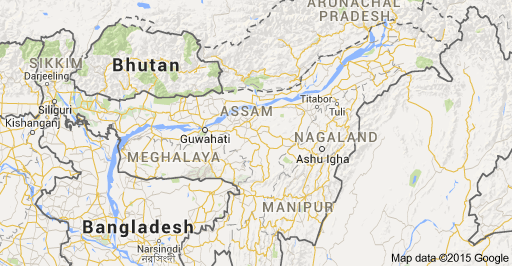
Kings of Assam: Interesting History from Narakasura period!

assam map

Compiled by London swaminathan

Date : 6 September  2015

Post No. 2131

Time uploaded in London : – 21-54

Dictionary of 10,000 Indian Kings – Part 21

Summary of Previous 20 Parts:–

160 Kings in Rig Veda published here on 23rd November 2014.

First part of the article –146 kings beginning with letter ‘A’.

Second part– 65 Pandya Kings of Madurai+ Puranic Kings

Third part — 122 kings beginning with letter ‘B’

Fourth Part- 43 Kings of Vijayanagara Empire + 34 Kings under letter C.

Fifth Part – 106 Kashmiri Hindu Kings

Sixth Part – 30 Satavahana  Kings  + 136 Kings under letter D.

Seventh Part –  35 Tamil Pandya Kings of Sangam Age.

Eighth Part – List of Chera (Kerala) 22 kings of Sangam Age+ Kings listed under E (3),G(37) & H(28)=68kings

Ninth Part- 39 Choza Kings of Tamil Nadu

Tenth Part- 104 kings from Cambodia, Champa, Sri Vjaya Kingdom of Indonesia and Pallava

11th part:Under ‘I’  13 kings+ Under ‘J’ 40 kings+ Under ‘K” 147 kings are listed.

12th Part:– 113 kings of various Indonesian kingdoms are listed.

13th Part –UNDER ‘L’ 14 + UNDER ‘M’ 72 + PANDYA II LIST 36=122 KINGS

14TH PART:Dynasties of Vishnukundina (10), Vakataka (16),Salankayana (4),Andra Ikshvaku (4) and Names under “N”(60)=94 kings.

15th Part:—-Kadamba dynasty – 14 kings, Badami Chalukya -10 kings, Rashtrakuta dynasty kings- 16

Western Chalukya kings – 14, Kakatiya dynasty – 16, Eastern Chalukya kings – 33, Ganga vamsa – 16, Kalachuri dynasty- 14,Pala vamsa -21, Chandela dynasty 34, Gurjara Pratihara -17

Hoysala-13, Alupa – 32 kings are listed = Total 226 kings

16th part – Under R—121 kings and 152 Kings of Nepal = 273 kings

In this 17th part, I have listed Kings under ‘S’

18th part I list the kings of Kushan (18), Gupta Dynasties(26) and Kings under the letter ‘T’ (38 kings).

19th Part- kings under ‘U’—39, under ‘V’—131 and Sri Lankan Kings 202= Total 2937

List 20:– The kings under letters  ‘y’ from Dates and Dynasties in Earliest India by R.Morton Smith; all dates are BCE unless stated otherwise.

Y- 20 Kings+ Nanda- 9 kings+ Maurya- 9+Sunga—10+Saka—70 kings+Thanjavur Marathas -9 kings+ Jath/Deshmuk Rulers -12+Gaekward Rulers – 20=159 kings in Part 19.

In the Part 21 today, I have added 44+41=85 Kings from Assam making a TOTAL of 3181 Kings until today.

TOTAL So far 3181 kings.

IMG_3745

Narakasura and Diwali Festival

All of us know the famous story behind Deepavali. Narakasura was killed by Lord Krishna and according to his request people remembered him by firing crackers and sparklers on that day every year. In the same way Malayalees in Kerala celebrate the return of the Asura king Mahabali. He was also killed by Vamana, one of the Ten Avatars (incarnation), like Krishna. This shows that even when Asuras were killed, people celebrated his ‘return’ i.e. annual remembrance. Foreigners interpreted it wrongly. They wrote that it was a compromise between two races. But those who read Hindu history in s the scriptures knew that their interpretation was absurd. How?

The very scriptures that give the story say that Devas and Asuras were cousins. Moreover all Asura stories show that they also prayed to Hindu gods for boons. Only difference was that they did not follow the basic principles like Satya (Truth) and Rta (Rhythm ,orderly rule). Both these are empahsised in Vedas and Epics.

Krishna’s grandson Anirudh married an Asura girl. Assam King Banasura’s daughter Usha married Anirudh. Banasura was also defeated by Krishna.

As we know from Vishnu Purana, Hari Vamsa and Kalika Purana, there was a king in Assam (Kamarupa) by name Narakasura at Krishna’s times. i.e. 5000 years ago. This was the belief of Assamese as well. Huein Tsiang who visited Assam (Kamarupa) in 643 CE also said that there were 1000 generations ruling Assam before his time. So we know what foreigners wrote was wrong.

Ramayana and Mahabharata mentioned Naraka. His life was associated with Janaka and Katyayani. People mistook it for the Kings of same name in different periods. Moreover Janaka is a title for all the kings who ruled Videha.

Traditional Kings:

1.Mahiranga Danava

2.Hatakasura

3.Sambarasura

4.Rantnasura

5.Ghatakasura

6.Bhagadatta (Mahabaharata period)

7.Dharmapala

After a gap of 3500 years Assamese written history begins with

8.Pushya Varman – Fourth Century CE

  1. Samudra Varman

10.Bala Varman

11.Kalyana Varman – 5th century CE

12.Ganapati Varman

13.Mahendra Varman

14.Narayana Varman

15.Mahabhuti Varman -6th century CE (Did Asvameda Yajna)

16.Candramukha Varman

17.Stita Varman

18.Susthita/ Mrganka Varman

19.Suprastita Varman -7th century CE

20.Bhaskara Varman

Bhaskaravarman says that there was a gap of 3000 years between the death of Vajradatta and him. This is also confirmed what the Chinese pilgrim said about the Assamese history. All these beleifs were not foisted on them by any Araya- Dravidian racists. This was the true belief they possessed about their land.

(Nidhanpur Copper Plates discovered in Bangladesh and Doobi epigraphs give us historical information).

The Bargaon Copper plates of Ratnapala say that Naraka’s decendents ruled or several generations.

Around seventh century CE Mlechas captured the country.

IMG_3742

The copper plates say that there 21 generations between Salastamba and Thyagasimha.

21.Salastambha  –Seventh century CE

22.Vijaya (Vigrahastambha)

23.Palaka

24.Kumara

25.Vajradatta

26.Harsa

27.Balavarman

28.Cakra, Arathi

29.Pralambha

30.Harjjhara

31.Vanamala

32.Jayamala

33.Thyagasimha – Tenth century CE

34.Brahma pala  (Later 10th century)

35.Ratna pala

36.Purandara pala

37.Indra pala

38.Go pala

39.Harsa pala

40.Dharma pala

41.Jaya pala  (12th century)

42.Rayarideva

43.Udayakarna

44.Vallabhadeva

IMG_3740

Ahom Dynasty from Wikipedia

1 Sukaphaa 1228–1268
2 Suteuphaa 1268–1281
3 Subinphaa 1281–1293
4 Sukhaangphaa 1293–1332
5 Sukhrangpha 1332–1364
Interregnum 1364–1369
6 Sutuphaa 1369–1376
Interregnum 1376–1380
7 Tyao Khamti 1380–1389
Interregnum 1389–1397
8 Sudangphaa 1397–1407
9 Sujangphaa 1407–1422
10 Suphakphaa 1422–1439
11 Susenphaa 1439–1488
12 Suhenphaa 1488–1493
13 Supimphaa 1493–1497
14 Suhungmung 1497–1539
15 Suklenmung 1539–1552
16 Sukhaamphaa 1552–1603
17 Susenghphaa 1603–1641
18 Suramphaa 1641–1644
19 Sutingphaa 1644–1648
20 Sutamla 1648–1663
21 Supangmung 1663–1670
22 Sunyatphaa 1670–1672
23 Suklamphaa 1672–1674
24 Suhung 1674–1675
25 Gobar Roja 1675–1675
26 Sujinphaa 1675–1677
27 Sudoiphaa 1677–1679
28 Sulikphaa 1679–1681
29 Supaatphaa 1681–1696
30 Sukhrungphaa 1696–1714
31 Sutanphaa 1714–1744
32 Sunenphaa 1744–1751
33 Suremphaa 1751–1769
34 Sunyeophaa 1769–1780
35 Suhitpangphaa 1780–1795
36 Suklingphaa 1795–1811
37 Sudingphaa 1811–1818
38 Purandar Singha 1818–1819
39 Sudingphaa 1819–1821
40 Jogeswar Singha 1821–1822
41 Purandar Singha 1833–1838

–Subham–

எட்டு லட்சம் வரிகள் எழுதிய பின்னர் வியாசர் கண்டுபிடித்த பெரிய உண்மை!

Lift-someone-up

Compiled by London swaminathan

Date : 6 September  2015

Post No. 2130

Time uploaded in London : – 16-16

வியாசர் என்னும் மகரிஷி நான்கு வேதங்களைத் தொகுத்தார். உலகிலேயே நீண்ட இதிஹாசமான மஹாபாரதத்தை ஒரு லட்சம் ஸ்லோகங்களில் (இரண்டு லட்சம் வரிகள், பத்து லட்சம் சொற்கள்) எழுதினார். இதன் பின்னர் 18 புராணங்களை எழுதினார். அவைகளில் நான்கு லட்சம் ஸ்லோகங்கள். அதாவது எட்டு லட்சம் வரிகள். சுமார் 40 லட்சம் சொற்கள். இவைகளை எல்லாம் செய்ததற்காக அவரை சாதனைப் புத்தகத்தில் பதிவிடலாம். இனி எவரும் இத்தகைய சாதனையைச் செய்ய இயலாது! அதுவும் பல ஆயிரம் ஆண்டுகளுக்கு முன்பு. இது ஒன்றே போதும்- இந்தியாதான் உலகில் முதலில் நாகரீகம் பெற்ற நாடாக இருந்தது என்று நிரூபிக்க!

இந்த எட்டு லட்சம் வரிகளையும் படித்தார் பஞ்சதந்திரக் கதைகளை எழுதிய பிராமணன் விஷ்ணுசர்மா. கடைசியில் இவ்வளவையும் எல்லோரும் படிக்கமுடியாதே என்று எண்ணி, அவர் எட்டு லட்சம் வரிகளில் சொல்ல வந்தது என்ன என்று நானே சொல்லிவிடுகிறேன் என்று பஞ்சதந்திரக் கதைகளில் ஒரு புதிர் போட்டார். அவரே விடையும் சொன்னார்:

“பரோபகாராய புண்யாய, பாபாய பரபீடணம்”

பொருள்: பிறருக்கு உதவி செய்வது புண்ணியம்; பிறருக்கு தீங்கிழைப்பது பாபம்.

இதைப் புரிந்து கொண்டால் உலகம் அமைதியுடன், ஆனந்தமாக வாழும்!

helping-others-quotes

சுமார் 2000 ஆண்டுகளுக்கு முன் விஷ்ணு சர்மன் எழுதிய பாட்டு இதுதான்:–
அஷ்டாடச புராணேஷு வியாசாய வசனத்வயம்

பரோபகாராய புண்யாய, பாபாய பரபீடணம் – பஞ்சதந்திரம்

18 புராணங்களில் வியாசர் சொன்ன விஷயம் இரண்டே இரண்டுதான்; பிறருக்கு உதவி செய்வது புண்ணியம்; பிறருக்கு தீங்கிழைப்பது பாபம்.

தமிழ் திரைப் படக் கதைகள் எல்லாவற்றையும் சுருக்கமாகச் சொல்லச் சொன்னால் என்ன சொல்வோம்? ஒரு கதா நாயகன், ஒரு வில்லன்; இறுதியில் நல்லது செய்யும் கதா நாயகன் வெற்றி பெறுவார். இதைத்தான் நமது புராண, இதிஹாசங்கள் சொல்லுகின்றன. வேதத்தில் சத்தியம் (உண்மை) ருதம் (ஓழுங்குமுறை) என்ற இரண்டுதான் திரும்பத் திரும்ப வருகிறது. இவை இரண்டும் உலகில் இருந்துவிட்டால் சண்டை ஏது? சச்சரவு ஏது?

எங்கும் பேரானந்தம், பிரம்மானந்தம், நித்தியானந்தம், சச்சிதாநந்தம் நிலவுமல்லவா?

18 புராணங்களும் அவைகளில் உள்ள ஸ்லோகங்களின் எண்ணிக்கையும்:–

Following are the 18 Puranas with the number of Slokas (couplets) they contain:

Agni   அக்னி                     16,000

Bhagavata      பாகவத        18,000

Bhavisya      பவிஷ்ய           14,500

Brahma        பிரம்ம          10,000

Brahmanda    பிரம்மாண்ட        12,000

Brahmavaivavarta பிரம்மவைவஸ்வத 18,000

Garuda     கருட               18,000

Kurma    கூர்ம                18,000

Linga     லிங்க                  11,000

Markandeya   மார்கண்டேய       9000

Matsya         மத்ஸ்ய          14,000

Naradiya   நாரதீய             25,000

Padma      பத்ம              55,000

Skanda           ஸ்கந்த        81,000

Vaman          வாமன          10,000

Varaha          வராஹ          24,000

Vayu        வாயு               24,000

Vishnu        விஷ்ணு            23,000

மொத்தம் = 800000 வரிகள் X ஒரு வரிக்கு 5 சொற்கள் வீதம்= 40 லட்சம் சொற்கள்!

மிகப் பெரிய புராணம் : கந்த புராணம்  Skanda Purana

மிகச் சிறிய புராணம் : மார்க்கண்டேய புராணம் Makandya Purana

மிகவும் பழைய புராணம் : விஷ்ணு புராணம் ( கி.பி.300)

lifting-up

சுவாமி விவேகாநந்தரும் இதையே செப்பினார்:

“எவனொருவன் பிறருக்காக வாழ்கிறானோ அவனே உயிர் வாழப்வன் மற்றவர் எல்லோரும் இருந்தும், இறந்தோருக்குச் சமம்

 “They alone live who live for others, the rest are more dead than alive”.


வள்ளுவரும் இதையே சொன்னார்

ஒத்ததறிவான் உயிர்வாழ்வான் மற்றையான்

செத்தாருள் வைக்கப்படும் – குறள் 214

சுபாஷித ரத்ன பாண்டாகாரம் என்னும் பொன்மொழித் தொகுப்பு நூலும் இதையே பகர்கிறது:

பரம் பரோபாகாரார்த்தம் யோ ஜீவதி ச ஜீவதி : எவன் பிறருக்கு உதவி செய்யும் வாழ்க்கை உடையவனோ அவனே வாழ்பவன்.

பெரியோர்கள் எல்லோரும் ஒரே மாதிரி சிந்திப்பர்!

heart-quotes

— சுபம் —

சார்! நீங்க வெறும் தாஸா? லார்ட் லபக்தாஸா! -1

mahabharatham-pesukerathu

எழுதியவர்: ச.நாகராஜன்

Date : 6 September  2015

Post No. 2129

Time uploaded in London : – காலை 6-36


மஹாபாரத வழிகாட்டி

விஷயம் மிகவும் சீரியஸானது. அதனால் தான் கட்டுரை ஒரு காமடி காட்சியுடன் ஆரம்பிக்கிறது. படைப்பு பற்றிய விஷயம் ஸ்டீபன்ஹாகிங் ரேஞ்சில் இருப்பவர்களுக்கே புரியாத போது கந்தர்வன் விஸ்வாவசுவுக்குப் புரியுமா?


.நாகராஜன்


விவேக்கின் கேள்வி

சரியான கேள்விகள் கேட்கவே நமக்குத் தெரியவில்லை என்பது தான் உண்மை.

இதை நாம் விளக்குவதை விட பாலக்காட்டு மாதவன் படத்தின் மூலமாக விவேக் விளக்குவது தான் சரி!

டெலிபோன் மணி நள்ளிரவு 12 மணிக்கு ஒலிக்கிறது

விவேக் – புரபஸர் சார் இருக்காரா?

தூக்கத்திலிருந்து விழிக்கும் புரபஸர் மனைவி – யார் பேசறது?

அவர் ஸ்டூடண்ட் பேசறேன். ஒரு சந்தேகம். எப்ப வேணும்னாலும் கேக்கலாம்னு சொல்லி இருக்கார்.

“இந்தாங்க, ஏதோ சந்தேகமாம். உங்க ஸ்டூடண்ட்”

மனைவி எழுப்பி விடவே புரபஸர் தாஸ் – “இந்த நேரத்திலா! உடம்பே புல்லரிக்குதே”

புரபஸர் – “சொல்லுப்பா, என்ன சந்தேகம்?”

“சார், இந்த நேரத்தில கேக்கலாமா, என் ஃப்ரண்டும் வேற கேக்கணுங்றான்”

“கேளுப்பா, ஒவ்வொருத்தரா கேளுங்க!”

“சார்! நீங்க வெறும் தாஸா? லார்ட் லபக்தாஸா!”

புரபஸருக்கு மயக்கம் வர நமக்குச் சிரிப்பு வருகிறது!

நம்முடைய சந்தேகங்களெல்லாம் கூட லார்ட் லபக்தாஸ்

வகையறாக்களாகவே இருக்கின்றன – பெரும்பாலும்!

ஆனால் பழைய காலத்தில் பெரியவர்களை, பதில் சொல்லத் தெரிந்த ஞானஸ்தர்களைப் பார்த்தால் அவரிடமிருந்து விஷயங்களைக் கறப்பதற்கான கேள்விகளைக் கேட்பது வழக்கம்.

Rajaji mahabharatham

அர்த்தமுள்ள உரையாடல்கள் (சம்வாதங்கள்)

வல்லவர் இருவர் கூடினால் அங்கு அர்த்தமுள்ள உரையாடல்கள் அமையும். இவை சம்வாதங்கள் என கூறப்படுகின்றன! கேள்வி கேட்க வல்லவர் கூர்மையான வினா அம்புகளை விட பதில் சொல்ல வல்லவர் யாருமே அறிந்திராத அற்புத உண்மைகளை பதிலாகத் தருவர்.

இப்படி நூற்றுக் கணக்கான கேள்வி பதில்களைத் தருவது நமது இதிஹாஸ புராண உபநிடதங்கள் தாம்! கூடவே ஒரு ‘மட்டும்’ சேர்க்க வேண்டும்.

நமது இதிஹாஸ புராண உபநிடதங்கள் மட்டும் தாம்!

ஒரு உதாரணம் சொல்லுங்கள் என்று கேள்வி எழுப்பினால் அது நியாயமான  நல்ல கேள்வி தான். கேள்வி- பதில் விஷயத்தை முதல் பாராக்களிலேயே கப்பென்று பிடித்து விட்டீர்கள்; பதில் சொல்லித் தான் ஆகவேண்டும்.

கந்தர்வனின் 24 கேள்விகள்

மஹாபாரதத்தில் ஒரு காட்சி.

விசுவாவசு என்ற கந்தர்வன் மஹரிஷி யாக்ஞவல்க்யரைப் பார்க்கிறான்.

சரியான மஹரிஷி கிடைத்தார் என்று பிரம்மாண்டமான, சுலபத்தில் பதில் கூற முடியாத 24 கேள்விகளைக் கேட்டான்.

மஹரிஷியும் புன்னகையுடன் பதில் சொன்னார்.

இந்தக் கேள்விகள் இருபத்திநான்கும் சாந்தி பர்வம் 323ஆம் அத்தியாயத்தில் உள்ளன.

மிகுந்த சிரத்தையுடன் ஊன்றி தக்கவர் துணையுடன் படித்தால் முதலில் கேள்விகள் புரியும்?

பின்னர் இன்னும் சிரத்தையுடன் படித்தால் பதில்களும் ஒரு சிறிது புரியும்.

ஒரு சோதனை ஓட்டம் போல இதைப் படிப்பதில் தப்பில்லையே! இது போன்ற கேள்விகள் கேட்பதை நினைத்தாலே பயம் வரும் என்றாலும், லார்ட் லபக்தாஸ் கேள்வியையாவது கேட்காமல் ‘மௌனமாக’ இருக்கலாமே!

கேள்விகளும் பதில்களும் – படிப்பவர்களின் சௌகரியத்திற்காக – ஆங்கிலத்தில், இதோ:-

MBH kamala

கேள்விகள் 1 & 2

What is universe and what is not-universe?

விடைகள்   I now turn to the question, which, O Gandharva, thou askest, viz., What is Universe and what is not-universe? The Universe is Unmanifest and original Prakriti endued with the principles of birth and death which are terrible (to those that are desirous of Emancipation). It is, besides, possessed of the three attributes (of Sattwa, Rajas, and Tamas), in consequence of its producing principles all of which are fraught with those attributes.  That which is Not-universe is Purusha divested of all attributes.

கேள்விகள் 3 & 4

What is Aswa and what Aswa?

விடைகள்  By Aswa and Aswa are meant the female and the male, i.e., the former is Prakriti and the latter is Purusha.

கேள்விகள் 5 & 6) What is Mitra? What is Varuna?

விடைகள்  Similarly, Mitra is Purusha, and Varuna is Prakriti.

கேள்விகள் 7 & 8) What is Knowledge? What is Object of knowledge?

விடைகள்  Knowledge, again, is said to be Prakriti, while the object to be known is called Purusha.

கேள்விகள் 9 & 10) What is Unintelligent? What is Intelligent?

விடைகள்  The Ignorant (Jiva), and the Knowing or Intelligent are both Purusha without attributes (for it is Purusha that becomes Jiva when invested with Ignorance).

MBH EPIc

சார்! நீங்க வெறும் தாஸா? லார்ட் லபக்தாஸா! -2

.நாகராஜன்

கேள்விகளும் பதில்களும் தொடர்கின்றன:-

கேள்விகள் 11) to 24)

Who is Kah? Who is possessed of the principle of change? Who is not possessed of the same? What is he that devours the Sun and what is the Sun? What is Vidya and what is Avidya? What is Immobile and what Mobile? What is without beginning, what is Indestructible, and what is Destructible?

விடைகள் Thou hast asked what is Kah, who is endued with change and who is unendued therewith. I answer, Kah is Purusha.  That which is endued with change is Prakriti. He that is not endued therewith is Purusha. Similarly, that which is called Avidya (the unknowable) is Prakriti; and that which is called Vidya is Purusha. Thou hast asked me about the Mobile and the Immobile. Listen to what my answer is. That which is mobile is Prakriti, which undergoing modification, constitutes the cause of Creation and Destruction. The Immobile is Purusha, for without himself undergoing modifications he assists at Creation and Destruction. (According to a different system of philosophy) that which is Vedya is Prakriti; while that which is Avedya is Purusha. Both Prakriti and Purusha are said to be unintelligent, stable, indestructible, unborn, and eternal, according to the conclusions arrived at by philosophers conversant with the topics included in the name of Adhyatma. In consequence of the indestructibility of Prakriti in the matter of Creation, Prakriti, which is unborn, is regarded as not subject to decay or destruction. Purusha, again, is indestructible and unchangeable, for change it has none. The attributes that reside in Prakriti are destructible, but not Prakriti herself. The learned, therefore, call Prakriti indestructible. Prakriti also, by undergoing modifications, operates as the cause of Creation. The created results appear and disappear, but not original Prakriti. Hence also is Prakriti called indestructible. Thus have I told thee conclusions of the Fourth Science based on the principles of ratiocinative inference and having Emancipation for its end. Having acquired by the science of ratiocinative inference and by waiting upon preceptors, the Rich, the Samans, and the Yajushes, all the obligatory practices should be observed and all the Vedas studied with reverence, O Viswavasu! O foremost of Gandharvas, they who study the Vedas with all their branches but who do not know the Supreme Soul from which all things take their birth and into which all things merge when destruction comes, and which is the one object whose knowledge the Vedas seek to inculcate, Indeed, they, who have no acquaintance with that which the Vedas seek to establish, study the Vedas to no purpose.

rajajai MBH

ப்ரக்ருதி, புருஷா இரண்டைப் பற்றிய விளக்கம் தான் இது.

பிறப்பில்லாதது ப்ரக்ருதி. ஆகவே அழியாதது. ஆனால் படைப்புக்குக் காரணம் ப்ரக்ருதி.. ஆகவே படைக்கப்பட்டவை அழியும் மாறும் மீண்டும் உருவாகும்! படைப்புக்கு உதவுவது புருஷா!

இரண்டும் அழிவற்றவை! படைப்பின் இரகசியம் எளிதாகச் சொல்லப்பட்டு விட்டாலும், அழியாக ப்ரக்ருதி, புருஷா தத்துவம் பற்றித் தெரிந்து கொள்ள அடிப்படை குருகுல அறிவு தேவை.

பல்வேறு சாஃப்ட்வேரை ப்ரக்ருதி தரும் புருஷா உதவியுடன். மென்பொருள்கள் மாறினாலும் அதைத் தரும் ப்ரக்ருதியும் புருஷாவும் மாறுவதில்லை.

படைப்புகள் மாறிக் கொண்டே இருக்கும். ஆனால் படைப்பவன் மாற மாட்டான். சாஸ்வதம் தான்.

சற்று யோசித்தால் தான் கேள்விகளும் விடைகளுமே மனதில் ஏறும்.

மஹாபாரதத்தில் இந்த மாதிரி 8000 இடங்களில் விநாயகரே சற்று யோசித்த பின்னர் தான் வியாசர் சொன்னதைப் புரிந்து கொண்டார் என்றால் சாமான்யரான நாம் எவ்வளவு தவம் செய்ய வேண்டும் இப்படிப்பட்ட விஷயங்களைச் சரியாகப் புரிந்து கொள்ள?!

குறிப்பு: மஹாபாரதம் முழுவதையும் 1896ஆம் ஆண்டு K M கங்குலி அவர்கள் ஆங்கிலத்தில் மொழி பெயர்த்துள்ளார். முழு மஹாபாரதத்தையும் இலவசமாக இணையதளத்திலிருந்து தரவிறக்கம் செய்து கொள்ளலாம்.

மேலே கண்ட தேர்ந்தெடுக்கப்பட்ட பகுதிகள் சாந்தி பர்வம் (ஆங்கில மொழிபெயர்ப்பு) 319ஆம் அத்தியாயத்திலிருந்து எடுத்து தரப்பட்டுள்ளது.

தமிழில் ம.வீ.ராமானுஜாசார்யாரால் பதிக்கப்பட்ட பதிப்பில் சாந்தி பர்வத்தில் 323ஆம் அத்தியாயத்தில் இந்த 24 கேள்விகளையும் விடைகளையும் காணலாம். சம்ஸ்கிருத பதங்கள் நிரம்பியு:ள்ள விடைகளை சம்ஸ்கிருதம் நன்கு அறிந்தவர்களே புரிந்து கொள்ள முடியும்.

**************

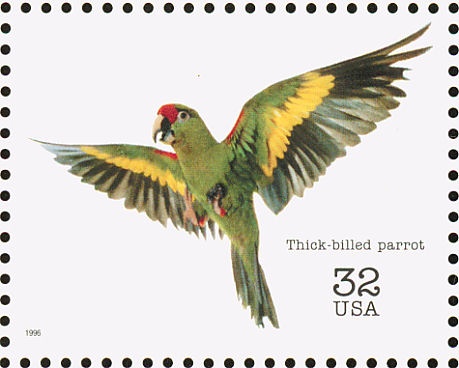
Two Parrot Anecdotes!

parrot

Compiled by London swaminathan

Date : 5 September  2015

Post No. 2128

Time uploaded in London : – 20-05

A certain old maid had a parrot which swore vigorously. She was used to the bird, but was in the habit of covering every Sunday in order it remained silent on that day. It chanced on a Monday morning, after the cover had been removed, that the old lady saw the minister come up the walk to pay a call. Hastily she replaced the cover on the cage; hearing the parrot observe as she moved towards the door, “This has been a damn short week!”

parrot 2

Xxxxxx

In the days of luxurious trans-Atlantic travel, shipboard entertainments frequently drew upon the professional talents to be found in the passenger list. On one occasion, the program followed up the performance of a remarkable parrot with a brief demonstration by a travelling magician. The parrot’s cage had been shoved to the one side of the stage when the magician came on for his act. Holding up a pack of cards, the man covered it with a hand kerchief, waved his hand, and the pack of cards disappeared. The parrot, looking on from the wings, cocked its head to one side. Next the magician took a book, covered it with a scarf, waved his hand, and the book disappeared. The parrot meditatively scratched its head with its claw. Taking a cloak, the magician threw it over a chair, waved his hand, and the chair disappeared. The parrot hopped up and down on its perch in the growing excitement.

In the next moment the ship was struck by a submerged iceberg; split in two, the lights were extinguished, there were screams and cries, and shortly afterwards nothing was left on the black night sea save the parrot clinging  to a piece of driftwood, bobbing up and down on the waters. The bird looked about at the dreary scene for a moment, and then said, “Marvellous! Marvellous!”

–From Thesaurus of Anecdotes

எனக்கு ஒரு கண் போனாலும் போகட்டும்; அடுத்த வீட்டுக்காரனுக்கு…………..

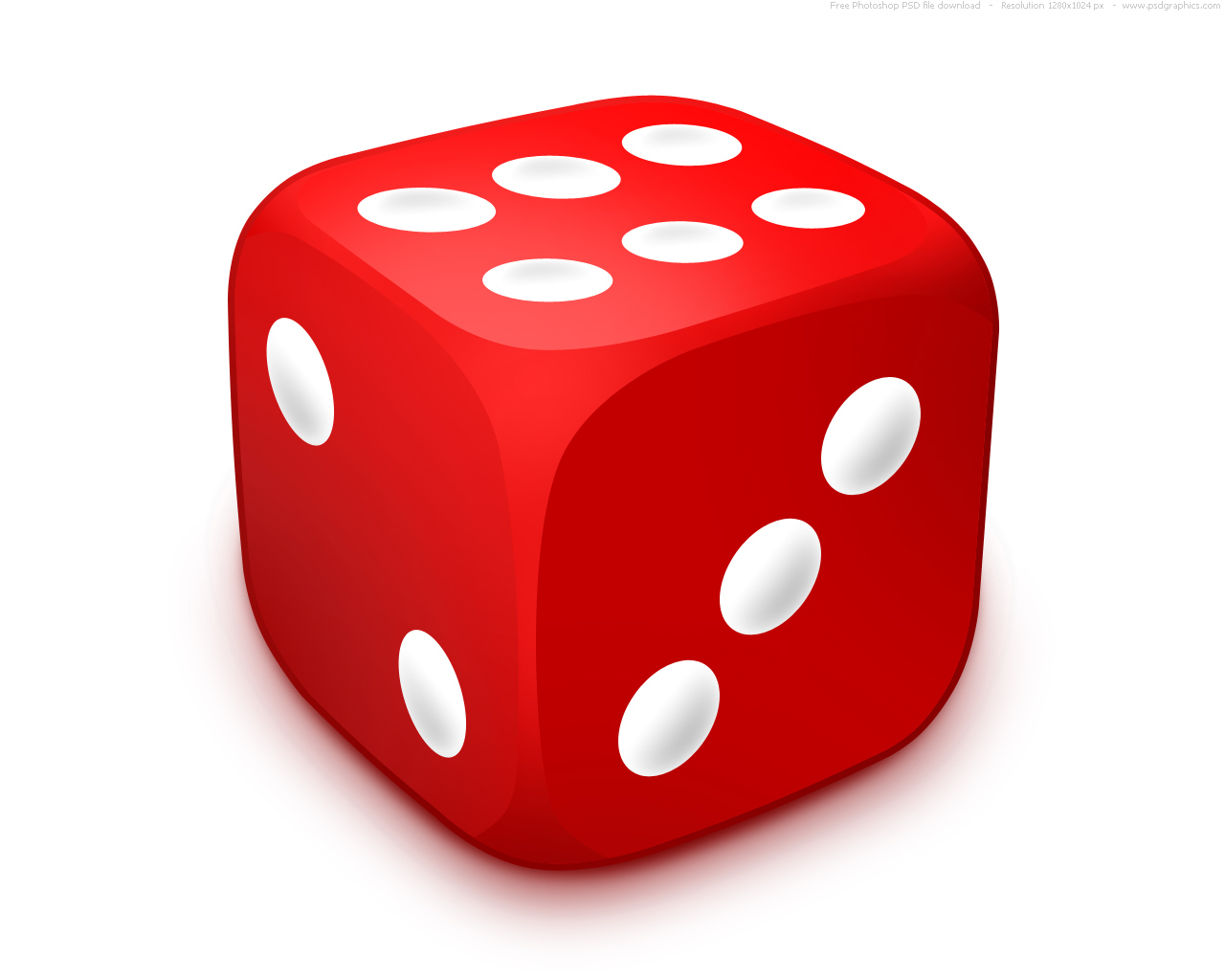
dice

ஒரு வேண்டுகோள்: எனது கட்டுரைகளை உடனே “ரீபிளாக்: – செய்யாதீர்கள். ஒரு வாரம் இடைவெளி விடுங்கள். படங்கள் என்னுடையவை அன்று. ஆகையால் பயன்படுத்தாதீர்கள். கட்டுரை எழுதியவர் பெயர், பிளாக்-கின் பெயருடன் வெளியிடுங்கள்; மாற்றாதீர்கள்.

Compiled by London swaminathan

Date : 5 September  2015

Post No. 2127

Time uploaded in London : -7- 29 am

அழுக்காறு உடையார்க்கு அது சாலுமொன்னார்

வழுக்கியும் கேடீண்பது – குறள் 165

பொருள்:பொறாமை உடையார்க்கு அழிவினைத் தருவதற்கு வேறு எதிரியே தேவை இல்லை. அவன் கொண்டுள்ள பொறாமையே அந்த ஆளை அழித்துவிடும்.

தமிழில் ஒரு பழமொழி உண்டு: ‘எனக்கு ஒரு கண் போனாலும் சரி, எதிரிக்கு இரண்டு கண்களும் போகட்டும்’ என்று. பொறாமையாலோ, பழிவாங்கும் குணத்தாலோ இப்படி எண்ணம் வரலாம். இந்தப் பழமொழிக்குப் பின்னால் ஒரு கதையே உள்ளது!

ஒரு ஊரில் அடுத்தடுத்து இருவர் வசித்தனர். ஒருவருக்கு நல்ல, பெரிய, அழகான வீடு; அவர் மிகவும் நல்லவர். அடுத்த வீட்டுக்காரனுக்கு ஒரு சிறிய வீடுதான் இருந்தது. அவன் பொறாமைக்காரன். அடுத்தவர்களைப் பார்த்தே அவன் குடல் வெந்தது; கண்கள் கருகின. எப்படியாவது நாமும் பணம் சம்பாதிக்கவேண்டும் என்று எண்ணி காட்டுக்குத் தவம் செய்யப்போனான். அவர்கள் வீடுகள் காட்டை ஒட்டியிருந்தன.

காட்டில் தவம் செய்யப் போனவுடன் ஒரு முனிவர் வந்தார். “என்னப்பா, காட்டில் தவம் செய்கிறாயே, எதற்காக?” என்றார். அவன் தனக்கு அடுத்த வீட்டுக்காரனைப் போல பெரிய வீடு, வாசல், நில புலன்கள் வேண்டும் என்றான். இப்படிச் சொன்னவுடன் அவனுடைய பொறாமைக் குணம் அவருக்குப் புரிந்துவிட்டது.

“அன்பனே! உனக்கு ஒரு தாயக்கட்டை தருவேன். அதை நீ மூன்று முறை மட்டுமே உருட்டலாம். ஒவ்வொரு முறை நீ உருட்டும்போதும், ஒரு கோரிக்கை நிறைவேறும். ஆனால் அடுத்தவீட்டுக்காரன் மீதுள்ள பொறாமை போகாவிட்டால், நீ வேண்டுவது எல்லாம், அவனுக்கு உன்னைப் போல, இரண்டு மடங்கு கிடைக்கும் என்றார்.

susidence

பொறாமைக்காரனுக்கு மிக்க மகிழ்ச்சி. நன்றி சொல்லிவிட்டு, தாயக் கட்டையை வாங்கிக்கொண்டு வீட்டுக்கு வந்தான். அடுத்த வீட்டைப் பார்த்தவுடன் பொறாமை கொப்புளித்தது. எனக்கு அவனைப் போல பெரிய வீடு வாசல், மாட மாளிகை வேண்டும் என்று சொல்லி காயை உருட்டினான். என்ன அதிசயம்? அவனுக்கு கேட்டதெல்லாம் கிடைத்தது. ஆனால் பொறாமை போகாததால், அடுத்தவீட்டுக் காரனுக்கு இரு மடங்கு பெரிய வீடு கிடைத்துவிட்டது.

இப்பொழுது அவனது பொறாமை கொழுந்துவிட்டு எரிந்தது. அப்படியா சேதி! எனது அறிவை அந்த முனிவன் குறைத்து எடை போட்டுவிட்டான். இதோ பார் என்று சொல்லிக்கொண்டே இரண்டாவது முறை தாயக்கட்டையை உருட்டினான். எனக்கு ஒரு கண் போகட்ட்டும் என்றான். ஒரு கண் குருடாய்ப் போயிற்று. அடுத்தவீட்டுக் காரனுக்கு இரு மடங்கு கிடைக்கும் அல்லவா? அவனுக்கு இரண்டு கண்களும் போயிற்று. பொறாமைக்காரன் கைகொட்டிச் சிரித்து ஆனந்த நடனம் ஆடினான்.

சரி, வேறு எப்படி அடுத்த வீட்டுக் காரனை நாசமாக்கலாம் என்று யோசித்தபோது, திடீரென ஒரு யோஜனை பளிச்சிட்டது. எடுத்தான் தாயக் கட்டையை; என் வீடு பாதிப்பகுதி நிலத்தில் ஆழக் கடவதாகுக! என்றான். அப்படியே ஆயிற்று. அடுத்தவீட்டுக் காரனுக்கோ முழு வீடும் நிலத்துக்கு அடியில் போனது.  பொறாமைக்காரனுக்குப் பேரானந்தம். கைகொட்டிச் சிரித்தான். வரம் கொடுத்த முனிவனையே முட்டாளாக்கிவிட்டேன் என்று கொக்கரித்தான்.

blind Argentina1132 (2)

தோட்டத்தில் வேலைபார்த்துக் கொண்டிருந்த அடுத்த வீட்டு வேலையாட்கள், இவை எல்லாம் பொறாமைக்காரனோடு வேலைதான் என்பதை அவனது ஆட்ட,பாட்டத்தால் உணர்ந்து பொறாமைக்காரனை அடித்து நொறுக்கி அவனது செல்வங்களையெல்லாம் எடுத்துக்கொண்டு காட்டிற்குள் ஓடிவிட்டனர்!

உள்ளதும் போச்சுடா லொள்ளைக் கண்ணா! என்று அவன் தலையில் கை வைத்துக் கொண்டு அமர்ந்தான்.

பொன்மொழிகள்:—-

1.ஔவியம் பேசேல் – ஆத்திச்சூடி

(ஔவியம்=பொறாமை, அழுக்காறு)

2.ஔவியம் பேசுதல் ஆக்கத்திற்கு அழிவு – கொன்றைவேந்தன்

(ஔவியம்=பொறாமை, அழுக்காறு; ஆக்கம் = செல்வம்)

3.அவ்வித்து அழுக்காறு உரையாமை முன்னினிது – இனியவை நாற்பது.

(நான் எழுதிய முந்திய பொறாமைக் கதையையும் படிக்கவும்)

–சுபம்–

கண்ணன் எத்தனை கண்ணனடி!

krishna unjal ,sivaramn

2015 செப்டம்பர் 5 ஜன்மாஷ்டமி. அதையொட்டிய சிறப்புக் கட்டுரை!

ச.நாகராஜன்

Written by S NAGARAJAN

Date : 5 September  2015

Post No. 2126

Time uploaded in London : 6-16 am

காலம் காலமாக கோடிக் கணக்கானோருக்கு கோடானு கோடி விதத்தில் ஒரு அவதாரம் அருள் செய்து வருவது மனித குலத்தின் சிறப்பான ஒரு அதிசய அம்சம்.

கண்ணன்! எத்தனை கண்ணனடி!

குழந்தைகளுக்கு அவன் வெண்ணெய்திருடி. தமாஷ்வாலா!

யசோதைகளுக்கு வாயில் அண்ட பிரபஞ்சத்தையேக் காண்பிக்கும் அதிசய மாயாவி!

யௌவன ருக்மிணிகளுக்கு தன்னைப் போன்ற சரியான ஒருவனுக்குக் காதல் கடிதம் எழுத உத்வேகமூட்டும் அற்புத சுந்தரன்!

அர்ஜுனனுக்குத் தன்னை மறைத்துக் கொண்டு தேர் ஓட்டிய பார்த்தசாரதியான அற்புத நண்பன்

ஆனால் அவனை நிமித்தமாக வைத்து குருக்ஷேத்திரத்தில் உலகிற்கே கீதையை உபதேசம் செய்த லோக குரு!

cute krishna, fb

காந்தாரிக்கோ தர்மம்.

சகாதேவனுக்கு மனதால் பற்றும் பற்றற்றான்!

பீஷ்மருக்கோ இச்சாமரணியாக இருந்த போதும் மரணத்தின் போது கண்ணுக்கு நேரே வந்து அருள் பாலிக்கும் கடவுள்.

துரியோதனனுக்கு அவனது சுடுசரங்களை எதிர்கொள்ளும் காலாக்னி.

குந்திக்கு கஷ்டகாலத்தில் உன்னை நினைக்க வரம் தா என்று கஷ்டத்தை வரவேற்கத் தூண்டும் கர்த்தா!

திரௌபதிக்கோ சகல கஷ்டங்களையும் அரை நொடியில் போக்கும் ஹ்ருதய கமல வாஸன்.

தர்ம பீம நகுலருக்கோ ராஜ தந்திரி!

வியாஸருக்கு புவனத்ரய வாஸுதேவன்

சஞ்சயனுக்கோ யோகேஸ்வரன்.

krishna dance by sivaraman fb

கண்ணன் இன்னும் எத்தனை பேருக்கு என்னென்னவாக இருக்கிறானோ, யார் அறிவார்?

பாரதிக்கு அவன் தீராத விளையாட்டுப் பிள்ளை.

நம்மாழ்வாருக்கு உண்ணும் சோறு பருகு நீர் தின்னும் வெற்றிலையும் எல்லாம் கண்ணன்!

பொய்கையாழ்வாருக்கு வினைச்சுடரை நந்துவிக்கும் ஓங்கோதவண்ணன்!

அவன் லீலைகளைக் கேட்டவண்ணமும் சொன்ன வண்ணமும் இருக்கும் லீலாசுகருக்குச் செவிக்கு அமிர்தமாக இருப்பவன் (கிருஷ்ணகர்ணாம்ருதம் இயற்றியது அதனால் தான்!)

சைதன்யருக்குத் தன்  நாமம் சொல்லி நாட்டியமாட வைக்கும் நர்த்தன நாயகன்!

சூர்தாஸுக்கு அவனை மட்டும் பார்க்க கண்ணொளி தரும் ஞான சூரியன்!

யோகினியாக கண்ணனைத் துதிக்கும் மீராவுக்கோ அவன் கோவர்த்தன கிரிதாரி!

ஆண்டாளுக்கோ எற்றைக்கும் ஏழேழ் பிறவிக்கும் உற்றோனாக ஆகும் ஆழிமழைக்கண்ணன்!

வேங்கடசுப்பையருக்கு ஈரேழு புவனமும் அசைந்தாட, குழல் ஆடி வரும் அழகன்.

தமிழ்நாட்டின் தீய சக்திகளுக்கோ கால சக்தி!

இந்திய நாட்டிற்கோவெனில் பாரதத்தை மையமாக வைத்து உலக நாடுகளை வழி நடத்திச் செல்லும் ஒளி விளக்கு!

இத்தனையும் அவன்!

இதற்கு மேலும் அவன்!!

இதெல்லாம் இல்லாமல் தன்னை மறைத்துக் கொள்பவனும் அவனே!

சொல்லுரைக்க மாட்டா விந்தையிலும் விந்தையான கண்ணனைப் பற்றிச் சொல்ல நூலாயிரம் வேண்டும். நாளாயிரமும் நாவாயிரமும் போதா!

அவனைப் போற்றி வணங்கும் இந்த ஜன்மாஷ்டமியில்,

அவனை மனம் பற்றித் துதிப்போம்! மகிழ்வோம்!! உயர்வோம்!!!

ஹரே கிருஷ்ண ஹரே கிருஷ்ண கிருஷ்ண கிருஷ்ண ஹரே ஹரே I

ஹரே கிருஷ்ண ஹரே கிருஷ்ண கிருஷ்ண கிருஷ்ண ஹரே ஹரே II***************

((Photos are from my face book friends Mr Sivaraman and others; thanks:swami))

————–xxxxxxxxxxxxx—————

Story of an Envious Neighbour!

susidence

Compiled by London swaminathan

Date : 4 September  2015

Post No. 2125

Time uploaded in London : 19-18

He who is envious needs no enemy to ruin him. Envy itself is enough to bring him ruin – Tirukkural couplet 165

There were two people living next to one another in a village nearby a forest. One has a big and beautiful house and the other has an ordinary house. The person with the small house was very jealous of his neighbour. But that neighbour was very good.

One day the jealous person decided to go to the forest and do some penance for getting more money. To his surprise, an ascetic appeared before him in a short time. He asked the man what he wanted. When he told his story, the ascetic did not find much time to judge the person. But yet he gave him three boons to the jealous person on one condition:

“Look! My dear friend. I can see that you are very jealous of your neighbour. But yet I will fulfil your desire. Here is a dice. You have three chances to become rich. Because you are jealous of your neighbour whatever you get , your neighbour will get double the times. After giving the dice he went away”.

blind Argentina1132 (2)

The jealous man came home and started scheming. First he threw the dice and asked for a big and beautiful house with all the facilities. He got it at once and his neighbour got it twice the size. Now his jealousy grew more. He remembered the proverb, “Even if I lose one eye, my enemy must lose both the eyes”. So he threw the dice for the second time praying that he should lose one of his eyes. He lost it. His neighbour lost both the eyes. Now he was very happy. He was thinking about what else he can do to destroy his neighbour. Suddenly a “good” idea flashed in his mind. He threw the dice for the last time praying half of his house must go beneath the ground. And it went down immediately. His neighbour got it doubly. His whole house went under the ground. Because he became blind, he did not realise what was happening. But his servants saw the happiness on the face of the jealous neighbour and found out the mumbo jumbo he was doing. They beat him severely and took all his wealth and ran away.

dice

This is a folk tale. Villagers spread their age old wisdom through stories.

ராமன் – யமன் சண்டை! அரிய ஏட்டுச் சுவடி!!

Compiled by London swaminathan

Date : 4 September  2015

Post No. 2124

Time uploaded in London : 12-58

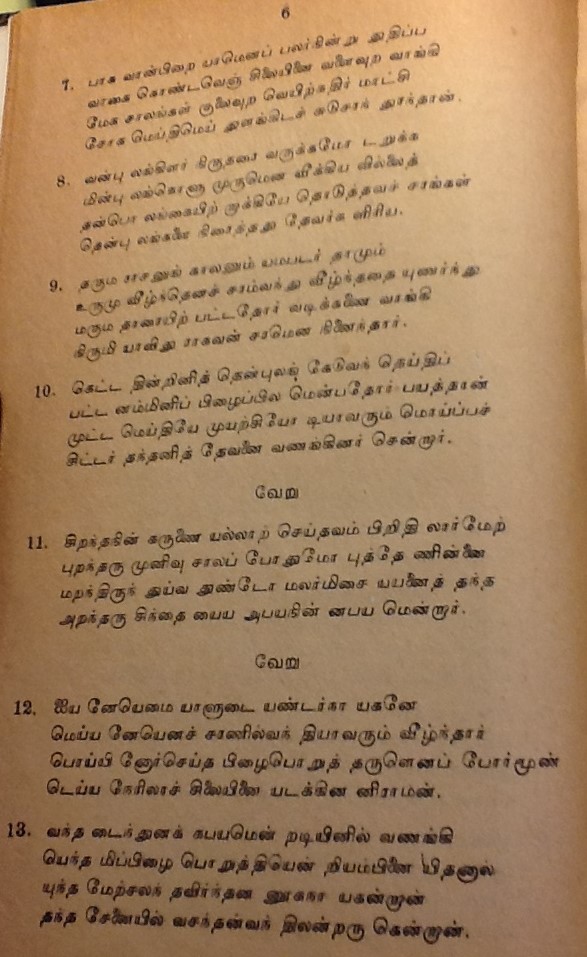
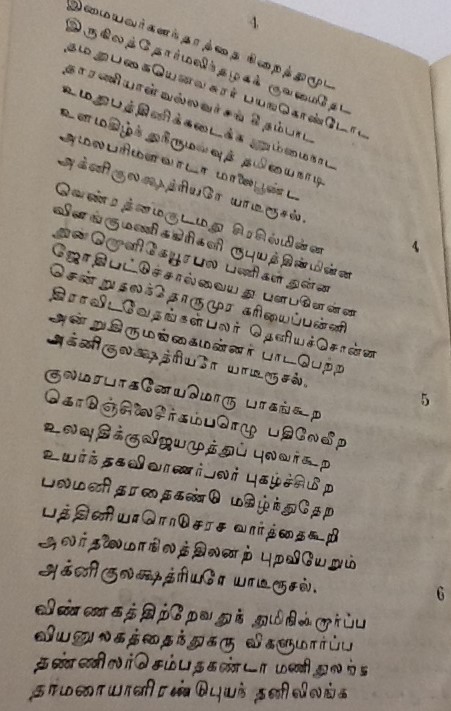
கம்ப ராமாயணத்திலும்,வால்மீகி ராமாயணத்திலும் இல்லாத எவ்வளவோ விஷயங்கள் செவி வழியாக வந்துள்ளன. புற நானூற்றில் உள்ள இரண்டு பாடல்களில் உள்ள செய்திகள் இரண்டு ராமாயணங்களிலும் இல்லை. ஆழ்வார் பாடல்களில் உள்ள அணில் கதையும் முந்தைய இரண்டு ராமாயணங்களில் இல்லை. இவைகள் குறித்து முன்னரே எழுதிவிட்டேன். ஒரு வேளை இவைகள் நமக்குக் கிடைக்காமற்போன போதாயன ராமாயணம் முதலியவற்றில் இருந்திருக்கலாம். ராமனுக்கும் யமனுக்கும் நடந்த சண்டை குறித்த ஏட்டுப் பிரதி விஷயம், ஒரு சிறிய நூலாக வெளிவந்து, பிரிட்டிஷ் லைப்ரரியில் வைக்கப்பட்டுள்ளது. இதோ அந்தப் புத்தகம்.

வசந்தன் உயிர்வரு படலம்

வெளியான தேதி – 6-11-1917

வெளியிட்டவர்: கும்பகோணம் அ.அரங்கசாமி மூப்பனார்

(தற்போதைய கம்பராமாயணப் பதிப்புகளில் இந்தப் படலம் சேர்க்கப்பட்டுள்ளதா என்று தெரியவில்லை).

IMG_3972 (2)

IMG_4130

IMG_4133 (2)

IMG_4134

IMG_4135 (2)

IMG_4136 (2)

IMG_4137 (2)

IMG_4138

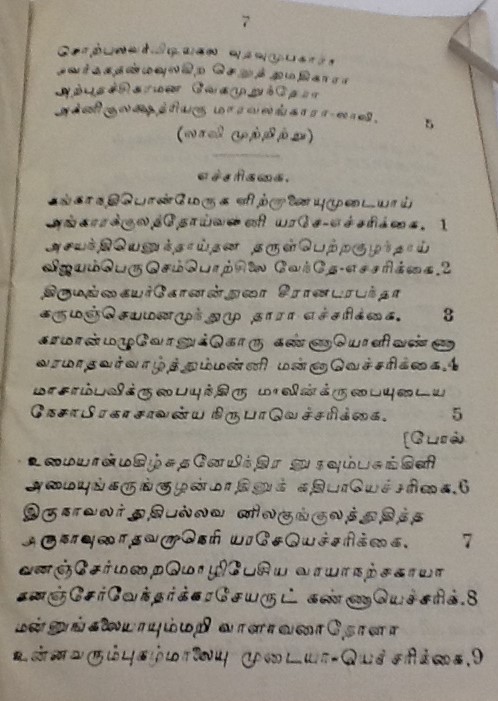
வன்னிய குல கல்யாணப் பாடல்

tamil bride

Compiled by London swaminathan

Date : 4 September  2015

Post No. 2123

Time uploaded in London : 9-34 am

வெளியான ஆண்டு 1894/ 1895

இருப்பிடம்: பிரிட்டிஷ் லைப்ரரி, லண்டன்

காப்பி எடுத்தவர்: லண்டன் சுவாமிநாதன்

மொத்த பக்கங்கள்: எட்டு+1

ஸைஸ்: பாக்கெட் புக் ஸைஸ்

IMG_4675 (2)

IMG_4676 (2)

IMG_4677 (2)

IMG_4678 (2)

IMG_4679 (2)

IMG_4680 (2)

IMG_4681 (2)

IMG_4682 (2)

IMG_4683 (2)

—subham—