கோவிலில் தமிழ் புத்தக அரங்கேற்றங்கள்!!

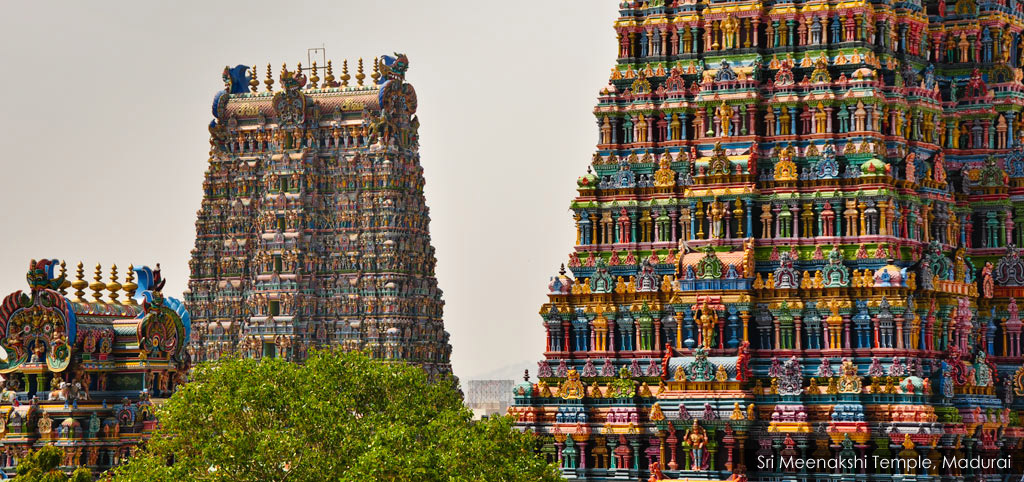
madurai-meenakshi-temple

Madurai Sri Meenakshi Temple

கட்டுரையை எழுதியவர் :– London swaminathan

ஆராய்ச்சிக் கட்டுரை எண்- 1540; தேதி 2 January, 2015.

தமிழர்கள் தெய்வ பக்திமிக்கவர்கள். அவர்களுடைய முக்கிய நூல்கள் எல்லாம் கோவில்களில் கடவுள் சந்நிதியில் அரங்கேற்றப்பட்டன.

இதோ ஒரு சுவையான பட்டியல்:

சேக்கிழார் பெருமானின் பெரிய புராணம் சிதம்பரம் நடராஜர் கோவிலில் அரங்கேறியது.

கச்சியப்ப சிவாச்சாரியாரின் கந்த புராணம், காஞ்சீபுரம் குமர கோட்டத்தில் அரங்கேறியது.

கம்பர் எழுதிய கம்பராமாயாணம், ஸ்ரீரங்கம் கோவிலில் அரங்கேறியது.

பரஞ்சோதி முனிவரின் திருவிளையாடல் புராணம்,

திருவள்ளுவனின் திருக்குறள்,

குமரகுருபரரின் மீனாட்சி பிள்ளைத் தமிழ்

ஆகிய புனித நூல்கள் மதுரை மீனாட்சி திருக்கோவிலில் அரங்கேறின.
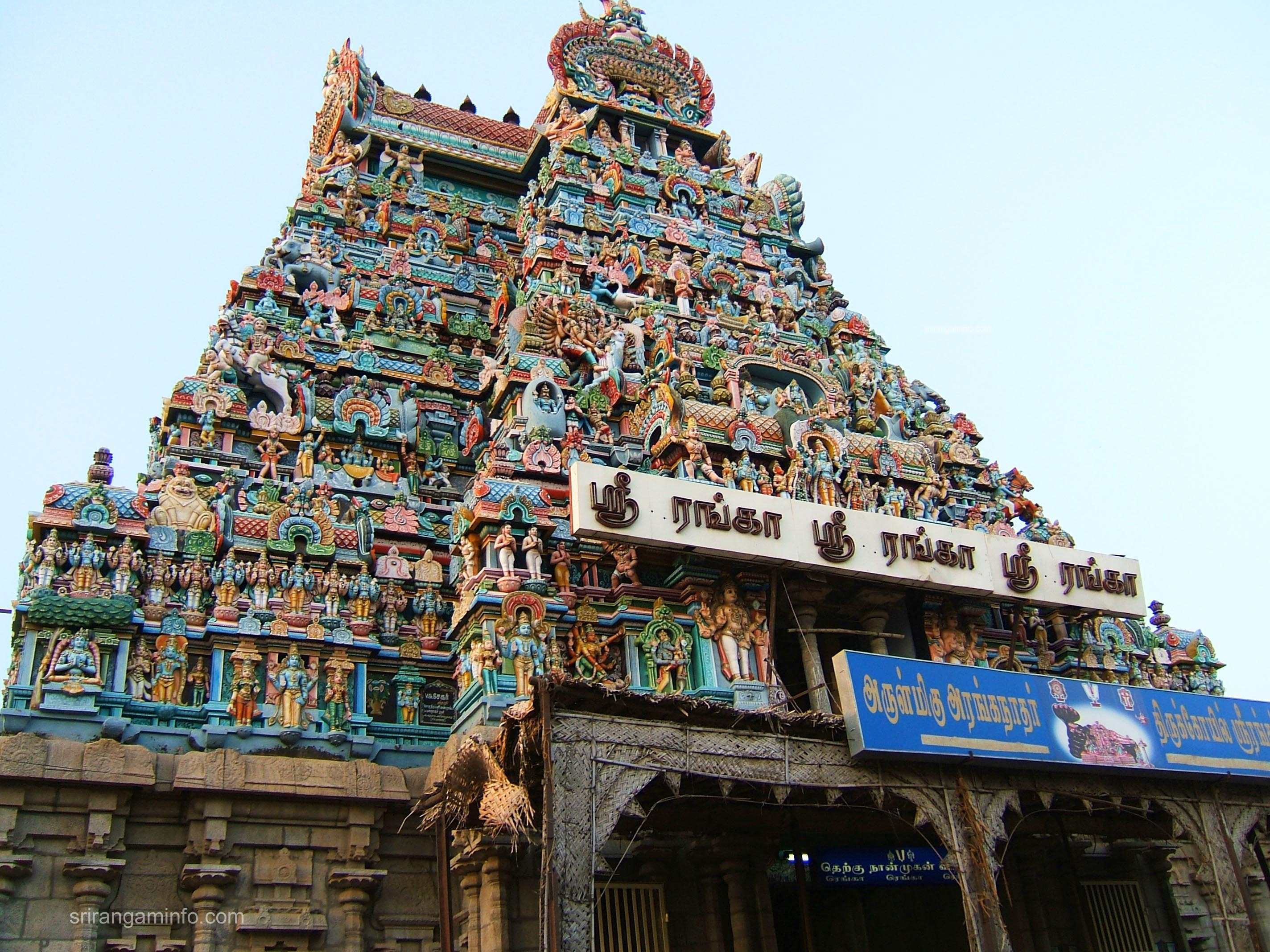
srirangam ranga gopuram

நாராயண பட்டதிரி வடமொழியில் எழுதிய நாராயணீயம் குருவாயூர் கோவிலில் அரங்கேறியது.

தொல்காப்பியம் இலக்கண நூல் என்பதால், நிலந்தரு திருவில் பாண்டியன் சபையில் நான்கு வேதங்களைப் படித்த பிராமணன் அதங்கோட்டு ஆச்சார்யர் தலைமையில் அரங்கேறியது.

பார்ப்பனர்களை இலக்கியங்கள் பூசுரர் என்று அழைக்கின்றன – அதாவது பூவுலகில் வசிக்கும் தேவர்கள். மேலே தேவலோகத்தில் வசிக்கும் தேவர்களுக்கு இணையாக, பூலோகத்தில் வாழும் புனிதர்கள் என்பதால் அவர் முன்னிலையில் தொல்காப்பியம் அரங்கேறியது என்றும் கொள்ள இடமுண்டு.

தேவாரப் பதிகங்கள் அனைத்தும் செல்லரித்த நிலையில் சிதம்பரம் கோவிலில் கண்டெடுக்கப்பட்டன. அதற்கு முன்னரே தேவாரங்கள் இருந்த போதிலும், எஞ்சியவற்றை அழியாமல் பாதுகாக்கும் முகத்தான், ராஜ ராஜ சோழன் அவைகளை யானை மீது ஏற்றி மரியாதையுடன் ஊர்வலம் விட்டான்.
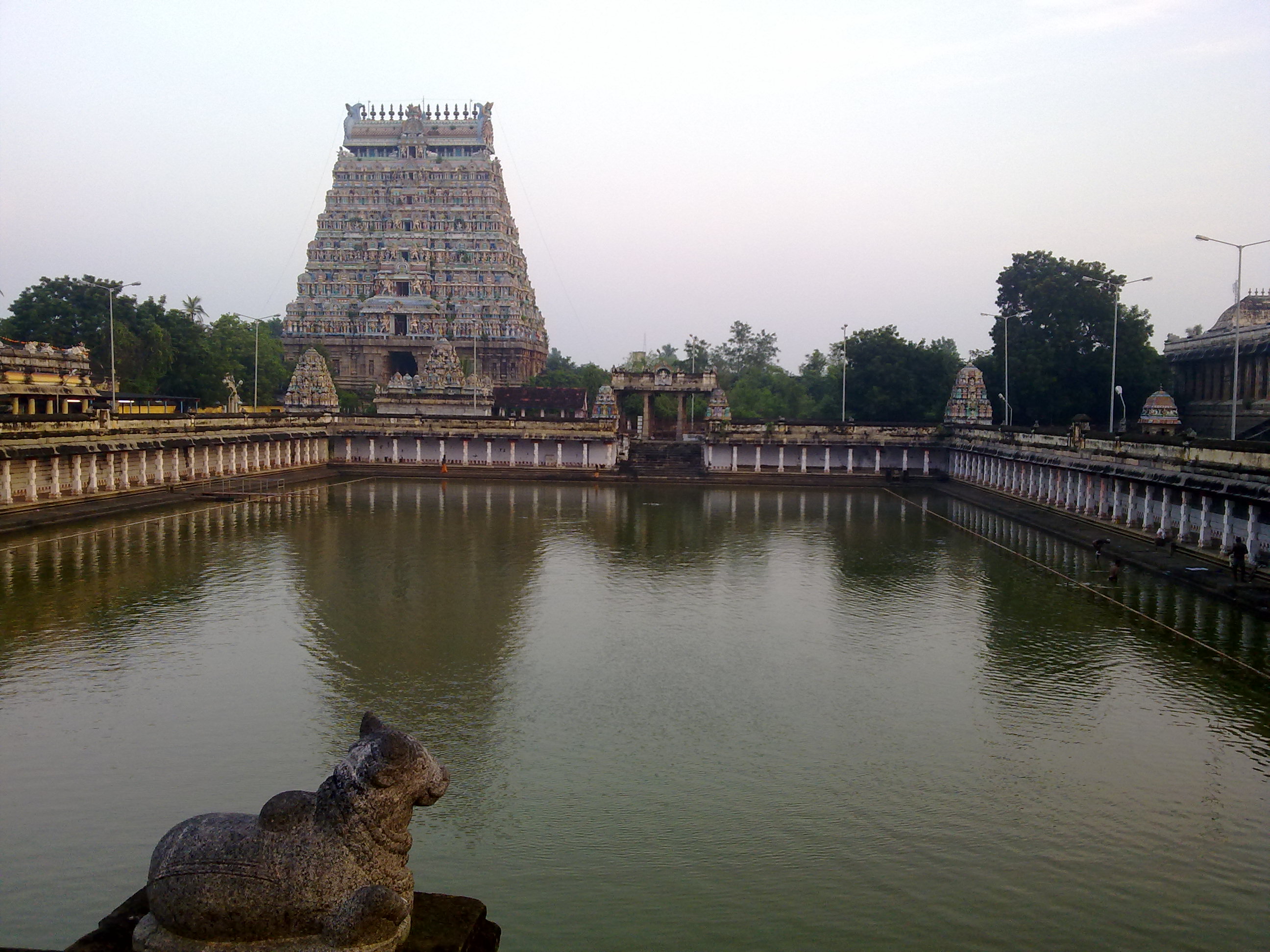
Natraja_Temple

Chidambaram Sri Natarajar Temple.

தமிழ் வேதமாகிய தேவாரங்களுக்கு அவ்வளவு மதிப்பு. அரசனுக்கும் இறைவனுக்கும் என்ன மரியாதை உண்டோ அத்தனையையும் தேவாரத்துக்கு அளித்தான்.

இன்றும் சீக்கியர்கள் அவர்களுடைய புனித நூலான ஆதிக்கிரந்தத்துக்கு–ஒரு குருவுக்குக் கொடுக்கும் மரியாதையுடன், சாமரம் வீசி அந்த நூலை ஊர்வலமாக எடுத்துச் செல்வதைக் காண்கிறோம்.

பாரதம் முழுதும் புனித நூல்களுக்கு எவ்வளவு மரியாதை!!! இமயம் முதல் குமரி வரை ஒரே சிந்தனை!! வட நாட்டில் பாராயணம் செய்யப் பயன்படுத்தும் பகவத் கீதை, ராமாயணம் ஆகியவற்றைத் தரையில் வைக்காமல் பலகையில்தான் வைப்பர். எத்தனை மரியாதை!!

அன்னமாச்சாரியாரின் கீர்த்தனைகள் அனைத்தும் திருப்பதி வேங்கடாசலபதி கோவிலில் தாமிரப் பட்டயங்களில் கண்டெடுக்கப்பட்டன!!

கோவில்களே நமது கலாசாரப் பொக்கிஷங்களின் இருப்பிடம்.
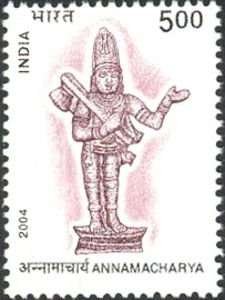
Annamacharya

Sri Annamacharya, composer of Telugu Kritis.

இது தவிர சங்கீத மும்மூர்த்திகள், ஆழ்வார்கள், நாயன்மார்கள், பக்தர்கள் ஆகியோர் ஒவ்வொவு கோவிலிலும் பாடிய ஒவ்வொரு பாடல் பறியும் தனிக் கட்டுரைகளே எழுதலாம். நேரம் கிடைக்கும் போது வைகளையும் காண்போம்.

சுபம்–

contact swami_48@yahoo.com

Snakes and Great Men!

pictures-of-king-cobra-snakes

The Wonder that is Tamil – Part 5

Research paper written by London Swaminathan

Research article No.1539; Dated 2 January 2015.

Tamil wisdom is rich and old. It is not different from what we find in Sanskrit literature; but the way the Tamils express their thoughts and views is different from Sanskrit. I give a rough translation of some of the beautiful poems in Tamil about great men.

Tamil poetess Avvaiyar says, “Broken clay pot is useless; broken gold pot is still useful!”

If a clay pot is broken you have to throw it into the bin. If a gold pot is broken, no one throws it into dustbin. They melt it and remake the pot. Great men are like gold pots. Even if something goes wrong with the great, they are still worthy of respect.

light house

Light House on top of the Hill!

If the bad people do many wrongs again and again, they are not going to earn any (new) bad name. But if great men commit even if one mistake it will be like a light house on top of the hill. Everybody will know it. Everyone will talk about it- – From Tamil book “Pazamozi Four Hundred”

Moon and Great men

Shining moon and great men are similar except one small difference. Moon can bear the spots (hare or deer) on it. But great men can’t bear such spots in their life! –  from Tamil book Naaladiyar.

The moon is bright and shining. Great men are also bright and shining.

The moon is cool. Great men are also full of mercy.

Moon has spots; great men have no spots. Their life is pure and immaculate; faultless and without moral blemishes.

Moon can bear the spots, but yet it wanes and waxes (out of regret). Scholars can’t bear it. Once there are black spots in their lives, they will sacrifice their lives.

Valluvar on Moon

“The faults in men of good families will show up conspicuously like dark spots

On the bright moon that traverses the sky” – Kural 957

“The shortcomings, if any, in the expected good behaviour of men, hailing from good old families, will be so rare and eye catching, that these will be prominently exposed to public gaze, like the dark spots on the surface of the bright moon that travels across the blue sky. It is known that persons of public status have no private lives of their own; every misdemeanour of theirs is highlighted as big failings before public”, says Dr S M Diaz in his commentary on this couplet.

moon


Kalidasa on Moon

It is interesting that the greatest of Indian classical poets Kalidasa, while describing the Himalayas, says

“Snow could not be a destroyer of beauty in the case of  him who is the source of  countless jewels; for, one blemish is lost in a host of  virtues, like the  spot on the moon (los) in her rays” – Kumarasambhava 1-3

Valluvar on yak

“Hair lost, the yak lives not. Honour lost, noble men leave their life” – Kural 969

The legendary yak is believed to give up its life, when it loses its hairs. Great men also will not live if they lose their honour.

Snake-5_1421019i

Snake and Great men

Three poets sang about great men and poisonous snakes

Even if poisonous snakes enter an assembly of scholars it will pass through them unscathed. They won’t hurt them, says a poem in Pazamozi Four Hundred. Even the Sangam Tamil Literature (Neithal kali, Kali Tokai) gave the same message.

Another poet ( of Tamil book “Aranerisaram” ) viewed the snakes differently. He says, look at this, If you give water to a cow it gives you milk; but if you give milk to a cobra, it produces poison! Likewise the books read by bad people are interpreted negatively. The same books read by the great people are interpreted positively”.

The best examples for this poem are our Vedas and the Epics. Foreigners who read these books interpreted them negatively. They are like snakes that convert milk into poison. The great Tamil kings Chera, Chola and Pandyas fostered Vedas and Vedic Yajnas for over 2000 years according to Sangam Tamil Literature. In the North, more Asvamedha Yajnas and Rajasuyas were done. Vedas are viewed positively in Kalidasa’s works and Sangam Tamil works. They are like cows that turns water into milk.

northern-water-snake

image of water snake

When Duryodhana and Yudhistra were asked to identify the worst person and the best person in the world, Yudhistra came back to Krishna and reported everyone was good. Duryodhana came back and told Krishna he could not see one good person in the whole wide world; all people were bad. So, if you ask foreigners to identify anything good in Hindu scriptures, they would act like Duryodhana.

Tamil poetess Avvaiyar in her book Vakkundaam compared water snake to good people and cobra to bad people. She says that the water snake is not poisonous and it lies openly on the banks of rivers and lakes. But the cobra is poisonous and so it hides in the holes. Good people don’t fear any one, bad people fear others and lead a secret life! They pretend to be good.

Tamil and Sanskrit poets are great lovers of nature. Like Dattatreya they learn and teach us using natural objects!

Please read my posts:-

The Connection between William Wordsworth and Dattatreya, — posted on 10th November 2011.

contact swami_48@yahoo.com
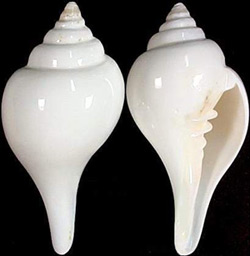
சங்கு சுட்டாலும் வெண்மை தரும்!

conch_4

கட்டுரையை எழுதியவர் :– London swaminathan

ஆராய்ச்சிக் கட்டுரை எண்- 1538; தேதி 2 January, 2015.

எந்தையும் தாயும் மகிழ்ந்து குலாவி

இருந்ததும் இந்நாடே – அதன்

முந்தையர் ஆயிரம் ஆண்டுகள் வாழ்ந்து

முடிந்ததும் இந்நாடே! – — பாரதியார்

பாரத மண்ணில் தோன்றி பாரத மண்ணிலேயே வாழ்ந்து மறைந்தவர்களின் சிந்தனை ஒரே மாதிரியாக இருக்கும். தமிழர்களின் சிந்தனையும் வடக்கத்திய அறிஞர்களின் சிந்தனையும் ஒரே மாதிரியாக இருப்பதை அவர்களது பழைய பாடல்களே காட்டுகின்றன. ஆனால் ஒவ்வொருவரும் அதைச் சொல்லும் முறை தனி அழகு படைத்தவை.

1.சான்றோர் இல்லாத இடத்தில் வசிக்காதே என்று வெற்றி வேற்கை பாடிய அதிவீரராம பாண்டியன் கூறுகிறார்:

சான்றோர் இல்லாத் தொல்பதி இருத்தலின்

தேன்றேர் குறவர் தேயம் நன்றே — வெற்றி வேற்கை


பொருள்:– பெரியோர் இல்லாத பழைய நகரில் வசிப்பதை விட தேன் சேகரித்து வாழும் குறவர் வாழும் மலை நாடு நல்லதே!

அவரே இன்னும் ஒரு பாடலில் பாலை எவ்வளவு காய்ச்சினாலும் அதன் சுவை குறையாது; தங்கத்தை எவ்வளவு புடம் போட்டு தீயில் சுட்டாலும் அதன் ஒளி குன்றாது. சந்தனத்தை எவ்வளவு அரைத்தாலும் அதன் வாசனை குறையாது. கரிய அகில் கட்டைகளை எவ்வளவு புகைபோட்டாலும் அது மணம் குன்றாது; கடலைக் கலக்கினாலும் அது சகதியாகாது; சேறாகாது. அதே போல பெரியோர்களுக்கு எவ்வளவு கெடுதல் செய்தாலும் அவர்கள் நன்மையே செய்வர்.

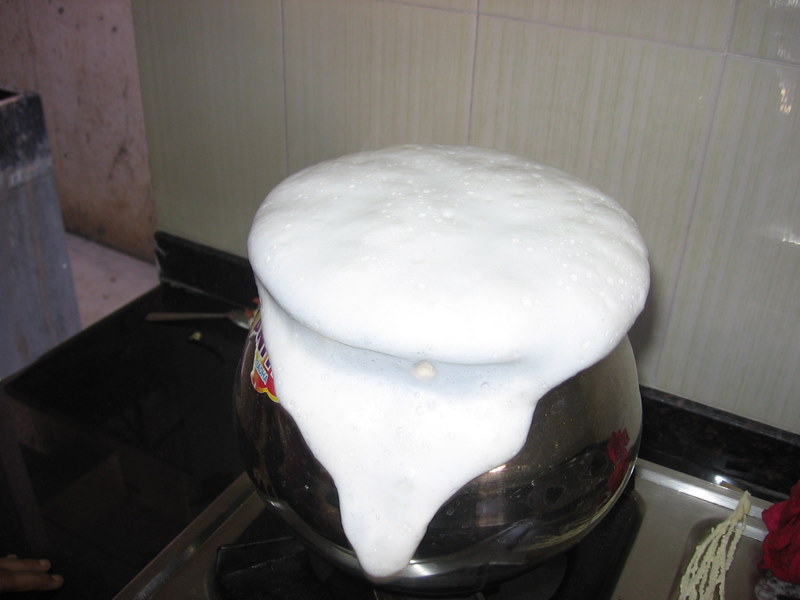
milk

Boiling milk

அடினும் ஆவின்பால் தன் சுவை குன்றாது

சுடினும் செம்பொன் தன் ஒளி கெடாது

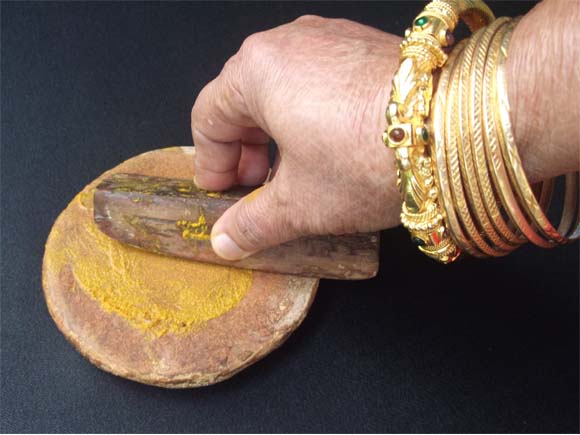
அரைக்கினும் சந்தனம் தன் மணம் அறாது

புகைக்கினும் காரகில் பொல்லாங்கு கமழாது

கலக்கினும் தன் கடல் சேறு ஆகாது – வெற்றி வேற்கை

அதிவீர ராம பாண்டியனுக்கு முன்னரே இதே கருத்தை அவ்வையாரும்

வாக்குண்டாம் என்னும் பாடலில் கூறுகிறார்:


அட்டாலும் பால் சுவையில் குன்றாது அளவாய்

நட்டாலும் நண்பல்லார் நண்பல்லர் நன்னுதால்

கெட்டாலும் மேன்மக்கள் மேன் மக்களே சங்கு

சுட்டாலும் வெண்மை தரும்  – வாக்குண்டாம்

sandal paste

அவரே இன்னொரு பாடலில் சொல்லுவார்:

நல்லவர் ஒருவர் இருந்தால் போதும். அவர் பொருட்டு எல்லோர்க்கும் பெய்யும் மழை என்று.

நெல்லுக்கு இறைத்த நீர் வாய்க்கால் வழி ஓடிப்

புல்லுக்கும் ஆங்கே பொசியுமாம் – தொல் உலகில்

நல்லார் ஒருவர் உளரேல் அவர் பொருட்டு

எல்லார்க்கும் பெய்யும் மழை – வாக்குண்டாம்

காஞ்சி பரமாசார்ய சுவாமிகளும் அன்னதானப் பெருமை பற்றிச் சொற்பொழிவு ஆற்றுகையில் இதே கருத்தைச் சொல்கிறார். பல்லாயிரக் கணக்கான பேர்களுக்கு இலவசமாக சாப்பாடு போடுவது – அன்னதானம் செய்வது — சோம்பேறிகளை வளர்க்காதா என்று நினைக்கலாம். அந்த ஆயிரக் கணக்கான மக்களில் ஒரு பெரிய மகான் இருந்து வாழ்த்தினாலும் ஊரே பயன் அடையும் என்பார்.

தசரதன் நாட்டில் வறட்சி நிலவவே எல்லோரும் மான்கொம்பு முளைத்த – ரிஷ்ய ஸ்ருங்க முனிவரை ( கலைக் கோட்டு முனிவர்) அழைத்து வாருங்கள்; அவர் நாட்டிற்குள் நுழைந்தவுடன் மழை பெய்யும் என்று சொல்கின்றனர். அவர் வந்தவுடன் நாடு செழித்தது என்று வால்மீகி ராமாயணம் சொல்லும்.

இவ்வாறு மேன் மக்களின் பெருமைதனை விளக்கும் பாடல்கள் தம்ழில் நூற்றுக் கணக்கில் உள.

சான்றாண்மை என்னும் அதிகாரத்தின் கீழ் வள்ளுவர் முத்து முத்தாகக் கருத்துகளைத் தொகுத்து அளிக்கிறார்:

ஊழி பெயரினும் தாம் பெயரார் சான்றாண்மைக்கு

ஆழி எனப்படுவார் – குறள் 989

உலகம் அழியும் காலத்தில் பெரும் சுனாமி தாக்குதலில் கடல் கரை கடந்து நாட்டிற்குள் புகுந்தாலும், மேன்மக்கள், பாதை மாற மாட்டார்கள்.

இன்னா செய்தார்க்கும் இனியவே செய்யாக்கால்

என்ன பயத்ததோ சால்பு – குறள் 987

தீங்கு செய்தவர்களுக்கும் நன்மையே செய்யாவிட்டால் சான்றோர் என்ற பெயருக்கு என்ன பொருள்?

பெரியோர் என்று பெயர் உடையவர் என்ன செய்ய வேண்டும், என்ன செய்ய்க் கூடாது என்றும் வள்ளுவர் கட்டளி இடுகிறார்:

1.கொல்லா நலத்தது நோன்மை – பிற உயிர்களைக் கொல்லாமல் இருப்பதே நோன்பு.

2.பிறர் தீமை சொல்லா நலத்தது சால்பு –பிறருடைய குற்றத்தை எடுத்துச் சொல்லாமல் இருப்பதே பெருந்தன்மை

3.குண நலம் சான்றோர் நலனே – பெரியோரின் சிறப்பு எல்லாம் அவருடைய குணங்களே

4.தோல்வி துலையல்லார் கண்ணும் கொளல் – சமமாக இல்லாரிடத்தும் தோல்வியை ஒப்புக் கொள்ளும் பண்பு வேண்டும்.

Chandala_and_Sankara_

Chandala and Adi Shankara

ஆதி சங்கரரிடம் தோற்ற மண்டணமிஸ்ரரும், சரச வாணியும் தோல்வியை ஒப்புக் கொண்டனர். நாய்களுடன் வந்த புலையனை, “தள்ளிப் போ” என்று கோபத்தில் கத்திய ஆதிசங்கரரை ஆத்மாவை நகரச் சொல்கிறாயா?, உடலையா? என்று புலையன் திருப்பிக் கேட்டவுடன் அடிபணிகிறார் உலக மகா தத்துவ வித்தகர் சங்கரர்.

பல தமிழ்ப் புலவர்களும் வாக்குவாதத்தில் தோற்றவுடன் தோல்வியை ஒப்புக் கொண்டு தண்டனைகளை ஏற்றனர். நாளும் இன்னிசையால் தமிழ் பரப்பிய ஞான சம்பந்தர் என்ற சிறுவனுடன் வாதிட்டுத் தோற்ற 8000 சமணர்களும் தானே சென்று கழுவில் ஏறினர்.

மிதிலை நகர கசாப்புக் கடைக்காரன் தர்மவியாதனிடம் கௌசிகன் என்ற பிராமணன் பாடம்கற்றுக் கொண்டான். பெற்றோர்களைக் கவனித்துப் போற்றுவதே ஒருவரின் தலையாய கடமை என்பதை மாமிசம் விற்பவன் போதிக்கிறான் என்று மஹாபாரதம் சொல்லும்.

Contact swami_48@yahoo.com

மாலைமாற்று – 2

jaimala

கட்டுரையை எழுதியவர் :– By ச.நாகராஜன்

ஆராய்ச்சிக் கட்டுரை எண்- 1537; தேதி 1 January, 2015.

 மேலும் சில மாலைமாற்று செய்யுள்களை இனி இங்குக் காண்போம்.

மாறனலங்காரம் தரும் அழகிய பாடல் இது:-


“வாமனாமானமா                                        

 பூமனாவானவா                                               

வானவானாமபூ                                             

  மானமானாமவா”


 malai matru

இதன் பொருள்:-

வாமனா – வாமனனே!                                      

வானவாவானவானாம – தேவர்களால் விரும்பி சொல்லுவதாய பெரிய திரு நாமத்தை உடையவனே!       மானமாபூ – பெருமையை உடைய திரு மகளுக்கும் பூமி தேவிக்கும்,

பூமானமனா – பூமானாகிய மன்னனே!                            

மானாம – மாலாகிய திரு நாமத்தை உடையவனே!                    

வா – என் முன்னே வந்து தோன்றுவாய்!

இது இரண்டு விகற்பத்தால் வந்த வஞ்சித்துறை.

யாப்பருங்கல விருத்தி தரும் அழகிய மூன்று மாலமாற்றுப் பாடல்கள் பின் வருமாறு:-

“நீமாலை மாறாடி நீனாடு நாடுனா

நீடிறா மாலைமா நீ”

“பூமாலை காரணீ பூமேத வேதமே                                 

பூணீர காலைமா பூ”


“காடாமாதா வீதாகா                                       

காதாவீதா மாடாகா


யாழ்ப்பாணக் கவிஞர் க.மயில்வாகனப் பிள்ளை இயற்றியுள்ள இரு மாலைமாற்றுச் செய்யுள்களில் ஒன்று குறள்வெண்பாகவும் இன்னொன்று வஞ்சிவிருத்தமாகவும் அமைந்துள்ளது.

 flower-garlands-1

குறள் வெண்பா

“காயாதி யாதிநீ காநாத வேதநா                                          

காநீதி யாதியா கா”

இதன் பொருள் : –

ஆதி! வேத நாத நாகா! நீதியா! தியாகா!  நீ காயாதி கா என்று பிரித்துக் கூட்டிப் பொருள் கொள்ள வேண்டும்.

வேத நாத நாகா – வேதத் தொனி (நிறைந்த கீரி) மலையை உடையவரே! காயாதி கா – கோபியாது காத்து அருள்க

வஞ்சி விருத்தம்

“வேக மாகமு னோடிவா   

 வான வாகன மேறுநா                                                

 நாறு மேனக வானவா                                                  

வாடி னோமுக மாகவே

இதன் பொருள்:-

ஆன் அ வாகனம் ஏறுநா – இடபமாகிய அந்த வாகனத்தில் ஏறுபவரே!    நாறும் மேல் நக வானவா – காணப்படுகின்ற மேலாகிய (கீரி) மலையில் (எழுந்தருளிய) கடவுளே!                                             வாடினோம் முகமாக – வாடினோமாகிய எம்மை நோக்கி,                முன் வேகமாக ஓடி வா – எதிரே விரைவாக ஓடி வந்தருள்க!

pair-of-pink-orchids

இப்படி மாலைமாற்றுச் செய்யுள்கள் ஆங்காங்கே பற்பல கவிஞர்களால் இயற்றப்பட்டு ஓலைச்சுவடிகளிலும் அச்சிடப்பட்ட பழங்காலப் புத்தகங்களிலும் காணக் கிடைக்கின்றன.

தமிழ் விந்தைகளுள் மாலைமாற்றும் ஓன்று!

contact swami_48@yahoo.com
****************************

Tamil Book Launches in Temples! The Wonder that is Tamil- Part 4

Natraja_Temple

Chidambara Nataraja Temple

Research paper written by London Swaminathan

Research article No.1536; Dated  1 January 2015.

1.Tamil Humour!

A humorous picture of a crab’s encounter with a beetle is found in Natrinai ( A collection of 400 Tamil poems). A beetle wanted to taste a black naval fruit. A crab mistook it for a fruit. The crab thought that there two black fruits lying on the ground and grabbed the unfortunate beetle first leaving the real fruit. The poor beetle made a pitiable cry like the yaz/veena instrument and attracted the attention of a crane standing nearby. The crane rushed to its rescue and relived the beetle from the clutches of the crab (Natrinai verse 35).

2.Love and ‘’Naaval’’ fruit


Akananuru , part of Sangam literature, describes another scene. A male crab noticed a fruit falling down from a naval tree. It seized it with its claws, crushed it out of shape and carried it to its mate (Akam verse 380).


The crab on the sea coast is assigned its own place in the life of the lovers. When the hero seeks the favour of the lady-companion to approach his sweet heart, he notices a crab taking with its pincer like legs a naval fruit and offering it to its loving mate in the burrow among the screw pine roots. He then remarks that the creature is blessed and fortunate to be so loving. He makes this remark in the hearing of the lady-companion who later conveys it to the heroine and convinces of her of his sincerity in his love (Akam 380)-from The Treatment of Nature in Sangam Literature by Prof.M Varadarajan

avvaiyar_murugan

Avvaiyar — Murugan; pictre from murugan.org

3.Avvaiyar’s encounter with Lord Skanda

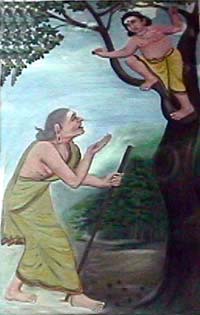
Jambu (Naaval in Tamil) is associated with Lord Ganesh and his brother Lord Skanda (Murugan) in Tamil Nadu. During Ganesh Chathurthi in August/September they buy it and offer it to Lord Ganesh. His brother Skanda/Murugan was teasing the grand old lady of Tamil literature —  poetess Avvaiyar by sitting on a jambu tree.

When Avvaiyar came under the tree and looking for ripe fruits, young Murugan (Skanda) sitting on the tree asked the old lady, Oh, Grand ma! Do you want burnt/hot fruits or not burnt fruits? Avvaiyar was puzzled by this question. She wondered whether fruits are cooked on the tree. When asked for explanation Murgan revealed himself and gave her the explanation. Burnt fruits are the one which you blow with your mouth to remove the sand sticking to the fallen fruits.

4.Kapila’s Achievement!

Kapila was the poet who made the highest contribution to Cankam corpus .His poems form nearly one tenth of the Cankam anthologies. He was praised by other poets as ‘A Brahmin of spotless character’. He was the Sangam poet who was praised by more than anyone else. Kapila composed over 235 poems.

Kapila, though a Brahmin, was the first to throw the caste barriers into wind and took a Tamil Chieftain’s (Paari Vallal) daughters to other kings for marriage alliance. But no Tamil chieftain came forward to marry them, fearing the enmity of the three powerful kingdoms. The three great Tamil Kingdoms Chera,Choza and Pandya were against Paari and eventually killed him. At last the daughters of Paari were put under the trust of Brahmins and Kapila entered fire (self immolated himself).

madurai-meenakshi-temple

Madurai Meenakshi temple

5.Auspicious Tamil Words

Tamil grammar says that the books should begin with an auspicious word (Mangala Sol) like the world, sun, Moon, letter ‘a’ etc. Famous poems begin with the world “ Ulakam” in Tamil ‘Lokam’ in Sanskrit. Tamil Tirukkural begins with ‘a’ like the Rig Veda!

6.One of the Four Famous Saivite poets is Manikkavasagar. His Tiruvasagam attracted even Christian preachers like Rev. G U Pope. He learnt Tamil just to study Tiruvasagam. He translated it in to English 100 years ago. But one poet by name Kadavul Mamunivar who wrote the life history of Manikka Vasagar (Tiruvatavurar Puranam) never mentioned Manikkavasagar’s name throughout his book, probably forgot. He simply calls him ‘a man from Vaathavur’ (Vaathavuurar). Vaathavur is the birth place of Manikkavasagar and it is 20 miles from Madurai in South India. We did not know the true name of Manikkavasagar as well.

7.Paranar’s Achievement

Nine similes in one poem: Aka nanuru poem 178 by Paranar has nine similes in just twelve lines. Scholars compared it to a bride loaded with jewellery from head to foot at the wedding time. Though a Vedic hymn has got 27 similes (Please read my post 27 Similes in one Vedic Hymn posted on 18 August 2012) Paranar did it in 12 lines!

srirangam ranga gopuram

Srirangam Temple

8.Tamil Book Launch

Tamils do the Arangetram (Book Launch Events) of their books mostly in temples:

a)Periya Puranam-  launched  at Chidambaram Temple

b)Kandha Puranam- launched  at Kumara Kottam,Kanchi

c)Kamba Ramayanam- launched  at Srirangam Temple

d)Thiruvilaiyadal Puranam- launched  at Madurai Meenakshi Temple

  1. e) Tirukkural – launched at Madurai Meenakshi temple

f)Meenakshi Pillai Thamiz- launched  at Madurai Meenakshi Temple

g)Narayaneeyam- launched  at Guruvayur Temple (Book is in Sanskrit)

h)Tolkappaiam, oldest Tamil book, was launched in the court of king Nilantharu Thiruvil Pandyan, presided over by a Brahmin well versed in the four Vedas.

(Palm leaf manuscripts of the great Thevaram poems were found in Chidambaram Temple. Annamacharya’s copper plates were found in Tirupati temple).

Contact–  swami_48@yahoo.com

சங்கத் தமிழில் நகைச்சுவை

laughter

கட்டுரையை எழுதியவர் :– London Swaminathan

ஆராய்ச்சிக் கட்டுரை எண்- 1535; தேதி 1 January, 2015.

சங்கத் தமிழ் இலக்கியத்தில் நகைச் சுவை அதிகமில்லை. ஆனால் பிற்கால இலக்கியத்தில் கொஞ்சம் அதிகம். ஆயினும் படித்து ரசிப்பதற்கு ஏராளமான கவிதைகள் உண்டு.

சங்க இலக்கியத்தின் பதினெட்டு (மேல் கணக்கு) நூல்களில் ஒன்றான நற்றிணையில் இருந்து ஒரு பாடல்:

tamil joke2

நற்றிணை

புன்கால் நாவற் பொதிப்புற இருங்கனி

கிளைசெத்து மொய்த்த தும்பி பழஞ்சொத்துப்

பல்கால் அலவன் கொண்டகோள் கூர்ந்து

கொள்ளா நரம்பின் இமிரும் பூசல்

இரை தேர் நாரை எய்தி விடுக்கும் (நற்.35)

இந்தியாவுக்கு நாவலந்தீவு (ஜம்பூத்வீபம்) என்று பெயர். தமிழ் இலக்கியத்திலும் சம்ஸ்கிருத இலக்கியத்திலும் இந்தப் பெயர் வருகிறது. ஆகவே இது ஒரு பொருத்தமான பாடல்.

ஒரு நாவல் பழம் கீழே விழுந்தது. அதைப் பறக்கும் வண்டுகள் தம் இனத்தைச் சேர்ந்தவை என்று எண்ணி அதைச் சூழ்ந்து நின்றன. அந்தப் பக்கமாக வந்த நண்டு இவை எல்லாம் பழங்கள் என்று நினைத்து அவற்றைக் கவ்வின. உடனே வண்டுகள் அனைத்தும் ரீங்காரம் செய்துகொண்டு பறந்தன. அந்தப் பக்கம் பறந்து வந்த நாரை இதைப் பார்த்து, பெரிய சண்டை சச்சரவு போல இருக்கிறது,  நாம் போய் சமரசம் செய்து வைக்கலாம் என்று போய் சமரசம் செய்தது.

இது ஒரு நல்ல காட்சி. இயற்கையில் நடக்கும் சில நகைச் சுவை மிகு கட்சிகளைக் கண்டு வியந்த அம்மூவனார் பாடிய பாடல் இது.

மேம்போக்காகப் பார்த்தால் இது இயற்கைக் காட்சி பற்றிய பாடல் என்று தோன்றும். ஆனால் இந்தக் காட்சி மூலம் ஒரு செய்தியை மறைமுகமாக உணர்த்துவது சங்கப் புலவர்களின் அகத்துறைப் பாடலில் உள்ள சிறப்பு அமசம் ஆகும். இதை உள்ளூறை உவமம் என்பர்.

இதில் புலவர் அம்மூவனார் கொடுக்கும் செய்தி:– நாவற்கனியாகிய தலைவியை, நாரையாகிய தலைவன் வந்து தடைகளை நீக்கி திருமணம் நடைபெறச் செய்தான்.

எட்டுத் தொகை நூலில் உள்ள அகநானூற்றிலும் இதே போல ஒரு நண்டுக் காதல் பாடல் வருகிறது. அதையும் ஒப்பிட்டு மகிழ்வோம். மதுரை மருதன் இளநாகனார் (380) பாடிய பாடல் இது:–

joke2

அகம் 380 நண்டுக் காதல்

அகலிலை நாவல் உண்துறை உதிர்த்த

கனிகவின் சிதைய வாங்கிக் கொண்டுதன்

தாழை வேரளை வீழ்துணைக்கு இடூம்

அலவன் காட்டி நற்பாற்று இதுவென

நினைத்த நெஞ்சமொடு நெடிது பெயர்ந்தோனே

உதுக்காண் தோன்றும் தேரே இன்று

நாமெதிர் கொள்ளா மாயின் தானது

துணிகுவன் போலா நாணுமிக உடையன் (அகம்380)

பொருள்:– உன் ஊர் எது என்று ஒரு பெண்ணை தலைவன் வினவினான். அவன் ஒரு காட்சியைக் காட்டினான் – ஒரு நாவல் பழம் கீழே விழுந்தது. அதை ஒரு ஆண் நண்டு இழுத்துச் சென்று தன் அன்பு மனைவிக்குக் கொடுத்தது. அதை நல்ல நண்டு என்று சொல்லிவிட்டுப் போனான். இதோ பார்! அவனது தேர் மீண்டும் வந்துவிட்டது என்று தலைவியிடம் தோழி கூறினாள்.

humor-6

சுட்ட பழமும் சுடாத பழமும்!

மற்றொரு சுவையான காட்சி பிற்கால இலக்கியத்தில் வருகிறது. தமிழ் மொழி மூலம் ஆன்மீகத்தைப் பரப்பிய அவ்வையார் என்னும் புலவர் முருகன் பால் பேரன்பு கொண்டவர். திரு முருகனோ அவ்வைப் பாட்டியை தமிழ் சொற்கள் மூலமே வெல்ல எண்ணினான். முருகா….. முருகா என்று முக்கி முனகிக் கொண்டு ஒரு நாவல் பழ மரத்துக்கு அடியில் அவ்வையார் உடகார்ந்தார். மேலேயிருந்த முருகன் வேண்டுமென்றே கணைத்து தான் மரத்தின் மீது இருப்பதை உணர்த்தினான். அவனை ஆடு மாடு மேய்க்கும் சிறுவன் என்று எண்ணிய அவ்வையார், சிறுவா கொஞ்சம் நல்ல நாவற் பழங்களைப் போடேன் என்றார்.

முருகனோ , பாட்டி! சுட்ட பழம் வேண்டுமா, சுடாத பழம் வேண்டுமா என்றான். தமிழ் கடலான அவ்வையாரை வியப்புக்குள்ளாக்கியது இந்தக் கேள்வி. மரம் என்ன சமையலா செய்கிறது? அடுப்பா இருக்கிறது? பழத்தைச் ‘’சுட’’ என்று நினைத்தார். அதற்குப் பதில் தெரியாமல், பையா, எனக்குக் கொஞ்சம் விளக்கமாச் சொல்லேன் என்று அவர் கெஞ்சவே முருகன் மரத்தின் கிளைகளை உலுக்கினான். பழுத்த பழங்கள் கீழே விழுந்தன. அவ்வையார் நல்ல பழுத்த பழங்களை எடுத்து மண்ணை ஊதி ஊதித் தின்னார். என்ன பாட்டி! சுட்ட பழங்களை சாப்பிடுகிறீர்கள் என்று சொன்னபோதுதான் அவருக்குப் புரிந்தது. வாயினால் ஊதி வெப்பக் காற்றால் சுடுவதெலாம் ‘’சுட்ட பழங்கள்’’ என்று.

contact swami_48@yahoo.com