Every Little Helps! (Post No.3462)

Written by S NAGARAJAN


Date: 19 December 2016


Time uploaded in London:- 9-29 am


Post No.3462


Pictures are taken from different sources; thanks.


contact; swami_48@yahoo.com


Every Little Helps!

S.Nagarajan


Have you ever heard the little story of Mr. Little? For your ready reference the story is given below.

Mr. Little lived in a little house in a little town and he worked for a very little salary. The neighbours wondered how Mr. Little and the whole Little family could get along on such a small salary. He was asked, “Mr. Little, How do you, Mrs. Little and the seven little Littles get along on such a little salary?”

He replied, “Every Little helps!”

Yes, every little helps in everybody’s life. A famous Tamil proverb often quoted is: ‘Small drops make ocean’!

The famous Ganges originates from Gangotri. It is situated at a height of 10,319 feet.

The most sacred river of Hindus originates as little drops! Then Mother Ganges comes out of a crevice and falls as a cascade, twenty feet high, into an egg shaped place.

From Himalayas it flows 1567 miles southeastward across an immense undulating plain.

The Ganges drainage basin covers an area of around 376,800 square miles, roughly a quarter of the Indian Subcontinent. Flowing through one of the world’s most densely populated areas; the Ganges carries an enormous cargo of sediments at an annual average of 2.4 billion tonnes that is more than any other river!

Greatness comes from little things!

Here is a story from The Bustan of Sadi: “A rain drop fell from a spring cloud, and, seeing the wide expanse of the sea, was ashamed. ‘Where is the sea’, it is reflected, “where I am? Compared with that, forsooth, I am extinct.”


While thus regarding itself with an eye of contempt, an oyster took it to its bosom, and fate so shaped its course that eventually the raindrop became a famous royal pearl.

It was exalted, for it was humble. Knocking at the door of extinction, it became existent.

Orison Swett Marden quotes Gothe and Sydney Smith in his book ‘Cheerfulness’ to emphasize a few good points.

“One ought, every day,” says Gothe, “at least to hear a little song, read a good poem, see a fine picture, and, if it were possible, to speak a few reasonable words”

Sydney Smith recommends us to make at least one person happy every day: “Take ten years, and you will make thirty- six hundred and fifty persons happy: or brighten a small town by your contribution to the fund of general joy.”

Every great journey starts with a small step. Why don’t you start now?

«««««««


தமிழ் இலக்கியத்தில் ஓம்காரத்தின் பெருமை (Post No. 3461)

Written by London swaminathan


Date: 18 December 2016


Time uploaded in London:- 10-44 AM


Post No.3461


Pictures are taken from different sources; thanks.


contact; swami_48@yahoo.com


உலகின் மிகப்   பழமையான நூல் ரிக்வேதம். அது ஓம்காரத்தில் துவங்கி ஓம்காரத்தில் முடியும்.

ஓம் அக்னிமீளே புரோஹிதம் என்று துவங்கி இறுதியில் ஹரி: ஓம் என்று முடிப்பர்.


ஓம்காரத்தில் வேதம் துவங்குவதை  யார் சொன்னார்?

உலகப் புகழ்பெற்ற கவிஞன் காளிதாசன் சொன்னான்:


வைவஸ்வதோ மனுர் நாம மானனீயோ மனீஷிணாம்

ஆசித் மஹீக்ஷிதாம் ஆத்ய: ப்ரணவ: சந்தசாம் இவ

–ரகுவம்சம் 1-11


வேதங்களுக்கெல்லாம் முதலில் பிரணவம் இருப்பது போல அரசர்களுக்கெல்லாம் முதல் அரசராக இருந்தவர் வைவஸ்வத மனு என்பவர். அவர் சூரியனுடைய புத்ரர். அறிவாளிகளாலும் மதிக்கத் தக்கவராய் இருந்தார்.


திருவாசகத்தில்


ஓம்காரத்தின் மற்றொரு பெயர் பிரணவம். இதை ஏகாக்ஷரம் என்று பகவத் கீதை பகரும். எப்படி ரிக்வேதம் ஓம்காரத்தில் துவங்கியதோ அப்படி மாணிக்க வாசகரின் திருவாசகமும் ஓம்காரத்தில்  துவங்கி அதில் முடிவடைகிறது. திருவாசகத்தில் 51 பாடற் பகுதிகளில் முதலில் உள்ளது சிவ புராணம். அதில்

உய்ய என்னுள்ளத்துள் ஓம்காரமாய் நின்ற மெய்யா விமலா விடைப்பாகா – என்று சிவபுராணத்தில் ஓம்காரத்தை அமைத்துள்ளார்.


கடைசியாக அமைந்த பாடற்பகுதி அச்சோ பதிகம். அதிலும், உய்யு நெறி காட்டுவித்திட்டோங்காரத்துட் பொருளை ஐயனெனக்கருளியவாறு ஆர்பெறுவார் அச்சோவே – என்று சொல்லி முத்தாய்ப்பு வைக்கிறார்.

மாணிக்கவாசகர் செய்த எல்லாவற்றையும் செய்ய முயன்ரறவர் பாரதியார். மணிவாசகப் பெருமானைப்போல திருப்பள்ளி எழுச்சி, அகவல், திருத்த்சாங்கம்,  குயிற்பாட்டு முதலிய பல செய்யுட்களை யாத்த பாரதி, அவரது புகழ் மிகு நூலான பாஞ்சாலி சபதத்தையும் ஓம்காரத்தில் துவங்கி அதிலேயே முடிக்கிறார்.


பாரதி பாடலில்

பாஞ்சாலி சபதத்தின் முதல் பாடல்:

ஓமெனப் பெரியோர்கள் – என்றும்

ஓதுவதாய் வினை மோதுவதாய்,

தீமைகள் மாய்ப்பதுவாய் – துயர்

தேய்ப்பதுவாய் நலம் வாய்ப்பதுவாய்

நாமமும் உருவும் அற்றே – மனம்

நாடரிதாய் புந்தி தேடரிதாய்

ஆமெனும் பொருளனைத்தாய் – வெறும்

அறிவுடன் ஆனந்த இயல்புடைத்தாய்


நின்றிடும் பிரமம் என்பார் – அந்த

நிர்மலப் பொருளினை நினைத்திடுவேன்


என்று பாடுகிறார். இதில் ஓம்காரத்தின் பெருமை முழுதும் கூறப்பட்டுள்ளது.


பாஞ்சாலி சபதத்தின் முடிவுப் பாடல் ஓம்கார கர்ஜனையுடன் முடிகிறது:


ஓமென்றுரைத்தனர் தேவர் – ஓம்

ஓமென்று சொல்லி உறுமிற்று வானம்

பூமியதிர்ச்சி உண்டாச்சு – விண்ணை

பூழிப்படுத்தியதாஞ் சுழற் காற்று

சாமி தருமன் புவிக்கே – என்று

சாட்சியுரைத்தன பூதங்களைந்தும்!

நாமுங் கதையை முடித்தோம் – இந்த

நானில முற்றும் நல்லின்பத்தில் வாழ்க.


அருமையான முடிவு.


திருமந்திரத்தில்


ஓம்காரத்து உள்ளே உதித்த ஐம்பூதங்கள்

ஓம்காரத்து உள்ளே உதித்த சராசரம்

ஓம்கார தீதத்து உயிர் மூன்றும் உற்றன

ஓம்கார சீவ பரசிவ ரூபமே

பொருள்:-

நீர் நிலம் காற்று நெருப்பு ஆகாயம் என்னும் பஞ்ச பூதங்களும் ஓம் என்னும் பிரணவத்திலிருந்தே உண்டாயின –ஓம்காரத்திலிருந்துதான் அசையும், அசையாப் பொருட்கள் உண்டாயின. ஓம் எனும் பிரணவத்துள்ளே விஞ்ஞானகலர் (ஆணவ மலம் பற்றிய ஆன்மா), பிரளயாகலர் (ஆணவம், கன்மம் இரண்டும்), சகலர் (ஆணவம், கன்மம், மாயை ஆகிய மும்மலங்களும் பற்றிய ஆன்மா) ஆகிய மூன்று வகைப்பட்ட உயிர்களும் ஒடுங்கியுள்ளன. ஓம்காரம் என்பது சிவ சொரூபமாகவும் பரசிவ வடிவமாகவும் அமைந்தது. ஓம் எனும் பிரணவம் மந்திரம் மட்டும் அல்ல; மகேசனின் உருவமும் ஆகும்.


திருப்புகழில்


அருணகிரிநாதர் அருளிய திருப்புகழில் நிறைய இடங்களில் ஓம்காரப் பெருமை கூறப்படுகிறது. இதோ ஒரே ஒரு திருப்புபுகழ்:

காமியத்தில் அழுந்தி இளையாதே

காலர் கைப்படிந்து மடியாதே

ஓமெழுத்தில் அன்பு மிகவூறி

ஓவியத்தில் அந்தமருள்வாயே

தூமமெய்க் கணிந்த சுக லீலா

சூரனைக் கடிந்த கதிர்வேலா

ஏமவெற்புயர்ந்த மயில்வீரா

ஏரகத்தமர்ந்த பெருமாளே


வள்ளலார் பாடலில்

அகத்திய முனிவனுக்கு முருகப் பெருமான் ஓம்கார மகிமையை உபதேசித்ததை, தெய்வ மணிமாலையில் வள்ளலாரும் பாடுகிறார்:-


சேமமிகு மாமறையின் ஓமெனும் அருட்பதத்

திறனருளி மலைய முனிவன்

சிந்தனையின் வந்தனையும் வந்த மெய்ஞ்ஞானசிவ

தேசிகாரத்னமே


என்று புகழ்கிறார்.


சம்ஸ்கிருத ஸ்லோகம் ஒன்று சொல்லும்:–

ஓம்காரஸ்ச அதசப்தஸ்ச த்வாவேதௌ ப்ரஹ்மண: புரா

கண்டம் பித்வா விநிர்யாதௌ தஸ்மான் மாங்கலிகாஉபௌ

–பாதஞ்ஜலதர்சனம்

பொருள்:– ஓம், அத என்ற இரண்டு சொற்களும் பிரம்மனின் திருவாயிலிருந்து வெளிவந்ததால் இரண்டும் மங்கலச் சொற்களாக கருதப்படும்.

பழங்கால சம்ஸ்கிருத நூல்கள் அனைத்தும் இவ்விரு சொற்களுடனேயே துவங்கும்.

சுவாமி விவேகாநந்தர்  ஒரு அருமையான கருத்தை முன்வைக்கிறார்; எல்லா எண்ணங்களுக்கும் ஒரு சொல் உண்டு. சொல்லையும் அந்த எண்ணத்தையும் (Thought and Word cannot be separated) பிரிக்கமுடியாது. எல்லாப் பொருளுக்கும் ஒரு அர்த்தம் உண்டு அவை இரண்டையும் பிரிக்க முடியாது (Word and Meaning). ஆனால் ஒவ்வொரு எண்ணத்துக்கும் ஒவ்வொரு பொருளுக்கும் பல சொற்கள் இருக்கும்– கடவுள் என்றால் ஒவ்வொரு மொழியிலும் ஒவ்வொரு சொல் இருக்கும்— தண்ணீர் என்றால் ஒவ்வொரு மொழியிலும் ஒவ்வொரு சொல் இருக்கும். ஆகையால் ஒரே சொல்லை வைத்து அந்தப் பொருளை விளக்கமுடியாது. ஆனால் ஓம் என்ற சொல் மட்டும் மொழிக்கு அப்பாற்பட்ட சப்தம் – அது இறைவனையே குறிக்கும். வைஷ்ணவர்கள் விஷ்ணு என்றால்தான் கடவுள் என்று ஒப்புக்கொள்வர்; சைவர்கள் சிவன் என்றால்தான் கடவுள் என்று ஒப்புக்கொள்வர். ஆனால் ஓம் என்பதை அனைவரும் ஒப்புக்கொள்வர். சைவ வைஷ்ணவ சாக்தர்கள் மட்டுமின்றி, சமணர்கள், பௌத்தர்கள் சீக்கியர்களும் ஓம்காரத்தை ஒப்புக் கொள்கின்றனர் என்பார்.


இது மிகப்பெரிய உண்மை: இந்தியாவில் தோன்றிய எல்லா மதங்களுக்கும் ஓம் என்பது பொது; அதை சம்ஸ்கிருதத்திலும் எழுதலாம்; தமிழிலும் எழுதலாம் வெவ்வேறு உருவில் இருக்கும். ஆனால் சப்தம் ஒன்றே!

கடவுளை சப்தப் பிரம்ம என்பர்; இந்த உலகமே ஓம்காரத்தில் துவங்கியது. ஓம்காரத்தின் பெருமையை எல்லா முக்கிய உபநிஷத்துகளும் பறை சாற்றுகின்றன.


சிவபரத்துவ நிச்சயம் 

பாடல் 2

பிரணவத்தின் அர்த்த மாத்திரையிற் சிவலோக மிருக்குமென்பதால் அவ்வர்த்த மாத்ரா தெய்வம் சிவ பிரானே யென்பது.


அவ்வதி லிருக்கும் பூமி யந்தர மிருக்கு முவ்வில் 

மவ்வதி லிருக்குஞ் சொர்க்கம் வாக்கொடு மனமுஞ் செல்லாத 

திவ்விய வுமைவாழ் பாகச் சிவபிரான் சோம லோக 

மெவ்வமி லருத்தந் தன்னி லிருக்குமென் றுரைக்கும் வேதம். 


(அ-ரை) அந்தரம் – அந்தரிக்ஷம்; உமைவாழ் பாகச்சிவபிரான் என்றது சோமன் என்றதை விளக்கியபடி; சோமலோகம் – சிவலோகம்; எவ்வம் – கேடு; அருந்தந் தன்னில் – அருத்த மாத்திரையில்.


‘கேவலமகாரோகார மகாரார்த மாத்ரா ஸஹிதம் ப்ரணவமூஹ்ய’ என்ற ராம ரஹஸ்யோபநிஷத்தும், ‘அகாரோகார மகாரார்த மாத்ராத்மிகா’ என்ற வராகோபநிஷத்தும், ‘அர்த்தமாத்ரா ஸமாயுக்த: ப்ரணவோ மோக்ஷதாயக:’, “ப்ருதிவி – – அகாரே – – அந்தரிக்ஷம் – – உகாரே – – த்யெள: – – மகாரே – – பஞ்ச தைவதம் ஓங்காரம் ‘ என்ற தியாநபிந்தூப நிஷத்தும், ‘ப்ருதிவ்யகார: – – அந்த ரிக்ஷம் ஸ உகார: – – த்யெள: ஸ மகார: – – ஸோமலோக ஒங்கார:’ என்ற நரஸிம்ஹ பூர்வ உத்தாதாபிநியுபநிஷத்துக்களும் அதர்வ சிகோபநிஷத்தும், ‘அரைமாத்திரையி லடங்கும்மடி’ என்ற தேவாரமும், ‘மஹோசாநமவாங்மநஸகோசரம்’ என்ற சரபோநிஷத்தும் இச்செய்யுட்குப் பிரமாணங்கள்.


ஓமின் புகழை ஒரு கட்டுரையில் அடக்க முடியாது.சுட்டிக்காட்டவே இயலும்!

ஓம் நம சிவாய; ஓம் நமோ நாராயணாய


–subam–


SNOBBISHNESS Anecdotes (Post No.3460)

Compiled by London swaminathan


Date: 18 December 2016


Time uploaded in London:- 6-21 AM


Post No.3460


Pictures are taken from different sources; thanks.


contact; swami_48@yahoo.com


Greek Noble

The Athenian general Iphicrates was the son of a shoemaker. One of his opponents in a suit at law, a descendent of pariot Harmodius, referred insultingly to Iphicrates’ humble birth. With the spirit of a true democrat, the general answered calmly,

“Yes, the nobility of my family begins with me; just as that of yours ends with you”.

xxxx

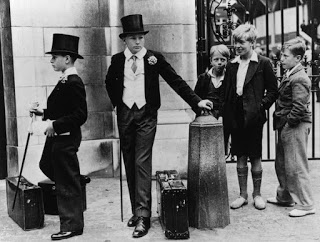
Snobbish English


Mount Vernon, the estate of General George Washington, is visited by many people. One day a somewhat snobbish and patronizing young English man remarked to Shep Wright, an old gardener employed on the estate,

“I say, old man, this hedge. Ah ……. I see that dear old George got this hedge from England”.


The old gardener was more than a match for him. Looking at the young man quizzically for about a minute, he said:

“Yes reckon he did. And that ain’t all. He got this whole blooming country from England”.


xxx

Asking for Dinner


Displaying considerable snobbishness a Englishman remarked to an American friend, “How unpleasant it must be for you Americans to be governed by people whom one would never think of asking for dinner”.


With scarcely a moment’s thought, the American replied coldly, “No more unpleasant than being governed by people who wouldn’t ask you to dinner.”


xxx

Sir William Wallace rebuffed


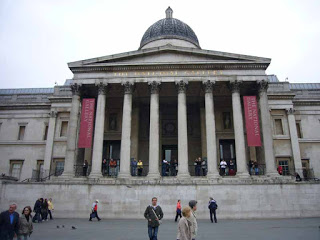
There came to the National Art Gallery in London, one day, a gentleman rather shabbily dressed, carrying a picture under his arm, who asked to see William Boxall, the governor. He was peremptorily refused an audience, and only repeated rebuffs was he granted a moment’s interview.


The stranger intimated that he had a picture in his possession which he wished to give to the National gallery, and began to unbuckle the straps to show the painting within. Sir William, however brusquely ordered him either to leave it or take it away altogether, saying that he was too busy to look at it.

“But you had better have one glance – I ask for no more”., said the stranger.


Again Sir William refused, and was just on the point of turning away when the covering fell off the picture and there was revealed one of Terborch’s masterpieces which the governor himself, sometime previously, had failed to gain though he had offered for it 6000 pounds.

“My name is Wallace, said the stranger quietly, Sir William Wallace, and I came to offer this picture to the National Gallery.”

“I almost fainted, related Boxall later.


–Subham–


விண்வெளியில் ‘மூழ்க’ இருந்த வீரர்! (Post No. 3459)


Written by S NAGARAJAN


Date: 18 December 2016


Time uploaded in London:- 5-08 am


Post No.3459


Pictures are taken from different sources; thanks.


contact; swami_48@yahoo.com


பாக்யா வார இதழில் அறிவியல் துளிகள் தொடரில் வெளியாகியுள்ள கட்டுரை


 விண்வெளியில் ‘மூழ்க இருந்த வீரர்!

ச.நாகராஜன்


“செவ்வாய் கிரகத்திற்குச் செல்வது என்று தீர்மானித்தால், அதை எதிர்காலத்திற்கான ஒரு முதலீடு என்றே நான் கருதுவேன்” – மைக்கேல் மாஸிமினோ


     விண்வெளி வீரர்களைப் பற்றிய சுவையான நூல்கள் ஏராளமாக வெளி வந்து விட்டன. என்றாலும் கூட விண்வெளி வீரர் தன் அனுபவங்களைத் தானே சொல்லும் புத்தகங்களுக்கான வரவேற்பே தனி தான். இதுவரை சுமார் முப்பதுக்கும்  மேற்பட்ட புத்தகங்கள் விண்வெளிவீரர்களாலேயே எழுதப்பட்டு மாபெரும் வரவேற்பைப் பெற்றுள்ளன.


இந்த வகையில் இப்போது வெளியாகி இருக்கும் ஸ்பேஸ்மென் என்ற புத்தகத்தை மைக்கேல் மாஸிமினோ (Spaceman by Mike Massimino) என்னும் அமெரிக்க விண்வெளிவீரர் (பிறப்பு: 19-8-1962) எழுதி 2016, அக்டோபர் 4 இல் வெளியிட்டுள்ளார்.


   விண்வெளியிலிருந்து ட்விட்டரில் ட்வீட் செய்த முதல் வீரர் இவர் தான். இவருக்கு ட்விட்டரில் 13 லட்சம் விசிறிகள் இருந்தனர்!


    மனிதர் வெளிப்படையாகப் பேசுபவர். லாஸ் ஏஞ்சல்ஸ் விமான நிலையத்தில் (2016, அக்டோபர், இரண்டாம் வாரத்தில்) தன் பயணப் பைகளை சேகரித்துக் கொண்டிருந்த இவரிடம் பிரபல டி.வி. ஒன்றின் பேட்டியாளர் கேட்ட கேள்விக்கு இவர் டாண் டாண் என்று பதில் அளித்தார்  


   விண்வெளி சென்று மீண்ட இவரிடம், “நீங்கள் அவசர நிலையில் ஒரு விமானத்தை ஓட்ட முடியுமா?” என்ற கேள்வி கேட்கப்பட்ட போது, கூலாக, “முடியாது.” என்று பதிலளித்தார்.

    தொடர்ந்து விண்வெளியிலிருந்து எதையாவது நீங்கள் திருடிக் கொண்டு வந்தீர்களா என்று கேட்கப்பட்ட போது “உங்களுக்கே தெரியும். நான் நிச்சயம் அப்படிச் செய்திருக்கவேண்டும். ஆனால் நான் எதையும் எடுத்து வரவில்லை” என்றார்.


“உங்களுக்கு விண்வெளியில் செக்ஸ் உறவு கொள்ள வேண்டும் என்ற ஆசை வரவில்லையா?” என்று கேட்ட போது விண்வெளிப் பயணப் பணியைத் தவிர வேறு எந்த வித எண்ணமுமே வரவில்லை” என்று பதில் அளித்தார்.


    ஹப்பிள் டெலஸ்கோப்பை பழுது பார்க்க இரண்டு முறை விண்வெளி சென்ற மாஸிமினோ தனது புத்தகமான ஸ்பேஸ்மேனில் எப்படியெல்லாம் கஷ்டப்பட்டு தான் ஒரு விண்வெளிவீரர் ஆக முடிந்தது என்பதை விளக்கி உள்ளார்.

அபல்லோ 11 விண்கலம் பறப்பதை ஏழு வயதுச் சிறுவனாக இருந்து பார்த்த மாஸிமினோ விண்வெளிப் பயணத்தில் ஆசை கொண்டார். ஆனால் அபல்லோ விண்கலப் பயணங்கள் முடிந்தவுடன் அவர் ஆசையும் போய் விட்டது.


    பின்னால் கல்லூரியில் படிக்கும் போது தி ரைட் ஸ்டஃப் என்ற படத்தைப் பார்த்தவுடன் உடனே விண்வெளி மீது மீண்டும் ஆசை கொண்டார். விண்வெளி வீரர் ஆக கடுமையாக முயற்சி செய்தார். 1996இல் விண்வெளி வீரர் ஆனார்.


ஹப்பிள் டெலஸ்கோப்பைப் பழுது பார்க்க 2002ஆம் ஆண்டிலும் 2009ஆம் ஆண்டிலும் விண்வெளிப் பயணம் மேற்கொண்டார்.


     இப்போது கொல்ம்பியாவில் பேராசிரியராகப் பணி புரியும் இந்த விண்வெளி வீரர் மனிதன் விண்வெளிக்குச் செல்வதை ஒருநாளும் நிறுத்த மாட்டான் என்று உறுதிபடத் தெரிவிக்கிறார்.


    இவர் தனது புத்தகத்தில் விண்வெளியில் பறக்கும் போது ஏற்படும் ஆபத்துக்களை வெளிப்படையாகத் தெரிவித்துள்ளார்.    

    அதில் பரபரப்பாக கூறப்படும் ஒன்று நாஸா வடிவமைத்த ஸ்பேஸ் சூட்டில் (விண்வெளி உடை) விண்வெளி வீரர் ‘மூழ்கி’ இறக்கக் கூடும் என்பது தான்!


     இது உண்மை தான் என்பதை விளக்கும் சுவையான ஆனால் அபாயம் நிறைந்த ஒரு சம்பவம் நிஜமாகவே நடந்துள்ளது.


இத்தாலிய விண்வெளி வீரரான ல்யூகா பர்மிடானோ (Luca Parmitano) 2013 ஆம் ஆண்டு ஜூலை மாதம் 16ஆம் தேதி விண்வெளியில் நடந்தார்.


   சுமார் ஆறரை  மணி நேரம் அவர் நடக்க வேண்டும் என்பது திட்டம். ஆனால் திடீரென்று அவரது விண்வெளி உடையில் தலையில் அணியும் ஹெல்மெட்டிலிருந்து நீர் கசிய ஆரம்பித்தது. தலையின் பின்பக்கம் நனைவது போல இருந்ததை உணர்ந்தார் அவர். அடுத்த சில நிமிடங்களில் அவர் கண்கள், காதுகள், வாய் ஆகிய எல்லா அங்கங்களிலும் நீர் புக ஆரம்பித்தது.


    சுவாசிக்க முடியாத நிலை ஏற்பட்டது. உடனே கஷ்டப்பட்டு தரை நிலையத்திற்கு இதை அவர் தெரிவிக்க உடனடியாக அந்த நடை நிறுத்தப்பட்டது. சாதாரணமாக நீரில் மூழ்குவது பற்றி நாம் அறிவோம். ஆனால் விண்வெளி உடையினால் மூழ்கி இறக்கும் அபாயத்தை இப்போது தான் அறிகிறோம்.

இந்த விண்வெளி ஆடை பற்றி நீண்ட ஒரு ஆய்வும் பின்னர் மேற்கொள்ளப்பட்டது.


    மைக் மாஸிமினோவும் ரிக் மாஸ்ட்ராச்சியோ என்ற விண்வெளி வீரரும் அதே ஆண்டு டிசம்பர் மாதம் மீண்டும் விண்வெளியில் நடந்தனர். பயந்து கொண்டே இருந்த போதும் நல்ல வேளையாக விண்வெளி உடை லீக் ஆகவில்லை. அவர்கள் விண்வெளியில் ‘மூழ்கவும்’ இல்லை.


  இது போன்ற பதினாறு விதமான பயங்கர ஆபத்துக்கள் விண்வெளிப் பயணத்தில் உள்ளன என்பதை மைக் மாஸிமினோ  விளக்கியுள்ளார்.


விண்வெளி ஆர்வலர்கள் இந்தப் புத்தகத்தை ஆர்வமுடன் படிக்க விரும்புவதில் வியப்பே இல்லை!


அறிவியல் அறிஞர் வாழ்வில் …


ஜெஃப்ரிஸ் மோஸ்லி (Henry Gwyn Jefferys Mosely) என்பவர் ஒரு பிரிட்டிஷ் விஞ்ஞானி (தோற்றம் 29-11-1887 மறைவு 10-8-1915).இளவயது மேதையான இவர் இயற்பியலில் எக்ஸ்ரே ஸ்பெக்டரத்தை அளக்கும் விதியைக் கண்டு பிடித்தார்.

இரசாயனத்திலும் இவரது கண்டுபிடிப்புகள் ஏராளமான உண்மைகளை விளக்கின.


ஆனால் துரதிர்ஷ்டவசமாக முதல் உலகப் போர் 1915இல் மூண்ட போது ஆக்ஸ்போர்ட் பல்கலைக் கழகத்தில் ஆய்வுப் பணியில் ஈடுபட்டிருந்த இவர் ராணுவத்தில் சேர வேண்டியது தன் கடமை என நினைத்தார்.


பலரும் இதைத் தடுக்கப் பார்த்தனர். ஆனால் பிரிட்டிஷ் ராணுவத்தின் பொறியியல் பிரிவில் இவர் சேர்ந்து துருக்கிக்குச் சென்றார். அங்கு கல்லிபோலி என்ற இடத்தில் 1915 ஏப்ரலில் கொல்லப்பட்டார். மிகுந்த தொலைவிலிருந்து குறி பார்த்து சுடும் எதிரி வீரர் ஒருவர் இவர் தலையில் குண்டைப் பாய்ச்ச ராணுவ தகவல் ஒன்றை தொலைபேசியில் தெரிவித்துக் கொண்டிருந்த போது இவர் மரணமடைந்தார்.

1910, ஆகஸ்ட் 10ஆம் தேதி மரணமடைந்த இவருக்கு வ்யது 27 தான்!


இவர் உயிருடன் இருந்திருந்தால் அந்த ஆண்டின் நோப்ல பரிசை இவர் பெற்றிருப்பார். (உயிருடன் இருப்பவர்க்கு மட்டுமே நோபல் பரிசு வழங்கப்படும் என்ற விதி இருந்ததால்)

மிகுந்த இளம் வயதில் அசாதாரண்மான மேதையை இழந்த பிரிட்டன் இந்த நிகழ்ச்சிக்குப் பின்னர் மேதைகளும் நாட்டிற்கு இன்றியமையாத விஞ்ஞானிகளும் இது போல ராணுவத்தில் முன்னணி யுத்த களத்தில் பணியாற்ற வேண்டாம் என்ற புதிய விதிமுறையை உருவாக்கியது.


முதல் உலக மகா யுத்தத்தில் பிரிட்டனுக்கு நேர்ந்த மிகப் பெரிய இழப்பு விஞ்ஞானி மோஸ்லியின் மறைவு தான்!

********


Pilgrim’s Lodge – The Inns of Old Tamil Nadu (Post No.3458)

Written by London swaminathan


Date: 17 December 2016


Time uploaded in London:- 13-59


Post No.3458


Pictures are taken from different sources; thanks.


contact; swami_48@yahoo.com


Choultry or Chatthiram or The Inn were wonderful institutions of ancient India. It served as the boarding and lodging place for the pilgrims as well as travellers.

I myself had arranged Bangur Dharmasala in Madurai for all the visitors from North India on their way to Kanyakumai when the Vivekananda Rock Memorial was opened. It was free. Once upon a time all the choultries gave free food and rooms. Even today we can see such places in North India. But in the south most of them were turned into hotels or converted into offices.


Chettiyars of Tamil Nadu established such choultries in various pilgrimage centres including Benares/Varanasi.


Several towns in Tamil Nadu still retain the name Chaththiram even after the Chaththirams had gone! The younger generation may not even understand this concept of giving everything free for the pilgrims and travellers. All the kings thought it was a great meritorious act (Punya Dharma). We can see references to choultries in all the ancient books of India – swami


Here is a piece written by T B Pandian in his book “Indian Village Folk” in 1897.


“The people who live in the Indian villages take delight in giving alms to the helpless and the needy, and also to the religious mendicants who go from place to place on pilgrimage, begging as they go. They have also provided suitable and convenient places in which travellers and strangers may rest, without any charge being made for their accommodation. These inns are called chatiram, oottoopuray and maddum (Mutt).

M T Chathram in Karnataka

The chatiram is a place built by a Hindoo king or by one of the Hindoo governors of former times, or by some Hindoo man or woman, or by a certain class of the Hindoo community, and it is usually sufficiently endowed for its maintenance. These buildings are generally large and spacious having separate apartments for cooking and sleeping, etc They are placed outside the village, and usually near a stream.To provide bathing and cooking, the travellers, a well is dug by the side of the Chatttiram, and the grounds are planted with fruit-bearing trees and flowering plants.


In some of these chatirams the authorities engage Brahmin cooks who supply with food a certain number of Brahmin travellers only, each day free of charge. In some  chatirams the travellers are both fed and housed without charge, but in others the travellers get their lodging free, but have to provide their own food. When wealthy men or women find that there are no children to inherit their property, they lay out the whole, or at least the greater portion, in building and endowing chatirams for the public good. These charitable institutions may be numbered by the hundred in the country districts of India.


In the villages of Travancore, ‘the land of charity’, there are sixty four ways, i.e., feeding-houses,” established by the ancient Hindoo kings of Travancore, and still maintained by the Maharaja of Travancore in quite a grand style. In these feeding houses’ the Brahmins are fed by the hundred every day with sumptuous meals, and they are with comforts at the expense of the State Travancore. Many homeless and helpless Brahmins subsist by travelling from one feeding-house to another, and in this way they spend the whole year in quite an enjoyable manner, without any care as to what they shall eat, or what they shall drink, or wherewithal they shall be clothed.


The simplest and plainest kind of charitable public stances called the maddum (Mutt or Madam), and this is built in many instances at the expense of the villagers themselves. In these maddums a poor man, who has some reputation for piety,is engaged as manager by the villagers. This man gradually becomes an ascetic. He clothes himself in an orange-coloured tokai, and is called sannyasin by every villager. The duty of this sanniasin is to see that the village inn is kept clean, and lighted regularly every evening. He has also to beg meals from the villagers, both morning and evening. A certain portion of the meals thus collected by the innkeeper is taken for his own use, and with the remains the poor travellers are fed.

Chathram in Old Madurai


If any respectable travellers come in to rest, either for the day or for the night, the innkeeper gives them all necessary attention, and he will even at times induce some rich villager to feed the strangers who may have come in late at night. The lighting of the inn is left to the well-to-do villagers, and they supply the lamp oil by turns. The clothing of the innkeeper, which is, however, but a little matter, is provided from the village general fund.” The organization of the village inn is quite simple and inexpensive, and the benefit derived by the travellers is very great. During the hot summer months the innkeeper supplies butter milk or cold water to the thirsty travellers who are proceeding on their way.


There are a few famous and well-established maddums, with their madathipathies, i e., governors of inns,’ which were originally established on the simple principle of the village inn. Now these remarkable maddums have grown enormously, and are large establishments with numerous supporters and followers. The most prominent of these inns are called Dharmapura maddum, and Tiruvadoothuray. The governors of these celebrated Hindoo inns established a brotherhood of Hindoo monks, and these monks became the head of the respective inns; they are, as a rule, sound vernacular scholars, and well versed in Hinduism in all its phases. They maintain celibacy. These inns have four or five hundred men who feed in their respective places, where disciples and visitors flock together in large numbers. The heads of these are not Brahmins, and so they are not exclusively kept for that caste. The non-Brahmin community, indeed, form the bulk of their supporters. The insolvent and broken-down merchants, and those who have become disgusted with life through various disasters, forsake their homes and relations and enter this brotherhood of Hindoo monks; they are then cared for all the days of their life. Some of those who join this society are sent out by the head of the establishment to represent their cause at their branches. All who become governors of these inns are vegetarians by birth and Sivites by religion, and their successors are trained and kept in readiness by the governors. Although the governors themselves are bachelors who have not much earthly enjoyment, as they try to show, yet their relatives are greatly benefited by their honoured and exalted positions. They spend the money out of the treasury of the inn just as they please, and sometimes in very profligate ways. They live in princely comfort, and their intelligence and culture give them a high position and influence in the Hindoo community. Some of them are enlightened men, and these come to the front and sympathize with the public movements, more especially those of a religious and educational character.


There is no doubt that these inns and other charitable institutions of India will work wonders, if only the organizers of these institutions and their governors will recognise the fatherhood of God and the brotherhood of man.”

—-written in the year 1897.


–Subham–

பத்தாம் நம்பர்! மாணிக்க வாசகருக்குப் பிடித்த எண் 10! ஏன்? (Post No. 3457)

Written by London swaminathan


Date: 17 December 2016


Time uploaded in London:- 7-21 AM


Post No.3457


Pictures are taken from different sources; thanks.


contact; swami_48@yahoo.com


மாணிக்கவாசகர் அருளிய திருவாசகத்தில் திருவெம்பாவை உள்பட 51 பகுதிகள் உள்ளன. அவற்றில் 656 பாடல்கள்; அதவது மூவாயிரத்துக்கும் மேற்பட்ட வரிகள் இருக்கின்றன.

51 பாடல் பகுதிகளில் இருபதுக்கும் மேலான பகுதிகளுக்கு “பத்து” அல்லது “பதிகம்” என்றே தலைப்பிட்டுள்ளார். இதி லிருந்து இவருக்கு மிகவும் பிடித்த எண் பத்து என்பது தெளிவு; இதோ சில பகுதிகளின் பெயர்கள்:-

அச்சப் பத்து, அடைக்கலப் பத்து, அதிசயப் பத்து, அருட்பத்து, அற்புதப் பத்து, அன்னைப் பத்து, ஆசைப்பத்து, உயிருண்ணிப் பத்து, கண்டபத்து, குயில் பத்து, குலாப்பத்து, குழைத்த பத்து, செத்திலாப்பத்து சென்னிப் பத்து, பிடித்த பத்து, பிரார்த்தனைப் பத்து, புணர்ச்சிப்பத்து, யாத்திரைப் பத்து, வாழாப்பத்து. இது தவிர பல பாடல்கள் பதிகம் என முடிவுறும்.


பத்துடையீர், ஈசன் பழவடியீர், பாங்குடையீர்


முத்தன்ன வெண்ணகையாய் முன்வந்தெதிர் எழுந்தென்

அத்தன் ஆனந்தன் அமுதன் என்றள்ளூறித்

தித்திக்கப் பேசுவாய் வந்துன் கடை திறவாய்


பத்துடையீர், ஈசன் பழவடியீர், பாங்குடையீர்

புத்தடியோம் புன்மை தீர்த்து ஆட்கொண்டாற் பொல்லாதோ

எத்தோ நின் அன்புடைமை எல்லோம் அறியாமோ

சித்தம் அழகியார் பாடாரோ நம் சிவனை

இத்தனையும் வேண்டும் எமக்கேலோர் எம்பாவாய்


-திருவெம்பாவை 3 (திருவாசகம்)


பொருள்:-

முத்தைப் போன்ற வெண்மையான பற்களை உடைய பெண்ணே! முன்பெல்லாம் எனக்கு முன்னே எழுந்து, எதிரே வந்து, என் தந்தை; இன்ப வடிவினன்; அமுதம் போல இனியன் என்று வாயூறித் தித்திக்கப் பேசுவாய்; எழுந்து வந்து வாயிற் கதவைத் திற!


அள்ளூறல்= நாவில் எச்சில் ஊறுதல்


இதில் பத்துடையீர் என்ற சொல்லுக்கு இருவிதமாகப் பொருள் கூறுவர் சான்றோர்; பத்து என்பது பற்று என்பதன் மரூஉ; அதாவது மருவிய வடிவம்


மற்றொரு பொருள் பத்து குணங்களுடையவர். இது எப்படிப் பொருந்தும்? என்று கேட்கலாம். அப்பர் பெருமானும் “பத்துகொலாம் அடியார் செய்கைதானே” — என்கிறார்.

அப்படியானால் அந்த 10 குணங்கள் என்ன,என்ன என்ற கேள்வி எழும்

அவை:

1.விபூதி, உருத்திராக்கம் அணிதல்

2.குரு வழிபாடு

3.அன்புடன் சிவனைத் துதி பாடல்

4.மந்திர ஜெபம்

5.இறை வழிபாடு செய்தல்

6.யாத்திரை செய்து சிவத் தலங்களைத் தரிசித்தல்

7.சிவபுராணம் கேட்டல்

8.சிவன் கோவில்களை சுத்தமாக வைத்துப் பரிபாலித்தல்

9.சிவன் அடியாரிடத்து உண்டல் (கண்ட இடங்களில் சாப்பிடாமல் இருத்தல்)

  1. தொண்டர்க்குத் தொண்டு செய்தல்

என்று சான்றோர் உரை எழுதியுள்ளனர்.


இவைகளில் 3, 4, 5 ஆகிய மூன்றும் ஒன்று போலத் தோன்றும் ஆயினும் நன்கு சிந்தித்துப் பார்த்தால் வேறு வேறு என்பது விளங்கும்.

திருச்சத்தகம் என்னும் பகுதியில் “எட்டினோடு இரண்டும் அறியேனையே” (பட்டிமண்டபம் ஏற்றினை) என்று கூறுவதும், திருமூலரும் “எட்டும் இரண்டும் இனிதறிகின்றலர்” என்று பாடி இருப்பதும் ஒப்பு நோக்கற்பாலது. எட்டும் இரண்டும் என்பதற்கு வேறு பல விளக்கங்களும் உண்டு.


–Subham–


Gayatri mantra – 24 syllables and Governing Devatas (Post No.3456)

Compiled by S NAGARAJAN


Date: 17 December 2016


Time uploaded in London:- 5-37 AM


Post No.3456


Pictures are taken from different sources; thanks.


contact; swami_48@yahoo.com


Gayatri mantra – 24 syllables and Governing Devatas


  1. Nagarajan


The Gayatri mantra consists of 24 syllables.


The Tantra Sara of Madhwa  indicates that these 24 letters are called Varnas.


The Tantra Sara sloka describes thus:-


Veda mata tu gayatri dvikunana dvadashaksharan

Chathurvishathi murthiyosya kathitha varnadvatha


These 24 Varnas have corresponding governing forms of God – viz Kesava upto Srikrishna.


Given below is the list of governing devatas of the 24 syllabels.


T             kesava

Tsa          Narayana

Vi            Madhava

Tuh         Govinda

Va          Vishanu

Re           Madhusudna

NI           Trivikrama

Yam        Vamana

Bha          Sridhara

Rgo          Hrisikesa

De            Padmanabha

Va            Damodara

Sya           Sankarsna

Dhi           Vasudeva

Ma            Pradyumna

Hi             Aniruddha

Dhi           Pusushottama

Yo           Adoksaja

Yo           Narasimha

Nah          Aeyuta

Pra           Janardana

Cho          Upendra

Da            Hari

Yat           Srikrishna


So one who recites Gayatri mantra automatically worships all the 24 devatas..


Gayatri Varnamala Stotram  indicates the colour of each varna and the good effects of chanting these letters

*********


பயப்பட வேண்டும்: வள்ளுவர் அறிவுரை! (Post No.3455)

Compiled by London swaminathan


Date: 16 December 2016


Time uploaded in London:- 19-57


Post No.3455


Pictures are taken from different sources; thanks.


contact; swami_48@yahoo.com


அச்சம் என்பது மடமையடா! அஞ்சாமை திராவிடர் உடைமையடா! — என்றெல்லாம் ஒலி பெருக்கி அலறும்.


அச்சமில்லை அச்சமில்லை அச்சமென்பது இல்லையே

உச்சிமீது வானிடிந்து வீழுகின்றபோதிலும்

அச்சமில்லை அச்சமில்லை அச்சமென்பது இல்லையே

–என்று பாரதியார் பாடுவார்.

நாமார்க்கும் குடியல்லோம் நமனை அஞ்சோம் — என்று அப்பர் பெருமான் பாடுவார்; ஆடுவார்.


ஆனால் மாணிக்க வாசகரும் வள்ளுவரும் மட்டும் “பயப்படுங்கள்” என்று அறிவுரை வழங்குவர்!

அஞ்சுவது அஞ்சாமை பேதைமை அஞ்சுவது

அஞ்சல் அறிவார் தொழில் (குறள் 428)


பயப்படவேண்டியதைக் கண்டு பயப்படாமல் இருபது முட்டாள்தனம். பயப்பட வேண்டிய பழி,பாவங்களுக்கெல்லாம் அஞ்சுவது புத்திசாலிகளின் செயல் என்கிறார் வள்ளுவர்.


இதே கருத்தை புத்தரும் தம்மபதத்தில் (317) சொல்கிறார். சங்க இலக்கியத்தில் கலித்தொகையிலும் புற நானூற்றிலும் புலவர்கள் பாடுகின்றனர்:-


அஞ்சுவதஞ்சா அறனிலி ( கலித்தொகை 42-26)


துஞ்சலும் இலர்; பிறர் அஞ்சுவது அஞ்சி,

புகழ் எனின் உயிரும் கொடுக்குவர்; பழி எனின்

உலகுடன் பெறினும் கொள்ளலர் — புறம் 182


வள்ளுவர், கடலுள் மாய்ந்த இளம்பெரும்வழுதி (புறம் 182) ஆகியோர் பொதுப்படையாக பயப்பட வேண்டிய விஷயங்களுக்குப் பயப்பட வேண்டும் என்று சொல்லிவிட்டனர்.


ஆனால் பயப்பட வேண்டிய விஷயங்கள் என்ன என்று சொல்லி பட்டியல் ஏதும் தரவில்லை. மாணிக்கவாசகர் மட்டும் ஒரு பட்டியல் தருகிறார்.


நமக்குத் தெரியும்: எதை நாம் நாலு பேருக்கு முன்னால்,குறிப்பாக, தாய் தந்தையருக்கு முன்னால் செய்ய அஞ்சுவோமோ அவை எல்லாம் பயப்பட வேண்டிய விஷயங்கள். ஆயினும் மாணிக்கவாசகர் பட்டியல் கொஞ்சம் விளக்கமாகவே அமைந்துள்ளது.


மாணிக்கவாசகர் இதற்காக தனியாக பத்துப் பாடல்களே பாடிவிட்டார். அவை திருவாசகத்தில் அச்சப்பத்து என்ற பகுதியில் உள்ளன.


“பாம்புக்குப் பயப்ப்ட மாட்டேன்; சிவன் திருவடிகளை அடைந்தும் வேறு ஒரு தெய்வம் உண்டு என்று கருதி சிவன் புகழைப் பாடாமல் இருக்கிறார்களே அவர்களைக் கண்டு அஞ்சுவேன்; அதாவது மதம் மாறிய சைவர்கள் அச்சத்திற்குரியோர்.


ஆசை எழுந்தாலும் வினைக்கடலில் அழுந்தினாலும் பயப்பட மாட்டேன்; ஆனால் சிவனைத் தவிர மற்ற தேவர்களைக் கொண்டாடுவோரைக் கண்டால் அஞ்சுவேன்


வேலாயுதத்துக்கு பயப்பட மாட்டேன். வேல் விழியாளுக்கும் பயப்படமாட்டேன். ஆனால் சிவனை வெறுப்போரைக் கண்டால் பயப்படுவேன்

மாதர்களை கண்டு அஞ்சேன். சிவனைத் தொழாதவரைக் காணின் அஞ்சுவேன்


நோய்களுக்கு அஞ்சேன்; பிறப்பு-இறப்புச் சுழலுக்கு அஞ்சேன்; சிவனடியார்களில் திருநீறு அணியாதோரைக் கண்டால் அஞ்சுவேன்


நெருப்புக்கு அஞ்சேன்; பெரிய மலைகளே பெயர்ந்தாலும் அஞ்சேன்;

திருநீறு அணியாதவர்கலைளைக் கண்டால் பயம் வந்துவிடும்.


பழிகள், மரணம் இவைகளுக்கெல்லாம் பயமில்லை. சிவனடிகளைப் பெரிய தாமரைப்பூக்களைக் கொண்டு அர்ச்சிக்காதோரைக்கண்டு அஞ்சுவேன். தில்லைக் கூத்தனின் நடனத்தைப் பார்காதவரைக் கண்டால் அஞ்சுவேன்


யமனுக்கோ கூரான ஆயுதங்களுக்கோ அஞ்சமாட்டேன். ஆனால் சிவ பெருமானைத் தியானித்து நெஞ்சம் உருகாதோரைக் கண்டு அஞ்சுவேன் என்று கூறி அச்சப்பத்து பாடல்களை முடிக்கிறார்.


–சுபம்–

Interesting Information about Indian WASHERMAN (DHOBY) (Post No.3454)

Compiled by London swaminathan


Date: 16 December 2016


Time uploaded in London:- 12-59


Post No.3454


Pictures are taken from different sources; thanks.


contact; swami_48@yahoo.com


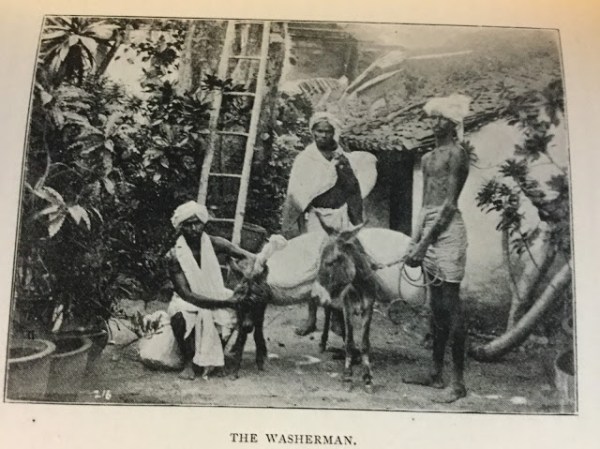
A Washerman is called Dhoby in North India and Vannan in Tamil Nadu. In Malabar the females this class wash the clothes and the men have taken to the trade of tailoring, or to the profession of devil dancing.


The Vannan is called, in consideration of his innumerable and unscrupulous services, ‘the son of the village’. He washes all the clothes of both the men and women, his wife assisting him in some parts of his work. When she goes to fetch the clothes from the women’s apartments, the women of the house receive the daughter of the village’ warmly, and entertain her with interesting conversation for a few minutes; then they give her a little oil with which to anoint her head, and feed her with a cold meal. Sometimes they also give her some home-made cakes to take back with her to her children. The washerwoman leaves the house highly pleased. She carries the soiled clothes of the women hooked on a stick, lest she should be contaminated by the touch of them. She takes the things to the fuller’s ground, at a pool, or river, or tank, and submits them to a regular process of cleansing. First she throws each article into the water and sets it aside. Then she herself plunges into the water, in order to remove any defilement which she may have contracted in graces. She then places all she has collected in the heap of other soiled clothes from the village which her husband had brought. The dhoby as a rule does not consider himself to be polluted in ordinay cases  when he carries the soiled clothes.


The dhoby has his house in some corner of the village, and it is built on a piece of ground belonging to the village. The walls of his house  are raised at the expense of the  village people, and they themselves pay for the thatched roof. They also contribute to the purchase of a spirited donkey or two.


Of useful household articles the dhoby has hardly any; only a few earthen vessels in which to cook his food, and to serve for washing purposes.


His business apparatus consists of only a few large earthen pots, and these are filled with water and placed on an oven, which is built of mud, and in a triangular shape. This oven is heated whenever he wants the soiled clothes to be steamed. Before they are steamed he dips them over and over again in the alkaline water, which is obtained by him at very little cost. This alkaline water is nothing more than a mixture of pure water with fuller’s earth, or washing soda. When the process of steaming is done, the dhoby and his children start off at about four o’clock in the morning to the fuller’s ground.


Donkey Work!


The poor, uncared-for donkeys move about in the dull streets and waste lands of the village all the other days and nights except the night in which the dhoby intends to start for his work. The unfed beasts are then made to carry the heavy loads of wet clothes. The moment they are loaded they start off in advance from the house of their unkind master as they know well the place of destination, and the way to it is quite familiar to them. The dhoby with his children follow them, each carrying a heavy load on his back, and even on his head. As the dhoby passes through the streets he cheers his beasts by whistling, and uttering encouraging words such as these Podaa saami ie, Go, master Maanam kappattudaa,’ i e., Save my reputation Karuttua  Dorai Ayya ie… black gentleman! Nadadaa  singam, ie,  Walk as a lion.’ When he reaches the water-side — this is often a good distance away — first he throws off his own load, removes the loads off the backs of his beasts and pasture.


In cases where there are fields in cultivation, one of the grown-up children of the dhoby minds the brutes while they are grazing. Then the dhoby unties the bundle of clothes. and keeps them within his reach near water, where the rough stones are kept, for bleaching. He takes up a cloth in his hand and dips it in the water, and beats it against the stone, with an invocation to his God, the common Father. Then he places the cloth on the stone raises his right hand to his forehead, as he stands in a bending attitude, in order to indicate that he seeks the benediction of the Heaven to rest upon the labours of the day.


The work of a dhoby in an Indian village is tedious and difficult. He has to cleanse from two to three hundred cloths of various lengths and breadths, many of them in an exceedingly dirty state. He beats in cloth after cloth with his full strength on the coarse stones. His children also share the work of their father, taking for their part the tiny clothes of children like themselves.
Composing and Singing Songs!

While he is beating the cloths he sings songs of his own making, or that were made by his forefathers. These are very peculiar in their composition, and they are quite uninteresting to anyone beside himself. There is in them no melody, and there is not even any beating of time. He sings in praise of his ass, or of his wife, or he narrates his love, patience, earnestness, in relation to his sweetheart before his marriage. Sometimes he sings in praise of father-in-law. Sometimes it is a mournful song about an old and faithful ass which he has recently lost.


While the dhoby is busily engaged with the  clothes, his wife will turn up carrying a potful of cold food, which she has been obtaining from the village folk during the previous night. Every house in the village is bound to give  twice daily a handful of cooked food, either made of rice, millet, maize or some other Indian grain. She also carries a second small vessel, which is filled with Indian vegetables and greens. These have also been given to her by the villagers.

Dhoby Wages!

A dhoby receives as wages from every village house an average of six pence per annum. If in the house there is a large family the wages are increased to a shilling per annum (written in the year 1897).


Besides this allowance, he gets a small gift of grains, probably  a few measures, at the time of harvest. If he goes to the fields when they gather the crops, he also will get a small bundle of ears. At wedding festivities and at funerals he is entitled to a fee of four pence. When the villagers offer a blood-sacrifice to the gods, they generally kill a fat ram by severing the head from the body, and this head goes to the waiting dhoby as a part of his wages. In some villages the dhoby is used as a messenger to communicate ominous intelligence to the parties concerned. For this he gets, in the form of gold and silver bangles, or a pair of new cloths, or a pagoda, about the value of four shillings. This is all that the dhoby receives in the form of wages.


Faithful Wife used as a Pillow!

Now let us turn back to the place where we left the dhoby washing the clothes. He has been beating them against the stone one after another, from early morning until 10 a.m., and he is now quite exhausted, and quite ready for his morning meal. The wife, who has brought his meal, joins her husband, and the children also partake of it. They all sit on the grassy slope of the riverside or pool. The dhoby and his children sit facing the woman, who holds the earthen pot in her hand. They fold their hands together, so as to serve them instead of a cup, and the watery meal is poured into their hands. The woman first stirs up the contents of the earthen pot with her right hand, and adds some butter milk and salt. This luxurious food satisfies the tired and hungry dhoby and his children, and refreshes them so that they cheerfully resume their work. The woman after serving the meal to her husband and children supplies her husband with betel-nut, chunnam, and tobacco to chew having received these, sits beside his wife, and gossips with her, while she helps herself to the remaining food. When she has done the dhoby lays his head on her lap and rests awhile.


She relates to him some incidents of the village life which have recently come to her knowledge. In half an hour the dhoby and his wife, with their children, get up to resume their work. They hurry on the bleaching of the clothes till 2 pm, then they begin to wash the beaten clothes in a large earthen pot, which is filled with pure water. In this small portion of indigo is dissolved, or a little piece of lime. In this mixture all the clothes are dipped and rinsed well. Then they undergo another process of dipping in a similar pot filled with water, in which a small quantity of starch, prepared from rice or other Indian grain, has been put. This process makes the clothes somewhat stiff. All these processes cleanse the clothes very thoroughly. If the clothes are new they have to go twice through all these processes, and in addition to this they are also dipped in water mixed with cow-dung or goat-dung. This process gives the clothes a smart appearance.


Most of the villagers wear white clothes, consisting of a pair of cloths of three or three and a half yards each. Some of them have also turbans or headpieces.


As the day is getting on the dhoby his wife and children now hurry off to dry the clothes either on grassy meads or sandy banks. At about three o’clock the dhoby and his family go up together to some shady banyan or margosa tree or tamarind tree; one or other of these is sure to be found near an Indian village. Here they partake remainder of the meal, seated in the manner which has been described. At about five o’clock they gather together the clothes and fold them up.


Now the children go to find the donkeys, who are to carry the loads of bleached clothes back again to their home. The dhoby and his wife bundles themselves carry bundles of clothes on their heads and on their backs; they go slowly back to their village.


The following morning the dhoby and his wife unloose the bundles of the  washed clothes, and arrange them for delivery; both of them are very busy making up the piles according to the marks on the clothes. As a rule, the dhobys are very skilful in sorting the clothes according to the marks given them. There is no such thing as the marking of the clothes by their owners with coloured threads or the initials of their names. All marks on clothes are made by the dhobys themselves, and they cannot usually write their own names. lf any one of the villagers is in a hurry for his bleached clothes he has to go to the door of the dhoby and fetch them for himself. Generally, the dhoby delivers at each house.


The Indian villagers never use linen or any form of dress that is made by tailors, and therefore there is no need for Ironing.


(This book was published in 1897)


Dhoby – the Torch Bearers!

The dhoby not only washes the clothes of the villagers, but he also provides them with torches, made out of the rags which he gathers and stores up from the worn-out clothes given to him. These torches are generally used in festival and marriage processions and he also renders service by holding the torches on such occasions. The poor people of the village, by courting his friendship, get from him Maathu, the loan of cloths for little or nothing. At the time of funeral processions he spreads cloths on the way leading to the cremation ground. His services are also sought to decorate with cloths the roof of the Marriage pandal or booth.


on all these occasions he uses the cloths of the villagers. When the village dramas are held in the open-air at night he spreads on the ground a few bleached cloths for the more respectable men of the village.


The “son of the village, who is fed by the villagers , has also the privilege of clothing himself, as well as his family, with the clothes of the villagers. To-day he turns up in a new attire which he has got from Mr. A ……for washing; similarly his wife shines in the borrowed feathers of Mrs. C……; To morrow he walks in the street with the clothes of Mr. C and likewise his wife appears smart and tidily dressed with a beautiful sari or draping belonging to Mrs. R.


On the following day the husband and wife will carry all the clothes in which they dressed themselves on the previous day to the fuller’s ground, and will cover themselves with their worn-out ordinary clothes in a state next to rags. If any of the owners see these common children of the village wearing their clothes they take no notice of it. The village dhoby, who has this privilege of wearing other people’s clothes, has also the free use of the village clothes as his bedding. It is evident, therefore, that it costs little or nothing to maintain himself and his family.


The fuller’s ground becomes the centre for several villagers, and to it the young unmarried men and the young maids go to wash the clothes of their respective villages. These young people have thus opportunities of knowing one another better, and of forming close friendships. They cannot, however, have private conversations about their matrimonial affairs. Supposing the young man A has a tender regard for the young maid C, he sings some love songs while beating the clothes, and in these he describes to the best of his abilities the position, parentage, and beauty of the girl who probably stands close beside him, also beating clothes.  These love songs of the young dhoby, who is quite taken up with the girl whom he has in his mind have a charming effect upon thegirl, and she in return raises her sweet voice with songs of allurement. She assures him in an indirect way of her appreciation, alluding to his personal beauty.


When the parents of these young folk see their attachment to each other, they arrange to have them settled in marriage, and to follow the profession of a Village dhoby.

The washer men are a distinct class or caste. The son of a washer man is a washer man by compulsion. He cannot follow any other trade but the trade of his forefathers. (in the year 1897, not any more).


Source book: Indian Village Folk by T B Pandian, Year of publication 1897.


–subham–
 

அதிசய புத்த துறவி ஸு யுன்! – 22 (Post No.3453)

Article written by S NAGARAJAN


Date: 16 December 2016


Time uploaded in London:- 6-30 AM


Post No.3453


Pictures are taken from different sources; thanks.


contact; swami_48@yahoo.com


100 வயது வாழ்ந்த பெரியோர்


120 வயது வாழ்ந்த அதிசய புத்த துறவி ஸு யுன்! – 22

ச.நாகராஜன்


ஸு யுன்னுக்கு இப்போது வ்யது 82.

வசந்த காலம் வந்தது. யூனான் மாகாணத்திற்கு ஜு பின் ஜென் என்பவர் கவர்னராக ஆனார்.


ஆண்டின் இரண்டாம் மாதத்திலிருந்து ஏழாம் மாதம் முடிய மழை. மழையோ மழை. ஒவ்வொரு நாளும் நகரின் பிரதான வாயிலுள்ள கோபுரத்திலிருந்து பலமான குண்டுகள் மேகத்தை நோக்கி அதைக் கலைக்க வீசப்பட்டன. ஆனால் பயனில்லை.

ஏழாம் மாதம் முதல் ஒரு பஞ்சம் வந்து ஆட்கொண்டது. ஆகவே குளிர்காலத்தில் நதியிலிருந்து தூசு கிளம்பி நகரை ஆக்ரமித்தது.


தொடர்ந்து உருவாகிய டிப்தீரியா வியாதிக்கு பல்லாயிரக் கணக்கானோர் பலி ஆகினர்.

ஸு யுன் ஹூவா டிங்  மடாலயத்தில் அப்போது தங்கி இருந்தார்.


ஒரு நாள் நகருக்குச் சென்ற ஸு யுன், திரும்பி வரும் போது  ஒரு மர நிழலில் இளைப்பாற அமர்ந்தார்.

மரத்தின் அருகே ஒரு மூட்டை கிடந்தது. யாரும் அருகில் இல்லை.ஆகவே அதை எடுத்துப் பிரித்துப் பார்த்தார் ஸு யுன்.

உள்ளே  தங்கம் மற்றும் மரகத்தத்திலான ப்ரேஸ்லெட், தங்க கொண்டை ஊசிகள், காதணிகள், ஒரு வாட்ச், 8000 யூனான் டாலர்கள், பத்தாயிரம் சீன பியாஸ்டர் (எனப்படும் நோட்டுகள்) இருந்தன.


இதை விட்டுவிட்டுப் போன உரிமையாளருக்காக நெடுநேரம் காத்திருந்த ஸு யுன், யாரும் வராமல் இருககவே, அதைக் கையில் எடுத்துக் கொண்டு கிளம்பினார். மறு நாள் பேப்பரில் விளம்பரம் கொடுத்து உரியவரிடம் ஒப்படைத்து விடலாம் என்று அவர் எண்ணினார்.


மவுண்டனின் அடிவாரத்தை அடைந்த சமயம் அங்குள்ள ஏரியைக் கடக்க் முயன்ற ஸு யுன், ஒரு இளம் பெண் ஏரியில் குதிப்பதைக் கண்டார்.


உடனே அவளைக் காப்பாற்ற ஸு யுன் முயன்றார். அவளோ மூழ்க ஆரம்பித்தாள். உடனே தண்ணீரில் குதித்த ஸு யுன் அவளைக் காப்பாற்ற நீந்திச் சென்றார். அவளோ தன்னைக் காப்பாற்ற விடவில்லை. ஆகவே அவளை வலுக் கட்டாயமாக இழுத்துக் கொண்டு கரை சேர்ந்தார் ஸு யுன்.


அவள் தன் உயிரை மாய்த்துக் கொள்வதிலேயே குறியாய் இருந்ததை உணர்ந்த ஸு யுன் அவளைத் தன்னுடன் மடாலயத்திற்கு அழைத்துச் சென்றார்.


இரவு நெருங்கி விட்டது. அந்தப் பெண்ணிற்கு ஆடைகளைக் கொடுத்து பின்னர் உணவையும் கொடுக்கப் பணித்தார் ஸு யுன்.

பின்னர் அவளுக்குத் தேறுதல் வார்த்தைகள் கூறி அவள் யார் என்ற விவரத்தை அவர் கேட்டார்.


அவள் தன் கதையைக் கூறலானாள்.

அவள் பெயர் ஜூ. அவளுக்கு வயது 18. சங்ஷா என்ற இடத்தைச் சேர்ந்தவள். அந்த நகரில் புசான் தெருவில் மருந்து வியாபாரம் செய்து வந்த ஒரு வியாபாரியின் மகள் அவள்.

சன் என்ற டிவிஷனல் கமாண்டர் ஒரு நாள் அவளைப் பார்த்தான். உடனே அவளைத் தன் மாளிகைக்கு அழைத்தான். அங்கு அவளிடம் அவளை  மணந்து கொள்ள விருப்பப்படுவதாகக் கூறிய சன், அவளது பெற்றோரையும் அழைத்துத் தன் எண்ணத்தைக் கூறினான்.


திருமணம் முடிந்தது. பின்னர் தான் தெரிந்தது ஜுவுக்கு, அந்த கமாண்டருக்கு ஏற்கனவே மண்மாகி விட்டிருந்தது என்று. ஒன்றும் செய்ய இயலாத நிலையில் அந்த வீட்டில் புகுந்த ஜூவை கமாண்டரின் முதல் மனைவி அடி அடி என்று அடிக்க ஆரம்பித்தாள். ஜூவைக் காப்பாற்ற பலர் முயன்றும் பலன் இல்லாமல் போய் விட்டது. பெற்றோரோ கமாண்டரின் படை பலத்திற்கு பயந்து நடுங்கினர்.


ஒரு நாள் விரக்தியின் விளிம்பிற்கு வந்த ஜூ தன்னுடைய உடைமைகளை ஒரு மூட்டையாகக் கட்டிக் கொண்டு வீட்டை விட்டு ஓட ஆரம்பித்தாள். அவள்து எண்ணம் மாஸ்டர் ஸு யுன்னைச் சந்த்தித்து ஒரு பிட்சுணியாக ஆக வேண்டும் என்பது தான்.


ஆனால் காக்ஃபுட் மவுண்டன் செல்லும் வழி அவளுக்குத் தெரியவில்லை. இரண்டு நாட்கள் அலைந்தாள். கமாண்டரின் படைவீரர்களிடமிருந்து தப்பிக்க வேண்டும் என்பதில் குறியாக் இருந்ததில் வழியில் அவளது மூட்டையையும் இழ்ந்தாள்.

இனி வேறு வழியில்லை என்ற முடிவுக்கு வந்த அவள் ஏரியில் குதித்து உயிரை மாய்க்கத் துணிந்தாள்.


ஸு யுன் அவள் மூட்டையில் இருந்த பொருள்களின் விவரத்தைக் கேட்டார். பின்னர் அவளிடம் அது தன்னிடம் பத்திரமாக இருக்கிறது என்று கூறி அதை அவளிடம் சேர்ப்பித்தார்.


பின்னர் சரணாகதி சூத்ரங்களைச் சொல்லி அதை அவளுக்கு விளக்கினார்.

மறுநாள் காலை ஜூ குடும்பத்தினரையும் சன் குடும்பத்தினரையும் ஆலயத்திற்கு வரவழைத்தார். பேச்சு வார்த்தை ஆரம்பமானது ஸு யுன் தர்ம சூத்திரங்களை அவர்களுக்கு விளக்கினார்.


அதைக் கேட்டவுடன் கமாண்டர் சன்னும் அவரது முதல் மனைவியும் ஸு யுன் கால்களில் பணிவாக விழுந்து வணங்கினர்.


பின்னர் புத்த தர்மத்தை ஸு யுன் விளக்கலானார். கமாண்டரும் அவர் முதல் மனைவியும் புத்தரின் திரு உருவச் சிலைக்கு முன்னர் விழுந்து வணங்கினர். தங்கள் செயலுக்கு  மனமார அவர்கள் வருந்தினர்.


கமாண்டரின் மனைவி ஜூவைக் கட்டித் தழுவிக் கண்ணீர் வடித்துத் தேம்பித் தேம்பி அழுதாள்.

இரு குடும்ப உறுப்பினர்களும் இந்தக் காட்சியைக் கண்டு நெகிழ்ந்து மனம் உருகினர்.


முப்பதுக்கும் மேற்பட்ட அந்தக் குடும்ப உறுப்பினர்கள் மூன்று நாட்கள் ஆலயத்தில் தங்கி இருந்தனர். அவர்களிடையே இருந்த மனக்கசப்பு, வெறுப்பு எல்லாம் போயே போயின.

அனைவரும் புத்த தர்மத்தில் சேர்ந்தனர்.


புத்தரின் அருள் பிரசாதத்தை வாங்கிக் கொண்டு பிரிய மனமில்லாமல் அவர்கள் அனைவரும் பின்னர் திரும்பிச் சென்றனர். புத்தரின் போதனைகளையும் எடுத்துச் செல்ல அவர்கள்  மறக்கவில்லை!

*********.