பூவைக் கிள்ளுவதற்குப் பதில் உன் தோலைக் கிள்ளேன்! (Post No.3836)

Written by S NAGARAJAN


Date:21 April 2017


Time uploaded in London:-  6-29 am


Post No.3836


Pictures are taken from different sources; thanks.


contact: swami_48@yahoo.com


ரமண சாரல்

பூவைக் கிள்ளுவதற்குப் பதில் உன் தோலைக்        கிள்ளேன்!


by ச.நாகராஜன்


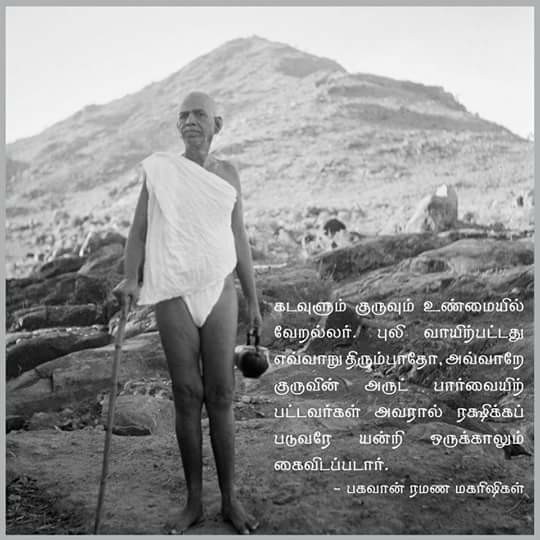
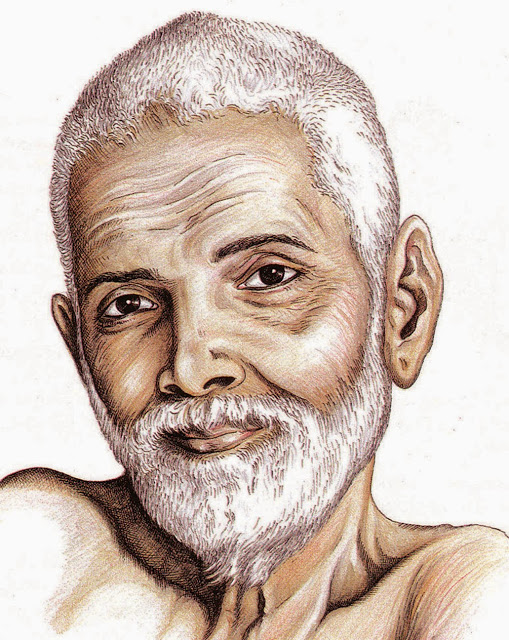
எல்லையற்ற கருணையுடன் உலக மக்களை உய்விக்க வந்த பெரும் அவதாரம் பகவான் ரமண மஹரிஷியின் அவதாரம்.

அந்த அவதாரத்தின் பெருமையை ஏராளமான சம்பவங்கள் விளக்குகின்றன. ஒவ்வொன்றும் மிக பிரம்மாண்டமான ஒரு உண்மையை வெளிப்படுத்துவதாக இருக்கும்.


குடிபாடி வெங்கடாசலம் என்ற அணுக்க பக்தர் வரைந்துள்ள குறிப்புகளில்  இரு சம்பவங்களை இங்கு பார்க்கலாம்.


வெங்கடாசலம் அவர்களை சலம் (1894-1979) என்றே அழைப்பர். தெலுங்கு மொழியில் சிறந்த எழுத்தாளர் அவர்.

1932இல் முதன் முதலில் அவர் பகவானை தரிசிக்க வந்த் போது அவர் ஒரு தீவிர சமூக சீர்திருத்தவாதியாகத் திகழ்ந்தார். அவர் பார்த்த வேலை – இன்ஸ்பெக்டர் ஆஃப் ஸ்கூல்ஸ். 1950இல் அருணாசலத்தையே தன் வாழ்விடமாகக் கொண்டு இறுதி வரை அங்கேயே இருந்தார். அவர் ரமண பக்தர்கள் 19 பேர்களின் நினைவலைகளைத் தொகுத்து தெலுங்கு மொழியில் ‘பகவான் ஸ்ம்ரிதுலு’ என்ற அழகிய நூலை வெளியிட்டார். அதில் அவரது புத்திரியின் அனுபவங்களும் கூட உள்ளன.


எச்சம்மாவின் பூஜை


பகவானின் அணுக்க பக்தையான எச்சம்மா ஒரு முறை அவரிடம் வந்து மிகுந்த பெருமிதத்துடன் தான் ஒரு லட்சம் இலைகளை வைத்து பூஜை செய்ததாகத் தெரிவித்தார். உடனே பகவான், “ இலைகளைச் செடியிலிருந்து கிள்ளுவதற்குப் பதிலாக உன் தோலை ஒரு லட்சம் தடவைக் கிள்ளி அந்த மாதிரி பூஜை செய்யக் கூடாதா நீ?” என்று கேட்டார். சம்பிரதாய முறையிலான பூஜைக்கு அவர் எப்போதும் எதிர்ப்பு தெரிவித்ததில்லை என்றாலும் தனது பக்தர்கள் இப்படிச் செயல்படும் போது உடனே அவர் அதை ஆதரிக்காமல் இப்படிக் கூறுவார்.


நமஸ்காரமும் பகவானின் சிரிப்பும்


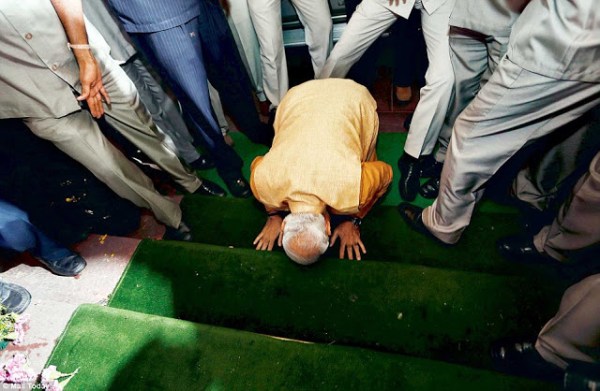
ஒரு முறை சலம் அவர்களின் நண்பர் ஒருவர் ஆசிரமத்திற்கு வந்தார். அவருக்கு சாமியார்கள் மீது நம்பிக்கையே கிடையாது. ஆகவே முதலிலேயே பகவானை நமஸ்கரிப்பதில்லை என்று தீர்மானம் செய்து கொண்டு வந்திருந்தார். அனவைரும் நமஸ்காரம் செய்த போதும அவர் செய்யவில்லை. ஆசிரமத்தைச் சுற்றி வந்து வேடிக்கை பார்த்துக் கொண்டிருந்தார்.


அது கோடைக்காலமாதலால் மாலை நேரத்தில் பகவான் அமரும் நாற்காலி ஹாலின் வெளியில் போடப்பட்டது. பக்தர்கள் சுற்றி அமர பகவான் அந்த நாற்காலியில் அமர்ந்தார். அப்போது அந்தப் பக்கம் வந்த நண்பர் தன்னை மீறிய சக்தி ஒன்றினால் பகவான் முன்னே வந்து சாஷ்டாங்கமாக நமஸ்காரம் செய்தார். உடனே பகவான் உரக்கச் சிரித்தார். அங்கிருந்த யாவருக்கும் அவர் ஏன் அப்படி திடீரென்று சிரித்தார் என்பது விளங்கவில்லை. ஆனால் சலத்திற்கு மட்டும் அதன் காரணம் என்ன என்று புரிந்தது.


இப்படி பகவான் பலரையும் தன் அருள் எல்லைக்குள் வரச் செய்து கருணை மழை பொழிந்த சம்பவங்கள் பல உண்டு!

பகவானின் ஒவ்வொரு அசைவிலும் பேச்சிலும் இறைத்தனமை நிரம்பி இருந்ததை அவருடன் நெருங்கி இருந்த ஆன்மீக சாதகர்கள் பலரும் அறிவர்.

***

2 கதைகள்! ஐயர் கதையும் குரங்கு கதையும்!!(Post No.3835)

Written by London swaminathan


Date: 20 APRIL 2017


Time uploaded in London:- 21-55


Post No. 3835


Pictures are taken from various sources; thanks.


contact; swami_48@yahoo.com 


சுருங்கச் சொல்லி விளங்க வைப்பதில் தமிழனுக்கு நிகர் தமிழனே! தமிழ் வேதமாகிய திருக்குறள் இதற்கு நல்லதோர் எடுத்துக்காட்டு. இதே போல நாலு வரிப் பாடல்களிலும் – வெண்பாக்களிலும்- அரிய பெரிய கருத்துகளைக் காணலாம். நீதி வெண்பா என்றதோர் நூலை எழுதியவர் பெயர் கிடைக்கவில்லை. ஆனால் நல்ல கருத்துகள் அதில் இடம்பெற்றுள்ளன.


நல்ல நண்பர்களுக்கும் கெட்ட நண்பர்களுக்கும் வேறுபாடு என்ன? அவர்களால் என்ன நேரிடும் என்ற கருத்தை விளக்க இரண்டு கதைகள் உள்ளன. நான்கு வரிகளேயுள்ள ஒரு வெண்பாவில் அந்த இரண்டு கதைகளையும் புகுத்திவிட்டார் இந்த நூலை யாத்த ஆசிரியர்.

அறிவன் பகையேனும் அன்புசேர் நட்பாம்

சிறுவன் பகையாம் செறிந்த- அறிவுடைய

வென்றி வனசரன்றான் வேதியனைக் கத்தான் முன்

கொன்றதொரு வேந்தைக் குரங்கு

–நீதிவெண்பா


பொருள்:-

முன்னொரு காலத்தில் நல்லறிவு படைத்த வேடன் (வனசரன்) ஒருவன், வேதியனை (பிராமணனைக்) காப்பாற்றினான். குரங்கு ஒரு அரசனைக் கொன்றது. அறிவுடைய ஒருவன் பகைவனானாலும் அன்போடு கூடிய நண்பனாகிவிடுவான். அறிவில்லாதவன் (சிறுவன்) நண்பனாக இருந்தாலும் பகைவனாக ஆய்விடுவான்.


பிராமணன் கதை

ஒரு வேதியனுக்கு அரசன் மாணிக்கக் கல்லைப் பரிசாகக் கொடுத்தான். அவரோ நெடுந்தொலைவு செல்ல வேண்டி இருந்தது. காட்டு வழியாக தனது சொந்த கிராமத்திற்குப் போக வேண்டி இருந்ததால் இதை இப்பொழுது விழுங்கி விடுவோம். ஊருக்குப் போய் வாந்தி எடுக்கும் மருந்தைச் சாப்பிட்டு, வெளியே எடுத்துவிடலாம் என்று எண்ணி அதை வாய்க்குள் போட்டு விழுங்கி விட்டார். இதை மரத்தின் மீதிருந்த ஒரு வேடன் பார்த்துவிட்டான். உடனே அந்தப் பிராமணனைப் பின்பற்றி நடந்து போய், நடுக்காட்டுக்கு வந்தவுடன் பிராமணனை மிரட்டி ரத்தினக் கல்லைக் கேட்டான். அந்தப் பிராமணனோ தன்னிடம் ரத்தினக் கல் எதுவும் இல்லை என்று சாதித்தான். இருவரும் மாணிக்கக் கல் பற்றி பேசியதை ஒரு வழிப்பறிக்கும்பல் கேட்டுவிட்டது


வேடனையும், வேதியனையும் தடுத்து நிறுத்தி மாணிக்கக் கல் எங்கே? என்று கேட்டனர். அவர்கள் தங்களிடம் இல்லை என்று சாதித்தனர். “ஓஹோ, அப்படியா இருவர் வயதையும் கீறிப் பார்த்துவிடுவோம் என்று பெரிய பட்டாக் கத்தியை உருவினர். உடனே அறிவும் அன்பும் மிக்க அந்த வேடன், ஐயோ பாவம்; அந்த மாணிக்கக்கல் உண்மையில் அந்த வேதியனுடையது. அதைப் பெற நான் முயற்சி செய்தது தவறு என்று ஒரு யோஜனை செய்தான்.


அந்த வழிப்பறிக் கும்பலை அணுகி, “ஐயன்மீர்! நாங்கள் நீண்ட கால நண்பர்கள் –ஆதலால் விளையாட்டாக மாணிக்கக் கல் பற்றிப் பேசிக்கொண்டிருந்தோம். உங்களுக்கு இன்னும் சந்தேகம் இருந்தால் இதோ என் வயிற்றைக் கிழித்துப் பாருங்கள்; இருந்தால் எடுத்துக்கொள்ளுங்கள்; இல்லை என்றால் என் வாக்கை நம்பி அந்த  நண்பனையாவது போக விடுங்கள் என்றான். இப்படிச் சொன்ன மாத்திரத்தில் கத்தியை வைத்து வேடன் வயிற்றைக் கீறினர் வழிப்பறிக் கும்பல். ஒன்றும் காணததால் அந்தப் பிராமணனை விட்டுவிட்டனர். அந்த அறிவுள்ள வேடனின் உயிர்த் தியாகத்தை மெச்சியவாறே பிராமணனும் வழிநடைப் பயணத்தைத் தொடர்ந்தான். நல்ல அறிவுள்ளவர்களருகில் இருந்தால் நன்மை கிட்டும்


குரங்கு கதை

ஒரு அரசன் ஒரு குரங்கை தனது பிள்ளைபோல வளர்த்து வந்தான். அதுவும் அரசன் என்ன செய்யச் சொன்னாலும் செய்துவிடும். ஒருமுறை அரசன் காட்டுக்கு வேட்டையாடச் சென்றான். மிகவு களைப்பாக  இருந்ததால் ஒரு மரத்தடியில் தூங்கச் சென்றான் அப்போது காவலுக்காக குரங்கின் கையில்  கத்தியைக் கொடுத்துவிட்டுத் தூங்கினான்.


அந்த நேரத்தில் அரசன் மீது ஒரு ஈ வந்து உட்கார்ந்தது. அரசனைக் காவல் காத்த குரங்குக்கு ஒரே கோபம். அரசன் வயிற்றில் உட்கார்ந்த ஈயை விரட்ட கத்தியால் ஓங்கி ஒரு போடு போட்டது. ஈ பறந்தோடிப் போனது; அரசனின் வயிறு இரண்டு துண்டு ஆனது. அறிவற்றவரை நண்பனாக வைத்திருந்தால் நாம் வம்பில் மாட்டிக்கொள்வோம்


சுபம்–

Significance of Number 24 in Two Religions (Post No.3834)

Written by London swaminathan


Date: 20 APRIL 2017


Time uploaded in London:- 20-34


Post No. 3834


Pictures are taken from various sources; thanks.


contact; swami_48@yahoo.com 


“Many striking similarities have been pointed out by various scholars between Hinduism and Zoroastrianism. It is trite to observe that the sisterhood of Veda and Zend Avesta stands already established; and the present-day Parsi and Hindu manners exhibit an incontestable affinity on the occasions of birth, marriage and death, which are the chief performances held holy and dear as ceremonials among the two sister communities”, says S S Mehta in an article published in 1930, in Dr Modi Memorial Volume.


Following is a summary of his article:

“The third stanza of the 30th Yasna and also the fourth give us a clue to suppose that the age of the Brahmanic literature in India corresponds to the age of Zoroaster.

“Now the two primal spirits who revealed themselves in vision as Twins, are what is Better and what is Bad in thought, word and action. And between these two, the wise ones chose aright; the foolish not so.


And when these twain spirits came together in the beginning, they established Life and Not-Life, and at the last worst existence shall be to the liars, but the Best Thought to him that follows the Right (asaone)”


The two primal spirits correspond to the Purussha and Parkruthi of the Sankhya philosophy. Prakruti is dull-dead i.e Not Life and Purusha is Life. Good and evil were co-eternal in the past, or they arose together in the beginning


Ancient Iranians presented sacrifice to the moon, the stars, the winds and the mother elements – the symbols or rather embodiments of Good- of Life. He brought out the Number 24 as also did the follower of  the Samkhya philosophy out of the Two Primal Spirits, from which these became naturally evolved.


After the Indo-Iranian split, Semitic culture predominated Iran; and still earlier Western Aryans developed cultural traits that differed greatly from the Eastern Aryans. The Parsi lays stress upon the worship of one God Ahura (Asura) Varuna of the Vedas; manifested in two forms the so called Twin Spirits – Purusha and Prakruti; or Brahma and Maya; whose life- interplay brings out all manifested forms. These manifested forms of the objective world are guided by the great Law of Action and Re-action i.e. the great Law of Karma; and the same is based upon the religious scriptures that propounds the various aspects of Duty, or in other words, service not to humanity alone but to the universe. These constitute the essence of Hinduism as well as Zoroastrianism.


Zoroastrianism has many common points with Hinduism. Some critics brand both equally as having favoured the idea of pluralistic godhead.  Edward ( of Encyclopaedia of Religion and Ethics) favours the idea of progressive monotheism which is naturally based on the notion of evolution from a state of savageness to one of civilization. In a sense, moreover, plurality may be regarded as inseparable from Divinity.

24 Gods in Zoroastrianism


Zoroastrianism gives the precise number of gods as four and twenty. Well known Sankhya philosophy has promulgated the idea of Divinity as based upon 24 Tattvas. They are Prakruti (Nature) from which are produced the following 23 i.e. the intellect, the consciousness, the five subtle elements, the five grosser elements, the five senses of perception, the five organs of action and mind; thus, the whole total reaches 24.


The number 24 is identified with the constellation and stars that are regarded as symbols of Divinity. Prof. Cumont takes these gods to be the 24 stars outside the zodiac- 12 in the northern and 12 in the southern hemispheres. Zimmern tries to take the 24 constellations that revolve around the polar star as the 24 Spiritual Kings of the Book of Revelation.


The very word Ahura Mazda in the singular number denotes the One Omniscient God and in the plural form it signifies the sense of 24 most glorious Siddhas – as will be evident from Yasna 28-9, which says,

“With these bounties, O Ahura, may we never provoke your wrath, O Mazda and Right and Best Thought  … Ye are they that are mightiest to advance desires and Dominion of Blessings.


24 In The Bible

Now in the Christian Bible God is described by John as one seated on the throne from which proceed thunder and lightnings and which is surrounded by four and twenty seats, on which sit the 24 Elders, all robed in white and wearing crowns of gold. The same idea occurs also in the Jain philosophy – the idea of the One in the 24 and 24 in the one.


( My comments: There were 24 Jain Tirtankaras; there are 24 syllables in the Gayatri Metre and Mantra- the most sacred mantra found in all the Hindu Vedas).


Please read my article posted yesterday: India- Iran Vedic Connection( Post No.3831)


–subham–


விளம்பர குருவின் நல்ல அறிவுரை! (Post No.3833)

Written by S NAGARAJAN


Date:20 April 2017


Time uploaded in London:-  5-56 am


Post No.3833


Pictures are taken from different sources; thanks.


contact: swami_48@yahoo.com


விளம்பர குருவின் நல்ல அறிவுரை!

.நாகராஜன்


    “படைப்பாற்றல் திறன் எந்த ஒரு பிரச்சினையையும் தீர்த்து விடும்”ஜார்ஜ் லாய்ஸ்


அறிவியல் யுகத்தில் எந்த ஒரு பொருளையும் விளம்பரப்படுத்துவது ஒரு தனிக் கலை ஆகி விட்டது. ஏராளமான நவீன சாதனங்களைப் பயன் படுத்தி அழகிய மாடல்கள் பஞ்ச் வசனங்களை உதிர்க்க ஏராளமான  உத்திகளுடன்  மக்கள் மனதைக் கவர வழி வகுக்கின்றனர் அட்வர்டைஸ்மெண்ட்’   குருமார்கள்.


       இந்த அட்’ குருக்களில் (AD – Guru) தனக்கெனத் தனி இடம் பிடித்திருப்பவர் ஜார்ஜ் லாய்ஸ் (George Lois). இவர் தனது அனுபவங்களை எல்லாம் தொகுத்து  படைப்பாற்றலுடன் வாழ்க்கையை மேம்படுத்துவதற்கான குறிப்புகளை டாம் குட் அட்வைஸ்’ ( Damn Good Advice) என்ற புத்தகத்தில் தந்துள்ளார்.


       விளம்பர குரு! உலகின் நம்பர் ஒன் படைப்பாளி! கேட்கவா வேண்டும் அறிவுரைகளுக்கு?! 120 அறிவுரைகளை நச்சென்று கொடுக்கிறார் வித விதமான சுவையான சம்பவங்கள், மேற்கோள்களுடன்!


    முதலில் மனிதர்களை அவர் நான்கு வகையாகப் பிரிக்கிறார்:


  • மிகுந்த புத்திசாலிகள், உழைப்பாளிகள்
  • மிகுந்த புத்திசாலிகள், ஆனால் சோம்பேறிகள்
  • வடிகட்டிய முட்டாள்கள், சோம்பேறிகள்
  • வடிகட்டிய முட்டாள்கள், ஆனால் உழைப்பாளிகள்


முதல் இரண்டு பிரிவினருக்கு லாய்ஸின் அறிவுரைகள் பயன்படும். மற்ற இரு பிரிவினரிடம் அனாவசியமாகத் தனது அறிவுரைகளைக் கேட்டு நேரத்தை வீணடிக்க வேண்டாம் என்கிறார் அவர்.


       உங்களிடம் ஏராளமான சாதனங்கள் இருக்கலாம். ஆனால் படைப்பாற்றலுடன் கூடிய ஐடியா இல்லை என்றால் வெற்றி பெற முடியாது. ஒரு சின்ன கருத்துருவாக்கம், நல்ல வார்த்தைகள், சித்திரம் இவையெல்லாம் வாழ்க்கையில்  மாயாஜால வெற்றிக்கான வித்துக்கள். முதலில் நல்ல ஐடியாவை உருவாக்கிக் கொள்ளுங்கள் என்கிறார் லாய்ஸ்.


     வாய்ப்புக் கிடைக்கும் போது உங்கள் ஐடியாவை ஒரு விநாடியில் நூற்றில் ஒரு பங்கிற்குள், ஒரு நேனோ செகண்டிற்குள் சொல்லும் அளவு நீங்கள் பக்குவப்பட்டிருக்க வேண்டும்.


     எதையும் சுருக்கமாகச் சொல்லுங்கள். உரிய வார்த்தைகளில் விளக்குங்கள். முதலில் வார்த்தைகள், பின்னரே சித்திரங்கள் அல்லது வீடியோ மூலமான விளக்கம். இதுவே அனைவரையும் கவரும் எளிய மாஜிக் வழி என்கிறார் அவர்!


     ஆற்றலுடன் செயல்படுங்கள். ஆற்றல் ஆற்றலைக் கூட்டிக் கொண்டே இருக்கும். இதற்காக மனதையும் உடலையும் வலுப்படுத்தும் விதத்தில் ஏதேனும் செய்து  கொண்டே இருக்க வேண்டும் என்று சொல்லும் லாய்ஸ் வார் கேம்ஸ்’ எனப்படும் விளையாட்டைத் தான் விளையாடிக் கொண்டே இருப்பதாகக் கூறுகிறார்.


  விளையாட்டுக்களில் ஈடுபடுவதும் உடலுக்கும் மனதுக்கும் அதிக ஆற்றலைத் தரும். செஸ் விளையாட்டும் படைப்பாற்றல் திறனை அதிகரிக்கும்.


    தாமஸ் ஹக்ஸ்லி என்னும் படைப்பாற்றல் நிபுணர் கூறுவது: “செஸ் போர்ட் என்பது தான் உலகம். அதில் உள்ள காய்கள் தான் பிரபஞ்சத்தின் அம்சங்கள். செஸ் விளையாட்டின் விதிகளைத் தான் இயற்கையின் விதிகள் என்று கூறுகிறோம்”


      முன்னேற்றத்திற்கு வயது ஒரு தடையில்லை. உலகின் பிரபல அறிவியல் நூலான தி ஆரிஜின் ஆஃப் ஸ்பீஸஸ்’ என்ற நூலை எழுதும் போது டார்வினுக்கு வயது 50.

    மக்டொனால்ட் என்ற சங்கிலித் தொடர் உணவு விடுதிகளை ஆரம்பிக்கும் போது ரே க்ராக்கிற்கு வயது 52.

    ஹரே கிருஷ்ணா இயக்கத்தை அமெரிக்காவில் ஆரம்பித்த பக்தி வேதாந்த ஸ்வாமி பிரபுபாதர் அந்த இயக்கத்தை நிறுவிய போது அவருக்கு வயது 69. அவர் கையில் இருந்த பணம் வெறும் 7 டாலர் தான்!


     “எப்போதாவது எதையாவது செய்ய முயன்றிருக்கிறீர்களா? அதில் தோற்றிருக்கிறீர்களா? பரவாயில்லை. போனது போகட்டும். மீண்டும் முயலுங்கள். தோல்வியைச் சந்தியுங்கள். ஆனால் நல்ல விதமாகத் தோல்வியை அணுகுங்கள்.”  – வெற்றிக்கான வழியாக லாய்ஸ் தரும் டிப்ஸ் இவை.


       உங்களைச் சுற்றி இருப்பவர்கள் அனைவரையும் உங்களை நல்ல விதமாக அறிமுகப்படுத்தும் நல்ல பொதுத் தொடர்பு அதிகாரிகளாக மாற்றுங்கள்.

தேவையில்லாதவருடன் பழகவே பழகாதீர்கள்.


     நண்டு எப்போதும் ஒரு நண்டு தான்பாம்பு எப்போதும் ஒரு பாம்பு தான். உங்கள் படைப்பாற்றல் மிக்க வாழ்க்கையில் ஒரு முட்டாள் எப்போதும் ஒரு  முட்டாள் தான்! உங்களின் அருமையான யோசனையை அங்கீகரிக்கத் தெரியாதவரிடம் பழகி என்ன பிர்யோஜனம்? ஒரு நண்டுக்கு நேராக நடக்க உங்களால் கற்பிக்க முடியுமா, என்ன?


     உலகில் பல அரிய  காரியங்கள் கொஞ்சம் துணிச்சல் இல்லாததனால் தான் வெற்றி பெறாமல் போய்விட்டன. வெப்ஸ்டர் அகராதியில் தைரியம் என்ற வார்த்தைக்கு அபாயகரமான கஷ்டமான, எச்சரிக்கையுடன் இருக்க வேண்டிய விஷயத்தில் அதை துணிகரமாக எதிர்கொள்ள உறுதியாகத் தீர்மானித்தல் என்று அர்த்தம் கொடுக்கப்பட்டுள்ளது.


     உங்கள் எதிர்காலத்தைத் தீர்மானிக்கும் ஒரே நபர் நீங்கள் மட்டுமே.போல்ஸ்மூர் சிறையில் 27 வருட காலம் கழித்த நெல்ஸன் மண்டேலா வில்லியம் எர்னெஸ்ட் ஹென்லி என்ற கவிஞரால் 1875ஆம் ஆண்டு இயற்றப்பட்ட இன்விக்டஸ் (ஜெயிக்க முடியாத என்ற பொருள் கொண்ட) என்ற கவிதையை அடிக்கடி தன் தோழர்களுக்கு சிறையில் படித்துக் காண்பித்துக் கொண்டே இருப்பார். அதில் வரும் கீழ்க்கண்ட அமர வரிகள் பல்லாயிரக்கணக்கான மக்களுக்கு உத்வேகம் அளித்தது போலவே நெல்ஸன் மண்டேலாவைச் சார்ந்தவர்களுக்கும் உத்வேகம் அளித்து வெற்றியைத் தந்தது.


     “It matter not how strait the gate, How charged with punishment the scroll, I am the master of my fate, I am the captain of my soul”


            இது போன்ற உற்சாகம் தரும் நூற்றி இருபது அறிவுரைகளைப் படித்தவுடன் அட, நல்ல அறிவுரை தான்’ என்று வாழ்க்கையை ஒரு புதிய அணுகுமுறையுடன் உத்வேகத்துடன்  பார்க்க வைக்கிறார் லாய்ஸ்!


அறிவியல் அறிஞர் வாழ்வில் ..

இயற்பியல் விஞ்ஞானியான ராபர்ட் ஓப்பன்ஹீமர்   (Robert Oppenheimer) எட்டு மொழிகளில் புலமை கொண்ட நிபுணர். கவிதை,மொழி வன்மை, தத்துவம் போன்ற பல துறைகளில் ஆர்வம் கொண்ட பன்முக விற்பன்னர். இந்த அபாரமான அறிவால்அவருக்குப் பல தடவைகள் பெரும் சங்கடங்கள் ஏற்பட்டதுண்டு.    

                 அவரால் மற்றவர்களுக்குள்ள குறைவான  அறிவுத் திறனைப்     புரிந்து கொள்ள முடியவில்லை.    

                                                                                                                                                   தன்னைப் போலவேஅனைவரும் எல்லாவற்றிலும் வல்லுநர்கள்  என்றே   அவர் எண்ணிக் கொண்டிருந்தார்.

1931ஆம் ஆண்டில் நடந்த சம்பவம் இது:

     கலிபோர்னியாவில்,

பெர்க்லி பல்கலைக்கழகத்தில் தன் சகாவான       லியோ நெடெல்ஸ்கி (Leo Nedelsky)    என்பவரிடம்  தனக்காக ஒரு   சொற்பொழிவைத்   தயாரிக்குமாறு அவர் கேட்டுக் கொண்டார்.  அதற்காக ஒரு புத்தகத்தையும் கொடுத்தார்.  அந்தச்சொற்பொழிவுக்கான    அனைத்தும் ஒரு புத்தகத்தில்  இருந்ததால் அதை லியோ தயாரிப்பது மிகவும் சுலபம் தான் என்று அவர் எண்ணினார்

ஆனால் புத்தகத்தை வாங்கிக் கொண்ட சிறிது நேரத்திலேயே மிகுந்த குழப்பத்துடன்  அவரிடம் லியோ ஓடி வந்தார்.

இது ஜெர்மன் மொழியில் அல்லவா இருக்கிறது என்று  குழப்பத்துடன் அவர் கேட்டார். அவருக்கு ஜெர்மானிய மொழி தெரியாது!

ஆமாம், ஆனால் அது சுலபமான நடையில் அனைவரும் புரிந்து கொள்ளும்படி தானே இருக்கிறது என்று பதில் சொன்னார் ஓப்பன்ஹீமர்.


அனைவருக்கும் ஜெர்மன் மொழி தெரியும் என்பது அவரது எண்ணம். தன்னைப் போலவே அனைவரையும் இப்படி நினைத்ததால் அடிக்கடி இது போன்ற  சங்கடங்களை அவர் எதிர் கொள்ள வேண்டியிருந்தது!

*****


‘நல்லோர்கள் எங்கே பிறந்தாலுமென்?’ – நீதி வெண்பாவும் மனு நூலும் (Post No.3832)

Written by London swaminathan


Date: 19 APRIL 2017


Time uploaded in London:- 21-51


Post No. 3832


Pictures are taken from various sources; thanks.


contact; swami_48@yahoo.com 


மனு தர்ம சாஸ்திரத்தில் ஒரு அழகான பொன்மொழி உள்ளது. கீழ் ஜாதி மேல் ஜாதி பற்றியெல்லாம் கவலைப் படாதே.


“விஷத்திலிருந்தும் அமிர்தம் கிடைக்கும்;

குழந்தையிடமிருந்தும் புத்திமதி கிடைக்கும்;

எதிரியிடமிருந்தும் நற்குணத்தைக் கற்கலாம்;

தூய்மையற்ற பொருள்களிலிருந்து தங்கத்தைப் பிரித்தெடுக்கலாம்”

மனு ஸ்ம்ருதி 2-239


“பெண்கள், நகைகள், கல்வி, நீதி/சட்டம்,

தூய்மைபெறுதல், நல்ல அறிவுரை, கைவினைப் பொருட்கள்

ஆகியவற்றை எவரிடமிருந்தும் ஏற்கலாம்”.

மனு ஸ்ம்ருதி 2-240


“அரிய சந்தர்ப்பத்தில், பிராமணர் இல்லாதவரிடத்தும் வேதத்தைக் கற்கலாம். அவ்வாறு கற்கும் வரை, அவரைக் குருவாகக் கருதி அவர் பின்னால் கைகட்டி, வாய் புதைத்து மரியாதையுடன் செல்லலாம்”.

மனு ஸ்ம்ருதி 2-241


இதையே ஆரியப் படை கடந்த நெடுஞ்செழியனும் புற நானூற்றில் சொன்னார் (183)


“வேற்றுமை தெரிந்த நாற்பாலுள்ளும்

கீழ்ப்பால் ஒருவன் கற்பின்,

மேற்பால் ஒருவனும் அவன் கண் படுமே”


பொருள்:-

“நான்கு ஜாதிகளில்,  கீழ்ஜாதிக்காரன் ஒருவன் கற்றறிந்த மேதாவியானால் மேல் ஜாதிக்காரனும் அவனிடம் போய்க் கற்கலாம்” (புறம்.183)


அதாவது 4 ஜாதிகளில், கற்றுத் தேர்ந்த சூத்திரனிடம் பிராமணனும் கற்கலாம் என்பது இதன் பொருள்


இதை நீதி வெண்பா வேறு வழியில் அழகாகச் சொல்லும். உலகில் உயர்ந்த பொருட்களாகக் கருதப் படும் 11 பொருட்களைப் பாருங்கள். அவை , கிடைக்கும் இடங்கள் உயர்ந்தவை அல்ல; அப்படியும் அதனைப் போற்றுகிறோம். அது போலத்தான் மேலோர்கள்/ சான்றோர்கள் எங்கும் தோன்றுவர்.


காந்தி, சத்ய சாய் பாபா போன்றோர் ஒரு சிறு கிராமத்தில் ஊர் பேர் தெரியாத தாய் தந்தையருக்குப் பிறந்தனர். ஆயினும் அவர்கள் பிறந்த இடமும் பெற்றோர்களும் வணக்கத்திற்குரியோர் ஆயினர். மஹாபாரதத்தில் கசாப்புக் கடைக்காரன் தர்ம வியாதன், ராமாயணத்தில் சபரி, குகன் ஆகியோர் காலத்தாலழியாத கவின்மிகு காவியத்தில் இடம்பெற்றுவிட்டனர்.


வள்ளுவனும் செப்புவது அஃதே


மேற்பிறந்தாராயினும் கல்லாதார் கீழ்ப்பிறந்தும்

கற்றார் அனைத்திலர் பாடு – குறள் 409


பொருள்:

மேல் ஜாதியில் பிறந்தவராக இருந்தாலும், கல்லாதவராக இருந்தால் கீழ்ஜாதியில் பிறந்து கல்விமானாக விளங்குவோர் போல பெருமை பெற முடியாது

நீதி வெண்பா சொல்லும் 11 பொருட்கள்:-


தாமரைபொன் முத்துச் சவரங்கோ ரோசனைபால்

பூமருதேன் பட்டுப் புனுகுசவ்வா – தாமழன்மற்

றெங்கே பிறந்தாலு மெள்ளாரே நல்லோர்கள்

எங்கே பிறந்தாலு மென்

நீதிவெண்பா 1


பொருள்:-

தாமரைப் பூவும் தங்கமும் முத்தும் சாமரையும் கோரோசனையும் பாலும், அழகிய மணமுள்ள தேனும், பட்டும் புனுகும் சவ்வாதும் எரியும் நெருப்பும் — ஆக இப்பதினொன்றும் — எவ்வளவு தாழ்ந்த இடத்திலிருந்து கிடை த்தாலும் மக்கள் இகழ மாட்டார்கள் ஆதலால் நல்லவர்கள் எந்த இனத்தில் எந்த இடத்தில் பிறந்தாலும் அதனால் என்ன?

(தாழ்வு உண்டாகாது)

தாமரை சேற்றில் விளையும்;

தங்கம் மண்ணில் கிடைக்கும்;

முத்து, சிப்பிப் பூச்சியின் வயிற்றில் பிறக்கும்;

சாமரம் என்பது ஒரு விலங்கின் மயிர்/ முடி;

கோரோசனை மாட்டின் வயிற்றில் கிடைக்கும்;

பால், பசுவின் மடியிலிருந்து கறக்கப்படும்;

தேன், மெழுகு போன்ற அடையிலிருந்து கிடைக்கும்;

பட்டு, பட்டுப் புழுவின் நூற்பு;

புனுகு, ஒரு பூனையின் அழுக்கு;

சவ்வாது மானிடத்திலிருந்து   கிடைக்கும்;

நெருப்பை, தாழ்ந்த கட்டையை எரித்தும் பெறலாம்;

அது போலவே நல்லோரும் எங்கும் பிறப்பர்.


–Subham–

India- Iran Vedic Connection (Post No.3831)

Written by London swaminathan


Date: 19 APRIL 2017


Time uploaded in London:- 6-55 am


Post No. 3831


Pictures are taken from various sources; thanks.


contact; swami_48@yahoo.com 


In the first part titled “Who was Zoroaster? Why did Parses Return to India, I gave  20 points listed by Dattopant Thengadi and what Kanchi Paramacharya (1894-1994) told us about Zoroaster (Please see at the end for the details)


Today I give below some interesting points discussed by Professor Herman Lommel:

1.It is a well known fact that old India and Iran have in common many related traditions, mythical conceptions, tales and legends. We need mention only such names as Soma, Mitra, Vrtrahan, Yama, Apam Napat, Vayu, Trita Aptya in order to recall the memory of those versed in these things a much debated domain of associations.

(all the above are in Rig Veda and Persian scriptures; I  add Usana Kavi, the great poet of Rig Veda and Varuna which are also found in Persian)


2.We see some other Vedic concepts in the teachings of Zarathushtra (Zoroaster). i.e. principall ythose in the Gathas. We can again suggest correlatives with a few catch words:

Rta in the Vedas= asa in Gathas

aramati = armaiti

Purandhi = Parendi

3.There is a systematic connection in the Zarathushtrian doctrine between Asa as a spiritual and heavenly power and FIRE as its earthly corporeal counterpart. And this has parallel I the Vedic religion in the relationship between Agni, the God of Fire and Rta.

Cinvat Bridge

4.The chief point to be discussed here is the Cinvat Bridge. Earth and heaven are separated by a space, empty except for the wind. In order to go from the earth to the heaven one must pass through this intermediate space. Only the soul is capable of such an act, so that except for special cases like that of Arda Vira, it must take place after death. So far these ideas are not Iranian singularities, but are rather widely spread. The old Indian views are at any rate very similar. The path by which  one can cross this empty space is the bridge. The wind will help the good people to go to heaven and the bad people will be made to fall into hell.


5.In the Rig Veda the bridge occurs only once (RV.9-41) as a figure of speech and not at a as a path into the other life. We find this conception however in the Yajur Veda. Kathakam 28-4: “By means of the midday pressing the gods entered into the world of heaven. Their steps and ladder were the ‘dakshinas’. If one offers dakshina, one crosses a bridge and enters the world of heaven.


This is found in Maitrayani Samhita (4-8-3), Taittiriya Samhita (6,5 3-3) and Satapata Brahmana (13-2-10-1).


Upanishads also (Brh14-7-2-27; Chando 8-4-1; Kathaka 3-2) talk about the bridge.


More often than to crossing of a bridge occur references to steps or rungs of a ladder which one must climb. The symbol of the bridge is used in a sense which corresponds to the philosophy of the Upanishads; one reaches the Brahman world through recognition of Atman and faithfulness to him.
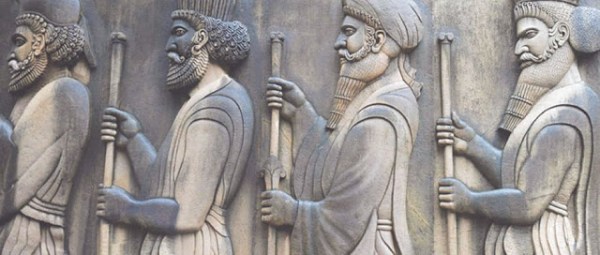
  1. I search for the meaning in another direction. In the language of the Avesta for instance Apam Napat (Vedic God) means the crossing of the water. In the sense the crossing, the ford or the bridge over the water. Cinvat Bridge can therefore mean the crossing over that which is Cinvat.


7.When the soul arrives in the world beyond, the other souls come to meet it. Zarathushtra himself says so only with a reference to perdition (Y-49-11). Later it is told with reference to paradise. Strangely similar is the report in Kausitaki Upanishad, 1-3 of what Brahman says upon the arrival of a deceased person in that other world: “run to meet him through my glory he has attained to the ageless stream, truly he shall not grow old”.

8.According to Rig Veda (10-154-1) ghee among, other things is eaten in heaven which corresponds to the raoghna zaramaya, the spring butter (Had.N.2-18).


  1. In the same way we can compare with the sweet scent which blows from the southern quarters to the soul of the pious on the third morning after death (Had.N.2-18) – i.e. shortly before his arrival in the world beyond – the aggregable and beneficent winds which according to the Atharva Veda (18-2-21) the fathers and Yama waft toward the deceased (not the wind which blows them thither, as Whitney translates).


10.According to old Hindu belief the heavenly courtesans receive the deceased, while to the Zoroastrian his own Daena appears and the pleasures are spiritualised. That the Daena appears as a glorious damsel is in V.19.30 (but not in the Gathas).
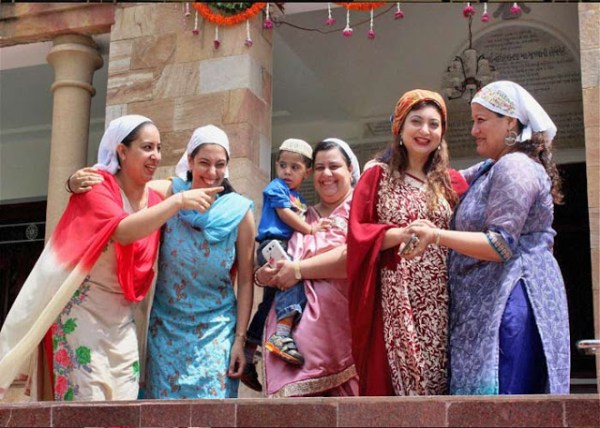
 

11.I need mention only the well-known fact that the two dogs which accompany the Daena (V.19-33) and which guard the bridge (V.13-9) originate in the Hindu mythology.


12.I might also observe that the locality of the Cinvat Bridge and the sojourn of the souls, which are neither good nor bad, “in wind” remind us somewhat of the numerous references in India to the belief of the “self” (atman RV 10-16-3) or its vital breath or spirit goes to the wind when it dies.


13.Every reader of the Veda is acquainted with the references to the rain as semen engenders life on earth. This is very clearly expressed, but also embellished with the idea of metempsychosis, in the passage mentioned in the Kausitaki Upanishad (1-2). The moon lets the soul, which cannot answer its questions satisfactorily, turn to rain and fall upon the earth, from which animals are born. It is probably an earlier idea, at any rate it coincides more nearly with the Iranian. (according to Chandogya Upanishad 5-10-6 which says all plants originate in this way). Compare with this Bundahis (9-2).


I do not know whether the primitive natural science theory common to old Indians and Iranians that the plants spring from the rain-water, can be found by other peoples or not.


(Summary of the article “Some corresponding conceptions in old India and Iran” written by Prof.Herman Lommel in the Dr.Modi Memorial volume, published in 1930)

–Subham–

From my old article posted in 2013

“Why Did Parsees ‘Return’ to Gujarat?”


By London Swaminathan; Post No 759 dated 25th December 2013

Who was Zoroaster?


The date and the birth place of Zoroaster are not yet settled. He is placed between 6th and 10th centuries BC. Two interesting details point out that he was born in Saurashtra area in Gujarat. Kanchi Paramacharya (Shankaracharya) Swamikal said in one of his talks that Zoroaster was from Saurashtra. The reason for Parsees coming back to Gujarat after the persecution by Muslims in Iran also confirms they were from Gujarat. Kanchi Paramacharya Swamikal on Zoroaster Kanchi Shankaracharya in his talk in Chennai in 1932 says: “Now Parsees are worshipping Agni (fire). Their scripture is called Zend Avesta. It is Chando Avasta.Their Acharya (teacher) was Zoroaster. This is the distorted form of Saurashtrar. Their country was called Iran. This is the distorted form of Arya Desa.” Sri Shankaracharya repeated the same in a talk again on 17-11-1932.

There is another interesting story of Parsees migration into Gujarat when Yadhava Rana (Jadi Rana) was ruling. His date was not known. He might have ruled in 10th century. When the Parsees were persecuted by the Muslims in Iran, they came to India. Why did they come to Gujarat in India? Because it was their original home .There was an interesting meeting between the Parsee priests. When Yadhava Rana was informed about the new immigrants he came with a glass of milk. The milk was filled to the brim. He showed it to the priests to convey the message that the area was full and no place for the new people. The wise priests put some sugar into it meaning we won’t displace any of you, but mingle with your people like sugar in milk. To this day the Parsees kept their word. Their contribution to the development of India was great in all fields from Nuclear reactors to big Steel industries. They are a peace loving community.


I think Zoroaster was a rebel and went to another country to start a rival group. That justifies their scriptures calling Devas of India as Asuras and vice verse. But yet they did not differ on basic issues. They still praised Varuna and Mithra. I reproduce Dattopant Thengadi’s article below which gives a good comparison of Hinduism and Zoroastrianism:


Zend Avesta—A Neglected Hindu Scripture By D B Thengadi written on 22-2-67 (From his book The Perspective, page 32) “ The Vishva Hindu Parishad is trying to bring together Hindus all over the world on a common platform. Hence it is necessary and useful that a thorough research is conducted into our many neglected scriptures. If these scriptures continue to be neglected the blame lies squarely on our own shoulders. The scriptural text of our Parsi brethren- Zend Avesta—falls into this category. There searches made by Prof. Max Muller, Dr Hang, L.H.Mills, Sir William Jones and others throw on that scripture much light which reveals some important facts:


1.Zend Avesta is a corrupt form of Chhanda Avastha. 2.At least sixty percent of the words in Zend Avesta are of pure Sanskritic origin. 3.There is grammatic similarity in the language of the Vedas and the Avesta. 4.The corruption of Sanskrit words has followed a particular pattern.For example, Sanskritic ‘ta’ has changed into ‘tha’ in the Avesta; ‘swa’ into ‘sya’, ‘ha’ into ‘ja’ and ‘sa’ into ‘ha’. Even in Arabic, the Sanskrit ‘sa’ has becpme’ha’.


5.Aryamana in Sanskrit means both a ‘friend’ and ‘God’. In the Avesta also Airyamana means the same. In Sanskrit ‘Mitra’ has three meanings—Sun, Friend ad God Mithr in the Avesta also means the same three things. Gau has the same two meanings—cow and earth—in both the languages. 6.The Vedic and Avesta language are two forms of the same language. 7.Many prosodies of the Vedas such as Gayathri, Trishtup, Anustupha, Asuri, Ushati etc. are to be found in the Avesta. 8.The institution of Yajna, its different types and tools ae treated similarly in both. They give the same importance to Soma and Homa. 9.Both deal with the significance and worship of Agni (Fire). 10.Both refer to the importance of the Gau (cow) and Gomutra (Urine of the cow).


11.The Parsis are described as Arya and Aryatva is praised in the Avesta.

12.There is surprising similarity in the views of both about metaphysics, cosmology, the process of the evolution of the universe etc.

  1. The Thirty Three Gods in the Vedas resemble the Thirty Three Rathus in the Avesta. 14.The Avesta recognises the concepts of rebirth and Karma. 15.The Cow is considered as the representative of the entire society in the Avesta.


16.There is a reference to ancient metaphysics in the Avesta. 17.The Parsis also have the Sacred Thread ceremony. It is called Kushati. 18. The social order described in the Avesta is similar to Chaturvarnya. 19.The Brahmin is referred to as ‘athrva’, ‘atharvana’ and the Kshatriya as rathesto, ratheshta in the Avesta. 20.Dr. Hang concludes that Brahmins and Prsis are two different types of the same caste.


Against the background of all these facts, it is our duty to consider Zend Avesta as a neglected Hindu scripture and conduct proper research into it. (From the book THE PERSPECTIVE by D.B.Thengadi, 1971) Contact swami_48@yahoo.com; pictures are used from other websites; thanks. Pictures are taken from Wikipedia and other websites;thanks.


–Subham–
 

பகவான் ரமணரின் வாழ்வில் நகைச்சுவை! (Post No.3830)

Written by S NAGARAJAN


Date:19 April 2017


Time uploaded in London:-  5-49 am


Post No.3830


Pictures are taken from different sources; thanks.


contact: swami_48@yahoo.com


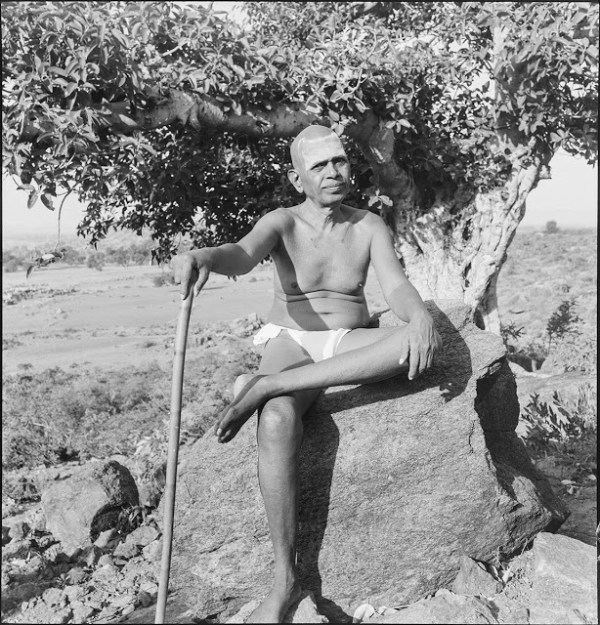
பகவான் ரமணரின் வாழ்வில் நகைச்சுவை!

ச.நாகராஜன்


பகவான் ரமண மஹரிஷியின் வாழ்க்கை வரலாற்றையும் உபதேசங்களையும் படிக்கும் பக்தர்கள் பொதுவாகவே அவர் தீவிர சிந்தனையிலும் இறை உணர்விலும் இருப்பதை உணர்வர். ஆனால் உலகியல் வாழ்க்கைக்கு ஏற்ப அவர் நகைச்சுவை உணர்வுடன் இருந்து பக்தர்களின் பதிலை ஏற்றுக் கொண்டதைச் சுட்டிக் காட்டும் நிகழ்ச்சிகள் ஏராளம் உண்டு.


இதை எடுத்துக் காட்டும் விதத்தில் பகவானின் அணுக்க பக்தரான குஞ்சு சுவாமிகள் பல சம்பவங்களைக் கூறியதுண்டு.அவற்றில் சில:


பகவானுடன் கிரி வலம் வரும் பக்தர்கள் பொதுவாக தெய்வீகப் பாடல்களையும் ஸ்தோத்திரங்களையும் பாடிக் கொண்டே செல்வது வழக்கம். ஆனால் ஒரு பையன் மட்டும் மௌனமாக பகவானுடன் வருவது வழக்கமாக இருந்தது. ஒரு நாள் அனைவரும் ஆளுக்கு ஒரு பாடலைப் பாடி முடித்த போது பகவான் அந்தப் பையனைப் பார்த்து, “எல்லோரும் பாடி விட்டார்களே! நீ ஒன்றைப் பாடக் கூடாதா?” என்றார். அதற்கு உடனே அந்தப் பையன், “ஜீவன் முக்தர்கள் எங்காவது பாடுவார்களா?” என்றான்.


இதைக் கேட்ட பகவான் விழுந்து விழுந்து சிரித்தார்.


சத் தரிசன பாஷ்யம் என்ற நூலை எழுதிய கபாலி சாஸ்திரியார் பகவானின் அணுக்க பக்தர். வேத ரகசியங்களை நூல்களாக எழுதியவர். பின்னாளில் இவர் அரவிந்த ஆசிரமத்திலும் தங்கி இருந்தவ்ர். அவருக்கு திருமணத்தில் அவ்வளவாக நாட்டம் இல்லை. ஆனால் அவர் வீட்டிலோ அவரை எப்படியாவது திருமணம் செய்து கொள்ள வைக்க முயன்றனர். ஒரு நாள் அவர் பகவானிடம் வந்து, “ நான் நாளை ஆசிரமத்தை ஏற்றுக் கொள்ள முடிவு செய்திக்குருக்கிறேன்: என்றார்.


ஆசிரமத்தை ஏற்றுக் கொள்வது என்றால் பொதுவாக சந்யாச் ஆசிரமத்தை ஏற்றுக் கொள்வதாகத் தான் அர்த்தம்,.

பகவான் ஆச்சரியத்துடன், “அப்படியா! கபாலி! அதற்கு வீட்டில் அனுமதி வாங்கியாகி விட்டதா?” என்று கேட்டார்.

அதற்கு அவர், “நான் இரண்டாவது ஆசிரமத்தைச் சொன்னேன். பிரமசர்யத்திலிருந்து கிரஹஸ்தாசிரமம் போக முடிவு செய்து விட்டேன்” என்றார்.


பகவான் இதைக் கேட்டுச் சிரித்தார்.


முதலியார் பாட்டி என்று அழைக்கப்பட்ட மூதாட்டி பகவானுக்கு அன்டன் தான் சமைத்த உணவைக் கொண்டு வந்து தருவது வழக்கம். பகவான் அதிகமாகச் சாப்பிடாமல் மிகவும் குறைந்த அளவே சாப்பிடுவதாக அவர் எண்ணி வருத்தப்பட்டார். அதனால் சாதத்தை அமுக்கி அமுக்கி சிறிய உருண்டையாக ஆக்கி அதை பகவானுக்குப் படைத்தார். இந்த ட் ரிக்கைக் கண்ட பகவான் பாட்டியைப் பற்றி, “பாட்டியின் ட் ரிக் எனக்குத் தெரியாதா என்ன, அமுக்கி அமுக்கி நிறைய சாதத்தை இப்படிச் செய்கிறாள்” என்று கையால் சாதத்தை உருண்டையாக் அமுக்கிக் காட்டினார்.


இதற்கு பாட்டியிடமிருந்து உடனே பதில் வந்தது ரமணரின் பாணியிலேயே!


பகவான் கையால் அமுக்கி காட்டிய சைகையை அப்படியே திருபபிச் செய்து, “எது அதிகம், எது குறைச்சல்? எது பெரிது, எது சிறிது? எல்லாம் நம் பாவனையில் தான் இருக்கிறது.” என்றார் பாட்டி.


தன் கூறும் சொற்களாலேயே தன்னை பாட்டி மடக்குவதைக் கண்ட ரமணர் சந்தோஷத்துடன், “ பார், பார்! நான் சொன்னதையே எனக்குத் திருப்பிச் சொல்கிறாள்” என்று கூறினார்


இது போன்ற ஏராளமான சம்பவங்கள் பகவானின் வாழ்வில் அவ்வப்பொழுது இடம் பெறுவது உண்டு. பகவானும் இவற்றை வெகுவாக ரசிப்பார். நகைச்சுவை உணர்வுடன் அவர் பக்தர்களின் சொற்களையும் செய்கைகளையும் ஏற்றுக் கொள்வார்.

இதில் பக்தர்களுக்கும் ஆனந்தம்; பகவானுக்கும் ஆனந்தம்!

***

புகழ்ந்தால் வெட்கம் வரும்! வள்ளுவனும் காளிதாசனும் சொன்ன கருத்து (Post No.3829)

Written by London swaminathan


Date: 18 APRIL 2017


Time uploaded in London:- 8-54 am


Post No. 3829


Pictures are taken from various sources; thanks.


contact; swami_48@yahoo.com 


நம்மை யராவது புகழ்ந்தால் உச்சி குளிர்ந்து, தலை நிமிர்ந்து, யாராவது மாலை போட வரமாட்டர்களா, பொன்னாடை போர்த்த எத்தனை பேர் காத்திருக்கிறார்கள் என்று காத்திருப்போம். ஆனால் அறிஞர்களையோ, நல்லோர்களையோ புகழ்ந்தால் அவர்கள் வெட்கப்பட்டு, கன்னம் சிவந்து, தலை குனிந்து பணிவுடன் இருப்பார்களாம். அவர் குனியக் குனிய அவருடைய புகழ் உயர்ந்து கொண்டே போகிறதாம் இவை எல்லாம் காளிதாசனும் வள்ளுவனும் கண்ட உண்மைகள். இதோ வள்ளுவன் வாய்மொழி:-


அணி அன்றோ நாணுடைமை சான்றோர்க்கு அஃதின்றேல்

பிணி அன்றோ பீடு நடை – குறள் 1014

பொருள்:-

சான்றோர்க்கு நாணம் என்பது ஒரு ஆபரணமாகும். அப்படி நாணுடைமை இன்றி ஒருவர் பெருமையுடன் நடக்கும் நடை அவரைப் பிடித்த நோய்தானே?


இதற்கு உரைகண்ட பரிமேல் அழகர் ஒரு அழகான சம்ஸ்கிருதப் பொன்மொழியை மேற்கோள் காட்டுவார்:-


குணாட்யஸ்ய சதஹ பும்சஹ ஸ்துதௌ லஜ்ஜைவ பூஷணம்


பொருள்:-

குணம் மிக்க நன்மகனுக்கு புகழப்படுங்கால் வெட்கமுறுதலே அணியாகும்.

வள்ளுவன் சொல்லும் மேலும் இரண்டு குறள்களும் இவ்விடத்திலே சாலப் பொருந்தும்:-

ஊணுடை எச்சம் உயிர்க்கெல்லாம் வேறல்ல

நாணுடைமை மாந்தர் சிறப்பு (1012)

பொருள்:-

உணவு, உடை முதலியவை எல்லா உயிரினங்களுக்கும் பொதுவானவை ஆனால் நாணம் என்பது மக்களுக்கே உரித்தான சிறந்த பண்பு.


நாண்வேலி கொள்ளாது மன்னோ வியன் ஞாலம்

பேணலர் மேலாயவர் (1016)

மேன்மக்களுக்கு நாணமே வேலி; அதுவின்றி இந்தப் பெரிய உலகத்தில் வாழ விரும்ப மாட்டார்கள்.

‘உயிரினும் சிறந்தன்று நாணே’ என்று தொல்காப்பியரும் செப்புவார்.


காளிதாசன் சொல்வது

உலகப் புகழ் கவிஞன் காளிதாசன் , அவனது ரகு வம்ச காவியத்தில் மூன்று இடங்களில் மூன்று மன்னர்களைப் புகழ்ந்த போது வெட்கமுற்றதை எடுத்துக் காட்டுகிறான். இது அரசியல்வாதிகளும், ஆட்சியாளர்களும்,  , படித்துப் பின்பற்ற வேண்டிய ஒரு பண்பு.


`स्तूयमानः स जिह्राय स्तुत्यमेव समाचरन्।
तथापि ववृधे तस्य तत्कारिद्वेषिणो यशः॥ १७-७३

stūyamānaḥ sa jihrāya stutyameva samācaran |
tathāpi vavṛdhe tasya tatkāridveṣiṇo yaśaḥ|| 17-73


“போற்றத்தக்க காரியங்களையே அதிதி (என்ற மன்னன்) செய்தான். அதனால் அவனைப் புகழ்ந்தனர் அவன் அதைக் கேட்டு வெட்கம் (நாணம்) அடைந்தான். புகழை அவன் வெறுக்க வெறுக்க, அவன் புகழ் வளர்ந்து கொண்டே போனது”- (ரகு 17-73)


तस्य संस्तूयमानस्य चरितार्थैस्तपस्विभिः।
शुशुभे विक्रमोदग्रम् व्रीडयावनतम् शिरः॥ १५-२७

tasya saṁstūyamānasya caritārthaistapasvibhiḥ |
śuśubhe vikramodagram vrīḍayāvanatam śiraḥ|| 15-27


“தங்கள் மனோரதம் நிறைவேறியதால் முனிவர்கள், மன்னன் சத்ருக்னனைப் புகழ்ந்தனர். அவனுடைய வீரத்தால் அவன் தலை நிமிர்ந்து இருக்க வேண்டும். ஆனால் அவனோ தன் புகழ்ச்சியைக் கேட்டு வெட்கம் அடைந்து தலையைக் குனிந்து கொண்டான்”- (ரகு 15-27)

तस्याभवत्सूनुरुदारशीलः शिलः
शिलापट्टविशालवक्षाः।
जितारिपक्षोऽपि शिलीमुखैर्यः
शालीनतामव्रजदीड्यमानः॥ १८-१७

tasyābhavatsūnurudāraśīlaḥ śilaḥ
śilāpaṭṭaviśālavakṣāḥ |
jitāripakṣo’pi śilīmukhairyaḥ
śālīnatāmavrajadīḍyamānaḥ || 18-17


“அந்தப் பாரியாத்ரனுக்கு அகன்ற மார்பையும், பரந்த நோக்கத்தையும் உடைய சீலன் என்ற மகன் பிறந்தான். பகைவர்களை தோல்வி அடையச் செய்து அவன் வெற்றி அடைந்ததை மற்றவர்கள் புகழ்ந்தார்கள். அவன் அதைக் கேட்டு நாணினான்”-ரகு 18-17


வள்ளுவன் பத்து குறள்களிலும் காளிதாசன் மூன்று பாடல்களிலும் நவின்ற நாணுடைமை அருகிக்கொண்டே வருவது வருத்ததிற்குரியது.


பெண்களுக்கு அணி (ஆபரணம்) போன்ற இந்த அருங்குணத்தை மேலை நாட்டுப் பெண்களிடம் இப்போது காண்பது அரிது. லண்டனில் ரயில்களிலும் கூட, பெரும் கூட்டத்துக்கு இடையே, ஆண்கள் புடை சூழ அமர்ந்து கொண்டு, ‘மேக் -அப்’ செட்டை வைத்துக்கொண்டு வர்ணப்பூச்சுகளைப் பெண்கள்   பூசிக்கொள்வதை நான் தினமும் காண்கிறேன்!


–Subham–

நிழலைக் குழியில் புதைக்க முயன்ற கதை போல! (Post No.3828)

Written by S NAGARAJAN


Date:18 April 2017


Time uploaded in London:-  5-29 am


Post No.3828


Pictures are taken from different sources; thanks.


contact: swami_48@yahoo.com


by ச.நாகராஜன்


பகவான் ரமணரைப் பார்க்க வந்த பக்தர் ஒருவர், “எனது வியாபாரத்தை விட்டு விட்டு, வேதாந்த புத்தகத்தைப் படிக்க ஆரம்பிக்கலாமா?” என்று கேட்டார்.


அதற்கு ரமண மஹரிஷி,” உன்னை விட்டு வெளியே தான் பொருள்கள் இருக்கிறதென்றால் அவற்றை விட்டு நீ போய் விடலாம். ஆனால் அவை உன்னை விட்டு வெளியே இல்லை. உனக்குள்ளே தான் இருக்கிறது. உனது எண்ணங்களாக! ஆகவே அவற்றை விட்டு உன்னால் எப்படி வெளியே போக முடியும்?

வேதாந்த புத்தகங்களைப் படிக்க ஆரம்பிப்பது என்றால் எத்தனையோ புத்தகங்கள் இருக்கின்றன. அவை அனைத்தையும் கூடப் படிக்கலாம். ஆனால் அவை சொல்வது என்ன?


உனக்குள்ளிருக்கும் ஆத்மாவை அறி என்றே அவை அனைத்தும் சொல்கின்றன. ஆத்மன் உனக்குள்ளே தான் இருக்கிறது. அதை உன்னால் தான் அறிய முடியும். உனக்குள் தான் அது இருக்கிறது” என்று பதில் கூறினார்.


16-3-1945 அன்று காலையில் இந்த கேள்வி-பதில் நிகழ்ச்சி நடந்தது. ஆனால் இது பற்றியே அன்று மாலை மீண்டும் ஒரு கேள்வி கேட்கப்பட்டது.


அதற்கு பகவான் இப்படி பதில் சொன்னார்:” உலக விஷயங்களை விட்டு உன்னால் எப்படிப் பறந்தோட முடியும்? அவை மனிதனின் நிழல் போன்றவை. நிழலை விட்டு மனிதன் போக முடியாததைப் போல கூடவே இருப்பவை அவை. ஒரு வேடிக்கையான கதை ஒன்று உண்டு. ஒரு மனிதன் தன் நிழலைப் புதைக்க விரும்பினான். ஆழமான குழி ஒன்றை அவன் தோண்டினான். தனது நிழலைக் குழியின் அடியில் பார்த்து மகிழ்ந்த அவன் மண்ணை எடுத்துக் கொஞ்சம் கொஞ்சமாகப் போட்டுக் குழியை மூடினான். ஆனால் குழி முழுவதும் நிரப்பப்பட்ட பின்னர் குழியின் மேலே அவன் நிழல் தெரிந்தது. இதைப் பார்த்து அவன் ஆச்சரியப்பட்டு ஏமாற்றமடைந்தான்.


அதைப் போலவே தான் பொருள் களும்அல்லது விஷயங்களைப் பற்றிய எண்ணங்களும். ஆத்மாவை அறியும் வரை உனக்குள்ளே உன்னுடனே தான் அவை இருக்கும்!”


இதற்குத் தான் மிக எளிமையான வழியாக அவர் “நான் யார்?” என்பதை நினைத்துக் கொண்டே இரு. அது உனக்கு வழி காட்டி சரியான இடத்தை அடைய வைக்கும் என்றார்.

மிக எளிமையான வழியை அநுபூதி கண்ட மஹரிஷி மிக எளிமையாக விளக்கி விட்டார்.


அந்த வழியை மேற்கொள்ள அவரது அநுக்கிரஹம் வேண்டித் தான் அவரை நாம் வழிபடுகிறோம்.

ரமணரின் வழி எளிய வழி; அந்த வழியில் இட்டுச் செல்ல அவரது அருள் வேண்டும் என்பதால் அவரைப் பணிவோம்; உயர்வோம்!

***

Source : Day by Day with Bhagawan by Sri A.Devaraja mudaliyar


Modesty is the Ornament of the Wise! (Post No.3827)

Written by London swaminathan


Date: 17 APRIL 2017


Time uploaded in London:- 21-26


Post No. 3827


Pictures are taken from various sources; thanks.


contact; swami_48@yahoo.com 


Two great poets of India Kalidasa and Tiruvalluvar say that Modesty is the ornament of the wise. Valluvar used ten couplets in Tamil to emphasise modesty and Kalidasa mentioned it in Sanskrit  at least  in three places in his work Raghuvamsa.


Tiru Valluvar says,

Is not Modesty (sense of shame) an ornament to the wise? If not present, a stately strut is a disease (Kural 1014)


Food, Clothing and the like are common to all men; but modesty is the chief feature of the good (1012)


In blessed modesty the worthy find a tower of strength. For such a rare jewel, they hold the world well lost. (1016)

Kalidasa in his Kavya Raghuvasa says,


तस्य संस्तूयमानस्य चरितार्थैस्तपस्विभिः।
शुशुभे विक्रमोदग्रम् व्रीडयावनतम् शिरः॥ १५-२७

tasya saṁstūyamānasya caritārthaistapasvibhiḥ |
śuśubhe vikramodagram vrīḍayāvanatam śiraḥ|| 15-27


He (King Shatrughna) gracefully held his head high by his heroic deed; when the object-accomplished hermits eulogised him he modestly bent it down; even then it looked more graceful. [15-27]


`स्तूयमानः स जिह्राय स्तुत्यमेव समाचरन्।
तथापि ववृधे तस्य तत्कारिद्वेषिणो यशः॥ १७-७३

stūyamānaḥ sa jihrāya stutyameva samācaran |
tathāpi vavṛdhe tasya tatkāridveṣiṇo yaśaḥ|| 17-73


He (King Atithi)  who did what was but praiseworthy became suffused with shame when praised for it; however, the reputation of him as the hater of those who praised him only increased his fame. [17-73]


तस्याभवत्सूनुरुदारशीलः शिलः
शिलापट्टविशालवक्षाः।
जितारिपक्षोऽपि शिलीमुखैर्यः
शालीनतामव्रजदीड्यमानः॥ १८-१७

tasyābhavatsūnurudāraśīlaḥ śilaḥ
śilāpaṭṭaviśālavakṣāḥ |
jitāripakṣo’pi śilīmukhairyaḥ
śālīnatāmavrajadīḍyamānaḥ || 18-17


King Pariyatra had a son named Shila possessing a generous disposition, and having a broad chest like a slab of stone; although he had vanquished divisions of the enemies’ armies by his arrows still he was abashed when he heard himself praised. [18-17]

Parimel Azakar, the most famous commentator of Tirukkural, quotes a Sanskrit saying about modesty:- Gunadyasya satah pumsah stutau ajjaiva Bhushanam.

A virtuous person becomes abashed when he is praised and it is an ornament for him.


Virtuous people feel shy when they are praised; even though their heads bow down, their fame go sky high!


Raghuvamsa slokas are from sanskritdocuments.com; thanks.


–Subham–